
 EN
EN English
 中文简体
中文简体Pre-Oriented Yarn (POY): Definition, Properties, and Textile Buying Guide
Content
You receive a sample shipment labeled "POY 150D/48F" from your yarn supplier and notice that it feels different from the FDY and DTY you usually use. That is because pre-oriented yarn, or POY, is not a finished fabric yarn in the same sense as fully drawn or textured polyester. It is an intermediate product that gives mills the flexibility to create the exact yarn structure they need. Understanding what POY is, how it is made, and where it fits in the polyester yarn family will help you make better sourcing decisions and avoid costly processing surprises.
What Is Pre-Oriented Yarn?
Pre-oriented yarn is another term for partially oriented yarn. It is a polyester filament yarn produced from polyethylene terephthalate (PET) chips in a high-speed melt spinning process. The polymer is melted, extruded through spinnerets, and cooled while being wound at speeds of 2,500 to 4,000 meters per minute. This winding speed creates partial orientation in the polymer chains, meaning the molecules are neither fully random nor fully aligned. As a result, POY has high elongation and moderate strength, and it is not dimensionally stable enough for most final fabric applications until it is further processed.
Most POY is consumed internally or by partner mills to make draw textured yarn (DTY) and fully drawn yarn (FDY). The same POY bobbin can be texturized to produce soft, bulky DTY for knitwear, or drawn to make high-strength FDY for weaving. For buyers, it is essential to know which downstream yarn you are sourcing, because the POY specifications you choose directly affect the performance of the final product.
How Is POY Yarn Manufactured?
The production of pre-oriented yarn starts with polyester chips, typically semi-dull or bright PET with an intrinsic viscosity (IV) between 0.62 and 0.68 dl/g. The chips are dried to remove moisture, then melted in an extruder and filtered. The molten polymer passes through a spinneret, and the emerging filaments are cooled in a cross-flow or radial quench chamber. A spin finish is applied to reduce static and friction before the yarn is wound on a high-speed winder.
The take-up speed is the critical parameter that determines the degree of orientation. At lower speeds, the yarn remains largely unoriented; at higher speeds, the molecules align more closely. POY is generally wound at an intermediate range that gives an elongation between 110 and 150 percent. This high elongation makes the yarn easy to draw or texture in subsequent processes, while also requiring careful handling to prevent package damage and tension variations.
The choice of chips and spinning conditions influences dyeing uniformity and consistency. For example, cationic-dyeable POY is produced by copolymerizing PET with a sulfonated monomer, enabling the yarn to be dyed at lower temperatures with cationic dyestuffs. The product path normal POY yarn at our facility includes SD, FD, CD, and TBR variants, so you can select the version that supports your downstream dyeing and finishing plan.
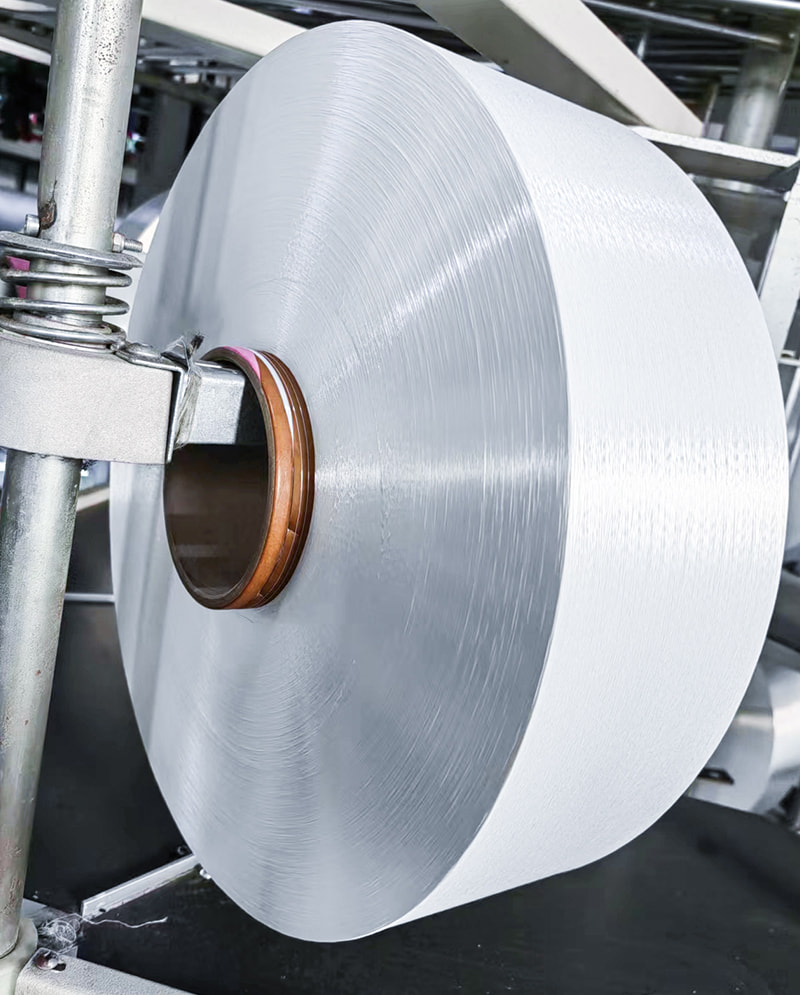 Wholesale Normal POY Yarn Manufacturers, Suppliers, FactoryAs China Normal POY Yarn manufacturers, suppliers and Normal POY Yarn factory, Suzhou Junhui Textile Co., Ltd offer wholesale Normal POY ...View Product →
Key Properties of Pre-Oriented Yarn
Before ordering POY, you should compare a few measurable properties against your intended process. The table below summarizes typical ranges for standard POY and explains why each property matters.
| Property | Typical Value | Why It Matters |
|---|---|---|
| Linear density (denier) | 50–600 D | Determines the final yarn count and affects fabric weight. |
| Filament count | 12–192 F | Higher filament counts produce softer, more supple fabrics. |
| Elongation at break | 110–150% | High elongation allows drawing or texturing without fiber fracture. |
| Tenacity | 2.0–3.0 cN/dtex | Lower than FDY, but sufficient for intermediate processing. |
| Shrinkage (dry heat) | 4–10% depending on IV and spinning speed | Affects dimensional stability during later heat-setting steps. |
| Package weight | 10–18 kg (typical) | Influences handling, machine efficiency, and waste rates. |
These values are not universal. A reliable supplier will provide a detailed specification sheet so you can verify that the POY matches your drawing or texturing parameters. Pay extra attention to elongation uniformity and the number of broken filaments, because these defects will carry into the DTY or FDY that you ultimately weave or knit.
POY vs FDY vs DTY: What Textile Buyers Should Know
Many sourcing mistakes happen when buyers assume that all polyester filament yarns are interchangeable. POY, FDY, and DTY have different molecular structures, so they perform differently in downstream processes. The comparison below gives a practical overview.
| Yarn Type | Orientation | Typical Elongation | Main Use |
|---|---|---|---|
| POY | Partially oriented | 110–150% | Intermediate for DTY and FDY production |
| FDY | Fully drawn | 25–50% | Weaving, knitting, and other direct fabric production |
| DTY | Textured (bulked) | 20–40% | Knit apparel, elastic fabrics, and lining materials |
In practice, if you receive POY and try to weave it directly, you will likely encounter high shrinkage, low strength, and poor dimensional stability. The yarn is designed to be changed. That is why you should specify the target end product when discussing specifications with your supplier. If your mill is producing textured yarn, your POY choice should focus on filament count and uniformity. If you plan to make FDY, the intrinsic viscosity of the POY feedstock matters more.
Main Uses of Pre-Oriented Yarn
POY is rarely sold to fabric makers as a finished product. Instead, it sits in the middle of the yarn supply chain. The most common uses are:
- Feedstock for draw texturising to produce DTY for knitwear, sportswear, hosiery, and lining fabrics.
- Feedstock for draw-warping and drawing processes to make FDY for woven fabrics, outerwear, and industrial textiles.
- Base yarn for air-texturing or air-covering with spandex or other filament yarns.
- Raw material for recycled yarn programs, where post-industrial PET waste is re-melted into POY before being converted into eco-friendly downstream yarns.
When you buy pre-oriented yarn, you are essentially buying process flexibility. A good POY lot can be processed on different machines to produce a range of DTY and FDY products, which is why many synthetic fabric manufacturers prefer to source POY and convert it in-house rather than purchasing each yarn type separately.
Buying Considerations for POY Yarn
If you are ready to source pre-oriented yarn, the following points should be part of your evaluation:
- Confirm the denier and filament count that matches your downstream texturising or drawing capacity.
- Check the product variant: SD, FD, CD, or TBR, depending on your dyeing and finishing requirements.
- Ask for the intrinsic viscosity of the chips and the package-to-package elongation variation.
- Review the winding quality and package shape to avoid broken filaments during unwinding.
- If sustainability is part of your product strategy, request recycled POY with an external certification such as GRS.
Recycled POY is increasingly common in textile supply chains. It uses reclaimed PET bottles or pre-consumer polyester waste, and it can be processed in the same way as virgin POY. For example, our recycled POY yarn is available in the same SD, FD, CD, and TBR variants as the normal product, allowing you to maintain your existing processing parameters while improving the environmental profile of your product line.
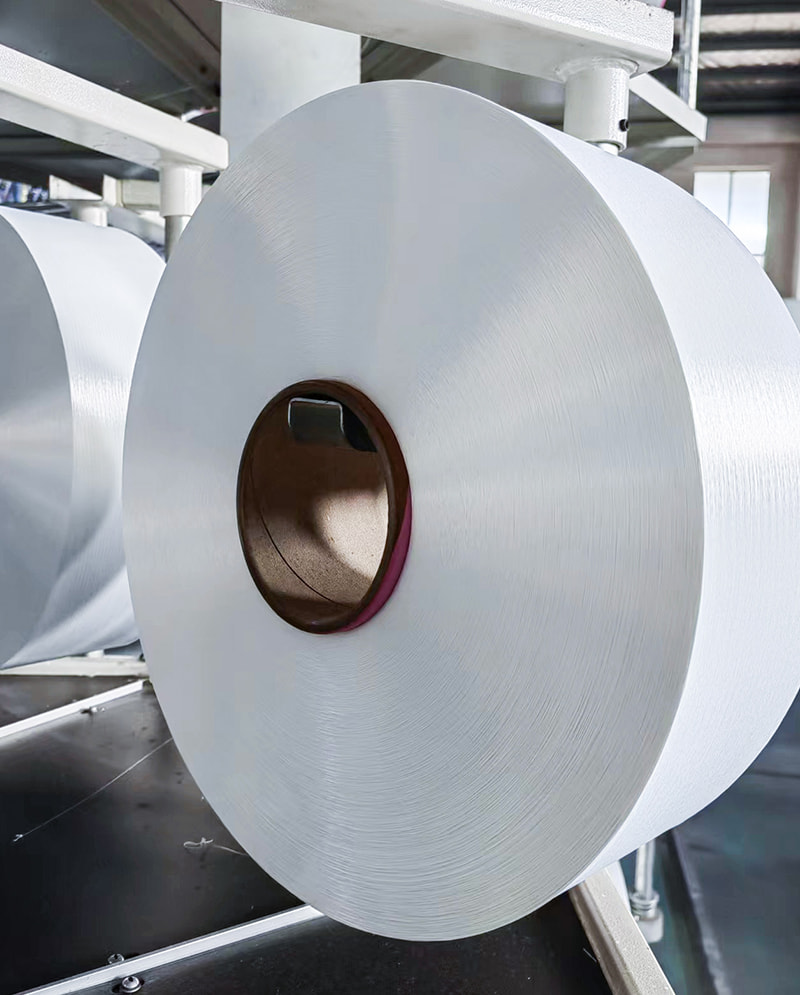 Wholesale Recycled POY Yarn Manufacturers, Suppliers, FactoryAs China Recycled POY Yarn manufacturers, suppliers and Recycled POY Yarn factory, Suzhou Junhui Textile Co., Ltd offer wholesale Recycle...View Product →
Sourcing POY from a Supplier with Process Knowledge
Because POY is an intermediate material, the best suppliers are those who understand the downstream processes. Suzhou Junhui Textile Co., Ltd. (operating the Xiaoran Group site) has been developing and selling differential yarns since 2015, with more than 90 percent of output exported to 36 countries. The company combines normal POY, FDY, DTY, high-elastic yarn, functional yarn, and recycled yarn product lines, which means you can coordinate your entire filament sourcing from one partner.
For buyers looking for both conventional and recycled POY, the company offers normal POY and recycled POY, with a GRS-certified recycled program. A dedicated team responds to global inquiries within 12 hours, and technical guidance on yarn selection and processing parameters is part of the sourcing experience. That kind of support becomes valuable when you are adapting a new denier or filament count to an existing fabric.
Popular products
-
Premium Cationic Interlock Stretch Comfort Fabric
-
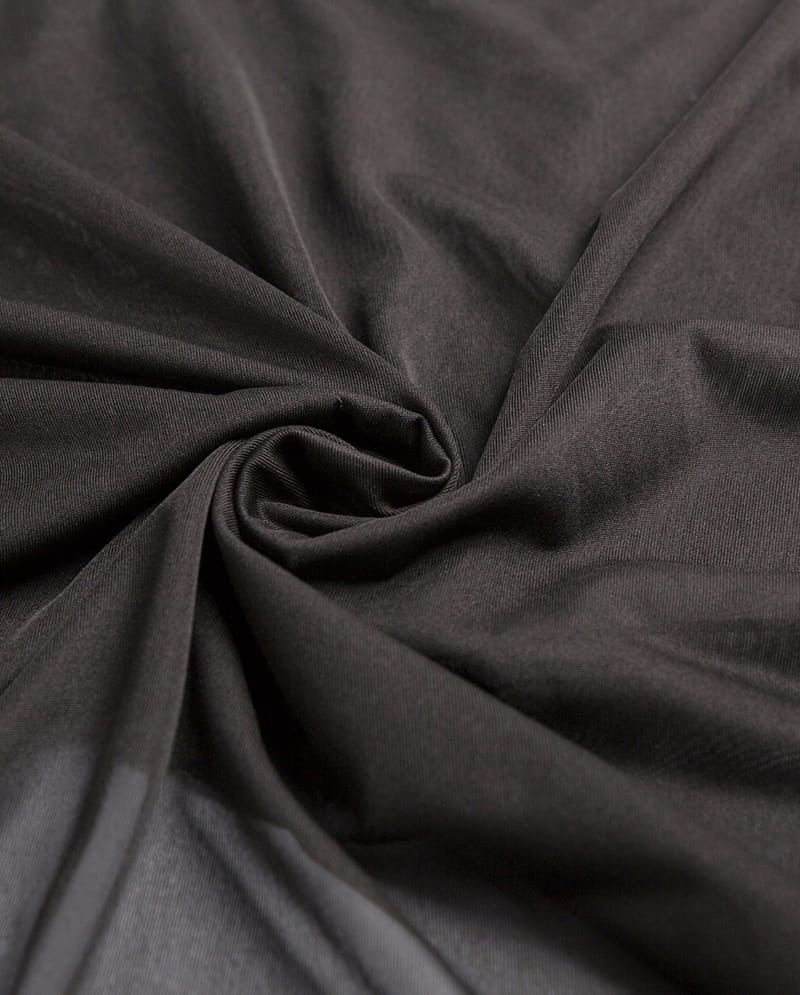
Moisture-Wicking Nylon Woven Fabric
-
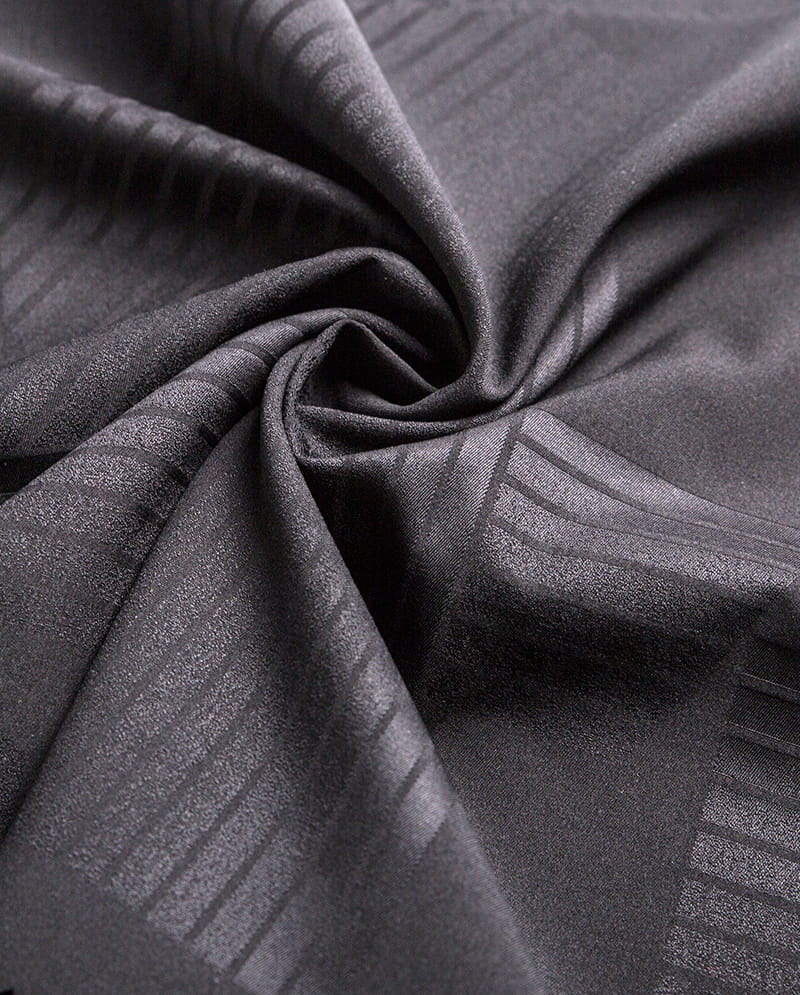
Double-faced jacquard elastic fabric
-
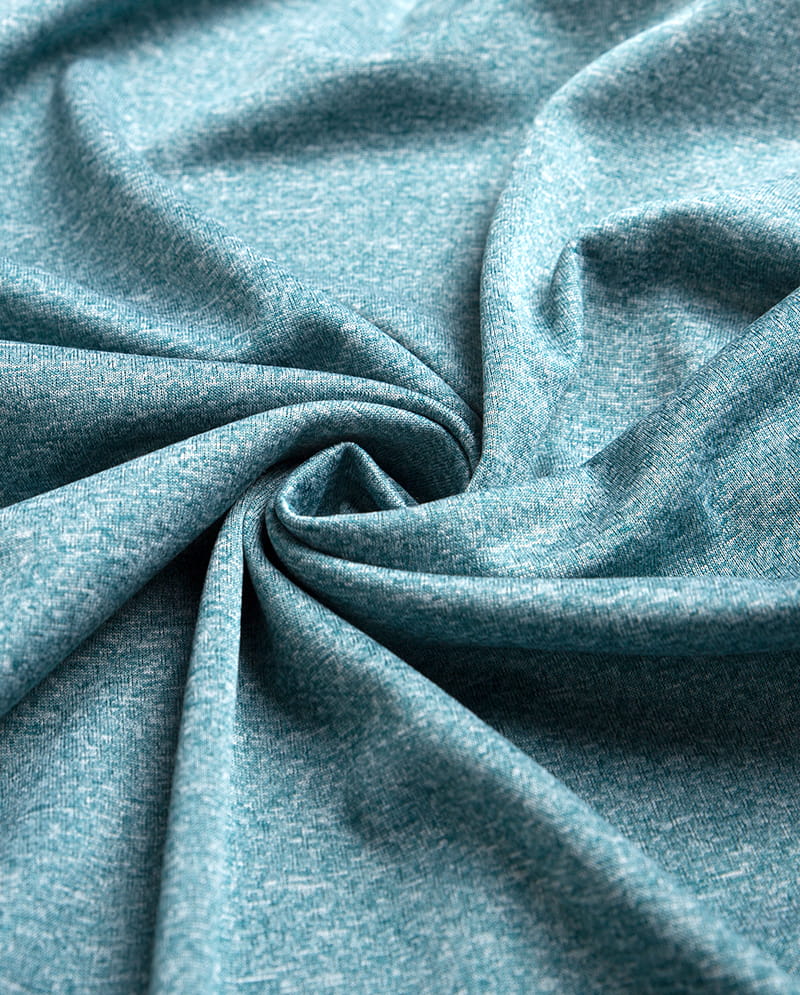
Heather Grey Double-faced cationic jersey fabric
-
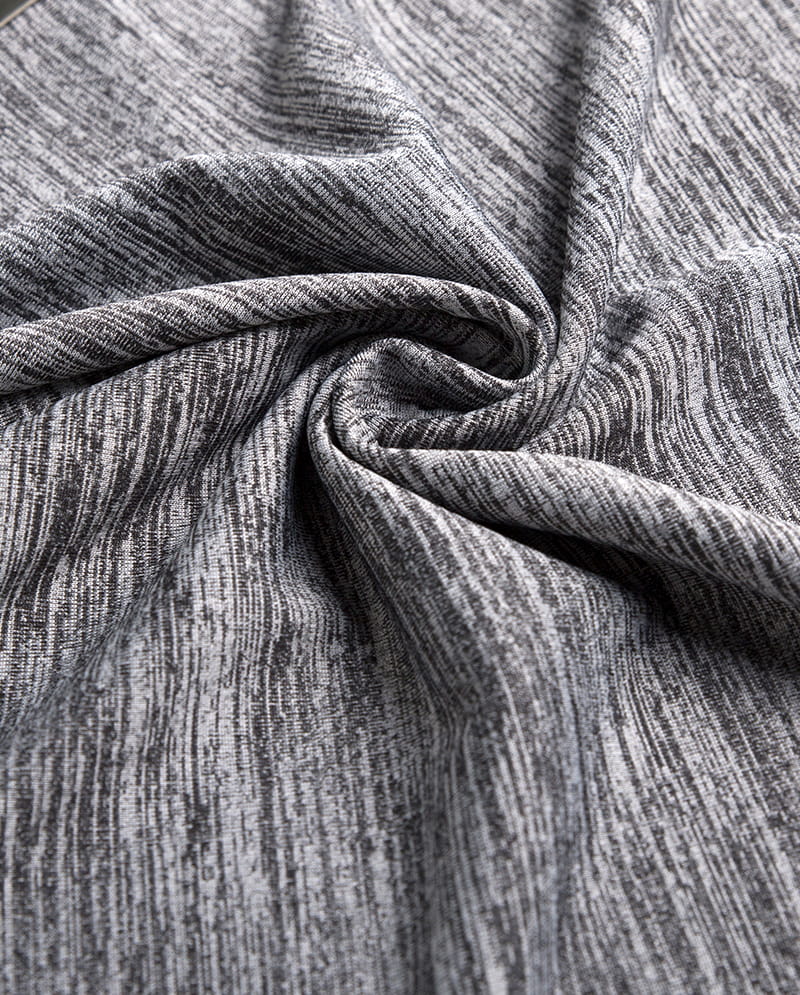
Anti-static Cationic Knitted Rib Fabric
-
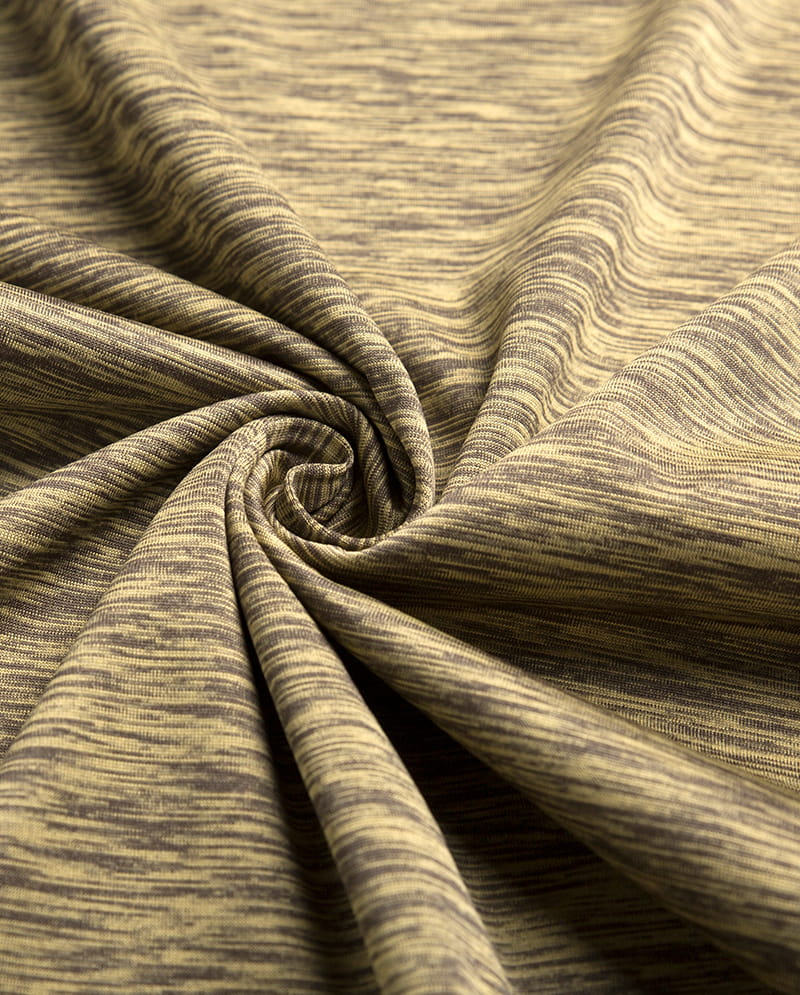
High-Stretch Cationic Jersey Fabric
-
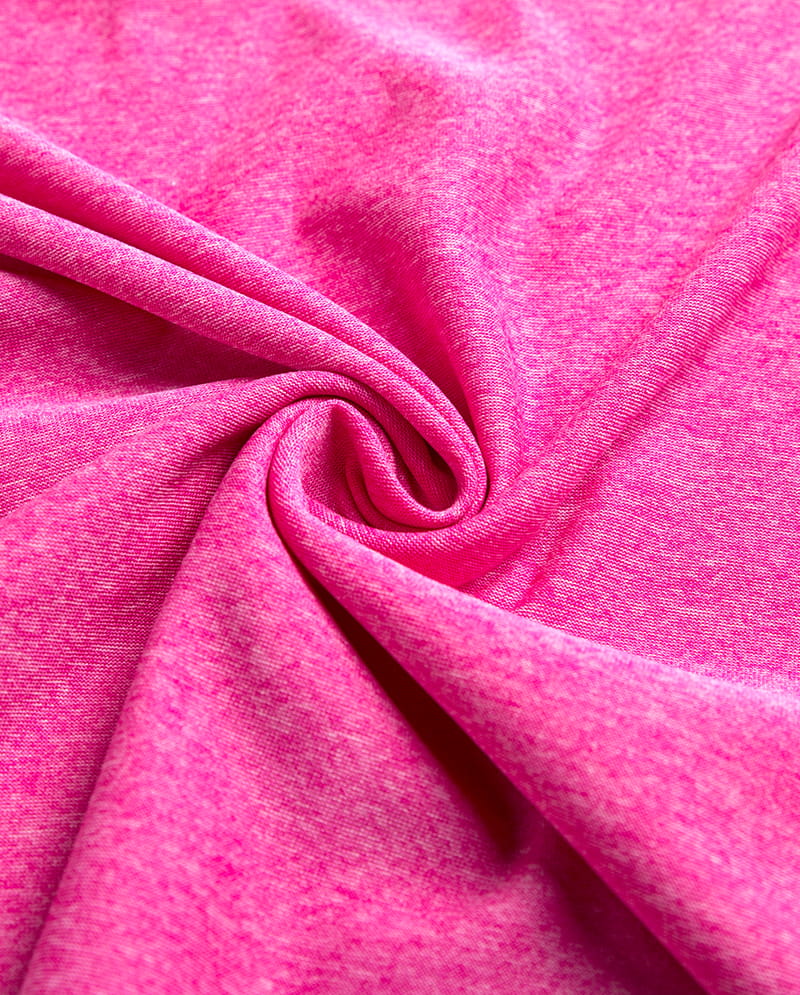
High Quality Cationic DTY Spandex Two Sides Brush Dralon Knit Fabric for Garment Thermal Underwear
-
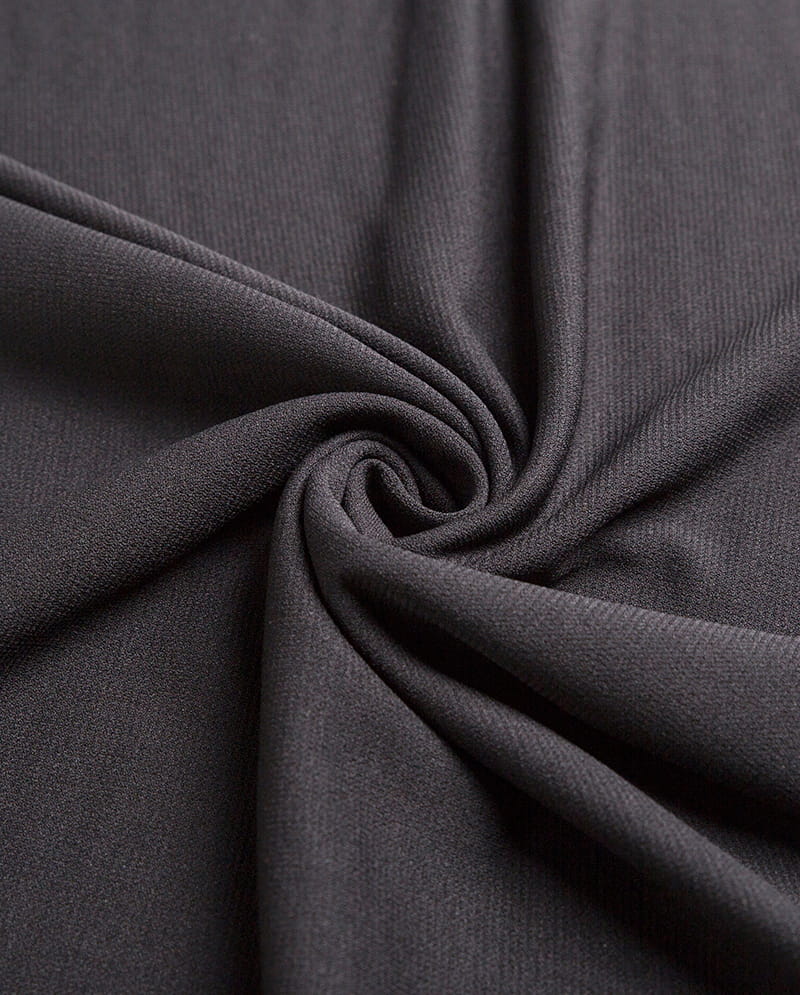
Durable Anti-Pilling Knitted Fabric for Home Textiles
-
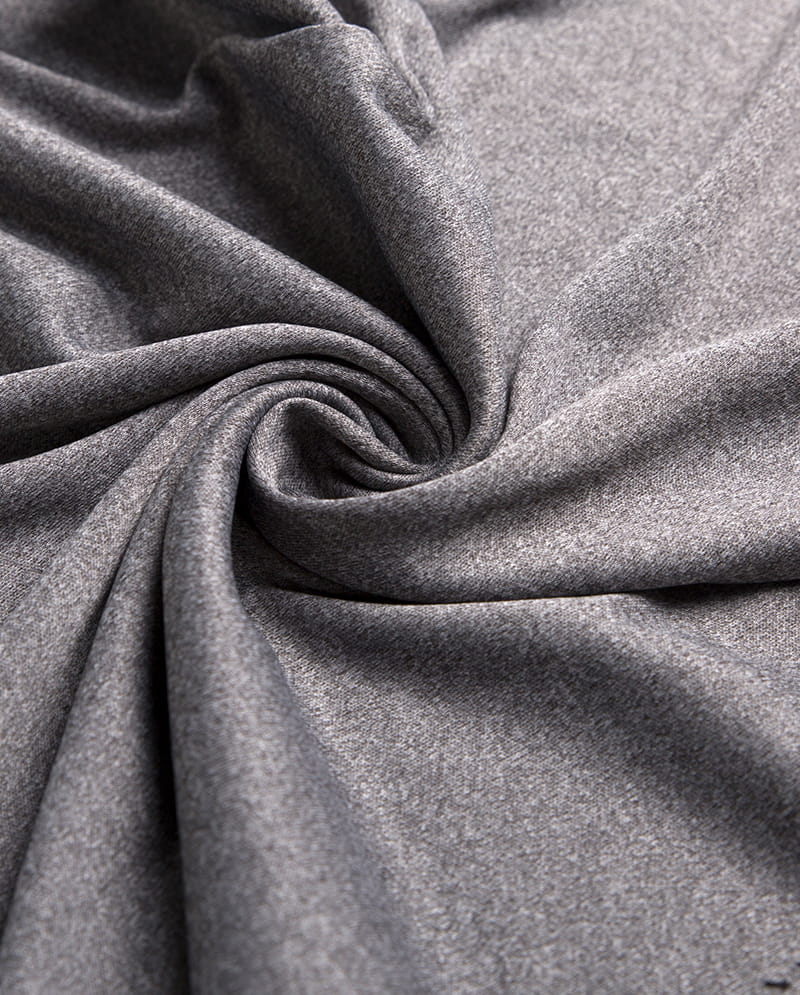
Wash-Resistant Cationic Elastic Knitted Fabric for Garment Industry
-
Breathable Double-Faced Elastic Composite Fabric
-
-
-
- whatsapp:
- 0086-13962559622
-
- skype:
- skype.aliceshenghong
-
- Wechat:

COPYRIGHT © 2016 Suzhou Junhui Textile Co., Ltd.
