

 EN
EN English
 中文简体
中文简体The Future of Fashion Fibers: Sustainable Innovations in DTY Yarn
Content
- 1 Why the Fashion Industry Is Rethinking Its Fibers
- 2 What Makes DTY Yarn Central to Sustainable Fashion
- 3 Recycled DTY: Closing the Loop on Plastic Waste
- 4 Bio-Based Fibers: The Next Frontier for DTY Innovation
- 5 Process Innovations: Dyeing, Water, and Energy
- 6 Smart Manufacturing and Automation
- 7 Functional Performance: Where Sustainability Meets Innovation
- 8 Certification and Traceability: Building Trust in the Supply Chain
- 9 The Road Ahead: DTY's Role in a Circular Textile Economy
Why the Fashion Industry Is Rethinking Its Fibers
The global textile industry is under mounting pressure to evolve. Responsible for roughly 10% of worldwide greenhouse gas emissions and approximately 20% of industrial wastewater, conventional fiber production can no longer be treated as a background operation. Brands, regulators, and consumers are demanding cleaner, more transparent supply chains — and the transformation starts at the yarn level.
At the center of this shift is Draw Textured Yarn (DTY) — one of the most widely used synthetic yarns in modern apparel and home textiles. Known for its elasticity, softness, and versatility, DTY is now being reimagined through a sustainability lens. From recycled raw materials to waterless dyeing and smart manufacturing, the innovations reshaping DTY yarn are setting the pace for the future of fashion fibers.
What Makes DTY Yarn Central to Sustainable Fashion
Before exploring the innovations, it helps to understand why DTY yarn is such a strategic material. Produced by drawing and false-twist texturing Partially Oriented Yarn (POY), DTY acquires a permanent crimped structure that gives it bulk, stretch, and a soft hand feel comparable to natural fibers. These DTY yarn properties — elasticity, moisture-wicking capability, color fastness, and durability — make it indispensable across sportswear, intimate apparel, knitwear, and home furnishings.
Its dominance in knitted fabrics also means that any sustainability upgrade to DTY has an outsized impact on the industry. Unlike niche bio-materials that require entire supply chain overhauls, DTY-based innovations can often be integrated as drop-in replacements — achieving measurable environmental gains without disrupting existing production workflows.
Recycled DTY: Closing the Loop on Plastic Waste
The most commercially mature sustainable innovation in DTY today is the shift to recycled polyester, particularly yarn produced from post-consumer PET bottles and industrial polyester waste. Known as rDTY (recycled Draw Textured Yarn), this category has seen rapid adoption as brands seek to meet environmental commitments without sacrificing fabric performance.
The production pathway is well-established: collected PET bottles are sorted, cleaned, shredded into flakes, and melt-extruded into continuous filaments. These filaments are then draw-textured using the same false-twist process as virgin DTY — resulting in a yarn with comparable tensile strength (typically 4.5–5.5 cN/dtex), consistent denier distribution, good dye affinity, and low shrinkage.
For brands and retailers requiring verified sustainability credentials, recycled polyester yarn certified to GRS (Global Recycled Standard) and Oeko-Tex Standard 100 is increasingly specified as a direct replacement for virgin DTY. The performance parity is strong enough that many manufacturers treat rDTY as a standard-grade material rather than a premium niche product.
The environmental case is equally compelling. By diverting post-consumer plastic from landfills and oceans, rDTY production significantly reduces carbon emissions compared to virgin polyester synthesis — all while maintaining the stretch, softness, and durability that DTY users demand.
Bio-Based Fibers: The Next Frontier for DTY Innovation
While recycled PET represents an improvement within the existing synthetic paradigm, a more radical shift is emerging: the development of bio-based feedstocks for polyester-type yarn production. Researchers and startups are exploring ways to synthesize polyester precursors — the terephthalic acid (PTA) and monoethylene glycol (MEG) that form the backbone of polyester — from agricultural waste, carbon dioxide emissions, and cellulosic sources rather than fossil fuels.
One notable example involves capturing industrial CO₂ emissions and converting them into the chemicals used in polyester synthesis. This approach could allow DTY-type yarns to be produced with a net-positive climate footprint — actively removing carbon from the atmosphere rather than adding to it. Though still scaling, such technologies signal that the long-term future of DTY may not rely on petroleum at all.
In parallel, agricultural waste streams — hemp processing residue, citrus peels, pineapple leaf fiber — are being explored as cellulosic inputs that can complement or partially replace synthetic components in blended yarn constructions. These developments align DTY innovation with the broader industry transition from a petroleum-based fiber economy toward a more circular, cellulose-centered supply chain.
Process Innovations: Dyeing, Water, and Energy
Sustainable DTY innovation is not limited to raw materials. The dyeing and finishing stage — historically one of the most resource-intensive and polluting steps in textile production — is undergoing significant reform.
Waterless and low-bath dyeing methods are being adopted to drastically cut water consumption. By increasing yarn weight during dyeing (reducing the bath ratio) and maximizing recycled water reuse, leading manufacturers have reported water savings of 20–40% per kilogram of yarn produced without sacrificing color vibrancy or fastness.
Energy efficiency improvements are equally significant. Insulating dyeing tanks to reduce steam requirements, upgrading texturing machines with precision heat controls, and integrating solar energy into plant operations are all reducing the carbon footprint of DTY production at the facility level.
Waterless dyeing processes — such as those using supercritical CO₂ as a dye carrier instead of water — are also advancing, offering the prospect of near-zero water usage in coloration while achieving excellent dye penetration and color consistency across a range of yarn deniers and filament counts.
Smart Manufacturing and Automation
Sustainability and quality are increasingly inseparable in advanced DTY production. Smart manufacturing technologies — real-time machine monitoring, AI-driven process optimization, and robotic handling systems — are helping mills produce more consistent yarn with less waste, fewer defects, and lower energy consumption per unit output.
Precision control of draw ratios, heater temperatures, and twist multipliers during the texturing process reduces yarn breakage, minimizes off-spec production, and ensures that each package of DTY meets exact specifications for elongation, bulkiness, and dye uptake. This level of process control is particularly valuable when working with recycled feedstocks, which can introduce slight variability compared to virgin polyester chips.
Automation also addresses a structural challenge facing the industry: the rising difficulty of securing skilled labor for labor-intensive textile operations. By shifting toward automated production systems, manufacturers can maintain output quality while building more resilient, scalable operations.
Functional Performance: Where Sustainability Meets Innovation
One of the most exciting dimensions of DTY's future is the convergence of sustainability with high-performance functionality. Modern DTY is no longer a commodity yarn — it is increasingly engineered to deliver specific technical properties that align with both fashion and environmental goals.
Innovative yarn constructions include:
- Microfine DTY: Ultra-fine filament counts that deliver silk-like softness with minimal material use per fabric area, reducing the total fiber input needed for a given garment.
- Cationic-dyeable DTY: Yarn engineered for dyeing at lower temperatures, reducing the energy required in the coloration process while expanding color range and depth.
- Flame-retardant DTY: High-performance variants that meet fire-safety standards for workwear and home textiles without relying on halogenated chemical additives.
- Monomaterial DTY constructions: Fabrics engineered from a single fiber type to enable end-of-life recycling — a key requirement for circular economy compliance and extended producer responsibility (EPR) frameworks taking effect across the EU and beyond.
Understanding the right yarn specification for each application — including how FDY vs DTY choices affect fabric structure, drape, and recyclability — is a critical part of sustainable product development for brands and fabric engineers alike.
Certification and Traceability: Building Trust in the Supply Chain
As sustainability claims proliferate, certification and traceability have become non-negotiable components of credible DTY sourcing. The key standards shaping the market include:
| Certification | Scope | Relevance to DTY |
|---|---|---|
| GRS (Global Recycled Standard) | Verifies recycled content throughout the supply chain | Essential for rDTY; required by most major brands |
| Oeko-Tex Standard 100 | Tests for harmful substances in finished yarn/fabric | Consumer safety assurance for skin-contact applications |
| REACH Compliance | EU chemical safety regulations | Required for export to European markets |
| bluesign® | Resource efficiency and chemical management in production | Increasingly demanded by performance apparel brands |
Beyond certification, digital traceability tools — including blockchain-based fiber tracking and QR-code-linked product passports — are beginning to provide end-to-end visibility from raw material source to finished garment. This transparency is becoming a competitive differentiator for DTY manufacturers supplying global fashion brands with strict supply chain disclosure requirements.
The Road Ahead: DTY's Role in a Circular Textile Economy
The future of fashion fibers will be defined by circularity — the ability to recover, recycle, and reuse materials at the end of a product's life. DTY yarn, as the most widely used knitted fabric input globally, will play a central role in this transition.
Key developments to watch include the scale-up of chemical recycling technologies that can break down polyester garments back into their monomer building blocks — allowing recycled content to match virgin polyester quality without performance trade-offs. Combined with monomaterial fabric design principles and growing EPR legislation, these technologies could enable a genuinely closed-loop polyester textile system.
Simultaneously, the development of bio-based polyester from non-fossil feedstocks promises to eventually decouple DTY production from petroleum entirely — a transformation that would fundamentally change the sustainability profile of synthetic fiber manufacturing.
For manufacturers, brands, and buyers navigating these changes, the strategic imperative is clear: sustainable DTY innovation is not a future consideration. It is a present-day competitive requirement, and those who build it into their product development and sourcing strategies now will be best positioned as regulatory, consumer, and investor expectations continue to tighten.
Popular products
-

Premium Cationic Interlock Stretch Comfort Fabric
-
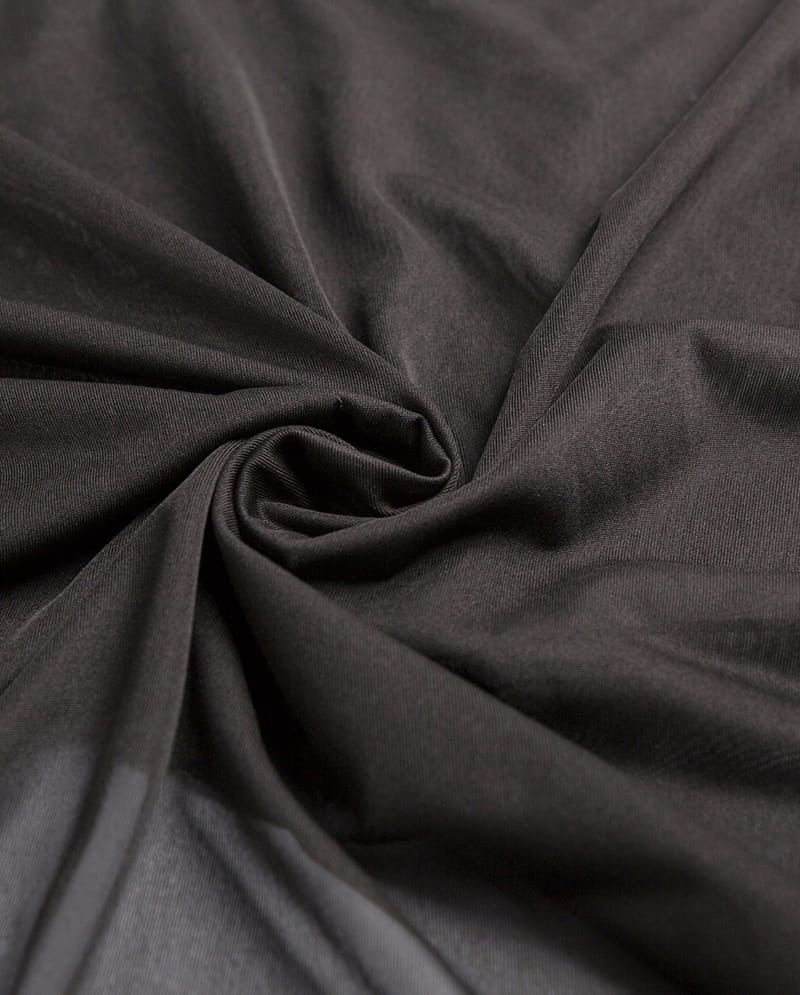
Moisture-Wicking Nylon Woven Fabric
-
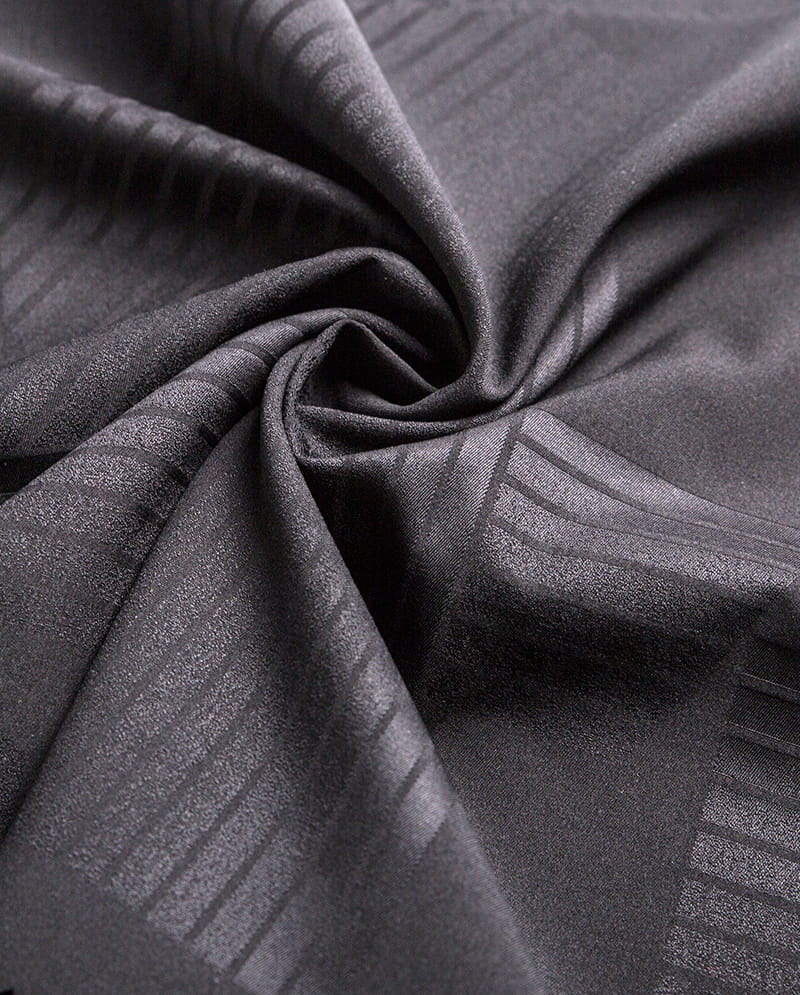
Double-faced jacquard elastic fabric
-
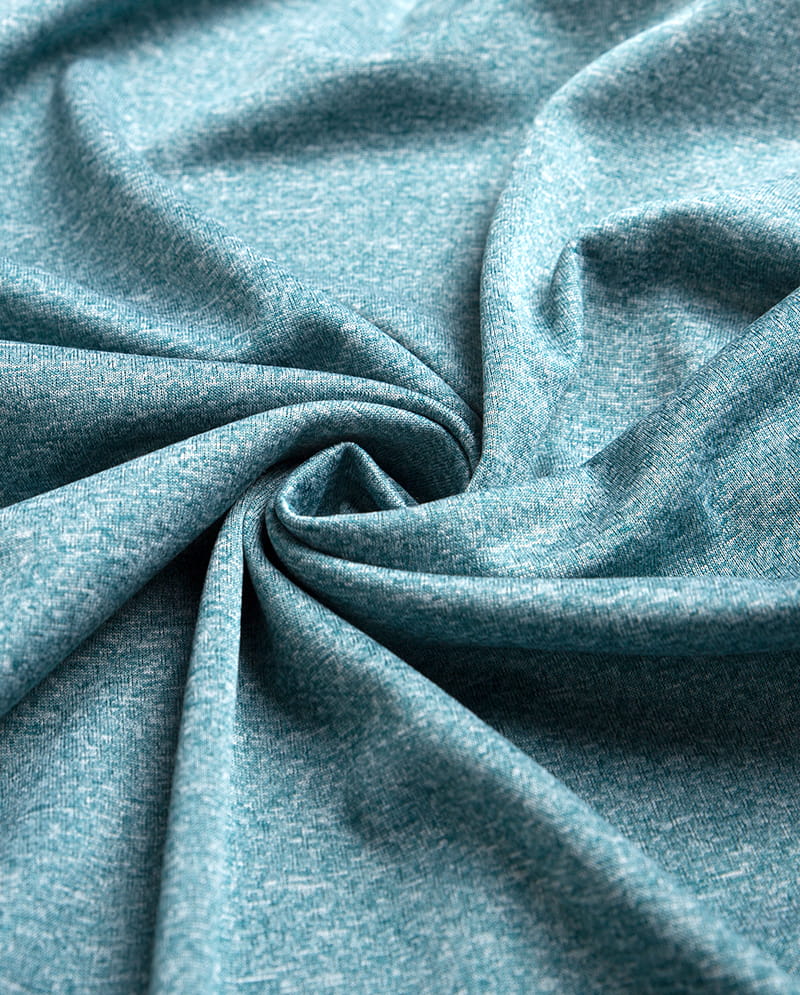
Heather Grey Double-faced cationic jersey fabric
-
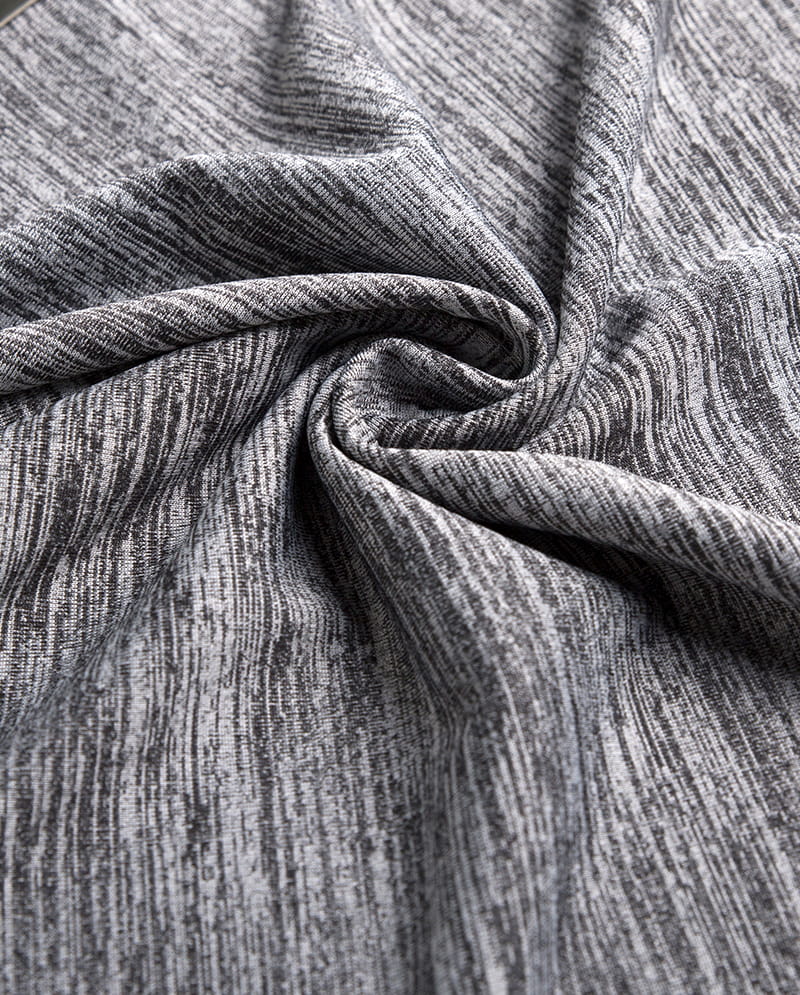
Anti-static Cationic Knitted Rib Fabric
-
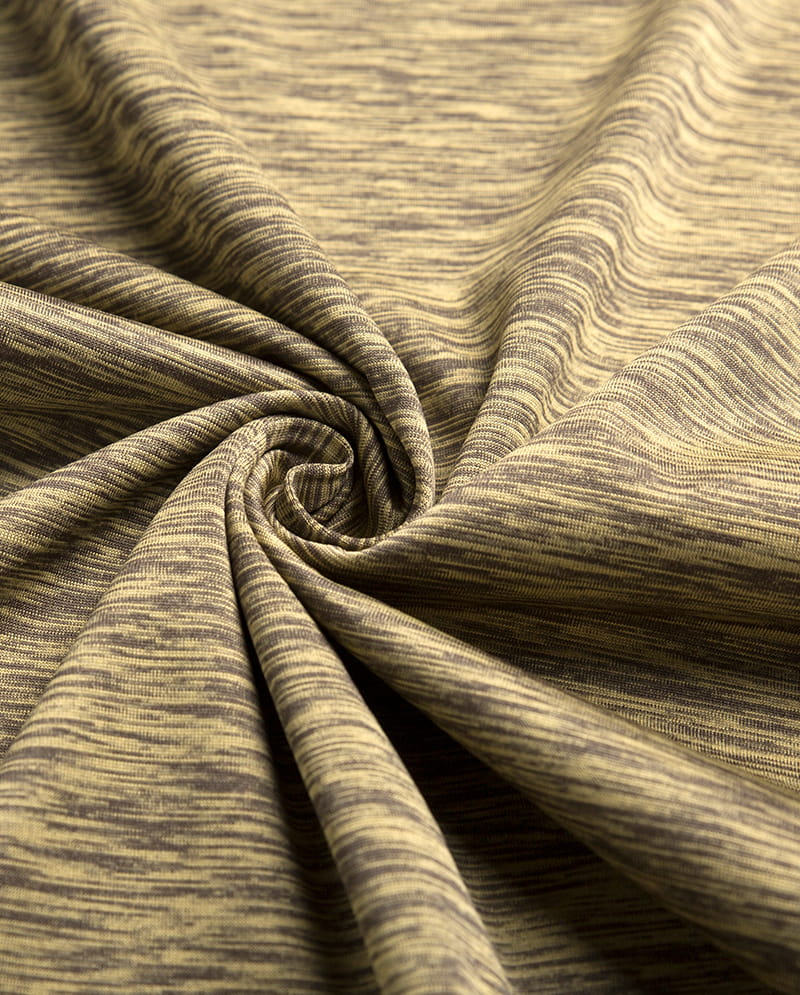
High-Stretch Cationic Jersey Fabric
-
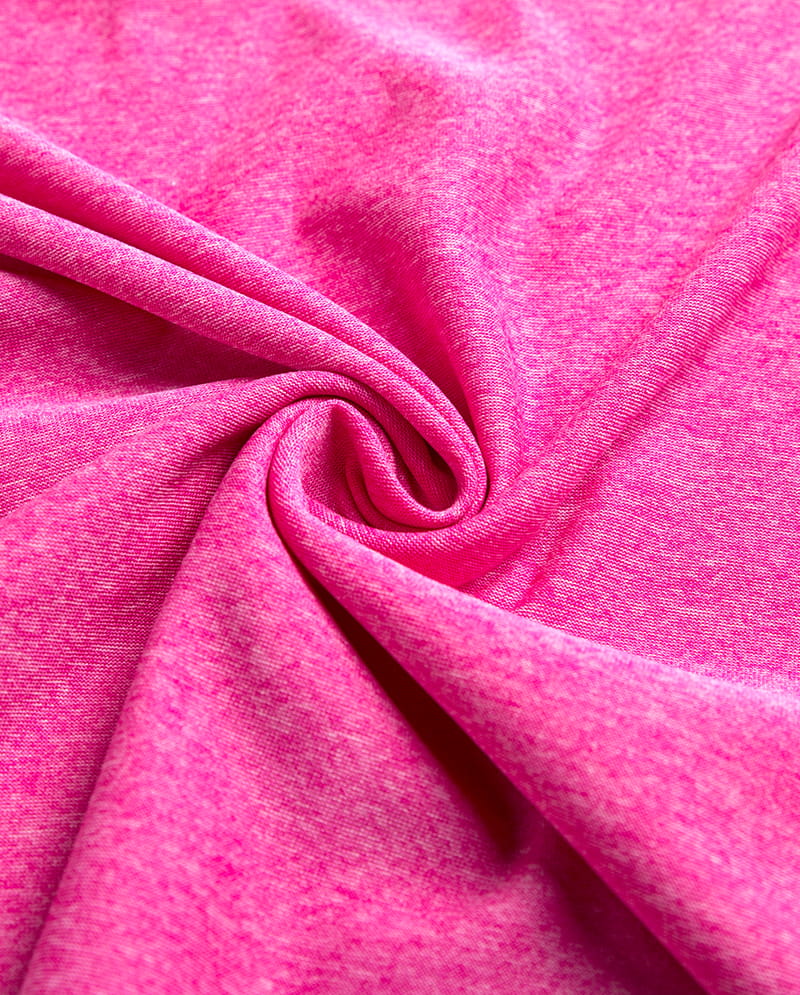
High Quality Cationic DTY Spandex Two Sides Brush Dralon Knit Fabric for Garment Thermal Underwear
-
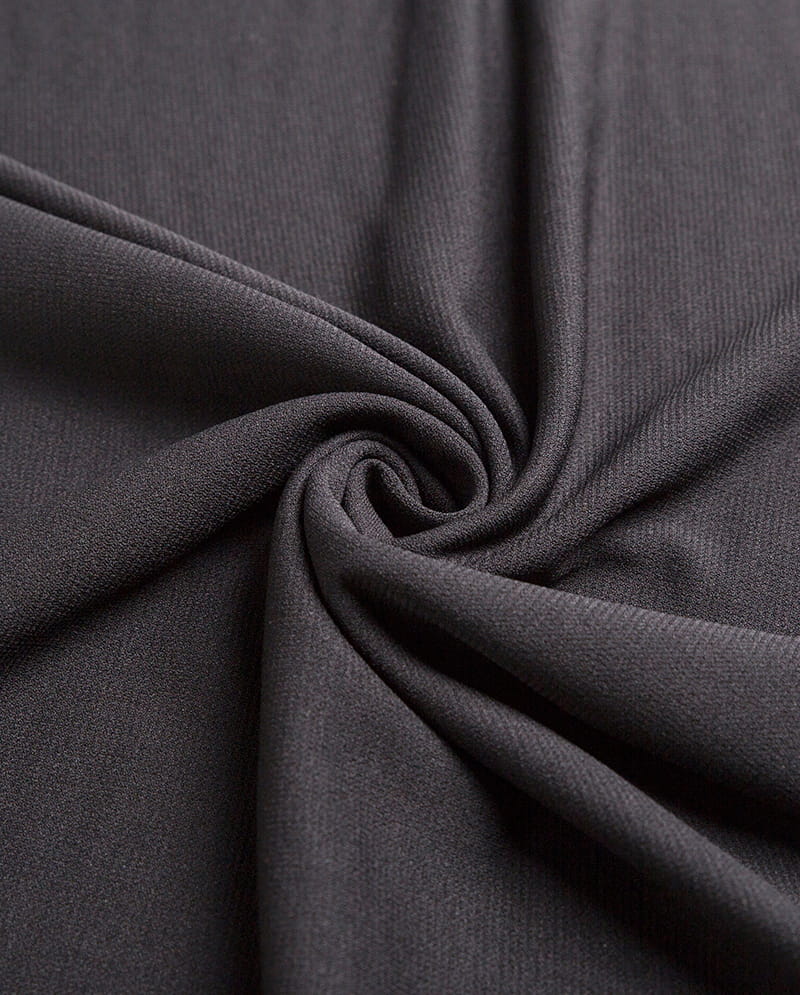
Durable Anti-Pilling Knitted Fabric for Home Textiles
-
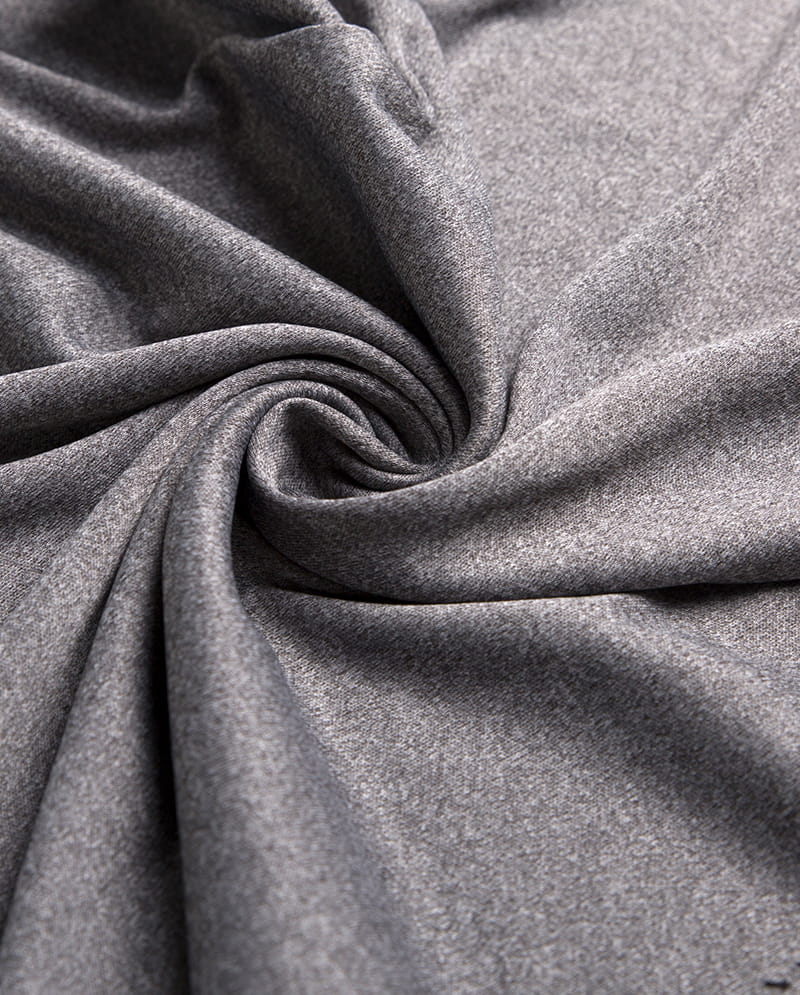
Wash-Resistant Cationic Elastic Knitted Fabric for Garment Industry
-
Breathable Double-Faced Elastic Composite Fabric
-
-
-
- whatsapp:
- 0086-13962559622
-
- skype:
- skype.aliceshenghong
-
- Wechat:


COPYRIGHT © 2016 Suzhou Junhui Textile Co., Ltd.
