

 EN
EN English
 中文简体
中文简体FDY vs DTY Yarn: Key Differences, Properties & How to Choose
Content
FDY and DTY Yarn Are Not the Same — Here's Why It Matters
FDY (Fully Drawn Yarn) and DTY (Draw Textured Yarn) are both polyester-based filament yarns widely used in textile manufacturing, but they differ fundamentally in structure, texture, and end-use performance. Choosing the wrong type can lead to fabric that feels stiff when it should be stretchy, or too elastic when it should hold a clean drape. Understanding the distinction upfront saves cost and rework down the line.
FDY is smooth, straight, and fully oriented during production. DTY goes through an additional texturing process that introduces crimps and loops, giving it bulk, softness, and stretch. That single manufacturing difference cascades into very different fabric outcomes.
Production Process: Where the Difference Begins
FDY is produced through a spin-draw process in a single step. Polyester chips are melted, extruded through a spinneret, and simultaneously drawn (stretched) at high speed — typically between 3,500 and 6,000 meters per minute. This continuous drawing fully orients the molecular chains, resulting in a smooth, lustrous filament with high tenacity and low elongation.
DTY starts from POY (Partially Oriented Yarn) — a semi-finished intermediate with incomplete molecular orientation. POY is then fed through a draw-texturing machine, where it is simultaneously drawn and false-twist textured using friction discs or pin spindles. This imparts a helical crimp structure to the filaments. The result is a yarn with a bulkier, softer feel and significant elastic recovery.
| Property | FDY | DTY |
|---|---|---|
| Raw material | Polyester chips | POY (Partially Oriented Yarn) |
| Process steps | Single-step spin-draw | Two-step: POY spinning + draw-texturing |
| Filament structure | Smooth, straight | Crimped, looped |
| Molecular orientation | Fully oriented | Fully drawn + textured |
Physical Properties: Texture, Stretch, and Handle
These structural differences translate directly into how each yarn behaves in fabric.
FDY Characteristics
- Surface sheen: FDY has a naturally bright, smooth luster due to its straight filament arrangement. It's frequently used in semi-dull, bright, or optical white variants depending on the TiO₂ content.
- Low elongation: FDY has an elongation at break typically between 25–40%, making it dimensionally stable and resistant to distortion.
- High tenacity: Tensile strength is higher than DTY, typically ranging from 3.5 to 5.0 g/d, making it suitable for woven fabrics requiring durability.
- Flat handle: The smooth surface results in a clean, flat hand feel — ideal for structured apparel and home textiles.
DTY Characteristics
- Bulk and softness: The crimp structure increases bulk by 30–50% compared to an equivalent FDY count, giving DTY fabrics a fuller, softer hand feel that closely mimics natural fibers like wool or cotton.
- Stretch and recovery: DTY has an elongation at break of 40–60% or higher, with good elastic recovery, making it suitable for knitted fabrics and stretch wovens.
- Moisture wicking: The inter-filament spaces created by crimping improve capillary action, enhancing moisture transport — a functional advantage in sportswear and activewear.
- Subdued luster: DTY generally has a more matte, natural appearance compared to the higher gloss of FDY.
Application Areas: Which Yarn Fits Which Fabric
The right choice between FDY and DTY depends almost entirely on the end-use requirements of the fabric.
FDY is the preferred choice for:
- Woven fabrics such as taffeta, satin, chiffon, and georgette — where smooth surface, clean drape, and dimensional stability are critical
- Lining fabrics for garments and bags
- Industrial textiles including seat belts, tire cord, and conveyor belts, where high tenacity is required
- Home textiles such as curtains and bedsheets that benefit from sheen and wrinkle resistance
- Embroidery threads and narrow fabrics where precision and yarn integrity matter
DTY is the preferred choice for:
- Knitted fabrics including jersey, interlock, and fleece — where softness, stretch, and recovery are priorities
- Activewear, sportswear, and athleisure garments
- Velvet, velour, and pile fabrics that require a dense, plush surface
- Casual and outerwear fabrics where a natural, wool-like texture is desired
- Socks, underwear, and hosiery where comfort and conformability are essential
Denier, Count, and Pricing Considerations
Both FDY and DTY are available across a wide denier range — commonly from 20D to 300D — and can be manufactured in varying filament counts (e.g., 20D/24F, 75D/72F, 150D/48F). Finer deniers produce lighter, more delicate fabrics; higher deniers are used for heavier, more durable applications.
In terms of cost, FDY is typically less expensive than DTY at equivalent denier, because it requires fewer processing steps. DTY production involves an additional draw-texturing stage, which adds machinery cost, energy consumption, and processing time. The price gap varies by denier and market conditions, but DTY commonly trades at a 10–25% premium over FDY of the same specification.
From a dyeing perspective, DTY's textured structure can result in slightly uneven dye absorption if processing parameters are inconsistent — this is particularly relevant for solid-color knit fabrics where color uniformity is critical. FDY, with its uniform filament structure, tends to dye more evenly in woven applications.
How to Choose Between FDY and DTY
Use the following framework when specifying yarn for a new project:
- Determine the fabric construction first. Woven fabric → lean toward FDY. Knit fabric → lean toward DTY.
- Assess the handle requirement. If the end product must feel smooth, structured, and lustrous, FDY is typically the right call. If it needs to feel soft, bulky, or stretchy, DTY is the better fit.
- Consider the functional requirements. High-stretch applications (sportswear, hosiery) benefit from DTY's elastic recovery. Load-bearing or high-abrasion applications favor FDY's tensile strength.
- Factor in budget. If performance requirements allow either type, FDY will generally offer a lower material cost.
- Review the luster preference. For fabrics with a silky, high-sheen finish, FDY is preferable. For a more natural, matte appearance, DTY is the standard choice.
In some cases — particularly in stretch wovens and technical fabrics — FDY and DTY are blended or used in combination within the same fabric construction to balance sheen, stretch, and stability simultaneously.
Popular products
-
Premium Cationic Interlock Stretch Comfort Fabric
-
Moisture-Wicking Nylon Woven Fabric
-
Double-faced jacquard elastic fabric
-
Heather Grey Double-faced cationic jersey fabric
-
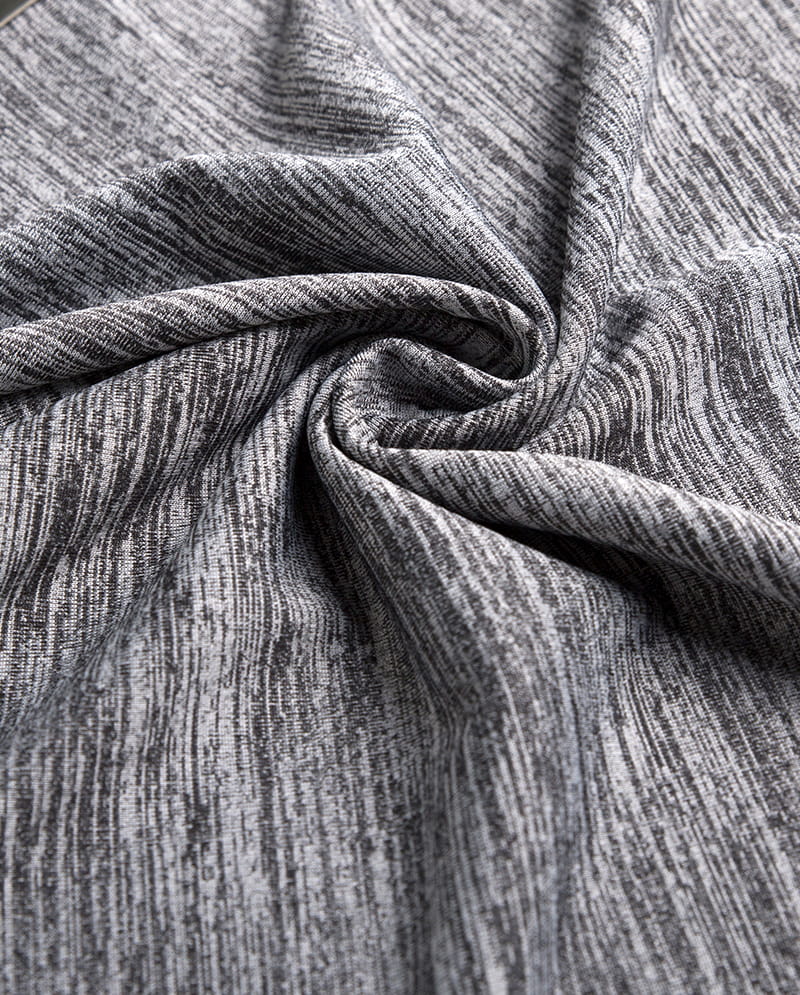
Anti-static Cationic Knitted Rib Fabric
-
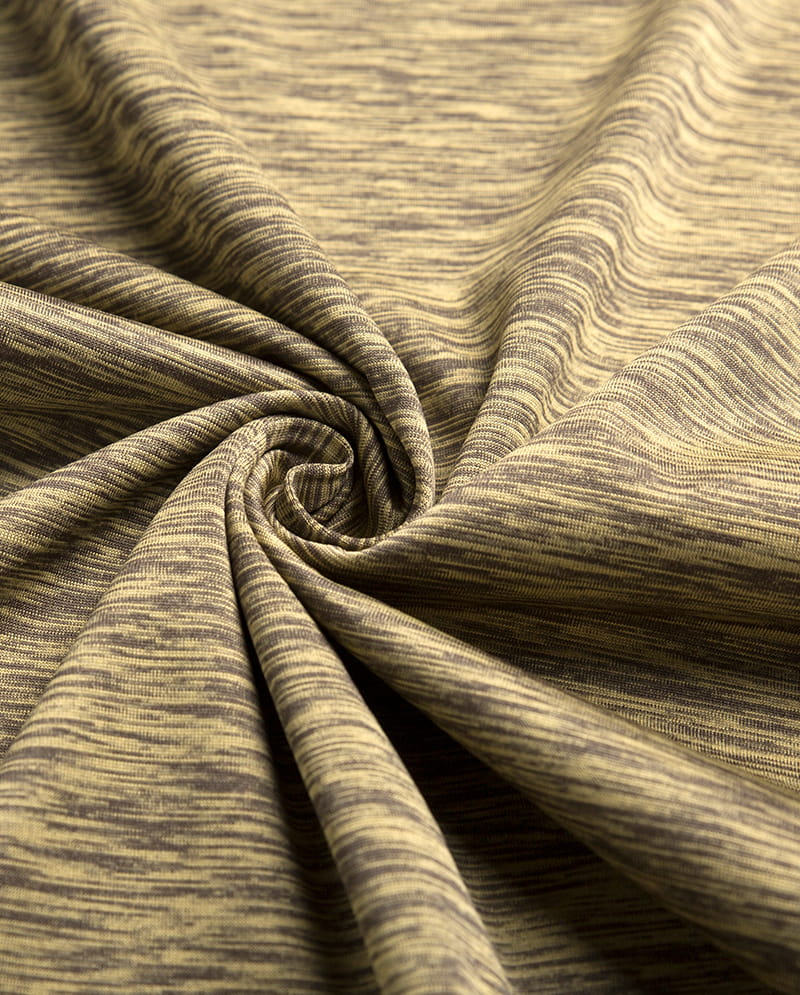
High-Stretch Cationic Jersey Fabric
-
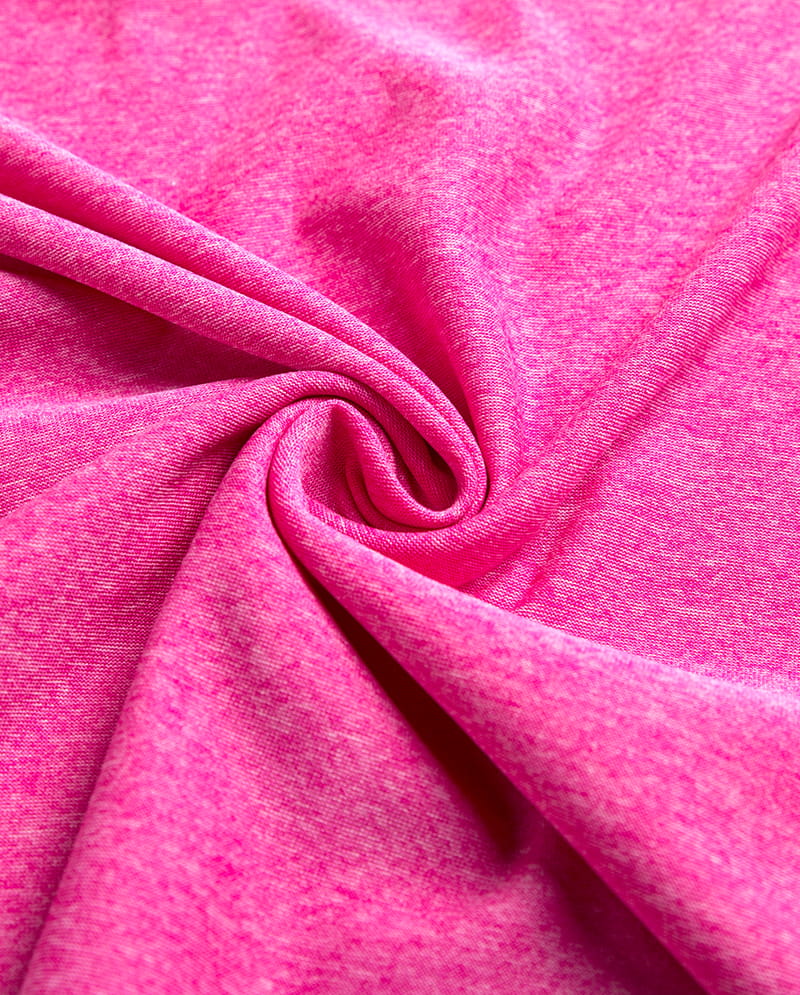
High Quality Cationic DTY Spandex Two Sides Brush Dralon Knit Fabric for Garment Thermal Underwear
-
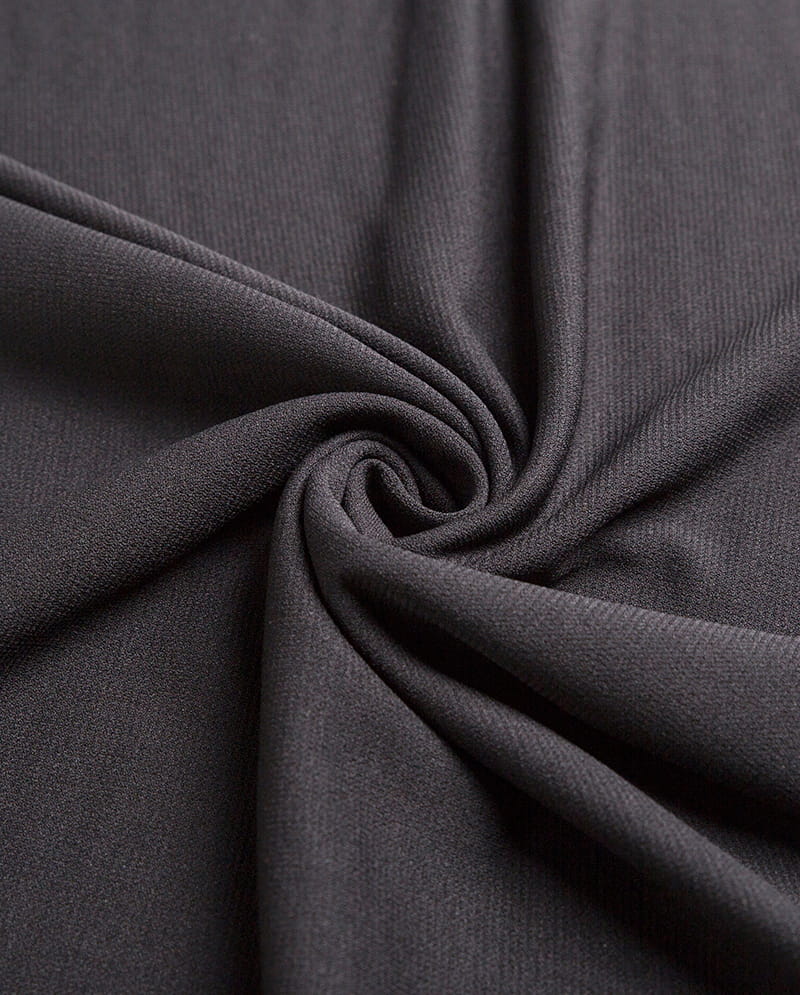
Durable Anti-Pilling Knitted Fabric for Home Textiles
-
Wash-Resistant Cationic Elastic Knitted Fabric for Garment Industry
-
Breathable Double-Faced Elastic Composite Fabric
-
-
-
- whatsapp:
- 0086-13962559622
-
- skype:
- skype.aliceshenghong
-
- Wechat:


COPYRIGHT © 2016 Suzhou Junhui Textile Co., Ltd.
