

 EN
EN English
 中文简体
中文简体Standard 100 by Oeko Tex: Applications, Selection Criteria, and Practical Guidance
Content
A tech pack lands with one line that can stop a shipment: every component, including the yarn, must be certified to STANDARD 100 by OEKO-TEX, product class II. If the spinner you nominated cannot produce a certificate number and a current test report, the fabric mill cannot hand the article to its certifier, and the order stalls at sampling rather than at shipping.
STANDARD 100 by OEKO-TEX is a product-level certification confirming that a specific textile article, from yarn to finished product, has been tested for harmful substances and meets the limit values set out in the standard test criteria. It belongs to an article and a production site, not to a brand or a product family.
That distinction drives most of the friction in yarn sourcing. Buyers ask for the label, spinners hold certificates on some articles and not on others, and the mismatch only becomes visible when the fabric mill tries to register the finished article for its own certification.
What the Label Actually Certifies
STANDARD 100 by OEKO-TEX certifies chemical safety at article level: one specific yarn, fabric or finished good, produced at one named site, tested against the current version of the standard criteria.
The label dates from 1992 and is issued through the OEKO-TEX association and its independent member institutes rather than by a single laboratory. Certificates run for twelve months. A certified yarn, a certified fabric and a certified garment are three separate documents, each with its own number and validity date.
The modular logic behind the scheme is what makes it useful downstream. If the yarn entering a knit already holds a valid certificate, the fabric mill testing scope can be narrower, because part of the article has already been assessed. That is why the requirement keeps being pushed up the chain to the spinner instead of staying at the retail end.
Definition: STANDARD 100 is a chemical-safety certification at the level of the article. It answers one question, whether the tested article contains harmful substances above defined limit values, and it deliberately does not answer questions about recycled content, origin, working conditions or performance.
Product Classes and How They Map to Yarn and Fabric
Product classes sort articles by how much skin contact the intended end use involves, and they set how strict the limit values are: class I is the strictest and class IV the most permissive.
| Product class | Skin contact | Typical articles | What it changes |
| Class I | Direct and prolonged, children up to three years | Baby bodysuits, sleepwear, bedding, teething articles | Strictest limits, plus saliva and perspiration resistance |
| Class II | Direct and extensive | T-shirts, underwear, socks, sportswear, next-to-skin knits | The class most apparel yarns are certified under |
| Class III | Little or no direct contact | Jackets, coats, outer shells, linings | More leeway on several parameters |
| Class IV | Furnishing use | Curtains, upholstery, table linen, floor coverings | Separate parameter set for interior textiles |
Paperwork usually refers to annexes rather than classes alone: Annex 4 for articles with skin contact, Annex 5 for articles without skin contact, Annex 6 for baby and toddler articles, and Annex 7 for furnishing materials. The class you declare has to match the end use you market, because a class II claim on a curtain, or a furnishing annex on a next-to-skin knit, will not survive a compliance review.
Yarn is normally certified at the class of its most demanding intended end use. A textured yarn sold into both socks and outerwear tends to be certified under class II, because that is the tighter claim the buyer will make.
What Is Tested, and Where the Standard Stops
Testing screens both regulated substances that carry legal limit values and non-regulated substances that are harmful to health but not yet legislated, and the criteria list is revised at least once a year.
- Regulated substances: azo colourants, formaldehyde, heavy metals, chlorinated phenols, phthalates and pesticide residues.
- Non-regulated harmful substances: screened proactively even where no legal limit exists yet.
- PFAS and total fluorine: added in recent criteria updates, which matters for water-repellent and soil-release finishes.
- Migration behaviour: colourfastness to perspiration and saliva matters for classes I and II, where the risk being managed is transfer onto skin.
Four things sit outside the scope. Fibre content and recycled claims belong to GRS or RCS rather than to STANDARD 100. Performance properties such as tenacity, shrinkage and pilling are not tested. Social compliance and site-level chemical management are handled by other schemes. And the certificate does not follow a recipe: change the dyestuff, the spin finish or the production site, and the earlier result no longer describes the article you are shipping.
A longer walkthrough of how the criteria and annexes are structured is in our guide to OEKO-TEX Standard 100 for yarn and fabric.
A pass is not a claim that an article is chemical-free. It states that the tested parameters sat below defined limit values in the samples drawn at that time, on that production line.
Why a Valid Certificate Moves the Order Forward
A valid STANDARD 100 certificate on the yarn shortens the testing path downstream, which is why the requirement now appears in yarn purchase specifications rather than only in retail contracts.
What it does for you
- Gives the fabric mill a certified input, so the finished-article test scope can be narrower.
- Meets most retailer restricted-substance lists without a separate submission.
- Allows the certificate number and label to be used in marketing, within the label rules.
- Supports class I and class II claims for next-to-skin and baby products.
What it does not do
- Does not replace GRS or RCS certification for recycled content.
- Does not carry over to a new dyestuff, finish or production site.
- Does not cover trims, threads or zips that are missing from the certificate.
- Does not remove the annual renewal obligation.
Cost follows the same logic. Certification fees depend on how many articles you register and how many parameters the institute has to run, so a mill that groups similar yarns into one clearly described article pays less per kilogram than one that registers every colourway separately.
Twelve months is the certificate life, and renewal is not automatic. File the renewal before expiry, or the article sits uncertified for as long as the laboratory queue runs.
How a Yarn Supplier Supports Your Certification
A yarn supplier supports certification by holding its own STANDARD 100 certificates on the articles it sells, by documenting the dyestuffs, spin finishes and oils used in production, and by describing each article precisely enough that the fabric mill can quote it as a certified component.
- Fix the article scope. Yarn type, linear density, colour and intended end use together define what is being certified, and a certificate for raw-white 150D/48F textured yarn does not cover a package-dyed black yarn.
- Collect the chemical documentation. Dyestuffs, spin finishes, oils, packaging components and any recycled declaration are gathered before the application goes out.
- Apply through an OEKO-TEX member institute, with samples drawn from the actual production line rather than from laboratory stock.
- Undergo testing and risk evaluation. If a risk parameter appears, retesting or additional testing follows, and the article stays uncertified until it clears.
- Receive the certificate. It names the article and the production site, runs for twelve months, and the number can be passed on to the fabric mill.
- Renew on schedule, and re-test whenever the recipe, the finish or the production site changes.
Recycled inputs are the clearest case for keeping both certification tracks in parallel. GRS documents the recycled content and the chain of custody, while STANDARD 100 documents the chemical profile of the finished article, and buyers usually ask for the two together on the same yarn.
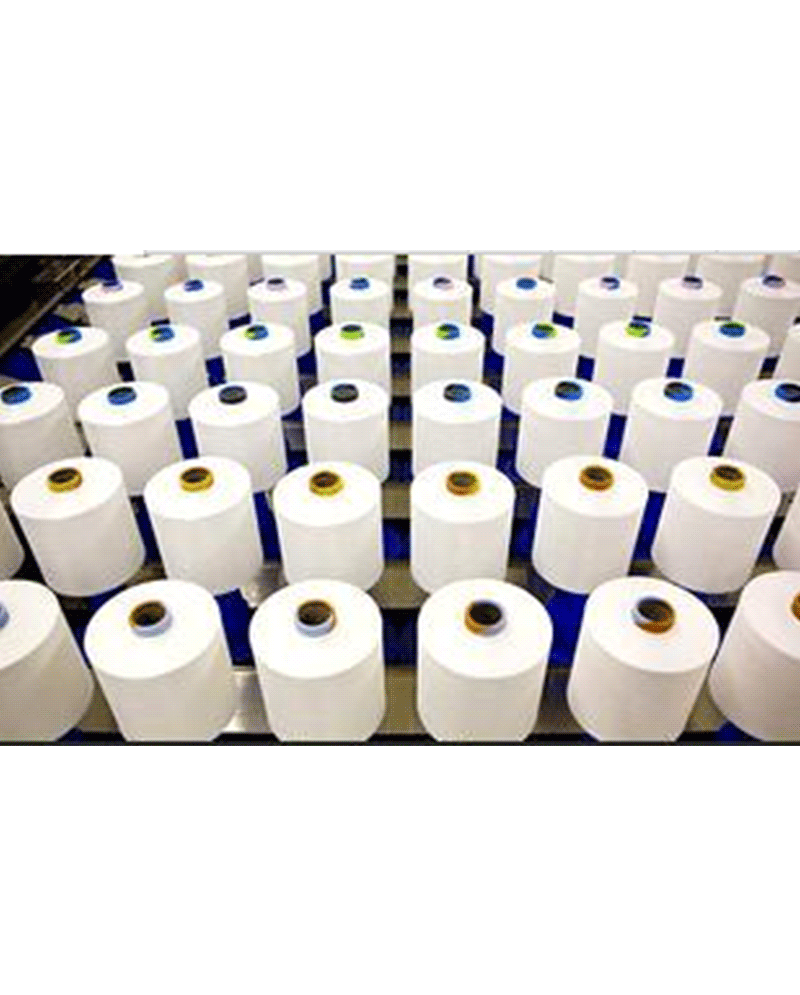 SD DTY High-Strength Recycled Polyester YarnRecycled, high-strength SD DTY yarn certified to GRS and STANDARD 100, suitable for brands needing certified sustainable textile inputs without sacrificing performance.View Product →
Functional yarns add a second layer of scrutiny, because antimicrobial, flame-retardant and moisture-wicking finishes are exactly where additive chemistry enters the article and where the test list has tightened most in recent updates.
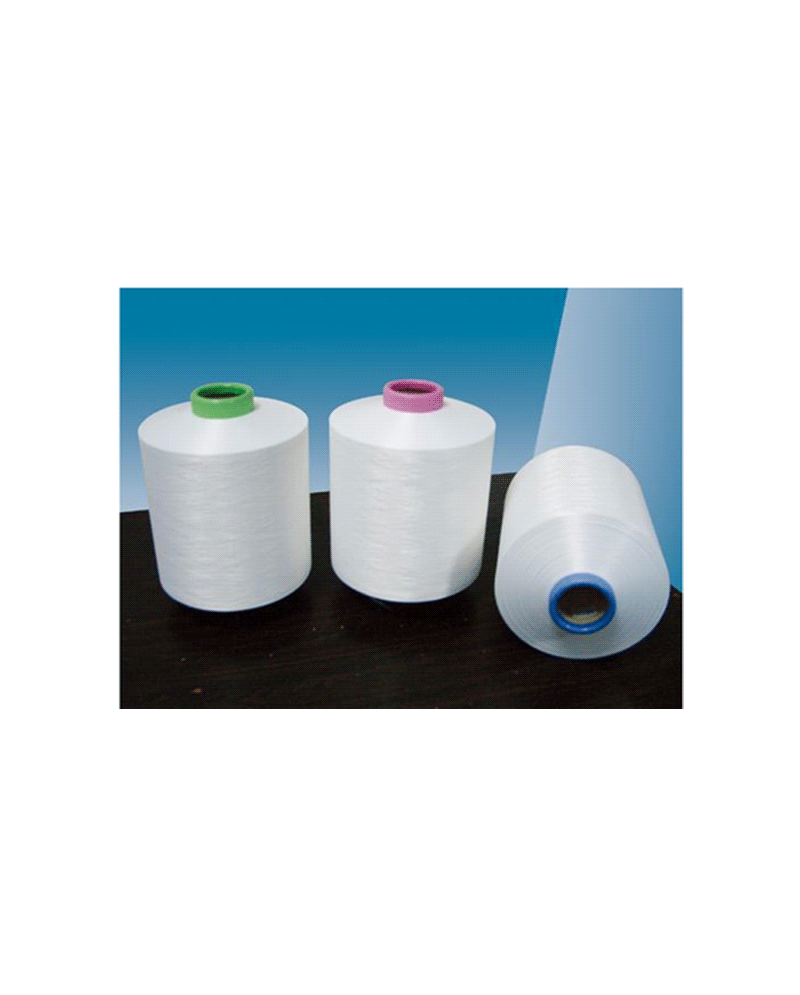 Anti-Bacterial DTY Functional Yarn for TextilesATY air-jet anti-bacterial functional yarn for woven and knitted fabrics, including coarse denier decorative textiles where hygiene and texture matter.View Product →
Cationic dyeable yarns need the same care for a different reason: they dye at lower temperatures with strong colour yield, and because the dyeing behaviour differs from regular polyester, the article description on a certificate has to state the yarn type clearly rather than grouping it with standard yarns.
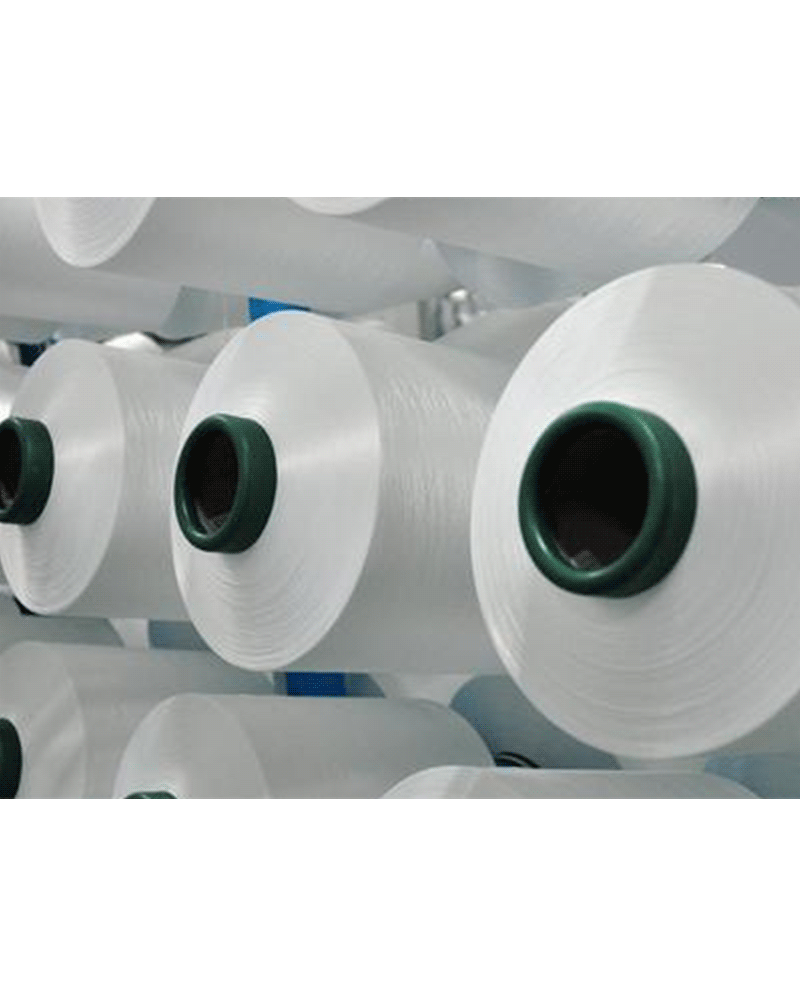 Cationic Polyester SD+CD DTY YarnCationic dyeable SD+CD DTY yarn for deep, uniform colour, lower contamination risk and cost-effective vivid fabrics; specifications listed for textile production.View Product →
Suzhou Junhui Textile works along that pattern. Its recycled lines have been certified to GRS since 2019, its product range covers normal, cationic, high-elastic, functional and recycled yarns plus knitted and woven fabrics, and more than ninety percent of output is exported to thirty-six countries. Background on the mill and its certification history is on the about page.
Questions Buyers Ask Before Placing an Order
Is STANDARD 100 by OEKO-TEX the same as GRS?
No. GRS verifies recycled content and chain of custody, while STANDARD 100 verifies that an article has been tested for harmful substances. A recycled yarn is often certified under both, and buyers frequently ask for the two together.
How long is a STANDARD 100 certificate valid?
Certificates are valid for twelve months from issue. They are renewed by reapplication rather than simply extended, and any change to the article, the recipe or the production site requires a fresh application.
Does the certificate cover every colour and specification a mill sells?
No. It covers the articles listed on it, produced at the named site. A raw-white yarn and a dyed version are separate articles, and so are different linear densities, filament counts or luster levels.
Which product class should a yarn be certified under?
Match the class to the end use you will market. Class II fits most apparel and next-to-skin knits, class I is required for baby and toddler articles, and furnishing yarns are handled under the furnishing annex.
Popular products
-
Premium Cationic Interlock Stretch Comfort Fabric
-
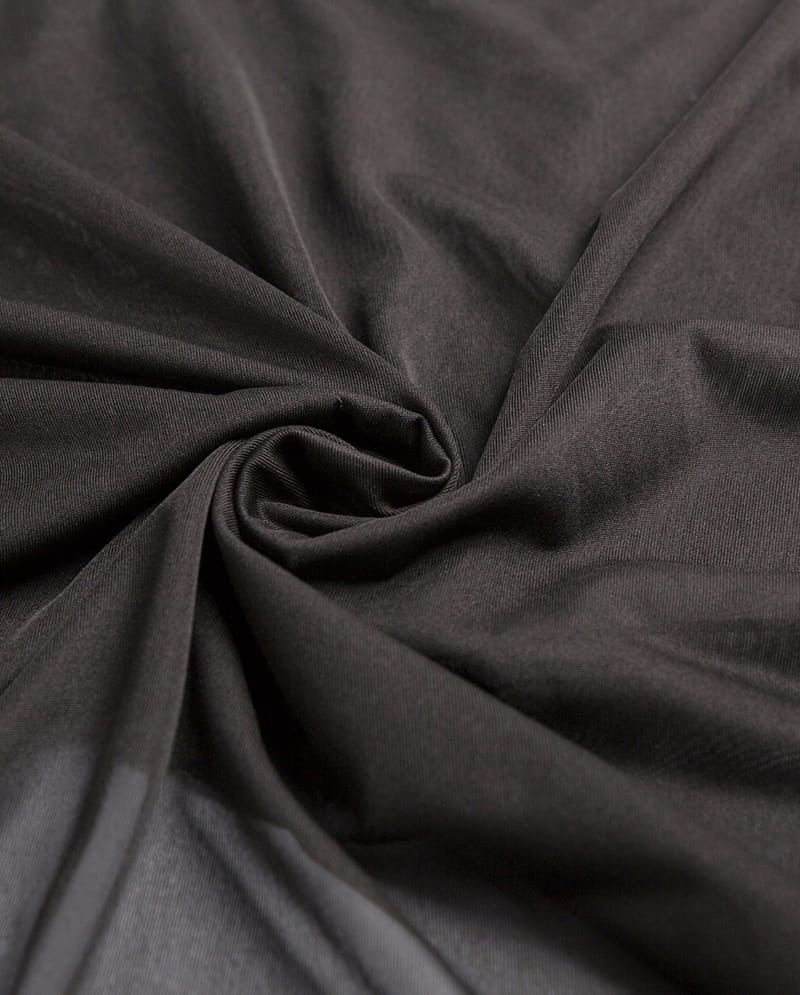
Moisture-Wicking Nylon Woven Fabric
-
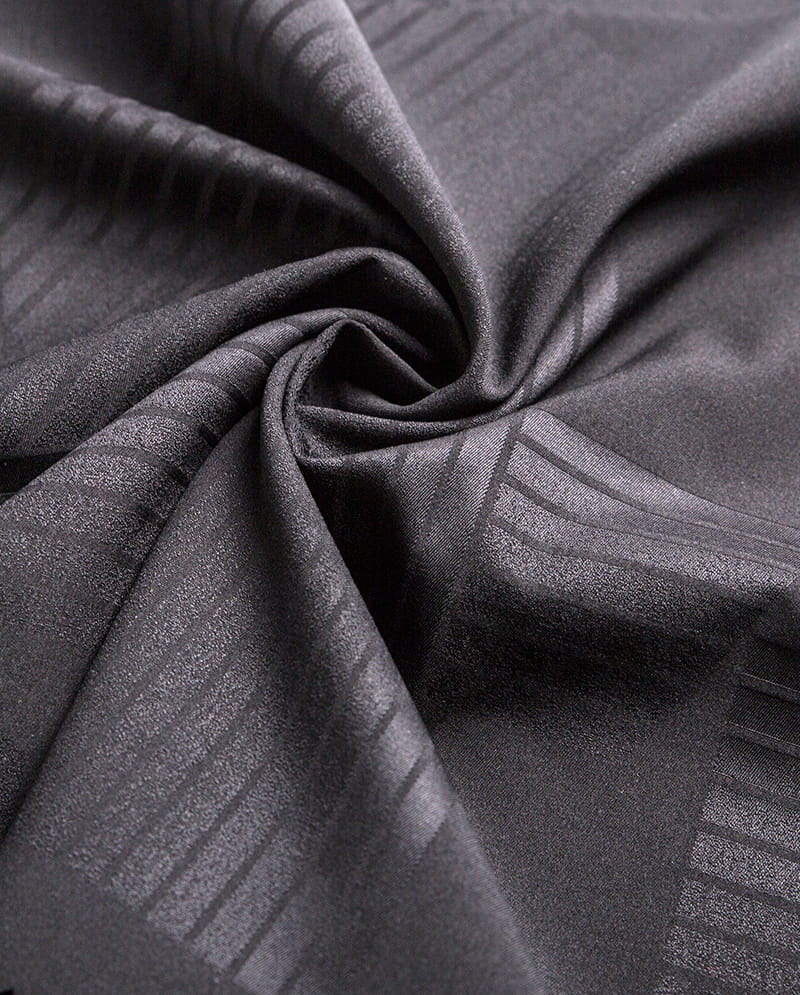
Double-faced jacquard elastic fabric
-
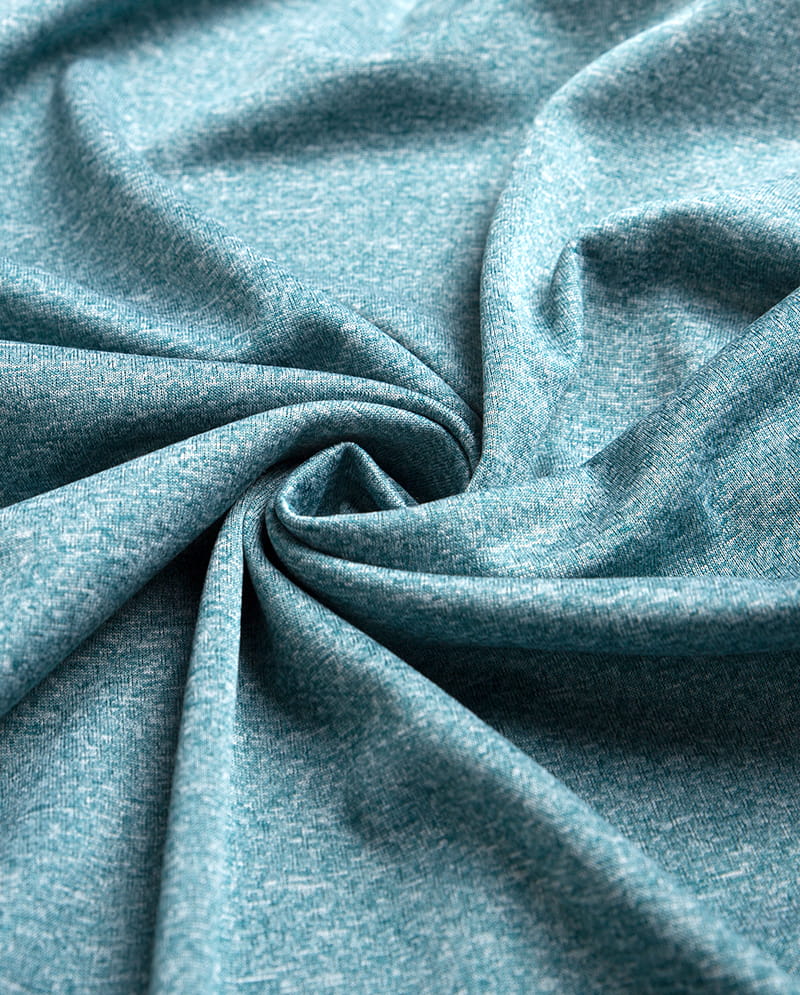
Heather Grey Double-faced cationic jersey fabric
-
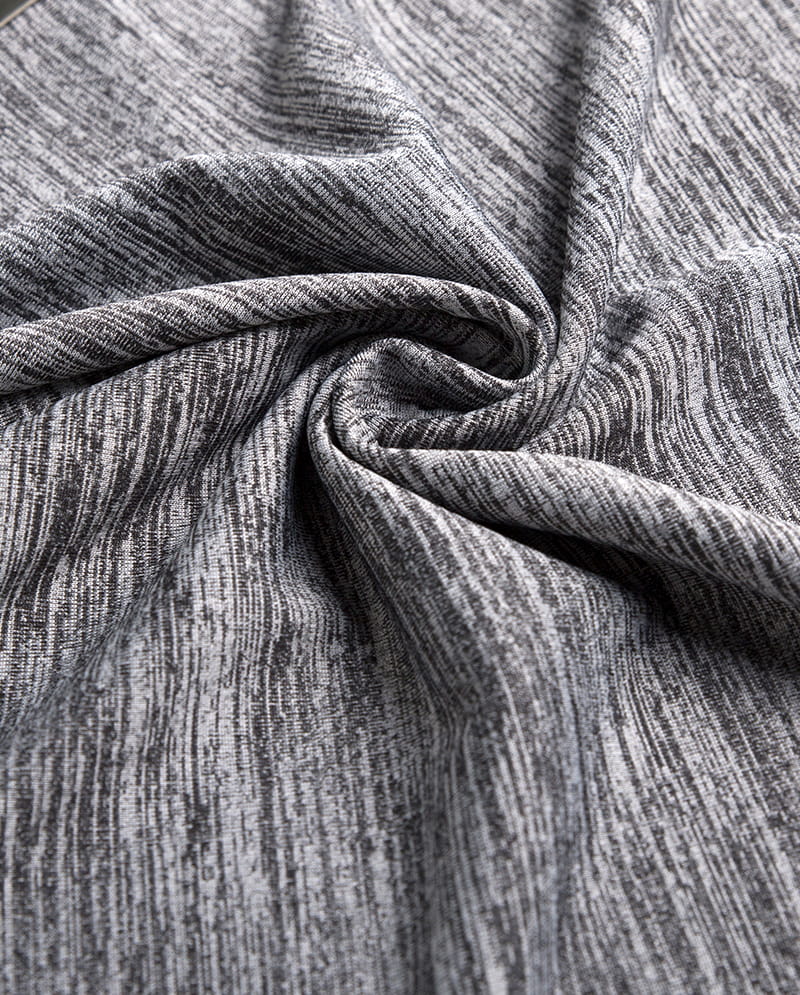
Anti-static Cationic Knitted Rib Fabric
-
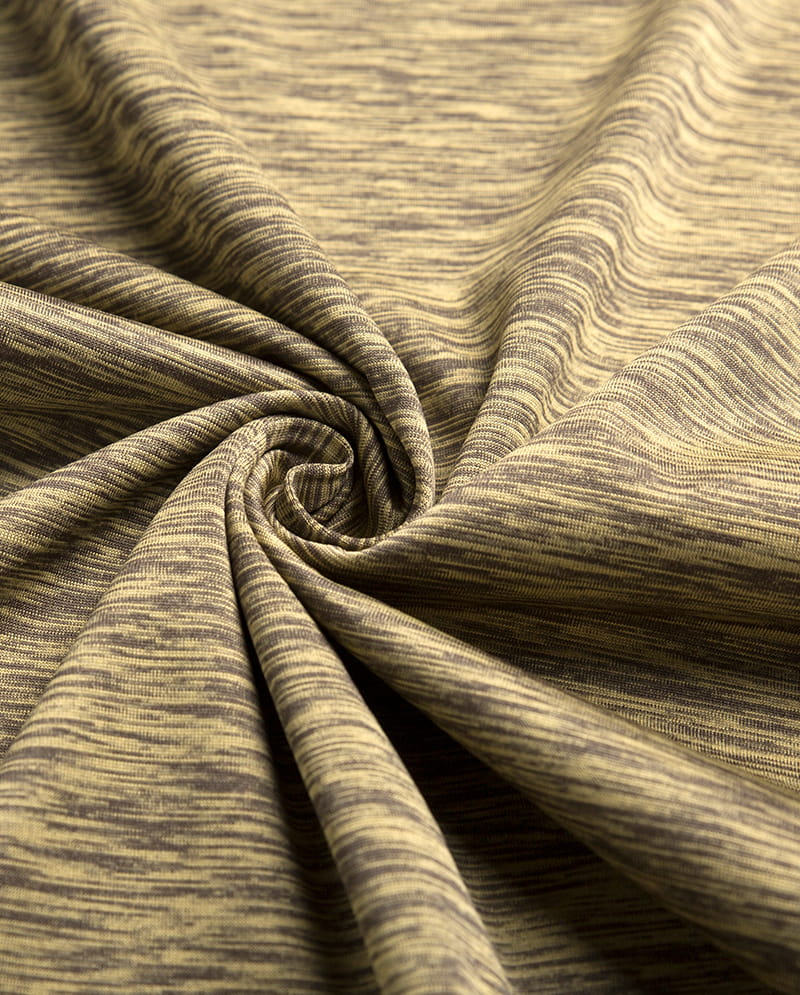
High-Stretch Cationic Jersey Fabric
-
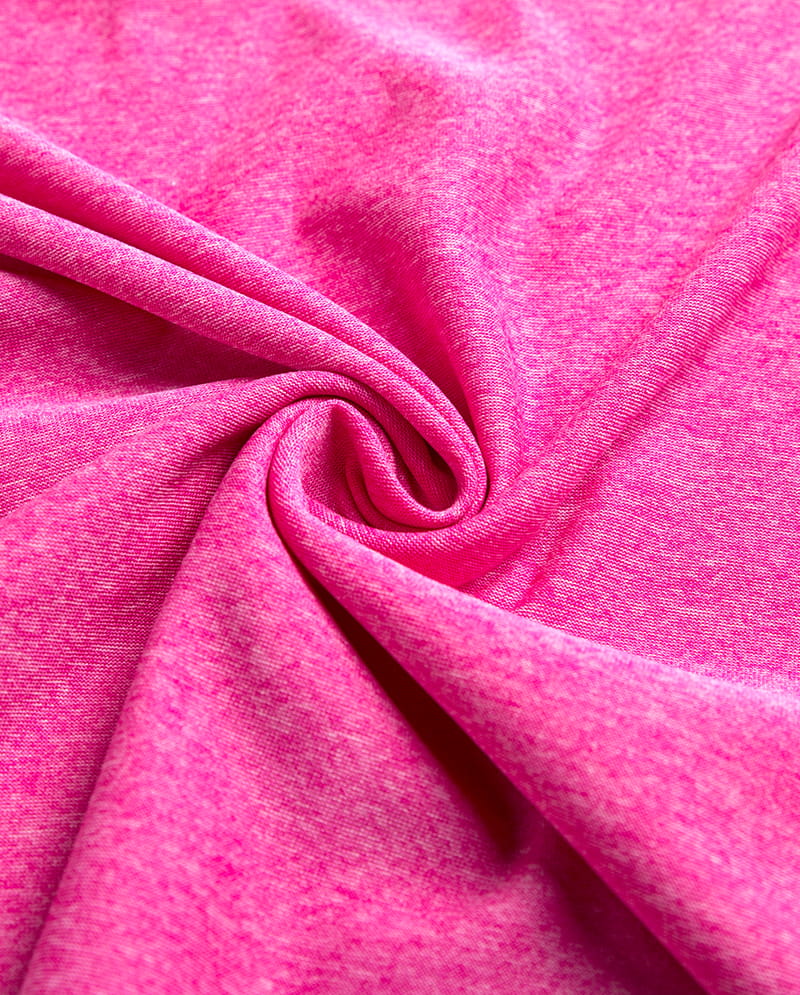
High Quality Cationic DTY Spandex Two Sides Brush Dralon Knit Fabric for Garment Thermal Underwear
-
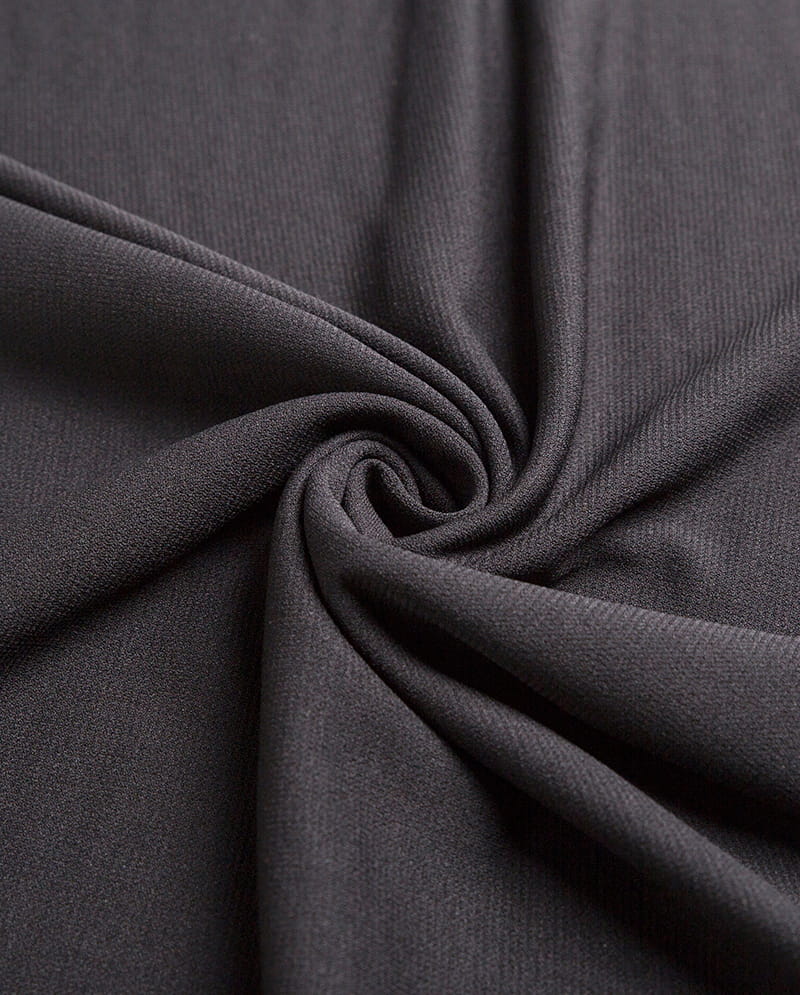
Durable Anti-Pilling Knitted Fabric for Home Textiles
-
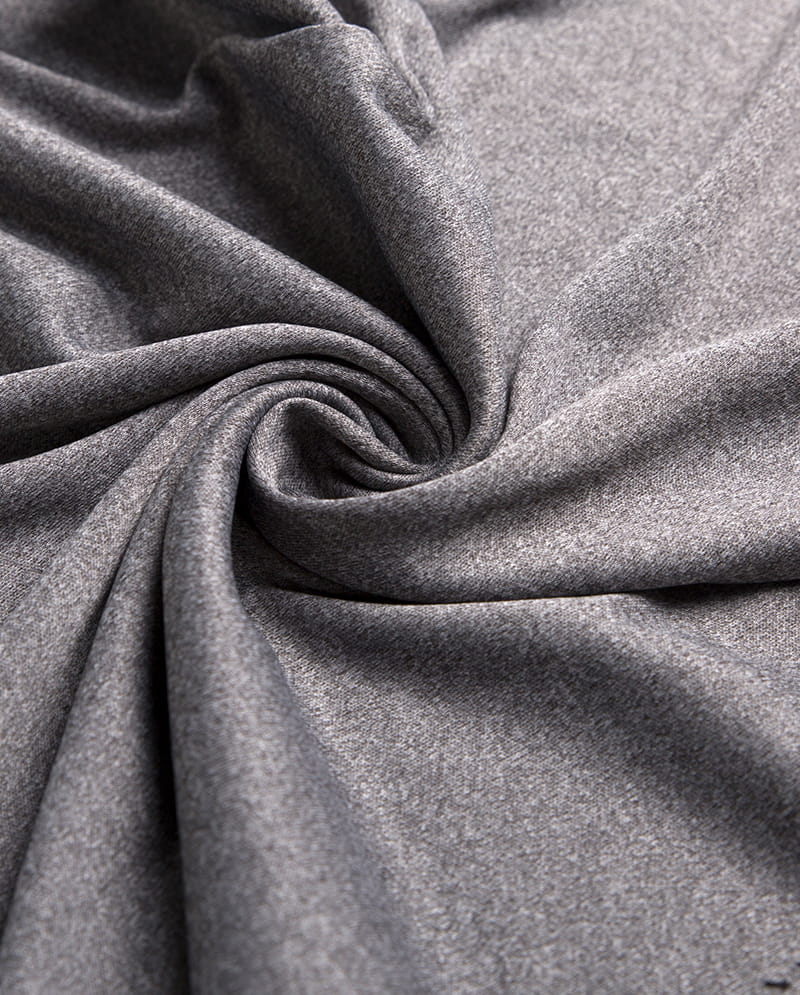
Wash-Resistant Cationic Elastic Knitted Fabric for Garment Industry
-
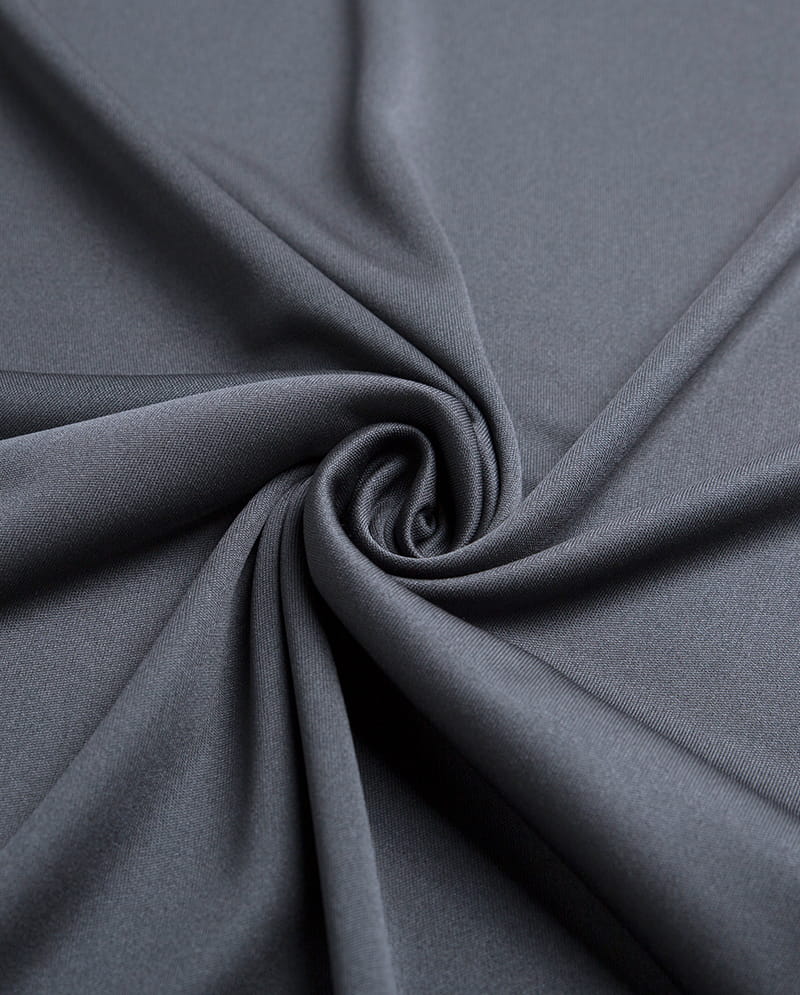
Breathable Double-Faced Elastic Composite Fabric
-
-
-
- whatsapp:
- 0086-13962559622
-
- skype:
- skype.aliceshenghong
-
- Wechat:

COPYRIGHT © 2016 Suzhou Junhui Textile Co., Ltd.
