

 EN
EN English
 中文简体
中文简体OEKO-TEX Standard 100 Explained: A Practical Guide for Yarn and Fabric Buyers
Content
Imagine you are sourcing recycled polyester yarn for a collection that will be sold in Germany. Before the order is confirmed, your customer asks for the OEKO-TEX Standard 100 certificate for each component. If the supplier cannot explain what the certificate covers, the conversation usually stops there. This is why textile buyers need to understand the standard beyond the logo.
OEKO-TEX Standard 100 is a globally consistent, third-party testing and certification framework for harmful substances in textile products. It applies to raw materials, yarns, fabrics, and finished items, and it gives buyers a common language for chemical safety. The main conclusion is straightforward: this is not a quality label; it is a chemical safety declaration, and it can be verified.
What Is OEKO-TEX Standard 100?
OEKO-TEX was introduced in 1992 as a response to growing concern about chemical residues in clothing. It was designed to replace a patchwork of national labels and private buying requirements with one unified system. Today the certification is recognized internationally and is a common condition in textile purchasing agreements.
The standard is managed by the International Association for Research and Testing in the Field of Textile Ecology, a network of independent textile research and testing institutes. Certification is not a one-time event. A product that passes the required tests receives a certificate valid for 12 months. After that, the supplier must apply again with new samples.
Products are sorted into four classes based on how they are used. Class I covers products for babies and children under three years. Class II covers products with direct and prolonged skin contact. Class III covers products with limited or no skin contact. Class IV covers furnishing and decorative materials. Limit values become stricter when the product is expected to be in close contact with skin.
| Product Class | Typical Items | Testing Severity |
|---|---|---|
| Class I | Baby clothing, soft toys, bedding for children under 3 | Highest |
| Class II | Underwear, T-shirts, shirts, mattresses | High |
| Class III | Jackets, coats, outerwear without direct skin contact | Moderate |
| Class IV | Curtains, tablecloths, upholstery fabrics | Lower |
What Substances Are Actually Tested?
Certification begins with a screening of chemical residues. The list includes formaldehyde, carcinogenic aromatic amines, allergenic dyes, extractable heavy metals, pesticides, chlorinated phenols, phthalates, and per- and polyfluorinated compounds. These groups were selected because they are known to have health effects or to be restricted by major textile markets.
Formaldehyde can cause skin irritation at certain concentrations. Some dyes are banned because they can break down into aromatic amines under reducing conditions. Heavy metals can accumulate in the body even in small quantities. The criteria set limit values below levels considered harmful, with an extra safety margin for baby products.
pH value and colour fastness are also measured. They matter because an unbalanced pH can irritate skin and poor colour fastness can release dye during use. A product must pass all applicable criteria, not just one or two.
The main test groups can be summarized as:
- Formaldehyde, preservatives, and other regulated chemicals
- Carcinogenic and allergenic dyestuffs
- Heavy metals in the material and in sweat
- Pesticides and chlorinated phenols
- Phthalates and per- and polyfluorinated chemicals
Why It Matters for Yarn Sourcing
For a yarn supplier, OEKO-TEX Standard 100 is one of the most common requirements we hear from export-focused customers. Yarn is the first technical step in a fabric, so chemical residues in yarn can carry through to the final garment. Spinning oils, lubricants, dyes, and finishing agents leave traces that need to be controlled. That is why many brands ask for certified yarn rather than relying only on finished-product testing.
In a global supply chain, a finished garment may contain yarn from one supplier, fabric from another, and trims from a third. When each component carries its own OEKO-TEX certificate, the final brand has a transparent trail of chemical responsibility. That trail reduces the risk of retail recalls and simplifies communication between buyer and seller.
Recycled polyester yarn deserves special attention. The feedstock can be bottles, industrial waste, or textile leftovers, and each stream must be cleaned and processed without introducing new contaminants. Buyers sometimes assume that recycled content automatically means chemical safety. In reality, the two are separate questions. A recycled yarn may be technically clean, but the finished product still needs OEKO-TEX testing to demonstrate that it meets the limits.
If you are evaluating recycled polyester yarn for OEKO-TEX-sensitive projects, ask the supplier for the filament configuration, dyeing behavior, and evidence of feedstock traceability. Compare the certificate scope with your actual order, because a small change in denier or colour can affect the test result.
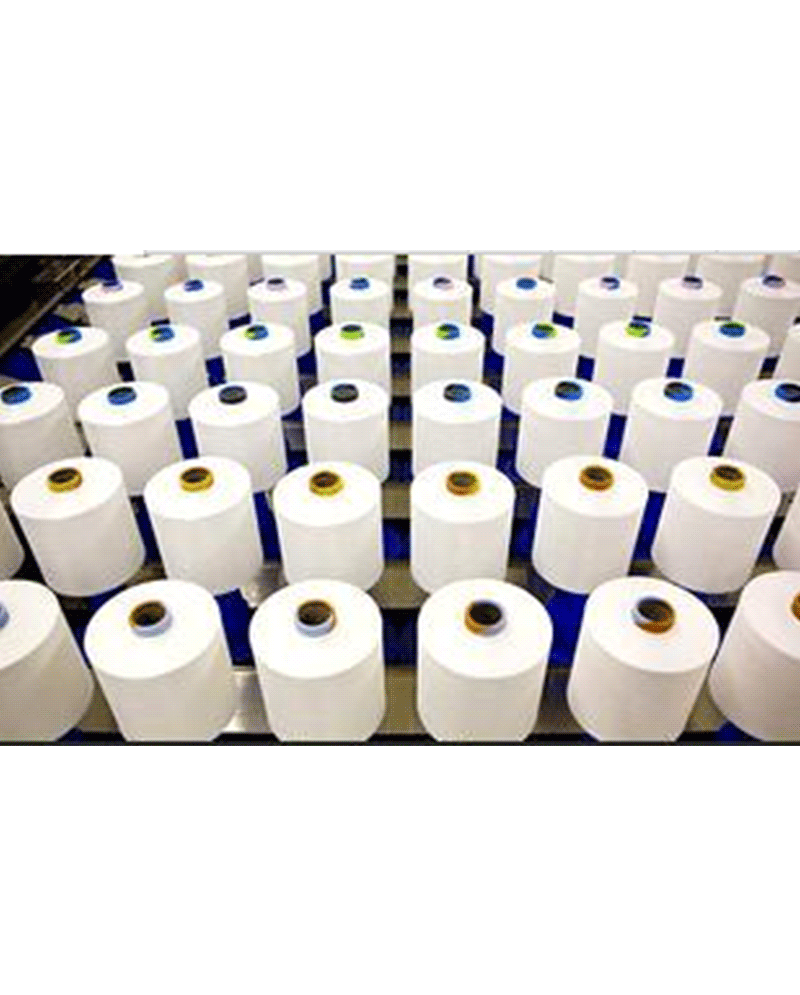 High-Strength Recycled Polyester Yarn with OEKO-TEX ConsiderationsThis recycled DTY yarn is relevant when verifying OEKO-TEX compliance for recycled polyester. Check filament details, dyeing behavior, and certificate scope against your order before proceeding.View Product →
OEKO-TEX vs GRS: Don't Confuse Safety with Recycled Content
One common source of confusion is the relationship between OEKO-TEX Standard 100 and the Global Recycled Standard, often called GRS. GRS verifies recycled content and sets requirements for social and environmental practices during production. It does not test chemical safety in the same way. OEKO-TEX Standard 100, on the other hand, says nothing about the percentage of recycled material. It only confirms that the product does not release harmful substances above established limits.
GRS is a chain-of-custody standard. It requires tracked recycled input, a defined recycling percentage, and audits covering environmental management, chemical use, and working conditions. A GRS-certified product can still contain processing chemicals that fail a chemical safety test. The two standards answer different questions, and a complete compliance package often includes both.
Suppliers who sell recycled yarns should be ready to explain both types of documentation. Our own company has held GRS certification since 2019, and we regularly walk buyers through how recycled content data relates to chemical safety. The two concepts may sound similar, but they serve different purposes.
How to Verify an OEKO-TEX Claim
Because certificates expire quickly, do not rely on a screenshot or a mention in a sales brochure. Ask for the certificate number and the name of the issuing test institute. Check the product description against the exact item you are buying. A certificate for one construction does not automatically cover a different denier, a different colour, or a different finishing formula.
OEKO-TEX Standard 100 tests can be performed by several independent institutes that belong to the OEKO-TEX association. The important point is not which single office signed the certificate; it is that the certificate number can be checked with the issuer and that the certificate is still valid. The certificate also lists the production stages that are included, and that scope should match the supply step you are buying.
For fabric buyers, the same logic applies. A fabric made from certified yarn still needs its own certification if it has been dyed, printed, or finished. The certificate should cover the fabric's full specification, including weight, structure, colour, and finishing chemicals. A simple checklist for reviewing any OEKO-TEX document would include:
- Certificate number and issuing institute
- Exact product name and article code
- Production stages covered by the testing
- Validity date and certificate status
- Product class and whether it matches the final use
Nothing in this list is difficult to check, but each point prevents a wrong assumption. Buyers who verify documents at the trial-order stage save time before volume production starts.
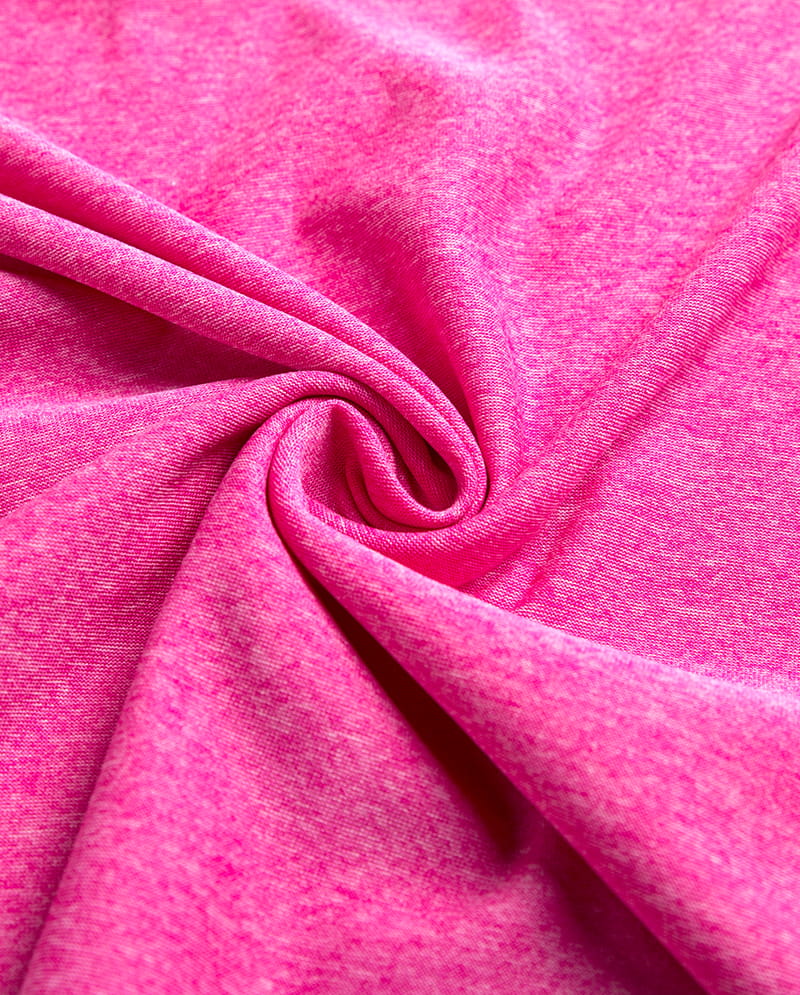 Cationic DTY Spandex Brushed Knit Fabric for Thermal UnderwearThis functional fabric includes spandex and a brushed finish, designed for garments like thermal underwear. Its additives may require OEKO-TEX screening, especially for skin-contact use.View Product →
What About Functional Yarns?
Functional yarns add another layer of consideration. Antibacterial, flame-retardant, and moisture-wicking yarns often contain additives that are not present in ordinary polyester yarn. These substances must pass the same OEKO-TEX screening as standard materials. The test is especially relevant for products that come into direct contact with skin, because antimicrobial compounds may be designed to migrate to the surface.
For antibacterial yarn, the active agent, its concentration, its durability after washing, and the extraction method all influence the chemical test result. A supplier should be able to connect the functional claim to a specification that can be checked. If the yarn simply says antibacterial but the additive chemistry is not disclosed, a certification conversation becomes difficult.
Flame-retardant yarns are another example. Some flame retardants have been restricted for health reasons in certain markets. OEKO-TEX criteria take these restrictions into account. A label that says flame retardant is not enough; the specific chemistry must be compatible with the latest limits.
Functional claims do not automatically create a safety problem, but they do require documented proof. Buyers should ask how the function is achieved, what concentration is used, and whether the finished product has been tested after dyeing or finishing.
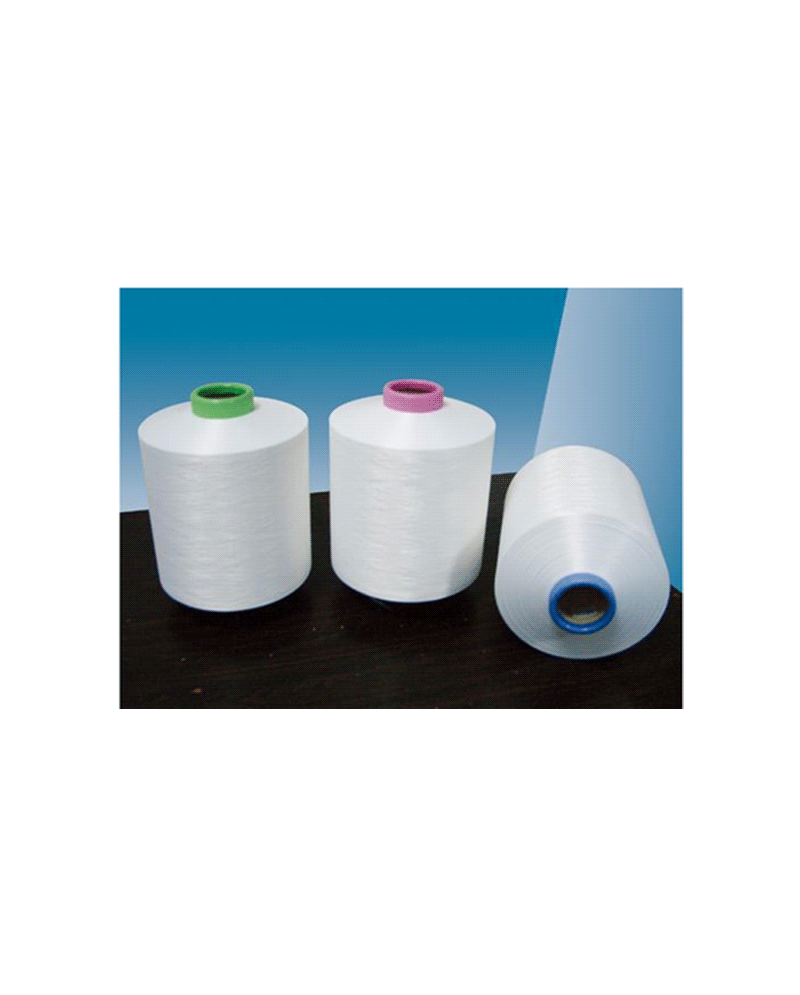 Antibacterial Functional Yarn with Safety Documentation NeedsThis antibacterial yarn adds functionality but demands documented proof of chemical safety and concentration levels. Buyers should verify testing after dyeing or finishing to ensure OEKO-TEX compliance.View Product →
Bottom Line
OEKO-TEX Standard 100 is not a marketing label. It is a risk-management tool that helps suppliers and buyers prove chemical safety in a structured way. For buyers, the practical steps are simple: identify the product class, read the certificate carefully, and make sure the scope covers the product you are actually purchasing.
Work with suppliers who can show the certificate, explain what it covers, and connect the document to the specific yarn or fabric in your order. The standard will continue to evolve, but the principle will not change: chemical safety in textiles is easier to manage when every part of the supply chain speaks the same language.
Popular products
-
Premium Cationic Interlock Stretch Comfort Fabric
-
Moisture-Wicking Nylon Woven Fabric
-
Double-faced jacquard elastic fabric
-
Heather Grey Double-faced cationic jersey fabric
-
Anti-static Cationic Knitted Rib Fabric
-
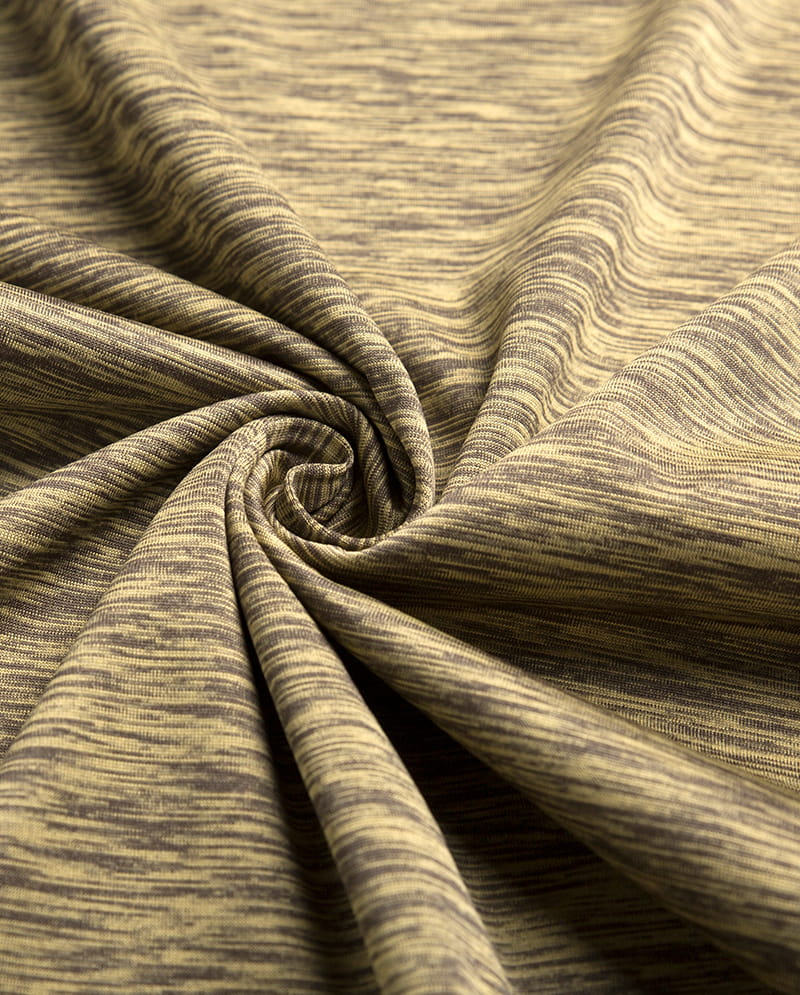
High-Stretch Cationic Jersey Fabric
-

High Quality Cationic DTY Spandex Two Sides Brush Dralon Knit Fabric for Garment Thermal Underwear
-
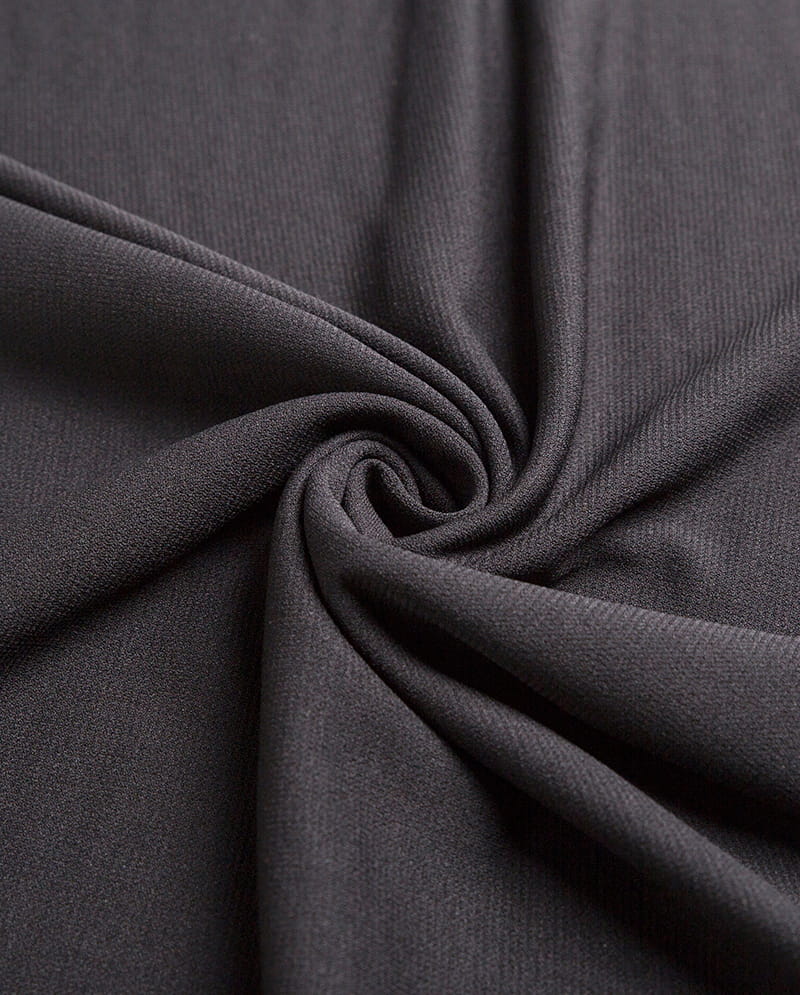
Durable Anti-Pilling Knitted Fabric for Home Textiles
-
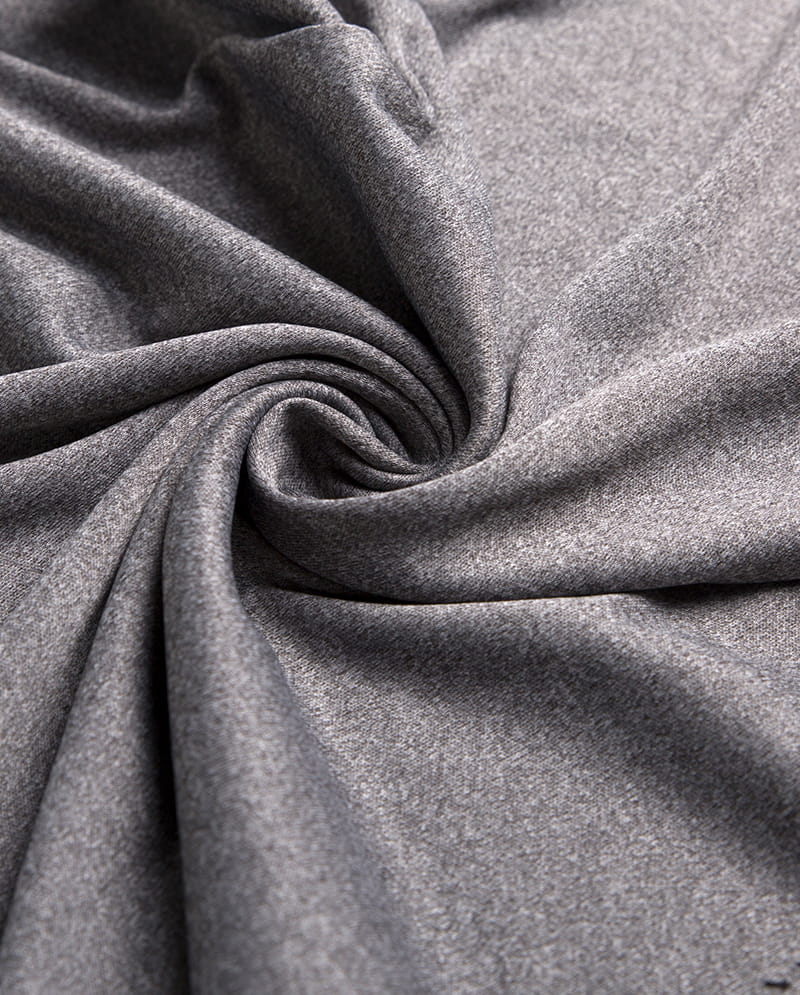
Wash-Resistant Cationic Elastic Knitted Fabric for Garment Industry
-
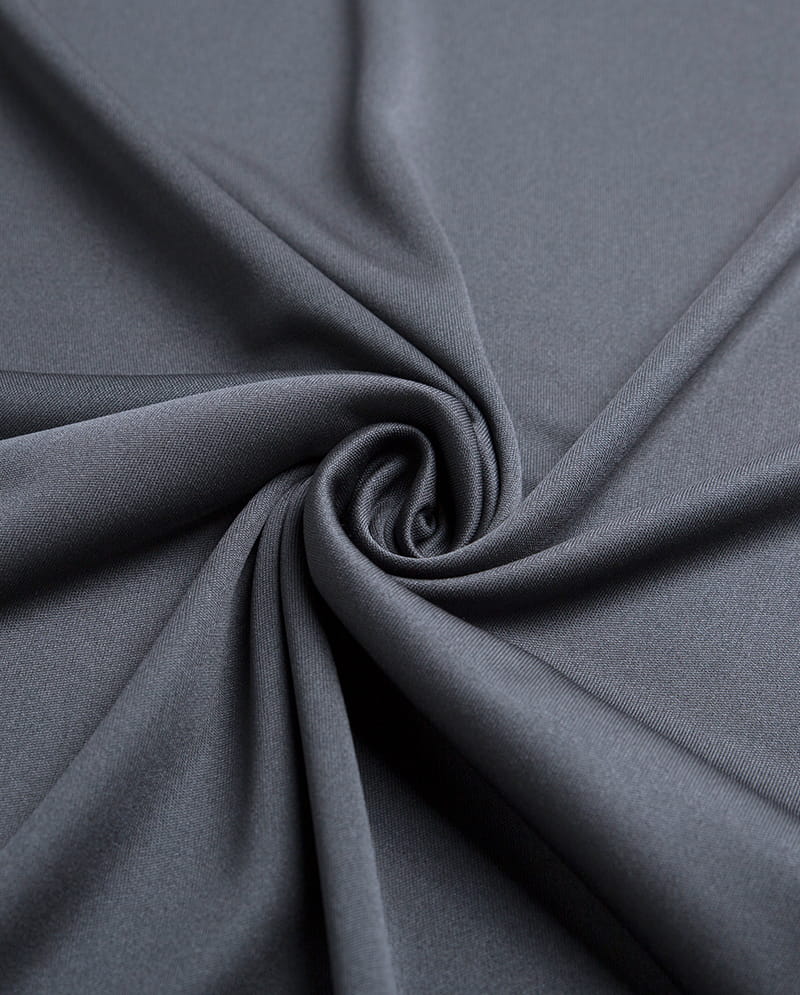
Breathable Double-Faced Elastic Composite Fabric
-
-
-
- whatsapp:
- 0086-13962559622
-
- skype:
- skype.aliceshenghong
-
- Wechat:

COPYRIGHT © 2016 Suzhou Junhui Textile Co., Ltd.
