
 EN
 English
 中文简体
OEKO-TEX Standard 100 Harmful Substances: Reading the Official Test Catalogue
Content
- 1 What Standard 100 Actually Certifies
- 2 The Harmful Substances Under Official Screening
- 3 Product Classes Set the Limit Values
- 4 How to Verify a Certificate Against the Official Register
- 5 What the Label Does Not Cover
- 6 A Sourcing Checklist for Yarn and Fabric Buyers
- 7 How a Yarn Mill Fits Into the Certification Chain
- 8 Frequently Asked Questions
A buyer opens a supplier email, finds a PDF labelled Standard 100 by OEKO-TEX, and immediately has three questions the cover page will not answer: which product class was certified, whether the dyed yarn in the shipment actually sits inside the article list, and whether the certificate number resolves in the official register. The label is a test result, not a marketing badge, and it is read most reliably from the annex rather than the front page.
What Standard 100 Actually Certifies
Standard 100 by OEKO-TEX is a product-level certification: an independent institute tests a defined textile article against a published catalogue of harmful substances and issues a certificate for that article, not for the factory that produced it.
The scheme has run since 1992 and now screens for more than 1,000 individual substances, combining statutory limits with chemicals that regulators have not yet restricted. The catalogue is revised at least once a year, which is why a 2018 test report cannot be used to describe a 2026 production run. Yarns, fabrics, garments, trims and home textiles can all be certified, and each certificate names the article it covers.
Harmful substances, in the wording used by the standard itself, are substances that may be present in a textile product and that can harm human health, whether or not they are currently regulated by law. Definition taken from the official standard text
That last clause is the part suppliers tend to skip. The catalogue deliberately reaches beyond legal minimums, so a fabric that passes a national chemical regulation can still fail a Standard 100 test, and a certificate that passed two cycles ago can fail the current one. For sourcing teams, the useful framing is simple: the certificate is a dated snapshot with a defined scope.
The Harmful Substances Under Official Screening
The test catalogue combines regulated and non-regulated substances in one limit-value table, which is the detail most supplier summaries leave out.
| Substance group | Typical source in yarn or fabric | Why it is screened |
| Formaldehyde | Resin finishes, easy-care and shrink-resist treatments | Released as gas; the tightest limit applies to baby articles |
| Azo colourants | Dyed yarns, prints, narrow trims | Can release carcinogenic aromatic amines on skin contact |
| Extractable heavy metals | Dyeing auxiliaries, pigments, metal components | Skin absorption risk; limits vary by product class |
| Chlorinated phenols | Preserved fibres, stored greige goods | Persistent and toxic; restricted to trace levels |
| Phthalates | Plastisol prints, coated fabrics, soft plastic trims | Endocrine activity, tightly limited in child articles |
| PFAS compounds | Water- and stain-repellent finishes | Environmental persistence and regulatory pressure |
| Alkylphenol ethoxylates | Detergents and dyeing auxiliaries | Break down into hormone-active compounds |
| Organotin compounds | Stabilisers, inks, catalysts | Reproductive and immune toxicity |
| Allergenic disperse dyes | Polyester dyeing, especially deep shades | Skin sensitisation in next-to-skin wear |
| pH and colourfastness to saliva and perspiration | Any dyed article | A chemically safe fabric can still irritate if pH or bleed is wrong |
Two figures are worth carrying into a supplier conversation. Formaldehyde is capped at 16 mg/kg for baby articles, while the other classes carry a higher allowance. Azo colourants must not release carcinogenic aromatic amines above the detection limit set in the annex, which is far below what a visual inspection of shade depth would ever reveal.
Product Classes Set the Limit Values
Every certificate names one of four product classes, and the class, not the fibre type, decides how strict the limit values are.
| Class | Typical articles | Practical consequence |
| Class I | Articles for babies and toddlers up to three years, including bedding and infant underwear | Strictest limits plus saliva and perspiration fastness requirements |
| Class II | Underwear, T-shirts, socks, sportswear, bed linen | Most large-surface skin contact programmes sit here |
| Class III | Outerwear, jackets, linings, accessories worn away from skin | Wider limits, but still no carcinogenic amines or heavy metal risk |
| Class IV | Curtains, table linen, upholstery, floor coverings | Furnishing level testing, not a substitute for apparel classes |
How to Verify a Certificate Against the Official Register
A Standard 100 certificate is verifiable through three fields: the certificate number, the certificate holder, and the article list attached to it.
The certificate number is normally structured as a year prefix, a two-letter institute code and a serial number. The issuing institute is a member of the OEKO-TEX association, and the label may only be printed with a valid number attached. The official website publishes a label check and a buying guide, which is the only reliable way to confirm that a PDF has not been edited or that an expired certificate is not being recycled.
Because validity runs for twelve months, the issue date and the revision date of the test catalogue both matter. A certificate issued in the current cycle against the current annex is the only version a brand should accept for a new development.
What the Label Does Not Cover
Standard 100 covers the chemical safety of the tested article; it says nothing about fibre origin, recycled content, working conditions or performance.
- The named components were tested against the current catalogue
- Limit values appropriate to the stated product class were met
- The result is traceable through an official certificate number
- That the fibre is recycled or organic; that is a separate scheme
- That every future batch will match the tested sample
- That the garment factory holds its own valid certificate
Recycled content is the point buyers confuse most often, because polyester programmes frequently carry both documents. Standard 100 answers the chemical question; recycled content claims are verified under the Global Recycled Standard, which is a different audit with a different scope, and both are needed to support a full sustainability statement. Our own breakdown of what the Standard 100 label covers walks through the scope line by line.
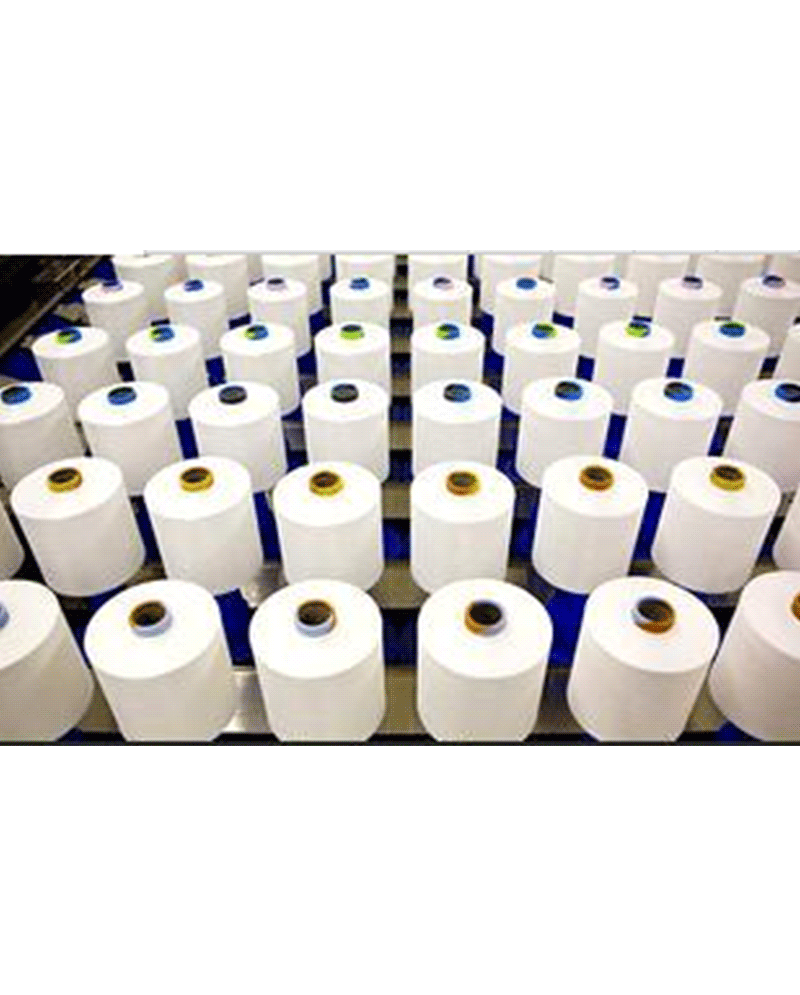 High-Strength Recycled Polyester SD DTY YarnOeko-Tex Standard 100 and GRS-certified recycled DTY yarn with semi-dull finish, high tenacity, and specifications for weaving, knitting, sportswear, and industrial fabrics.View Product →
A Sourcing Checklist for Yarn and Fabric Buyers
Ask for these five items in this order and most certification problems surface before sampling starts.
- Fix the product class in writing before the first sample. Class II for next-to-skin, Class I for anything under three years, Class III for outerwear and linings.
- Request the certificate PDF from the certificate holder, not a logo file or a photo of a hangtag. The holder name must match the entity on your purchase order or be linked to it through a documented supply chain.
- Compare the article list with your bill of materials. Yarn, dye route, finish and trims each need to fall inside the scope; a new softener or a different dyestuff can push a component outside it.
- Check the validity window and the issue date. If the certificate is close to expiry, ask when the renewal is scheduled and whether the annex used is the current revision.
- Send a sample to an accredited laboratory when the claim is contractual. A certificate describes the tested article; only a lot test describes what is in the carton.
Functional yarns deserve a specific mention here. An antibacterial or moisture-wicking finish adds chemistries that are not present in a standard polyester yarn, so the article list has to name that finish rather than the base yarn alone.
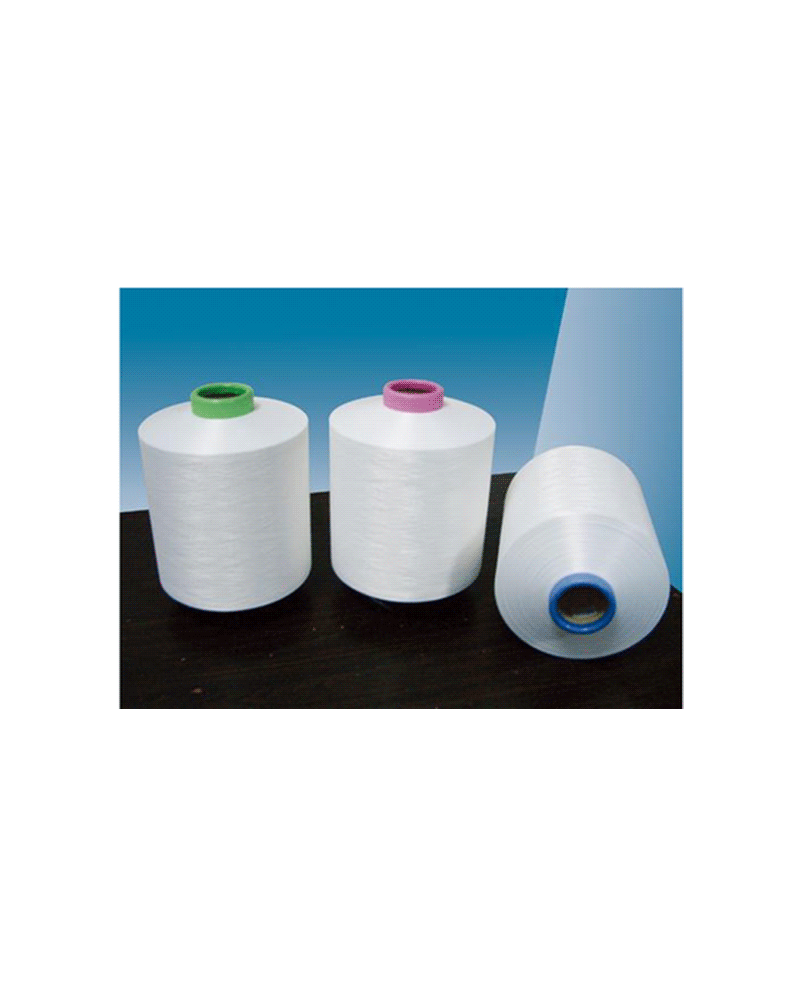 Anti-Bacterial ATY Functional Polyester YarnATY air-textured anti-bacterial functional yarn with uniform hand and coverage for coarse-denier carpets, sofa cloths, tapestries, and OEM/ODM textile programs.View Product →
How a Yarn Mill Fits Into the Certification Chain
Yarn is the earliest point at which chemical risk can be documented, which is why experienced brands ask for certificates at the yarn stage rather than at the cutting table.
Spinning itself introduces few restricted substances, but dyeing, lubrication and functional finishing introduce many. A mill that can hand over certificates for raw, dyed and functional yarns shortens a brand's review cycle by weeks and removes the usual back-and-forth about which component was actually tested. This is also where enquiries usually start: a buyer sends a target product class, a fibre specification and a finish requirement, and the supplier confirms whether an existing certificate already covers that combination or whether a new test has to be scheduled.
At Suzhou Junhui Textile we keep the recycled polyester chain audited under GRS, which has been in place since 2019, alongside certificates for differentiated yarns and the knitted fabrics made from them. Orders are quoted against a stated product class rather than a generic claim, and enquiries from the 36 countries we currently serve are answered within twelve hours. More detail on the product structure sits on our company profile, including the recycled, cationic and high-elastic ranges.
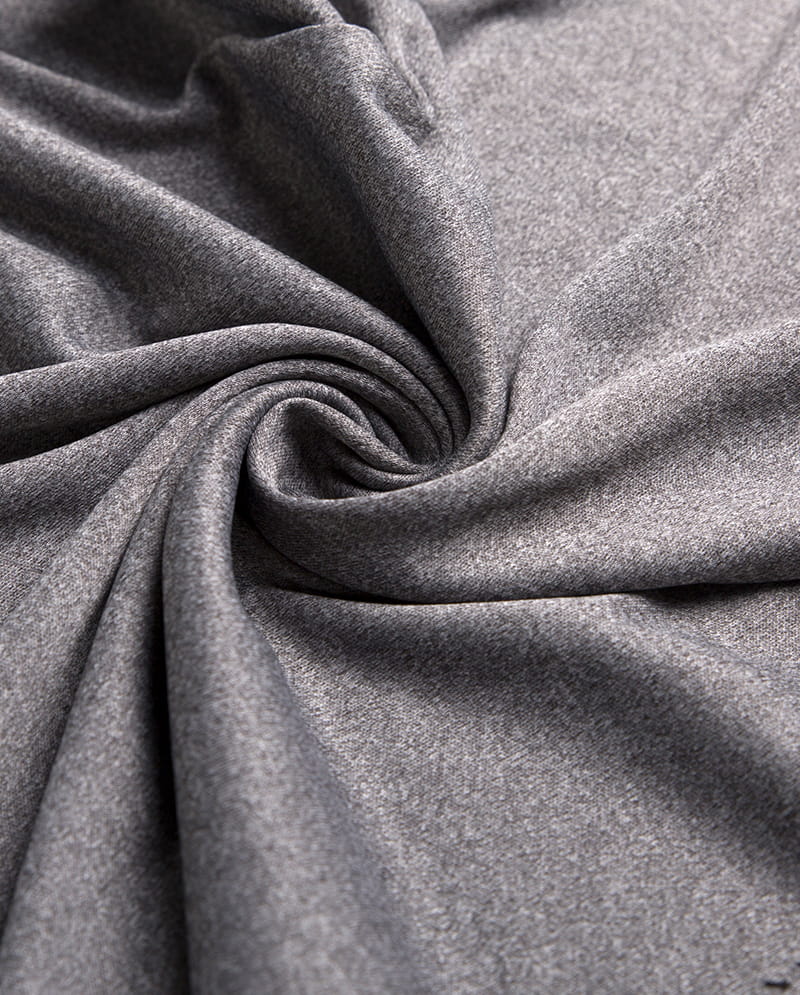 Wash-Resistant Cationic Elastic Knitted FabricCationic polyester and elastane knit with four-way stretch, wash-resistant color retention, and breathability for yoga leggings, sportswear, loungewear, and OEM/ODM garment programs.View Product →
Frequently Asked Questions
Does a Standard 100 certificate mean the fabric is chemical-free?
No. No textile is chemical-free; the certificate confirms that the tested article stays below the limit values set for its product class across a defined catalogue of harmful substances. It is a risk threshold, not a zero-chemical statement.
How long is an OEKO-TEX Standard 100 certificate valid?
Twelve months from issue, after which the article has to be re-assessed against the current test catalogue. Because the catalogue is revised annually, renewal is not a formality; a limit that was acceptable in the previous cycle may have been tightened.
Does the certificate cover the dyes used on a coloured yarn?
Only if the dye route and the resulting coloured article are named in the article list. A certificate for an undyed yarn does not automatically cover a later package-dyed or dope-dyed version, and a new colourant normally requires an update to the scope.
Which product class applies to fabric for T-shirts and underwear?
Class II, the category for articles with large surface contact with the skin. Baby garments and infant bedding move to Class I, which carries stricter limits and additional fastness requirements against saliva and perspiration.
Popular products
-
Premium Cationic Interlock Stretch Comfort Fabric
-
Moisture-Wicking Nylon Woven Fabric
-
Double-faced jacquard elastic fabric
-
Heather Grey Double-faced cationic jersey fabric
-
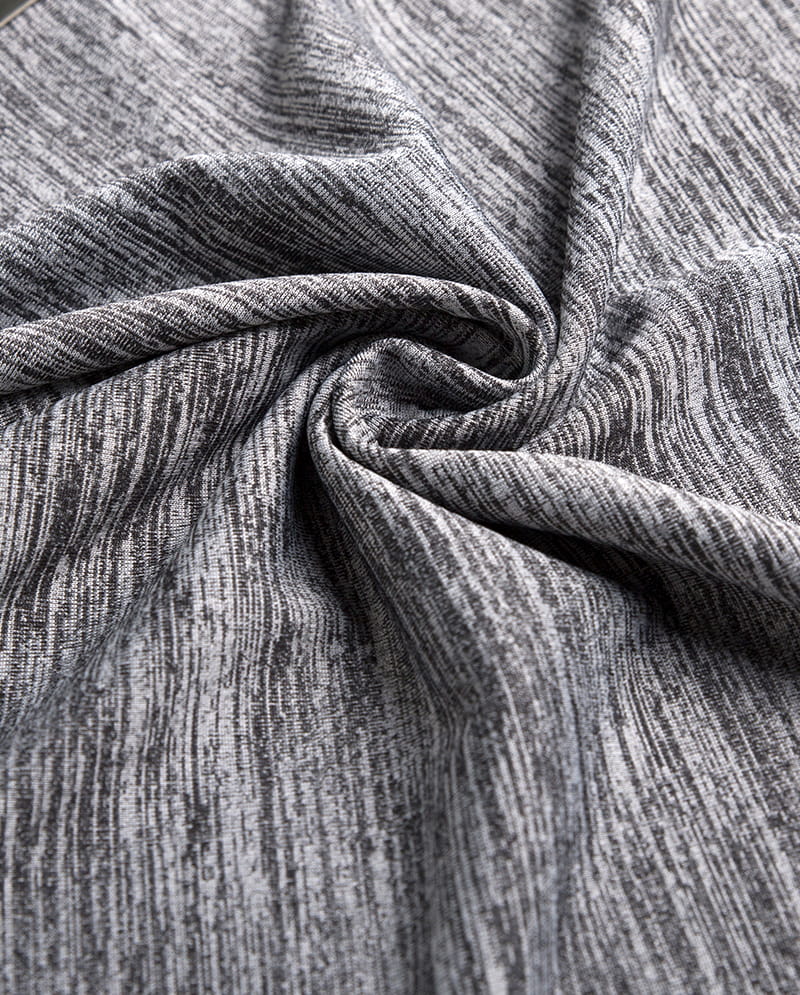
Anti-static Cationic Knitted Rib Fabric
-
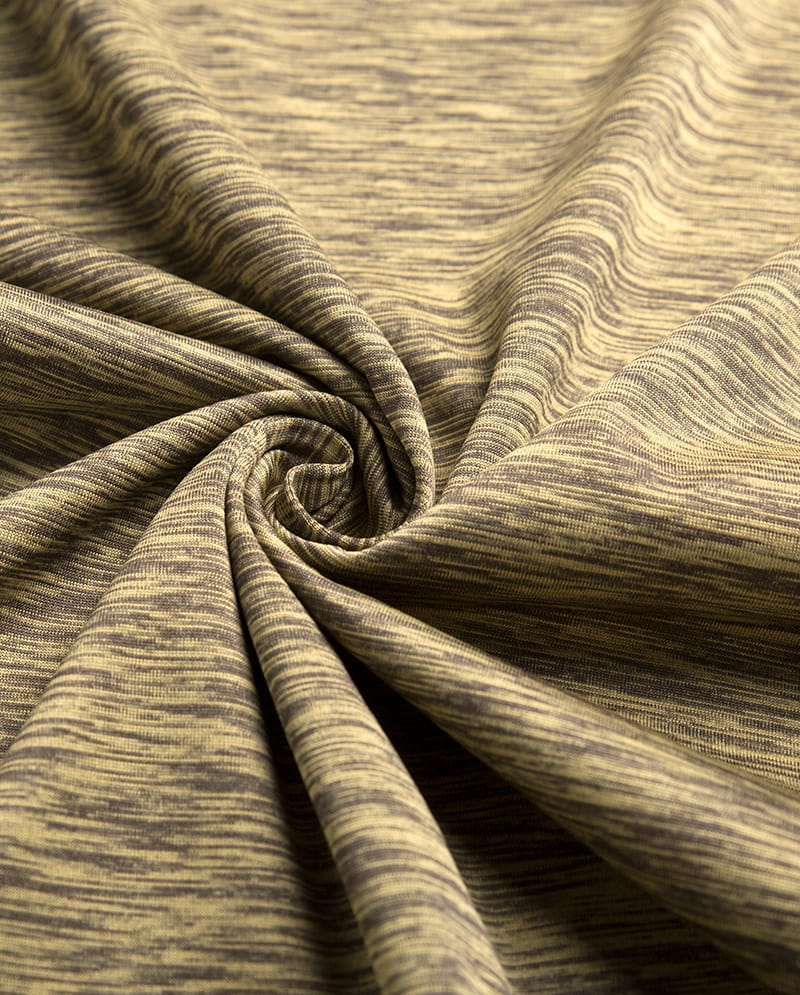
High-Stretch Cationic Jersey Fabric
-
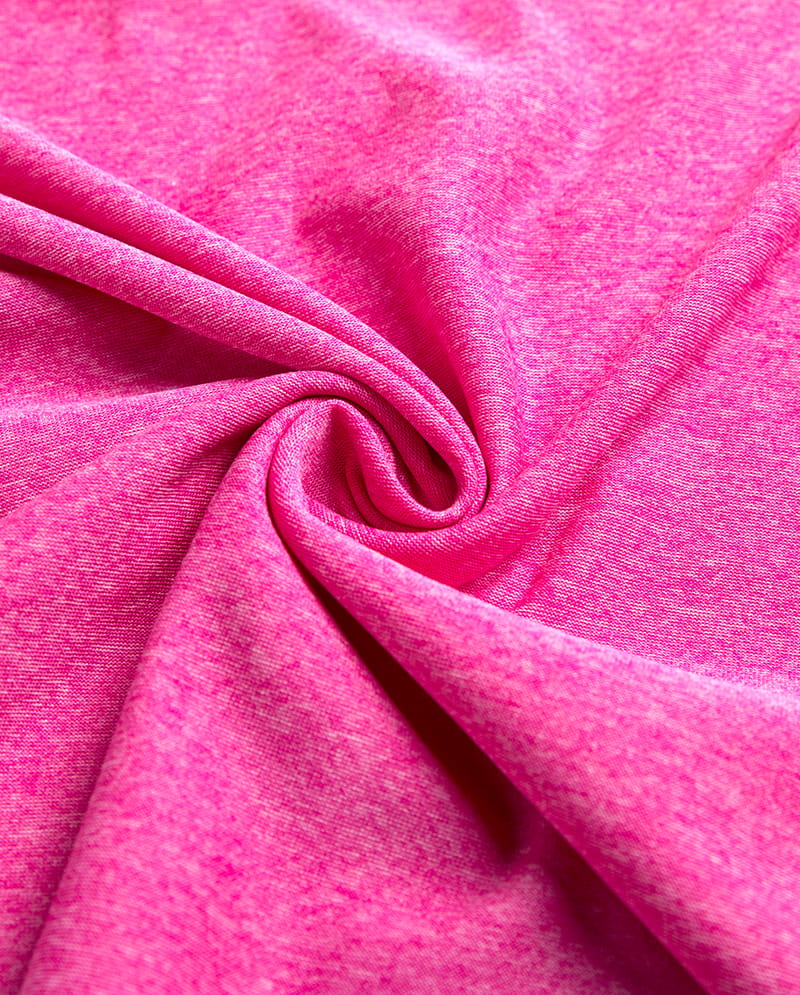
High Quality Cationic DTY Spandex Two Sides Brush Dralon Knit Fabric for Garment Thermal Underwear
-
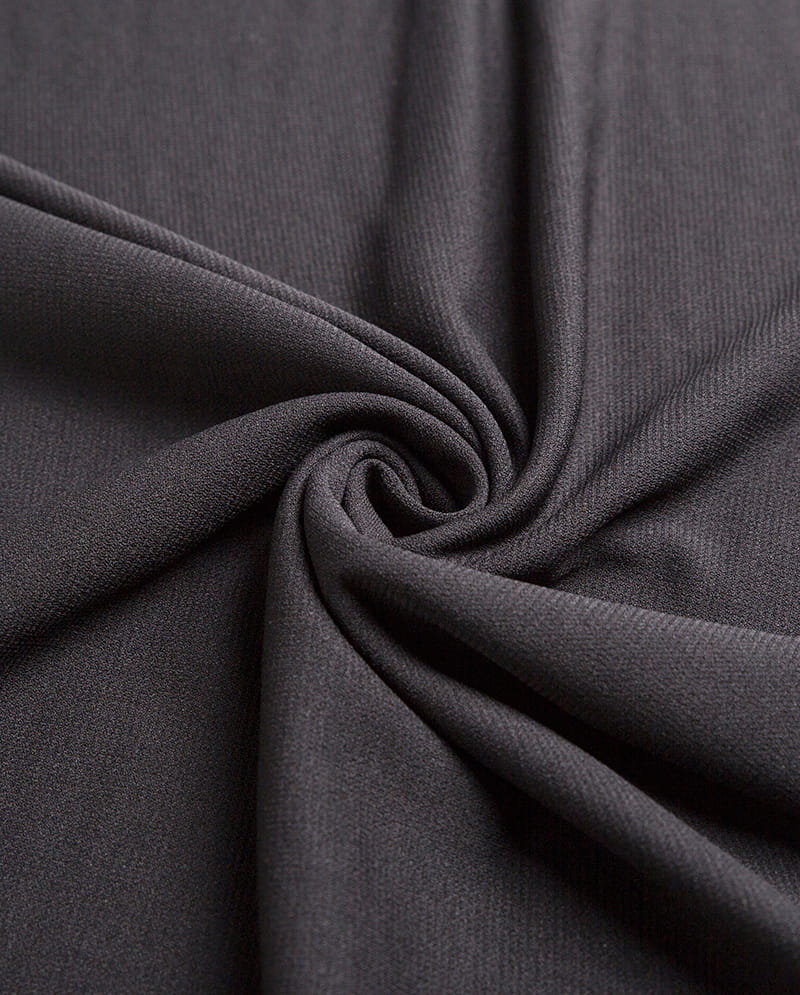
Durable Anti-Pilling Knitted Fabric for Home Textiles
-
Wash-Resistant Cationic Elastic Knitted Fabric for Garment Industry
-
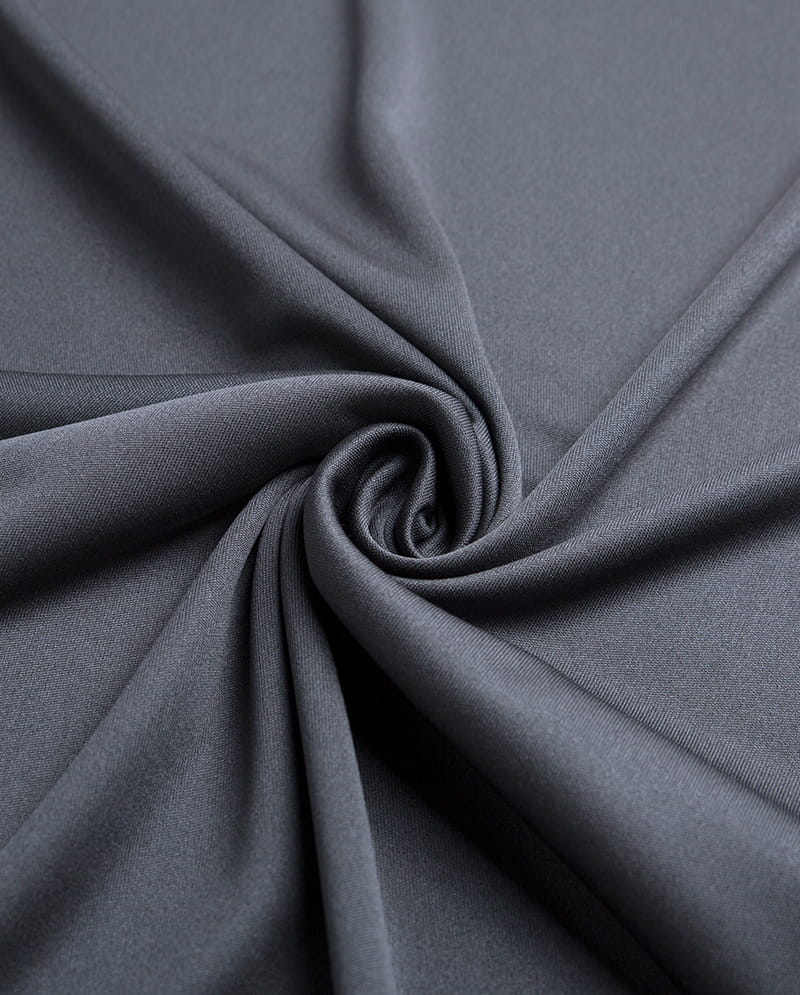
Breathable Double-Faced Elastic Composite Fabric
-
-
-
- whatsapp:
- 0086-13962559622
-
- skype:
- skype.aliceshenghong
-
- Wechat:

COPYRIGHT © 2016 Suzhou Junhui Textile Co., Ltd.
