

 EN
EN English
 中文简体
中文简体OEKO-TEX 100 Certified: What the Label Covers and How Buyers Verify It
Content
- 1 What OEKO-TEX 100 Certified Actually Means
- 2 What the Test Actually Screens For
- 3 Product Classes I to IV Decide How Strict the Limits Are
- 4 Components, Converting and Where Certificates Break
- 5 How to Read a Certificate in Five Checks
- 6 Where STANDARD 100 Sits Next to Recycled and Functional Claims
- 7 Certified Yarn and Fabric: What to Ask Before Price
- 8 Frequently Asked Questions
Samples are approved, the price is agreed, and then the paperwork question lands: is the yarn OEKO-TEX 100 certified, and does the certificate actually name the article you are buying? In polyester supply chains, that second half of the question is where purchase orders stall.
Certification sounds like a single yes-or-no answer. In practice it is a document with four moving parts: an article description, a production site, a product class and a validity date. Get any one of them wrong and you can hold a genuine, current certificate that still fails the compliance review of the brand you are selling to.
A certificate covers one article, made at one site, inside one twelve-month window.
That scope sentence is the part buyers forget first
This guide explains what the label certifies, which substances are screened, how the four product classes change the limits, and which questions to put to a yarn or fabric supplier before a price is agreed.
What OEKO-TEX 100 Certified Actually Means
OEKO-TEX STANDARD 100 certification confirms that an independent OEKO-TEX institute has tested a defined textile article against published limit values for harmful substances, and that every component of that tested item passed those limits.
STANDARD 100 is a harmful-substance testing and certification system for textile articles at every processing stage, from yarn and sewing thread to the finished product. A certificate is issued for a named article produced at a named site and is valid for twelve months.
Three practical consequences follow from that definition, and they matter far more than the logo printed on a hangtag.
- It is a test result, not a material grade. There is no such thing as certified yarn in the abstract, only a certificate covering a specific yarn at a specific count, colour state and plant.
- Coverage is component-based. Every part of the tested item must pass, including sewing thread, elastic, zipper tape, interlining, print paste and coating.
- Validity is short. Test criteria are revised each January, and certificates run for twelve months before renewal.
The standard also works as part of a modular system: when the yarn, the dyeing process and the accessories already hold certification, the testing needed for the finished article becomes narrower and faster.
What the Test Actually Screens For
The standard screens for substances that are legally restricted or known to harm health, and it applies limit values that in many cases sit below national regulations.
| Substance group | Where it hides in polyester production |
| Azo colorants and aromatic amines | Disperse dyes on dyed yarn, fabric and prints |
| Formaldehyde | Finishing resins, anti-crease treatments, print binders |
| Heavy metals | Dye pigments, stabilisers and coatings |
| Phthalates and plasticisers | Prints, plastisol transfers and coated fabrics |
| Alkylphenol ethoxylates | Detergents, dye carriers and scouring agents |
| PFAS and PFOA | Water-repellent and stain-repellent finishes |
| Organotin compounds | Catalysts and anti-odour finishes |
| Chlorinated phenols and benzenes | Preservatives and dye carriers |
| Residual solvents and VOC emissions | Coatings and laminated constructions, checked closely in Class I |
A supplier statement that a mill meets REACH is not the same claim. REACH is the legal floor, while STANDARD 100 limit values sit below it for many parameters and are revised every January, so a certificate issued two years ago describes criteria that no longer exist.
Fastness requirements sit alongside the chemical limits. Class I articles are tested for saliva and perspiration fastness as well as pH value, because an infant's skin and mouth contact is treated as a different exposure route rather than a stricter version of the same one. For the clause-level detail, our write-up of STANDARD 100 for yarn and fabric buyers explains how the annexes attach to a certificate.
Product Classes I to IV Decide How Strict the Limits Are
The same polyester yarn is judged against four different sets of limit values, and the class is set by how the finished article contacts the skin, not by fibre type, weight or price.
| Class | Typical articles | What changes |
| Class I | Baby and toddler items up to age three: bodysuits, bibs, sleepwear, bedding | Strictest limits, plus saliva fastness and pH requirements |
| Class II | Large skin-contact goods: T-shirts, underwear, dresses, socks, bed linen | Skin-contact limits for dyed and printed material |
| Class III | Little or no skin contact: jackets, coats, linings, outer shells, belts | Relaxed limits, with components still tested |
| Class IV | Furnishing and decoration: curtains, upholstery, floor coverings, table linen | Focus on surface and emission-related parameters |
Class belongs to the end article, not to the yarn. The same 150D cationic DTY can go into a Class I baby blanket or a Class IV curtain, and only the certificate that names the tested article is evidence for your order.
Components, Converting and Where Certificates Break
A STANDARD 100 certificate travels with an article and a production site; it does not follow the material automatically into the next factory along the chain.
What does transfer
- Certified yarn, thread and accessory components reduce the testing needed for the finished article.
- A converter that already holds certification can be listed, so its process stays inside the certificate scope.
- Certificate numbers stay verifiable by a buyer or an auditor during the whole validity period.
What does not transfer
- A move to an uncertified dyehouse, printer or finisher.
- A change in composition, count, colour state or supplier of the tested component.
- An added elastic tape, zipper, patch or coating that was never tested.
- Another article name, another plant, or the next certificate year.
This is why finished goods normally need their own certificate even when the greige fabric underneath is already covered. Dyeing, printing and finishing introduce the majority of the risky chemistry, so a yarn-level document is evidence of a starting point rather than proof of the shipped garment.
Change the article, the site or the year, and the certificate is out of date before the container ships.
How to Read a Certificate in Five Checks
Five fields on the document decide whether it is usable for your order, and all five can be checked in a few minutes.
- Certificate number and validity dates. Compare the expiry date with your planned shipment date, not the order date. A certificate that expires mid-production is a documented risk in most brand audits.
- Holder and production site. The named factory must be the one that actually runs your order. Trading companies sometimes hold certificates for a mill that will never touch your goods.
- Article description. Match composition, denier, filament count and colour state. Grey yarn and dyed yarn are separate articles, and so is a different count from the same spinner.
- Product class. Confirm the class matches the end use you are producing for, and that it matches the class written into your specification sheet.
- Standard edition and annexes. The year of the test criteria and any annex attached tell you which additional requirements apply to your material type.
Expired certificates are the most common finding in pre-shipment document reviews. Renewal is usually fast when the article and the production site are unchanged, so ask for renewal confirmation before you book capacity rather than after.
Where STANDARD 100 Sits Next to Recycled and Functional Claims
STANDARD 100 answers one question only: are the harmful substances in the tested article below the limit values? It says nothing about recycled content, working conditions or biodegradability.
| Attribute | STANDARD 100 | GRS |
| Primary question | Are harmful substances below the limits? | How much recycled content, and under what controls? |
| Chain covered | Yarn and components through to the finished article | Recycler through to the finished product |
| Recycled content rule | Not applicable | Minimum content thresholds, with higher levels for product logo claims |
| Validity | Twelve months | Twelve months |
| Typical buyer use | Skin-contact safety and legal risk reduction | Recycled-content claims and brand targets |
Buyers usually stack the two documents. A recycled DTY yarn can carry one certificate for material content and a second for chemistry, which is how recycled lines that also feed skin-contact programmes are normally presented.
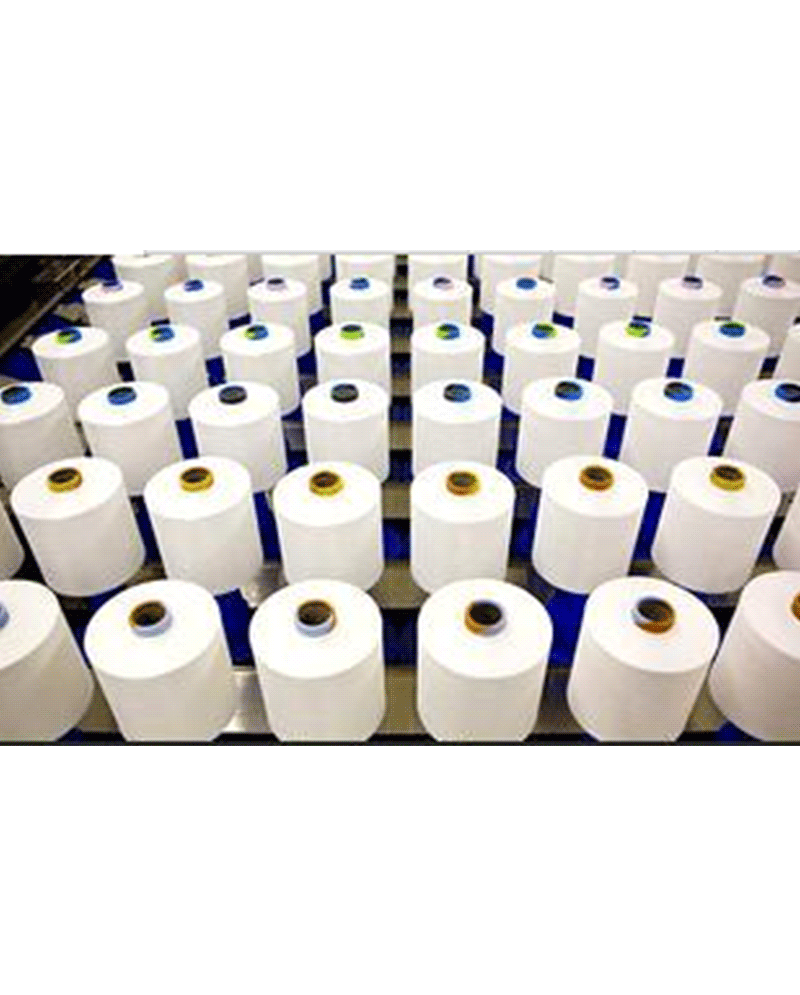 SD DTY (D/F) High-Strength Recycled Polyester YarnSUZHOU JUNHUI TEXTILE CO.,LTDView Product →
Safety claims and sustainability claims are verified by different systems. Treating one as proof of the other is the fastest way to lose a brand audit.
Certified Yarn and Fabric: What to Ask Before Price
Ask for the certificate number, the covered article description and the production site before price, because those three items remove most certification risk from a quotation.
- Certificate number and expiry date, checked against your shipment window.
- Article description matching your purchase order down to composition, denier and colour state.
- Production site matching the plant that will actually ship the goods.
- Testing institute name, so the document can be verified independently.
- Product class consistent with your end use.
- A renewal plan for the next twelve-month cycle if the programme runs beyond one season.
The same discipline applies to functional yarns. A moisture-management yarn, for example, may rely on finishes and polymer additives that fall inside the STANDARD 100 test scope, so a supplier should be able to show the chemistry and the certificate together rather than one without the other.
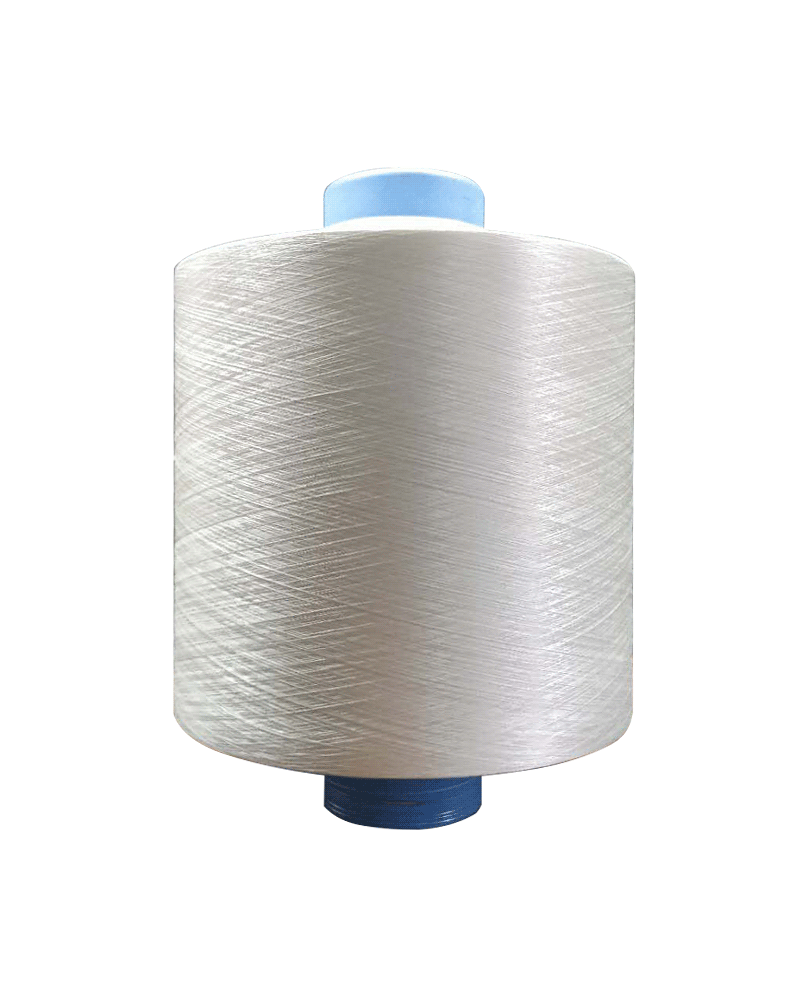 Moisture And Drying Quickly Functional YarnSUZHOU JUNHUI TEXTILE CO.,LTDView Product →
On the fabric side, knitted constructions such as cationic elastic jersey are normally tested as finished articles in Class II, which means dyeing, brushing and any softener applied on the stenter all sit inside the tested article boundary.
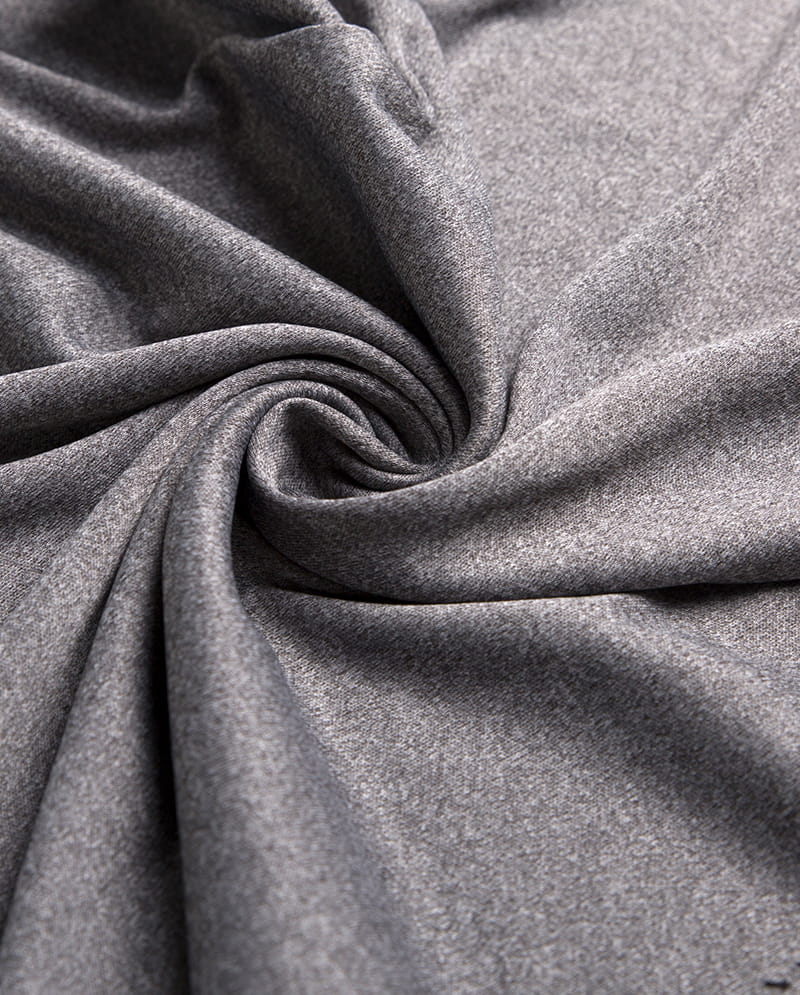 Wash-Resistant Cationic Elastic Knitted Fabric for Garment IndustrySUZHOU JUNHUI TEXTILE CO.,LTDView Product →
We produce and sell these yarns and fabrics from Shengze in Suzhou, with more than ninety percent of output exported and customers across thirty-six countries. Recycled lines have been covered by GRS certification since 2019, and technical questions about certification, class selection or component testing are answered within twelve hours through the company profile contact channels.
Send the end use, the country of sale and the certificate number. Those three details are enough for a supplier to confirm in writing whether an existing certificate covers your order or whether new testing is required.
Frequently Asked Questions
Does OEKO-TEX 100 certified mean the textile is chemical-free?
No. The standard sets limit values, not zero tolerance for every substance. Certified articles can still contain traces of processing chemistry, but those traces fall below the thresholds set for the relevant product class and are checked by an independent institute.
How long is a STANDARD 100 certificate valid?
Twelve months from the date of issue. The test criteria are revised each January, so renewal confirms that the article still meets the current limits rather than the limits that were in force when the certificate was first granted.
If my yarn is certified, is my finished garment certified too?
No. A yarn certificate covers the yarn. The finished article needs its own certification unless every component and every processing step is already inside the existing certificate scope, which is rare once dyeing, printing and accessories are added.
Can a buyer verify a certificate independently?
Yes. Certificate numbers can be checked through the public OEKO-TEX certificate database, which shows the holder, the covered articles, the product class and the validity period. Verify rather than accept a scanned file at face value.
Verification takes minutes and settles most disputes before they ever reach a compliance desk.
Popular products
-
Premium Cationic Interlock Stretch Comfort Fabric
-
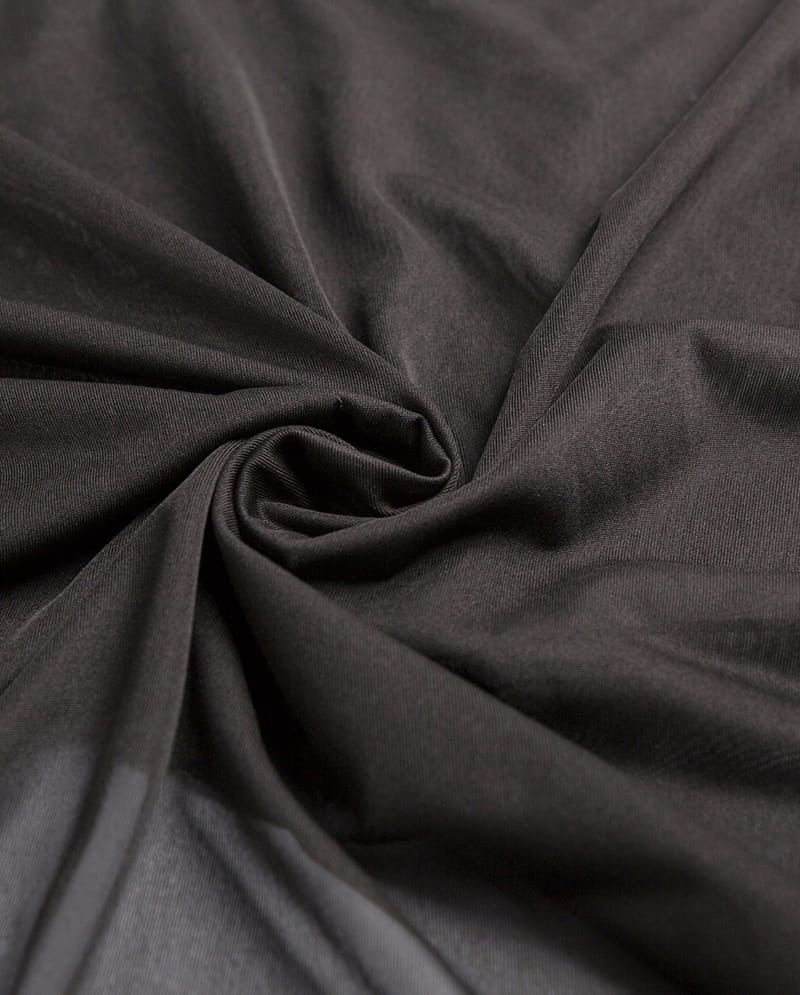
Moisture-Wicking Nylon Woven Fabric
-
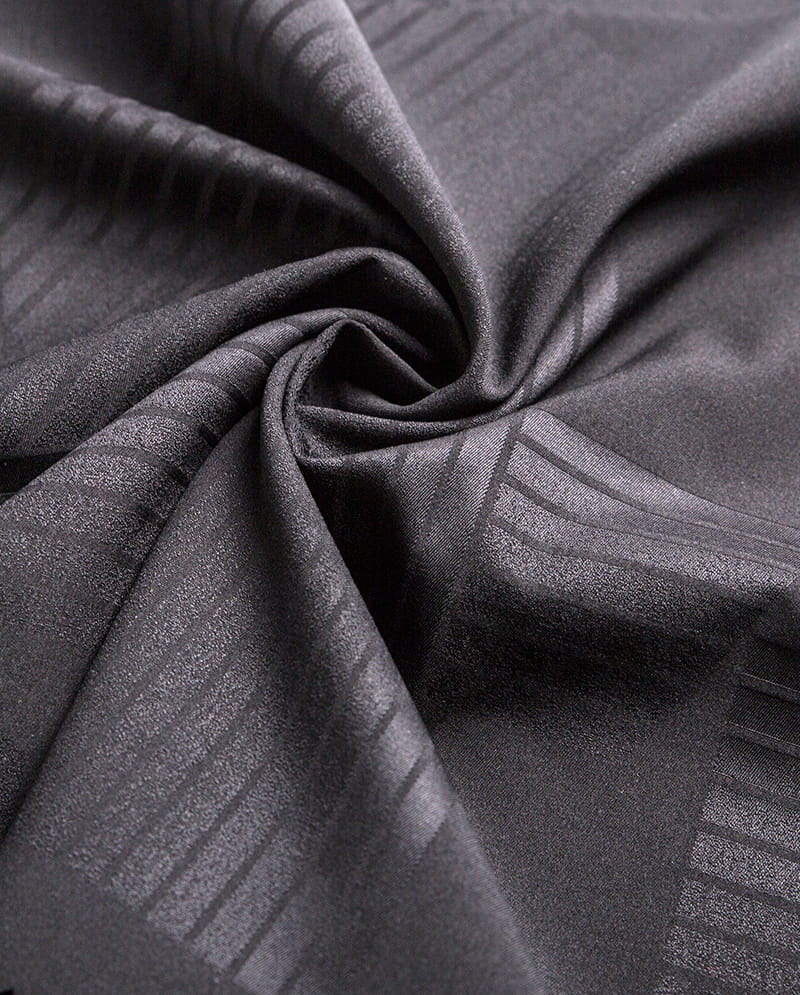
Double-faced jacquard elastic fabric
-
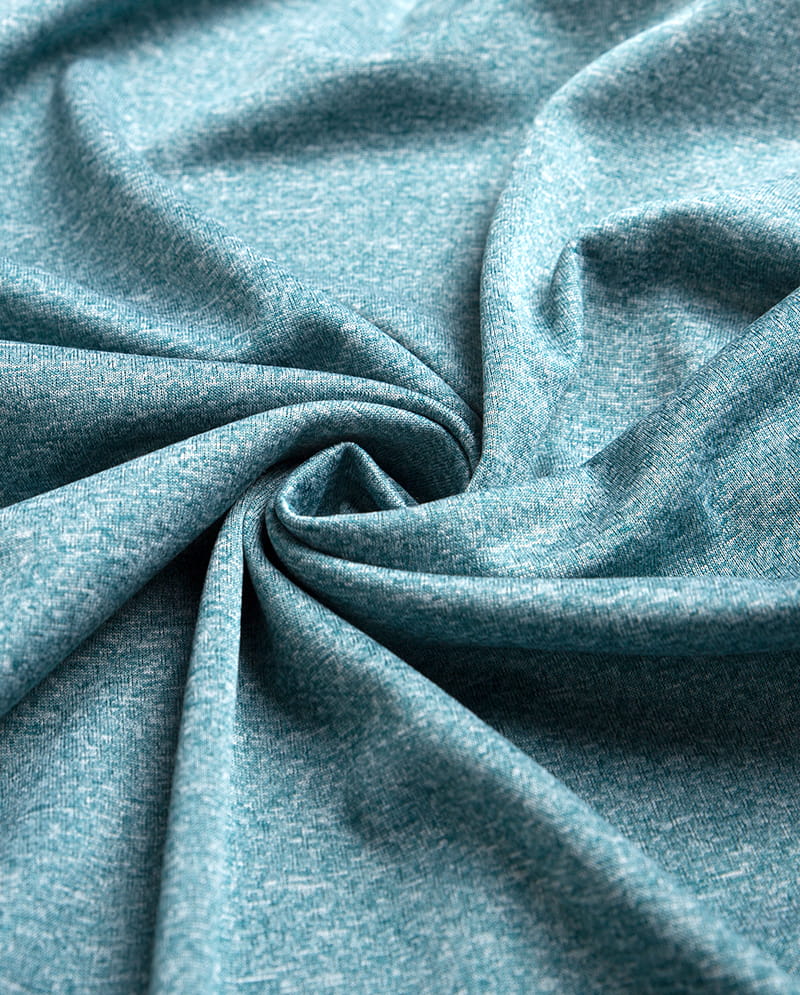
Heather Grey Double-faced cationic jersey fabric
-
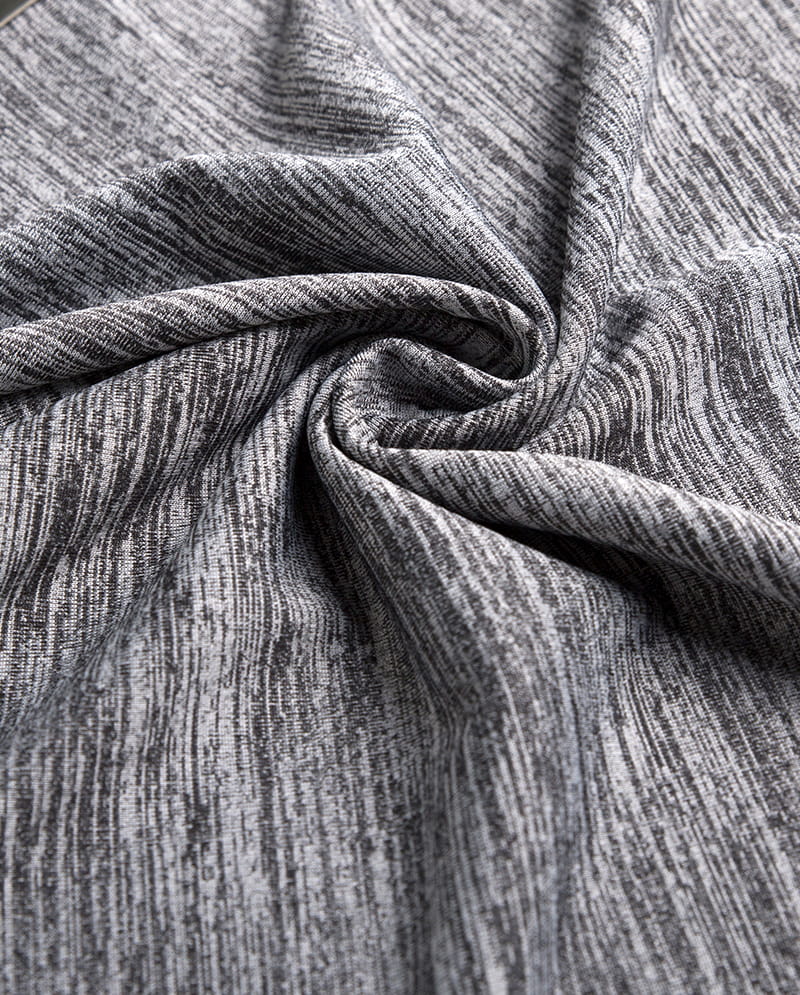
Anti-static Cationic Knitted Rib Fabric
-
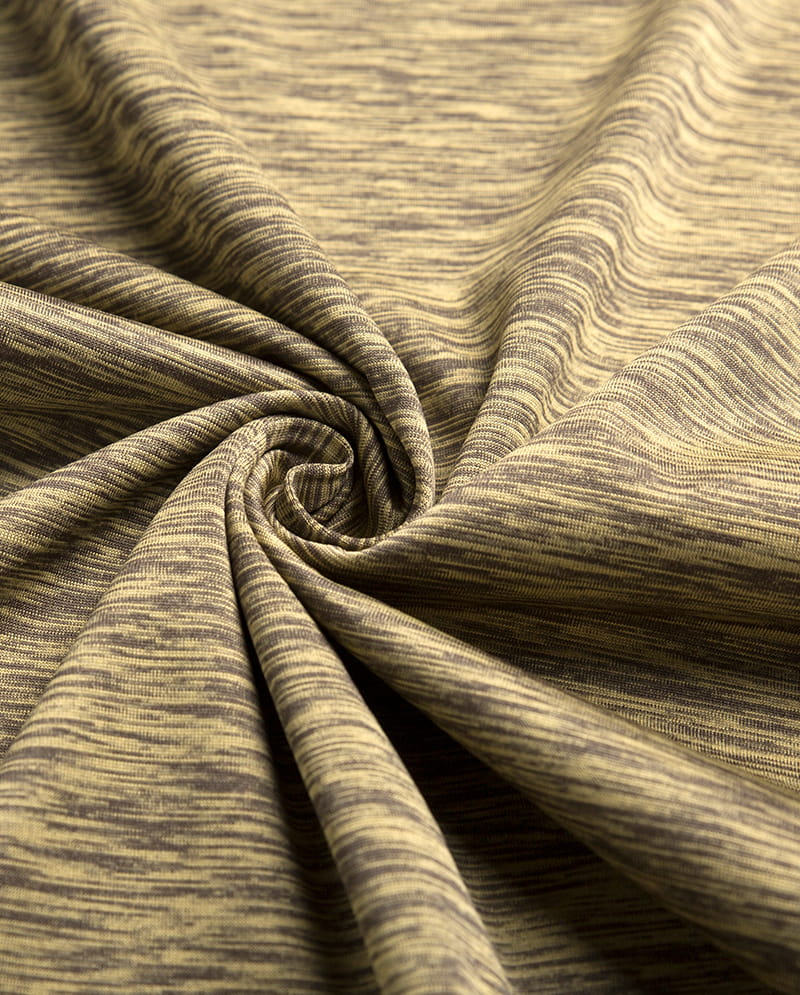
High-Stretch Cationic Jersey Fabric
-
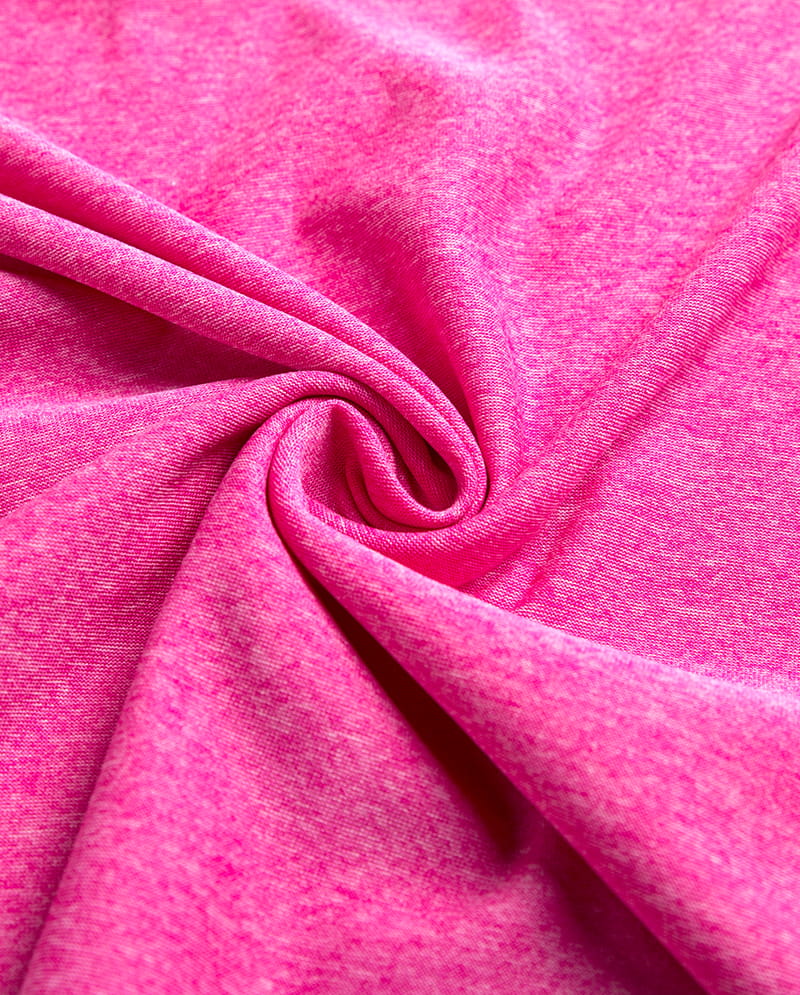
High Quality Cationic DTY Spandex Two Sides Brush Dralon Knit Fabric for Garment Thermal Underwear
-
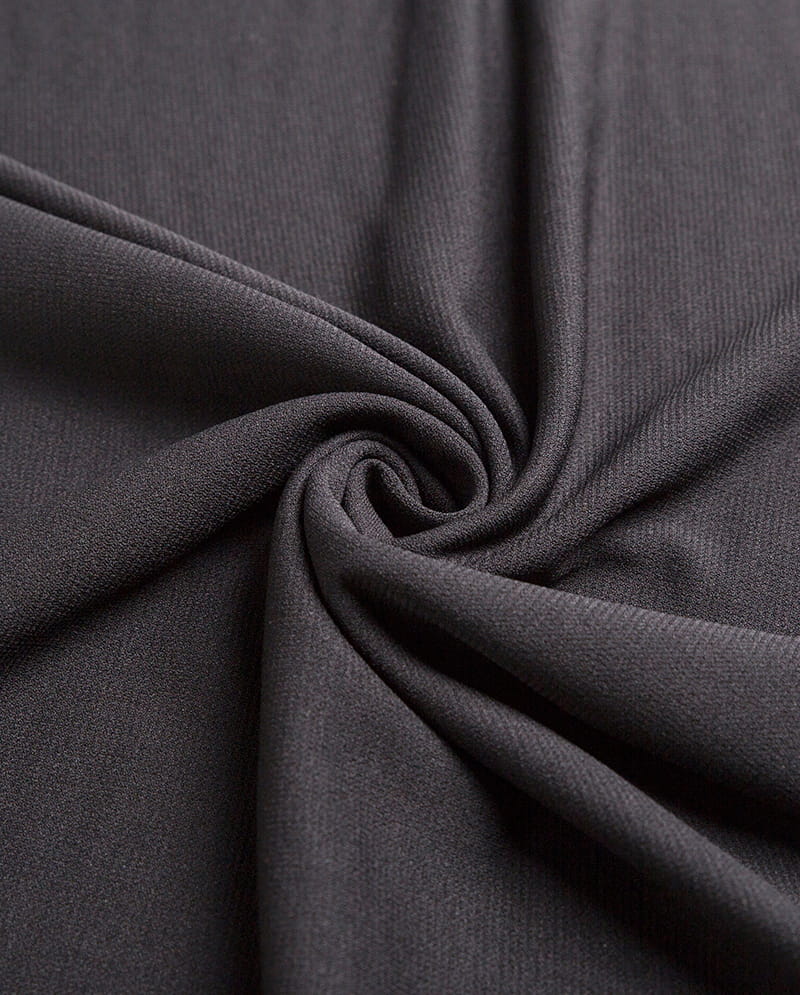
Durable Anti-Pilling Knitted Fabric for Home Textiles
-

Wash-Resistant Cationic Elastic Knitted Fabric for Garment Industry
-
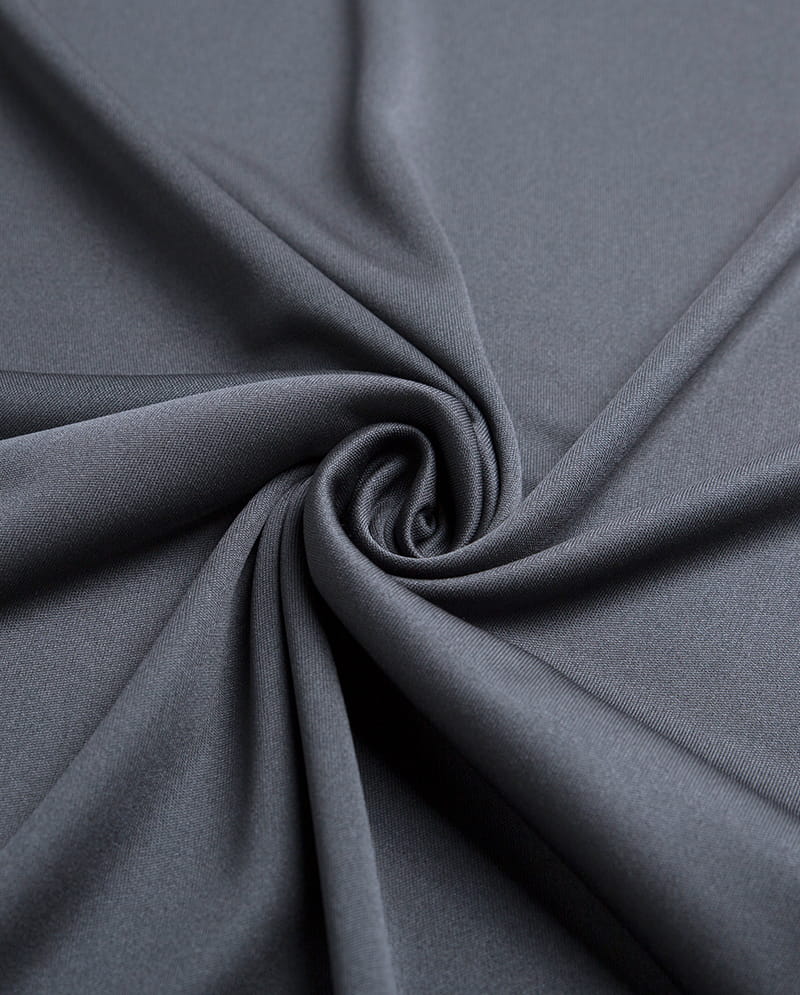
Breathable Double-Faced Elastic Composite Fabric
-
-
-
- whatsapp:
- 0086-13962559622
-
- skype:
- skype.aliceshenghong
-
- Wechat:

COPYRIGHT © 2016 Suzhou Junhui Textile Co., Ltd.
