

 EN
 English
 中文简体
OEKO-TEX Standard 100 Explained: Product Classes, Certificates, and Yarn Sourcing
Content
A polyester jersey knitted for babywear and an identical jersey knitted for a jacket lining can leave the same machine, in the same shade, and still be certified very differently. The deciding factor is not the fiber, the yarn count, or the dye lot. It is the product class printed on the STANDARD 100 certificate, and that single line sets the limit values applied and, in practice, which dyes and finishing agents were allowed in the first place.
For sourcing teams buying from Asian mills, the working question has shifted. It is rarely "is this certified" anymore, and much more often "is this exact article covered, at the right class, under the current criteria version". That question cannot be answered by a hangtag. It needs a certificate with a number on it.
What Standard 100 Actually Certifies
STANDARD 100 by OEKO-TEX is a product-level certification confirming that a defined textile article has been tested by an independent OEKO-TEX institute for harmful substances and meets the limit values set for its product class.
Testing follows the article through every processing stage that matters: greige and dyed yarn, greige fabric, the finished piece, and the trims attached to it. Sewing thread, zippers, elastic, interlinings, heat-transfer labels, and print pastes are all within scope, which is why a certified shell fabric can still be held up by an uncertified zipper tape. The criteria catalogue is reviewed annually and tracks major chemical regulations, so a recipe that passed two seasons ago may need adjustment at the next renewal.
- It is not a factory audit. Production site assessment sits with a separate standard.
- It is not an organic or recycled-content claim. Those come from different certification schemes.
- It is not an approval of the dyes and auxiliaries themselves. Chemical inputs are cleared elsewhere.
- It is not a traceability system. Traceability has to be added by a further certification layer.
Product Classes Decide Your Test Limits
Product class is the line that sets the actual test limits, so the same fabric certified as Class II cannot simply be relabeled Class I without new testing against the stricter criteria.
| Class | Typical articles | What it means in sourcing |
| Class I | Babywear and toddler garments up to three years, plus bedding and toys for that age group | Narrowest set of permitted dyes and finishes; also adds fastness to saliva and perspiration |
| Class II | Underwear, T-shirts, socks, leggings, bed linen and other articles with large skin contact | Where most apparel sits; does not extend to newborn items in the same fabric |
| Class III | Jackets, coats, linings, belts and articles used away from the skin | Wider limits, frequently paired with a Class II certificate for the same fabric family |
| Class IV | Curtains, table linen, upholstery and floor coverings | Furnishing limits only; cannot be moved across to a garment claim |
Class I is where color development usually gets complicated. Certain dye classes and after-treatment chemistries that clear Class II comfortably will fail the Class I limits, which means a babywear program may need a different color route or a dope-dyed yarn instead of a piece-dyed one.
Where Yarn Sits in the Certification Chain
Yarn can be certified in its own right, and a valid yarn certificate usually shortens and de-risks the route to a certified fabric downstream.
The certificate names articles, not a supplier's entire range, so matching details matter: denier, filament count, luster, semi-dull or full-dull finish, and whether the color comes from dope dyeing or from piece dyeing. Texturizing and heat-setting conditions also belong to the article description. When a mill changes from a standard polyester to a cationic dyeable variant, the dyeing temperature drops and the shade range widens, but the new yarn needs its own coverage on paper before bulk dyeing starts.
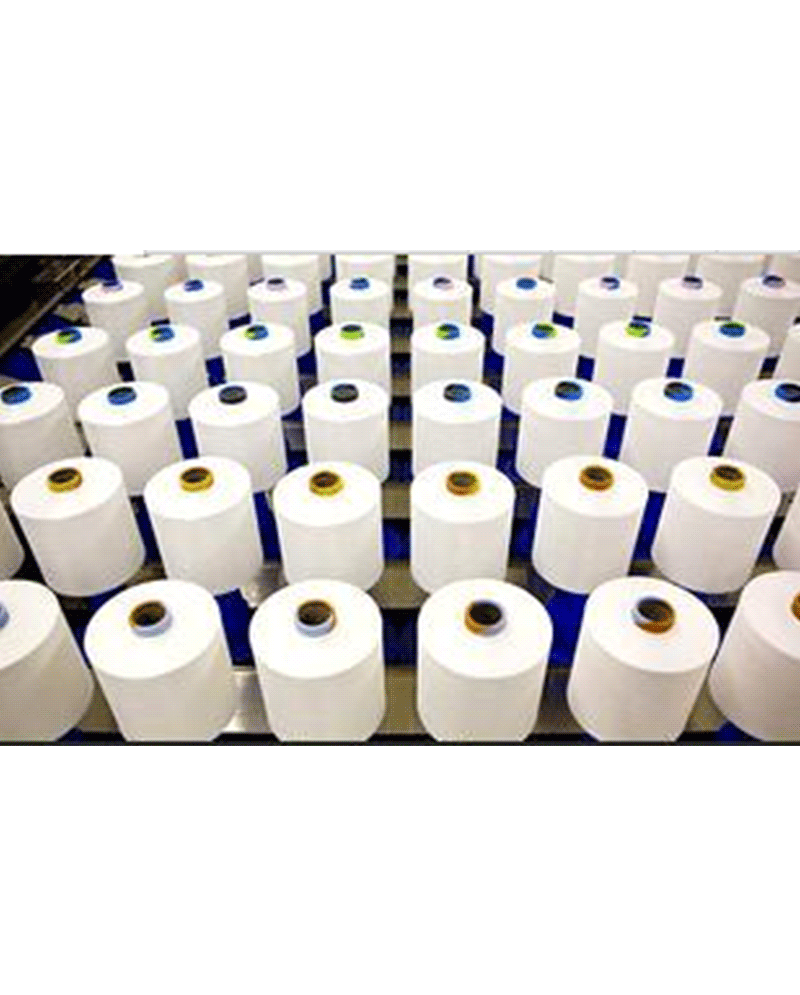 SD DTY High-Strength Recycled Polyester YarnSemi-dull recycled DTY with high strength, Oeko-Tex/GRS certification, and listed denier/filament variants for matching certificate article details before bulk dyeing.View Product →
Our own production of differential and recycled yarns is built around this logic, and buyers who need a documented route from resin to finished fabric can review the wider practical guide to Standard 100 for yarn and fabric before confirming a color card.
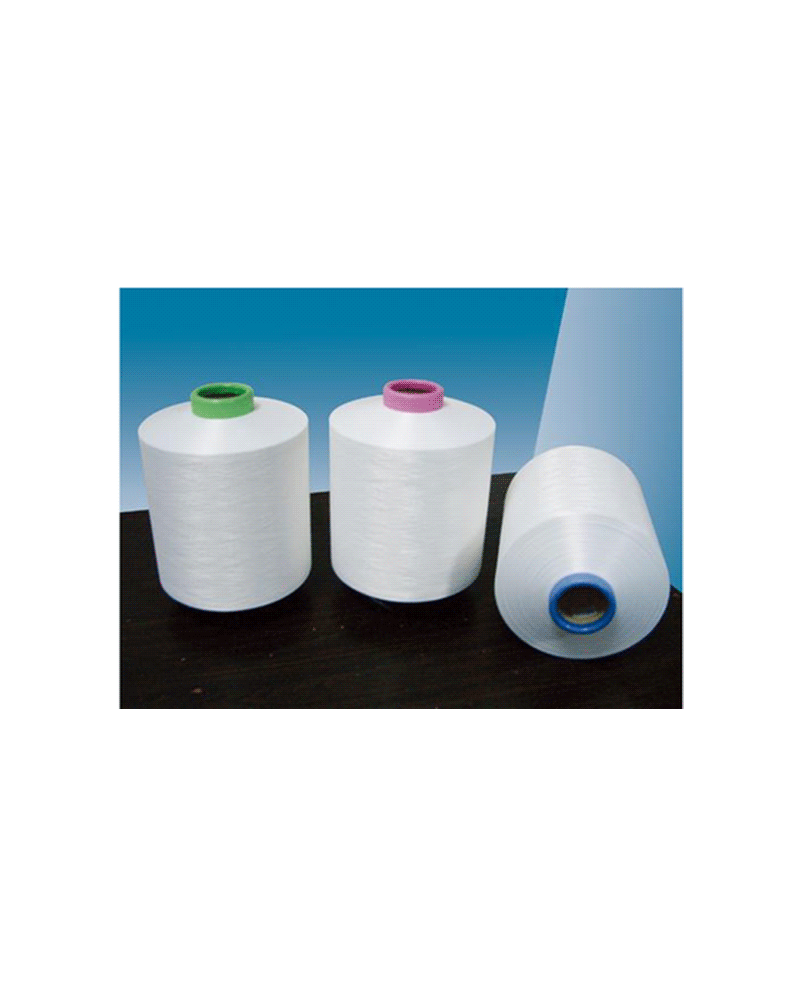 Anti-Bacterial D/F Functional ATY YarnAir-jet textured functional yarn with anti-bacterial modification, uniform coverage, and coarse-denier options suited to carpets, sofa fabrics, and decorative textiles.View Product →
Reading a Certificate in Four Checks
Four fields decide whether a certificate is usable for your order, and every one of them sits on page one of the PDF.
- Certificate number and issuing institute. Verify both in the institute's online database rather than reading the logo. A number that cannot be found there is not a certificate.
- Article scope and product class. Check the article description against your purchase specification: fiber content, fabric weight, color application, and every listed trim component.
- Validity date. Certificates run on a twelve-month cycle. Compare the expiry against your ex-factory date, not against the date you placed the order, because a long production window can outlast coverage.
- Criteria version. The limit values are updated annually. A certificate issued before a criteria revision may not cover substances added to the catalogue since, even if the date is still valid.
Buyer Mistakes That Surface After Shipping
Most certificate disputes we see come from four recurring errors, and none of them are technical chemistry problems.
- Accepting coverage for the yarn only. A spinner's certificate does not automatically carry through to a dyed, finished, trimmed garment unless the fabric is certified as well.
- Reading a company statement as a product claim. "We are certified" and "this article number is certified" are different statements with different evidence.
- Mixing claims from two schemes. Recycled content and harmful-substance testing are separate certifications, and combining them into one hangtag without both documents invites a customs or retail compliance query.
- Leaving trims out of scope. Care labels, elastic, zipper tape, and heat-transfer prints each need their own coverage or an existing certificate reference from the supplier.
A Sourcing Checklist for Certified Programs
Ask for the document set before price negotiation, not after the sample is approved, because document gaps discovered late tend to move delivery dates rather than prices.
- Certificate PDF with a verifiable number and issuing institute
- Product class statement covering the exact article and color route
- Component list for trims, prints, and coatings
- Recycled content transaction certificate where a GRS claim is made
- Written confirmation of the expiry date relative to shipment
- A logo image with no certificate number visible
- Coverage for a different denier, luster, or colorway than ordered
- Expiry that falls inside the production window
- No named product class anywhere on the document
- Verbal assurance that "the whole range is certified"
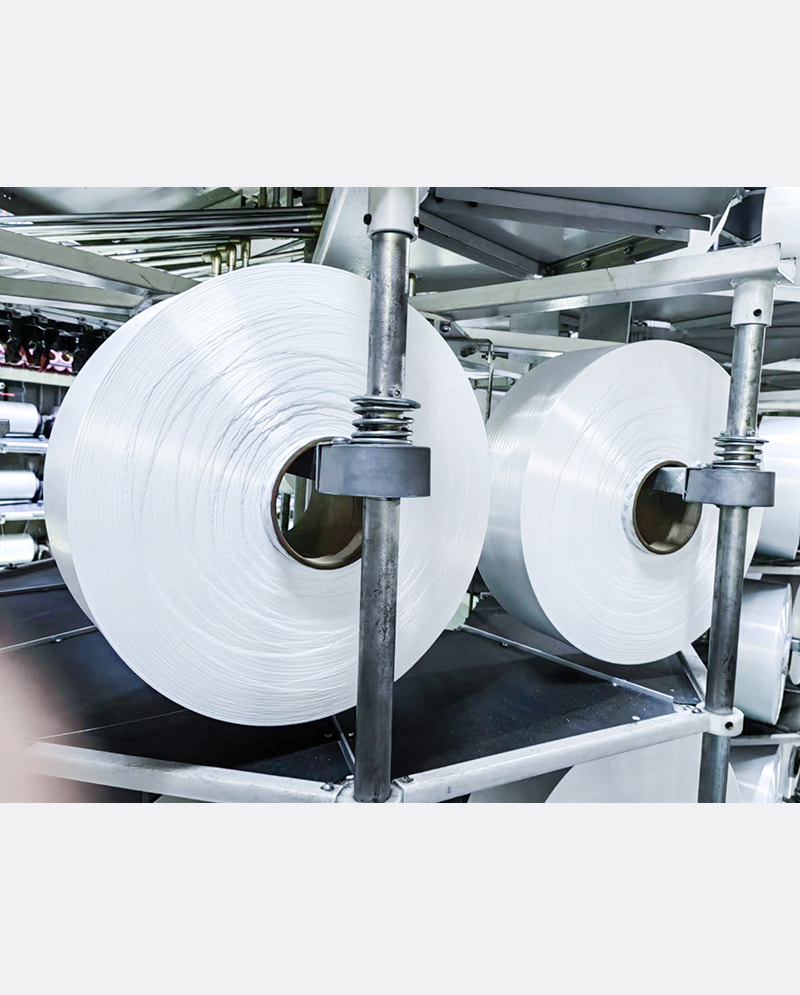 Eco-Friendly Recycled FDY Yarn in SD/FD/CD/TBRGRS-certified recycled PET FDY in SD, FD, CD, and TBR variants, with dope-dyeing options and performance comparable to virgin fibers for apparel and industrial fabrics.View Product →
Frequently Asked Questions
Does Standard 100 certify the factory or the product?
It certifies the product. The certificate names specific tested articles at a stated product class, and it says nothing about the working conditions, wastewater handling, or management systems at the mill that produced them. Those fall under separate factory-level standards.
How long does a Standard 100 certificate stay valid?
Twelve months from issue, renewable annually on condition that the article still meets the current criteria version. In practice the renewal date matters more than the issue date, because criteria are revised each year and a recipe can drop out of compliance even without any change on the production line.
Can a yarn certificate support a finished garment claim?
Not directly. A yarn certificate proves the yarn was tested, which reduces the testing burden for the fabric and garment stages, but the finished article still needs its own coverage if the hangtag claim refers to the garment. Brand owners and retailers almost always ask for the certificate that matches the product on the shelf.
Is Standard 100 the same as Made in Green?
No. Standard 100 covers harmful-substance testing of the article. Made in Green adds verified manufacturing site conditions and product traceability on top of that testing, so it is a broader claim that requires more documentation across the supply chain.
Popular products
-
Premium Cationic Interlock Stretch Comfort Fabric
-
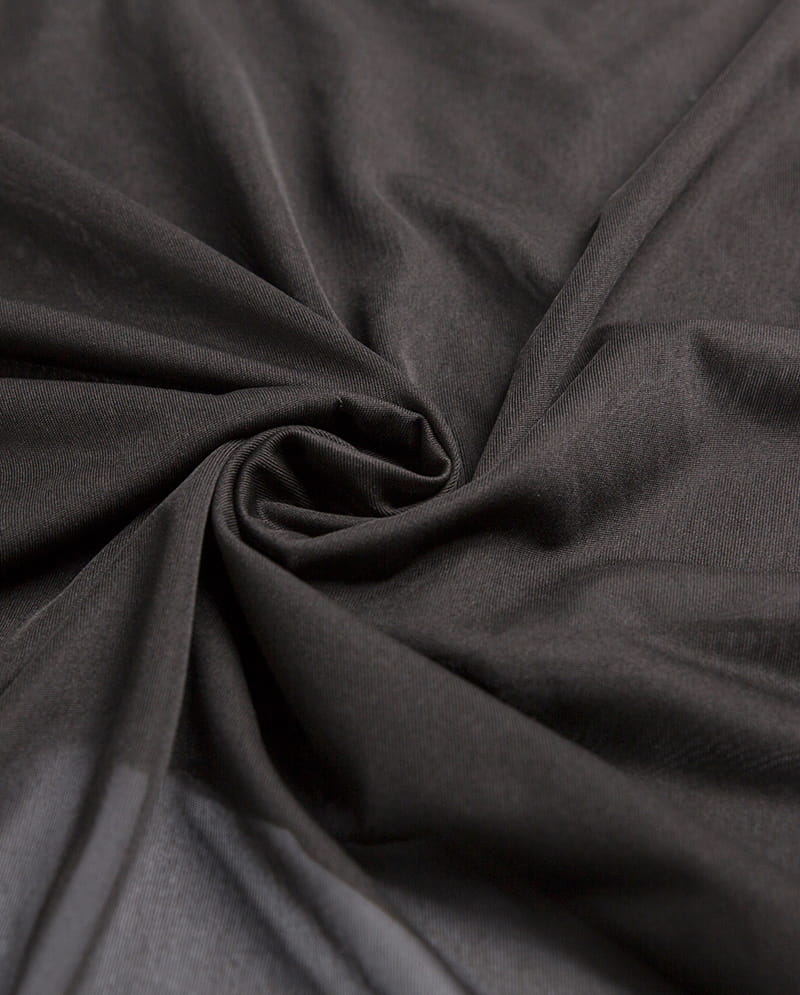
Moisture-Wicking Nylon Woven Fabric
-
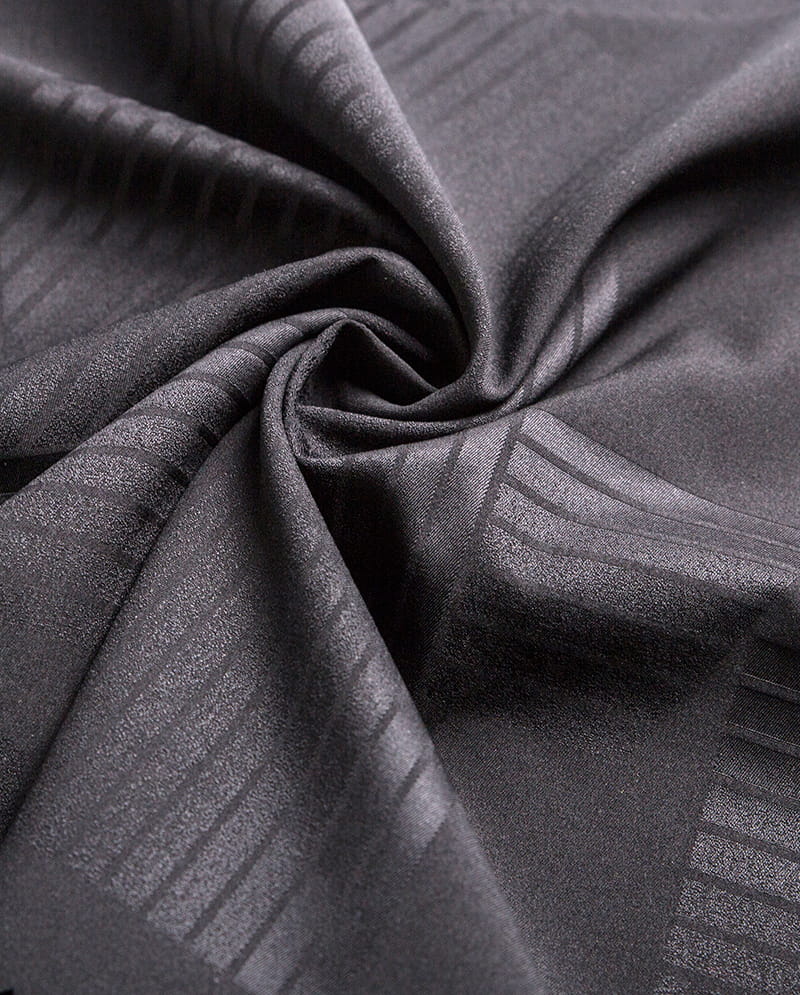
Double-faced jacquard elastic fabric
-
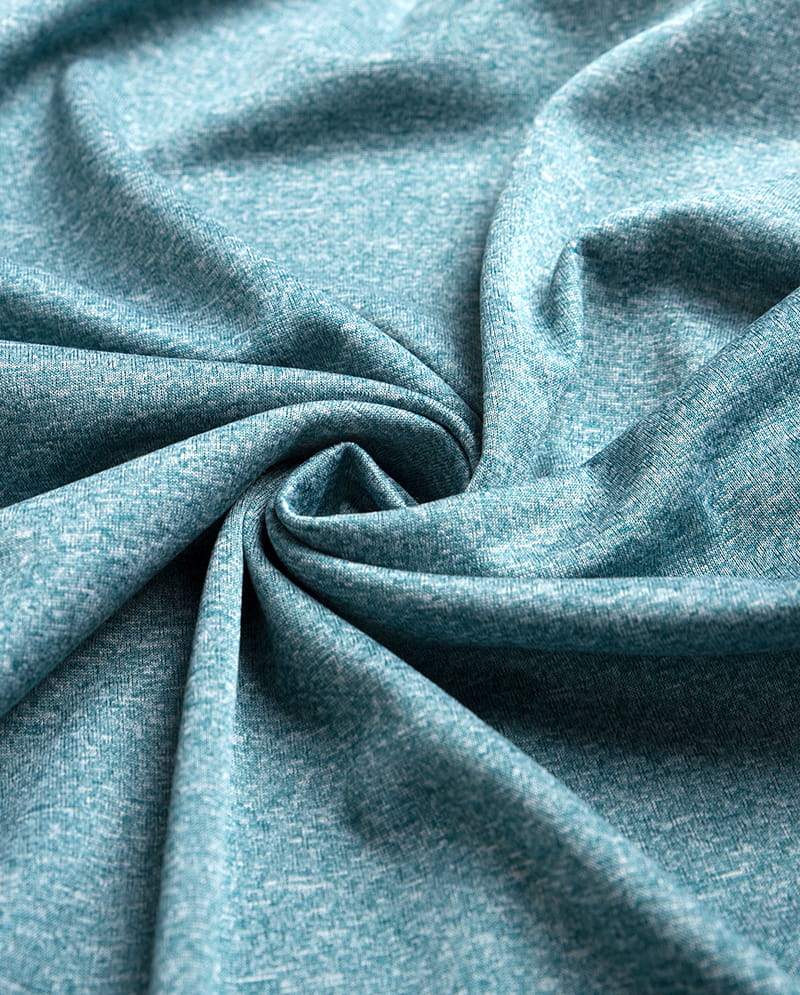
Heather Grey Double-faced cationic jersey fabric
-
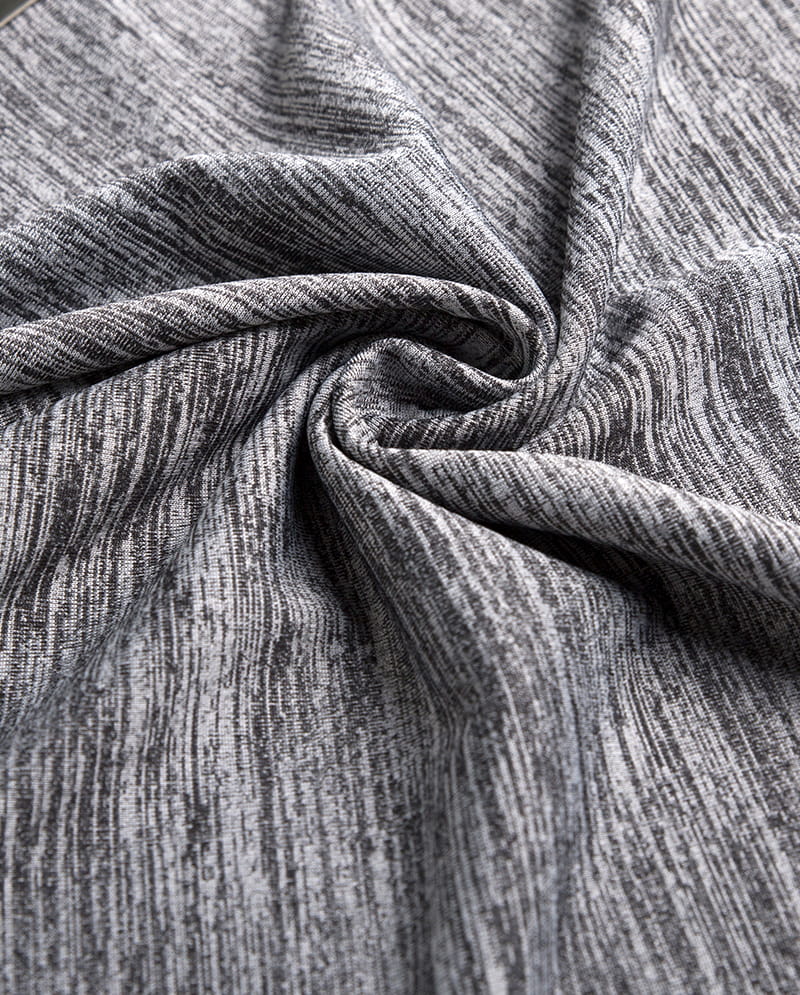
Anti-static Cationic Knitted Rib Fabric
-
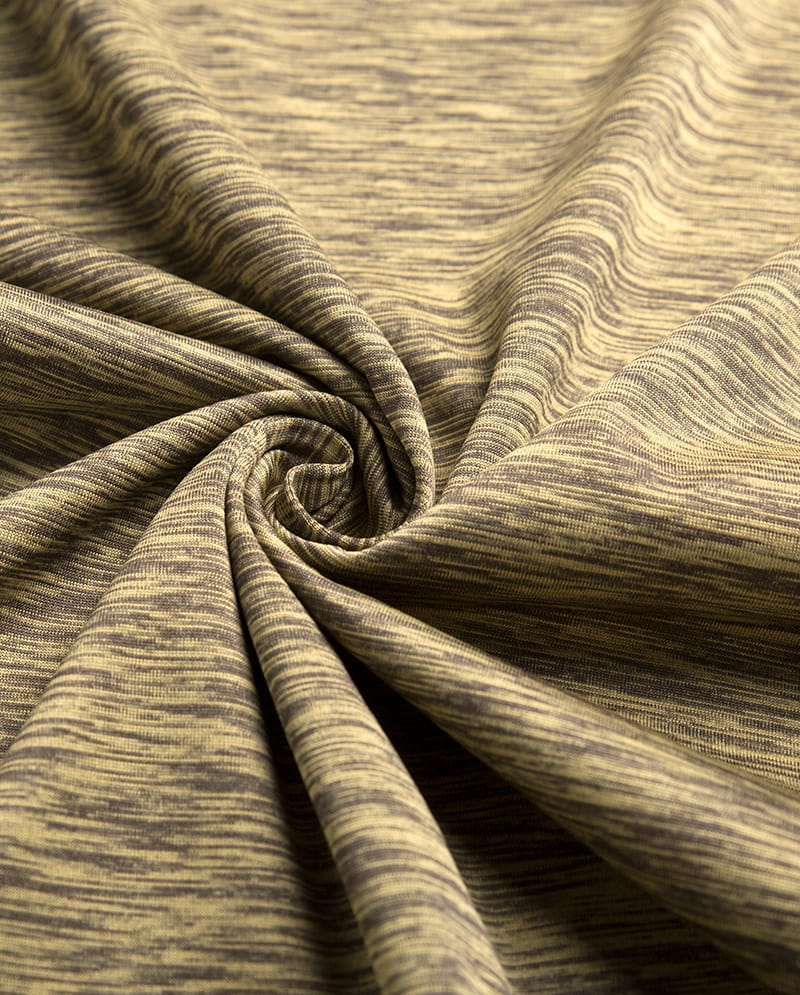
High-Stretch Cationic Jersey Fabric
-
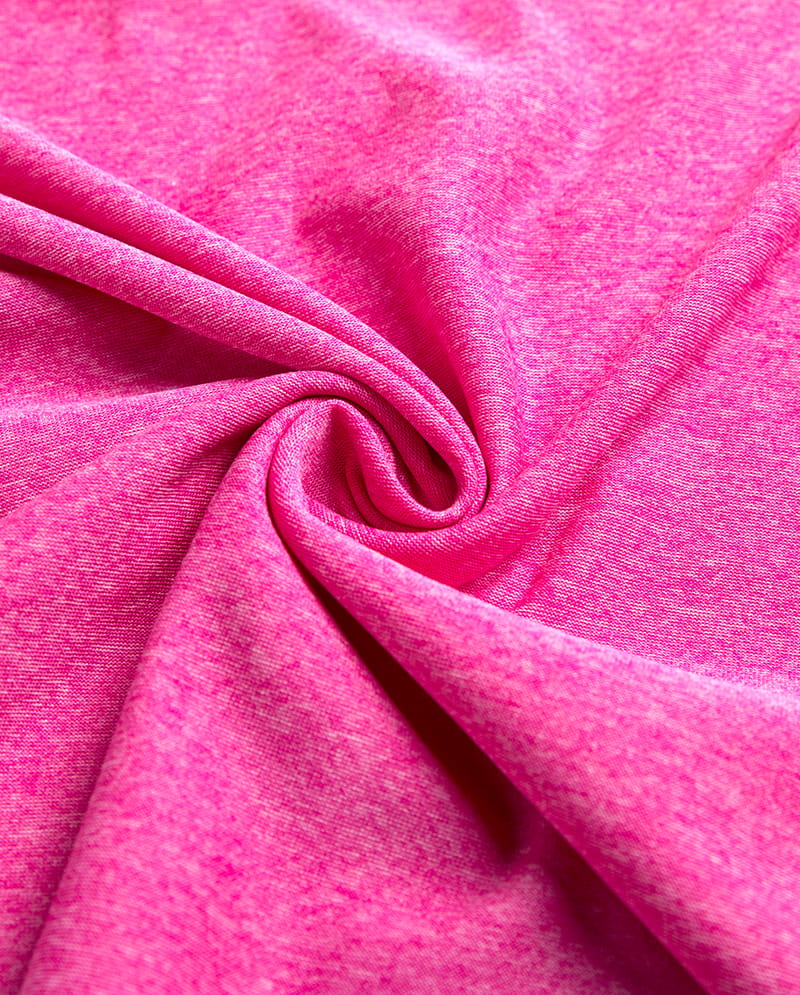
High Quality Cationic DTY Spandex Two Sides Brush Dralon Knit Fabric for Garment Thermal Underwear
-
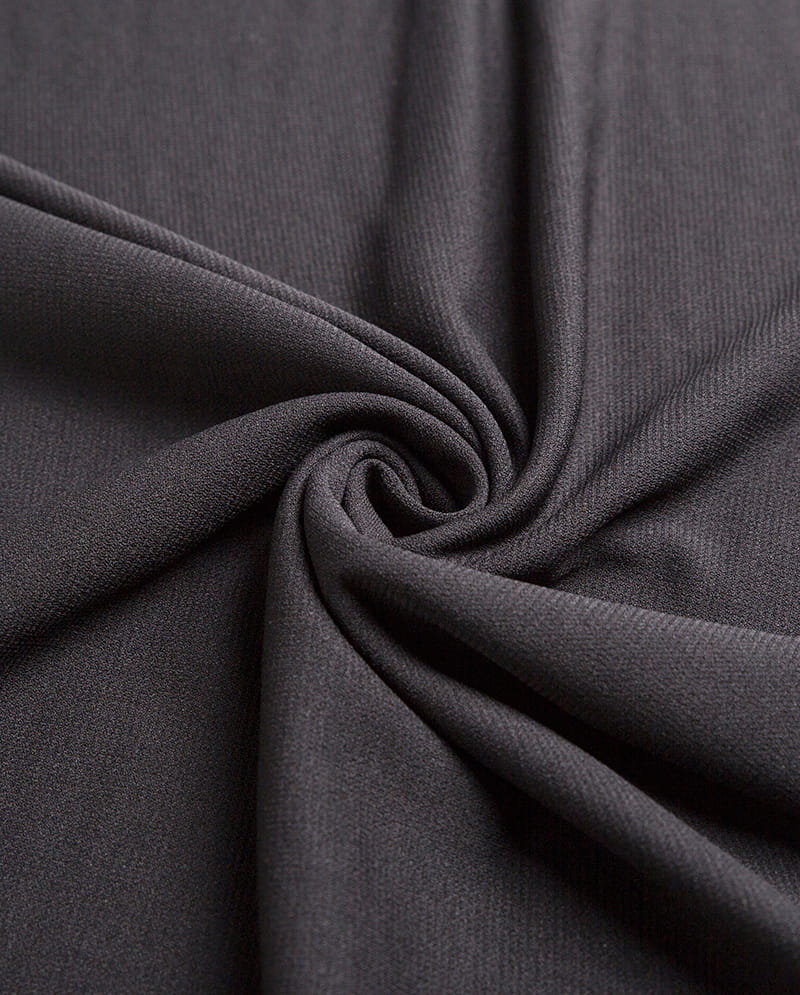
Durable Anti-Pilling Knitted Fabric for Home Textiles
-
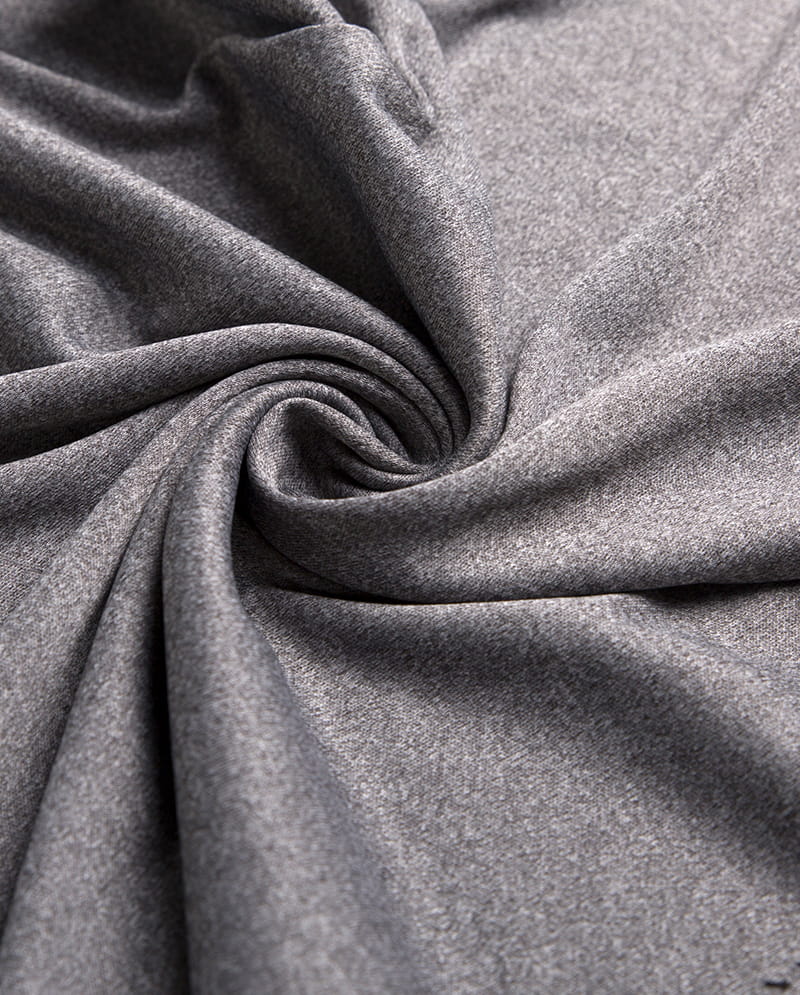
Wash-Resistant Cationic Elastic Knitted Fabric for Garment Industry
-
Breathable Double-Faced Elastic Composite Fabric
-
-
-
- whatsapp:
- 0086-13962559622
-
- skype:
- skype.aliceshenghong
-
- Wechat:

COPYRIGHT © 2016 Suzhou Junhui Textile Co., Ltd.
