

 EN
EN English
 中文简体
中文简体High-Elastic Yarn Guide: Types, Properties, Performance & Sourcing Tips
Content
A sourcing manager at a knitting mill opens a new enquiry from an activewear brand. The technical pack asks for 25 to 30 percent stretch at a defined load, at least 90 percent recovery within five minutes, and no visible bagging after 20 household washes. Standard polyester DTY looks acceptable until the first wash test, when the collar, the cuffs, and the knee area begin to hold a permanent stretch. High-elastic yarn is the specification that survives that test. It gives knitted fabric the flexibility to follow body movement and the memory to return to its original shape, which is why it has become a default choice for hosiery, sportswear, and close-fitting knitwear. Before you quote a wholesale program, it pays to understand what high-elastic yarn is, how it is measured, and which of the common types matches your end product.
What Is High-Elastic Yarn?
High-elastic yarn is a textured polyester yarn engineered for high elastic recovery. It belongs to the draw-textured yarn (DTY) family, but instead of relying on the modest crimp of ordinary PET filaments, it is produced from modified polymers, most commonly PBT or a PBT/PET blend, or from specially processed polyester using a dedicated texturing route. During draw texturing, the filaments are heated, twisted, and untwisted to create a tight coiled structure. That structure works like a spring inside the fabric. When the yarn is extended, the coils open; when the tension is removed, the coils snap back and pull the fabric with them. The molecular reason is that PBT has a more flexible polymer backbone than PET, so the chain can accept deformation and return to its original position far more readily.
One important distinction: high-elastic yarn is not a replacement for spandex. Spandex-covered yarns provide what the trade calls power stretch, and they need an additional covering step. High-elastic yarns provide comfort stretch directly, with better resistance to chlorine, heat, and laundering. For most everyday garments, they deliver the movement and shape retention that customers actually notice, without the cost and processing complexity of spandex. That is why high-elastic yarn appears in spec sheets for sportswear, socks, and knit apparel far more often than the average textile buyer realizes.
Key Properties That Affect Fabric Performance
Four properties determine how high-elastic yarn behaves in a finished fabric: elastic recovery, initial modulus, heat behavior, and dyeing performance. The table below summarizes how these change as you move from standard DTY to the high-elastic types.
| Property | Standard PET DTY | High-Elastic DTY | PBT/PET High-Elastic DTY |
|---|---|---|---|
| Elastic recovery | Low; tends to bag after repeated stretching | Moderate to high; improved crimp retention | High, typically above 85 percent at moderate elongation |
| Initial modulus | High; a firmer, stiffer hand feel | Medium; noticeably softer | Low; soft and fluid, good drape |
| Heat behavior | Higher melting point; wide heat-setting window | Close to standard PET | PBT melts lower than PET; controlled heat-setting required |
| Dyeing behavior | Standard disperse dyeing | Standard disperse dyeing | Good disperse dye uptake; may dye at a lower temperature |
| Typical failure mode | Shape loss at knees, elbows, and cuffs | Better shape hold in casual knits | Minimal shape loss; reliable long-term recovery |
Elastic recovery is the headline figure. It is expressed as the percentage of original length a yarn returns to after being stretched and released. A good PBT/PET high-elastic yarn returns above 85 percent at moderate elongation, while standard PET DTY returns far less, which is why a normal DTY fabric bags out at the knees. Initial modulus matters for hand feel: PBT has a notably low initial modulus, so fabrics made with PBT/PET yarn feel soft and fluid rather than rigid. Heat behavior determines how the yarn reacts during heat-setting and finishing, which directly influences the mill's process window. Dyeing performance determines how easily you can match a shade across multiple production lots. In practice, these four values decide whether a fabric is approved, reworked, or rejected at the finishing stage.
Main Types of High-Elastic Yarn
Suppliers typically offer high-elastic yarn in three forms. They look similar on a spec sheet but behave differently at the knitting machine and in the finished garment.
High-Elastic DTY
Polyester-based high-elastic DTY is the entry level of the category. It gives noticeably better recovery than standard DTY, a softer touch, and easier handling in knitting because it requires no covering process. It is a solid choice for casual knitted fabrics, waistbands, and garment parts with moderate stretch requirements. Mills usually order it in standard denier ranges and run it on ordinary circular knitting machines. For a first stretch program, our high-elastic DTY yarn is the most direct starting point.
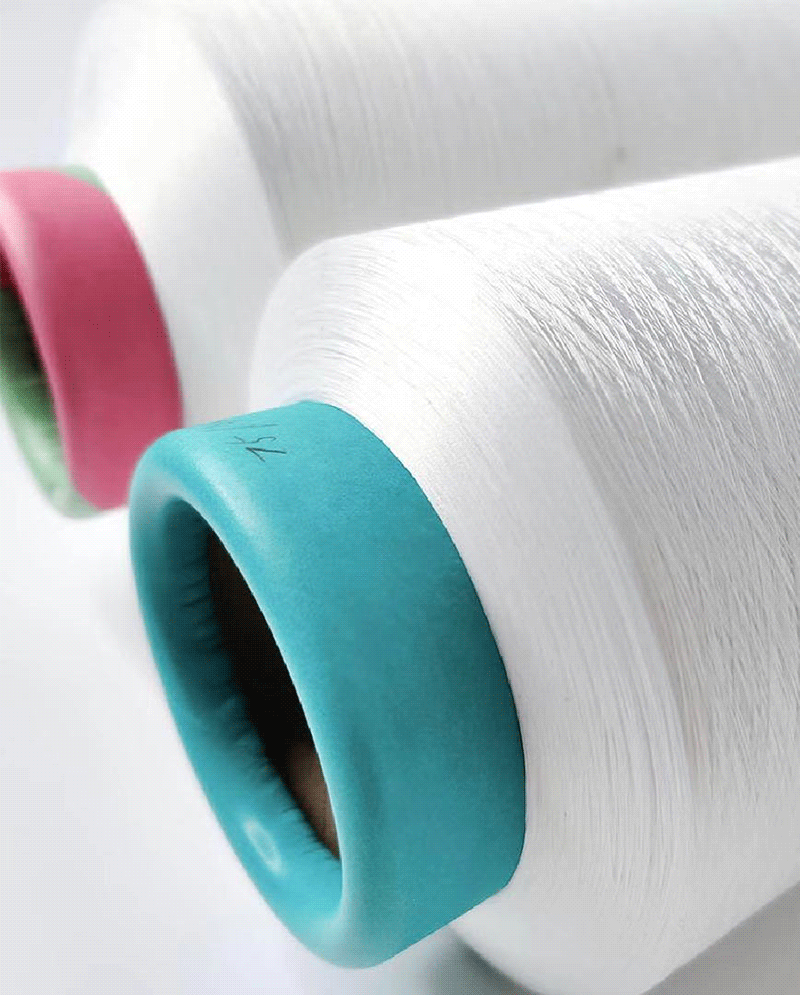 Custom Stable and durable High-elastic D/F Yarn Company, OEM/ODM Factory - SuzhoSuzhou Junhui Textile Co., Ltd is China custom Stable and durable High-elastic D/F Yarn company and OEM/ODM factory,View Product →
PBT/PET High-Elastic Yarn
The PBT/PET blend is the workhorse of the category. PBT provides the spring; PET provides strength, heat resistance, and dimensional stability. The combination keeps its recovery after repeated stretching, survives dyeing and finishing well, and performs reliably in sportswear, close-fitting knits, and elastic jersey. Compared with pure PBT yarns, the blend offers a better cost balance and a wider processing window. When a buyer asks for a yarn that stays in shape, this is usually the specification they need. Our PBT/PET high-elastic yarn is produced in standard and custom denier counts with consistent crimp and dyeing performance.
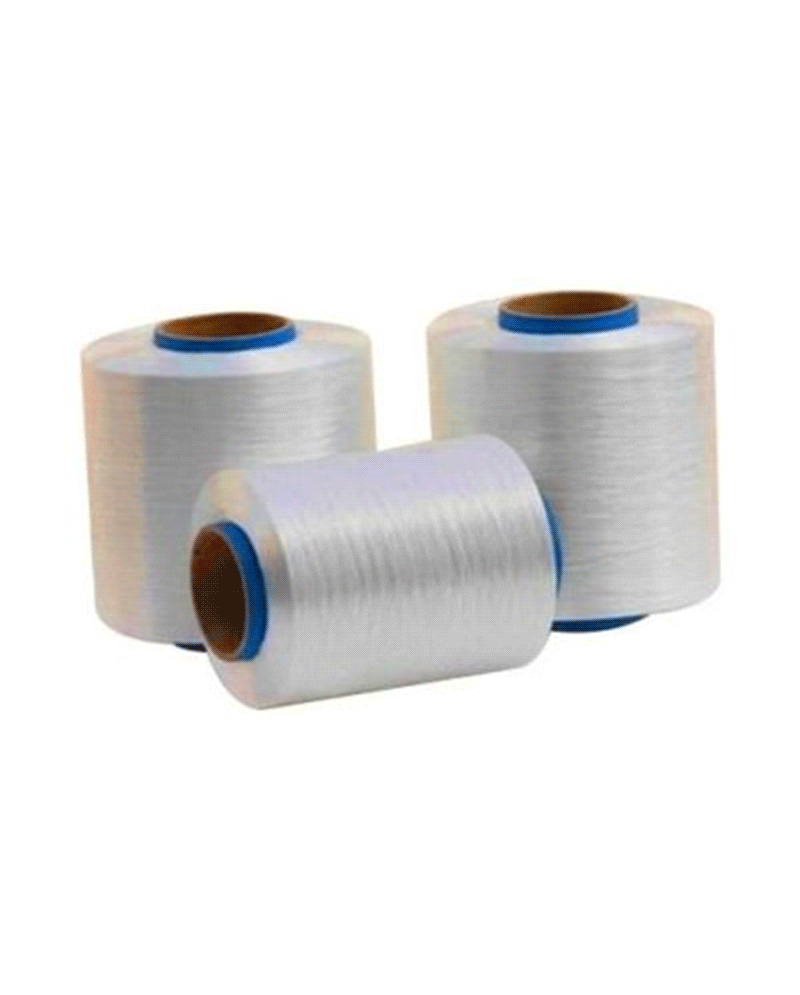 Custom Eco-friendly PBT/PET (D/F) High-elastic Yarn Company, OEM/ODM Factory - SSuzhou Junhui Textile Co., Ltd is China custom Eco-friendly PBT/PET (D/F) High-elastic Yarn company and OEM/ODM factory,View Product →
PBT/PET DDB High-Elastic Yarn
The DDB variant uses a different drawing route during texturing, which makes the stretch more uniform and the resulting fabric bulkier. This even tension is especially valuable in hosiery, socks, and seamless garments, where a variation in stretch across the fabric width produces visible defects. For high-count sock programs and close-fitting knitwear, the DDB version is often the preferred choice. Our PBT/PET DDB high-elastic yarn is the option to evaluate when uniform stretch and bulk are critical to the design.
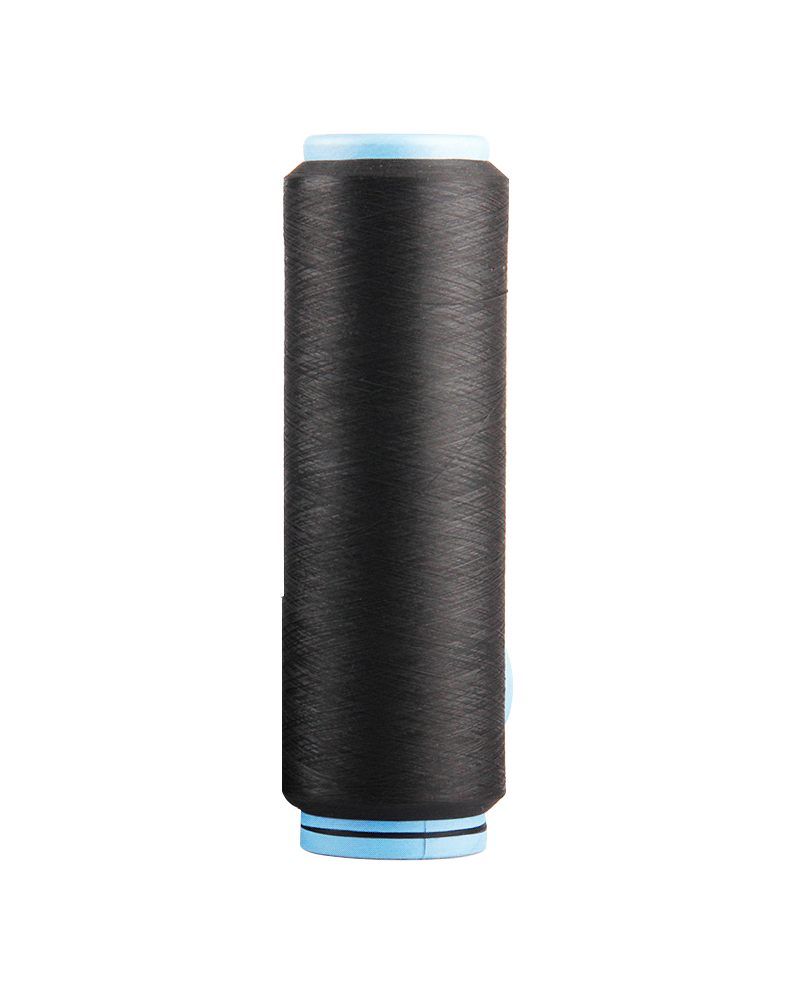 Custom Low Deformation PBT/PET DDB(D/F) High-elastic Yarn Company, OEM/ODM FactoSuzhou Junhui Textile Co., Ltd is China custom Low Deformation PBT/PET DDB(D/F) High-elastic Yarn company and OEM/ODM factory,View Product →
Where High-Elastic Yarn Adds Real Value
High-elastic yarn earns its keep in products where the fabric must recover its shape every time the wearer moves. The most common end uses include:
- Hosiery and socks, where a better fit at the ankle and calf reduces garter marks and keeps the sock positioned all day.
- Sportswear and activewear, where freedom of movement has to be combined with shape retention after every wash.
- Seamless and shaping garments, which need consistent support without heavy spandex content.
- Waistbands, cuffs, and collars, which lose their line first in ordinary fabrics and hold it longest in high-elastic yarns.
- Fashion knit fabrics, where the low modulus of PBT/PET adds drape and softness at the same time as stretch.
The common thread is that none of these applications tolerates permanent deformation. That is exactly the weakness of standard DTY and the strength of high-elastic yarn. In socks, for example, a high-elastic yarn keeps the fabric hugged to the instep and returns the ankle area to its original width after each wear; in a waistband, it delays the point where the elastic starts to roll or sag. These are small details in the finished product, but they are the details that garment testers and consumers notice first.
What to Check Before You Source
Not every lot of high-elastic yarn performs the same, and the differences usually only appear after wash testing. Put these checks on your list before you approve a bulk order:
- Confirm the elastic recovery target and the test method your customer will accept.
- Match denier and filament count to the fabric structure and machine gauge.
- Check heat-setting and finishing conditions with your mill before committing.
- Require a lab dip and a wash test on a knitted sample, not just a yarn certificate.
- Verify cross-lot consistency in dyeing, since a small variation in polymer ratio shifts the shade.
- Confirm whether recycled or certified options are needed for your sustainability program.
A complete walkthrough of high-elastic yarn types, performance specs, and sourcing questions is available in our sourcing guide. Most sampling problems, such as shade mismatches, inconsistent stretch, or weak recovery after finishing, can be traced back to one of the checklist items above, so a short review before ordering saves time and money.
High-elastic yarn solves a common problem: stretch that does not stay stretched. The old choice between spandex-covered yarn and ordinary DTY no longer applies. For most knitted products, a well-specified high-elastic DTY or a PBT/PET version gives the comfort, shape retention, and processing stability that both brands and mills need. That is why we recommend evaluating all three variants side by side before you finalize a program. As a supplier focused on differentiated yarns, Suzhou Junhui Textile Co., Ltd. produces high-elastic DTY, PBT/PET, and PBT/PET DDB yarns, and the same product family also includes GRS-certified recycled options for sustainability-driven programs. Customer enquiries are answered within 12 hours, and our team can support you from yarn selection through fabric development.
Popular products
-
Premium Cationic Interlock Stretch Comfort Fabric
-
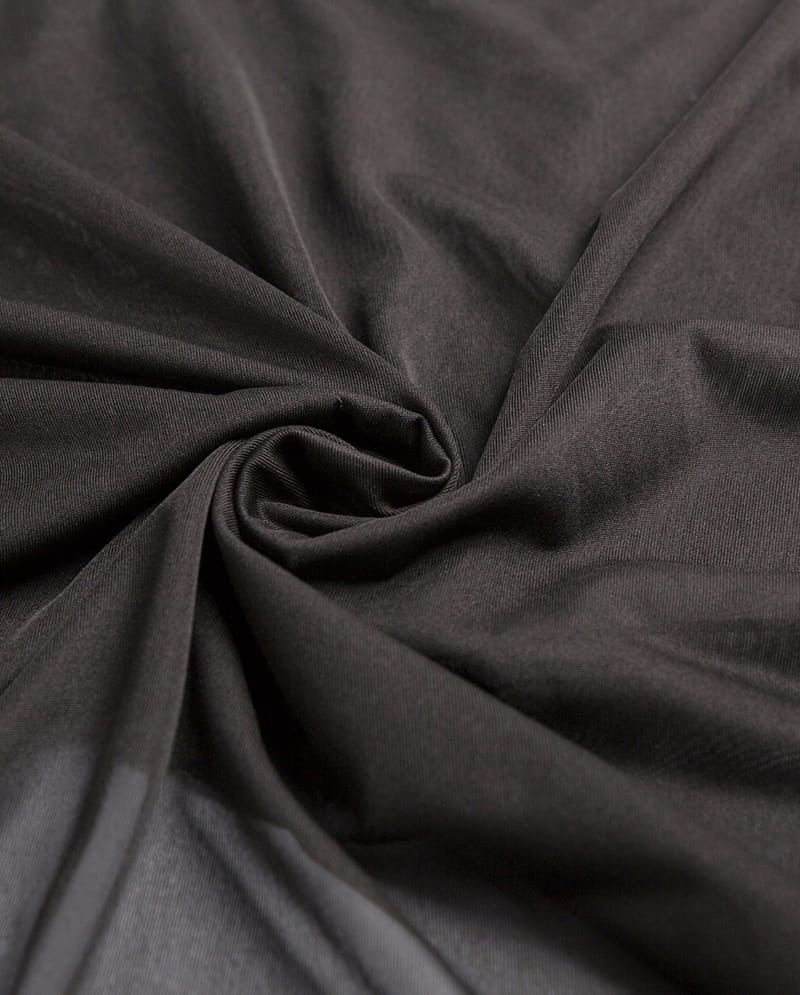
Moisture-Wicking Nylon Woven Fabric
-
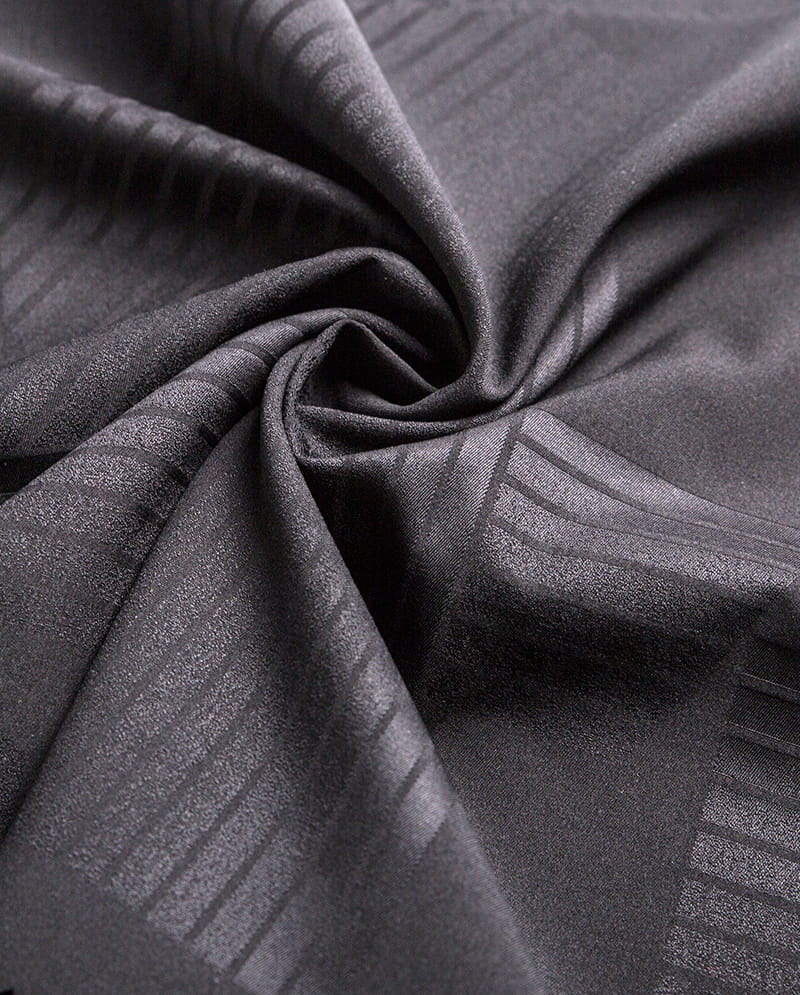
Double-faced jacquard elastic fabric
-
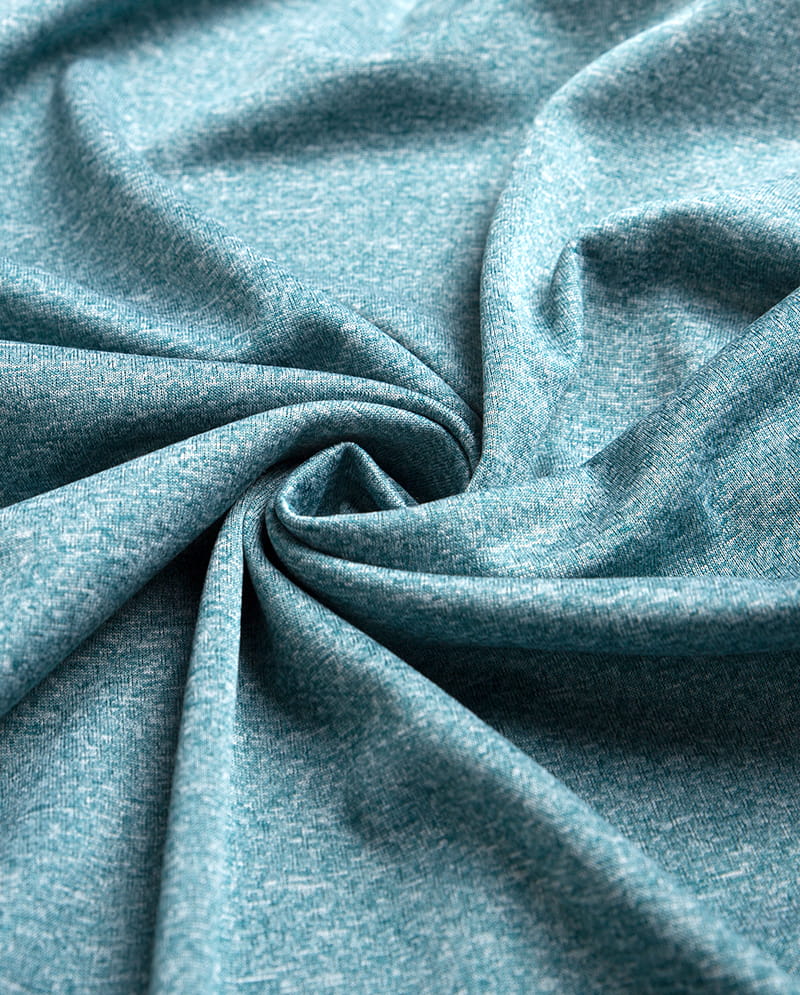
Heather Grey Double-faced cationic jersey fabric
-
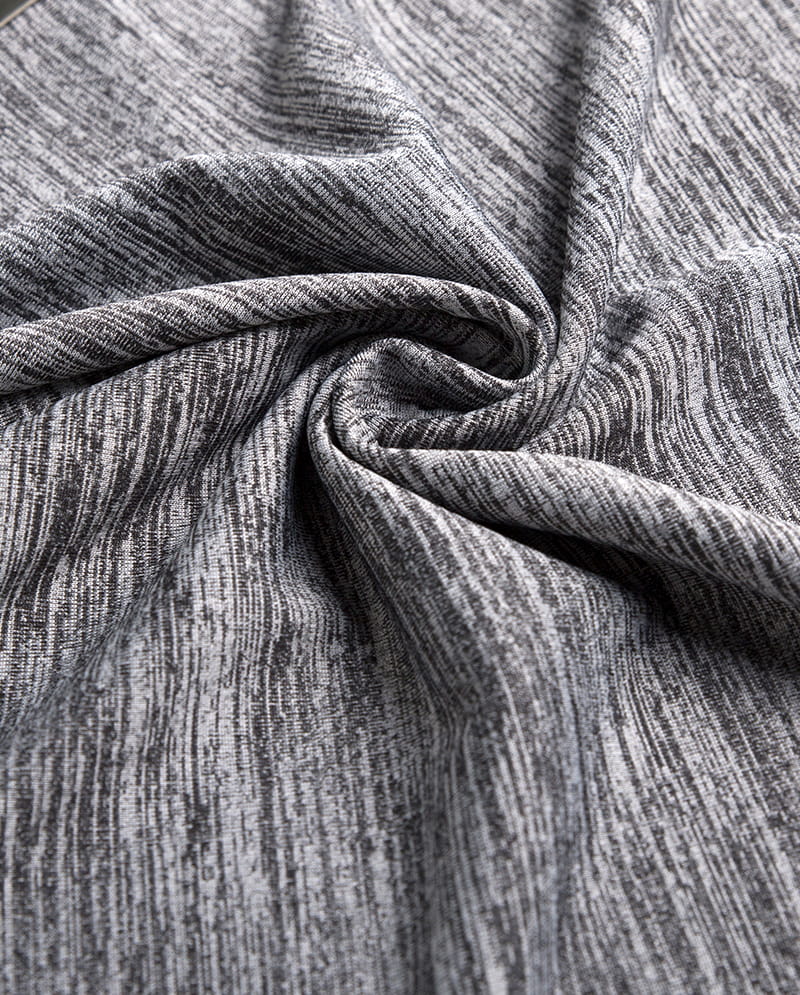
Anti-static Cationic Knitted Rib Fabric
-
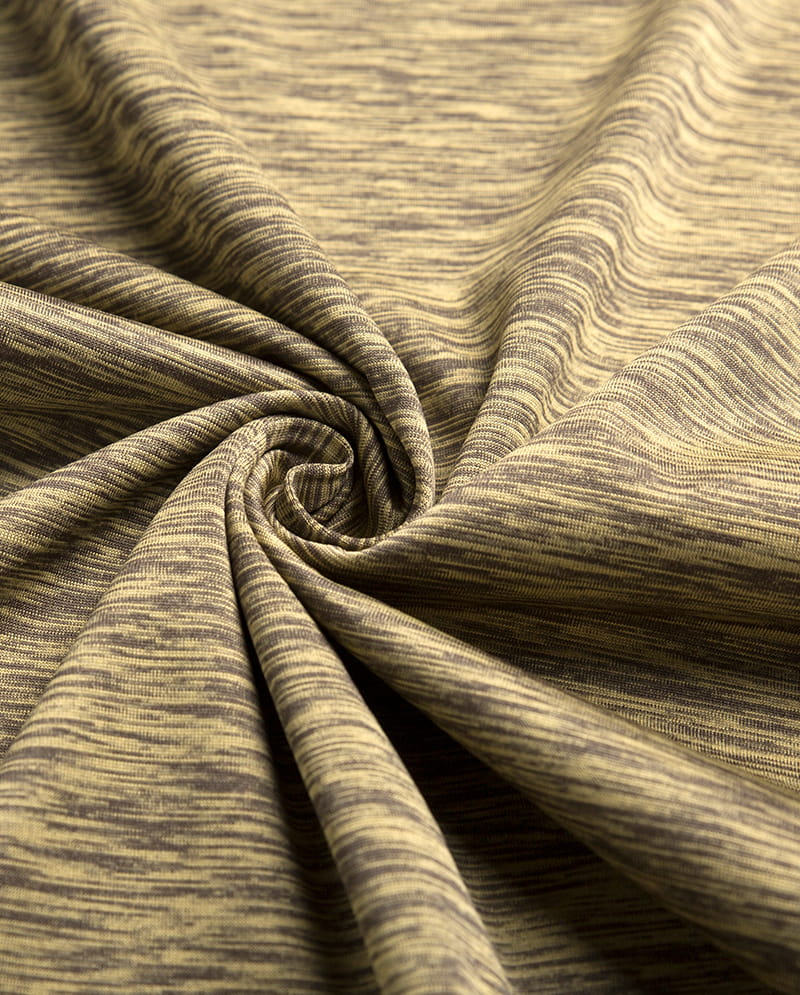
High-Stretch Cationic Jersey Fabric
-
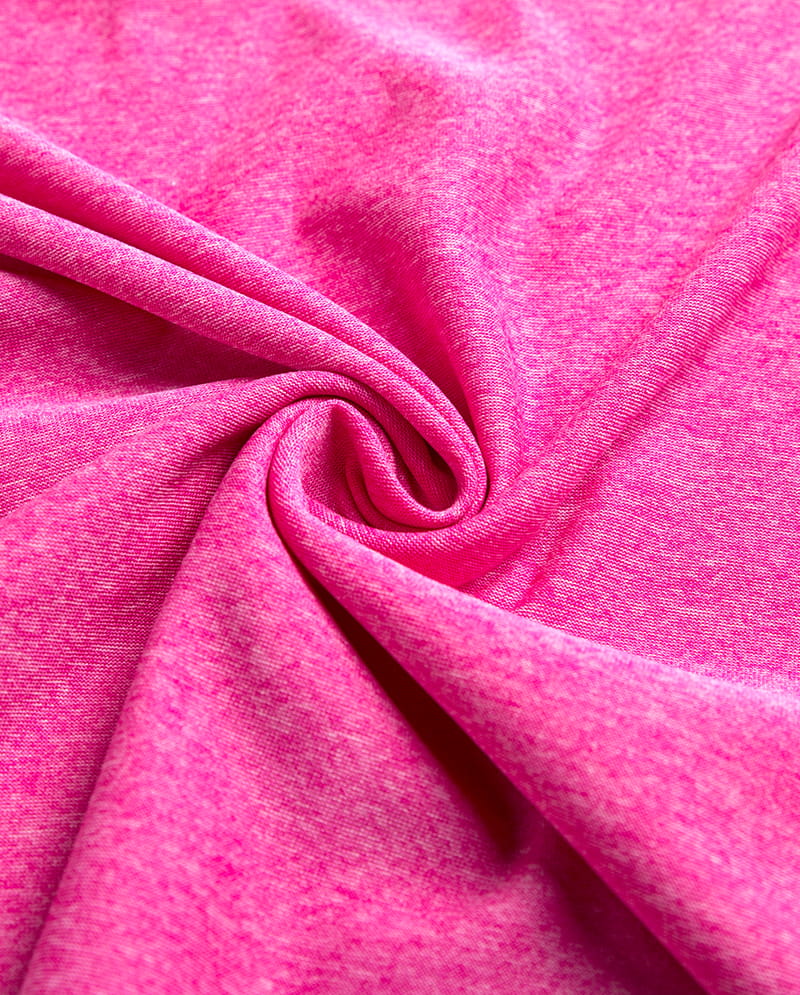
High Quality Cationic DTY Spandex Two Sides Brush Dralon Knit Fabric for Garment Thermal Underwear
-
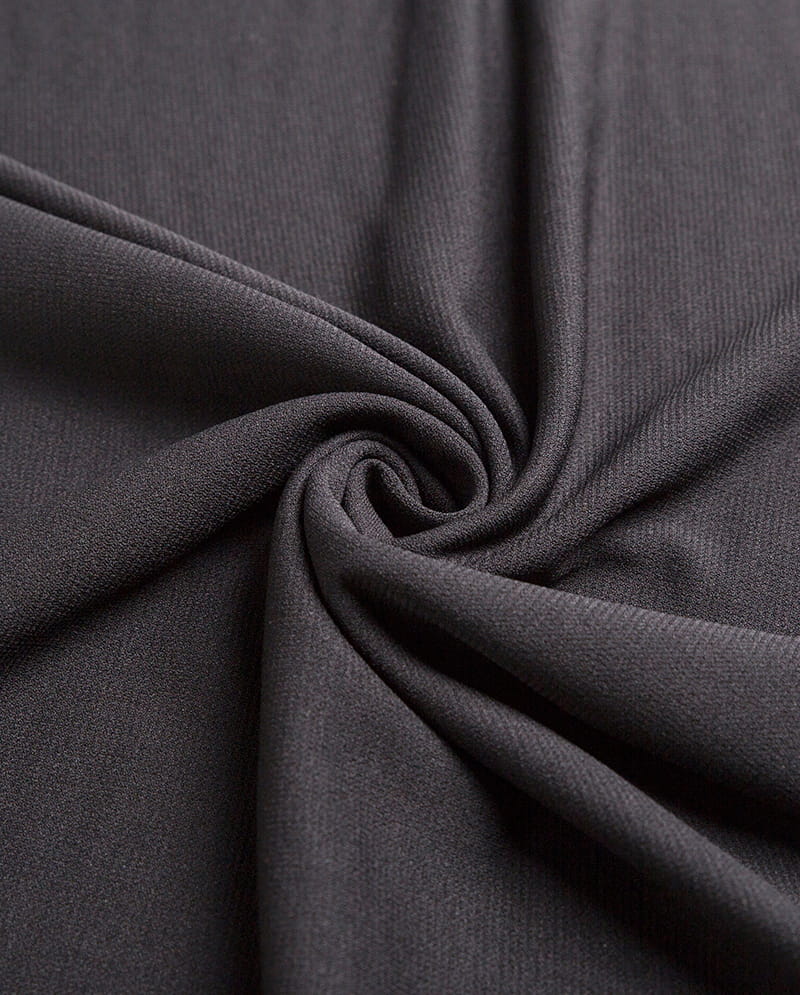
Durable Anti-Pilling Knitted Fabric for Home Textiles
-
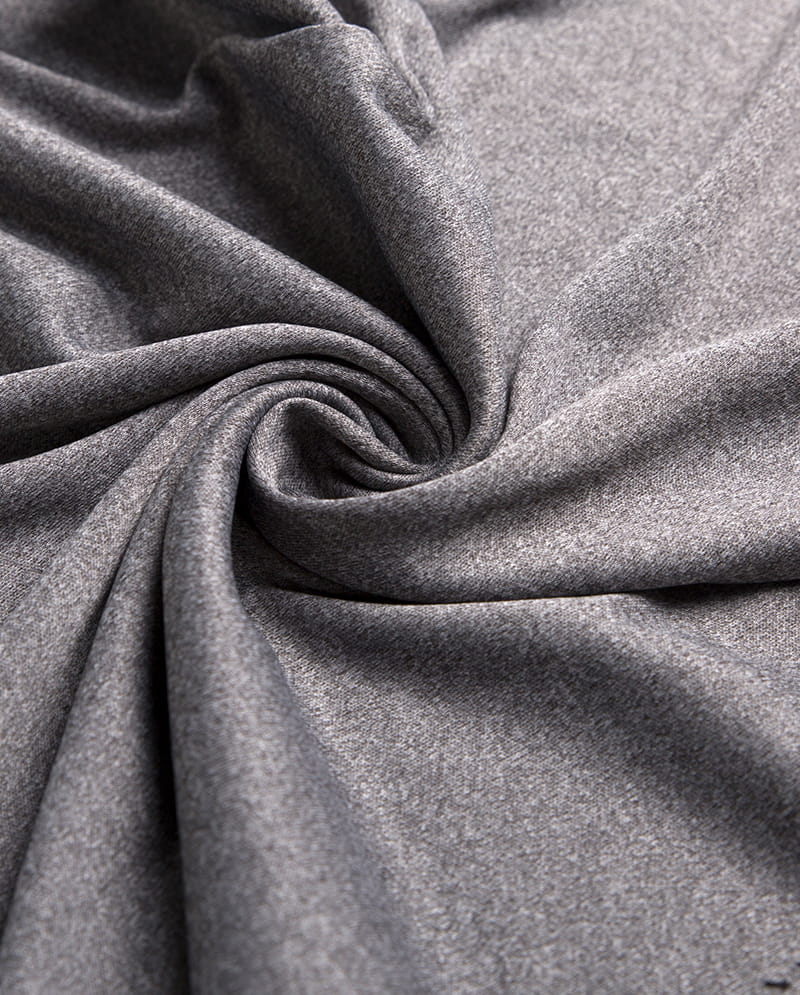
Wash-Resistant Cationic Elastic Knitted Fabric for Garment Industry
-
Breathable Double-Faced Elastic Composite Fabric
-
-
-
- whatsapp:
- 0086-13962559622
-
- skype:
- skype.aliceshenghong
-
- Wechat:

COPYRIGHT © 2016 Suzhou Junhui Textile Co., Ltd.
