

 EN
EN English
 中文简体
中文简体High-Elastic Yarn: Types, Performance Specs & Sourcing Guide
Content
Stretch is no longer a bonus feature in textiles — it's a baseline expectation. From compression leggings to seamless underwear, high-elastic yarn sits at the core of every garment that needs to move with the body. Yet most buyers and designers treat it as a single material, when in reality it spans a spectrum of fibers, constructions, and performance tiers that require very different handling decisions.
This guide breaks down what high-elastic yarn actually is, how different types compare, and what to look for when specifying or sourcing it.
What Makes a Yarn "High-Elastic"
Elasticity in yarn comes from two distinct sources: fiber chemistry and mechanical processing. Understanding which is which matters because they behave differently under stress and wash cycles.
Spandex (also called elastane or Lycra) achieves elasticity through its molecular structure — alternating soft and hard polymer segments that act like microscopic springs. The result is a fiber capable of stretching 500–700% of its original length with recovery rates exceeding 95% after repeated use. This is chemically inherent; no texturing or special processing is required.
Polyester high-elastic yarn works differently. Standard PET polymer has no intrinsic stretch, so elasticity is engineered through draw texturing (DTY process) — mechanically crimping the filaments to create a coil-spring effect. The elongation ceiling is typically 20–50%, far below spandex, but the fiber gains durability, color stability, and washability that spandex alone cannot match.
The practical implication: for extreme-stretch applications like competitive swimwear or compression sleeves, spandex is technically irreplaceable. For everyday activewear where moderate stretch and long-term shape retention matter more, high-elastic polyester DTY often delivers better total performance — and is far easier to recycle in mono-material fabric constructions.
The Four Main Construction Types
Beyond fiber choice, how the elastic component is integrated into the yarn determines handle, strength, and suitability for different knitting or weaving setups.
- Bare spandex — Raw, uncovered elastane filament. Maximum stretch and lowest profile, but sensitive to UV, chlorine, and abrasion. Used primarily in seamless knitting where the yarn feeds directly as the plating component.
- Air-covered yarn (ACY) — Spandex core surrounded by a nylon or polyester sheath using an air-jet process. Softer hand, better UV resistance, suitable for hosiery and lightweight jersey. The covering protects the spandex without adding bulk from twist.
- Single covered yarn (SCY) — Spandex wrapped with one layer of covering yarn by mechanical twisting. More structured than ACY, better for woven fabrics where yarn integrity under loom tension is critical.
- DTY high-elastic yarn — 100% polyester or nylon, elasticity from texturing, no spandex content. The go-to choice for polyester high-elastic yarn applications in outerwear, swimwear linings, and circular-economy product lines where fabric recyclability is a design requirement.
Key Performance Parameters to Evaluate
When specifying high-elastic yarn for a new product, these are the numbers that actually predict garment behavior — not marketing descriptors like "ultra-stretch" or "4-way."
| Parameter | What It Tells You | Typical Range |
|---|---|---|
| Elongation at break | Maximum stretch before the yarn fails | 20–50% (DTY) / 500–700% (spandex) |
| Elastic recovery rate | % of original length restored after stretch | 88–95%+ after 50 wash cycles |
| Denier (D) | Yarn fineness; affects fabric weight and hand | 20D–140D (apparel); 140D–840D (compression) |
| Tenacity (g/den) | Strength per unit of fineness | 0.6–1.2 g/den for spandex-core yarns |
Recovery rate is the metric most buyers overlook. A yarn that stretches impressively in the sample room but recovers to only 85% after 30 washes will produce garments that sag, bag at the knees, and lose compression within a season. Always request wash-cycle recovery data, not just initial elongation figures.
Application Matching: Which Yarn for Which Product
Mismatching yarn type to end-use is the most common and most avoidable quality failure in elastic textile sourcing.
- Sportswear and athleisure: 85–92% polyester + 8–15% spandex blends balance cost, stretch, and muscle compression. Higher spandex ratios (15%+) suit competitive performance wear; 8–10% works for yoga and casual gym use.
- Hosiery and socks: Fine-denier ACY (20D–40D) in nylon base. The air-covering preserves the soft hand required for next-to-skin comfort while protecting the spandex core from abrasion during knitting.
- Swimwear: Chlorine resistance is non-negotiable. Specify chlorine-resistant spandex variants or functional yarn with UV-inhibiting finishes. Standard spandex degrades rapidly in pool water.
- Medical and compression garments: High-denier spandex (200D–560D), often double-wrapped as described in recent PMC research, to achieve the anti-fatigue properties required for prolonged wear in orthopedic and compression applications.
- Woven stretch fabrics: SCY in the weft direction at 1–5% elastane content dramatically improves comfort and fit without sacrificing the dimensional stability woven constructions require. Relevant for stretch denim, tailoring, and workwear.
If your product sits at the intersection of stretch and sustainability, it's worth exploring functional yarn options that incorporate recycled content or specialty finishes — both are increasingly required for EU market access under the 2025 Textile Strategy.
Sourcing Checklist: What to Ask Before You Order
High-elastic yarn is not a commodity purchase. Fiber source, texturing consistency, and covering quality vary significantly between suppliers — and those variations compound in finished fabric. Before placing a first order, confirm these five points:
- Request wash-cycle recovery data — specifically elongation and recovery after 30 and 50 wash cycles at your expected care temperature.
- Confirm denier tolerance — acceptable variance is ±5% for most apparel applications; tighter for seamless knitting where consistent yarn diameter affects stitch uniformity.
- Check dyeing compatibility — spandex-core yarns require controlled dye bath temperatures (typically below 130°C) to avoid elastic degradation during piece dyeing.
- Verify covering twist direction — for SCY used in weaving, S-twist and Z-twist behave differently under loom tension; specify which suits your weave structure.
- Ask about lot consistency — elasticity variation between production lots is the primary cause of shade and hand inconsistencies in finished goods. Request lot-to-lot technical data sheets.
For a practical starting point on available constructions and specifications, the DTY yarn product range covers the core categories from standard texturing through high-elastic variants worth benchmarking against your current supply.
The Recyclability Question
One issue the industry is navigating seriously: spandex blends are difficult to recycle. Chemical recycling processes that work well for mono-material polyester fabrics break down when elastane is present, reducing output quality and recovery yields. For brands building circular product lines, this is a structural supply chain constraint — not a finishing detail.
High-elastic polyester DTY yarns, being 100% PET, sidestep this problem entirely. The trade-off is lower maximum elongation. But for a growing category of casual and athleisure products where moderate stretch is sufficient, the recyclability advantage — and the alignment with emerging EU regulations — makes high-elastic polyester the strategically forward-looking choice. Explore how knitted fabric constructions using these yarns can balance performance with end-of-life circularity.
Popular products
-
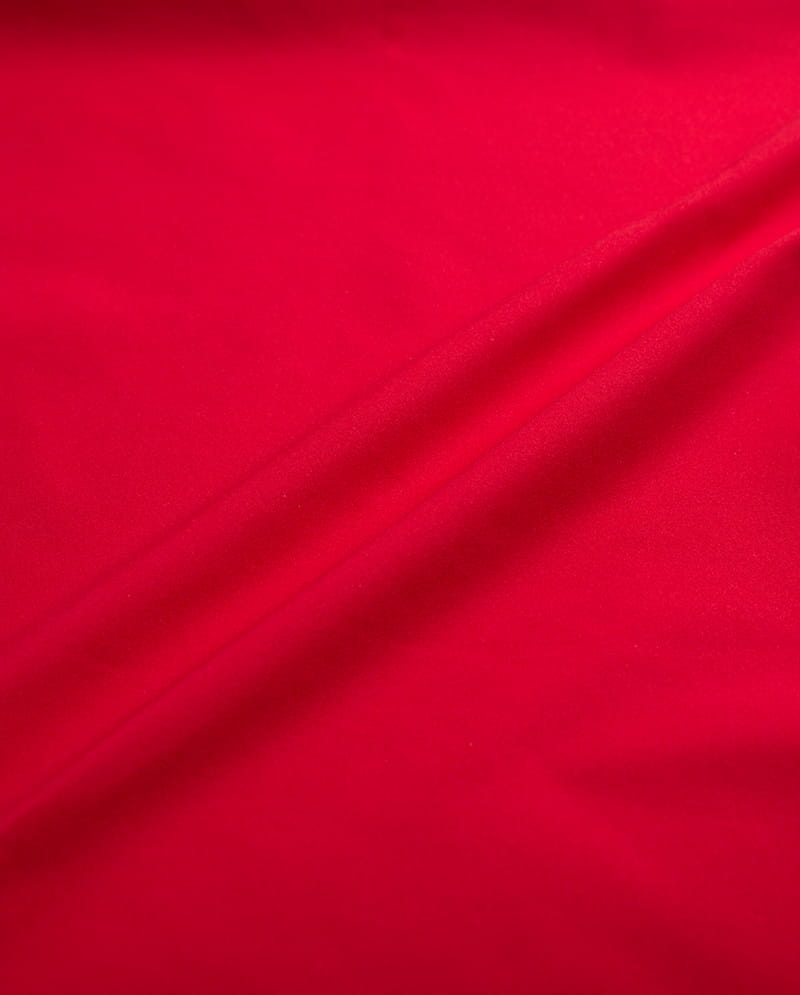
Premium Cationic Interlock Stretch Comfort Fabric
-
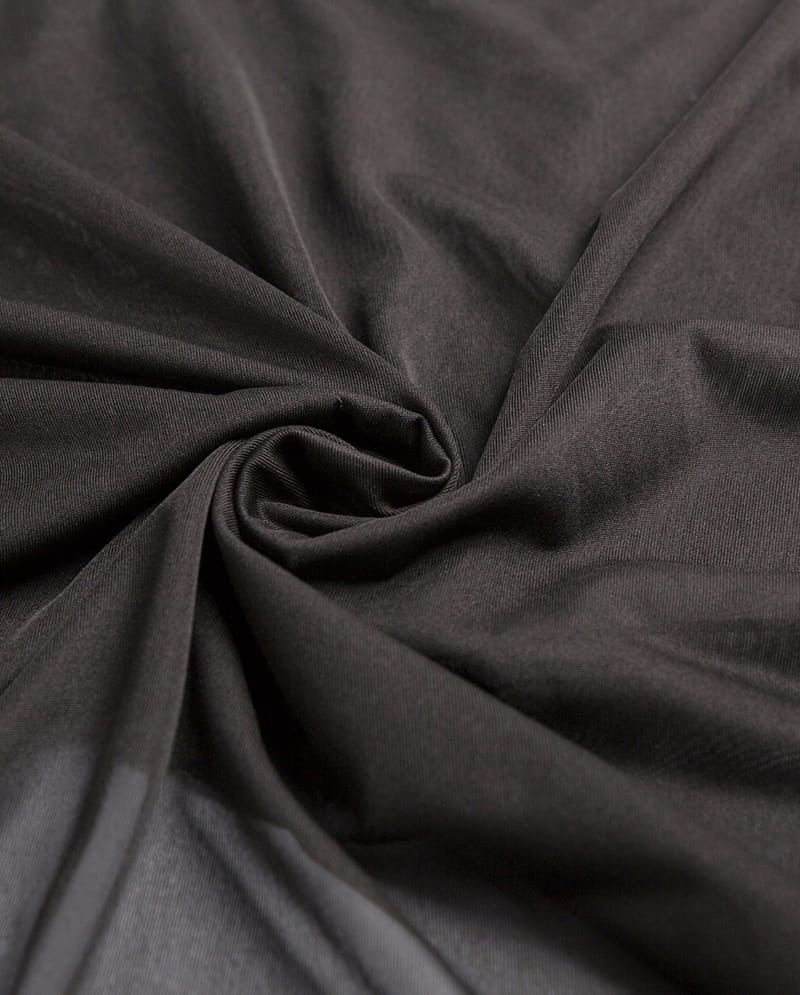
Moisture-Wicking Nylon Woven Fabric
-
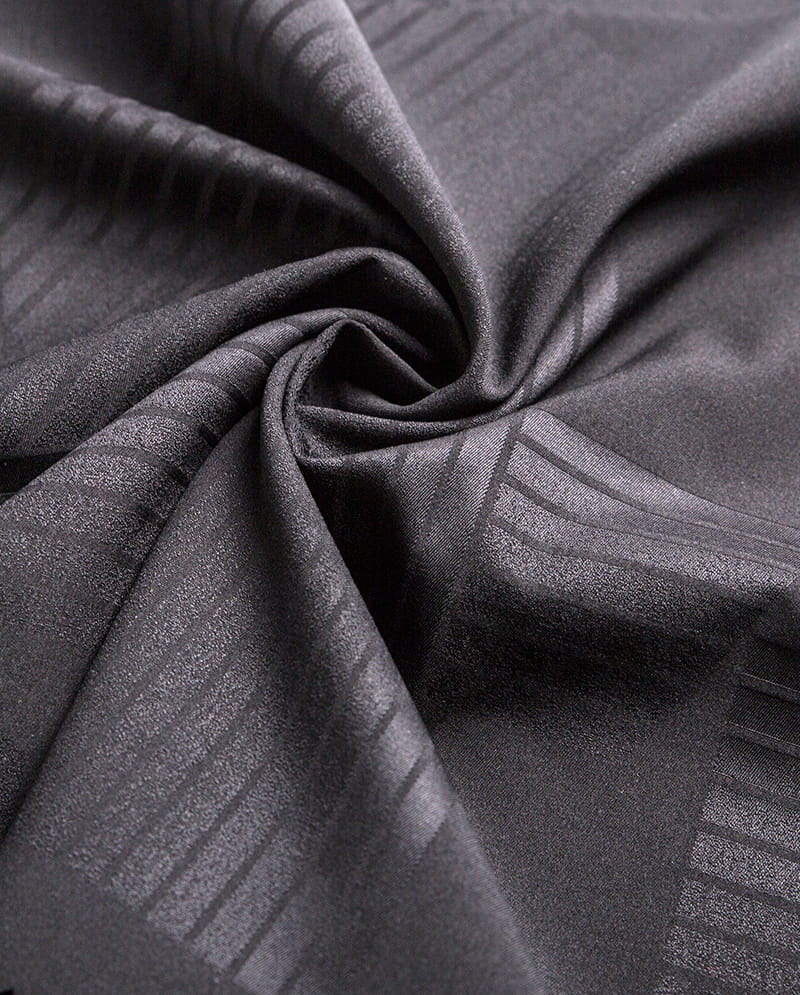
Double-faced jacquard elastic fabric
-
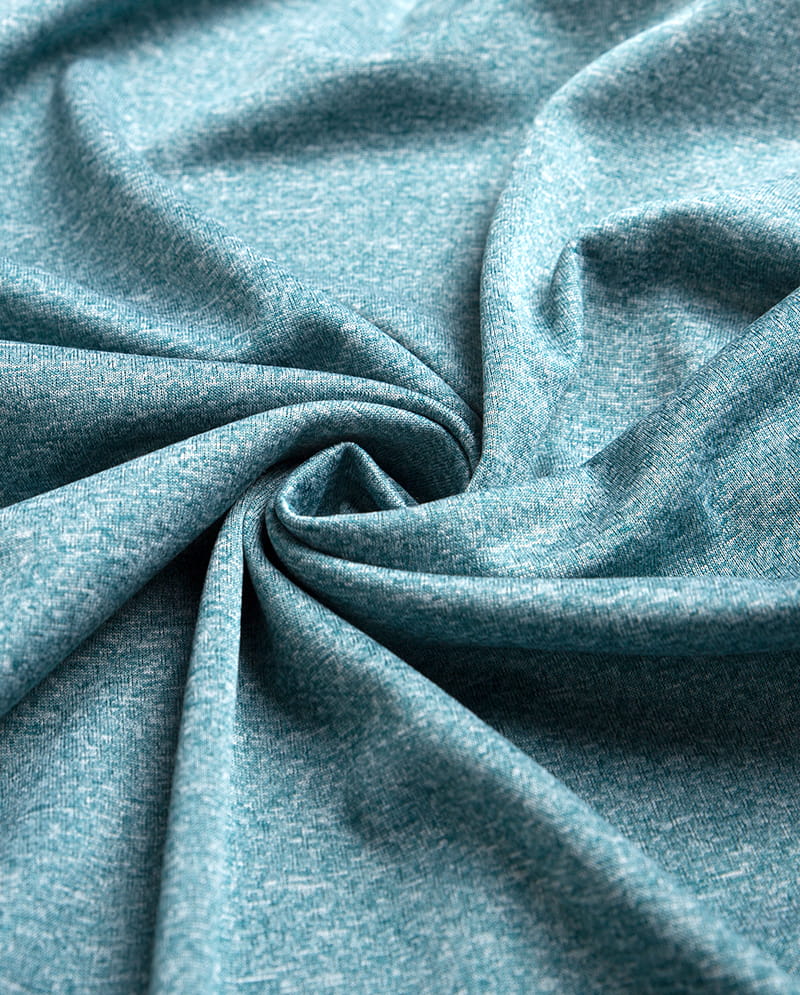
Heather Grey Double-faced cationic jersey fabric
-
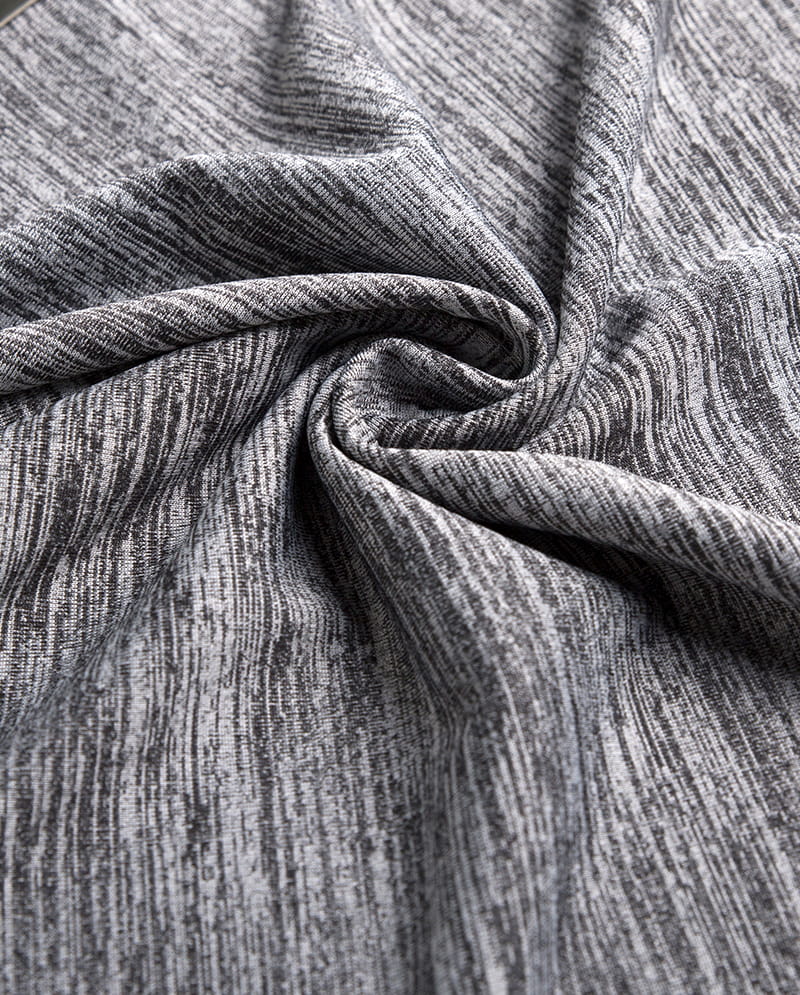
Anti-static Cationic Knitted Rib Fabric
-
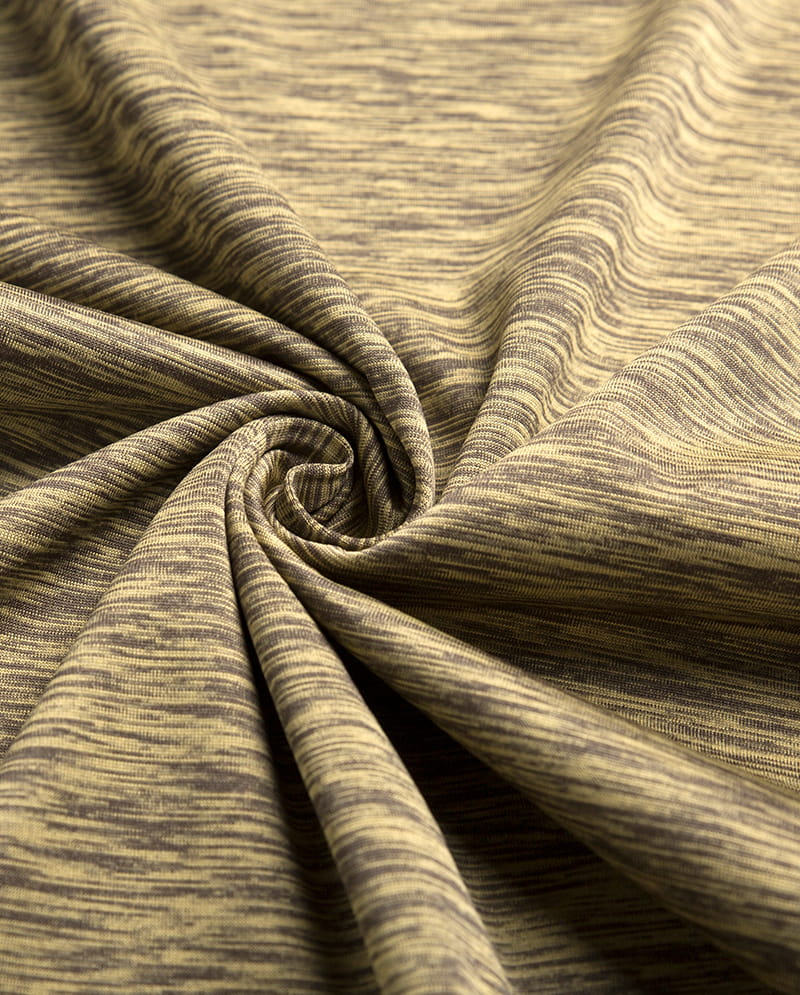
High-Stretch Cationic Jersey Fabric
-
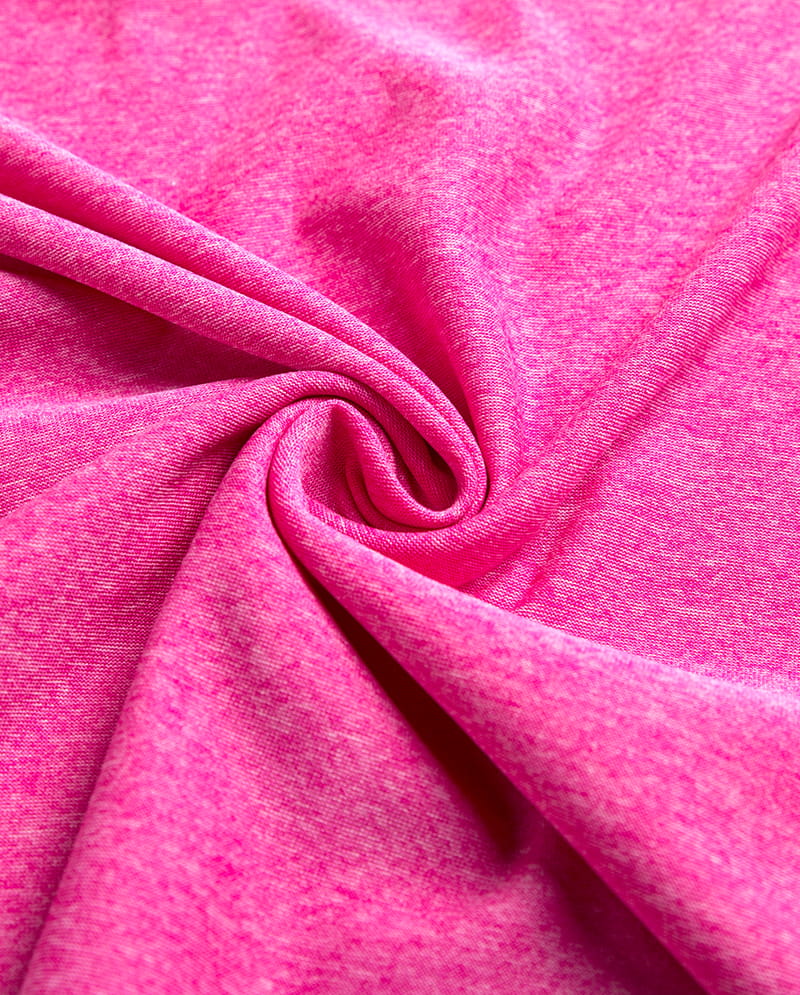
High Quality Cationic DTY Spandex Two Sides Brush Dralon Knit Fabric for Garment Thermal Underwear
-
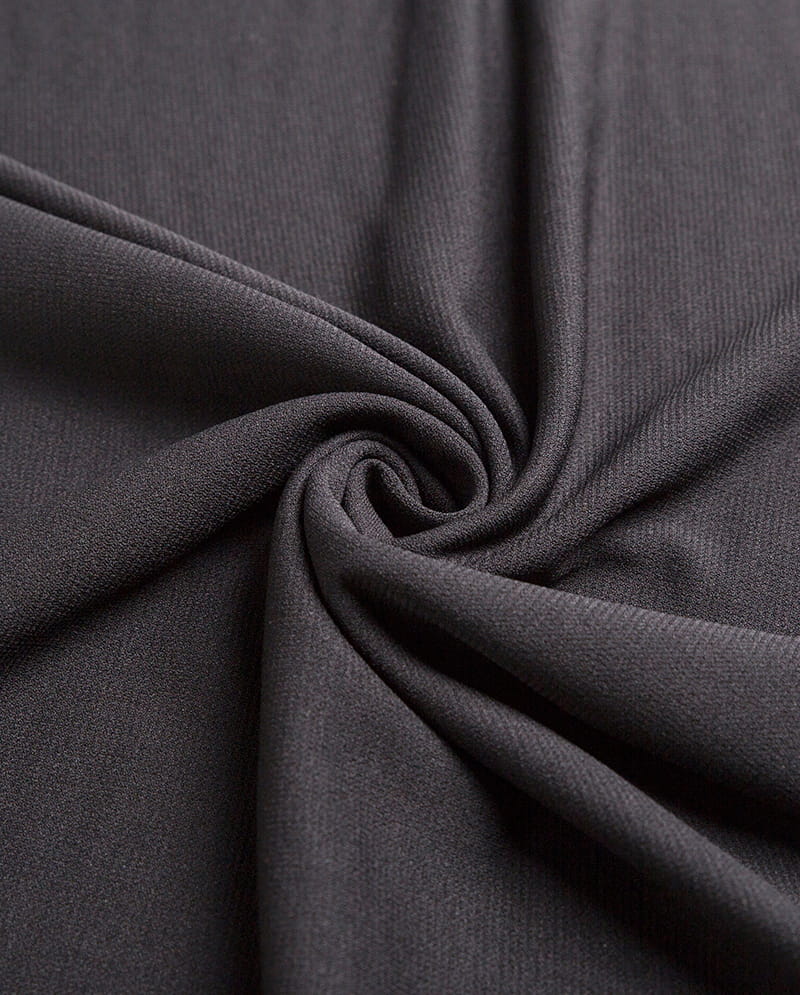
Durable Anti-Pilling Knitted Fabric for Home Textiles
-
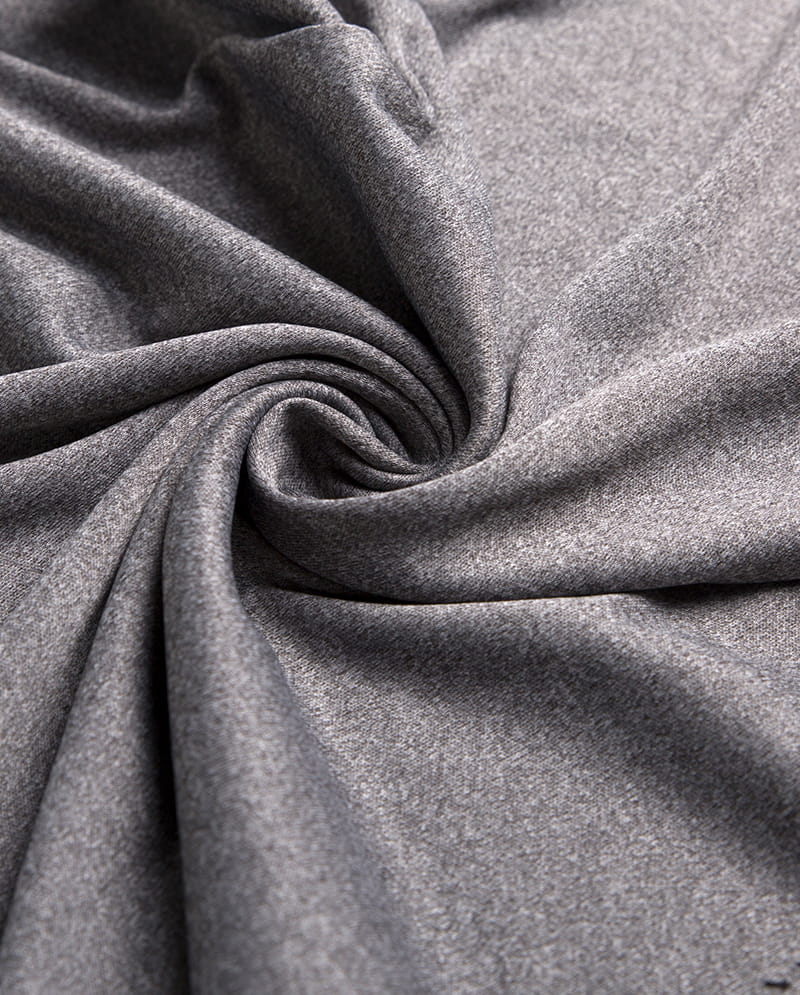
Wash-Resistant Cationic Elastic Knitted Fabric for Garment Industry
-
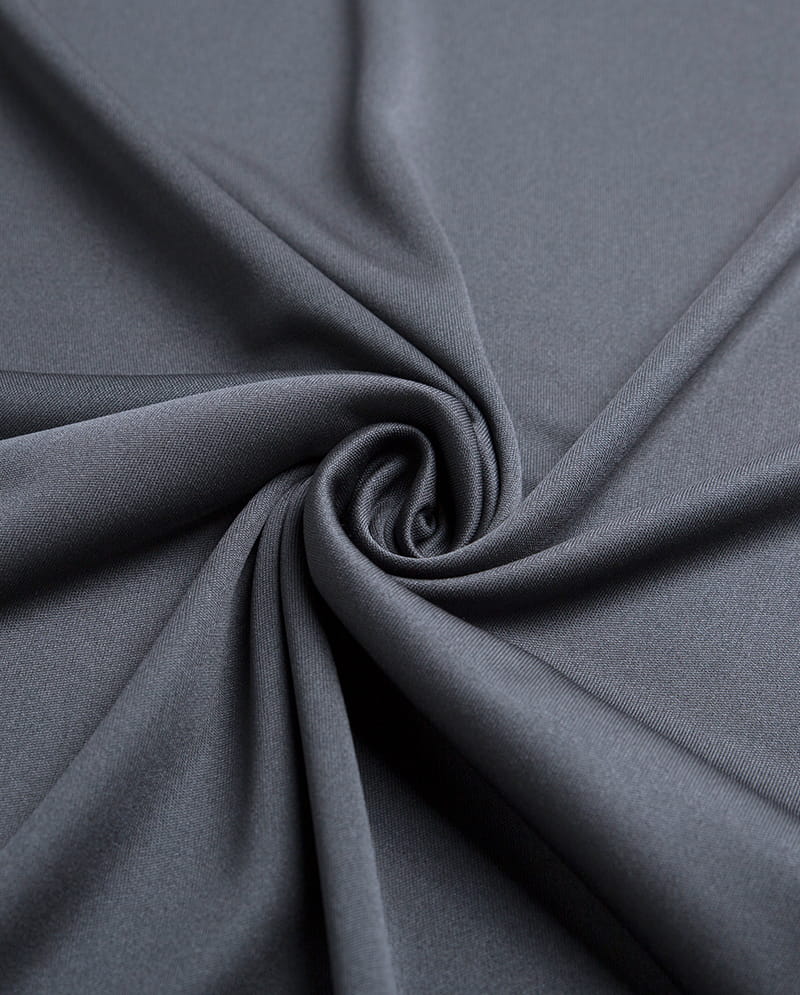
Breathable Double-Faced Elastic Composite Fabric
-
-
-
- whatsapp:
- 0086-13962559622
-
- skype:
- skype.aliceshenghong
-
- Wechat:

COPYRIGHT © 2016 Suzhou Junhui Textile Co., Ltd.
