

 EN
EN English
 中文简体
中文简体Chemical Formula for Polyester: PET (C10H8O4)n and What It Means for Yarn Buyers
Content
- 1 Reading the Formula: What (C10H8O4)n Actually Means
- 2 From Monomers to Chips: Where the Formula Becomes Physical
- 3 Same Formula, Different Yarn: POY, FDY, and DTY
- 4 Modified Formulas: The Chemistry Behind Cationic Dyeable Polyester
- 5 Recycled Polyester: Identical Formula, Different Origin
- 6 What the Formula Means for Your Next Purchase
Two DTY quotations can list the same denier, the same filament count, and the same luster, yet behave completely differently in the dye house. The explanation usually sits at the molecular level, so it is worth knowing what you are actually buying. The chemical formula for the polyester that dominates apparel and home textiles is (C10H8O4)n, the repeat unit of polyethylene terephthalate, or PET. Strictly speaking, polyester names an entire family of polymers joined by ester bonds, so no single universal formula exists; PET is simply the member that dominates textile fiber production. Once you can read that formula, spec sheets stop being alphabet soup. You can see why cationic dyeable yarn takes bright shades at lower temperatures, why recycled fiber performs like virgin, and why chip viscosity decides how smoothly a spinning line runs.
Reading the Formula: What (C10H8O4)n Actually Means
The repeat unit C10H8O4 contains ten carbon atoms, eight hydrogen atoms, and four oxygen atoms, giving a unit weight of about 192 g/mol. The subscript n is the degree of polymerization, meaning how many of these units are linked into one chain. Fiber-grade PET typically chains around 100 repeat units per molecule, long enough to deliver the tensile strength and crease recovery the fiber is known for.
Every polyester follows the same general recipe: a dicarboxylic acid reacting with a diol. For PET, the condensation reaction reads:
n HO-CH2CH2-OH + n HOOC-C6H4-COOH → -[O-CH2CH2-O-CO-C6H4-CO-]n- + 2n H2O
- Terephthalate residue: a rigid benzene ring flanked by two carbonyl groups, which gives polyester its stiffness, dimensional stability, and heat resistance.
- Ethylene bridge: the short -CH2CH2- segment from ethylene glycol adds just enough flexibility for drawing and texturing.
- Ester groups: the -CO-O- linkages that define the polyester family, and the exact bonds chemical recycling attacks to break the polymer back down.
Because the backbone is aromatic and water-hating, standard PET absorbs very little moisture (regain around 0.4%) and accepts only disperse dyes under high-temperature conditions, two facts that shape nearly every finishing decision downstream.
From Monomers to Chips: Where the Formula Becomes Physical
The formula starts on the plant floor as two monomers: purified terephthalic acid (PTA, C8H6O4) or dimethyl terephthalate (DMT, C10H10O4), reacted with monoethylene glycol (MEG, C2H6O2). The PTA route releases water as its byproduct, the DMT route releases methanol, and both run under heat with an antimony-based catalyst until the melt reaches the target chain length. The molten polymer is then extruded and cut into the transparent pellets the trade calls polyester chips, the first tangible form of (C10H8O4)n.
Chip quality is judged mainly by intrinsic viscosity (IV), a proxy for chain length. Fiber-grade chips typically sit between 0.60 and 0.68 dl/g; a low IV means shorter chains, weaker fiber, and more filament breaks during spinning. That is why yarn producers control IV tightly on chips destined for POY, FDY, and DTY lines rather than buying on price alone.
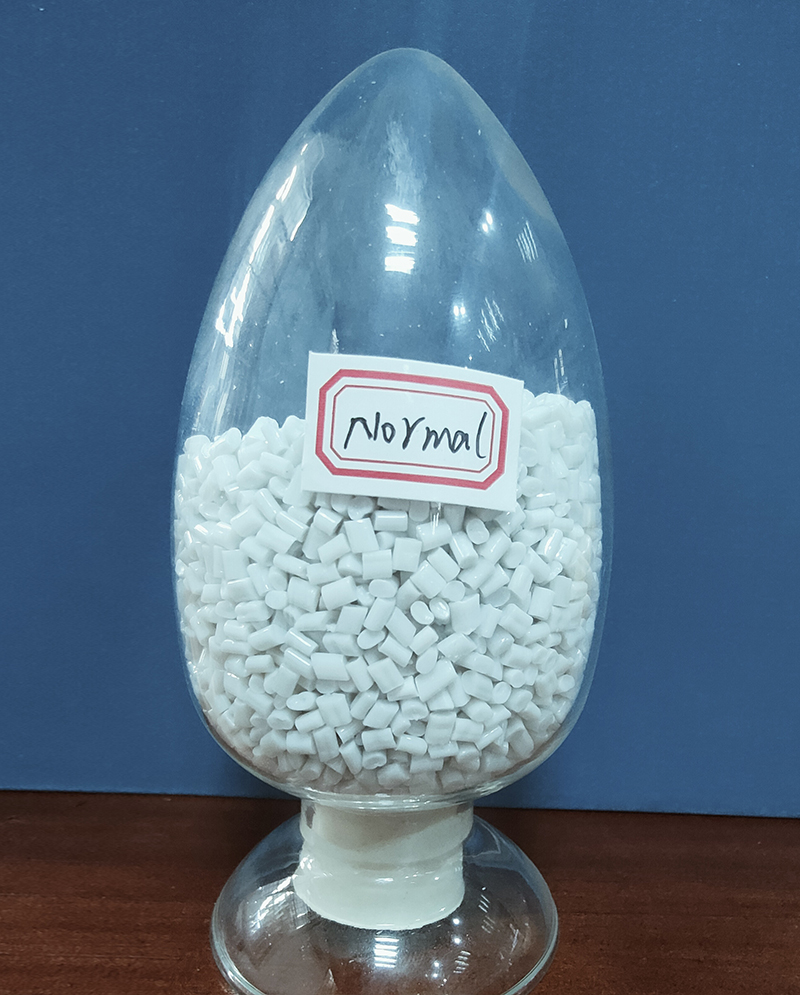 High-Stability Normal Polyester Chips SD/FD/CD/TBR for Textile Fiber ProductionSUZHOU JUNHUI TEXTILE CO.,LTDView Product →
Same Formula, Different Yarn: POY, FDY, and DTY
A point that trips up many new buyers: POY, FDY, and DTY all carry exactly the same chemical formula. Their differences come from physics, not chemistry. Drawing aligns the chains and raises crystallinity, which is why fully drawn yarn is strong and smooth. False-twist texturing crimps drawn filaments into coils, which is why draw textured yarn is bulky and soft. Partially oriented yarn is a semi-finished feedstock whose chains are only partly aligned. How far the drawing goes changes orientation and crystallinity; the molecule itself never changes. For a side-by-side breakdown, see our guide to the key differences between FDY, POY, and DTY.
Modified Formulas: The Chemistry Behind Cationic Dyeable Polyester
Standard PET's clean, non-ionic backbone is also why it can be stubborn to dye. With no charged sites in the chain, it relies on disperse dyes carried at roughly 130 °C under pressure, and truly deep, brilliant shades are hard to reach. Cationic dyeable (CD) polyester solves this by editing the formula itself: copolymerizing about 1.5-3 mol% of SIPM, the sodium salt of dimethyl 5-sulfoisophthalate, plants anionic sulfonate groups along the chain. Those negatively charged sites bond ionically with cationic dyes, so CD yarn dyeing runs at about 95-100 °C, often at the boil without a carrier, and yields noticeably brighter, more saturated colors.
The trade-off is real: the comonomer slightly lowers melting point and tenacity versus standard PET, so CD yarn is usually selected for its dyeing behavior rather than maximum strength. Its chemistry also enables two-tone design. When regular PET filaments are interleaved with CD filaments in one knit and then dyed, only the CD portion takes the cationic dye, producing melange and contrast effects without piece-dyeing tricks.
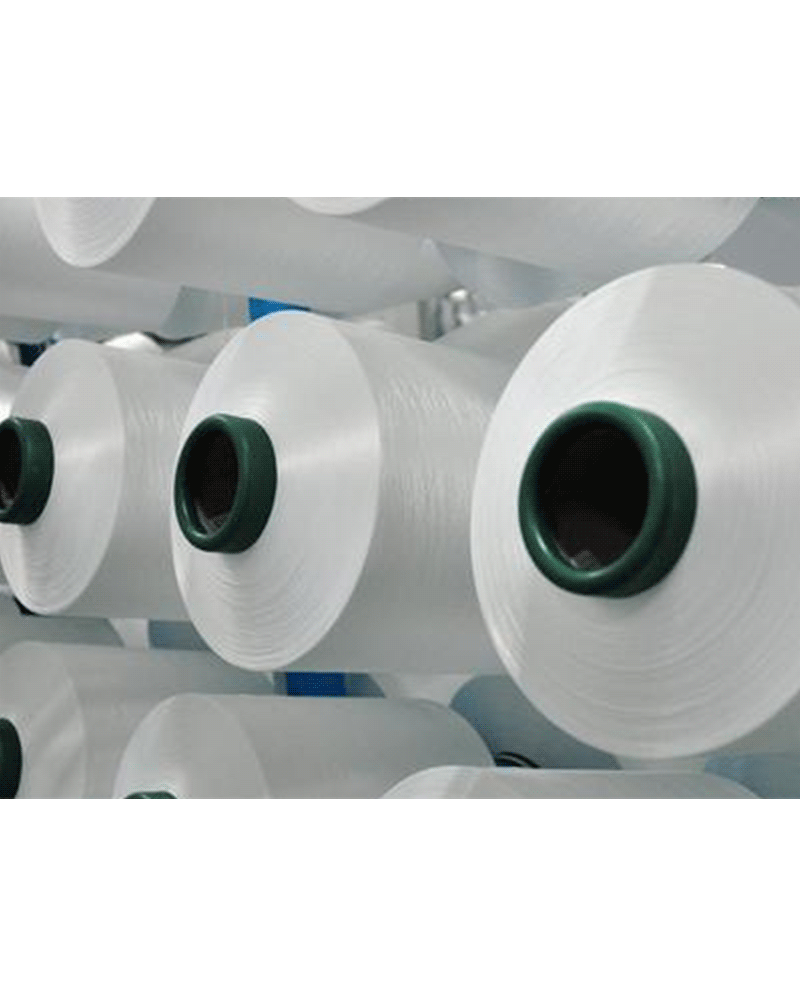 Cationic Polyester Yarns (SD+CD DTY (D/F) CD YarnSUZHOU JUNHUI TEXTILE CO.,LTDView Product →
Recycled Polyester: Identical Formula, Different Origin
Recycled polyester, or rPET, is chemically the same substance regardless of feedstock: (C10H8O4)n is (C10H8O4)n. Mechanical recycling washes, melts, and re-pelletizes post-consumer PET such as beverage bottles; the formula is untouched, though chain shortening can nudge IV downward, which careful producers correct through solid-state polymerization or blending. Chemical recycling goes further, using glycolysis, methanolysis, or hydrolysis to cut the ester bonds and recover monomers or BHET for re-polymerization into virgin-equivalent chips.
Two things matter to buyers here. First, performance: well-controlled rPET meets the same strength and dyeing standards as virgin yarn. Second, proof: certification such as GRS verifies recycled content claims, and we have held GRS certification since 2019 across a recycled line that runs from chips through POY, FDY, and DTY. If you want the technical detail, our article on mechanical versus chemical recycling walks through both routes.
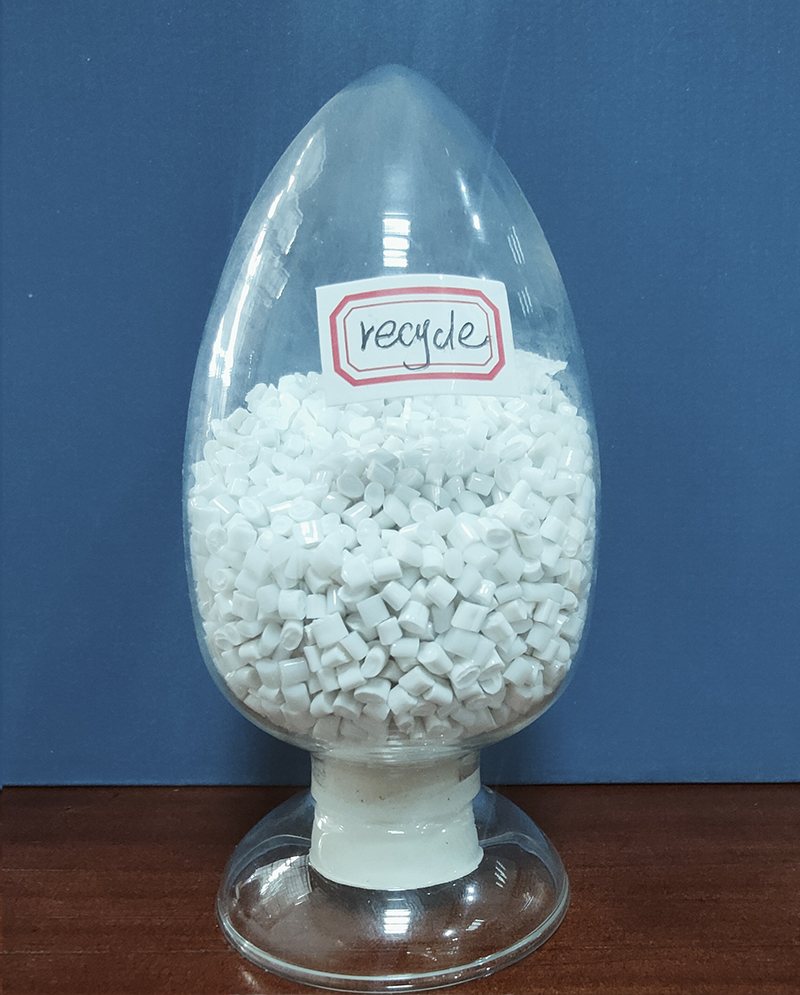 Textile-Grade High-Purity Recycled Polyester Chips for Knitted FabricSUZHOU JUNHUI TEXTILE CO.,LTDView Product →
What the Formula Means for Your Next Purchase
Reading the chemistry turns spec-sheet lines into buying decisions. The table below maps the main commercial variants back to the base formula.
| Variant | Formula / repeat unit | Difference versus standard PET | Practical result |
|---|---|---|---|
| Standard PET fiber | (C10H8O4)n | None; PTA or DMT plus MEG | Strong, hydrophobic fiber dyed with disperse dyes at about 130 °C |
| Cationic dyeable PET (CD) | PET backbone plus SIPM comonomer | Anionic sulfonate sites from 1.5-3 mol% SIPM | Bright cationic shades at 95-100 °C and two-tone effects |
| PBT/PET high-elastic yarn | PBT: (C12H12O4)n | Butanediol replaces ethylene glycol | Soft, durable stretch for hosiery and sportswear |
| Recycled PET (rPET) | (C10H8O4)n | None; same molecule, recycled feedstock | Equivalent performance with a lower footprint |
A few practical numbers follow directly from the structure. PET melts at about 250-260 °C, so finishing and ironing temperatures must stay well below that. Its hydrophobic backbone means quick drying and easy care, along with a fair dose of static. Its density of about 1.38 g/cm³ gives fabrics a crisp rather than fluid drape. And when a project needs genuine stretch instead of textured bulk, the industry turns to PBT, a polyester in which butanediol replaces ethylene glycol, lengthening the soft segment and producing the elasticity found in PBT/PET high-elastic yarns for sock cuffs and sportswear trim.
The chemical formula for polyester is more than a trivia answer; it is the shared language between buyer and supplier. When you can ask about intrinsic viscosity rather than just price, about SIPM content rather than just "CD yarn", and about whether rPET is mechanically or chemically recycled, the quotes you receive will match the fabric you actually intend to make. If you are weighing standard, cationic dyeable, or recycled polyester yarns for an upcoming program, our team can help you match the formula to the end use, and we respond to global inquiries within 12 hours.
Popular products
-
Premium Cationic Interlock Stretch Comfort Fabric
-
Moisture-Wicking Nylon Woven Fabric
-
Double-faced jacquard elastic fabric
-
Heather Grey Double-faced cationic jersey fabric
-
Anti-static Cationic Knitted Rib Fabric
-
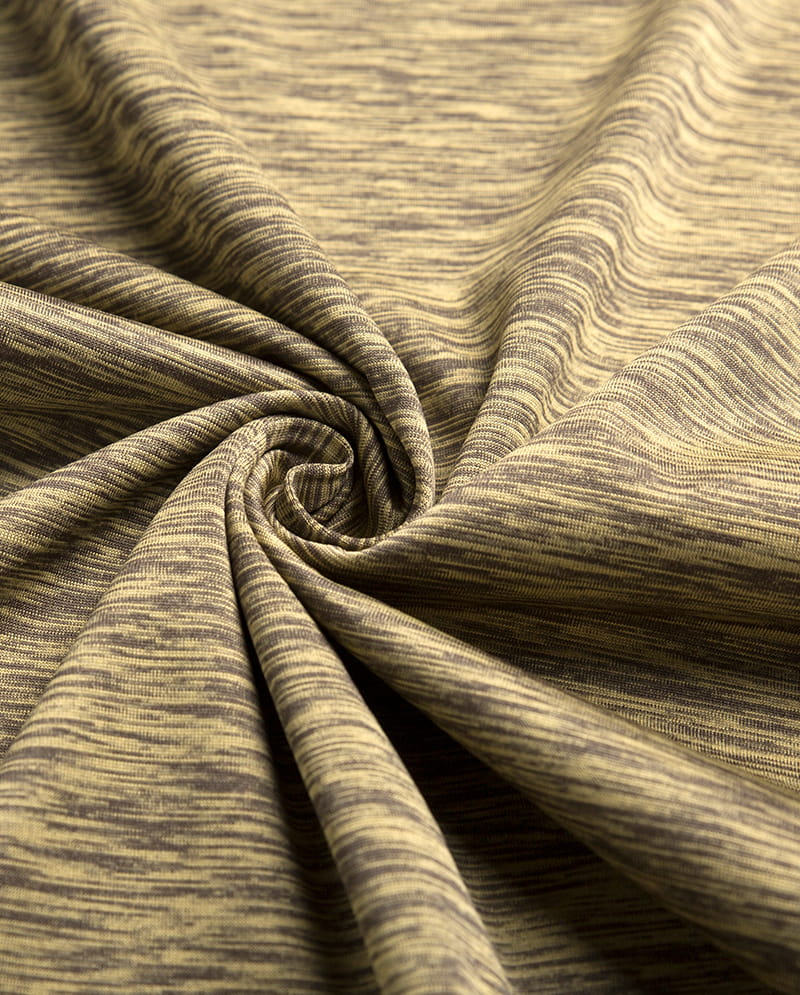
High-Stretch Cationic Jersey Fabric
-
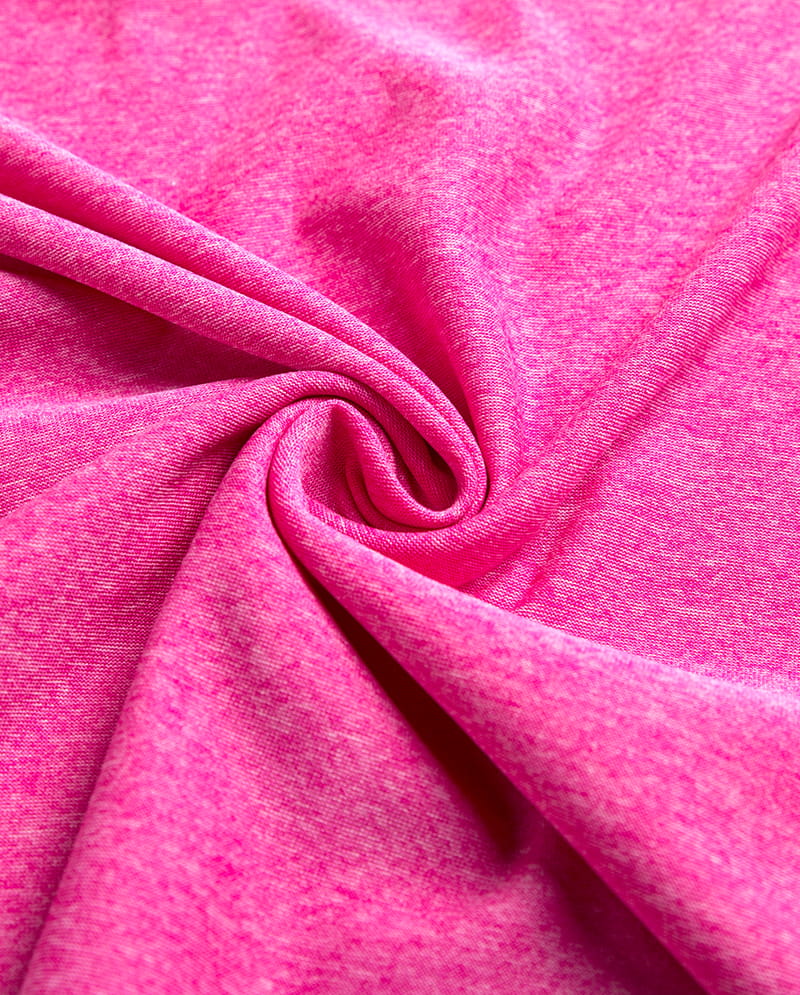
High Quality Cationic DTY Spandex Two Sides Brush Dralon Knit Fabric for Garment Thermal Underwear
-
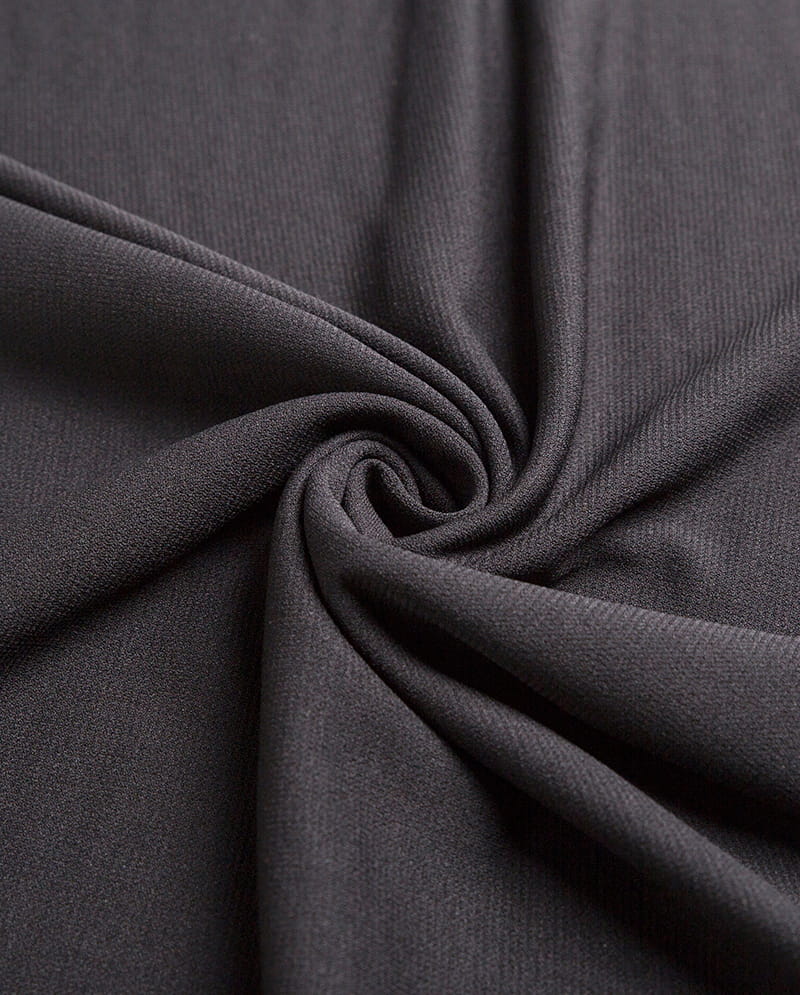
Durable Anti-Pilling Knitted Fabric for Home Textiles
-
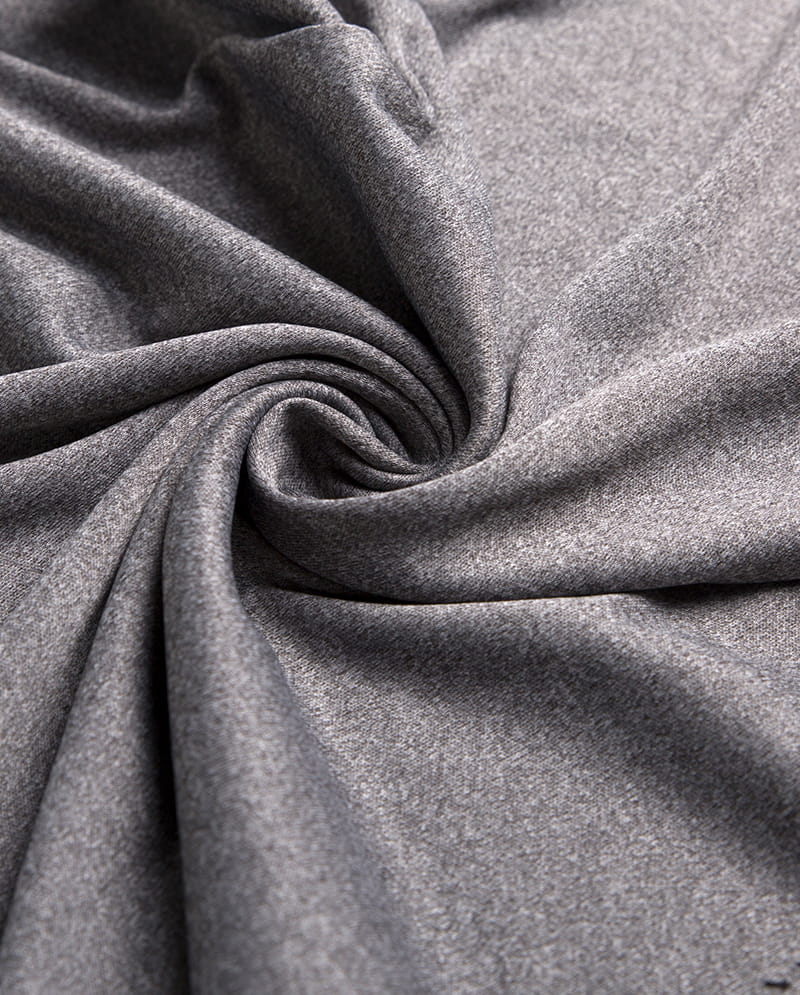
Wash-Resistant Cationic Elastic Knitted Fabric for Garment Industry
-
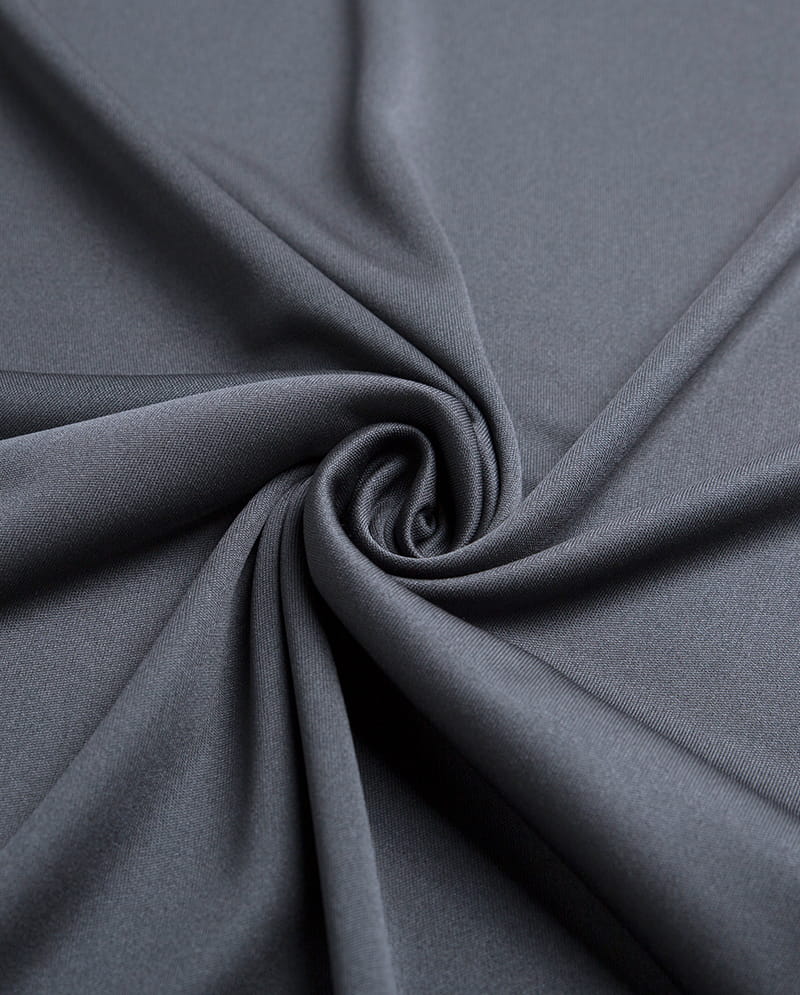
Breathable Double-Faced Elastic Composite Fabric
-
-
-
- whatsapp:
- 0086-13962559622
-
- skype:
- skype.aliceshenghong
-
- Wechat:

COPYRIGHT © 2016 Suzhou Junhui Textile Co., Ltd.
