

 EN
EN English
 中文简体
中文简体FDY vs POY vs DTY: Key Differences Every Textile Buyer Should Know
Content
When sourcing polyester yarn, three terms come up constantly: FDY, POY, and DTY. They look similar on a spec sheet but perform very differently in production. Picking the wrong one means quality issues, processing delays, or wasted cost. Here's a clear breakdown.
What Each Yarn Actually Is
POY (Partially Oriented Yarn) is the starting point. It is spun at high speed from polyester chips, but the molecular chains are only partially aligned — elongation typically stays above 50%. POY is not a finished product; it is a raw intermediate used to make DTY or FDY downstream.
FDY (Fully Drawn Yarn) is produced in a single step: spinning and drawing happen together, fully aligning the polymer chains. The result is a smooth, stable filament with crystallinity up to 40%, low elongation (40% or less), and high tensile strength. It goes directly into weaving or knitting without further processing.
DTY (Draw Textured Yarn) is made by feeding POY through a draw-texturing machine — the yarn is simultaneously stretched and false-twisted. This gives it a crimped, bulky structure with built-in elasticity and a soft, cotton-like hand feel.
Side-by-Side Comparison
| Property | POY | FDY | DTY |
|---|---|---|---|
| Orientation | Partial | Full | Full + textured |
| Appearance | Straight filament | Straight filament | Crimped / curly |
| Elongation | > 50% | ≤ 40% | Moderate + elastic recovery |
| Crystallinity | Low | Up to 40% | Moderate |
| Surface | Smooth | Smooth, lustrous | Bulky, soft |
| Direct use in fabric? | No | Yes | Yes |
| Typical price level | Lowest | Medium | Higher (value-added) |
Where Each Yarn Is Used
FDY Yarn suits applications that demand a clean, smooth surface and dimensional stability — clothing linings, curtains, woven shirt fabrics, umbrella cloth, and technical textiles. Its uniform strength also makes it a reliable choice for high-speed weaving operations where yarn breaks are costly.
DTY Yarn is the preferred choice wherever comfort and stretch matter: activewear, leggings, yoga wear, underwear, sofa upholstery, and carpets. The crimped structure gives fabrics loft, improves drape in curtains, and provides the stretch recovery needed in form-fitting garments. It is generally classed as a high-value-added finished yarn.
POY Yarn does not go into finished textiles directly. Its role is in the supply chain — as feedstock for texturing mills that convert it into DTY, or as input for drawing lines that produce FDY. Buyers typically purchase POY only if they operate downstream processing equipment themselves.
How to Choose the Right Yarn
Start with the end product, not the yarn spec. Ask three questions: Does the fabric need to stretch? Does the surface need to be smooth or textured? Is this an intermediate step in your process or a ready-to-weave input?
- Smooth, stable woven fabric → FDY
- Soft, elastic, or bulky fabric → DTY
- Running a texturing or draw-warping operation → POY
For brands and fabric mills without texturing equipment, POY is rarely the right buy. Between FDY and DTY, the decision comes down to hand feel and function. If you need both smoothness and a degree of elasticity, consider cationic-dyed polyester or specialty blended yarns that combine structural properties of both.
Sustainability is also a growing factor. Recycled versions of all three yarn types are now commercially available with GRS certification, offering the same processing behavior as virgin yarn while meeting ESG sourcing requirements. For a detailed look at how POY fits into the production chain, see our dedicated POY guide.
Quick Identification in Practice
When you receive a yarn sample without clear labeling, two quick checks help: pull the yarn by hand — POY stretches significantly further than FDY before resistance builds. And look at the structure: DTY has visible crimp and bulk, while both POY and FDY lie flat. A dull finish suggests semi-dull FDY; a shiny surface points to bright FDY or standard POY. For a broader picture of what goes into polyester yarn production, our yarn materials guide covers fiber types and manufacturing stages in detail.
Popular products
-
Premium Cationic Interlock Stretch Comfort Fabric
-
Moisture-Wicking Nylon Woven Fabric
-
Double-faced jacquard elastic fabric
-
Heather Grey Double-faced cationic jersey fabric
-
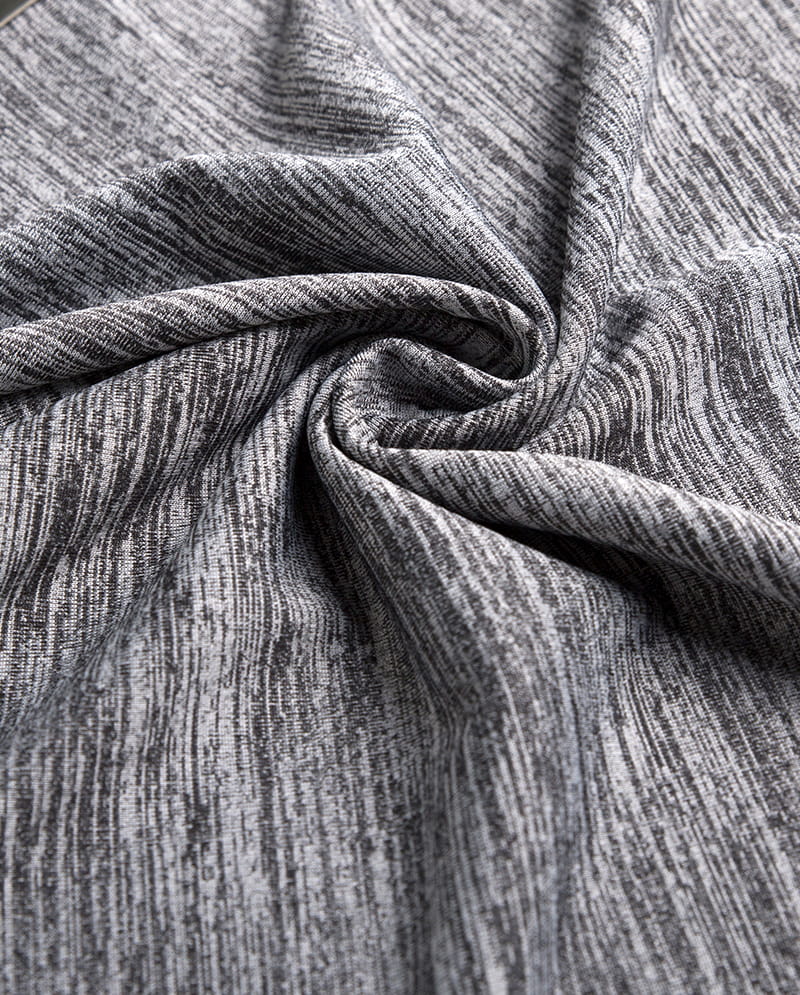
Anti-static Cationic Knitted Rib Fabric
-
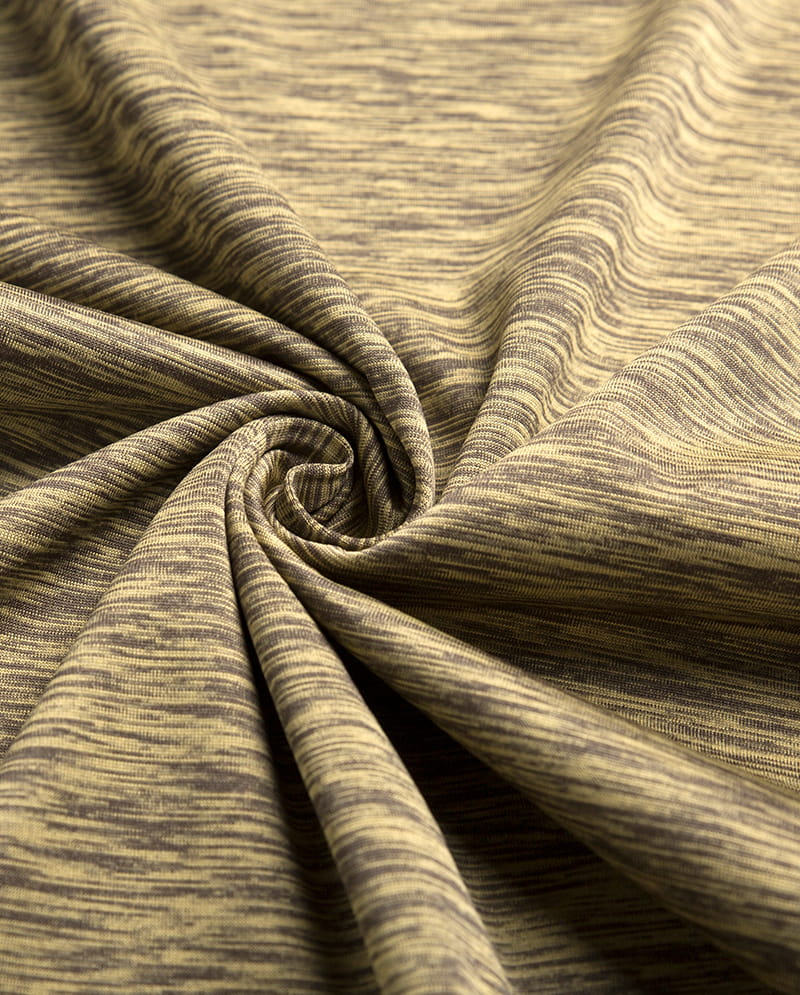
High-Stretch Cationic Jersey Fabric
-
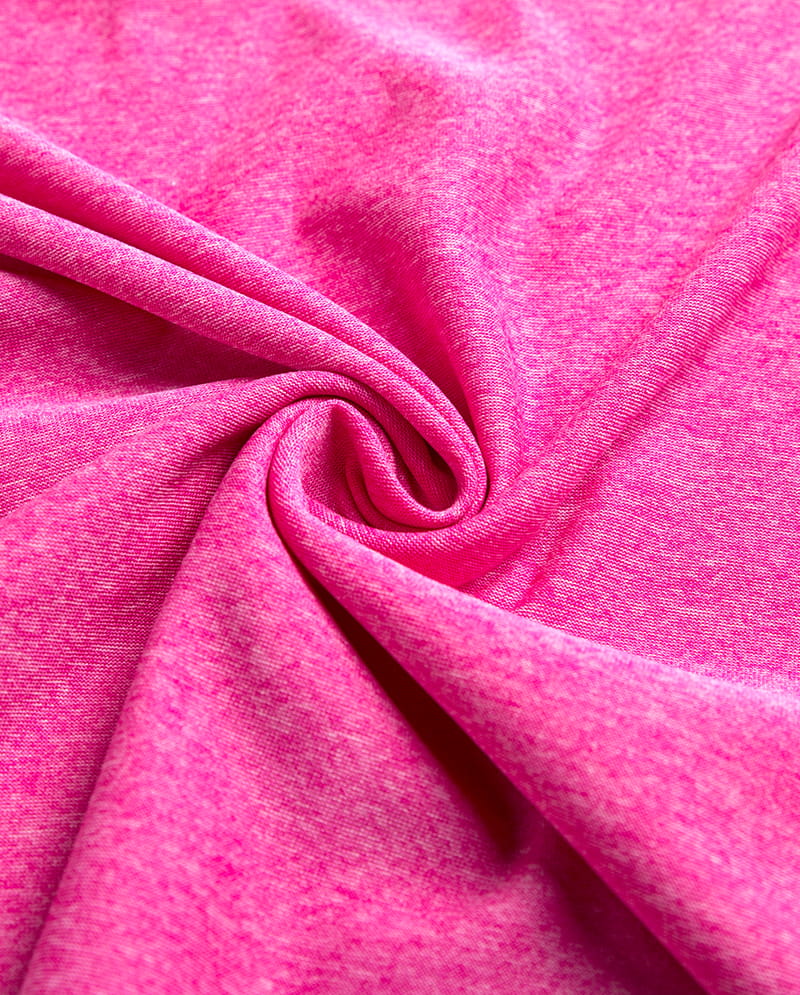
High Quality Cationic DTY Spandex Two Sides Brush Dralon Knit Fabric for Garment Thermal Underwear
-
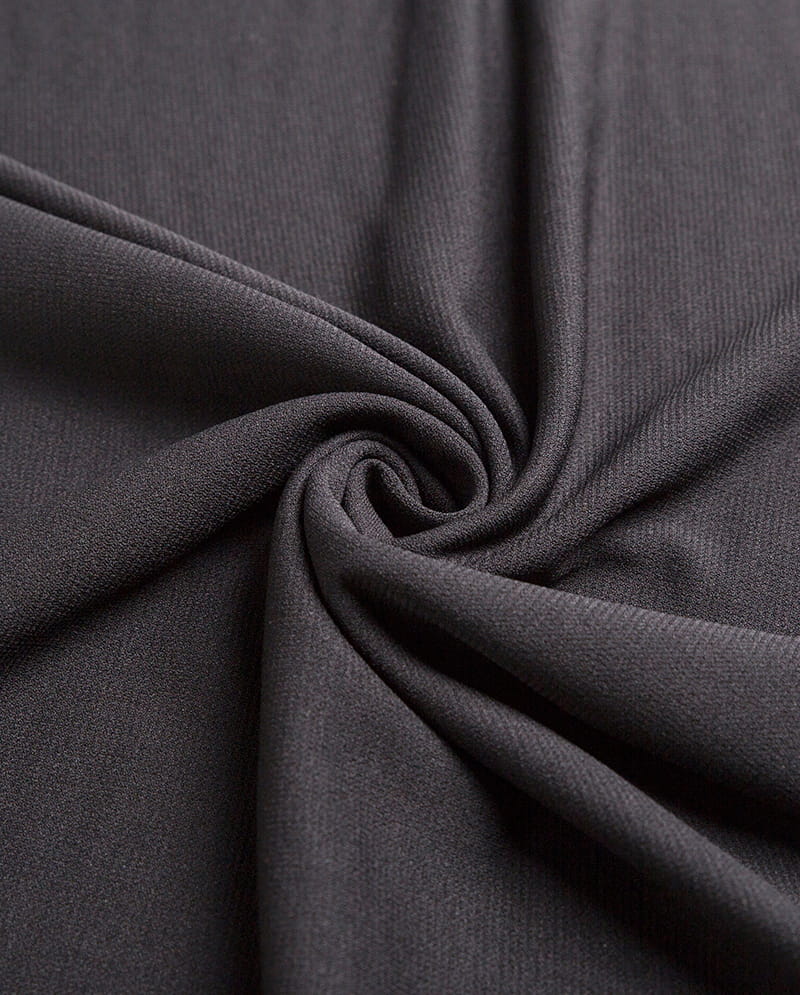
Durable Anti-Pilling Knitted Fabric for Home Textiles
-
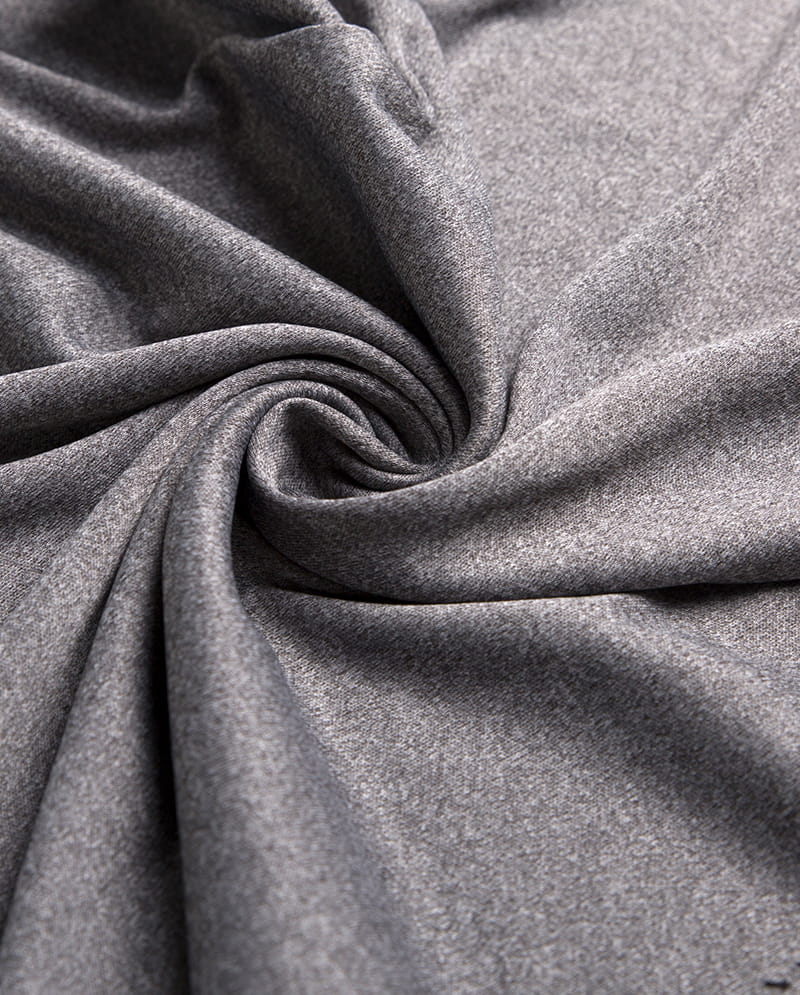
Wash-Resistant Cationic Elastic Knitted Fabric for Garment Industry
-
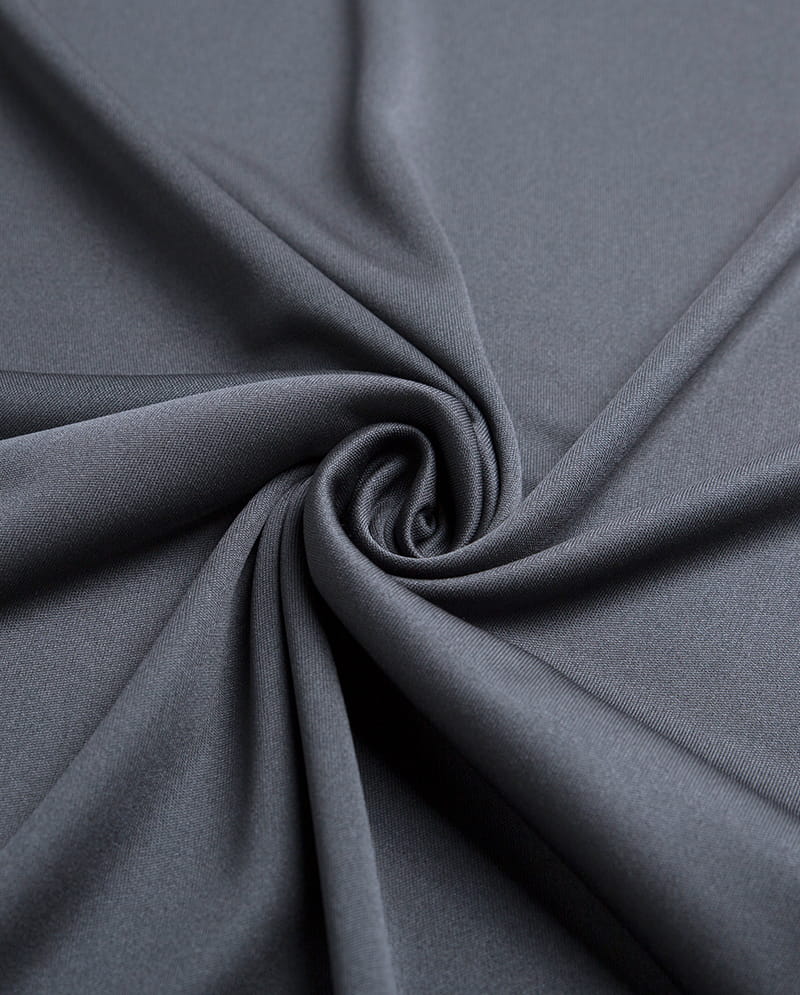
Breathable Double-Faced Elastic Composite Fabric
-
-
-
- whatsapp:
- 0086-13962559622
-
- skype:
- skype.aliceshenghong
-
- Wechat:

COPYRIGHT © 2016 Suzhou Junhui Textile Co., Ltd.
