

 EN
 English
 中文简体
Acrylic Textile: Applications, Selection Criteria, and Practical Guidance
Content
- 1 What Acrylic Textile Actually Is
- 2 Properties That Decide Whether Acrylic Fits the Product
- 3 Where Acrylic Textile Earns Its Place
- 4 Blending Rules for Acrylic Development
- 5 Where Acrylic Programs Fail, and How to Test Around It
- 6 Sourcing Acrylic and Polyester Together
- 7 Acrylic Textile Questions Buyers Ask Most
A tech pack that reads "100% acrylic, 2/28 count, 3.3 dtex" usually starts a predictable argument. The buyer wants wool warmth at a lower landed cost, the knitter wants a yarn that does not fuzz, and the finisher wants a fabric that survives a hot press. Acrylic textile sits in the middle of all three expectations, and it only works when fiber specification, blend partner and finishing route are decided together.
What Acrylic Textile Actually Is
Acrylic textile is any yarn or fabric built from polyacrylonitrile fiber, a synthetic polymer that has to contain at least 85 percent acrylonitrile by mass before it can legally carry the name acrylic.
Below that 85 percent threshold the fiber becomes modacrylic, a related family running from 35 to 85 percent acrylonitrile that is chosen for flame resistance rather than for softness. The comonomers added during polymerization, usually methyl acrylate, vinyl acetate or methyl methacrylate, are not filler. They open dye sites and break up the stiff polymer chain so the fiber can be drawn, crimped and spun into a usable staple.
Two sourcing misunderstandings show up in almost every first order:
- Acrylic sheet and acrylic fiber share a name, not a chemistry. Cast or extruded PMMA sheet is a rigid plastic, so a purchase order that says only "acrylic" without the word fiber can be quoted against the wrong material entirely.
- Staple, tow and top are different delivery forms. Sweater spinners normally buy 1.7 to 3.3 dtex staple cut at 38 to 51 mm, while blanket and pile producers buy crimped tow and cut it in-house.
Properties That Decide Whether Acrylic Fits the Product
The short answer: acrylic wins on warmth-to-weight, color depth and outdoor durability, and it loses on heat stability, wet strength and pilling.
| Property | Typical range | What it changes |
| Acrylonitrile content | 85 percent and above (modacrylic 35-85 percent) | Dye saturation, flame behaviour, price tier |
| Density | 1.17-1.19 g/cm3, against 1.38 for polyester | More cover per kilo, lighter blankets and sweaters |
| Moisture regain | 1.5-2.0 percent | Fast drying, static build-up in dry knitting rooms |
| Tenacity, dry | 2.0-3.3 cN/dtex | Fine for knitwear, not for load-bearing industrial cloth |
| Elongation | 25-45 percent | Forgiving on the machine, weak dimensional memory under heat |
| Softening and sticking | near 230-250 C, iron below about 110 C | Press and stenter settings, care label wording |
| Dye class | Cationic (basic) dyes | Bright deep shades, union dyeing with CD polyester |
| Alkali resistance | Poor against strong alkali | Scouring route, avoid caustic soda stages |
Read the table as a set of trade-offs rather than a scorecard. A 3.3 dtex fiber at low crimp gives a crisp, dry hand that suits pile fabrics, while a 1.7 dtex fiber at high crimp gives the soft, airy hand most sweater buyers ask for. Both are still acrylic, and both will glaze if the finishing line runs a press above the fiber's comfort zone.
Where Acrylic Textile Earns Its Place
Acrylic performs best wherever light weight, loft and color are worth more than wet strength, which is why knitwear, blankets, pile fabrics and solution-dyed outdoor textiles dominate its use.
- Flat-knit sweaters and accessories: 2/28 and 2/32 counts, often blended with wool or viscose to soften the hand.
- Blankets and home textiles: high-bulk tow builds loft without weight, and brushing raises a stable pile that survives washing.
- Faux fur and deep pile: the fiber takes bright color and holds a crimp set better than most commodity synthetics.
- Outdoor and marine textiles: solution-dyed acrylic keeps its lightfastness rating after years of sun and moisture cycling.
- Socks and thermal layers: warmth with low moisture pickup, usually blended with polyester or cotton for strength.
Where it does not belong is just as clear. Products facing repeated hot washing, strong alkali scouring or sustained mechanical load should be built around polyester, nylon or a much higher-strength blend, because acrylic will either shrink, fuzz or fail at the seam first.
Blending Rules for Acrylic Development
The reliable rule is simple: acrylic carries warmth, color or bulk, and the partner fiber carries strength, moisture management or dimensional stability.
What acrylic brings
- Warmth at low weight, from a density well below polyester
- Deep, bright shades from cationic dyeing
- Soft matte hand that reads closer to wool than to filament yarn
- Good resistance to sunlight and to weak acids
What it needs from a partner
- Abrasion resistance for cuffs, collars and upholstery
- Moisture buffering so the garment does not feel clammy
- Heat stability for pressing and for durable pleats
- Static control in low-humidity spinning and knitting rooms
Commercial blends follow that logic. Acrylic and wool at 70/30 protects the wool hand at a lower cost, acrylic and viscose at 50/50 reduces static and adds drape, acrylic and cotton suits next-to-skin knits, and acrylic and polyester at 50/50 trades some warmth for abrasion resistance and a more stable price.
One dyeing detail matters more than most sourcing teams expect. Acrylic takes cationic dyes, and cationic-dyeable polyester exhausts the same dye class, so the two can share a dyebath and still land on different depths. The shade difference comes from dye-site density rather than from a second recipe, which is why the dyeing behaviour of cationic polyester is worth reading before a union-dye trial is booked.
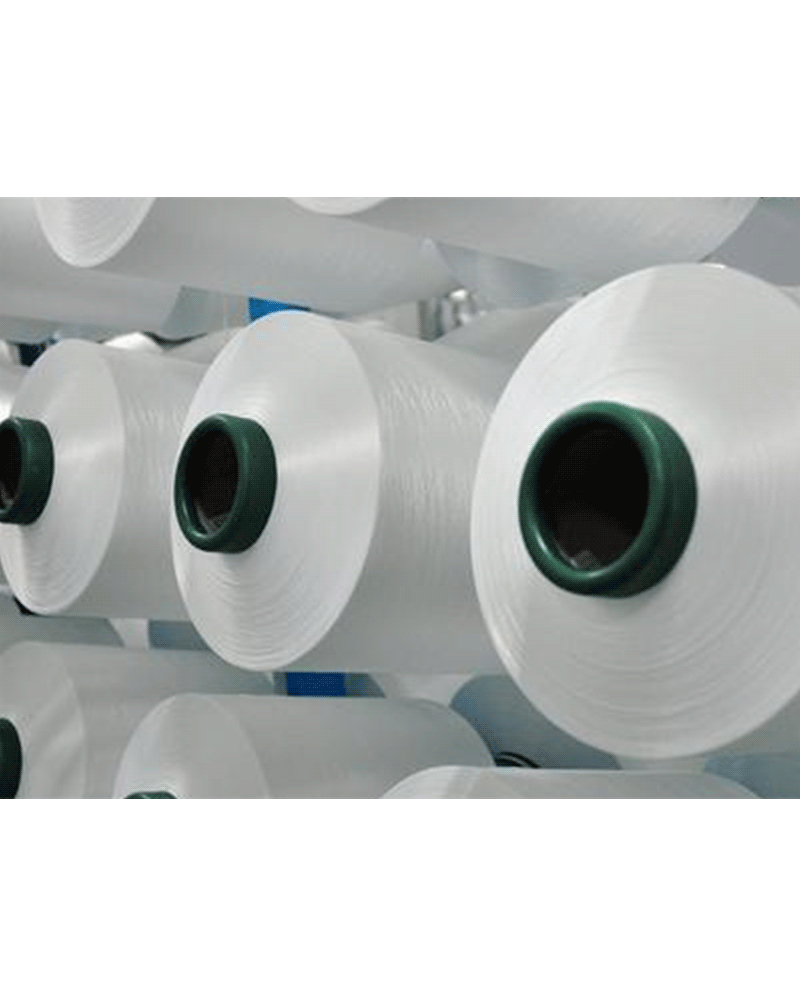 Cationic Polyester DTY for Union DyeingCationic-dyeable polyester DTY supports tone-on-tone and union-dye trials by sharing the dye class with acrylic in one bath.View Product →
For programs building that tone-on-tone effect, cationic polyester DTY is the usual partner on the polyester side, because it keeps the polyester fraction dyeable in the same cycle instead of forcing a separate dispersion-dye stage.
Where Acrylic Programs Fail, and How to Test Around It
Most acrylic quality complaints trace back to four points: pilling, heat shrinkage, static and shade variation between lots.
- Fiber specification check. Confirm dtex, cut length, crimp, oil finish and moisture content on the mill certificate before the bale leaves the warehouse.
- Yarn evenness and tenacity. Test count variation and elongation on the finished yarn, not only on the fiber, because spinning doubles and twist multiply small fiber differences.
- Pilling test. Run a pilling test to a recognised method and agree the accepted rating in writing; a low rating on a soft-twist brushed knit is a claim waiting to happen.
- Boiling water shrinkage. Measure shrinkage on greige and on dyed fabric, since acrylic relaxes differently after a wet finish and a stenter pass.
- Care label validation. Wash a sewn sample at the labeled temperature, tumble dry at low heat and press at the stated setting before the care label is approved.
Run all five steps on a single pilot lot and the numbers will disagree with each other in useful ways. High shrinkage usually points to relaxed, under-set yarn, while poor pilling often comes from low twist rather than from bad fiber, so the fix sits in spinning and finishing, not in a fiber swap.
Sourcing Acrylic and Polyester Together
The practical route is to qualify acrylic and polyester options inside one development file, because the blend decision rarely survives contact with cost and delivery targets.
Development teams working across both fiber families usually need three things from a mill: consistent raw material sourcing, a clear position on recycled content, and fast answers when a lab dip fails. Suzhou Junhui Textile has supplied differential yarns to buyers in 36 countries since 2015, with more than 90 percent of output exported, and holds GRS certification for its recycled lines. The team commits to answering international enquiries within 12 hours, which matters most during the sampling window rather than after the order is placed; the broader capability profile sits on the company page.
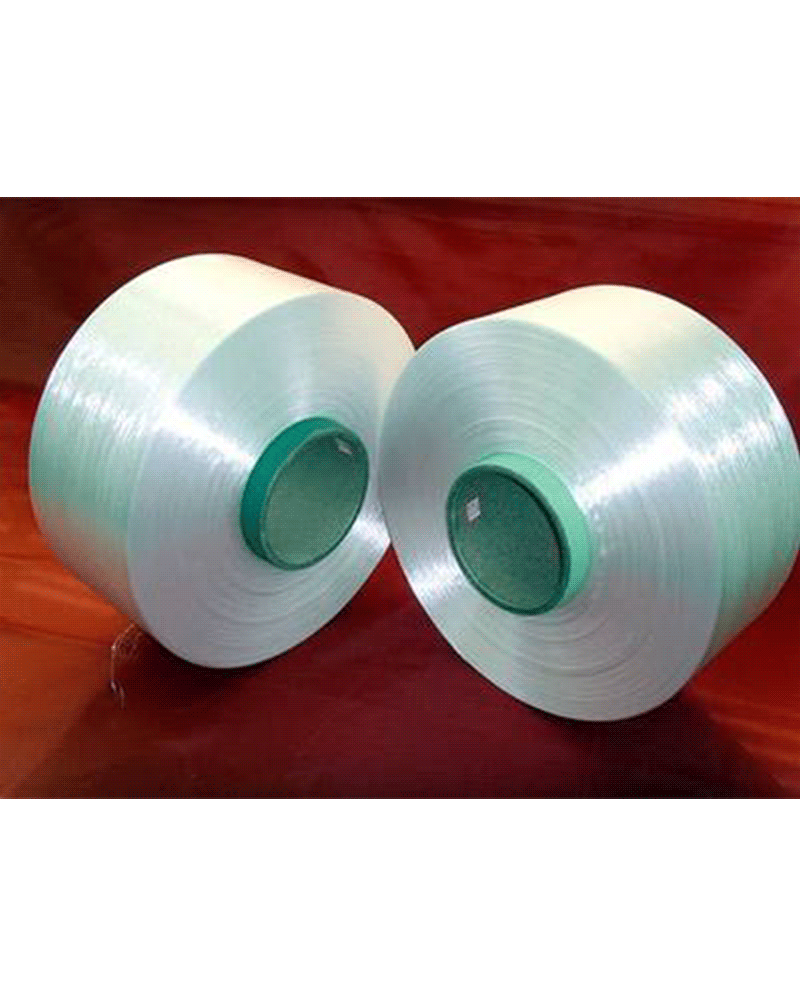 Semi-Dull SD DTY for Knitwear BlendsSemi-dull draw textured polyester yarn offers balanced strength and a matte hand for knitwear and acrylic-blend sampling.View Product →
On the polyester side of an acrylic blend, semi-dull DTY is the standard partner for knitwear because it balances strength and a matte hand, and it can be specified alongside the acrylic fraction so both are approved in the same round of samples.
Acrylic Textile Questions Buyers Ask Most
Is acrylic warm enough for winter knitwear?
Yes, at equal thickness acrylic insulates comparably to wool and often feels warmer per gram because its density is lower. What it does not do as well is buffer moisture, so a high-acrylic sweater can feel clammy after exertion; blends with wool or viscose solve most of that.
Does acrylic fabric pill?
It pills more than filament polyester because staple fibers are short and migrate to the surface, and brushing, low twist and coarse dtex all accelerate it. A pilling test on the finished fabric, agreed with an acceptance rating before bulk, is the only reliable protection.
Can acrylic textile be recycled?
Mechanically it can be re-spun in limited proportions, and chemical routes for polyacrylonitrile exist, but commercial capacity remains small compared with polyester. Where recycled content is claimed, ask for transaction certificates that trace the specific lot, since certification covers the supply chain, not the marketing line.
How does acrylic compare with polyester for a knit program?
Acrylic gives warmth, a matte hand and cationic color depth, while polyester gives strength, heat stability and a lower and steadier price. A 50/50 blend usually delivers the best compromise, and where color effects are needed, pairing acrylic with cationic polyester allows one dyebath to produce two depths.
Popular products
-
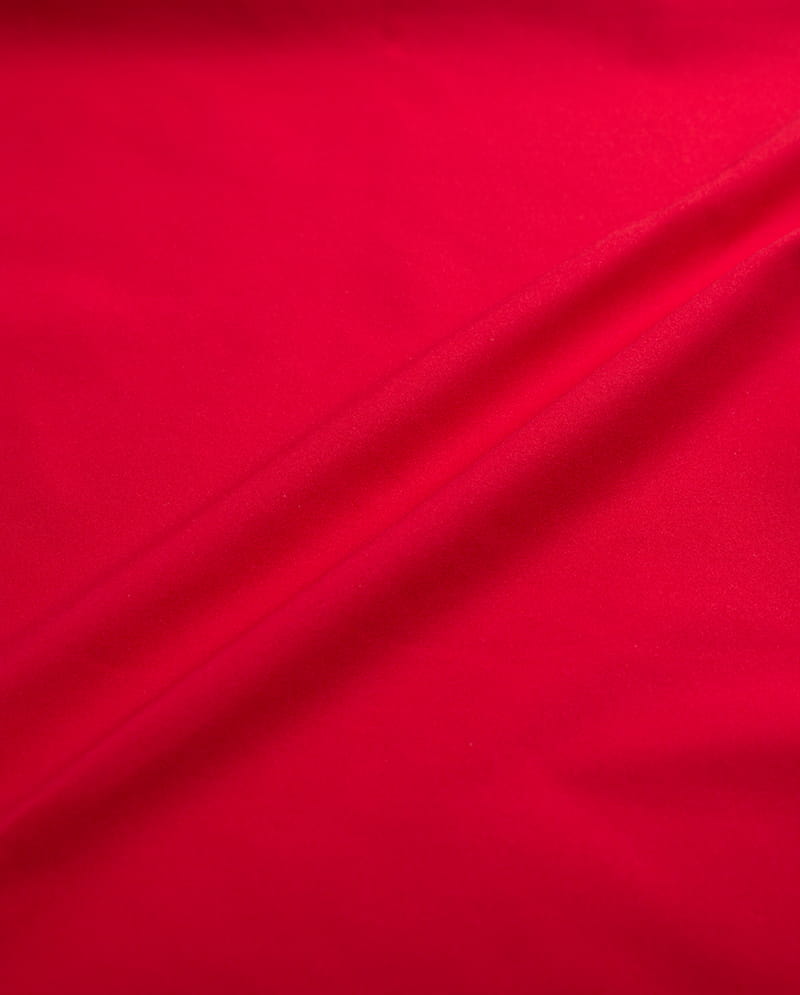
Premium Cationic Interlock Stretch Comfort Fabric
-
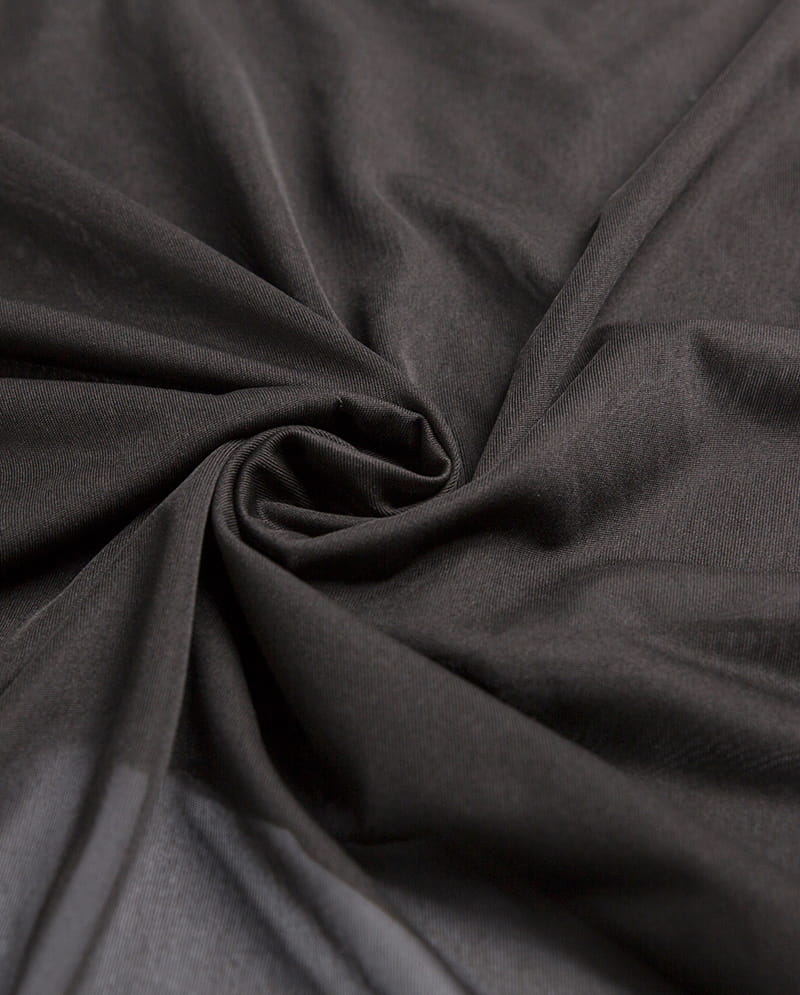
Moisture-Wicking Nylon Woven Fabric
-
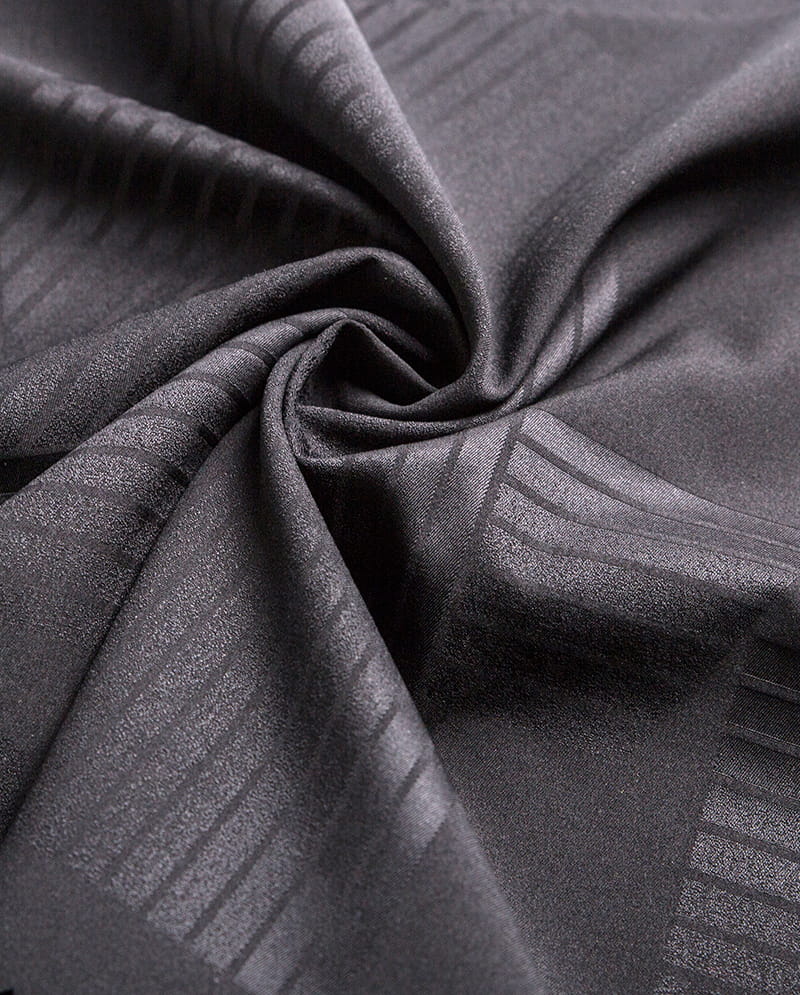
Double-faced jacquard elastic fabric
-
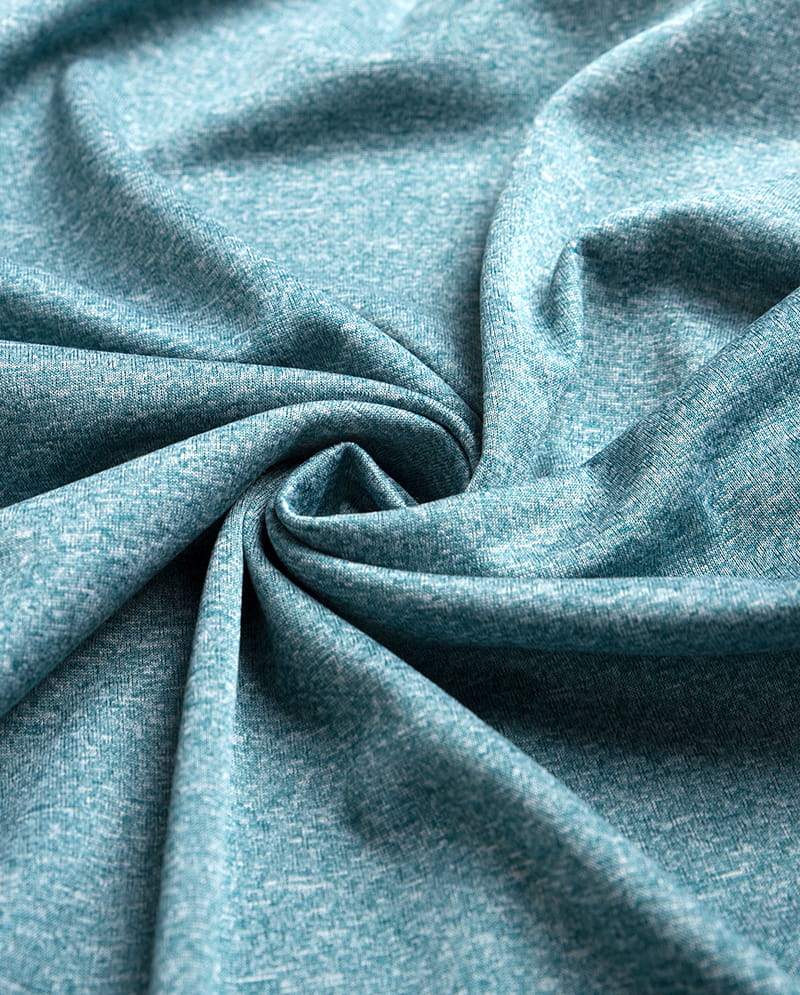
Heather Grey Double-faced cationic jersey fabric
-
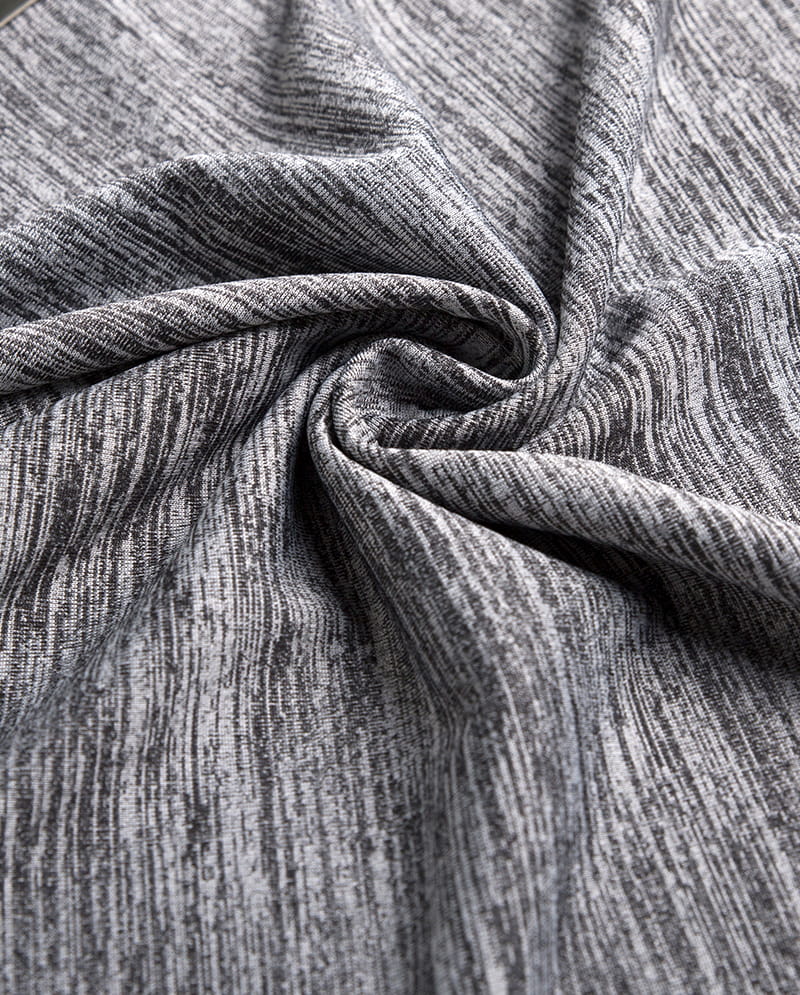
Anti-static Cationic Knitted Rib Fabric
-
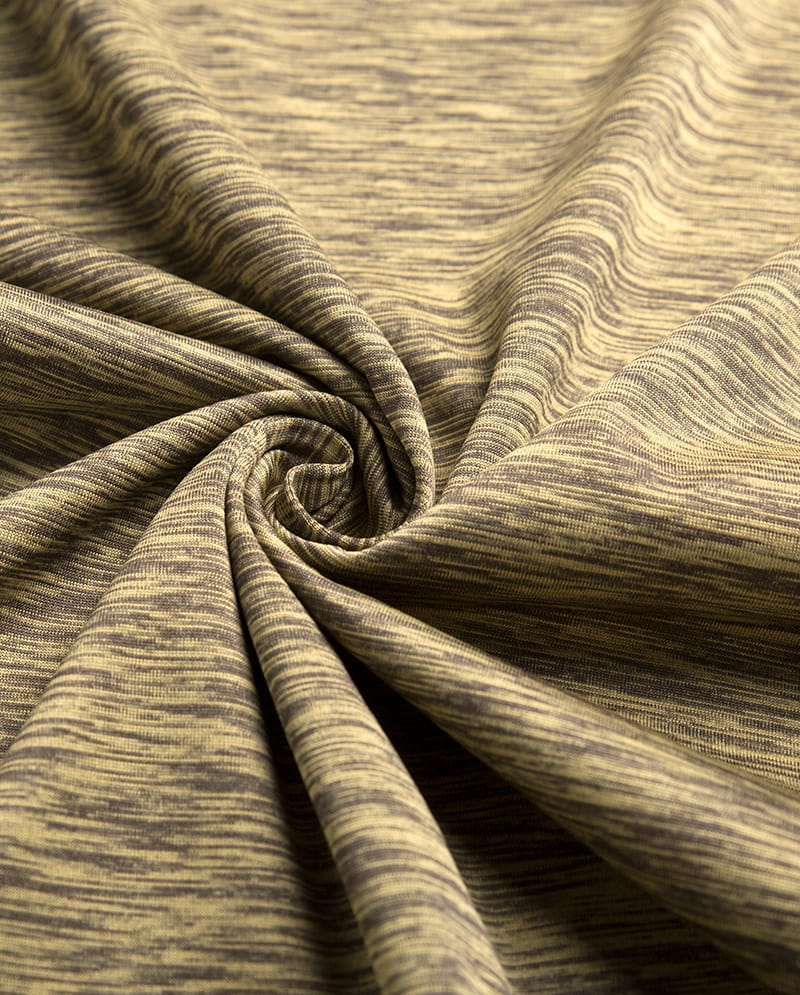
High-Stretch Cationic Jersey Fabric
-
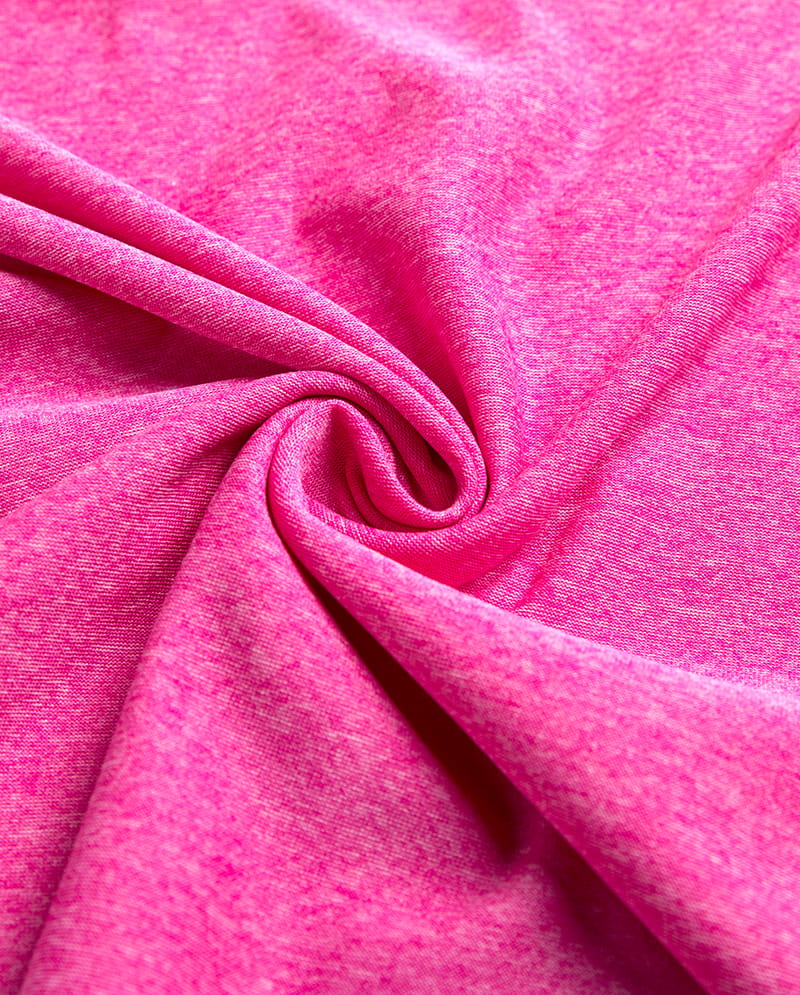
High Quality Cationic DTY Spandex Two Sides Brush Dralon Knit Fabric for Garment Thermal Underwear
-
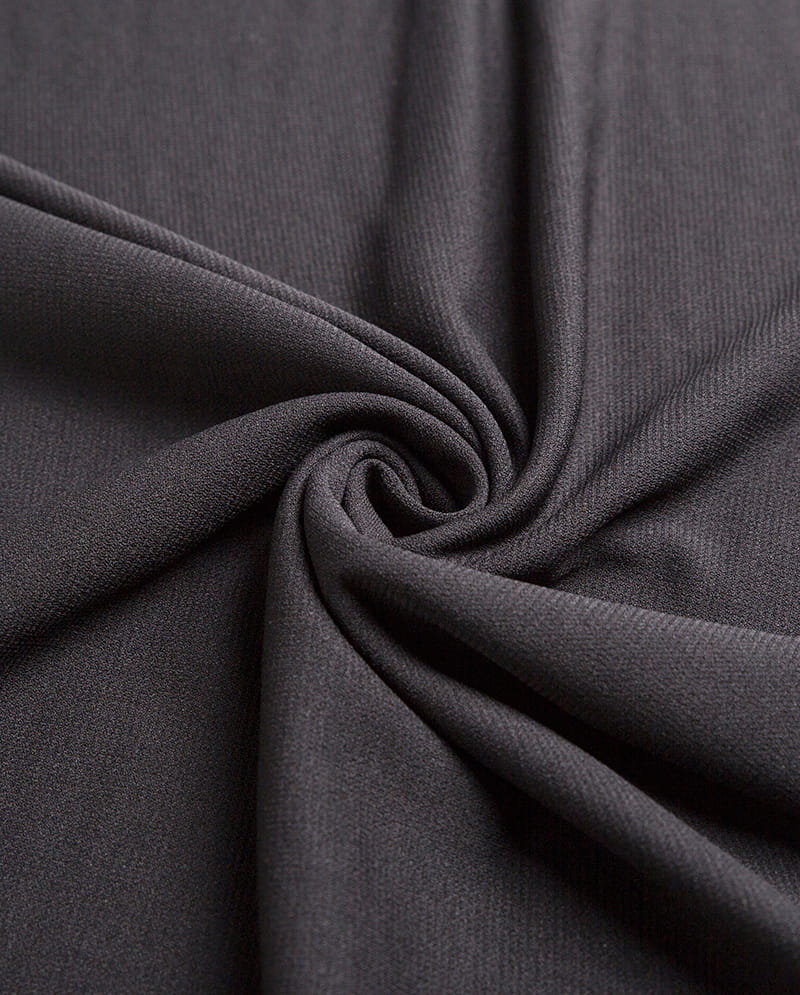
Durable Anti-Pilling Knitted Fabric for Home Textiles
-
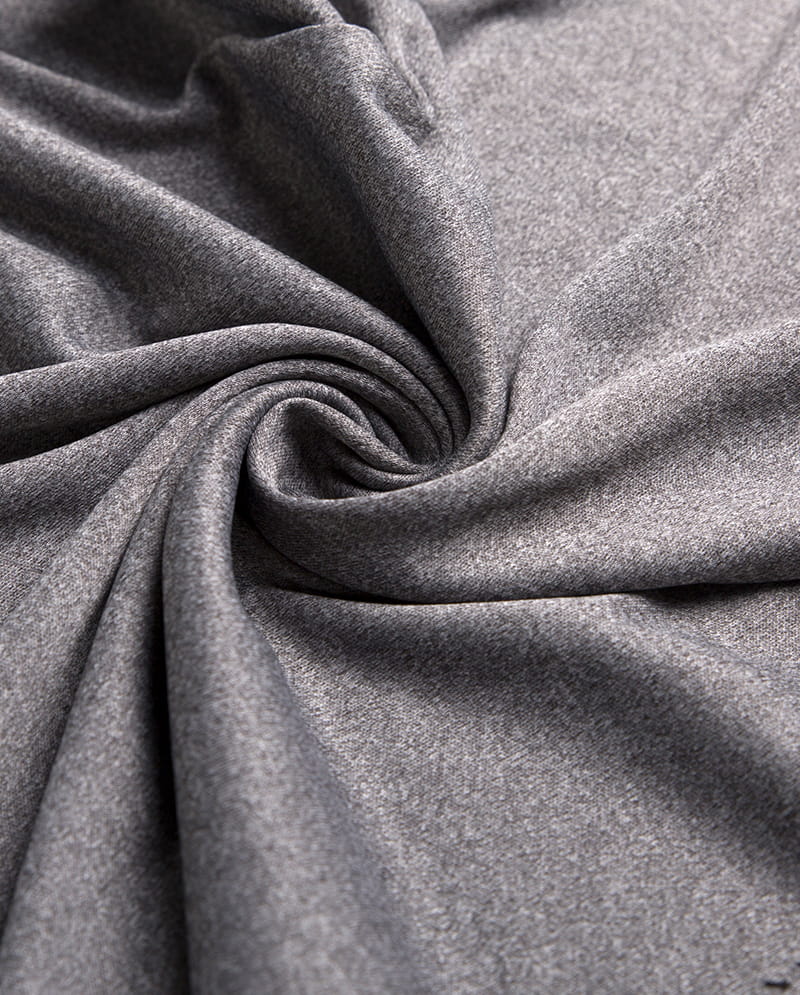
Wash-Resistant Cationic Elastic Knitted Fabric for Garment Industry
-
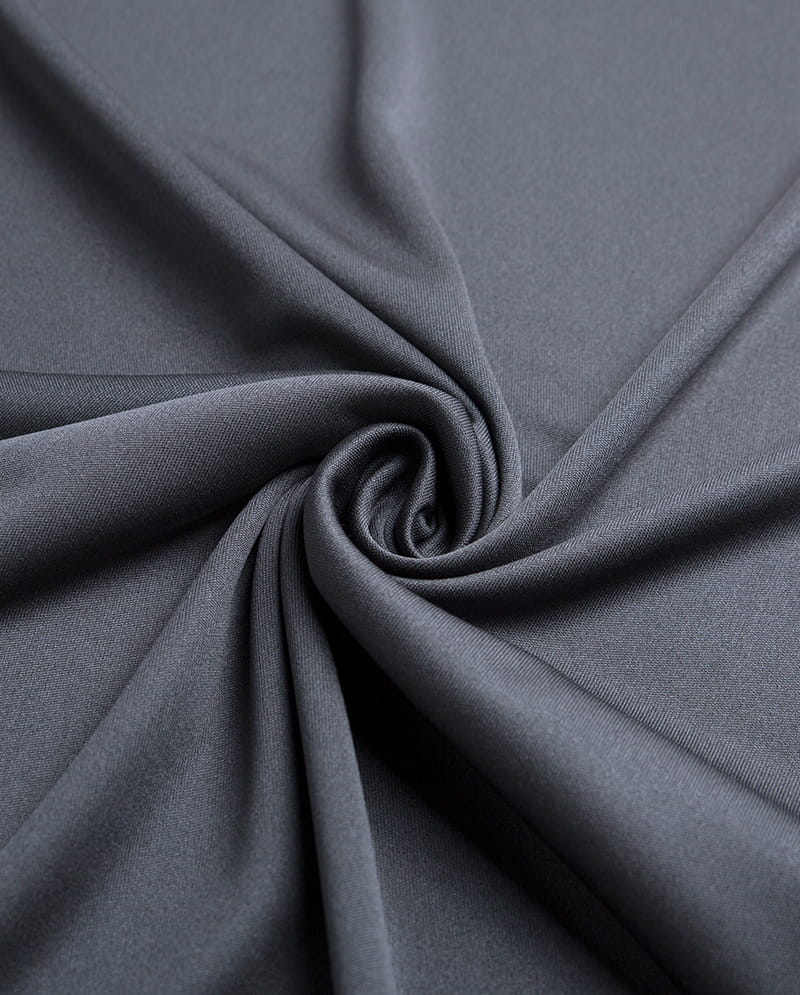
Breathable Double-Faced Elastic Composite Fabric
-
-
-
- whatsapp:
- 0086-13962559622
-
- skype:
- skype.aliceshenghong
-
- Wechat:


COPYRIGHT © 2016 Suzhou Junhui Textile Co., Ltd.
