

 EN
EN English
 中文简体
中文简体Cationic Dyed Polyester Yarn (CD Yarn): Dyeing & Advantages
Content
Cationic dyed polyester yarn, widely known as CD yarn, solves a long‑standing limitation of standard polyester by enabling atmospheric‑pressure dyeing with cationic dyes. Instead of requiring 130°C high‑pressure conditions, CD yarn achieves deep, brilliant shades at 98–100°C under normal pressure. This modification translates directly into lower energy consumption, shorter processing cycles and excellent color fastness, making it a practical choice for mills aiming to improve efficiency and product quality.
Chemical Modification That Enables Cationic Dyeability
Standard polyester fibers are hydrophobic and lack dye sites for water‑soluble colorants. CD yarn is produced by incorporating a co‑monomer containing sulfonate groups during polymerization. Typically, 5–10 mol% of sodium dimethyl isophthalate‑5‑sulfonate is introduced into the polyethylene terephthalate chain. These anionic sulfonate sites act as built‑in receptors that form strong ionic bonds with cationic dyes. Because the dye‑fiber attraction is ionic rather than relying solely on diffusion into a tightly packed structure, exhaustion takes place rapidly and completely even at the boil without carriers.
Contrasting Dyeing Conditions and Fastness Performance
The table below summarizes how CD yarn differs from regular polyester in essential dyeing parameters. These differences directly impact equipment selection, energy bills and final shade reproducibility.
| Parameter | Regular Polyester | CD Yarn |
|---|---|---|
| Dye class | Disperse dyes | Cationic dyes |
| Dyeing temperature | 130°C | 98–100°C |
| Pressure requirement | High pressure (≈ 2.5 bar) | Atmospheric pressure |
| Typical exhaustion | 85–92% | 92–97% |
| Wash fastness | 4 (with post‑scour) | 4–5 |
| Light fastness | 5–6 (selected dyes) | 6–7 |
Why Fastness Ratings Are Higher
The ionic bonding mechanism locks dye molecules inside the fiber. Combined with excellent heat stability of cationic dyes, this results in wash fastness regularly reaching 4–5 and light fastness of 6–7 for appropriately selected trichromatic combinations. No reductive after‑clearing is needed, which further saves water and chemicals.
Process and Productivity Advantages
Switching to CD yarn delivers measurable gains on the production floor. Several mills report the following improvements after replacing high‑temperature disperse dyeing with atmospheric cationic dyeing cycles.
- Energy consumption drops by approximately 30–40% because there is no need to heat water to 130°C and maintain high pressure.
- Total dye cycle time can be shortened by 20–30% since the rapid strike of cationic dyes at the boil reduces holding periods.
- Levelness is easier to control with a simple pH buffer (pH 4–5) and a small amount of non‑ionic retarder, avoiding the patchy dye uptake seen with some disperse dyes.
- Reproducibility improves because dye uptake depends mainly on the number of sulfonate sites, not on delicate carrier‑assisted diffusion.
These factors collectively lower the cost per kilogram of dyed yarn, especially for medium and deep shades where the energy gap is greatest.
Dominant Application Sectors
CD yarn is not a niche product; it has become a core material wherever vivid color and dependable fastness are mandatory. The most common end uses include:
- Activewear and sportswear – neon accents, color‑blocked panels and trim that must survive frequent washing and perspiration.
- Home textiles – drapery, upholstery and decorative pillows where light fastness and bright shades are prized.
- Automotive interiors – seat covers and headliners demanding high rub fastness and resistance to fading under glass.
- Functional yarn blends – CD yarn is frequently plied with cotton, rayon or wool to create melange effects because the cellulosic or protein component can be dyed in the same bath using compatible dyes, producing unique two‑tone appearances.
Economic and Environmental Impact
Beyond the dyehouse, CD yarn aligns with tighter environmental standards. Avoiding high‑pressure vessels reduces upfront capital expenditure for new machinery. Lower dyeing temperatures cut steam demand, which in many coal‑ or gas‑dependent regions means a direct reduction in carbon dioxide emissions. Additionally, the high exhaustion rate leaves less color in the effluent, easing the load on wastewater treatment. Since no carriers such as chlorobenzenes or biphenyls are required, workplace safety improves and air emissions drop. For a mid‑size operation processing 5 tons of yarn per day, the shift to atmospheric cationic dyeing can save over 2,000 liters of fuel oil equivalent daily while reducing water consumption through shorter rinse cycles.
Best Practices for Consistent Quality
Although CD yarn is forgiving, following a disciplined procedure ensures shade uniformity and prevents common issues such as barré.
- Scour the yarn thoroughly to remove spin finish and any residual co‑monomer oligomers that could block dye sites.
- Maintain the dyebath at pH 4.0–5.0 using acetic acid and sodium acetate buffer. Drifting outside this range slows dye uptake or destabilizes the ionic bond.
- Start dyeing at 50–60°C and raise the temperature gradually, typically at 1–1.5°C per minute, to the boil. Hold for 30–45 minutes depending on depth.
- Use a non‑ionic retarder to slow the initial strike on pale shades, but keep the dosage below 0.5 g/L to avoid blocking sulfonate sites and leaving the shade weak.
- Cool gradually before draining to prevent creasing and to maintain the fabric hand; a simple overflow rinse at 60°C is usually sufficient to remove unfixed dye.
Adhering to these steps allows dyers to exploit the full potential of cationic dyed polyester yarn, producing vibrant shades with outstanding fastness while keeping energy and water usage low.
Popular products
-
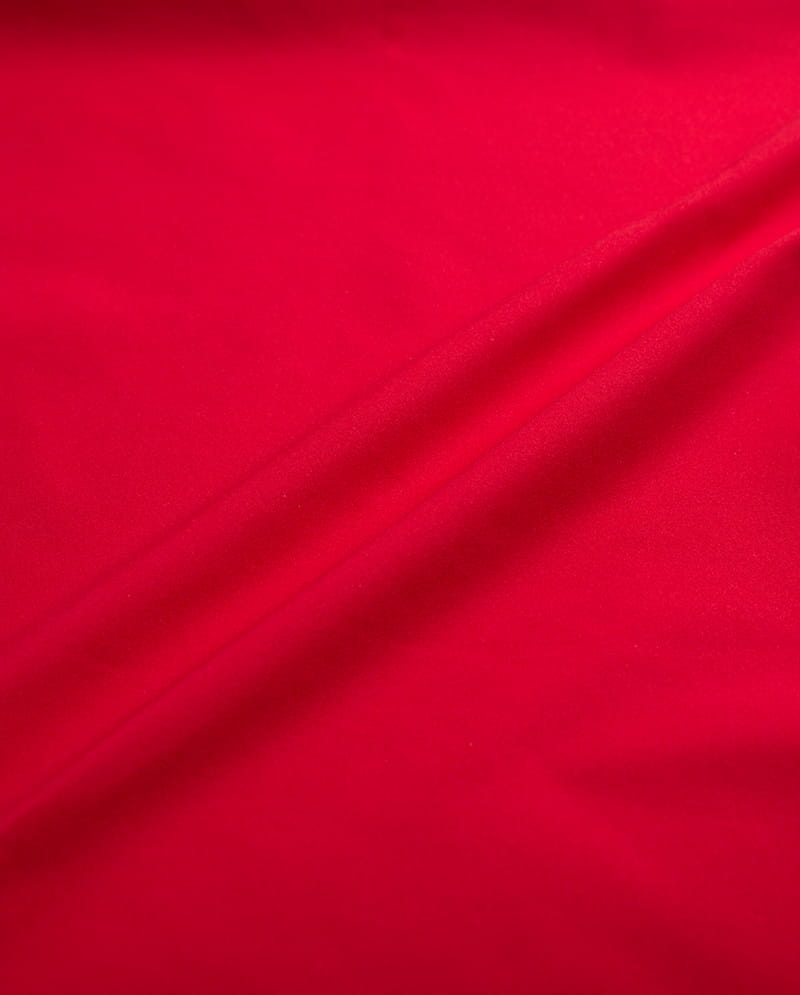
Premium Cationic Interlock Stretch Comfort Fabric
-
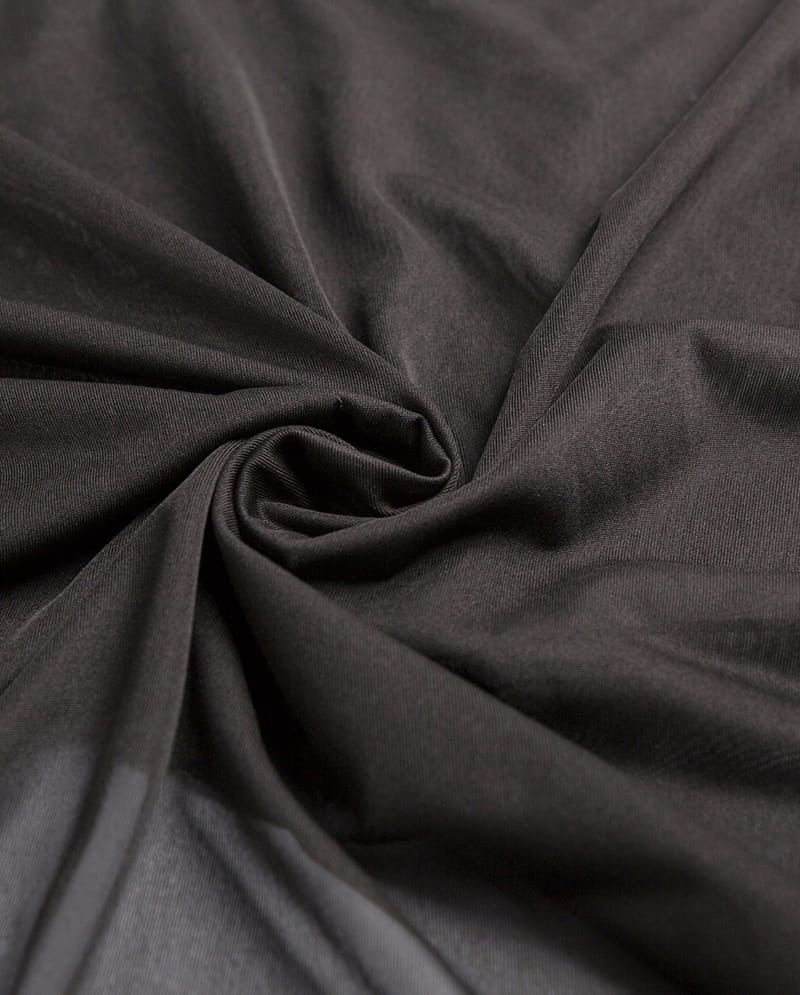
Moisture-Wicking Nylon Woven Fabric
-
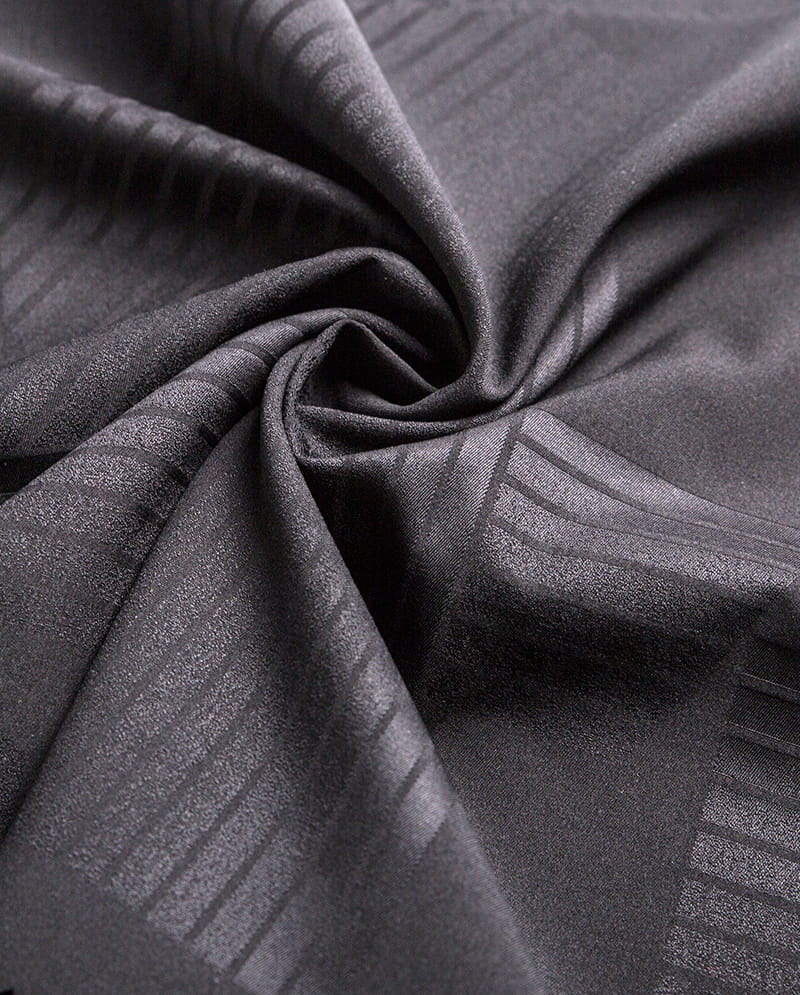
Double-faced jacquard elastic fabric
-
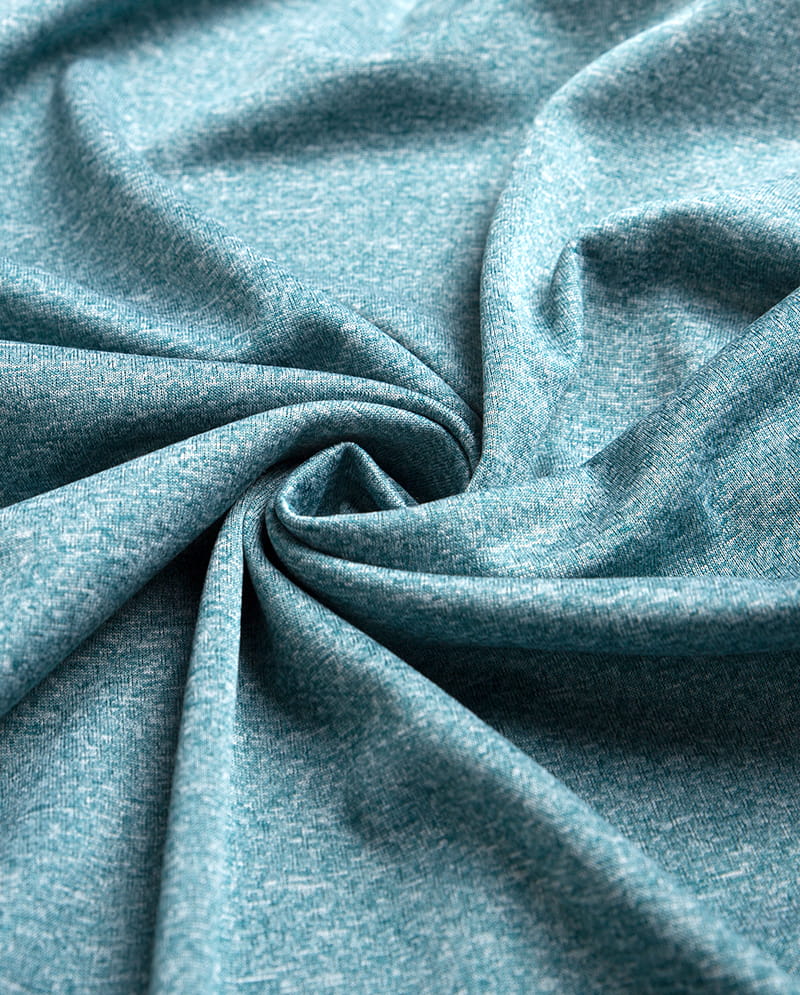
Heather Grey Double-faced cationic jersey fabric
-
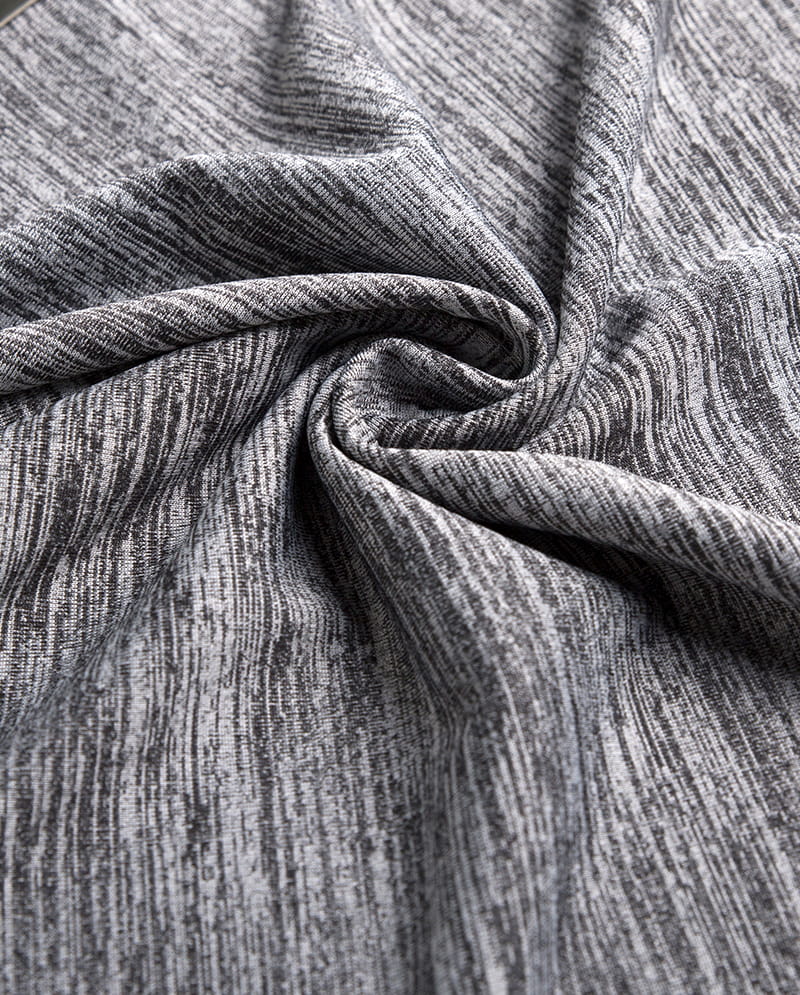
Anti-static Cationic Knitted Rib Fabric
-
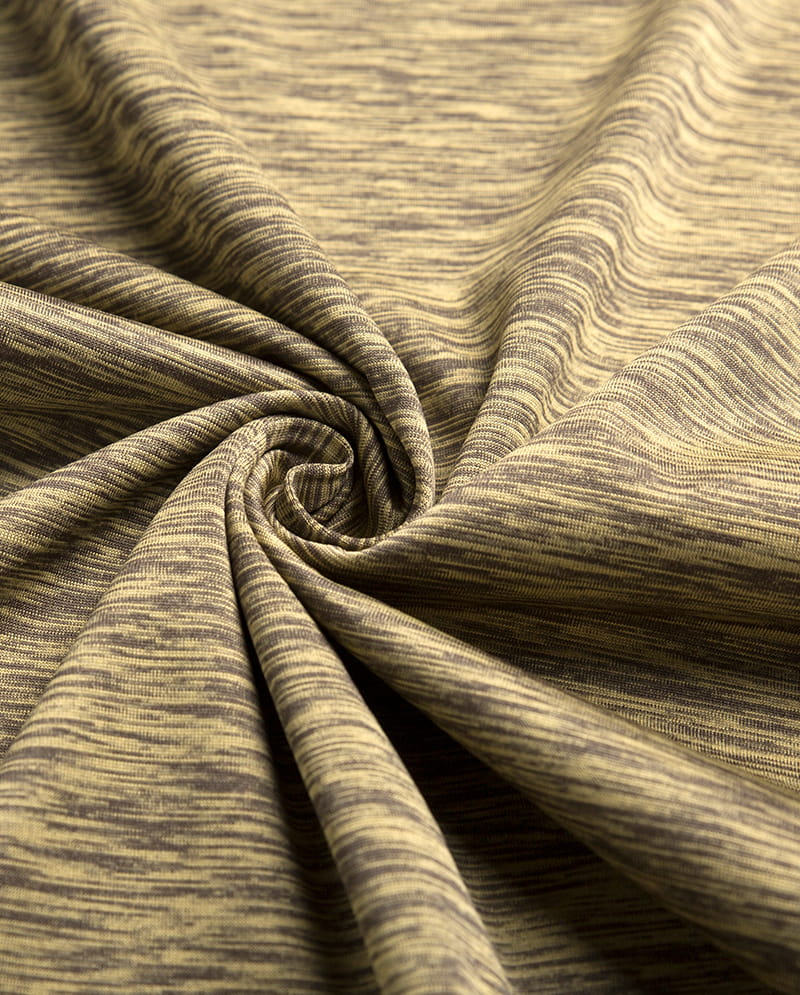
High-Stretch Cationic Jersey Fabric
-
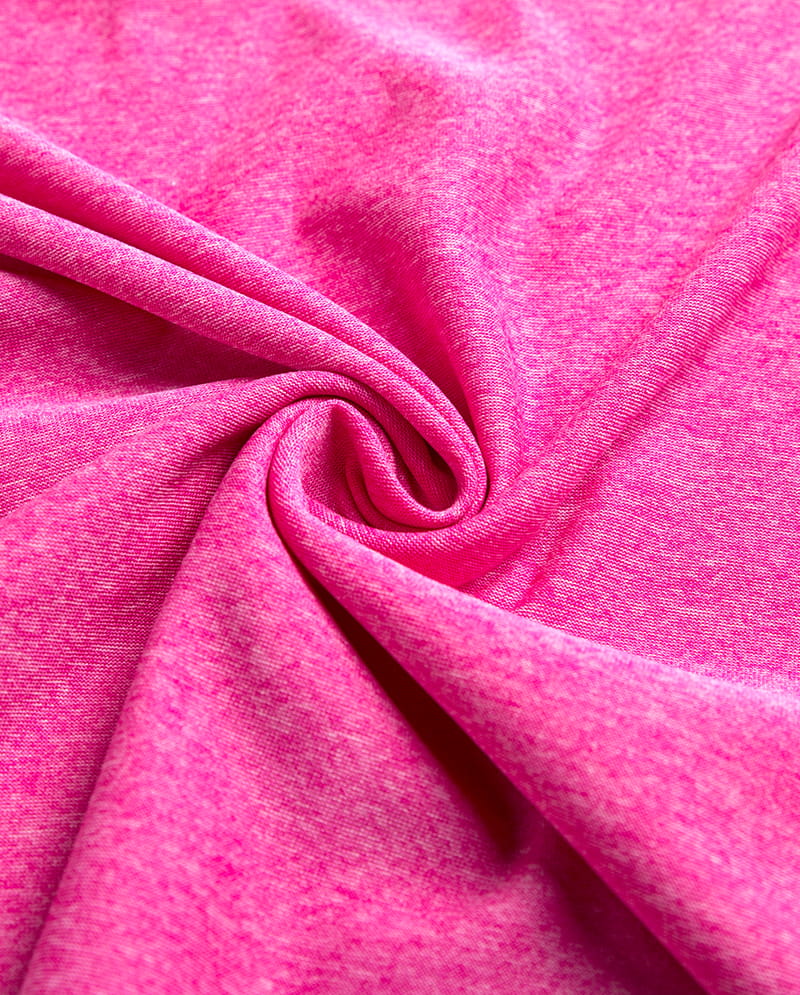
High Quality Cationic DTY Spandex Two Sides Brush Dralon Knit Fabric for Garment Thermal Underwear
-
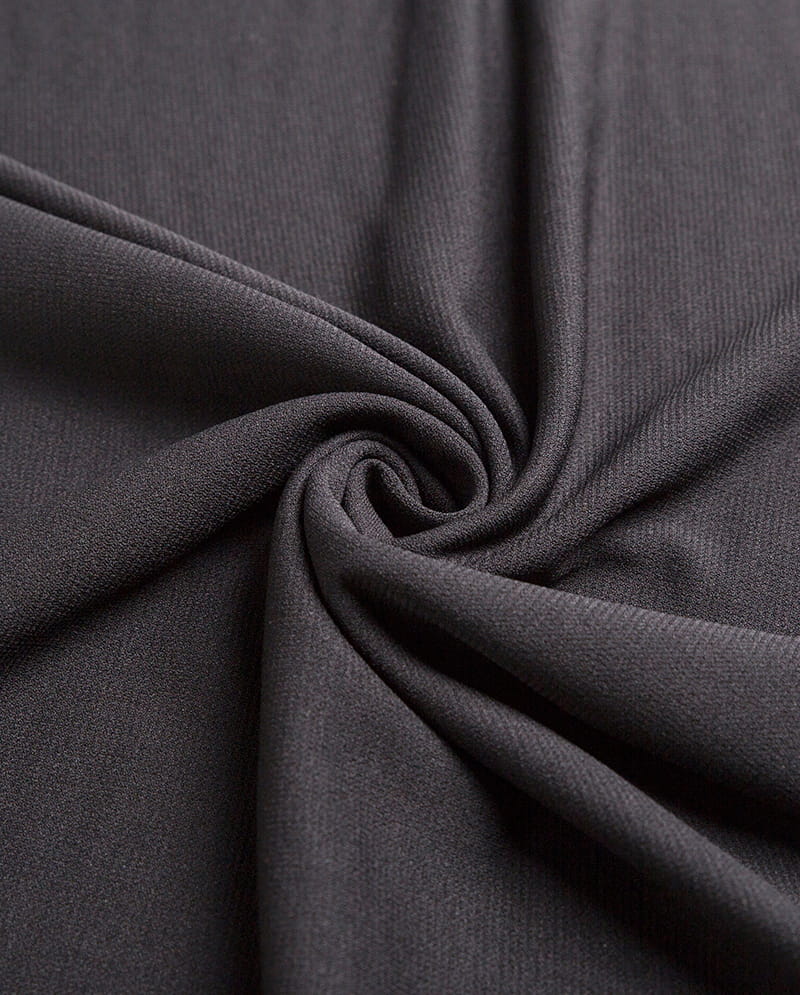
Durable Anti-Pilling Knitted Fabric for Home Textiles
-
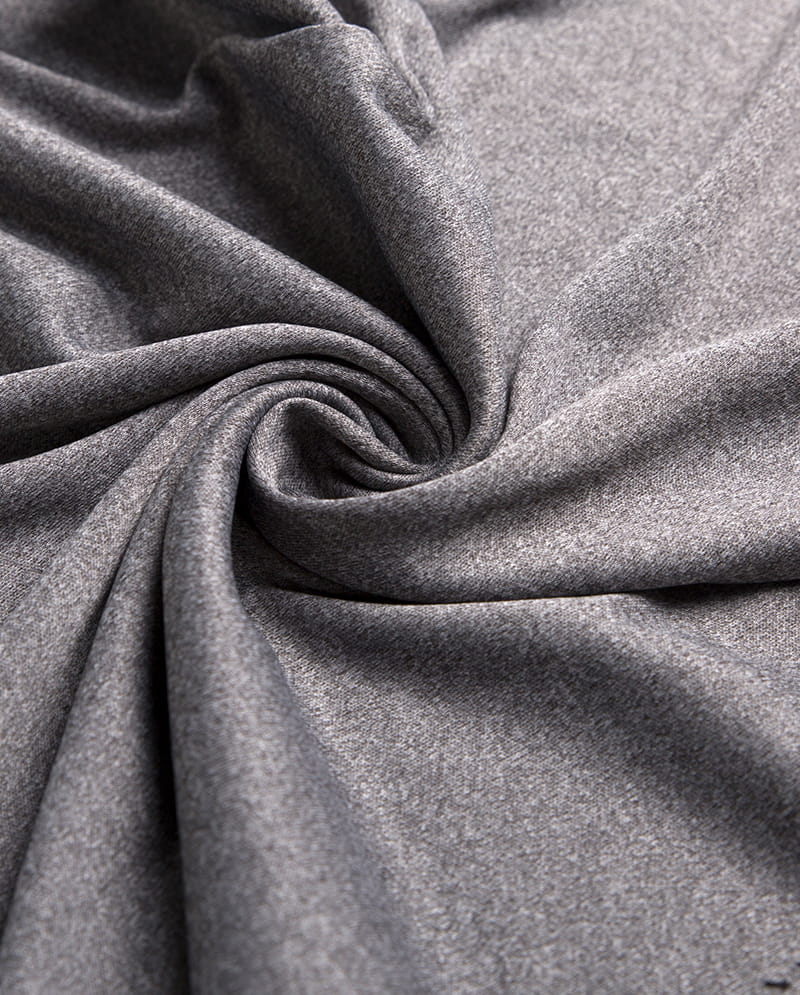
Wash-Resistant Cationic Elastic Knitted Fabric for Garment Industry
-
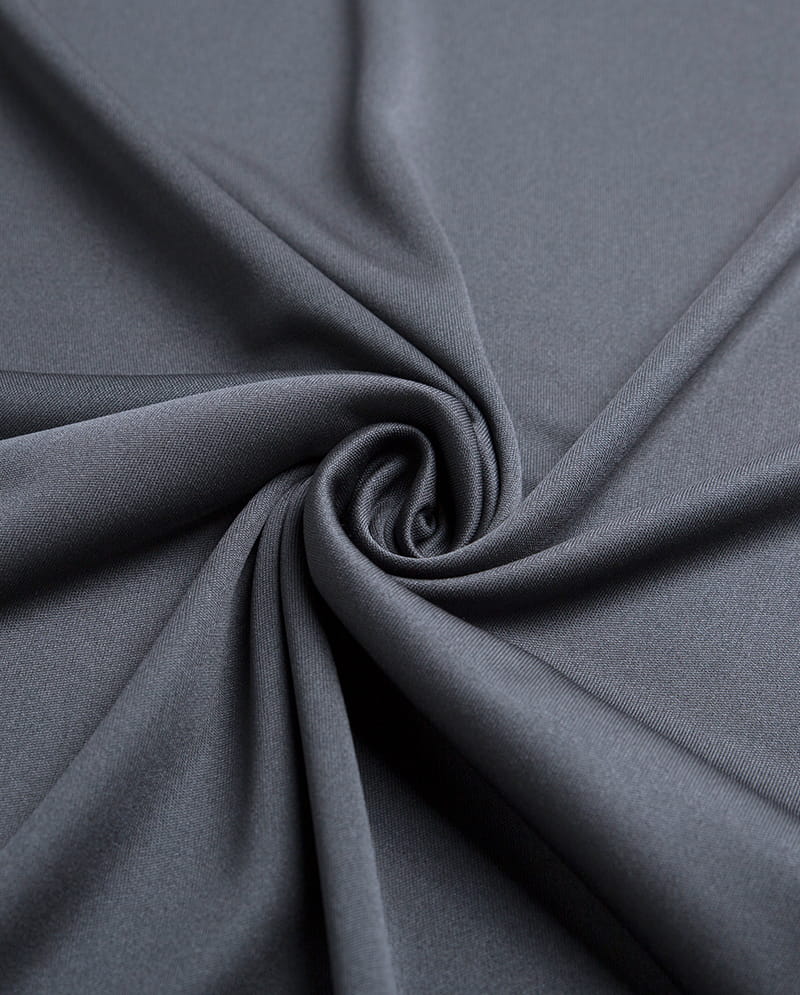
Breathable Double-Faced Elastic Composite Fabric
-
-
-
- whatsapp:
- 0086-13962559622
-
- skype:
- skype.aliceshenghong
-
- Wechat:

COPYRIGHT © 2016 Suzhou Junhui Textile Co., Ltd.
