

 EN
EN English
 中文简体
中文简体Woven Fabric: Structure, Performance, and Practical Applications in Modern Textiles
Content
- 1 Understanding Woven Fabric Construction
- 2 Common Weave Structures and Their Uses
- 3 Yarn Selection and Its Impact on Woven Fabric
- 4 Performance Characteristics of Woven Fabrics
- 5 Comparison of Woven Fabrics by Application
- 6 Care, Maintenance, and Longevity
- 7 Selecting the Right Woven Fabric for Practical Needs
Understanding Woven Fabric Construction
Woven fabric is created by interlacing two distinct sets of yarns at right angles: the warp (lengthwise yarns) and the weft (crosswise yarns). This perpendicular structure gives woven fabric its characteristic stability, strength, and dimensional consistency. Unlike knitted or nonwoven materials, woven fabrics rely on a fixed yarn intersection, which directly influences how the fabric behaves during use, washing, and long-term wear.
The density of warp and weft yarns, measured as ends per inch (EPI) and picks per inch (PPI), plays a critical role in determining fabric weight, opacity, and durability. Higher yarn density generally results in stronger and less porous fabrics, while lower density yields lighter and more breathable materials.
Common Weave Structures and Their Uses
The weave structure defines how warp and weft yarns interlace. Each structure offers a unique balance of strength, flexibility, and surface appearance, making it suitable for specific applications.
- Plain weave uses a simple over-under pattern, producing a firm and durable fabric ideal for shirts, linings, and home textiles.
- Twill weave features diagonal ribs, improving drape and resistance to wrinkles, commonly used in denim, chinos, and workwear.
- Satin weave allows yarns to float over several intersections, creating a smooth surface suited for luxury apparel and decorative fabrics.
Choosing the correct weave structure is essential because it directly impacts fabric performance, maintenance needs, and end-user comfort.
Yarn Selection and Its Impact on Woven Fabric
Yarn type significantly influences woven fabric behavior. Natural fibers such as cotton, wool, and linen provide breathability and comfort, while synthetic fibers like polyester and nylon enhance strength and abrasion resistance. Blended yarns are often used to balance comfort with durability.
Yarn twist level also matters. High-twist yarns create crisper, more durable fabrics, whereas low-twist yarns yield softer textures. Understanding yarn characteristics helps manufacturers and buyers select fabrics appropriate for their functional requirements.
Performance Characteristics of Woven Fabrics
Woven fabrics are known for their dimensional stability, meaning they resist stretching and distortion under normal use. This makes them suitable for garments and products requiring shape retention.
- High tensile strength due to tightly interlaced yarns.
- Controlled breathability depending on yarn density and fiber type.
- Good resistance to abrasion and tearing.
However, woven fabrics generally have limited stretch unless elastic fibers are introduced. This trade-off must be considered when designing apparel or technical products.
Comparison of Woven Fabrics by Application
| Application | Preferred Weave | Key Benefit |
| Casual Apparel | Plain | Breathability |
| Workwear | Twill | Durability |
| Decorative Textiles | Satin | Surface Smoothness |
Care, Maintenance, and Longevity
Proper care extends the life of woven fabrics. Washing methods should align with fiber content, as natural fibers may shrink under high heat while synthetics tolerate more aggressive cleaning. Finishes applied during manufacturing, such as wrinkle resistance or water repellency, also influence care instructions.
Storage is equally important. Folding woven fabrics along natural grain lines helps prevent creasing and fiber stress. For long-term storage, breathable covers are recommended to avoid moisture buildup.
Selecting the Right Woven Fabric for Practical Needs
When selecting woven fabric, consider the end use, environmental conditions, and required lifespan. For everyday garments, comfort and ease of care may take priority. For industrial or technical uses, strength, chemical resistance, and stability become more critical.
By understanding weave structure, yarn selection, and performance characteristics, designers, manufacturers, and consumers can make informed choices that align material properties with real-world demands. This practical approach ensures woven fabrics continue to serve diverse applications efficiently and reliably.
Popular products
-
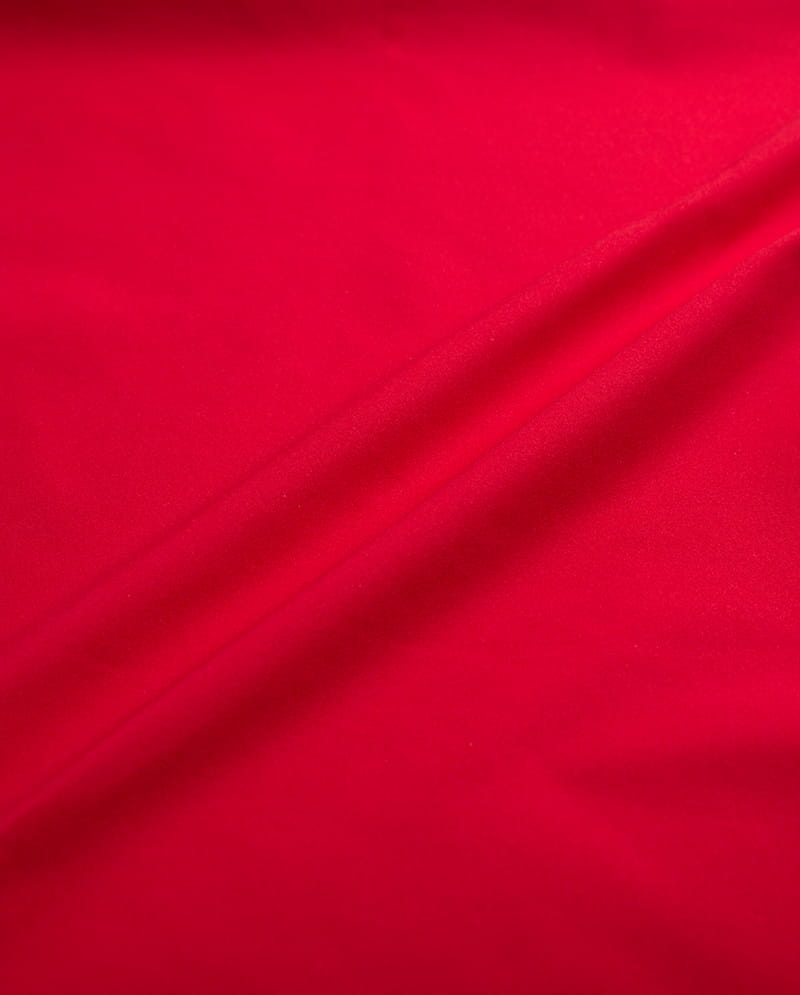
Premium Cationic Interlock Stretch Comfort Fabric
-
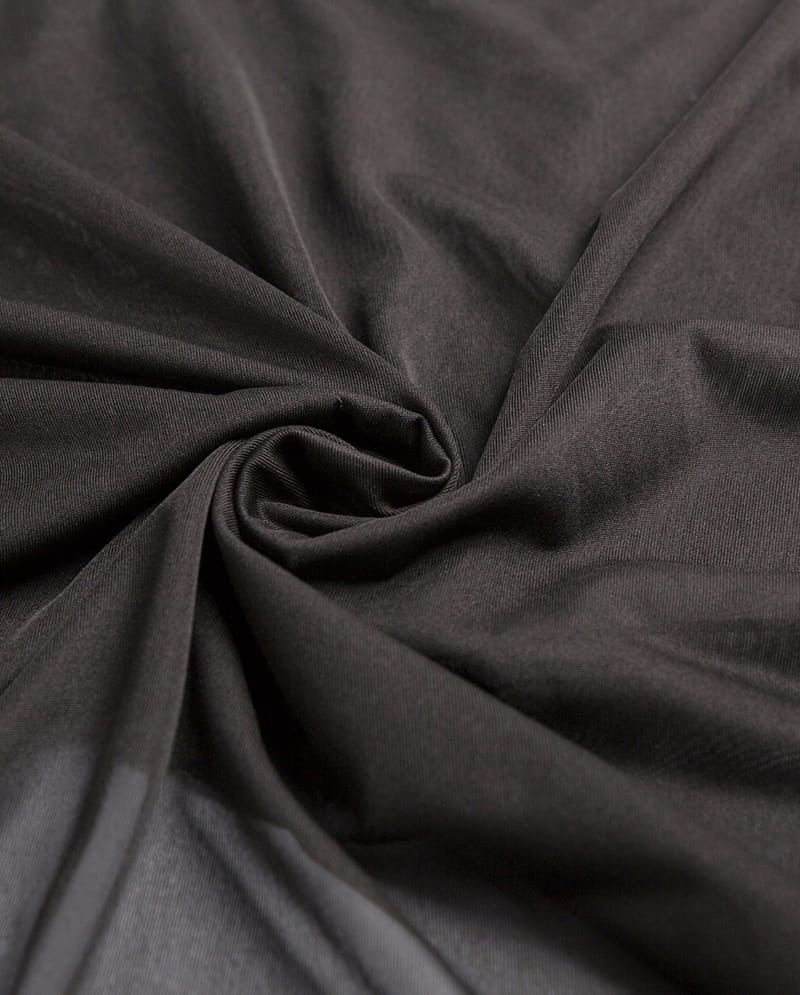
Moisture-Wicking Nylon Woven Fabric
-
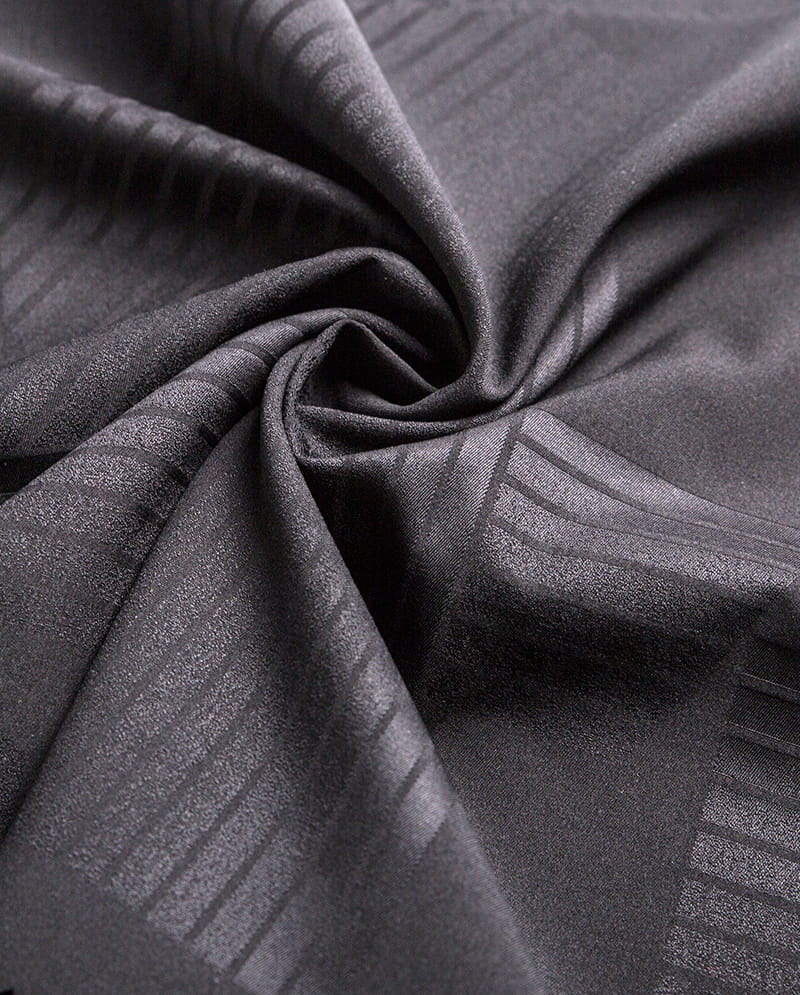
Double-faced jacquard elastic fabric
-
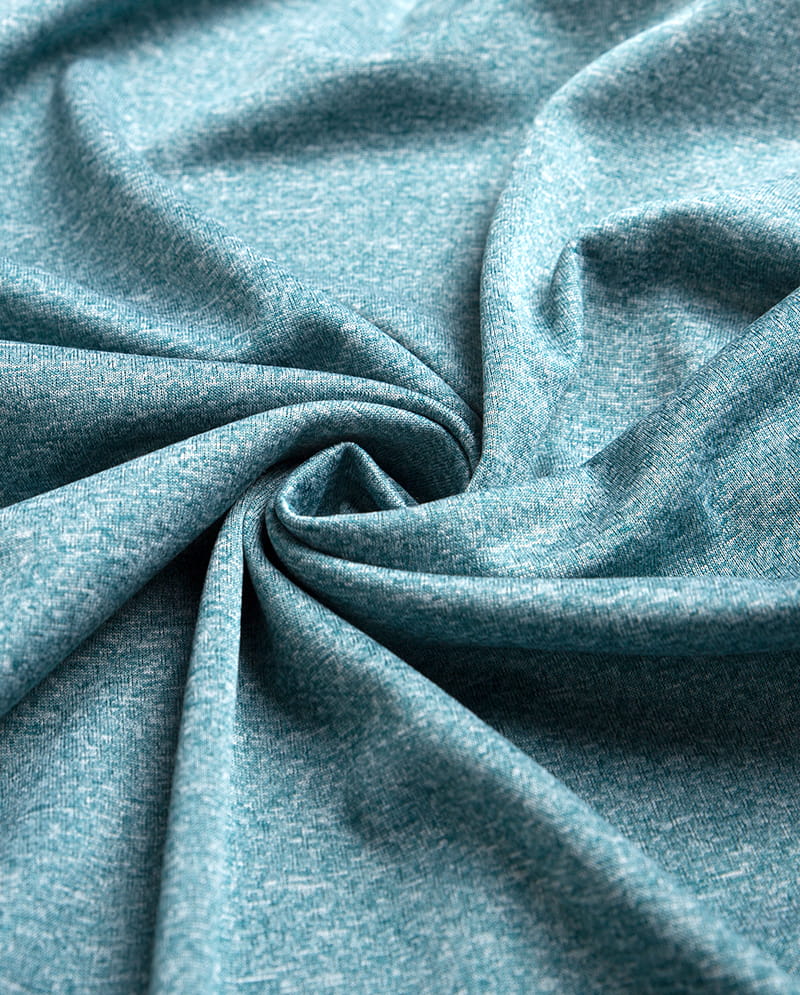
Heather Grey Double-faced cationic jersey fabric
-
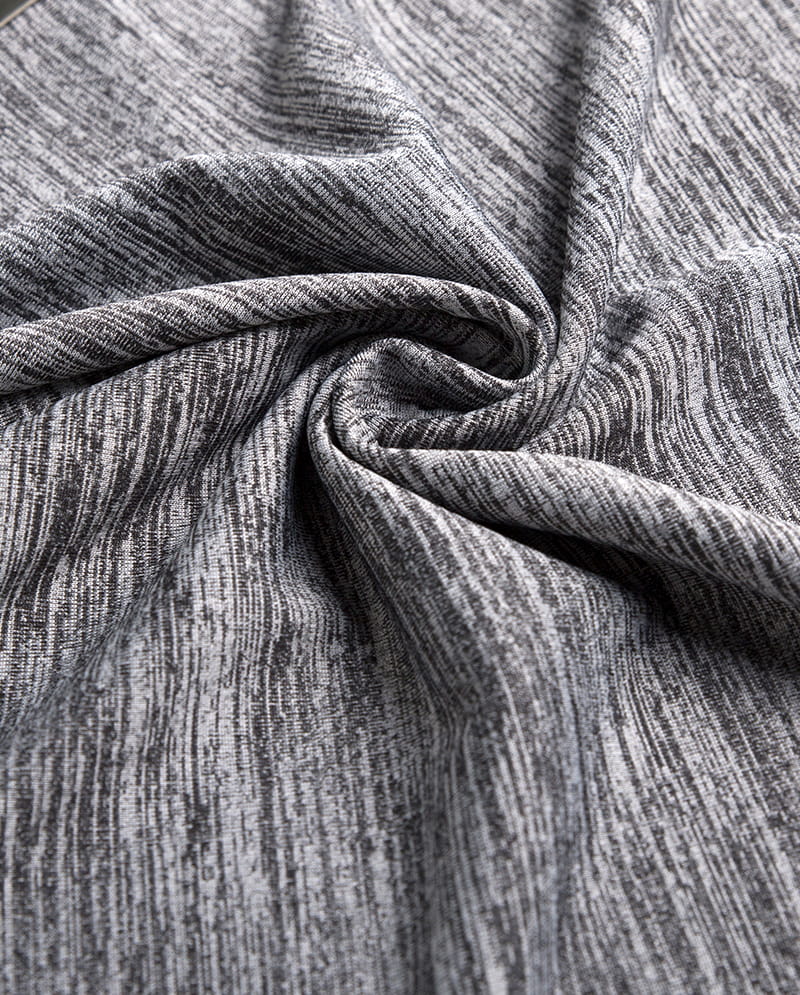
Anti-static Cationic Knitted Rib Fabric
-
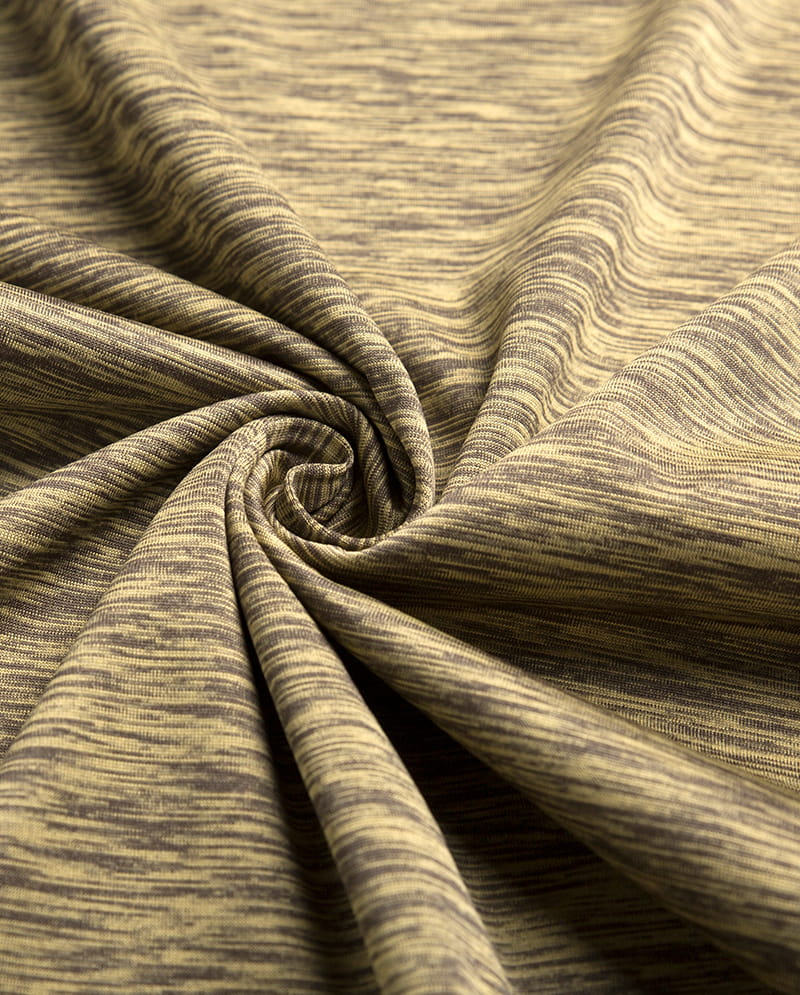
High-Stretch Cationic Jersey Fabric
-
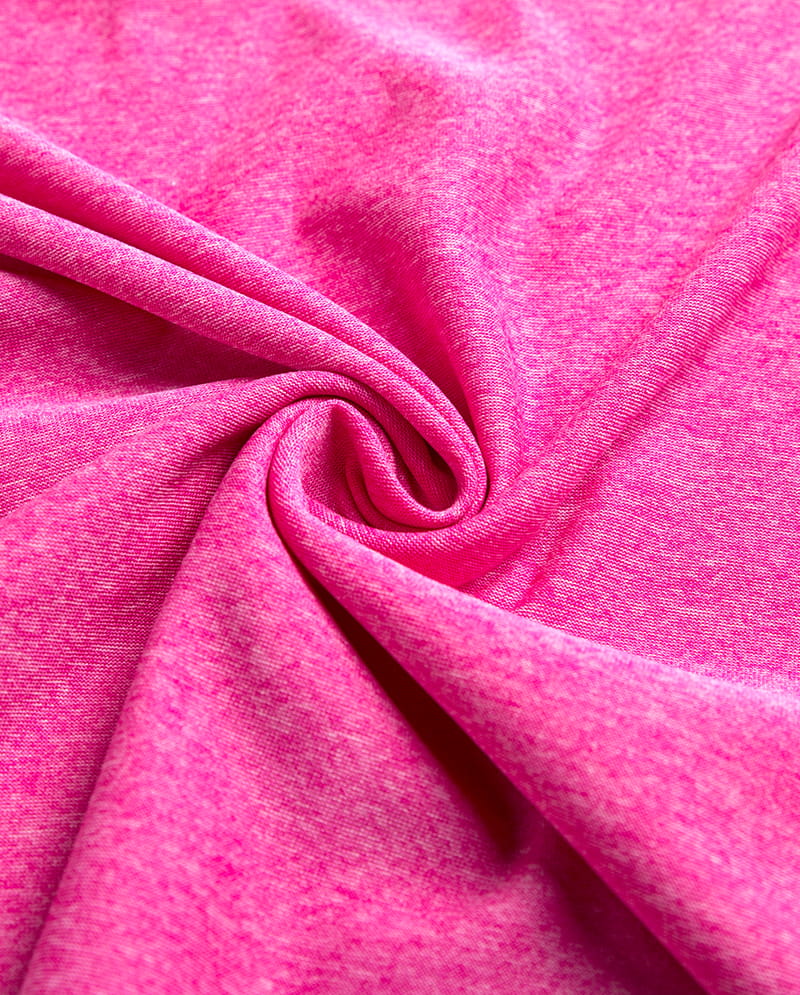
High Quality Cationic DTY Spandex Two Sides Brush Dralon Knit Fabric for Garment Thermal Underwear
-
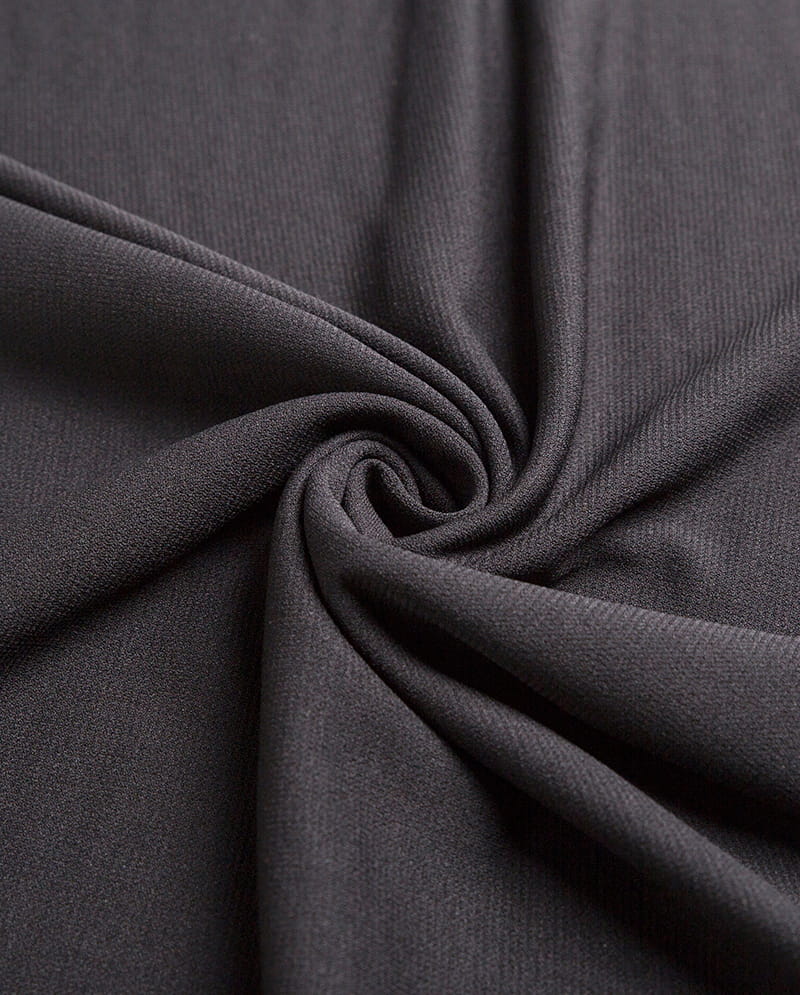
Durable Anti-Pilling Knitted Fabric for Home Textiles
-
Wash-Resistant Cationic Elastic Knitted Fabric for Garment Industry
-
Breathable Double-Faced Elastic Composite Fabric
-
-
-
- whatsapp:
- 0086-13962559622
-
- skype:
- skype.aliceshenghong
-
- Wechat:

COPYRIGHT © 2016 Suzhou Junhui Textile Co., Ltd.
