

 EN
EN English
 中文简体
中文简体White-Black Bicolor Cationic Polyester Yarn for High-Value Weaving and Knitting
Content
- 1 Product Identity and Application Positioning
- 2 Why Cationic Polyester Matters
- 3 Core Product Advantages Over Conventional Yarn Options
- 3.1 1. Brighter and Deeper Dyeing Performance
- 3.2 2. High Dye Absorption Efficiency
- 3.3 3. Rapid Internal Diffusion and Reduced Ring Dyeing
- 3.4 4. Good Sunlight and Smoke Fading Fastness
- 3.5 5. Lower Contamination to Other Fibers
- 3.6 6. Cost-Effective Alternative to Natural Silk Effects
- 3.7 7. Compatibility with Weaving and Knitting
- 4 Specification Range and Related CD Yarn Options
- 5 How Bicolor Yarn Enhances Fabric Design
- 6 Performance Benefits in Dyeing and Finishing
- 7 Advanced Manufacturing and Process Control
- 8 Company Strengths Supporting Product Reliability
- 9 Comparison with Competing Yarn Choices
- 10 Applications in Woven Fabrics
- 11 Applications in Knitted Fabrics
- 12 Contribution to High Added Value Textiles
- 13 Quality Considerations for Buyers
- 14 Sustainability and Differentiated Yarn Development
- 15 Manufacturing Strength Through a Broad Product Platform
- 16 Practical Fabric Development Suggestions
- 17 Q&A Section
- 17.1 Q1: What is White-Black Bicolor D/F CD Yarn?
- 17.2 Q2: What are the main advantages of this yarn?
- 17.3 Q3: How does it differ from ordinary polyester yarn?
- 17.4 Q4: What fabric types can be made with this yarn?
- 17.5 Q5: Why is fast diffusion into the fiber important?
- 17.6 Q6: Does the yarn help reduce production costs?
- 17.7 Q7: Is it suitable as an alternative to natural silk?
- 17.8 Q8: What specifications are available?
- 17.9 Q9: What should buyers test before bulk production?
- 17.10 Q10: What company strengths support this product?
- 18 Conclusion
- 19 References
- 20 Product: White-Black Bicolor D/F CD Yarn for Textile Weaving & Knitting
White-Black Bicolor D/F CD Yarn is a cationic polyester yarn designed for textile manufacturers that need expressive color contrast, reliable dyeing performance, and practical processing stability in weaving and knitting. It belongs to the CD yarn category, where “CD” refers to cationic dyeable polyester, and “D/F” refers to denier and filament specifications. The product is developed for fabrics that require bright color expression, clear visual differentiation, and dependable performance across apparel, decorative textiles, fashion fabrics, knitted goods, and other value-added textile applications.
White-Black Bicolor D/F CD Yarn for Textile Weaving & Knitting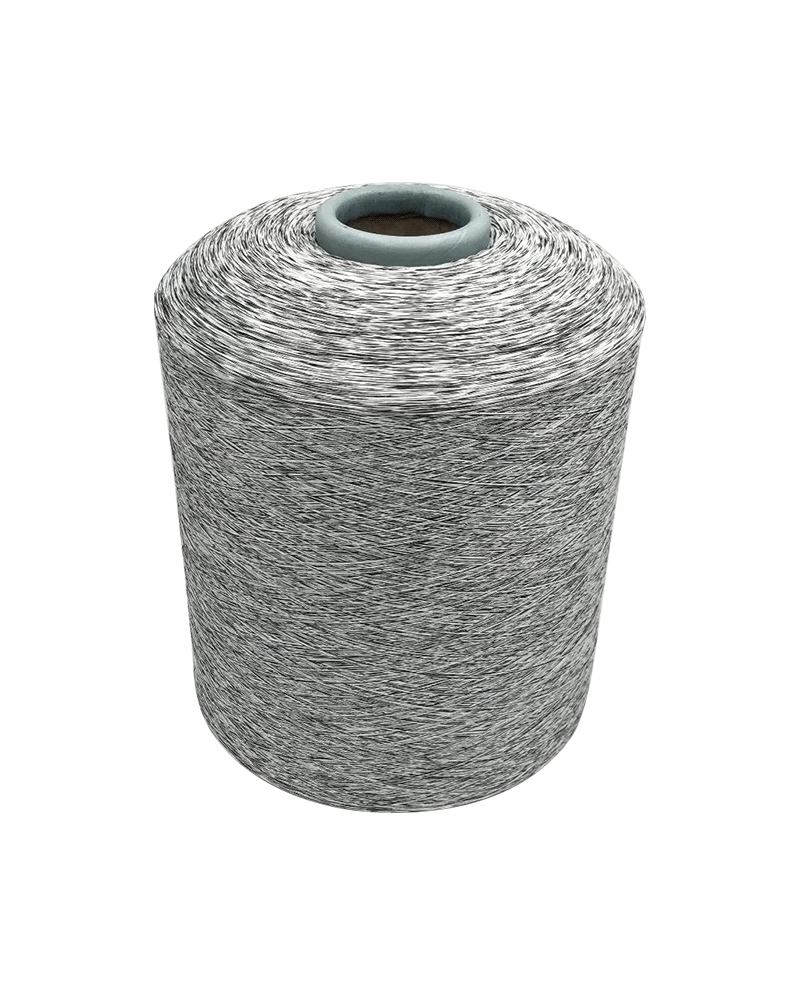
The central advantage of this yarn is its ability to combine color effect, processing efficiency, and fabric comfort. Compared with ordinary polyester yarn, cationic polyester yarn has improved dye affinity and stronger deep-dyeing capability. This means it can achieve vivid shades, clearer contrast, and better color depth under suitable dyeing conditions. The White-Black Bicolor effect further expands the design possibilities for textile developers, allowing fabrics to show a distinctive mixed-tone, melange, contrast, or patterned appearance without relying only on complicated finishing treatments.
For textile mills, yarn selection is never only about appearance. A yarn must run smoothly during warping, weaving, circular knitting, warp knitting, dyeing, finishing, and garment manufacturing. White-Black Bicolor D/F CD Yarn is positioned as a practical raw material for manufacturers seeking an attractive fabric surface with consistent quality. Its cationic dyeing behavior, bright color performance, lower contamination tendency, and fast diffusion into the fiber help reduce common dyeing problems such as uneven shade, ring dyeing, and excessive reprocessing. In an industry where delivery time, color accuracy, and stable production costs matter, these characteristics provide a direct competitive benefit.
Product Identity and Application Positioning
White-Black Bicolor D/F CD Yarn is made from cationic polyester material and is suitable for textile weaving and knitting. The product is part of a broader differentiated yarn portfolio that includes CD DTY, SD+CD DTY, recycled yarn, flame-retardant yarn, antibacterial yarn, moisture-wicking yarn, high-elastic yarn, PBT/PET yarn, hollow warm yarn, and other functional or specialty yarns. Within this portfolio, the white-black bicolor yarn serves a specific role: it offers a distinctive two-tone effect while maintaining the technical benefits of cationic polyester.
The yarn is especially useful when fabric designers want visual contrast but do not want to depend entirely on post-dye printing or heavy finishing. In many textile developments, the surface appearance starts from the yarn itself. A bicolor yarn can help create visual depth, shadow effects, grainy texture, subtle striping, or modern black-white contrast depending on the fabric structure and yarn arrangement. When used in woven fabric, it can contribute to checks, dobby effects, jacquard effects, fashion textures, suiting looks, casualwear fabrics, and upholstery-inspired designs. When used in knitting, it can support sportswear, leisurewear, sweater-like surfaces, double-knit fabrics, rib structures, and textured fashion materials.
Because the yarn is based on polyester, it also retains practical advantages associated with polyester textile materials, such as dimensional stability, durability, resistance to many common wear conditions, and suitability for large-scale manufacturing. The cationic modification further improves dyeing potential, enabling textile producers to develop colors and fabric concepts that may be more difficult or less efficient with standard polyester yarns.
Why Cationic Polyester Matters
Cationic polyester is valued because it can be dyed with cationic dyes, creating bright color expression and excellent deep dyeing performance. In ordinary polyester dyeing, achieving strong or dark shades can require high-temperature conditions, careful process control, and significant dyeing effort. Cationic polyester helps improve dye uptake and color development, particularly when the fabric manufacturer needs a bright and saturated appearance.
The product information highlights several important cationic polyester features: bright color, good deep dyeing, high absorption efficiency, strong dyeing rate, good sunlight fastness, good smoke fading fastness, low contamination to other fibers including ordinary polyester, rapid diffusion into the fiber, and avoidance of ring dyeing. These features are highly relevant for modern textile production because dyeing defects are costly. If dye is concentrated only near the surface of the fiber, ring dyeing may occur, leading to poor shade stability, uneven appearance, or lower fastness. Fast internal diffusion helps produce a more uniform result throughout the fiber cross-section.
Lower contamination is another practical advantage. Textile mills often process blended fabrics or multi-yarn structures. If one fiber or yarn contaminates another during dyeing, the final fabric may show unwanted staining, reduced clarity, or inaccurate tone. A cationic polyester yarn with lower contamination behavior helps maintain the intended color contrast and reduces the risk of shade rejection. This is especially important for a white-black bicolor product, where visual clarity is essential.
Core Product Advantages Over Conventional Yarn Options
White-Black Bicolor D/F CD Yarn offers several advantages compared with many conventional polyester yarns, ordinary dyed yarns, and lower-grade bicolor yarns. These advantages are not limited to visual appeal; they also influence process efficiency, product consistency, and fabric value.
1. Brighter and Deeper Dyeing Performance
The yarn’s cationic polyester structure supports bright color expression and good deep dyeing. For textile manufacturers, this means the fabric can achieve a more vivid and commercially attractive appearance. In markets such as fashion apparel, sports-inspired casualwear, interior decoration, and novelty fabric development, color impact can directly affect purchase decisions. Compared with ordinary polyester yarns that may require more complex dyeing control to obtain deep shades, cationic polyester improves dye affinity and supports stronger color development.
2. High Dye Absorption Efficiency
High absorption efficiency contributes to improved dyeing rate. A better dyeing rate can support more efficient production and reduce the risk of uneven uptake. When dyeing is efficient, mills can often achieve target shades with more confidence, reducing repeated corrections or additional processing. While actual dyeing conditions depend on mill equipment and recipe design, the yarn’s inherent dye affinity provides a valuable foundation for stable color production.
3. Rapid Internal Diffusion and Reduced Ring Dyeing
Fast diffusion into the fiber is essential for uniform coloration. Ring dyeing, where dye remains concentrated near the fiber surface, can create shade instability and performance issues. White-Black Bicolor D/F CD Yarn is described as having a fast internal diffusion rate and no ring dyeing phenomenon. This helps fabric producers obtain more uniform dye distribution and better fabric appearance, especially when developing high-value materials where visual consistency is critical.
4. Good Sunlight and Smoke Fading Fastness
Fabrics are exposed to light, air, storage environments, and end-use conditions. Good sunlight fastness and smoke fading fastness help preserve fabric appearance. This is important for apparel displayed under store lighting, home textiles used near windows, and fabrics stored or transported under variable conditions. Compared with yarns that lose brightness or change shade quickly, this product supports longer-lasting visual quality.
5. Lower Contamination to Other Fibers
Many fabrics combine different yarn types to create texture, elasticity, function, or cost balance. If the dyeing behavior of one component causes contamination on another, the fabric may fail inspection. White-Black Bicolor D/F CD Yarn has lower contamination to other fibers, including ordinary polyester fibers. This characteristic supports cleaner contrast and reduces the risk of unwanted staining in mixed-fiber or multi-yarn designs.
6. Cost-Effective Alternative to Natural Silk Effects
The product information notes that fabrics made with this yarn can achieve dyed brightness and wearing comfort comparable to natural fabrics while offering a lower price than natural silk. This is valuable for manufacturers that want to produce high-added-value fabrics without the cost and supply constraints associated with premium natural fibers. While silk remains unique, a well-designed cationic polyester fabric can provide attractive luster, color depth, and comfort at a more scalable industrial cost.
7. Compatibility with Weaving and Knitting
A yarn suitable for both weaving and knitting gives mills broader flexibility. Weaving requires stability in tension, uniformity, and compatibility with warp and weft insertion. Knitting requires loop-forming performance, softness, controlled elongation, and consistency during high-speed operation. White-Black Bicolor D/F CD Yarn is positioned for both textile weaving and knitting, enabling fabric developers to use one yarn concept across multiple product categories.
Specification Range and Related CD Yarn Options
The supplied product list includes several CD and bicolor yarn specifications. The following table summarizes the relevant options and shows how White-Black Bicolor D/F CD Yarn fits within the broader CD yarn series. Actual availability and customization may depend on production planning, order quantity, and technical requirements.
Series |
Yarn Type |
Representative Specifications |
Application Value |
CD Series |
CD DTY D/F |
25/24, 30/24-36, 50/36-72, 75/36-72-144, 100/36-48-72-144, 150/48-144-288, 300/96 |
Deep dyeing, bright color, textured fabrics, weaving and knitting flexibility |
CD Series |
SD+CD DTY D/F |
50/48-72, 75/48-72, 80/72, 100/72-108-144, 125/72-144, 150/72-108-144, 300/96-144-288 |
Combination dyeing effects, differential color expression, mixed visual surfaces |
White-Black Bicolor |
White and Black D/F |
100D B01/B02/B03, 150D B01/B02/B03, 80D/72-84 |
Two-tone appearance, fashion contrast, high-value woven and knitted fabrics |
Recycled CD Option |
Recycle CD DTY D/F |
75/36-72 |
Supports recycled textile development when sustainability-oriented sourcing is required |
Recycled Combination Option |
Recycle SD+CD DTY D/F |
50/48-72, 75/48-72, 80/72, 100/72-108-144, 125/72-144, 150/72-108-144, 300/96-144-288 |
Combines recycled material direction with cationic dyeing and differential fabric effects |
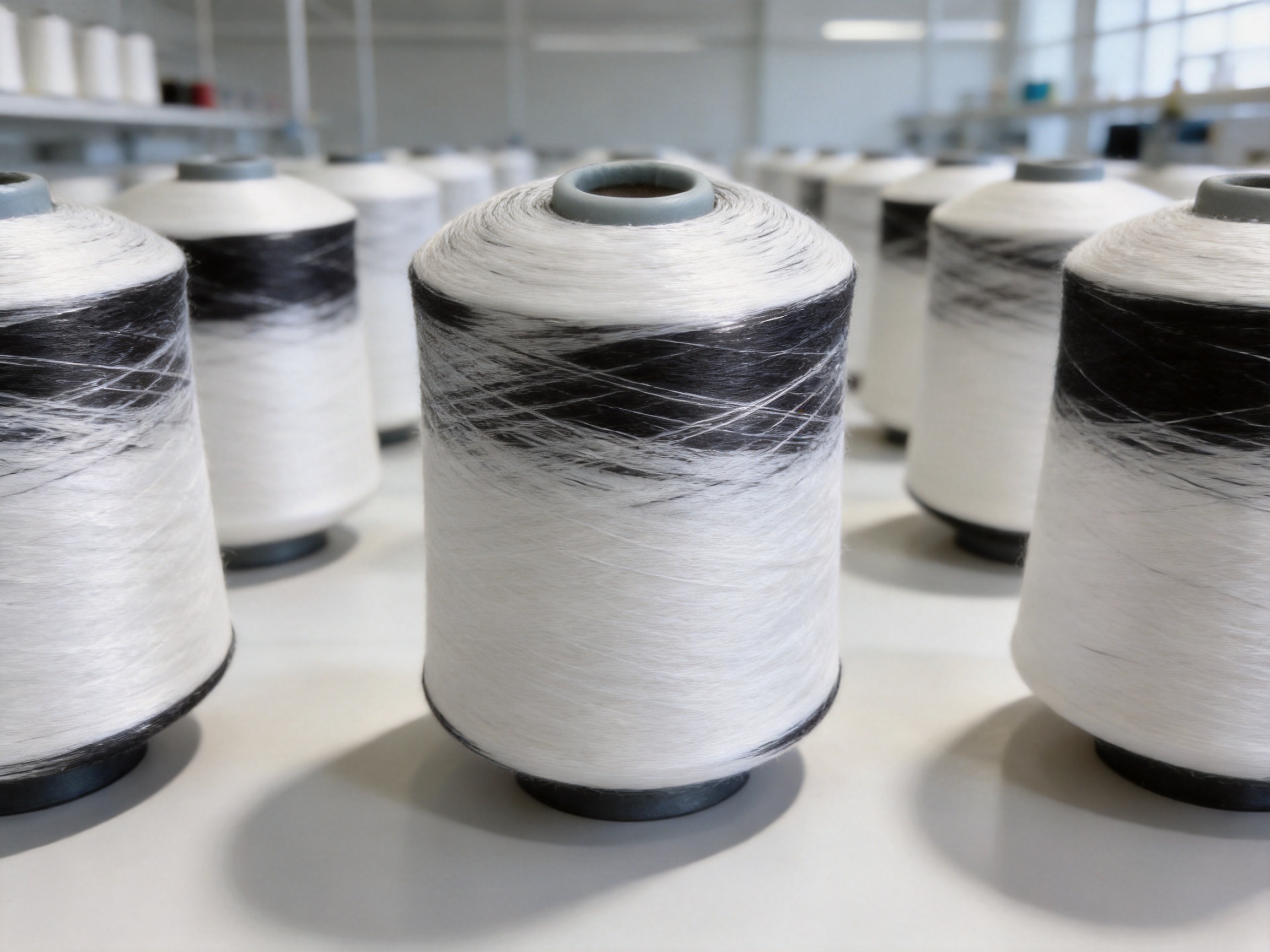
The table shows that White-Black Bicolor D/F CD Yarn is not an isolated product. It is part of a developed yarn system that gives fabric manufacturers access to multiple denier and filament counts. This is important because fabric hand feel, surface density, drape, opacity, and texture all depend on yarn count and filament structure. A finer filament count may contribute to a softer touch, while heavier denier can support structure, body, and coverage. The availability of 100D, 150D, and 80D-related bicolor options provides room for different fabric designs.
How Bicolor Yarn Enhances Fabric Design
In fabric design, a yarn can act as both a structural element and a visual element. White-Black Bicolor D/F CD Yarn provides color contrast at the yarn level. When woven or knitted into fabric, this contrast can generate effects that are difficult to reproduce with plain single-color yarn. Designers can use it to create understated sophistication, strong monochrome contrast, or complex texture depending on the chosen structure.
For woven fabrics, the yarn can be placed in the warp, weft, or both. If used in the weft against a solid warp, it can create crosswise texture and subtle horizontal effects. If used in the warp, it can create vertical depth and directional design. In dobby or jacquard weaving, the white-black contrast can be emphasized in selected areas to create geometric or decorative patterns. In plain weave, twill, satin, or basket structures, the yarn may produce a grainy, melange, or heathered surface.
For knitted fabrics, the yarn can be used in single jersey, rib, interlock, double-knit, jacquard knit, mesh, and textured knit structures. Its bicolor appearance can make simple knit constructions appear more complex and fashionable. In sportswear and athleisure fabrics, white-black tones are especially marketable because they match modern neutral color palettes. In casualwear, the yarn can produce soft contrast without the need for heavy prints. In decorative knitted textiles, it can create a premium textured look.
Performance Benefits in Dyeing and Finishing
Dyeing is one of the most critical stages in textile manufacturing. A visually attractive yarn must still perform reliably when exposed to dyeing temperatures, auxiliaries, finishing chemicals, mechanical movement, and drying processes. White-Black Bicolor D/F CD Yarn supports dyeing efficiency through its cationic dyeable polyester nature.
The yarn’s high dye absorption efficiency is beneficial because dye uptake contributes to shade depth and production consistency. When dye absorption is weak or inconsistent, the mill may encounter color differences between batches, fabric center-to-edge variation, or shade mismatch against customer standards. A yarn with strong dye absorption helps reduce these risks. Furthermore, fast diffusion into the fiber can support more even dye penetration, helping to avoid surface-only coloration.
The stated resistance to sunlight fading and smoke fading is also important after dyeing. Some fabrics look excellent immediately after dyeing but lose their commercial appearance during storage, shipping, or end use. Good fastness helps protect the value of the finished fabric. For export-oriented textile businesses, fastness is especially important because goods may pass through long logistics chains and different climate conditions before reaching final customers.
Lower contamination is another major production benefit. In differential dyeing, contamination can destroy the intended contrast between yarns. White areas must remain clean, black or dark elements must remain defined, and neighboring fibers must not absorb unwanted shade. Because this product has lower contamination to other fibers, it supports cleaner fabric development and can help reduce shade correction costs.
Advanced Manufacturing and Process Control
The quality of a differentiated yarn depends not only on polymer selection but also on manufacturing discipline. A company producing White-Black Bicolor D/F CD Yarn must manage raw material selection, spinning consistency, texturing control, intermingling, package formation, inspection, and customer-specific specification requirements. The manufacturer behind this product is committed to developing and selling differentiated yarns, including recycled yarn, polyester drop-dyed yarn, microfine yarn, flame-retardant yarn, cationic dyeing yarn, and knitting fabric products. This broad technical base supports the production of specialized yarns such as white-black bicolor cationic polyester.
Advanced manufacturing begins with controlled raw material selection. Polyester chips or related polymer inputs must be suitable for spinning and must support the intended dyeing behavior. For cationic polyester, the polymer composition and dyeable sites influence dye affinity and final color performance. Stable polymer quality helps reduce spinning breaks, uneven denier, and dye variation. In bicolor yarn production, consistency is especially important because differences between components can become visible in the final fabric.
During spinning, filament uniformity is essential. Denier variation can lead to streaks, uneven fabric weight, or inconsistent dyeing. Filament count and yarn structure must be controlled to meet D/F requirements. Good spinning control supports strength, elongation, and processability. In high-speed textile production, yarn defects can cause broken ends, machine stops, fabric faults, and waste. Therefore, stable filament formation is a direct manufacturing advantage.
Texturing is another key stage for DTY products. Draw texturing gives yarn bulk, elasticity, softness, and a more fabric-friendly hand feel. The process must balance temperature, draw ratio, twisting or false-twisting conditions, and winding tension. If texturing is poorly controlled, the yarn may show uneven crimp, dye variation, torque problems, or knitting defects. A manufacturer with experience across SD DTY, FD DTY, CD DTY, SD+CD DTY, high-elastic yarn, and functional yarn is better positioned to control these variables.
Package formation also matters. Textile mills rely on stable packages for smooth unwinding. Poor winding density, unstable package shape, or tension variation can cause yarn breaks during warping or knitting. For export customers, packaging must also protect yarn during transport and storage. A company serving customers in many countries must understand international shipping demands and provide reliable packaging quality.
Company Strengths Supporting Product Reliability
Suzhou Junhui Textile Co., Ltd. and Suzhou Xiaoran New Materials Co., Ltd. were founded in June 2015 and focus on differentiated yarn development and sales. Their product direction includes recycled yarn, polyester drop-dyed yarn, microfine yarn, flame-retardant yarn, cationic dyeing yarn, and knitting fabric products. This positioning is important because White-Black Bicolor D/F CD Yarn is not a commodity-only product; it is part of a differentiated yarn strategy that requires technical understanding and application support.
The company has a professional research and development team and works with internationally recognized enterprises on research, development, and application of environmentally oriented and functional yarn and fabric. This R&D capability gives textile customers an advantage when they need more than a standard yarn supplier. Many fabric projects require adjustments in yarn count, filament count, luster, dyeing behavior, elasticity, sustainability direction, or finishing compatibility. A supplier with R&D strength can help customers solve problems during sampling, bulk production, and application development.
More than 90 percent of the company’s products are exported, and the customer base covers 36 countries. This export experience suggests familiarity with international quality expectations, documentation requirements, communication demands, and delivery coordination. For buyers, this matters because yarn quality is only one part of supply performance. Stable international service, timely response, and problem-solving ability are also essential.
The company states that its experts are ready to help customers within 12 hours globally. For textile mills working under strict production schedules, fast technical response can prevent delays. If a customer encounters dyeing variation, fabric streaks, knitting tension questions, or specification confirmation needs, quick supplier support can reduce downtime and protect delivery commitments.
Comparison with Competing Yarn Choices
When manufacturers choose yarn, they often compare cationic bicolor yarn with ordinary polyester DTY, dope-dyed yarn, natural silk, cotton-like yarn, and other specialty yarns. Each option has advantages, but White-Black Bicolor D/F CD Yarn provides a specific combination of design effect, dyeability, cost control, and textile process compatibility.
Compared with Ordinary Polyester Yarn
Ordinary polyester yarn is widely used because it is durable, available, and economical. However, it may not offer the same bright cationic dyeing performance or deep-dyeing efficiency. White-Black Bicolor D/F CD Yarn provides stronger color expression and improved dye absorption. It also offers lower contamination and rapid diffusion, which can help reduce dyeing defects. For fabrics where appearance and shade quality are central selling points, this gives the cationic bicolor yarn a clear advantage.
Compared with Basic Dyed Yarn
Basic dyed yarn can provide color, but it may not deliver the same bicolor effect or differential dyeing potential. A simple dyed yarn often creates a uniform surface, while White-Black Bicolor D/F CD Yarn can create visual depth from the yarn structure itself. This allows fabric designers to create distinctive surfaces without relying heavily on post-printing or complicated surface treatments.
Compared with Natural Silk
Natural silk has luxurious touch and luster, but it is expensive and may involve more delicate care. The cationic polyester yarn can help produce fabrics with bright dyeing and wearing comfort comparable to natural fabric effects while maintaining a lower cost than natural silk. For brands that need accessible luxury, stable supply, and scalable production, this yarn offers a practical alternative.
Compared with Low-Grade Bicolor Yarn
Not all bicolor yarns are equal. Lower-grade products may show uneven color distribution, poor strength, inconsistent package quality, or dyeing instability. The advantage of this product lies in the combination of cationic dyeing performance, fast internal diffusion, reduced contamination, and support from a supplier experienced in differentiated yarns. For manufacturers, consistent quality can be more valuable than a small initial price difference because defects in fabric production are expensive.
Applications in Woven Fabrics
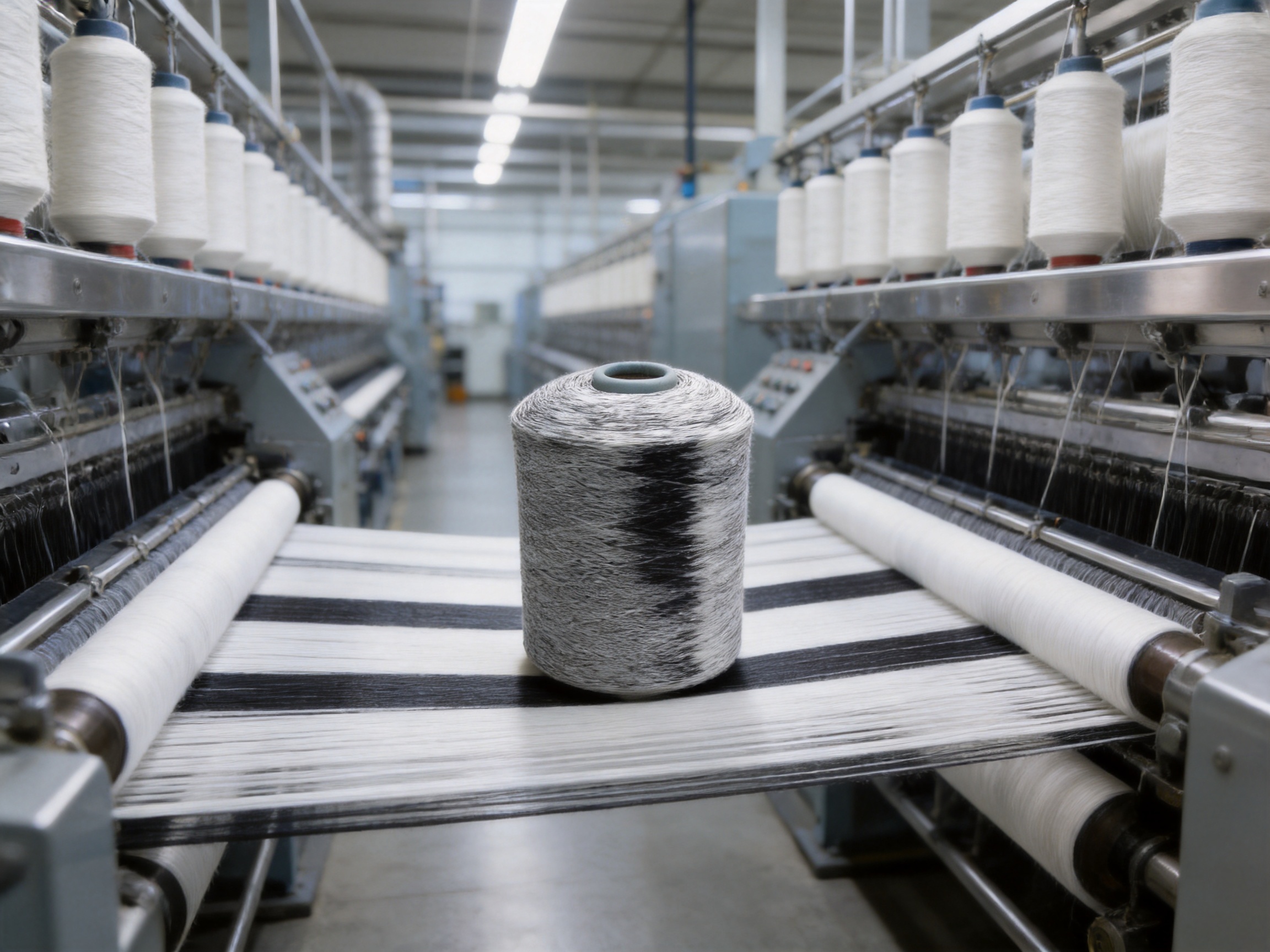
In weaving, yarn selection influences loom efficiency, fabric surface, dimensional stability, and finishing response. White-Black Bicolor D/F CD Yarn can be used in warp or weft depending on the intended structure. Its white-black contrast can add a modern visual layer to plain weave, twill, satin, dobby, and jacquard fabrics.
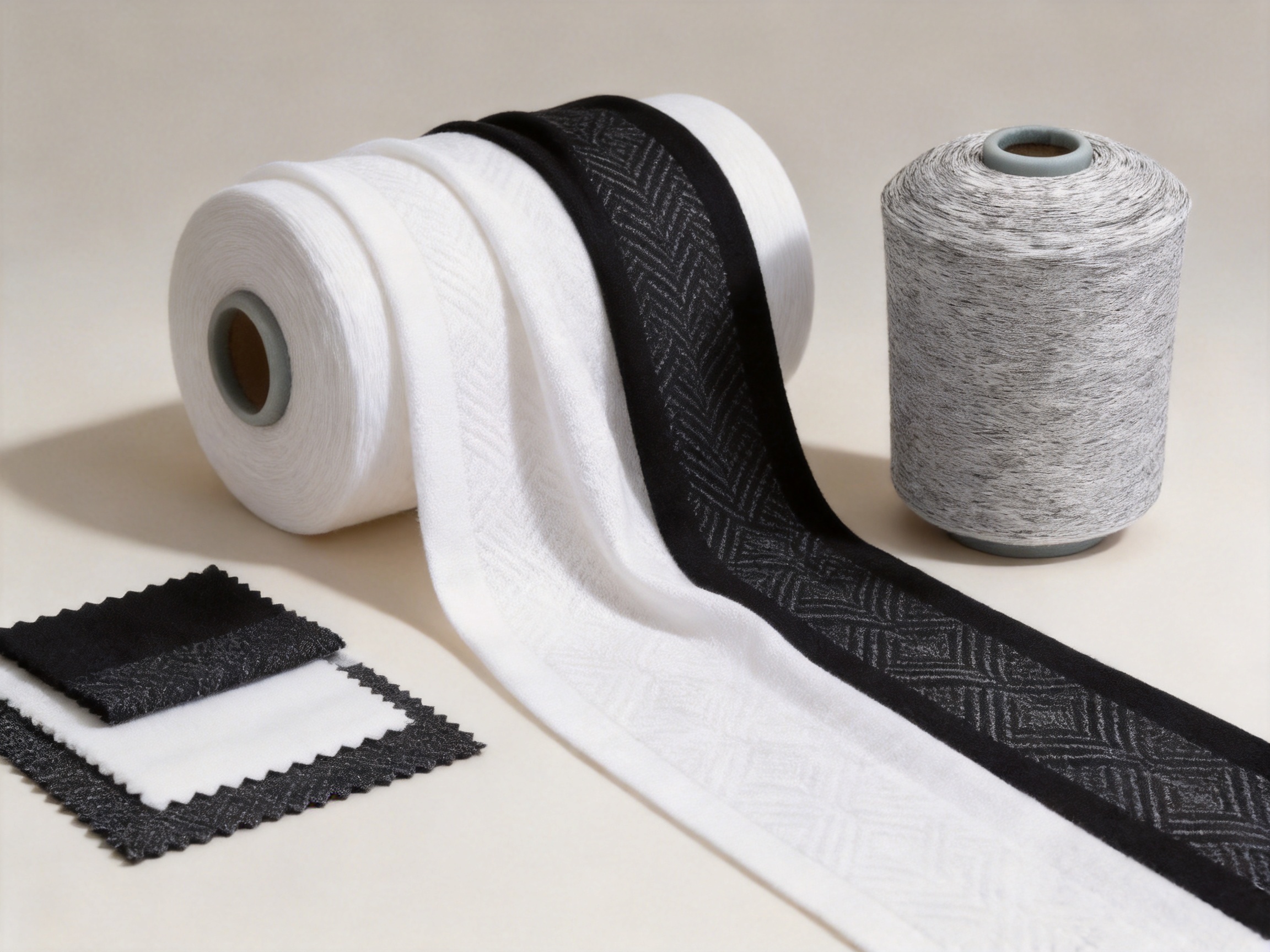
For fashion woven fabrics, the yarn can help create sophisticated black-white effects suitable for jackets, skirts, trousers, dresses, and casual shirts. In suiting-inspired materials, it can produce subtle melange and texture. In decorative woven fabrics, it can support contrast surfaces for cushions, panels, and interior accents. In technical-looking fashion fabrics, it can give a sharper monochrome appearance that fits contemporary design trends.
Because the yarn has good dyeing characteristics, woven fabric producers can combine it with other polyester or cationic yarns to build differential dyeing effects. For example, a fabric can be designed with ordinary polyester in one direction and cationic polyester in another direction to create controlled two-tone results. The low contamination characteristic helps preserve separation between components.
Applications in Knitted Fabrics
Knitting places different demands on yarn than weaving. The yarn must pass smoothly through feeders, form loops consistently, and maintain fabric uniformity. White-Black Bicolor D/F CD Yarn is suitable for knitting applications where visual texture and comfort are required. It can be used in circular knitting, flat knitting, jacquard knitting, rib structures, interlock, and double-knit constructions.
In casualwear, the yarn can create heather-like or contrast surfaces for T-shirts, hoodies, sweatshirts, leggings, and leisure garments. In sports-inspired fabrics, the black-white effect can support modern performance aesthetics. In fashion knits, it can create novelty surfaces without complex printing. In thicker structures, the yarn can contribute to a fuller touch and richer appearance.
The wearing comfort of fabrics made from this yarn is also important. The product information states that fabric made from cationic polyester yarn can be comparable to natural fabric in comfort and bright dyeing. For knitted apparel, comfort directly affects consumer satisfaction. A fabric that looks attractive but feels harsh will not perform well in the market. This yarn supports both appearance and practical wearability.
Contribution to High Added Value Textiles
Textile manufacturers increasingly compete not only on price but also on differentiation. A basic fabric is easy to copy, but a fabric with unique yarn effects, stable dyeing, and functional reliability can command stronger market value. White-Black Bicolor D/F CD Yarn helps producers create high-added-value textiles by improving the fabric’s visual identity and supporting reliable processing.
High added value can come from several factors. First, the yarn offers a distinctive bicolor appearance. Second, the cationic dyeing behavior supports bright and deep shades. Third, the reduced ring dyeing risk improves quality stability. Fourth, the yarn can be applied in both weaving and knitting, expanding design possibilities. Fifth, the manufacturer’s broad differentiated yarn portfolio allows customers to combine this yarn with recycled, functional, high-elastic, or other specialty yarns for more complex fabric developments.
For example, a textile developer may combine White-Black Bicolor D/F CD Yarn with moisture-wicking yarn for sportswear, with high-elastic yarn for stretch casualwear, or with flame-retardant yarn for specialized textile applications where regulations allow and testing requirements are met. The ability to source multiple differentiated yarns from a technically capable supplier can simplify development and improve coordination.
Quality Considerations for Buyers
When purchasing White-Black Bicolor D/F CD Yarn, buyers should evaluate several technical and commercial points. The first is specification suitability. Denier and filament count influence the final fabric’s weight, opacity, drape, texture, and hand feel. A 100D option may be suitable for medium-weight applications, while 150D may provide more body, and 80D/72-84 may support finer or softer constructions depending on fabric design.
The second point is dyeing compatibility. Buyers should confirm intended dyeing conditions, target shade, fabric blend, and finishing process. Because the yarn is cationic dyeable, dye selection and process control must match the material. Pilot testing is recommended before bulk production, especially for complex fabrics using multiple yarn types.
The third point is machine compatibility. Weaving mills should evaluate warping, sizing if required, loom speed, tension, and shed behavior. Knitting mills should test feeding tension, loop formation, fabric spirality, and defect rates. Even high-quality yarn should be validated in the customer’s specific production environment.
The fourth point is end-use requirement. Apparel, home textile, decorative fabric, and technical textile applications may require different fastness, strength, dimensional stability, and finishing performance. Buyers should define performance standards early, including color fastness to washing, rubbing, light, perspiration, and other relevant tests.
The fifth point is supplier support. Because differentiated yarns often require technical communication, a supplier with R&D capacity and fast response can help customers reduce trial-and-error costs. The manufacturer’s export experience and global customer base are meaningful advantages for buyers needing stable supply and communication.
Sustainability and Differentiated Yarn Development
Modern textile markets increasingly ask for responsible material choices and efficient manufacturing. The company’s product portfolio includes recycled yarn and environmentally oriented research activities. While White-Black Bicolor D/F CD Yarn itself should be evaluated according to its specific order and material confirmation, the broader availability of recycled and differentiated yarns gives buyers options for sustainability-oriented development.
Recycled CD DTY and recycled SD+CD DTY options shown in the product list indicate that cationic dyeing concepts can be connected with recycled yarn development. For brands and mills seeking lower environmental impact, recycled yarn options may support product lines that require environmental storytelling, certification planning, or resource-conscious sourcing. When combined with efficient dyeing behavior, such yarns may also support process optimization.
Sustainability is not only about raw material origin. It also includes reducing waste, avoiding reprocessing, improving first-time-right dyeing, and creating durable fabrics that maintain appearance during use. White-Black Bicolor D/F CD Yarn contributes to this broader efficiency by supporting high dye absorption, rapid diffusion, and lower contamination. Fewer dyeing problems can mean less water, energy, chemical use, and production waste during textile manufacturing.
Manufacturing Strength Through a Broad Product Platform
A major strength behind this yarn is the manufacturer’s broad product platform. The product list includes normal DTY, FDY-related options, recycled DTY and FDY, CD yarns, high-elastic yarns, PBT/PET yarns, functional yarns, cotton-like yarns, hollow warm yarns, and air-covered yarn options. This range reflects technical familiarity with multiple polyester yarn structures and market applications.
For customers, a broad platform means easier development of complete fabric solutions. A fabric manufacturer may begin with White-Black Bicolor D/F CD Yarn for visual effect, then request a related CD DTY for matching shade, a high-elastic yarn for stretch, or a functional yarn for moisture management. Working with one experienced supplier can improve development speed and reduce communication gaps.
The ability to accept orders for many kinds of differentiation yarn is especially valuable in today’s textile market. Fashion cycles are faster, brand requirements are more specific, and fabric mills need suppliers that can respond to unusual concepts. A supplier focused on differentiated yarn can help customers turn design ideas into manufacturable products.
Practical Fabric Development Suggestions
To maximize the value of White-Black Bicolor D/F CD Yarn, textile developers should begin with a clear fabric concept. The design team should define whether the fabric should show strong black-white contrast, subtle melange, structured patterning, or deep dyed richness. The yarn should then be selected according to denier, filament count, fabric construction, and finishing target.
For woven fabrics, sampling should compare different weave structures. A plain weave may show a crisp speckled effect, while twill may create diagonal depth. Dobby and jacquard structures can highlight the bicolor yarn in selected zones. The yarn may be used as weft for easier design experimentation or as warp when a stronger vertical effect is desired.
For knitted fabrics, developers should test stitch density and machine gauge. A looser knit may emphasize texture and softness, while a tighter knit may create a cleaner and more compact surface. Jacquard knitting can use the bicolor yarn for decorative contrast. Double-knit structures may produce a more stable and premium fabric suitable for jackets, pants, and structured sportswear.
Dyeing trials should be conducted before bulk orders. Even though the yarn has excellent dyeing features, the final result depends on dye type, bath ratio, temperature, time, auxiliaries, fabric construction, and machine condition. Testing helps confirm shade, fastness, shrinkage, and hand feel. Buyers should also evaluate finishing processes such as softening, brushing, heat setting, coating, or lamination if applicable.
Q&A Section
Q1: What is White-Black Bicolor D/F CD Yarn?
It is a cationic polyester yarn with a white-black bicolor effect, designed for textile weaving and knitting. The term D/F refers to denier and filament count, while CD refers to cationic dyeable polyester. It is used to create fabrics with bright dyeing, visual contrast, and high added value.
Q2: What are the main advantages of this yarn?
The main advantages include bright color expression, good deep dyeing, high dye absorption efficiency, fast diffusion into the fiber, reduced ring dyeing risk, good sunlight and smoke fading fastness, lower contamination to other fibers, and suitability for both weaving and knitting.
Q3: How does it differ from ordinary polyester yarn?
Compared with ordinary polyester yarn, cationic polyester yarn has better affinity for cationic dyes and can achieve brighter, deeper, and more vivid color effects. It also helps reduce common dyeing problems such as uneven coloration and contamination when properly processed.
Q4: What fabric types can be made with this yarn?
It can be used in woven and knitted fabrics for fashion apparel, casualwear, sports-inspired clothing, decorative textiles, textured fabrics, jacquard materials, suiting-style fabrics, and other high-value textile products.
Q5: Why is fast diffusion into the fiber important?
Fast diffusion helps dye penetrate more evenly into the fiber. This reduces the risk of ring dyeing, where dye remains mainly on the surface. More uniform diffusion supports better shade stability and fabric quality.
Q6: Does the yarn help reduce production costs?
It can help reduce costs indirectly by improving dyeing efficiency, lowering contamination risk, reducing reprocessing, and enabling high-value fabric effects without relying only on expensive natural fibers or complex finishing methods.
Q7: Is it suitable as an alternative to natural silk?
It is not identical to natural silk, but fabrics made with cationic polyester yarn can offer bright dyeing and comfortable wear at a lower price than natural silk. This makes it suitable for manufacturers seeking attractive and cost-effective premium fabric effects.
Q8: What specifications are available?
Representative white-black bicolor options include 100D B01/B02/B03, 150D B01/B02/B03, and 80D/72-84. Related CD DTY and SD+CD DTY specifications are also available in multiple denier and filament combinations.
Q9: What should buyers test before bulk production?
Buyers should test dyeing behavior, fabric construction, machine compatibility, fastness, shrinkage, hand feel, and finishing response. Pilot sampling is recommended before large-scale production.
Q10: What company strengths support this product?
The manufacturer has a professional R&D team, experience in differentiated yarn development, a broad product portfolio, export customers in 36 countries, and global technical response capability. These strengths support product reliability and customer application development.
Conclusion
White-Black Bicolor D/F CD Yarn is a practical and value-creating cationic polyester yarn for textile weaving and knitting. It combines a distinctive white-black visual effect with strong dyeing advantages, including bright color, deep dyeing capability, high dye absorption efficiency, rapid internal diffusion, good fastness, and lower contamination. These qualities help textile manufacturers create attractive fabrics while improving production reliability.
Compared with ordinary polyester yarn and basic dyed yarn, this product offers stronger differentiation and better color development potential. Compared with natural silk, it provides a more cost-effective route to bright, comfortable, high-value fabrics. Compared with low-grade bicolor yarns, it benefits from a differentiated yarn manufacturing platform, technical process control, and supplier support.
The yarn is suitable for woven and knitted applications across fashion, casualwear, sports-inspired apparel, decorative fabrics, and other textile products where appearance and performance matter. Supported by advanced manufacturing practices, R&D capability, broad product availability, and international service experience, White-Black Bicolor D/F CD Yarn gives fabric developers a reliable tool for creating modern, commercially attractive, and high-added-value textiles.
References
1. Textile Institute. Textile Terms and Definitions. Manchester: The Textile Institute.
2. Broadbent, A. D. Basic Principles of Textile Coloration. Society of Dyers and Colourists.
3. Deopura, B. L., Alagirusamy, R., Joshi, M., and Gupta, B. Polyesters and Polyamides. Woodhead Publishing.
4. Lewin, M. Handbook of Fiber Chemistry. CRC Press.
5. Hearle, J. W. S., Hollick, L., and Wilson, D. K. Yarn Texturing Technology. Woodhead Publishing.
6. Gulrajani, M. L. Advances in the Dyeing and Finishing of Technical Textiles. Woodhead Publishing.
Product: White-Black Bicolor D/F CD Yarn for Textile Weaving & Knitting

Popular products
-
Premium Cationic Interlock Stretch Comfort Fabric
-
Moisture-Wicking Nylon Woven Fabric
-
Double-faced jacquard elastic fabric
-
Heather Grey Double-faced cationic jersey fabric
-
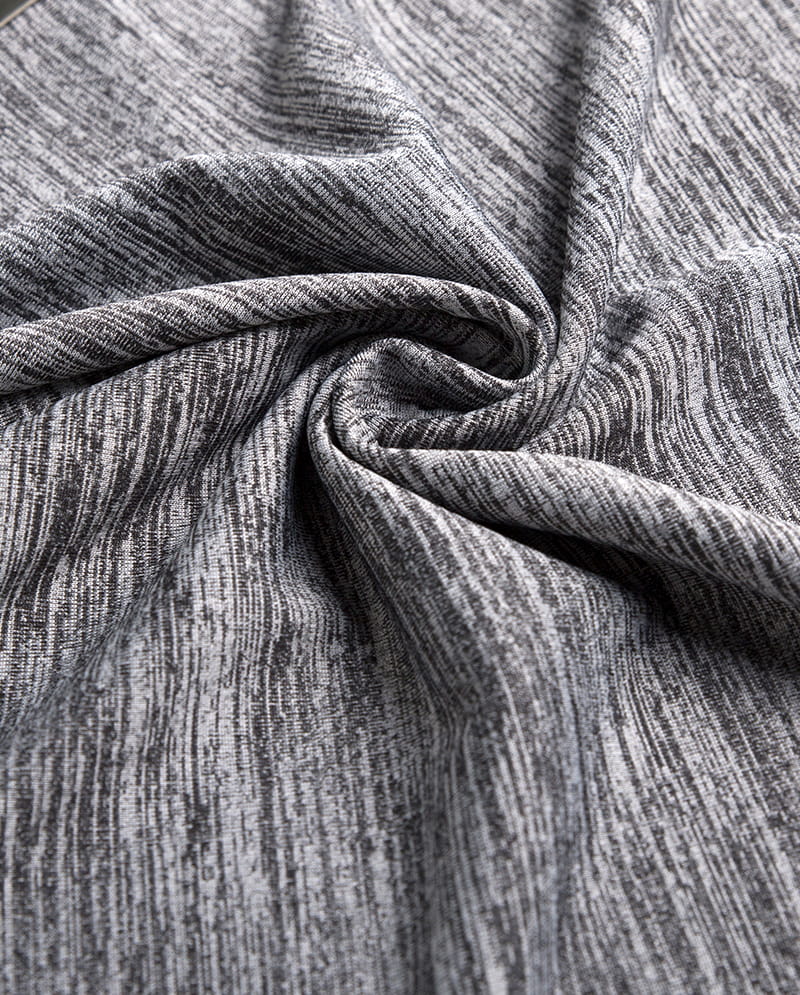
Anti-static Cationic Knitted Rib Fabric
-
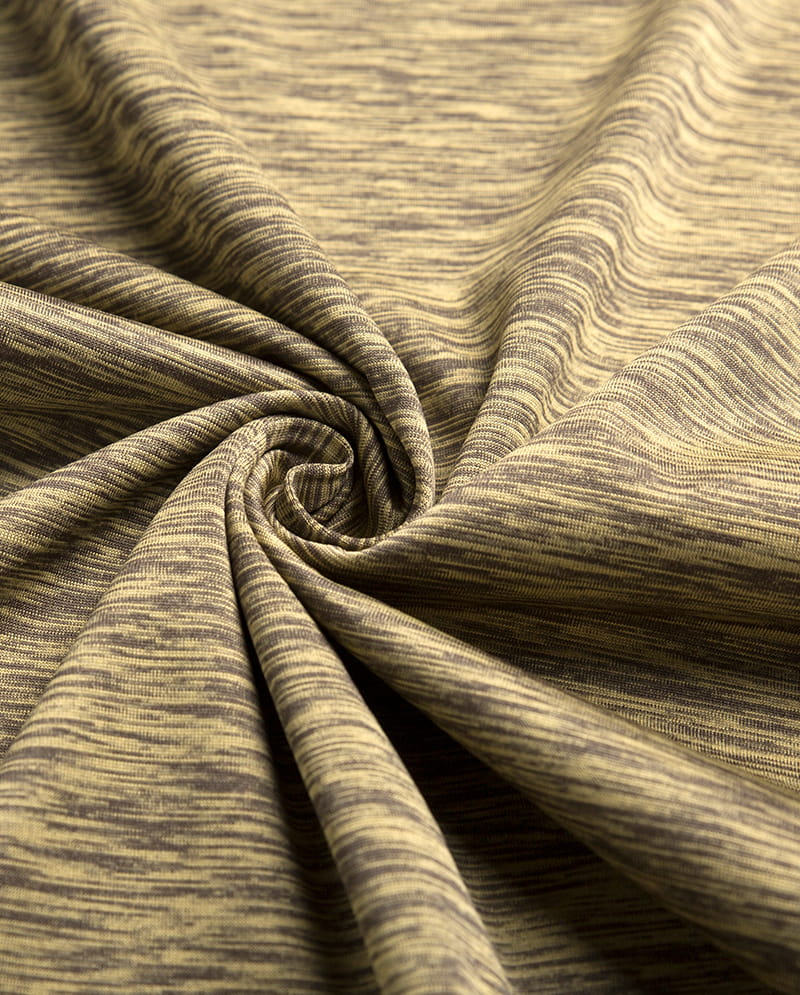
High-Stretch Cationic Jersey Fabric
-
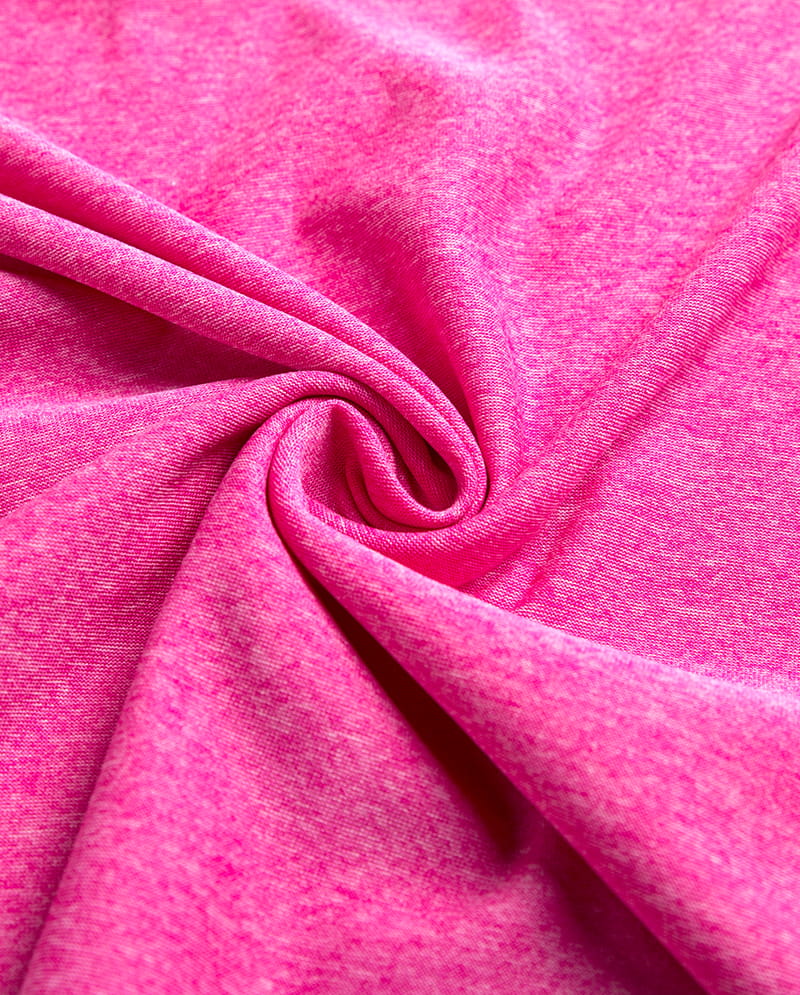
High Quality Cationic DTY Spandex Two Sides Brush Dralon Knit Fabric for Garment Thermal Underwear
-
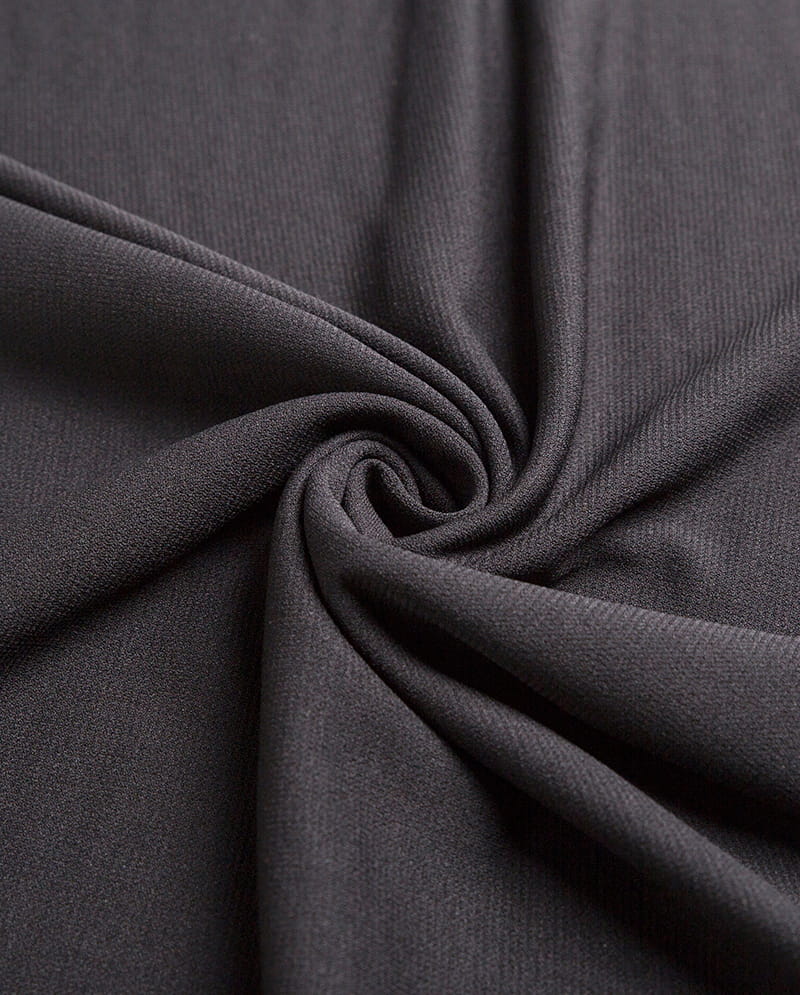
Durable Anti-Pilling Knitted Fabric for Home Textiles
-
Wash-Resistant Cationic Elastic Knitted Fabric for Garment Industry
-
Breathable Double-Faced Elastic Composite Fabric
-
-
-
- whatsapp:
- 0086-13962559622
-
- skype:
- skype.aliceshenghong
-
- Wechat:


COPYRIGHT © 2016 Suzhou Junhui Textile Co., Ltd.
