

 EN
EN English
 中文简体
中文简体What Is Yarn Weight? A Complete Guide for Textile Buyers
Content
- 1 Why Yarn Weight Matters More Than You Think
- 2 The Two Main Yarn Count Systems: Direct vs. Indirect
- 3 Common Yarn Weight Categories and Their Applications
- 4 Filament Count: The Other Half of the Yarn Weight Equation
- 5 How Yarn Weight Affects Fabric GSM and End-Product Performance
- 6 Special Yarn Types and How Weight Specifications Differ
- 7 How to Choose the Right Yarn Weight for Your Project
- 8 Yarn Weight in Bulk Sourcing: What to Confirm with Your Supplier
Why Yarn Weight Matters More Than You Think
In textile manufacturing, yarn weight is one of the most foundational specifications we work with every day. It directly affects how a finished fabric looks, feels, performs, and costs to produce. Yet it's also one of the most misunderstood concepts, especially for buyers who are new to sourcing yarn at scale.
At its core, yarn weight refers to the thickness or fineness of a yarn — but in an industrial context, it's measured and communicated through standardized numbering systems rather than vague descriptors like "thin" or "thick." Getting this specification right from the start prevents costly mismatches between your yarn order and your production requirements.
This guide is written from our perspective as a professional yarn manufacturer and supplier. Whether you're sourcing yarn for woven fabrics, knitted garments, or technical textiles, understanding yarn weight will help you make better purchasing decisions and communicate more precisely with your suppliers.
The Two Main Yarn Count Systems: Direct vs. Indirect
Yarn weight is expressed through a yarn count system, and there are two fundamentally different approaches used across the industry.
Direct Count Systems (Weight per Unit Length)
In a direct system, a higher number means a heavier, thicker yarn. The most common direct system is Denier (D), which measures the weight in grams of 9,000 meters of yarn. For example:
- A 75D yarn weighs 75 grams per 9,000 meters — relatively fine, often used in lightweight fabrics.
- A 300D yarn weighs 300 grams per 9,000 meters — heavier and more suited to outerwear or bags.
Tex (T) is another direct system, measuring grams per 1,000 meters. It's less common in everyday trade but is used in some technical textile standards.
Indirect Count Systems (Length per Unit Weight)
In an indirect system, a higher number means a finer, lighter yarn — the opposite logic. The most widely used indirect system is the Metric Count (Nm), which tells you how many meters of yarn are in 1 gram. A 50 Nm yarn is finer than a 20 Nm yarn. The English Cotton Count (Ne) works on a similar principle and is still widely referenced in cotton yarn trading.
For polyester and synthetic yarns — which are the primary products we manufacture — Denier is the industry standard. When you see a specification like "150D/48F," it means 150 denier with 48 individual filaments making up the yarn bundle.
Common Yarn Weight Categories and Their Applications
Across our production range, yarn weights are generally grouped into the following categories. These aren't rigid boundaries, but they give buyers a practical frame of reference:
| Weight Category | Denier Range | Typical Applications |
|---|---|---|
| Micro / Ultra-Fine | 20D – 50D | Hosiery, lingerie, sheer fabrics |
| Fine | 50D – 100D | Lightweight sportswear, linings, blouses |
| Medium | 100D – 200D | T-shirts, casual wear, mid-layer fabrics |
| Heavy | 200D – 600D | Outerwear, bags, upholstery, workwear |
| Industrial / Bulky | 600D and above | Technical textiles, geotextiles, rope |
For context, a typical DTY polyester yarn used in everyday apparel knit fabrics commonly falls in the 75D to 150D range. Our DTY yarn product line covers a broad range of these weights, including fine microfine yarns through to heavier functional yarn variants.
Filament Count: The Other Half of the Yarn Weight Equation
Denier alone doesn't tell the full story. The number of filaments (F count) within a yarn dramatically changes how it performs, even at identical denier weights.
Consider two yarns both specified at 150D:
- 150D/48F — 48 filaments, each roughly 3.1 denier per filament (dpf). This produces a relatively structured yarn with good body and resilience.
- 150D/144F — 144 filaments, each roughly 1.04 dpf. This creates a much softer, silkier hand feel because finer filaments diffuse light and lie more smoothly against each other.
In general, yarns with a dpf below 1.0 are classified as microfiber yarns — a category we specialize in. These ultrafine filaments are particularly valued in performance sportswear, high-end apparel lining, and moisture-management fabrics precisely because of how the fine structure affects drape, softness, and wicking behavior.
How Yarn Weight Affects Fabric GSM and End-Product Performance
From a fabric production standpoint, yarn weight is one of the key levers for controlling grams per square meter (GSM) — the standard measure of fabric density. A higher-denier yarn, or a tighter construction using the same denier, typically results in a higher GSM fabric.
Here's how the relationship plays out in practice:
- Lightweight fabrics (80–150 GSM) typically use fine yarns in the 30D–75D range — common in summer apparel, athletic liners, and intimate wear.
- Mid-weight fabrics (150–250 GSM) often use 75D–150D yarn — suitable for everyday knits, casual polo shirts, and jersey fabrics.
- Heavy fabrics (250 GSM and above) use yarn from 150D upward — suited for fleece, structured outerwear shells, and upholstery.
It's worth noting that GSM is not determined by yarn weight alone. Knitting gauge, weave density, and finishing processes all play a role. But if you give us a target GSM and end-use, we can recommend an appropriate yarn weight specification from the start, saving iterations during sampling.
Special Yarn Types and How Weight Specifications Differ
For standard filament yarns like FDY or POY, denier is a stable and consistent measurement. But for textured or functional yarns, weight specifications need to be interpreted more carefully.
DTY (Draw Textured Yarn)
DTY is produced by texturing POY through a draw-texturing process, which introduces crimp and bulk into the filaments. Because of this crimp, DTY yarns occupy more physical space than their denier suggests. A 150D DTY will knit into a fuller, softer fabric than a 150D FDY of the same count. When comparing yarn weights across yarn types, it's important to factor in the bulk and elasticity characteristics of textured yarns.
High-Elastic Yarn
High-elastic or high-stretch yarns behave differently during weaving and knitting because they recover after tension. The denier you order is measured in the relaxed state, but tension during processing temporarily reduces the apparent thickness. Accounting for this is important when specifying yarn weight for stretch fabrics, particularly for activewear or swimwear end-uses. Our high-elastic yarn product page provides an overview of the specifications we offer in this category.
Recycled and Functional Yarns
Recycled polyester yarns follow the same denier system as virgin polyester. However, in some cases, recycled fiber content can introduce minor variation in filament uniformity, which can slightly affect evenness in the finished yarn. For functional yarns — such as flame-retardant or moisture-management variants — the denier specification remains the same, but additives or modified cross-sections may alter the yarn's behavior in processing. Always verify these details with your supplier when switching from a standard yarn to a functional equivalent at the same weight.
How to Choose the Right Yarn Weight for Your Project
There is no universally "correct" yarn weight — the right choice depends on your end product, production process, and performance requirements. Here's a practical decision framework we recommend to buyers:
- Define your end-use first. Is the fabric for sportswear, fashion, home textiles, or technical application? This narrows your denier range significantly.
- Identify your target GSM. Work backwards from the fabric weight you need to a reasonable yarn denier range.
- Consider the knitting or weaving machine gauge. Fine-gauge machines (e.g., 28–32 gauge circular knitting) work best with finer yarns in the 30D–75D range. Coarser machines accommodate heavier yarns.
- Factor in hand feel requirements. If softness is critical, go finer on the filament count (higher F count at a given denier). If structure and durability are primary, a lower filament count with higher dpf may serve better.
- Request samples before committing to volume. A yarn's real-world behavior in your specific process can differ from what any data sheet describes. Sample testing is not optional — it's standard practice.
If you're uncertain where to start, sharing your end-product specification with us is the most efficient path. We can recommend appropriate yarn weight and construction based on years of application experience across 36 countries.
Yarn Weight in Bulk Sourcing: What to Confirm with Your Supplier
When placing bulk orders, yarn weight specifications should be treated as binding technical parameters, not approximations. These are the key points to confirm in writing before finalizing any order:
- Nominal denier and tolerance range: Industry-standard denier tolerance is typically ±5%. Confirm whether your supplier adheres to this or uses a tighter specification for critical applications.
- Filament count (F count): This must be explicitly specified, not left as a supplier default.
- Yarn type and processing: DTY, FDY, and POY at the same denier behave very differently. Confirm the yarn type is appropriate for your production process.
- Luster (bright, semi-dull, full dull): This is often specified alongside weight as it affects the end fabric appearance without changing denier.
- Package weight and winding tension: These affect how yarn behaves on your machinery and should be confirmed for large orders.
As a manufacturer supplying customers in over 36 countries, we provide full technical documentation with each order and can accommodate custom weight specifications for OEM orders. If you're looking for a reliable source of polyester yarns and textile fabrics across multiple weight ranges, we welcome you to explore our product range and contact us directly with your requirements.
Popular products
-
Premium Cationic Interlock Stretch Comfort Fabric
-
Moisture-Wicking Nylon Woven Fabric
-
Double-faced jacquard elastic fabric
-
Heather Grey Double-faced cationic jersey fabric
-
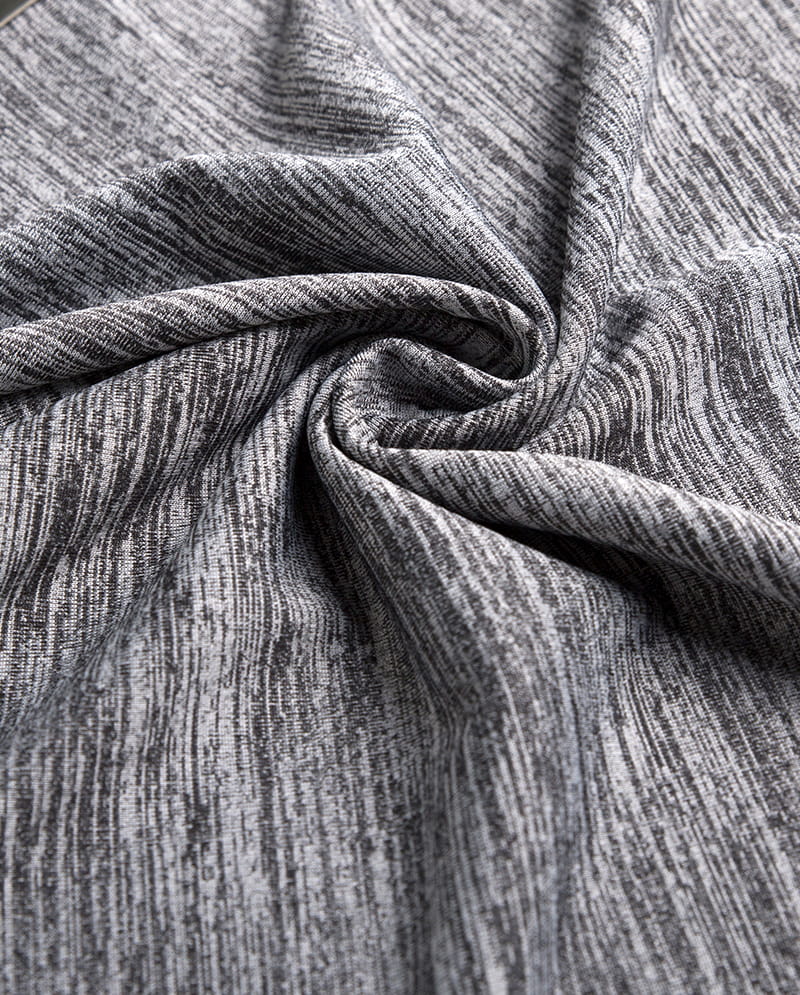
Anti-static Cationic Knitted Rib Fabric
-
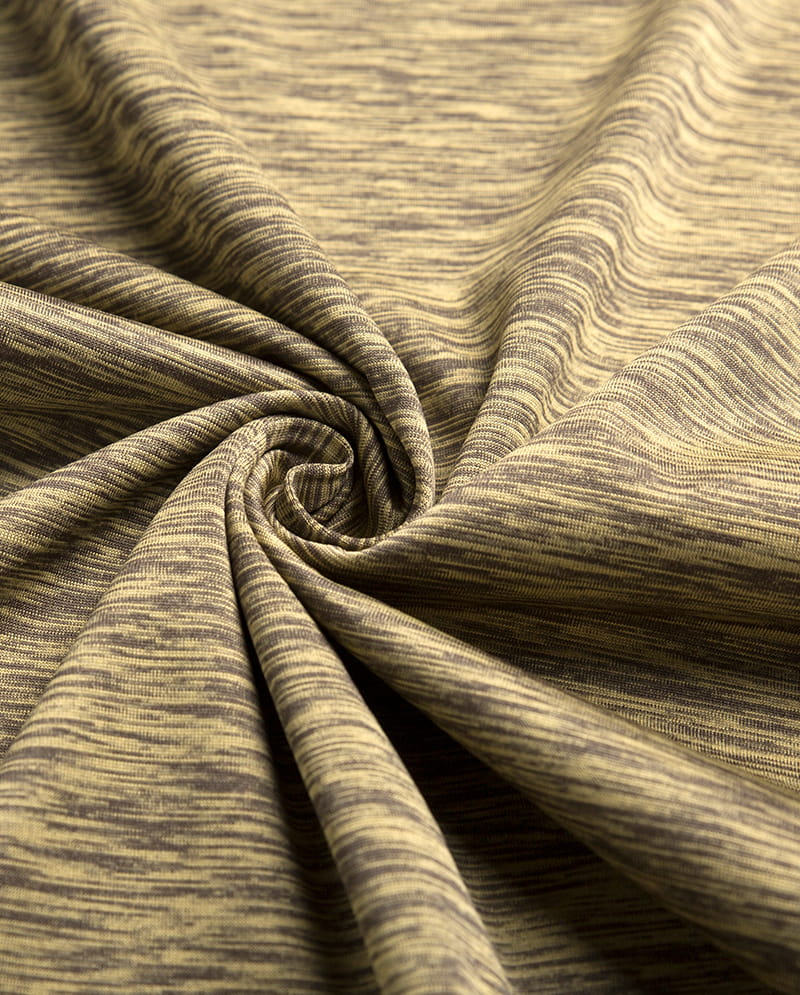
High-Stretch Cationic Jersey Fabric
-
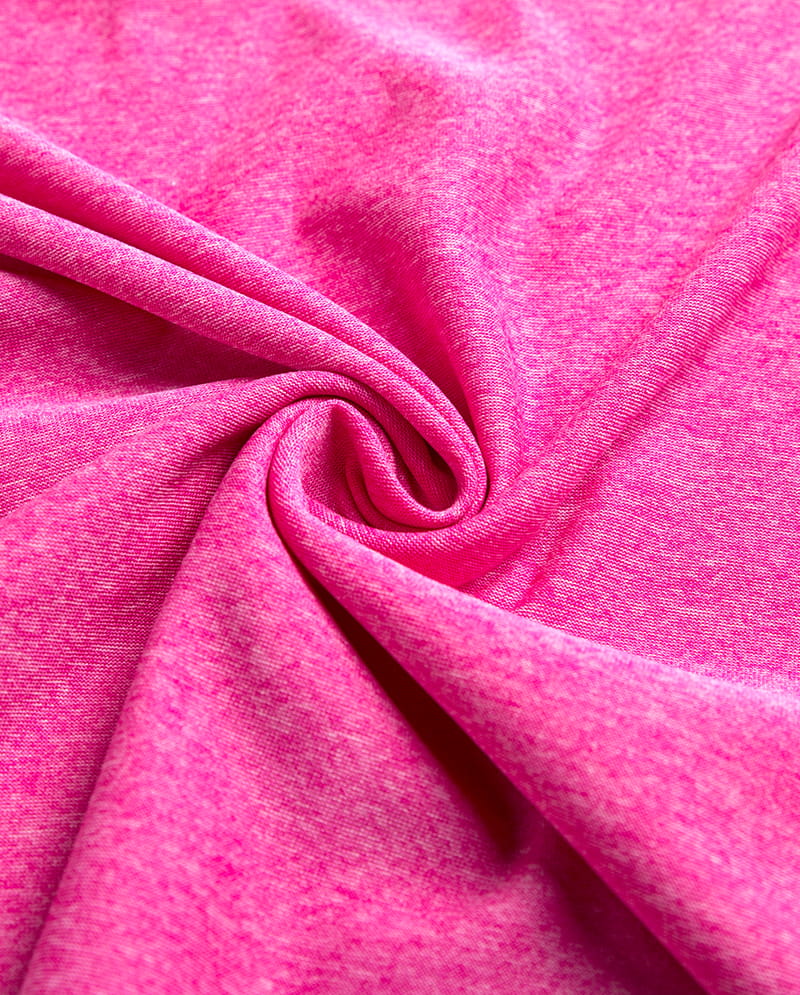
High Quality Cationic DTY Spandex Two Sides Brush Dralon Knit Fabric for Garment Thermal Underwear
-
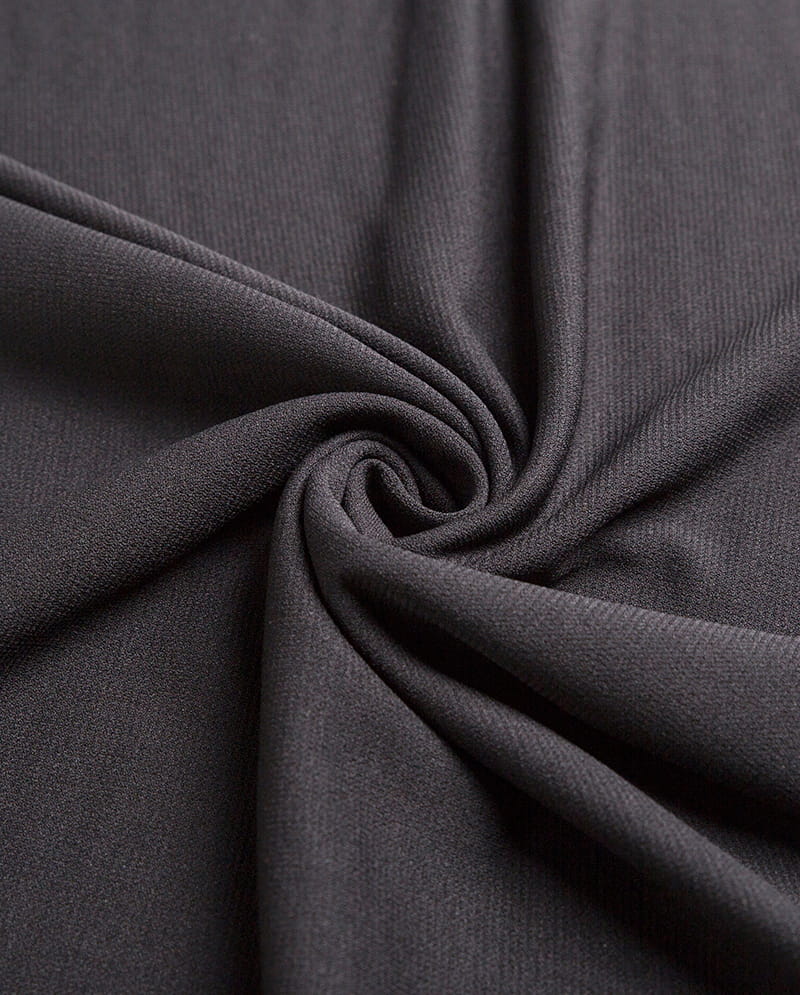
Durable Anti-Pilling Knitted Fabric for Home Textiles
-
Wash-Resistant Cationic Elastic Knitted Fabric for Garment Industry
-
Breathable Double-Faced Elastic Composite Fabric
-
-
-
- whatsapp:
- 0086-13962559622
-
- skype:
- skype.aliceshenghong
-
- Wechat:


COPYRIGHT © 2016 Suzhou Junhui Textile Co., Ltd.
