

 EN
EN English
 中文简体
中文简体What Is Yarn Used For? Complete Guide to Yarn Applications & Uses
Content
- 1 Primary Uses of Yarn
- 2 Fiber Arts and Crafting Applications
- 3 Home Décor and Interior Design
- 4 Fashion and Wearable Items
- 5 Industrial and Commercial Applications
- 6 Educational and Therapeutic Uses
- 7 Artistic and Creative Expressions
- 8 Practical Household Applications
- 9 Specialized Yarn Applications by Fiber Type
- 10 Sustainable and Eco-Friendly Applications
Primary Uses of Yarn
Yarn serves as the fundamental material for creating fabric and textile items through various techniques. The most common uses include knitting, crocheting, weaving, and embroidery, transforming simple strands into functional garments, accessories, and decorative pieces. Beyond traditional fiber arts, DTY yarn applications extend to industrial manufacturing, home décor, educational projects, and specialized technical textiles.
Understanding yarn's versatility helps crafters, designers, and manufacturers select appropriate materials for specific projects, whether creating a handmade sweater or developing industrial textiles for commercial purposes.
Fiber Arts and Crafting Applications
Knitting Projects
Knitting represents one of the most popular yarn applications, with over 45 million knitters in the United States alone according to the Craft Yarn Council. Common knitting projects include:
- Garments such as sweaters, cardigans, scarves, hats, and socks
- Home textiles including blankets, afghans, pillows, and dishcloths
- Baby items like booties, bonnets, and swaddling blankets
- Accessories including mittens, gloves, headbands, and shawls
Crochet Creations
Crochet uses a single hooked needle to create textured fabrics and intricate designs. Yarn consumption in crochet projects typically runs 25-30% higher than equivalent knitting projects due to the loop structure. Popular crochet applications encompass:
- Decorative doilies, granny squares, and lace patterns
- Amigurumi (small stuffed toys and figurines)
- Market bags, tote bags, and storage baskets
- Garments with unique textured stitches and patterns
Weaving and Tapestry Work
Weavers utilize yarn on looms to create structured fabrics ranging from simple plain weaves to complex tapestries. Applications include wall hangings, rugs, upholstery fabric, and custom textile yardage for garment construction.
Home Décor and Interior Design
Yarn transforms living spaces through both functional and aesthetic applications. The global home textiles market, valued at $84.7 billion in 2024, demonstrates yarn's significance in interior design.
| Home Décor Item | Typical Yarn Weight | Common Materials |
|---|---|---|
| Throw Blankets | Bulky to Super Bulky | Wool, Acrylic, Cotton |
| Decorative Pillows | Medium to Bulky | Cotton, Chenille, Wool |
| Wall Hangings | Varies | Wool, Cotton, Specialty Fibers |
| Plant Hangers | Worsted to Bulky | Cotton, Jute, Macramé Cord |
| Area Rugs | Super Bulky | T-shirt Yarn, Rope, Cotton |
Additional decorative uses include macramé wall art, window treatments, drawer organizers, and seasonal decorations like Christmas ornaments and wreaths.
Fashion and Wearable Items
The fashion industry relies heavily on yarn for creating both haute couture and everyday garments. Approximately 60% of all yarn produced globally goes into apparel manufacturing, according to textile industry reports.
Seasonal Clothing
- Winter wear: Wool and alpaca yarn create insulating sweaters, thermal socks, and heavy scarves
- Summer garments: Lightweight cotton and linen yarns produce breathable tops, beach cover-ups, and sun hats
- Transitional pieces: Bamboo and merino blends offer versatility for spring and fall cardigans
Accessories and Embellishments
Fashion designers use specialty yarns for jewelry-like accessories, including statement necklaces, bracelets, earrings, and belt embellishments. Metallic and novelty yarns add texture to handbags, clutches, and decorative shoe accents.
Industrial and Commercial Applications
Beyond handcrafted items, yarn serves critical functions in industrial manufacturing and commercial production.
Technical Textiles
Specialized yarns with enhanced properties support various industries:
- Aramid yarns (Kevlar) provide ballistic protection in body armor and reinforcement in tires
- Carbon fiber yarns create lightweight, high-strength components for aerospace and automotive applications
- Flame-retardant yarns manufacture protective clothing for firefighters and industrial workers
- Medical-grade yarns produce surgical sutures, wound dressings, and compression garments
Manufacturing and Production
Industrial knitting and weaving machines process thousands of meters of yarn per hour to produce carpeting, upholstery fabrics, automotive interiors, mattress covers, and industrial filters. The carpet industry alone consumes approximately 40% of synthetic yarn production worldwide.
Educational and Therapeutic Uses
Learning and Skill Development
Yarn-based activities support educational objectives across age groups:
- Fine motor skill development in children through simple weaving and lacing projects
- Mathematics education using yarn to demonstrate geometry, measurement, and spatial relationships
- Art education exploring color theory, texture, and three-dimensional design
- Cultural studies examining traditional textile techniques from various societies
Therapeutic Benefits
Research demonstrates that working with yarn provides measurable health benefits. A 2013 study published in the British Journal of Occupational Therapy found that knitting significantly reduced anxiety and improved mood in participants. Occupational therapists utilize yarn crafts to:
- Rehabilitate hand injuries and improve dexterity following surgery or stroke
- Manage chronic pain through meditative, repetitive motions
- Support cognitive function in dementia patients through familiar, engaging activities
- Reduce stress and promote mindfulness in mental health treatment programs
Artistic and Creative Expressions
Contemporary artists embrace yarn as a medium for innovative installations and sculptures. Yarn bombing, also called guerrilla knitting, transforms public spaces with colorful textile coverings on trees, benches, and buildings.
Fiber Art Installations
Museums and galleries showcase large-scale yarn artworks that challenge traditional craft boundaries. Artists like Sheila Hicks and Toshiko Horiuchi MacAdam create immersive environments using hundreds of pounds of yarn in single installations, demonstrating the material's sculptural potential.
Mixed Media Projects
Yarn combines with other materials in contemporary craft projects including resin-embedded fiber art, yarn-wrapped pottery, textile collages, and embellished paper crafts. These applications highlight yarn's versatility beyond traditional textile techniques.
Practical Household Applications
Yarn serves numerous functional purposes in everyday home management:
- Cleaning tools: Cotton yarn creates durable dishcloths, mop heads, and reusable cleaning pads
- Organization: Crocheted baskets, drawer dividers, and storage containers reduce household clutter
- Pet accessories: Toys, beds, and collars crafted from durable yarn fibers
- Garden applications: Soft plant ties, bird nesting material, and biodegradable markers
- Gift wrapping: Decorative bows, package ties, and reusable gift bags
Specialized Yarn Applications by Fiber Type
Different yarn compositions suit specific purposes based on their inherent properties:
| Fiber Type | Best Applications | Key Properties |
|---|---|---|
| Wool | Winter garments, socks, felting | Insulating, elastic, moisture-wicking |
| Cotton | Dishcloths, summer wear, baby items | Breathable, absorbent, hypoallergenic |
| Acrylic | Afghans, budget projects, amigurumi | Affordable, colorfast, machine-washable |
| Silk | Luxury shawls, lace, formal wear | Lustrous, strong, drapes beautifully |
| Bamboo | Athletic wear, summer garments | Antimicrobial, eco-friendly, soft |
| Alpaca | Premium sweaters, scarves, blankets | Hypoallergenic, warmer than wool |
Sustainable and Eco-Friendly Applications
Environmental consciousness drives innovative yarn uses that reduce waste and promote sustainability. The global sustainable textile market reached $9.2 billion in 2023 and continues expanding as consumers prioritize eco-friendly materials.
Upcycling and Repurposing
Crafters transform old sweaters into new yarn through unraveling, creating zero-waste projects. T-shirt yarn, made from cutting fabric scraps into continuous strips, produces durable rugs, baskets, and bags while diverting textile waste from landfills.
Natural Fiber Alternatives
Innovative yarns from hemp, nettle, and recycled ocean plastics offer environmentally responsible options. These materials biodegrade naturally or incorporate post-consumer waste, reducing environmental impact while maintaining functionality for clothing, accessories, and home goods.
Popular products
-
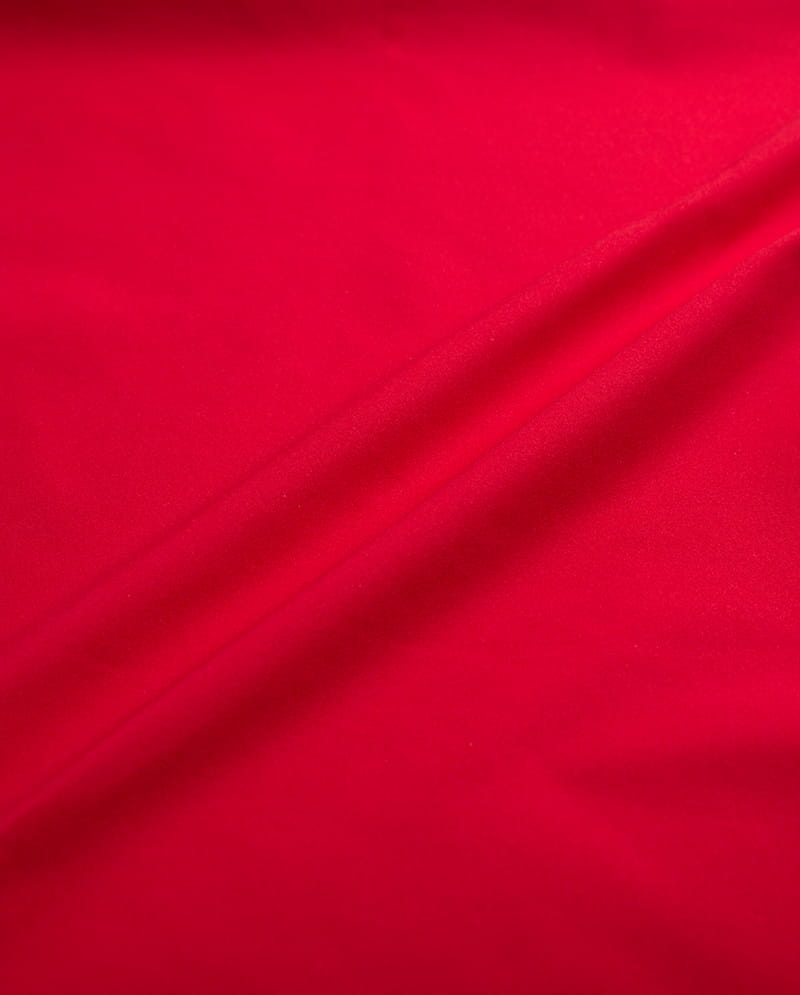
Premium Cationic Interlock Stretch Comfort Fabric
-
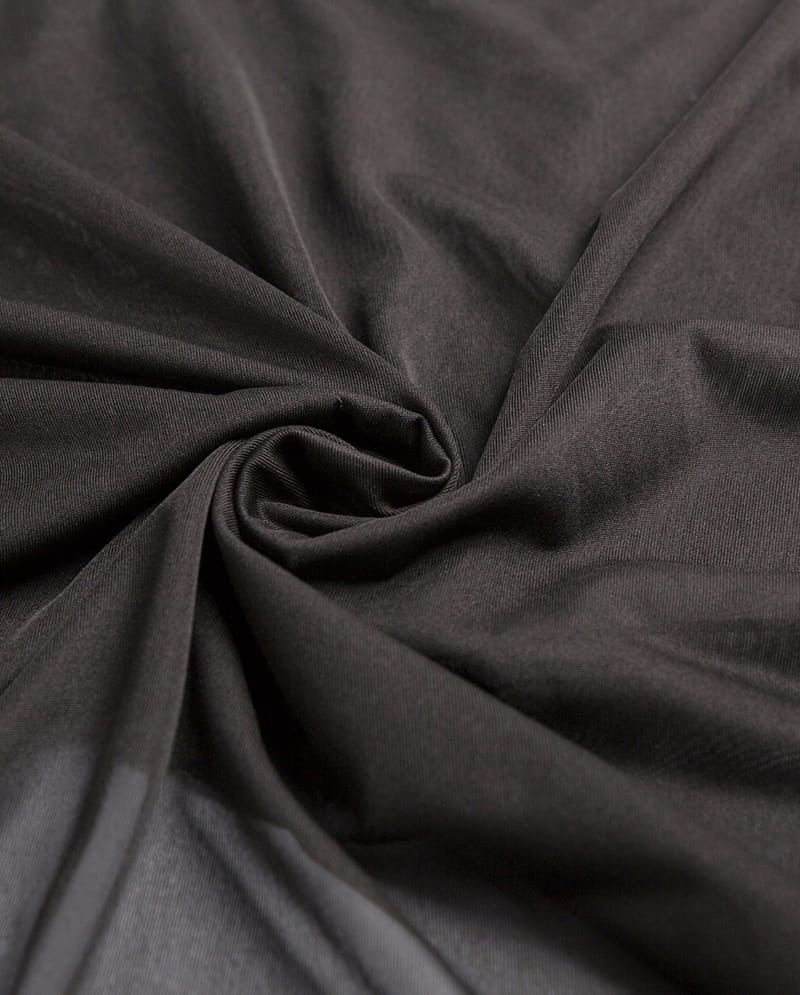
Moisture-Wicking Nylon Woven Fabric
-
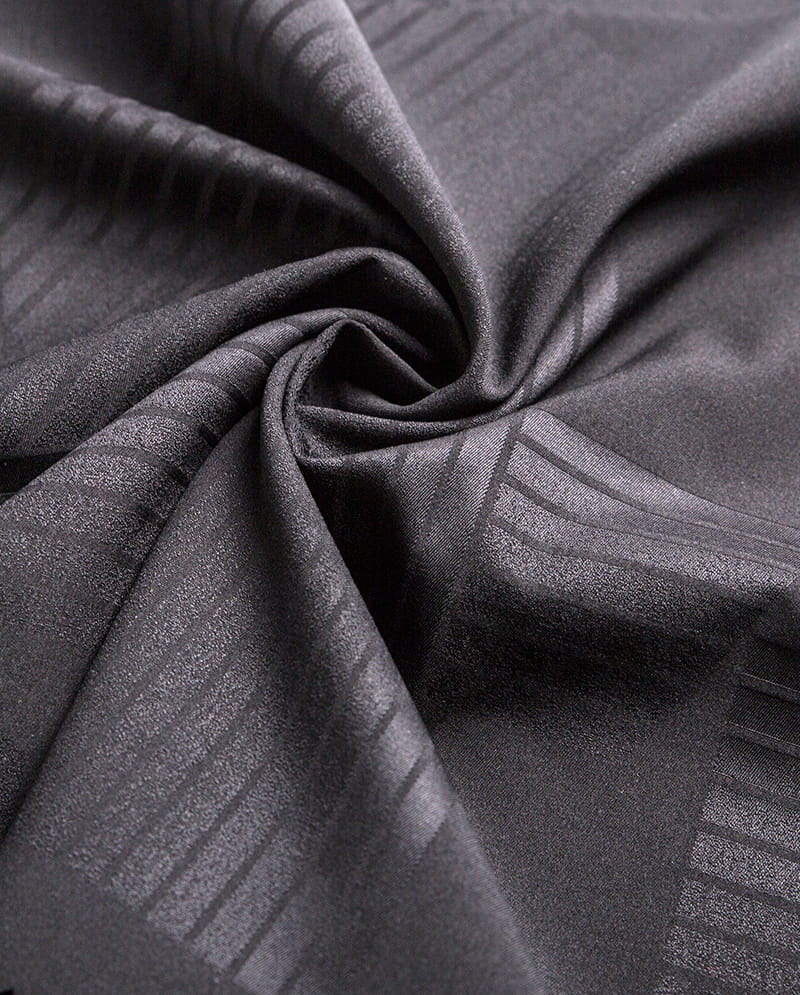
Double-faced jacquard elastic fabric
-
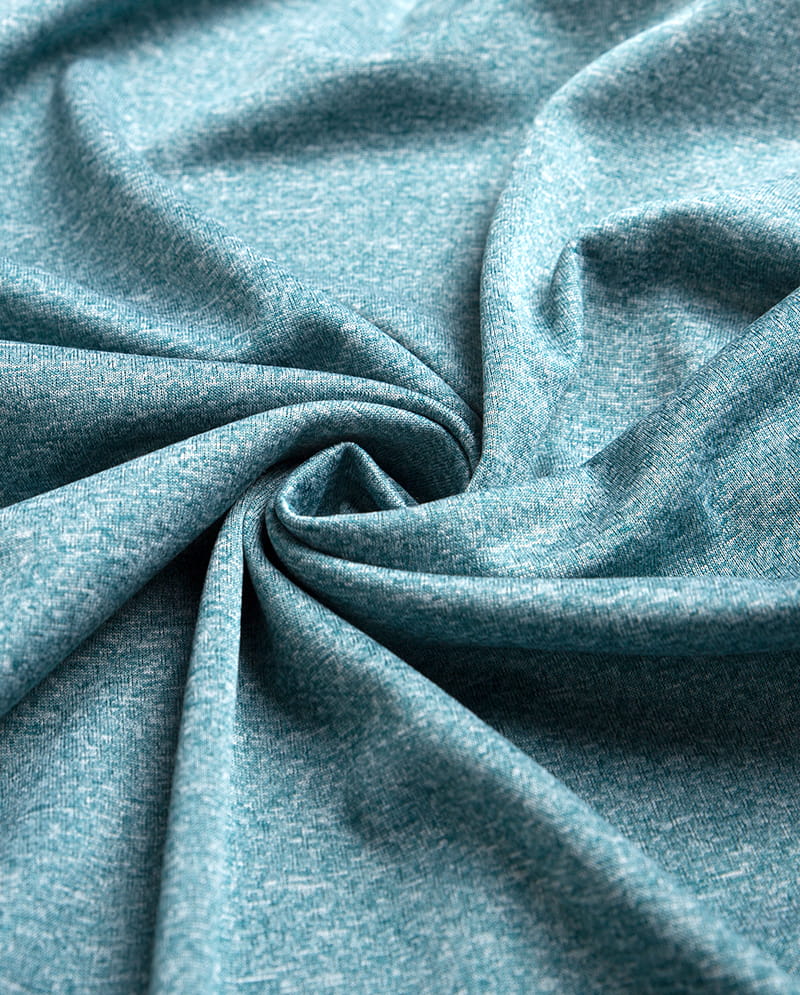
Heather Grey Double-faced cationic jersey fabric
-
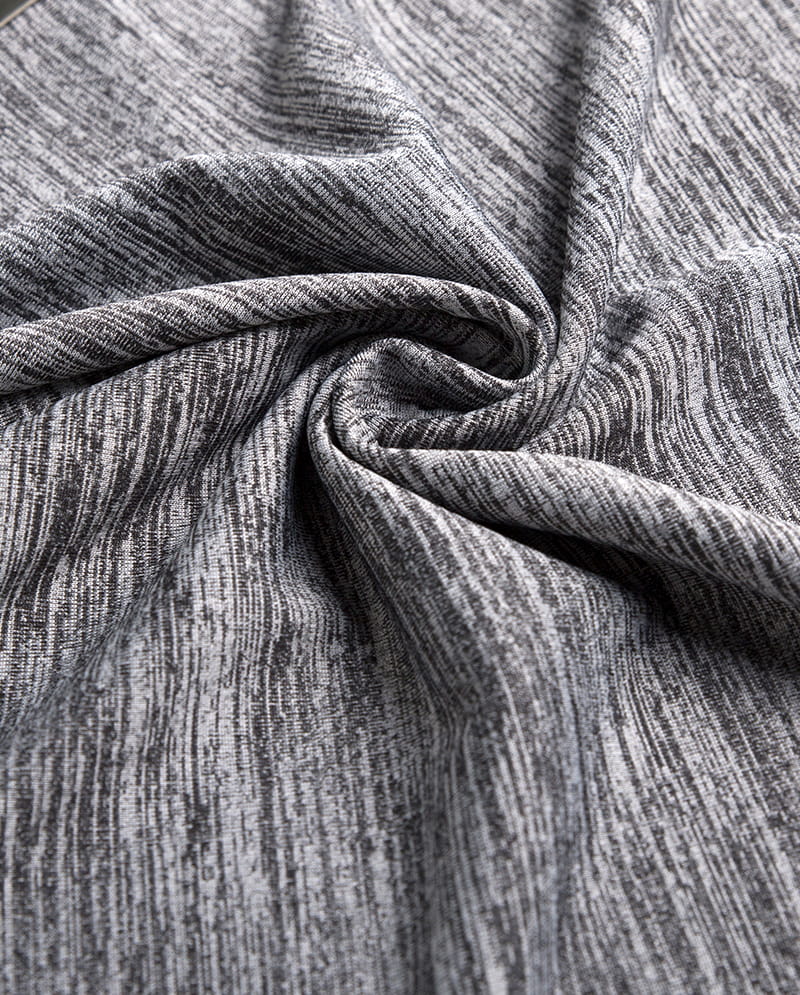
Anti-static Cationic Knitted Rib Fabric
-
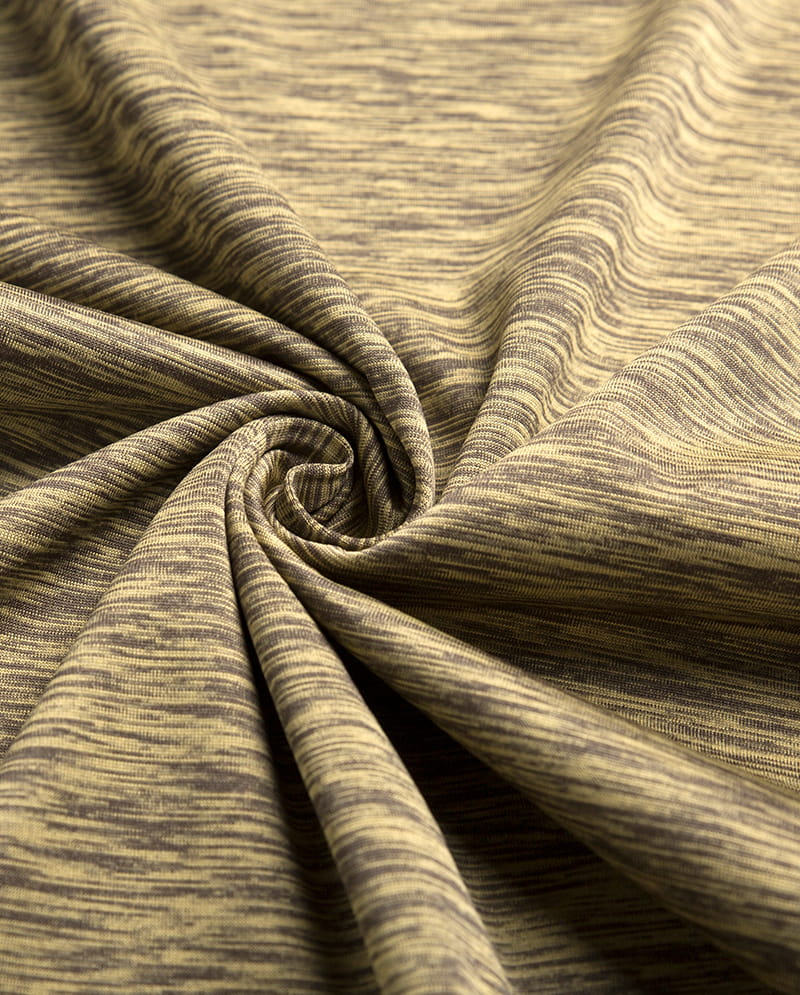
High-Stretch Cationic Jersey Fabric
-
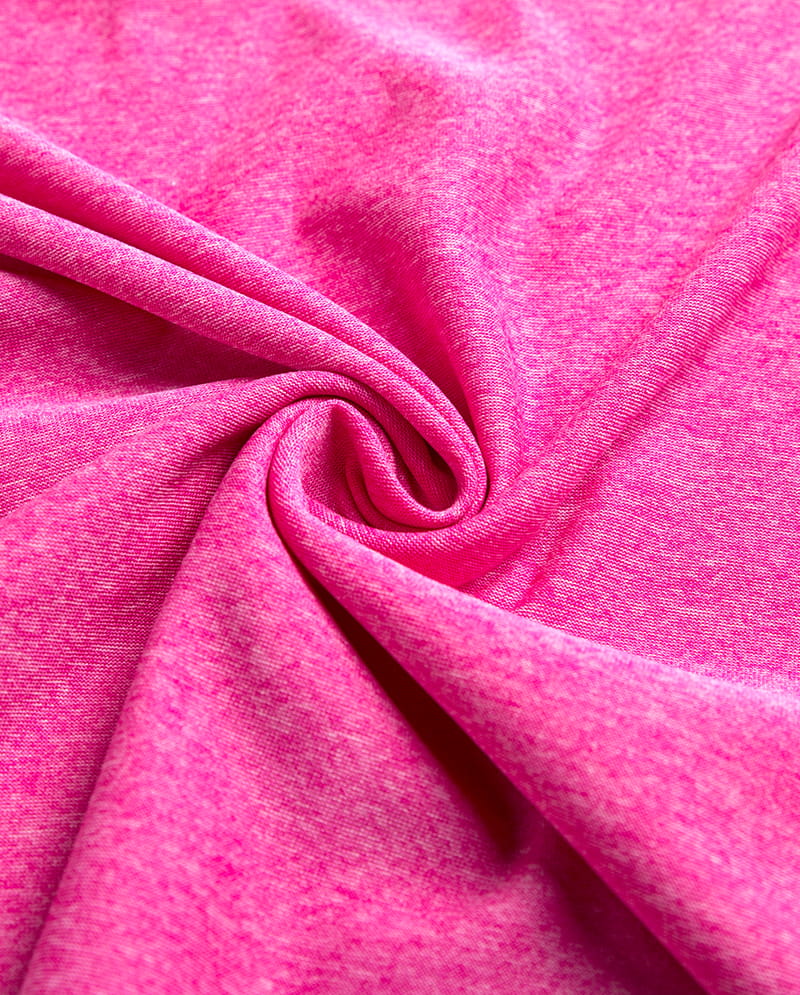
High Quality Cationic DTY Spandex Two Sides Brush Dralon Knit Fabric for Garment Thermal Underwear
-
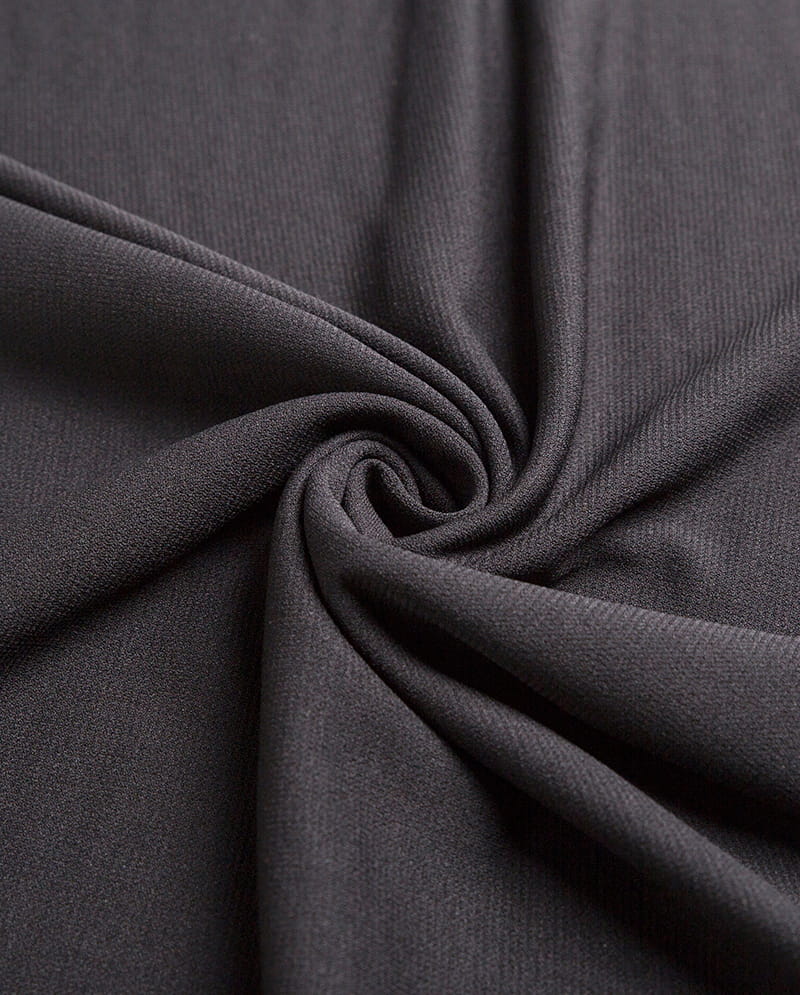
Durable Anti-Pilling Knitted Fabric for Home Textiles
-
Wash-Resistant Cationic Elastic Knitted Fabric for Garment Industry
-
Breathable Double-Faced Elastic Composite Fabric
-
-
-
- whatsapp:
- 0086-13962559622
-
- skype:
- skype.aliceshenghong
-
- Wechat:


COPYRIGHT © 2016 Suzhou Junhui Textile Co., Ltd.
