

 EN
EN English
 中文简体
中文简体What Is Yarn Made Out Of? Fibers, Materials & Production Guide
Content
Yarn is primarily made from natural fibers (wool, cotton, silk, linen), synthetic fibers (acrylic, polyester, nylon), or blends of both. The specific composition determines the yarn's texture, durability, warmth, and care requirements. Understanding what yarn contains helps crafters select the right material for their projects and ensures proper garment care.
Natural Fibers Used in Yarn
Animal-Based Fibers
Animal fibers are protein-based materials known for their warmth and elasticity. Wool accounts for approximately 40% of all natural yarn production globally, making it the most common animal fiber in yarn manufacturing.
- Sheep wool: The most widely used yarn fiber, offering excellent insulation and moisture-wicking properties with crimp that creates air pockets for warmth
- Alpaca: Warmer than sheep wool and hypoallergenic, containing no lanolin, with a silky texture
- Cashmere: Obtained from cashmere goats, producing ultra-soft fibers that are 8 times warmer than sheep wool
- Mohair: From angora goats, providing lustrous, durable fibers with excellent dye absorption
- Silk: Produced by silkworms, creating the strongest natural fiber with a distinctive sheen and smooth texture
Plant-Based Fibers
Plant fibers are cellulose-based and generally provide breathability and structure. Cotton represents about 25% of global yarn fiber consumption, second only to wool among natural materials.
- Cotton: Soft, breathable, and absorbent fibers from cotton plant seed pods, ideal for warm-weather garments
- Linen: Derived from flax plants, producing strong, cool fibers that soften with washing
- Bamboo: Processed from bamboo plants into soft, antibacterial fibers with natural moisture-wicking capabilities
- Hemp: Durable, eco-friendly fibers that become softer over time while maintaining strength
Synthetic Fibers in Yarn Production
Synthetic yarns are manufactured from petroleum-based or chemically processed materials. Synthetic fibers now constitute approximately 65% of all textile fiber production worldwide, including yarns for knitting and crocheting.
| Fiber Type | Primary Material | Key Properties | Common Uses |
|---|---|---|---|
| Acrylic | Polyacrylonitrile | Wool-like, lightweight, affordable | Blankets, sweaters, craft projects |
| Polyester | Polyethylene terephthalate | Strong, wrinkle-resistant, quick-drying | Activewear, durable garments |
| Nylon | Polyamide | Extremely strong, elastic, abrasion-resistant | Socks, reinforcement in blends |
| Rayon | Regenerated cellulose | Silky, breathable, drapes well | Summer garments, decorative items |
Synthetic fibers offer advantages including lower cost (typically 30-50% less expensive than comparable natural fibers), consistent quality, easier care requirements, and resistance to moths and mildew.
Blended Yarn Compositions
Blended yarns combine two or more fiber types to optimize performance characteristics. Approximately 30% of commercial yarns are blends, designed to balance the benefits of different materials while minimizing individual fiber drawbacks.
Popular Blend Combinations
- Wool-acrylic blends (50/50 to 80/20): Combines wool's warmth with acrylic's affordability and easy care, reducing shrinkage and pilling
- Cotton-polyester blends (60/40 typical): Merges cotton's breathability with polyester's durability and wrinkle resistance
- Wool-nylon blends (typically 75/25): Enhances wool's durability, particularly for socks where nylon adds up to 40% more wear resistance
- Silk-wool blends: Provides luxury softness with improved elasticity and shape retention
- Cotton-bamboo blends: Offers enhanced softness and antibacterial properties while maintaining breathability
How Fibers Become Yarn
The transformation from raw fiber to finished yarn involves several manufacturing stages that align and twist fibers into continuous strands.
Processing Steps
- Cleaning and preparation: Raw fibers are washed, cleaned, and sometimes dyed before processing
- Carding: Fibers are brushed and aligned using cylindrical drums with fine wire teeth, creating a loose web
- Combing (for worsted yarns): Additional straightening removes short fibers, producing smoother, stronger yarn
- Drawing: Fiber strands are pulled and attenuated to achieve uniform thickness
- Spinning: Fibers are twisted together under tension to create yarn, with twist rates ranging from 3 to 30 twists per inch depending on desired characteristics
- Plying (optional): Multiple single strands are twisted together for added strength and texture variation
The degree of twist, direction of twist (S-twist or Z-twist), and number of plies significantly affect the final yarn's appearance, strength, and hand feel.
Specialty and Novelty Yarn Materials
Beyond standard fibers, specialty yarns incorporate unique materials for distinctive textures and effects.
- Metallic yarns: Contain thin metal strips or metallized plastic films for sparkle and shine
- Chenille: Made with a pile-weave construction creating velvety texture using cotton, rayon, or synthetic cores
- Boucle: Features loops created from plying yarns at different tensions, typically using wool or acrylic
- Ribbon yarns: Flat, tape-like construction from various fiber blends
- Eyelash yarns: Core fibers with long, loose strands extending outward, creating fuzzy texture
- Recycled fiber yarns: Manufactured from reclaimed textiles or plastic bottles, with recycled polyester reducing energy consumption by up to 59% compared to virgin polyester
Choosing Yarn Based on Fiber Content
Selecting appropriate yarn depends on project requirements, wearing conditions, and care preferences.
Fiber Selection Guidelines
For warmth and insulation: Choose wool, alpaca, or cashmere. These fibers trap air effectively, with merino wool regulating temperature across a range of 50°F (10°C).
For summer garments: Select cotton, linen, or bamboo for breathability and moisture absorption. Cotton can absorb up to 27 times its weight in water.
For durability: Opt for nylon blends or 100% acrylic, especially for items requiring frequent washing like dishcloths or children's clothing.
For sensitive skin: Consider hypoallergenic options like alpaca, silk, or bamboo, which lack the lanolin that can irritate some individuals.
For easy care: Choose acrylic or acrylic-blend yarns that are machine washable and resist shrinking, requiring 50% less care time than natural wool alternatives.
For luxury items: Select cashmere, silk, or high-quality merino wool for softness and premium hand feel.
Environmental Considerations of Yarn Materials
The environmental impact of DTY yarn production varies significantly by fiber type, influencing sustainable crafting choices.
Natural fiber impacts: Wool and cotton are biodegradable but require significant land and water resources. Cotton production uses approximately 2,700 liters of water per single t-shirt's worth of fabric. Organic and sustainably farmed options reduce pesticide use and environmental degradation.
Synthetic fiber impacts: Petroleum-based synthetics are not biodegradable and contribute to microplastic pollution, with washing synthetic garments releasing up to 700,000 microfibers per wash cycle. However, they require less water during production and recycled versions significantly reduce virgin material consumption.
Sustainable alternatives: Recycled fibers, organic certification, bamboo (when processed through closed-loop systems), and Tencel (lyocell) offer reduced environmental footprints. Choosing locally sourced fibers also minimizes transportation emissions.
Popular products
-
Premium Cationic Interlock Stretch Comfort Fabric
-
Moisture-Wicking Nylon Woven Fabric
-
Double-faced jacquard elastic fabric
-
Heather Grey Double-faced cationic jersey fabric
-
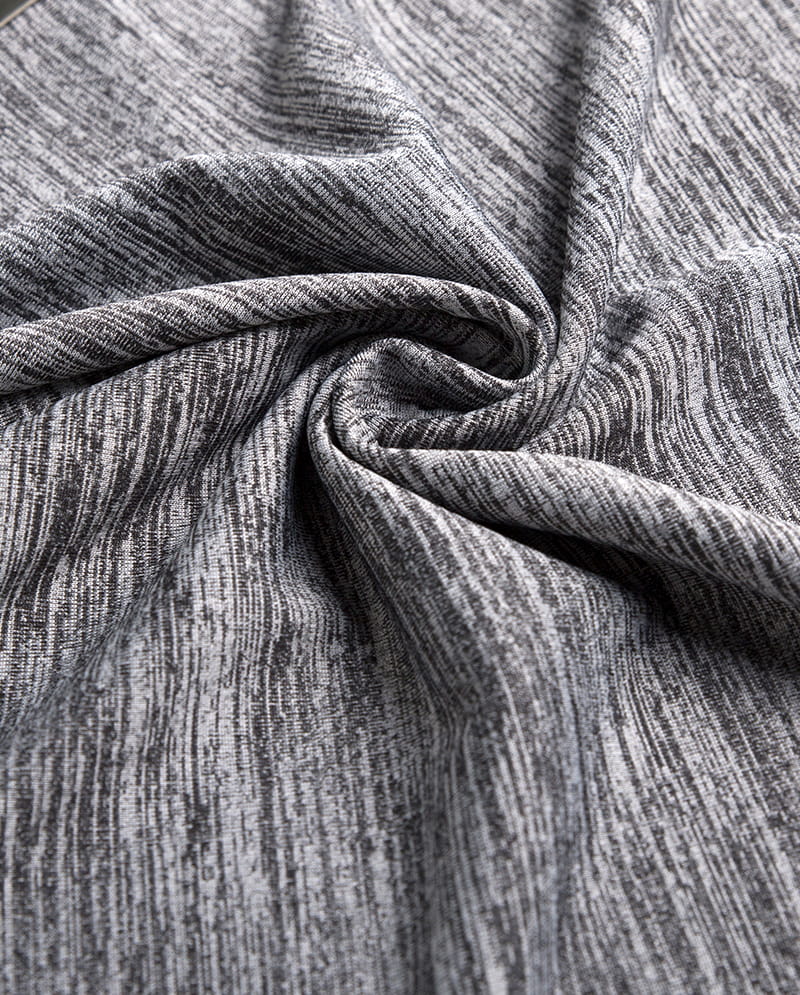
Anti-static Cationic Knitted Rib Fabric
-
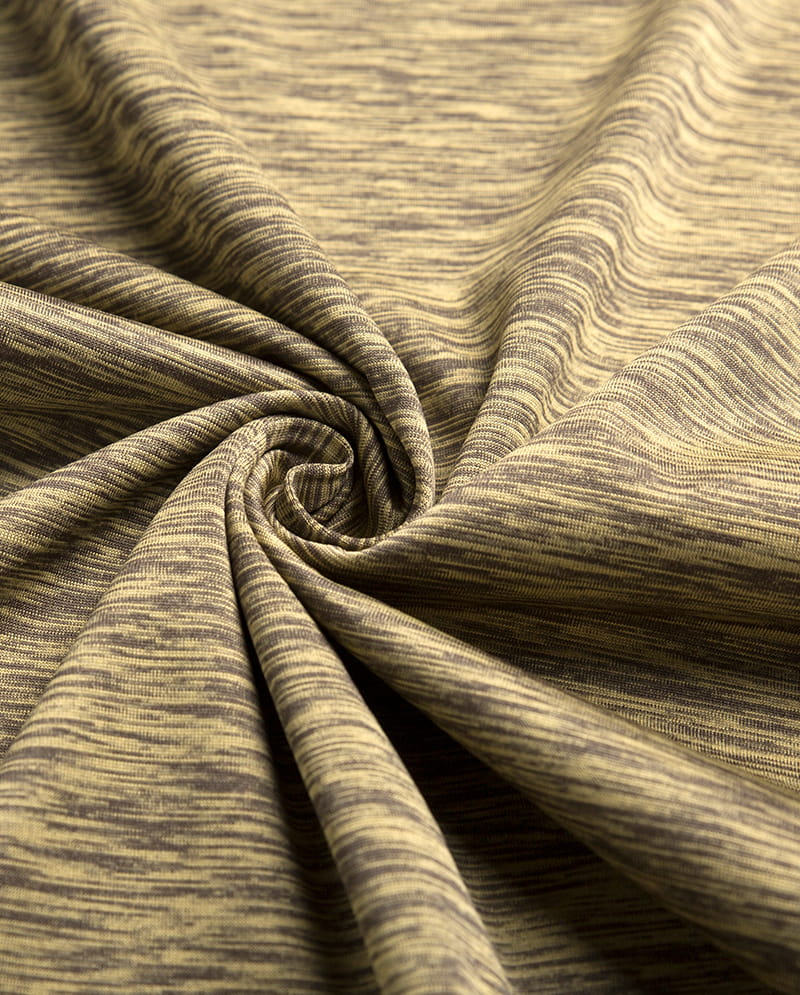
High-Stretch Cationic Jersey Fabric
-
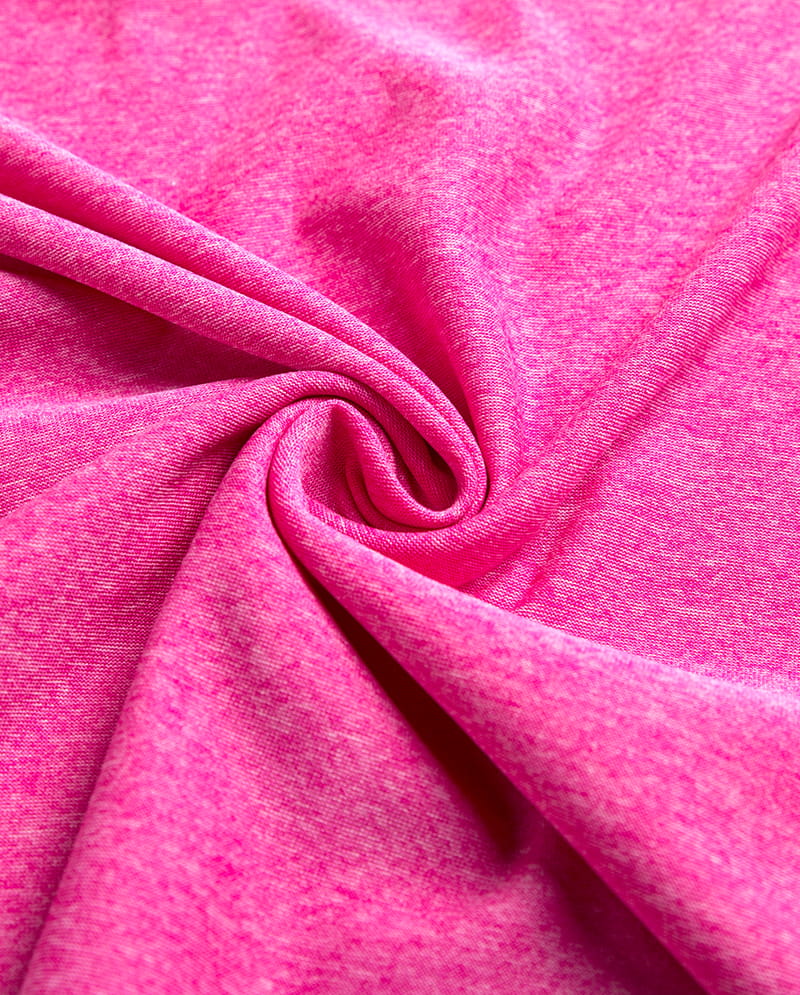
High Quality Cationic DTY Spandex Two Sides Brush Dralon Knit Fabric for Garment Thermal Underwear
-
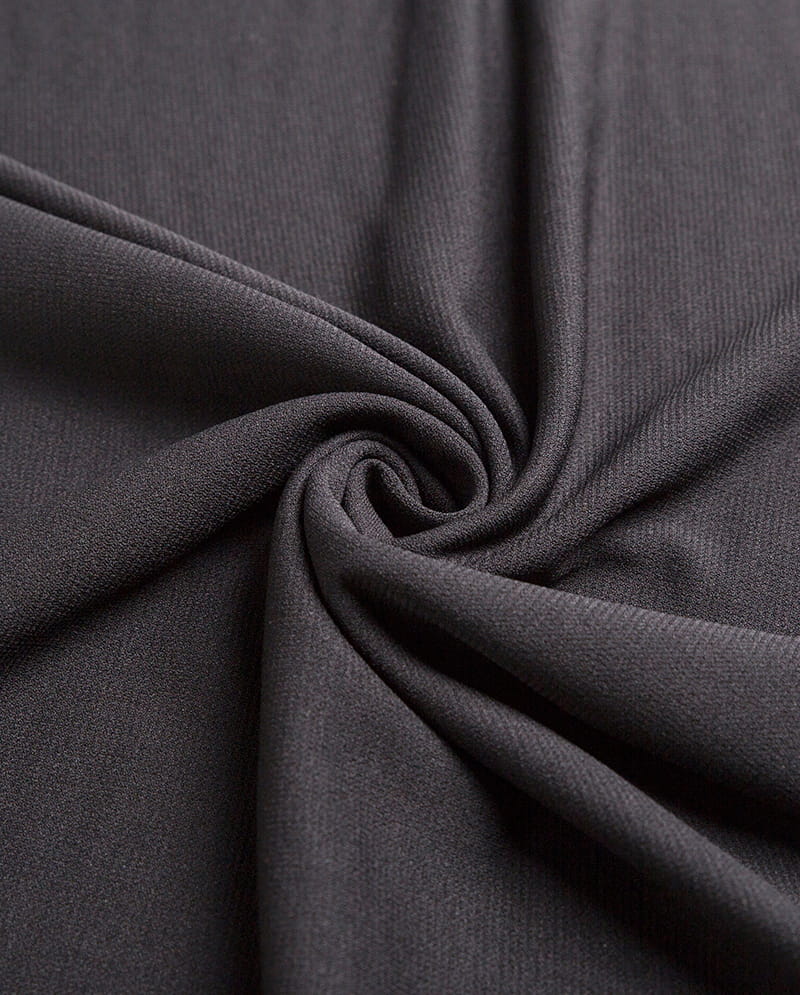
Durable Anti-Pilling Knitted Fabric for Home Textiles
-
Wash-Resistant Cationic Elastic Knitted Fabric for Garment Industry
-
Breathable Double-Faced Elastic Composite Fabric
-
-
-
- whatsapp:
- 0086-13962559622
-
- skype:
- skype.aliceshenghong
-
- Wechat:

COPYRIGHT © 2016 Suzhou Junhui Textile Co., Ltd.
