

 EN
EN English
 中文简体
中文简体What Is DTY Yarn? A Complete Practical Guide to Draw Textured Yarn Uses, Benefits, and Manufacturing
Content
- 1 What Is DTY Yarn and Why It Matters in the Textile Industry
- 2 How DTY Yarn Is Manufactured: Step-by-Step Process
- 3 Key Properties of DTY Yarn That Improve Fabric Performance
- 4 DTY vs FDY vs POY: Understanding the Differences
- 5 Major Applications of DTY Yarn in Everyday Products
- 6 Advantages of Using Polyester DTY Yarn
- 7 How to Choose Quality DTY Yarn for Your Textile Projects
- 8 Future Trends in the DTY Yarn Market
- 9 Care Tips to Extend the Life of DTY-Based Fabrics
What Is DTY Yarn and Why It Matters in the Textile Industry
DTY yarn, short for Draw Textured Yarn, is a type of polyester yarn widely used in modern textile manufacturing. It is produced by drawing and texturizing partially oriented yarn (POY) to create a soft, elastic, and voluminous fiber. This transformation improves comfort, durability, and appearance, making DTY yarn essential in clothing, upholstery, and industrial fabrics.
The high demand for polyester DTY yarn comes from its ability to mimic natural fibers while offering superior strength, moisture resistance, and affordability. As global textile production grows, DTY remains a cornerstone material in both fashion and technical fabrics.
How DTY Yarn Is Manufactured: Step-by-Step Process
The DTY yarn manufacturing process involves drawing and texturizing polyester POY using heat and mechanical twisting techniques. This enhances elasticity and bulk while stabilizing the fiber structure.
- POY feeding into texturizing machine
- Stretching and drawing to align polymer chains
- Heat setting for shape retention
- False twisting for bulk and texture
- Cooling and winding onto spools
This controlled process produces yarn with consistent crimp, softness, and resilience, ideal for woven and knitted fabrics.
Key Properties of DTY Yarn That Improve Fabric Performance
Elasticity and Comfort
DTY yarn stretches easily and recovers quickly, making garments flexible and comfortable for daily wear and sportswear.
Durability and Strength
Polyester DTY resists tearing, abrasion, and repeated washing, extending garment life and reducing maintenance costs.
Bulk and Soft Texture
The textured surface traps air, adding volume and warmth without increasing weight, perfect for sweaters and blankets.
DTY vs FDY vs POY: Understanding the Differences
Choosing the right polyester yarn depends on application needs. Below is a clear comparison between DTY yarn, FDY (Fully Drawn Yarn), and POY.
| Yarn Type | Texture | Elasticity | Common Uses |
| DTY Yarn | Textured & bulky | High | Clothing, upholstery, knits |
| FDY Yarn | Smooth & flat | Low | Silk-like fabrics, linings |
| POY | Semi-oriented | Medium | Raw material for DTY/FDY |
Major Applications of DTY Yarn in Everyday Products
DTY yarn is used across multiple textile segments due to its adaptability and cost efficiency.
- Sportswear and leggings
- Sweaters and knit garments
- Sofa covers and curtains
- Car seat fabrics
- Blankets and bed linens
Advantages of Using Polyester DTY Yarn
Manufacturers prefer DTY yarn for its performance and economic benefits.
- Lower production cost than natural fibers
- Wrinkle and shrink resistance
- Color retention after washing
- Excellent moisture control
How to Choose Quality DTY Yarn for Your Textile Projects
When sourcing DTY yarn, evaluate key quality indicators to ensure optimal fabric results.
- Uniform texture and crimp consistency
- Low breakage rate
- Proper denier and filament count
- Trusted supplier reputation
Monitoring DTY yarn price trends can also help businesses control production costs without sacrificing quality.
Future Trends in the DTY Yarn Market
The DTY yarn market is evolving with sustainable polyester, recycled fibers, and advanced texturizing technology. Brands increasingly demand eco-friendly DTY made from recycled PET bottles, reducing environmental impact while maintaining performance.
Smart fabrics and performance apparel are also driving innovation, pushing manufacturers to create lighter, more breathable, and high-stretch DTY yarn variants.
Care Tips to Extend the Life of DTY-Based Fabrics
Proper maintenance ensures DTY garments retain shape and texture for years.
- Wash in cold or warm water
- Avoid high heat drying
- Use mild detergents
- Store away from direct sunlight
Popular products
-
Premium Cationic Interlock Stretch Comfort Fabric
-
Moisture-Wicking Nylon Woven Fabric
-
Double-faced jacquard elastic fabric
-
Heather Grey Double-faced cationic jersey fabric
-
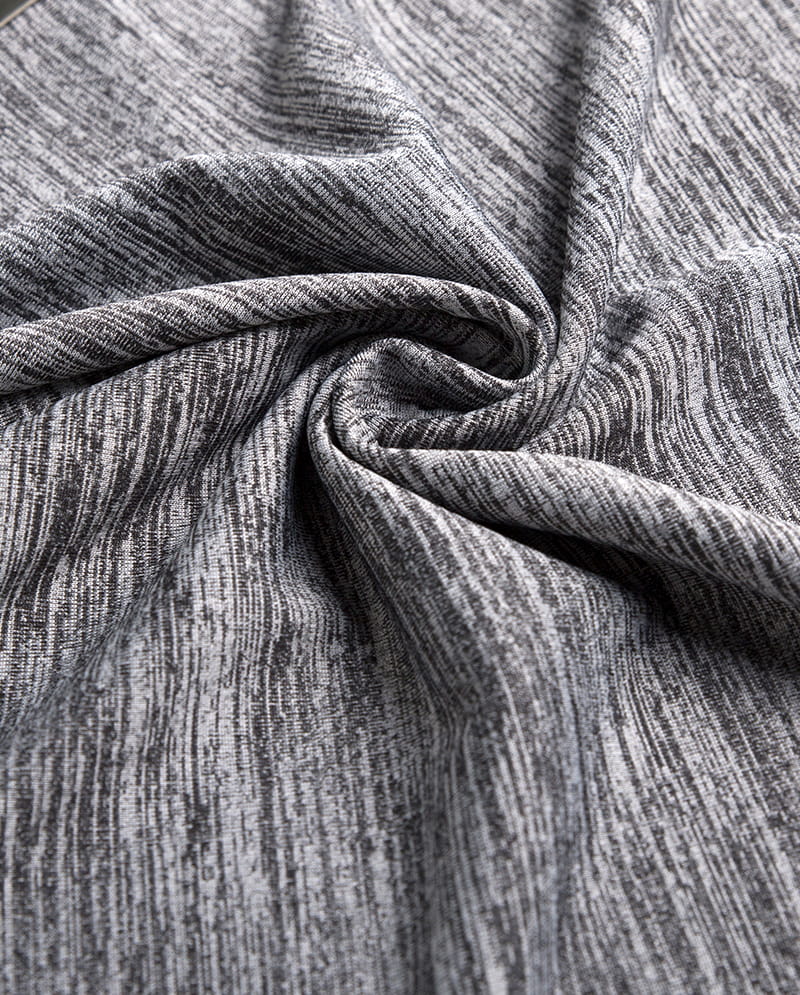
Anti-static Cationic Knitted Rib Fabric
-
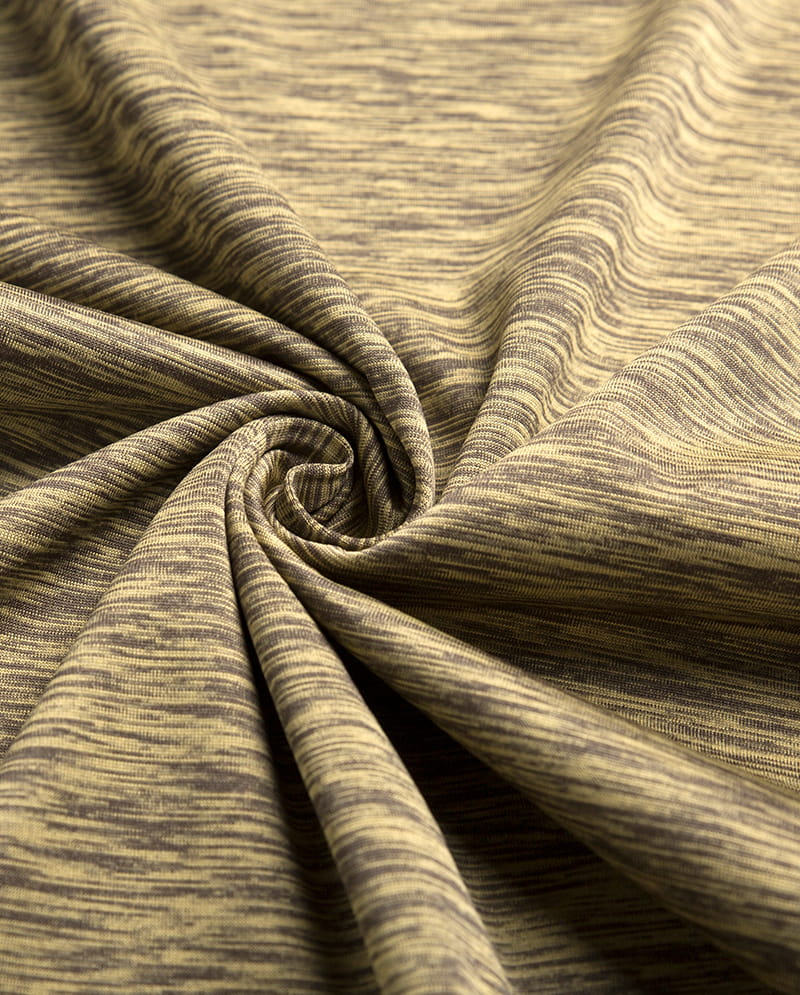
High-Stretch Cationic Jersey Fabric
-
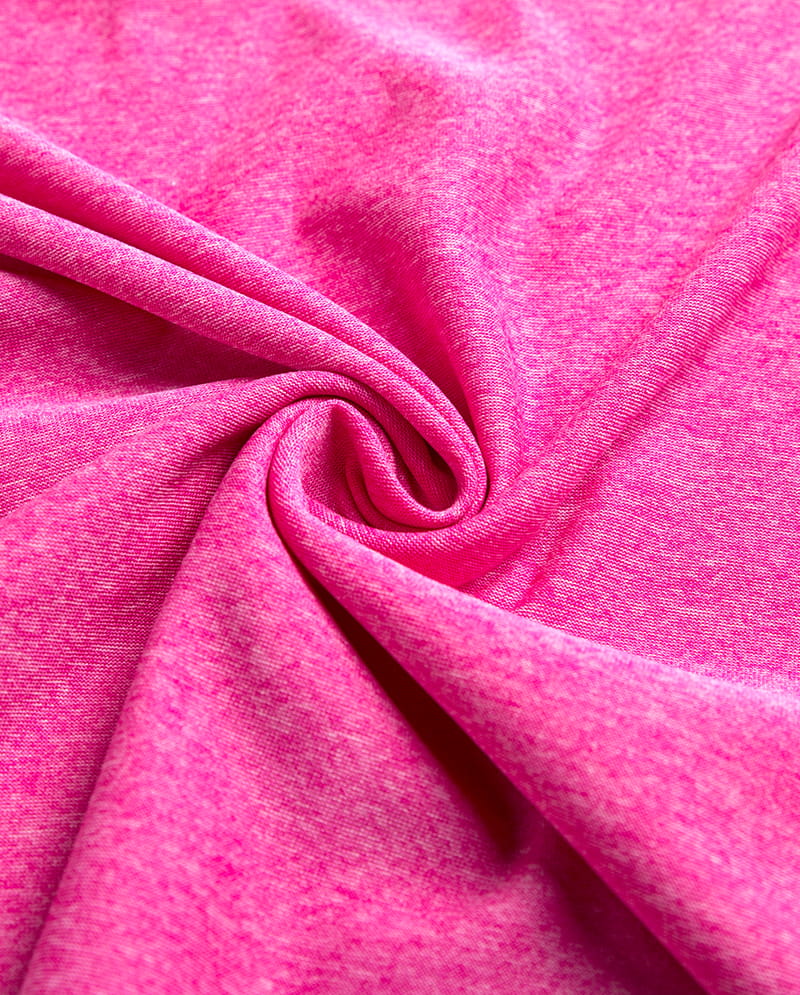
High Quality Cationic DTY Spandex Two Sides Brush Dralon Knit Fabric for Garment Thermal Underwear
-
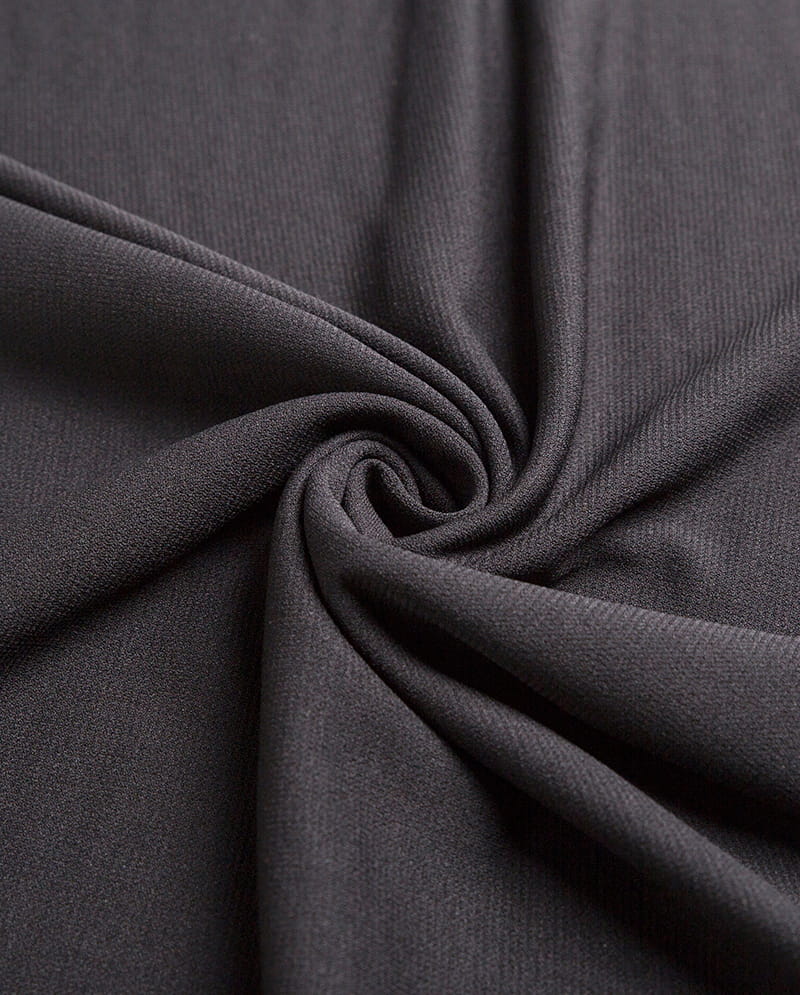
Durable Anti-Pilling Knitted Fabric for Home Textiles
-
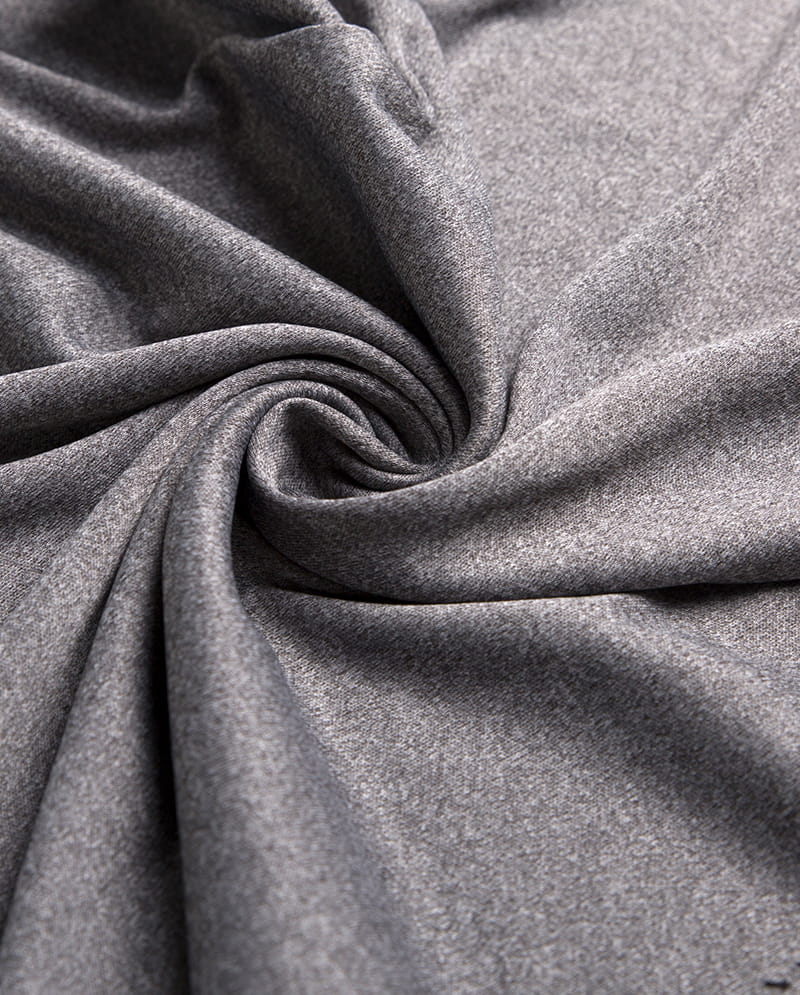
Wash-Resistant Cationic Elastic Knitted Fabric for Garment Industry
-
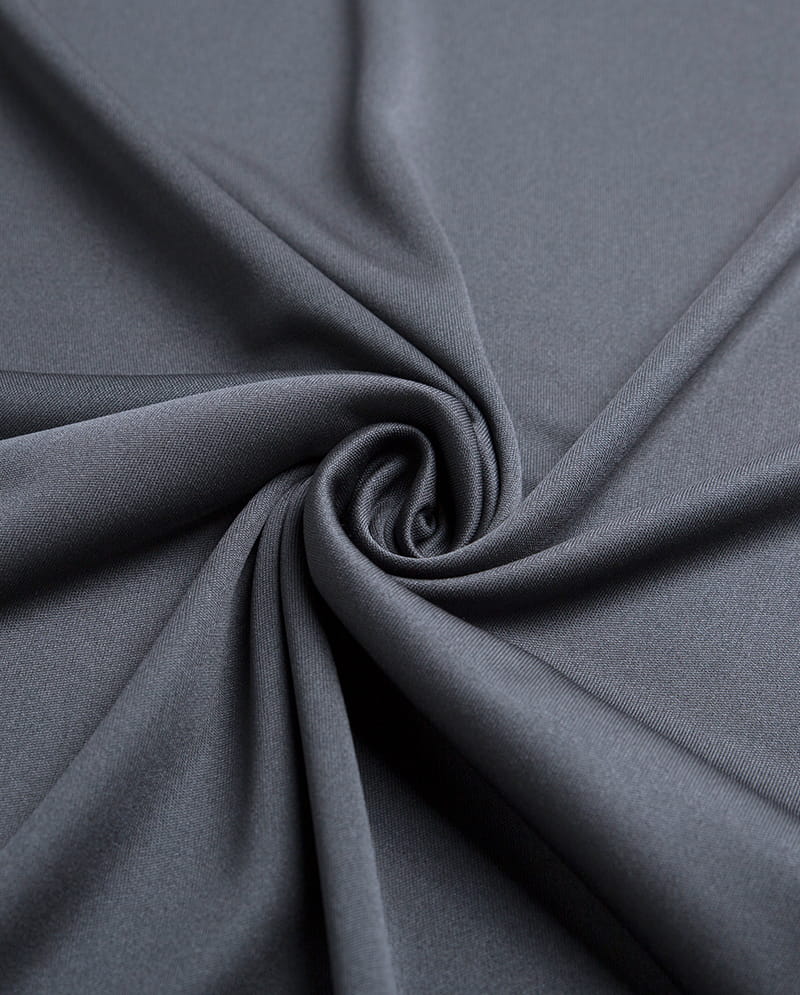
Breathable Double-Faced Elastic Composite Fabric
-
-
-
- whatsapp:
- 0086-13962559622
-
- skype:
- skype.aliceshenghong
-
- Wechat:


COPYRIGHT © 2016 Suzhou Junhui Textile Co., Ltd.
