

 EN
EN English
 中文简体
中文简体What are the Advantages of High-Elasticity Textured Yarn in Hosiery?
Content
- 1 1. Enhanced Stretch and Recovery
- 2 2. Superior Fit and Body Contouring
- 3 3. Improved Durability and Resistance to Wear
- 4 4. Better Comfort and Softness
- 5 5. Breathability and Moisture Management
- 6 6. Versatility in Design and Fashion
- 7 7. Compatibility with Blended Fabrics
- 8 8. Reduction in Product Defects
- 9 9. Cost-Effectiveness Over Time
- 10 10. Sustainability and Longevity
- 11 11. Applications in Specialized Hosiery
- 12 12. Conclusion
Hosiery is one of the most demanding textile applications when it comes to stretch, comfort, and durability. Whether it’s socks, stockings, tights, or compression wear, the fabric needs to conform closely to the body while maintaining shape, softness, and resilience over repeated use. In recent years, high-elasticity textured yarn has become a preferred material in hosiery manufacturing because of its unique properties that balance comfort, performance, and durability.
1. Enhanced Stretch and Recovery
One of the primary advantages of high-elasticity textured yarn in hosiery is its ability to provide significant stretch while maintaining excellent recovery. Stretch is crucial for hosiery because it ensures a snug fit across various body shapes without causing discomfort or sagging.
Traditional yarns, such as simple synthetic or natural fibers, may stretch to a certain extent but often lose their original shape over time. High-elasticity textured yarn, however, is engineered to extend significantly and return to its original length after use. This property makes socks, stockings, and tights more comfortable for daily wear and prolongs the lifespan of the garment.
2. Superior Fit and Body Contouring
High-elasticity textured yarn allows hosiery to conform closely to the contours of the foot, leg, or thigh. This is particularly important in compression stockings, shapewear, or fashion tights, where a uniform fit is critical for both appearance and function.
The textured structure of the yarn helps distribute tension evenly across the fabric, reducing the risk of tight spots or uneven compression. This ensures that the hosiery sits smoothly against the skin without creating discomfort, creases, or pinching.
3. Improved Durability and Resistance to Wear
Hosiery is subject to frequent friction, stretching, and abrasion. Socks, for example, experience constant rubbing against shoes and foot movement, while tights and stockings can snag easily during wear. High-elasticity textured yarn enhances the durability of hosiery by offering superior resistance to wear and deformation.
The textured structure not only provides elasticity but also strengthens the fiber, making it less prone to snapping or thinning. Hosiery made from high-elasticity textured yarn retains its shape and appearance even after multiple washes, which is a significant advantage for both consumers and manufacturers.
4. Better Comfort and Softness
Comfort is a critical consideration in hosiery, particularly for garments worn directly against the skin. High-elasticity textured yarn provides a soft and smooth texture, reducing irritation and enhancing the overall wearing experience.
Unlike some high-stretch synthetic fibers that can feel stiff or rough, the textured construction allows for a softer hand feel. This makes it suitable for sensitive skin areas, especially around the ankles, calves, and thighs. The softness also contributes to a more luxurious feel, which is important in premium hosiery.
5. Breathability and Moisture Management
Modern hosiery is expected to manage moisture effectively, keeping feet and legs dry during daily activities. High-elasticity textured yarn contributes to improved breathability because of its unique structure. The texturing process creates small air pockets within the yarn, which allows better airflow and ventilation.
This helps regulate temperature and reduces sweat accumulation, which is particularly valuable in sports socks, running tights, and compression hosiery. The combination of stretch, softness, and breathability makes high-elasticity textured yarn a versatile material for all-day comfort.
6. Versatility in Design and Fashion
Hosiery is not only functional but also a fashion statement. Designers often require yarn that can accommodate intricate patterns, textures, and colors while maintaining performance. High-elasticity textured yarn is ideal for this purpose because it can be produced in a wide range of thicknesses, textures, and finishes.
Its stretchability allows for creative design elements such as ribbing, lace patterns, and embossed textures without compromising fit or durability. Moreover, the yarn’s ability to retain shape ensures that these designs remain consistent even after prolonged wear.
7. Compatibility with Blended Fabrics
High-elasticity textured yarn can be easily blended with other fibers, such as cotton, nylon, polyester, or natural fibers. This versatility allows manufacturers to create hosiery that balances elasticity with other desired properties, such as softness, moisture absorption, or thermal insulation.
For example, a sock made with a cotton and high-elasticity textured yarn blend can offer both breathability and stretch, while a nylon blend provides a sleek appearance and additional strength. The blending capability expands the range of hosiery products that can benefit from this yarn.
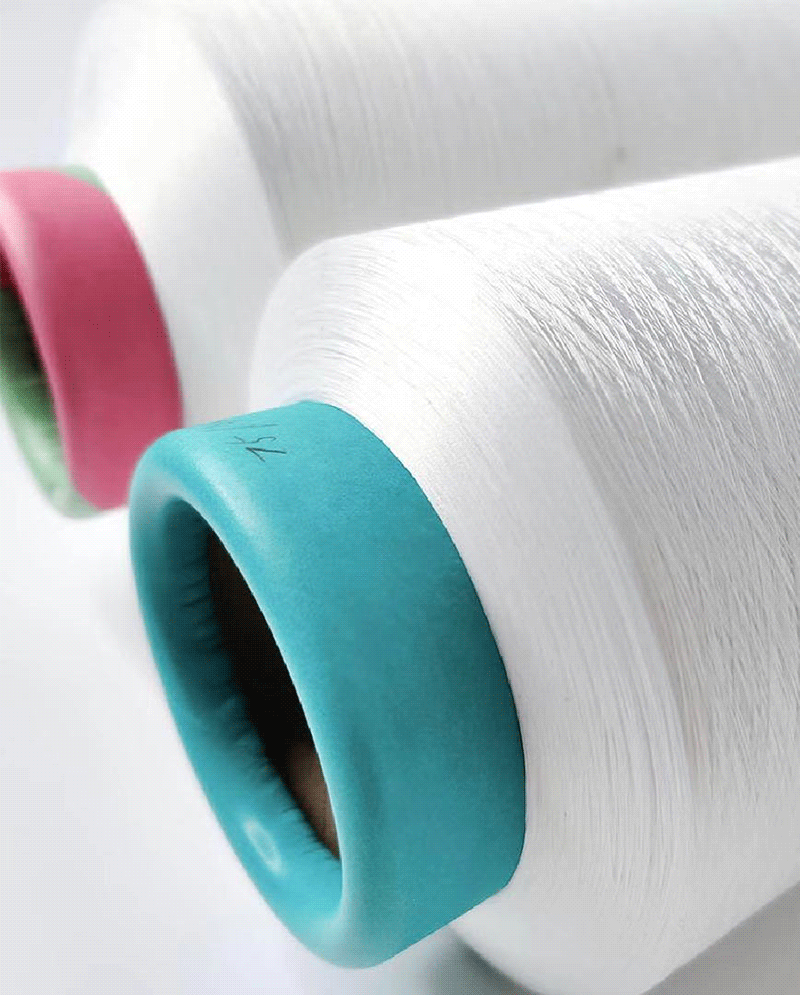
8. Reduction in Product Defects
Hosiery manufacturing often encounters challenges such as uneven tension, fabric sagging, or garment deformation. High-elasticity textured yarn reduces the likelihood of these defects due to its stable stretch and recovery properties.
During knitting or weaving, the yarn maintains consistent tension, resulting in uniform fabric with fewer imperfections. This is especially important in large-scale production, where minimizing waste and improving quality control are essential for efficiency and cost-effectiveness.
9. Cost-Effectiveness Over Time
While high-elasticity textured yarn may initially cost more than traditional yarns, it offers long-term cost advantages. Its durability, shape retention, and resistance to wear reduce the need for frequent replacement of hosiery products. Additionally, the consistent performance during manufacturing reduces waste and rework, further improving cost efficiency for producers.
Consumers also benefit from longer-lasting hosiery that maintains its comfort and appearance, making it a worthwhile investment despite slightly higher upfront costs.
10. Sustainability and Longevity
Sustainability is becoming increasingly important in the textile industry. High-elasticity textured yarn contributes indirectly to sustainability by extending the lifespan of hosiery products, thereby reducing overall material consumption and waste.
Some manufacturers are also producing high-elasticity textured yarn using recycled or partially recycled fibers, further enhancing the environmental benefits. By combining performance and longevity, hosiery made from this yarn aligns well with modern sustainable fashion principles.
11. Applications in Specialized Hosiery
High-elasticity textured yarn is not limited to everyday hosiery; it is also highly suitable for specialized applications:
- Compression stockings: Provide consistent pressure to improve circulation and support medical therapy.
- Athletic socks and tights: Offer enhanced stretch, moisture management, and durability during intense activity.
- Fashion hosiery: Allow intricate designs and patterns without compromising fit or comfort.
- Shapewear and legwear: Provide controlled compression and contouring for a flattering silhouette.
The versatility of high-elasticity textured yarn allows it to meet a broad spectrum of consumer needs, from functional to aesthetic.
12. Conclusion
High-elasticity textured yarn has transformed hosiery production by combining stretch, comfort, durability, and design versatility. Its ability to provide superior fit, resilience, and softness makes it a reliable material for socks, stockings, tights, and compression garments. Additionally, its compatibility with blends and patterns, along with long-term cost-effectiveness and sustainability, further cements its value in the textile industry.
For manufacturers, high-elasticity textured yarn ensures consistent quality, reduced defects, and versatility in design. For consumers, it offers comfortable, durable, and stylish hosiery that maintains performance over time.
In essence, high-elasticity textured yarn bridges the gap between functionality and fashion, making it an essential component in modern hosiery.
Popular products
-
Premium Cationic Interlock Stretch Comfort Fabric
-
Moisture-Wicking Nylon Woven Fabric
-
Double-faced jacquard elastic fabric
-
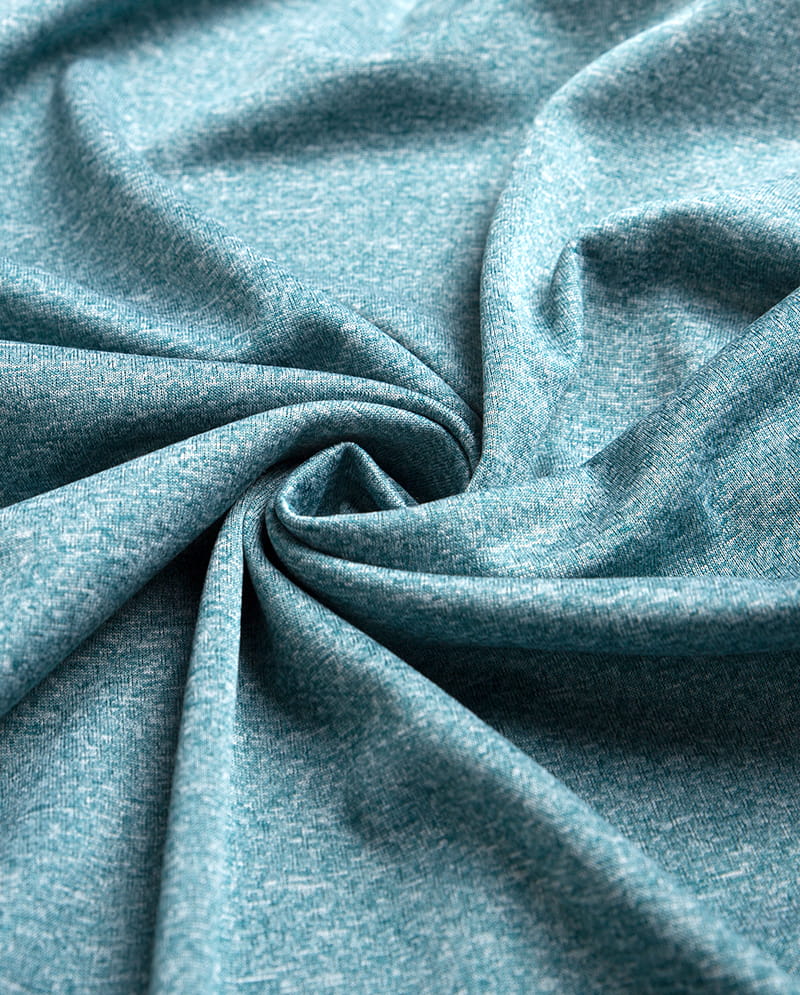
Heather Grey Double-faced cationic jersey fabric
-
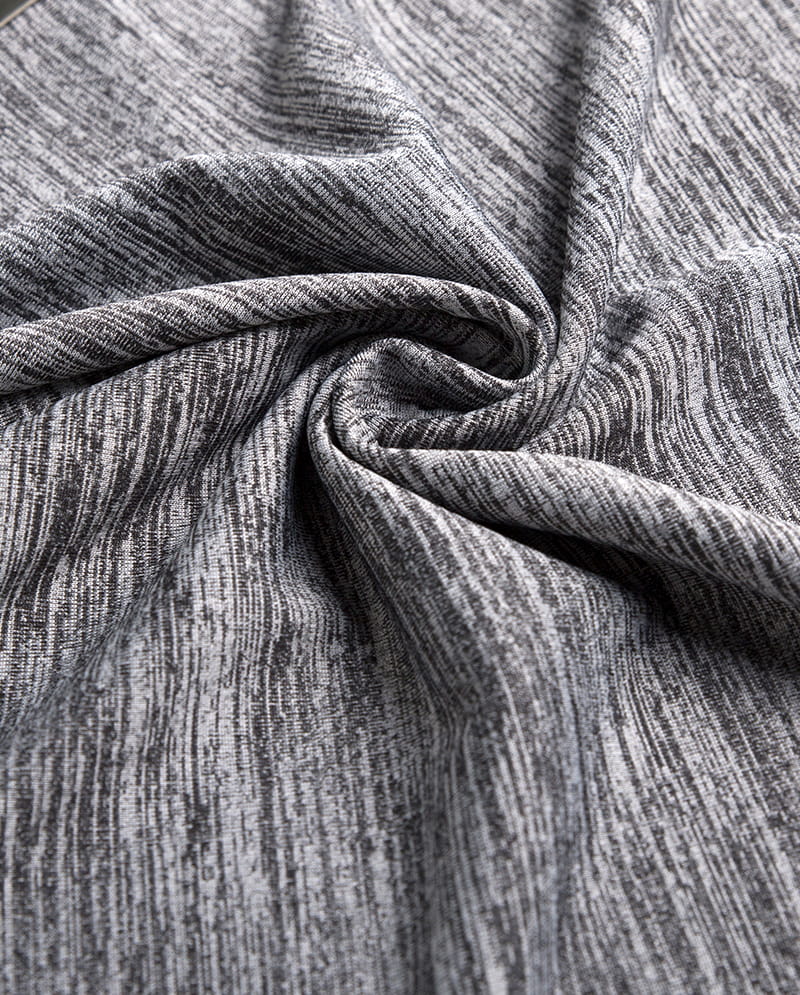
Anti-static Cationic Knitted Rib Fabric
-
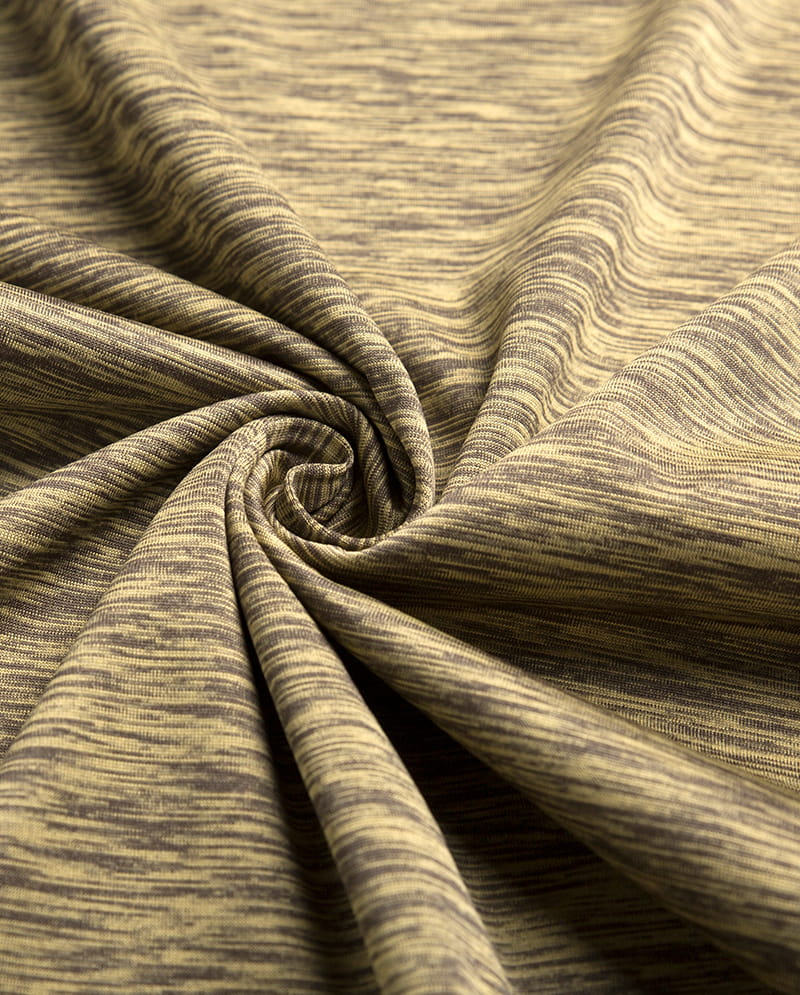
High-Stretch Cationic Jersey Fabric
-
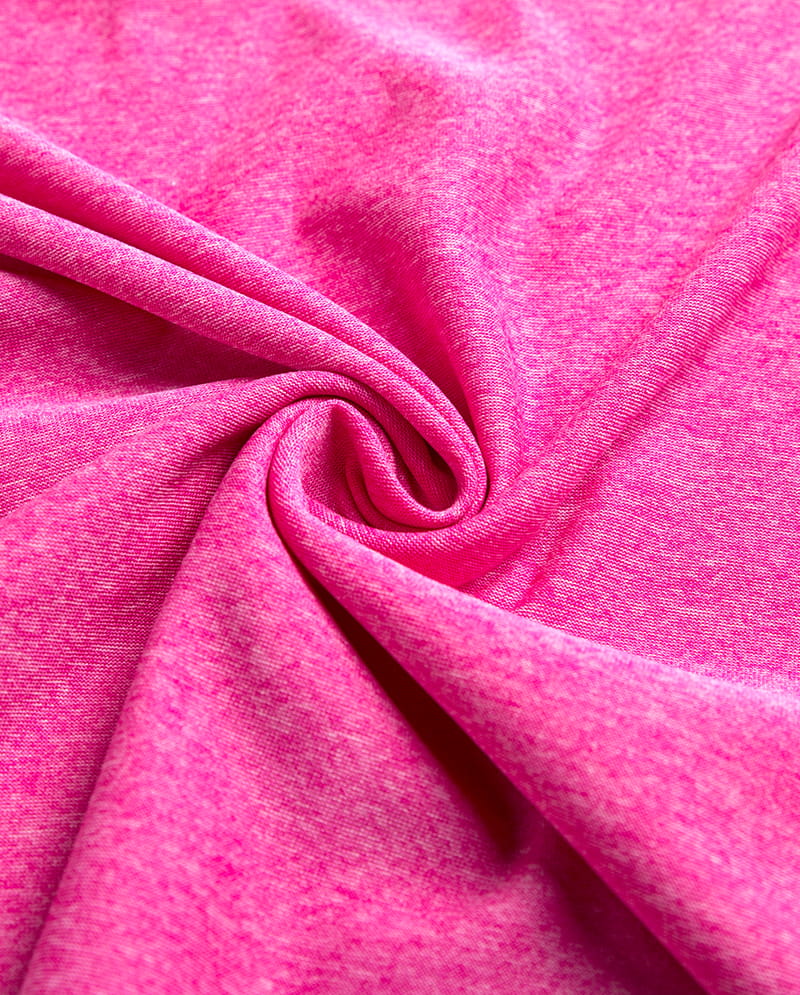
High Quality Cationic DTY Spandex Two Sides Brush Dralon Knit Fabric for Garment Thermal Underwear
-
Durable Anti-Pilling Knitted Fabric for Home Textiles
-
Wash-Resistant Cationic Elastic Knitted Fabric for Garment Industry
-
Breathable Double-Faced Elastic Composite Fabric
-
-
-
- whatsapp:
- 0086-13962559622
-
- skype:
- skype.aliceshenghong
-
- Wechat:


COPYRIGHT © 2016 Suzhou Junhui Textile Co., Ltd.
