

 EN
EN English
 中文简体
中文简体Wash-Resistant Cationic Elastic Knitted Fabric for Durable Garments
Content
- 1 Product Overview
- 2 Why Wash Resistance Matters in Garment Manufacturing
- 3 Advantages Over Conventional Knitted Fabrics
- 4 Core Performance Benefits
- 5 Performance Summary Table
- 6 Cationic Polyester and Color Durability
- 7 Elasticity, Recovery, and Fit Stability
- 8 Comfort for Active and Everyday Wear
- 9 Abrasion Resistance and Anti-Pilling Value
- 10 Advanced Manufacturing Capabilities Behind the Fabric
- 11 Yarn Platform and Differentiation Strength
- 12 Knitting Process Considerations
- 13 Dyeing and Finishing Excellence
- 14 Quality Control and Consistency
- 15 Applications in Activewear
- 16 Applications in Loungewear and Casual Fashion
- 17 Applications in Thermal Underwear and Seasonal Apparel
- 18 Competitor Comparison
- 19 Benefits for Apparel Brands and Garment Factories
- 20 Customization Potential
- 21 Sustainability and Long Product Life
- 22 International Market Readiness
- 23 How to Select the Right Version for a Garment Program
- 24 Care and Handling Recommendations
- 25 Q&A Section
- 25.1 What is wash-resistant cationic elastic knitted fabric?
- 25.2 Which garments are best suited for this fabric?
- 25.3 How does cationic dyeing improve the fabric?
- 25.4 Why is four-way stretch important?
- 25.5 Does the fabric recover after stretching?
- 25.6 Is the fabric comfortable for all-day wear?
- 25.7 How does this fabric compare with cotton knit fabric?
- 25.8 How does this fabric compare with ordinary polyester knit?
- 25.9 Can the fabric be customized?
- 25.10 What manufacturing strengths support this fabric?
- 25.11 Why should apparel brands choose this fabric?
- 26 Conclusion
- 27 References
Modern garment development increasingly depends on fabrics that combine appearance, comfort, performance, and long service life. Wash-resistant cationic elastic knitted fabric is designed to meet this demand by bringing together cationic polyester dyeing performance, four-way stretch, breathable comfort, quick-dry behavior, and dependable shape retention. For apparel brands, manufacturers, and sourcing teams, this fabric offers a practical solution for garments that must look new after repeated washing while maintaining a comfortable fit during daily movement.
The fabric is especially suitable for activewear, yoga leggings, sports jerseys, casual tops, fitted garments, loungewear, thermal underwear, and season-spanning apparel collections. Its value comes not only from a single feature, but from the balance between color durability, elastic recovery, soft hand feel, abrasion resistance, and anti-pilling performance. In competitive garment markets, where consumers expect clothes to remain vibrant, smooth, and comfortable after many laundering cycles, this knitted fabric provides an advantage over ordinary polyester knits and conventional elastic fabrics that may fade, deform, or pill too quickly.
Product Overview
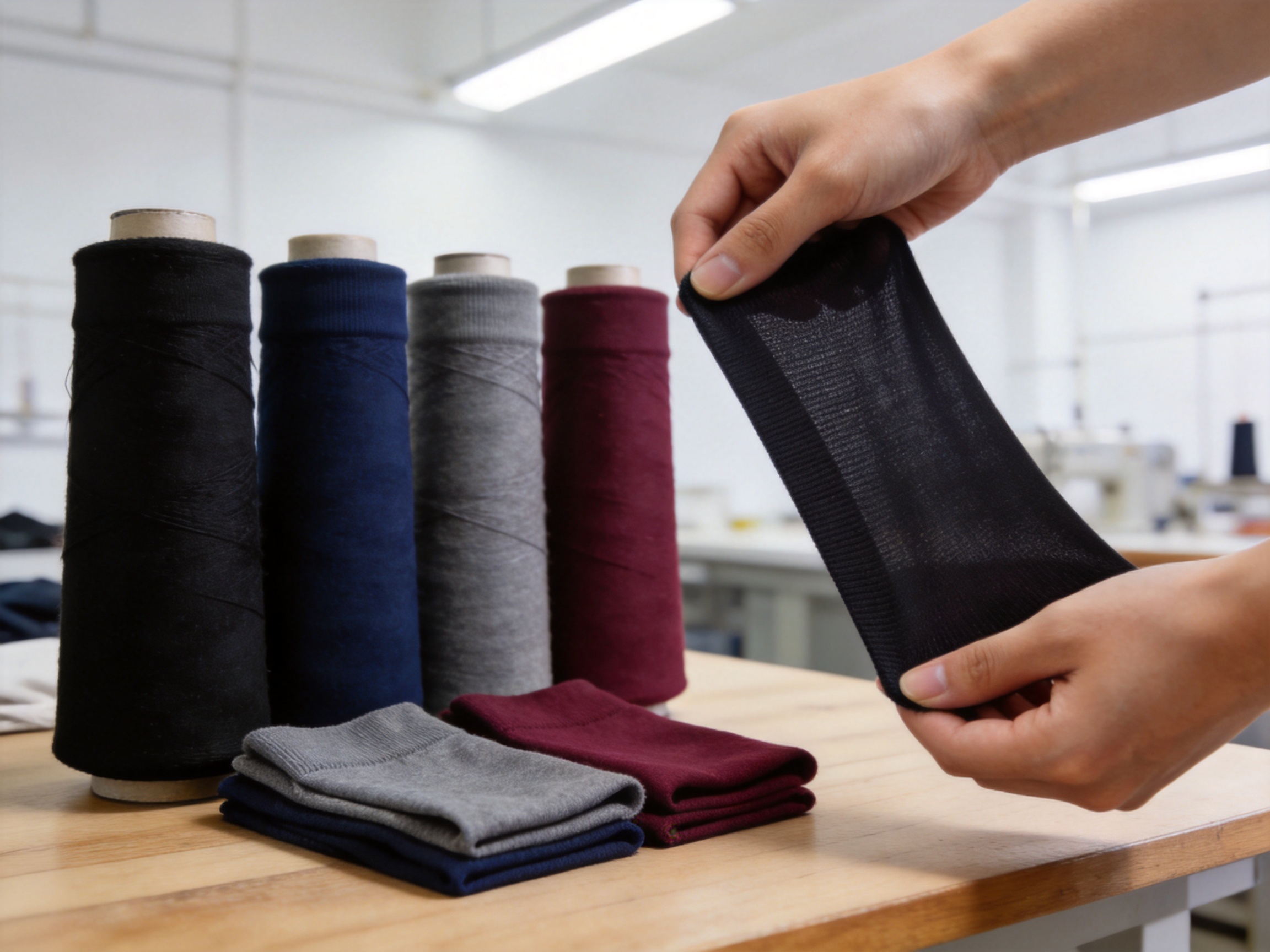
Wash-resistant cationic elastic knitted fabric is a functional knitted textile made for garment applications requiring durability and comfort. It blends cationic polyester with elastane to create a fabric structure that stretches and rebounds effectively while accepting cationic dyeing for rich, stable color expression. The fabric can stretch up to approximately 1.5 times its original size, then return quickly, helping garments maintain a snug but non-restrictive fit.
The knitted construction gives the fabric a naturally flexible hand, making it suitable for apparel that must move with the body. Unlike rigid woven materials, knitted fabrics can provide enhanced mobility, softness, and drape. When combined with elastane, the fabric gains improved dimensional adaptability, allowing garments to support movement without feeling tight or uncomfortable. This makes it a strong choice for active lifestyles, athleisure, travel clothing, base layers, and casual fashion.
The cationic component is central to the fabric’s visual and functional value. Cationic dyeing technology supports deep, consistent, and long-lasting colors. In practical garment production, this means reduced risk of uneven shade, improved batch consistency, and more reliable color performance after repeated washing. Apparel brands can use the fabric to create garments with strong color identity, including deep tones and refined semi-dull finishes that appeal to both sportswear and fashion markets.
Another major characteristic is wash resistance. Repeated laundering can damage many textiles by causing color fading, sagging, surface fuzz, shrinkage, or loss of elasticity. This fabric is engineered to resist such deterioration. It retains color vibrancy and structural integrity through regular use and cleaning, making it appropriate for products expected to endure frequent washing, such as sportswear, underlayers, school apparel, uniforms, and everyday fitted garments.
Why Wash Resistance Matters in Garment Manufacturing
Wash resistance is one of the most important indicators of garment quality. A garment may look attractive at the point of sale, but its true value is tested after the consumer wears and washes it repeatedly. If the fabric fades after a few cycles, pills easily, stretches out, or loses its fit, customers quickly lose trust in the product and the brand. Therefore, fabric selection directly influences customer satisfaction, product reviews, return rates, and long-term brand reputation.
For activewear and fitted garments, laundering frequency is often high. Yoga leggings, training tops, sports jerseys, and thermal underwear may be washed after every use. These garments face detergent exposure, mechanical agitation, water temperature variation, and repeated drying. A weak fabric will quickly show fatigue. By contrast, wash-resistant cationic elastic knitted fabric is built to keep its appearance and fit over time, supporting longer garment life and improved consumer value.
Color retention is particularly significant. Consumers often judge fabric age by color loss. Black leggings that turn gray, bright jerseys that become dull, or deep fashion shades that become uneven can make garments look old even if the fabric structure remains intact. Cationic dyeing helps the fabric hold rich color more reliably, making it suitable for collections where color depth and shade consistency are essential.
Shape retention is equally important. Elastic garments must recover after stretching. If fabric bags at the knees, sags at the seat, loosens at the waist, or twists after washing, the garment loses both function and beauty. The elastane-supported knitted construction helps the fabric rebound quickly, giving garments a body-following fit without excessive compression. This combination of elasticity and recovery creates a more dependable wearing experience.
Advantages Over Conventional Knitted Fabrics
Compared with ordinary knitted fabrics, wash-resistant cationic elastic knitted fabric provides a more complete performance package. Standard polyester knits may offer affordability and basic durability, but they often lack superior dye depth, elastic recovery, and premium tactile comfort. Cotton knits may feel soft, but they can absorb moisture heavily, dry slowly, shrink, fade, or lose shape with frequent laundering. Nylon-spandex fabrics may offer excellent stretch, but they can be more expensive and may require specific finishing to reach desired color and abrasion performance.
This fabric is positioned between performance and practicality. It delivers the quick-dry and easy-care advantages associated with polyester, while cationic dyeing improves color richness and wash durability. Elastane gives the fabric stretch and recovery, while the knitted structure supports softness and comfort. The result is a fabric that suits commercial garment production where cost control, durability, appearance, and wearer experience must all be balanced.
Another advantage is versatility. Some functional fabrics are designed for only one application, such as compression sportswear, cold-weather baselayers, or casual tops. Wash-resistant cationic elastic knitted fabric can be adapted across several garment types. It can be used in yoga wear, sports jerseys, lounge sets, slim-fit tops, thermal underwear, casual fashion, and seasonless wardrobe basics. This helps brands simplify sourcing by using one high-performance fabric platform across multiple product lines.
Its semi-dull luster also gives it a refined appearance. Highly shiny synthetic fabrics may look too technical or inexpensive for certain fashion applications. A semi-dull surface provides a balanced visual effect: clean, modern, and functional without excessive glare. This makes the fabric suitable for both sports-oriented garments and everyday apparel with a more elevated aesthetic.
Core Performance Benefits
The strongest benefit of this fabric is its ability to maintain quality after repeated washing. Its wash resistance helps reduce fading, deformation, sagging, and loss of surface smoothness. For garment manufacturers, this means a lower risk of product complaints and a stronger basis for marketing garments as durable and easy to care for.
The second benefit is four-way stretch. The fabric supports movement in multiple directions, giving wearers freedom during exercise, commuting, lounging, or everyday activity. Four-way stretch also improves pattern adaptability, allowing garments to fit different body shapes more comfortably. This is particularly useful in leggings, fitted tops, base layers, and activewear where mobility and fit are central selling points.
The third benefit is quick rebound. Stretch alone is not enough; fabric must recover after extension. Quick rebound helps garments avoid deformation and helps maintain a neat silhouette. This feature supports long-term fit stability, especially in areas that experience repeated strain, such as knees, elbows, waistbands, cuffs, and seats.
The fourth benefit is breathable and quick-dry comfort. Moisture management is important in both active and casual garments. Fabric that holds sweat against the body can feel heavy, clammy, and uncomfortable. This cationic elastic knitted fabric helps wick moisture away and dry faster than many absorbent natural fibers, improving comfort during movement and daily wear.
The fifth benefit is abrasion resistance and anti-pilling performance. Friction from movement, laundering, bags, seats, and layering can damage fabric surfaces. Pilling can make garments look cheap and old. The fabric is designed to resist daily wear, keeping the surface smoother and more presentable for longer.
Finally, the fabric has a soft, skin-friendly hand feel. Performance textiles must not feel harsh. A fabric used for leggings, underlayers, or fitted tops stays close to the skin, so comfort is essential. The knitted structure and finishing approach give the material a pleasant touch suitable for long wearing periods.
Performance Summary Table
Feature |
Performance Value |
Garment Benefit |
Competitive Advantage |
Wash resistance |
Retains color and structure after repeated laundering |
Longer-lasting garments with reduced fading and sagging |
Outperforms ordinary knitted fabrics that lose appearance quickly |
Cationic dyeing |
Deep, consistent, and stable color expression |
Better shade reliability for fashion and sportswear collections |
Improves color vibrancy compared with standard dyeing routes |
Four-way stretch |
Stretches in multiple directions up to about 1.5 times original size |
Comfortable mobility for active and fitted garments |
More flexible than rigid or low-stretch fabrics |
Quick rebound |
Returns efficiently after stretching |
Maintains fit, silhouette, and garment shape |
Reduces deformation compared with poor-recovery stretch fabrics |
Breathability |
Supports air and moisture movement |
Keeps the wearer more comfortable during daily activity |
More suitable for active lifestyles than dense non-breathable fabrics |
Quick-dry property |
Moves moisture away and dries efficiently |
Useful for sportswear, travel wear, and base layers |
Provides better comfort than slow-drying absorbent materials |
Abrasion resistance |
Withstands friction from wear and laundering |
Helps garments remain neat and durable |
Reduces surface damage compared with weaker knits |
Anti-pilling performance |
Limits formation of surface pills |
Maintains a smoother, newer-looking surface |
Supports premium appearance over repeated use |
Semi-dull luster |
Balanced matte-to-soft shine appearance |
Works for both functional and fashion garments |
More refined than overly shiny synthetic fabrics |
Cationic Polyester and Color Durability
Cationic polyester is valued because it can be dyed with cationic dyes under appropriate processing conditions, allowing strong color performance and special visual effects. In garment fabric, this offers important practical benefits. Deep colors can be achieved with good clarity, while shade consistency can be controlled more effectively when the yarn and dyeing process are properly managed. The result is a fabric that supports premium appearance and lasting commercial appeal.
Color durability is not only about the dye. It depends on the entire production chain: polymer selection, yarn quality, fabric construction, pretreatment, dyeing parameters, washing, finishing, and final inspection. A reliable manufacturer must understand how these steps interact. Suzhou Junhui Textile Co., Ltd. and Suzhou Xiaoran New Materials Co., Ltd. have experience in differentiated yarns, cationic dyeing yarns, functional yarns, and knitted fabric products, which supports the development of fabrics with stable performance.
For brands, reliable color matters at both production and consumer stages. During production, consistent shade reduces the risk of rejected fabric lots, mismatched panels, or garment batch variation. During consumer use, color retention keeps garments attractive after washing. This is especially important for dark shades, fashionable seasonal tones, and brand-specific color palettes where visual identity must remain strong.
Cationic technology can also contribute to design flexibility. Fabrics can be developed with nuanced tones, melange effects, or combinations with other yarn types depending on the construction and dyeing strategy. This allows designers to create garments that look distinctive without sacrificing functional performance.
Elasticity, Recovery, and Fit Stability
Elasticity is a defining feature of modern apparel. Consumers expect garments to move with them, not restrict them. However, high stretch must be balanced with recovery. A fabric that stretches easily but does not recover will become loose and unattractive. Wash-resistant cationic elastic knitted fabric is engineered to provide a comfortable stretch and dependable rebound, helping garments maintain shape after movement and washing.
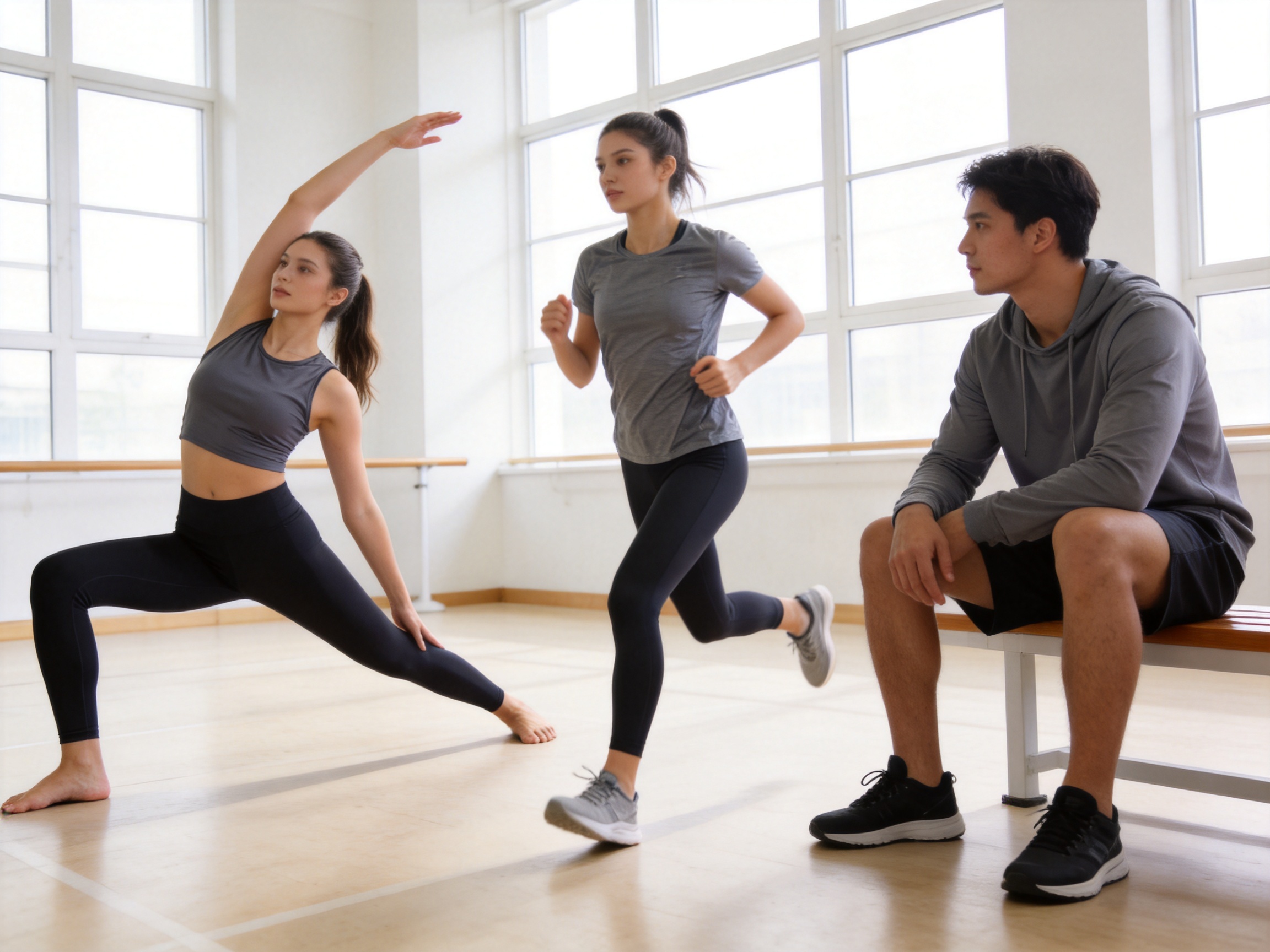
In yoga leggings, four-way stretch allows deep bending, stretching, and twisting. In sports jerseys, it supports arm movement and body rotation. In casual tops, it provides comfort during sitting, reaching, and daily activity. In thermal underwear, it helps maintain close contact with the body for warmth while avoiding a tight or stiff feeling. Across these applications, elasticity improves user comfort and garment usability.
Fit stability also influences garment sizing. If fabric has inconsistent stretch, manufacturers may face challenges in pattern making and size grading. Reliable stretch and recovery provide more predictable behavior during cutting, sewing, wearing, and washing. This helps improve production efficiency and final garment quality.
Compared with low-quality stretch fabrics, this fabric is less likely to sag after repeated use. Areas such as knees, elbows, and waistlines are vulnerable to deformation. Quick rebound helps keep these areas smooth and supportive. This is one reason the fabric is suitable for fitted garments and activewear, where shape retention is highly visible.
Comfort for Active and Everyday Wear
Comfort is a decisive factor in garment acceptance. Even a durable and attractive fabric will fail if it feels uncomfortable against the skin. Wash-resistant cationic elastic knitted fabric is designed with a soft, skin-friendly hand feel and breathable texture. Its knitted structure gives it flexibility and surface comfort, while moisture-wicking and quick-dry properties help manage sweat and humidity.
For activewear, comfort must hold up under motion. The fabric needs to stretch, recover, breathe, and dry efficiently. During exercise, trapped moisture can create discomfort and friction. Quick-dry behavior helps keep the garment lighter and more pleasant. Breathability reduces the feeling of overheating, while elasticity prevents restriction.
For loungewear and casual apparel, comfort has a slightly different meaning. The fabric should feel soft, easy, and relaxed while still looking neat. This fabric’s semi-dull finish and smooth surface help garments appear polished, while its stretch makes them suitable for long wear. Consumers can move from home to casual public settings without feeling underdressed.
For thermal underwear, fabric comfort depends on fit, softness, and moisture movement. A base layer must sit close to the skin but should not irritate or trap excessive moisture. The fabric’s stretch and quick-dry performance make it a good option for lightweight thermal garments that need both warmth and comfort.
Abrasion Resistance and Anti-Pilling Value
Abrasion and pilling are common causes of garment depreciation. Even when a garment remains structurally intact, surface damage can make it look old. Pilling occurs when loose fibers tangle into small balls on the fabric surface. It is often accelerated by friction during wear and washing. Abrasion can create thinning, fuzzing, or rough patches. For garments used frequently, resistance to these issues is essential.
Wash-resistant cationic elastic knitted fabric is designed to stand up to daily use. Its abrasion resistance supports garments that encounter friction from movement, sports activity, sitting, carrying bags, and repeated laundering. Its anti-pilling performance helps maintain a smoother surface, preserving the garment’s appearance.
This is a meaningful competitive advantage. Many low-cost knitted fabrics look acceptable when new but decline quickly after use. A fabric that resists pilling and abrasion helps brands offer garments with longer perceived value. This can reduce customer dissatisfaction and strengthen repeat purchasing.
Surface durability is also important for fashion presentation. Smooth fabric photographs better, displays better in retail, and maintains a cleaner appearance during wear. For online apparel brands, where customers judge quality from images and reviews, fabrics that remain smooth and attractive can support stronger brand credibility.
Advanced Manufacturing Capabilities Behind the Fabric
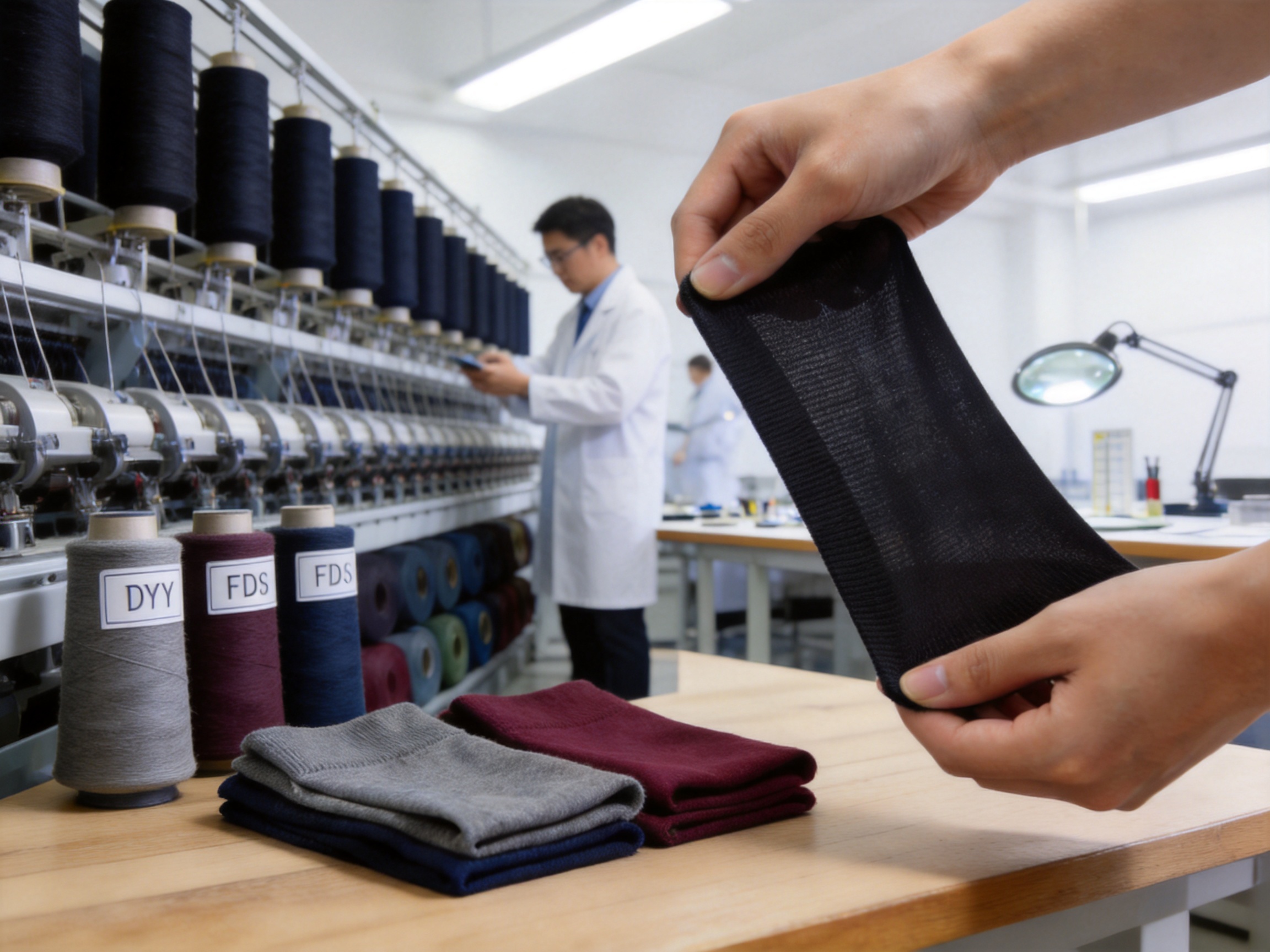
The performance of this fabric is supported by a strong manufacturing foundation. Suzhou Junhui Textile Co., Ltd. and Suzhou Xiaoran New Materials Co., Ltd. focus on differentiated yarns and knitted fabric products, including recycled yarn, polyester drop-dyed yarn, microfine yarn, flame-retardant yarn, cationic dyeing yarn, and functional textile materials. This broad technical background supports the development of fabrics that respond to current apparel market requirements.
Advanced manufacturing begins with yarn selection. The company’s product range includes DTY, FDY, POY, and polyester chips, along with differentiated yarn categories such as recycled series, cationic series, high-elastic series, functional series, hollow warm yarns, cotton-like yarns, and composite yarns. This wide yarn platform allows fabric developers to adjust denier, filament count, luster, elasticity, dyeing behavior, and functional properties according to garment needs.
DTY, or draw textured yarn, is widely used for fabrics requiring softness, bulk, stretch, and comfort. FDY, or fully drawn yarn, provides smoothness and dimensional stability. POY, or partially oriented yarn, can serve as a precursor in texturing processes. By understanding the role of different yarn forms, the manufacturer can create fabric constructions with targeted hand feel, stretch, strength, and surface appearance.
Manufacturing strength also depends on process control. Producing wash-resistant cationic elastic knitted fabric requires careful management of knitting tension, yarn feeding, elastane integration, dyeing parameters, heat setting, finishing chemistry, and quality inspection. If one step is poorly controlled, the final fabric may show uneven stretch, shade variation, shrinkage, or surface defects. A professional manufacturing system reduces these risks.
The company’s R&D orientation is another strength. It works on environmental protection and functional yarn and fabric applications and maintains cooperation with customers in many international markets. This gives the company insight into diverse garment standards, performance expectations, and end-use requirements. For buyers, this means the fabric can be supported by technical guidance rather than only commodity supply.
Yarn Platform and Differentiation Strength
A key reason this fabric stands out is the manufacturer’s access to a broad yarn platform. The product list includes normal series yarns, recycled yarns, cationic yarns, high-elastic yarns, functional yarns, cotton-like yarns, hollow warm yarns, and composite yarn options. This matters because fabric innovation begins at the yarn level. By selecting and combining suitable yarns, the manufacturer can create fabrics with different textures, colors, elasticity levels, weights, and performance functions.
Cationic elastic knitted fabric benefits from this capability because it requires compatibility between dyeable polyester components and elastane. If yarn quality is inconsistent, the fabric may display uneven dyeing, inconsistent stretch, or poor recovery. A manufacturer experienced in cationic dyeing yarn and high-elastic yarn can better control these outcomes.
Recycled yarn capability also has strategic value. Many apparel brands are increasing their use of recycled materials to reduce environmental impact and meet market expectations. While the product discussed here focuses on wash-resistant cationic elastic knitted fabric, the company’s recycled yarn background suggests potential for developing related sustainable fabric options. This can be valuable for brands seeking performance fabrics with environmental responsibility.
Functional yarn knowledge further strengthens product development. Flame-retardant, antibacterial, moisture-wicking, hollow warm, and high-elastic yarn categories show that the company is not limited to basic textile supply. This technical foundation allows customized fabric development for different garment programs, including sportswear, thermal apparel, uniforms, and lifestyle collections.
Knitting Process Considerations
Knitting is more than forming loops. It is a precise process that determines stretch, recovery, thickness, density, breathability, and surface quality. For elastic knitted fabric, the integration of elastane must be carefully controlled. Incorrect tension can cause uneven stretch, fabric curling, barre marks, or unstable dimensions. Proper knitting settings help create a fabric that stretches evenly and recovers reliably.
Fabric density must be balanced. A fabric that is too loose may lack durability, show poor recovery, or become transparent under stretch. A fabric that is too dense may feel heavy, less breathable, or less comfortable. The ideal construction depends on end use. Leggings may require stronger coverage and recovery, while tops may prioritize softness and drape. Sports jerseys may need breathability and quick drying. Thermal underwear may need close fit and warmth retention.
The manufacturer’s experience with different yarn specifications supports this balancing process. Denier and filament count influence fabric hand, opacity, strength, and texture. Fine filament yarns can create soft and smooth fabrics, while higher denier yarns may improve coverage and durability. Combining yarns intelligently allows the fabric to meet specific garment requirements.
Knitting quality inspection is also essential. Defects such as needle lines, dropped stitches, uneven tension, or contamination can affect garment cutting and final appearance. A reliable supplier must maintain consistent fabric rolls and provide quality that supports efficient downstream production.
Dyeing and Finishing Excellence
Dyeing and finishing are critical to the performance of wash-resistant cationic elastic knitted fabric. Cationic dyeing must be managed to achieve deep, consistent color while preserving elasticity and fabric hand. Temperature, time, pH, dye selection, leveling agents, washing, and post-treatment all influence the final result. Poor dyeing control can cause shade variation, color migration, poor fastness, or fabric damage.
Finishing gives the fabric its final performance profile. Heat setting stabilizes dimensions and helps control shrinkage. Softening improves hand feel. Moisture-management finishing may enhance wicking and quick-dry behavior. Anti-pilling treatment can improve surface durability. The challenge is to apply finishing in a way that improves comfort and performance without reducing elasticity or color fastness.
Wash resistance depends heavily on finishing quality. A fabric must be tested and adjusted so that it withstands repeated laundering. This includes monitoring dimensional change, shade change, surface appearance, and elastic recovery. For garment factories, receiving fabric with reliable finishing reduces production risk and improves final product consistency.
Another advantage of an experienced manufacturer is the ability to customize finishing according to buyer requirements. Different markets may require different hand feels, weights, stretch levels, or performance standards. Technical support can help brands select the right finishing route for their target garment category.
Quality Control and Consistency
Quality control is essential for any fabric intended for export and brand manufacturing. The company’s products are supplied to a broad international customer base, and such markets require consistency, reliable communication, and technical responsiveness. For wash-resistant cationic elastic knitted fabric, quality control should cover yarn quality, knitting consistency, dyeing uniformity, dimensional stability, color fastness, stretch and recovery, pilling resistance, abrasion resistance, and fabric hand.
Color inspection is particularly important. Garment manufacturers need fabric lots that match approved lab dips and bulk standards. Shade variation can cause serious production problems, especially when garments are assembled from different rolls or panels. Cationic dyeing provides strong potential for consistent hues, but only disciplined process control ensures dependable results.
Physical performance testing is also important. Stretch and recovery should be measured to confirm fit behavior. Shrinkage should be checked after washing. Pilling tests help predict long-term appearance. Abrasion tests evaluate durability. Moisture management tests can support activewear claims. By integrating testing into production, the manufacturer can reduce uncertainty for buyers.
Consistency also applies to service. The company emphasizes professional guidance and support in product selection and problem solving. For apparel brands working across time zones, responsive technical communication can be as valuable as the fabric itself. When fabric development questions arise, quick support helps keep production schedules moving.
Applications in Activewear
Activewear is one of the most important application areas for wash-resistant cationic elastic knitted fabric. Modern activewear must support movement, manage moisture, resist frequent washing, and maintain attractive color. This fabric fits these requirements well. Its four-way stretch allows movement during yoga, training, running, cycling, and gym activities. Its quick rebound helps garments maintain a close fit without sagging.
Yoga leggings are a strong example. Consumers expect leggings to stretch comfortably, recover after movement, resist see-through problems, and keep color after washing. A fabric that fades, pills, or bags at the knees quickly loses appeal. Wash-resistant cationic elastic knitted fabric helps address these concerns by combining durable color, stretch recovery, and surface resistance.
Sports jerseys also benefit from the fabric’s quick-dry and breathable qualities. Jerseys require comfort during perspiration and movement, as well as color stability for team or brand identity. Cationic dyeing can support vivid, consistent shades, while the knitted structure provides flexibility.
Training tops, fitted tanks, and athletic base layers can use the fabric for a combination of softness and performance. Its semi-dull luster gives a clean sportswear appearance without excessive shine. Its abrasion resistance supports garments that face repeated friction from equipment, bags, or layering.
Applications in Loungewear and Casual Fashion
The boundary between sportswear and casualwear has become increasingly blurred. Consumers want clothing that feels comfortable at home, looks polished outside, and performs well during daily movement. Wash-resistant cationic elastic knitted fabric is well suited to this athleisure trend. It can be used for lounge sets, casual tops, fitted T-shirts, slim pants, soft jackets, and travel-friendly garments.
For loungewear, softness and stretch are essential. The fabric’s skin-friendly feel and four-way stretch provide comfort during sitting, relaxing, and moving. Wash resistance is also important because loungewear is frequently worn and washed. Garments that maintain color and shape after repeated laundering offer better long-term value.
For casual fashion, appearance matters. The semi-dull luster gives garments a refined surface that can work in minimalist, sporty, or contemporary designs. Cationic dyeing allows deep and stable shades, helping designers create color-driven collections. The anti-pilling performance helps garments remain neat after repeated wear.
Travel apparel is another promising area. Travelers value garments that dry quickly, resist wrinkles, feel comfortable for long periods, and wash easily. This fabric’s quick-dry and stretch properties make it useful for compact wardrobes and multi-purpose garments.
Applications in Thermal Underwear and Seasonal Apparel
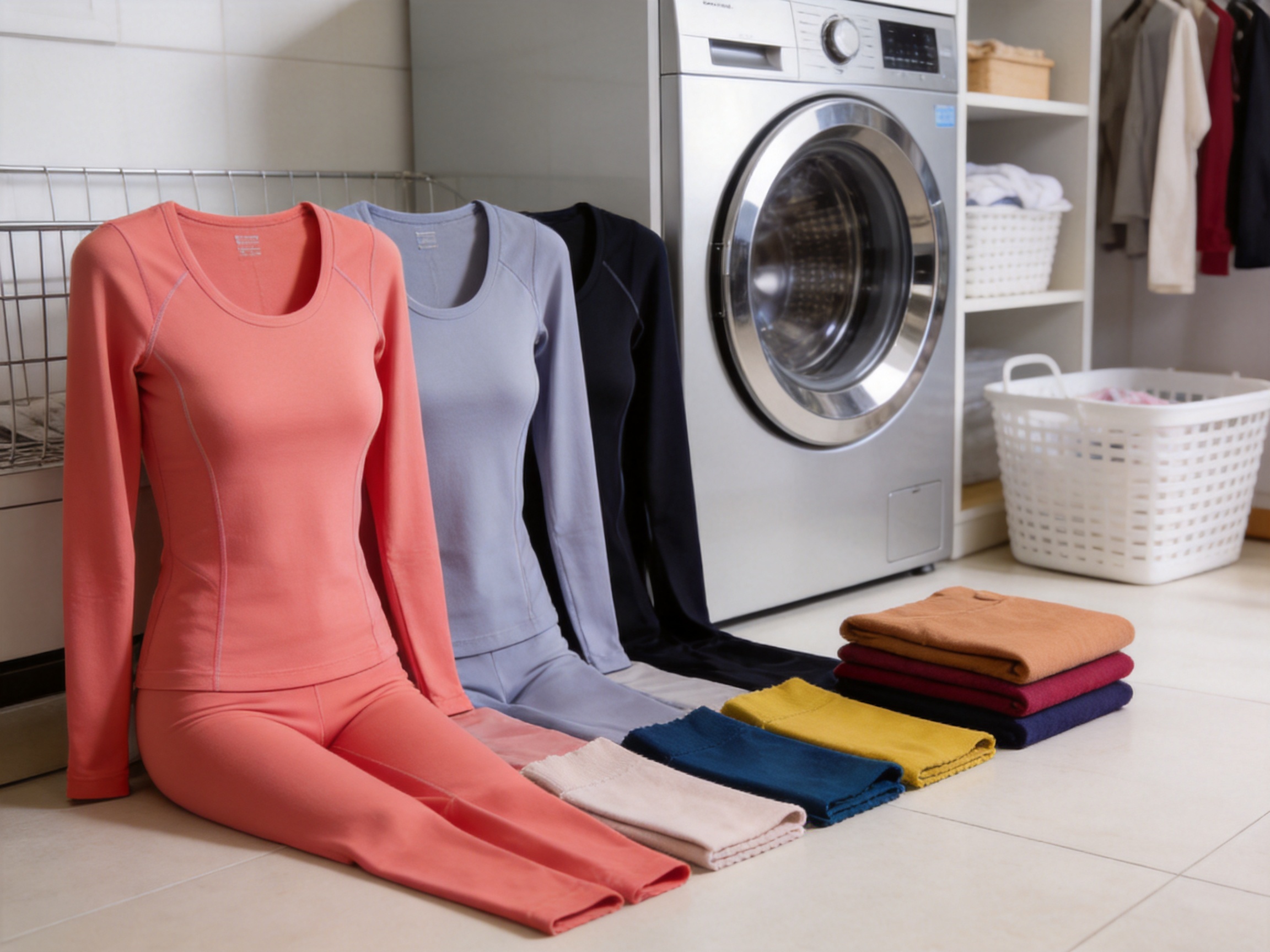
Thermal underwear requires close fit, softness, stretch, and moisture management. While warmth is important, comfort depends on keeping the skin dry and allowing movement. Wash-resistant cationic elastic knitted fabric can be used for lightweight thermal layers, especially when designed with suitable weight and construction. Its stretch helps the garment fit close to the body, while quick-dry behavior reduces damp discomfort.
Seasonal versatility is another advantage. The fabric can be adapted for different apparel categories across the year. In cooler seasons, it can support base layers, fitted tops, and layering garments. In warmer seasons, lighter constructions can support breathable tops, sportswear, and casual apparel. For brands, this versatility helps extend product development opportunities beyond a single season.
Color durability is useful in seasonal fashion because garments may be stored and reused over multiple cycles. A fabric that retains shade and shape helps products remain relevant and wearable for longer. This supports both consumer satisfaction and more responsible consumption.
Thermal and seasonal garments also benefit from surface durability. Base layers experience friction from outerwear, while casual seasonal garments may face frequent washing. Anti-pilling and abrasion resistance help preserve comfort and appearance.
Competitor Comparison
In a market filled with polyester knits, cotton blends, nylon-spandex fabrics, and low-cost elastic materials, wash-resistant cationic elastic knitted fabric offers a balanced and competitive solution. Its advantage does not depend on being the cheapest or the most specialized. Instead, it provides a combination of features that many single-purpose fabrics cannot match.
Compared with ordinary polyester knitted fabric, it offers better stretch, recovery, and color depth. Standard polyester may dry quickly and resist wrinkles, but without elastane it may not provide the same fit comfort. Without cationic dyeing, it may not achieve the same color richness or shade stability. The cationic elastic version is more suitable for premium activewear and fitted garments.
Compared with cotton knits, it offers better quick-dry performance and shape retention. Cotton is comfortable and familiar, but it absorbs moisture, dries slowly, and may shrink or fade. In activewear and frequent-wash apparel, cotton can lose freshness quickly. The cationic elastic knitted fabric offers a more technical and durable alternative while maintaining a soft feel.
Compared with low-grade spandex blends, it provides better wash resistance and surface durability. Some inexpensive stretch fabrics feel comfortable at first but quickly pill, sag, or lose elasticity. This fabric is engineered for long-term performance, making it better suited to garments where brand reputation and repeat purchase matter.
Compared with certain high-cost nylon-spandex fabrics, it can offer a practical balance of performance and cost efficiency. Nylon can be excellent for stretch and abrasion, but polyester-based cationic elastic fabric may provide better color strategies, quick-dry behavior, and value for many garment categories. For brands seeking scalable production, this balance is important.
Benefits for Apparel Brands and Garment Factories
For apparel brands, fabric selection affects design, quality, price positioning, and customer satisfaction. Wash-resistant cationic elastic knitted fabric helps brands create garments that can be marketed around durability, comfort, color retention, and active lifestyle performance. These are benefits that consumers understand and appreciate.
For garment factories, the fabric’s consistency can support smoother production. Reliable stretch and recovery make pattern development more predictable. Stable color reduces the risk of mismatched panels. Good surface quality supports cutting and sewing efficiency. Dimensional stability after washing helps finished garments meet specifications.
For sourcing teams, the manufacturer’s broad yarn and fabric capability offers flexibility. Buyers may need different weights, colors, functional finishes, or yarn combinations. A supplier with experience in DTY, FDY, cationic yarn, recycled yarn, high-elastic yarn, and functional yarn can support more customized development than a supplier focused only on basic commodity fabrics.
For private label and wholesale programs, the fabric can help reduce product complaints. Garments that keep their color, shape, and comfort after washing are more likely to satisfy end users. This can improve customer reviews, reduce returns, and strengthen buyer confidence.
Customization Potential
One of the valuable aspects of working with an experienced textile manufacturer is customization. Wash-resistant cationic elastic knitted fabric can be adjusted according to garment application. Fabric weight, stretch level, surface texture, color, luster, hand feel, and finishing can be modified to suit different market needs.
For yoga leggings, the buyer may request higher opacity, stronger recovery, and a smooth hand. For sports jerseys, the focus may be breathability, quick drying, and color brightness. For loungewear, softness and drape may be most important. For thermal underwear, close fit and moisture management may be prioritized. A strong supplier can help select the right yarn and construction for each purpose.
Color customization is especially important. Cationic dyeing can support rich shades and consistent tones. Brands can develop seasonal palettes, core colors, or distinctive product identities. Proper lab dip development and bulk control help ensure that the final fabric matches design expectations.
Functional customization may also be possible depending on project requirements. The manufacturer’s broader product capabilities include moisture-wicking, flame-retardant, antibacterial, hollow warm, high-elastic, and recycled yarn-related options. This technical background creates opportunities for fabric programs that combine cationic color performance with additional functional goals.
Sustainability and Long Product Life
Sustainability in textiles is not only about raw material origin. It is also about product lifespan. A garment that fades, pills, or deforms quickly may be discarded sooner, increasing waste. Wash-resistant cationic elastic knitted fabric supports sustainability by extending usable garment life. When clothing remains attractive and functional after many washes, consumers can wear it longer.
The manufacturer’s experience with recycled yarns also reflects awareness of environmental trends in textile markets. Recycled polyester yarn options are increasingly important for brands seeking to reduce reliance on virgin resources. While each fabric program must be developed according to exact requirements, the presence of recycled yarn capability can support future development of eco-conscious fabric lines.
Durable color also contributes to responsible consumption. If garments keep their appearance longer, there is less pressure to replace them frequently. Anti-pilling and abrasion resistance further support extended use. For brands communicating sustainability, durability is a credible and practical message when supported by performance testing.
Efficient manufacturing and quality control also reduce waste. Consistent dyeing, stable knitting, and reliable finishing decrease the likelihood of rejected fabric, rework, and production loss. This benefits both suppliers and buyers by improving resource efficiency.
International Market Readiness
The company’s products are exported widely, with customers across many countries. International experience is important because apparel markets differ in standards, climate needs, consumer preferences, sizing expectations, and regulatory requirements. A supplier serving global customers must be able to communicate clearly, respond quickly, and adapt products to different applications.
Wash-resistant cationic elastic knitted fabric is relevant to many global markets. In regions with strong sportswear demand, it supports activewear and athleisure. In markets focused on value and durability, it offers long-lasting color and shape. In fashion markets, it provides refined semi-dull appearance and color richness. In colder regions, it can contribute to base layer and thermal underwear programs.
Export-oriented manufacturing also requires attention to packaging, documentation, inspection, and delivery coordination. Fabric buyers need dependable lead times and consistent quality from order to order. A company with international customer relationships is better positioned to understand these expectations.
Responsive technical support is another part of market readiness. The company emphasizes assistance in product selection and problem solving, which is useful for buyers developing new garments or troubleshooting production issues. In fast-moving apparel seasons, timely communication can help avoid costly delays.
How to Select the Right Version for a Garment Program
To choose the right wash-resistant cationic elastic knitted fabric, buyers should begin with the final garment purpose. A fabric for yoga leggings may require different specifications from a fabric for casual tops. Key selection factors include weight, stretch percentage, recovery, opacity, hand feel, color, moisture management, abrasion resistance, pilling resistance, and washing requirements.
For activewear bottoms, recovery and opacity are priorities. The fabric should not become transparent during stretching and should recover after repeated movement. For sports tops, breathability and quick drying may be more important than heavy coverage. For loungewear, softness, drape, and easy care are key. For thermal underwear, close fit and comfort against the skin are essential.
Buyers should request fabric samples, lab dips, test reports, and washing evaluations where appropriate. Testing should reflect the garment’s real use conditions. For example, activewear should be tested for stretch recovery, pilling, colorfastness to washing, and moisture performance. Casual fashion may emphasize hand feel, drape, colorfastness, and surface appearance.
Communication with the supplier is important. Sharing garment sketches, target weight, desired hand feel, color standards, performance requirements, and expected price range helps the manufacturer recommend suitable fabric options. A technically capable supplier can guide buyers toward a practical balance between performance, cost, and production feasibility.
Care and Handling Recommendations
Although this fabric is wash-resistant, proper garment care helps maximize service life. Apparel brands should provide care labels based on final testing and garment construction. In general, gentle machine washing, moderate water temperature, mild detergent, and avoiding harsh bleaching can help preserve color and elasticity. Excessive heat during drying may affect elastane over time, so controlled drying conditions are advisable.
Garment factories should also handle the fabric properly before cutting and sewing. Relaxation time may be needed after fabric unrolling to stabilize dimensions. Cutting should account for stretch direction and pattern requirements. Sewing threads and stitch types should be selected to match fabric elasticity, preventing seam breakage or puckering during wear.
Heat during pressing and finishing should be controlled, especially because elastane can be sensitive to high temperatures. Testing before bulk production is recommended. Garment washing, if used, should be evaluated to ensure it does not affect stretch, shade, or surface appearance.
When fabric and garment care are aligned, the final product can deliver the intended benefits: durable color, stable fit, smooth surface, and long-term comfort.
Q&A Section
What is wash-resistant cationic elastic knitted fabric?
It is a knitted garment fabric that combines cationic polyester with elastane to provide durable color, four-way stretch, quick rebound, breathability, quick-dry comfort, abrasion resistance, and anti-pilling performance. It is designed for garments that must remain attractive and comfortable after repeated washing.
Which garments are best suited for this fabric?
The fabric is suitable for yoga leggings, sports jerseys, activewear tops, loungewear, casual fitted garments, travel apparel, thermal underwear, and season-spanning base layers. Its balance of stretch, durability, and comfort makes it useful across both functional and fashion categories.
How does cationic dyeing improve the fabric?
Cationic dyeing supports deep, consistent, and long-lasting color. It helps garments maintain color vibrancy after laundering and can reduce the risk of dullness or uneven shade compared with less advanced dyeing approaches.
Why is four-way stretch important?
Four-way stretch allows the fabric to move in multiple directions with the body. This improves comfort, mobility, and fit in activewear and fitted garments. It also helps garments adapt to different movements without feeling restrictive.
Does the fabric recover after stretching?
Yes. The elastane-supported knitted construction provides quick rebound, helping garments return toward their original shape after stretching. This reduces sagging and supports long-term fit stability.
Is the fabric comfortable for all-day wear?
Yes. The fabric has a soft, skin-friendly hand feel, breathable texture, and quick-dry behavior. These features make it comfortable for exercise, lounging, commuting, travel, and daily casual use.
How does this fabric compare with cotton knit fabric?
Cotton knit fabric can be soft but often absorbs moisture, dries slowly, and may shrink or fade. Wash-resistant cationic elastic knitted fabric offers faster drying, better shape retention, stronger color durability, and enhanced stretch recovery.
How does this fabric compare with ordinary polyester knit?
Ordinary polyester knit may provide easy care but often lacks advanced stretch, rich cationic color, and premium recovery. This fabric offers improved comfort, better fit, more stable color, and stronger overall garment performance.
Can the fabric be customized?
Yes. Depending on order requirements, fabric weight, color, hand feel, stretch level, surface appearance, and functional finishing can be adjusted. The manufacturer’s broad yarn platform supports development for different garment categories.
What manufacturing strengths support this fabric?
The fabric is supported by expertise in differentiated yarns, including DTY, FDY, POY, cationic yarn, high-elastic yarn, recycled yarn, and functional yarn. Process control in knitting, dyeing, finishing, and quality inspection helps ensure dependable performance.
Why should apparel brands choose this fabric?
Brands should choose it because it offers a strong balance of durability, comfort, color retention, stretch, quick drying, and surface resistance. These qualities help create garments that satisfy consumers and maintain value after repeated wear and washing.
Conclusion
Wash-resistant cationic elastic knitted fabric is a strong choice for garment manufacturers and apparel brands seeking a practical, durable, and comfortable textile solution. It addresses some of the most common weaknesses in everyday garments: fading, sagging, pilling, slow drying, poor recovery, and loss of visual appeal after washing. By combining cationic polyester dyeing performance with elastane-supported four-way stretch, the fabric delivers long-lasting color, flexible comfort, quick rebound, and reliable surface quality.
Its advantages extend across many applications, from yoga leggings and sports jerseys to loungewear, fitted tops, travel apparel, and thermal underwear. The fabric’s semi-dull luster gives it a refined look, while its breathable and quick-dry characteristics support active and daily comfort. For competitive apparel markets, this combination of beauty, function, and durability helps products stand out.
The manufacturing foundation behind the fabric further strengthens its value. Suzhou Junhui Textile Co., Ltd. and Suzhou Xiaoran New Materials Co., Ltd. bring experience in differentiated yarns, cationic dyeing yarns, recycled yarns, functional yarns, and knitted fabric development. Their broad yarn platform, R&D orientation, export experience, and technical support provide buyers with more than a fabric supply; they provide a pathway to customized textile solutions.
For brands that prioritize long-lasting quality, wearer comfort, and dependable production performance, wash-resistant cationic elastic knitted fabric offers a compelling advantage. It helps garments remain vibrant, smooth, and well-fitting through repeated use, supporting customer satisfaction and long-term brand trust.
References
Textile Institute. Textile Terms and Definitions. Textile Institute Publications.
Horrocks, A. R., and Anand, S. C. Handbook of Technical Textiles. Woodhead Publishing.
Collier, B. J., and Epps, H. H. Textile Testing and Analysis. Pearson Education.
Adanur, S. Wellington Sears Handbook of Industrial Textiles. Technomic Publishing.
Sinclair, R. Textiles and Fashion: Materials, Design and Technology. Woodhead Publishing.
Karmakar, S. R. Chemical Technology in the Pre-Treatment Processes of Textiles. Elsevier.
Gohl, E. P. G., and Vilensky, L. D. Textile Science. CBS Publishers.
Gulrajani, M. L. Advances in the Dyeing and Finishing of Technical Textiles. Woodhead Publishing.

Popular products
-
Premium Cationic Interlock Stretch Comfort Fabric
-
Moisture-Wicking Nylon Woven Fabric
-
Double-faced jacquard elastic fabric
-
Heather Grey Double-faced cationic jersey fabric
-
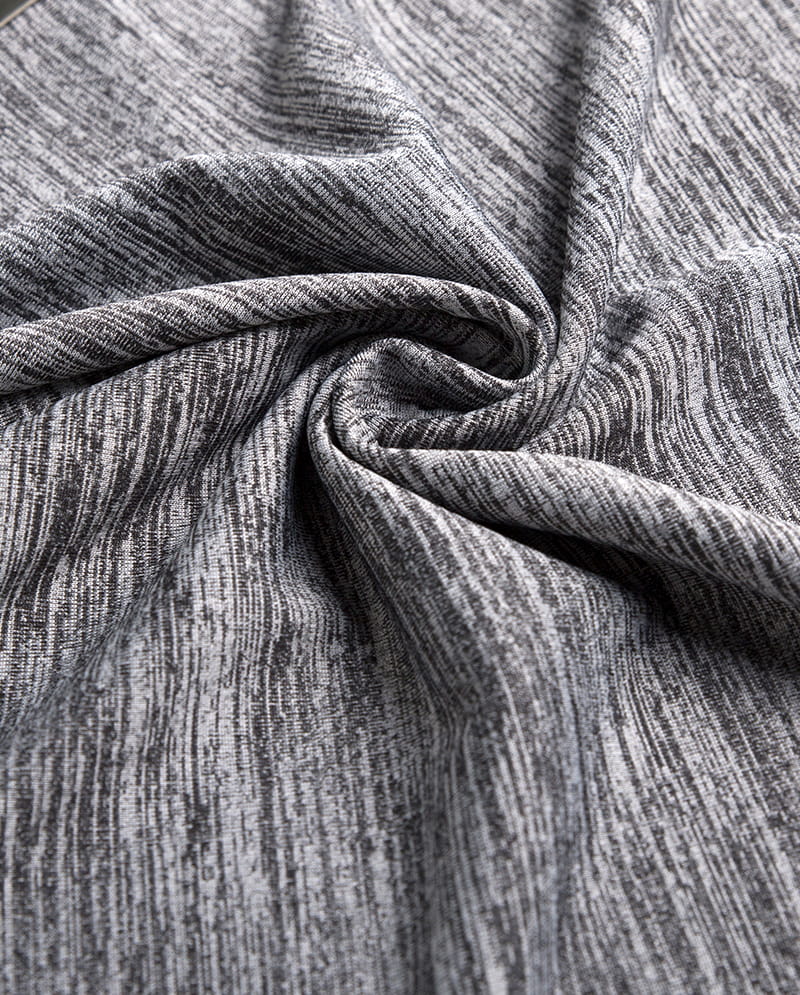
Anti-static Cationic Knitted Rib Fabric
-
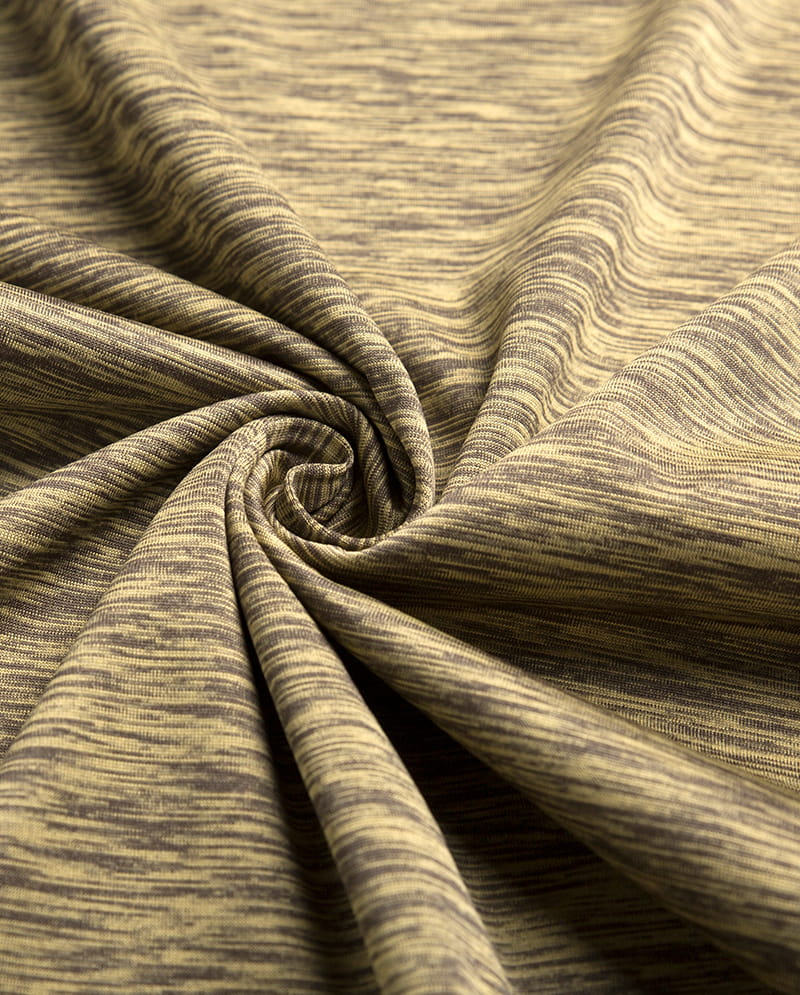
High-Stretch Cationic Jersey Fabric
-
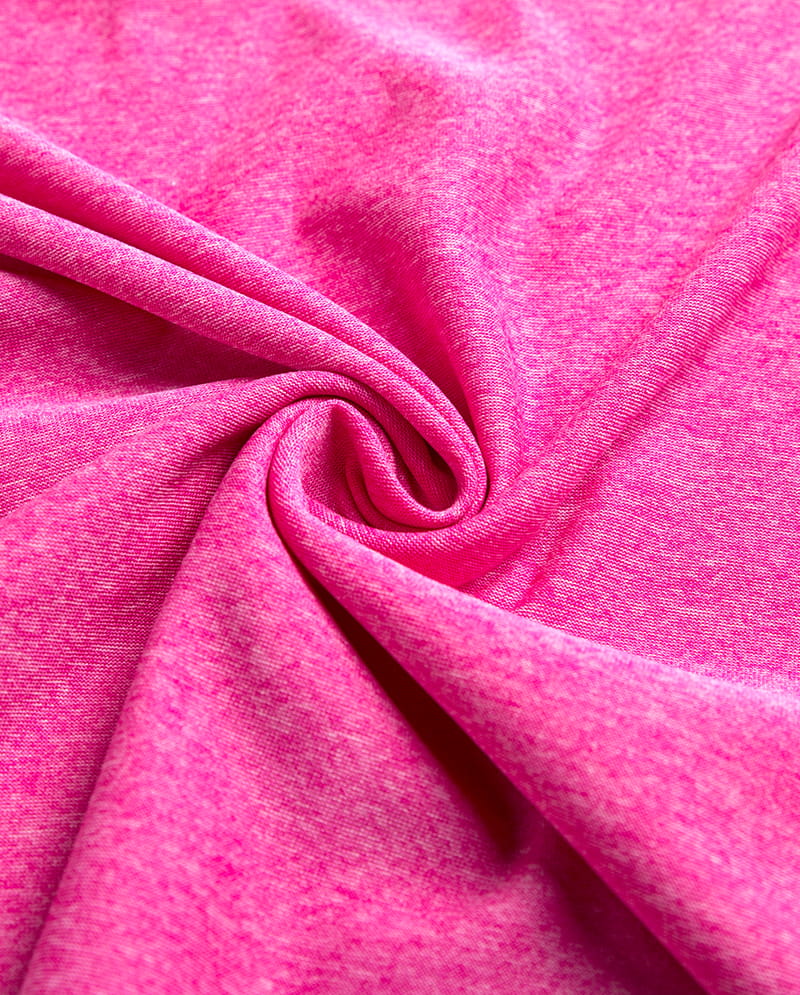
High Quality Cationic DTY Spandex Two Sides Brush Dralon Knit Fabric for Garment Thermal Underwear
-
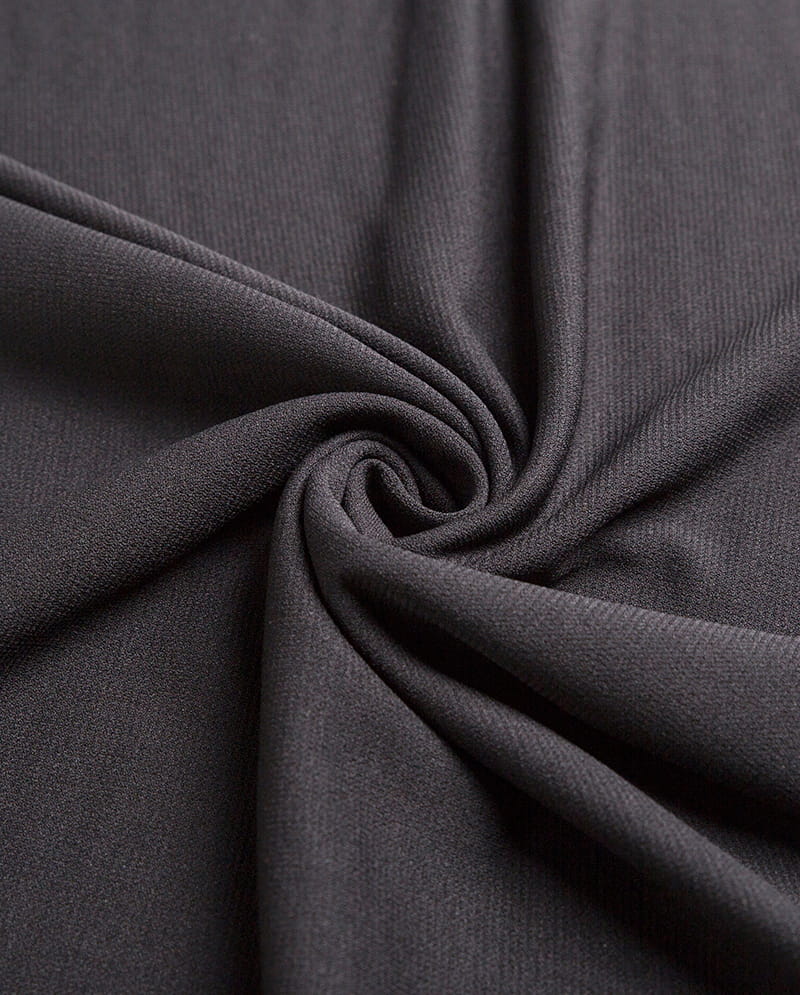
Durable Anti-Pilling Knitted Fabric for Home Textiles
-
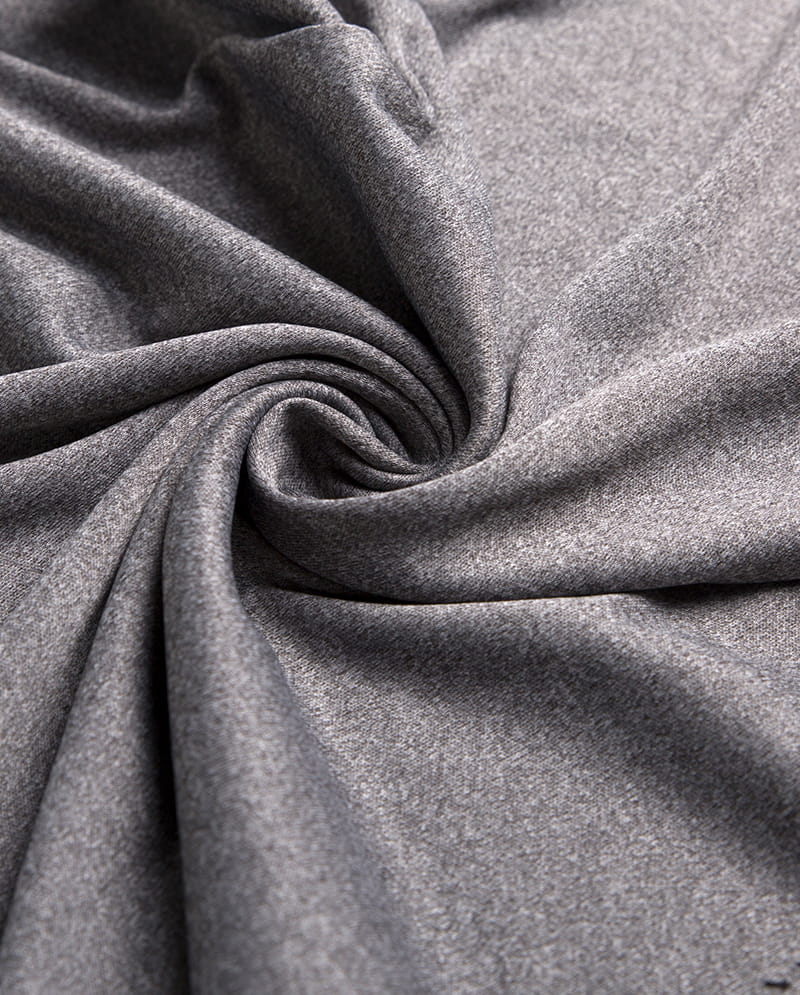
Wash-Resistant Cationic Elastic Knitted Fabric for Garment Industry
-
Breathable Double-Faced Elastic Composite Fabric
-
-
-
- whatsapp:
- 0086-13962559622
-
- skype:
- skype.aliceshenghong
-
- Wechat:


COPYRIGHT © 2016 Suzhou Junhui Textile Co., Ltd.
