

 EN
EN English
 中文简体
中文简体The Future of Textile Manufacturing: Exploring the Benefits and Applications of CD Yarn
Content
Introduction to CD Yarn: A Game-Changer in Textile Manufacturing
In the ever-evolving world of textile manufacturing, innovation plays a crucial role in driving efficiency, sustainability, and product quality. Among the many recent breakthroughs in the industry, CD Yarn (Cross-Die Yarn) has gained significant attention for its unique properties and its potential to reshape fabric production. This article will dive into the advantages, applications, and future prospects of CD Yarn, providing manufacturers and textile experts with valuable insights into this transformative material.
What is CD Yarn?
CD Yarn, also known as Cross-Die Yarn, is a type of yarn produced using a specialized technique that aligns the fibers in multiple directions during the spinning process. Unlike traditional yarns, which typically have fibers aligned in a single direction, CD Yarn incorporates a cross-pattern of fibers, improving its strength, durability, and elasticity. This technique results in a more versatile and reliable product that is suitable for a wide range of textile applications.
The Manufacturing Process of CD Yarn
The process of creating CD Yarn involves spinning fibers through multiple dies, which causes the fibers to align in different orientations. The key steps in the production process include:
- Fiber Selection: The right blend of fibers is chosen based on the desired properties of the final yarn, such as strength, texture, and elasticity.
- Spinning: The fibers are passed through cross-die mechanisms, where they are spun and aligned in multiple directions, increasing strength and flexibility.
- Twisting: The yarn is twisted to ensure the fibers stay in place and form a cohesive, stable yarn.
- Finishing: The final product is then treated with various finishing techniques to enhance its texture, durability, and other desirable properties.
Advantages of CD Yarn
CD Yarn offers several advantages over traditional yarns, making it a preferred choice for various applications in the textile industry. Some of the key benefits include:
Improved Strength and Durability
The unique fiber alignment in CD Yarn increases its tensile strength, making it more durable and resistant to wear and tear. This property is particularly important for textiles that are subjected to heavy use, such as industrial fabrics and upholstery.
Enhanced Elasticity
CD Yarn's cross-patterned fiber structure contributes to its elasticity, allowing it to stretch and recover better than traditional yarns. This makes it ideal for applications that require a high level of flexibility, such as sportswear and activewear.
Superior Texture and Feel
The manufacturing process of CD Yarn results in a smoother, softer texture compared to traditional yarns, making it highly desirable for high-quality fabrics like luxury textiles, bedding, and clothing.
Sustainability and Eco-Friendliness
In addition to its superior performance, CD Yarn can be produced using sustainable fibers, making it an eco-friendly alternative in the textile industry. Manufacturers are increasingly turning to CD Yarn as part of their sustainability initiatives, as it allows for the creation of durable, long-lasting textiles with reduced environmental impact.
Applications of CD Yarn
CD Yarn's unique properties make it suitable for a wide range of applications across various sectors. Some of the key uses include:
Sportswear and Activewear
The enhanced elasticity and durability of CD Yarn make it a perfect material for sportswear and activewear. Fabrics made from CD Yarn are highly resistant to stretching, ensuring that they maintain their shape even after extensive wear and washing. This makes CD Yarn an excellent choice for high-performance athletic gear.
Luxury Fabrics
The superior texture and softness of CD Yarn make it a popular choice for luxury fabrics. Whether used in high-end clothing, bedding, or upholstery, CD Yarn provides a premium feel that is highly sought after by consumers.
Industrial Textiles
In the industrial sector, CD Yarn's enhanced strength and durability make it an ideal choice for heavy-duty fabrics used in construction, automotive, and manufacturing applications. These textiles are designed to withstand extreme conditions, including abrasion, heavy loads, and exposure to chemicals.
Home Textiles
CD Yarn is also used in the production of home textiles such as curtains, rugs, and bedding. Its superior texture and durability make it perfect for products that need to maintain their appearance and functionality over time.
Future Prospects of CD Yarn in Textile Manufacturing
As the textile industry continues to evolve, the demand for high-performance materials like CD Yarn is expected to grow. With advancements in yarn technology and increasing consumer demand for sustainable products, CD Yarn is likely to play a crucial role in the future of textile manufacturing.
Research and Development
Ongoing research and development in yarn technology will likely lead to further improvements in CD Yarn's properties, including enhanced performance in specialized applications, such as medical textiles and smart fabrics. As manufacturers continue to explore new ways to harness the potential of CD Yarn, we can expect to see even more innovative products emerge in the market.
Sustainability Initiatives
The future of CD Yarn also looks promising in terms of sustainability. With growing concerns over the environmental impact of textile manufacturing, CD Yarn offers a solution that combines performance with eco-friendliness. Manufacturers are increasingly focused on creating sustainable textile solutions, and CD Yarn's ability to be produced from renewable or recycled fibers aligns perfectly with these goals.
Conclusion
CD Yarn represents a significant advancement in the textile industry, offering numerous benefits such as enhanced strength, elasticity, texture, and sustainability. Its applications in sportswear, luxury fabrics, industrial textiles, and home textiles demonstrate its versatility and potential to transform the way textiles are produced. As technology continues to evolve, CD Yarn is poised to play an even greater role in shaping the future of textile manufacturing, paving the way for more sustainable, high-performance products.
Popular products
-
Premium Cationic Interlock Stretch Comfort Fabric
-
Moisture-Wicking Nylon Woven Fabric
-
Double-faced jacquard elastic fabric
-
Heather Grey Double-faced cationic jersey fabric
-
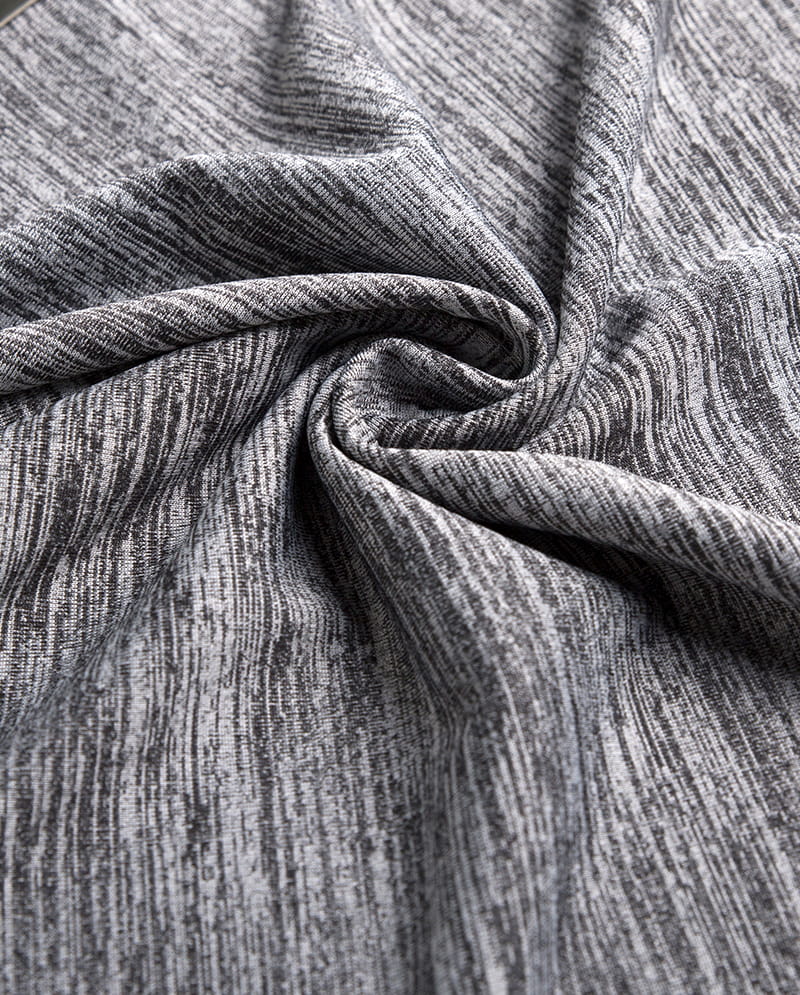
Anti-static Cationic Knitted Rib Fabric
-
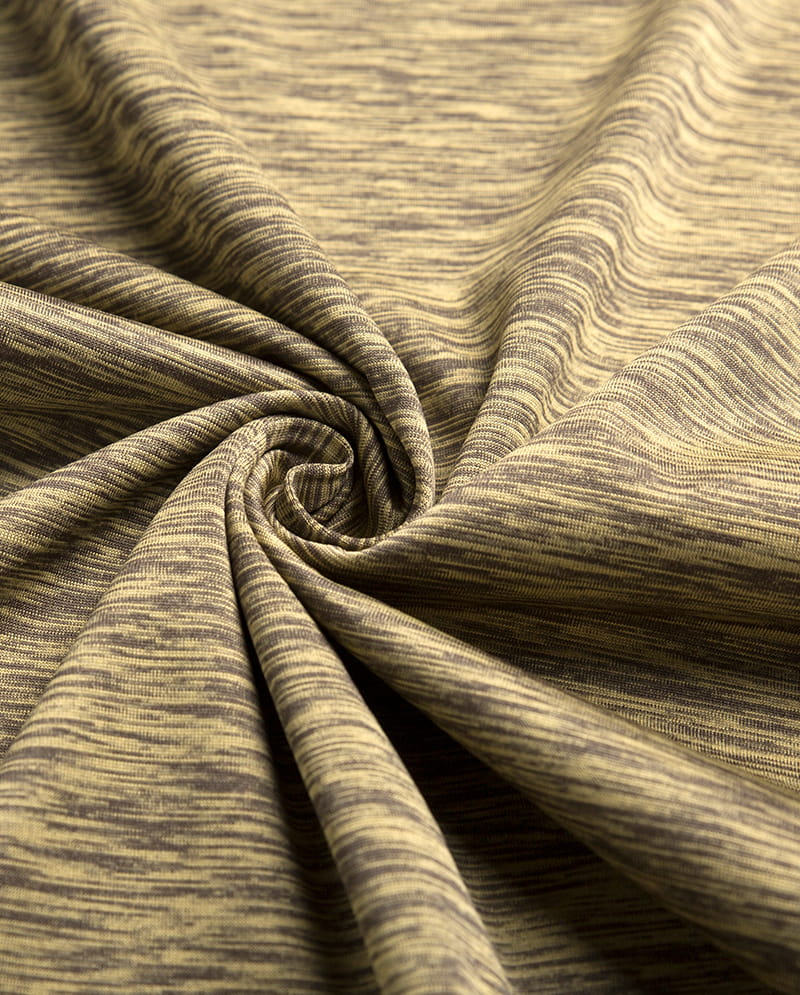
High-Stretch Cationic Jersey Fabric
-
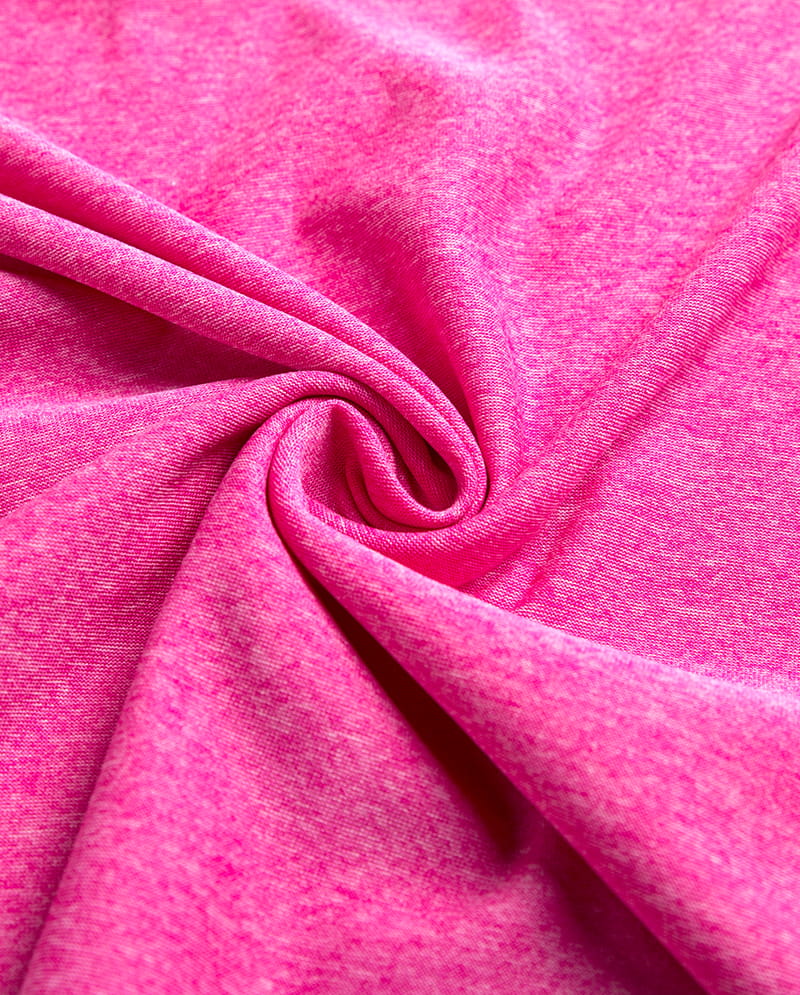
High Quality Cationic DTY Spandex Two Sides Brush Dralon Knit Fabric for Garment Thermal Underwear
-
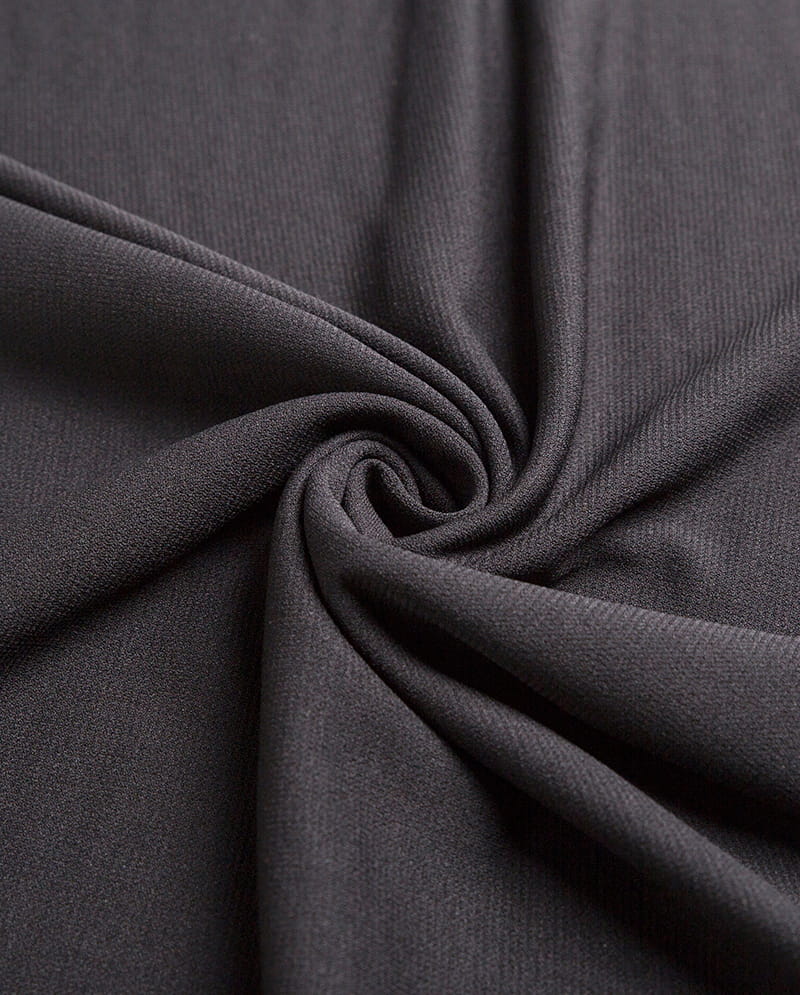
Durable Anti-Pilling Knitted Fabric for Home Textiles
-
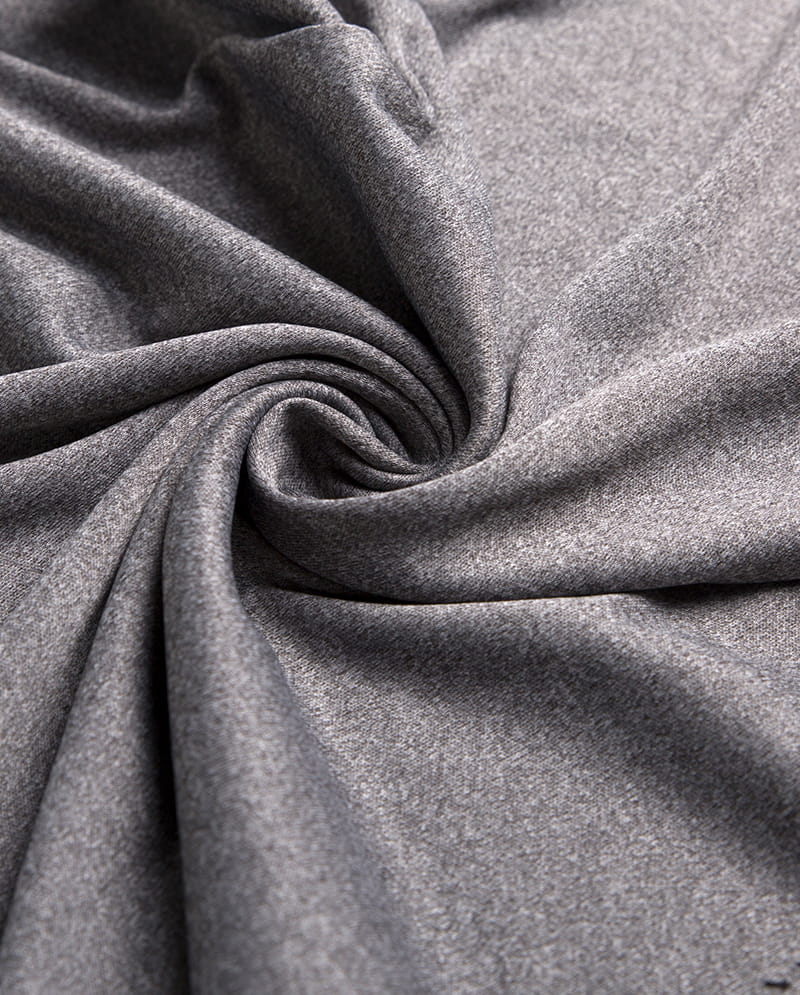
Wash-Resistant Cationic Elastic Knitted Fabric for Garment Industry
-
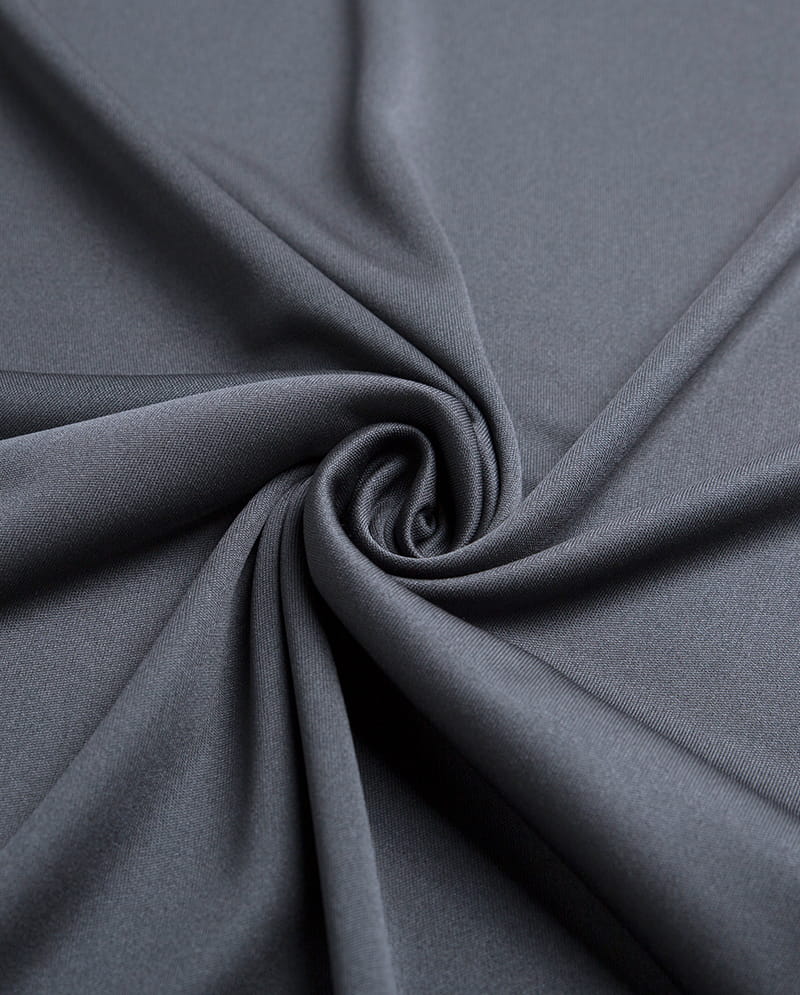
Breathable Double-Faced Elastic Composite Fabric
-
-
-
- whatsapp:
- 0086-13962559622
-
- skype:
- skype.aliceshenghong
-
- Wechat:

COPYRIGHT © 2016 Suzhou Junhui Textile Co., Ltd.
