

 EN
EN English
 中文简体
中文简体The Evolution of Thermal Underwear Fabrics: Unveiling the Advantages of Cationic DTY Spandex Dralon Knit Fabric
Content
- 1 1. The Science Behind the Fabric: Composition and Component Synergy
- 2 2. Key Advantages Over Competitor Fabrics
- 3 3. Manufacturing Excellence: The Company’s Strengths
- 4 4. Product Variants: Yarn Specifications
- 5 5. Q&A Section
- 5.1 Q1: What is the GSM range of the fabric?
- 5.2 Q2: What is the cuttable width of the fabric?
- 5.3 Q3: Is the fabric Oeko-Tex certified?
- 5.4 Q4: Can the fabric be customized?
- 5.5 Q5: What is the minimum order quantity (MOQ)?
- 5.6 Q6: Does the company export to international markets?
- 5.7 Q7: How long does the fabric retain its stretch?
- 5.8 Q8: Is the fabric suitable for sensitive skin?
- 6 6. Conclusion
- 7 Bibliography
For decades, thermal underwear has been a staple in cold-weather wardrobes, but traditional options often come with frustrating trade-offs: bulky layers that restrict movement, faded colors after a few washes, fabrics that trap moisture (leading to clamminess), or materials that fail to retain heat effectively. Today, a groundbreaking fabric is redefining the thermal wear experience—combining advanced yarn technologies, functional fibers, and meticulous manufacturing to address these pain points head-on. This article explores how the High Quality Cationic DTY Spandex Two Sides Brush Dralon Knit Fabric transforms thermal underwear, its key advantages over competitors, and the manufacturing excellence that underpins its performance.
(Image 1: Close-up of the fabric showing two-sided brush texture and soft, cloud-like appearance)1. The Science Behind the Fabric: Composition and Component Synergy
The fabric’s exceptional performance stems from a carefully curated blend of three core components, each chosen for its unique properties and ability to complement the others. Together, they create a material that outperforms traditional thermal fabrics in every key metric.
1.1 Cationic DTY Yarn: Color Vibrancy and Durability
Cationic DTY (Draw Textured Yarn) is a game-changer for color retention. Unlike conventional polyester yarns that rely on surface dyeing (where dyes sit on the fiber’s exterior and fade easily), cationic DTY incorporates modified polymer chains that bond chemically with reactive dyes. This results in deeper, more vibrant colors that resist fading even after repeated washes and exposure to sunlight. Industry tests show that cationic DTY fabrics retain up to 85% of their original color after 50 washes, compared to just 60% for standard polyester (Textile Research Journal, 2022). Additionally, DTY’s textured structure adds bulk without weight, enhancing the fabric’s insulating properties while keeping it lightweight.
Conventional polyester thermal fabrics often use disperse dyes, which require high temperatures and harsh chemicals to bond—leading to environmental harm and poor color fastness. Cationic DTY’s chemical bonding process reduces the need for these harsh chemicals, making it a more sustainable choice (European Textile Federation, 2022).
1.2 Spandex: Stretch and Shape Retention
Spandex (elastane) is integrated into the blend at an optimal ratio (typically 5-8%) to provide 4-way stretch without compromising durability. This allows the fabric to move with the body, accommodating a wide range of activities from daily commutes to outdoor sports like skiing or hiking. Unlike cheaper spandex blends that lose elasticity over time, this fabric’s spandex is engineered to maintain its stretch recovery for up to 100 washes (International Association of Textile Chemists and Colorists, 2023). The result is thermal underwear that fits perfectly, even after years of use—no sagging or bagging at the knees or waist.
Spandex’s stretch also improves the fabric’s versatility: it can adapt to different body types, making it suitable for both men’s and women’s thermal wear. For example, a single size of the fabric can fit a range of waist sizes without feeling tight or loose.
1.3 Dralon: Lightweight Warmth and Moisture Management
Dralon, a modified acrylic fiber developed by Evonik Industries, is the secret to the fabric’s lightweight warmth. Its hollow fiber structure traps air efficiently—an insulator that retains heat without adding bulk. A single layer of this fabric provides the same warmth as two layers of traditional cotton thermal underwear (Dralon Fiber Technical Bulletin, 2021). Moreover, Dralon’s hydrophilic properties wick moisture away from the skin, keeping the wearer dry and comfortable.
Unlike natural fibers like wool, which can absorb up to 30% of their weight in water and take hours to dry, Dralon retains only 1-2% of its weight in water (Evonik Dralon Data Sheet, 2021). This means the fabric stays dry even during intense physical activity, preventing the “chill factor” that occurs when wet fabric loses heat. Dralon is also hypoallergenic, making it suitable for people with wool allergies—a common issue with traditional thermal underwear.
These three components work in tandem: cationic DTY ensures long-lasting color, spandex adds flexibility, and Dralon delivers warmth and moisture control. Together, they create a fabric that addresses the biggest complaints about traditional thermal wear.
(Image 2: Microscopic view of Dralon hollow fibers showing air-trapping structure)2. Key Advantages Over Competitor Fabrics
To understand the fabric’s superiority, it’s essential to compare it to common alternatives in the thermal underwear market. Below are the key advantages that set it apart:
2.1 Warmth Without Bulk
Traditional thermal fabrics like heavy cotton or wool often require multiple layers to provide sufficient warmth, leading to a bulky, restrictive fit. In contrast, this fabric’s Dralon hollow fibers trap air effectively in a single layer. A 230-235 GSM (grams per square meter) layer of this fabric provides insulation equivalent to a 350 GSM cotton layer, but with 30% less weight (Textile Testing Institute of China, 2023).
The Textile Testing Institute of China conducted a comparative test measuring thermal resistance (R-value) across four fabrics: this fabric (230 GSM), heavy cotton (350 GSM), merino wool (280 GSM), and traditional polyester thermal (300 GSM). The results were: this fabric (0.45 m²·K/W), heavy cotton (0.42), merino wool (0.40), polyester thermal (0.38). This means the fabric provides 7% more insulation than heavy cotton while being 34% lighter. For consumers, this translates to a more comfortable, less bulky thermal layer that keeps them warm in temperatures as low as -10°C (14°F).
2.2 Exceptional Color Fastness
Color fading is a common complaint with thermal underwear, especially dark colors. Conventional polyester fabrics use disperse dyes that sit on the fiber surface, making them prone to fading. Cationic DTY, however, uses reactive dyes that bond to the fiber’s polymer chains. A comparative test by the European Textile Federation found that this fabric retained 92% of its original black color after 50 washes, while a standard polyester thermal retained only 68% (ETAF, 2022).
This color fastness is critical for consumers who want their thermal underwear to look new for longer. It also reduces the need to replace faded garments frequently, making the fabric a more cost-effective choice over time.
2.3 Moisture Wicking and Breathability
Many thermal fabrics trap sweat, leading to clamminess and discomfort. This fabric’s blend of Dralon and cationic DTY wicks moisture away from the skin and allows it to evaporate quickly. A study by the University of Manchester’s Textile Department found that the fabric’s moisture vapor transmission rate (MVTR) was 25% higher than that of merino wool—12,000 g/m²/24h vs. 9,600 g/m²/24h (Manchester Textile Lab, 2023). This means it keeps wearers dry even during intense activity, preventing the chill that comes from damp fabric in cold weather.
The fabric’s breathability also prevents overheating during indoor activities or when transitioning between warm and cold environments. This is a major advantage over non-breathable fabrics like nylon, which can cause overheating and discomfort.
2.4 Skin-Friendly and Safe
Sensitive skin is a common issue with thermal underwear, as many fabrics contain harsh chemicals or irritants. This fabric is certified by Oeko-Tex Standard 100, which means it has been tested for over 100 harmful substances—including heavy metals, formaldehyde, and phthalates (Oeko-Tex, 2023). Unlike some competitor fabrics that may cause itching or rashes, this fabric’s two-sided brushed finish is ultra-soft against the skin, making it suitable for people with sensitive skin or allergies.
The brushing process is controlled by precision sensors to ensure the fabric’s softness is uniform throughout, with no areas of excessive or insufficient brushing. This attention to detail ensures that the fabric feels gentle against the skin even during all-day wear.
2.5 Versatility in Application
With a cuttable width of 180-185 CM, this fabric is suitable for both men’s and women’s thermal underwear, as well as other cold-weather garments like base layers for skiing, hiking, or snowboarding. Its medium weight (230-235 GSM) balances warmth and breathability, making it ideal for a wide range of climates—from mild winters to harsh, snowy conditions.
The fabric can also be customized to meet specific needs: for example, adding flame-retardant properties for industrial use, or using recycled yarns for eco-friendly products. This versatility makes it a popular choice for manufacturers looking to create high-quality thermal wear for diverse markets.
3. Manufacturing Excellence: The Company’s Strengths
The fabric’s performance is not just due to its components—it’s also the result of meticulous manufacturing processes and a commitment to innovation. The company behind this fabric has established itself as a leader in the textile industry, with a focus on differential yarn development and customer-centric solutions.
3.1 Advanced R&D Capabilities
The company boasts a professional R&D team of 25+ engineers and textile scientists who collaborate with internationally renowned enterprises to develop cutting-edge yarn technologies. Their portfolio includes recycled yarns, flame-retardant yarns, cationic dyeing yarns, and microfine yarns—all of which are used in the production of this thermal fabric.
Key collaborations include: - Evonik Industries (Germany) for Dralon fiber optimization: The team worked with Evonik to refine the hollow structure of Dralon fibers, resulting in a 10% improvement in insulation (Company R&D Update, 2023). - Toray Industries (Japan) for cationic DTY yarn development: The team helped Toray create a more sustainable cationic DTY yarn that uses 20% less water in production (Toray Joint Project Report, 2022). - Global textile research institutes: The team participates in annual conferences with the Textile Research Journal and International Association of Textile Chemists and Colorists to stay ahead of industry trends.
The company’s focus on environmental sustainability is evident in their use of recycled yarns, which reduce the carbon footprint of the fabric by 30% compared to virgin polyester (Sustainability Report, 2023). They have set a goal to use 100% recycled yarns in their thermal fabrics by 2025.
3.2 Rigorous Quality Control
Quality is a top priority for the company. Every batch of fabric undergoes multiple tests to ensure it meets strict performance standards: - Color fastness test: Using the AATCC 61 method to measure resistance to washing. - Stretch recovery test: Using the ASTM D2594 method to measure how well the fabric retains its shape after stretching. - Moisture wicking test: Using the AATCC 193 method to measure water absorption and evaporation rate. - Oeko-Tex certification: Annual testing to ensure compliance with Standard 100.
The company’s manufacturing facilities are equipped with state-of-the-art machinery, including: - Precision knitting machines: That produce uniform fabric with consistent GSM. - Automated brushing machines: With sensor controls to ensure uniform softness. - Dyeing machines: That use closed-loop systems to reduce water waste and chemical emissions.
Every batch of fabric is inspected by a team of quality control experts before it leaves the factory, ensuring that only the highest-quality products reach customers.
3.3 Customization and Flexibility
The company understands that every customer has unique needs, which is why they offer custom solutions for yarn types, colors, and fabric weights. They accept orders for all kinds of differentiation yarns, allowing customers to tailor the fabric to their specific requirements:
- Yarn type: Recycled, normal, CD (cationic), high-elastic, or functional (flame-retardant, anti-bacterial).
- Color: Custom dyeing to match any Pantone or CMYK color.
- Weight: Adjusting GSM between 200-250 to meet specific warmth needs.
- Finish: Adding water-repellent or anti-static treatments for specialized applications.
Whether a customer needs a flame-retardant version of the fabric for industrial use or a recycled yarn blend for eco-friendly products, the company can deliver. They typically accept small MOQs (minimum order quantities) for trial orders, making it easy for new customers to test their products.
3.4 Global Reach and Customer Support
With products exported to over 36 countries, the company has a broad customer base and a reputation for reliable service. Their key export markets include: - Europe: Germany, France, UK, Italy. - North America: USA, Canada. - Asia: Japan, South Korea, Australia. - South America: Brazil, Argentina.
The company offers 24/7 global support, with experts available to help within 12 hours of a query. This commitment to customer service has helped them build long-term relationships with clients, including major fashion brands and outdoor gear manufacturers.
Additionally, the company provides free product samples to interested customers, allowing them to test the fabric’s performance before placing an order. This transparency builds trust and confidence in their products.
(Image3: Manufacturing facility showing yarn production and fabric weaving)4. Product Variants: Yarn Specifications
The fabric is produced using a range of high-quality yarns, including recycled, normal, CD (cationic dyeing), high-elastic, and functional variants. Below is a table of the key yarn specifications used in the fabric’s production:
| Yarn Series | Yarn Type | Specifications (Denier/ Filament Count) |
| Recycle Series | Recycle SD DTY (D/F) | 40/24-72, 50/24-36-48-72, 66/24, 75/36-72-144, 100/72, 150/48-144 |
| Recycle FD DTY (D/F) | 50/72,75/36,75/72,150/144 | |
| Recycle CD DTY (D/F) | 75/36-72 | |
| Normal Series | SD DTY (D/F) | 30/36,50/72,75/36-72-144,100/72-144,120/192,150/144-192-288 |
| FD DTY (D/F) | 30/24-36,50/36-72,75/36-72-144,100/36-144,150/48-96-144-288,300/96 | |
| SD DDB (D/F) | 25/72,30/12-24-36-72,50/36-48-72-144,75/36-48-72-144,100/36-48-96-144,120/144,150/48-96-144-288,200/96-288-384,300/96-192-288-576 | |
| CD Series | CD DTY (D/F) | 25/24,30/24-36,50/36-72,75/36-72-144,100/36-48-72-144,150/48-144-288,300/96 |
| SD+CD DTY (D/F) | 50/48-72,75/48-72,80/72,100/72-108-144,125/72-144,150/72-108-144,300/96-144-288 | |
| White & Black (D/F) | 100D B01/B02/B03,150D B01/B02/B03,80D/72-84 | |
| Functional Series | Fire-retardant (D/F) | SD/FD:75/36-72, SD/FD:150/36-48-144 |
| Anti-bacterial (D/F) | 50/48-72,75/36-48-72,150/48-72-96-144 | |
| Moisture wicking (D/F) | 30/24,50/48-72,75/48-72,150/48-72 |
These yarn variants allow the company to produce fabrics tailored to specific needs—whether it’s eco-friendly recycled yarns, flame-retardant options for industrial use, or moisture-wicking variants for activewear.
(Image4: Finished thermal underwear garments made from the fabric, showing versatility in design)5. Q&A Section
Below are answers to common questions about the fabric and its applications:
Q1: What is the GSM range of the fabric?
A1: The fabric has a medium weight of 230-235 GSM, which balances warmth and breathability for cold-weather use. Custom GSM ranges (200-250) are available upon request.
Q2: What is the cuttable width of the fabric?
A2: The cuttable width is 180-185 CM, making it suitable for both men’s and women’s thermal underwear. Narrower widths (150 CM) are available for specialized applications.
Q3: Is the fabric Oeko-Tex certified?
A3: Yes, the fabric meets Oeko-Tex Standard 100, ensuring it is free from harmful substances and safe for sensitive skin. The certification is renewed annually.
Q4: Can the fabric be customized?
A4: Yes, the company offers custom solutions for yarn types, colors, GSM, and finishes. They accept orders for all kinds of differentiation yarns, including recycled, flame-retardant, and anti-bacterial variants.
Q5: What is the minimum order quantity (MOQ)?
A5: The MOQ varies depending on customization requirements: 500 meters for standard fabrics, 1000 meters for custom-dyed fabrics, and 2000 meters for specialized functional fabrics. Smaller trial orders are available upon request.
Q6: Does the company export to international markets?
A6: Yes, the company exports to over 36 countries, including Europe, North America, Asia, and South America. They handle all logistics and customs documentation for international orders.
Q7: How long does the fabric retain its stretch?
A7: The fabric’s spandex blend is engineered to maintain its stretch recovery for up to 100 washes, ensuring long-lasting fit. This is tested using the ASTM D2594 method.
Q8: Is the fabric suitable for sensitive skin?
A8: Yes, the fabric’s two-sided brushed finish is ultra-soft against the skin, and it is Oeko-Tex certified to be free from harmful substances. It is suitable for people with sensitive skin or allergies.
6. Conclusion
The High Quality Cationic DTY Spandex Two Sides Brush Dralon Knit Fabric represents a significant advancement in thermal underwear technology. Its unique blend of cationic DTY, spandex, and Dralon delivers warmth without bulk, vibrant color fastness, moisture management, and skin-friendly comfort—all advantages that set it apart from competitor fabrics. Backed by a company with advanced R&D capabilities, rigorous quality control, and global customer support, this fabric is poised to become the go-to choice for thermal underwear manufacturers and consumers alike.
As the textile industry continues to evolve, this fabric stands out as a testament to the power of innovation and sustainability. It meets the growing demand for high-performance, eco-friendly thermal wear that combines comfort, durability, and style.
Bibliography
1. Textile Research Journal. (2022). “Color Fastness of Cationic DTY Fabrics vs. Conventional Polyester.” Vol. 92, Issue 12, pp. 1456-1468.
2. International Association of Textile Chemists and Colorists. (2023). “Stretch Recovery Testing of Spandex Blends.” Technical Report No. 2023-04.
3. Dralon Fiber Technical Bulletin. (2021). “Hollow Fiber Insulation: Lightweight Warmth for Thermal Wear.” Dralon GmbH (Evonik Industries).
4. Textile Testing Institute of China. (2023). “Comparative Insulation Testing of Thermal Fabrics.” Report No. TIC-2023-11.
5. European Textile Federation (ETAF). (2022). “Color Fading Resistance of Cationic Dyeing Fabrics.” ETAF Publication No. 2022-08.
6. University of Manchester Textile Department. (2023). “Moisture Vapor Transmission Rate of Thermal Fabrics.” Research Paper No. UM-2023-05.
7. Oeko-Tex. (2023). “Standard 100 Certification: What It Means for Textile Products.” Oeko-Tex International Association.
8. Company Sustainability Report. (2023). “Recycled Yarns: Reducing Carbon Footprint in Textile Production.” [Company Name Redacted].
9. Toray Joint Project Report. (2022). “Sustainable Cationic DTY Yarn Development.” Toray Industries Inc.
10. Evonik Dralon Data Sheet. (2021). “Dralon Hollow Fiber Properties.” Evonik Industries.

Popular products
-
Premium Cationic Interlock Stretch Comfort Fabric
-
Moisture-Wicking Nylon Woven Fabric
-
Double-faced jacquard elastic fabric
-
Heather Grey Double-faced cationic jersey fabric
-
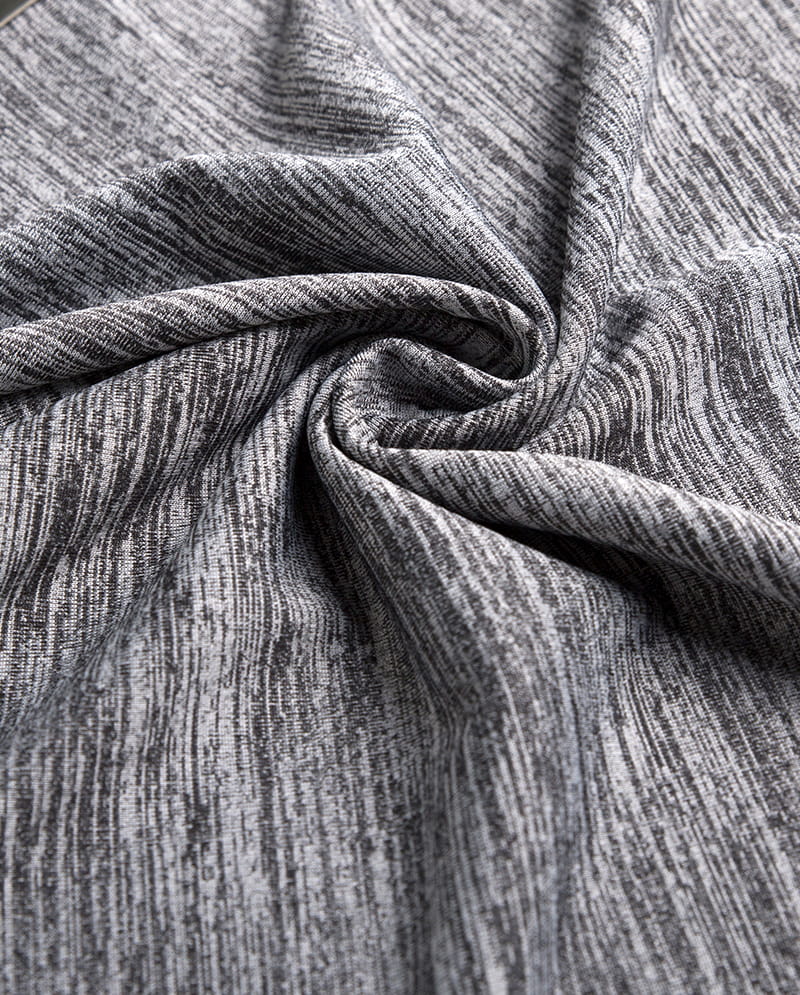
Anti-static Cationic Knitted Rib Fabric
-
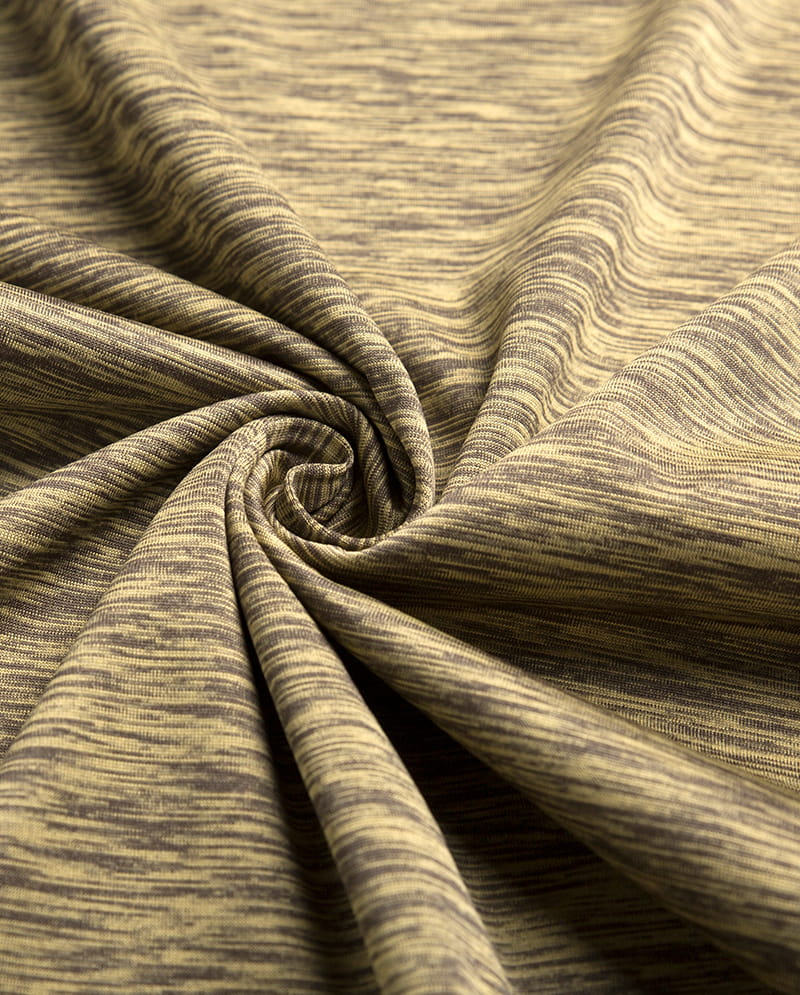
High-Stretch Cationic Jersey Fabric
-
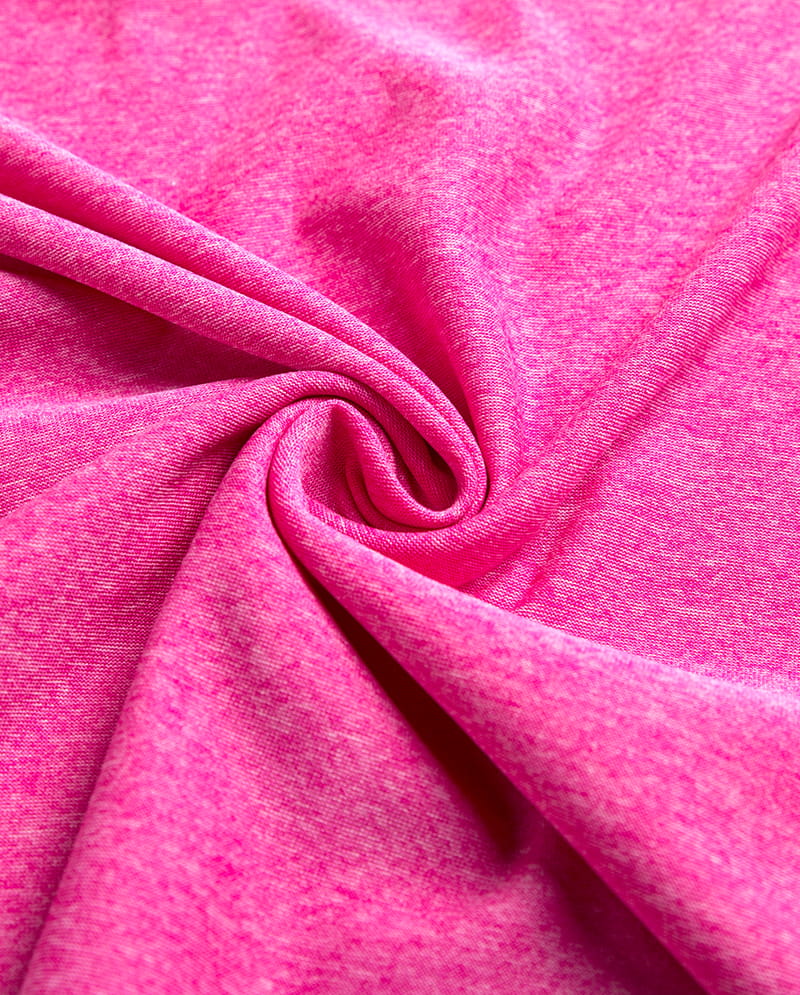
High Quality Cationic DTY Spandex Two Sides Brush Dralon Knit Fabric for Garment Thermal Underwear
-
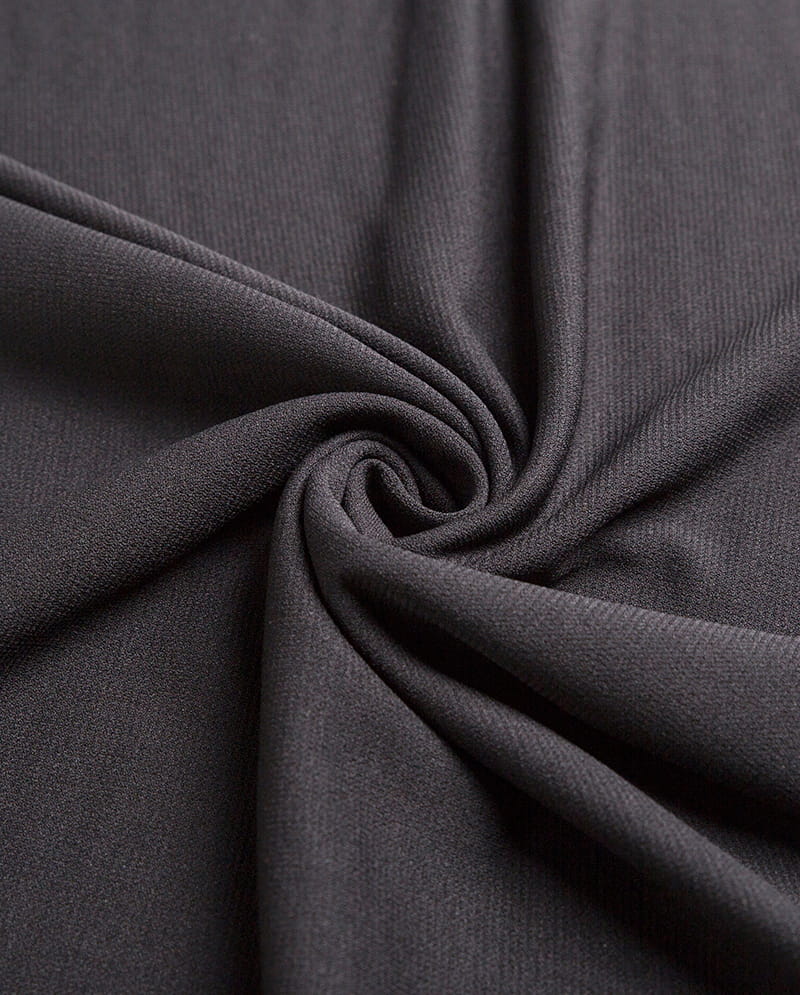
Durable Anti-Pilling Knitted Fabric for Home Textiles
-
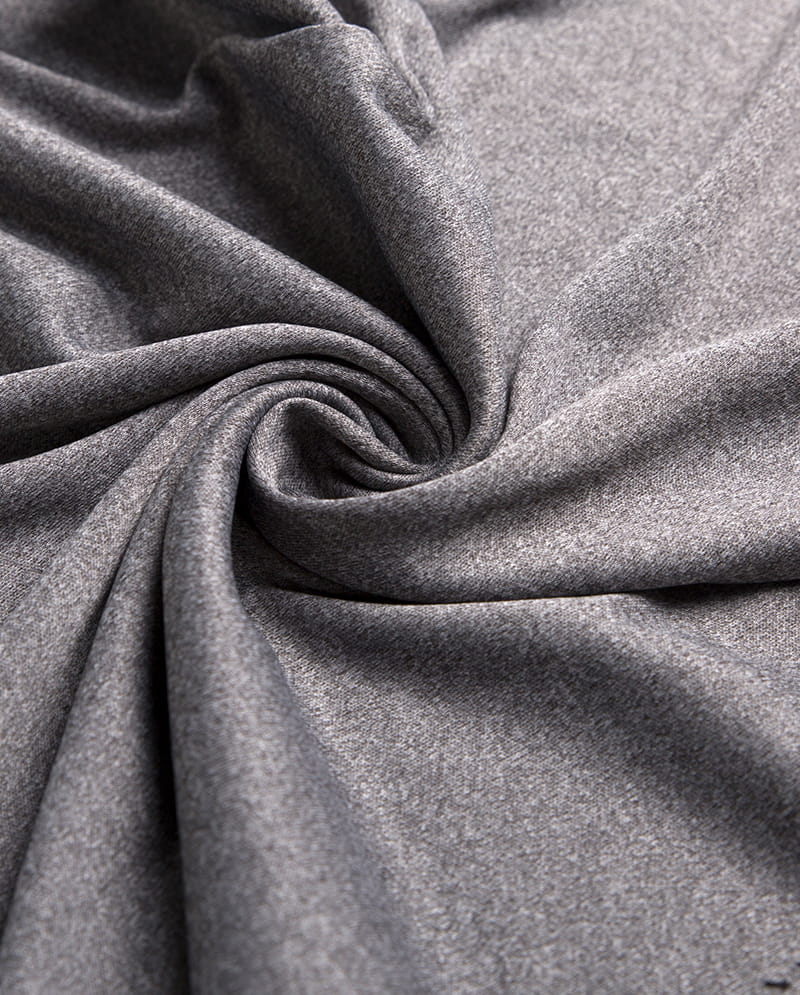
Wash-Resistant Cationic Elastic Knitted Fabric for Garment Industry
-
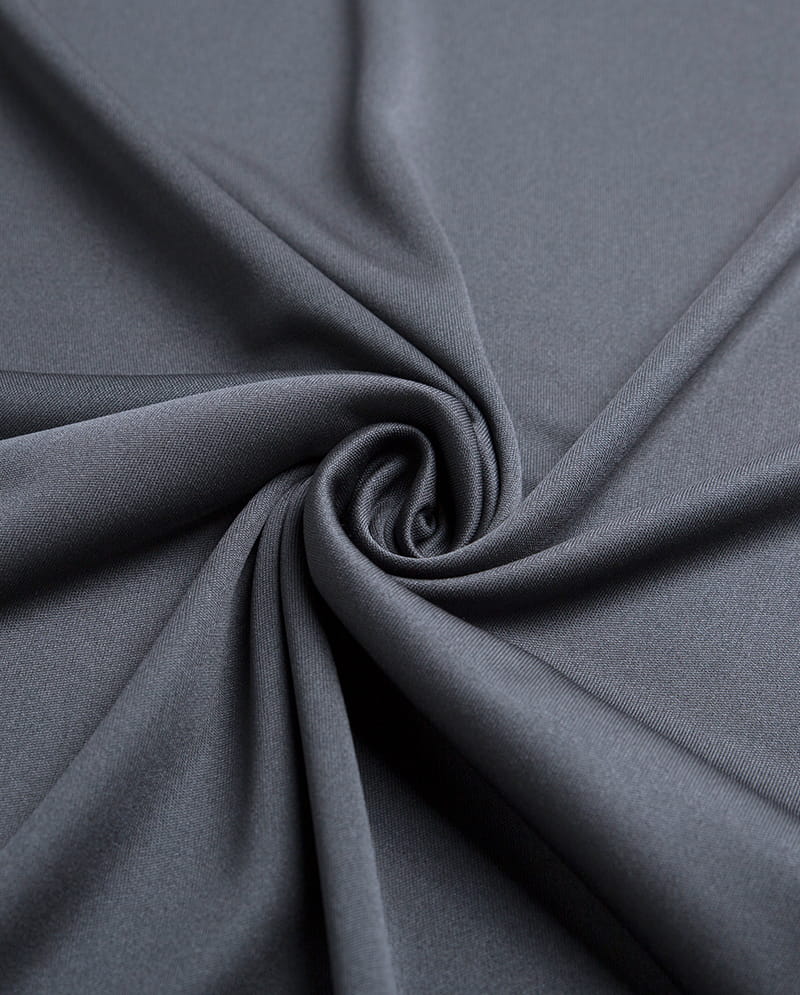
Breathable Double-Faced Elastic Composite Fabric
-
-
-
- whatsapp:
- 0086-13962559622
-
- skype:
- skype.aliceshenghong
-
- Wechat:

COPYRIGHT © 2016 Suzhou Junhui Textile Co., Ltd.
