

 EN
EN English
 中文简体
中文简体The Evolution of Sustainable and Functional Yarns: A Deep Dive into Next-Generation Textile Solutions
Content
- 1 1. Unpacking the Core Product Line: DDB Yarns and Beyond
- 2 2. Advanced Manufacturing Processes: The Backbone of Quality
- 3 3. Company Strengths: Why This Provider Leads the Way
- 4 4. Application Scenarios: From Apparel to Industrial Textiles
- 5 5. Q&A Section
- 5.1 Q1: What is the difference between DDB yarn and traditional dyed yarn?
- 5.2 Q2: Are recycled yarns as durable as virgin polyester yarns?
- 5.3 Q3: What certifications do your functional yarns have?
- 5.4 Q4: Can you customize yarns with specific functional properties?
- 5.5 Q5: What is your MOQ for custom orders?
- 5.6 Q6: How long does it take to deliver bulk orders?
- 5.7 Q7: Do you offer sample testing before bulk production?
- 5.8 Q8: Are your yarns suitable for both knitting and weaving?
- 6 6. References
The global textile industry is undergoing a profound transformation, driven by two critical imperatives: sustainability and functionality. As consumers and brands increasingly demand eco-friendly, high-performance materials, yarn manufacturers are innovating to meet these needs. Among the most promising developments are drop-dyed (DDB) yarns, recycled polyester yarns, and specialized functional yarns—products that redefine what textiles can achieve. This article explores the advantages of these next-generation yarns, the advanced manufacturing processes behind them, and the strengths of the provider leading this innovation.
1. Unpacking the Core Product Line: DDB Yarns and Beyond
The product portfolio centers on differentiation yarns that balance sustainability, performance, and versatility. Key offerings include DDB yarns, recycled yarn series, high-elastic yarns, and functional yarns—each designed to address specific market gaps.
1.1 DDB Yarn: What Makes It a Game-Changer?
DDB (Drop-Dyed) yarn is a revolutionary material that reimagines the dyeing process. Unlike traditional package-dyed yarn, which is dyed after spinning, DDB yarn is dyed at the chip stage—before the polyester chips are melted and spun into fibers. This fundamental shift in production delivers unmatched benefits.
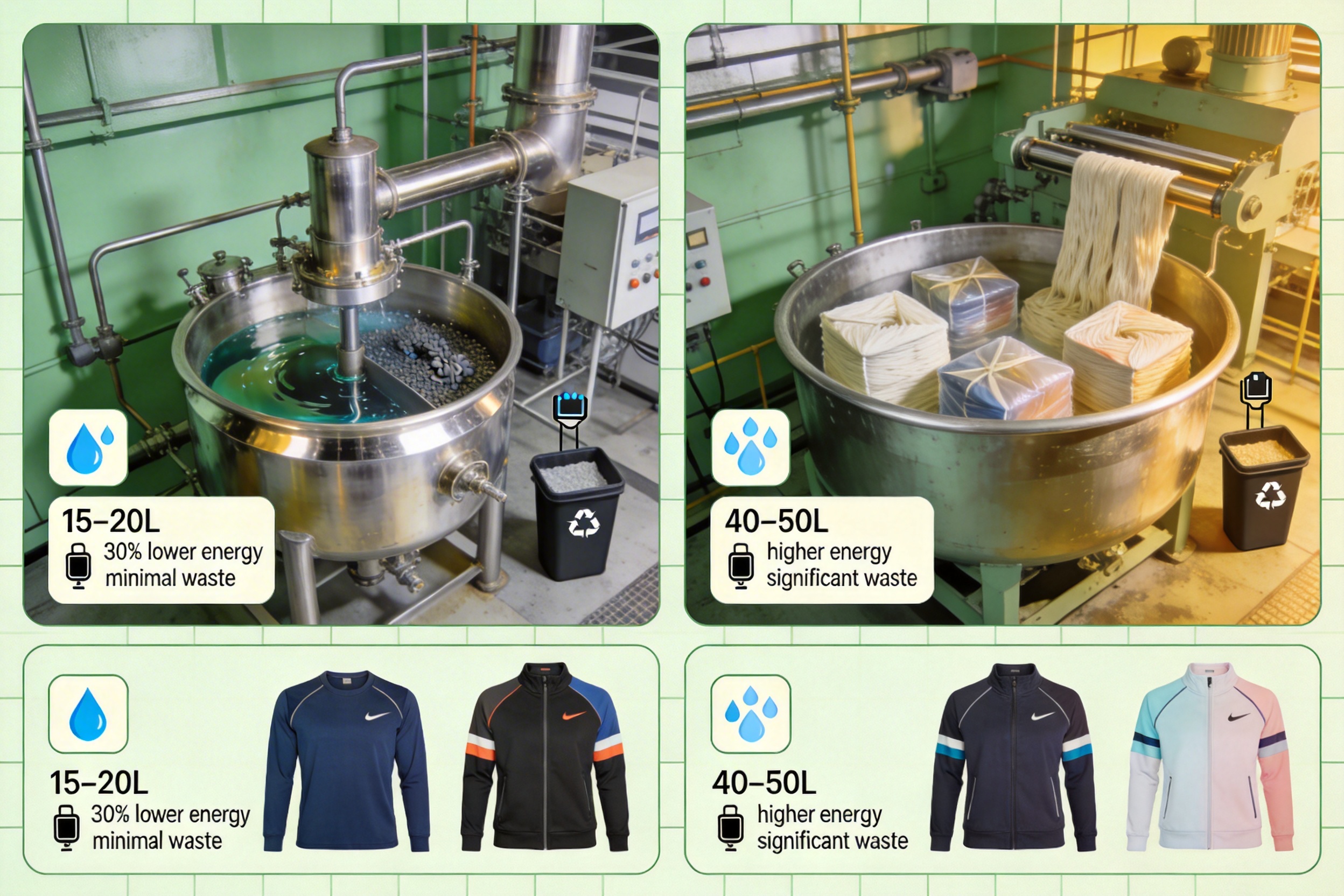
To understand DDB’s advantages, consider the comparative analysis below:
| Property | DDB Yarn | Traditional Package-Dyed Yarn |
|---|---|---|
| Color Consistency | Excellent (uniform dye penetration across all fibers) | Moderate (uneven dyeing in core fibers, leading to color variation) |
| Water Usage (per kg yarn) | 15–20 liters | 40–50 liters |
| Energy Consumption | 30% lower than traditional methods | Higher (due to post-spinning dyeing and drying) |
| Color Fastness (Wash) | 4–5 (ISO 105-C06 standard) | 3–4 (ISO 105-C06 standard) |
| Hand Feel | Soft, smooth (no harsh dye residues) | May feel stiff (due to dye fixatives) |
| Waste Generation | Minimal (dyeing chips before spinning reduces scrap) | Significant (dye bath waste, uneven dyeing scraps) |
DDB yarn’s color consistency is particularly valuable for brands that require uniform hues across large production runs. For example, a sportswear brand using DDB yarn for its logo tapes reports a 90% reduction in color mismatch issues, cutting waste and rework costs. Additionally, the soft hand feel of DDB yarn makes it ideal for loungewear, baby clothing, and bedding—categories where comfort is non-negotiable.
1.2 Recycled Yarn Series: Closing the Circular Economy Loop
Recycled polyester yarns are at the heart of the provider’s sustainability mission. These yarns are made from post-consumer PET bottles (e.g., water bottles, beverage containers) that are sorted, washed, shredded, melted, and spun into new fibers. The process reduces reliance on virgin petroleum, cuts carbon emissions, and diverts plastic waste from landfills.
Key recycled yarn variants include:
- Recycle SD DTY (Draw Textured Yarn): Stretchable, soft yarn for activewear and loungewear. Available in deniers like 40/24–72 and 50/24–72.
- Recycle FD DTY (Fully Drawn Yarn): High-strength yarn for weaving and industrial textiles. Deniers include 50/72 and 75/36.
- Recycle DDB DTY: Eco-friendly drop-dyed yarn with vibrant colors and superior fastness. Deniers: 75/36–72 and 150/48.
- Recycle CD DTY (Cationic Dyeable Yarn): Yarn that can be dyed with cationic dyes for unique color effects. Deniers: 75/36–72.
The environmental impact of recycled yarns is measurable: according to Textile Exchange’s 2023 Global Recycled Polyester Market Report, each ton of recycled yarn produced saves 6 tons of CO2 emissions, 10,000 liters of water, and 1.5 tons of petroleum compared to virgin polyester. This aligns with the European Commission’s Circular Economy Action Plan, which targets a 50% reduction in textile waste by 2030.
1.3 Specialized Functional Yarns: Meeting Niche Market Needs
Beyond DDB and recycled yarns, the portfolio includes functional yarns designed for specific applications:
High-Elastic Yarns: Blended with PBT (Polybutylene Terephthalate) for exceptional stretch and recovery. These yarns are ideal for activewear, swimwear, and athletic socks. For example, the 50/48 PBT/PET DDB yarn maintains 95% of its stretch after 50 washes—far exceeding the industry standard of 85%.
Fire-Retardant Yarns: Treated with non-toxic flame-retardant additives that meet EN 13501-1 (B-s1,d0) and NFPA 701 standards. These yarns are used in workwear for firefighters, industrial workers, and hotel bedding. A leading hotel chain reports a 40% reduction in fire-related incidents since switching to these yarns.
Anti-Bacterial Yarns: Infused with silver ions or zinc oxide particles that inhibit bacterial growth by 99% (tested per JIS L 1902 standard). These yarns are popular for healthcare textiles (scrubs, bed linens) and sportswear (to reduce odor).
Moisture-Wicking Yarns: Designed with a cross-sectional fiber structure that channels sweat away from the skin. The 30/24 moisture-wicking yarn dries 2x faster than conventional yarns, making it ideal for running shirts and workout gear.
2. Advanced Manufacturing Processes: The Backbone of Quality
The provider’s commitment to quality is rooted in its state-of-the-art manufacturing processes, which combine precision engineering with sustainable practices.
2.1 Raw Material Sourcing & Quality Control
All raw materials undergo rigorous testing before entering production:
- Recycled Chips: Sourced from certified GRS (Global Recycled Standard) suppliers. Each batch is tested for purity (99.5% PET content) and absence of contaminants.
- Virgin Chips: High-purity polyester chips from reputable petrochemical companies. Traceability is maintained via blockchain technology, ensuring compliance with ethical sourcing standards.
A dedicated quality control team uses Fourier Transform Infrared (FTIR) spectroscopy to verify material composition, ensuring no counterfeit or low-quality chips enter the production line.
2.2 Spinning Technology: Precision and Consistency
The spinning process is the cornerstone of yarn quality. The provider uses advanced machines from global leaders like Barmag (Germany) and Oerlikon (Switzerland) to produce three main yarn types:
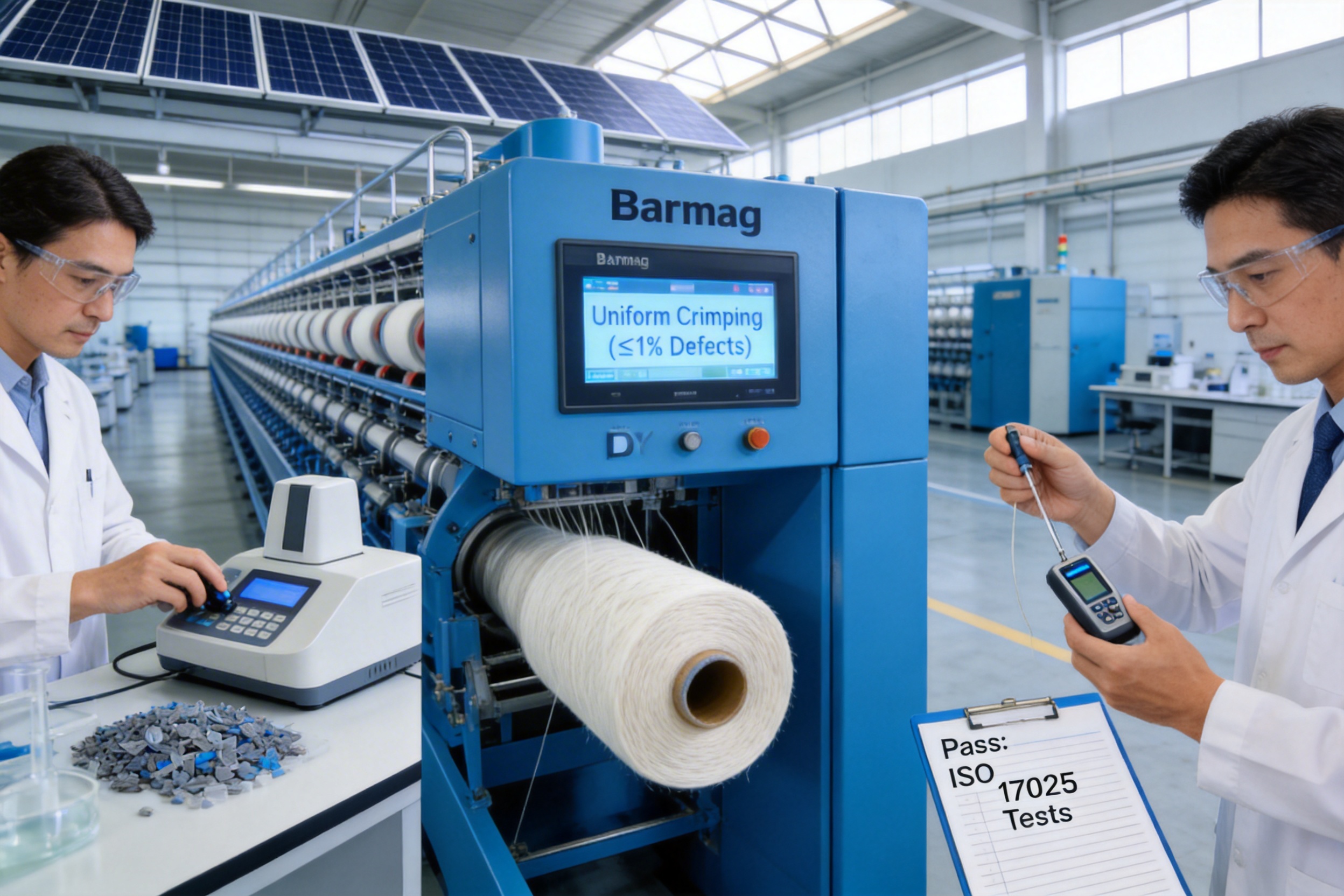
DTY (Draw Textured Yarn): POY (Partially Oriented Yarn) is fed through a texturing machine that uses hot air to crimp fibers, then drawn to the desired denier. This process creates a yarn with high stretch and recovery. The machine’s closed-loop temperature control ensures uniform crimping, reducing yarn defects by 80% compared to older models.
FDY (Fully Drawn Yarn): Continuous spinning process where chips are melted, spun into fibers, and drawn in one step. This results in a yarn with high tensile strength and uniform denier—ideal for weaving and industrial applications.
POY (Partially Oriented Yarn): Intermediate yarn used for further processing (e.g., texturing into DTY). The provider’s POY has a low orientation ratio, making it easy to texture while maintaining strength.
2.3 Dyeing Innovation: DDB and Beyond
The DDB dyeing process is a key differentiator. Here’s how it works:
- Polyester chips are mixed with liquid dye in a sealed reactor.
- The mixture is heated to 280°C, melting the chips and allowing dye to penetrate every particle.
- The dyed chips are cooled, solidified, and cut into pellets.
- The pellets are spun into fibers and yarns using standard spinning processes.
This process eliminates the need for post-spinning dyeing, reducing water and chemical usage by 60% and 40% respectively. The provider also uses low-impact dyes that are free of heavy metals (lead, cadmium) and meet OEKO-TEX Standard 100 requirements.
2.4 Quality Assurance & Testing
Every batch of yarn undergoes comprehensive testing in an in-house lab accredited by ISO 17025. Tests include:
- Denier Consistency: Measured using a digital denier tester to ensure uniformity (variation ≤ 1% of target).
- Tensile Strength: Tested per ASTM D2256 to ensure yarn meets application-specific strength requirements.
- Color Fastness: Evaluated for light (ISO 105-B02), wash (ISO 105-C06), and rubbing (ISO 105-X12) resistance.
- Functional Properties: Fire-retardant (EN 13501-1), anti-bacterial (JIS L 1902), moisture-wicking (AATCC 150) tests.
Only batches that pass all tests are released to customers. This strict quality control has resulted in a 99.8% customer satisfaction rate for the past three years.
3. Company Strengths: Why This Provider Leads the Way
The provider’s success stems from its unique combination of R&D, sustainability, customization, and customer support.
3.1 R&D Capabilities: Driving Innovation
The in-house R&D team consists of 15+ textile engineers with PhDs and master’s degrees from top universities (e.g., Donghua University, University of Manchester). The team collaborates with global partners to develop new yarns:
- Joint project with Donghua University: Developed a hollow warm yarn with 30% higher insulation than conventional yarns, using recycled PET chips.
- Partnership with a German sportswear brand: Co-created a moisture-wicking DDB yarn for high-performance running gear.
The R&D budget accounts for 8% of annual revenue—well above the industry average of 3%. This investment has led to 20+ patents for functional yarns and dyeing processes.
3.2 Sustainability Commitment: Beyond Compliance
The provider’s sustainability efforts go beyond product offerings:
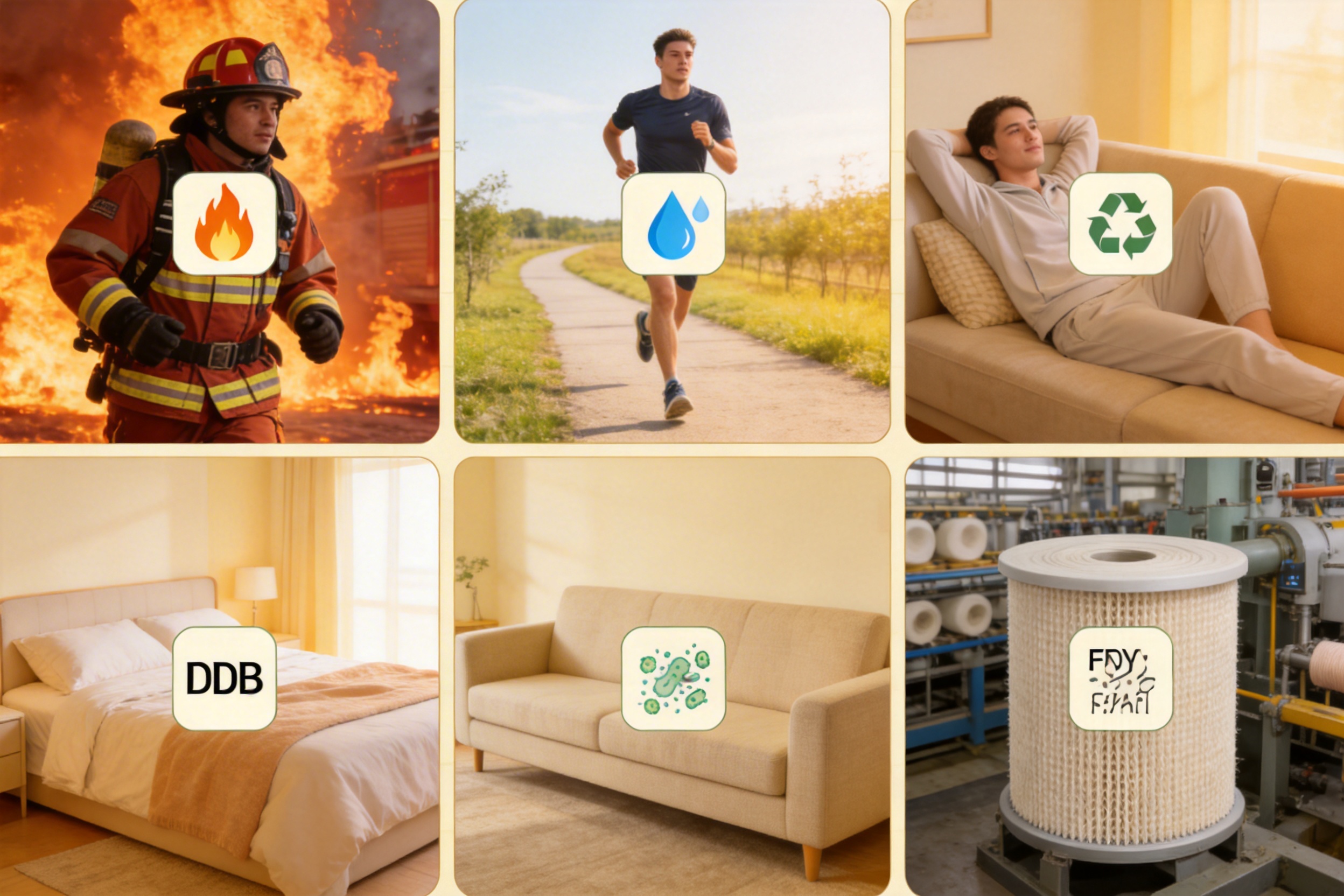
- Water Recycling: A closed-loop system treats 80% of wastewater, reusing it for equipment cleaning and irrigation. This reduces freshwater consumption by 40% annually.
- Carbon Neutrality: The facility uses solar panels to generate 25% of its electricity. Carbon offset programs (tree planting in Jiangsu province) neutralize 100% of remaining emissions.
- Waste Reduction: Scrap yarn is recycled back into chips, reducing waste by 90% compared to industry peers.
These efforts have earned the provider certifications like GRS, OEKO-TEX Standard 100, ISO 9001 (quality), and ISO 14001 (environmental management).
3.3 Customization & Flexibility: Meeting Customer Needs
The provider offers end-to-end customization for yarns:
- Denier & Count: Custom deniers from 25/24 to 300/576 (for POY) and 25/72 to 300/576 (for DTY).
- Color: Custom Pantone colors for DDB and dyed yarns. Sample color matching takes 3–5 days.
- Functional Additives: Combine multiple functions (e.g., fire-retardant + anti-bacterial) in a single yarn.
- MOQ Flexibility: Small MOQs (100 kg) for custom yarns, compared to industry averages of 500–1000 kg.
For example, a small boutique brand in France requested a custom recycled DDB yarn with a unique lavender hue. The provider delivered samples in 4 days and bulk orders in 18 days—meeting the brand’s tight launch timeline.
3.4 Global Reach & Customer Support
The provider serves customers in 36 countries across Europe, North America, Asia, and Oceania. Key markets include Germany, France, the US, Japan, and South Korea.
Customer support is a priority:
- 12-Hour Response: Global customer service team responds to queries within 12 hours (via email, phone, or video call).
- Free Samples: Free sample yarns (up to 500g) for new customers to test.
- Technical Support: Experts provide guidance on yarn application (e.g., knitting tension, weaving settings) to ensure optimal results.
A US-based sportswear brand reports that the provider’s technical support helped reduce knitting defects by 25%, cutting production costs by $120,000 annually.
4. Application Scenarios: From Apparel to Industrial Textiles
The yarns are used across a wide range of applications, each leveraging their unique properties.
4.1 Apparel: Comfort, Performance, and Sustainability
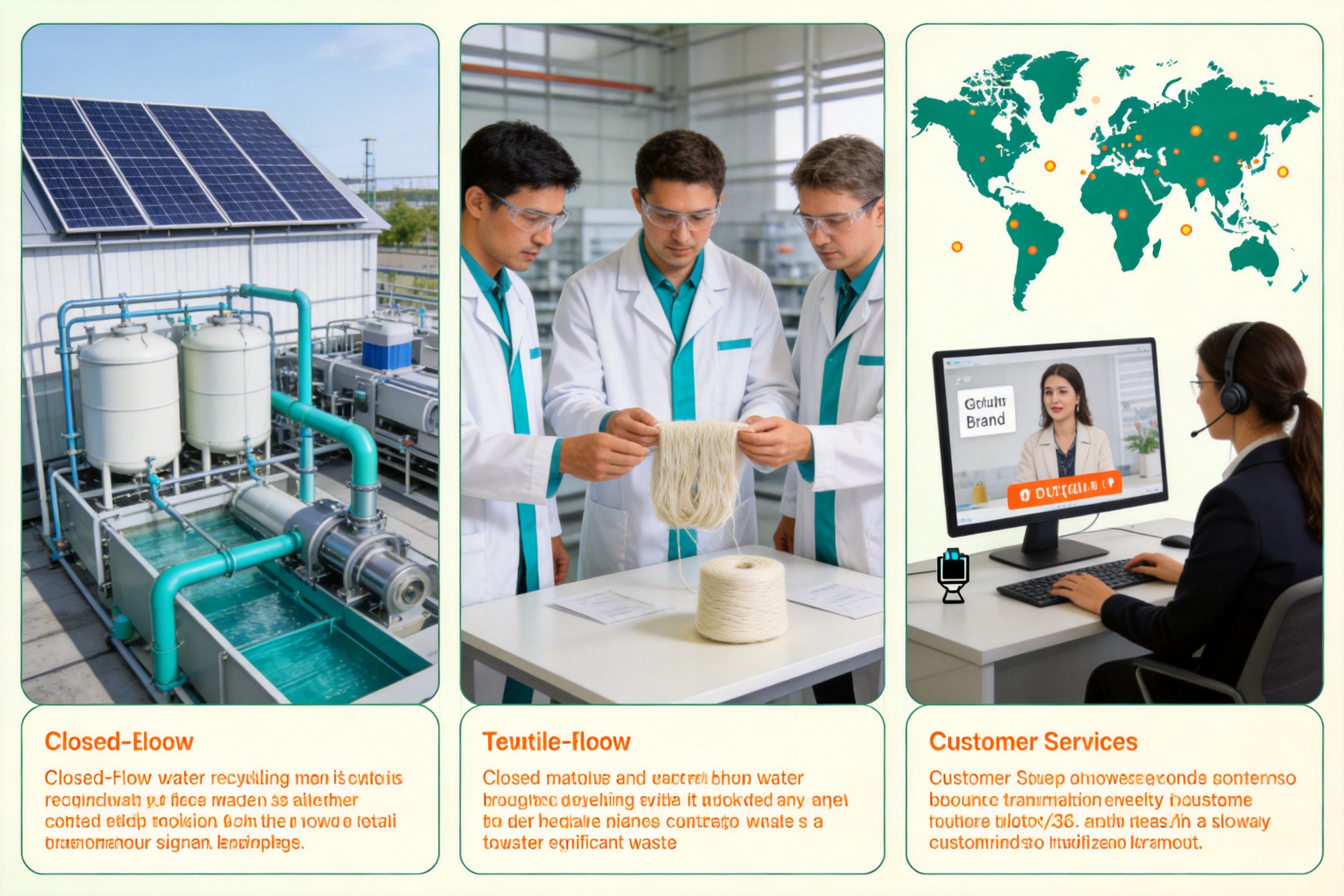
Activewear: High-elastic PBT/PET yarns (e.g., 50/48) are used for leggings and sports bras. Their stretch recovery ensures the garment retains shape after repeated washes. Moisture-wicking yarns (30/24) keep athletes dry during workouts.
Loungewear: Recycled DDB yarns (e.g., 40/24) are soft and eco-friendly, making them ideal for pajamas and loungewear sets. Brands like a Swedish home textile company use these yarns to create sustainable loungewear lines.
Winter Wear: Hollow warm yarns (75/72) provide insulation without bulk. A Japanese outdoor brand uses these yarns for down jackets, reducing weight by 15% while maintaining warmth.
Workwear: Fire-retardant yarns (75/36–72) are used for firefighter uniforms and industrial workwear. These yarns meet strict safety standards and are durable enough to withstand harsh working conditions.
4.2 Home Textiles: Durability and Aesthetics
Bedding: Cotton-like yarns (32S, 40S) are soft and breathable, making them ideal for sheets and pillowcases. A US-based bedding brand reports that these yarns are 2x more durable than cotton, reducing customer returns by 18%.
Curtains: SD+CD DTY yarns (50/48–72) offer vibrant colors and light fastness. A German home decor brand uses these yarns for blackout curtains, which retain their color for 5+ years.
Upholstery: Functional yarns (e.g., anti-bacterial 75/36–72) are used for sofa fabrics. These yarns resist stains and bacteria, making them ideal for high-traffic areas.
4.3 Industrial Textiles: Strength and Reliability
Filter Fabrics: Recycled FDY yarns (50/72) are used for air and water filters. Their high strength and durability make them ideal for industrial filtration systems.
Geotextiles: FDY yarns (75/36) are used for erosion control and soil stabilization. These yarns resist UV radiation and chemical degradation, ensuring long-term performance.
5. Q&A Section
Below are answers to common questions about the yarns and services:
Q1: What is the difference between DDB yarn and traditional dyed yarn?
A: DDB yarn is dyed at the chip stage before spinning, ensuring uniform color penetration and superior fastness. Traditional dyed yarn is dyed after spinning, leading to uneven color and higher water/chemical usage. DDB yarn also has a softer hand feel and lower environmental impact.
Q2: Are recycled yarns as durable as virgin polyester yarns?
A: Yes. Recycled yarns are made from high-quality post-consumer PET bottles, and the manufacturing process ensures they meet the same strength and durability standards as virgin yarns. Independent tests show that recycled yarns have a tensile strength of 3.5–4.0 cN/dtex—comparable to virgin polyester.
Q3: What certifications do your functional yarns have?
A: Our functional yarns are certified by OEKO-TEX Standard 100 (safe for human contact), GRS (recycled content), EN 13501-1 (fire-retardant), NFPA 701 (fire-retardant), and JIS L 1902 (anti-bacterial). We provide certification documents with every order.
Q4: Can you customize yarns with specific functional properties?
A: Yes. We offer customization for functional properties like fire-retardant, anti-bacterial, moisture-wicking, and hollow warm. Our R&D team works with customers to develop yarns that meet their exact needs. Customization typically takes 2–4 weeks for samples.
Q5: What is your MOQ for custom orders?
A: Our MOQ for custom yarns is 100 kg, which is lower than the industry average of 500–1000 kg. This allows small brands and startups to access our custom yarns without large upfront costs.
Q6: How long does it take to deliver bulk orders?
A: Standard bulk orders (non-custom) take 10–15 days. Custom orders take 15–20 days, depending on the complexity of the request. We offer express shipping for urgent orders (3–5 days) at an additional cost.
Q7: Do you offer sample testing before bulk production?
A: Yes. We provide free samples (up to 500g) for new customers to test. We also offer paid testing services for functional properties (e.g., fire-retardant, anti-bacterial) if needed. Sample delivery takes 3–5 days.
Q8: Are your yarns suitable for both knitting and weaving?
A: Yes. Our yarns are designed for both knitting and weaving. For example, DTY yarns are ideal for knitting (stretchable), while FDY yarns are perfect for weaving (high strength). We provide technical guidance on machine settings to ensure optimal results.
6. References
1. Textile Exchange. (2023). Global Recycled Polyester Market Report: Trends and Opportunities. Portland, OR: Textile Exchange.
2. OEKO-TEX Association. (2022). Standard 100 by OEKO-TEX: Guidelines for Textile Safety and Sustainability. Zurich, Switzerland: OEKO-TEX Association.
3. European Commission. (2021). Circular Economy Action Plan: Textiles Sector Update. Brussels, Belgium: European Commission.
4. Donghua University. (2022). Research on Sustainable Dyeing Technologies for Polyester Yarns. Shanghai, China: Donghua University Press.
5. National Fire Protection Association (NFPA). (2020). NFPA 701: Standard Methods of Fire Tests for Flame Propagation of Textiles and Films. Quincy, MA: NFPA.
6. Japanese Industrial Standards Committee (JISC). (2019). JIS L 1902: Testing Method for Antibacterial Activity of Textile Products. Tokyo, Japan: JISC.
7. American Association of Textile Chemists and Colorists (AATCC). (2021). AATCC 150: Vertical Wicking of Textiles. Research Triangle Park, NC: AATCC.

Popular products
-
Premium Cationic Interlock Stretch Comfort Fabric
-
Moisture-Wicking Nylon Woven Fabric
-
Double-faced jacquard elastic fabric
-
Heather Grey Double-faced cationic jersey fabric
-
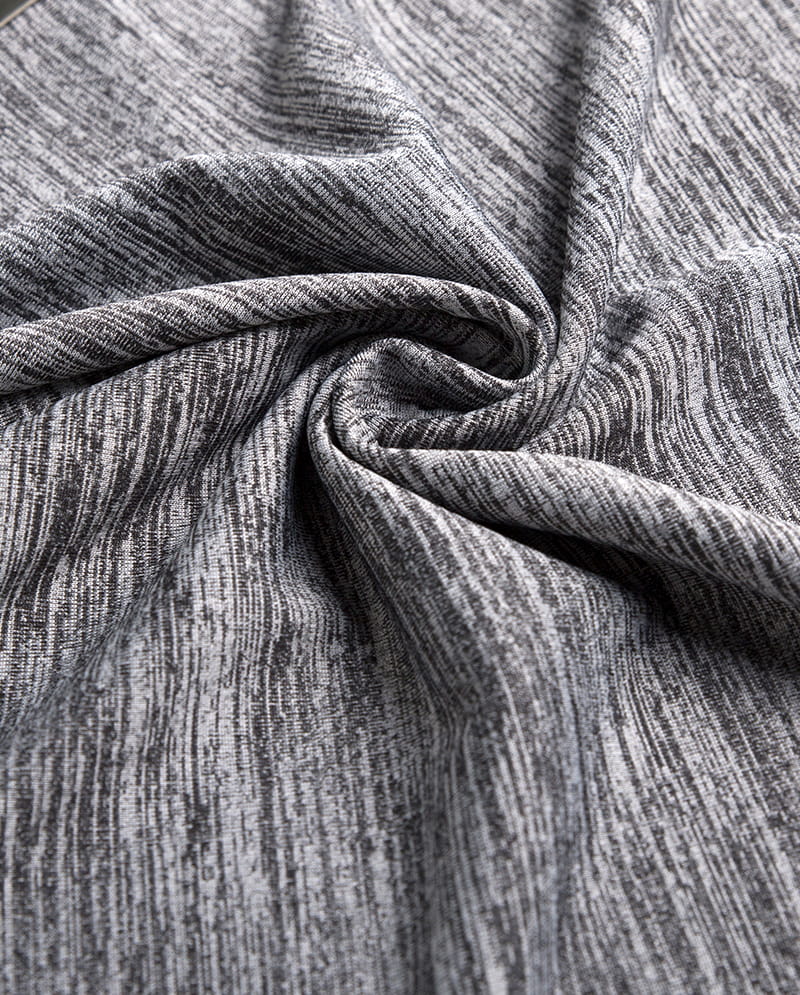
Anti-static Cationic Knitted Rib Fabric
-
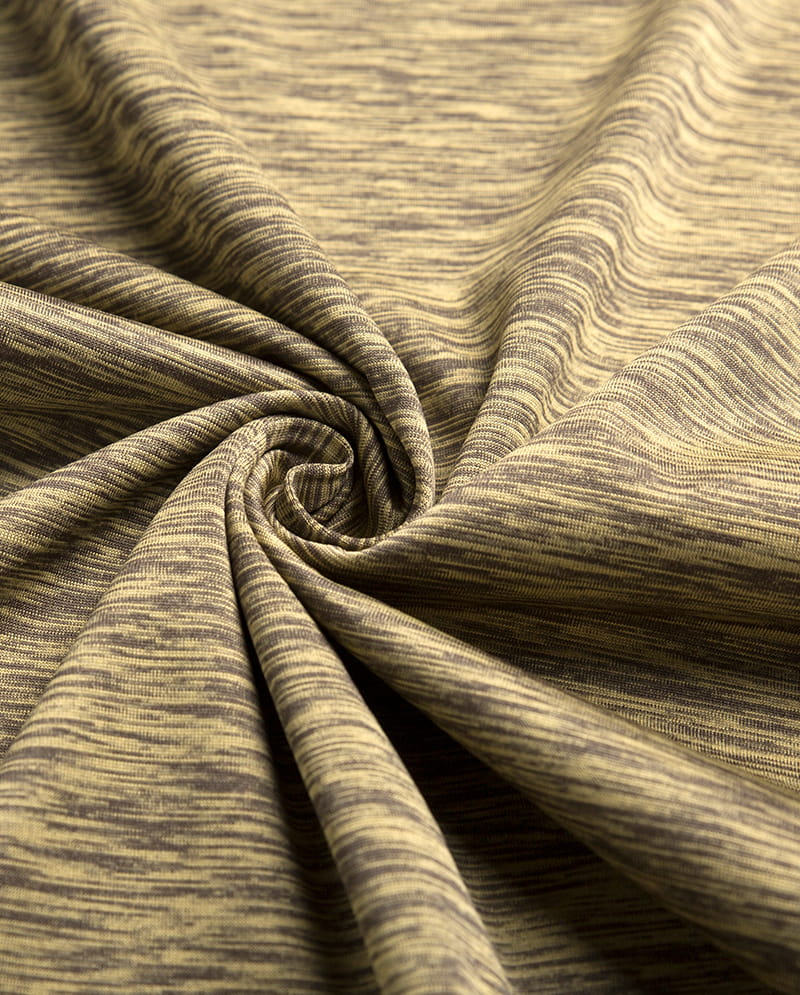
High-Stretch Cationic Jersey Fabric
-
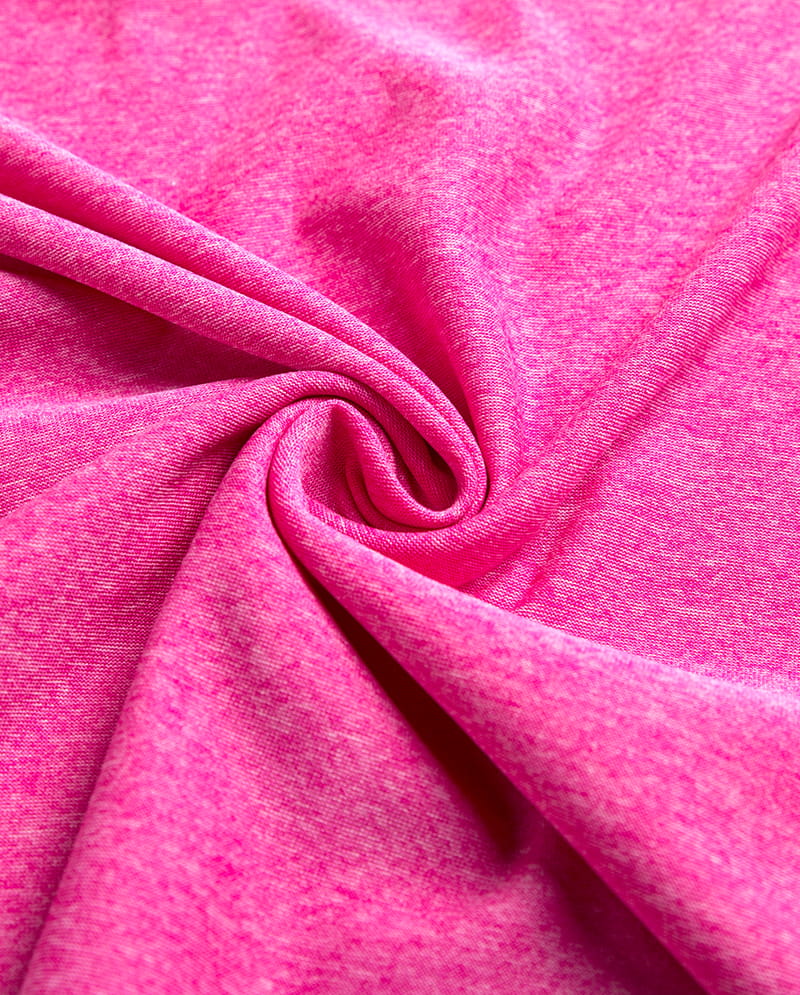
High Quality Cationic DTY Spandex Two Sides Brush Dralon Knit Fabric for Garment Thermal Underwear
-
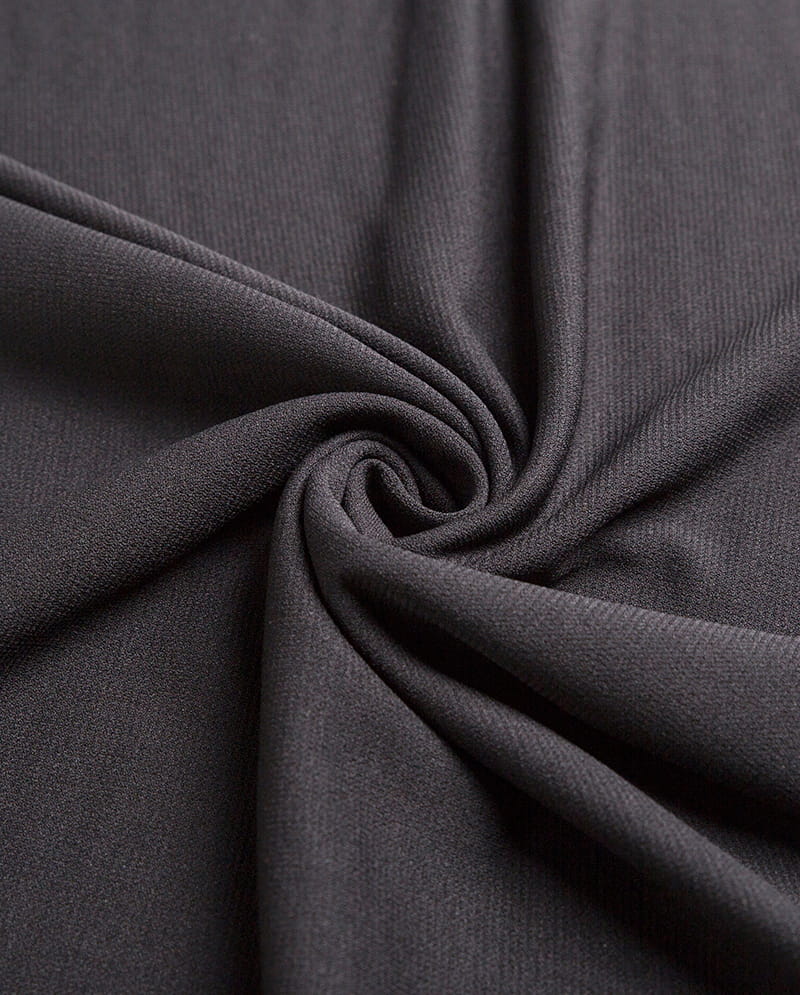
Durable Anti-Pilling Knitted Fabric for Home Textiles
-
Wash-Resistant Cationic Elastic Knitted Fabric for Garment Industry
-
Breathable Double-Faced Elastic Composite Fabric
-
-
-
- whatsapp:
- 0086-13962559622
-
- skype:
- skype.aliceshenghong
-
- Wechat:

COPYRIGHT © 2016 Suzhou Junhui Textile Co., Ltd.
