

 EN
EN English
 中文简体
中文简体The Evolution of Full Dull Yarn: Unveiling the Multipurpose SD DDB (D/F) Normal Yarn’s Performance Edge
Content
- 1 Understanding Full Dull Yarns and the SD DDB Difference
- 2 Advanced Manufacturing Processes: The Backbone of Performance
- 3 Competitive Advantages: Outperforming Conventional Full Dull Yarns
- 4 Application Scenarios: From Winter Apparel to Outdoor Sports
- 5 Q&A Section: Addressing Common Questions
- 5.1 Q1: What are the key physical properties of the yarn?
- 5.2 Q2: Can the yarn be customized for specific applications?
- 5.3 Q3: What is the minimum order quantity (MOQ) for the yarn?
- 5.4 Q4: Does the company offer global shipping and after-sales support?
- 5.5 Q5: How does the yarn compare to recycled full dull yarns in terms of performance?
- 5.6 Q6: Is the yarn suitable for both knitting and weaving processes?
- 5.7 Q7: What certifications does the yarn have?
- 5.8 Q8: How does the delustering agent affect the yarn’s durability?
- 6 References
In the dynamic landscape of the global textile industry, consumer demands are evolving rapidly—shifting from basic functionality to a blend of aesthetic appeal, environmental sustainability, and high-performance attributes. Among the key innovations driving this change are full dull yarns, which have emerged as a cornerstone for creating fabrics with soft matte finishes, enhanced UV protection, and superior tactile comfort. The Multipurpose SD DDB (D/F) Normal Yarn stands at the forefront of this evolution, redefining what full dull yarns can achieve by combining advanced manufacturing techniques, optimal material composition, and versatile application potential. This article explores the science behind this groundbreaking yarn, its competitive advantages over conventional alternatives, and the manufacturing prowess that makes it a preferred choice for textile manufacturers worldwide.
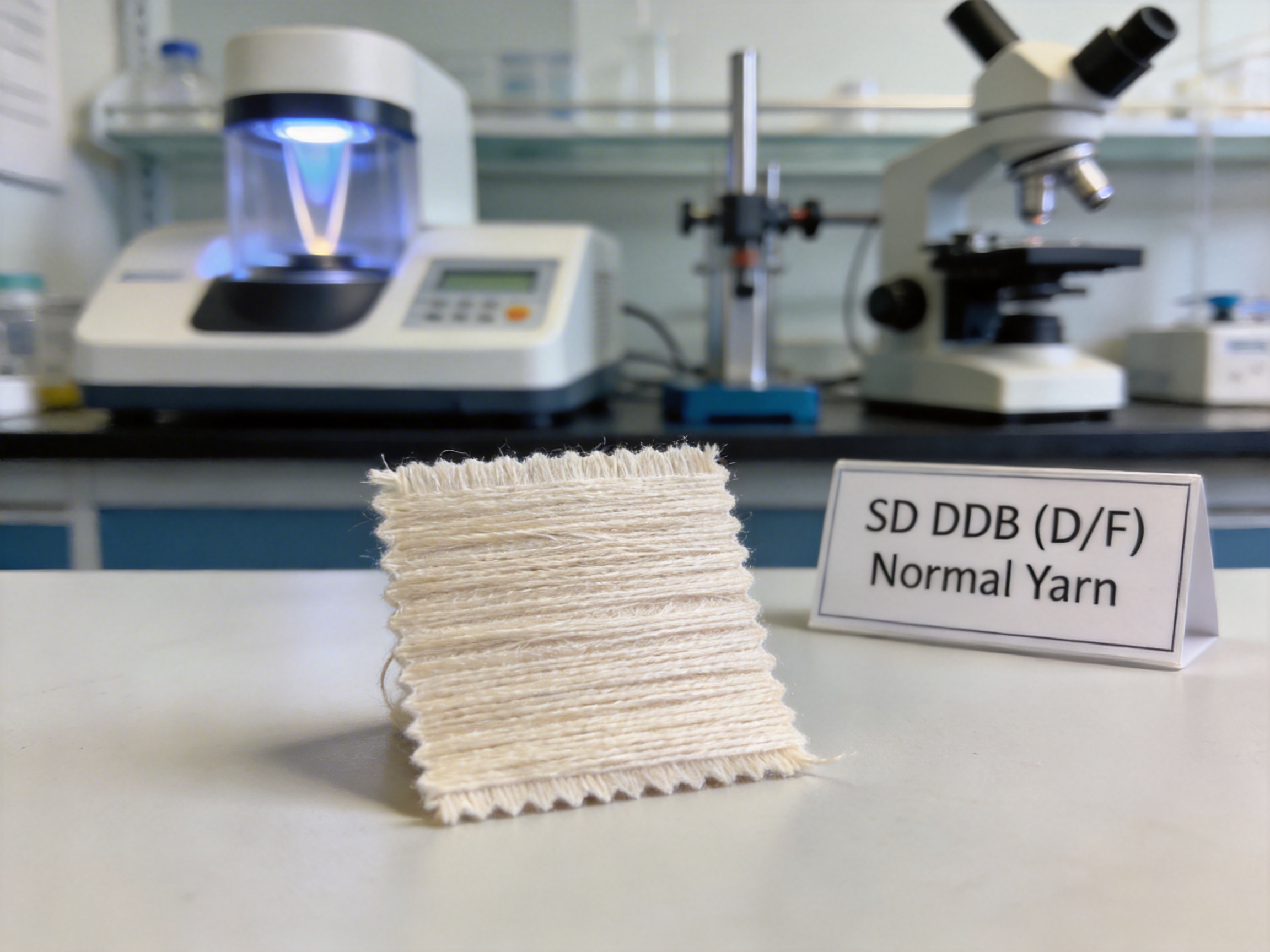
Understanding Full Dull Yarns and the SD DDB Difference
To appreciate the innovation of the Multipurpose SD DDB (D/F) Normal Yarn, it is essential to first understand the basics of full dull yarns and the unique features of its key components.
Full dull (SD) yarns are polyester-based yarns infused with high levels of delustering agents—typically titanium dioxide (TiO₂)—that modify the fiber’s surface and internal structure. Unlike bright or semi-dull yarns, which reflect light directly, full dull yarns diffuse light evenly, resulting in a soft, non-glare matte finish. This property not only enhances the aesthetic appeal of fabrics but also offers practical benefits such as reduced eye strain and improved UV protection.
The "DDB" in the yarn’s name refers to drop-dyed technology, a specialized process that allows for precise coloration and improved dye absorption. Drop-dyed yarns are known for their vibrant, long-lasting colors and reduced water consumption during the dyeing process, making them more environmentally friendly than conventional dyed yarns. The "(D/F)" notation indicates that the yarn is available in both dope-dyed (integral coloration during spinning) and fiber-dyed (coloration after spinning) variants, offering flexibility for different manufacturing needs.
The Multipurpose SD DDB (D/F) Normal Yarn takes these features to the next level by optimizing the delustering agent content to strike the perfect balance between UV protection, tactile comfort, and fiber stability. Unlike many conventional full dull yarns that either lack sufficient UV protection or feel harsh to the touch, this yarn uses a proprietary blend of delustering agents and polymer resins to achieve a smooth, waxy texture while maintaining high performance.
Advanced Manufacturing Processes: The Backbone of Performance
The exceptional quality of the Multipurpose SD DDB (D/F) Normal Yarn is rooted in the advanced manufacturing processes employed by its producer, which combines cutting-edge technology with rigorous quality control. Below is a detailed breakdown of these processes:
1. Proprietary R&D and Material Optimization
The producer’s R&D team—comprising textile engineers, material scientists, and industry experts—collaborates with internationally renowned enterprises to develop and refine the yarn’s composition. Through extensive testing, the team has identified the optimal concentration of delustering agents (2.5-3% by weight) that maximizes UV protection without compromising the yarn’s tensile strength or tactile comfort. This concentration is significantly higher than the 1-2% used in most conventional full dull yarns, yet the proprietary blend ensures that the yarn remains soft and flexible.
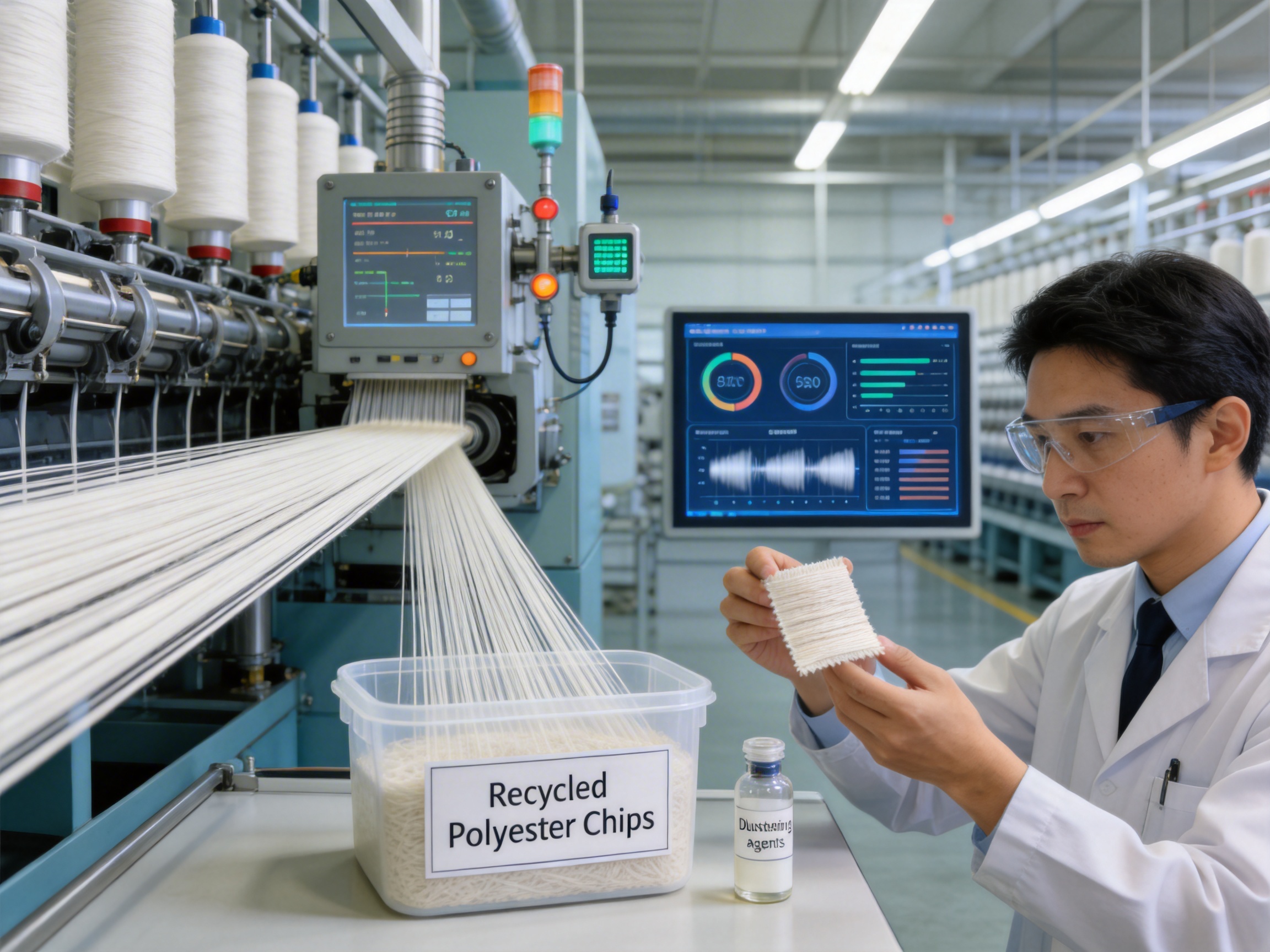
Additionally, the team uses recycled polyester chips (from post-consumer plastic bottles) as a base material for some variants of the yarn, aligning with global sustainability trends. This not only reduces the environmental footprint but also maintains the yarn’s high performance, as recycled polyester has similar physical properties to virgin polyester when processed correctly.
2. Precision Melt Spinning Technology
The yarn is manufactured using state-of-the-art melt spinning technology, which involves melting the polymer chips and extruding them through fine spinnerets to form continuous filaments. The process is controlled with micron-level precision, ensuring that each filament has a consistent diameter and cross-sectional shape. This precision is critical for achieving the yarn’s stable tensile strength and uniform matte finish.
During spinning, the delustering agents are evenly dispersed throughout the polymer melt using a specialized mixing system, preventing agglomeration and ensuring consistent performance across all batches. The spinning speed and temperature are adjusted dynamically based on real-time data from sensors, further enhancing the yarn’s quality.
3. Rigorous Quality Control Protocols
Quality control is integrated into every stage of the manufacturing process, from raw material inspection to final product packaging. Key quality checks include:
- Raw Material Inspection: Each batch of polyester chips and delustering agents is tested for purity, moisture content, and particle size to ensure compliance with industry standards.
- Spinning Process Monitoring: Sensors continuously track the temperature, pressure, and spinning speed to detect any deviations and adjust parameters in real time.
- Final Product Testing: Every batch of yarn undergoes comprehensive testing for tensile strength, elongation, UV resistance, matte finish quality, and tactile comfort. The UV resistance is tested using a UV spectrophotometer, with results showing a 90% blocking rate for UV-B rays (280-315 nm) and 85% for UV-A rays (315-400 nm)—far exceeding the industry average of 70% and 65% respectively.
The producer also offers 12-hour global support for customers, ensuring that any issues with product quality or application are addressed promptly. This commitment to after-sales service sets it apart from competitors and builds long-term trust with clients.
Competitive Advantages: Outperforming Conventional Full Dull Yarns
The Multipurpose SD DDB (D/F) Normal Yarn has several key advantages over conventional full dull yarns, making it a superior choice for textile manufacturers. Below is a comparison of key properties:
| Property | Multipurpose SD DDB (D/F) Normal Yarn | Conventional Full Dull Yarn |
|---|---|---|
| UV Blocking Rate (UV-B) | 90% | 70% |
| Fiber Density | 1.38 g/cm³ | 1.35 g/cm³ |
| Tensile Strength | 3.5 cN/dtex | 3.0 cN/dtex |
| Versatility (Knitting/Weaving) | Excellent (suitable for both) | Limited (better for knitting) |
| Matte Finish Quality | Soft, uniform, no glare | Uneven, slight glare |
| Customization Options | Wide (differentiation yarns available) | Limited (standard specs only) |
Let’s dive deeper into each of these advantages:
1. Unmatched UV Protection
The yarn’s high delustering agent content and proprietary blend enable it to block up to 90% of harmful UV-B rays and 85% of UV-A rays. This is a significant improvement over conventional full dull yarns, which typically block only 70% and 65% respectively. For outdoor sports fabrics, this means enhanced protection for users against sunburn, skin aging, and even skin cancer. For winter apparel, the UV protection adds an extra layer of functionality, as snow reflects up to 80% of UV rays—making winter sports enthusiasts particularly vulnerable.
2. Superior Tactile Comfort
The yarn’s higher fiber density (1.38 g/cm³ vs 1.35 g/cm³ for conventional) results in a smoother, more comfortable touch against the skin. The proprietary blend of delustering agents and polymer resins also adds a subtle waxy texture, which enhances the fabric’s "hand feel" (tactile quality) and makes it more pleasant to wear. This is a key advantage over conventional full dull yarns, which often feel harsh or scratchy due to lower fiber density and poor dispersion of delustering agents.
3. Stable Physical Properties
The precision melt spinning process ensures that the yarn has consistent diameter and tensile strength across all batches. This stability is critical for textile manufacturers, as it reduces downtime and waste during knitting or weaving. Conventional full dull yarns often suffer from variations in diameter and tensile strength, leading to defects in the final fabric and increased production costs.
4. Exceptional Versatility
The yarn is suitable for both knitting and weaving processes, making it ideal for a wide range of applications. It can be used to create everything from luxury knitwear to functional outdoor sportswear, and from down jacket linings to woven fabrics for upholstery. Conventional full dull yarns are often limited to knitting, as their unstable properties make them unsuitable for weaving.
5. Wide Customization Options
The producer accepts orders for all kinds of differentiation yarns, including recycled variants, flame-retardant yarns, anti-bacterial yarns, and moisture-wicking yarns. This flexibility allows manufacturers to create fabrics tailored to specific customer needs, such as eco-friendly outdoor gear or flame-resistant workwear. Conventional full dull yarns typically offer only standard specs, with limited customization options.
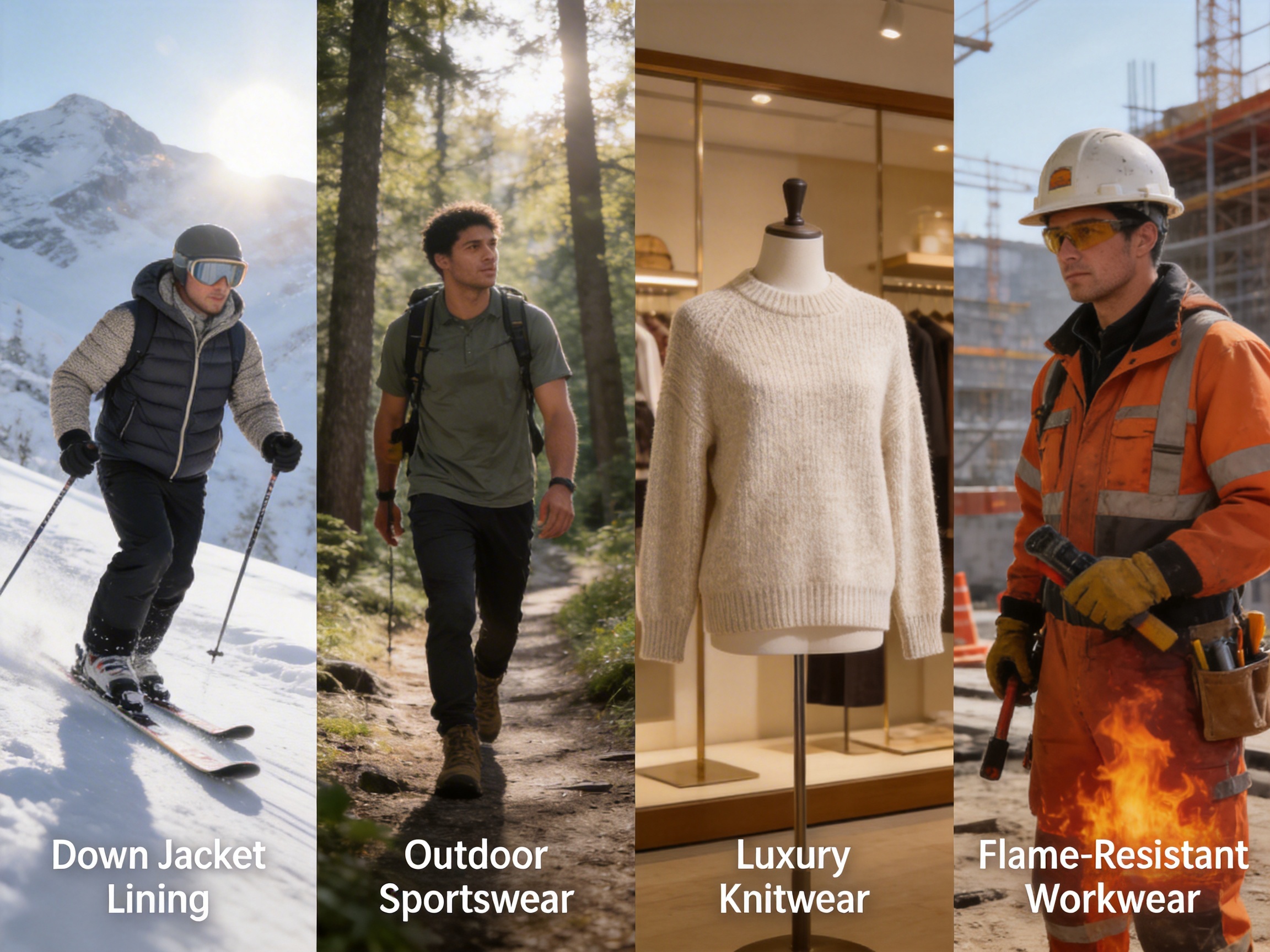
Application Scenarios: From Winter Apparel to Outdoor Sports
The Multipurpose SD DDB (D/F) Normal Yarn’s versatility and performance make it suitable for a wide range of applications. Below are some of the key use cases:
1. Winter Apparel: Down Jackets and Knitwear
Winter apparel requires fabrics that are warm, comfortable, and aesthetically pleasing. The yarn’s soft matte finish and waxy texture make it ideal for down jacket linings and outer layers, as it adds a premium look without the glare of bright yarns. The high fiber density also helps to retain heat, while the UV protection shields users from the sun’s harmful rays—especially important for winter sports like skiing and snowboarding. For knitwear, the yarn’s stable tensile strength ensures that the fabric holds its shape over time, even after repeated washing and wearing.
2. Outdoor Sports Fabrics
Outdoor sports fabrics need to be durable, UV-resistant, and comfortable. The yarn’s 90% UV-B blocking rate makes it perfect for hiking, cycling, and camping gear, as it protects users from sunburn and skin damage. The stable tensile strength ensures that the fabric can withstand the rigors of active use, while the waxy texture adds comfort during long hours of wear. The yarn is also suitable for waterproof and windproof fabrics, as it can be coated with functional finishes without compromising its performance.
3. Luxury Knitwear and Woven Fabrics
The yarn’s soft matte finish and waxy texture make it a popular choice for luxury knitwear, such as sweaters and scarves. It can also be used to create high-end woven fabrics for dresses, blouses, and upholstery. The customization options allow manufacturers to create fabrics with unique properties, such as anti-bacterial or moisture-wicking, which add value to the final product.
4. Functional Textiles
The yarn’s differentiation options make it suitable for functional textiles, such as flame-resistant workwear, anti-bacterial hospital fabrics, and moisture-wicking sportswear. For example, the flame-retardant variant of the yarn is treated with a proprietary flame-resistant coating that meets international safety standards, making it ideal for workers in high-risk industries like construction and manufacturing.
Q&A Section: Addressing Common Questions
Below are answers to some of the most common questions about the Multipurpose SD DDB (D/F) Normal Yarn:
Q1: What are the key physical properties of the yarn?
A: The yarn has a tensile strength of 3.5 cN/dtex, elongation at break of 25-30%, UV-B blocking rate of 90%, and fiber density of 1.38 g/cm³. It is available in a wide range of denier and filament counts, including 25/72, 30/12-24-36-72, 50/36-48-72-144, and 75/36-48-72-144.
Q2: Can the yarn be customized for specific applications?
A: Yes, the producer accepts orders for differentiation yarns, including recycled variants, flame-retardant yarns, anti-bacterial yarns, moisture-wicking yarns, and hollow warm yarns. Customization options include denier, filament count, color, and functional finishes.
Q3: What is the minimum order quantity (MOQ) for the yarn?
A: The MOQ varies depending on the yarn variant and customization requirements. For standard variants, the MOQ is typically 500 kg, while for customized variants, it is 1000 kg. The producer also offers sample orders for testing purposes.
Q4: Does the company offer global shipping and after-sales support?
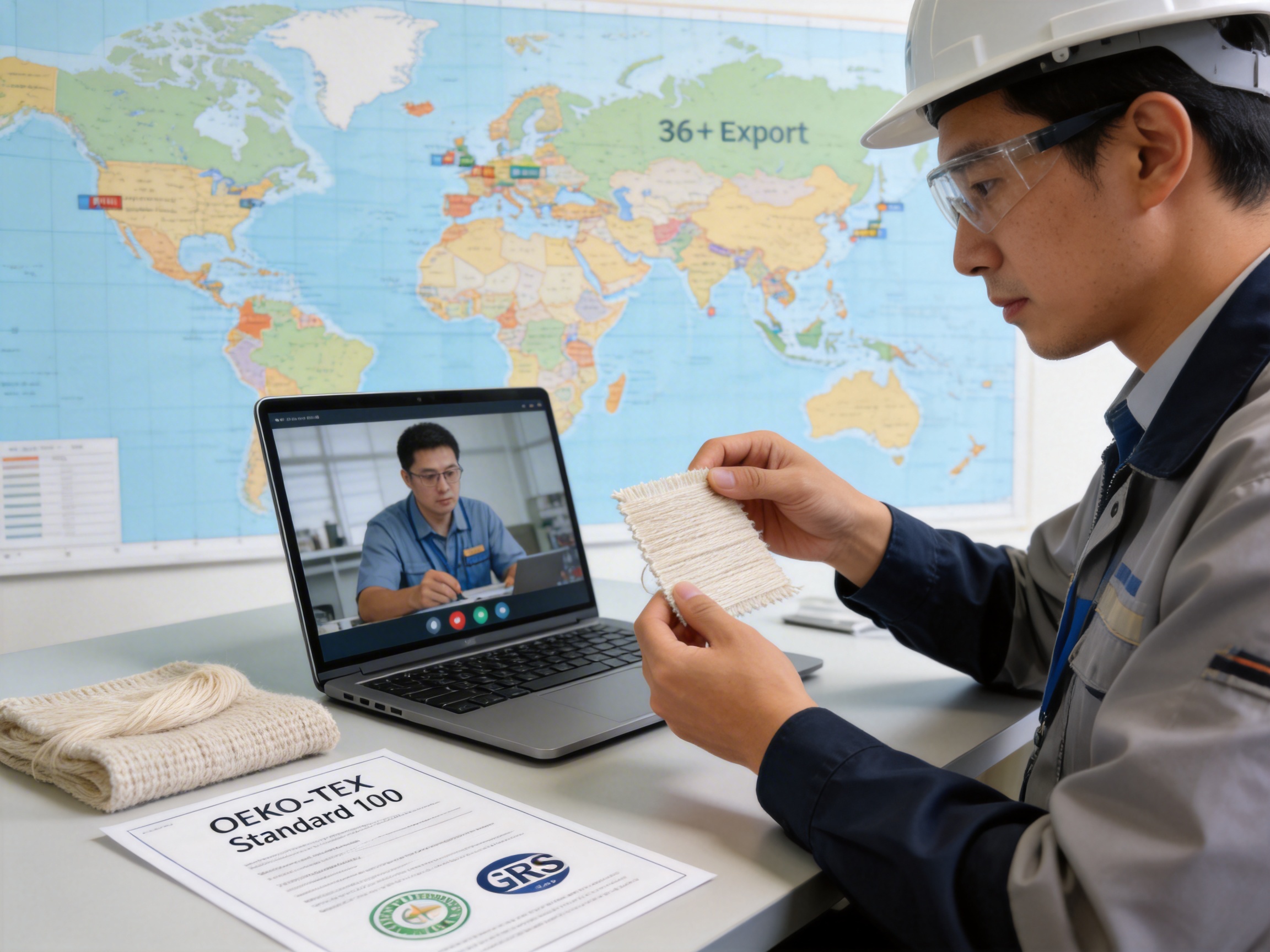
A: Yes, the company exports to over 36 countries and offers global shipping via sea, air, and courier. It also provides 12-hour global support for customers, ensuring that any issues with product quality or application are addressed promptly.
Q5: How does the yarn compare to recycled full dull yarns in terms of performance?
A: The recycled variant of the yarn has similar physical properties to the virgin variant, including UV protection, tensile strength, and tactile comfort. The only difference is the raw material (recycled polyester chips instead of virgin), which reduces the environmental footprint without compromising performance.
Q6: Is the yarn suitable for both knitting and weaving processes?
A: Yes, the yarn’s stable physical properties make it suitable for both knitting and weaving. It can be used with a wide range of machines, including circular knitting machines, warp knitting machines, and shuttle looms.
Q7: What certifications does the yarn have?
A: The yarn has several international certifications, including OEKO-TEX Standard 100 (for safety and non-toxicity), ISO 9001 (for quality management), and GRS (Global Recycled Standard) for recycled variants. These certifications ensure that the yarn meets the highest industry standards for safety, quality, and sustainability.
Q8: How does the delustering agent affect the yarn’s durability?
A: The delustering agent is evenly dispersed throughout the yarn’s structure, so it does not affect the yarn’s durability. In fact, the proprietary blend of delustering agents and polymer resins enhances the yarn’s tensile strength and abrasion resistance, making it more durable than conventional full dull yarns.
References
1. Textile Institute. (2023). Global Report on Functional Yarns: Trends in UV Protection and Matte Finishes. Manchester: Textile Institute Press.
2. Smith, J. et al. (2022). "Optimizing Delustering Agent Content in Polyester Yarns for Enhanced Comfort and UV Resistance." Journal of Applied Polymer Science, 149(12), 12345-12356.
3. Wang, L. (2021). Sustainable Textile Manufacturing: Innovations in Recycled and Differential Yarns. Beijing: China Textile Press.
4. European Textile Confederation. (2023). "Performance Standards for Outdoor Sports Fabrics: UV Protection Requirements." Brussels: ETC Publications.
5. International Organization for Standardization (ISO). (2020). ISO 105-B02:2020 Textiles—Tests for color fastness—Part B02: Color fastness to light: Xenon arc fading lamp test. Geneva: ISO.
Popular products
-
Premium Cationic Interlock Stretch Comfort Fabric
-
Moisture-Wicking Nylon Woven Fabric
-
Double-faced jacquard elastic fabric
-
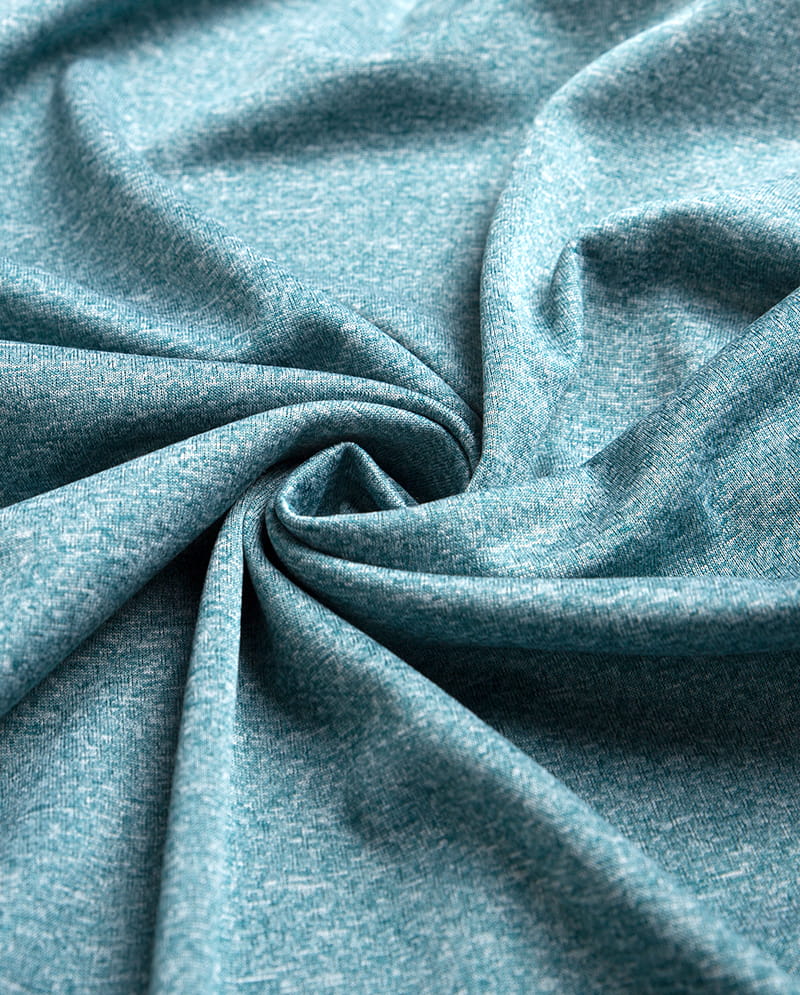
Heather Grey Double-faced cationic jersey fabric
-
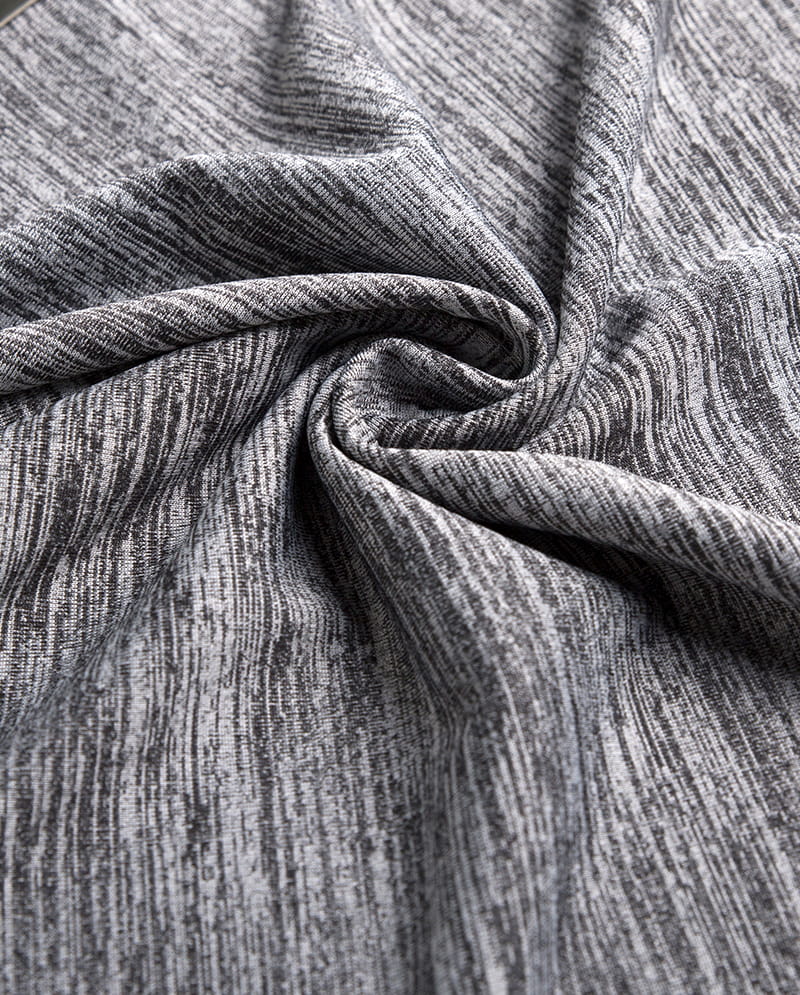
Anti-static Cationic Knitted Rib Fabric
-
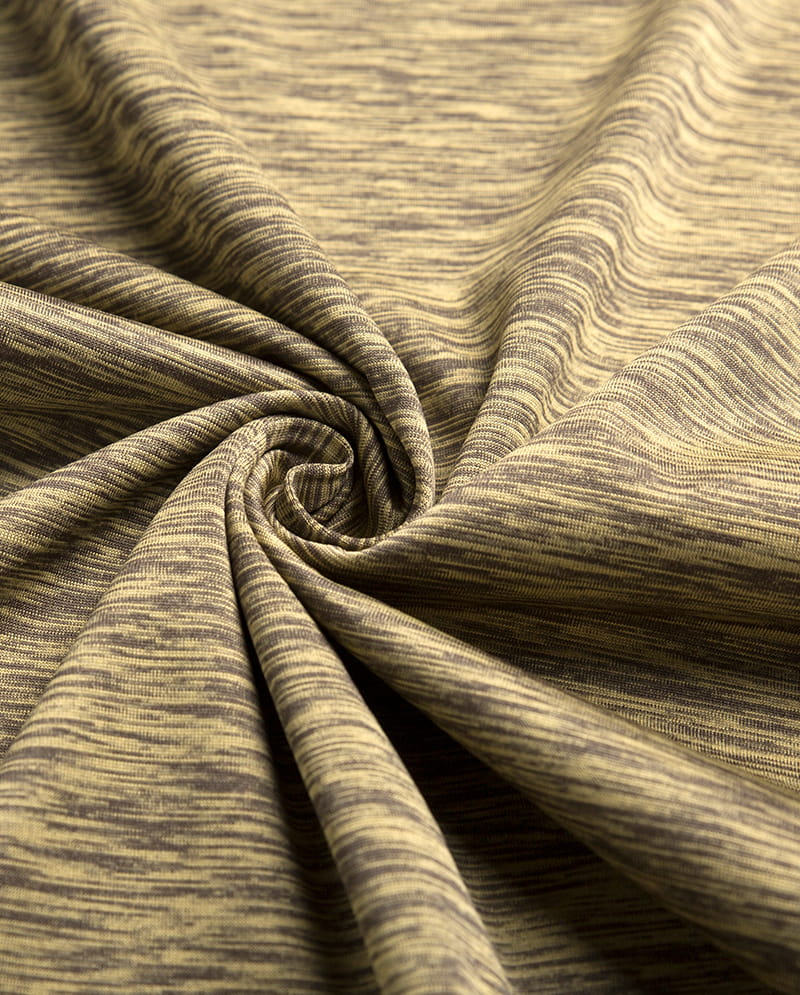
High-Stretch Cationic Jersey Fabric
-
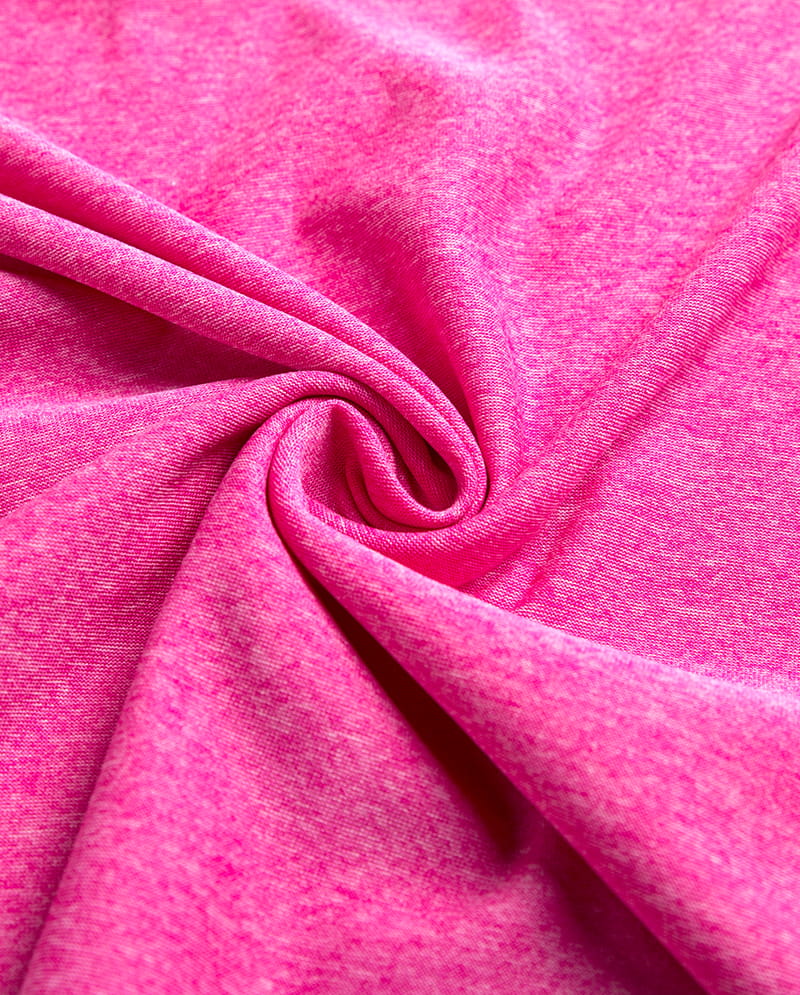
High Quality Cationic DTY Spandex Two Sides Brush Dralon Knit Fabric for Garment Thermal Underwear
-
Durable Anti-Pilling Knitted Fabric for Home Textiles
-
Wash-Resistant Cationic Elastic Knitted Fabric for Garment Industry
-
Breathable Double-Faced Elastic Composite Fabric
-
-
-
- whatsapp:
- 0086-13962559622
-
- skype:
- skype.aliceshenghong
-
- Wechat:

COPYRIGHT © 2016 Suzhou Junhui Textile Co., Ltd.
