

 EN
EN English
 中文简体
中文简体The Evolution of DTY Yarn: Unlocking Performance, Sustainability, and Innovation in Textile Manufacturing
Content
The textile industry is a cornerstone of global manufacturing, with polyester yarns—especially Draw Textured Yarn (DTY)—playing a pivotal role in apparel, home textiles, and industrial applications. DTY yarns are valued for their elasticity, soft texture, and versatility, making them ideal for everything from activewear to upholstery. In recent years, the demand for DTY yarns has shifted toward sustainability, functional performance, and customization, as brands and consumers prioritize eco-friendly and high-performance materials. This article explores a comprehensive line of non-colored DTY yarns that address these evolving needs, highlighting their advantages over conventional alternatives, advanced manufacturing processes, and the strengths that set them apart in the global market.
Understanding DTY Yarn Basics
Before diving into the specific product line, it is essential to grasp the fundamentals of DTY yarn. Draw Textured Yarn is a type of polyester yarn produced through a process that combines drawing (stretching) and texturing (adding crimp or bulk) to virgin or recycled polyester chips. This process enhances the yarn’s elasticity, softness, and dimensional stability, making it suitable for a wide range of textile applications.
The key steps in DTY production include: melting polyester chips (virgin or recycled), spinning into filament yarns, drawing the filaments to align molecular chains (increasing strength), and texturing to create crimp (adding bulk and elasticity). The result is a yarn that retains its shape after stretching and offers a soft, comfortable feel—qualities that are highly sought after in apparel and home textiles.
DTY yarns are classified based on their luster (semi-dull, full dull, bright), dyeability (cationic, normal), and functionality (fire-retardant, anti-bacterial). Each classification serves a distinct purpose: semi-dull (SD) yarns have a matte finish, full dull (FD) are more opaque, cationic dyeable (CD) yarns allow for vibrant, uniform dyeing, and functional yarns offer specific performance benefits (e.g., flame resistance, moisture wicking).
The Product Line: A Comprehensive Overview
The product line in focus encompasses a diverse range of non-colored DTY yarns, organized into six core series: Recycle, Normal, CD, High-Elastic, Functional, and Specialized (Cotton-Like, Hollow Warm, Acy). Each series caters to different market needs, from eco-conscious brands to those requiring high-performance functional textiles. Below is a detailed breakdown of each series:
Recycle Series
The Recycle Series is a standout offering, featuring yarns made from recycled polyester chips—an eco-friendly alternative to virgin polyester. This series includes five sub-types: Recycle SD DTY (D/F), Recycle SD FDY (D/F), Recycle FD DTY (D/F), Recycle DDB DTY (D/F), and Recycle CD DTY (D/F). Each sub-type combines sustainability with the performance benefits of DTY yarns.
Recycle SD DTY (D/F): Available in specifications such as 40/24-72, 50/24-36-48-72, and 75/36-72-144. This yarn offers a matte finish and is ideal for apparel (e.g., t-shirts, activewear) where softness and sustainability are priorities. The "D/F" notation indicates that the yarn is available in both draw and full draw variants, allowing for flexibility in manufacturing processes.
Recycle SD FDY (D/F): With specifications like 50/72, 75/36, and 150/144, this yarn is a full draw variant of the SD DTY. It has higher strength and lower elongation than DTY, making it suitable for woven fabrics (e.g., shirts, curtains) that require durability.
Recycle FD DTY (D/F): Available in 75/36, 75/72, and 150/144, this full dull yarn has an opaque finish and is often used in home textiles (e.g., bedding, upholstery) where a soft, non-shiny appearance is desired.
Recycle DDB DTY (D/F): DDB (Drop-Dyed Bicomponent) yarns are unique for their ability to create a two-tone effect when dyed, even though the product line here is non-colored. Specifications include 75/36-72, 150/48, and 300/96. These yarns are ideal for apparel that requires a textured, multi-dimensional look.
Recycle CD DTY (D/F): Cationic dyeable yarns allow for vibrant, uniform dyeing with cationic dyes, reducing dye usage and wastewater. Specifications include 75/36-72, making it suitable for apparel and home textiles where color consistency is critical.
Normal Series
The Normal Series includes three sub-types: SD DTY (D/F), FD DTY (D/F), and SD DDB (D/F). These are conventional DTY yarns made from virgin polyester chips, offering reliable performance for a wide range of applications.
SD DTY (D/F): Available in 30/36, 50/72, 75/36-72-144, and 100/72-144. This semi-dull yarn is soft and elastic, ideal for activewear, loungewear, and underwear.
FD DTY (D/F): With specifications like 30/24-36, 50/36-72, and 75/36-72-144, this full dull yarn is opaque and soft, suitable for home textiles and apparel that require a non-shiny finish.
SD DDB (D/F): Similar to the recycle variant, this DDB yarn is made from virgin chips and available in 30/24-36, 50/36-72, and 75/36-72-144. It is used for apparel that needs a textured, two-tone appearance.
CD Series
The CD Series focuses on cationic dyeable DTY yarns, which offer superior dyeability and color consistency. Sub-types include CD DTY (D/F), SD+CD DTY (D/F), and White & Black (D/F).
CD DTY (D/F): Available in 25/24, 30/24-36, 50/36-72, and 75/36-72-144. This yarn is dyed with cationic dyes, which are more efficient than conventional dyes—reducing dye consumption by up to 30% and wastewater by up to 50% (per industry reports). It is ideal for apparel and home textiles where vibrant, long-lasting colors are required.
SD+CD DTY (D/F): A hybrid yarn combining semi-dull and cationic dyeable properties, available in 50/48-72, 75/48-72, and 100/72-108-144. This yarn offers a matte finish with vibrant dyeability, making it suitable for high-end apparel.
White & Black (D/F): Pre-dyed white and black DTY yarns, available in 100D B01/B02/B03, 150D B01/B02/B03, and 80D/72-84. These yarns eliminate the need for post-weaving dyeing, reducing production time and environmental impact.
High-Elastic Series
The High-Elastic Series is designed for applications requiring maximum elasticity, such as activewear, swimwear, and sportswear. Sub-types include High-Elastic (D/F), PBT/PET (D/F), and PBT/PET DDB (D/F).
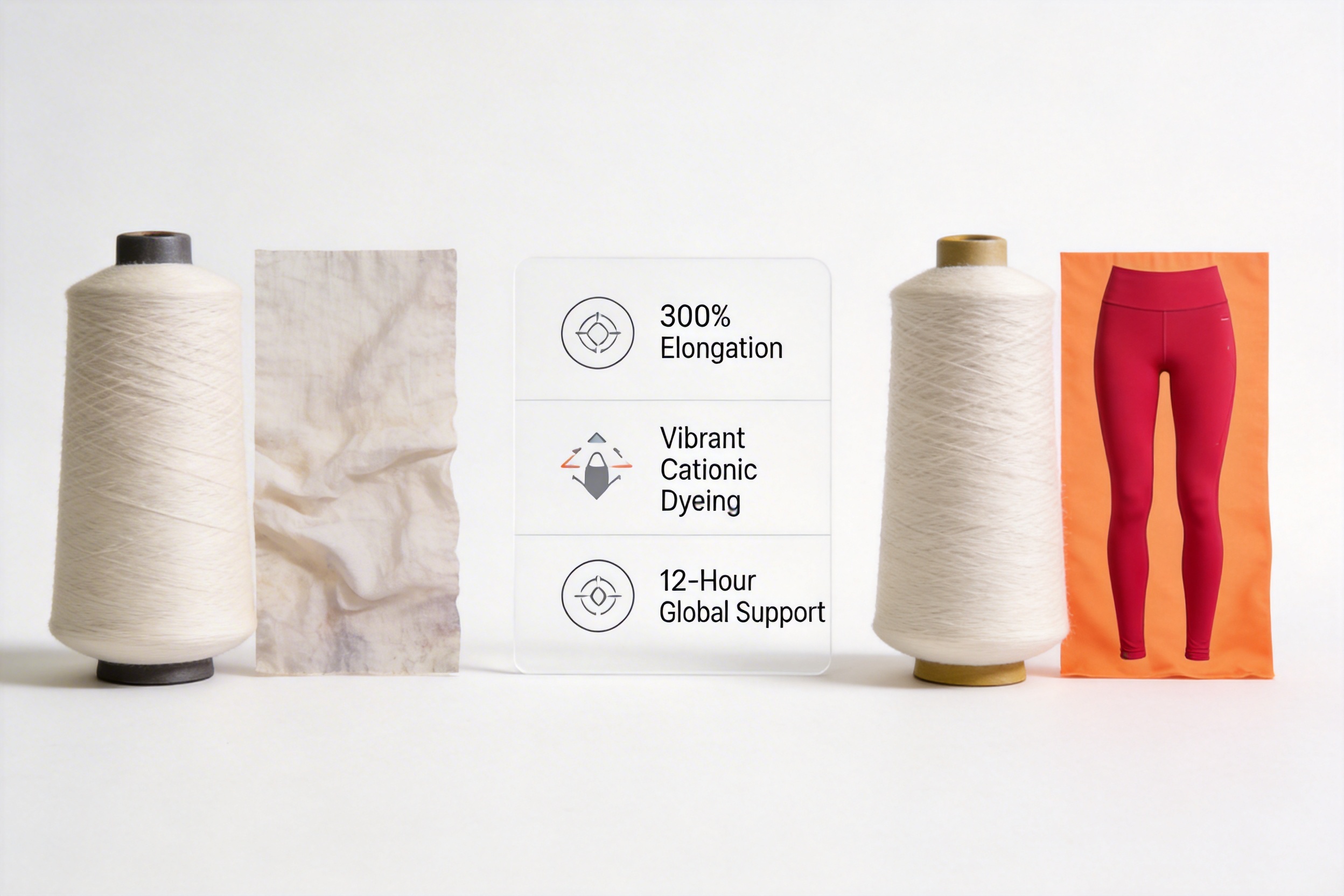
High-Elastic (D/F): Available in SD/FD variants: 30/24, 50/36-48-72, 75/36-48-72, and 150/72-144. This yarn has high elongation (up to 300%) and excellent recovery, making it ideal for garments that need to stretch and retain shape (e.g., leggings, sports bras).
PBT/PET (D/F): A blend of Polybutylene Terephthalate (PBT) and Polyethylene Terephthalate (PET), available in 50/48 and 75/36. PBT adds superior elasticity and chemical resistance, making this yarn suitable for swimwear and outdoor apparel.
PBT/PET DDB (D/F): A bicomponent blend of PBT/PET, available in 50/48 and 75/36. This yarn combines elasticity with the textured appearance of DDB yarns, ideal for activewear with a unique look.
Functional Series
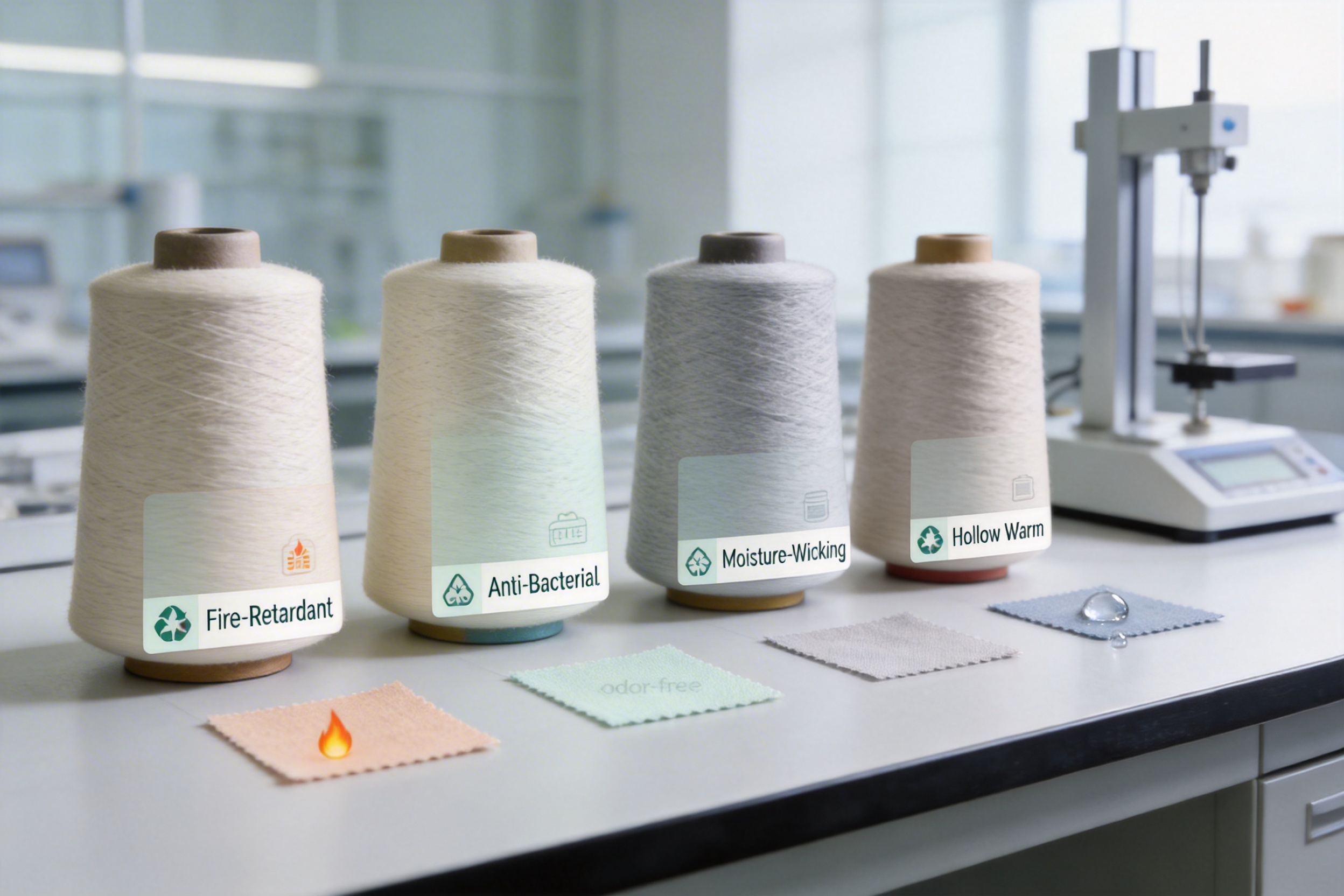
The Functional Series is a key differentiator, offering DTY yarns with specific performance benefits to meet the demands of modern textiles. Sub-types include Fire-Retardant (D/F), Anti-Bacterial (D/F), Moisture-Wicking (D/F), Cotton-Like (S), Hollow Warm (D/F), and Acy (D/F).
Fire-Retardant (D/F): Available in SD/FD variants: 75/36-72 and 150/36-48-144. This yarn is treated with fire-retardant additives that meet international safety standards (e.g., EN 13501-1, NFPA 701). It is ideal for workwear (e.g., firefighting uniforms, industrial clothing) and upholstery (e.g., hotel furniture, aircraft seats).
Anti-Bacterial (D/F): Available in 50/48-72, 75/36-48-72, and 150/48-72-96-144. This yarn is infused with anti-bacterial agents (e.g., silver nanoparticles) that inhibit the growth of bacteria and fungi, reducing odors and improving hygiene. It is used in activewear, bedding, and medical textiles.
Moisture-Wicking (D/F): Available in 30/24, 50/48-72, 75/48-72, and 150/48-72. This yarn is designed to draw moisture away from the skin, keeping the wearer dry and comfortable. It is ideal for activewear, sportswear, and outdoor apparel.
Cotton-Like (S): Available in 32S, 40S, and 80S. This yarn mimics the feel of cotton but offers the durability and elasticity of polyester. It is used in apparel (e.g., t-shirts, dresses) where a cotton-like handfeel is desired without the shrinkage or wrinkling of natural cotton.
Hollow Warm (D/F): Available in 75/72 and 150/144. This yarn has hollow filaments that trap air, providing excellent insulation. It is ideal for winter apparel (e.g., jackets, sweaters) and home textiles (e.g., blankets, comforters).
Acy (D/F): Available in 40+75/36-72, 30+100/96, and 40+150/48-96-144. Acy (Acrylic-like) yarns mimic the softness and warmth of acrylic but are made from polyester, offering better durability and resistance to pilling. It is used in sweaters, scarves, and home textiles.
Product Specifications Table
Below is a comprehensive table of the product line’s specifications, organized by series and sub-type:
Series |
Sub-Type |
Specifications (D/F or S) |
Recycle Series |
Recycle SD DTY |
40/24-72, 50/24-36-48-72, 75/36-72-144, 100/72, 150/48-144 |
Recycle SD FDY |
50/72, 75/36, 75/72, 150/144 |
|
Recycle FD DTY |
75/36, 75/72, 150/144 |
|
Recycle DDB DTY |
75/36-72, 150/48, 300/96 |
|
Recycle CD DTY |
75/36-72 |
|
Normal Series |
SD DTY |
30/36, 50/72, 75/36-72-144, 100/72-144, 120/192, 150/144-192-288 |
FD DTY |
30/24-36, 50/36-72, 75/36-72-144, 100/36-144, 150/48-96-144-288, 300/96 |
|
SD DDB |
30/24-36, 50/36-72, 75/36-72-144, 100/36-144, 150/48-96-144-288 |
|
CD Series |
CD DTY |
25/24, 30/24-36, 50/36-72, 75/36-72-144, 100/36-48-72-144, 150/48-144-288, 300/96 |
SD+CD DTY |
50/48-72, 75/48-72, 80/72, 100/72-108-144, 125/72-144, 150/72-108-144, 300/96-144-288 |
|
White & Black |
100D B01/B02/B03, 150D B01/B02/B03, 80D/72-84 |
|
High-Elastic Series |
High-Elastic (SD/FD) |
30/24, 50/36-48-72, 75/36-48-72, 150/72-144, 300/96-144 |
PBT/PET |
50/48, 75/36 |
|
PBT/PET DDB |
50/48, 75/36 |
|
Functional Series |
Fire-Retardant (SD/FD) |
75/36-72, 150/36-48-144 |
Anti-Bacterial |
50/48-72, 75/36-48-72, 150/48-72-96-144 |
|
Moisture-Wicking |
30/24, 50/48-72, 75/48-72, 150/48-72 |
|
Cotton-Like (S) |
32S, 40S, 80S |
|
Hollow Warm (D/F) |
75/72, 150/144 |
|
Acy (D/F) |
40+75/36-72, 30+100/96, 40+150/48-96-144 |
Advantages Over Competitors
The product line discussed in this article offers several key advantages over conventional DTY yarns from competitors. These advantages can be grouped into four main categories: sustainability, product differentiation, customization, and quality consistency.
Sustainability
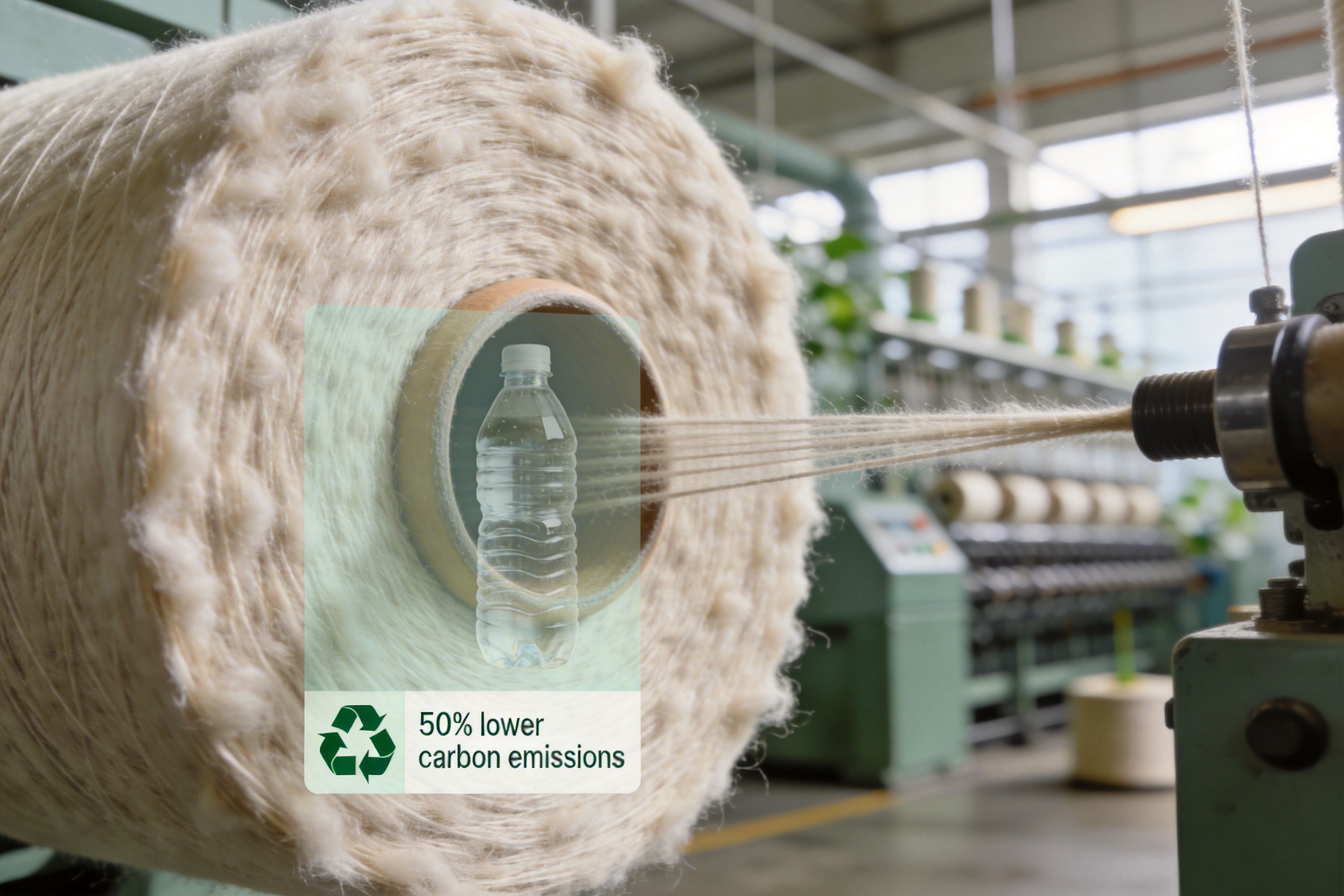
The Recycle Series is a major advantage, as it uses recycled polyester chips instead of virgin materials. According to the Textile Exchange’s 2023 Sustainable Fiber Market Report, recycled polyester reduces carbon emissions by up to 50% and water usage by up to 70% compared to virgin polyester. This makes the yarns ideal for brands looking to meet ESG (Environmental, Social, Governance) goals and consumer demand for eco-friendly products.
Additionally, the CD Series uses cationic dyes, which are more efficient than conventional dyes. Cationic dyes require less water and energy for dyeing, and they produce less wastewater—reducing the environmental impact of the entire textile supply chain. Competitors often offer only conventional dyeable yarns, which have a higher environmental footprint.
Product Differentiation
The wide range of functional yarns is another key advantage. While many competitors offer basic DTY yarns, this product line includes fire-retardant, anti-bacterial, moisture-wicking, cotton-like, hollow warm, and acy yarns. These functional yarns meet the needs of niche markets (e.g., medical textiles, workwear, outdoor apparel) that require specific performance benefits.
For example, the fire-retardant DTY yarn meets EN 13501-1 (European fire safety standard) and NFPA 701 (U.S. fire safety standard), which are not available from many small to medium-sized manufacturers. The anti-bacterial yarns are infused with silver nanoparticles, which are more effective than organic anti-bacterial agents and have a longer lifespan.
Customization
The product line offers high levels of customization, as the manufacturer accepts orders for all kinds of differentiation yarns. This means that brands can request specific specifications (e.g., denier, filament count, functional additives) that are not available in standard product lines. Competitors often have limited customization options, forcing brands to compromise on their product requirements.
For example, a brand looking for a custom fire-retardant DTY yarn with a specific denier (e.g., 120/96) can work with the manufacturer to develop a tailored product. This level of customization is a major selling point for brands that want to create unique, high-performance products.
Quality Consistency
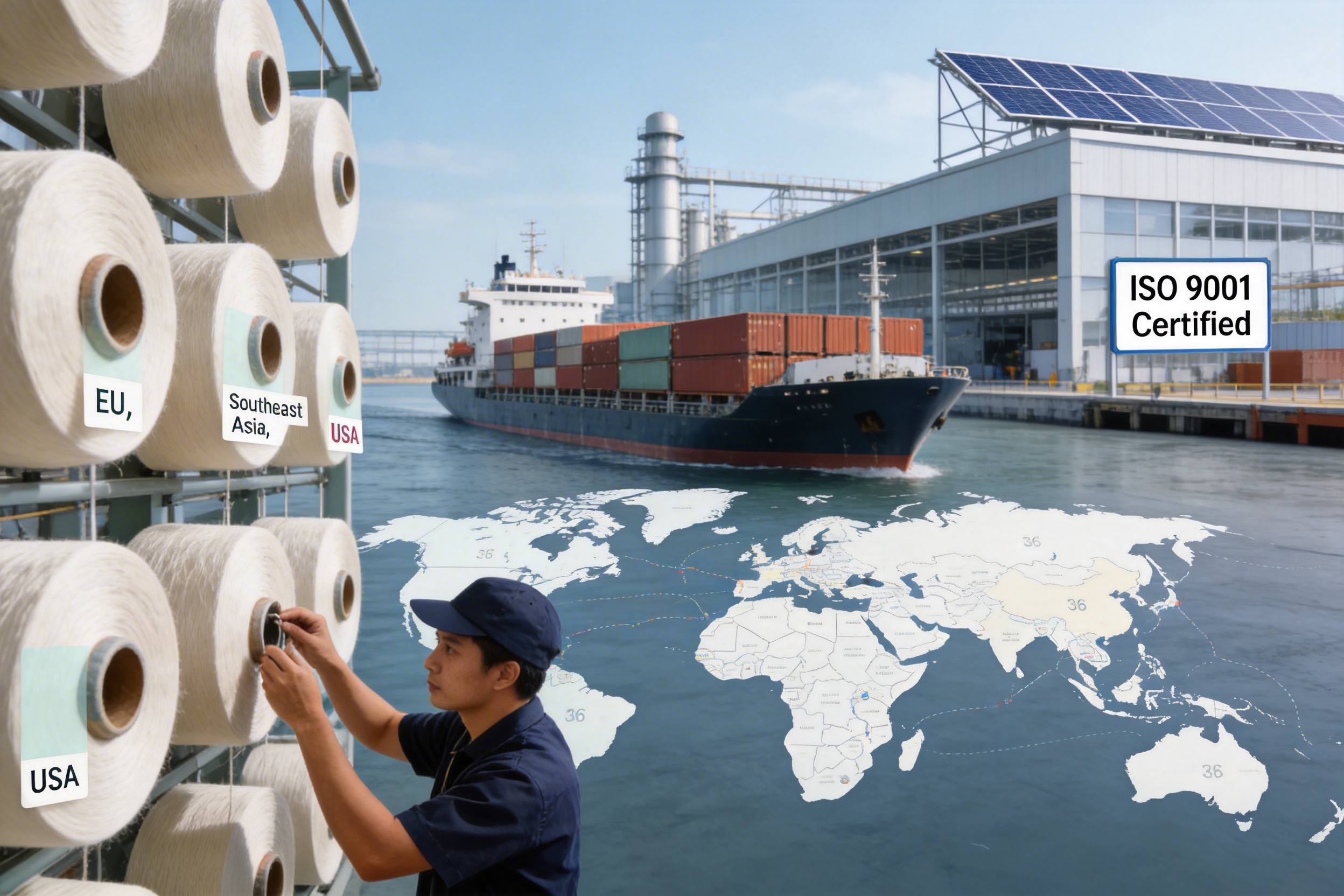
The manufacturer’s focus on quality consistency is another advantage. The products are exported to 36 countries, which requires compliance with international quality standards (e.g., ISO 9001, OEKO-TEX Standard 100). The manufacturer has a professional R&D team that conducts rigorous testing to ensure that each batch of yarn meets the required specifications.
Competitors often struggle with quality consistency, especially when producing a wide range of products. However, this manufacturer’s R&D team uses advanced testing equipment (e.g., tensile testers, dyeability testers, fire-retardant testers) to ensure that each product batch is consistent in terms of strength, elasticity, dyeability, and functional performance.
Advanced Manufacturing Processes & Company Strengths
The product line’s advantages are underpinned by the manufacturer’s advanced manufacturing processes and core strengths. These include R&D capabilities, sustainable practices, global reach, and customer support.
R&D Capabilities
The manufacturer has a professional R&D team that collaborates with international renowned enterprises to develop innovative DTY yarns. This collaboration ensures that the products are aligned with global market trends (e.g., sustainability, functional textiles) and meet the needs of international customers.
The R&D team focuses on three key areas: 1. Sustainable Yarn Development: Improving the quality of recycled polyester yarns to match the performance of virgin yarns. 2. Functional Yarn Innovation: Developing new functional additives (e.g., plant-based anti-bacterial agents, biodegradable fire-retardants) to enhance the performance of DTY yarns. 3. Process Optimization: Reducing energy and water usage in the manufacturing process to improve sustainability and reduce costs.
For example, the R&D team recently developed a new recycled polyester yarn that has the same strength and elasticity as virgin polyester yarn—addressing a common complaint about recycled yarns (lower performance). This innovation has been well-received by international customers.
Sustainable Practices
The manufacturer is committed to sustainable manufacturing practices, which include: 1. Recycled Material Usage: Using 100% recycled polyester chips for the Recycle Series, reducing plastic waste and carbon emissions. 2. Energy Efficiency: Using solar panels to power part of the manufacturing facility, reducing reliance on fossil fuels. 3. Water Recycling: Implementing a water recycling system that recycles up to 80% of wastewater from the dyeing process, reducing water usage and pollution. 4. Waste Reduction: Minimizing waste in the manufacturing process by reusing scrap yarns and optimizing production lines.
These sustainable practices not only reduce the manufacturer’s environmental footprint but also help customers meet their own sustainability goals. For example, many international brands require their suppliers to use recycled materials and implement water recycling systems—making this manufacturer an attractive partner.
Global Reach
The manufacturer has a global reach, with 90% of its products exported to 36 countries across Europe, Southeast Asia, the Americas, and the Middle East. This global presence is a testament to the quality and reliability of its products, as international customers often have strict quality requirements.
The manufacturer has established long-term cooperative relationships with customers in these countries, which has helped it gain a deep understanding of global market needs. For example, customers in Europe often require recycled yarns and functional textiles that meet strict environmental standards, while customers in Southeast Asia often require affordable, high-quality DTY yarns for mass-market apparel.
Customer Support
The manufacturer offers exceptional customer support, with experts available to help within 12 hours globally. This support includes: 1. Product Selection Guidance: Helping customers choose the right yarn for their specific application (e.g., activewear, home textiles). 2. Problem Solving: Assisting customers with issues related to yarn performance, dyeability, and manufacturing. 3. Customization Support: Working with customers to develop custom differentiation yarns that meet their specific requirements.
This level of customer support is rare in the textile industry, where many manufacturers have limited support for international customers. The 12-hour response time ensures that customers can get help quickly, even across time zones.
Q&A Section
Below are answers to common questions about DTY yarns and the product line discussed in this article:
What are the key properties of DTY yarn?
DTY yarns have several key properties: - Elasticity: DTY yarns have high elongation (up to 300%) and excellent recovery, meaning they stretch and return to their original shape. - Softness: The texturing process adds crimp to the yarn, making it soft and comfortable against the skin. - Dimensional Stability: DTY yarns retain their shape after washing and wearing, reducing wrinkling. - Versatility: DTY yarns can be used in a wide range of applications, including apparel, home textiles, and industrial products.
What makes recycled DTY yarn eco-friendly?
Recycled DTY yarn is eco-friendly because it uses recycled polyester chips instead of virgin materials. This reduces: - Plastic Waste: Recycled polyester is made from plastic bottles and other post-consumer waste, diverting plastic from landfills and oceans. - Carbon Emissions: Recycled polyester produces up to 50% less carbon emissions than virgin polyester. - Water Usage: Recycled polyester uses up to 70% less water than virgin polyester. - Energy Usage: Recycled polyester uses up to 60% less energy than virgin polyester.
Can custom differentiation yarns be ordered?
Yes, the manufacturer accepts orders for all kinds of differentiation yarns. Customers can request specific specifications (e.g., denier, filament count, functional additives) that are not available in the standard product line. The manufacturer’s R&D team works closely with customers to develop custom yarns that meet their specific requirements.
What functional yarns are available?
The product line includes several functional yarns: - Fire-Retardant: Meets international safety standards for workwear and upholstery. - Anti-Bacterial: Inhibits the growth of bacteria and fungi, reducing odors. - Moisture-Wicking: Draws moisture away from the skin, keeping the wearer dry. - Cotton-Like: Mimics the feel of cotton but offers better durability and elasticity. - Hollow Warm: Traps air for excellent insulation, ideal for winter apparel. - Acy: Mimics the softness of acrylic but is made from polyester, offering better durability.
What is the difference between SD, FD, and CD DTY yarns?
SD (Semi-Dull) DTY yarns have a matte finish, FD (Full Dull) DTY yarns are more opaque, and CD (Cationic Dyeable) DTY yarns allow for vibrant, uniform dyeing with cationic dyes. CD yarns are more eco-friendly than conventional dyeable yarns because they use less dye and water.
References
1. Textile Exchange. Sustainable Fiber Market Report 2023. Textile Exchange, 2023.
2. European Committee for Standardization. EN 13501-1: Fire classification of construction products and building elements. Brussels: European Committee for Standardization, 2019.
3. National Fire Protection Association. NFPA 701: Standard Methods of Fire Tests for Flame Propagation of Textiles and Films. Quincy: National Fire Protection Association, 2021.
4. OEKO-TEX. OEKO-TEX Standard 100: Testing and Certification of Textile Products. Zurich: OEKO-TEX International, 2022.
5. International Organization for Standardization. ISO 9001: Quality Management Systems. Geneva: International Organization for Standardization, 2015.

Popular products
-
Premium Cationic Interlock Stretch Comfort Fabric
-
Moisture-Wicking Nylon Woven Fabric
-
Double-faced jacquard elastic fabric
-
Heather Grey Double-faced cationic jersey fabric
-
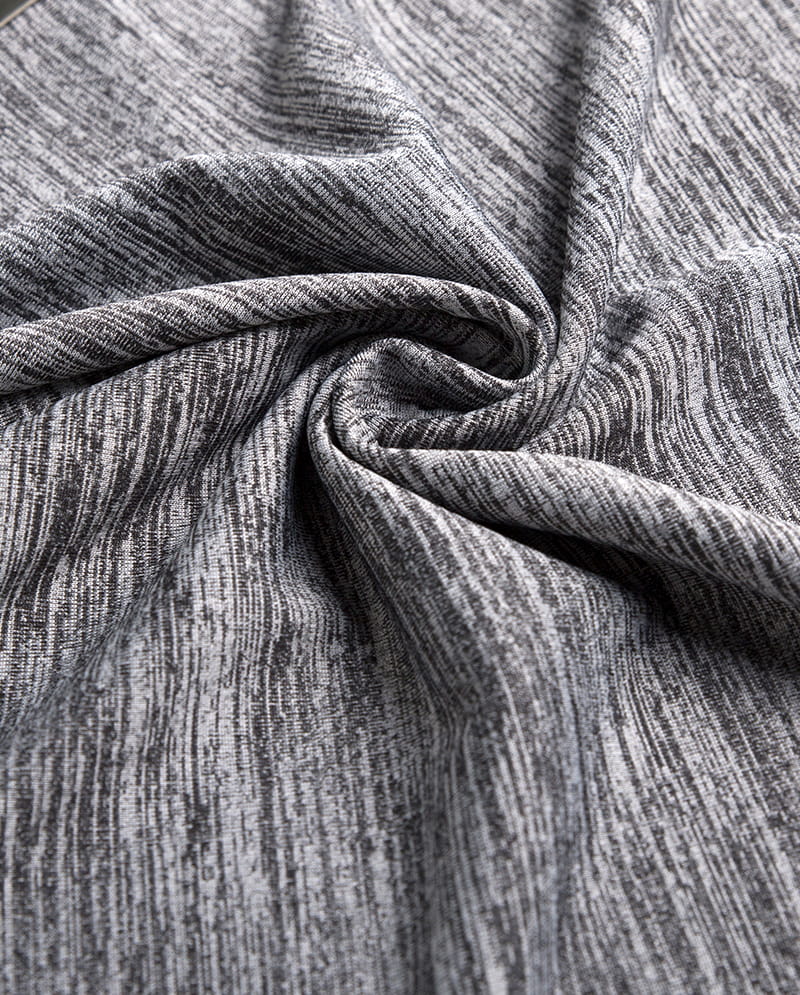
Anti-static Cationic Knitted Rib Fabric
-
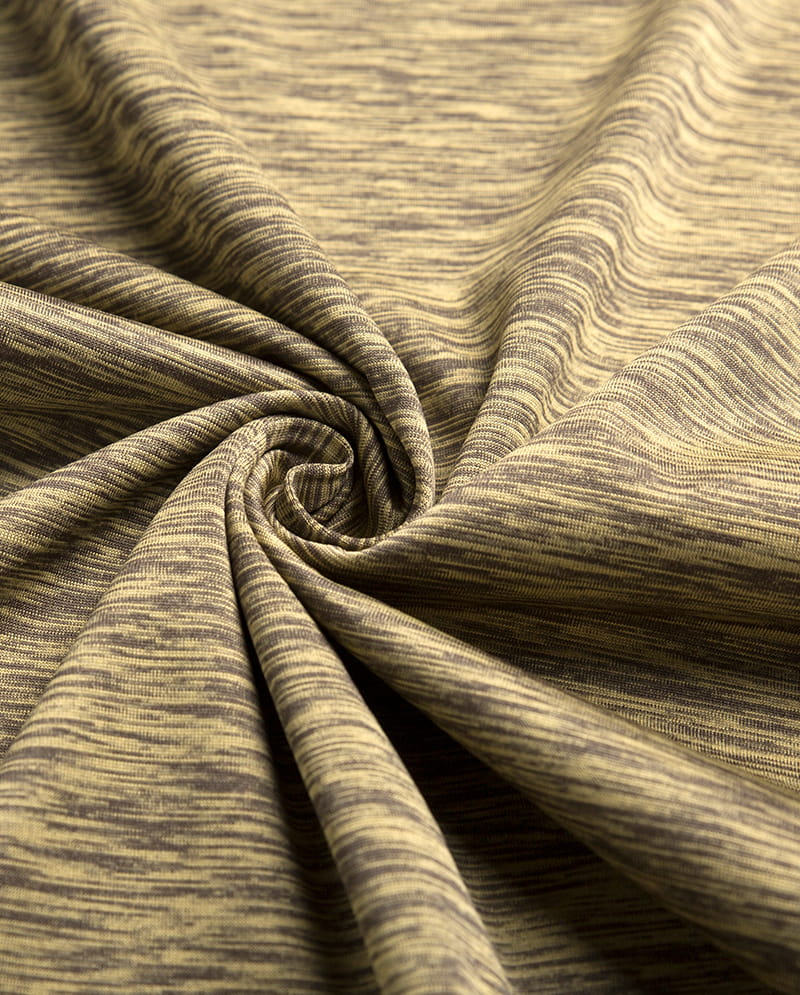
High-Stretch Cationic Jersey Fabric
-
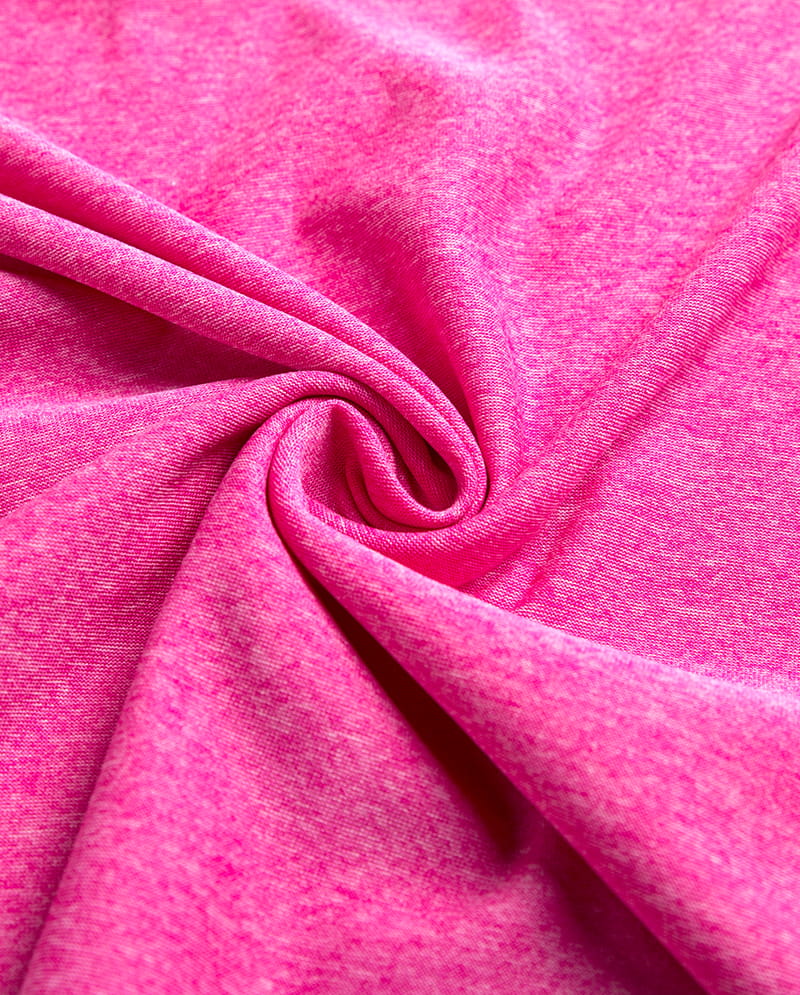
High Quality Cationic DTY Spandex Two Sides Brush Dralon Knit Fabric for Garment Thermal Underwear
-
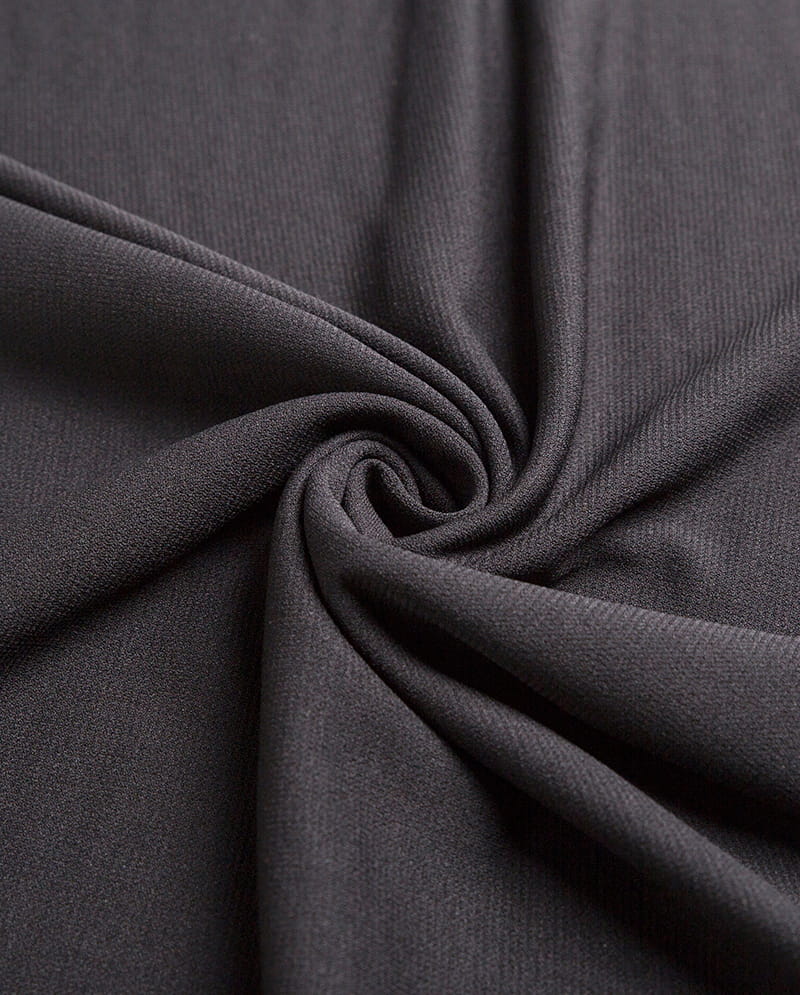
Durable Anti-Pilling Knitted Fabric for Home Textiles
-
Wash-Resistant Cationic Elastic Knitted Fabric for Garment Industry
-
Breathable Double-Faced Elastic Composite Fabric
-
-
-
- whatsapp:
- 0086-13962559622
-
- skype:
- skype.aliceshenghong
-
- Wechat:

COPYRIGHT © 2016 Suzhou Junhui Textile Co., Ltd.
