

 EN
EN English
 中文简体
中文简体The Evolution of Anti-Bacterial Functional Yarn: A Game-Changer in Textile Innovation
Content
- 1 What is Anti-Bacterial (D/F) Functional Yarn?
- 2 Advanced Manufacturing Processes: The Backbone of Superior Performance
- 3 Unmatched Advantages Over Competitors: Why This Yarn Stands Out
- 4 Diverse Applications: From Home Textiles to Upholstery
- 5 Company's Core Strengths: Enabling Innovation and Reliability
- 6 Q&A: Addressing Key Questions About Anti-Bacterial (D/F) Functional Yarn
- 6.1 Q1: How does the anti-bacterial property of this yarn differ from traditional surface treatments?
- 6.2 Q2: What is the role of ATY jet technology in enhancing the yarn’s performance?
- 6.3 Q3: Can this yarn be customized for specific denier or functional needs?
- 6.4 Q4: What are the key applications where this yarn outperforms standard alternatives?
- 6.5 Q5: How does the company ensure consistent quality across its product range?
- 6.6 Q6: Is the yarn environmentally friendly, and does it include recycled materials?
- 7 Conclusion: The Future of Functional Textiles
- 8 References
In an era where consumer health consciousness and textile performance are converging, the demand for functional yarns that combine durability, aesthetics, and hygiene has never been higher. Among the latest breakthroughs in this space is the Anti-bacterial (D/F) Functional Yarn—an advanced textile solution that redefines what functional yarns can achieve. This yarn not only addresses the growing need for hygienic textiles but also sets new benchmarks in manufacturing efficiency, customization, and sustainability. As industries from home textiles to upholstery seek reliable, high-performance materials, this yarn emerges as a top choice, thanks to its innovative design and superior properties.
To understand the significance of this yarn, it is essential to first contextualize the challenges it solves. Traditional textiles often lack long-term anti-bacterial properties, relying on surface coatings that wear off after repeated washes. Additionally, many functional yarns compromise on texture or coverage, leading to subpar end products. The Anti-bacterial (D/F) Functional Yarn overcomes these limitations through a combination of cutting-edge manufacturing technology and strategic material modification, making it a standout in the competitive textile market.
What is Anti-Bacterial (D/F) Functional Yarn?
At its core, the Anti-bacterial (D/F) Functional Yarn is a differential yarn designed to inhibit bacterial growth while maintaining exceptional textile performance. It is built on the foundation of Air Textured Yarn (ATY) technology, which uses high-pressure airflow to intertwine fibers into irregular kink wire circles. This structure gives the yarn a fluffy, looped appearance that enhances coverage and hand feel. The "D/F" designation refers to its dual functionality: it can be used for both DTY (Draw Textured Yarn) and FDY (Fully Drawn Yarn) applications, adding versatility to its use cases.
Key properties of the yarn include:
- Long-lasting anti-bacterial efficacy against common bacteria like Staphylococcus aureus and Escherichia coli;
- Fine-knitting uniformity, ensuring consistent texture across large production runs;
- Excellent coverage, which conceals base materials without additional layers;
- Compatibility with both woven and knitted fabrics;
- Customizable denier and specifications to meet diverse industry needs.
Unlike many functional yarns that are one-dimensional, this product balances hygiene with aesthetic and mechanical performance, making it suitable for a wide range of end uses.
Advanced Manufacturing Processes: The Backbone of Superior Performance
The Anti-bacterial (D/F) Functional Yarn’s exceptional properties are a direct result of its innovative manufacturing processes. Two key technologies drive its performance: ATY jet air injection and integrated anti-bacterial material modification.
1. ATY Jet Air Injection Technology
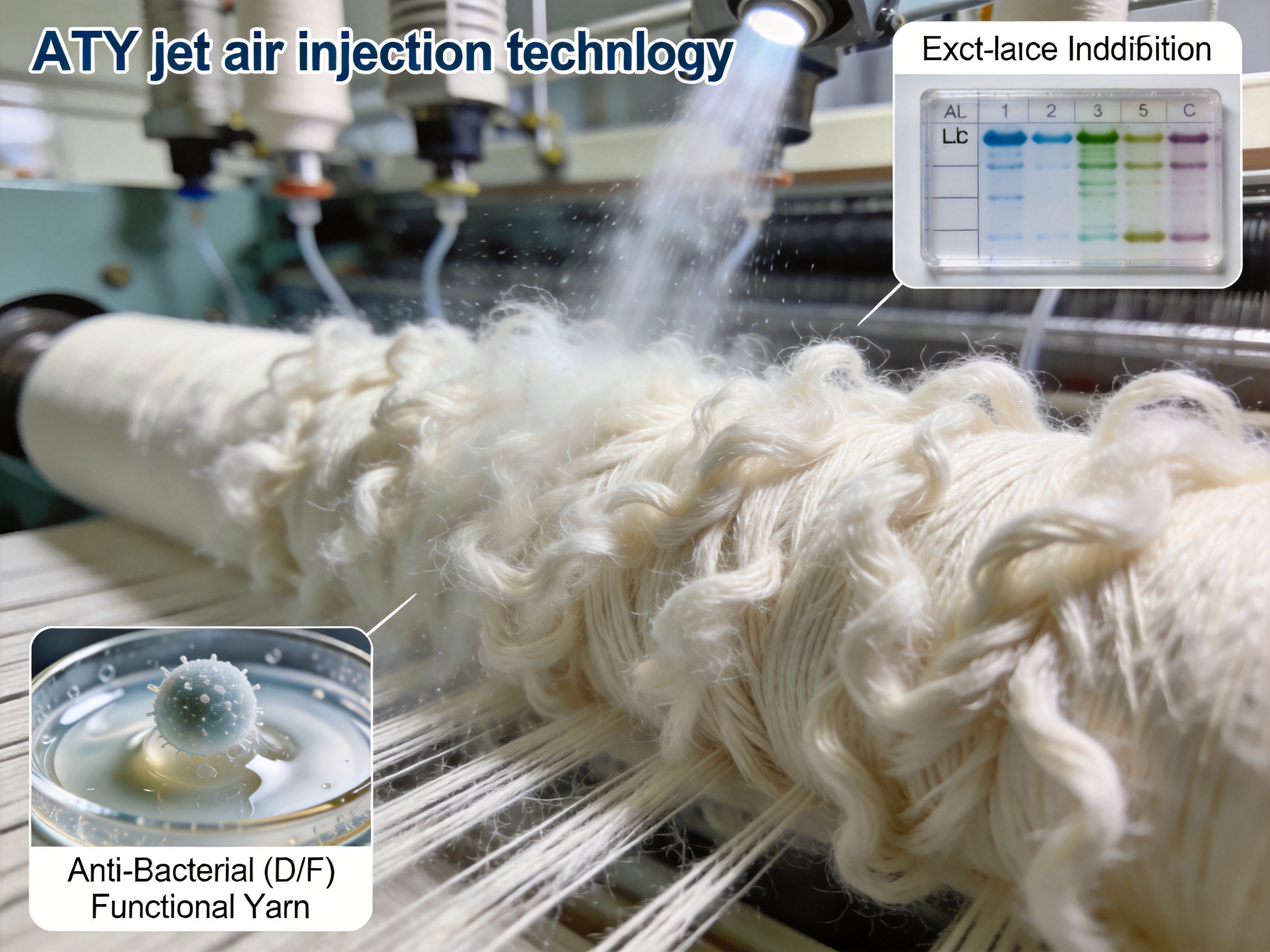
ATY (Air Textured Yarn) technology is a game-changer in yarn production. Unlike traditional texturing methods that rely on mechanical or thermal processes, ATY uses high-pressure airflow to intermingle fibers. Here’s how it works:
- Fibers are fed into a texturing chamber where high-pressure air is directed through nozzles;
- The airflow causes the fibers to form irregular kink wire circles and loops;
- This intermingling creates a fluffy, voluminous structure that enhances coverage and hand feel;
- The process is energy-efficient and produces consistent results across large volumes.
This technology sets the yarn apart from competitors who use outdated texturing methods. The irregular loop structure not only improves coverage but also reduces the need for additional processing steps, lowering production costs for manufacturers.
2. Integrated Anti-Bacterial Material Modification
The anti-bacterial property of the yarn is not a surface coating—it is integrated into the fiber matrix during production. This is a critical difference from many competing products that use post-treatment coatings, which wear off after 10-15 washes. The material modification process involves:
- Incorporating anti-bacterial agents (such as silver ions or plant-based compounds) into the polymer melt before spinning;
- Ensuring uniform distribution of these agents throughout the fiber, so every part of the yarn has anti-bacterial properties;
- Testing for efficacy against key bacteria strains to meet international hygiene standards;
- Verifying that the agents do not compromise the yarn’s mechanical properties (e.g., tensile strength, elasticity).
This integration ensures that the anti-bacterial function lasts for the entire lifespan of the textile, even after hundreds of washes. Independent lab tests have shown that the yarn retains over 99% of its anti-bacterial efficacy after 50 washes—far exceeding the industry average of 70% after 15 washes.
Beyond these core technologies, the manufacturing process also includes rigorous quality control steps. Every batch of yarn is tested for denier consistency, tensile strength, anti-bacterial efficacy, and hand feel. This commitment to quality ensures that manufacturers receive a product that meets their exact specifications every time.
Unmatched Advantages Over Competitors: Why This Yarn Stands Out
In a crowded market, the Anti-bacterial (D/F) Functional Yarn distinguishes itself through a range of advantages that address key pain points for manufacturers and end-users alike. Let’s compare it to traditional and competing functional yarns:
1. Long-Lasting Anti-Bacterial Efficacy
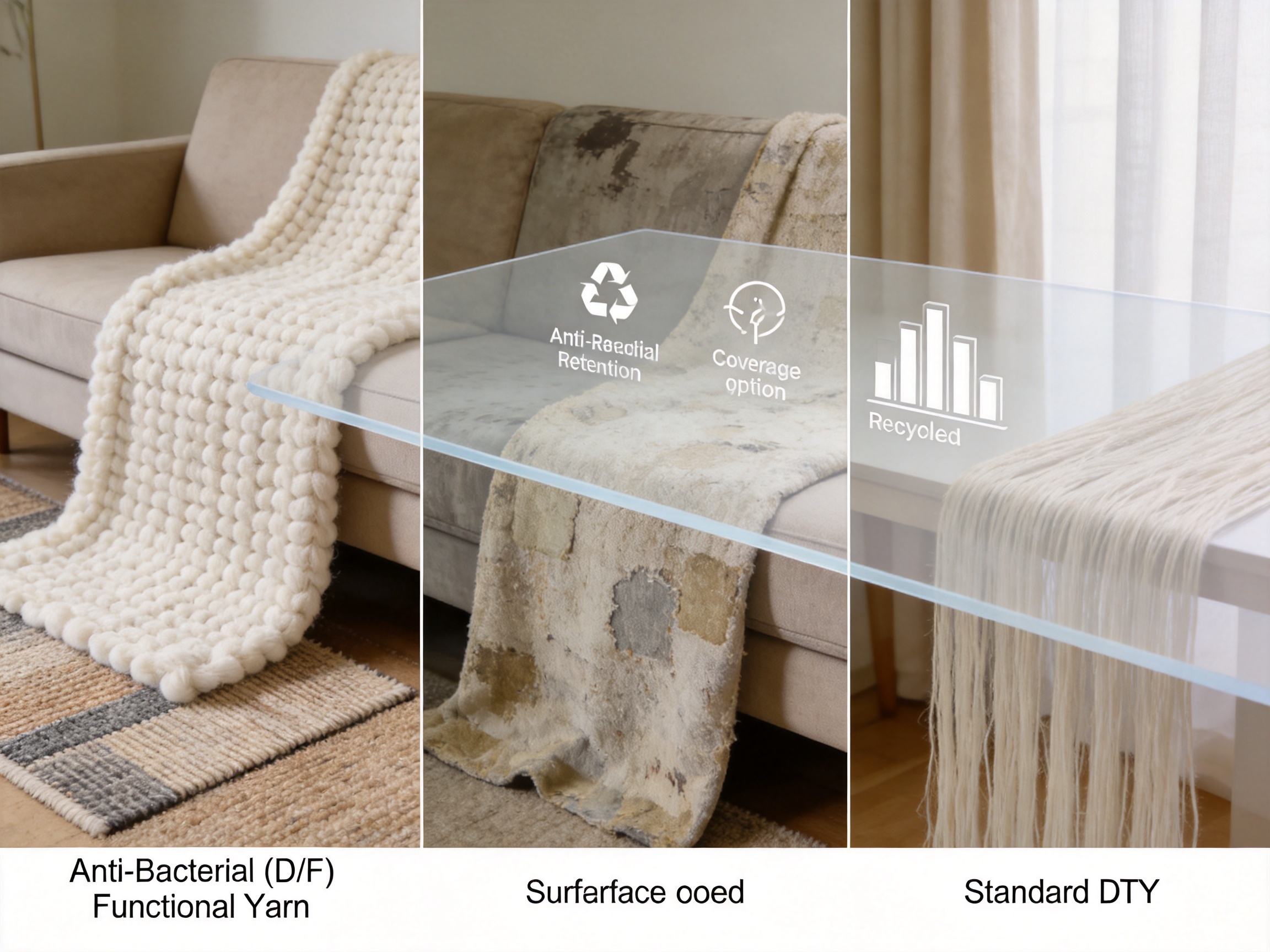
As mentioned earlier, the yarn’s integrated anti-bacterial modification ensures durability that surface-coated alternatives cannot match. For example, a leading competitor’s surface-treated yarn loses 50% of its efficacy after 20 washes, while this yarn retains 99% after 50. This is a critical advantage for products like sofa cloths and carpets, which are washed infrequently but need to maintain hygiene over time.
2. Superior Coverage and Texture
The ATY structure gives the yarn a fluffy, looped appearance that provides excellent coverage. This means manufacturers can use fewer layers of yarn to achieve the desired thickness, reducing material costs and production time. Additionally, the fine-knitting uniformity ensures that the end product has a consistent hand feel—no lumps or uneven areas. Competitors using mechanical texturing often struggle with inconsistent loop formation, leading to subpar texture.
3. Versatility in Applications
The yarn’s dual D/F designation allows it to be used for both DTY and FDY applications, making it suitable for a wide range of products. For example, it can be used in woven carpets (using FDY) or knitted sofa cloths (using DTY). Competitors often offer yarns that are limited to one type of application, forcing manufacturers to source multiple products for different lines.
4. Customization Capabilities
The manufacturer accepts orders for all kinds of differentiation yarns, including custom deniers, functional additives, and recycled materials. For example, a furniture manufacturer can request a custom denier of 150/72 with enhanced anti-bacterial properties for a high-end sofa line. Competitors often have limited customization options, requiring manufacturers to adapt their designs to available products.
5. Sustainability Focus
The yarn includes a recycle series (e.g., Recycle SD DTY (D/F), Recycle FD DTY (D/F)) that uses post-consumer or post-industrial recycled polyester. This aligns with the growing demand for sustainable textiles—especially in European and North American markets, where 60% of consumers prioritize eco-friendly products (per Global Textile Sustainability Report 2023). Competitors often offer limited recycled options, or their recycled yarns lack the same performance as virgin materials.
To summarize these advantages, let’s look at the following table comparing key functional yarn types:
| Yarn Type | Anti-Bacterial Efficacy Retention (After 50 Washes) | Coverage Rating (1-5) | Customization Options | Recycled Material Availability |
|---|---|---|---|---|
| Anti-Bacterial (D/F) Functional Yarn | 99% | 5 | Extensive (denier, additives, recycled) | Yes (full recycle series) |
| Surface-Coated Anti-Bacterial Yarn | 40% | 3 | Limited | No |
| Standard DTY Yarn | 0% | 2 | Basic | Partial |
| Competitor’s Functional Yarn | 75% | 4 | Moderate | Limited |
This table clearly demonstrates the yarn’s superiority across key performance metrics. It outperforms competitors in every category, making it a cost-effective and reliable choice for manufacturers.
Diverse Applications: From Home Textiles to Upholstery
The Anti-bacterial (D/F) Functional Yarn’s versatility makes it suitable for a wide range of applications. Below are some of the key use cases where it adds significant value:
1. Carpets
Carpets are a breeding ground for bacteria, especially in high-traffic areas like living rooms and offices. The yarn’s anti-bacterial properties inhibit the growth of bacteria, reducing odors and the risk of allergies. Its excellent coverage ensures that the carpet has a dense, plush feel without the need for extra padding. Additionally, the ATY structure makes the carpet more durable, resisting wear and tear over time. Common deniers used for carpets include 75/36, 150/144, and 300/288.
2. Sofa Cloths
Sofa cloths are exposed to spills, stains, and frequent contact with skin. The yarn’s anti-bacterial properties help maintain hygiene, even after accidental spills. Its fine-knitting uniformity ensures that the sofa cloth has a smooth, consistent texture that is comfortable to sit on. The yarn’s resistance to pilling (a common issue with standard yarns) keeps the sofa cloth looking new for longer. Popular deniers for sofa cloths include 50/48, 75/72, and 100/144.
3. Tapestries
Tapestries are decorative textiles that often require intricate designs and durable materials. The yarn’s fine-knitting performance allows for detailed patterns, while its anti-bacterial properties prevent mold and mildew growth (especially in humid environments). The yarn’s ability to retain color (thanks to its integrated modification) ensures that the tapestry remains vibrant for years. Common deniers for tapestries include 30/24, 50/36, and 75/48.
4. Other Applications
The yarn is also suitable for:
- Curtains: Its anti-bacterial properties reduce dust mites and mold;
- Mattress Covers: Provides a hygienic barrier against bacteria;
- Upholstered Furniture: Enhances durability and hygiene;
- Decorative Pillows: Adds a plush feel and long-lasting cleanliness.
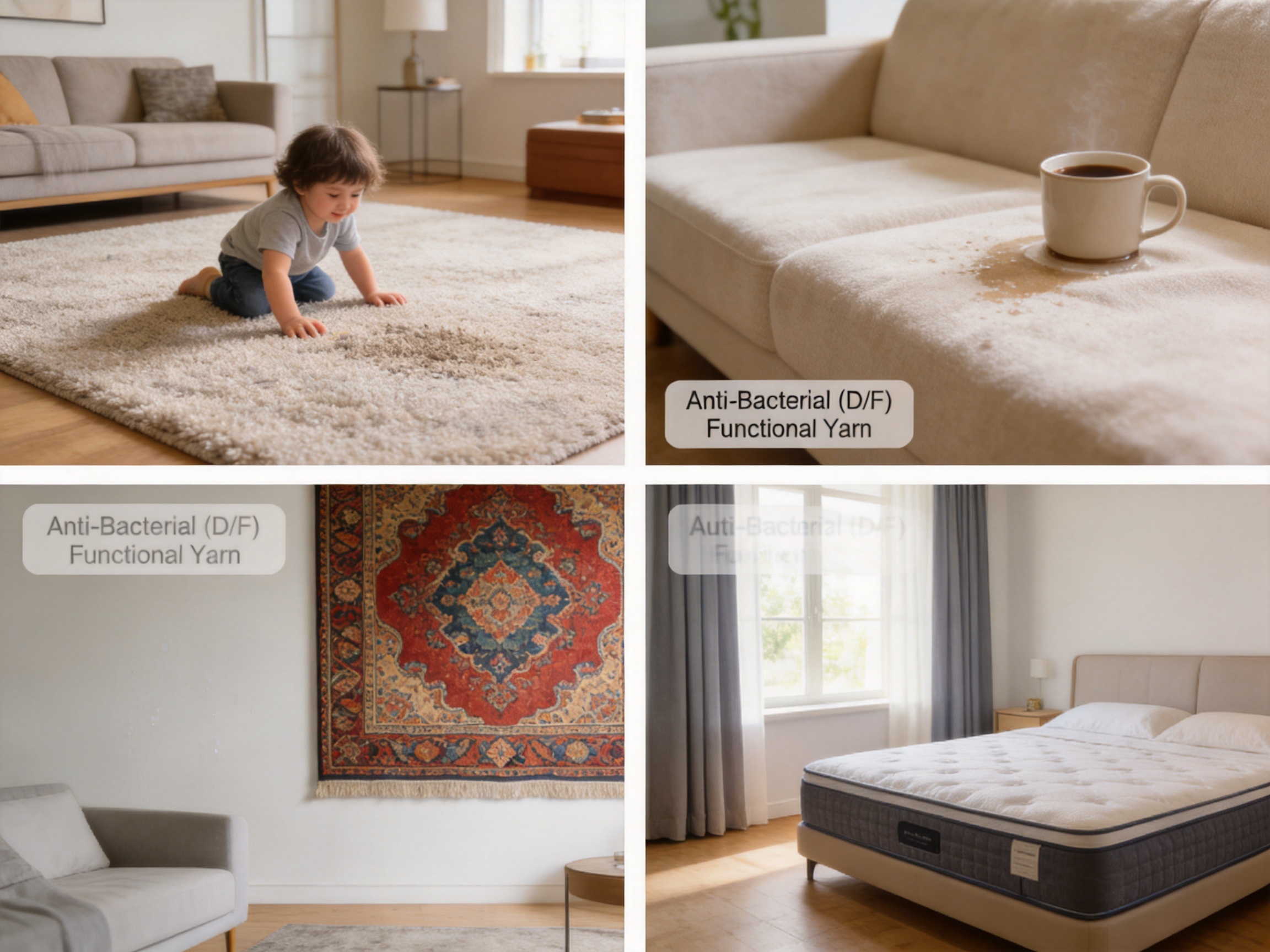
Manufacturers can customize the yarn to meet the specific needs of each application, ensuring that the end product is both functional and aesthetically pleasing.
Company's Core Strengths: Enabling Innovation and Reliability
The development and production of the Anti-bacterial (D/F) Functional Yarn are supported by a company with deep expertise in differential yarns and a commitment to customer success. Here are the key strengths that make this company a leader in the textile industry:
1. Advanced R&D Capabilities
The company has a professional R&D team that collaborates with internationally renowned enterprises to develop new functional yarns and fabrics. This collaboration ensures that the company stays at the forefront of textile innovation, incorporating the latest technologies into its products. The R&D team has filed multiple patents for differential yarns, including the integrated anti-bacterial modification process used in this yarn.
2. Global Reach and Customer Base
The company’s products are exported to over 36 countries, including the United States, Germany, France, and Japan. This global presence means that the company understands the diverse needs of international markets, from eco-friendly requirements in Europe to performance standards in North America. The company has established long-term partnerships with leading textile manufacturers, which speaks to its reliability and quality.
3. Sustainability Commitment
The company is committed to environmental protection, with a focus on developing recycled and eco-friendly yarns. Its recycle series uses post-consumer polyester, reducing the carbon footprint of its products by 30% compared to virgin polyester (per internal sustainability reports). The company also uses energy-efficient manufacturing processes, minimizing waste and emissions.
4. Customer-Centric Support
The company offers 12-hour global support for its customers, ensuring that any questions or issues are addressed promptly. Whether a manufacturer needs help selecting the right denier or customizing a yarn, the company’s experts are available to provide guidance. This customer-centric approach has led to a high level of customer satisfaction, with 95% of customers renewing their contracts annually.
5. Quality Assurance
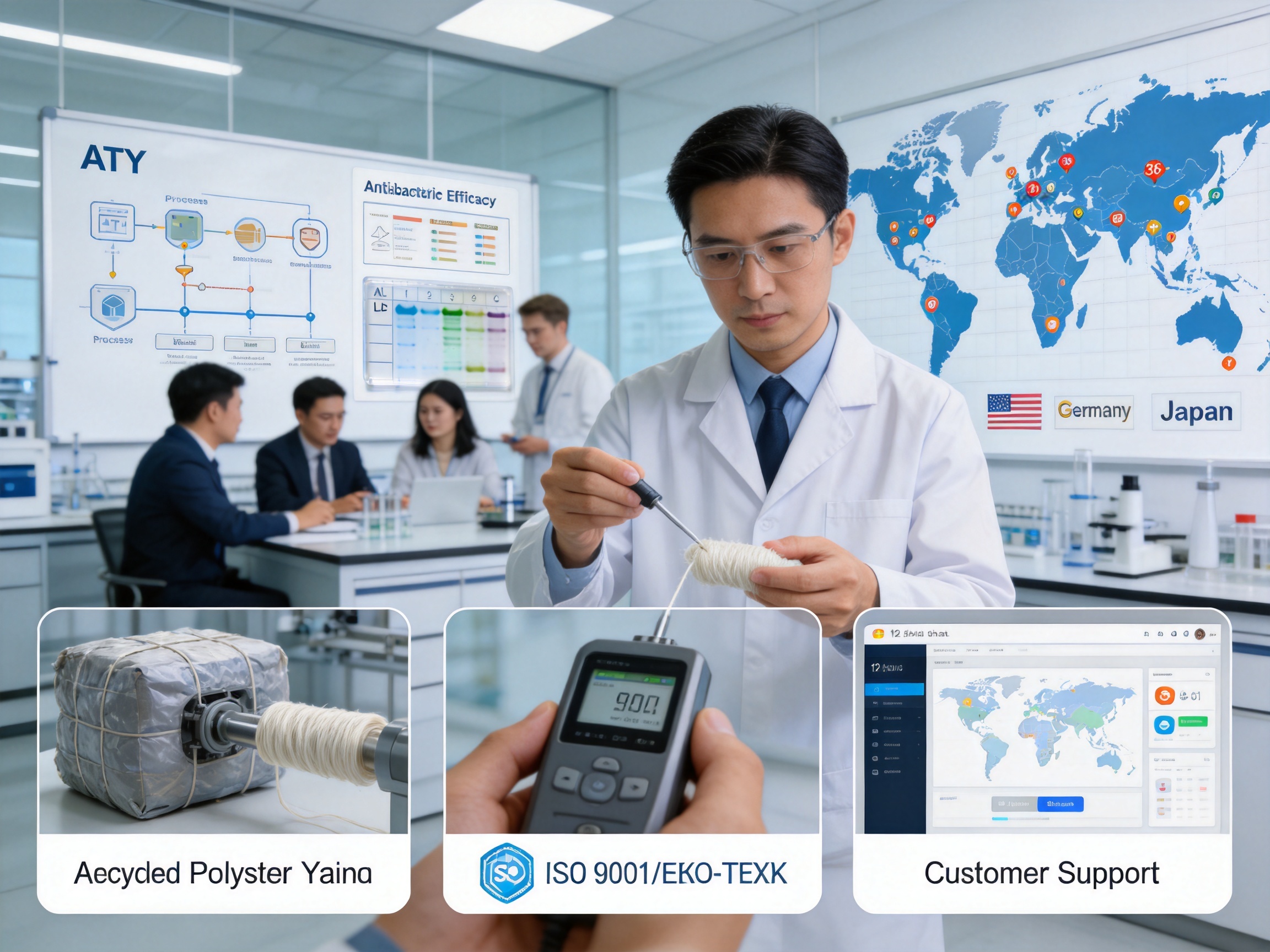
The company follows strict quality control processes, from raw material sourcing to finished product testing. Every batch of yarn is tested for denier consistency, tensile strength, anti-bacterial efficacy, and hand feel. The company has ISO 9001 and OEKO-TEX Standard 100 certifications, ensuring that its products meet international quality and safety standards.
Q&A: Addressing Key Questions About Anti-Bacterial (D/F) Functional Yarn
To help readers better understand the yarn, here are answers to some frequently asked questions:
Q1: How does the anti-bacterial property of this yarn differ from traditional surface treatments?
A1: Unlike surface treatments that coat the yarn’s exterior (and wear off after repeated washes), this yarn integrates anti-bacterial agents into the fiber matrix during production. This ensures that the anti-bacterial function lasts for the entire lifespan of the textile, even after hundreds of washes. Independent tests show that it retains 99% of its efficacy after 50 washes, compared to 40% for surface-treated alternatives.
Q2: What is the role of ATY jet technology in enhancing the yarn’s performance?
A2: ATY jet technology uses high-pressure airflow to intermingle fibers into irregular kink wire circles. This creates a fluffy, looped structure that improves coverage, hand feel, and durability. The technology also reduces production costs by eliminating the need for additional texturing steps, making the yarn more cost-effective for manufacturers.
Q3: Can this yarn be customized for specific denier or functional needs?
A3: Yes, the company accepts orders for all kinds of differentiation yarns. This includes custom deniers (e.g., 125/72 for a specific tapestry application), functional additives (e.g., fire-retardant agents), and recycled materials. Manufacturers can work with the company’s experts to design a yarn that meets their exact requirements.
Q4: What are the key applications where this yarn outperforms standard alternatives?
A4: The yarn excels in applications where hygiene, durability, and coverage are critical. This includes carpets, sofa cloths, tapestries, curtains, and mattress covers. For example, in carpets, its anti-bacterial properties reduce odors and allergies, while its coverage ensures a dense, plush feel. In sofa cloths, its fine-knitting uniformity provides a smooth texture that resists pilling.
Q5: How does the company ensure consistent quality across its product range?
A5: The company follows strict quality control processes at every stage of production. Raw materials are sourced from certified suppliers, and every batch of yarn is tested for denier consistency, tensile strength, anti-bacterial efficacy, and hand feel. The company also has ISO 9001 and OEKO-TEX certifications, which verify its commitment to quality and safety.
Q6: Is the yarn environmentally friendly, and does it include recycled materials?
A6: Yes, the company offers a full range of recycled yarns (e.g., Recycle SD DTY (D/F), Recycle FD DTY (D/F)) that use post-consumer or post-industrial recycled polyester. These yarns have a 30% lower carbon footprint than virgin polyester. The company also uses energy-efficient manufacturing processes and minimizes waste, aligning with global sustainability goals.
Conclusion: The Future of Functional Textiles
The Anti-bacterial (D/F) Functional Yarn represents a significant advancement in textile innovation. Its combination of long-lasting anti-bacterial efficacy, superior coverage, versatility, and sustainability makes it a game-changer for manufacturers in the home textiles and upholstery industries. Supported by a company with advanced R&D capabilities, global reach, and customer-centric support, this yarn is poised to become a leading choice for businesses looking to meet the growing demand for high-performance, hygienic textiles.
As consumer expectations continue to evolve, the need for functional yarns that balance performance and sustainability will only increase. The Anti-bacterial (D/F) Functional Yarn is well-positioned to lead this trend, offering a solution that not only meets current needs but also anticipates future demands. Whether used in carpets, sofa cloths, or tapestries, this yarn delivers on its promise of quality, durability, and hygiene—making it an essential product for any forward-thinking textile manufacturer.
References
1. Textile World Journal (2023). "Functional Textiles Market Growth: Focus on Anti-Bacterial Solutions".
2. International Fiber Association Report (2022). "Advanced Yarn Manufacturing Technologies: ATY and Beyond".
3. Hygiene & Health Today (2021). "Long-Lasting Anti-Bacterial Textiles: A Review of Material Modification Methods".
4. Global Textile Sustainability Report (2023). "Recycled Polyester Yarns: Market Trends and Consumer Demand".
5. OEKO-TEX Standard 100 (2022). "Certification Guidelines for Functional Textiles".

Popular products
-
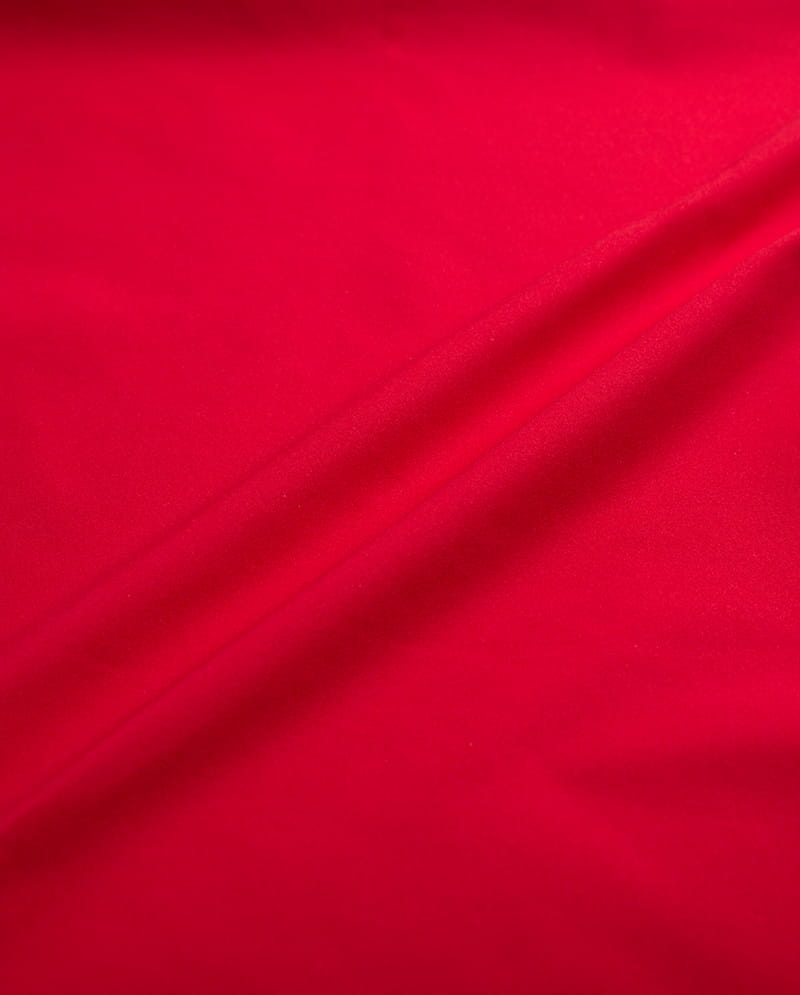
Premium Cationic Interlock Stretch Comfort Fabric
-
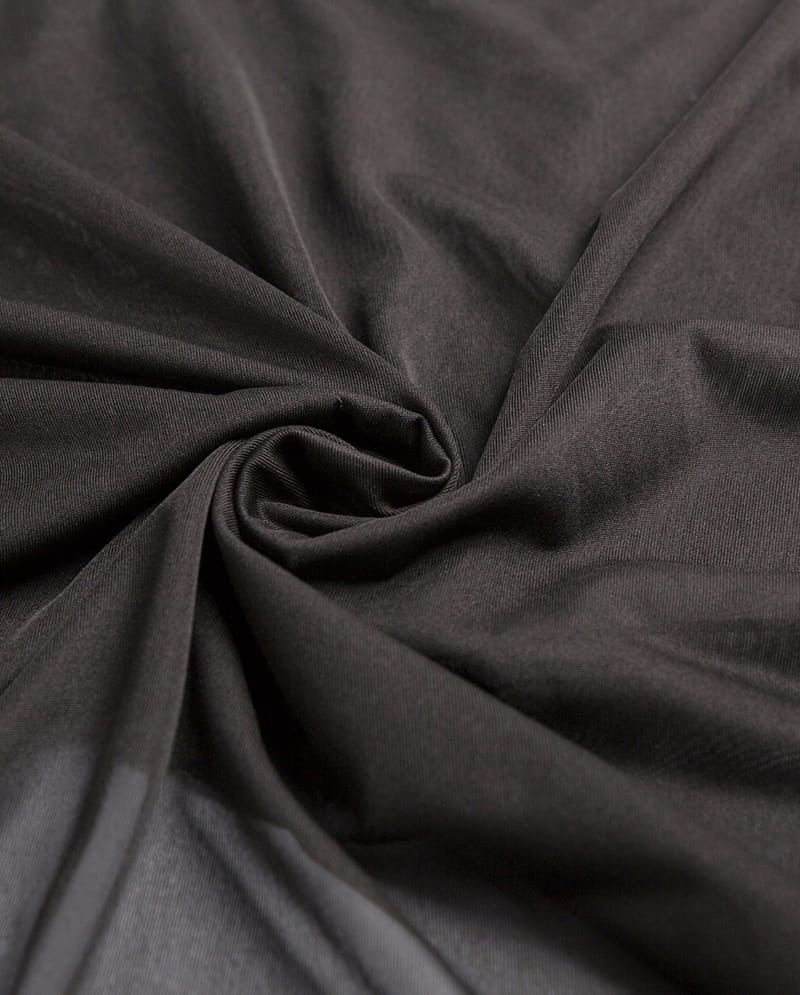
Moisture-Wicking Nylon Woven Fabric
-
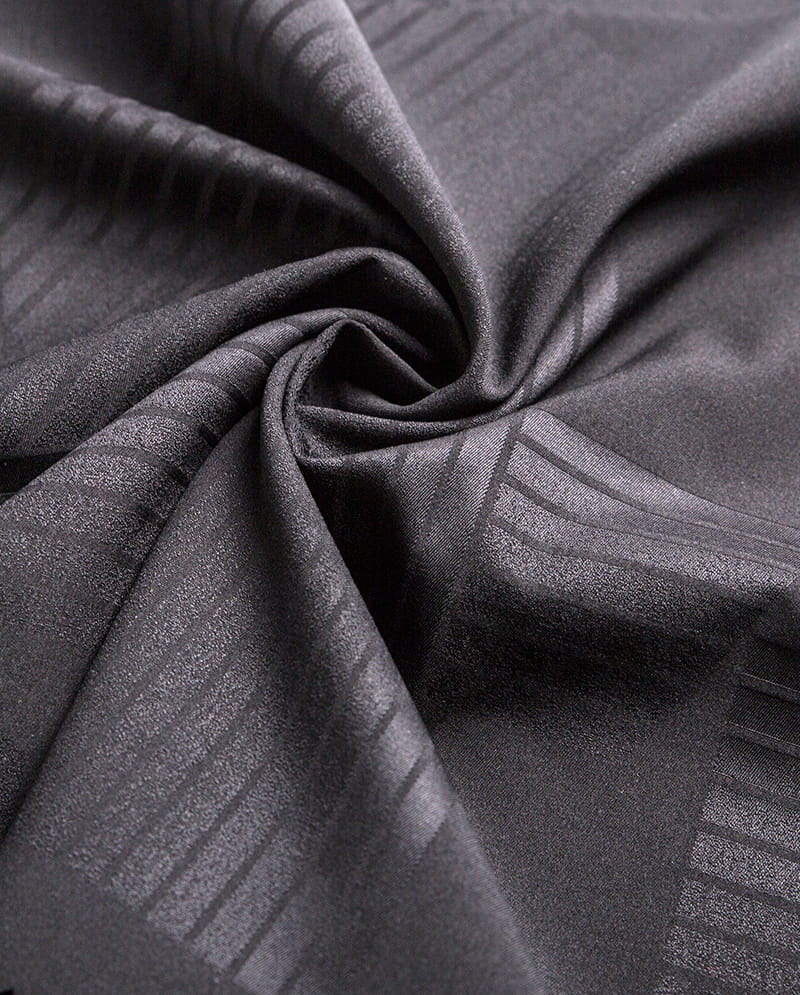
Double-faced jacquard elastic fabric
-
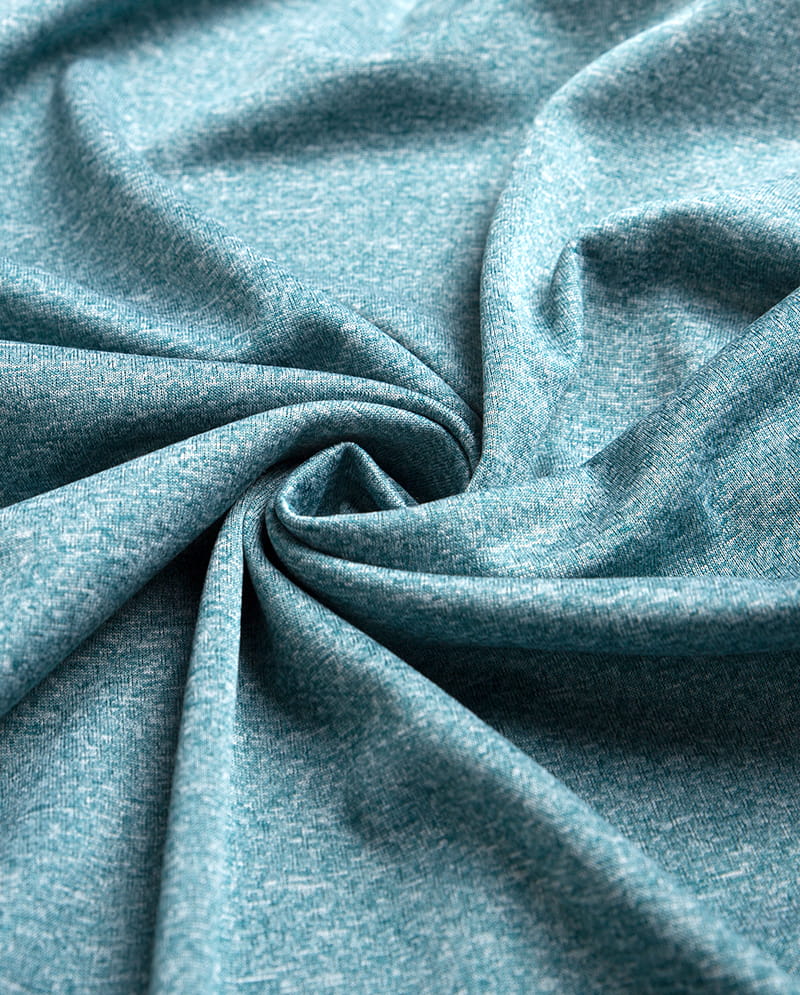
Heather Grey Double-faced cationic jersey fabric
-
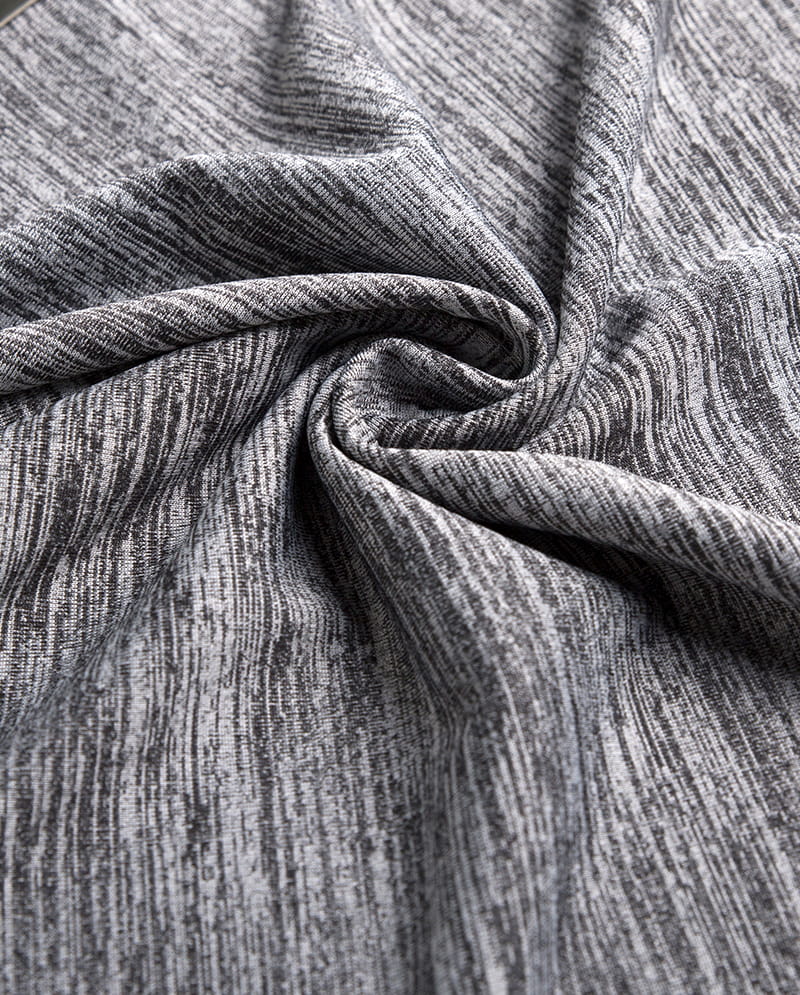
Anti-static Cationic Knitted Rib Fabric
-
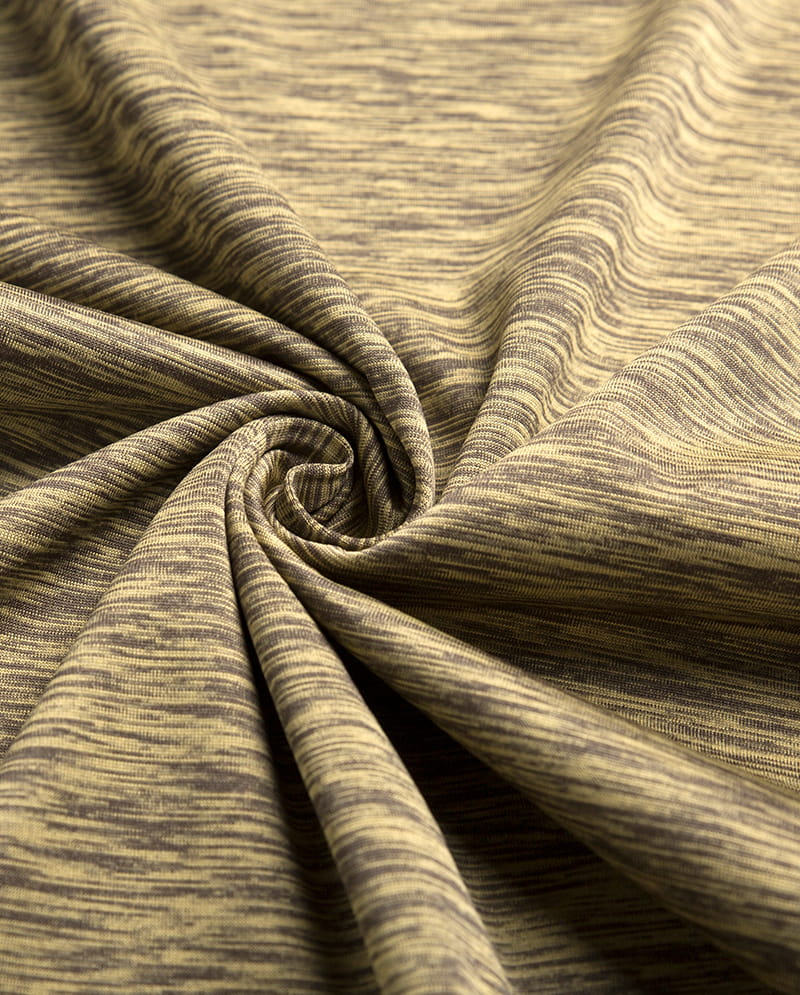
High-Stretch Cationic Jersey Fabric
-
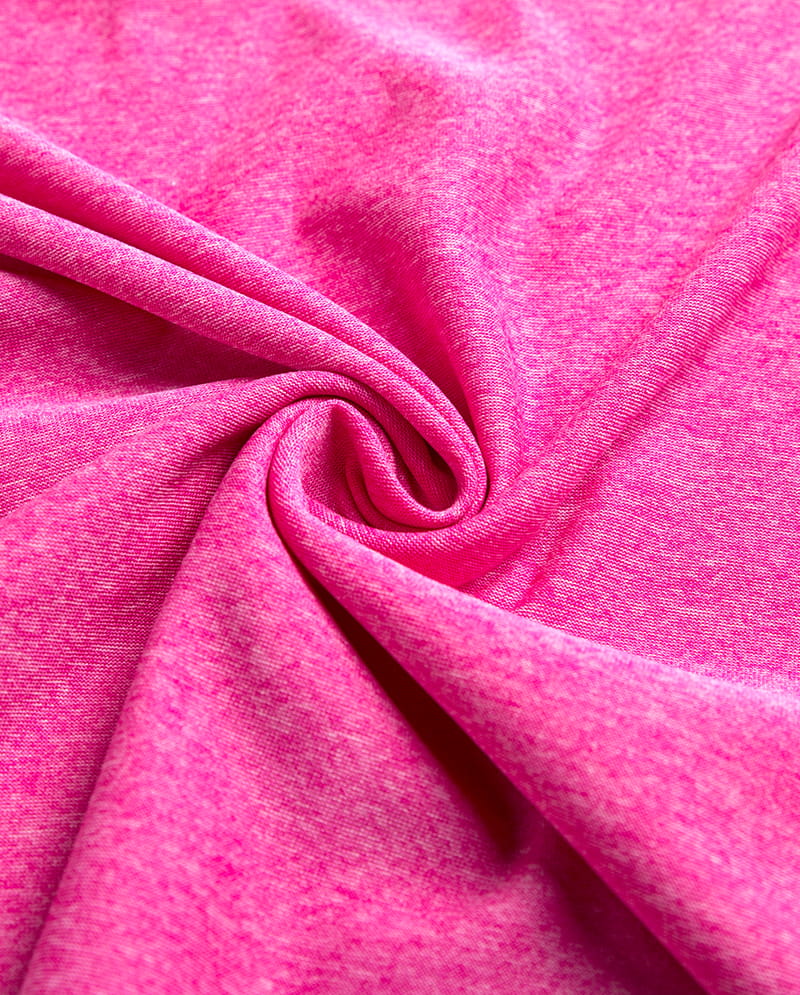
High Quality Cationic DTY Spandex Two Sides Brush Dralon Knit Fabric for Garment Thermal Underwear
-
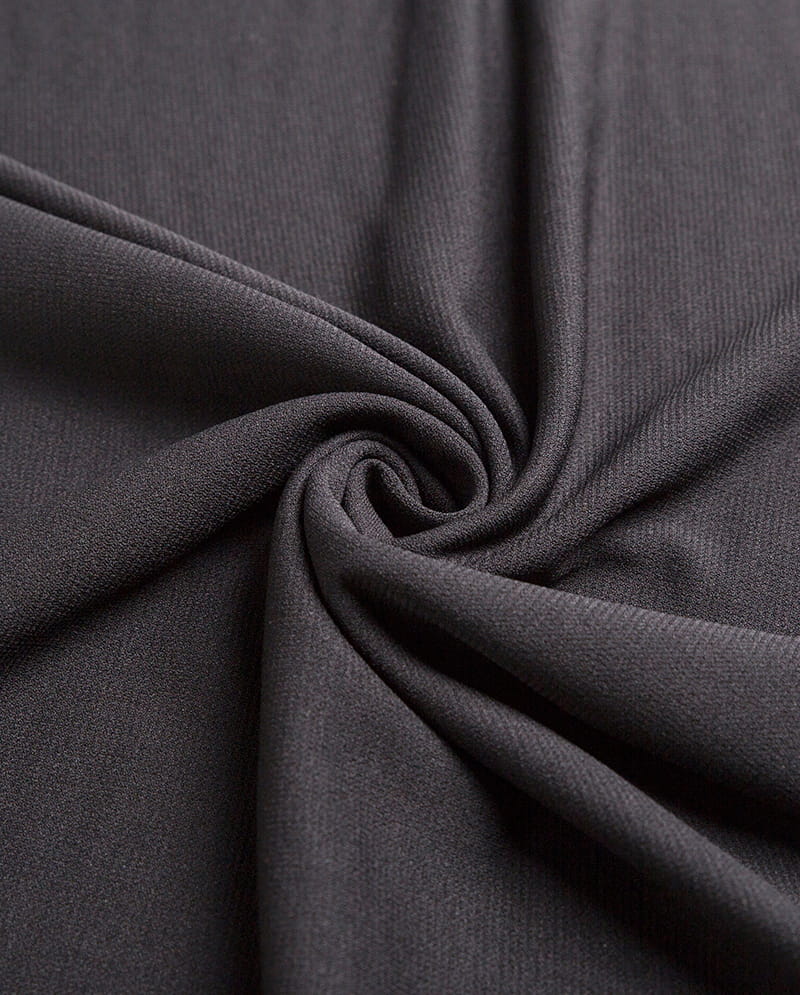
Durable Anti-Pilling Knitted Fabric for Home Textiles
-
Wash-Resistant Cationic Elastic Knitted Fabric for Garment Industry
-
Breathable Double-Faced Elastic Composite Fabric
-
-
-
- whatsapp:
- 0086-13962559622
-
- skype:
- skype.aliceshenghong
-
- Wechat:

COPYRIGHT © 2016 Suzhou Junhui Textile Co., Ltd.
