

 EN
EN English
 中文简体
中文简体Textile-Grade High-Purity Recycled Polyester Chips for Knitted Fabric
Content
- 1 1. Product Overview: A Practical Raw Material for Recycled PET Textiles
- 2 2. Why Recycled Polyester Chips Matter in Modern Textile Manufacturing
- 3 3. Core Product Advantages Over Ordinary Recycled Materials
- 4 4. Competitive Comparison
- 5 5. The Importance of High Purity in Knitted Fabric Production
- 6 6. Stable Melting Viscosity and Spinning Performance
- 7 7. Compatibility with DTY, FDY, POY, and Knitted Fabric Production
- 8 8. Environmental Benefits and Circular Economy Value
- 9 9. Applications in Knitted Fabric and Finished Products
- 10 10. Advanced Manufacturing Process for Reliable Recycled Chips
- 11 11. Company Strengths in Recycled and Differential Yarn Development
- 12 12. Product Portfolio Support: From Chips to Yarn and Fabric
- 13 13. Quality Control from Raw Material to Final Application
- 14 14. Advantages for Textile Manufacturers
- 15 15. Advantages for Brands and End Users
- 16 16. Differentiation from Low-Quality Recycled Alternatives
- 17 17. Role in Functional and Value-Added Textiles
- 18 18. Technical Considerations for Using Recycled Polyester Chips
- 19 19. Sustainable Textile Development and Market Demand
- 20 20. How the Product Supports Knitted Fabric Quality
- 21 21. Customer Service and Application Support
- 22 22. Recommended Applications by Product Direction
- 23 23. Why This Product Is a Strong Choice for Long-Term Supply
- 24 24. Frequently Asked Questions
- 24.1 Q1: What are textile-grade recycled polyester chips made from?
- 24.2 Q2: Why is high purity important for recycled polyester chips?
- 24.3 Q3: Can these chips be used for knitted fabric production?
- 24.4 Q4: How do these chips compare with virgin polyester chips?
- 24.5 Q5: What products can be made from recycled PET fabric?
- 24.6 Q6: Are recycled polyester chips suitable for export-oriented textile production?
- 24.7 Q7: What makes this product different from ordinary recycled PET pellets?
- 24.8 Q8: Can the chips support different yarn types?
- 24.9 Q9: What technical factors should manufacturers control when using the chips?
- 24.10 Q10: Why choose a supplier with yarn and fabric experience?
- 25 25. Conclusion
- 26 References
- 27 Product: Textile-Grade High-Purity Recycled Polyester Chips for Knitted Fabric
Textile-grade high-purity recycled polyester chips are becoming one of the most practical raw materials for modern knitted fabric production, especially for manufacturers seeking a balance between stable processing, reliable fabric performance, and measurable environmental value.
Produced from discarded PET containers such as water bottles and beverage bottles, these recycled polyester chips transform post-consumer plastic resources into a usable polymer feedstock for recycled PET yarn, DTY yarn, FDY yarn, POY yarn, and knitted textile fabrics.
For textile producers, the importance of recycled polyester chips is not limited to sustainability. The real value lies in whether the material can deliver consistent melting behavior, controlled viscosity, low impurity content, stable spinning performance, and dependable downstream compatibility with knitting and finishing processes.
This article explains the product advantages, textile applications, manufacturing strengths, quality-control logic, and competitive benefits of high-purity recycled polyester chips designed for knitted fabric production.
Textile-Grade High-Purity Recycled Polyester Chips for Knitted Fabric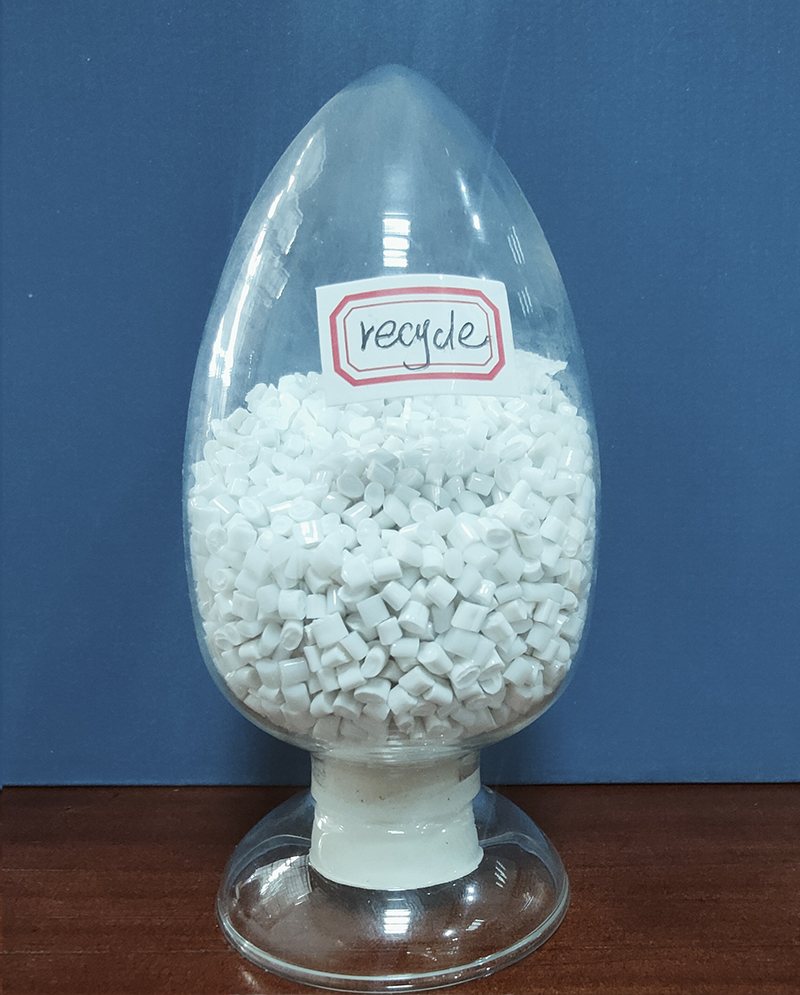
1. Product Overview: A Practical Raw Material for Recycled PET Textiles
Textile-grade recycled polyester chips are polymer chips made from recovered PET materials after processes such as sorting, cleaning, drying, purification, melting, filtration, and pelletizing. Their role is similar to that of virgin polyester chips, but they provide a circular-material advantage by reusing plastic resources that might otherwise become waste.
In knitted fabric manufacturing, raw material consistency is essential. Yarn producers require chips that can melt evenly, flow predictably, and support stable spinning. If the chips contain excessive impurities, unstable intrinsic viscosity, or inconsistent moisture levels, yarn defects may appear during processing. These defects can lead to broken filaments, uneven dyeing, weak fabric strength, and poor machine efficiency.
High-purity recycled polyester chips are therefore engineered for textile use rather than simple plastic reuse. They are designed to support fiber-grade processing requirements and to help manufacturers produce recycled PET yarns that can be converted into fabrics for apparel, bags, luggage, home textiles, fashion accessories, and functional textile products.
The product is especially suitable for knitted fabric because knitting places direct emphasis on yarn uniformity, elasticity, softness, dimensional stability, and dyeing performance. Chips with stable polymer characteristics help reduce yarn variation, which improves knitting efficiency and fabric appearance.
2. Why Recycled Polyester Chips Matter in Modern Textile Manufacturing
The textile industry is under increasing pressure to reduce resource consumption, improve supply-chain transparency, and provide eco-conscious products without compromising quality. Recycled polyester chips address these demands by converting PET waste into valuable textile raw material.
Unlike short-term environmental claims that may not affect actual production, recycled polyester chips offer a direct material solution. They replace part or all of virgin polyester feedstock in selected yarn and fabric applications, allowing brands and manufacturers to reduce dependence on newly produced petroleum-based polymer resources.
For global textile markets, especially in Europe and North America, recycled PET products have become increasingly popular because they support low-carbon consumption trends and responsible sourcing requirements. Products made from recycled PET yarn are widely used in mountaineering bags, handbags, school bags, luggage, garments, briefcases, fashion bags, storage boxes, gift bags, shopping bags, and other textile goods.
The growing demand for recycled textile products has also increased expectations for raw-material quality. Manufacturers no longer accept recycled chips that only provide an environmental story. They need recycled chips that can perform in industrial spinning lines and deliver predictable results in fabric production.
3. Core Product Advantages Over Ordinary Recycled Materials
High-purity recycled polyester chips for knitted fabric provide several advantages over ordinary recycled PET flakes, mixed recycled pellets, or low-grade recycled polymer materials.
First, the product emphasizes high purity. Low impurity content is critical because textile spinning requires fine melt flow through spinnerets. Even small contaminants can block filtration systems, cause yarn breakage, create black spots, or reduce final fabric quality. High-purity chips reduce these risks and improve operational stability.
Second, the product supports consistent melting viscosity. Stable viscosity is essential for spinning, drawing, and texturing. When viscosity fluctuates too much, yarn tenacity, elongation, and evenness become difficult to control. Stable chips help maintain predictable polymer behavior and reduce process adjustments.
Third, the product is suitable for mainstream textile processing routes. It can be used as a raw material for recycled PET yarn production and is compatible with processes related to POY, FDY, DTY, and knitted fabric production. This compatibility gives textile manufacturers flexibility in product development.
Fourth, the product supports sustainable positioning while maintaining industrial practicality. Some competing recycled materials are promoted mainly for their environmental value but fail to meet consistent production standards. Textile-grade recycled polyester chips are positioned as both sustainable and process-ready.
Fifth, the chips help manufacturers produce marketable eco-friendly fabrics for export-oriented applications. Since recycled PET fabric is especially welcomed in developed textile markets, using reliable recycled chips can improve a manufacturer's ability to serve international buyers.
4. Competitive Comparison
The table below summarizes how textile-grade high-purity recycled polyester chips compare with common alternatives used in textile and plastic processing.
| Comparison Item | High-Purity Recycled Polyester Chips | Ordinary Recycled PET Materials | Virgin Polyester Chips |
|---|---|---|---|
| Main Source | Processed discarded PET containers such as water bottles and beverage bottles | Mixed recycled PET sources with variable quality | Petrochemical raw materials |
| Purity Level | Controlled for textile-grade requirements with low impurity content | Often inconsistent and may contain more contaminants | Generally high and stable |
| Spinning Suitability | Designed for stable recycled PET yarn production | May require additional filtration or blending | Suitable for standard polyester yarn production |
| Environmental Value | Supports resource recycling and plastic-waste reduction | Supports recycling but may lack stable textile performance | Limited circular-material value |
| Processing Stability | Stable melting viscosity and reliable spinning behavior | Variable melt behavior and higher defect risk | Stable, but not recycled |
| Application Fit | Knitted fabric, recycled yarn, bags, garments, luggage, accessories | Lower-grade products or limited textile use | Broad textile applications |
| Market Appeal | Strong appeal for eco-conscious textile markets | Depends heavily on quality control | Traditional appeal but weaker sustainability story |
This comparison shows the key positioning of the product. It is not merely an alternative to virgin polyester chips; it is a textile-grade recycled solution designed to combine environmental responsibility with industrial reliability.
5. The Importance of High Purity in Knitted Fabric Production
Knitted fabric production depends heavily on yarn quality. Unlike some woven structures where certain irregularities may be less visible, knitted fabrics often reveal yarn unevenness through streaks, loops, holes, barre marks, and inconsistent surface texture. Therefore, the recycled chips used to make yarn must be controlled carefully.
High-purity chips reduce the presence of foreign particles, colored impurities, degraded polymer residues, and other contaminants. This improves melt filtration efficiency and reduces the possibility of spinneret blockage. When the spinning process runs smoothly, yarn packages become more uniform, and downstream knitting machines can operate with fewer interruptions.
Purity also affects dyeing and finishing. Impurities may cause shade differences or visible defects on finished fabric. For apparel, bags, and fashion accessories, visual consistency is an important quality factor. High-purity recycled polyester chips support cleaner yarn and more consistent fabric appearance.
For manufacturers of knitted fabric, every defect has a cost. Yarn breaks reduce production efficiency, fabric faults increase inspection losses, and inconsistent dyeing may cause order rejection. By starting with cleaner recycled chips, producers reduce risks throughout the textile chain.
6. Stable Melting Viscosity and Spinning Performance
One of the most important technical advantages of textile-grade recycled polyester chips is stable melting viscosity. Viscosity describes how the melted polymer flows under processing conditions. In polyester spinning, stable melt flow is essential for forming continuous filaments with consistent diameter and strength.
If viscosity is too low, yarn strength may decline and filament stability may suffer. If viscosity is too high, extrusion pressure may increase, filtration may become difficult, and spinning consistency may be affected. If viscosity changes from batch to batch, production engineers must constantly adjust machine settings, which reduces efficiency.
High-purity recycled polyester chips are processed with attention to polymer stability. Proper drying, decontamination, filtration, and homogenization help achieve consistent melting behavior. For manufacturers, this means fewer sudden process changes, better yarn uniformity, and more predictable output.
Stable spinning performance is especially important for recycled PET yarn because the market often compares recycled yarn with virgin polyester yarn. To win buyer confidence, recycled yarn must meet practical performance expectations. Chips with controlled viscosity help narrow the quality gap and support more competitive recycled textile products.
7. Compatibility with DTY, FDY, POY, and Knitted Fabric Production
Recycled polyester chips can support several polyester yarn routes depending on formulation, processing design, and production requirements. In textile manufacturing, common yarn types include POY, FDY, and DTY.
POY, or partially oriented yarn, is often used as an intermediate yarn that can be further processed through draw texturing. FDY, or fully drawn yarn, is directly drawn during spinning and is suitable for fabrics requiring smoothness, stability, and strength. DTY, or draw textured yarn, is produced by texturing POY to create bulk, elasticity, and a softer hand feel.
Knitted fabrics often use DTY because of its comfortable texture, elasticity, and loop-forming behavior. However, FDY and other filament types may also be used depending on fabric design. High-quality recycled chips give manufacturers the flexibility to develop multiple yarn structures and fabric applications.
The product information also reflects a broad textile-yarn ecosystem, including recycled series, normal series, cationic dyeing series, high-elastic series, and functional yarn series. This broad product environment supports customer needs across apparel, bags, accessories, and specialty fabric markets.
8. Environmental Benefits and Circular Economy Value
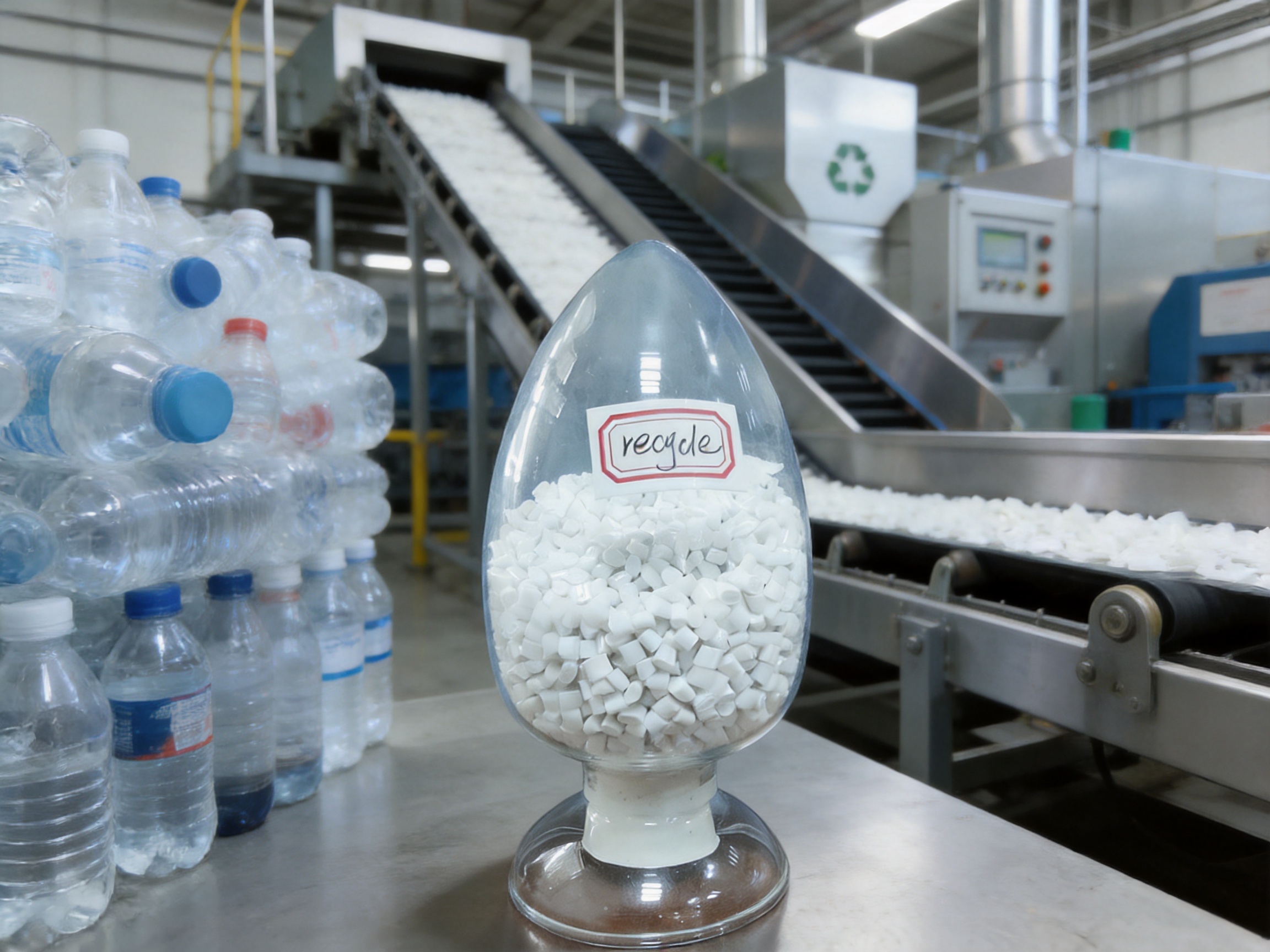
The environmental value of recycled polyester chips begins with resource recovery. Discarded PET bottles and containers are collected and processed instead of being treated as waste. Through mechanical recycling and textile-grade preparation, these materials are transformed into chips that can re-enter manufacturing as useful polymer feedstock.
This circular pathway helps reduce plastic waste, decreases demand for virgin polyester resources, and supports more responsible material use. In textile markets where sustainability is increasingly important, recycled PET fabric provides a clear story that can be understood by both brands and consumers.
Recycled PET fabric is often known as a green fabric made from reclaimed bottle resources. This concept is attractive because it connects everyday plastic consumption with finished textile products such as clothing, bags, and accessories. For consumers, it is easy to understand that a discarded bottle can become yarn, fabric, and finally a useful product.
For manufacturers, environmental value must be matched with production value. High-purity recycled polyester chips make this possible by providing a raw material that supports both sustainability and industrial performance. This combination is the real reason recycled PET textiles continue to expand in global markets.
9. Applications in Knitted Fabric and Finished Products
Textile-grade recycled polyester chips can be used to produce recycled yarns that are suitable for many knitted fabric applications. Knitted fabrics made from recycled PET yarn may be used in casualwear, sportswear, linings, bag fabrics, home textile components, and functional textile products.
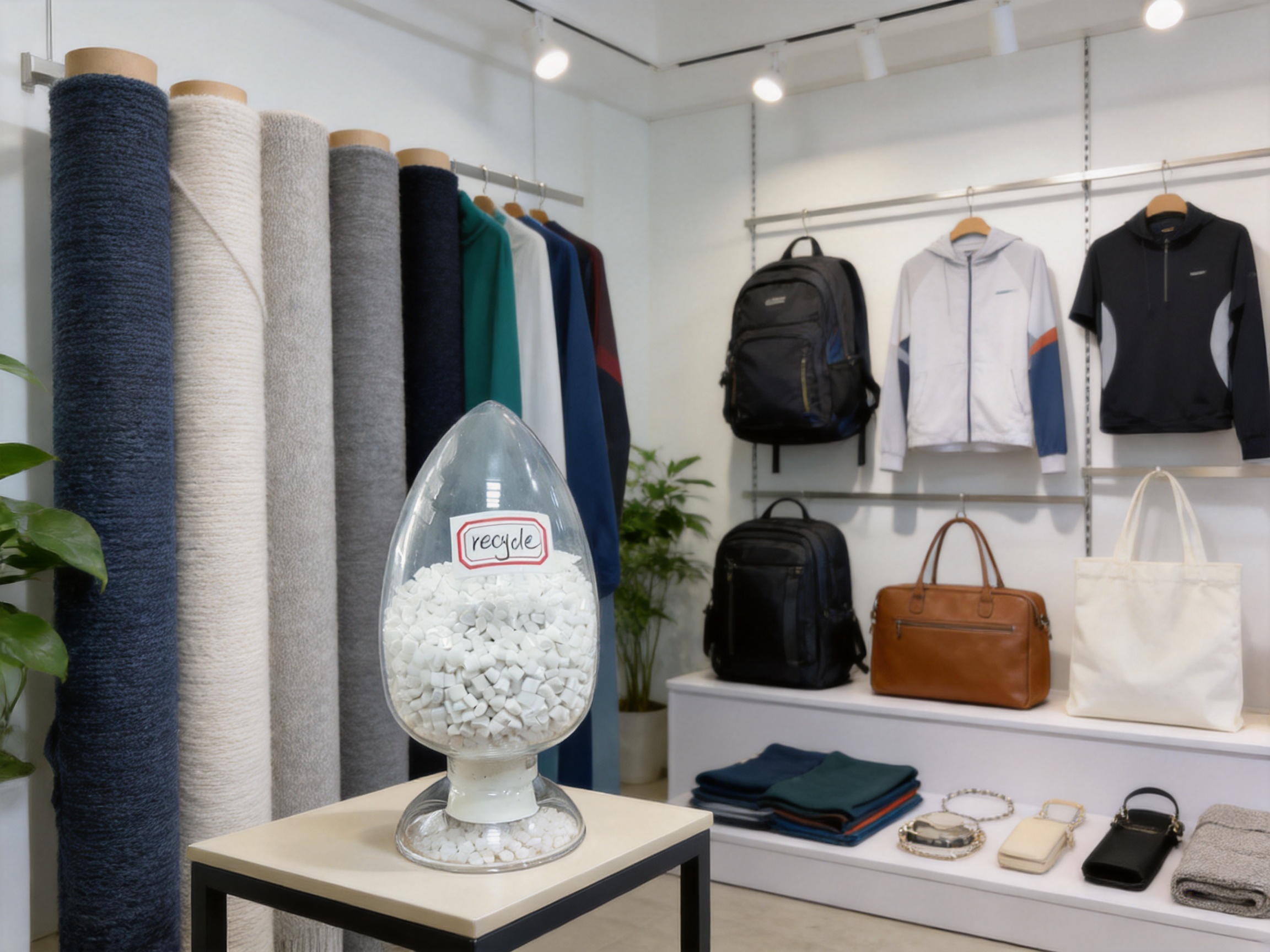
The original application range of recycled PET fabric includes mountaineering bags, handbags, school bags, luggage, clothing, briefcases, fashion bags, storage boxes, gift bags, handbags, and shopping bags. These applications demonstrate the versatility of recycled polyester as a textile material.
In bags and luggage, recycled polyester fabric offers durability and marketable environmental value. In clothing, it can provide lightweight performance, easy care, and compatibility with common dyeing and finishing methods. In shopping bags and gift bags, recycled PET fabric supports reusable product concepts and helps brands present a greener image.
Knitted fabric producers can develop different textures, weights, and functions by selecting suitable yarn counts, filament numbers, and finishing processes. Recycled chips serve as the foundation for these textile innovations.
10. Advanced Manufacturing Process for Reliable Recycled Chips
The quality of recycled polyester chips depends strongly on the manufacturing process. A textile-grade product cannot be produced simply by melting mixed waste. It requires a systematic process designed to remove impurities, stabilize polymer properties, and prepare the material for spinning.
A typical advanced process begins with material selection and sorting. PET containers are separated from non-PET plastics, labels, caps, metals, and other foreign materials. Color sorting may also be used to reduce contamination and improve final chip consistency.
After sorting, the material is washed to remove surface dirt, glue residues, beverage residues, and other contaminants. Hot washing, friction washing, and rinsing stages may be used depending on the process design. Clean flakes are then dried to reduce moisture, since moisture can degrade PET during melting.
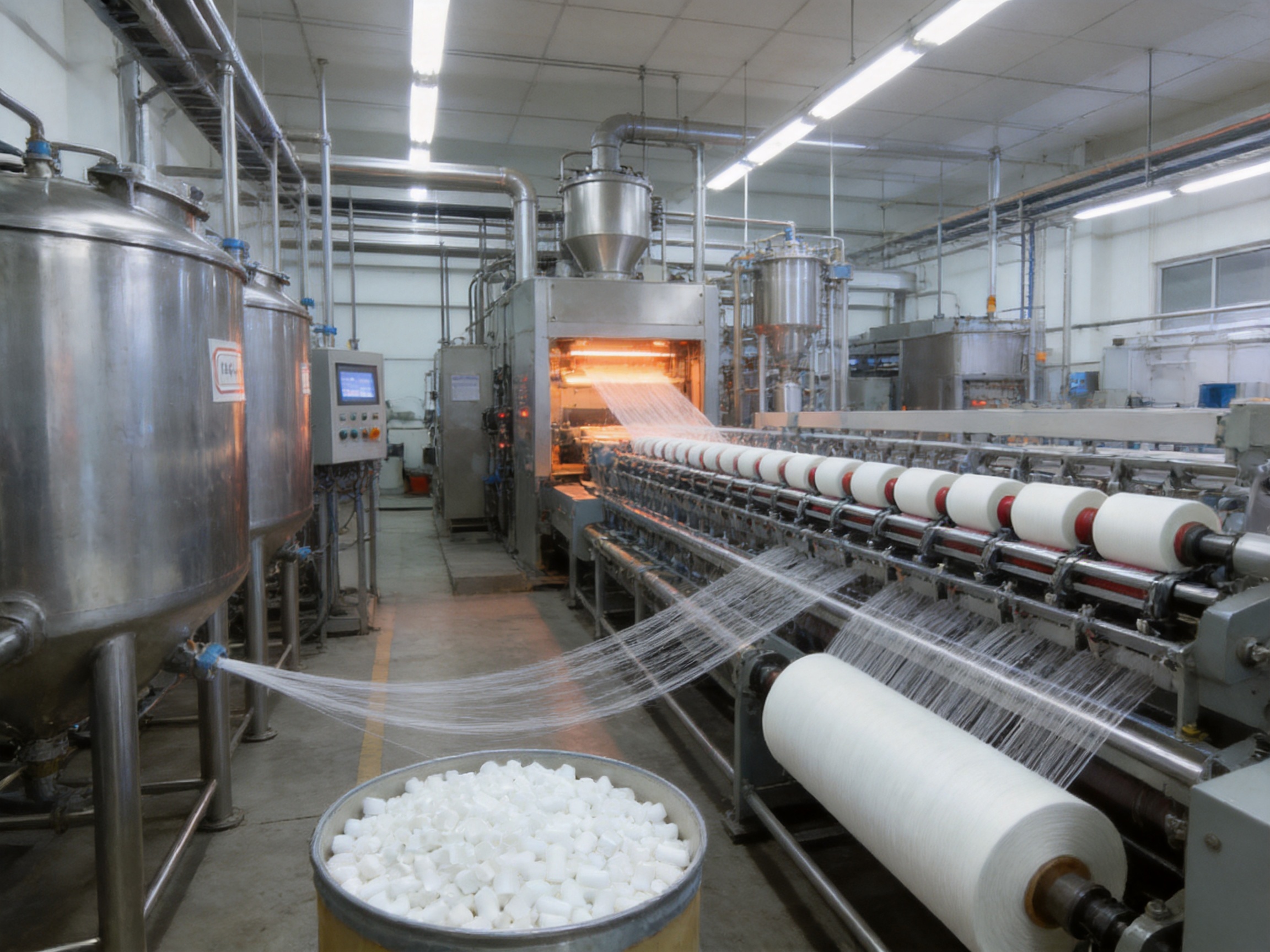
The dried material is melted under controlled conditions. Melt filtration removes fine contaminants and helps protect spinning equipment downstream. Homogenization supports more consistent polymer behavior, while pelletizing forms the chips into manageable raw material for storage, transport, and feeding into textile production systems.
Advanced manufacturing also includes quality testing. Parameters such as intrinsic viscosity, moisture content, color, impurity level, melting behavior, and batch consistency may be monitored. These controls help ensure that the chips can be used more confidently in textile spinning.
11. Company Strengths in Recycled and Differential Yarn Development
Suzhou Junhui Textile Co., Ltd. and Suzhou Xiaoran New Materials Co., Ltd. are positioned as textile enterprises focused on differential yarn, recycled yarn, polyester drop-dyed yarn, microfine yarn, flame-retardant yarn, cationic dyeing yarn, and knitting fabric products.
The company background reflects a commitment to research, development, and application in environmental protection and functional yarn and fabric. This is important because recycled polyester chips are not isolated from the rest of textile production. Their value increases when supported by yarn-development knowledge, fabric-application experience, and customer-oriented technical service.
A professional R&D team allows the company to discuss research and development with internationally recognized enterprises and to respond to changing market requirements. For buyers, this means that the supplier is not only selling raw material but also understands how the material performs in yarn and fabric systems.
The company exports more than 90 percent of its products and has established cooperative relationships with customers in many countries. This export experience helps it understand international expectations for quality, communication, documentation, and product consistency.
The company also emphasizes service responsiveness, with experts ready to provide guidance and support for product selection and problem-solving. For manufacturers working with recycled materials, such technical support is valuable because production conditions vary by equipment, yarn type, fabric structure, and end-use requirement.
12. Product Portfolio Support: From Chips to Yarn and Fabric
A major advantage of working with a supplier experienced in both recycled raw materials and yarn systems is the ability to connect chip quality with downstream textile performance. The available product range includes recycled DTY, recycled FDY, semi-dull yarn, full-dull yarn, cationic dyeing yarn, high-elastic yarn, PBT/PET yarn, fire-retardant yarn, antibacterial yarn, moisture-wicking yarn, cotton-like yarn, hollow warm yarn, and air-covered yarn options.
This broad portfolio demonstrates familiarity with different denier and filament configurations. Examples include fine denier products such as 15/6, 20/12, 30/24, and 50/36, as well as medium and heavier specifications such as 75/72, 100/144, 150/144, 300/288, and 300/576. These yarn options reflect the company's ability to support multiple fabric designs and market segments.
For customers using recycled polyester chips, this background matters because the supplier understands what yarn producers require. The chip must not only look acceptable in laboratory testing; it must support practical spinning, texturing, knitting, dyeing, and finishing.
When a company has experience across raw materials, yarn categories, and fabric applications, it can provide more informed recommendations. This can reduce development time, improve product matching, and help customers avoid avoidable processing problems.
13. Quality Control from Raw Material to Final Application
Quality control for textile-grade recycled polyester chips should be viewed as a chain rather than a single inspection point. Each stage affects the next stage.
At the raw-material stage, sorting accuracy determines the level of contamination risk. Non-PET plastics, PVC, paper, metals, and colored contaminants can create serious quality problems if not removed. At the washing stage, cleaning effectiveness affects odor, residue, and melt cleanliness. At the drying stage, moisture control helps prevent hydrolytic degradation during melting.
During melt processing, temperature control, residence time, filtration, and homogenization affect polymer stability. In pelletizing, chip size and uniformity influence feeding behavior and drying efficiency in downstream systems. In storage and packaging, moisture prevention and contamination control remain important.
For yarn production, the final proof of chip quality is spinning behavior. Reliable chips should support smooth extrusion, stable pressure, fewer broken ends, and consistent yarn packages. In knitted fabric, the proof continues through loop formation, fabric appearance, dyeing consistency, and end-use performance.
By controlling quality across the full chain, the product provides stronger value than competitors who only focus on recycled origin without sufficient textile-grade processing discipline.
14. Advantages for Textile Manufacturers
For textile manufacturers, the benefits of high-purity recycled polyester chips can be measured in several practical ways.
The first benefit is production stability. Stable chips reduce unexpected machine stoppages and minimize the need for frequent adjustments. This improves output efficiency and helps manufacturers meet delivery schedules.
The second benefit is defect reduction. Lower impurity content helps reduce yarn breaks, filtration problems, and visible fabric faults. Fewer defects mean less waste, lower rework cost, and better customer satisfaction.
The third benefit is stronger market positioning. Fabrics made from recycled PET yarn can be promoted as environmentally responsible products. This helps manufacturers serve brands that require recycled content or prefer lower-impact materials.
The fourth benefit is product flexibility. Recycled chips can support different yarn and fabric routes, allowing manufacturers to develop products for apparel, bags, luggage, shopping bags, accessories, and other textile categories.
The fifth benefit is long-term supplier support. A supplier with R&D capability, export experience, and broad yarn knowledge can help customers solve problems and develop new materials more effectively than a supplier offering only basic recycled pellets.
15. Advantages for Brands and End Users
Brands increasingly want materials that combine function, appearance, and environmental responsibility. Recycled polyester fabric made from high-quality recycled chips gives brands a practical way to communicate sustainability without forcing consumers to sacrifice performance.
For bag and luggage brands, recycled PET fabric can provide durability and a responsible-material story. For apparel brands, recycled polyester can support lightweight comfort, easy care, and compatibility with sportswear or casualwear designs. For retailers, shopping bags and gift bags made from recycled PET fabric can support reusable packaging strategies.
End users benefit from familiar polyester performance while participating indirectly in resource recycling. The final product may look and function like conventional polyester fabric, but its material origin supports circular use of PET waste.
This is one of the strongest advantages of recycled polyester chips: they enable sustainable value to be built into everyday products without requiring dramatic changes in consumer behavior.
16. Differentiation from Low-Quality Recycled Alternatives
Not all recycled polyester materials are equal. Some recycled PET products are suitable for lower-grade plastic applications but are not appropriate for textile spinning. Textile-grade chips must meet stricter expectations because fiber production is more sensitive to impurities, degradation, and inconsistent polymer properties.
Low-quality recycled alternatives may create problems such as unstable melt pressure, excessive filter replacement, yarn breakage, uneven filament formation, color inconsistency, and weak fabric performance. These issues can erase any cost advantage and may damage a manufacturer's reputation.
High-purity recycled polyester chips differentiate themselves by focusing on the real needs of textile production. The product is not simply recycled; it is prepared for yarn and knitted fabric applications. This makes it more suitable for manufacturers who care about long-term production efficiency and customer acceptance.
In competitive markets, reliability is often more valuable than the lowest initial price. A stable recycled chip can reduce total production cost by lowering defects, improving machine utilization, and supporting consistent customer orders.
17. Role in Functional and Value-Added Textiles
The company’s broader product expertise includes functional yarns such as flame-retardant yarn, antibacterial yarn, moisture-wicking yarn, hollow warm yarn, high-elastic yarn, and cationic dyeing yarn. This knowledge is relevant because recycled polyester chips can serve as a foundation for value-added recycled textile development.
Functional textiles are increasingly important in sportswear, outdoor equipment, travel products, uniforms, and technical accessories. Customers may want recycled materials but still require comfort, moisture management, resilience, warmth, safety, or special dyeing effects.
By combining recycled raw-material knowledge with functional yarn development, manufacturers can produce fabrics that are both sustainable and performance-oriented. This is a stronger market proposition than offering recycled content alone.
For example, recycled PET yarn can be designed for bag fabrics requiring durability, or for knitted apparel requiring softness and elasticity. With proper yarn selection and finishing, recycled polyester can serve many textile functions.
18. Technical Considerations for Using Recycled Polyester Chips
Manufacturers using recycled polyester chips should pay attention to several technical factors to achieve the best results.
Moisture control is essential. PET is sensitive to hydrolysis when processed at high temperature in the presence of moisture. Proper drying before melting helps maintain polymer strength and viscosity. Even high-quality chips require correct drying management before spinning.
Filtration strategy should be matched to the chip quality and spinning requirement. Textile-grade chips with low impurity content reduce filtration burden, but proper filters are still needed to protect spinnerets and maintain yarn quality.
Processing temperature should be optimized to avoid unnecessary polymer degradation. Excessive temperature or long residence time can affect color and mechanical properties. Stable chips help, but process discipline remains important.
Blending strategy may be used depending on the product target. Some manufacturers may use recycled chips alone, while others may blend them with virgin chips or functional additives. The correct ratio depends on yarn type, performance requirement, certification needs, and customer specification.
Downstream testing is also necessary. Yarn strength, elongation, evenness, dyeing behavior, and fabric performance should be evaluated to confirm suitability for the intended application.
19. Sustainable Textile Development and Market Demand
The demand for recycled polyester textiles is part of a broader change in the textile industry. Buyers increasingly ask suppliers to reduce environmental impact, improve material traceability, and offer products aligned with circular economy principles.
Recycled polyester chips help manufacturers respond to this demand with a material that is already familiar to textile production systems. Polyester is widely used because of its strength, dimensional stability, quick drying, and easy-care properties. Recycled polyester preserves many of these advantages while adding resource-recycling value.
In export markets, recycled PET fabrics are popular because they support brand sustainability programs and consumer expectations. Textile manufacturers that adopt reliable recycled chips can expand their product offerings and improve their competitiveness in international supply chains.
However, market demand also increases responsibility. Customers expect recycled products to be stable, attractive, and practical. High-purity recycled polyester chips are therefore essential for transforming sustainability from a marketing concept into a dependable manufacturing reality.
20. How the Product Supports Knitted Fabric Quality
Knitted fabric quality depends on multiple factors, including yarn evenness, filament strength, texture, elasticity, dyeing behavior, and knitting machine performance. The quality of polyester chips influences many of these factors at the beginning of the production chain.
Stable recycled chips help produce yarn with more uniform filament formation. Uniform yarn improves loop consistency and reduces the chance of fabric streaks. Good chip purity reduces black spots and foreign-particle defects. Controlled viscosity supports yarn strength and reduces processing instability.
For knitted apparel, hand feel and appearance are important. For bag fabrics, durability and consistent surface are important. For accessories, color and finish must be reliable. In each case, the recycled chip is a hidden but critical contributor to final product quality.
Manufacturers who choose better chips gain more control over the entire process. Instead of trying to correct raw-material problems during knitting or finishing, they can prevent many defects before they occur.
21. Customer Service and Application Support
Recycled textile production may involve new challenges for manufacturers accustomed to virgin polyester. Questions may arise about drying conditions, spinning parameters, filtration life, yarn performance, dyeing behavior, or fabric applications.
A supplier with application experience can help customers evaluate these questions more effectively. Technical support may include product selection guidance, specification matching, troubleshooting, and recommendations based on intended fabric use.
The company emphasizes a service-oriented approach and global responsiveness. This matters because international buyers often work across time zones and require quick communication during sampling, bulk production, or problem-solving.
Good service does not replace product quality, but it increases product value. When customers receive both reliable chips and practical support, they can develop recycled textile products with greater confidence.
22. Recommended Applications by Product Direction
High-purity recycled polyester chips can support several product directions depending on customer needs.
For knitted apparel, the chips can be used to produce recycled yarns suitable for casualwear, sportswear, linings, and light functional fabrics. The focus is usually on softness, consistency, dyeability, and comfort.
For bag and luggage textiles, the chips can support yarns used in durable fabrics with good appearance and environmental positioning. The focus is on strength, abrasion resistance, and marketable recycled content.
For shopping bags and gift bags, recycled PET fabric offers a responsible alternative to disposable materials. The focus is on reusability, visual appeal, and brand image.
For fashion accessories, recycled polyester provides design flexibility and sustainability value. The focus is on texture, color, and style compatibility.
For functional textile development, recycled chips can form part of broader yarn systems that include flame retardant, antibacterial, moisture-wicking, high-elastic, or hollow warm functions, depending on formulation and processing.
23. Why This Product Is a Strong Choice for Long-Term Supply
Long-term supply decisions require more than checking a single sample. Manufacturers need stable quality, responsive service, export capability, and technical understanding. Textile-grade high-purity recycled polyester chips are supported by a company background that includes recycled yarn, differential yarn, functional yarn, and knitted fabric products.
This integrated textile experience helps ensure that the recycled chips are developed with real downstream needs in mind. The product is suitable for customers who want a sustainable raw material but cannot accept unstable processing or inconsistent fabric quality.
Compared with many competitors, the key advantages are textile-grade purity, stable melting viscosity, compatibility with yarn and knitted fabric production, environmental value, broad application potential, and supplier support based on R&D and export experience.
For textile manufacturers, these advantages can translate into smoother production, fewer defects, stronger product positioning, and better ability to serve international markets.
24. Frequently Asked Questions
Q1: What are textile-grade recycled polyester chips made from?
They are made from recovered PET materials, commonly including discarded water bottles and beverage bottles. After sorting, cleaning, purification, melting, filtration, and pelletizing, the recycled PET is converted into chips suitable for textile applications.
Q2: Why is high purity important for recycled polyester chips?
High purity reduces contamination risks during spinning. Lower impurity content helps prevent spinneret blockage, yarn breakage, black spots, uneven dyeing, and fabric defects. This is especially important for knitted fabrics because yarn irregularities can be visible in the final fabric.
Q3: Can these chips be used for knitted fabric production?
Yes. The chips are designed as a core raw material for recycled PET yarn and knitted fabric production. They support stable melting behavior and spinning performance, which are important for producing yarn suitable for knitting.
Q4: How do these chips compare with virgin polyester chips?
Virgin polyester chips are generally stable but do not provide the same circular-material value. High-purity recycled polyester chips offer a more sustainable alternative while still supporting practical textile processing requirements.
Q5: What products can be made from recycled PET fabric?
Recycled PET fabric can be used in mountaineering bags, handbags, school bags, luggage, clothing, briefcases, fashion bags, storage boxes, gift bags, shopping bags, and other textile products.
Q6: Are recycled polyester chips suitable for export-oriented textile production?
Yes. Recycled PET textiles are popular in many international markets, especially where buyers value sustainable materials. Stable recycled chips help manufacturers produce fabrics that meet quality and environmental expectations.
Q7: What makes this product different from ordinary recycled PET pellets?
The difference lies in textile-grade processing requirements. Ordinary recycled PET pellets may have variable impurities and inconsistent melt behavior. High-purity recycled polyester chips are designed for yarn and fabric production, with better attention to purity, viscosity stability, and spinning compatibility.
Q8: Can the chips support different yarn types?
They can be used as part of recycled polyester yarn production routes, including applications related to POY, FDY, and DTY, depending on the production process and specification requirements.
Q9: What technical factors should manufacturers control when using the chips?
Manufacturers should control drying conditions, moisture content, processing temperature, melt filtration, residence time, and downstream yarn testing. Proper processing helps achieve the best performance from recycled polyester chips.
Q10: Why choose a supplier with yarn and fabric experience?
A supplier with yarn and fabric experience understands how chip quality affects spinning, texturing, knitting, dyeing, and finishing. This makes product selection and troubleshooting more effective than working with a supplier focused only on recycled plastic materials.
25. Conclusion
Textile-grade high-purity recycled polyester chips provide a practical and competitive solution for manufacturers seeking sustainable raw materials for recycled PET yarn and knitted fabric production. Their value comes from the combination of high purity, low impurity content, stable melting viscosity, reliable spinning performance, and broad compatibility with textile applications.
Compared with ordinary recycled materials, these chips are better suited to the precision needs of yarn manufacturing and knitted fabric production. Compared with virgin polyester chips, they provide environmental advantages by supporting resource recycling and reducing the impact of discarded PET containers.
The product is especially valuable for manufacturers serving international textile markets where recycled PET fabric is increasingly preferred. It supports applications in clothing, bags, luggage, shopping bags, fashion accessories, and functional textile products.
With advanced manufacturing processes, quality-control discipline, R&D capability, export experience, and a broad product portfolio in recycled and differential yarns, the supplier can provide more than a raw material. It can provide a foundation for sustainable textile development and long-term product competitiveness.
For companies that want recycled materials without sacrificing processing efficiency or fabric quality, high-purity recycled polyester chips represent a reliable and forward-looking choice.
References
1. Textile Exchange. Preferred Fiber and Materials Market Report.
2. European Commission. Circular Economy Action Plan: Materials, Plastics, and Textiles.
3. International Organization for Standardization. Standards Related to Recycled Plastics and Textile Material Testing.
4. Aizenshtein, E. M. Polyester Fibers: Production, Properties, and Applications.
5. Scheirs, J. Polymer Recycling: Science, Technology and Applications.
6. Awaja, F., and Pavel, D. Recycling of PET. European Polymer Journal.
7. Textile Institute. Textile Terms and Definitions.
8. Shen, L., Worrell, E., and Patel, M. Open-Loop Recycling: A LCA Case Study of PET Bottle-to-Fiber Recycling.
Product: Textile-Grade High-Purity Recycled Polyester Chips for Knitted Fabric

Popular products
-

Premium Cationic Interlock Stretch Comfort Fabric
-
Moisture-Wicking Nylon Woven Fabric
-
Double-faced jacquard elastic fabric
-
Heather Grey Double-faced cationic jersey fabric
-
Anti-static Cationic Knitted Rib Fabric
-
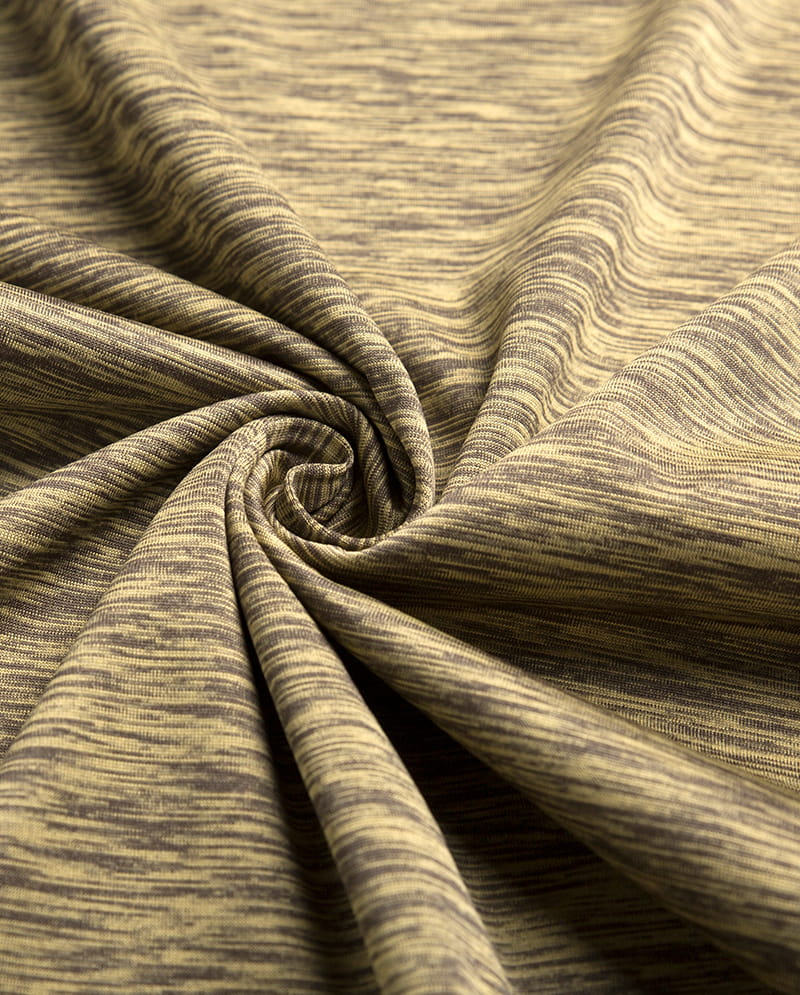
High-Stretch Cationic Jersey Fabric
-
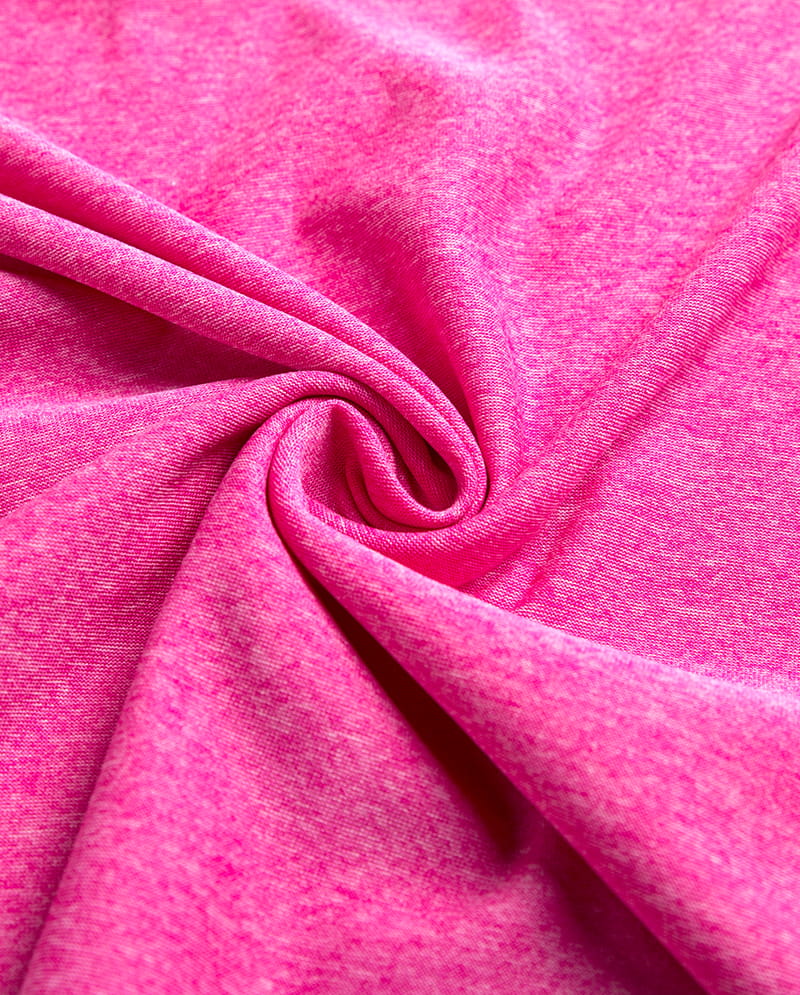
High Quality Cationic DTY Spandex Two Sides Brush Dralon Knit Fabric for Garment Thermal Underwear
-
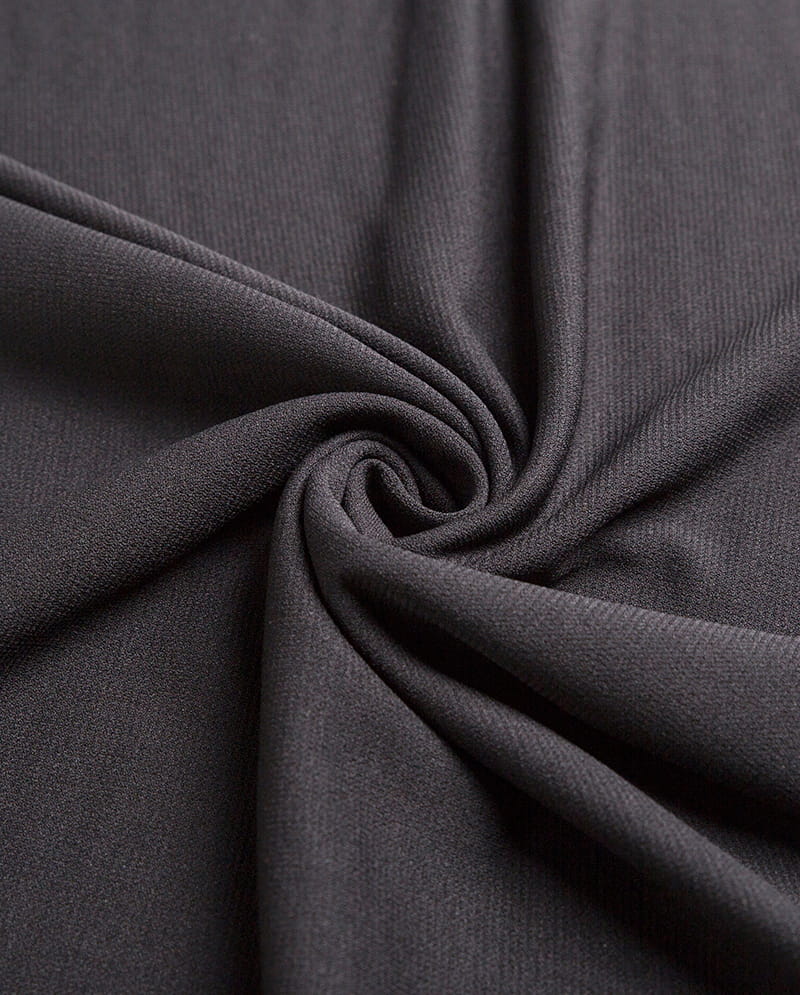
Durable Anti-Pilling Knitted Fabric for Home Textiles
-
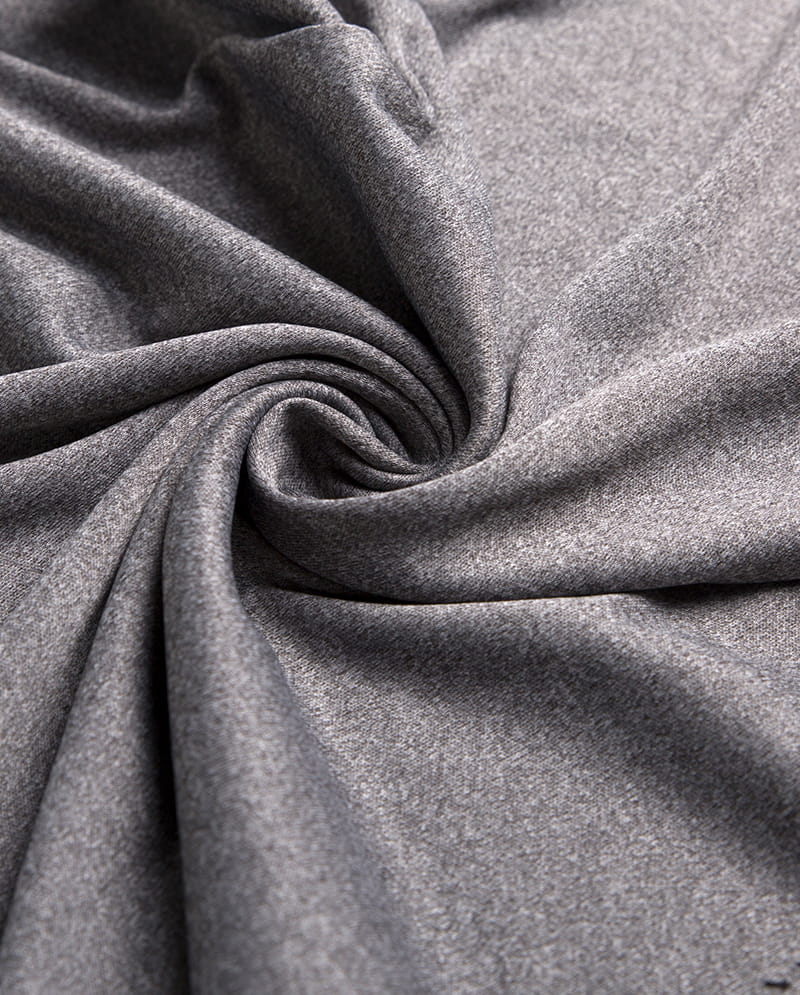
Wash-Resistant Cationic Elastic Knitted Fabric for Garment Industry
-
Breathable Double-Faced Elastic Composite Fabric
-
-
-
- whatsapp:
- 0086-13962559622
-
- skype:
- skype.aliceshenghong
-
- Wechat:


COPYRIGHT © 2016 Suzhou Junhui Textile Co., Ltd.
