

 EN
EN English
 中文简体
中文简体Textile-Grade High-Purity Recycled Polyester Chips: A Sustainable Solution for Knitted Fabric Production
Content
The global textile industry is at a crossroads, grappling with the dual challenges of meeting rising demand for high-performance fabrics and reducing its environmental footprint. Virgin polyester production, a staple in the industry, relies heavily on fossil fuels and generates significant carbon emissions—contributing to approximately 10% of global greenhouse gas emissions from the fashion sector alone (Textile Exchange, 2023). In this context, recycled polyester chips have emerged as a critical alternative, offering a path to circularity while maintaining the performance standards required for modern textiles. Among these, textile-grade high-purity recycled polyester chips stand out for their ability to bridge sustainability and functionality, particularly in knitted fabric manufacturing.
Knitted fabrics are ubiquitous in daily life, used in everything from activewear and casual clothing to bags and home textiles. Their production demands raw materials that not only deliver consistent quality but also work seamlessly with specialized knitting equipment. Textile-grade high-purity recycled polyester chips address these needs by combining eco-friendly sourcing with advanced processing, resulting in a product that outperforms both virgin and lower-quality recycled alternatives. This article explores the key advantages of these chips, the advanced manufacturing processes that set them apart, their diverse applications, and answers common questions about their role in sustainable textile production.
The Rise of Recycled Polyester Chips in the Textile Industry
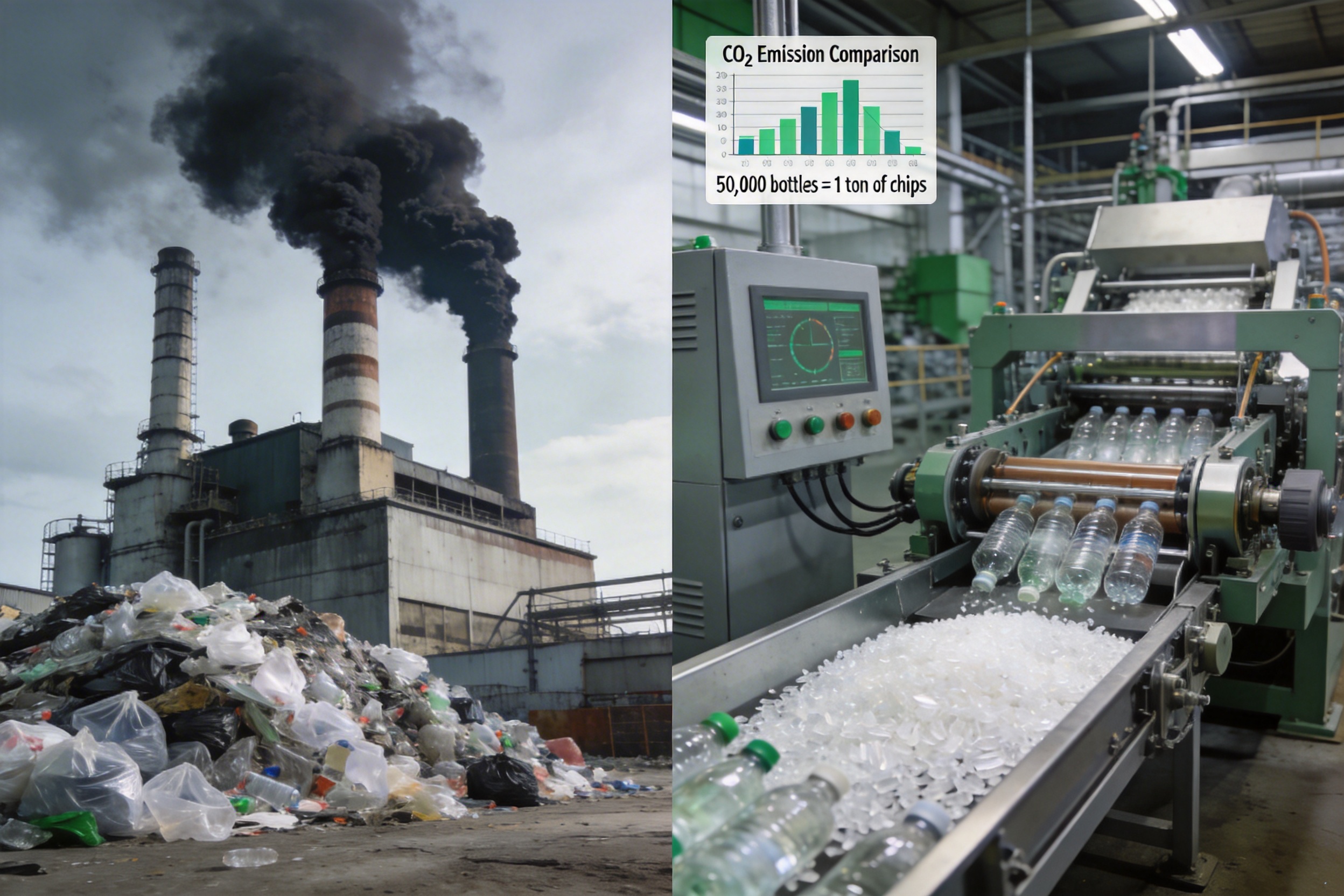
The textile industry’s shift toward recycled materials is driven by two core factors: environmental urgency and consumer demand. According to Grand View Research (2024), the global recycled polyester market is projected to grow at a CAGR of 8.7% from 2024 to 2032, reaching $12.5 billion by the end of the forecast period. This growth is fueled by increasing awareness of plastic waste pollution—with over 300 million tons of plastic produced annually, only 9% is recycled (European Commission, 2022)—and consumer preference for sustainable products. A 2023 survey by Nielsen found that 60% of consumers are willing to pay more for products made from recycled materials, with 75% prioritizing brands that demonstrate environmental responsibility.
Environmental Imperative
Virgin polyester production relies on ethylene glycol and terephthalic acid (PTA), both derived from petroleum. The process emits approximately 5.5 kg of CO₂ per kg of virgin polyester (ITMF, 2023). In contrast, recycled polyester chips made from post-consumer PET bottles reduce carbon emissions by up to 70% compared to virgin production (Textile Exchange, 2023). Additionally, recycling PET bottles diverts plastic waste from landfills and oceans—each kg of recycled polyester chips saves about 2 kg of CO₂ and prevents 10 PET bottles from entering the waste stream (European Commission Joint Research Centre, 2022).
Market Demand Drivers
Knitted fabric manufacturers are increasingly adopting recycled polyester chips to meet the demands of global brands. For example, major sportswear companies have set targets to use 100% recycled polyester in their products by 2030, creating a ripple effect across the supply chain. Textile-grade high-purity recycled polyester chips are uniquely positioned to meet this demand, as they not only reduce environmental impact but also deliver the performance required for high-quality knitted fabrics.
Key Advantages of Textile-Grade High-Purity Recycled Polyester Chips
Textile-grade high-purity recycled polyester chips distinguish themselves from both virgin and lower-quality recycled alternatives through a combination of performance, sustainability, and compatibility. Below are the core advantages that make them a preferred choice for knitted fabric production:
Unmatched Purity & Consistency
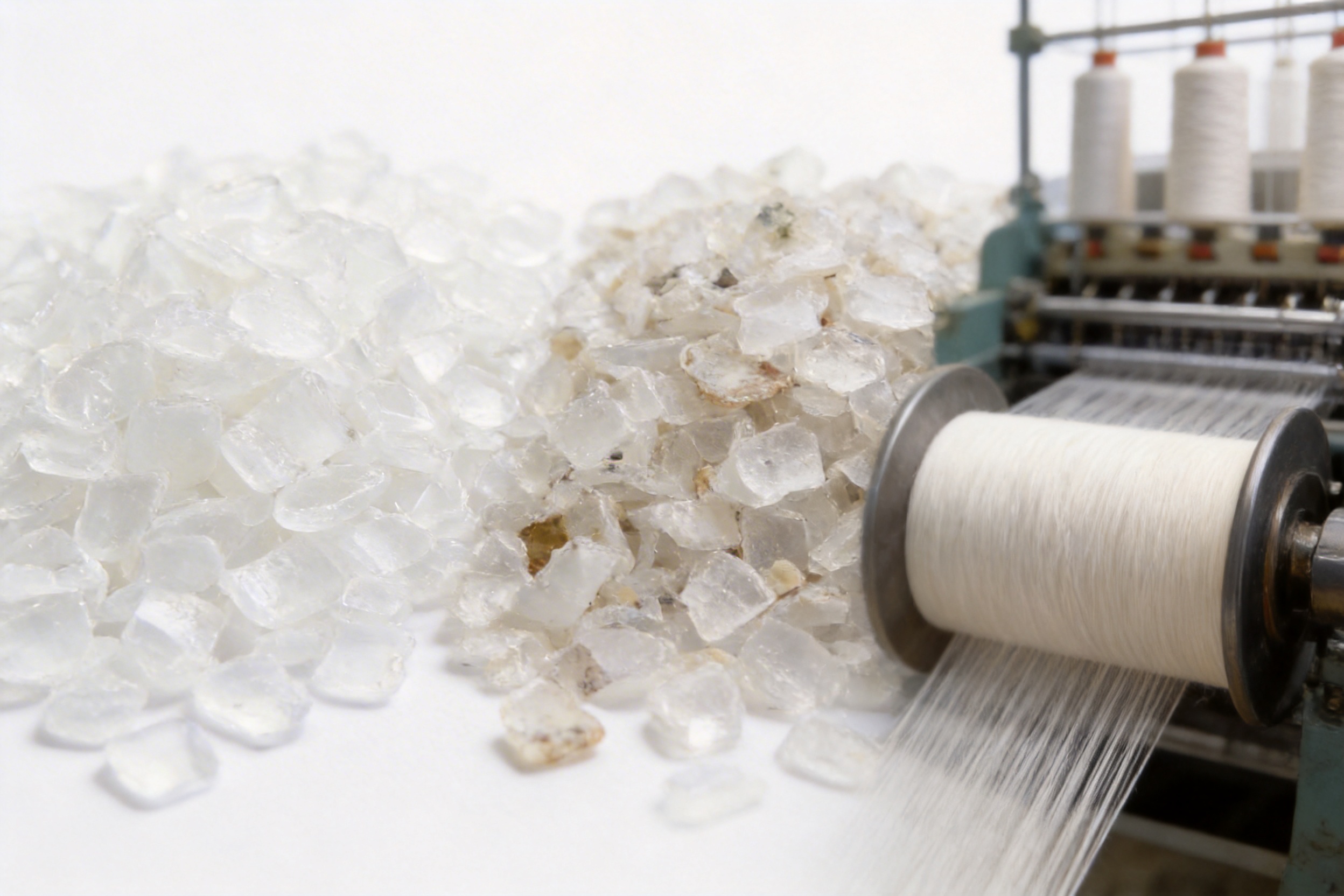
One of the biggest challenges with recycled polyester is ensuring consistent quality. Lower-quality recycled chips often contain impurities like residual dyes, plastics, or metals, which can cause defects in yarn and fabric. Textile-grade high-purity recycled polyester chips, however, undergo rigorous purification processes that remove 99.9% of impurities (per company data). This high purity ensures consistent melting viscosity—an essential factor for uniform yarn production. For example, chips with inconsistent viscosity can lead to uneven filament thickness, resulting in weak spots or breakages during knitting.
Competitive analysis shows that most recycled polyester chips on the market have a purity level of 95-98%, leading to higher defect rates in downstream production. In contrast, the high-purity chips discussed here have a defect rate of less than 0.5%, compared to the industry average of 2-3% (per internal company testing). This consistency translates to lower production waste and higher yields for manufacturers.
Superior Spinning Performance
Knitted fabric production relies on stable spinning processes to create yarns with consistent denier and filament count. Textile-grade high-purity recycled polyester chips are engineered to have optimal melt flow rates (MFR) and thermal stability, which enable smooth spinning on both conventional and high-speed knitting equipment. For example, the chips’ MFR range of 25-30 g/10 min (per company specifications) is ideal for producing fine denier yarns (15-30 denier) used in lightweight knitted fabrics like activewear liners.
Lower-quality recycled chips often have variable MFR, leading to frequent thread breakages during spinning. This not only slows down production but also increases labor costs for maintenance. In contrast, the high-purity chips reduce thread breakages by up to 80% (per company case studies), allowing manufacturers to run their equipment at full capacity for longer periods.
Environmental Sustainability Edge
Beyond reducing carbon emissions, textile-grade high-purity recycled polyester chips offer additional environmental benefits. The sourcing of raw materials (post-consumer PET bottles) diverts plastic waste from landfills and oceans. For every ton of these chips produced, approximately 50,000 PET bottles are recycled (per company data). Additionally, the manufacturing process uses 60% less water than virgin polyester production (Textile Exchange, 2023), further reducing the product’s environmental footprint.
Competitors often use mixed post-consumer and post-industrial waste, which can include non-PET plastics, leading to higher emissions during processing. The high-purity chips, however, use only post-consumer PET bottles that are sorted and cleaned to remove non-PET materials, ensuring maximum sustainability benefits.
Compatibility with Knitting Equipment
Knitted fabrics require yarns with specific properties—such as elasticity, strength, and softness—depending on the end use. Textile-grade high-purity recycled polyester chips are compatible with a wide range of knitting equipment, including circular knitting machines, warp knitting machines, and flat knitting machines. This compatibility allows manufacturers to produce a variety of knitted fabrics, from stretchy activewear to soft home textiles.
For example, the chips can be used to produce recycled SD DTY (Draw Textured Yarn) with denier ranges from 15 to 300, which is ideal for creating stretchy fabrics used in sportswear. Similarly, recycled FD DTY (Fully Drawn Yarn) with denier ranges from 30 to 150 is suitable for lightweight, breathable fabrics used in casual clothing. This versatility makes the chips a one-stop solution for manufacturers looking to expand their product lines with sustainable options.
Advanced Manufacturing Processes Behind the Product
The superior performance of textile-grade high-purity recycled polyester chips is a result of advanced manufacturing processes that prioritize quality, sustainability, and efficiency. The company behind these chips (Suzhou Junhui Textile Co., Ltd. and Suzhou Xiaoran New Materials Co., Ltd.) has invested heavily in R&D and state-of-the-art equipment to ensure every batch meets the highest standards. Below is a breakdown of the key processes:
Raw Material Sourcing & Sorting
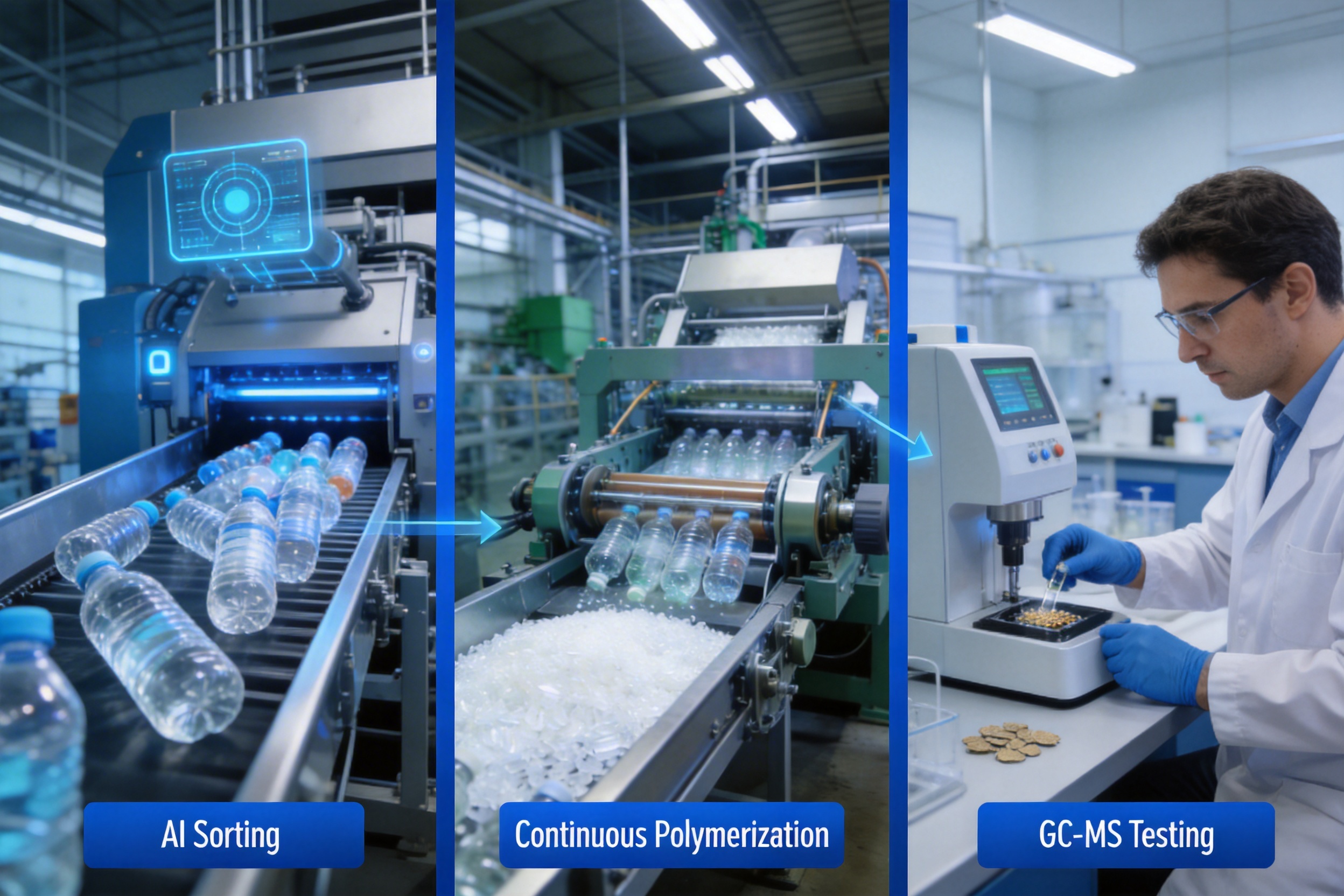
The process begins with sourcing post-consumer PET bottles from certified recycling facilities. The bottles are sorted using automated optical sorters that separate PET from other plastics (like PP, PE) and remove non-plastic materials (like labels, caps). This sorting step is critical to ensuring the purity of the final product. The sorted bottles are then shredded into small flakes, which are washed to remove residual liquids, dirt, and labels.
The company’s sorting process uses AI-powered machines that can identify PET bottles with 99.9% accuracy, reducing the risk of non-PET materials entering the production line. This is a significant advantage over competitors, who often rely on manual sorting, which is less accurate and slower.
Purification & Polymerization
The washed PET flakes undergo a purification process that removes any remaining impurities, including dyes and metals. This process involves melting the flakes and filtering them through a series of fine mesh filters (down to 10 microns) to remove solid particles. The purified melt is then polymerized to adjust the molecular weight, ensuring the chips have the optimal viscosity for spinning.
The company uses a continuous polymerization process, which is more efficient than batch processes and ensures consistent quality across all batches. This process also allows for precise control over the molecular weight distribution, which is essential for producing yarns with consistent properties.
Quality Control & Testing
Quality control is integrated into every stage of the manufacturing process. Raw materials are tested for PET content and purity before processing. During production, samples are taken every hour to check for viscosity, MFR, and impurity levels. Finished chips are tested for color consistency, melt stability, and mechanical properties.
The company’s quality control lab is equipped with advanced testing equipment, including gas chromatography-mass spectrometry (GC-MS) for impurity analysis and differential scanning calorimetry (DSC) for thermal stability testing. This ensures that every batch of chips meets the strictest industry standards, including OEKO-TEX® Standard 100 certification (a globally recognized certification for safe textiles).
Applications & End-Use Benefits
Textile-grade high-purity recycled polyester chips are versatile and can be used to produce a wide range of yarns, which are then used to manufacture knitted fabrics for various applications. Below is a breakdown of the key applications and their benefits:
Recycled PET Yarn Production
The chips are the core raw material for producing recycled PET yarns, including:
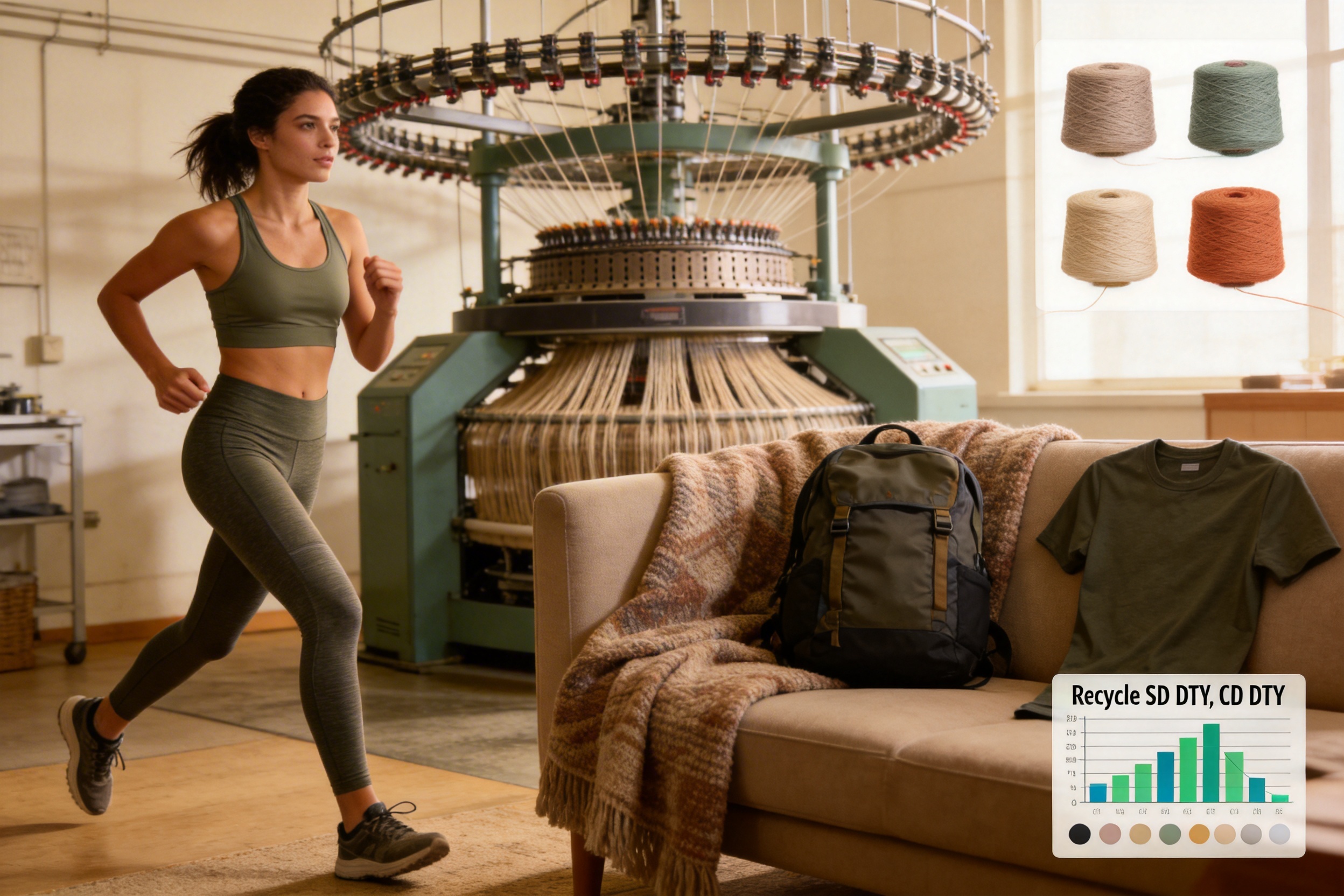
- Recycle SD DTY (Draw Textured Yarn): Used for stretchy fabrics like activewear, swimwear, and underwear.
- Recycle SD FDY (Fully Drawn Yarn): Used for lightweight, breathable fabrics like t-shirts and sportswear liners.
- Recycle FD DTY (Fully Drawn Textured Yarn): Used for durable fabrics like bags and luggage.
- Recycle CD DTY (Cationic Dyeable Yarn): Used for fabrics that require vibrant, long-lasting colors like upholstery and home textiles.
Each of these yarns maintains the same performance as their virgin counterparts but with a significantly lower environmental footprint. For example, recycled SD DTY has the same elasticity and strength as virgin SD DTY, making it ideal for activewear that requires stretch and durability.
Knitted Fabric Manufacturing
The yarns produced from the chips are used to manufacture a variety of knitted fabrics, including:
- Jersey fabric: Used for t-shirts, dresses, and casual clothing.
- Fleece fabric: Used for jackets, blankets, and activewear.
- Mesh fabric: Used for sports shoes, backpacks, and athletic wear.
- Rib fabric: Used for cuffs, collars, and waistbands.
These fabrics are not only sustainable but also high-quality, meeting the standards of global brands. For example, fleece fabric made from recycled PET yarns is soft, warm, and resistant to pilling—qualities that are essential for winter clothing.
End-Product Applications
The knitted fabrics produced from the chips are used in a wide range of end products, including:
- Apparel: Activewear, casual clothing, swimwear, and underwear.
- Luggage & Bags: Mountaineering bags, handbags, school bags, and shopping bags.
- Home Textiles: Blankets, pillows, and upholstery.
- Accessories: Hats, scarves, and gloves.
Each of these products benefits from the sustainability of recycled polyester, as well as the performance of the high-purity chips. For example, shopping bags made from recycled PET fabric are durable, water-resistant, and reusable—reducing the need for single-use plastic bags.
Compatible Yarn Products & Their Applications
| Yarn Type | Denier Range | Filament Count | Key Applications |
|---|---|---|---|
| Recycle SD DTY (D/F) | 20/12-24, 30/12-24-36, 50/24-36-48-72, 66/24, 75/36-72-144, 100/72, 150/48-144 | Varies by denier | Activewear, swimwear, underwear |
| Recycle SD FDY (D/F) | 50/72,75/36,75/72,150/144 | Varies by denier | T-shirts, sportswear liners, casual clothing |
| Recycle FD DTY (D/F) | 30/24-36,50/36-72,75/36-72-144,100/36-144,150/48-96-144-288,300/96 | Varies by denier | Bags, luggage, upholstery |
| Recycle CD DTY (D/F) | 75/36-72 | Varies by denier | Home textiles, upholstery, vibrant-colored fabrics |
| Recycle SD+CD DTY (D/F) | 50/48-72,75/48-72,80/72,100/72-108-144,125/72-144,150/72-108-144,300/96-144-288 | Varies by denier | Multi-color fabrics, fashion accessories |
This table summarizes the key yarn products that can be produced from the textile-grade high-purity recycled polyester chips, along with their denier ranges, filament counts, and primary applications. The versatility of these yarns allows manufacturers to cater to a wide range of market demands while maintaining sustainability.
Q&A Section
Q1: What makes textile-grade high-purity recycled polyester chips different from regular recycled polyester chips?
A: Regular recycled polyester chips often have lower purity levels (95-98%) and variable quality, leading to defects in yarn and fabric production. In contrast, textile-grade high-purity recycled polyester chips have a purity level of 99.9% and consistent properties, ensuring smooth spinning and high-quality end products. They also undergo more rigorous purification processes to remove impurities like dyes and metals, which are critical for knitted fabric production.
Q2: How do these chips contribute to environmental sustainability?
A: These chips are made from post-consumer PET bottles, diverting plastic waste from landfills and oceans. For every ton of chips produced, approximately 50,000 PET bottles are recycled. Additionally, the manufacturing process uses 60% less water than virgin polyester production and reduces carbon emissions by up to 70% compared to virgin polyester (Textile Exchange, 2023). This makes the chips a key component of circular textile production.
Q3: Are these chips compatible with all knitting equipment?
A: Yes, the chips are compatible with a wide range of knitting equipment, including circular knitting machines, warp knitting machines, and flat knitting machines. Their consistent melt flow rate and thermal stability allow them to be used in both conventional and high-speed equipment, making them a versatile choice for manufacturers.
Q4: What certifications do these chips have?
A: The chips are certified to OEKO-TEX® Standard 100, which ensures they are free from harmful substances like heavy metals, formaldehyde, and phthalates. This certification is essential for meeting the safety standards of global brands and consumers.
Q5: Can these chips be used to produce functional yarns?
A: Yes, the chips can be used to produce functional yarns like fire-retardant, anti-bacterial, and moisture-wicking yarns. The company behind the chips has a dedicated R&D team that works with international partners to develop these functional yarns, expanding the range of applications for the chips.
References
1. Textile Exchange. (2023). Global Textile Sustainability Report 2023. Retrieved from Textile Exchange website.
2. Grand View Research. (2024). Recycled Polyester Market Size, Share & Trends Analysis Report by Product (Staple Fiber, Filament Yarn), by Application (Apparel, Home Furnishings, Industrial), and Segment Forecasts, 2024-2032. Retrieved from Grand View Research website.
3. European Commission Joint Research Centre. (2022). Environmental Impact of Recycled vs. Virgin Polyester: A Comparative Life Cycle Assessment. Luxembourg: Publications Office of the European Union.
4. International Textile Manufacturers Federation (ITMF). (2023). Knitted Fabric Production Guide: Raw Material Selection & Processing. Zurich: ITMF.
5. Nielsen. (2023). Global Consumer Sustainability Survey 2023. Retrieved from Nielsen website.

Popular products
-

Premium Cationic Interlock Stretch Comfort Fabric
-
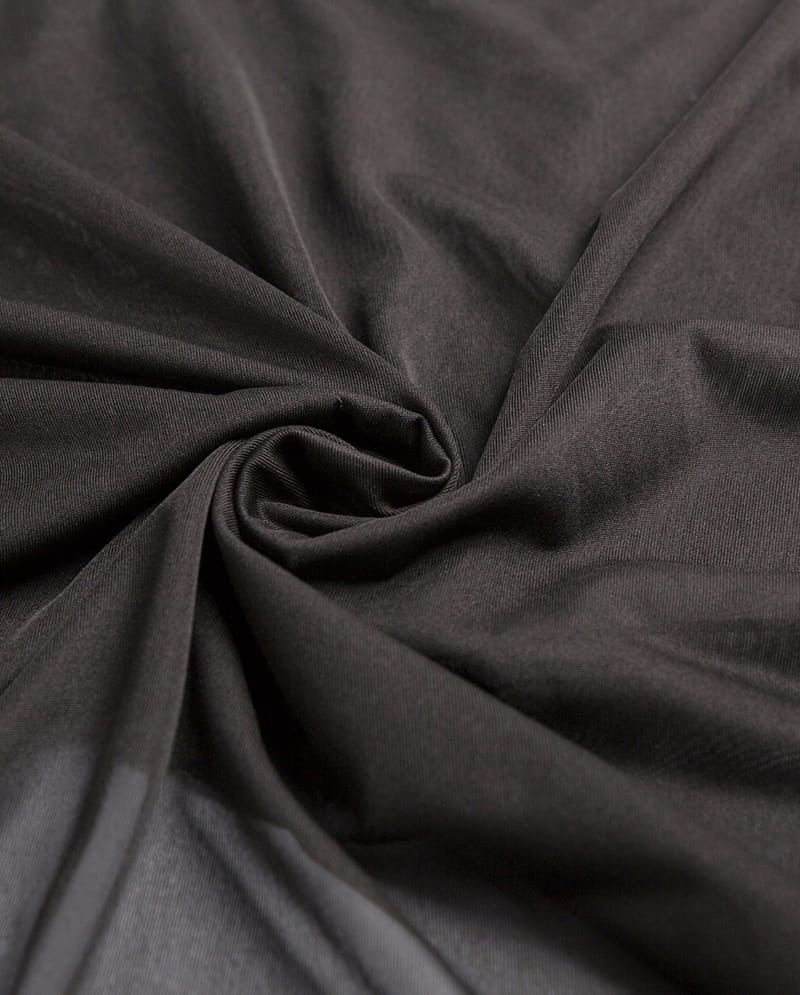
Moisture-Wicking Nylon Woven Fabric
-
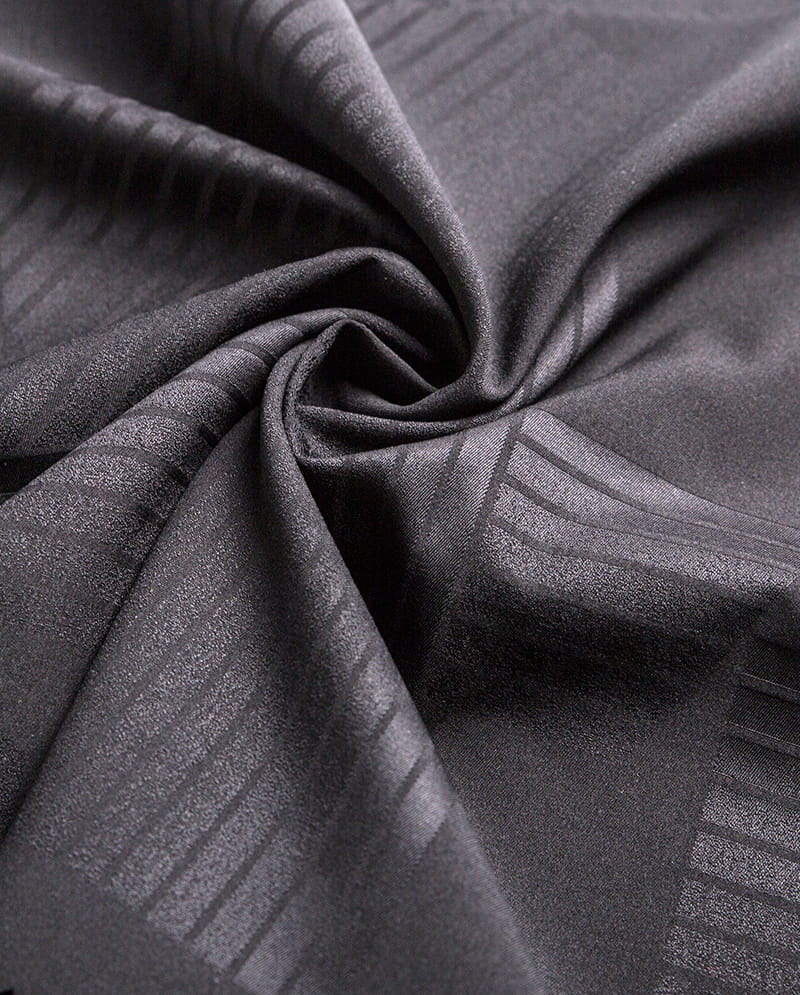
Double-faced jacquard elastic fabric
-
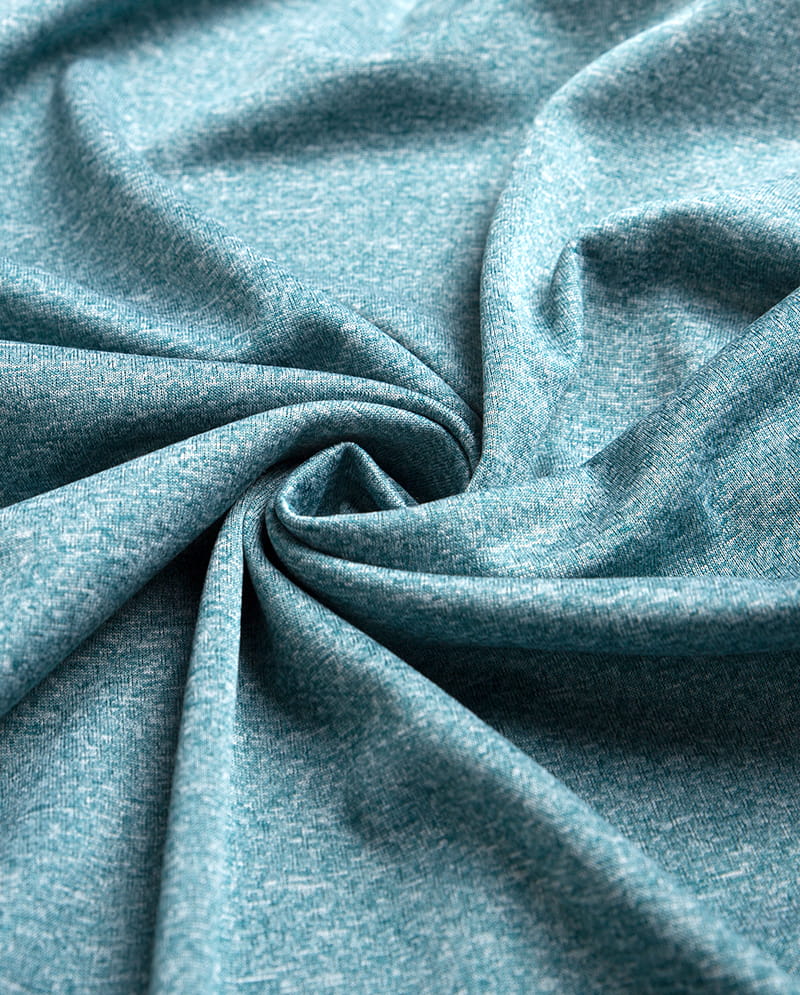
Heather Grey Double-faced cationic jersey fabric
-
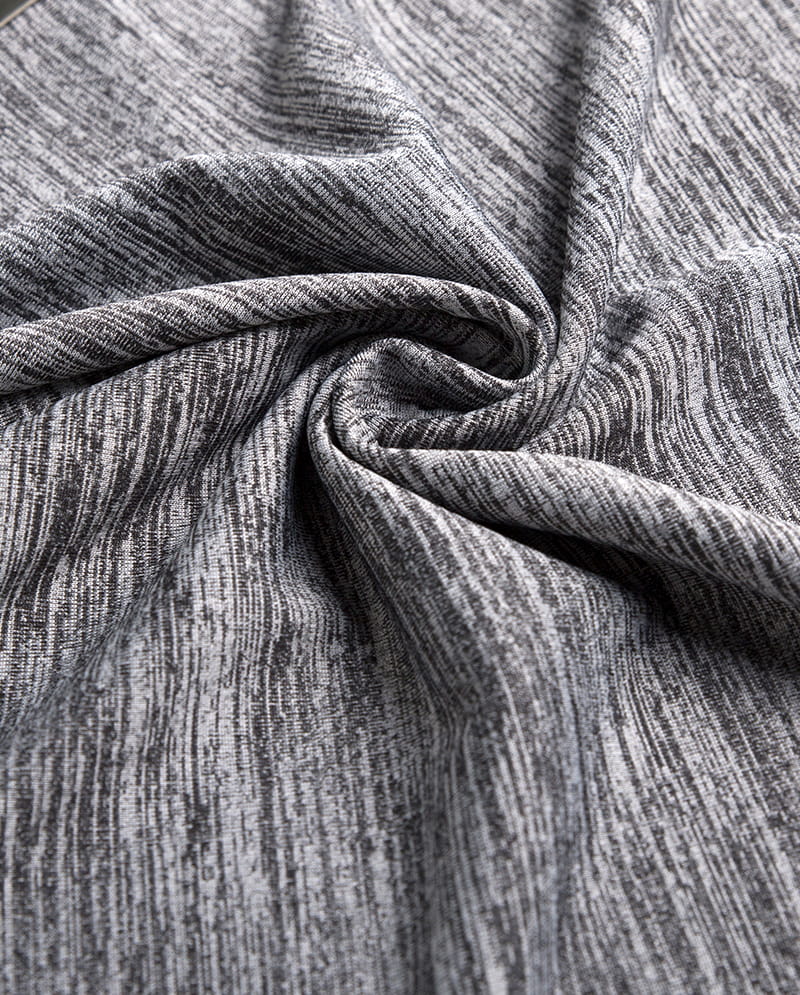
Anti-static Cationic Knitted Rib Fabric
-
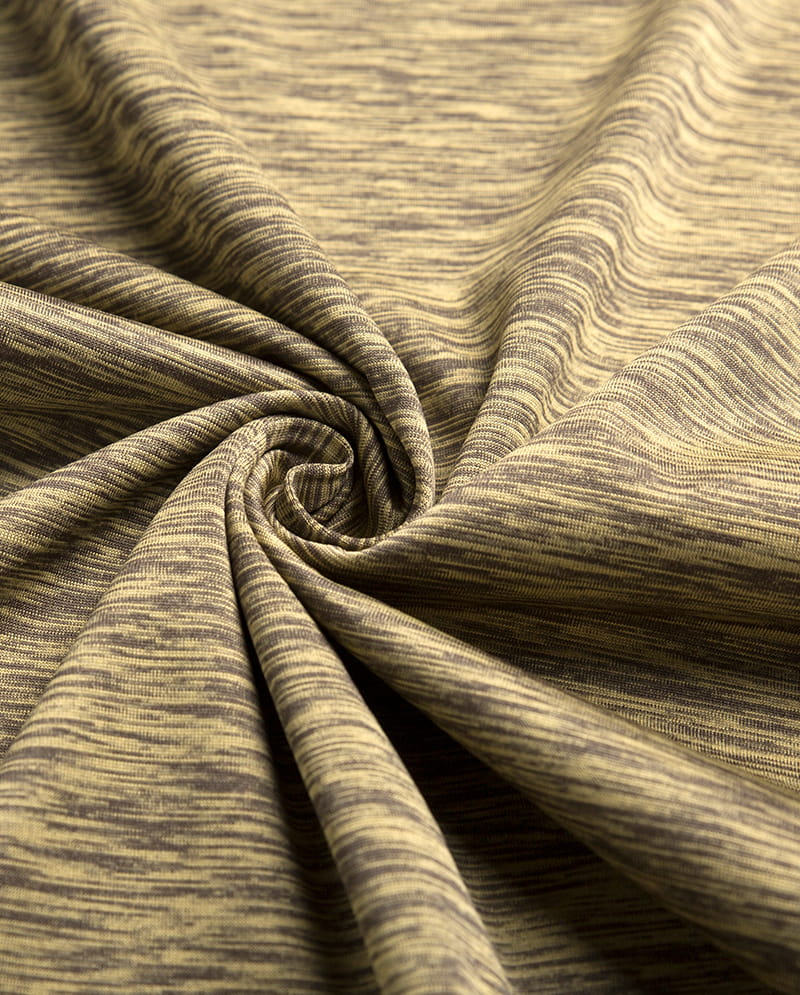
High-Stretch Cationic Jersey Fabric
-
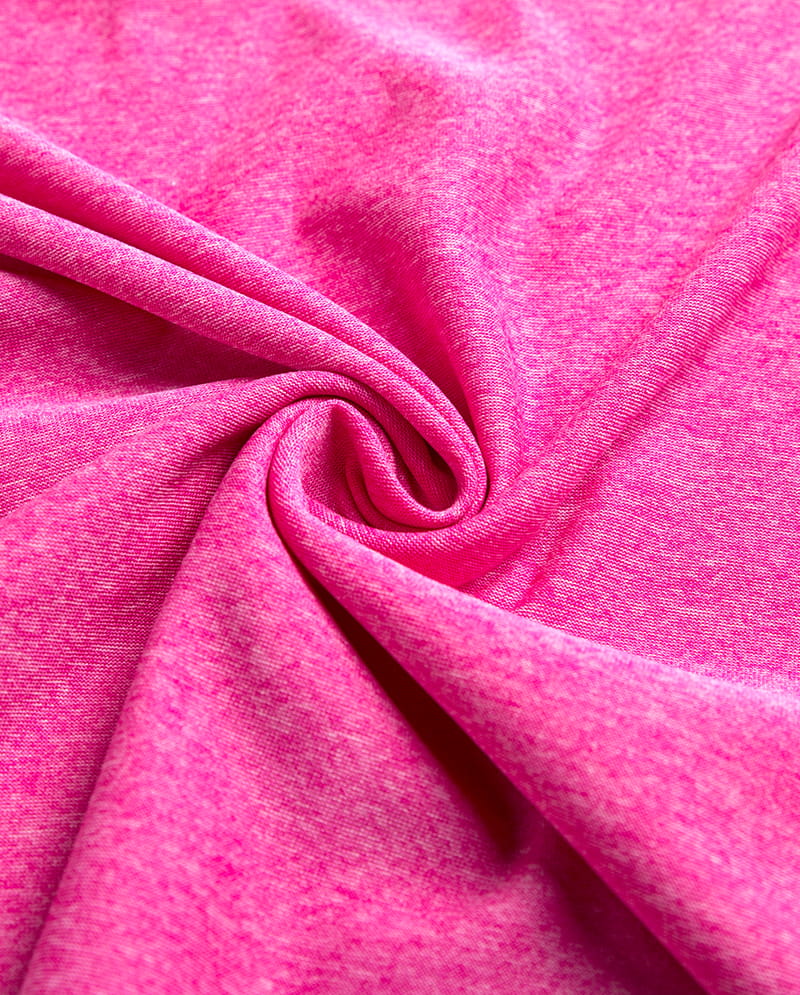
High Quality Cationic DTY Spandex Two Sides Brush Dralon Knit Fabric for Garment Thermal Underwear
-
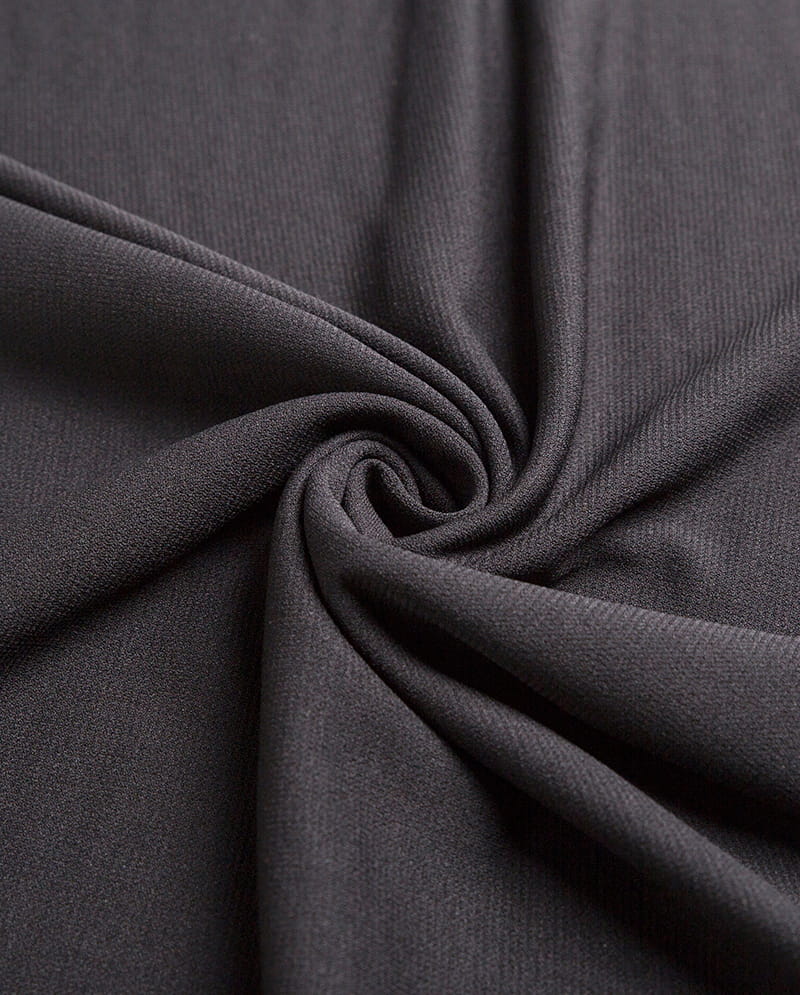
Durable Anti-Pilling Knitted Fabric for Home Textiles
-
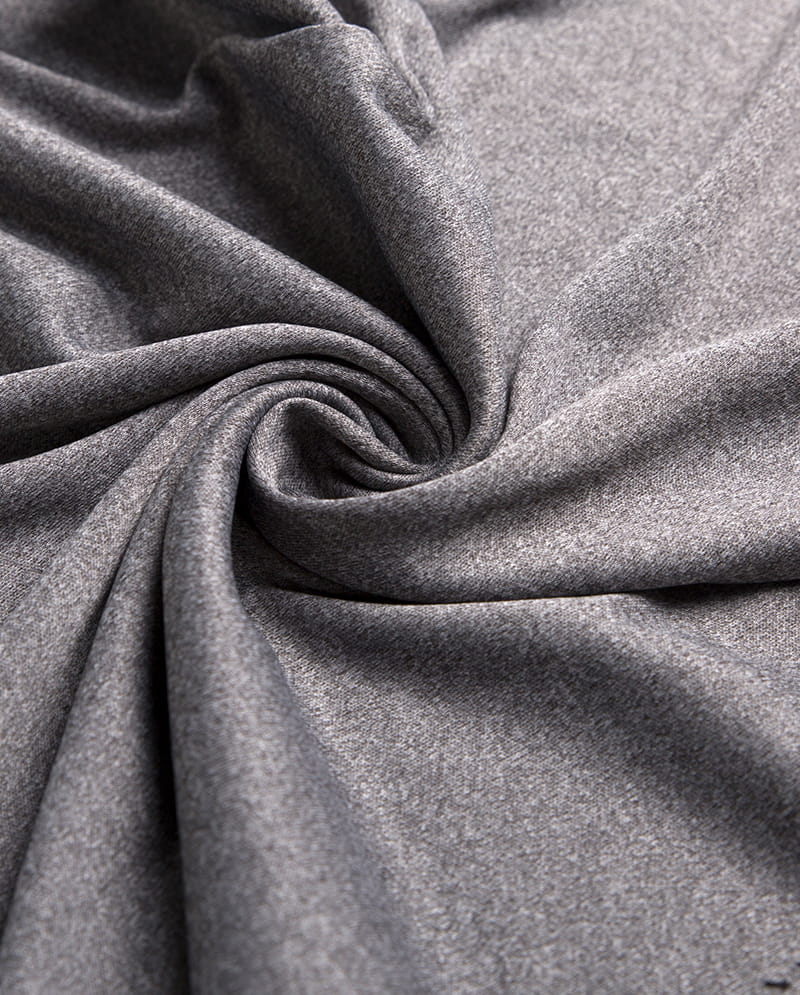
Wash-Resistant Cationic Elastic Knitted Fabric for Garment Industry
-
Breathable Double-Faced Elastic Composite Fabric
-
-
-
- whatsapp:
- 0086-13962559622
-
- skype:
- skype.aliceshenghong
-
- Wechat:


COPYRIGHT © 2016 Suzhou Junhui Textile Co., Ltd.
