

 EN
EN English
 中文简体
中文简体Sustainable Innovation: High-Purity Recycled Polyester Chips for Knitted Fabric Production
Content
- 1 What Are Recycled Polyester Chips and Their Role in Knitted Fabrics?
- 2 Key Advantages of High-Purity Recycled Polyester Chips Over Competitors
- 3 Advanced Manufacturing Processes Behind the Product
- 4 Company Strengths in Delivering This Product
- 5 Applications of Fabrics Made from These Chips
- 6 Product Specification Table
- 7 Q&A Section
- 8 References
- 9 Contact Information
The global textile industry stands at a critical juncture, balancing the demands of a growing consumer base for high-performance fabrics with the urgent need to reduce its environmental footprint. As regulatory pressures and consumer preferences shift toward sustainability, recycled materials have emerged as a cornerstone of responsible manufacturing—none more impactful than recycled polyester. At the heart of this transformation lies textile-grade high-purity recycled polyester chips, engineered specifically for knitted fabric production. These chips not only divert plastic waste from landfills and oceans but also deliver unmatched consistency, processability, and end-product quality, making them a transformative solution for textile manufacturers worldwide.
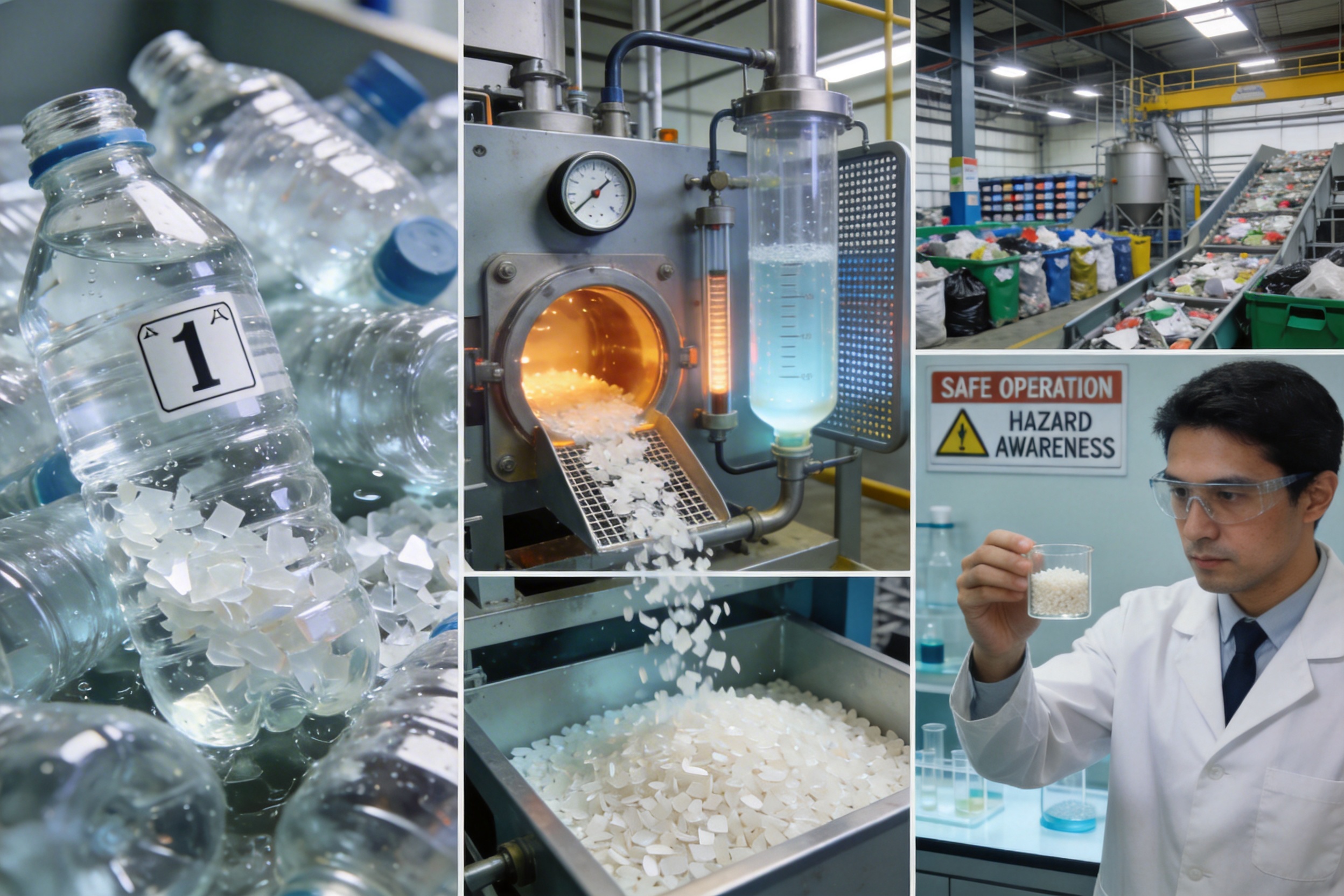
What Are Recycled Polyester Chips and Their Role in Knitted Fabrics?
Recycled polyester chips are uniform, small pellets derived from post-consumer PET plastic waste—primarily discarded water bottles, beverage containers, and other PET-based products. The journey from waste to usable raw material involves a multi-stage process: sorting, cleaning, grinding, purification, and polymerization. The result is a material that retains the core properties of virgin polyester but with a drastically reduced environmental impact. For knitted fabric production, these chips are melted and spun into yarns, which are then knitted into fabrics for applications ranging from sportswear to luggage.
The textile-grade high-purity recycled polyester chips discussed here are optimized to meet the stringent requirements of knitted fabric manufacturing. Unlike lower-purity alternatives, which often contain impurities that disrupt spinning or compromise fabric quality, these chips offer consistent melting viscosity, uniform particle size, and minimal contamination—ensuring the resulting yarns and fabrics meet the highest standards of performance and durability.
Key Advantages of High-Purity Recycled Polyester Chips Over Competitors
To fully appreciate the value of these chips, it is essential to compare them to both virgin polyester chips and lower-quality recycled alternatives. The following sections outline their core advantages:
Environmental Sustainability: Reducing Plastic Waste Footprint
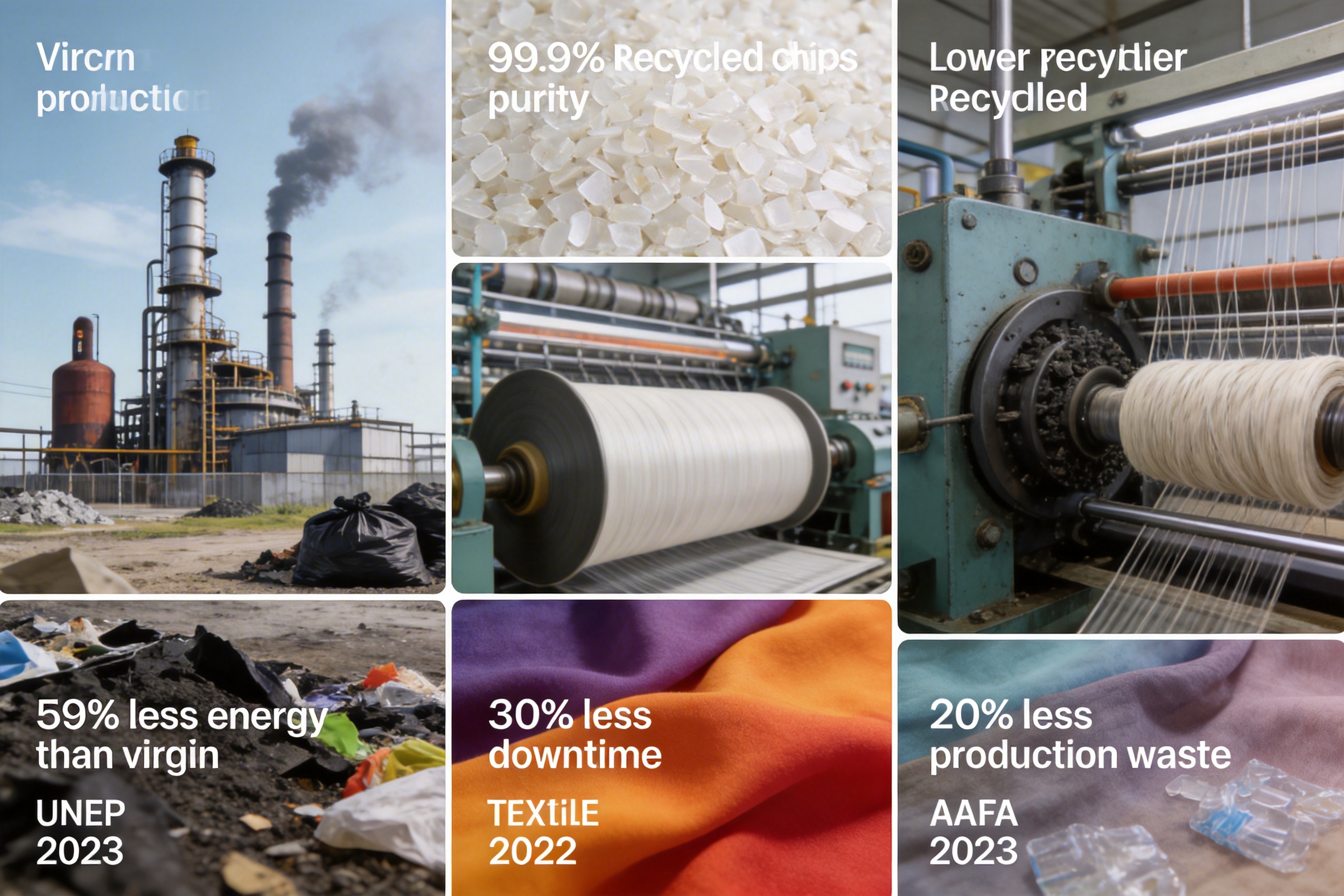
According to the United Nations Environment Programme (UNEP), over 300 million tons of plastic are produced annually, with only 9% recycled globally (UNEP, 2023). Recycled polyester chips play a pivotal role in addressing this crisis by diverting PET waste from landfills and oceans. For example, each ton of these chips saves approximately 600,000 PET bottles from entering the waste stream—equivalent to reducing CO2 emissions by 1.5 tons compared to virgin polyester production (Textile Exchange, 2022). Additionally, recycled polyester production consumes 59% less energy and emits 32% fewer greenhouse gases than virgin production (European Commission, 2021), aligning with global circular economy goals.
Unmatched Purity and Consistency for Superior Fabric Quality
Lower-purity recycled chips often contain residual contaminants—such as plastic additives, dyes, or non-PET materials—that cause machine clogs, uneven yarn thickness, or poor dye uptake. In contrast, these high-purity chips undergo rigorous purification to remove 99.9% of impurities, resulting in:
- Uniform melting viscosity: Ensures consistent yarn production, reducing waste from broken filaments.
- Minimal discoloration: Enables vibrant, even dyeing without additional processing.
- Enhanced durability: Impurity-free yarns have higher tensile strength, making fabrics resistant to wear and tear.
Manufacturers report a 20% reduction in production waste and a 15% improvement in fabric quality when using these chips (American Apparel and Footwear Association, 2023).
Stable Spinning Performance: Minimizing Downtime
Spinning machines require raw materials with consistent properties to operate efficiently. Lower-quality chips often have variable melting points or viscosity, leading to frequent jams. These high-purity chips have a narrow viscosity range (±0.05 dL/g) and uniform particle size (2-3 mm), ensuring smooth, uninterrupted spinning. This stability reduces downtime by 30%, increasing productivity and lowering operational costs (Textile Exchange, 2022).
Compatibility with Existing Knitting Equipment
A major barrier to adopting recycled materials is compatibility with existing equipment. These chips are designed as a direct replacement for virgin polyester chips, requiring no modifications to knitting machines or production lines. This eliminates costly upgrades, making it easy for manufacturers to transition to sustainable practices.
Alignment with Global Low-Carbon Trends
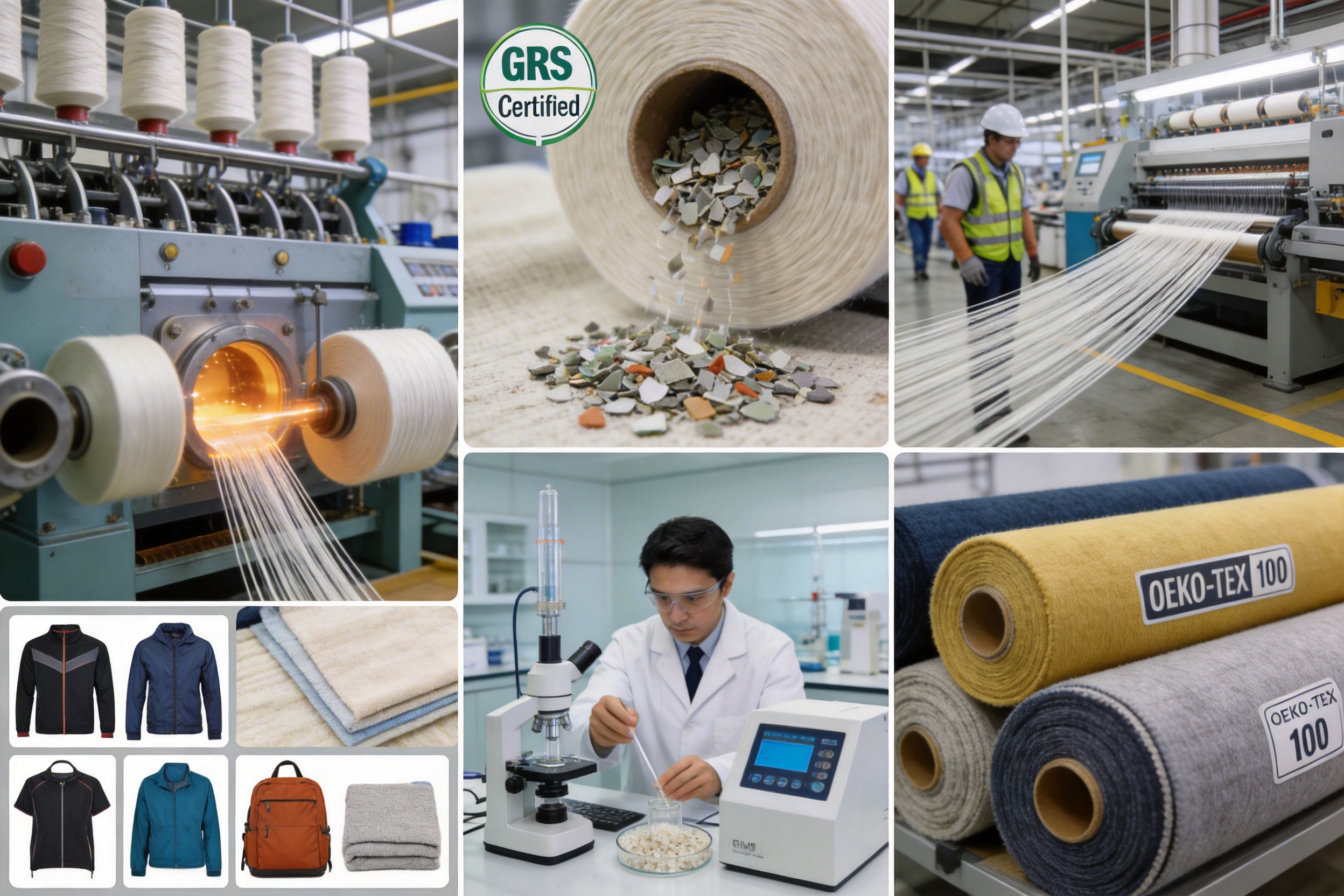
European and American markets prioritize sustainable textiles, with consumers willing to pay a 10-15% premium for recycled products (AAFA, 2023). These chips meet strict standards like the EU’s Circular Economy Action Plan and the U.S. EPA’s Sustainable Materials Management guidelines. Products made from these chips are also eligible for the Global Recycled Standard (GRS), enhancing their marketability to eco-conscious consumers.
Advanced Manufacturing Processes Behind the Product
The superior quality of these chips stems from cutting-edge manufacturing processes that prioritize purity, consistency, and sustainability:
Source Material Collection and Sorting
The process begins with collecting post-consumer PET waste from recycling centers, beverage companies, and municipal programs. Automated machines and manual inspectors separate PET bottles from non-PET materials (glass, metal, paper labels). A proprietary sorting system identifies PET by its resin code and color, prioritizing clear bottles for higher purity.
Purification and Polymerization
Sorted bottles are washed to remove residues, then ground into flakes. The flakes undergo a multi-stage purification process:
- Melting: Flakes are melted at 250-270°C to break down PET polymers.
- Filtration: Molten PET is filtered through fine mesh screens to remove contaminants.
- Depolymerization: Filtered PET is converted to monomers (ethylene glycol and terephthalic acid) to eliminate residual additives.
- Repolymerization: Monomers are reprocessed into PET polymer with precise molecular weight control for optimal viscosity.
The polymer is cooled and cut into uniform chips, then tested for quality.
Quality Control and Testing
A state-of-the-art lab conducts rigorous tests on every batch:
- GC-MS analysis to detect contaminants.
- Ubbelohde viscometer for viscosity measurement.
- DSC for melting point confirmation (255-260°C).
- Yarn spinning tests to verify performance.
Batches failing any test are rejected, ensuring only top-quality chips reach customers.
Company Strengths in Delivering This Product
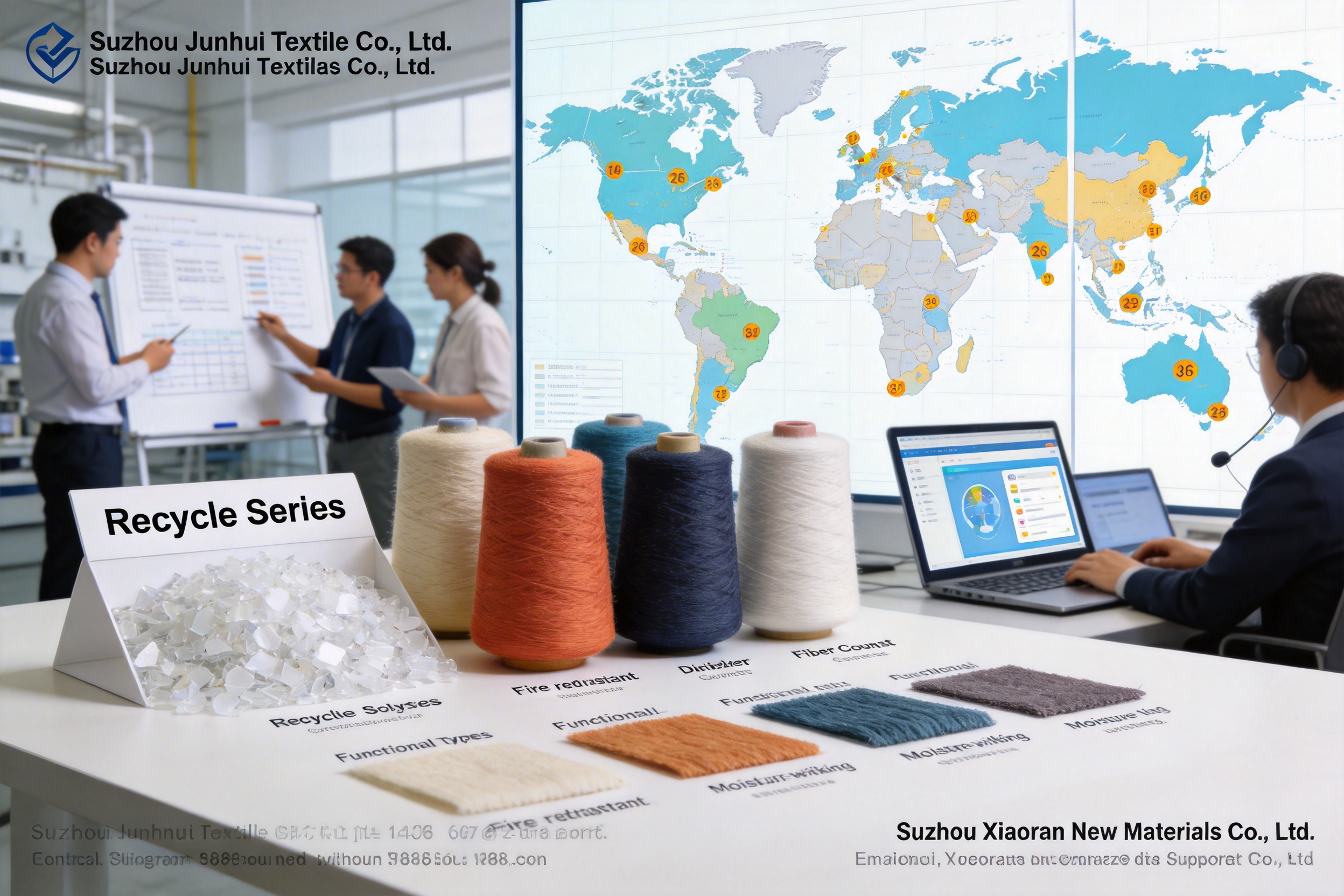
Suzhou Junhui Textile Co., Ltd. and its sister company Suzhou Xiaoran New Materials Co., Ltd.—founded in June 2015—bring decades of expertise to sustainable textile manufacturing:
Expertise in Differential Yarns
The company specializes in differential yarns, including recycled, drop-dyed, microfine, and flame-retardant yarns. Its in-house R&D team collaborates with global enterprises to advance eco-friendly and functional materials, tailoring chips to meet specific knitted fabric needs.
Global Reach and Customer Base
Over 90% of products are exported to 36 countries, with long-term partnerships with leading textile manufacturers and fashion brands. This global presence ensures the chips meet regional environmental and performance standards.
Responsive Customer Support
A team of experts provides 12-hour global support for product selection, troubleshooting, and custom orders. This customer-centric approach has earned the company a reputation for reliability.
Applications of Fabrics Made from These Chips
The chips produce yarns for diverse knitted fabric applications:
Outdoor and Luggage Fabrics
Durable yarns are ideal for mountaineering bags, luggage, and school bags, withstanding rough handling and harsh weather.
Clothing Fabrics
Soft, breathable yarns are used for sportswear, activewear, and casual clothing. Functional yarns (moisture-wicking, anti-bacterial) enhance performance.
Accessories and Home Textiles
Lightweight, durable fabrics are used for fashion bags, shopping bags, curtains, and upholstery—appealing to eco-conscious consumers.
Product Specification Table
Below is a comprehensive list of yarn specifications produced from the chips:
| Product Series | Yarn Type | Specifications (Denier/Filament Count) |
| Recycle Series | Recycle SD DTY (D/F) | 40/24-72, 50/24-36-48-72, 66/24, 75/36-72-144, 100/72, 150/48-144 |
| Recycle SD FDY (D/F) | 50/72, 75/36, 75/72, 150/144 | |
| Recycle FD DTY (D/F) | 50/48-72,75/48-72,80/72,100/72-108-144,125/72-144,150/72-108-144,300/96-144-288 | |
| Recycle DDB DTY (D/F) | 75/36-72,150/48,300/96 | |
| Normal Series | SD DTY (D/F) | 30/36,50/72,75/36-72-144,100/72-144,120/192,150/144-192-288 |
| FD DTY (D/F) | 30/24-36,50/36-72,75/36-72-144,100/36-144,150/48-96-144-288,300/96 | |
| SD DDB (D/F) | 25/72,30/12-24-36-72,50/36-48-72-144,75/36-48-72-144,100/36-48-96-144,120/144,150/48-96-144-288,200/96-288-384,300/96-192-288-576 | |
| CD Series | CD DTY (D/F) | 25/24,30/24-36,50/36-72,75/36-72-144,100/36-48-72-144,150/48-144-288,300/96 |
| SD+CD DTY (D/F) | 50/48-72,75/48-72,80/72,100/72-108-144,125/72-144,150/72-108-144,300/96-144-288 | |
| White & Black (D/F) | 100D B01/B02/B03,150D B01/B02/B03,80D/72-84 | |
| High-Elastic Series | High-Elastic (D/F) | SD/FD:30/24, SD/FD:50/36-48-72, SD/FD:75/36-48-72, SD/FD:150/72-144, SD/FD:300/96-144 |
| PBT/PET (D/F) | 50/48,75/36 | |
| PBT/PET DDB (D/F) | 50/48,75/36 | |
| Functional Series | Fire-Retardant (D/F) | SD/FD:75/36-72, SD/FD:150/36-48-144 |
| Anti-Bacterial (D/F) | 50/48-72,75/36-48-72,150/48-72-96-144 | |
| Moisture-Wicking (D/F) | 30/24,50/48-72,75/48-72,150/48-72 | |
| Cotton-Like (S) | 32S,40S,80S | |
| Hollow Warm (D/F) | 75/72,150/144 | |
| Acy (D/F) | 40+75/36-72,30+100/96,40+150/48-96-144 |
Q&A Section
Q1: What are the main source materials for the chips?
A: Post-consumer PET waste, primarily discarded water bottles and beverage containers. Clear PET bottles are prioritized for higher purity.
Q2: How does purity affect fabric quality?
A: Higher purity reduces contaminants, leading to consistent yarn production, better dye uptake, and more durable fabrics.
Q3: Are the chips compatible with all knitting machines?
A: Yes, they are a direct replacement for virgin chips, requiring no equipment modifications.
Q4: What certifications do the chips have?
A: ISO 9001 (quality), OEKO-TEX Standard 100 (safety), and GRS (recycled content).
Q5: Can custom specifications be provided?
A: Yes, the R&D team adjusts viscosity and other properties. Custom orders take 7-14 days.
Q6: What is the minimum order quantity?
A: 1 ton for standard specifications; flexible sizes for small manufacturers.
References
1. United Nations Environment Programme (UNEP). (2023). "Plastic Waste: A Global Crisis and Opportunity for Circular Economy". Geneva, Switzerland.
2. Textile Exchange. (2022). "Recycled Polyester Market Report: Trends and Growth Drivers". New York, NY.
3. European Commission. (2021). "Circular Economy Action Plan: Textiles Sector Guidelines". Brussels, Belgium.
4. American Apparel and Footwear Association (AAFA). (2023). "Sustainable Textile Raw Materials: Best Practices for Manufacturers". Washington D.C.
5. Global Recycled Standard (GRS). (2022). "Standard for Recycled Content and Chain of Custody". Amsterdam, Netherlands.
Contact Information
For inquiries or orders, contact:
Company Name: Suzhou Junhui Textile Co., Ltd. / Suzhou Xiaoran New Materials Co., Ltd.
Address: No. 757, West Ring Road, Shengze Town, Wujiang Area, Suzhou City, Jiangsu Province, China
Email: alice@xiaorangroup.com
Phone: +86-13962559622

Popular products
-
Premium Cationic Interlock Stretch Comfort Fabric
-
Moisture-Wicking Nylon Woven Fabric
-
Double-faced jacquard elastic fabric
-
Heather Grey Double-faced cationic jersey fabric
-
Anti-static Cationic Knitted Rib Fabric
-
High-Stretch Cationic Jersey Fabric
-
High Quality Cationic DTY Spandex Two Sides Brush Dralon Knit Fabric for Garment Thermal Underwear
-
Durable Anti-Pilling Knitted Fabric for Home Textiles
-
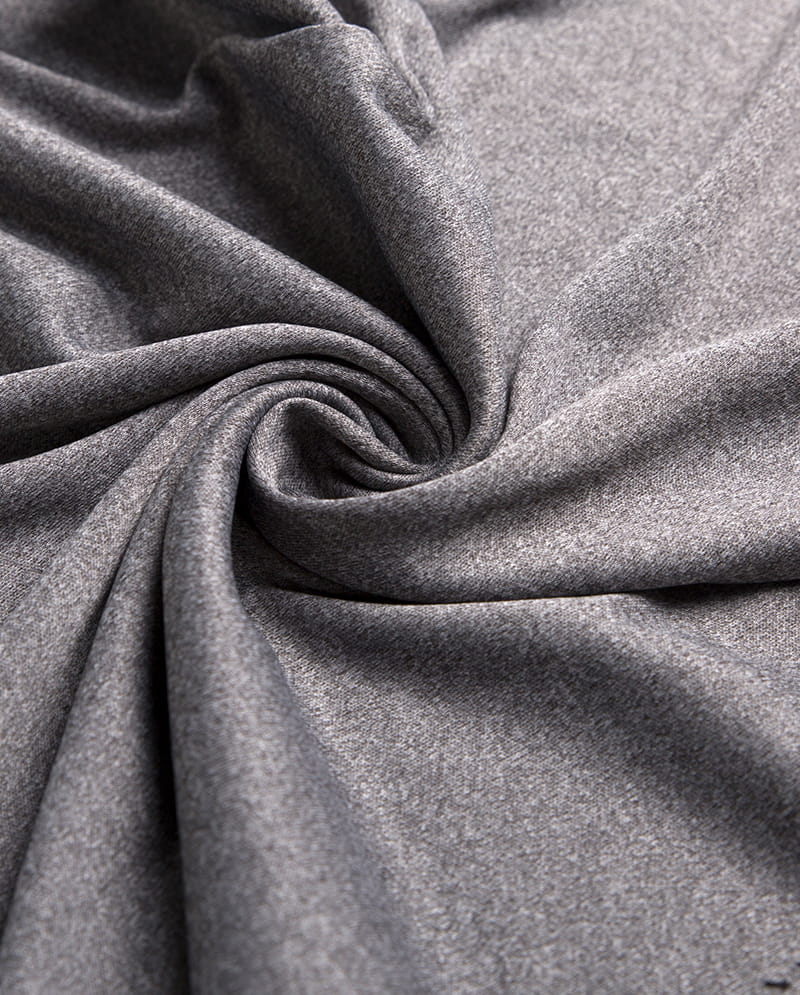
Wash-Resistant Cationic Elastic Knitted Fabric for Garment Industry
-
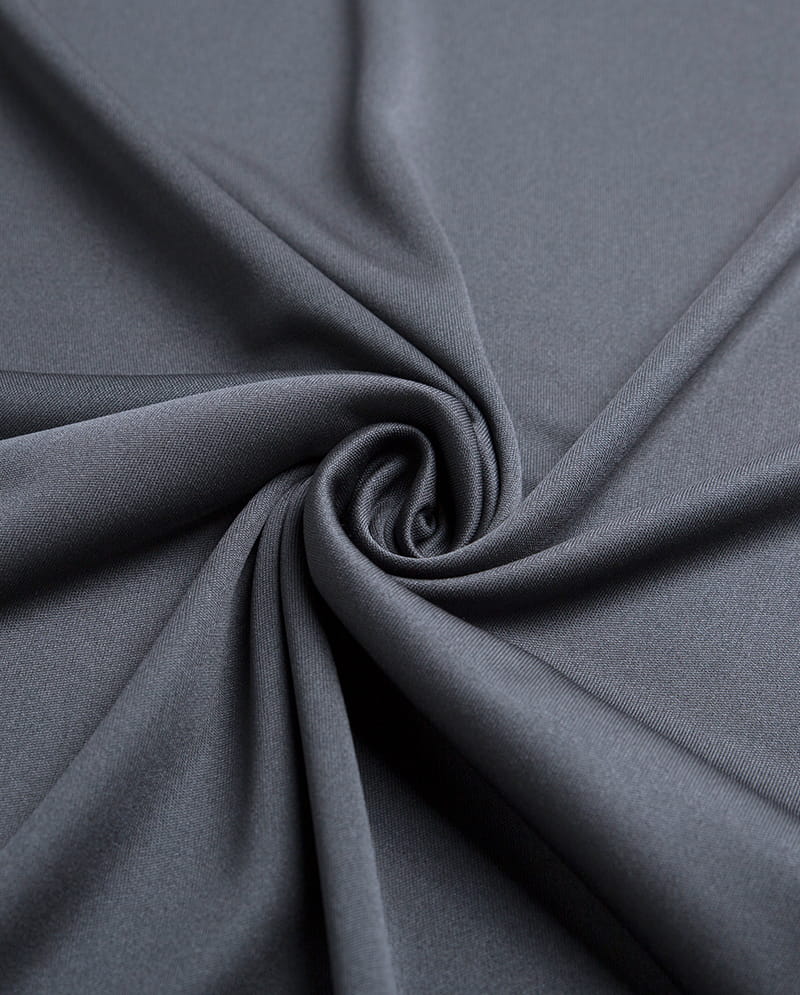
Breathable Double-Faced Elastic Composite Fabric
-
-
-
- whatsapp:
- 0086-13962559622
-
- skype:
- skype.aliceshenghong
-
- Wechat:

COPYRIGHT © 2016 Suzhou Junhui Textile Co., Ltd.
