

 EN
 English
 中文简体
Stable-Performance Full Dull FD DTY Yarn for Textile Weaving
Content
- 1 Introduction
- 2 Understanding Full Dull FD DTY Yarn
- 3 Key Product Advantages
- 4 Product Specifications and Selection Options
- 5 Performance Compared with Conventional Bright Yarn
- 6 Manufacturing Process and Quality Focus
- 7 Company Manufacturing Strengths
- 8 Application Guidance
- 9 Quality and Purchasing Considerations
- 10 Customization and Differentiated Yarn Development
- 11 Environmental and Functional Development Direction
- 12 Why Choose This FD DTY Yarn
- 13 Q&A
- 13.1 What is full dull FD DTY yarn?
- 13.2 How is full dull yarn different from bright yarn?
- 13.3 Can the yarn be used for down fabric?
- 13.4 Is it suitable for knitted fabrics?
- 13.5 Does the yarn provide ultraviolet resistance?
- 13.6 What does D/F mean in the yarn specification?
- 13.7 What specifications are available?
- 13.8 Can customized yarn be ordered?
- 13.9 What information should be provided when requesting a quotation?
- 13.10 What is the company’s main strength as a supplier?
- 13.11 How should the yarn be tested before bulk production?
- 14 Conclusion
- 15 References
- 16 Product: Stable performance FD DTY (D/F) Normal Yarn for Textile Weaving

Introduction
Textile manufacturers increasingly require yarns that combine consistent processing behavior, refined appearance, comfortable hand feel, and dependable performance across different fabric constructions. The demand is especially strong in winter clothing, down garments, high-grade knitted fabrics, outdoor sportswear, and other applications where surface appearance and functional comfort are equally important. Full dull FD DTY yarn is designed to answer these needs by combining the low-luster visual character of a full dull fiber with the bulk, elasticity, and weaving adaptability associated with draw textured yarn.
Stable-performance FD DTY (D/F) normal yarn is developed for textile weaving and related fabric production processes. Its high level of delustering agent changes the way light interacts with the fiber surface. Instead of producing a sharp, glossy reflection, the yarn creates a softer and more diffuse visual effect. This gives finished fabrics a restrained, natural appearance while also supporting a comfortable touch and practical performance in everyday garments.
The yarn is suitable for manufacturers seeking an alternative to highly bright or overly reflective polyester yarns. It can be used in winter clothing fabrics, down fabric, knitted fabrics, outdoor sports textiles, and other products where a premium matte appearance is preferred. Its product positioning is not limited to visual aesthetics. The yarn is also intended to provide stable performance during textile processing, helping mills achieve reliable production results across repeat orders.
Manufactured by a specialized Chinese textile enterprise with experience in differential yarn development, this product forms part of a broad yarn portfolio that includes recycled yarn, polyester dope-dyed yarn, microfine yarn, flame-retardant yarn, cationic dyeing yarn, and functional textile materials. The company’s research, development, production, and export capabilities provide buyers with access to both standard specifications and customized yarn solutions.
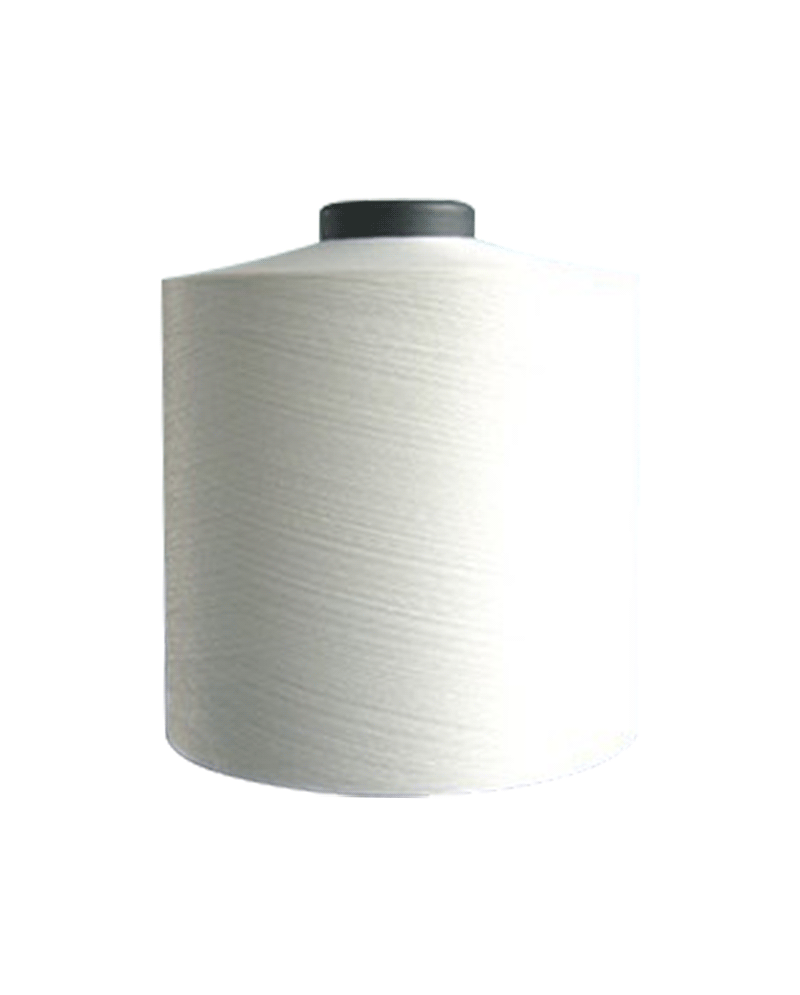
Stable performance FD DTY (D/F) Normal Yarn for Textile Weaving
Understanding Full Dull FD DTY Yarn
FD DTY refers to full dull draw textured yarn. The term “full dull” describes the optical effect created by a relatively high content of delustering agent in the polymer or fiber system. The term “draw textured yarn” refers to a polyester filament yarn that has been drawn and textured to introduce bulk, stretch recovery, softness, and a more fabric-friendly structure.
In conventional bright polyester yarns, the smooth fiber surface can reflect light strongly. Depending on the fabric construction, this may create a shiny appearance that is not suitable for every garment or end use. Full dull yarn reduces this effect. The delustering agent promotes diffuse reflection, allowing light to scatter more evenly instead of returning to the observer as an intense reflection.
This difference is important in modern textile design. Many brands and fabric buyers prefer surfaces that appear soft, calm, technical, or naturally refined. A dull or semi-matte appearance can make a garment look more substantial and can help designers create understated color effects. It is particularly useful in fabrics intended for winter apparel, outdoor clothing, knitted products, and premium casualwear.
The FD DTY structure also gives the yarn useful processing characteristics. Texturing modifies the filament arrangement and introduces a more voluminous form than a flat filament yarn. Depending on the selected denier and filament combination, the yarn can support different levels of coverage, softness, stretch, drape, and fabric fullness.
The product range includes numerous D/F configurations. In textile yarn specifications, the first number generally indicates denier and the second number indicates filament count. For example, 75/36 represents a yarn with approximately 75 denier and 36 filaments. The appropriate specification depends on the intended fabric weight, knitting or weaving structure, required coverage, handle, and finishing process.
Key Product Advantages
Low-Gloss and Refined Appearance
The primary advantage of full dull FD DTY yarn is its controlled visual effect. The high level of delustering agent helps reduce excessive brightness and creates a stable, subdued appearance. This is valuable for fabric manufacturers producing garments that should look soft, elegant, technical, or natural rather than highly glossy.
A low-gloss surface can also improve the visual consistency of a finished fabric. When strong reflections are reduced, the fabric color is often perceived as more even under different lighting conditions. This is beneficial for winter jackets, down garments, knitted fabrics, sportswear, and fashion textiles that need a polished but non-shiny surface.
Diffuse Light Reflection
Full dull fibers are designed to provide a good diffuse light effect. Instead of concentrating light into a strong reflection, the fiber surface distributes light more broadly. This can reduce glare and support a more comfortable visual experience in outdoor and high-light environments.
The diffuse effect is particularly useful in outdoor clothing. Sports and leisure garments are frequently exposed to sunlight, strong artificial lighting, and changing viewing angles. A yarn with a controlled matte appearance helps fabric developers achieve a practical and modern surface effect without relying solely on chemical finishing or mechanical treatment.
Comfortable Hand Feel
The product information identifies a comfortable tactile quality as one of the important benefits of the yarn. By increasing the proportion of fiber-forming material and combining the full dull effect with textured filament construction, the yarn is suitable for fabrics where softness and pleasant skin contact are important.
Comfort depends on many factors, including yarn count, filament fineness, fabric construction, knitting or weaving density, finishing chemistry, and garment design. Nevertheless, the FD DTY format provides a useful starting point for manufacturers who need a filament yarn with a fuller and softer textile character than a conventional flat filament.
Suitability for Winter Fabrics
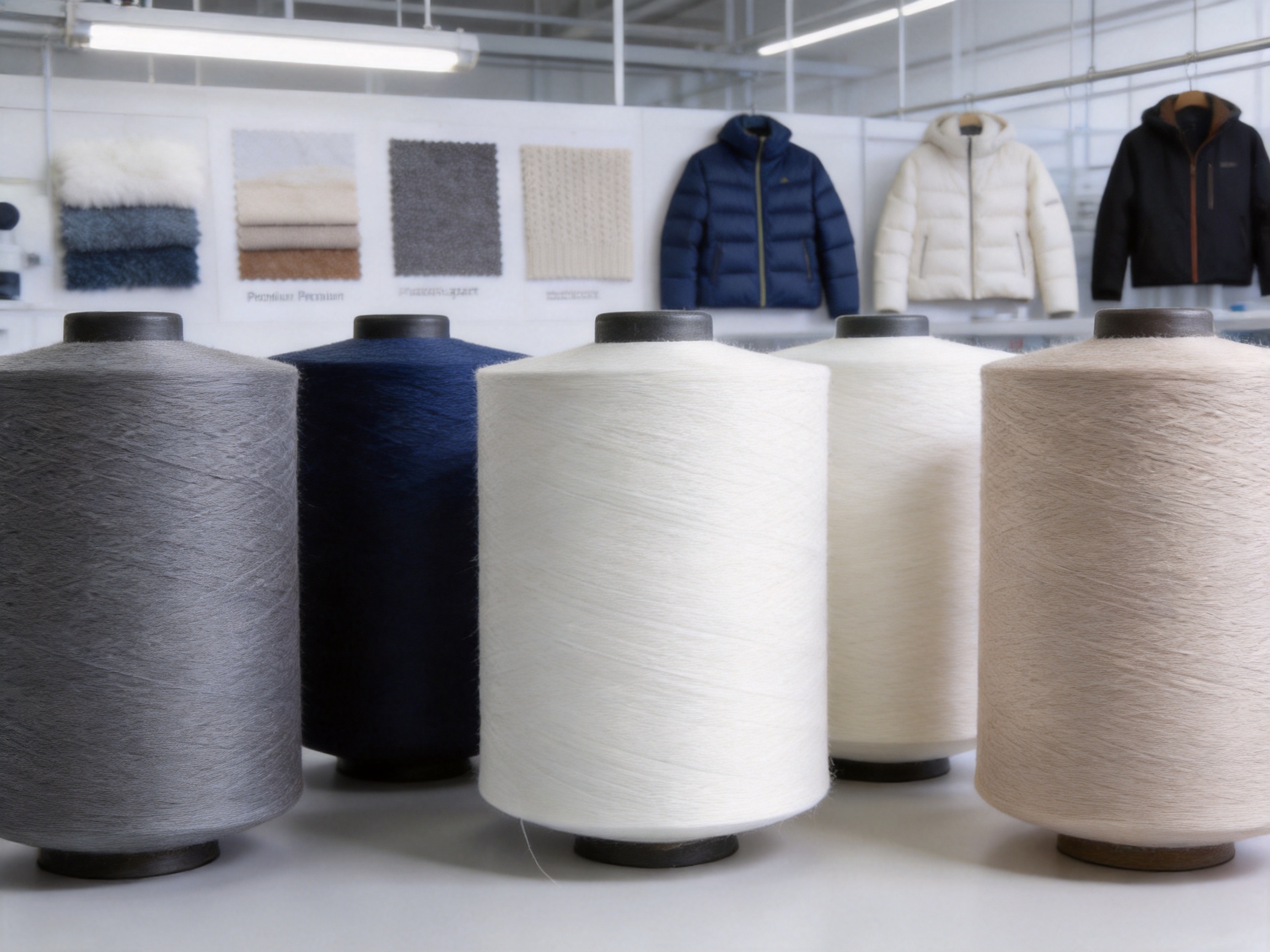
Full dull FD DTY yarn is especially suitable for winter clothing fabrics. Winter garments often require a combination of visual depth, warmth-related fullness, soft touch, and durable surface performance. A matte yarn can give the fabric a heavier and more premium appearance while avoiding the sharp shine sometimes associated with standard polyester filament.
The yarn is also recommended for down fabric. Down garments commonly use tightly constructed shell fabrics that must balance light weight, wind resistance, comfort, and appearance. A full dull yarn can contribute to a subdued, high-quality outer surface that works well with the clean and technical design language of down jackets.
Application in High-Grade Knitted Fabrics
Knitted fabrics benefit from yarns that provide flexibility, bulk, and a pleasant hand. FD DTY can be used in suitable knitted constructions to create surfaces with a soft waxy feeling and a controlled matte appearance. The result can be appropriate for premium knitwear, lightweight jackets, sports garments, casual clothing, and accessories.
The final fabric effect will vary according to machine gauge, stitch structure, yarn tension, finishing temperature, and dyeing conditions. Buyers can select different D/F specifications to adjust coverage, drape, texture, and surface expression. This broad specification range makes the yarn useful for both lightweight and medium-weight textile developments.
Outdoor Sports Fabric Potential
The yarn’s low-glare character and practical ultraviolet resistance make it a strong candidate for outdoor sports fabric development. Outdoor textiles must often combine visual comfort with durability, flexibility, moisture management, and ease of care. Full dull FD DTY does not replace all functional finishing systems, but it can contribute to a more suitable base material for these applications.
When used in a carefully engineered fabric, the yarn can help manufacturers develop sportswear that looks technical without appearing excessively reflective. It is also compatible with the broader trend toward understated performance apparel, in which fabric texture and controlled luster are used to communicate quality.
Product Specifications and Selection Options
The product portfolio includes normal series FD DTY specifications covering a wide range of denier and filament combinations. This allows buyers to choose a yarn according to fabric weight, surface density, softness, bulk, and manufacturing method. The available range includes finer options for lighter constructions and heavier options for greater coverage and fullness.
| Product group | Representative specifications | Typical development direction |
|---|---|---|
| Normal series FD DTY | 30/36, 50/72, 75/36-72-144 | Lightweight to medium-weight weaving and knitting fabrics |
| Normal series FD DTY | 100/72-144, 120/192 | Higher coverage, fuller handle, and structured textile surfaces |
| Normal series FD DTY | 150/144-192-288 | Medium and heavier fabric constructions |
| Normal series FD DTY | 300/96 | Heavy coverage, bulky textile effects, and selected technical fabrics |
| Related SD and CD DTY series | Multiple D/F combinations | Alternative luster and dyeing effects for differentiated products |
The listed specifications are representative product options rather than a limitation on development. The supplier also accepts orders for various differentiated yarns. Buyers can discuss denier, filament count, luster, color, functional performance, and end-use requirements with the technical team before confirming a production plan.
For lightweight apparel fabrics, a finer denier and suitable filament count may provide a soft, flexible handle with adequate coverage. For down fabric or structured outerwear, a heavier specification may be preferred to achieve greater opacity and a more substantial surface. For knitted fabric, the selected filament count can influence smoothness, bulk, stitch definition, and tactile character.
Yarn selection should always be made together with fabric construction. A yarn that performs well in a woven shell fabric may produce a different result in a circular knitted structure. Buyers should therefore provide information about loom or knitting machine type, fabric width, target weight, fabric density, finishing process, and expected garment performance.
Performance Compared with Conventional Bright Yarn
Conventional bright polyester yarn has advantages in applications where a clear, glossy, or highly reflective appearance is desired. However, its stronger surface reflection may be unsuitable for winterwear, matte sportswear, premium casual garments, and fabrics designed to resemble natural or softly finished materials.
Full dull FD DTY provides a different value proposition. Its strength is controlled visual expression rather than maximum brightness. The yarn helps fabric developers reduce unwanted glare and create a more muted surface. This can improve design flexibility and support product differentiation in competitive textile markets.
Compared with a flat filament yarn, textured yarn can provide more bulk and a more fabric-like touch. Compared with a standard bright DTY, full dull DTY can offer a lower-luster appearance. Compared with a purely functional yarn, it combines visual and tactile advantages with a broad range of textile applications.
| Evaluation factor | Full dull FD DTY | Highly bright filament yarn |
|---|---|---|
| Surface appearance | Soft, subdued, and low-gloss | Clear, bright, and reflective |
| Light behavior | Diffuse reflection with reduced glare | Stronger directional reflection |
| Textile character | Textured, fuller, and fabric-friendly | Often smoother and more visibly lustrous |
| Suitable applications | Winterwear, down fabric, knitwear, and outdoor textiles | Bright fashion fabrics and applications requiring shine |
| Design flexibility | Supports matte, technical, and natural-looking surfaces | Supports glossy and high-visibility surfaces |
The comparison does not mean that one yarn is universally superior. Instead, the appropriate choice depends on the target product. Full dull FD DTY is advantageous when the buyer needs a stable matte effect, comfortable handling, and a less reflective appearance. It gives textile producers a practical way to align yarn properties with current fashion and performance trends.
Manufacturing Process and Quality Focus
Polyester Material Preparation
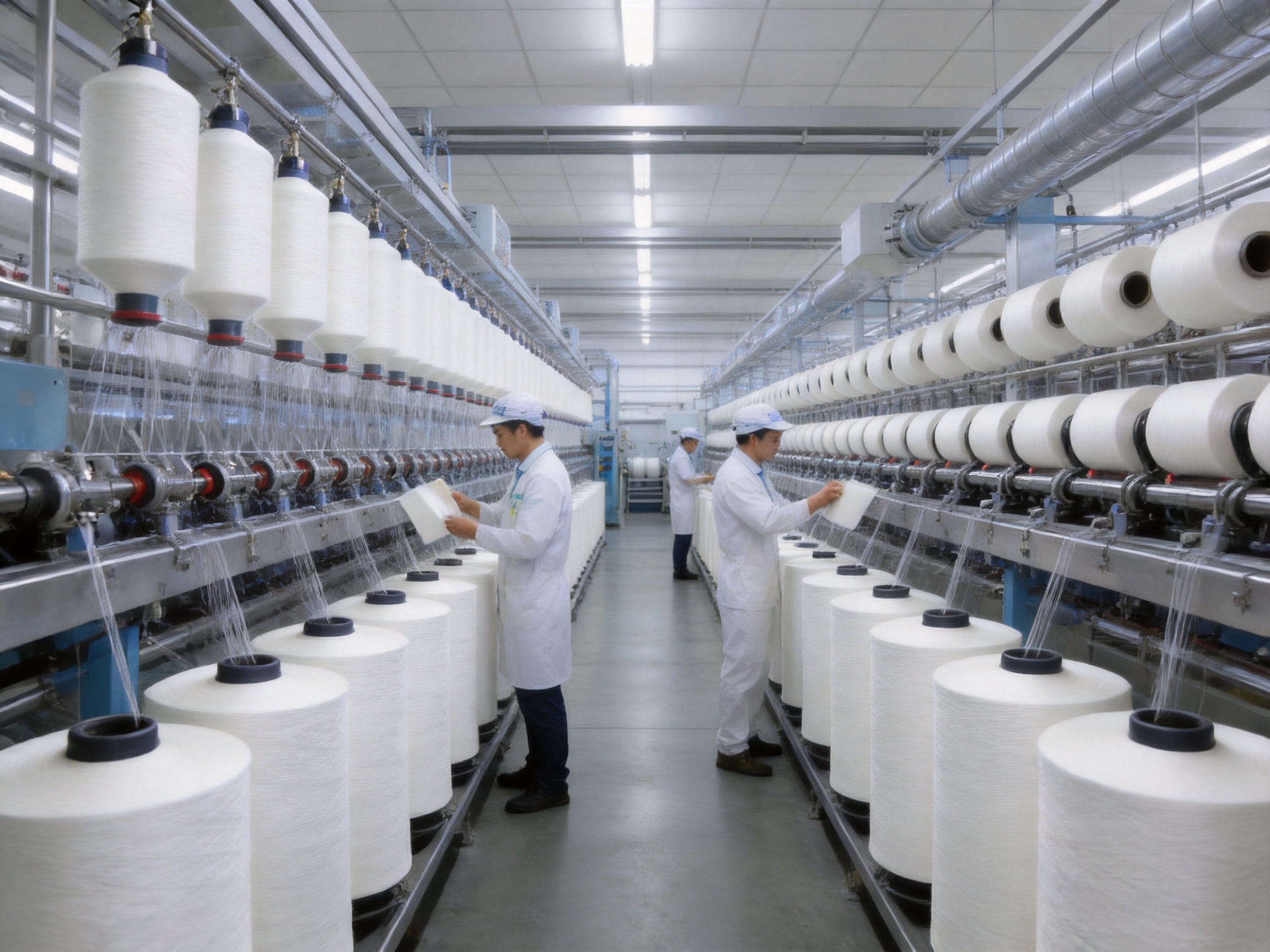
The manufacturing process begins with the preparation of suitable polyester raw material. Material consistency is important because variation in polymer quality can influence spinning stability, filament formation, yarn strength, dyeing behavior, and final appearance. A controlled material preparation process helps create a reliable foundation for later production stages.
For full dull products, the delustering agent must be incorporated in a controlled manner. The purpose is to achieve the intended optical effect without creating unnecessary instability in the spinning process. Uniform dispersion is essential because uneven distribution may cause variation in brightness, dye uptake, fiber appearance, or mechanical performance.
Filament Spinning
During spinning, the molten polyester is extruded through spinnerets to form continuous filaments. The number and arrangement of the filaments influence the final D/F specification. Stable temperature control, pressure management, and filtration are important for maintaining consistent filament formation.
Filament spinning requires careful coordination of throughput, cooling, and winding conditions. When these parameters are controlled, the yarn can achieve more uniform linear density and fewer defects. This is especially important for weaving and knitting customers, who depend on stable yarn behavior to maintain production efficiency and fabric consistency.
Drawing and Texturing
After spinning, the yarn is drawn and textured. Drawing develops the required orientation and mechanical properties, while texturing introduces bulk, elasticity, and a more suitable textile form. The exact processing conditions influence crimp, shrinkage, stretch recovery, softness, and yarn appearance.
Stable texturing is essential for FD DTY because the full dull effect must be combined with consistent physical behavior. If texturing variation occurs across packages, the finished fabric may show differences in density, streaks, handle, or surface appearance. A professional manufacturing system therefore pays close attention to tension, heater conditions, speed, interlacing, winding, and package formation.
Package Formation and Inspection
After texturing, the yarn is wound into packages suitable for storage, transport, weaving, or knitting. Proper package formation supports smooth unwinding and helps reduce tension fluctuations during downstream processing. Package quality is particularly important for high-speed textile machinery.
Inspection procedures may include checking linear density, filament count, appearance, package hardness, winding quality, strength, elongation, shrinkage, interlacing, and dyeing behavior. The exact inspection program can be adjusted according to the yarn type and customer requirements. These controls help identify potential issues before shipment.
Process Stability for Repeat Orders
Textile buyers often require the same yarn specification over multiple seasons. A product that performs well in a sample but changes significantly in bulk production can create serious difficulties for fabric mills and garment manufacturers. Process stability is therefore a central advantage for long-term supply relationships.
The manufacturing team’s experience with normal yarn, recycled yarn, functional yarn, cationic dyeing yarn, and other differentiated products supports a broader understanding of how raw materials and processing conditions affect final fabric performance. This experience can help the company respond to technical questions and make practical recommendations during product selection.
Company Manufacturing Strengths
The producing organization was established in 2015 and focuses on the development and sale of differential yarn and knitting fabric products. Its product scope extends beyond one standard polyester yarn category. This broader technical background includes recycled yarn, polyester drop-dyed yarn, microfine yarn, flame-retardant yarn, cationic dyeing yarn, and other environmental or functional textile solutions.
A diversified product portfolio is valuable because textile customers often need several related products from one supply partner. A buyer developing a full dull FD DTY fabric may later require a recycled alternative, a functional version, a colored yarn, or a coordinating knitted fabric. Experience across multiple product families allows technical discussions to consider the complete textile system rather than only one yarn specification.
Research and Development Capability
The company maintains a professional research and development team and communicates with internationally recognized enterprises regarding research, development, and application in environmental protection and functional yarn and fabric. This orientation supports product development for buyers who need more than standard commodity yarn.
R&D capability is especially important for differentiated yarn. Full dull effects, recycled content, flame retardancy, antibacterial properties, moisture management, high elasticity, cationic dyeability, and microfine structures each involve different material and processing considerations. A supplier with experience in these areas can better evaluate the relationship between yarn formulation, processing, fabric construction, and end-use requirements.
Broad Product Portfolio
The product list includes recycled SD DTY, recycled SD FDY, recycled FD DTY, recycled SD+CD DTY, recycled DDB DTY, and recycled CD DTY. The normal series includes SD DTY, FD DTY, and SD DDB. The CD series includes CD DTY, SD+CD DTY, and white and black yarn options.
The high-elastic series covers high-elastic yarn, PBT/PET yarn, and PBT/PET DDB yarn. Functional yarn options include fire-retardant, antibacterial, and moisture-wicking varieties. Additional products include cotton-like yarn, hollow warm yarn, and Acy yarn. This variety demonstrates the company’s ability to work across appearance, comfort, elasticity, warmth, sustainability, and functional performance categories.
Export Experience
More than 90 percent of the products are exported, and the company has established customer relationships in 36 countries. International business experience requires attention to documentation, product communication, packaging, lead-time coordination, quality expectations, and customer service.
For overseas buyers, export experience can simplify the purchasing process. It indicates familiarity with international orders and the practical requirements of serving textile customers in different markets. The company also states that its experts are prepared to respond to customer needs within 12 hours globally, supporting faster communication during product selection and problem solving.
Customer-Oriented Technical Support
Technical yarn selection can be difficult when the buyer knows the intended fabric but has not finalized the yarn specification. The company’s service approach is based on helping customers select products and solve production problems. This may include discussing yarn count, filament count, luster, functional requirements, fabric application, and processing conditions.
Such support is valuable when a customer needs to compare full dull, semi-dull, cationic, recycled, high-elastic, or functional alternatives. Instead of selecting purely by price, buyers can evaluate the relationship between yarn performance and finished product requirements.
Application Guidance
Down Fabric
Down fabric generally requires a compact and attractive outer surface. Full dull FD DTY can contribute to a soft matte appearance that suits down jackets and winter coats. The yarn may be selected in a suitable denier and filament count to balance coverage, lightness, handle, and fabric construction.
During development, mills should evaluate fabric density, downproof requirements, calendering, coating, water repellency, and finishing temperature. The yarn is one part of the overall performance system. Proper fabric engineering is necessary to achieve the required resistance to feather leakage, wind penetration, moisture, and abrasion.
Winter Clothing
Winter clothing often benefits from a surface that appears warm, soft, and substantial. The low-gloss effect of full dull yarn is compatible with winter fashion trends that favor understated color and premium texture. It can be used in woven shells, lining materials, knitted panels, casual jackets, scarves, and other cold-weather products.
Knitted Fabrics
FD DTY can be considered for circular knitting, warp knitting, and other suitable knitted constructions. It may provide a smooth but textured appearance, useful bulk, and a comfortable handle. The final result depends on knitting tension, machine gauge, stitch design, yarn feeding, heat setting, dyeing, and finishing.
Manufacturers should conduct a knitting trial before bulk production. Trial results can confirm whether the selected D/F specification delivers the required coverage, surface uniformity, recovery, and touch. They can also identify any adjustments needed in machine settings or finishing conditions.
Outdoor Sports Fabrics
Outdoor sports fabrics need a balance of appearance, comfort, movement, and environmental resistance. Full dull FD DTY can support a low-reflection surface and may contribute to ultraviolet resistance in the finished textile system. It is appropriate for fabric development where a technical matte appearance is preferred.
For sportswear, buyers may combine the yarn with moisture-wicking structures, stretch yarns, antibacterial treatments, or breathable fabric designs. The company’s wider functional yarn portfolio can provide additional options for customers seeking a coordinated product solution.
Fashion and Lifestyle Textiles
Beyond technical apparel, the yarn can be used in fashion and lifestyle products. Designers may select it for trousers, skirts, casual jackets, dresses, knitted tops, home textiles, bags, and accessories. Its subdued luster can make colors appear more sophisticated and can help create a natural or waxy surface impression.
Quality and Purchasing Considerations
Before placing an order, buyers should confirm the required denier, filament count, luster level, color, package size, winding direction, and intended processing route. It is also useful to provide the target fabric type, machine information, fabric weight, finishing method, and performance expectations.
Sample testing should evaluate unwinding behavior, yarn appearance, strength, elongation, shrinkage, interlacing, dyeing uniformity, and fabric performance. For full dull products, visual comparison under different lighting conditions is particularly important. A sample should be reviewed under daylight, indoor lighting, and the intended retail environment whenever possible.
Fabric trials should also examine streaks, barré, shade consistency, pilling, snagging, abrasion, dimensional stability, and handle after finishing. These properties are influenced by both yarn and fabric processing. Early testing helps reduce the risk of unexpected behavior during bulk production.
| Purchasing checkpoint | Why it matters |
|---|---|
| Denier and filament count | Influences coverage, softness, bulk, and fabric weight |
| Full dull level | Determines the visual balance between matte appearance and color expression |
| Texturing uniformity | Supports consistent stretch, touch, and fabric appearance |
| Package quality | Promotes stable unwinding and fewer downstream interruptions |
| Dyeing and finishing compatibility | Helps achieve even color and the intended final hand feel |
| Application testing | Confirms suitability for weaving, knitting, down fabric, or sportswear |
Customization and Differentiated Yarn Development
The supplier states that it can accept orders for various kinds of differentiated yarn. This is important for buyers who need specifications outside a standard catalog. Customization may involve yarn count, filament number, luster, color, recycled content, elasticity, moisture management, antibacterial performance, flame retardancy, cationic dyeing, or other product characteristics.
A successful customized yarn project normally begins with a technical brief. The buyer should describe the target fabric, end use, required appearance, performance standards, machine type, and expected production volume. The supplier can then assess available materials, recommend an initial specification, and arrange sample development.
Customization should be approached as a cooperative process. The first sample may establish the basic yarn structure, while subsequent trials refine the performance and appearance. Fabric testing is essential because a yarn specification cannot be fully evaluated without considering the selected loom, knitting machine, dyeing system, finishing route, and garment application.
The company’s experience with recycled, functional, high-elastic, cotton-like, hollow warm, and other specialized products creates opportunities for buyers who want to combine a full dull appearance with additional functions. For example, a customer may explore a recycled full dull yarn, a moisture-managing matte yarn, or a high-elastic yarn for outdoor apparel.
Environmental and Functional Development Direction
The textile industry is placing increasing emphasis on material efficiency, recycled content, functional performance, and longer product use. A supplier involved in recycled yarn and functional yarn development is positioned to support customers as they respond to these requirements.
Full dull FD DTY is primarily an appearance and textile-performance product, but it can also serve as a base for broader product development. When combined with recycled polyester or other approved material systems, it may help buyers develop fabrics with a more responsible material story. When combined with moisture-wicking, antibacterial, or flame-retardant technologies, it can support specialized end uses.
Any environmental or functional claim should be verified according to the exact yarn specification, applicable testing standards, and customer documentation requirements. Buyers should request relevant technical data and certifications when a product is intended for regulated markets or sustainability-labeled collections.
Why Choose This FD DTY Yarn
The main advantage of this stable-performance FD DTY yarn is the combination of controlled matte appearance, comfortable textile character, broad specification availability, and application flexibility. It is not limited to a single fashion effect. It can support winterwear, down fabric, high-grade knitted fabrics, outdoor sportswear, and other products requiring reduced gloss and a premium surface.
Its competitiveness also comes from the manufacturing organization behind it. The company combines product development experience, a broad differentiated yarn portfolio, export capability, professional R&D support, and customer-oriented technical communication. These strengths help buyers move from a general product idea to a workable yarn and fabric solution.
Compared with suppliers that focus only on basic polyester yarn, a diversified producer can provide more alternatives when a customer encounters a technical challenge. If the buyer needs recycled content, a different luster, greater elasticity, functional treatment, or a coordinating fabric, the discussion can continue within a broader product system.
For textile manufacturers, supply consistency is as important as initial product performance. Stable yarn processing can reduce production interruptions, improve fabric uniformity, and support repeat orders. A supplier that understands international customer requirements and provides responsive technical support can also reduce communication time during development and bulk production.
Q&A
What is full dull FD DTY yarn?
Full dull FD DTY yarn is a draw textured polyester filament yarn containing a high level of delustering agent. The delustering agent reduces strong surface reflection and creates a softer, more diffuse, low-gloss appearance. The draw-textured structure provides a fuller textile character and is suitable for weaving and knitting applications.
How is full dull yarn different from bright yarn?
Bright yarn reflects more light and produces a clearer, shinier appearance. Full dull yarn diffuses light and produces a subdued matte effect. The better choice depends on the intended fabric. Full dull yarn is generally more appropriate when the buyer wants a natural, technical, soft, or premium low-gloss appearance.
Can the yarn be used for down fabric?
Yes. The product is particularly suitable for winter clothing fabrics and down fabric. It can help create a refined outer surface with reduced glare. The final downproof, windproof, water-repellent, and abrasion performance depends on the complete fabric construction and finishing process.
Is it suitable for knitted fabrics?
Yes. FD DTY is suitable for selected knitted constructions and can provide softness, bulk, flexibility, and a controlled matte appearance. Buyers should select the denier and filament count according to machine gauge, fabric weight, stitch structure, and desired handle.
Does the yarn provide ultraviolet resistance?
The product information indicates a certain ultraviolet resistance associated with the full dull construction and delustering effect. The precise protection level depends on the yarn specification, fabric density, color, finishing, and test method. Buyers requiring a specific ultraviolet protection rating should request testing based on the finished fabric.
What does D/F mean in the yarn specification?
D/F commonly refers to denier and filament count. The denier indicates the linear density of the yarn, while the filament number identifies how many continuous filaments make up the yarn. For example, 75/36 generally indicates 75 denier and 36 filaments.
What specifications are available?
The normal FD DTY series includes representative options such as 30/36, 50/72, 75/36-72-144, 100/72-144, 120/192, 150/144-192-288, and 300/96. Availability should be confirmed for the specific order, color, package, and production schedule.
Can customized yarn be ordered?
Yes. The supplier states that it can accept orders for various differentiated yarns. Buyers can discuss custom requirements involving material type, luster, denier, filament count, color, elasticity, recycled content, and functional performance.
What information should be provided when requesting a quotation?
Buyers should provide the desired yarn specification, quantity, color, package requirement, target application, delivery destination, and preferred shipment schedule. If the yarn will be used for a specific fabric, it is helpful to provide the machine type, fabric construction, fabric weight, finishing process, and required performance.
What is the company’s main strength as a supplier?
The company combines differential yarn development, a wide product range, professional R&D capability, international export experience, and responsive customer support. It produces normal, recycled, functional, high-elastic, cationic, cotton-like, and other specialized yarn products for customers in many countries.
How should the yarn be tested before bulk production?
The yarn should be tested through package unwinding, knitting or weaving trials, dyeing, finishing, and finished-fabric evaluation. Buyers should check appearance, shade consistency, handle, strength, elongation, shrinkage, surface uniformity, pilling, abrasion, and dimensional stability according to the intended application.
Conclusion
Stable-performance full dull FD DTY yarn provides textile manufacturers with a practical solution for fabrics that require a controlled matte appearance, diffuse light reflection, comfortable touch, and reliable processing behavior. Its application range includes winter clothing, down fabric, premium knitted fabric, outdoor sportswear, and lifestyle textiles.
The product’s competitive value comes from the combination of material formulation, draw-textured construction, multiple D/F options, and development support. Its full dull character helps reduce unwanted shine and creates a refined visual effect, while the textured filament structure supports softness, bulk, and fabric adaptability.
Behind the product is a textile manufacturer with experience in differentiated yarn, functional materials, recycled products, export service, and collaborative R&D. This combination gives buyers access not only to a standard yarn specification but also to technical assistance and customized development. For textile companies seeking a reliable supplier for matte polyester yarn and related fabric solutions, FD DTY full dull yarn is a strong option for current and future product development.
References
1. Product specification and application information supplied for stable-performance FD DTY (D/F) normal yarn.
2. Product portfolio information covering recycled, normal, cationic, high-elastic, functional, cotton-like, and hollow warm yarn series.
3. Technical description of full dull yarn, delustering agents, diffuse light reflection, tactile comfort, and ultraviolet-related application benefits.
4. Company information regarding differential yarn development, research and development cooperation, export experience, and customer technical support.
5. General textile engineering principles concerning polyester filament spinning, drawing, texturing, package formation, fabric construction, dyeing, and finishing.
Product: Stable performance FD DTY (D/F) Normal Yarn for Textile Weaving

Popular products
-
Premium Cationic Interlock Stretch Comfort Fabric
-
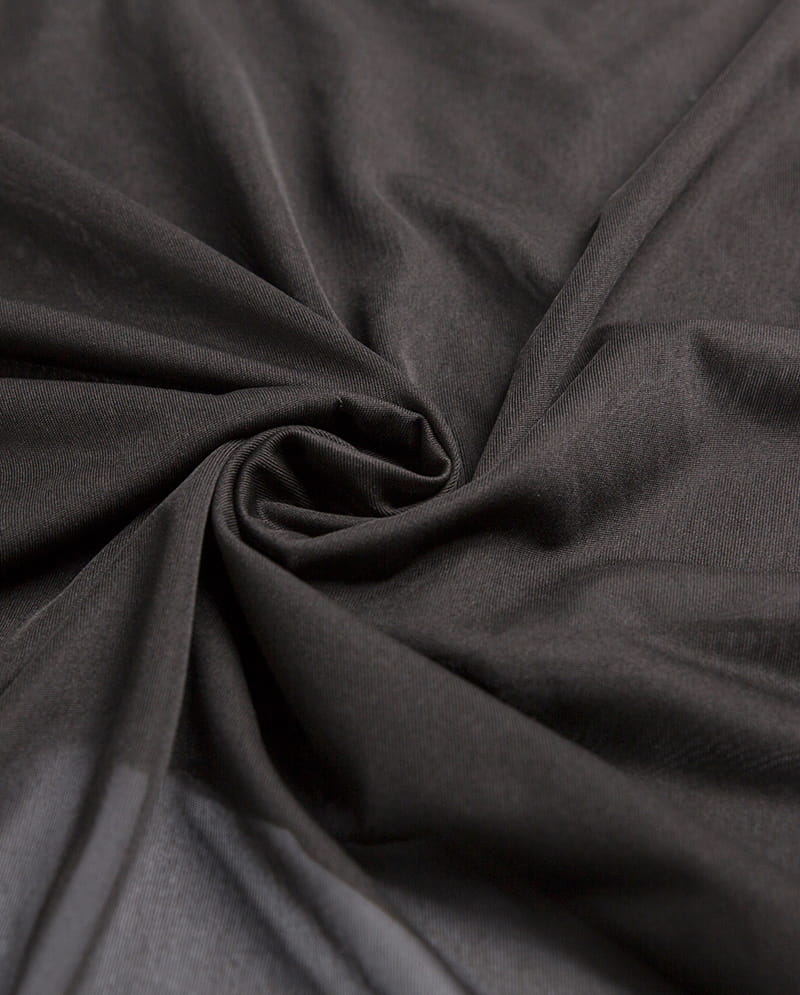
Moisture-Wicking Nylon Woven Fabric
-
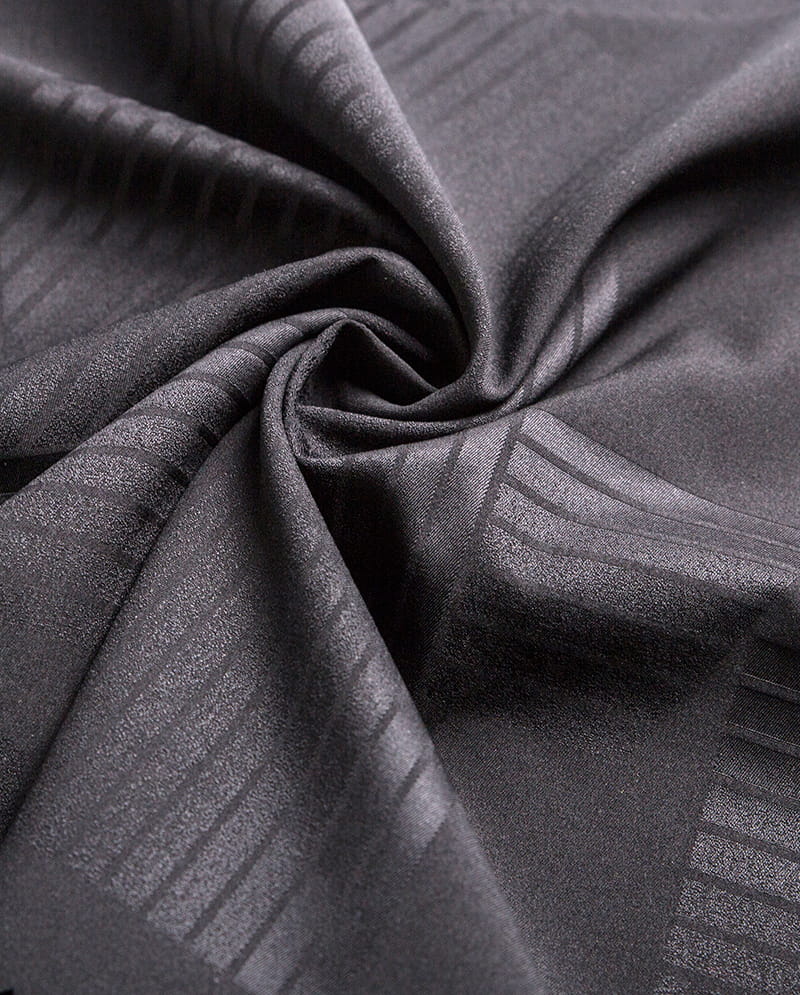
Double-faced jacquard elastic fabric
-
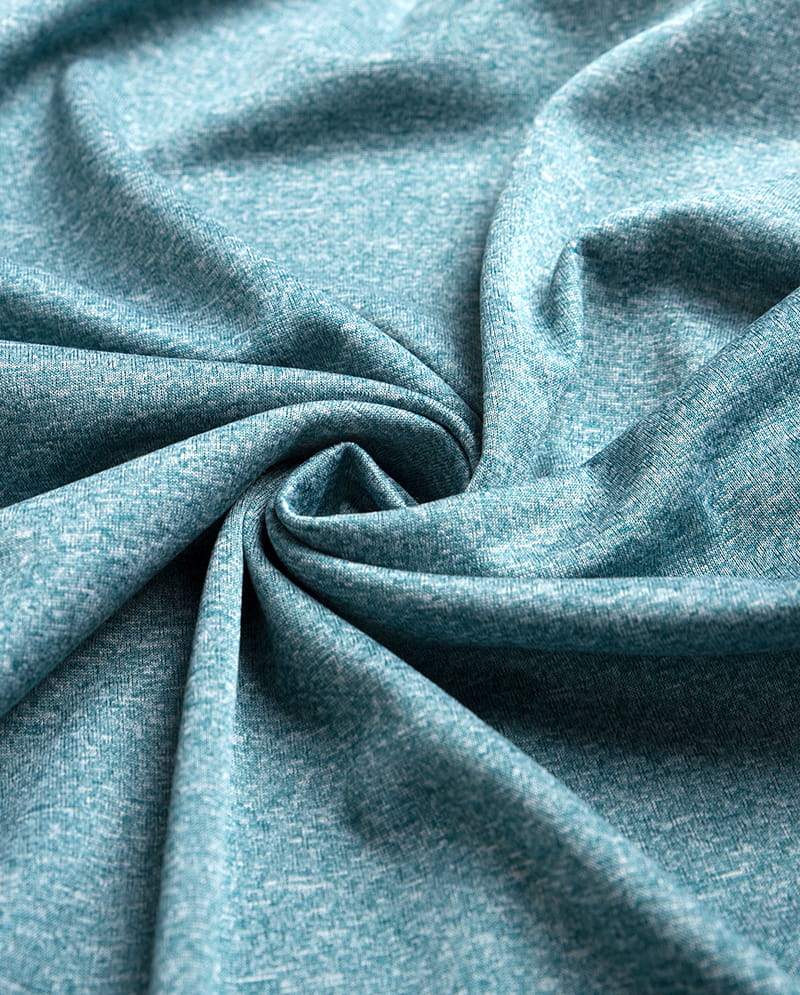
Heather Grey Double-faced cationic jersey fabric
-
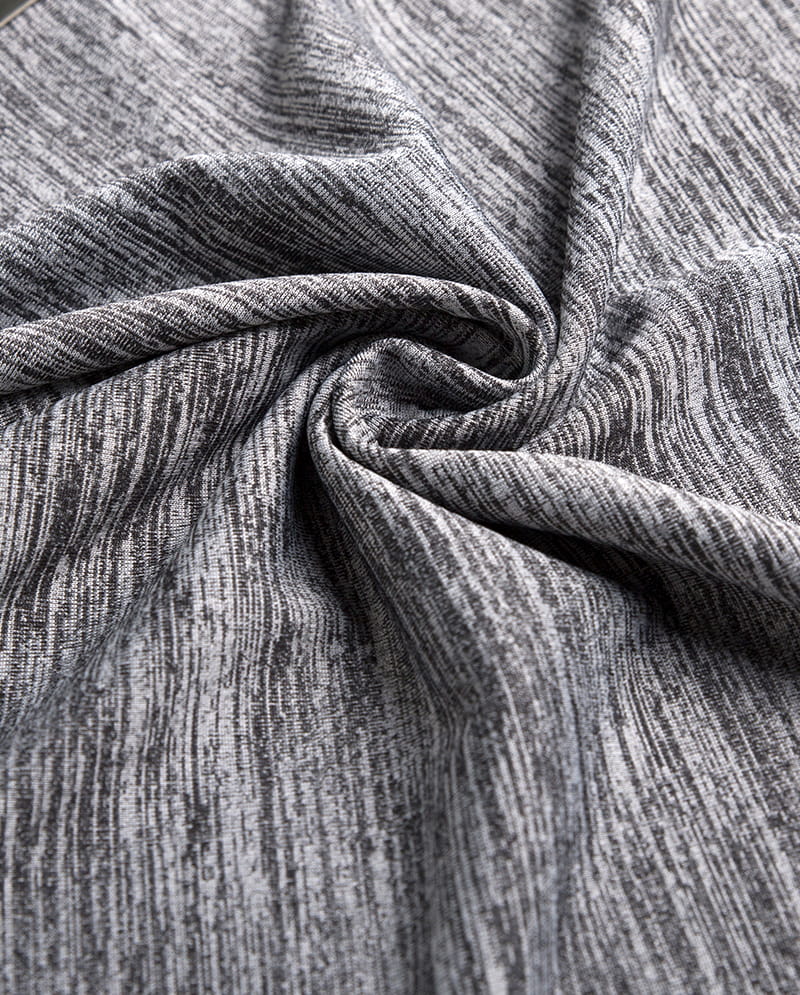
Anti-static Cationic Knitted Rib Fabric
-
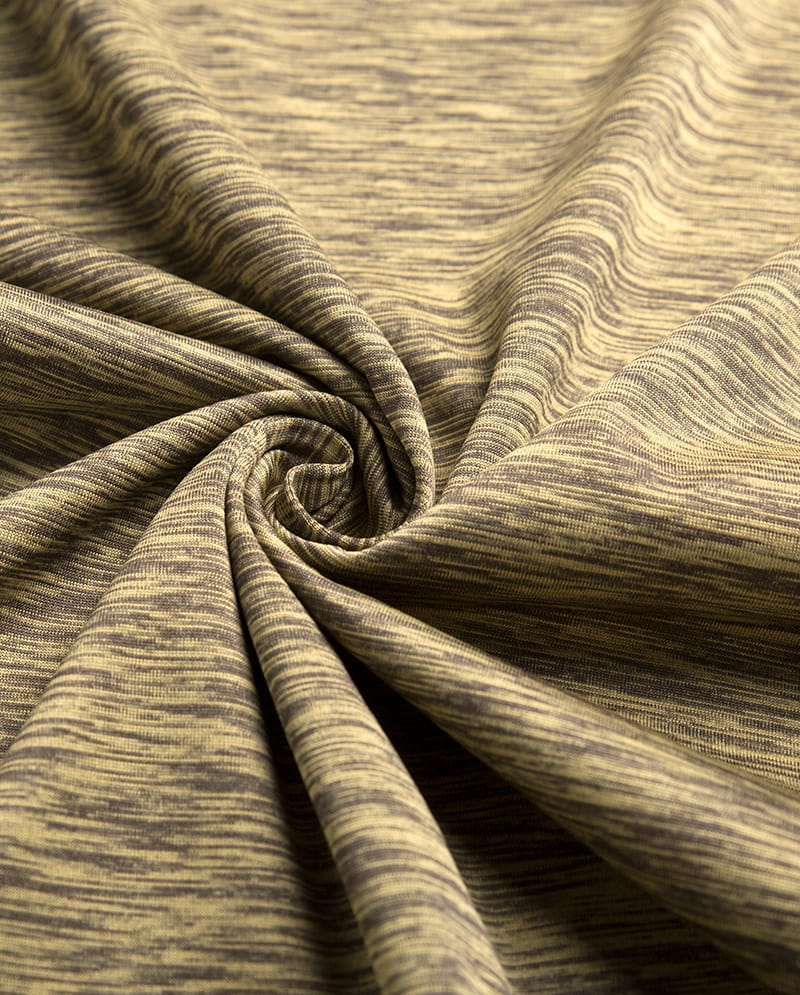
High-Stretch Cationic Jersey Fabric
-
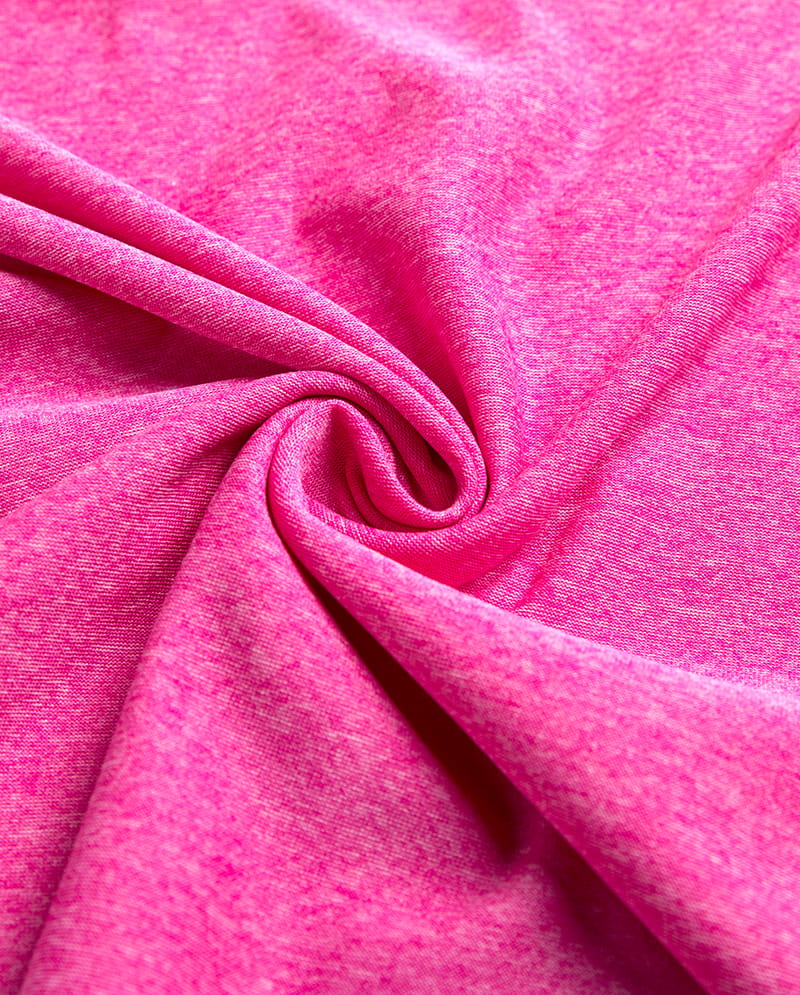
High Quality Cationic DTY Spandex Two Sides Brush Dralon Knit Fabric for Garment Thermal Underwear
-
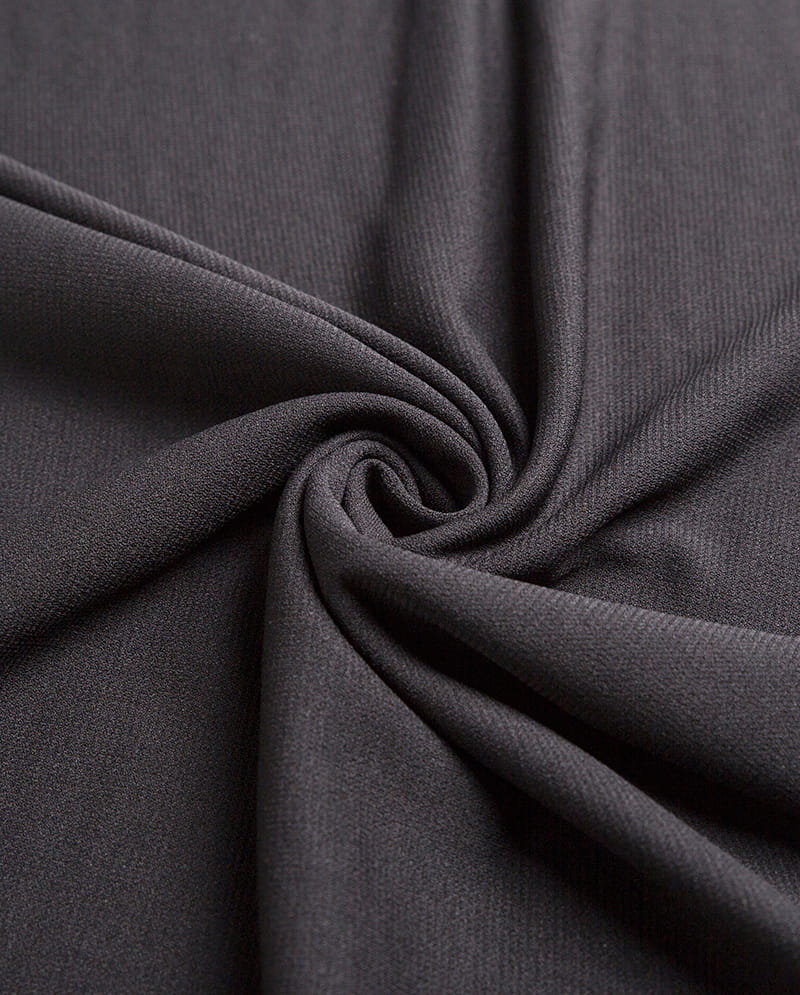
Durable Anti-Pilling Knitted Fabric for Home Textiles
-
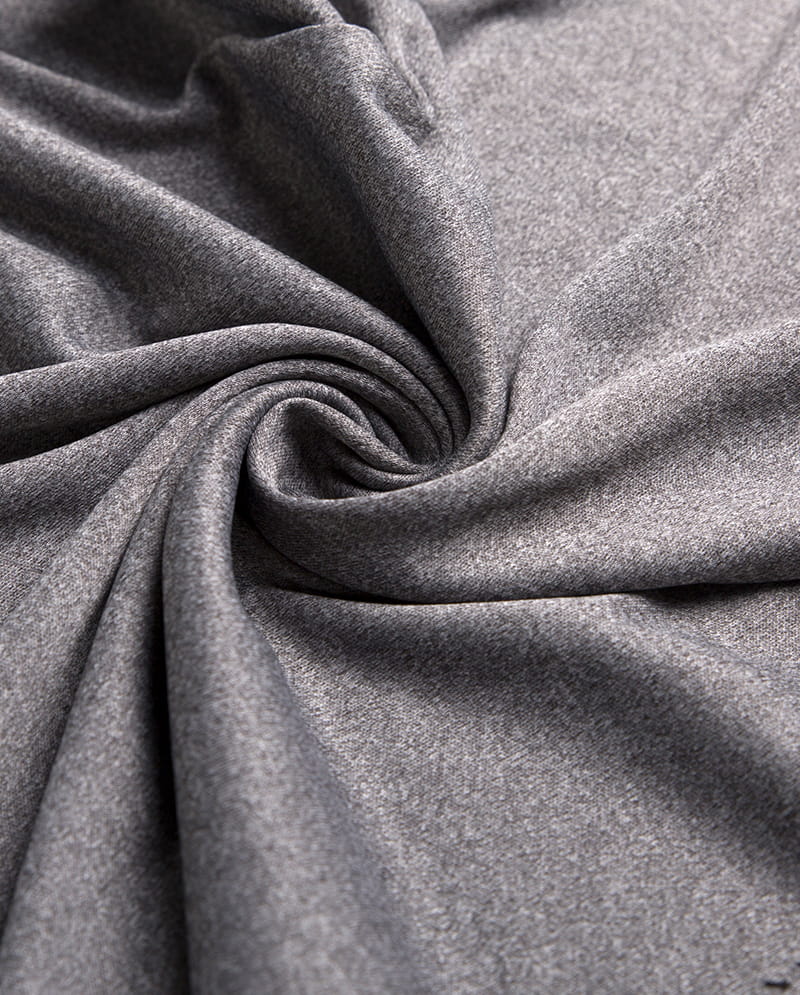
Wash-Resistant Cationic Elastic Knitted Fabric for Garment Industry
-
Breathable Double-Faced Elastic Composite Fabric
-
-
-
- whatsapp:
- 0086-13962559622
-
- skype:
- skype.aliceshenghong
-
- Wechat:

COPYRIGHT © 2016 Suzhou Junhui Textile Co., Ltd.
