

 EN
EN English
 中文简体
中文简体Stable Performance SD DTY (D/F) Normal Yarn for Reliable Textile Production
Content
- 1 Understanding SD DTY (D/F) Normal Yarn
- 2 Core Performance Advantages
- 3 Specification Flexibility for Different Fabrics
- 4 Advanced Manufacturing Process
- 5 Why It Offers an Advantage Over Basic Alternatives
- 6 Applications in Apparel and Fashion Textiles
- 7 Applications in Home Textiles
- 8 Microfine Yarn and Comfort-Oriented Textile Development
- 9 Manufacturing Strengths and Product Development Capability
- 10 Product Selection Recommendations
- 11 Processing Guidance for Textile Mills
- 12 Quality, Reliability, and Supply Partnership
- 13 Commercial Value for Buyers
- 14 Environmental and Functional Expansion
- 15 Q&A
- 15.1 What does SD DTY mean?
- 15.2 What does D/F mean in the product specification?
- 15.3 What are the main advantages of this yarn?
- 15.4 Which industries can use SD DTY?
- 15.5 Is this yarn suitable for sportswear?
- 15.6 Can the yarn be used for home textiles?
- 15.7 How should buyers choose the filament count?
- 15.8 Can customers request customized specifications?
- 15.9 How does SD DTY compare with flat polyester filament yarn?
- 15.10 How does it compare with highly elastic fibers?
- 15.11 What quality checks should be requested?
- 15.12 How should the product be stored?
- 15.13 Can the manufacturer supply alternatives to normal SD DTY?
- 15.14 Why is supplier consistency important?
- 16 Conclusion
- 17 References
- 18 Product: Stable Performance SD DTY (D/F) Normal Yarn

Stable Performance SD DTY (D/F) Normal Yarn is a versatile polyester yarn developed for textile manufacturers that require consistency, dependable processing, attractive fabric appearance, and broad application flexibility. Designed as a semi-dull draw textured yarn, it combines the strength and durability of polyester with the bulk, softness, elasticity, and surface character created by the texturing process. Its balanced performance makes it suitable for knitting, weaving, apparel, home textiles, hosiery, upholstery, curtains, sportswear, and many other finished textile products.
In modern textile manufacturing, yarn quality directly affects productivity, fabric appearance, dyeing results, customer satisfaction, and production cost. A yarn that varies in denier, filament distribution, crimp, or dye absorption can create defects throughout an entire production run. Stable SD DTY (D/F) Normal Yarn is intended to reduce these risks through controlled manufacturing, uniform filament arrangement, reliable texturing, and carefully selected specifications. The result is a practical material for manufacturers seeking repeatable performance from one order to the next.
Unlike a basic flat polyester yarn, DTY has been processed to introduce permanent or semi-permanent crimp. This gives the yarn a fuller appearance and a more pleasant hand feel while improving stretch and recovery. The semi-dull surface reduces excessive brightness and helps create a more refined, textile-like appearance. At the same time, the D/F configuration allows buyers to select yarn constructions according to fabric weight, surface effect, coverage, and end-use requirements.
Understanding SD DTY (D/F) Normal Yarn
SD refers to semi-dull, a surface and luster classification commonly used for polyester yarn. Semi-dull yarn is less reflective than bright yarn, producing a softer and more subdued visual effect. This appearance is often preferred for clothing, sportswear, bedding, curtains, and other products where a natural or sophisticated surface is desired.
DTY means draw textured yarn. The manufacturing process combines drawing and texturing to alter the physical form of partially oriented polyester yarn. During texturing, the filaments receive crimp, bulk, and a degree of elasticity. These characteristics help the yarn form fabrics with improved coverage, softness, resilience, and dimensional behavior.
The term D/F represents denier and filament count. Denier indicates the linear density of the yarn, while the filament number identifies how many individual filaments are combined within the yarn. For example, a specification such as 100D/144F indicates a yarn with a total linear density of 100 denier and 144 individual filaments. A higher filament count generally creates a finer filament arrangement and can provide a softer, smoother, and more delicate hand feel. A lower filament count may offer a more pronounced yarn character and a different surface effect.
Available specifications can be selected according to the intended product. Common options in the normal series include 30D, 50D, 75D, 100D, 120D, 150D, 200D, and 300D constructions, with filament counts that may range from fine configurations to heavier options such as 288F, 384F, or 576F. The exact combination should be selected according to machine type, fabric structure, required cover, stretch target, and finishing method.
Core Performance Advantages
Consistent Yarn Uniformity
Uniformity is one of the most important qualities in a textile yarn. Variation in thickness can lead to streaks, bars, uneven fabric density, and inconsistent dye uptake. Stable SD DTY (D/F) Normal Yarn is produced with an emphasis on consistent denier, filament distribution, and texturing behavior. This helps manufacturers maintain a more even yarn path through knitting and weaving equipment.
Consistent yarn construction is particularly valuable for large-volume production. When the yarn performs similarly across packages and lots, operators can spend less time adjusting machine settings. Production planning becomes more predictable, and the risk of fabric rejection caused by yarn variation may be reduced. For brands and converters that require repeatable shades and fabric appearances, lot-to-lot consistency is an important commercial advantage.
Balanced Elasticity and Recovery
The crimp introduced during the draw texturing process gives the yarn natural stretch and recovery. Based on the supplied product information, elastic recovery can reach approximately 90% after 20% extension under stated testing conditions. Actual performance may vary according to specification, fabric construction, heat-setting, finishing, and test method, but the characteristic demonstrates the yarn’s ability to support comfortable movement and shape retention.
This balanced elasticity is useful in sportswear, activewear, leggings, fitted garments, knit tops, socks, and other products that require flexibility. The yarn can help fabrics conform to the body without creating an excessively loose or unstable structure. It also contributes to improved comfort in garments that are repeatedly stretched during wear.
Compared with ordinary flat polyester filament yarn, textured yarn generally offers a more flexible and voluminous fabric character. Compared with highly specialized elastic fibers, SD DTY can provide a cost-effective way to introduce moderate stretch, resilience, and bulk into a fabric. This balance makes it suitable for applications where comfort and recovery are required but extreme elasticity is unnecessary.
Soft Hand Feel and Improved Bulk
The textured structure gives SD DTY a fuller and softer hand feel than a smooth, untextured filament yarn. Its crimp increases the apparent volume of the yarn and can improve fabric coverage without requiring an excessively heavy construction. The result is a fabric that may feel more comfortable against the skin and more substantial in the hand.
Softness is especially important in clothing, underwear, loungewear, bedding, towels, scarves, and personal-care textiles. The supplied information also highlights the relationship between fine fibers, increased surface area, and capillary action. Fine-filament constructions can help create a refined surface and promote moisture movement, while the textured form contributes to fullness and comfort.
For manufacturers serving premium or mid-to-high-end textile markets, the combination of semi-dull luster, soft touch, and volume can provide an advantage over yarns that appear overly shiny, feel harsh, or produce a flat fabric surface.
Dimensional Stability
Textile products are exposed to mechanical stress, washing, drying, heat, and repeated use. A yarn that does not maintain its dimensions can contribute to fabric shrinkage, distortion, spirality, or loss of shape. Stable SD DTY is designed to deliver dependable dimensional behavior when used with suitable knitting, weaving, heat-setting, dyeing, and finishing processes.
Good dimensional stability helps manufacturers maintain fabric width, weight, density, and appearance. It also supports the production of garments and household textiles that retain their intended shape after repeated use. The final result depends on the entire textile process, but a stable yarn provides a more reliable foundation for downstream control.
Reliable Dyeing Performance
Polyester DTY is widely used because it accepts disperse dyes effectively when processed under appropriate dyeing conditions. Stable SD DTY (D/F) Normal Yarn is described as having even color absorption and good color fastness, with supplied performance information indicating a color-fastness range of approximately grade 3.0 to 4.0 under relevant testing conditions.
Even dye uptake is important for solid colors, mélange effects, engineered stripes, and patterned fabrics. Uneven absorption can create shade variation between packages or visible differences across the fabric width. A uniform yarn structure helps dyers achieve more predictable results, provided that pretreatment, dye selection, temperature, liquor ratio, and finishing are properly controlled.
The semi-dull appearance also influences the final color. Because the yarn surface reflects less intense light than bright polyester, colors can appear deeper, softer, and more sophisticated. This is advantageous for apparel and home-textile designs that require a refined appearance rather than a highly reflective synthetic look.
Durability and Repeated Use
Polyester is valued for its tensile strength, abrasion resistance, dimensional stability, and resistance to ordinary wear. DTY construction adds flexibility and bulk while maintaining the practical durability expected from polyester filament yarn. These properties make the product suitable for goods that are washed frequently, exposed to friction, or expected to maintain performance over a long service life.
In upholstery and curtains, durability helps support long-term appearance and service. In sportswear and hosiery, resistance to repeated movement and abrasion is essential. In cleaning towels and household products, the yarn must withstand regular handling and washing. A well-manufactured polyester DTY can meet these needs while offering a softer and more textile-friendly surface than a simple rigid filament.
Specification Flexibility for Different Fabrics
One of the major strengths of the normal SD DTY range is its broad specification coverage. Manufacturers do not all need the same yarn. A lightweight blouse, a medium-weight sports fabric, a dense curtain, and a heavy upholstery textile require different denier and filament combinations. Offering multiple options allows buyers to select a yarn that matches the fabric’s structural and aesthetic requirements.
Specification area |
Typical available direction |
Potential textile benefit |
Denier |
Approximately 30D to 300D in listed normal-series options |
Supports lightweight, medium-weight, and heavier fabric constructions |
Filament count |
Fine to high-filament options, including configurations up to 576F |
Allows adjustment of softness, surface smoothness, coverage, and texture |
Luster |
Semi-dull |
Creates a softer, less reflective visual appearance |
Texturing form |
Draw textured yarn |
Adds crimp, bulk, flexibility, and recovery |
Color processing |
Suitable for conventional dyeing and customized color requirements |
Supports a broad range of solid and fashion colors |
Application area |
Knitting, weaving, apparel, home textiles, hosiery, and technical uses |
Enables use across multiple product categories |
The listed product range includes constructions such as 30D/36F, 50D/72F, 75D/36F, 75D/72F, 75D/144F, 100D/72F, 100D/144F, 120D/192F, 150D/144F, 150D/192F, 150D/288F, 200D/288F, 200D/384F, 300D/96F, 300D/192F, 300D/288F, and 300D/576F. Other combinations may be available according to production capability and customer requirements.
Fine denier and high filament counts are appropriate for soft, smooth, lightweight fabrics. Medium denier options can be used for general apparel, sportswear, jersey, and home textiles. Heavier specifications can provide greater coverage and strength for curtains, upholstery, bags, and dense knitted or woven structures.
Manufacturers should consider the relationship between denier and filament count rather than evaluating either number alone. Two yarns with the same denier but different filament counts may produce noticeably different fabric surfaces. The higher-filament option may feel softer and create a more delicate appearance, while the lower-filament option may provide a more defined texture. Sampling and laboratory testing are recommended before committing to large-scale production.
Advanced Manufacturing Process
Raw Material and Preparation
Reliable DTY begins with suitable polyester feedstock and controlled preparation. The quality of the incoming partially oriented yarn, moisture condition, package build, and storage environment can influence the final product. Proper material handling helps reduce contamination, tension fluctuation, and inconsistent processing behavior.
Before texturing, the feed yarn must be prepared for stable unwinding and even tension. Package condition is important because damaged edges, poor winding, or uneven hardness may interrupt production. A professional manufacturing system therefore treats preparation and package management as essential parts of yarn quality rather than secondary operations.
Controlled Drawing
Drawing changes the molecular orientation and physical performance of the polyester filaments. During this stage, the yarn is stretched under controlled conditions to achieve the desired strength, elongation, and stability. Drawing must be carefully matched to the feed material and target specification. Excessive or insufficient drawing may affect crimp, dyeing behavior, strength, and fabric performance.
Stable production requires accurate control of draw ratio, roller speed, temperature, tension, and contact conditions. Consistent control across production positions helps ensure that one package performs similarly to another. This is particularly important when the yarn is destined for high-speed knitting or weaving, where small variations may become visible as fabric defects.
Texturing and Crimp Formation
The texturing stage gives DTY its characteristic bulk and elasticity. The filaments are processed to create a controlled crimp structure that improves softness, coverage, and recovery. Texturing conditions determine the yarn’s physical character, including crimp frequency, crimp stability, bulk, elongation, and interfilament cohesion.
For SD DTY (D/F) Normal Yarn, the goal is a balanced texturing effect. The yarn should not be excessively tight or unstable, because excessive crimp can create processing difficulties and uneven fabric appearance. Conversely, insufficient crimp may result in a yarn that lacks fullness, softness, and recovery. Process optimization allows manufacturers to target a stable middle ground suitable for broad textile applications.
Heat Setting and Cooling
Heat is used to stabilize the textured form. Proper temperature control helps fix the desired crimp while reducing unwanted relaxation during subsequent processing. Cooling after heat treatment also plays an important role in maintaining yarn stability and package quality.
Heat-setting conditions must be managed carefully because polyester responds to temperature and residence time. Inconsistent heat exposure can cause package-to-package differences or affect dyeing and fabric dimensions. A controlled process supports more reliable behavior during downstream knitting, weaving, dyeing, and finishing.
Interlacing and Package Formation
Interlacing can improve yarn cohesion by creating points of filament entanglement. Appropriate interlacing helps the yarn run smoothly through textile machinery and reduces filament separation. The correct balance is essential: too little cohesion may lead to processing instability, while excessive interlacing can influence fabric hand feel and appearance.
After processing, the yarn is wound into packages designed for efficient unwinding. Package density, edge quality, winding tension, and package shape all influence performance on the customer’s machine. A well-formed package reduces unwinding problems, tension changes, yarn breaks, and production interruptions.
Inspection and Quality Control
Quality control should cover both physical yarn properties and practical processing behavior. Typical inspection areas include denier, filament count, elongation, strength, crimp, shrinkage, oil content, interlacing, appearance, and package build. Color-related checks may also be carried out when the yarn is supplied in dyed or specialized forms.
Inspection data helps identify variation before shipment. It also provides a basis for technical communication with customers. When buyers share machine details, fabric structures, end-use requirements, and testing standards, the manufacturer can recommend a more appropriate specification and establish relevant quality targets.
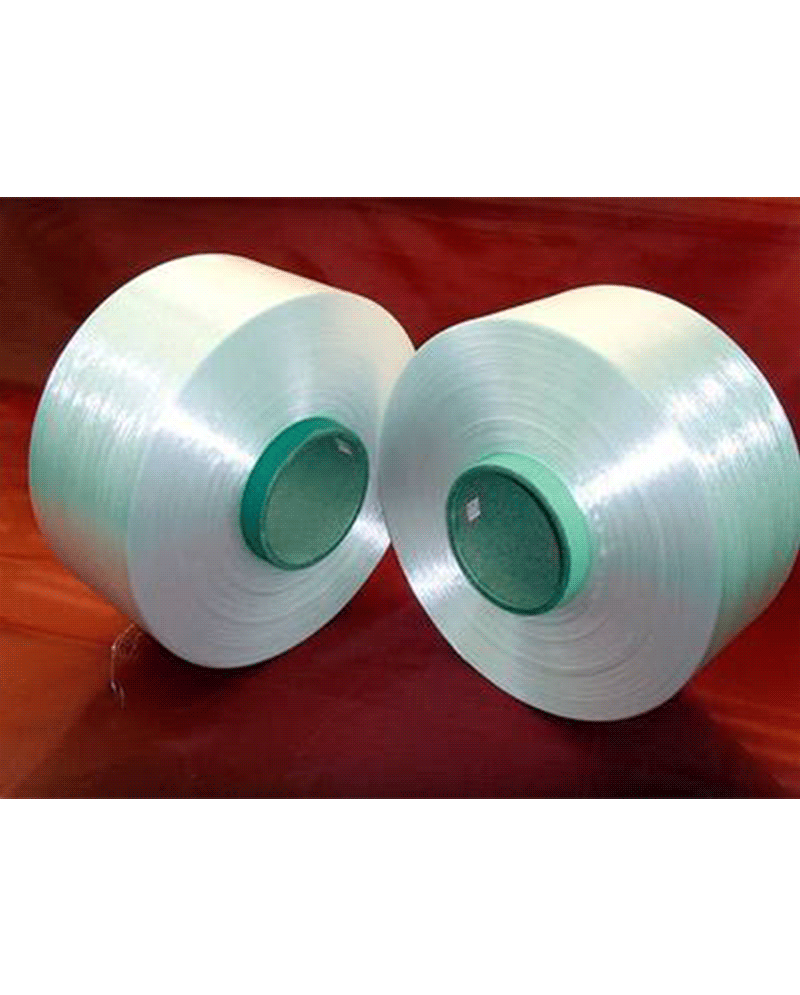
Stable Performance SD DTY (D/F) Normal Yarn
Why It Offers an Advantage Over Basic Alternatives
More Versatile Than Flat Filament Yarn
Flat filament yarn can provide smoothness and strength, but it may not deliver the same level of bulk, softness, crimp, or stretch recovery as DTY. SD DTY gives manufacturers additional design freedom. It can create fabrics with a fuller hand, better coverage, and more comfortable movement without requiring complicated blending in every application.
The textured structure also helps reduce the overly smooth or artificial character sometimes associated with untextured polyester. The semi-dull surface further supports a natural-looking appearance. For products where comfort and surface refinement matter, this can be a meaningful advantage.
More Economical Than Using High-Cost Specialty Fibers for Every Application
Not every textile product needs the extreme elasticity of a specialized elastomeric fiber. In many applications, moderate stretch and recovery are sufficient. SD DTY can provide these characteristics through its textured polyester structure, allowing designers to achieve comfort and flexibility without automatically increasing the cost or complexity of the fiber blend.
Polyester also offers practical durability, easy-care behavior, and broad availability. When matched correctly to the end use, it can provide a cost-effective alternative for products that require a combination of performance and commercial efficiency.
More Stable for Large-Scale Production
Low-cost yarn is not necessarily economical if it creates frequent breaks, uneven dyeing, fabric defects, or excessive machine adjustments. Stable SD DTY is positioned as a reliability-focused product. Consistent yarn construction can help reduce downstream waste and support uninterrupted manufacturing.
For textile mills, the real cost of yarn includes more than the purchase price. It also includes machine downtime, labor, reprocessing, claims, rejected fabric, and delayed shipments. A stable yarn that supports smooth production may deliver better overall value than a cheaper but inconsistent alternative.
More Flexible Than a Narrow Product Range
A broad D/F range allows buyers to source different yarn constructions from one experienced supplier. This can simplify purchasing, technical communication, sample development, and quality management. It also enables a fabric producer to test several yarn structures for the same product family without changing to multiple unrelated suppliers.
The company’s wider product list includes normal, recycled, cationic, functional, high-elastic, cotton-like, hollow-warm, and other differentiated yarn categories. This broader capability can be useful when customers need to move from a standard yarn to a recycled or functional version while maintaining similar development support.
Applications in Apparel and Fashion Textiles
SD DTY is suitable for many apparel categories because it combines softness, flexibility, durability, and color adaptability. In sportswear, the yarn can support stretchable and comfortable knitted structures that move with the wearer. It can be used in training tops, tracksuits, leggings, shorts, warm-up garments, and lightweight outer layers.
For casualwear and loungewear, the soft hand and semi-dull appearance help create fabrics that feel comfortable and look less synthetic. The yarn can also be used in T-shirts, pullovers, skirts, dresses, sleepwear, and relaxed-fit garments. When combined with suitable knitting patterns and finishing processes, it can produce a smooth or lightly textured surface.
In hosiery, filament selection is important because the yarn must balance softness, resilience, abrasion resistance, and machine performance. Appropriate SD DTY constructions can support socks, tights, stockings, and related products. The choice of denier and filament count affects coverage, transparency, comfort, and the final appearance of the hosiery.
SD DTY can also be used in linings, pocketing, decorative panels, stretch inserts, and blended fabrics. Designers may combine it with other polyester yarns, spandex, nylon, rayon, cotton, or functional fibers to achieve specific performance targets. The best result depends on blend ratio, fabric construction, dyeing route, and finishing method.
Applications in Home Textiles
Home textiles require an attractive appearance as well as resistance to repeated use. SD DTY is suitable for curtains, upholstery fabrics, cushion covers, bedding, blankets, table textiles, decorative fabrics, and household accessories. Its bulk and textured surface can help create a richer visual effect than a simple flat filament.
In curtains, the yarn can support fabrics with good coverage, pleasing drape, and stable dimensions. Semi-dull luster is often preferred for interior products because it avoids excessive glare under artificial or natural lighting. Depending on the fabric design, different D/F combinations can be selected to control weight, texture, and opacity.
For upholstery and cushion fabrics, abrasion resistance and dimensional performance are important. Heavier yarn constructions may be used to create dense and durable surfaces. The yarn’s ability to retain a consistent appearance after repeated handling supports the production of furniture textiles and decorative materials intended for regular household use.
In bedding and blankets, softness, warmth, volume, and color fastness are important considerations. Textured polyester can help create a fuller hand feel, while the appropriate filament arrangement can support a smooth surface. For products requiring moisture management, the fabric design and finishing treatment should be developed together with the yarn specification.
Microfine Yarn and Comfort-Oriented Textile Development
The supplied material also highlights microfine yarn applications. Extremely fine denier can reduce the stiffness of individual fibers and contribute to a very soft fabric handle. Fine filaments increase the total surface area and may enhance capillary action, helping moisture move through the fiber layer when the fabric construction is appropriately designed.
Microfine polyester can create a dense yet soft fiber layer. Light reflected from the numerous fine filaments may produce a silk-like luster rather than a harsh shine. These properties are attractive for premium clothing, towels, personal bathroom products, cleaning cloths, beauty products, and other materials that come into contact with skin.
Microfiber cleaning towels are often designed for repeated use. Their fine fiber structure can help capture moisture, dust, and particles, while polyester durability supports repeated washing. Proper care remains important: the finished product should be washed according to its construction and should not be exposed to treatments that damage the fiber or reduce its cleaning performance.
Although microfine yarn and normal SD DTY are distinct product directions, they demonstrate the manufacturer’s ability to work with different filament structures and performance objectives. Customers can discuss whether they need a standard textured yarn, a finer microfiber construction, or a differentiated yarn for a specific application.
Manufacturing Strengths and Product Development Capability
Suzhou Junhui Textile Co., Ltd. and Suzhou Xiaoran New Materials Co., Ltd. focus on the development and sale of differentiated yarns and knitting fabric products. Their product portfolio includes recycled yarn, polyester dope-dyed yarn, microfiber yarn, flame-retardant yarn, cationic-dyeing yarn, functional yarn, and other specialized materials.
The companies were founded in June 2015 and have developed an export-oriented business structure. According to the supplied company information, more than 90 percent of products are exported, and cooperative relationships have been established with customers in 36 countries. This international experience can help the company understand differences in market expectations, documentation, packaging, testing, and application requirements.
A professional research and development team supports discussions with internationally recognized enterprises on environmental protection, functional yarn, and fabric applications. This is important because yarn development is not limited to producing a specification. It requires an understanding of how the yarn behaves in knitting, weaving, dyeing, finishing, garment manufacturing, and final use.
The company’s strength lies in combining standard products with customization. Customers may require a particular D/F configuration, luster, color, elasticity, filament fineness, functional treatment, or fabric effect. The supplied product list states that orders for various types of differentiated yarn can be accepted, allowing buyers to discuss requirements rather than being restricted to a single standard specification.
Technical support is another important part of the company’s service approach. Customers may need assistance choosing between SD DTY, FD DTY, CD DTY, recycled DTY, SD/CD combinations, high-elastic yarn, or functional yarn. Guidance can also be useful when selecting denier and filament count for a target fabric weight, machine gauge, stitch density, or finishing process.
Product Selection Recommendations
For Lightweight Apparel
Lightweight apparel typically benefits from lower denier and finer filament configurations. These options can help produce soft, comfortable fabrics with a smooth surface and good drape. Buyers should consider whether the fabric is intended for next-to-skin use, layering, sportswear, or decorative fashion. A higher filament count may be preferred when a particularly soft hand is required.
For Sportswear
Sportswear requires a balance of stretch, recovery, moisture management, abrasion resistance, and color fastness. SD DTY can provide useful elasticity and bulk, while the fabric construction and finishing treatment determine the final moisture-management performance. For high-intensity applications, buyers should evaluate recovery after repeated extension, pilling resistance, abrasion, and wash durability.
For Home Textiles
Medium and heavier yarn specifications may be appropriate for curtains, upholstery, blankets, and decorative fabrics. The key considerations include coverage, weight, drape, surface texture, color stability, and dimensional behavior. Buyers should also consider the intended cleaning method and exposure to sunlight or household wear.
For Soft and Fine Fabrics
Fine denier and high-filament constructions are suitable for products where softness and surface refinement are priorities. Microfine options may be considered for personal-care textiles, premium apparel, and cleaning products. Sampling should confirm the desired absorbency, drying behavior, hand feel, and resistance to repeated laundering.
For Customized Projects
When a standard specification does not fully meet the project requirements, customers should provide details about the intended fabric, machine type, knitting or weaving method, target weight, color, stretch level, finishing process, and performance standards. This information helps the manufacturer recommend a more suitable yarn construction and establish an efficient sample-development process.
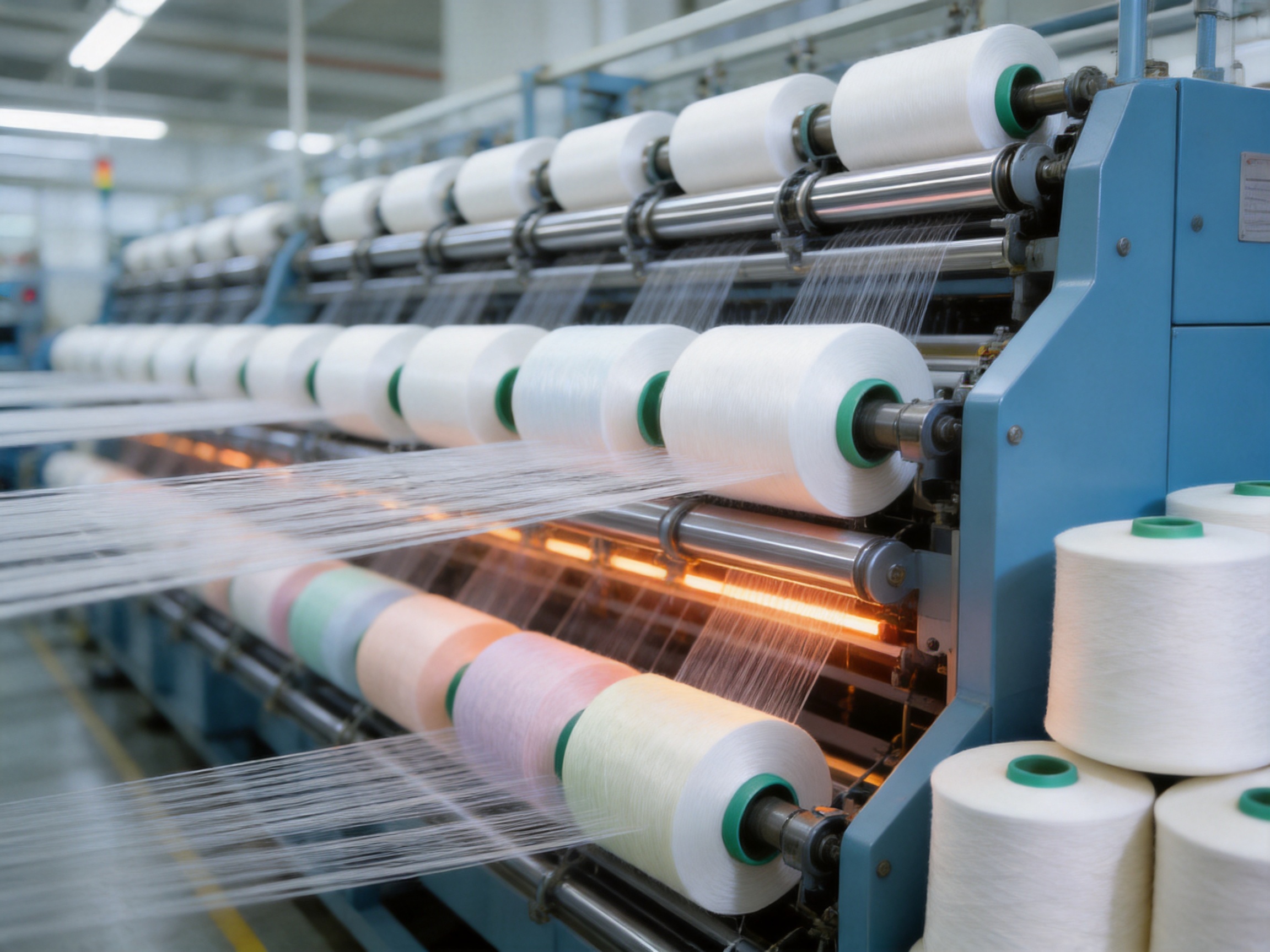
Processing Guidance for Textile Mills
Before bulk production, textile mills should conduct a practical trial using the actual machines and process conditions intended for the order. Yarn performance can vary according to machine gauge, feed tension, delivery speed, needle condition, loom settings, fabric construction, and finishing route. A trial helps confirm that the selected yarn produces the required appearance and productivity.
Storage conditions should be clean, dry, and protected from direct sunlight, contamination, and excessive temperature variation. Packages should remain in their original protective packaging until they are ready for use. Proper conditioning before processing can help reduce differences caused by environmental humidity and temperature.
During knitting or weaving, operators should monitor yarn tension, breakage, package unwinding, fabric width, loop formation, and surface uniformity. If problems occur, it is important to identify whether the cause is yarn specification, machine adjustment, package handling, or downstream process conditions. Good communication between the mill and supplier can speed up troubleshooting.
Dyeing should be developed according to the polyester type, color requirement, dye class, temperature profile, and finishing plan. Laboratory samples should be evaluated for shade, color fastness, dimensional change, hand feel, and surface appearance. Consistent pretreatment and controlled dyeing are necessary to obtain repeatable results.
Heat-setting can influence width, shrinkage, stretch, recovery, and fabric hand. The temperature, speed, overfeed, and residence time should be selected according to the fabric construction. Excessive heat may change the hand or reduce certain performance characteristics, while insufficient heat may leave the fabric dimensionally unstable.
Quality, Reliability, and Supply Partnership
A reliable yarn supplier contributes more than material delivery. The supplier should help customers define specifications, review samples, confirm quality targets, organize production, and resolve technical questions. This partnership approach is particularly valuable for overseas buyers managing multiple textile processes and delivery schedules.
Stable SD DTY supports supply-chain reliability because its intended performance is consistent across a broad range of applications. When a buyer has approved a specification, the same denier and filament configuration can be used for repeat orders, subject to normal quality verification. Clear product naming, specification confirmation, packaging standards, and inspection documentation further improve purchasing efficiency.
The company’s export experience and customer base provide a foundation for international business cooperation. Its service statement emphasizes responsiveness and professional support for product selection and problem solving. For manufacturers, timely technical communication can be as important as the yarn itself, especially when a new fabric is being developed or a production issue must be resolved quickly.
Environmental considerations are also increasingly important in textile purchasing. Although the product discussed here is a normal polyester DTY yarn, the wider product portfolio includes recycled and differentiated yarn series. This allows customers to explore alternative materials when recycled content, dope dyeing, functional performance, or other environmental objectives are required.
Commercial Value for Buyers
The commercial value of SD DTY should be evaluated through total production performance. A yarn that runs smoothly, produces consistent fabric, accepts color evenly, and minimizes reprocessing can support better production economics. Stable quality may also reduce claims and improve confidence when supplying demanding apparel and home-textile customers.
Specification flexibility can reduce the number of suppliers required for different product categories. A buyer may source fine yarn for lightweight fabrics, medium yarn for sportswear, and heavier yarn for home textiles while maintaining a relationship with the same manufacturer. This can simplify communication, shorten development cycles, and improve purchasing coordination.
Customization also creates opportunities for product differentiation. A textile producer may request a special filament arrangement, color, luster, elasticity, or functional variation to create a unique fabric. The manufacturer’s research and development capabilities can support discussions about how to transform a performance requirement into a practical yarn specification.
Environmental and Functional Expansion
The textile market increasingly requires materials that combine performance with environmental responsibility. Recycled polyester yarns can support products with recycled content, while dope-dyed yarns may reduce some dyeing-related processing requirements depending on the product design and production route. The company’s recycled series includes multiple DTY and FDY configurations, giving customers options beyond conventional yarn.
Functional yarns listed in the company portfolio include flame-retardant, anti-bacterial, moisture-wicking, high-elastic, cationic-dyeing, hollow-warm, cotton-like, and other differentiated types. These products are not identical to normal SD DTY, but they demonstrate the company’s ability to support applications requiring more specialized performance.
Customers should select functional products according to verified testing requirements and intended end use. A claim such as moisture wicking, flame retardancy, or anti-bacterial performance must be evaluated using appropriate standards and finished-fabric testing. The yarn is one part of the system; knitting, weaving, dyeing, finishing, and laundering can all influence the final result.
Q&A
What does SD DTY mean?
SD DTY means semi-dull draw textured yarn. The yarn has a subdued luster and receives a texturing treatment that introduces crimp, bulk, softness, flexibility, and recovery.
What does D/F mean in the product specification?
D/F refers to denier and filament count. Denier describes the yarn’s linear density, while filament count describes the number of individual filaments in the yarn. Both values influence fabric weight, softness, coverage, surface appearance, and processing behavior.
What are the main advantages of this yarn?
The main advantages include stable yarn uniformity, balanced elasticity, good recovery, soft hand feel, increased bulk, dimensional stability, useful dyeing performance, durability, and broad specification flexibility.
Which industries can use SD DTY?
It can be used in apparel, sportswear, casualwear, loungewear, hosiery, underwear, home textiles, curtains, upholstery, bedding, blankets, cleaning products, and other knitted or woven applications.
Is this yarn suitable for sportswear?
Yes. Its textured structure can provide flexibility and recovery, while polyester offers durability and color adaptability. The final moisture-management performance depends on fabric construction, finishing, and any additional functional treatment.
Can the yarn be used for home textiles?
Yes. Suitable specifications can be used for curtains, upholstery, cushion covers, bedding, blankets, and decorative fabrics. Heavier denier options may provide greater coverage and durability, while the semi-dull appearance creates a softer visual effect.
How should buyers choose the filament count?
A higher filament count generally supports a finer, softer, and smoother hand feel, while a lower filament count may produce a more defined or structured surface. The best choice depends on fabric construction, target hand, machine conditions, and end use.
Can customers request customized specifications?
The supplied company information states that orders for various differentiated yarns can be accepted. Buyers should provide the target denier, filament count, luster, color, elasticity, application, machine information, and testing requirements so the manufacturer can evaluate the request.
How does SD DTY compare with flat polyester filament yarn?
SD DTY generally offers more crimp, bulk, softness, and flexibility than flat filament yarn. Flat yarn may be preferred for smooth, structured, or highly lustrous effects, while SD DTY is suitable when a fuller and more comfortable fabric character is required.
How does it compare with highly elastic fibers?
SD DTY provides moderate stretch and recovery through texturing. It can be a practical choice when the fabric needs comfort and flexibility but does not require the extreme elasticity of a dedicated elastomeric fiber.
What quality checks should be requested?
Buyers may request information about denier, filament count, strength, elongation, crimp, shrinkage, interlacing, oil content, package build, appearance, color fastness, and other requirements relevant to the application. Finished-fabric testing should also be conducted.
How should the product be stored?
The yarn should be stored in a clean, dry environment away from direct sunlight, contamination, excessive heat, and abrupt environmental changes. Packages should remain protected until they are ready for processing.
Can the manufacturer supply alternatives to normal SD DTY?
The wider product portfolio includes recycled yarn, FDY, CD DTY, SD/CD combinations, high-elastic yarn, functional yarn, microfiber yarn, cationic-dyeing yarn, cotton-like yarn, hollow-warm yarn, and other differentiated products.
Why is supplier consistency important?
Consistent yarn quality helps reduce machine adjustments, yarn breaks, fabric defects, shade variation, reprocessing, and delivery risk. It also makes repeat production easier after a specification has been approved.
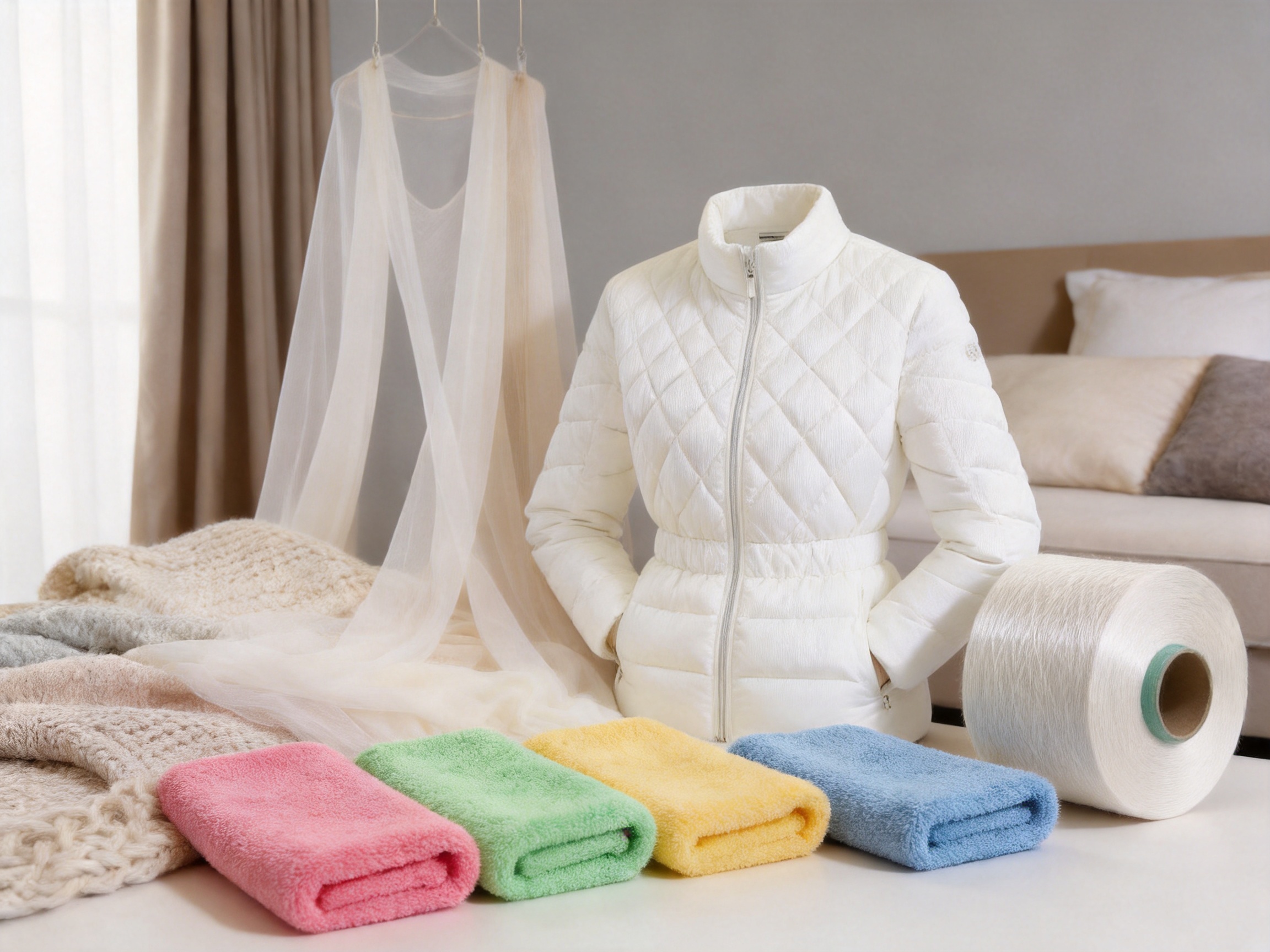
Conclusion
Stable Performance SD DTY (D/F) Normal Yarn is a dependable polyester textile material for manufacturers that need a combination of softness, bulk, elasticity, recovery, durability, dyeing adaptability, and dimensional stability. Its semi-dull appearance provides a refined surface effect, while the draw textured structure gives fabrics a more comfortable and voluminous character than ordinary flat filament yarn.
The product’s broad denier and filament-count range enables manufacturers to select constructions for lightweight apparel, sportswear, hosiery, curtains, upholstery, bedding, cleaning products, and other textile applications. Its value is strengthened by a manufacturing approach that emphasizes controlled drawing, stable texturing, heat setting, package formation, inspection, and technical support.
Suzhou Junhui Textile Co., Ltd. and Suzhou Xiaoran New Materials Co., Ltd. also offer a wider platform for differentiated yarn development, including recycled, functional, high-elastic, microfine, and specialized polyester products. Their export experience, research and development capability, and willingness to support customized orders make them suitable partners for textile buyers seeking both standard supply and application-focused solutions.
For the best results, buyers should confirm the required D/F specification, conduct machine and dyeing trials, review relevant quality data, and communicate the final fabric application clearly. With appropriate selection and process control, SD DTY (D/F) Normal Yarn can support efficient manufacturing and attractive, durable textile products across a wide range of markets.
References
1. Product specification and product list supplied for Stable Performance SD DTY (D/F) Normal Yarn.
2. Company information supplied for Suzhou Junhui Textile Co., Ltd. and Suzhou Xiaoran New Materials Co., Ltd.
3. General technical principles of polyester draw textured yarn manufacturing, including drawing, crimp formation, heat setting, interlacing, and package winding.
4. General textile engineering principles relating to denier, filament count, yarn uniformity, dyeing, dimensional stability, and fabric performance.
5. General application information concerning microfiber textiles, moisture movement, softness, cleaning products, apparel, and home-textile manufacturing.
Product: Stable Performance SD DTY (D/F) Normal Yarn

Popular products
-
Premium Cationic Interlock Stretch Comfort Fabric
-
Moisture-Wicking Nylon Woven Fabric
-
Double-faced jacquard elastic fabric
-
Heather Grey Double-faced cationic jersey fabric
-
Anti-static Cationic Knitted Rib Fabric
-
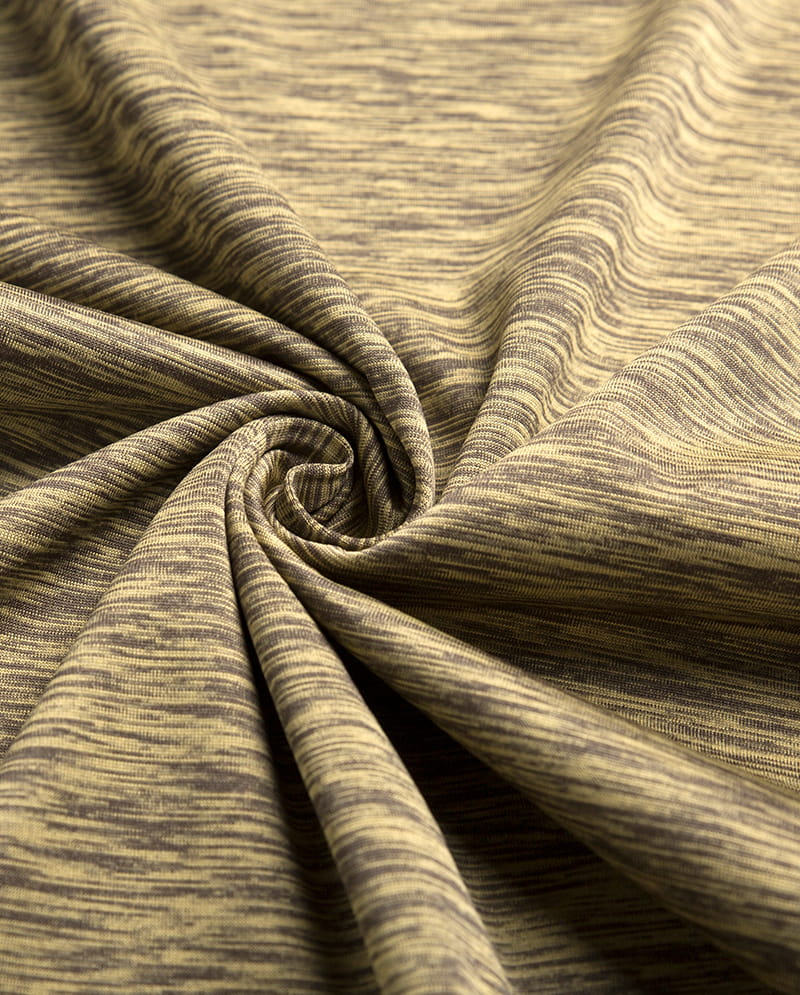
High-Stretch Cationic Jersey Fabric
-
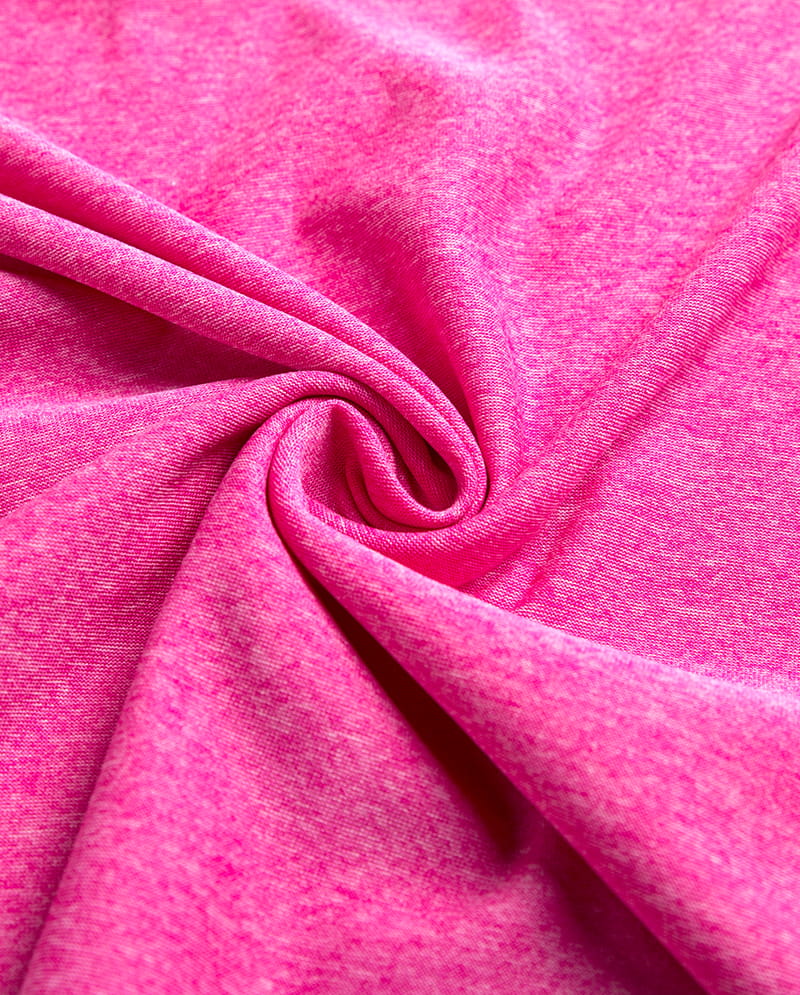
High Quality Cationic DTY Spandex Two Sides Brush Dralon Knit Fabric for Garment Thermal Underwear
-
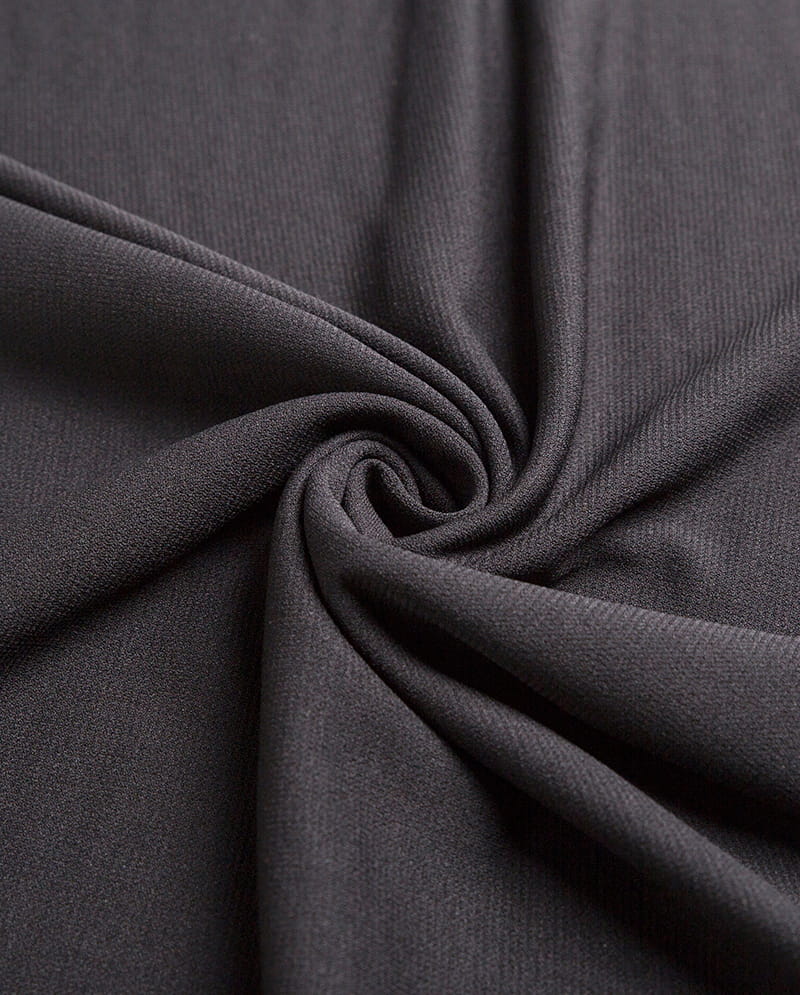
Durable Anti-Pilling Knitted Fabric for Home Textiles
-
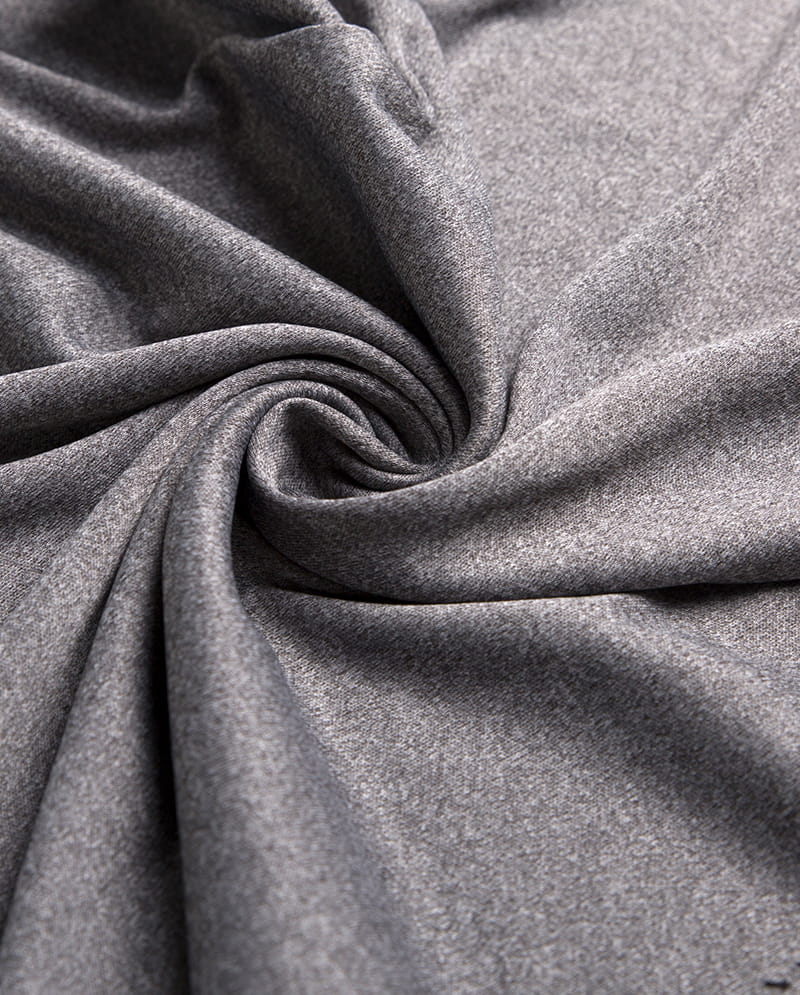
Wash-Resistant Cationic Elastic Knitted Fabric for Garment Industry
-
Breathable Double-Faced Elastic Composite Fabric
-
-
-
- whatsapp:
- 0086-13962559622
-
- skype:
- skype.aliceshenghong
-
- Wechat:


COPYRIGHT © 2016 Suzhou Junhui Textile Co., Ltd.
