

 EN
 English
 中文简体
Stable Performance SD DTY (D/F) Normal Yarn: Consistency, Versatility, and Reliable Textile Production
Content
- 1 1. Understanding SD DTY (D/F) Normal Yarn
- 2 2. Why Stable Performance Matters in Textile Manufacturing
- 3 3. Advantages Over Less Consistent or Less Suitable Alternatives
- 4 4. Product Specifications and Selection Guidance
- 5 5. Manufacturing Process and Technical Strengths
- 6 6. Advanced Manufacturing Strengths of the Supplier
- 7 7. Microfine Yarn and Softness-Related Performance
- 8 8. Application Areas
- 9 9. Quality Control from Yarn to Finished Fabric
- 10 10. Processing and Storage Recommendations
- 11 11. Sustainability and Product Development Direction
- 12 12. Commercial Advantages for Textile Buyers
- 13 13. How to Evaluate a Supplier Before Ordering
- 14 14. Recommended Purchasing Workflow
- 15 15. Questions and Answers
- 15.1 Q1: What does SD DTY mean?
- 15.2 Q2: What does D/F mean in the product specification?
- 15.3 Q3: Is this yarn suitable for knitting and weaving?
- 15.4 Q4: What fabrics can be made with this yarn?
- 15.5 Q5: Does the yarn provide stretch?
- 15.6 Q6: Is SD DTY suitable for high-performance sportswear?
- 15.7 Q7: What is the difference between SD DTY and FD DTY?
- 15.8 Q8: Can the yarn be dyed in different colors?
- 15.9 Q9: How should buyers choose between different filament counts?
- 15.10 Q10: Can the supplier provide customized yarn?
- 15.11 Q11: What related products are available?
- 15.12 Q12: How can buyers ensure stable repeat orders?
- 16 16. Final Assessment
- 17 References
- 18 Product: Stable Performance SD DTY (D/F) Normal Yarn
Stable Performance SD DTY (D/F) Normal Yarn is a semi-dull draw textured yarn developed for textile manufacturers that need dependable processing, consistent appearance, comfortable hand feel, and broad application flexibility. Combining the performance advantages of polyester with the texture and elasticity created by draw texturing, this yarn is suitable for knitting, weaving, apparel, home textiles, hosiery, upholstery, curtains, and many other fabric applications.
In modern textile production, yarn selection has a direct influence on fabric quality, machine efficiency, dyeing results, production costs, and customer satisfaction. A yarn may appear technically suitable on paper but still cause problems if its denier varies from batch to batch, its filament distribution is uneven, its crimp is unstable, or its dye absorption is inconsistent. Stable Performance SD DTY (D/F) Normal Yarn is designed to address these concerns through controlled specifications, dependable raw-material management, professional texturing technology, and systematic quality inspection.
The product is part of a broad portfolio of differentiated yarns supplied by Suzhou Junhui Textile Co., Ltd. and Suzhou Xiaoran New Materials Co., Ltd. The companies specialize in recycled yarn, polyester solution-dyed yarn, microfine yarn, flame-retardant yarn, cationic-dyeing yarn, functional yarn, and knitting fabric products. Their experience in serving international textile customers supports a product-development approach focused on practical performance, application suitability, and stable cooperation.
This article explains the construction, performance, manufacturing value, technical advantages, application range, quality considerations, and purchasing benefits of Stable Performance SD DTY (D/F) Normal Yarn.
1. Understanding SD DTY (D/F) Normal Yarn
DTY means draw textured yarn. It is generally produced by drawing partially oriented polyester yarn and applying controlled heat and mechanical texturing. The process gives the filament bundle a crimped structure, improving bulk, stretch, recovery, softness, and visual texture compared with a flat, untreated filament yarn.
SD means semi-dull. A semi-dull yarn contains a controlled degree of luster reduction, creating a softer and more subdued visual effect than bright polyester yarn. This appearance is valued in apparel, sportswear, home textiles, and knitted fabrics where a refined surface is preferred over a highly reflective, glossy look.
D/F refers to denier and filament count. The denier indicates the linear density of the yarn, while the filament count identifies the number of individual filaments in the yarn bundle. For example, a specification such as 75D/36F indicates a yarn with a nominal total denier of 75 and 36 filaments. A higher filament count at a similar denier generally allows a finer filament structure and can contribute to a softer hand feel, smoother surface, and more delicate fabric appearance.
The term “normal yarn” in this product category distinguishes the yarn from specialized variants such as recycled DTY, cationic-dyeing DTY, flame-retardant DTY, high-elastic yarn, or other functional constructions. Normal SD DTY remains highly versatile because it provides a balanced combination of processability, comfort, appearance, and cost efficiency without requiring a highly specialized end use.
Typical Technical Characteristics
Stable Performance SD DTY (D/F) Normal Yarn is characterized by a semi-dull appearance, textured filament structure, controlled crimp, reliable elasticity, soft touch, and stable dimensional behavior. Depending on the selected specification, the yarn can be used to create lightweight, medium-weight, or relatively full-bodied fabrics.
Characteristic |
Typical Product Value |
Production Benefit |
Yarn type |
Semi-dull draw textured polyester yarn |
Provides texture, bulk, and a refined low-luster appearance |
Construction |
Denier and filament configuration, or D/F |
Allows selection according to fabric weight and surface requirements |
Common range |
Approximately 25D to 300D in listed normal-series specifications |
Supports fine, medium, and heavier textile constructions |
Filament range |
Commonly from 12F to 384F, depending on specification |
Offers flexibility in softness, texture, and fabric coverage |
Elastic recovery |
Approximately 90% after 20% extension under stated test conditions |
Helps fabrics recover their shape after movement and use |
Dyeing performance |
Even color absorption and color fastness generally around grade 3.0–4.0 |
Supports stable coloration for apparel and home textiles |
Hand feel |
Soft, voluminous, and comfortable |
Improves the sensory quality of finished fabrics |
Actual values may vary according to denier, filament count, texturing conditions, color, package, testing method, and customer requirements. Buyers should confirm the technical specification and approval sample before mass production.
2. Why Stable Performance Matters in Textile Manufacturing
Textile manufacturers often evaluate yarn not only by its nominal specification but also by how reliably it behaves during production. Stable yarn can reduce machine stoppages, minimize fabric defects, simplify process adjustment, and improve the repeatability of finished goods.
When yarn tension fluctuates excessively, knitting and weaving machines may produce bars, streaks, loops, dropped stitches, irregular selvedges, or uneven fabric density. When the yarn has inconsistent crimp, the fabric may show variations in bulk, stretch, recovery, and surface appearance. When the dye absorption rate is uneven, the finished fabric may display shade differences that are expensive to correct.
Stable Performance SD DTY (D/F) Normal Yarn is designed around consistency. Its uniform filament distribution helps maintain a predictable yarn structure from package to package. Controlled texturing supports more consistent crimp and bulk. Careful package formation helps the yarn unwind smoothly and reduces unnecessary tension changes during knitting or weaving.
This stability is particularly important for large-volume orders, repeat programs, export production, and brands that require the same fabric appearance across multiple seasons. A stable yarn gives production teams a more reliable foundation for process parameters, allowing them to establish settings that can be reproduced over time.
Benefits of Consistency for Different Production Departments
For the purchasing department, stable yarn reduces the risk associated with changing suppliers or repeatedly correcting quality problems. For the production department, it supports efficient machine operation and fewer interruptions. For the dyehouse, it helps maintain more predictable color absorption. For the quality department, it simplifies inspection and traceability. For product designers, it offers a dependable material for developing new fabrics and garments.
These benefits distinguish a professionally manufactured DTY product from a low-cost yarn that may have an attractive initial price but causes higher total costs through waste, reprocessing, claims, and delivery delays.
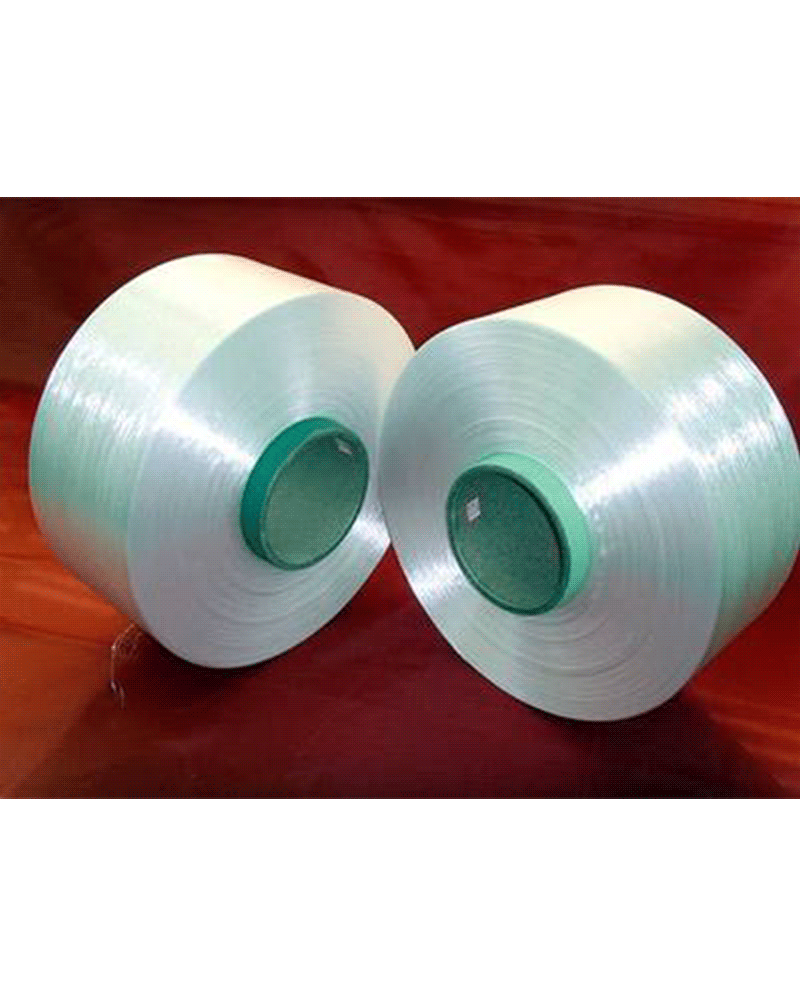
Stable Performance SD DTY (D/F) Normal Yarn
3. Advantages Over Less Consistent or Less Suitable Alternatives
Stable Performance SD DTY (D/F) Normal Yarn competes in a market that includes bright filament yarn, flat polyester yarn, lower-grade textured yarn, and various specialized yarn products. Its advantages depend on the intended application, but several comparisons are especially important.
Compared with Bright Polyester Yarn
Bright polyester yarn can produce a strong reflective surface. This may be appropriate for certain decorative fabrics, but it is not always desirable for modern sportswear, casualwear, underwear, bedding, or home furnishings. The semi-dull effect of SD DTY creates a more restrained and textile-like appearance. It reduces excessive shine while preserving the strength and easy-care characteristics associated with polyester.
The textured construction also gives the fabric more body and a softer visual character than a flat bright filament yarn. For customers seeking a comfortable, contemporary appearance, SD DTY can provide a better balance between surface refinement and production efficiency.
Compared with Flat Filament Yarn
Flat filament yarn generally has a smoother and more uniform linear form, but it does not provide the same degree of bulk, crimp, or natural stretch associated with draw textured yarn. SD DTY can create fabrics with improved fullness, better recovery, and a more comfortable hand feel.
In applications such as sportswear, lounge garments, hosiery, and knitted apparel, the crimped structure helps the fabric accommodate movement and return toward its original form. This makes DTY a practical choice where comfort and shape retention are more important than a completely flat surface.
Compared with Unstable Low-Grade DTY
Not all DTY products offer the same level of performance. Differences in raw-material quality, spinning uniformity, texturing control, package formation, and inspection standards can lead to major differences in actual production behavior.
A lower-grade textured yarn may show irregular crimp, excessive intermingling variation, uneven dye uptake, broken filaments, oil contamination, or poor package unwinding. These issues can become visible only after the yarn enters a knitting, weaving, dyeing, or finishing process.
Stable Performance SD DTY (D/F) Normal Yarn is intended to provide a more reliable balance of quality and commercial value. Its competitive advantage is not based only on the nominal denier. It is based on the repeatability of the entire product, from raw material preparation through final packing.
Compared with Highly Specialized Functional Yarns
Flame-retardant, antibacterial, moisture-wicking, cationic-dyeing, recycled, and high-elastic yarns can provide valuable additional functions. However, specialized products may involve different cost structures, processing requirements, color limitations, or application constraints.
Normal SD DTY is advantageous when the customer needs a versatile standard yarn for broad fabric programs. It provides dependable everyday performance without requiring the additional cost or process adaptations associated with a more specialized yarn. At the same time, the supplier’s broader differentiated-yarn portfolio allows customers to move to a functional alternative when a project requires one.
4. Product Specifications and Selection Guidance
The normal-series product list includes a wide range of SD DTY and related yarn constructions. Listed SD DTY specifications include 30/36, 50/72, 75/36–72–144, 100/72–144, 120/192, and 150/144–192–288. Additional normal yarn configurations include 25/72, 30/12–24–36–72, 50/36–48–72–144, 75/36–48–72–144, 100/36–48–96–144, 120/144, 150/48–96–144–288, 200/96–288–384, and 300/96–192–288–576.
These specifications are not interchangeable in actual fabric production. The correct choice depends on fabric construction, machine gauge, target weight, desired opacity, softness, stretch, surface texture, and finishing method.
Target Fabric Requirement |
Suggested Selection Consideration |
Expected Textile Effect |
Fine, lightweight knitted fabric |
Lower denier with a suitable filament count |
Light hand feel, smooth surface, and flexible drape |
Soft everyday apparel |
Medium denier and moderate-to-high filament count |
Balanced softness, fullness, and comfortable coverage |
Sportswear and active garments |
Specification selected for recovery, fabric density, and moisture-management design |
Comfortable stretch response and stable garment shape |
Home textiles |
Medium or heavier denier according to required durability and coverage |
Body, resilience, and a soft semi-dull appearance |
Heavy knitted or woven construction |
Higher denier or multiple yarn arrangement |
Greater fabric substance and visual fullness |
Fine, silk-like surface effect |
Finer filament configuration and appropriate finishing |
Soft surface, refined luster, and delicate drape |
When selecting the product, manufacturers should provide the supplier with information about machine type, gauge, fabric construction, target weight, dyeing route, finishing process, and end-use requirements. This allows the yarn specification to be matched more accurately to the application.
Denier and Filament Count
Denier determines the overall mass of the yarn. A higher denier generally contributes to greater coverage, thickness, and fabric weight. Filament count influences the fineness of each individual filament. At a similar total denier, a higher filament count can create a finer filament bundle and a softer, more luxurious hand feel.
For example, a yarn with a relatively high filament count may be selected when a smooth, soft, and comfortable surface is desired. A lower filament count may be appropriate when a more pronounced texture or different mechanical behavior is required. The final result also depends on knitting or weaving parameters and finishing conditions.
Color and Dyeing Considerations
Polyester DTY is commonly dyed using suitable disperse-dyeing processes. Stable Performance SD DTY supports even color absorption when the yarn and dyeing process are correctly matched. The reported color-fastness range of approximately grade 3.0–4.0 provides a useful reference, but actual performance depends on color depth, dye selection, dyeing temperature, reduction clearing, finishing, and testing conditions.
Customers requiring strict color standards should approve laboratory dips or fabric samples before placing a large order. For repeat production, the use of retained samples, approved color standards, and documented process conditions can further improve color consistency.
5. Manufacturing Process and Technical Strengths
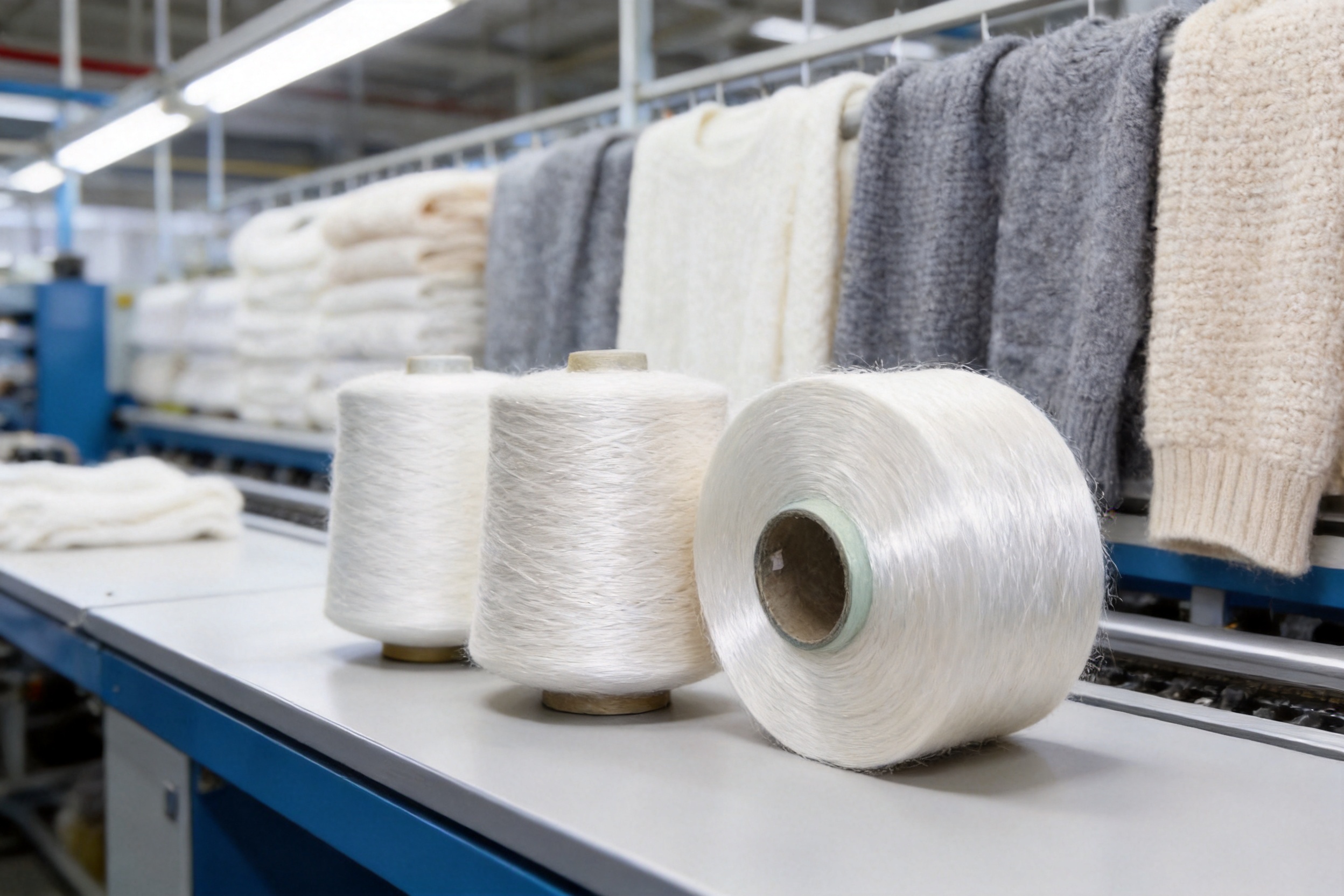
The quality of DTY depends on a sequence of connected manufacturing stages. A reliable supplier must control more than the final appearance of the yarn. The raw material, spinning condition, texturing parameters, winding process, packaging method, and inspection system all influence final performance.
Raw-Material Preparation
Polyester polymer or polyester feedstock must be selected and prepared according to the intended yarn specification. Raw-material consistency affects intrinsic viscosity, strength, elongation, thermal response, dyeing behavior, and texturing performance. Stable input materials make it easier to maintain predictable production conditions.
Proper storage is also important. Materials should be protected from contamination, excess moisture, and unsuitable temperature conditions. Production planning should distinguish different polymer grades, colors, and functional requirements to reduce the risk of mixing or traceability problems.
Spinning and Filament Formation
During spinning, polymer is melted and extruded through a spinneret to form continuous filaments. The shape and condition of the spinneret, extrusion temperature, spinning speed, cooling air, and take-up conditions influence filament uniformity.
Uniform filament formation is essential for a stable D/F yarn. Variations in filament diameter or orientation can later become variations in tension, crimp, dye uptake, and fabric appearance. Professional process control therefore begins before the yarn is textured.
Drawing and Orientation
The drawing stage adjusts molecular orientation and mechanical properties. Controlled drawing contributes to tensile strength, elongation, dimensional stability, and the yarn’s response to the texturing process.
Drawing conditions must be matched to the polymer characteristics and the target product. Excessive or insufficient drawing can affect the final balance between strength and elongation. Stable process settings help produce yarn that behaves predictably during downstream knitting and weaving.
Texturing
Draw texturing introduces crimp and bulk into the filament bundle. Heat, friction, false-twist action, speed ratios, and tension are coordinated to create the desired texture. The purpose is not simply to make the yarn curly. The texturing process must produce a controlled and repeatable structure that remains stable during storage, processing, dyeing, and end use.
Texturing quality influences stretch, recovery, covering power, softness, fabric fullness, and visual uniformity. If the crimp is too weak, the fabric may lack body and recovery. If the crimp is too strong or uneven, the yarn may create excessive tension variation or an irregular fabric surface.
For Stable Performance SD DTY (D/F) Normal Yarn, process control is focused on achieving a balanced textured structure. This contributes to the stated elastic recovery of approximately 90% after 20% extension under applicable test conditions. The exact value depends on the specification and test method, but the principle remains important: the yarn should offer useful recovery without sacrificing processability.
Intermingling and Package Formation
Intermingling helps improve filament cohesion so that the yarn can be handled efficiently during knitting, weaving, winding, and warping. The appropriate level of intermingling supports stable yarn behavior without creating unnecessary hardness or irregularity.
Winding transforms the textured yarn into packages suitable for storage and downstream use. Package density, edge formation, winding tension, and package stability affect unwinding performance. A well-formed package helps reduce yarn breaks and tension fluctuations on the customer’s machine.
Inspection and Testing
Quality inspection may include checks for denier, filament count, strength, elongation, crimp, shrinkage, oil content, package appearance, color, and unwinding performance. The specific inspection plan may vary according to the customer’s standard and product specification.
Sampling should be organized so that quality results represent the entire production lot rather than only one package. Retained samples and production records help with traceability, repeat orders, and technical communication.
6. Advanced Manufacturing Strengths of the Supplier
Suzhou Junhui Textile Co., Ltd. and Suzhou Xiaoran New Materials Co., Ltd. have built their business around differential yarn and textile-material development. Their product range includes recycled yarn, polyester drop-dyed yarn, microfine yarn, flame-retardant yarn, cationic-dyeing yarn, high-elastic yarn, antibacterial yarn, moisture-wicking yarn, cotton-like yarn, hollow warm yarn, and knitting fabrics.
This broad portfolio is an important manufacturing strength because it reflects experience with multiple polymer systems, cross-sectional effects, dyeing requirements, and end-use expectations. A company that develops both standard and differentiated yarns can draw on a wider technical understanding when solving a customer’s material problem.
Research and Development Capability
The companies maintain a professional research and development team and cooperate with internationally recognized enterprises on environmental-protection and functional yarn applications. This orientation supports continuous product improvement and helps connect laboratory development with commercial textile production.
Research and development in yarn manufacturing is not limited to creating a new product name. It includes adjusting denier and filament combinations, improving softness, refining dyeing behavior, developing recycled-content products, improving functional performance, and adapting yarns to different knitting and weaving systems.
For customers, this means that a standard product such as SD DTY can serve as a starting point for technical discussion. If a future project requires higher elasticity, a special color effect, recycled content, antibacterial performance, moisture management, flame resistance, or a different surface appearance, the supplier may be able to recommend a related product family.
Integrated Product Portfolio
The product list includes normal-series SD DTY, FD DTY, SD DDB, CD DTY, SD+CD DTY, white-and-black yarn, recycled yarn, high-elastic yarn, PBT/PET yarn, functional yarn, and cotton-like yarn. This range gives textile manufacturers more than one route to meet changing market requirements.
For example, a customer may use normal SD DTY for a basic apparel program, recycled SD DTY for an environmentally positioned collection, cationic-dyeing yarn for a special two-tone effect, or moisture-wicking yarn for performance sportswear. Having related products from one experienced source can simplify sampling, communication, and supply-chain management.
Export Experience and International Service
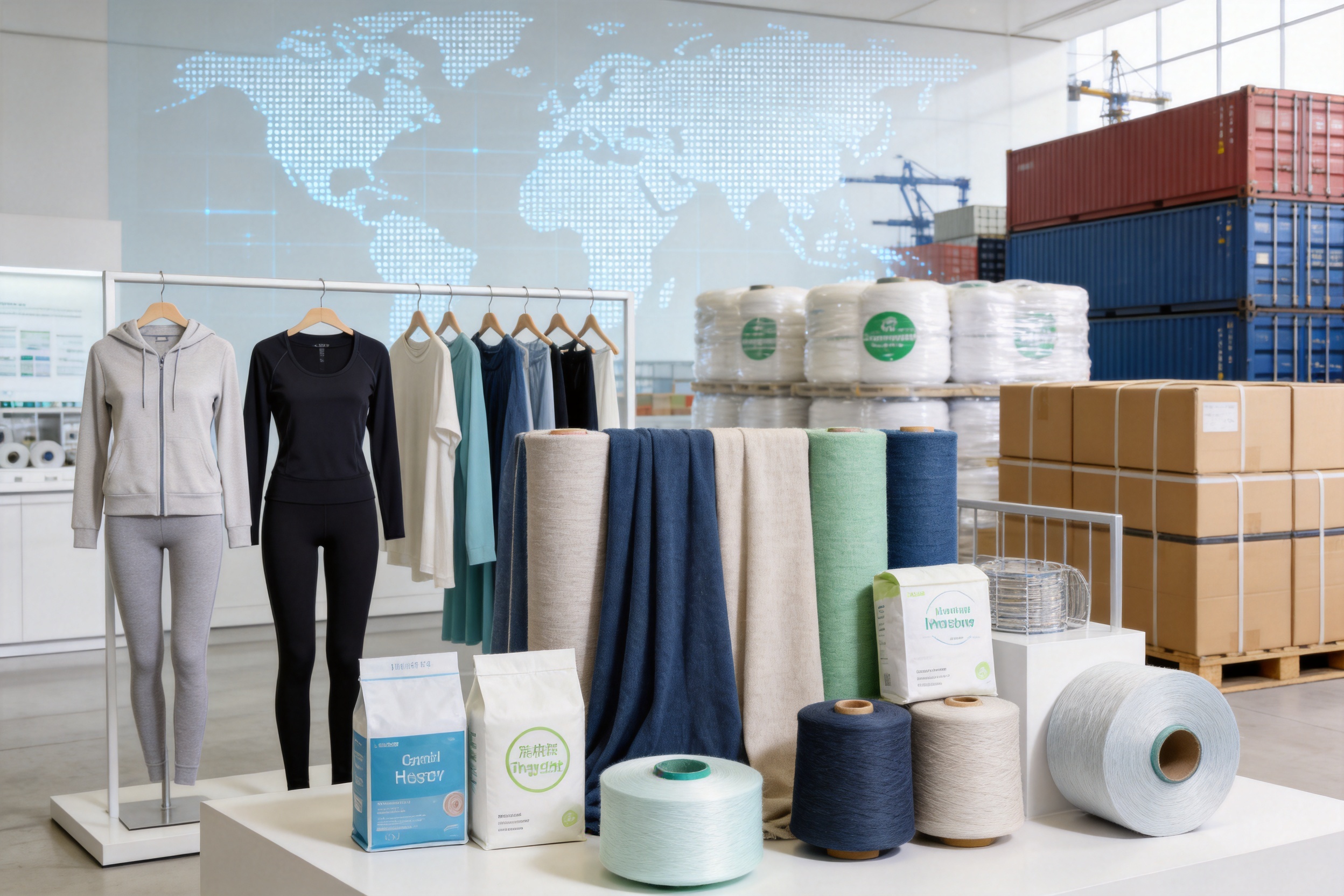
More than 90% of the products are exported, and the companies have established customer relationships in 36 countries. International business requires attention to packaging, documentation, communication, lead times, product specifications, and quality expectations across different markets.
The supplier’s stated service objective is to respond to customers within 12 hours globally. Fast technical communication is valuable when a buyer needs specification confirmation, sample coordination, production updates, or assistance with a fabric problem.
Flexible Differentiation
The product information states that orders for different kinds of differentiated yarn can be accepted. This flexibility is useful for buyers that need more than a standard catalog specification. A differentiated order may involve a special denier, filament configuration, color, functional additive, recycled material, or application-specific performance target.
Customization should be evaluated through technical discussion and sample approval. Important factors include minimum order quantity, development time, raw-material availability, testing requirements, color standard, packaging, and expected annual volume.
7. Microfine Yarn and Softness-Related Performance
Microfine yarn is highlighted in the product information because extremely fine denier can reduce fiber stiffness and improve fabric softness. Fine filaments increase the specific surface area of the fiber bundle and may enhance capillary effects. They can also influence how light is distributed across the fabric surface, creating a refined appearance that may resemble the visual softness of silk.
Microfine constructions are often selected for clothing, personal-care textiles, cleaning products, beauty products, towels, and household articles. Their fine structure can support a soft hand, good drape, comfortable contact with skin, and effective moisture movement when combined with suitable fabric construction.
Stable Performance SD DTY is not identical to every microfine or microfiber product, but the relationship between filament fineness and tactile performance is relevant when selecting the D/F configuration. Customers seeking a particularly soft fabric should discuss both total denier and filament count rather than evaluating denier alone.
In a fabric, softness is affected by yarn fineness, filament cross-section, crimp, fabric density, knitting or weaving structure, dyeing, raising, brushing, and finishing. Therefore, the yarn should be assessed in the intended fabric construction. A laboratory fabric sample is usually more meaningful than a yarn-only touch test.
8. Application Areas
Apparel
SD DTY is suitable for a wide range of apparel fabrics. Its soft hand, moderate stretch response, semi-dull appearance, and dimensional stability support T-shirts, sportswear, casualwear, loungewear, underwear, leggings, skirts, dresses, and other knitted or woven garments.
For apparel, fabric designers can select the D/F configuration according to desired drape, opacity, fullness, and surface texture. Higher filament counts may contribute to a smoother and softer surface, while suitable denier selection helps determine fabric weight and coverage.
Sportswear and Active Garments
Sportswear requires materials that can accommodate body movement, maintain shape, and remain comfortable during repeated use. The crimped structure of DTY can contribute to stretch and recovery, while polyester provides durability and easy-care properties.
Moisture management depends on the complete fabric system. Yarn construction, cross-section, capillary pathways, fabric geometry, finishing, and garment design all affect the final result. Standard SD DTY can be used in sportswear where general comfort and shape recovery are required, while specialized moisture-wicking yarn may be considered for higher performance targets.
Loungewear and Hosiery
Softness and comfort are especially important in loungewear and hosiery. A properly selected SD DTY can create a pleasant hand feel and a flexible fabric structure. Its elastic recovery supports repeated stretching during wear, while its dimensional stability helps reduce unwanted deformation after washing.
Home Textiles
The product is suitable for curtains, upholstery, bedding-related fabrics, decorative textiles, cushions, and other household applications. The semi-dull appearance can provide a sophisticated look, and the textured structure can add body and surface interest.
For home textiles, the buyer should evaluate abrasion resistance, light exposure, washing conditions, flame requirements, and color fastness according to the final application. Where special regulatory requirements apply, a functional or flame-retardant yarn may be more appropriate than standard SD DTY.
Cleaning and Personal-Care Products
Fine polyester yarns and microfiber-related constructions can be used in cleaning cloths, personal bathroom products, beauty-industry implements, and household wiping articles. Their fine filament structure can help create a soft surface and a large effective contact area.
Cleaning products should be evaluated for absorbency, capillary behavior, linting, durability, washing resistance, and surface safety. Polyester itself is not naturally hydrophilic in the same way as some regenerated or natural fibers, so fabric construction and finishing are important when moisture handling is required.
9. Quality Control from Yarn to Finished Fabric
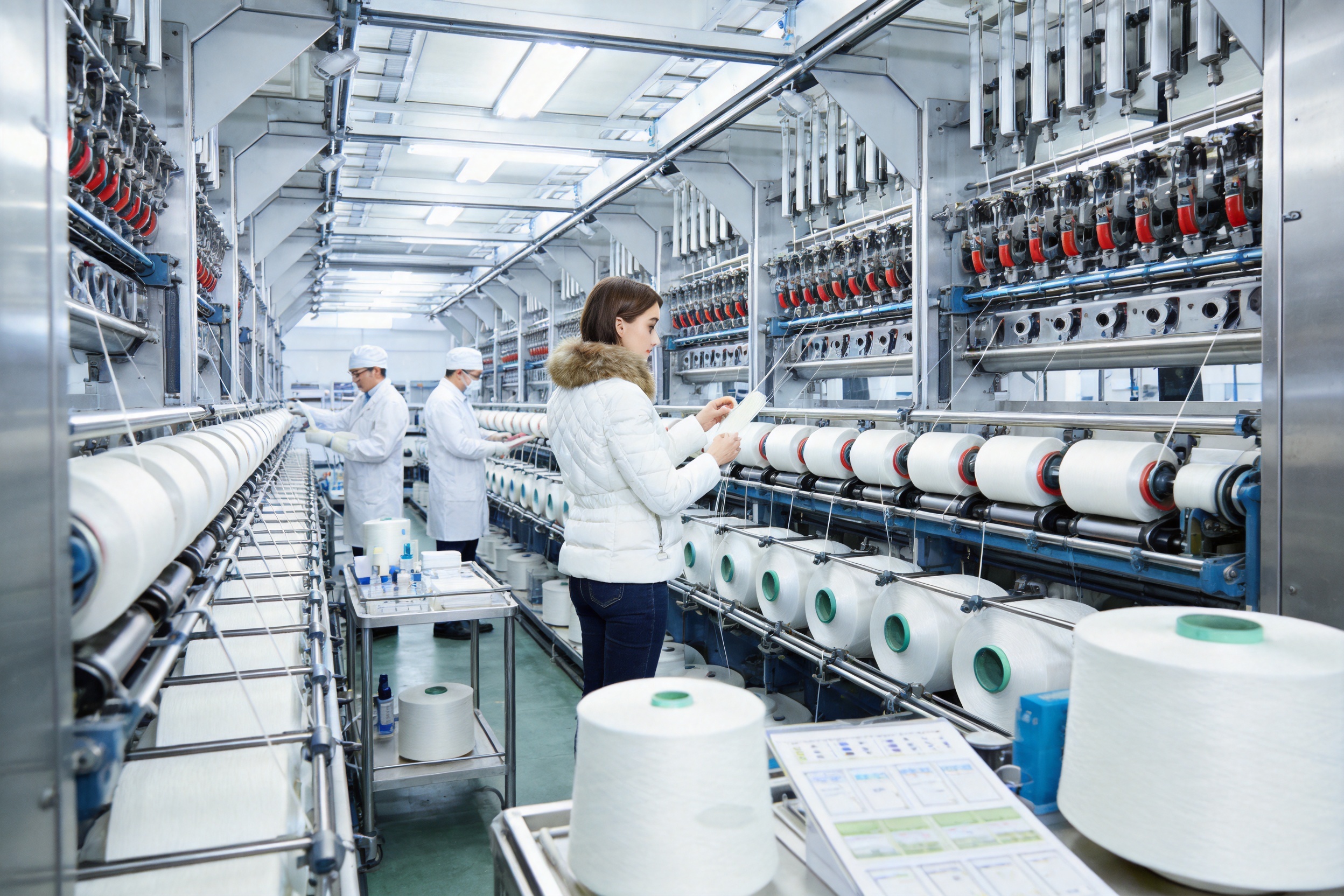
Reliable yarn performance depends on controlling variation at several levels. A professional quality system should connect raw-material records, production parameters, package identification, laboratory testing, and customer feedback.
Raw-Material Control
Raw materials should be checked against approved requirements before entering production. Documentation may include supplier information, batch number, material grade, and relevant physical or chemical data. Proper identification reduces the risk of using an unsuitable polymer or mixing different material categories.
In-Process Control
Production operators and technical staff monitor critical process conditions during spinning, drawing, texturing, and winding. The purpose is to identify deviations early rather than waiting until the final package is complete.
Important observations may include yarn tension, temperature, speed, equipment condition, filament breakage, package formation, and visual appearance. Preventive equipment maintenance is also essential because worn guides, unstable heaters, or contaminated components can affect yarn quality.
Laboratory Testing
Laboratory testing provides objective information that complements visual inspection. Depending on the order, tests may cover linear density, tensile strength, elongation, crimp properties, shrinkage, color, oil content, and package unwinding.
Color-fastness testing should be conducted according to an agreed method. The reference value of grade 3.0–4.0 is useful as a general indication, but customers may have stricter requirements depending on market, end use, and brand standard.
Customer-Sample Approval
Before mass production, customers should approve a yarn sample or fabric sample under defined conditions. Sample approval can confirm appearance, softness, texture, color, recovery, shrinkage, and processing suitability.
For repeat orders, the approved sample should be retained as a reference. Any change in raw material, specification, dyeing method, finishing route, or intended end use should be communicated before production.
10. Processing and Storage Recommendations
Even a stable yarn can be affected by unsuitable handling. Packages should be stored in a clean, dry, and temperature-controlled environment where possible. Excessive humidity, direct sunlight, contamination, compression, and rough handling should be avoided.
Packages should remain in their protective packaging until they are needed for production. When moving packages, operators should avoid dropping, dragging, or placing excessive pressure on package edges. Damaged packages may create unwinding problems even when the yarn inside remains technically acceptable.
Before production, the yarn should be conditioned to the operating environment if required by the customer’s process. Knitting and weaving settings should be established gradually, with attention to yarn tension, machine speed, guide condition, needle or loom condition, and fabric density.
Because DTY has a textured structure, excessive tension can alter fabric appearance and reduce the intended bulk or stretch effect. Process settings should therefore be optimized for the selected denier and filament count rather than copied directly from another yarn.
During dyeing and finishing, the process should be matched to polyester fiber behavior. Temperature control, dye selection, reduction clearing, washing, heat setting, and finishing chemistry can all influence final color, shrinkage, hand feel, and recovery.
11. Sustainability and Product Development Direction
The textile industry is increasingly evaluating the environmental impact of raw materials, production processes, product durability, and end-of-life options. Standard polyester yarn remains widely used because of its strength, processability, durability, and recyclability potential, but responsible sourcing and efficient production remain important.
Suzhou Junhui Textile Co., Ltd. and Suzhou Xiaoran New Materials Co., Ltd. also develop recycled yarn and other environmentally oriented products. This gives customers an opportunity to compare standard SD DTY with recycled alternatives according to the requirements of a particular product program.
A responsible material decision should consider the complete product objective. Durability, service life, washing performance, production waste, dyeing efficiency, recycled content, and final product quality all influence the environmental profile of a textile. A yarn that reduces defects and extends garment life can provide practical sustainability benefits in addition to any material claim.
For customers developing environmental-protection products, technical discussions should address recycled content, certification requirements, traceability, color limitations, mechanical performance, and production consistency. Claims should be supported by appropriate documentation and testing.
12. Commercial Advantages for Textile Buyers
Stable Performance SD DTY (D/F) Normal Yarn offers several commercial advantages beyond its physical properties.
First, its broad specification range supports different fabric programs. A buyer can select fine, medium, or heavier yarn configurations without changing to an entirely different material category.
Second, its standard positioning makes it suitable for regular production. Customers do not need to use a specialized functional yarn when the application only requires softness, texture, recovery, stability, and a semi-dull appearance.
Third, consistent performance can reduce hidden costs. Fewer yarn breaks, lower fabric rejection, fewer shade problems, and more predictable finishing can improve total production economics.
Fourth, the supplier’s wider product portfolio creates opportunities for product expansion. A customer can begin with standard SD DTY and later evaluate recycled, functional, high-elastic, cationic, cotton-like, or microfine options as market requirements change.
Fifth, export experience and responsive communication help support international purchasing. Buyers can discuss specifications, samples, packaging, technical requirements, and order planning with a supplier accustomed to serving customers in multiple countries.
13. How to Evaluate a Supplier Before Ordering
Buyers should evaluate more than the quoted price. The following questions can help determine whether a supplier is suitable for long-term cooperation.
Does the supplier provide a clear specification including denier, filament count, luster, texturing type, color, package weight, and tolerance?
Can the supplier provide a representative sample or fabric trial?
Are production lots traceable through batch records and package labels?
Does the supplier have experience with the buyer’s knitting, weaving, dyeing, or finishing process?
Can the supplier support related yarn categories if the buyer later needs recycled or functional products?
Are testing methods and quality standards clearly agreed before production?
Can the supplier communicate quickly when technical questions or quality issues arise?
Does the supplier maintain appropriate packaging and storage practices for export shipments?
A supplier’s ability to answer these questions clearly is often an indicator of manufacturing maturity. Stable performance is created through systems, not through a single final inspection.
14. Recommended Purchasing Workflow
Step One: Define the Application
Identify the final product, fabric construction, machine type, target weight, desired hand feel, color, stretch level, and performance expectations.
Step Two: Select a Preliminary D/F Specification
Choose a denier and filament count based on the intended fabric. If the application is uncertain, request two or more specifications for comparison.
Step Three: Conduct a Laboratory or Machine Trial
Run the yarn on the intended equipment whenever possible. Evaluate unwinding, tension, breakage, fabric appearance, stretch, recovery, dyeing, shrinkage, and finishing response.
Step Four: Approve a Reference Sample
Record the approved yarn specification and fabric result. Retain samples for future comparison.
Step Five: Confirm Production Requirements
Discuss quantity, package type, delivery schedule, color, labeling, inspection, documentation, and any special requirements.
Step Six: Monitor the First Mass-Production Lot
Inspect the first shipment carefully and compare it with the approved sample. Feedback from the first order can be used to refine future production.
15. Questions and Answers
Q1: What does SD DTY mean?
SD DTY means semi-dull draw textured yarn. “Semi-dull” describes the controlled low-luster appearance, while “draw textured yarn” describes the process used to create crimp, bulk, and stretch recovery in the filament bundle.
Q2: What does D/F mean in the product specification?
D/F refers to denier and filament count. Denier indicates the total linear density of the yarn, and filament count indicates how many individual filaments make up the yarn.
Q3: Is this yarn suitable for knitting and weaving?
Yes. Stable Performance SD DTY can be used in both knitting and weaving, provided the selected specification matches the machine, fabric construction, and processing conditions.
Q4: What fabrics can be made with this yarn?
It can be used for sportswear, casualwear, loungewear, hosiery, underwear, knitted apparel, woven apparel, curtains, upholstery, home textiles, and other fabric products requiring softness, texture, and stable performance.
Q5: Does the yarn provide stretch?
The textured structure provides useful elasticity and recovery. The stated product information indicates approximately 90% elastic recovery after 20% extension under applicable test conditions. Actual fabric stretch depends on yarn specification, fabric structure, finishing, and the use of other elastic materials.
Q6: Is SD DTY suitable for high-performance sportswear?
It can be suitable for general sportswear where comfort, recovery, softness, and dimensional stability are required. For specialized moisture management, antibacterial performance, flame resistance, or other advanced functions, a functional yarn from the supplier’s portfolio may be more appropriate.
Q7: What is the difference between SD DTY and FD DTY?
SD DTY has a semi-dull appearance with reduced luster. FD DTY generally has a brighter appearance. The choice depends on the desired visual effect, fabric style, and customer preference.
Q8: Can the yarn be dyed in different colors?
Yes. Polyester DTY can be processed through suitable dyeing systems, and the yarn is described as offering even color absorption and color fastness generally around grade 3.0–4.0. Specific colors and fastness requirements should be confirmed through sample testing.
Q9: How should buyers choose between different filament counts?
Filament count should be selected according to the desired softness, surface smoothness, drape, coverage, and fabric construction. A higher filament count at a similar denier may provide a finer and softer filament structure, but the final result should be verified through fabric trials.
Q10: Can the supplier provide customized yarn?
The product information states that orders for different kinds of differentiated yarn can be accepted. Customized requirements should be reviewed in advance, including specification, color, function, recycled content, minimum quantity, delivery time, and testing requirements.
The supplier’s portfolio includes recycled DTY and FDY, cationic-dyeing yarn, SD+CD yarn, high-elastic yarn, PBT/PET yarn, flame-retardant yarn, antibacterial yarn, moisture-wicking yarn, cotton-like yarn, hollow warm yarn, microfine yarn, and other differentiated textile materials.
Q12: How can buyers ensure stable repeat orders?
Buyers should approve a reference sample, maintain consistent process conditions, use clear purchase specifications, request batch traceability, and communicate any changes in end use or finishing process. Comparing each shipment against the approved standard also helps maintain continuity.
16. Final Assessment
Stable Performance SD DTY (D/F) Normal Yarn is a practical and versatile polyester textile material for manufacturers seeking reliable processing, controlled appearance, comfortable touch, useful recovery, and broad application potential. Its semi-dull effect provides a refined alternative to highly glossy filament yarn, while its draw-textured structure contributes to bulk, softness, elasticity, and fabric fullness.
The most important advantage is consistency. Uniform filament distribution, controlled texturing, stable package formation, and systematic inspection help reduce production uncertainty. These qualities can support better machine efficiency, more predictable dyeing, fewer fabric defects, and improved repeat-order performance.
The manufacturing strengths of Suzhou Junhui Textile Co., Ltd. and Suzhou Xiaoran New Materials Co., Ltd. extend beyond this one product. Their research and development experience, broad differentiated-yarn portfolio, export background, and customer-oriented technical service create a foundation for both standard and customized textile-material programs.
For buyers, the best results will come from selecting the D/F specification according to the actual fabric application, conducting a representative trial, agreeing on quality standards, and maintaining close technical communication throughout the order. When these steps are followed, SD DTY can become a dependable foundation for apparel, sportswear, home textiles, hosiery, upholstery, curtains, and many other textile products.
References
1. Product information and technical description for Stable Performance SD DTY (D/F) Normal Yarn, supplied in the product materials.
2. Product specification list covering normal, recycled, cationic, high-elastic, functional, cotton-like, and related yarn series, supplied in the product materials.
3. General principles of polyester filament spinning, drawing, texturing, winding, and package formation used in textile-yarn manufacturing.
4. General textile testing principles for linear density, tensile properties, elongation, crimp, shrinkage, color fastness, and package unwinding.
5. General technical references concerning polyester DTY applications in knitting, weaving, apparel, home textiles, hosiery, and upholstery.
Product: Stable Performance SD DTY (D/F) Normal Yarn

Popular products
-
Premium Cationic Interlock Stretch Comfort Fabric
-
Moisture-Wicking Nylon Woven Fabric
-
Double-faced jacquard elastic fabric
-
Heather Grey Double-faced cationic jersey fabric
-
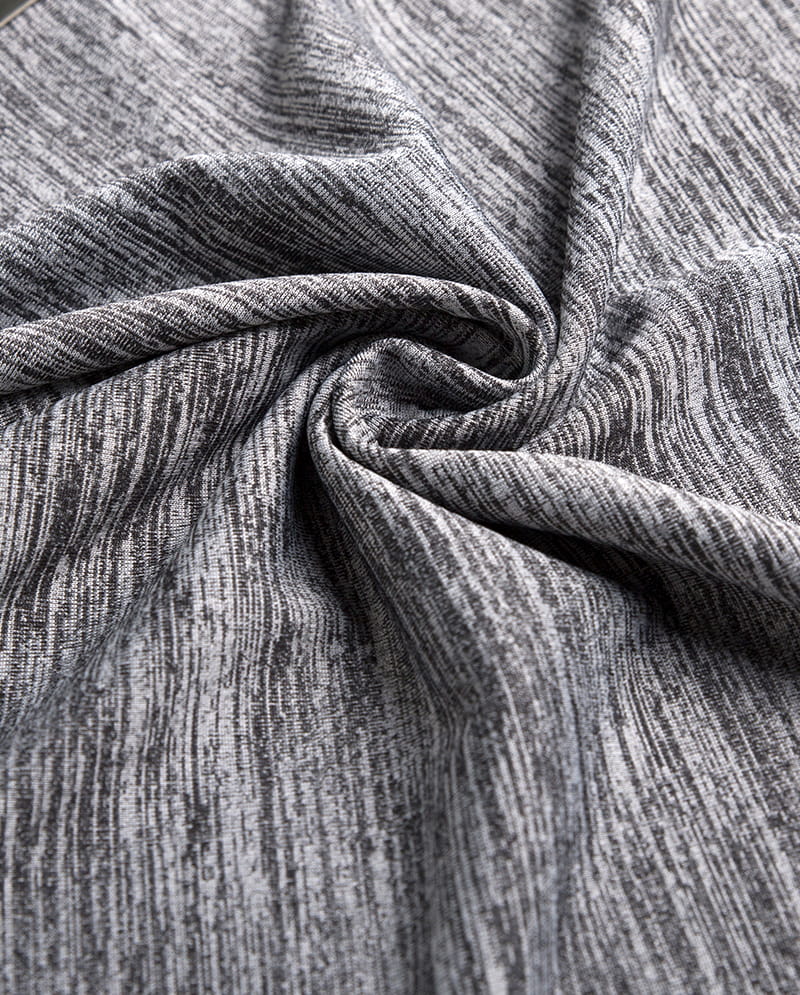
Anti-static Cationic Knitted Rib Fabric
-
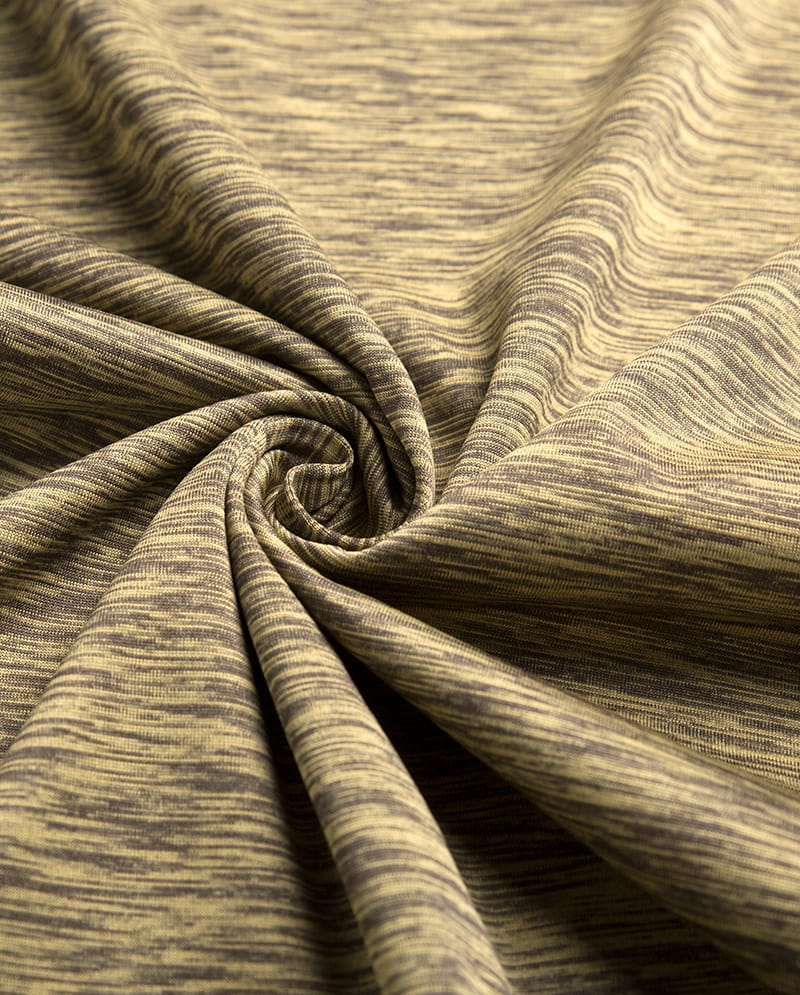
High-Stretch Cationic Jersey Fabric
-
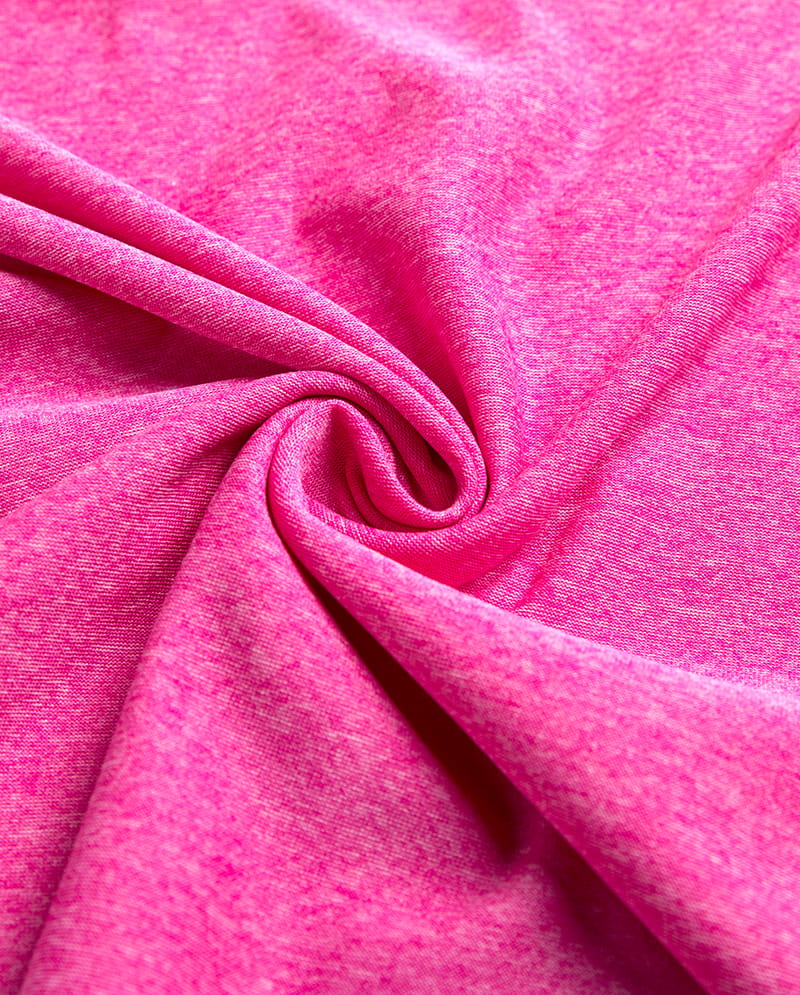
High Quality Cationic DTY Spandex Two Sides Brush Dralon Knit Fabric for Garment Thermal Underwear
-
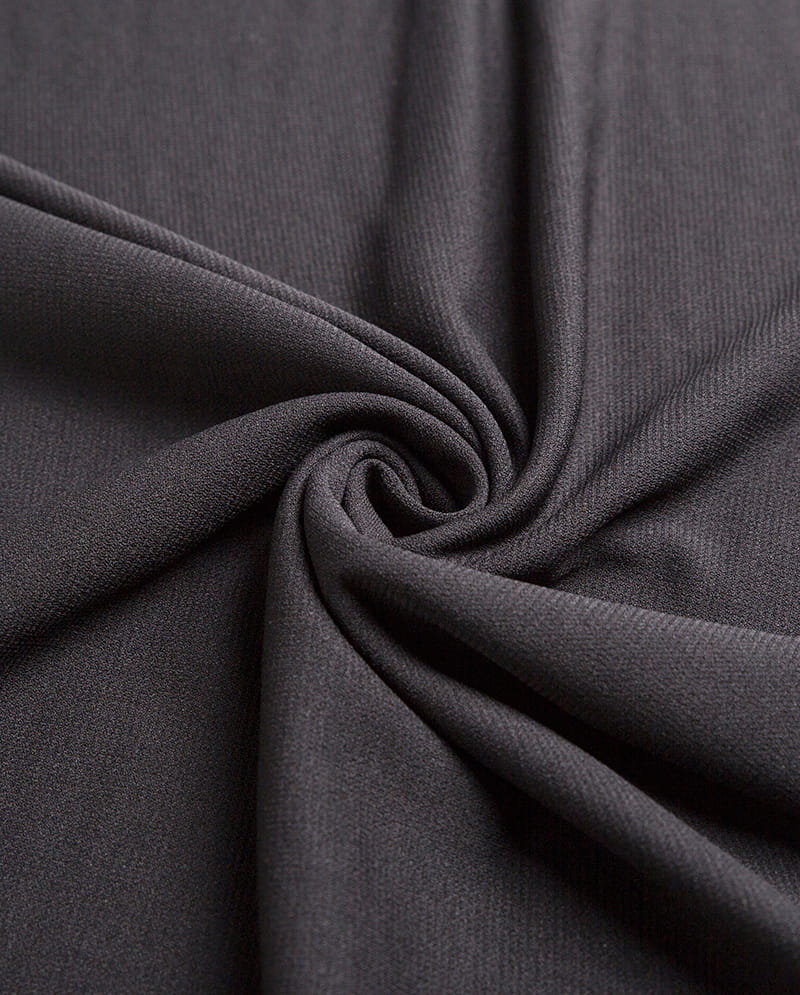
Durable Anti-Pilling Knitted Fabric for Home Textiles
-
Wash-Resistant Cationic Elastic Knitted Fabric for Garment Industry
-
Breathable Double-Faced Elastic Composite Fabric
-
-
-
- whatsapp:
- 0086-13962559622
-
- skype:
- skype.aliceshenghong
-
- Wechat:

COPYRIGHT © 2016 Suzhou Junhui Textile Co., Ltd.
