

 EN
EN English
 中文简体
中文简体Stable Performance Full Dull DTY Yarn for Modern Textile Weaving
Content
- 1 Understanding FD DTY (D/F) Normal Yarn
- 2 Key Product Advantages
- 3 Comparison with Common Competitor Yarn Types
- 4 Manufacturing Strength Behind the Yarn
- 5 How Full Dull Technology Improves Fabric Quality
- 6 Applications in Winter Clothing Fabrics
- 7 Applications in High-Grade Knitted Fabrics
- 8 Applications in Outdoor Sports Fabrics
- 9 Product Range and Specification Flexibility
- 10 Quality Control for Stable Weaving
- 11 Environmental and Functional Development Capability
- 12 Why the Yarn Supports Better Fabric Differentiation
- 13 Practical Selection Guidance for Buyers
- 14 Company Service and Export Support
- 15 Q&A Section
- 15.1 What is FD DTY (D/F) Normal Yarn?
- 15.2 Why is full dull yarn preferred for winter and outdoor fabrics?
- 15.3 How does this yarn differ from bright polyester yarn?
- 15.4 What are the main advantages for weaving mills?
- 15.5 Can this yarn be used for knitted fabrics?
- 15.6 What applications are most suitable for this product?
- 15.7 Does the yarn provide ultraviolet protection?
- 15.8 Why is filament count important?
- 15.9 Can customers request differentiated yarns?
- 15.10 What makes the supplier competitive?
- 16 Conclusion
- 17 References
- 18 Product: Stable performance FD DTY (D/F) Normal Yarn for Textile Weaving
Stable performance FD DTY (D/F) Normal Yarn for Textile Weaving is a full dull polyester draw textured yarn designed for fabric producers who require dependable weaving behavior, soft visual appearance, comfortable hand feel, and practical functionality in everyday and outdoor textile applications. As the textile market moves toward fabrics that combine appearance, performance, and efficiency, full dull DTY yarn has become an important material for manufacturers of winter apparel fabrics, down jacket fabrics, high-grade knitted fabrics, sportswear fabrics, and functional woven textiles.
This yarn belongs to the normal yarn category, yet its value extends beyond conventional commodity polyester yarn. Its full dull effect is achieved through a high level of delustering agent, which changes the brightness of the fiber and creates a refined matte surface. Instead of reflecting light sharply like bright yarns, the fiber diffuses light in a softer and more natural way. This characteristic gives finished fabrics a premium low-gloss appearance, making them suitable for garments and textile products that require elegance, comfort, and visual restraint.
For weaving mills, the stability of yarn performance is as important as the appearance of the finished fabric. The product is engineered to support consistent processing, reliable tension, uniform filament distribution, and predictable fabric formation. These qualities help manufacturers reduce weaving interruptions, improve fabric surface quality, and maintain more consistent production output. In competitive textile supply chains, a yarn that performs steadily on looms and delivers repeatable fabric results can provide a strong advantage over inconsistent alternatives.
Stable performance FD DTY (D/F) Normal Yarn for Textile Weaving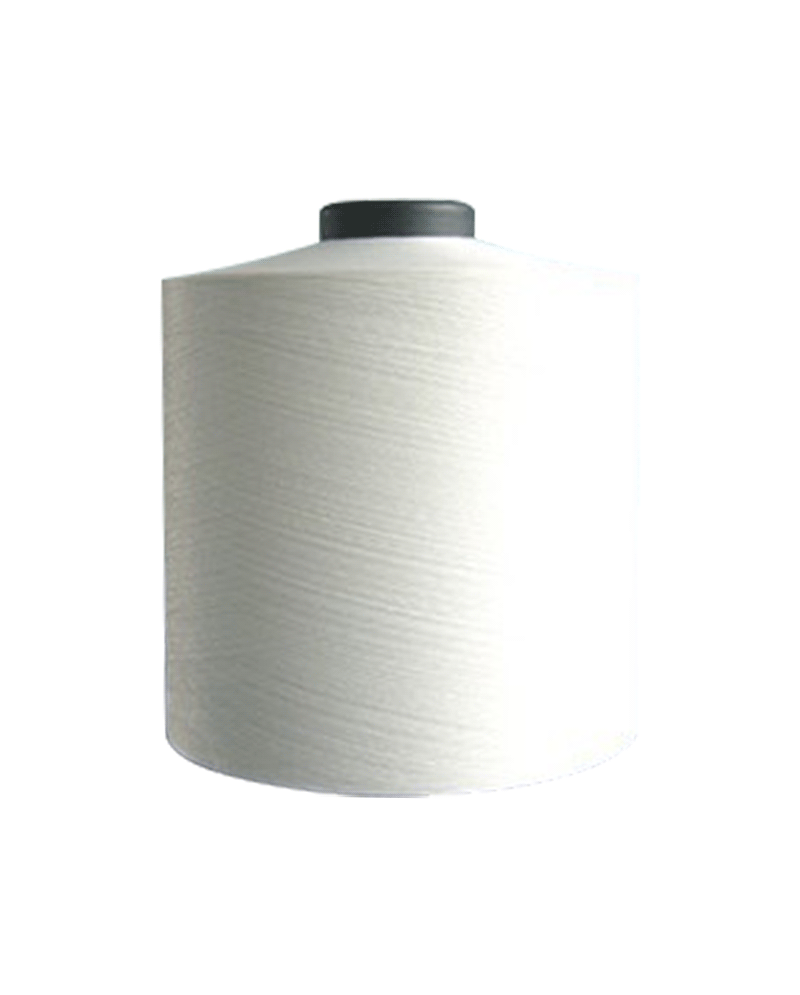
Understanding FD DTY (D/F) Normal Yarn
FD DTY (D/F) refers to full dull draw textured yarn with denier and filament specifications. “FD” indicates full dull, meaning the yarn contains a relatively high content of delustering agent to reduce brightness. “DTY” means draw textured yarn, a polyester yarn that has been textured to provide bulk, elasticity, softness, and improved fabric coverage. “D/F” represents denier and filament count, two important technical indicators that influence thickness, texture, fabric density, drape, and final fabric performance.
Compared with ordinary bright or semi-dull polyester yarn, full dull DTY offers a softer and more subdued appearance. This is especially important in fabrics where excessive shine is undesirable, such as winter jackets, outdoor apparel, casual garments, down-proof fabrics, sports textiles, and premium knitted materials. The yarn helps create fabrics that appear more natural and refined, while still retaining the strength, durability, and processing advantages of polyester.
The product title emphasizes “stable performance,” and this is a crucial point for industrial users. In yarn procurement, stability includes more than one parameter. It means stable denier, stable elongation, stable strength, stable oiling, stable package formation, stable dyeing response where applicable, and stable running behavior during weaving or knitting. Even a yarn with attractive specifications can cause production losses if it breaks frequently, creates tension variation, or causes uneven fabric surface. A stable yarn helps fabric producers protect productivity and quality.
Full dull DTY is particularly suitable for customers who want to combine the practical advantages of polyester with a more comfortable, low-glare fabric style. The yarn can be used in both woven and knitted fabric structures, depending on the selected denier and filament count. For weaving, it supports fabric compactness, surface smoothness, and functional fabric design. For knitting, it can contribute to waxy hand feel, soft touch, elasticity, and refined surface texture.
Key Product Advantages
The first major advantage of this FD DTY (D/F) Normal Yarn is its excellent dulling effect. The yarn is formulated with a high level of delustering agent, which modifies the optical behavior of the fiber. Instead of producing a glossy, reflective surface, the yarn scatters light and delivers a pleasant matte appearance. This creates a more understated fabric look, suitable for modern apparel brands that prefer refined texture over excessive shine.
The second advantage is its good diffuse light effect. A fabric made with full dull yarn can reduce sharp reflection and glare. This is not only an aesthetic benefit but also a functional feature for outdoor sports fabrics. In bright environments, low-glare fabric can appear more comfortable and practical. It also helps the garment maintain a natural look under different lighting conditions, from retail displays to outdoor sunlight.
The third advantage is ultraviolet resistance. The full dull formulation contributes to the yarn’s ability to reduce ultraviolet penetration when used in suitable fabric structures. Although the final ultraviolet protection level depends on fabric density, color, finishing, and construction, the yarn itself provides a useful foundation for outdoor apparel and winter fabric applications. For manufacturers targeting sportswear, down garments, and functional casual wear, this property adds value.
The fourth advantage is comfortable touch. The addition of delustering agent influences the fiber’s internal and surface characteristics, supporting a more comfortable tactile experience. Finished fabrics can show a soft, waxy, and less synthetic hand feel compared with overly bright polyester materials. This makes the yarn suitable for clothing products that come close to the skin or require a premium touch.
The fifth advantage is stable weaving performance. Yarn used in textile weaving must run smoothly through preparation, warping, sizing when required, shedding, picking, beating-up, and fabric take-up. A yarn with consistent physical properties helps reduce loom stoppages, broken ends, surface defects, and fabric inconsistency. Stable FD DTY supports production efficiency and quality control, which are essential for large-scale fabric mills and export-oriented manufacturers.
The sixth advantage is wide application flexibility. The yarn can be used for winter clothing fabrics, down fabrics, outdoor sports fabrics, high-grade knitted fabrics, and woven textiles requiring a matte surface. It can also be combined with other yarn types to create blended effects, functional textures, and differentiated fabric designs. This flexibility helps textile mills respond quickly to changing market demand.
Comparison with Common Competitor Yarn Types
Many textile manufacturers compare full dull DTY with bright yarn, semi-dull yarn, cationic yarn, recycled yarn, and other differential polyester yarns. Each yarn type has its own purpose, but FD DTY offers a balanced combination of appearance, comfort, durability, and processability. In applications where low gloss, soft feel, and stable weaving are required, full dull DTY often provides stronger overall value than standard bright alternatives.
Bright polyester yarn can deliver high luster, which may be useful for decorative fabrics, linings, ribbons, or products that require a shiny surface. However, bright yarn is not always ideal for winter clothing, outdoor garments, or premium casual apparel. Excessive shine can make fabric look less natural and less refined. FD DTY solves this issue by creating a muted surface that is more suitable for contemporary garment trends.
Semi-dull yarn is widely used and provides moderate brightness reduction, but it may not achieve the deep matte effect required by some fabric designers. Full dull DTY has a stronger extinction function, meaning it can better shield harsh light reflection and produce a more elegant fabric surface. This advantage is especially valuable in down jacket shells, sportswear, and high-grade knitted textiles.
Some competitors may offer full dull yarn but lack consistency in quality. In actual weaving, small variations in denier, tension, oil content, package hardness, and filament uniformity can cause defects. Stable performance FD DTY is positioned to reduce these risks. The benefit to customers is not only the yarn’s appearance but also its ability to support efficient production and consistent fabric quality.
Another advantage over lower-grade yarn is better suitability for differentiated textile development. Many buyers today do not want basic polyester only; they need materials that can support value-added fabric categories. Full dull DTY can serve as a foundation for outdoor, winter, comfort, and premium fabric lines. When combined with professional technical support and a broad product portfolio, it enables mills to create more competitive products.
Comparison Item |
Stable FD DTY (D/F) Normal Yarn |
Typical Bright Polyester Yarn |
Common Semi-Dull Yarn |
Visual Style |
Matte, refined, natural, low-glare |
Glossy and highly reflective |
Moderately subdued but less matte |
Light Diffusion |
Strong diffuse effect for softer appearance |
Sharp reflection and obvious shine |
Medium diffusion effect |
Comfort Perception |
Soft, waxy, comfortable hand feel |
Can feel more synthetic in appearance and touch |
Acceptable comfort, depending on grade |
Outdoor Fabric Suitability |
Good choice for sports and winter fabrics |
Less suitable where glare control is needed |
Suitable for general use but less specialized |
Weaving Stability |
Designed for stable textile weaving performance |
Varies by supplier and grade |
Varies by supplier and grade |
Fabric Value Positioning |
Supports premium and functional fabric development |
Often used for basic or decorative shine effects |
Common general-purpose positioning |
Manufacturing Strength Behind the Yarn
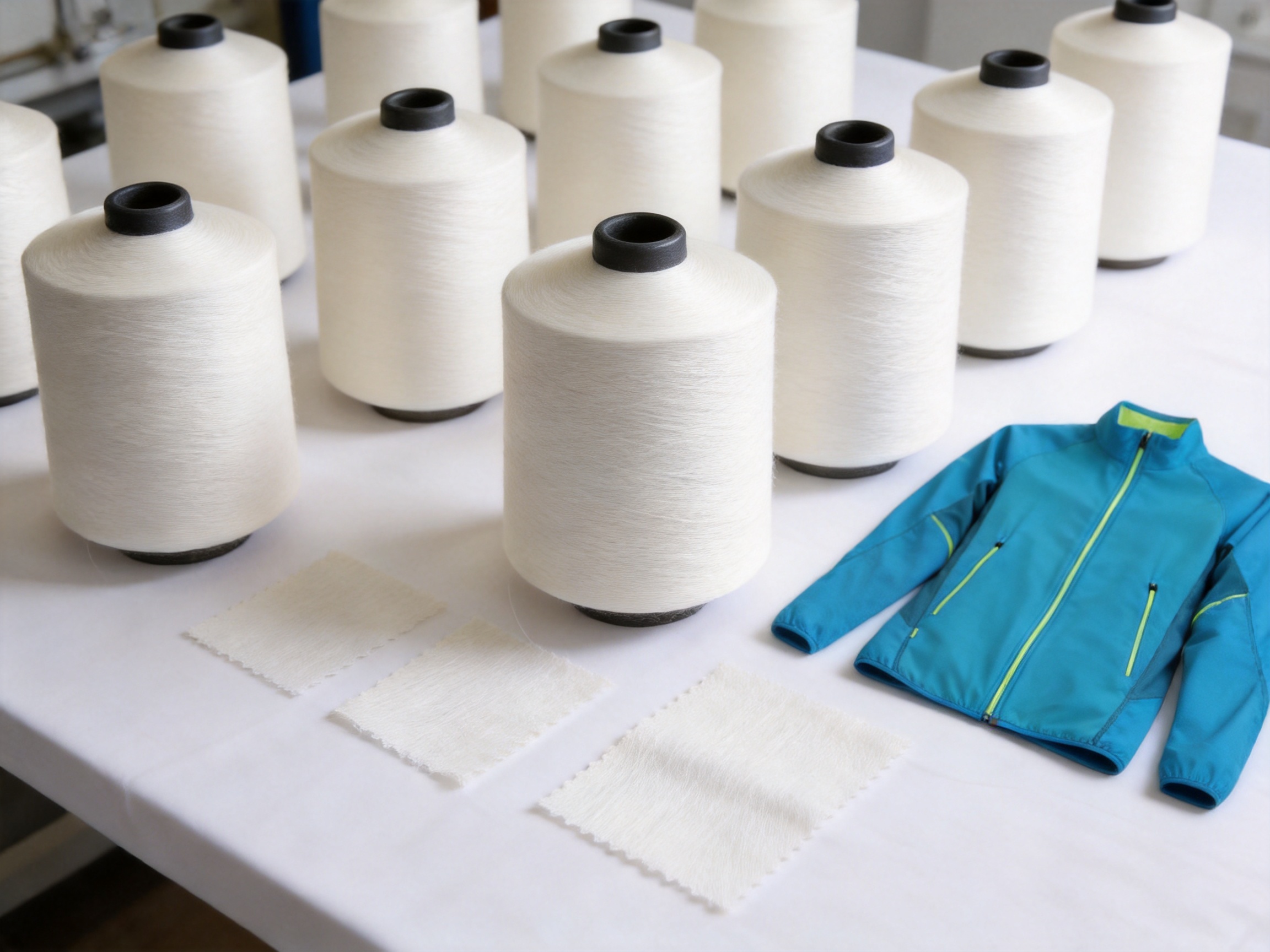
Suzhou Junhui Textile Co., Ltd. and Suzhou Xiaoran New Material Co., Ltd. are committed to the development and sales of differential yarns, including recycled yarn, polyester dope-dyed yarn, microfine yarn, flame-retardant yarn, cationic dyeing yarn, knitting fabric products, and other functional yarn solutions. This background gives the company strong experience in producing and supplying yarns that go beyond ordinary polyester materials.
The company was founded in June 2015 and has developed into a service-oriented textile enterprise with a strong focus on environmental protection, functionality, and differentiated yarn applications. Its professional research and development team works with internationally recognized enterprises to discuss research, development, and practical application of functional yarn and fabric technologies. This collaborative approach strengthens the company’s ability to respond to new market trends and customer requirements.
Advanced manufacturing is not only about machinery; it also includes process control, material selection, technical standards, and quality discipline. For FD DTY yarn, production quality depends on polymer quality, spinning stability, filament formation, texturing conditions, heat setting, oil application, winding, package inspection, and final testing. Each stage must be controlled carefully to ensure that the yarn performs consistently during downstream weaving or knitting.
The company’s broad product list shows its ability to supply many specifications across recycled series, normal series, cationic dyeable series, high-elastic series, and functional series. This range indicates flexible production capability and deep understanding of denier and filament combinations. For customers, this means that FD DTY (D/F) Normal Yarn can be supported by a supplier that understands not only one product but the broader yarn ecosystem needed by fabric mills.
More than ninety percent of the company’s products are exported, and the customer base extends to thirty-six countries. Export experience is important because international customers often require strict consistency, documentation, communication, sampling support, and responsive after-sales service. A yarn supplier serving global markets must understand delivery reliability, packaging standards, technical consultation, and problem-solving across different production environments.
The company’s service commitment is also a strength. It emphasizes support within twelve hours globally, which is valuable for customers working across different time zones. When a fabric mill has questions about yarn selection, production adjustment, defect analysis, or application suitability, rapid technical communication can reduce downtime and improve decision-making. This service orientation helps customers treat the supplier not only as a yarn vendor but as a textile material partner.
How Full Dull Technology Improves Fabric Quality
The full dull effect comes from the use of delustering agents that reduce fiber brightness. In polyester yarn manufacturing, titanium dioxide is commonly used as a delustering material. When present in higher amounts, it scatters incoming light within and on the surface of the fiber. This reduces transparency and gloss, creating a matte visual effect. In finished fabrics, this produces a more natural appearance and helps conceal overly synthetic shine.
Light diffusion matters because fabric is viewed under many lighting conditions. A garment may look different in factory inspection, retail lighting, indoor use, and outdoor sunlight. A full dull yarn helps maintain a stable visual style across these situations. For brands that require consistent garment appearance, this is a meaningful benefit. It can also improve the perceived quality of the fabric, especially in darker colors and dense woven constructions.
Another benefit of full dull technology is improved fabric coverage. Because the yarn has a more opaque appearance, fabrics can show better visual density even when the actual construction is optimized for weight and comfort. This is helpful for down fabrics and winter garments, where the shell fabric must appear solid, clean, and protective. A full dull yarn contributes to this effect without requiring excessive gloss or heavy coating.
In high-grade knitted fabrics, full dull DTY can provide a waxy qualitative feeling. This means the fabric surface feels smooth, soft, and refined, with a premium hand. The combination of texturing and dulling supports a comfortable tactile experience. For apparel products, touch is a key factor in consumer acceptance. A fabric may meet technical specifications, but if it does not feel comfortable, it may not succeed in the market.
The ultraviolet resistance associated with the yarn also supports practical value. Outdoor sports fabrics must protect the wearer from sunlight exposure while remaining comfortable and durable. While full UV protection depends on final fabric engineering, full dull yarn provides a useful material base. When combined with suitable weaving density, dyeing, and finishing, it can help create fabrics for hiking wear, winter sports apparel, outdoor jackets, and casual protective clothing.
Applications in Winter Clothing Fabrics
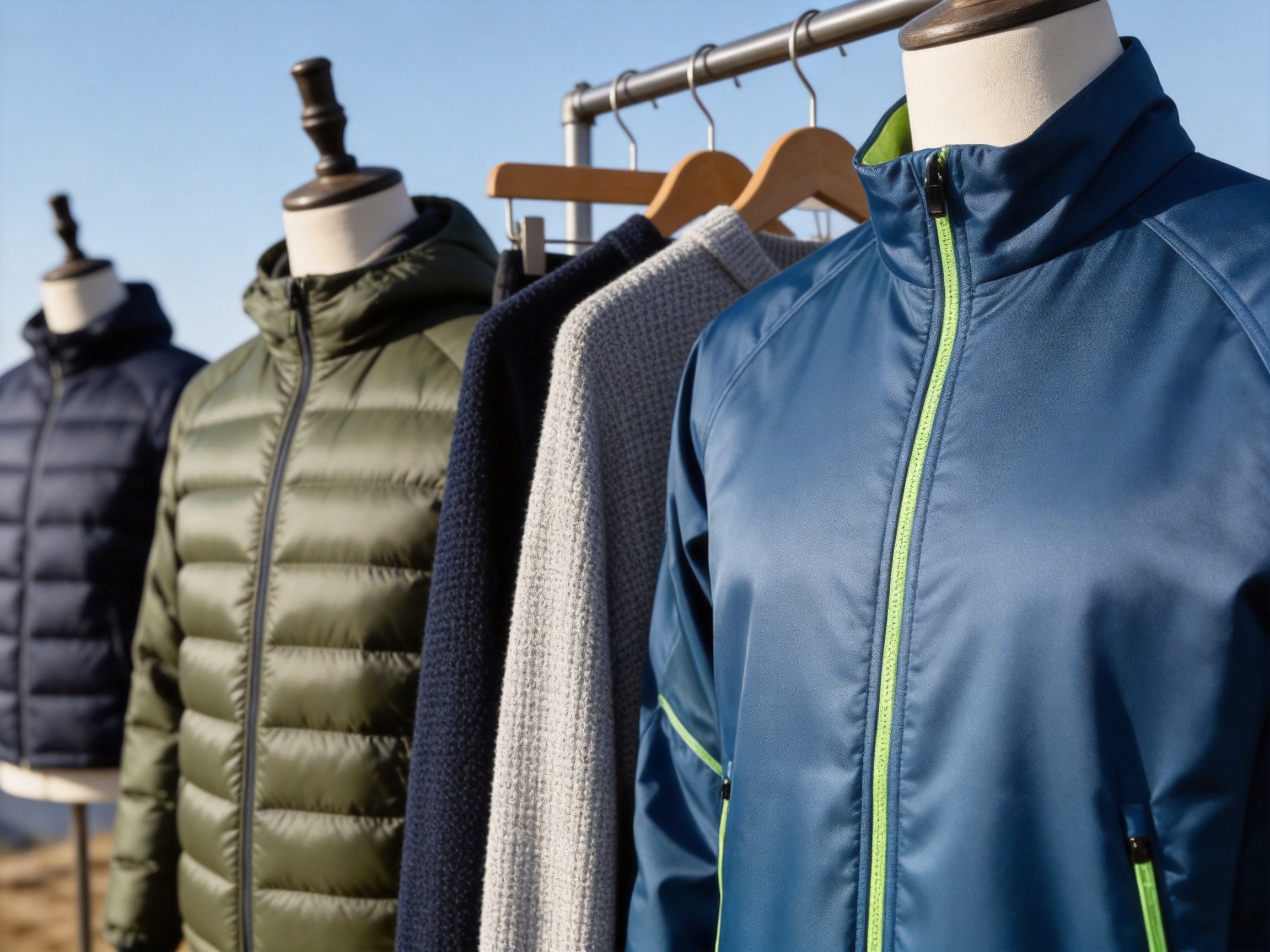
Winter clothing fabrics require warmth, durability, softness, and attractive appearance. FD DTY (D/F) Normal Yarn is well suited for such fabrics because it can create a surface that looks gentle and premium while supporting reliable fabric construction. In winter garments, fabric often uses thicker structures, laminated layers, or down-proof construction. A matte yarn helps reduce excessive shine and makes the garment appear more comfortable and elegant.
Down fabric is one of the highlighted applications. Down garments require shell fabrics that can resist leakage, maintain shape, and support comfort. While fabric construction and finishing are essential for down-proof performance, yarn choice also affects surface quality, density, and tactile feeling. Full dull DTY can contribute to a smooth and low-gloss shell fabric that looks refined and performs well in daily winter use.
For outdoor winter apparel, the combination of matte appearance and ultraviolet resistance is especially useful. Outdoor consumers often expect functional fabrics that look professional rather than flashy. Full dull yarn supports this expectation by creating a serious, practical, and high-quality fabric style. It can be used in jackets, insulated garments, ski-related fabrics, windbreakers, and other outerwear designs.
Winter fabrics also need to remain comfortable when worn for long periods. A stiff or overly shiny polyester surface may reduce consumer satisfaction. FD DTY, with its textured structure and full dull effect, helps create a softer hand feel. This comfort advantage can make the final garment more appealing in both domestic and export markets.
Applications in High-Grade Knitted Fabrics
High-grade knitted fabrics depend heavily on yarn quality. Knitting structures expose yarn behavior clearly, including evenness, elasticity, bulk, surface texture, and hand feel. FD DTY (D/F) Normal Yarn can be used to produce knitted fabrics with a waxy qualitative feeling and refined matte appearance. These features are desirable in casualwear, sportswear, inner layers, loungewear, and premium knit apparel.
The textured nature of DTY gives fabric better bulk and elasticity compared with flat filament yarn. This helps knitted fabrics feel fuller and more comfortable. The full dull effect then adds a premium visual quality by reducing shine. Together, these properties create a balanced fabric that is soft, modern, and practical.
Knitted fabrics made with full dull DTY may also show better style compatibility with natural fiber looks. Many apparel brands want polyester fabrics that do not look overly synthetic. Full dull yarn helps achieve this by producing a more muted, cotton-like or natural visual impression, while still keeping polyester’s advantages such as strength, quick drying, dimensional stability, and easy care.
For fabric developers, FD DTY can also be combined with other yarns to create differentiated effects. It may be paired with cationic yarn, recycled yarn, high-elastic yarn, or functional yarn depending on the desired product. This allows mills to design fabrics with color contrast, stretch, moisture management, warmth, or sustainability positioning.
Applications in Outdoor Sports Fabrics
Outdoor sports fabrics must satisfy both performance and appearance requirements. They need durability, comfort, weather adaptability, and visual identity. FD DTY (D/F) Normal Yarn is well aligned with these needs because it offers a strong extinction function, good light diffusion, comfortable touch, and ultraviolet-resistance potential. These qualities make it a practical option for outdoor jackets, sports trousers, windbreaker fabrics, shell fabrics, and multi-season activewear.
The low-glare surface is particularly important outdoors. Bright sunlight can make glossy fabrics look harsh or less premium. Full dull yarn reduces this effect, creating a fabric appearance that remains stable and comfortable under natural light. For outdoor brands, this helps garments look more professional and less decorative.
Outdoor sports fabrics also benefit from polyester’s inherent strengths. Polyester is strong, resilient, quick drying, and resistant to many forms of daily wear. When polyester is processed into full dull DTY, the material keeps these practical benefits while gaining a softer and more refined aesthetic. This combination is one reason full dull DTY is widely valued in functional apparel supply chains.
In addition, outdoor fabric producers often need stable yarn quality to maintain consistent finishing results. Coating, lamination, water-repellent finishing, calendaring, and other processes can reveal yarn or fabric defects. Stable FD DTY helps create a more uniform base fabric, which supports better finishing quality and reduces production risk.
Product Range and Specification Flexibility
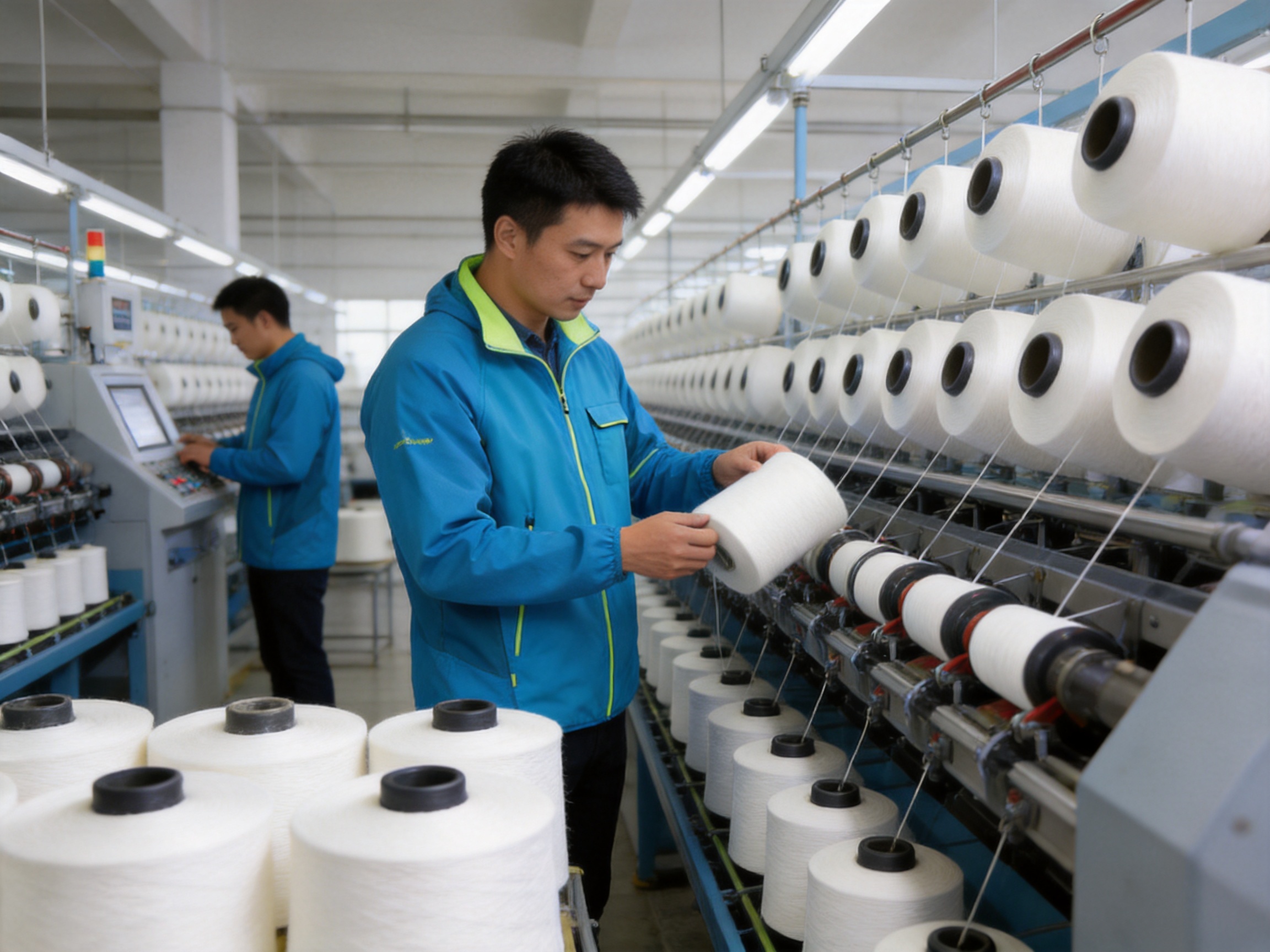
The supplied product list shows extensive specification coverage for normal series yarns, including SD DTY, FD DTY, SD DDB, CD DTY, SD plus CD DTY, white and black yarns, high-elastic yarns, PBT/PET combinations, and functional yarns such as fire-retardant, antibacterial, moisture-wicking, hollow warm, and air-covered yarns. This range gives customers access to many denier and filament combinations for fabric development.
For FD DTY (D/F) in the normal series, available examples include 30/36, 50/72, 75/36, 75/72, 75/144, 100/72, 100/144, 120/192, 150/144, 150/192, and 150/288. These specifications allow fabric developers to choose different thickness, softness, coverage, and texture levels. Finer deniers can be used for lightweight and soft fabrics, while higher deniers can support heavier, warmer, or more structured fabrics.
The notation “D/F” gives important design information. Denier indicates yarn thickness or linear density. Filament count indicates how many individual filaments are present in the yarn. A higher filament count at the same denier generally produces finer individual filaments, softer touch, and improved fabric smoothness. For example, 75/144 can provide a softer and more delicate hand than a lower filament count yarn of similar denier.
This specification flexibility allows fabric mills to fine-tune their fabric performance. A down fabric may require compactness and smoothness. A knitted sports fabric may require softness and elasticity. A winter shell fabric may require strength and coverage. By selecting the right D/F combination, the producer can align yarn properties with final fabric targets.
The company can also accept orders for various differentiation yarns. This is important because many fabric projects require customized solutions rather than standard materials. Customers may need special brightness, color, functional additives, filament structure, elasticity, or yarn combination. A supplier capable of custom development can help fabric mills create unique products and avoid direct price competition in basic textile markets.
Quality Control for Stable Weaving
Stable weaving performance begins before the yarn reaches the loom. It starts with raw material selection and continues through spinning, texturing, winding, inspection, storage, and shipment. Each stage influences the yarn’s behavior in weaving. A high-quality FD DTY must have controlled linear density, tenacity, elongation, crimp, oil pickup, interlacing, and package shape.
Linear density control ensures that the fabric weight and appearance remain consistent. If denier fluctuates, fabric density and surface texture may become uneven. This can result in visible streaks, shade variation, or inconsistent hand feel. Stable FD DTY reduces these risks and supports more predictable fabric production.
Tenacity and elongation affect yarn strength and flexibility during weaving. A yarn with insufficient strength may break frequently, while unstable elongation can cause tension problems. Good control of these parameters helps yarn pass through warping and weaving processes smoothly. This improves loom efficiency and reduces waste.
Crimp and bulk are central characteristics of DTY. They influence fabric fullness, elasticity, and texture. If crimp is inconsistent, the fabric surface may show unevenness. Stable texturing conditions are therefore essential. Proper heat setting, draw ratio, false twist control, and cooling conditions help create uniform yarn structure.
Oil pickup is another critical factor. Yarn oil improves friction behavior, reduces static, and supports smooth processing. Too little oil can cause friction and breakage, while too much oil can affect dyeing, finishing, or fabric cleanliness. Stable oiling helps yarn run efficiently through textile machinery.
Package quality also affects downstream performance. A well-formed package has suitable hardness, stable winding tension, and clean unwinding behavior. Poor packages can cause yarn sloughing, tension spikes, or end breakage. For export customers and large-scale fabric mills, consistent package quality is a practical and valuable advantage.
Environmental and Functional Development Capability
Although the highlighted product is a normal series full dull DTY yarn, the company’s wider development direction includes environmental protection and functional yarns. Its product portfolio includes recycled yarn, flame-retardant yarn, cationic dyeing yarn, antibacterial yarn, moisture-wicking yarn, hollow warm yarn, high-elastic yarn, and other differential products. This demonstrates the ability to respond to multiple textile market trends.
Environmental responsibility is increasingly important in global textile sourcing. Recycled polyester yarns are used to reduce dependence on virgin resources and support sustainability claims. A company experienced in recycled series products can better understand buyer expectations related to responsible materials, traceability, and export market demand.
Functional yarns are also essential for modern fabrics. Flame-retardant yarn can support protective textile applications. Antibacterial yarn can be used in hygiene-sensitive products. Moisture-wicking yarn is important for sportswear and activewear. Hollow warm yarn supports thermal insulation. High-elastic yarn supports stretch and recovery. This broad technical base strengthens the company’s capacity to help customers develop integrated fabric solutions.
For customers using FD DTY (D/F) Normal Yarn, access to this wider product ecosystem is beneficial. A fabric mill may begin with full dull yarn for a winter fabric project, then require moisture-wicking yarn for a sportswear line, recycled yarn for a sustainability project, or cationic yarn for two-tone effects. Working with one knowledgeable supplier can simplify development and procurement.
Why the Yarn Supports Better Fabric Differentiation
Textile markets are highly competitive. Many mills can produce basic polyester fabrics, but fewer can consistently develop fabrics with specific style, comfort, and function. FD DTY (D/F) Normal Yarn helps fabric producers move beyond basic products by offering a matte appearance, soft hand feel, stable performance, and functional potential. These features support better differentiation in apparel and textile markets.
Fabric differentiation can be visual. The full dull effect gives fabric a calm, premium look. This is useful for brands that want to avoid shiny synthetic surfaces. It can support minimalist fashion, outdoor technical style, winter garment aesthetics, and premium casualwear.
Differentiation can also be tactile. Textured yarn gives fabric softness, volume, and elasticity. When combined with high filament count options, the yarn can produce a delicate and comfortable hand. This helps finished fabrics stand out during buyer evaluation, because buyers often judge textile quality by touch as much as by technical data.
Differentiation can be functional. The yarn’s ultraviolet-resistance potential and light-diffusion behavior make it suitable for outdoor and protective applications. It can be part of a broader fabric system that includes water-repellent finishing, coating, lamination, breathable membranes, or thermal insulation.
Differentiation can also be operational. A stable yarn helps fabric mills produce quality consistently, reduce defects, and meet delivery schedules. In export markets, reliability is a competitive advantage. Buyers prefer suppliers who can reproduce the same fabric quality order after order.
Practical Selection Guidance for Buyers
When selecting FD DTY (D/F) Normal Yarn, buyers should first define the intended fabric application. A down jacket shell, a knitted sports fabric, a winter woven fabric, and a premium casual fabric may each require different denier, filament count, and fabric construction. Clear application goals help determine the best yarn specification.
For lightweight fabrics, finer denier yarns may be appropriate. These can create softer, lighter fabrics with good drape. For medium-weight apparel fabrics, specifications such as 75D or 100D may provide a balance between strength, comfort, and fabric coverage. For heavier winter fabrics, 150D or higher specifications may be useful depending on structure and performance requirements.
Filament count should be considered carefully. Higher filament count can improve softness and smoothness, while lower filament count may provide a different texture and strength profile. The best choice depends on the desired hand feel, fabric density, finishing method, and end-use performance.
Buyers should also consider weaving or knitting equipment conditions. Yarn that performs well in one machine setting may need adjustment in another. Tension, speed, loom type, knitting gauge, and finishing route all influence final results. Technical communication with the supplier can help avoid unnecessary trial-and-error.
Sampling is recommended before bulk production. A small trial can confirm fabric appearance, hand feel, shrinkage, processing stability, and finishing compatibility. Once the correct specification is confirmed, stable bulk supply becomes essential for commercial production.
Company Service and Export Support
Suzhou Junhui Textile Co., Ltd. and Suzhou Xiaoran New Material Co., Ltd. have built a broad international customer base, with cooperative relationships in thirty-six countries. This export experience supports customers who require professional communication, reliable documentation, consistent packaging, and timely response. In global textile trade, service capability is often as important as product quality.
The company’s address in Shengze Town, Wujiang Area, Suzhou City, Jiangsu Province, China places it within a well-known textile region. Shengze has a strong textile industry foundation, including yarn, weaving, dyeing, finishing, and fabric trading resources. This industrial environment supports faster development, better supply chain integration, and more efficient response to market demand.
The company emphasizes customer success as its foothold. This service philosophy is meaningful for buyers who need guidance in product selection, problem solving, and technical matching. Yarn selection can be complex, especially for functional and differentiated fabrics. A supplier with professional experience can help customers reduce development risk and improve fabric competitiveness.
Global support within twelve hours is particularly useful for export customers. If a weaving mill encounters a processing question, fast communication can prevent delays. If a buyer needs specification confirmation or development advice, responsive service can speed up decision-making. This makes the company a practical partner for both long-term procurement and new product development.
Q&A Section
What is FD DTY (D/F) Normal Yarn?
FD DTY (D/F) Normal Yarn is a full dull draw textured polyester yarn. “FD” means full dull, referring to its low-gloss matte appearance. “DTY” means draw textured yarn, which has bulk, softness, and elasticity. “D/F” refers to denier and filament count, which determine yarn thickness and filament structure.
Why is full dull yarn preferred for winter and outdoor fabrics?
Full dull yarn has a strong matte effect and good light diffusion, reducing glare and creating a refined appearance. It can also contribute to ultraviolet-resistance potential and comfortable touch, making it suitable for winter clothing, down fabrics, outdoor sportswear, and high-grade knitted fabrics.
How does this yarn differ from bright polyester yarn?
Bright polyester yarn reflects more light and creates a shiny appearance. Stable FD DTY uses a high level of delustering agent to reduce brightness and produce a softer, more natural surface. It is better suited for fabrics where elegance, low glare, and comfort are required.
What are the main advantages for weaving mills?
The main advantages include stable processing, consistent yarn properties, reduced risk of weaving interruptions, improved fabric surface quality, and better suitability for value-added fabric development. Stable yarn performance helps mills improve efficiency and reduce quality problems.
Can this yarn be used for knitted fabrics?
Yes. Although it is highly suitable for textile weaving, FD DTY can also be used in high-grade knitted fabrics. It can provide a waxy hand feel, soft touch, good bulk, and a refined matte surface.
What applications are most suitable for this product?
The yarn is suitable for winter clothing fabrics, especially down fabrics, outdoor sports fabrics, premium knitted fabrics, casual apparel fabrics, and woven textiles that require a matte appearance and comfortable hand feel.
Does the yarn provide ultraviolet protection?
The full dull formulation can contribute to ultraviolet resistance, but the final UV protection level depends on fabric construction, density, color, finishing, and testing standards. It provides a useful foundation for outdoor fabric development.
Why is filament count important?
Filament count affects softness, smoothness, texture, and fabric feel. A higher filament count usually means finer individual filaments, which can create a softer and more delicate fabric. Choosing the right D/F specification is important for achieving the desired fabric style.
Can customers request differentiated yarns?
Yes. The company can accept orders for various differentiated yarns and offers a broad product range, including recycled yarn, cationic yarn, flame-retardant yarn, antibacterial yarn, moisture-wicking yarn, high-elastic yarn, and other functional products.
What makes the supplier competitive?
The supplier has a professional research and development team, broad product coverage, export experience in many countries, strong focus on environmental and functional yarns, and responsive global service. These strengths help customers develop better fabrics and solve production challenges efficiently.
Conclusion
Stable performance FD DTY (D/F) Normal Yarn for Textile Weaving is a valuable material for fabric manufacturers seeking a combination of matte appearance, stable processing, comfort, and practical function. Its full dull effect creates excellent light diffusion and a refined low-gloss surface, helping fabrics achieve a premium and natural look. Its comfortable touch and ultraviolet-resistance potential further support applications in winter clothing, down fabrics, outdoor sports textiles, and high-grade knitted fabrics.
Compared with bright and ordinary semi-dull alternatives, this yarn offers stronger visual softness, better glare control, and greater suitability for functional and premium fabric markets. For weaving mills, stable yarn performance can improve efficiency, reduce defects, and support consistent production. For apparel brands and fabric developers, it provides a reliable foundation for differentiated textile products.
The company behind the product strengthens its value through advanced manufacturing awareness, professional research and development capability, broad differential yarn coverage, export experience, and service-oriented support. With products exported to many countries and a customer-focused response system, it is positioned to serve textile manufacturers that require both quality materials and technical partnership.
As global textile demand continues to move toward comfort, performance, sustainability, and refined style, full dull DTY yarn remains an important choice. Stable FD DTY (D/F) Normal Yarn offers the properties needed to meet these demands while helping fabric producers create competitive, attractive, and reliable textile products for modern markets.
References
1. Textile Institute. Textile Terms and Definitions.
2. Morton, W. E., and Hearle, J. W. S. Physical Properties of Textile Fibres.
3. Gupta, V. B., and Kothari, V. K. Manufactured Fibre Technology.
4. Saville, B. P. Physical Testing of Textiles.
5. Hearle, J. W. S., Hollick, L., and Wilson, D. K. Yarn Texturing Technology.
6. Horrocks, A. R., and Anand, S. C. Handbook of Technical Textiles.
7. Company product materials and specification information for FD DTY (D/F) Normal Yarn.
Product: Stable performance FD DTY (D/F) Normal Yarn for Textile Weaving

Popular products
-
Premium Cationic Interlock Stretch Comfort Fabric
-
Moisture-Wicking Nylon Woven Fabric
-
Double-faced jacquard elastic fabric
-
Heather Grey Double-faced cationic jersey fabric
-
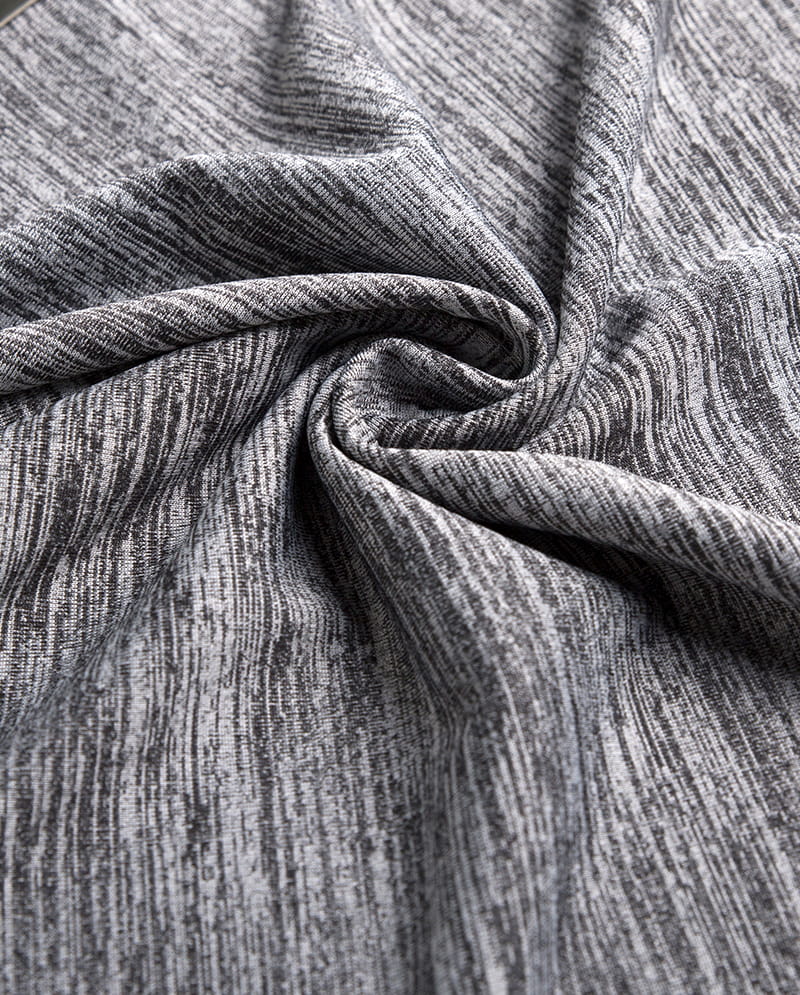
Anti-static Cationic Knitted Rib Fabric
-
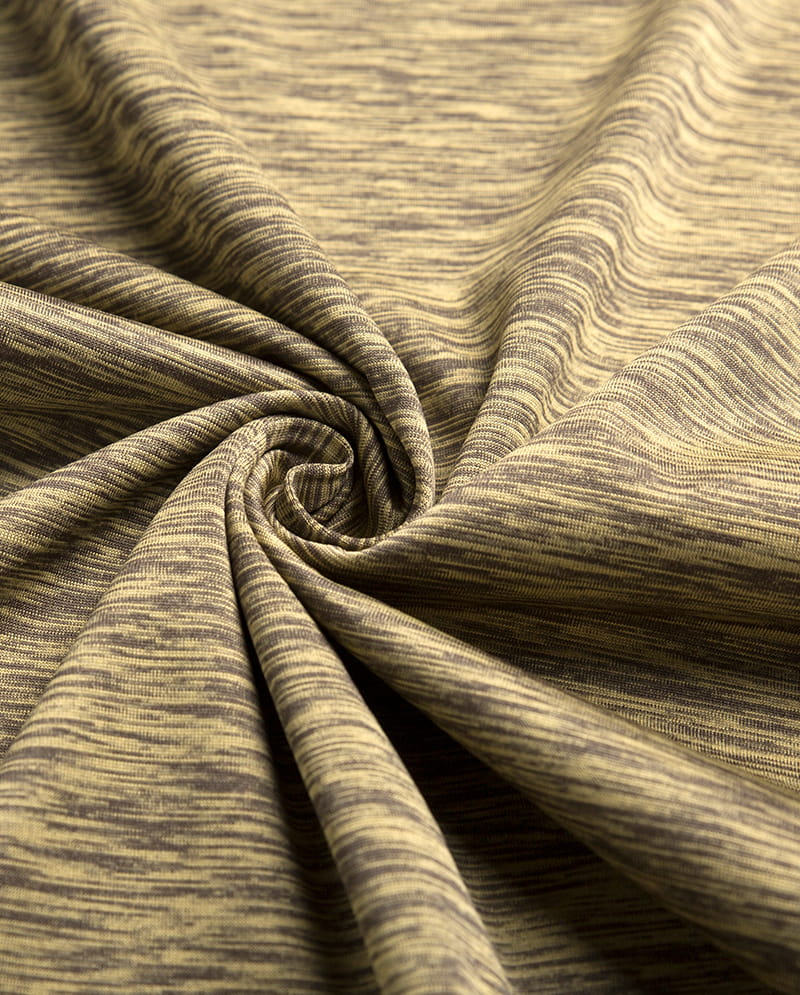
High-Stretch Cationic Jersey Fabric
-
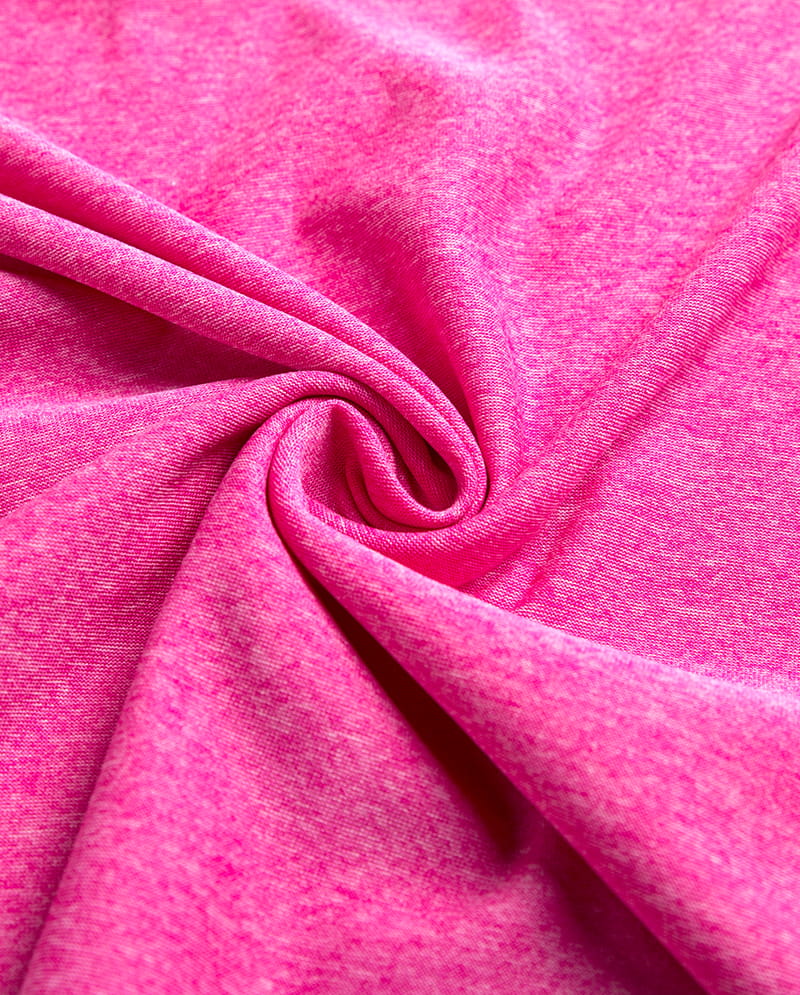
High Quality Cationic DTY Spandex Two Sides Brush Dralon Knit Fabric for Garment Thermal Underwear
-
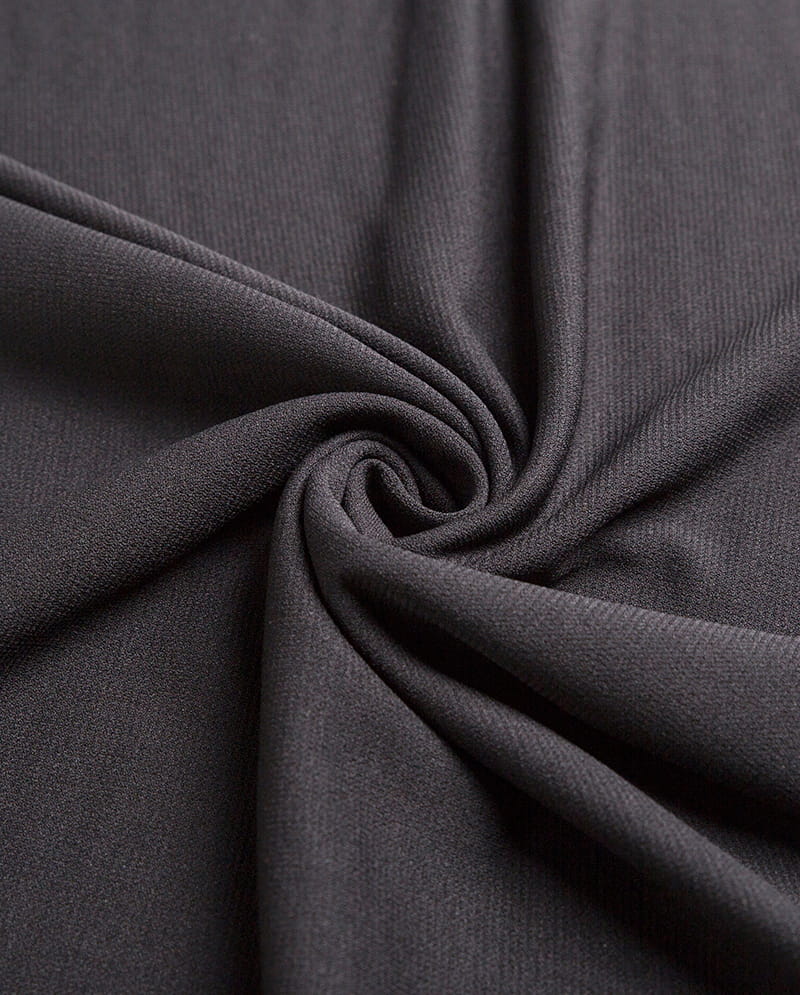
Durable Anti-Pilling Knitted Fabric for Home Textiles
-
Wash-Resistant Cationic Elastic Knitted Fabric for Garment Industry
-
Breathable Double-Faced Elastic Composite Fabric
-
-
-
- whatsapp:
- 0086-13962559622
-
- skype:
- skype.aliceshenghong
-
- Wechat:


COPYRIGHT © 2016 Suzhou Junhui Textile Co., Ltd.
