

 EN
EN English
 中文简体
中文简体Stable Performance FD DTY Full Dull Yarn for Advanced Textile Weaving
Content
- 1 Understanding FD DTY Full Dull Yarn
- 2 Why Full Dull Yarn Is Important for Textile Weaving
- 3 Core Product Advantages
- 4 Applications in Textile and Apparel Manufacturing
- 5 Available Normal Yarn Specifications
- 6 Manufacturing and Process Strengths
- 7 Advantages Compared with Conventional Bright Polyester Yarn
- 8 Quality and Performance Factors for Buyers
- 9 Sustainable and Functional Product Development
- 10 Recommended Application and Development Workflow
- 11 How the Product Supports Competitive Textile Manufacturing
- 12 Practical Benefits for Different Textile Customers
- 13 Technical Communication and Customer Support
- 14 Frequently Asked Questions
- 14.1 What does FD DTY mean?
- 14.2 What does full dull mean?
- 14.3 What is the main benefit of full dull FD DTY yarn?
- 14.4 Is this yarn suitable for woven fabrics?
- 14.5 Can it be used for knitted fabrics?
- 14.6 Does full dull yarn provide ultraviolet protection?
- 14.7 Which specifications are available?
- 14.8 How should buyers select denier and filament count?
- 14.9 Can customized differential yarn be ordered?
- 14.10 What other yarn categories are available?
- 14.11 How can buyers ensure consistent bulk quality?
- 14.12 Is the product suitable for outdoor sportswear?
- 14.13 What information should be provided when requesting a quotation?
- 15 Conclusion
- 16 References
- 17 Product: Stable performance FD DTY (D/F) Normal Yarn for Textile Weaving
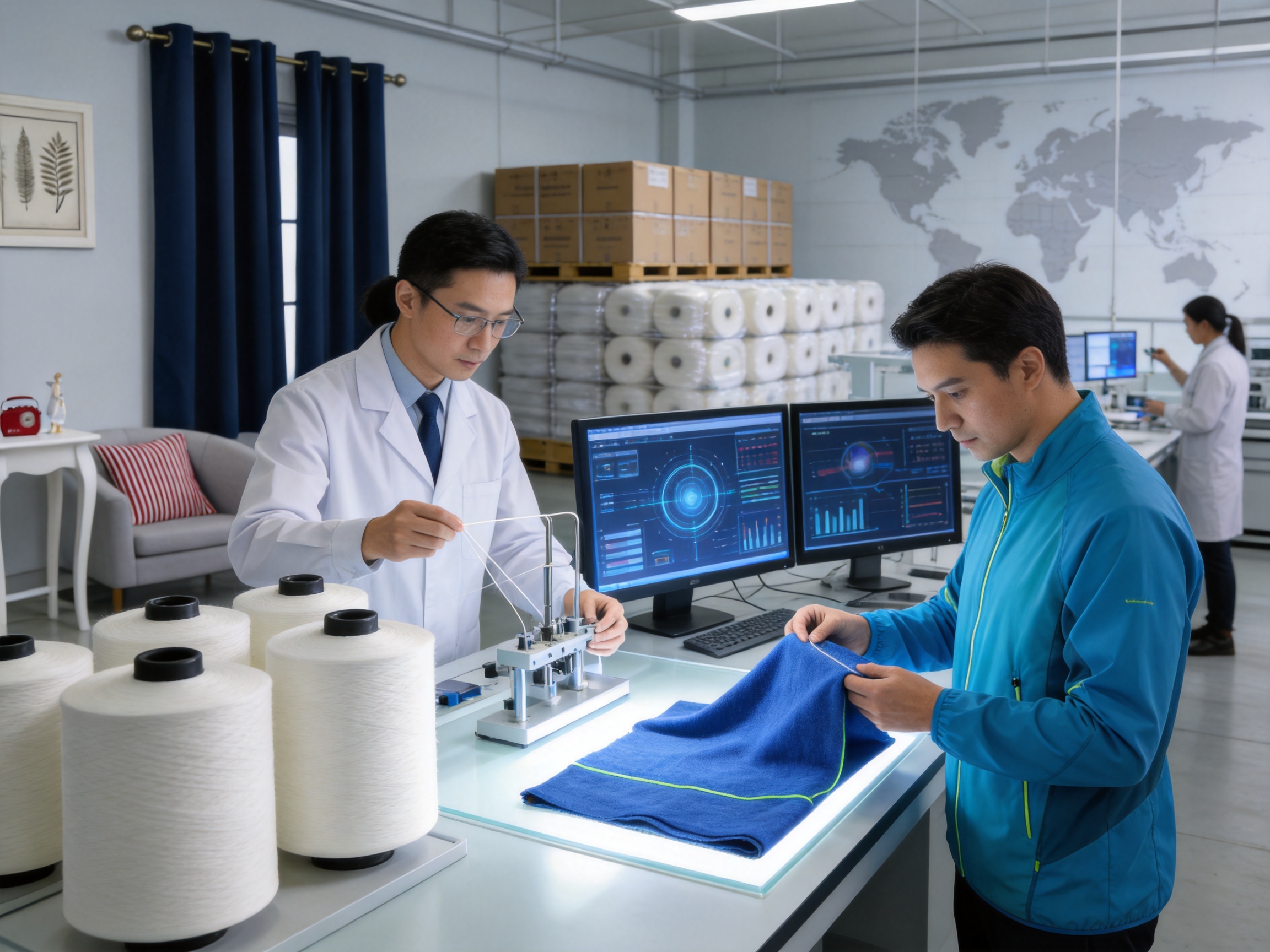
In modern textile manufacturing, yarn selection directly affects fabric appearance, weaving efficiency, dyeing consistency, hand feel, and final product performance. A yarn may look simple, but its denier, filament count, luster, crimp, intermingling, elongation, and processing stability all influence whether a fabric line operates smoothly and whether the finished textile meets the expectations of brands, garment manufacturers, and consumers.
Stable performance FD DTY (D/F) normal yarn is designed for manufacturers seeking a dependable polyester textured yarn with a subdued appearance, comfortable touch, and reliable weaving behavior. As a full dull yarn, it contains a high level of delustering agent. This formulation reduces excessive brightness, creates a softer visual effect, and improves the diffusion of reflected light across the fiber surface. The result is a textile material that appears refined, natural, and less glossy than conventional bright polyester yarn.
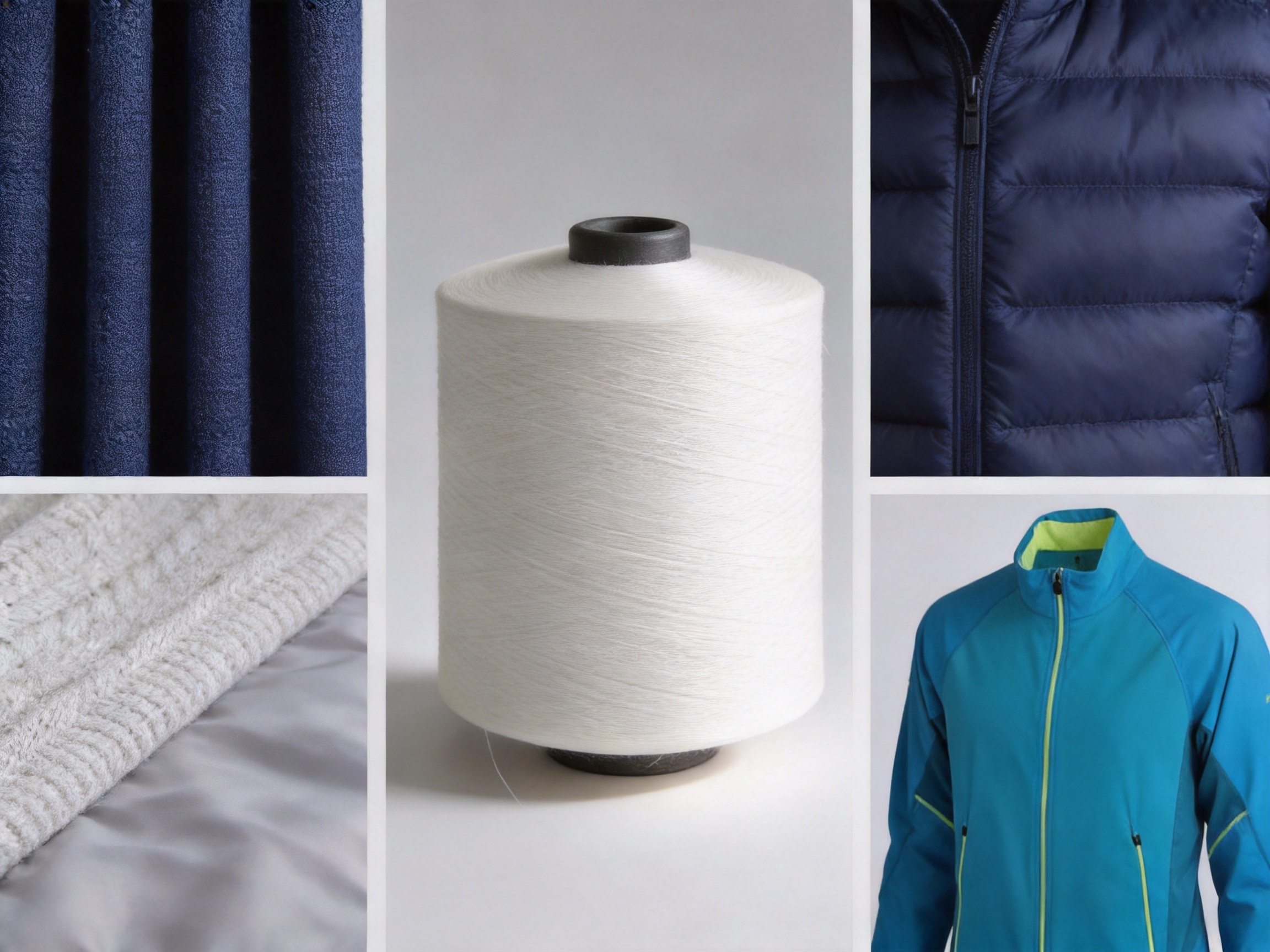
The product is suitable for textile weaving, knitted fabric production, winter clothing, down jackets, outdoor sportswear, and other applications where a low-luster appearance and comfortable surface are important. It combines the processing advantages of FD DTY yarn with the visual and tactile characteristics of full dull polyester. For textile producers, this combination provides a practical alternative to highly glossy yarns and helps create fabrics with a more premium and functional appearance.
Understanding FD DTY Full Dull Yarn
FD DTY refers to fully drawn draw textured yarn. It is a polyester filament yarn that has undergone drawing and texturing processes to improve bulk, elasticity, softness, and fabric coverage. Compared with a flat filament yarn, textured yarn offers a more flexible and dimensional structure. The texturing process creates crimp and bulk, helping the yarn form fabrics with improved fullness and a more comfortable hand.
The D/F designation commonly refers to denier and filament count. Denier indicates the linear density of the yarn, while the filament number describes how many individual filaments make up the yarn. For example, specifications such as 75/36, 100/72, 150/144, or 300/96 describe different combinations of yarn weight and filament construction. These combinations allow textile manufacturers to choose a yarn according to fabric thickness, cover factor, softness, strength, and machine requirements.
Full dull yarn is distinguished by its high concentration of delustering agent. The delustering agent modifies the way light interacts with the fiber. Instead of reflecting light strongly from a smooth, shiny surface, the fiber scatters and diffuses more light. This creates a muted, matte, or low-luster effect that is especially valuable in winter apparel, high-grade knitted fabrics, down fabrics, and outdoor textiles.
The combination of full dull characteristics and DTY texturing gives the yarn several complementary properties. It can provide a soft visual effect, a fuller hand, improved fabric coverage, reduced glare, and a comfortable touch. At the same time, its polyester base supports the dimensional stability, abrasion resistance, easy-care performance, and production versatility expected from synthetic filament yarn.
Why Full Dull Yarn Is Important for Textile Weaving
Textile designers increasingly seek materials that do more than provide color and structure. The appearance of a fabric must communicate quality, comfort, performance, and intended use. Highly reflective yarns can be appropriate for certain fashion fabrics, but they may appear too bright or synthetic for winter garments, outdoor apparel, technical clothing, and premium casualwear. Full dull yarn addresses this concern by providing a more restrained appearance.
The lower-luster surface helps fabrics achieve a natural and sophisticated look. In a down jacket, for example, the yarn can contribute to a smooth, subdued shell fabric that does not produce excessive glare under sunlight or artificial lighting. In knitted fabrics, it can help create a soft, waxy, and dense visual effect. In outdoor sportswear, the reduced brightness can support a practical, performance-oriented design language.
Light diffusion is also relevant to comfort and visual perception. A matte fabric tends to appear less harsh than a glossy fabric, particularly when viewed under strong lighting. This makes full dull yarn suitable for apparel that is worn outdoors, in winter environments, or in applications where a quiet and refined surface is preferred.
For weaving mills, the yarn must also perform consistently during production. A visually attractive yarn is not enough if it causes frequent end breaks, unstable tension, uneven fabric formation, or irregular dye uptake. Stable performance FD DTY yarn is positioned as a production-oriented material that balances appearance with process reliability.
Core Product Advantages
Subdued and Premium Surface Appearance
The most recognizable advantage of full dull FD DTY yarn is its controlled luster. The yarn avoids the excessive shine associated with bright polyester filament. Its light-diffusing surface gives fabrics a softer and more elegant appearance, which is beneficial for high-end clothing and functional textiles.
This subdued appearance can help textile manufacturers create fabrics that resemble natural fibers more closely while retaining the durability and easy-care characteristics of polyester. It is particularly useful when a buyer wants a clean, modern, and understated appearance rather than a highly reflective synthetic effect.
Comfortable Hand Feel
DTY construction contributes bulk and flexibility to the yarn. In combination with the full dull formulation, this can produce fabrics with a more comfortable touch. The yarn is appropriate for garments that come into frequent contact with the skin, including winter clothing, knitted goods, sportswear, and casual apparel.
The final hand feel depends on yarn specification, fabric construction, finishing treatment, dyeing conditions, and finishing equipment. However, selecting an appropriate FD DTY specification provides a strong starting point for developing fabrics with fullness, softness, and a pleasing surface.
Light-Diffusing and Glare-Reducing Effect
High levels of delustering agent change the optical behavior of the fiber. Rather than allowing light to reflect sharply from the surface, the yarn promotes a more diffuse reflection. This reduces visual glare and supports a calm, matte appearance.
This feature is valuable in outdoor sports fabrics and winter garments, where surfaces may be exposed to direct sunlight. It is also useful for fashion fabrics intended to convey a waxy, brushed, or premium visual impression.
Suitable for a Wide Range of Fabric Constructions
The product can be used in different denier and filament combinations to support lightweight, medium-weight, and heavier fabric constructions. Fine specifications may be used for soft and lightweight apparel, while larger specifications can support fabrics requiring greater coverage, fullness, or body.
The available normal yarn range includes options such as 25/72, 30/12, 30/24, 30/36, 30/72, 50/72, 75/36, 75/72, 75/144, 100/72, 100/144, 120/192, 150/144, 150/192, 150/288, 200/96, 200/288, 300/96, 300/192, 300/288, and 300/576. The exact availability of each specification should be confirmed according to current production planning and application requirements.
Production Stability
A key advantage of a stable-performance yarn is its suitability for continuous processing. Consistent yarn behavior helps reduce interruptions caused by irregular tension, uneven texturing, or excessive variation between packages. More stable processing can support higher weaving efficiency and more predictable fabric quality.
Production stability is especially important for large orders. When a textile mill receives yarn with consistent physical characteristics, it can establish more reliable machine settings and reduce the need for repeated adjustments. This supports better productivity, lower material waste, and more consistent appearance across production lots.
Polyester-Based Durability
Polyester filament yarn is widely used because of its strength, dimensional stability, abrasion resistance, and easy-care properties. When processed into DTY, it can provide a textured structure suitable for apparel and home textile production. The yarn can support fabrics that need to withstand repeated wearing, washing, folding, and general handling.
Full dull FD DTY yarn is therefore not limited to decorative applications. It can be used where a fabric must combine a controlled appearance with practical durability. This balance is one of the reasons polyester textured yarn remains important in global textile production.
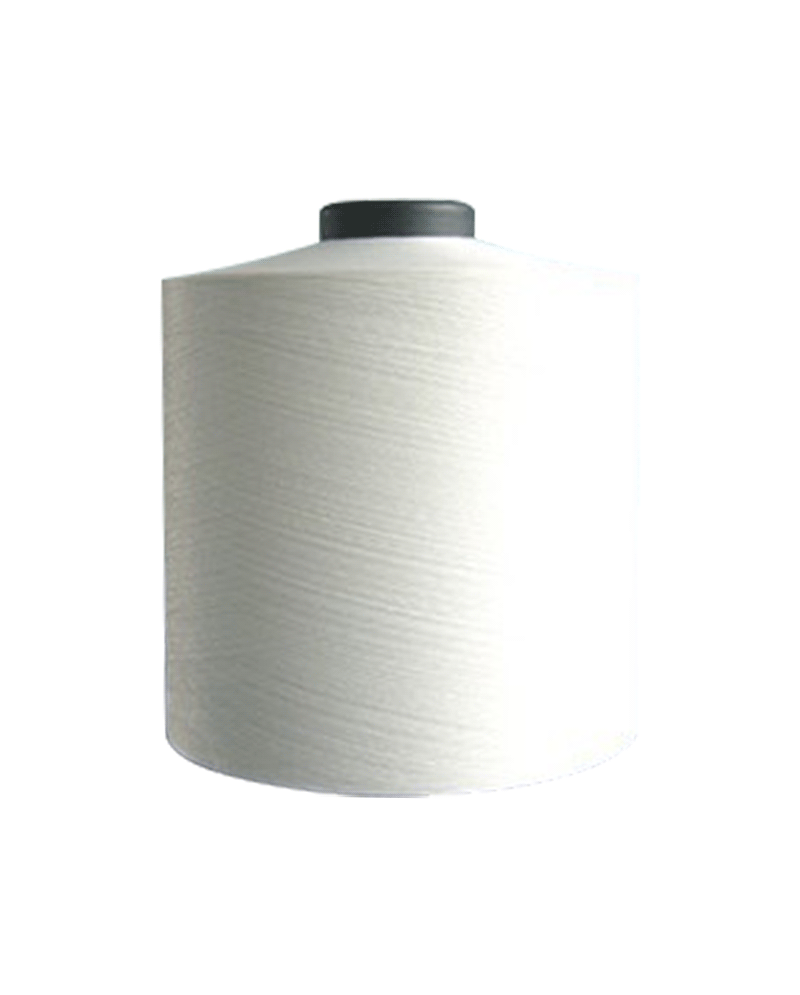
Stable performance FD DTY (D/F) Normal Yarn for Textile Weaving
Applications in Textile and Apparel Manufacturing
Winter Clothing
Winter apparel often requires fabrics with warmth, fullness, soft touch, and a visually dense surface. Full dull FD DTY yarn can support these objectives by contributing a muted appearance and a comfortable textile hand. It is suitable for outerwear, winter jackets, padded garments, and cold-weather fashion products.
The yarn is also appropriate for fabrics where designers want to avoid a sharp synthetic shine. A low-luster surface can make winter garments look warmer, softer, and more substantial. Depending on the fabric construction and finishing method, it may be used in woven shells, lining materials, knitted panels, and decorative textile components.
Down Fabrics
Down fabric requires a combination of appearance, fabric density, smoothness, and functional performance. The shell fabric must protect the filling while presenting a clean and attractive exterior. Full dull FD DTY yarn is well suited to down fabric because its low-gloss appearance complements the soft and protective character of down apparel.
The final suitability of the yarn depends on the complete fabric design, including weave structure, coating, finishing, fabric density, and performance testing. Nevertheless, the yarn provides an appropriate base material for manufacturers producing down jacket shells and related winter textile products.
High-Grade Knitted Fabrics
Knitted fabric manufacturers often value yarns that create a soft, full, and comfortable hand. FD DTY can contribute bulk and texture to knitted constructions, while the full dull effect creates a more sophisticated surface. This makes the yarn suitable for sweaters, sports tops, casualwear, base layers, knitted accessories, and other apparel categories.
For premium knitted fabrics, appearance and touch are closely connected. A matte surface can enhance the perception of softness, while a stable textured structure can support good fabric formation. Selecting the correct filament count and denier is important because these factors affect coverage, drape, stretch behavior, and surface uniformity.
Outdoor Sports Fabrics
Outdoor clothing must balance comfort, durability, appearance, and exposure to changing light and weather conditions. The full dull effect can help outdoor fabrics reduce excessive glare and achieve a practical, understated appearance. The yarn’s polyester base also supports the development of lightweight and durable textile constructions.
The product information identifies ultraviolet resistance as one of the functional benefits associated with the delustering formulation. Actual ultraviolet protection depends on yarn content, fabric density, color, finishing, and the complete garment construction. Textile manufacturers should conduct testing on the finished fabric when a specific ultraviolet protection level is required.
Casualwear and Fashion Textiles
Fashion trends increasingly include matte surfaces, technical textures, natural-looking synthetics, and quiet luxury aesthetics. Full dull FD DTY yarn can support these trends by providing a refined appearance without excessive shine. It can be incorporated into woven trousers, jackets, skirts, shirts, knitwear, and blended textile designs.
Because the yarn is available in multiple denier and filament configurations, designers can develop fabrics with different levels of drape, body, softness, and coverage. This flexibility allows the same general yarn family to serve both lightweight fashion products and heavier seasonal fabrics.
Available Normal Yarn Specifications
The normal series provides multiple SD DTY, FD DTY, and SD DDB options. The FD DTY section includes a broad range of denier and filament combinations for different production needs. A simplified overview is shown below.
Yarn category |
Representative specifications |
Typical development direction |
FD DTY normal yarn |
30/36, 50/72, 75/36-72-144 |
Lightweight to medium-weight woven and knitted fabrics |
FD DTY normal yarn |
100/72-144, 120/192 |
Fuller apparel fabrics and structured textile constructions |
FD DTY normal yarn |
150/144-192-288 |
Heavy or dense fabrics requiring greater coverage |
FD DTY normal yarn |
150/48-96-144-288 |
Flexible development for woven and knitted applications |
FD DTY normal yarn |
300/96 |
High-coverage and heavier textile constructions |
The specification format should always be reviewed together with the intended machine, fabric construction, dyeing process, and finishing target. A yarn that is appropriate for a dense woven fabric may not be the best option for a lightweight knitted structure. Technical consultation before bulk purchasing can help determine the best combination of denier and filament count.
How to Select the Appropriate Specification
For lightweight fabric, a lower denier yarn or a higher filament count may be considered when the target is a soft hand, fine surface, and good drape. For thicker fabric, a larger denier can provide greater body and coverage. Filament count also affects the surface character: a higher number of finer filaments may help create a softer and more delicate touch, while a lower number of larger filaments may provide a different texture and structural response.
Fabric designers should also consider the desired luster level, color depth, stretch requirement, machine gauge, yarn tension, and finishing treatment. If the target is a particularly soft and dense fabric, a finer multifilament construction may be appropriate. If the target is a firm or heavy fabric, a larger denier may provide better support.
Sampling is strongly recommended before production. A sample allows the mill to evaluate weaving behavior, fabric appearance, dyeing performance, dimensional stability, and hand feel. It also helps identify whether the yarn should be used alone or combined with other polyester, cationic, recycled, or functional yarns.
Manufacturing and Process Strengths
Specialized Differential Yarn Development
The manufacturer focuses on the development and sale of differential yarns, including recycled yarn, polyester dope-dyed yarn, microfine yarn, flame-retardant yarn, cationic dyeing yarn, and knitting fabric products. This product orientation indicates experience with yarns designed for specific visual, functional, or processing requirements rather than only standard commodity products.
Such specialization is important for buyers seeking more than a basic polyester yarn. Differential yarn development requires attention to polymer selection, additive dispersion, spinning conditions, texturing parameters, color development, and end-use performance. The company’s product portfolio demonstrates familiarity with several functional and aesthetic directions in the textile market.
R&D-Oriented Product Development
The company maintains a professional research and development team and works with internationally recognized enterprises on environmental protection and functional yarn and fabric research, development, and application. This R&D approach supports the development of products that respond to changing market requirements, including recycled content, special optical effects, comfort functions, and performance-oriented textiles.
For a full dull FD DTY product, development attention may include the selection and dispersion of delustering agents, control of filament uniformity, optimization of texturing conditions, and evaluation of the final fabric appearance. The goal is to obtain a stable balance between matte appearance, processability, touch, and end-use performance.
Integrated Knowledge Across Yarn Categories
The product list includes recycled SD DTY, recycled FD DTY, recycled SD plus CD DTY, recycled DDB DTY, recycled CD DTY, normal SD DTY, normal FD DTY, cationic yarn, high-elastic yarn, PBT/PET yarn, fire-retardant yarn, antibacterial yarn, moisture-wicking yarn, cotton-like yarn, hollow warm yarn, and other differentiated products.
This breadth provides practical value to textile buyers. A manufacturer that understands multiple yarn families can help customers compare alternatives based on appearance, performance, sustainability objectives, dyeing method, stretch requirement, and final application. It may also support the development of blended or coordinated product lines.
Export Experience
More than 90 percent of the products are exported, and the company has established cooperation with customers in 36 countries. International export experience can help a supplier understand the importance of documentation, packaging, communication, lead-time coordination, quality expectations, and product consistency.
For overseas textile manufacturers, communication speed is a major factor in product development. The company states that its experts are ready to provide assistance within 12 hours globally. Prompt technical communication can be useful when customers need help selecting a yarn, solving a fabric issue, confirming specifications, or arranging a development sample.
Manufacturing Process Considerations
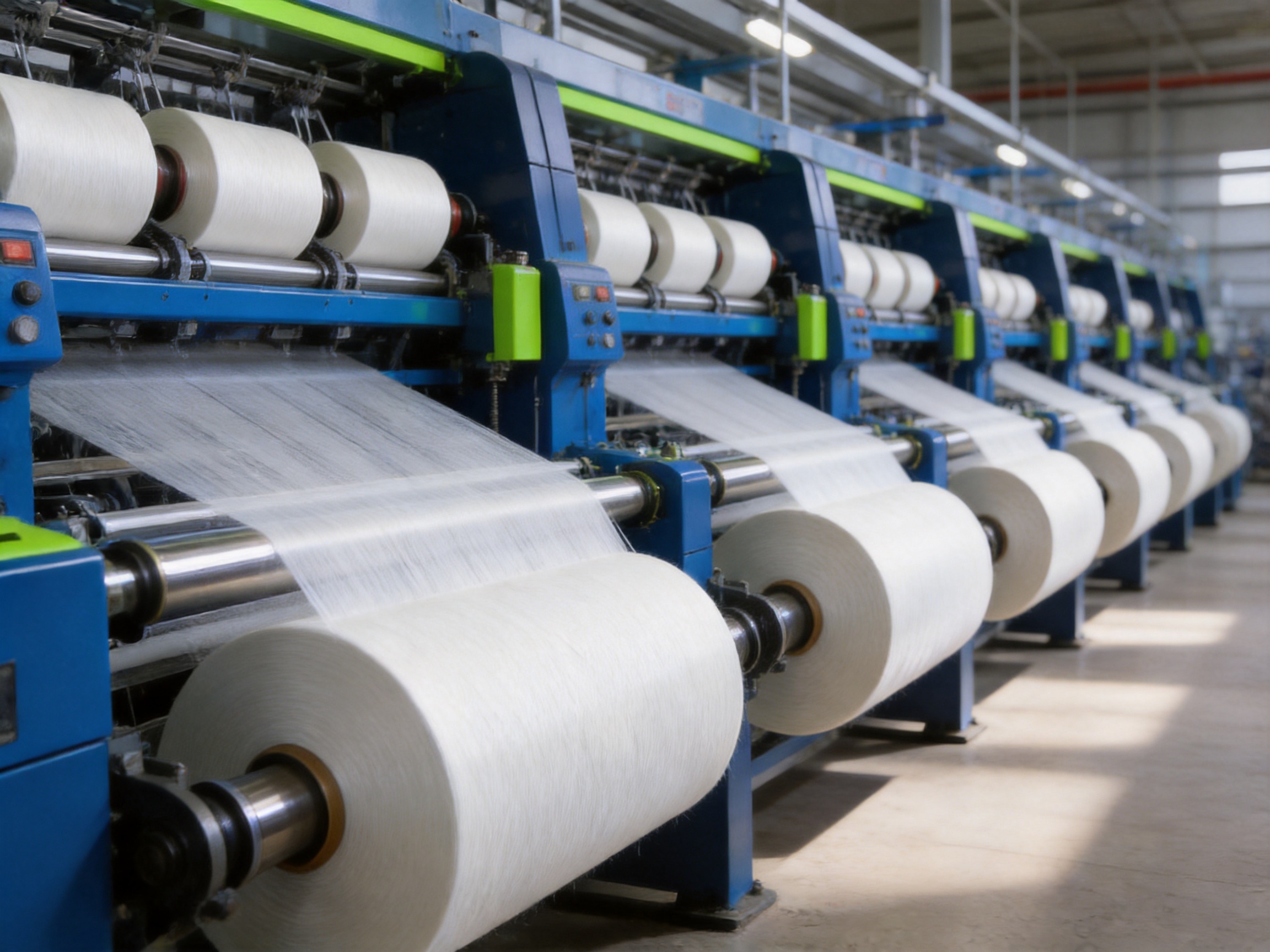
Although specific machine models and process parameters are not provided, the product category involves several important manufacturing stages. Polyester polymer or chips are prepared for melt spinning, and the polymer is converted into continuous filaments. The filaments are then drawn and textured to create the desired DTY structure. During production, control of temperature, tension, speed, interlacing, winding, and package formation is essential for stable yarn performance.
For full dull yarn, delustering agent distribution is particularly important. Uneven additive dispersion could cause differences in luster, color appearance, strength, or processing behavior. Consistent formulation and controlled spinning conditions help ensure that the final yarn provides a uniform matte effect across packages and production lots.
Texturing also requires careful control. If texturing conditions vary, the yarn may show differences in crimp, bulk, elongation, shrinkage, or surface appearance. Stable process management helps the yarn run more consistently on weaving and knitting equipment and supports a more uniform fabric result.
Winding and packaging are also important. Proper package formation helps maintain stable unwinding tension and reduces the risk of yarn entanglement or damage during transportation and preparation. For export orders, packaging must also protect the yarn from moisture, dust, compression, and handling stress.
Advantages Compared with Conventional Bright Polyester Yarn
Conventional bright polyester yarn has a relatively reflective surface and can create a shiny appearance in the finished fabric. This characteristic is useful for some fashion products, but it may be unsuitable for garments that require a natural, matte, or performance-oriented look.
Full dull FD DTY yarn offers a different design direction. Its high delustering-agent content diffuses light and reduces visual glare. The resulting fabric can appear softer and more understated. This is a meaningful advantage for winter apparel, outdoor clothing, down fabrics, and premium knitted textiles.
Compared with flat filament yarn, DTY also offers a textured structure with more bulk and a potentially softer hand. This can help improve fabric fullness and comfort. Compared with some natural fibers, polyester yarn can offer greater dimensional stability, easier care, and resistance to repeated handling. The product therefore occupies a useful position between visual refinement and industrial practicality.
Compared with highly specialized functional yarns, normal FD DTY can offer a more economical and flexible starting point for fabric development. It is appropriate when the primary objectives are matte appearance, stable processing, comfort, and broad application rather than a single highly specific function.
It is important not to treat one yarn as universally superior. The best choice depends on the customer’s fabric target. Bright yarn may be preferable for vivid reflective surfaces, while cationic yarn may be selected for two-tone dyeing effects, flame-retardant yarn for safety requirements, and moisture-wicking yarn for specific comfort applications. The advantage of full dull FD DTY is its balanced performance for a wide range of everyday and functional textile products.
Quality and Performance Factors for Buyers
Yarn Evenness
Yarn evenness affects fabric uniformity and surface appearance. Variations in linear density can create streaks, barré, or irregular dyeing. Buyers should request appropriate quality data and evaluate yarn evenness according to their fabric requirements.
Crimp and Texturing Consistency
DTY performance depends partly on crimp stability and texturing uniformity. Consistent crimp supports a regular fabric surface and predictable bulk. Excessive variation may affect fabric width, stretch, shrinkage, and hand feel.
Strength and Elongation
Strength and elongation influence weaving efficiency and final fabric durability. The required balance depends on machine settings and fabric construction. A yarn for high-speed weaving may require different characteristics from a yarn intended for a soft knitted fabric.
Oil Content and Processing Compatibility
Texturing oils and finishes help control friction and processing behavior. The oil level should be compatible with the customer’s weaving, knitting, scouring, dyeing, and finishing processes. Proper compatibility helps reduce problems such as excessive foaming, difficult desizing, or inconsistent wet processing.
Package and Unwinding Performance
Uniform package density and stable unwinding are important for continuous production. Poor package formation can cause tension fluctuations, breaks, or machine stoppages. Buyers should evaluate packages during sample processing and confirm packaging requirements for long-distance shipment.
Color and Luster Uniformity
Full dull yarn should show a consistent visual effect across packages. Because the product is commonly used for matte fabrics, differences in luster can be noticeable after weaving or knitting. Lot control and sample approval help reduce this risk.
Sustainable and Functional Product Development
The broader product portfolio includes recycled yarns and multiple functional yarn categories. This supports the development of textile collections that combine normal FD DTY with environmental or performance-oriented materials. For example, a buyer may use full dull yarn in one part of a garment and recycled full dull yarn or moisture-wicking yarn in another part, depending on the required balance of appearance, sustainability, and comfort.
Recycled yarn development is increasingly important because brands and consumers are paying greater attention to material traceability, resource efficiency, and the environmental impact of textile production. The suitability of a recycled option depends on recycled content, certification requirements, mechanical performance, color consistency, and customer specifications. Buyers should confirm the exact recycled material percentage and available certifications for each order.
Functional yarns such as fire-retardant, antibacterial, and moisture-wicking types may be selected when the finished textile must meet specific performance targets. These materials should be validated through appropriate testing because performance depends on the yarn, fabric construction, dyeing process, finishing treatment, and test method.
The availability of cotton-like, hollow warm, high-elastic, PBT/PET, cationic, and other yarns provides opportunities for product differentiation. Textile manufacturers can use these materials to develop fabrics with natural touch, thermal comfort, stretch, special dyeing effects, or enhanced functional properties.
Recommended Application and Development Workflow
Step One: Define the Final Fabric
Before selecting yarn, the buyer should define the finished fabric’s intended use, weight, width, construction, color, luster, touch, stretch, and performance requirements. A yarn for a lightweight jacket lining will have different requirements from a yarn for a heavy knitted outerwear fabric.
Step Two: Select Denier and Filament Count
Denier and filament count should be selected according to the desired coverage, drape, softness, and fabric weight. The buyer should also consider machine gauge, reed density, knitting gauge, and planned finishing treatment.
Step Three: Request Samples
Sample yarn should be tested on the intended weaving or knitting equipment. The trial should evaluate unwinding, tension behavior, breakage, fabric formation, surface appearance, dyeing response, and final hand feel.
Step Four: Confirm Quality Requirements
After sampling, the buyer and supplier should confirm specifications, tolerances, packaging, labeling, inspection requirements, shipment schedule, and documentation. Any special requirements for recycled content, functional performance, color, or certification should be recorded before bulk production.
Step Five: Approve a Production Standard
A signed sample, approved fabric swatch, or agreed technical specification can serve as a reference for future lots. This helps both parties maintain consistent expectations and supports more efficient quality control.
Step Six: Monitor Bulk Production
Bulk production should be monitored through internal quality checks and, when required, third-party inspection. Important controls may include yarn appearance, linear density, strength, elongation, crimp, package weight, oil content, moisture, and unwinding behavior.
How the Product Supports Competitive Textile Manufacturing
Textile mills operate in a highly competitive environment where productivity and differentiation are equally important. A stable FD DTY full dull yarn can contribute to both objectives. Its stable processing behavior supports production efficiency, while its matte appearance and comfortable touch help manufacturers create fabrics with greater visual distinction.
Many buyers compete not only on price but also on fabric quality, delivery reliability, sustainability, and design capability. A versatile yarn supplier can help reduce development time by offering several related yarn categories. Instead of searching for separate suppliers for normal, recycled, functional, cationic, and elastic yarns, a buyer may be able to coordinate multiple requirements through one experienced product source.
Another competitive advantage is customization. The product information states that orders for many kinds of differentiated yarn can be accepted. Custom development may involve special denier and filament combinations, functional additives, color effects, recycled content, or application-specific requirements. Customization should be evaluated through a clear technical process and sample approval, but it can help textile producers respond quickly to individual brand programs.
International service capability also matters. Export-oriented support, professional communication, and rapid response can reduce delays during sampling and order confirmation. For customers in different time zones, prompt answers to technical and commercial questions can make product development more efficient.
Practical Benefits for Different Textile Customers
For Weaving Mills
Weaving mills can use FD DTY full dull yarn to develop matte woven fabrics with controlled surface brightness. Stable yarn behavior can support consistent tension and fabric formation. The available specifications allow mills to test different combinations for lightweight, medium-weight, and heavier fabrics.
For Knitting Factories
Knitting factories can benefit from the yarn’s textured structure, bulk, and soft visual effect. It can be applied to casualwear, sportswear, winter knitwear, and fashion fabrics. The correct specification can help balance softness, coverage, stretch, and fabric weight.
For Garment Brands
Garment brands can use full dull FD DTY yarn to support product lines that emphasize comfort, understated design, outdoor use, or premium winter appearance. The yarn is particularly appropriate when the brand wants a polyester-based material that does not look excessively glossy or artificial.
For Fabric Traders and Distributors
Distributors can offer a versatile yarn with multiple application possibilities. The product is suitable for buyers seeking a stable normal yarn with a full dull effect, while the wider product range creates opportunities for cross-selling recycled and functional alternatives.
For Product Development Teams
Product development teams can use the yarn as a platform for experimenting with weave structures, knit constructions, dyeing effects, coatings, and finishing treatments. Its matte optical effect can be combined with other design features to create differentiated fabrics for seasonal and performance markets.
Technical Communication and Customer Support
Successful yarn sourcing requires communication beyond the purchase order. The supplier should understand the fabric’s end use, machine type, target weight, required appearance, dyeing route, and delivery schedule. Customers should provide as much technical information as possible so that the recommended specification matches the intended production conditions.
Questions about yarn count, filament number, color, luster, package size, minimum order quantity, available stock, lead time, and testing should be clarified before order confirmation. When the yarn is intended for a critical application, customers should request a technical data sheet and conduct a production trial.
Professional support is also valuable when a customer wants to move from a conventional bright yarn to a full dull yarn. The change may affect fabric appearance, dyeing behavior, machine settings, and finishing. A controlled trial allows the mill to adjust its process and avoid unexpected differences in the finished fabric.
Frequently Asked Questions
What does FD DTY mean?
FD DTY means fully drawn draw textured yarn. It is a polyester filament yarn that has been drawn and textured to improve bulk, flexibility, softness, and fabric performance.
What does full dull mean?
Full dull refers to a yarn containing a high level of delustering agent. The agent reduces strong surface reflection and creates a matte or low-luster appearance with improved light diffusion.
What is the main benefit of full dull FD DTY yarn?
The main benefit is the combination of stable textured-yarn performance with a subdued, comfortable, and premium-looking surface. It is suitable for fabrics where excessive shine is undesirable.
Is this yarn suitable for woven fabrics?
Yes. The product is designed for textile weaving and can be used in woven fabrics for winter apparel, down jackets, outdoor clothing, casualwear, and other applications. A production trial should be completed to confirm compatibility with a specific loom and fabric construction.
Can it be used for knitted fabrics?
Yes. FD DTY full dull yarn can also be used in high-grade knitted fabrics, sportswear, casualwear, and winter knitwear. The selected denier and filament count should match the knitting gauge and desired hand feel.
Does full dull yarn provide ultraviolet protection?
The high delustering-agent formulation is described as providing a certain ultraviolet resistance. However, the ultraviolet protection of the final textile depends on yarn content, fabric density, color, finishing, and construction. Finished-fabric testing is recommended when a specific protection level is required.
Which specifications are available?
The normal FD DTY range includes representative specifications such as 30/36, 50/72, 75/36-72-144, 100/72-144, 120/192, 150/144-192-288, 150/48-96-144-288, and 300/96. Availability should be confirmed for each order.
How should buyers select denier and filament count?
Selection depends on fabric weight, coverage, softness, drape, machine conditions, and the desired surface. Lower denier options may suit lightweight fabrics, while larger denier options may provide more body and coverage. Sampling is recommended before bulk production.
Can customized differential yarn be ordered?
The company states that it can accept orders for various types of differentiated yarn. Custom development should be discussed in terms of specification, function, color, recycled content, application, quantity, and testing requirements.
What other yarn categories are available?
The broader range includes recycled yarn, cationic dyeing yarn, high-elastic yarn, PBT/PET yarn, flame-retardant yarn, antibacterial yarn, moisture-wicking yarn, cotton-like yarn, hollow warm yarn, and other differential yarn products.
How can buyers ensure consistent bulk quality?
Buyers should approve samples, confirm technical specifications, define acceptable tolerances, request quality documentation, and conduct production or third-party inspection when needed. Maintaining a reference sample and clear packaging requirements can also improve lot-to-lot consistency.
Is the product suitable for outdoor sportswear?
Yes. Its matte appearance and light-diffusing effect are suitable for outdoor sports fabrics. The final garment must still be tested for the specific performance requirements, such as ultraviolet protection, moisture management, abrasion resistance, or coating compatibility.
What information should be provided when requesting a quotation?
Customers should provide the yarn type, denier and filament count, color or luster requirement, intended application, quantity, package preference, destination, delivery schedule, and any testing or certification requirements. Supplying fabric information can help the supplier recommend a more appropriate specification.
Conclusion
Stable performance FD DTY full dull yarn is a versatile polyester textile material for manufacturers seeking a balanced combination of processability, comfort, durability, and controlled appearance. Its high delustering-agent content creates a low-luster effect that diffuses light, reduces glare, and supports a refined visual style. Its textured FD DTY structure contributes bulk, flexibility, and a comfortable hand suitable for woven and knitted fabrics.
The product is especially relevant to winter clothing, down fabrics, high-grade knitted textiles, outdoor sportswear, casualwear, and other applications where a matte surface is preferred. Its available denier and filament combinations allow textile mills to adjust fabric weight, coverage, softness, and structure according to project requirements.
The company’s experience in differential yarns, R&D cooperation, export markets, and functional textile development strengthens its ability to support customers beyond standard yarn supply. Its broader portfolio includes recycled, cationic, elastic, functional, cotton-like, hollow warm, and other specialized yarns. This creates opportunities for coordinated product development and customized textile solutions.
For buyers, the most effective approach is to define the final fabric target, select an appropriate yarn specification, conduct sample trials, confirm technical requirements, and establish a clear bulk-production standard. With proper selection and process control, full dull FD DTY yarn can help textile manufacturers develop fabrics that are stable in production, comfortable in use, and competitive in today’s demanding apparel and textile markets.
References
1. General principles of polyester filament yarn production, drawing, texturing, winding, and package formation.
2. Textile fiber science references concerning denier, filament count, yarn evenness, crimp, elongation, and fabric hand.
3. Technical literature on delustering agents, optical light diffusion, and luster control in synthetic fibers.
4. Textile testing practices for yarn strength, elongation, linear density, evenness, shrinkage, and unwinding performance.
5. Textile product development principles for woven fabrics, knitted fabrics, down apparel, winter clothing, and outdoor sportswear.
6. General guidance on recycled polyester yarns, functional yarn development, and performance validation in finished fabrics.
7. Product specifications and application information supplied for FD DTY full dull normal yarn and related differential yarn categories.
Product: Stable performance FD DTY (D/F) Normal Yarn for Textile Weaving
Popular products
-
Premium Cationic Interlock Stretch Comfort Fabric
-
Moisture-Wicking Nylon Woven Fabric
-
Double-faced jacquard elastic fabric
-
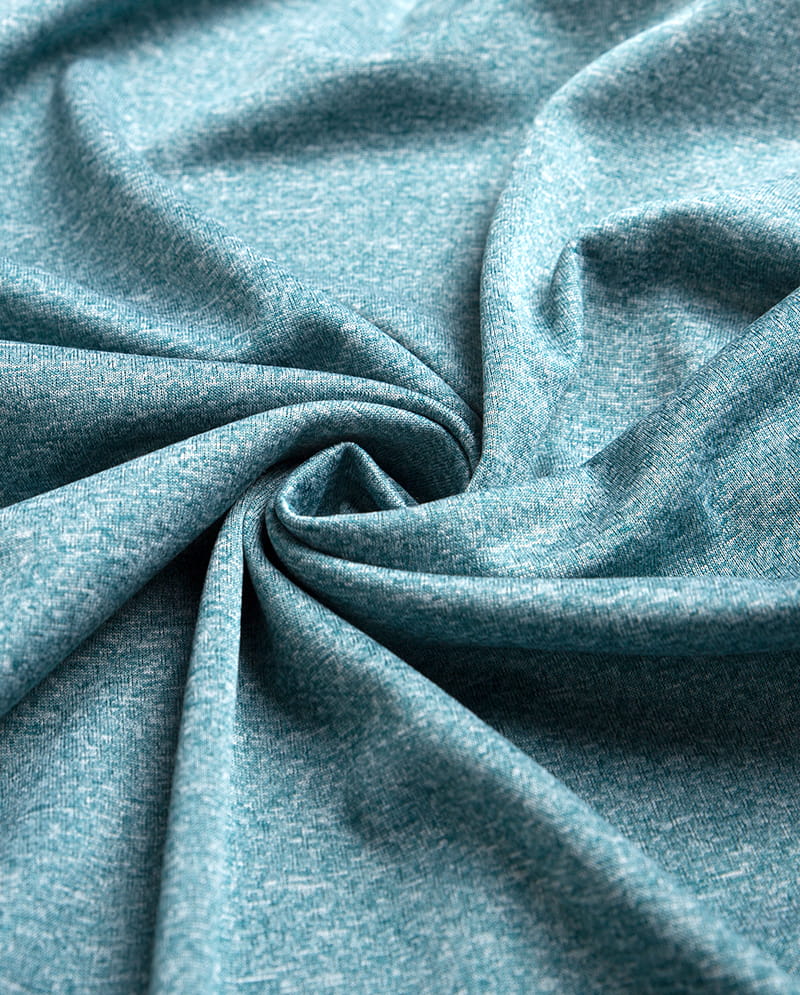
Heather Grey Double-faced cationic jersey fabric
-
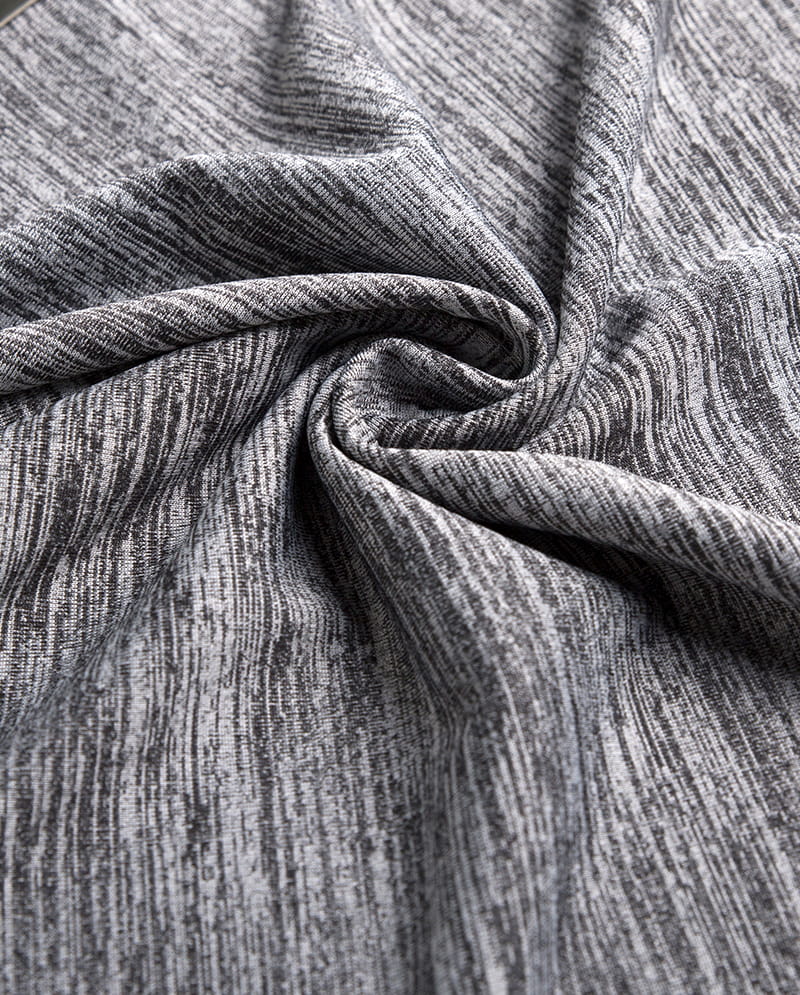
Anti-static Cationic Knitted Rib Fabric
-
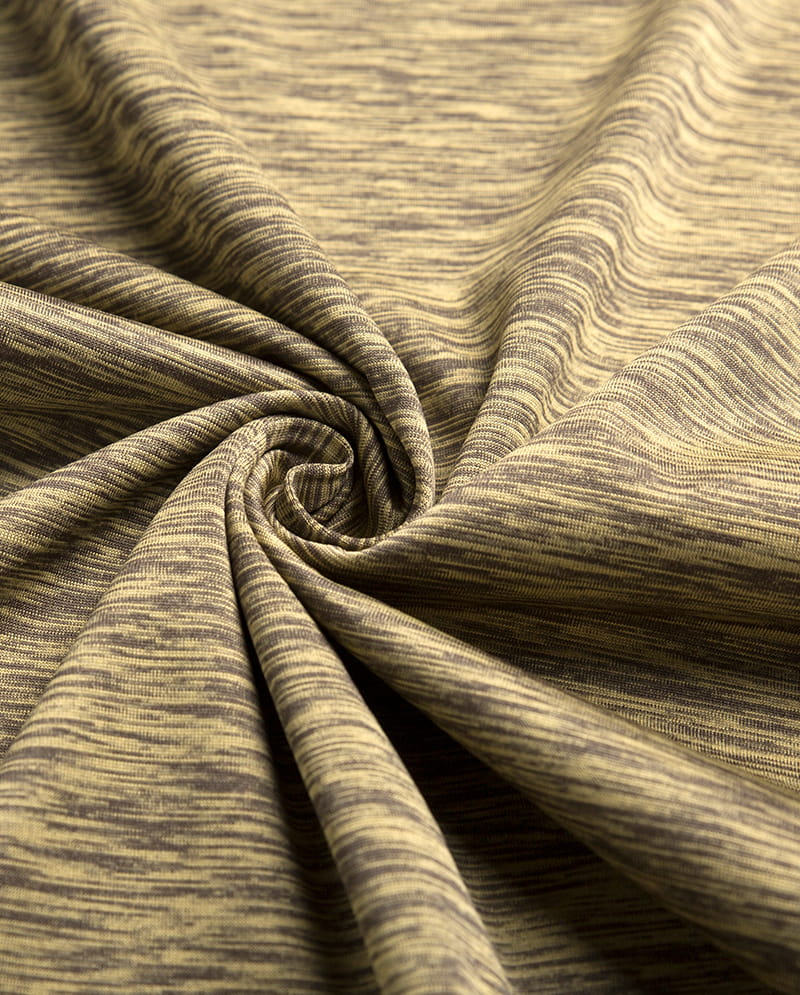
High-Stretch Cationic Jersey Fabric
-
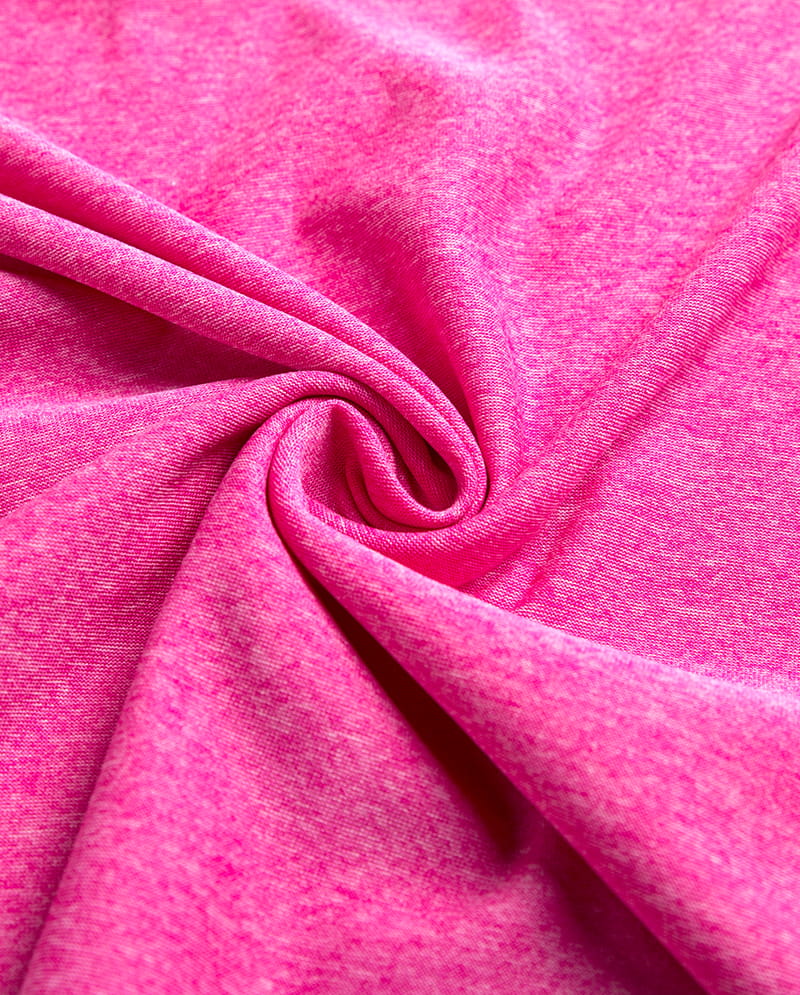
High Quality Cationic DTY Spandex Two Sides Brush Dralon Knit Fabric for Garment Thermal Underwear
-
Durable Anti-Pilling Knitted Fabric for Home Textiles
-
Wash-Resistant Cationic Elastic Knitted Fabric for Garment Industry
-
Breathable Double-Faced Elastic Composite Fabric
-
-
-
- whatsapp:
- 0086-13962559622
-
- skype:
- skype.aliceshenghong
-
- Wechat:

COPYRIGHT © 2016 Suzhou Junhui Textile Co., Ltd.
