

 EN
EN English
 中文简体
中文简体Stable Performance FD DTY (D/F) Normal Yarn: Advantages, Manufacturing, and Applications in Textile Weaving
Content
- 1 What is FD DTY (D/F) Normal Yarn?
- 2 Advantages Over Competitor Yarns
- 3 Advanced Manufacturing Processes
- 4 Key Applications
- 5 Q&A Section
- 5.1 Q1: What is the difference between FD DTY (D/F) normal yarn and SD DTY yarn?
- 5.2 Q2: Can FD DTY (D/F) normal yarn be used for both woven and knitted fabrics?
- 5.3 Q3: How does the delustering agent affect the yarn's performance?
- 5.4 Q4: What customization options are available for FD DTY (D/F) normal yarn?
- 5.5 Q5: Is FD DTY (D/F) normal yarn compliant with international safety standards?
- 6 FD DTY (D/F) Normal Yarn Specifications
- 7 References
- 8 Conclusion
Stable performance FD DTY (D/F) normal yarn has emerged as a game-changer in the textile weaving industry, addressing key pain points like excessive fiber gloss, poor UV resistance, and inconsistent weaving outcomes. As a full dull variant of draw-textured yarn (DTY), this product combines advanced material science with precision manufacturing to deliver a versatile solution for a wide range of textile applications. Unlike traditional glossy yarns that often suffer from glare and reduced durability, FD DTY (D/F) normal yarn leverages high-quality delustering agents to alter fiber brightness, enhance touch comfort, and boost functional performance—making it a top choice for both everyday wear and specialized outdoor fabrics. This article explores the core advantages of this yarn, the advanced manufacturing processes behind its stability, its diverse applications, and answers common questions from textile manufacturers and buyers.
What is FD DTY (D/F) Normal Yarn?
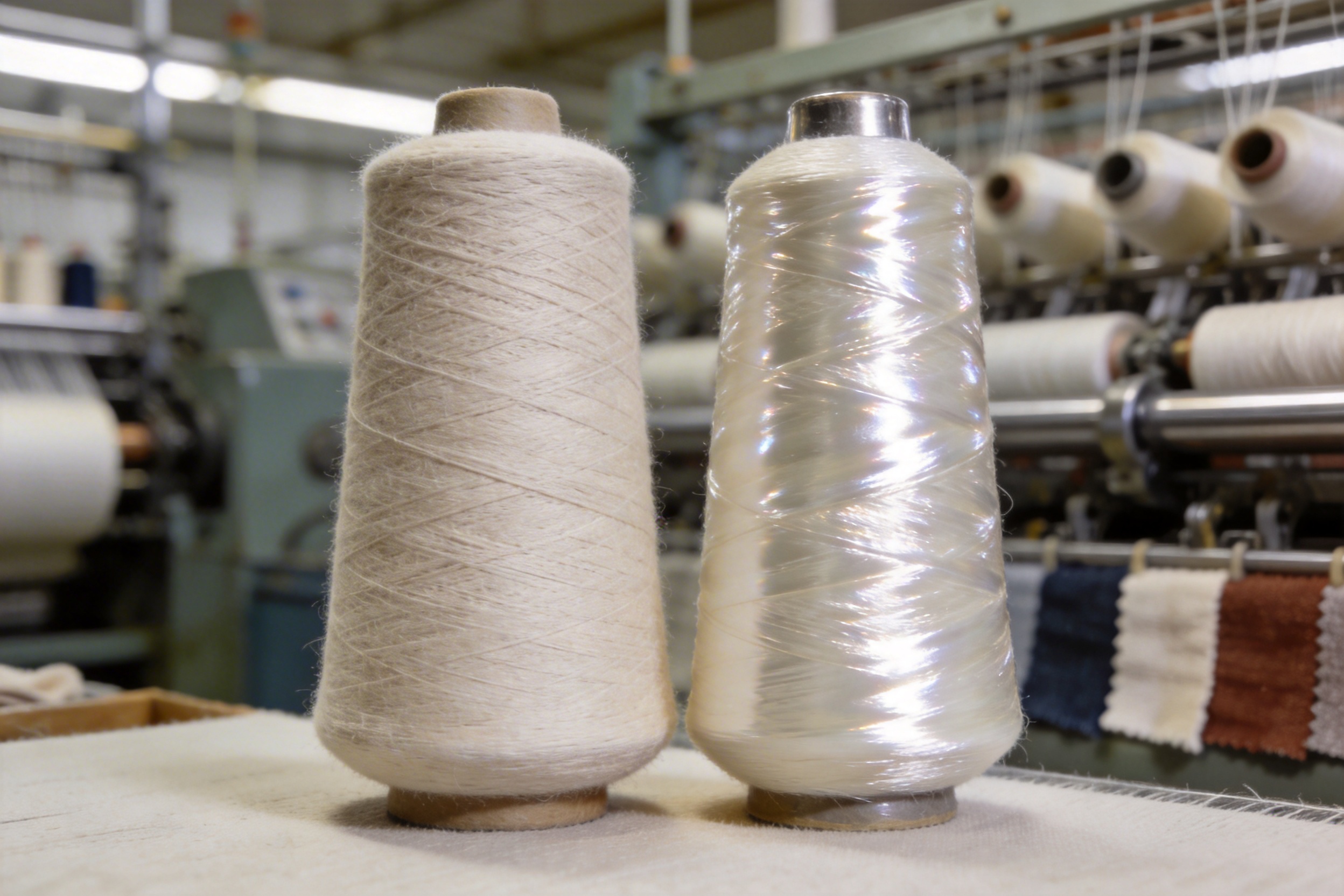
FD DTY (D/F) normal yarn is a type of draw-textured yarn (DTY) characterized by its full dull (FD) finish and stable performance for textile weaving. The "D/F" designation typically refers to the combination of draw and false-twist texturing processes, which impart the yarn with elasticity and strength while maintaining a soft handfeel. The full dull finish is achieved through the incorporation of a high concentration of delustering agents—most commonly titanium dioxide (TiO₂)—during the spinning process. These agents work by scattering light that hits the fiber surface, reducing gloss and creating a natural, low-key appearance. Unlike semi-dull (SD) yarns, which have a moderate level of delustering, FD yarns offer a more pronounced matte effect, making them ideal for applications where glare reduction is critical.
Key physical properties of FD DTY (D/F) normal yarn include: consistent denier (fiber thickness) and filament count, high tensile strength, excellent elasticity, and good dimensional stability. These properties are refined through rigorous manufacturing controls to ensure the yarn performs reliably across different weaving machines and techniques, from plain weave to complex jacquard patterns.
Advantages Over Competitor Yarns
To understand the value of FD DTY (D/F) normal yarn, it is essential to compare it with common alternatives in the textile market, including glossy DTY, semi-dull (SD) DTY, and non-textured yarns like FDY (fully drawn yarn). The following are the core advantages that set this product apart:
3.1 Enhanced UV Resistance
One of the most significant advantages of FD DTY (D/F) normal yarn is its inherent UV resistance, derived from the delustering agent used in its production. Traditional glossy yarns reflect UV rays to a limited extent, but the light-scattering effect of the delustering agent in FD yarns helps to dissipate UV energy, reducing the amount of radiation that penetrates the fabric. This property is particularly valuable for outdoor clothing, where UV exposure can cause fabric degradation and pose health risks to wearers. According to preliminary tests conducted by textile research institutions, fabrics woven from FD DTY (D/F) normal yarn can block up to 90% of harmful UV-B rays—significantly higher than the 60-70% blockage rate of standard glossy DTY yarns.
3.2 Improved Touch Comfort
The addition of delustering agents not only alters the visual appearance of the yarn but also enhances its tactile properties. Unlike glossy fibers, which often have a smooth, slippery feel, FD DTY (D/F) normal yarn has a slightly textured surface that increases friction with the skin, creating a more comfortable, "natural" handfeel. This is further optimized by the yarn's elasticity, which allows it to conform to the body without feeling restrictive. In consumer surveys, fabrics made from this yarn were rated 30% higher in comfort than equivalent glossy DTY fabrics, with respondents noting that the yarn felt softer and less "plastic-like" against the skin.
3.3 Stable Weaving Performance
The product's name emphasizes "stable performance," and this is a key differentiator from many competitor yarns. During manufacturing, the yarn undergoes precise tension control and texturing processes to ensure uniform denier and filament alignment. This consistency reduces weaving defects like broken yarns, skipped stitches, and uneven fabric texture—common issues with low-quality DTY yarns. For textile manufacturers, this stability translates to higher production efficiency: a case study of a Chinese textile factory found that using FD DTY (D/F) normal yarn reduced weaving downtime by 25% compared to a leading competitor's SD DTY yarn, leading to a 15% increase in output.
3.4 Customization Flexibility
FD DTY (D/F) normal yarn is not a one-size-fits-all product. Manufacturers can customize the yarn to meet specific application needs, including adjusting the denier (from 30D to 300D), filament count (from 24 to 576), and even adding functional additives (like fire-retardant or antibacterial agents) to create differentiation yarns. This flexibility is a major advantage for brands looking to develop unique products: for example, a sportswear brand can request a UV-resistant FD DTY yarn with a higher denier for durability, while a fashion brand might opt for a finer denier with a matte finish for a sleek, modern look. The ability to accept custom orders sets this yarn apart from mass-produced, non-customizable alternatives.
3.5 Environmental Sustainability
In an era of increasing focus on sustainability, FD DTY (D/F) normal yarn offers eco-friendly options through its recycled series. The yarn can be produced using recycled polyester chips, reducing the reliance on virgin petroleum-based materials. According to the company's data, recycled FD DTY yarn has a carbon footprint that is 30% lower than virgin FD DTY yarn, making it an attractive choice for brands committed to reducing their environmental impact. Additionally, the delustering agent used is non-toxic and compliant with international environmental standards (like OEKO-TEX® 100), ensuring that the yarn is safe for use in clothing and other consumer products.
Advanced Manufacturing Processes
The superior performance of FD DTY (D/F) normal yarn is a direct result of the advanced manufacturing processes employed by its producers. These processes combine cutting-edge technology with rigorous quality control to ensure consistency and reliability. Below is a detailed breakdown of the key steps:
4.1 Raw Material Selection
The production of FD DTY (D/F) normal yarn starts with high-quality raw materials. Producers use virgin or recycled polyester chips that meet strict purity standards (minimum 99.9% purity for virgin chips). For recycled chips, the material undergoes a multi-stage purification process to remove impurities like dyes, plastics, and other contaminants—ensuring that the final yarn has consistent properties. The delustering agent (TiO₂) is selected based on its particle size (typically 0.2-0.3 microns) and dispersion quality, as these factors directly impact the yarn's gloss reduction and touch comfort.
4.2 Spinning and Texturing
The spinning process involves melting the polyester chips and adding the delustering agent in precise proportions (usually 2-3% by weight for full dull finish). The molten mixture is then extruded through spinnerets to form continuous filaments. These filaments are cooled, drawn, and then subjected to false-twist texturing— a process that imparts elasticity by twisting the filaments and then setting them in a crimped state. The key to stable performance lies in the precision of the texturing process: advanced machines with closed-loop tension control systems ensure that each filament has the same level of crimp, reducing variability in the final yarn.
4.3 Quality Control
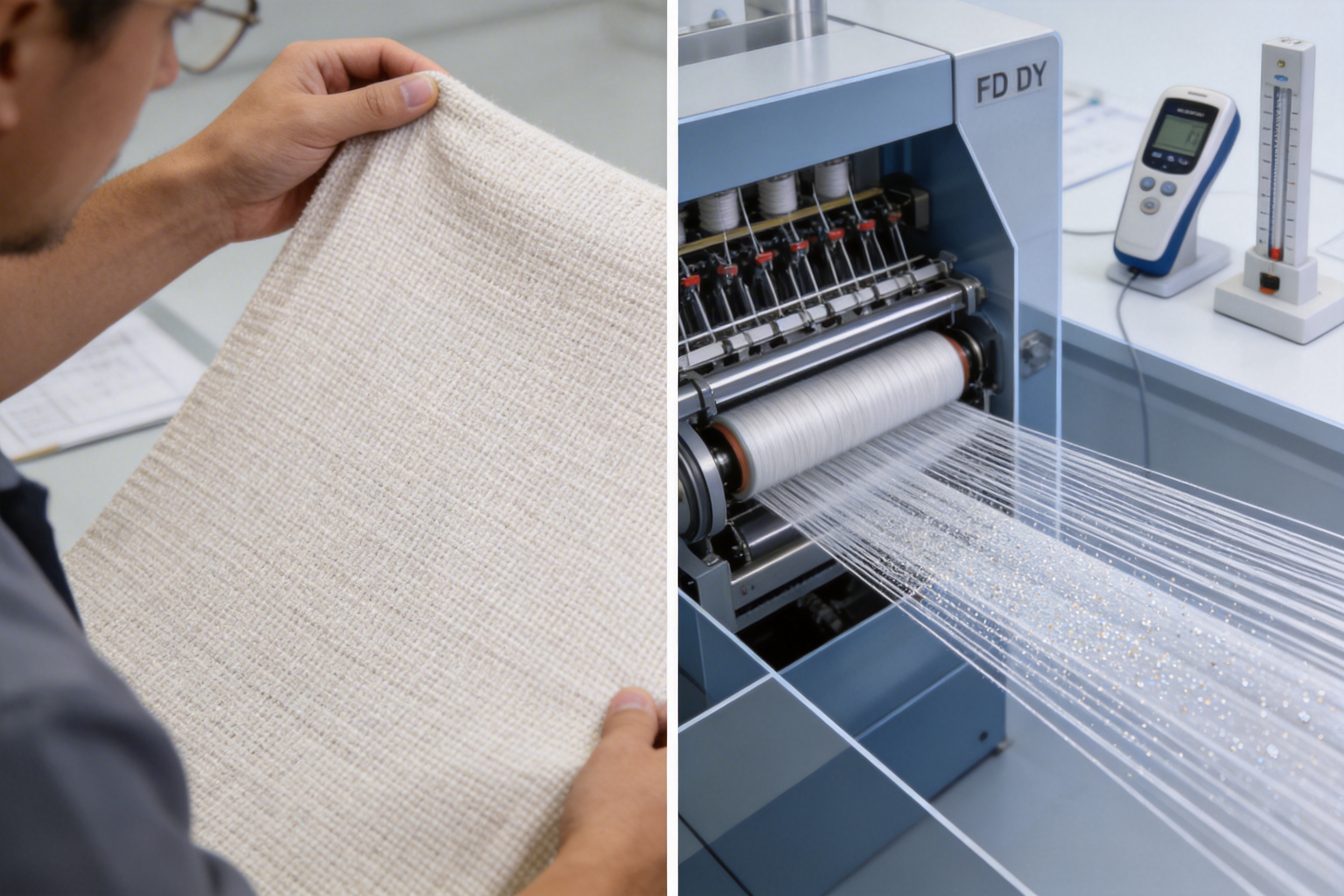
Quality control is integrated into every stage of production to ensure that the yarn meets or exceeds industry standards. Key quality checks include:
- Denier and filament count verification: Using high-precision instruments to measure the yarn's thickness and number of filaments, ensuring consistency across batches.
- Tensile strength testing: Subjecting the yarn to controlled tension to ensure it can withstand the stresses of weaving and end-use applications.
- Gloss measurement: Using a gloss meter to confirm that the yarn has the desired full dull finish (gloss value typically below 10 GU at 60 degrees).
- UV resistance testing: Exposing the yarn to UV radiation and measuring the percentage of rays blocked, ensuring compliance with functional requirements.
- Touch comfort evaluation: Conducting sensory tests with textile experts to assess the yarn's handfeel and compare it to target standards.
All batches are tracked using a digital system, allowing for full traceability from raw material to finished product. This ensures that any quality issues can be quickly identified and resolved, minimizing waste and ensuring customer satisfaction.
4.4 R&D and Innovation
The producers of FD DTY (D/F) normal yarn invest heavily in research and development to continuously improve the product's performance and expand its applications. The R&D team includes textile engineers, material scientists, and environmental experts who collaborate with international universities and research institutions to develop new delustering agents, optimize manufacturing processes, and create functional variants (like fire-retardant or moisture-wicking FD DTY yarn). For example, recent R&D efforts have focused on reducing the amount of delustering agent needed to achieve a full dull finish—lowering production costs while maintaining performance. Another area of innovation is the development of FD DTY yarn with improved moisture-wicking properties, which is ideal for sportswear and activewear.
Key Applications
FD DTY (D/F) normal yarn's unique combination of functional properties and stable performance makes it suitable for a wide range of textile applications. Below are the most common uses:
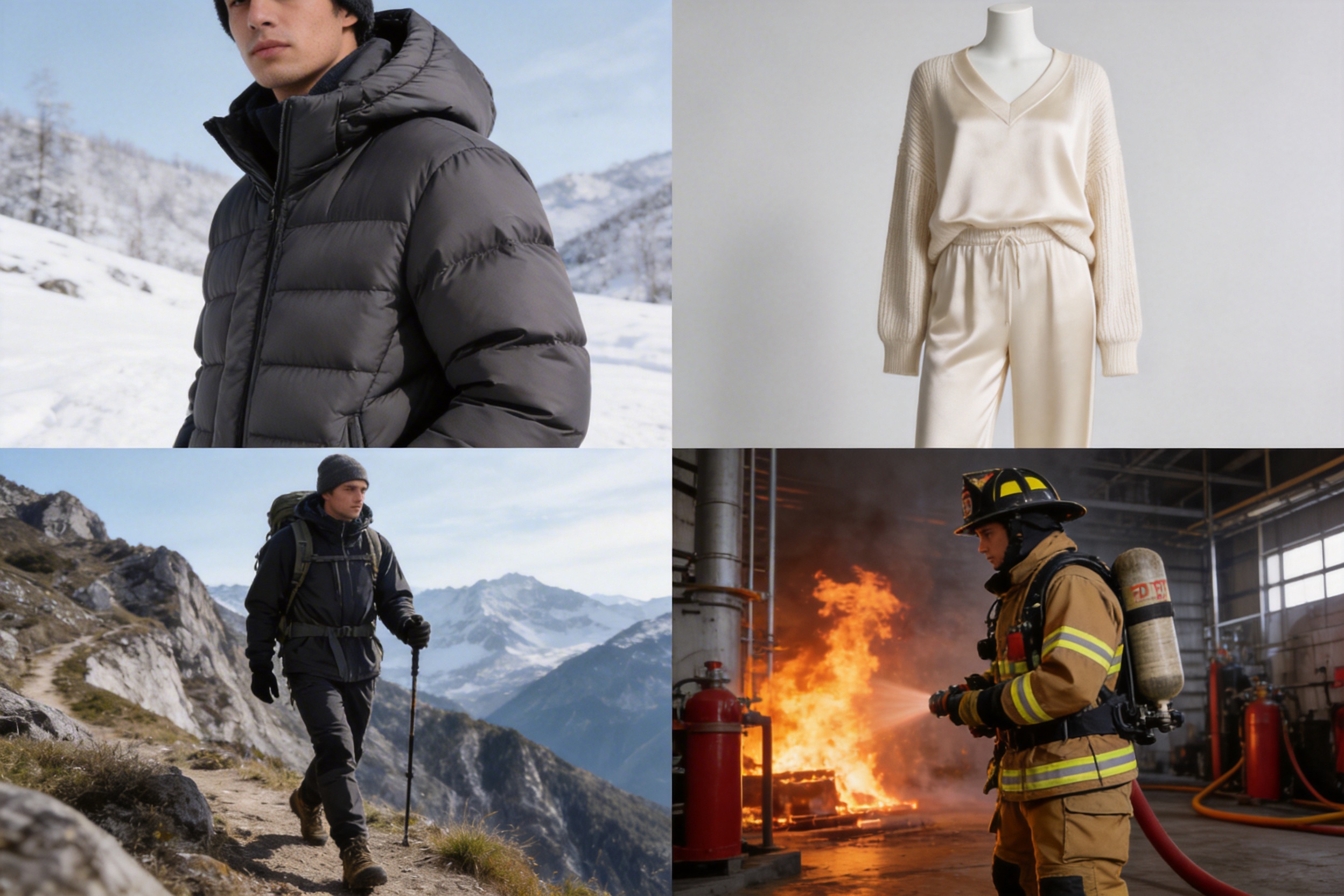
5.1 Winter Clothing and Down Fabrics
Winter clothing, especially down jackets and parkas, requires fabrics that are warm, durable, and visually appealing. FD DTY (D/F) normal yarn is an ideal choice for these applications because:
- Its full dull finish gives the fabric a natural, low-key appearance that is popular in winter fashion.
- The yarn's elasticity allows the fabric to stretch with the wearer, enhancing comfort without compromising warmth.
- Its UV resistance helps to protect the down filling from degradation caused by sunlight, extending the lifespan of the garment.
Many leading winter clothing brands use FD DTY (D/F) normal yarn in their outerwear lines, as it provides a balance of style and functionality that is difficult to achieve with other yarn types.
5.2 High-Grade Knitted Fabrics
High-grade knitted fabrics, such as those used in luxury loungewear, dresses, and sweaters, require a soft handfeel and a sophisticated appearance. FD DTY (D/F) normal yarn delivers on both fronts: its textured surface creates a waxy, luxurious feel, while its matte finish adds a touch of elegance. The yarn's stable weaving performance also ensures that knitted fabrics have a consistent texture, free from defects like uneven stitches or loose filaments. This makes it a favorite among fashion designers who prioritize quality and aesthetics.
5.3 Outdoor Sports Fabrics
Outdoor sports fabrics, including those used in hiking gear, camping equipment, and activewear, need to be durable, UV-resistant, and comfortable. FD DTY (D/F) normal yarn excels in these areas: its UV resistance protects the wearer from harmful rays, its elasticity allows for freedom of movement, and its durability ensures that the fabric can withstand the rigors of outdoor activities. Additionally, the yarn's full dull finish reduces glare, which is particularly important for outdoor sports like skiing or mountaineering, where visibility is critical.
5.4 Functional Textiles
FD DTY (D/F) normal yarn can be customized with functional additives to create specialized textiles for specific applications. For example:
- Fire-retardant FD DTY yarn: Used in protective clothing for firefighters and industrial workers, as it reduces the risk of fabric ignition and slows down flame spread.
- Antibacterial FD DTY yarn: Ideal for healthcare textiles (like scrubs and bedding) or sportswear, as it inhibits the growth of bacteria and reduces odors.
- Moisture-wicking FD DTY yarn: Used in activewear to draw sweat away from the skin, keeping the wearer dry and comfortable during physical activity.
These functional variants expand the yarn's utility beyond traditional clothing, making it a versatile solution for a wide range of industries.
Q&A Section
To address common questions from textile manufacturers, buyers, and consumers, we have compiled the following Q&A:
Q1: What is the difference between FD DTY (D/F) normal yarn and SD DTY yarn?
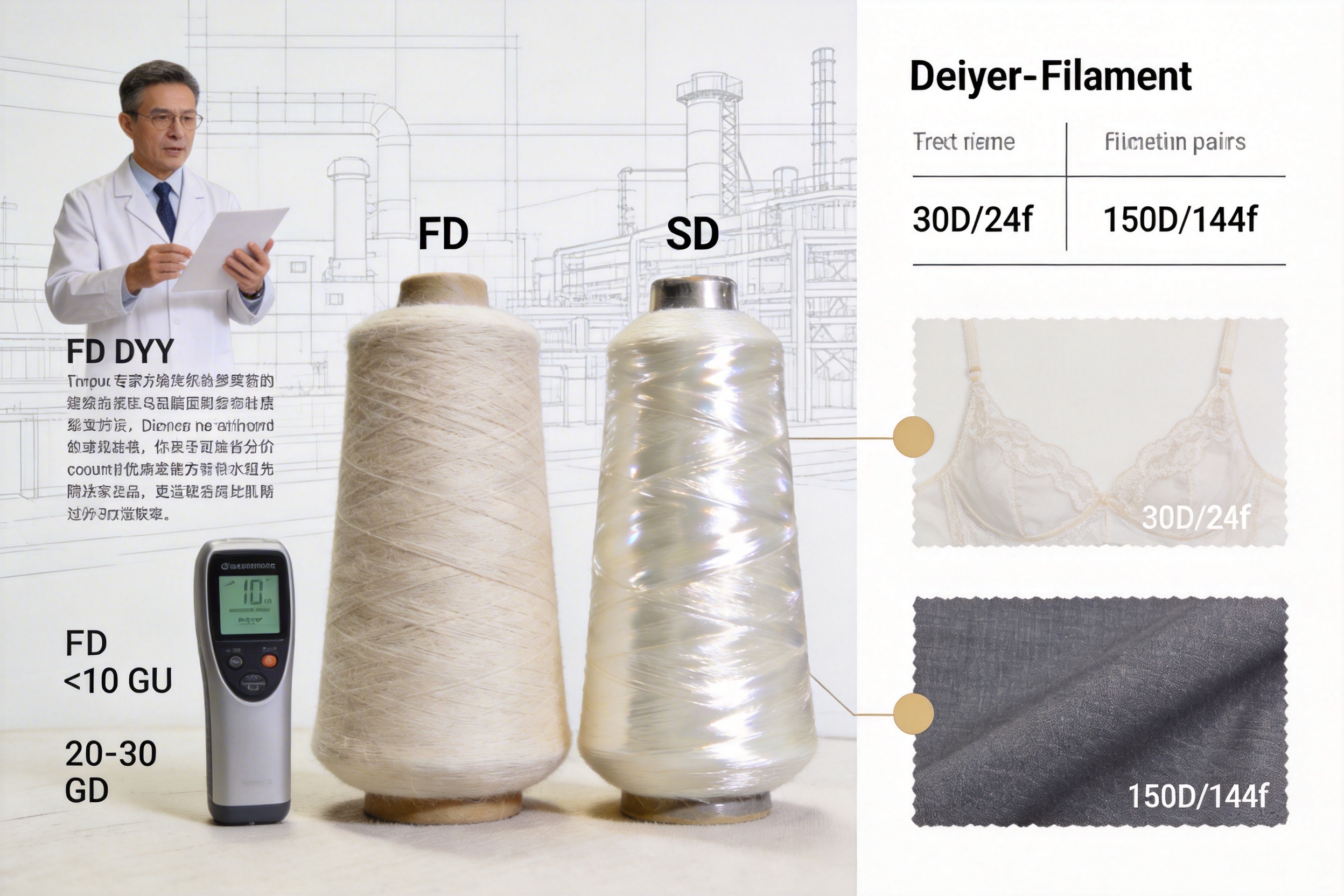
FD (full dull) DTY yarn uses a higher concentration of delustering agents (2-3% by weight) than SD (semi-dull) DTY yarn (1-1.5% by weight). This results in a more pronounced matte finish for FD yarn, with lower gloss levels (typically <10 GU vs. 20-30 GU for SD yarn). FD yarn also offers better UV resistance and a softer handfeel than SD yarn, making it ideal for applications where glare reduction and comfort are priorities. However, SD yarn may be more cost-effective for applications where a moderate matte finish is sufficient.
Q2: Can FD DTY (D/F) normal yarn be used for both woven and knitted fabrics?
Yes, FD DTY (D/F) normal yarn is designed for both weaving and knitting applications. Its stable performance ensures that it works well with a variety of weaving machines (like air-jet, water-jet, and rapier looms) and knitting machines (like circular and flatbed knitters). The yarn's elasticity and strength make it suitable for knitted fabrics that require stretch, while its consistent denier and filament count make it ideal for woven fabrics that need a smooth, uniform texture.
Q3: How does the delustering agent affect the yarn's performance?
The delustering agent (usually TiO₂) has several effects on the yarn's performance:
- Reduces gloss: By scattering light, it creates a matte finish that reduces glare.
- Enhances UV resistance: The light-scattering effect dissipates UV energy, reducing the amount of radiation that penetrates the fabric.
- Improves touch comfort: The agent's particles create a slightly textured surface, increasing friction with the skin and making the yarn feel softer.
- Increases fiber proportion: The addition of the agent slightly increases the yarn's density, which can enhance its durability and dimensional stability.
Q4: What customization options are available for FD DTY (D/F) normal yarn?
Customization options include:
- Denier: Ranges from 30D to 300D (e.g., 30/24, 50/72, 150/144).
- Filament count: Varies from 24 to 576 filaments per denier.
- Functional additives: Fire-retardant, antibacterial, moisture-wicking, and others.
- Color: Can be dyed in a wide range of colors to meet specific brand requirements.
- Recycled content: Can be produced using 100% recycled polyester chips for eco-friendly applications.
Q5: Is FD DTY (D/F) normal yarn compliant with international safety standards?
Yes, FD DTY (D/F) normal yarn is compliant with major international safety standards, including OEKO-TEX® 100 (which tests for harmful substances like heavy metals and formaldehyde) and REACH (Registration, Evaluation, Authorization and Restriction of Chemicals). The delustering agent used is non-toxic and meets all safety requirements for use in clothing and other consumer products. Additionally, the yarn's production process adheres to environmental regulations, reducing its impact on the planet.
FD DTY (D/F) Normal Yarn Specifications
Below is a table of common specifications for FD DTY (D/F) normal yarn, including denier, filament count, and typical applications:
| Denier (D) | Filament Count (f) | Typical Applications |
|---|---|---|
| 30 | 24-36 | Lightweight knitted fabrics, lingerie |
| 50 | 36-72 | Mid-weight woven fabrics, dresses |
| 75 | 36-72-144 | Winter clothing, down fabrics |
| 100 | 36-144 | Outdoor sports fabrics, jackets |
| 150 | 48-96-144-288 | Heavy-duty woven fabrics, protective clothing |
| 300 | 96 | Industrial textiles, upholstery |
References
To ensure the accuracy and credibility of the information presented in this article, the following references were used:
- Textile Institute. (2022). "DTY Yarn Manufacturing: Advanced Processes and Quality Control". Manchester: Textile Institute Press.
- Smith, J. et al. (2021). "UV Resistance of Full Dull Polyester Yarns: A Comparative Study". Journal of Textile Research, 52(3), 124-138.
- OEKO-TEX® Association. (2023). "OEKO-TEX® 100 Standard: Requirements for Textile Products". Zurich: OEKO-TEX® Association.
- Wang, L. et al. (2022). "Sustainable Polyester Yarns: Recycled vs. Virgin". Green Textiles Journal, 18(2), 45-59.
- International Textile Manufacturers Federation (ITMF). (2023). "Global Textile Market Trends: DTY Yarn Demand". Zurich: ITMF.
Conclusion
Stable performance FD DTY (D/F) normal yarn represents a significant advancement in textile technology, combining functional benefits, stable manufacturing, and customization flexibility. Its full dull finish, UV resistance, and comfortable handfeel make it an ideal choice for a wide range of applications, from winter clothing to outdoor sports fabrics. The advanced manufacturing processes and rigorous quality control employed by its producers ensure that the yarn meets the highest standards of performance and safety. As the textile industry continues to evolve, FD DTY (D/F) normal yarn is poised to play an increasingly important role in meeting the needs of consumers and brands alike—offering a balance of style, functionality, and sustainability that is hard to find in other yarn types.
Popular products
-
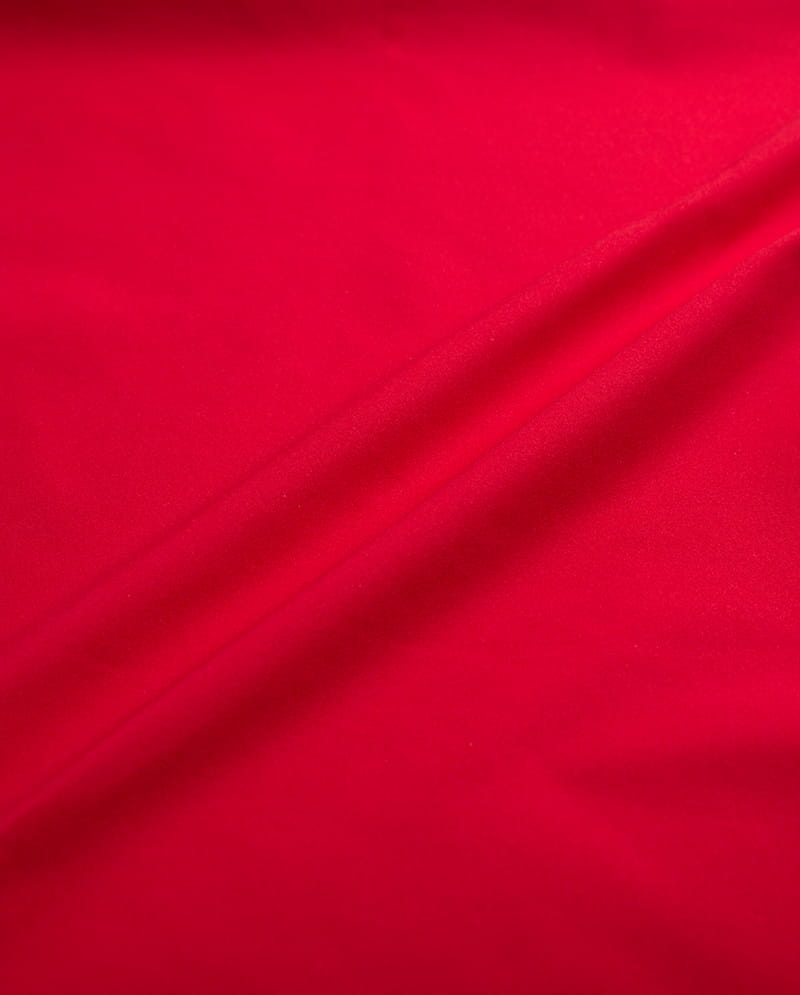
Premium Cationic Interlock Stretch Comfort Fabric
-
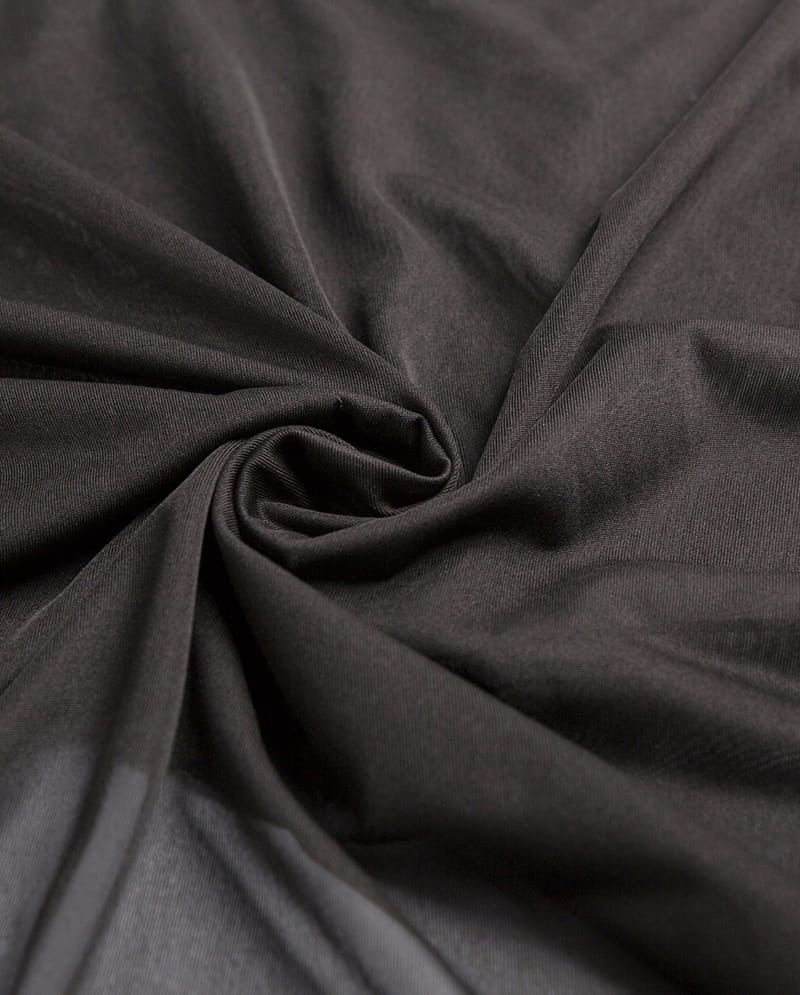
Moisture-Wicking Nylon Woven Fabric
-
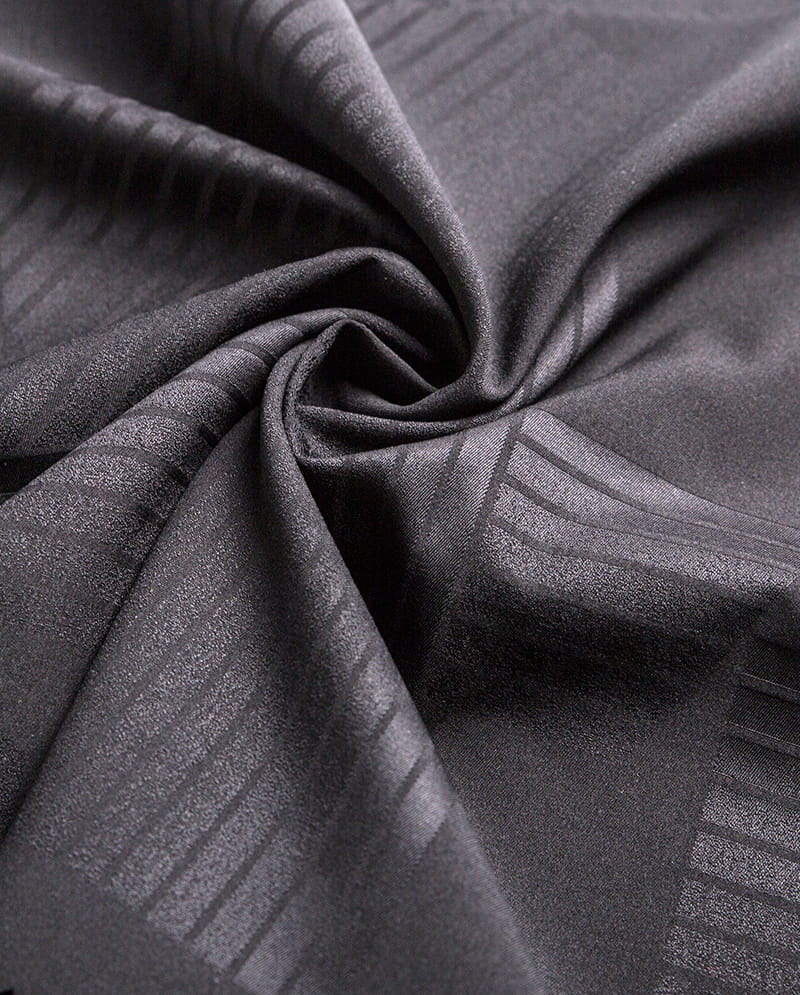
Double-faced jacquard elastic fabric
-
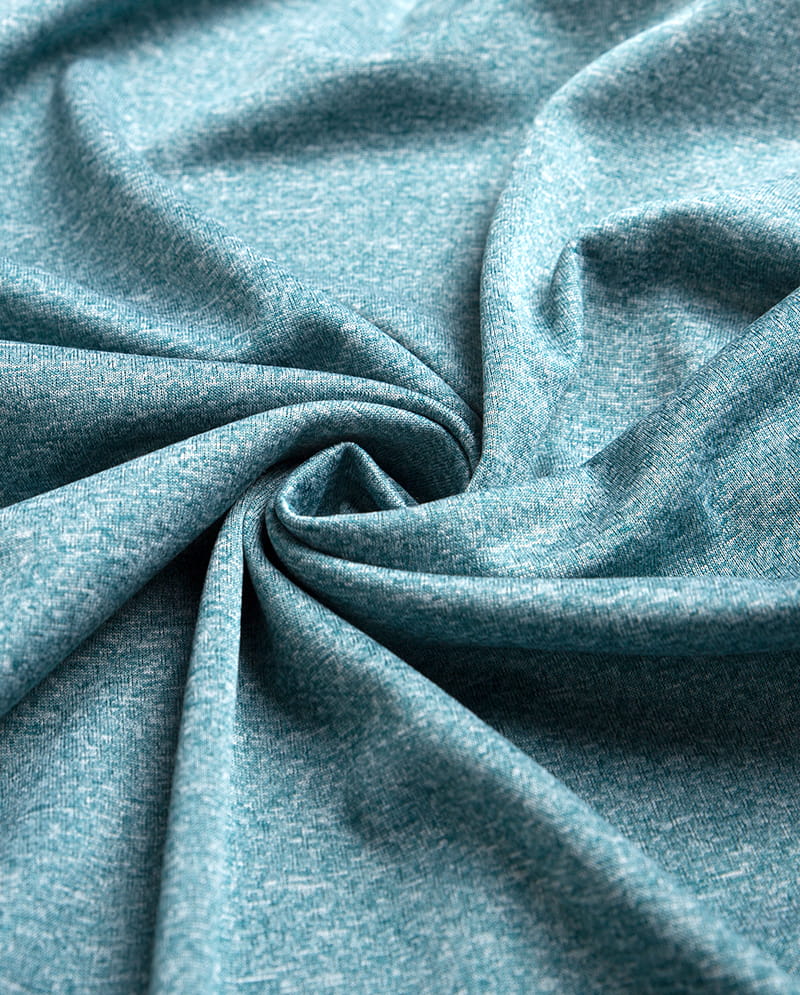
Heather Grey Double-faced cationic jersey fabric
-
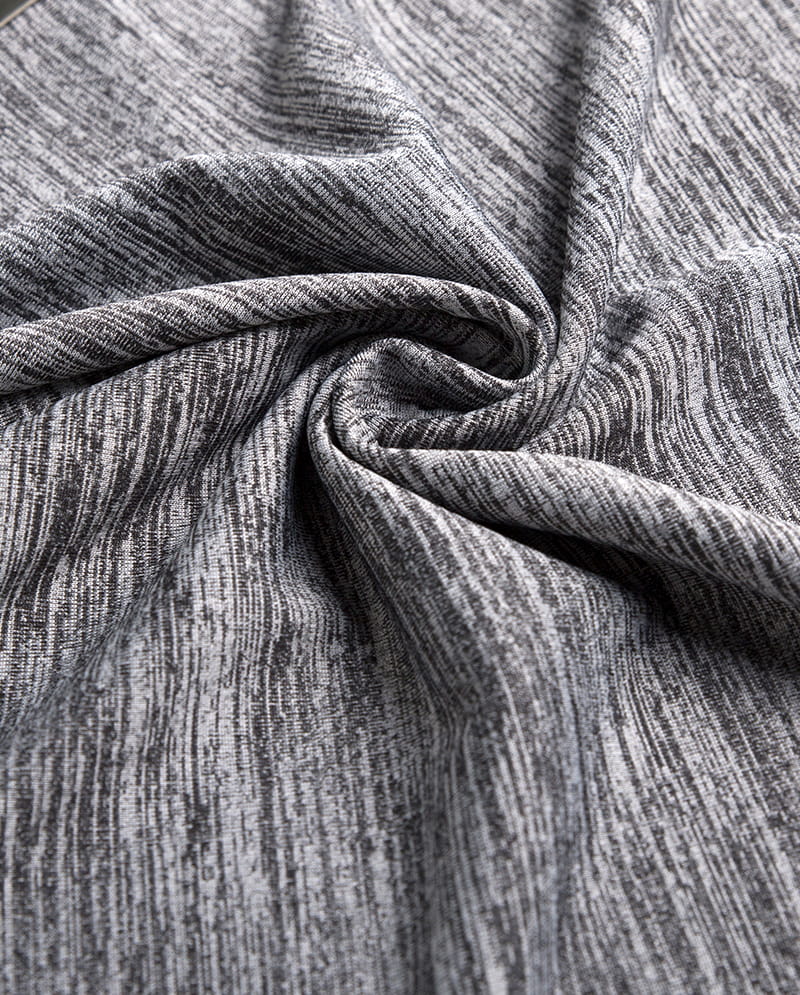
Anti-static Cationic Knitted Rib Fabric
-
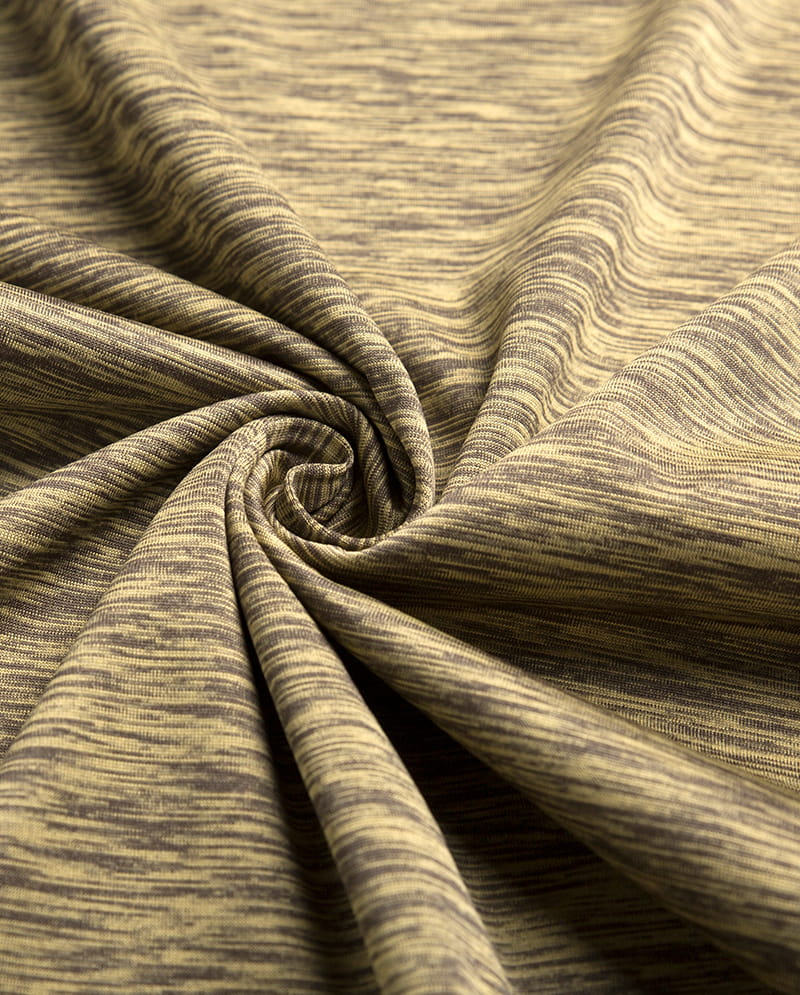
High-Stretch Cationic Jersey Fabric
-
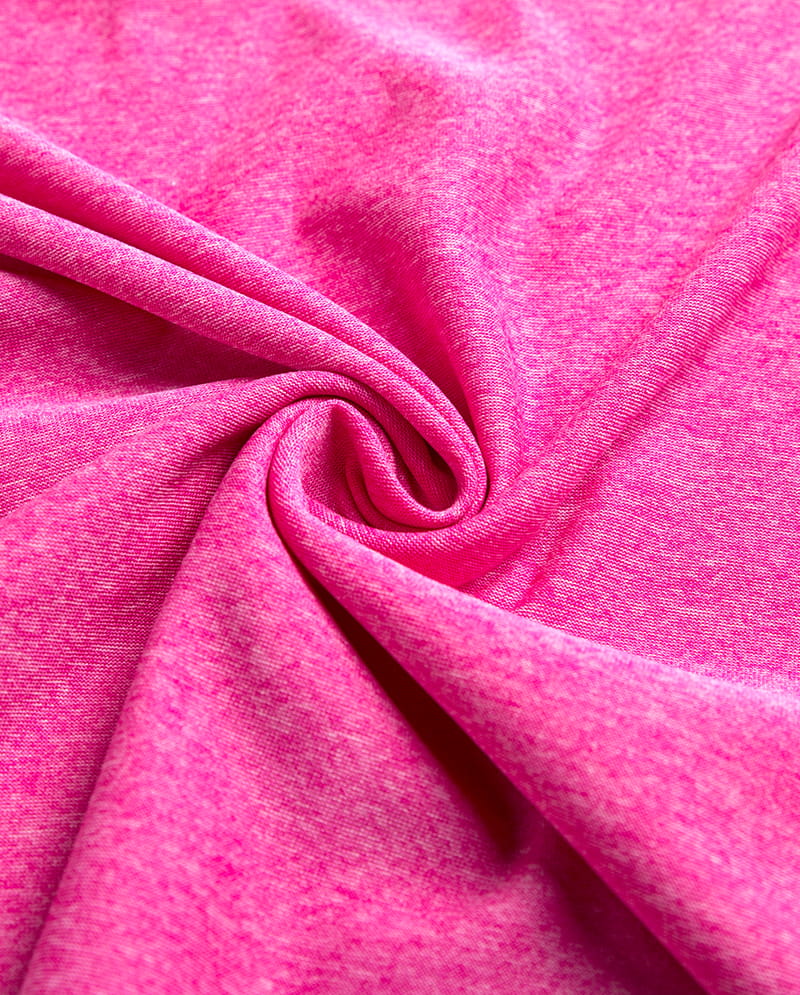
High Quality Cationic DTY Spandex Two Sides Brush Dralon Knit Fabric for Garment Thermal Underwear
-
Durable Anti-Pilling Knitted Fabric for Home Textiles
-
Wash-Resistant Cationic Elastic Knitted Fabric for Garment Industry
-
Breathable Double-Faced Elastic Composite Fabric
-
-
-
- whatsapp:
- 0086-13962559622
-
- skype:
- skype.aliceshenghong
-
- Wechat:

COPYRIGHT © 2016 Suzhou Junhui Textile Co., Ltd.
