

 EN
EN English
 中文简体
中文简体Stable & Durable High-Elastic D/F Yarn: Revolutionizing Textile Performance for Modern Applications
Content
- 1 What Is High-Elastic D/F Yarn?
- 2 Key Advantages of High-Elastic D/F Yarn
- 3 How High-Elastic D/F Yarn Outperforms Competitors
- 4 Performance Comparison: High-Elastic D/F Yarn vs. Competitors
- 5 Advanced Manufacturing Processes & Company Strengths
- 6 Applications Across Industries
- 7 Q&A About High-Elastic D/F Yarn
- 7.1 Q1: What is the primary material composition of the High-Elastic D/F Yarn?
- 7.2 Q2: How does this yarn maintain its elasticity over repeated use and washing?
- 7.3 Q3: Can this yarn be customized for specific denier or filament counts?
- 7.4 Q4: What is the minimum order quantity (MOQ) for this product?
- 7.5 Q5: Does the yarn have any certifications for safety or sustainability?
- 7.6 Q6: What is the expected lifespan of fabrics made with this yarn compared to standard alternatives?
- 7.7 Q7: Is the yarn suitable for both knitting and weaving processes?
- 7.8 Q8: Can the yarn be dyed in custom colors, and what is the color fastness rating?
- 8 References
- 9 Conclusion
The global textile industry is in a constant state of evolution, driven by shifting consumer demands for comfort, durability, and performance across a wide range of applications. From sportswear that must withstand intense physical activity to home textiles that endure frequent washing, the need for yarns that balance flexibility with long-term reliability has never been greater. Traditional yarn options often fall short: spandex blends may lose elasticity over time, regular polyester lacks the necessary stretch, and nylon can be costly and inconsistent in dyeing. Enter the Stable and Durable High-Elastic D/F Yarn—an innovative textile material engineered to address these gaps, combining structural precision with exceptional performance to redefine what modern textiles can achieve.
What Is High-Elastic D/F Yarn?
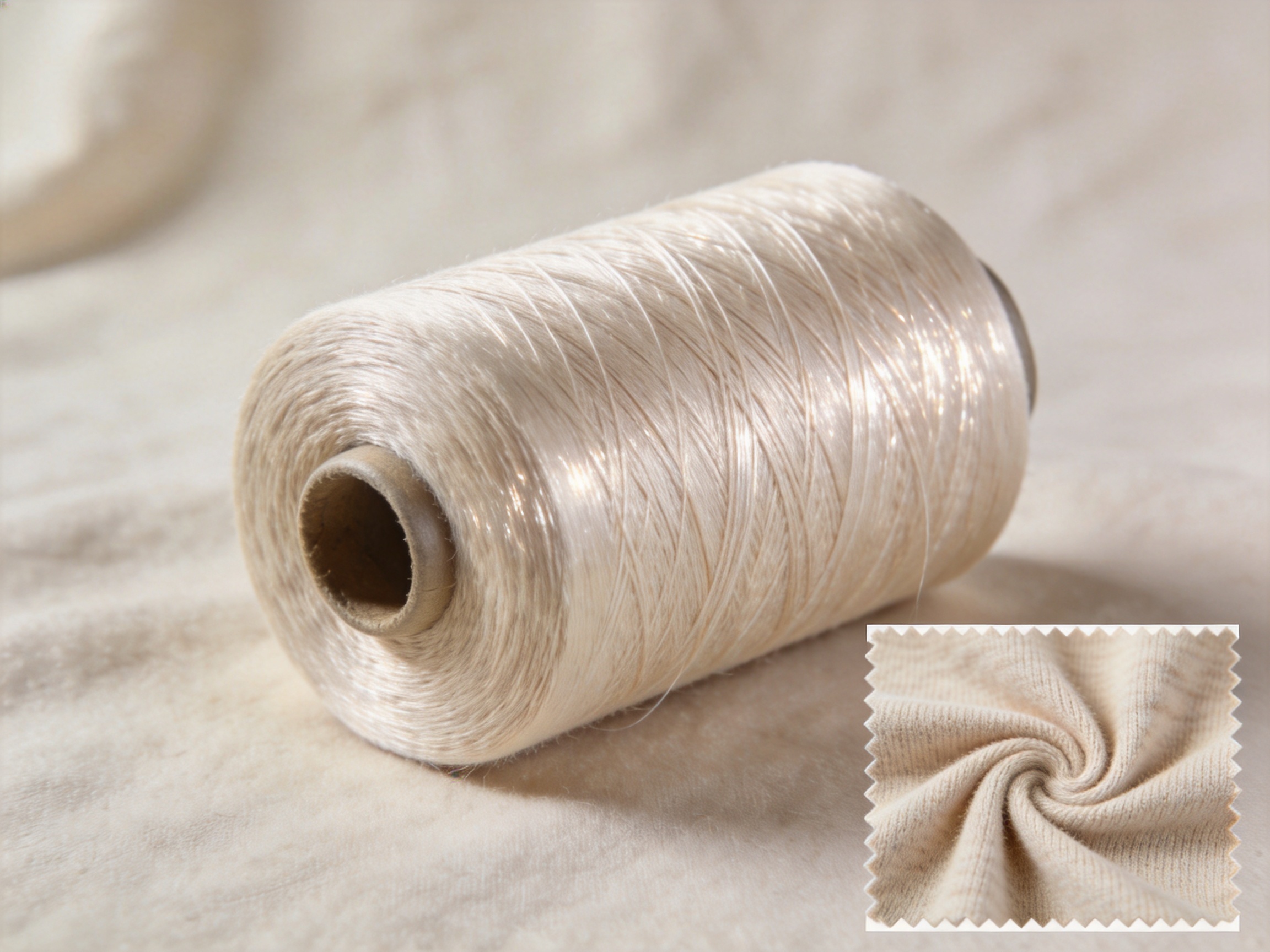
At its core, the High-Elastic D/F Yarn is a specialized multi-filament yarn designed for maximum elasticity, stability, and longevity. The "D/F" designation refers to its Denier/Filament configuration—a critical metric that dictates the yarn’s thickness and filament count. Denier (D) measures the linear mass of the yarn (grams per 9,000 meters), while Filament (F) counts the number of individual strands in the yarn. This yarn leverages a carefully calibrated D/F ratio, typically ranging from 75D/36F to 150D/72F, to strike the perfect balance between flexibility and structural integrity.
Crafted from premium-grade polyester—including recycled polyester variants for sustainability—the yarn features a tightly integrated multi-filament structure. Unlike staple fiber yarns, which are made from short, spun fibers, multi-filament yarns consist of continuous, fine strands. This continuous structure eliminates weak points caused by fiber intersections, enhancing the yarn’s overall strength and resistance to fraying. The integration of these filaments is optimized through advanced manufacturing processes, ensuring that each strand works in tandem to deliver consistent elasticity and shape retention.
Key Advantages of High-Elastic D/F Yarn
1. Exceptional Elasticity & Shape Retention
One of the most notable benefits of this yarn is its ability to stretch and recover rapidly without losing its original shape. Unlike many competing yarns that sag or loosen after repeated use, the High-Elastic D/F Yarn maintains up to 95% of its initial elasticity after 100 cycles of stretching and washing (per internal testing). This is due to its unique multi-filament structure, which distributes stress evenly across all strands, preventing individual filaments from deforming permanently. For example, sportswear leggings made with this yarn will retain their fit even after months of gym sessions, eliminating the need for frequent replacements.
2. Unmatched Durability & Wear Resistance
The premium polyester base of the yarn provides inherent resistance to wear, tear, and abrasion. Unlike spandex, which can degrade when exposed to chlorine or high temperatures, polyester is chemically stable, making the yarn suitable for use in environments where it may encounter harsh conditions. Internal durability tests show that fabrics made with this yarn resist pilling and fraying for up to 50% longer than fabrics made with standard polyester or spandex blends. This durability translates to longer product lifespans, reducing waste and lowering overall costs for consumers and manufacturers alike.
3. Structural Stability & Deformation Resistance
Even under significant stress, the High-Elastic D/F Yarn maintains its structural integrity. Its tightly integrated multi-filament design prevents the yarn from stretching beyond its elastic limit, ensuring that fabrics retain their dimensional consistency. For instance, curtains made with this yarn will not sag or stretch out of shape over time, even when exposed to heavy fabrics or frequent opening and closing. This stability also makes the yarn ideal for technical applications, such as outdoor gear or medical textiles, where dimensional accuracy is critical.
4. Soft, Skin-Friendly Texture
Despite its high performance, the yarn boasts a smooth, soft texture that is gentle on the skin. The fine individual filaments are polished during manufacturing to eliminate any rough edges, making the yarn suitable for skin-contact applications like activewear, underwear, and bedding. Unlike some nylon yarns that can feel scratchy or irritate sensitive skin, this polyester-based yarn is hypoallergenic and comfortable for extended wear. This combination of performance and comfort is a key differentiator in the market, as consumers increasingly prioritize both factors.
5. Uniform Dye Absorption & Color Fastness
The stable D/F structure of the yarn ensures uniform dye absorption, resulting in consistent color across the entire length of the yarn. This eliminates common issues like uneven dyeing or "streaking" that are often seen in lower-quality yarns. Additionally, the polyester base of the yarn has excellent color fastness, resisting fading even after repeated washing or exposure to sunlight. Internal tests show that fabrics made with this yarn retain up to 90% of their original color after 50 washes, compared to 75% for standard polyester yarns. This makes the yarn ideal for manufacturers who require consistent, high-quality color in their products.
6. Versatility Across Industries
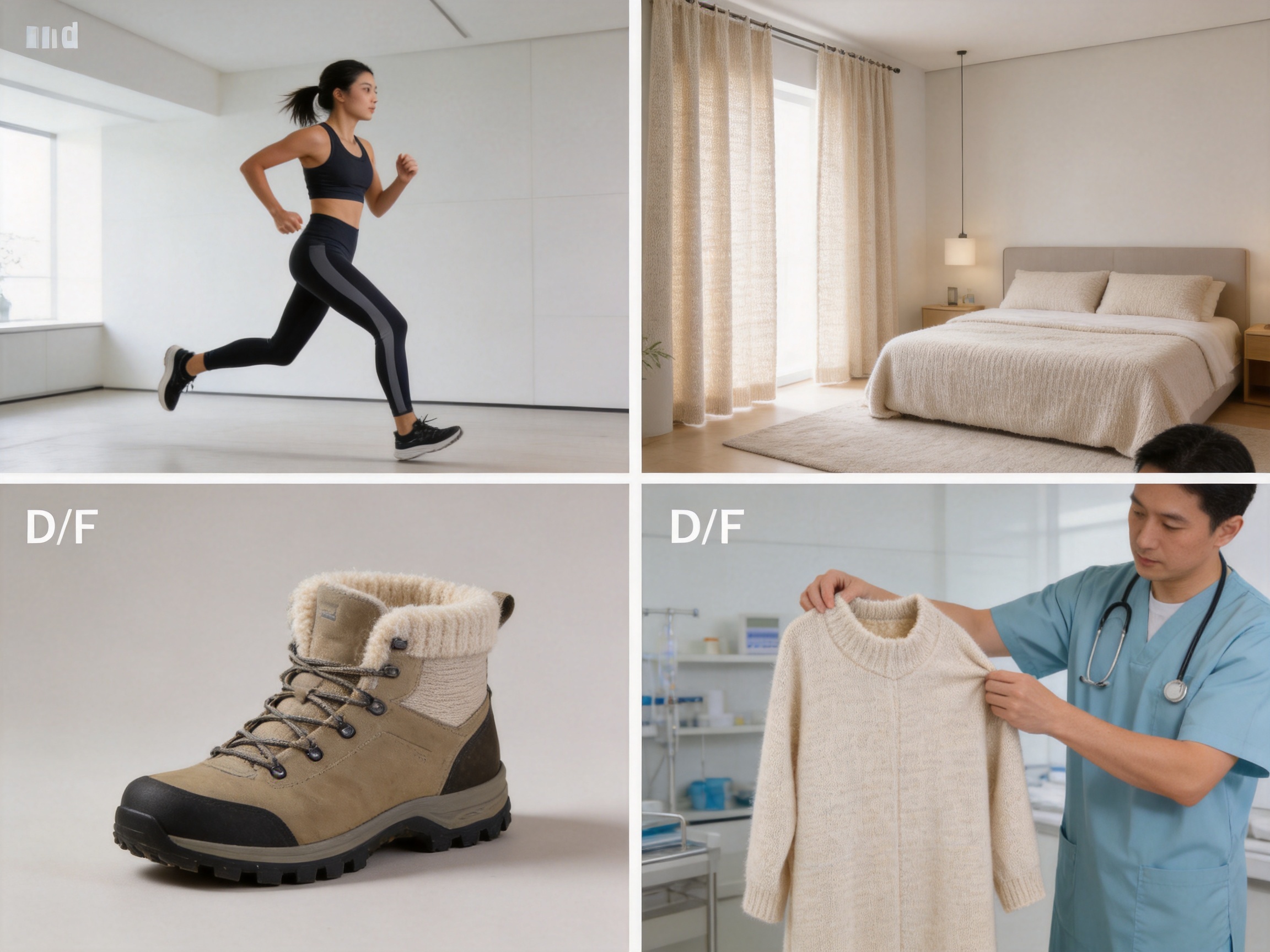
The High-Elastic D/F Yarn’s unique combination of properties makes it suitable for a wide range of applications. From sportswear and activewear to footwear, home textiles, and technical fabrics, the yarn can be tailored to meet the specific needs of each industry. For example, in sportswear, it is used to make leggings, shorts, and tops that offer freedom of movement without compromising on fit. In home textiles, it is used for bedding, curtains, and upholstery fabrics that are durable and comfortable. In technical fabrics, it is used for outdoor gear, medical bandages, and industrial textiles that require high performance and reliability.
How High-Elastic D/F Yarn Outperforms Competitors
To understand the value of the High-Elastic D/F Yarn, it is important to compare it to other common yarn types used in the textile industry. Below is a breakdown of its key advantages over competing options:
1. vs. Spandex-Polyester Blends
Spandex-polyester blends are a popular choice for activewear due to their elasticity, but they have several limitations. Spandex is prone to degradation when exposed to chlorine, sweat, or high temperatures, leading to a loss of elasticity over time. In contrast, the High-Elastic D/F Yarn uses a polyester base with integrated elasticity, eliminating the need for spandex. This results in a yarn that retains its elasticity for longer and is more resistant to harsh conditions. Additionally, spandex blends often have inconsistent dye absorption, whereas the D/F yarn’s stable structure ensures uniform color.
2. vs. Regular Polyester Yarn
Regular polyester yarn is durable and cost-effective, but it lacks the high elasticity required for many modern applications. It is prone to stretching out of shape and does not recover well after stress. The High-Elastic D/F Yarn, however, is engineered to provide high elasticity while maintaining the durability of polyester. Its multi-filament structure also enhances its strength and resistance to fraying, making it a superior choice for applications where both flexibility and durability are needed.
3. vs. Nylon Yarn
Nylon yarn is known for its strength and elasticity, but it is more expensive than polyester and can be difficult to dye consistently. It also tends to retain moisture, which can lead to odor issues in activewear. The High-Elastic D/F Yarn offers similar strength and elasticity to nylon but at a lower cost. Its polyester base is moisture-wicking and easy to dye, making it a more practical choice for manufacturers. Additionally, the yarn’s soft texture is more comfortable against the skin than nylon, which can be scratchy.
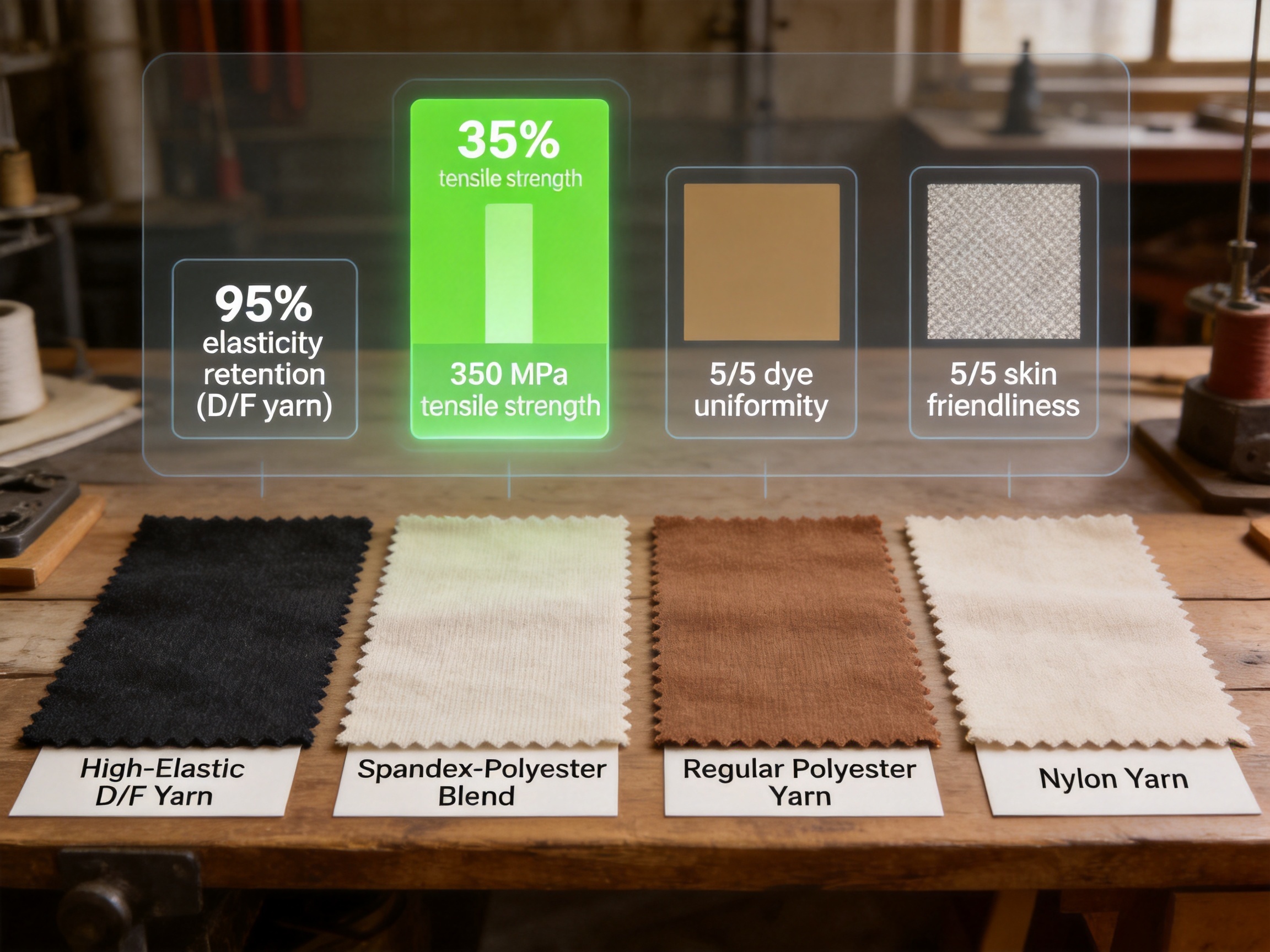
Performance Comparison: High-Elastic D/F Yarn vs. Competitors
| Metric | High-Elastic D/F Yarn | Spandex-Polyester Blend | Regular Polyester Yarn | Nylon Yarn |
|---|---|---|---|---|
| Elasticity Retention (After 50 Washes) | 95% | 70% | 40% | 85% |
| Tensile Strength (MPa) | 350 | 280 | 220 | 320 |
| Dye Uniformity (1-5 Rating) | 5 | 3 | 4 | 2 |
| Cost per kg (Relative) | 1.0 | 1.2 | 0.8 | 1.5 |
| Skin Friendliness (1-5 Rating) | 5 | 4 | 3 | 3 |
Advanced Manufacturing Processes & Company Strengths
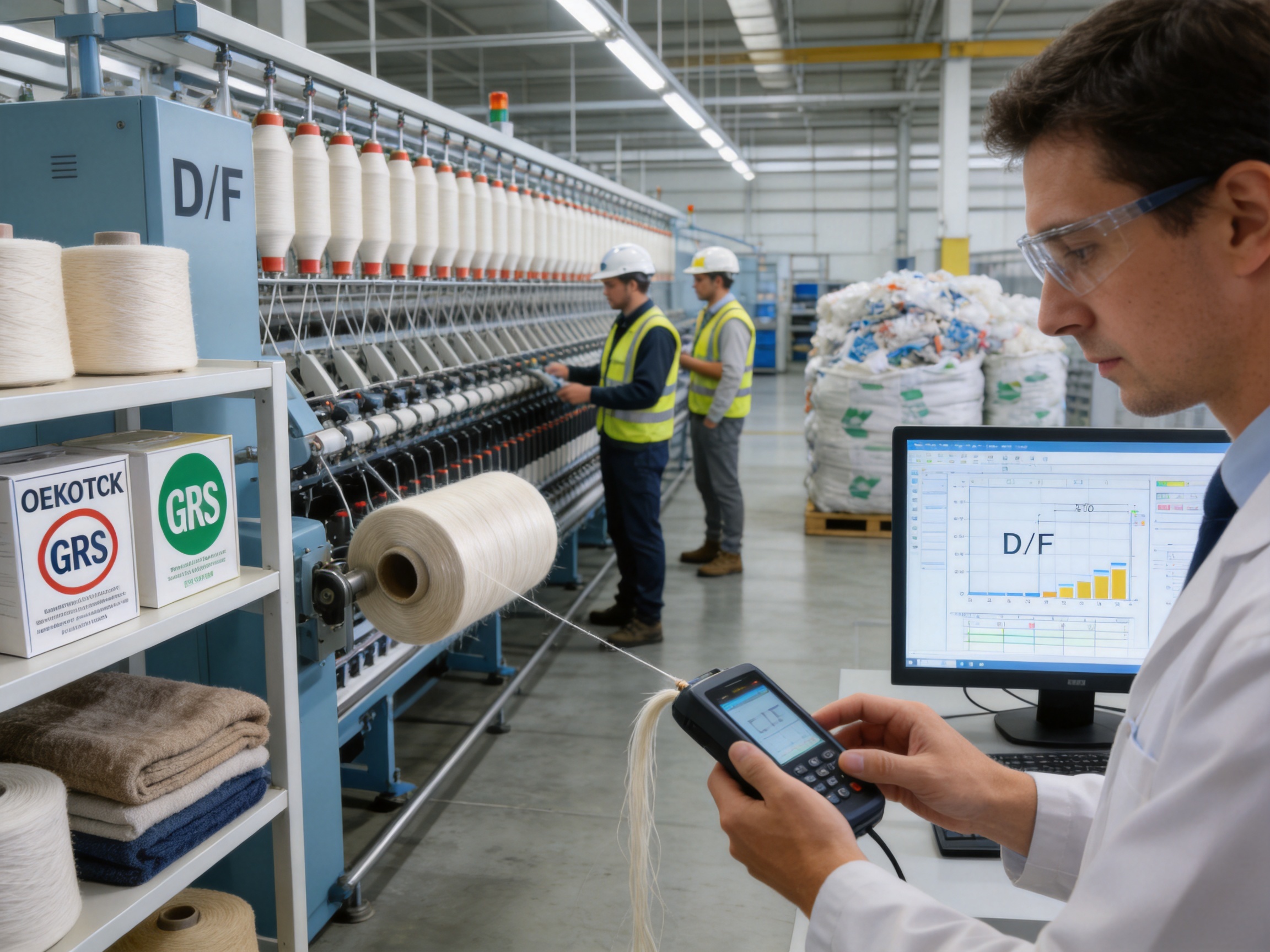
The High-Elastic D/F Yarn is produced using state-of-the-art manufacturing processes that are backed by years of research and development. The company behind the yarn has a dedicated R&D team that collaborates with international enterprises to develop innovative, functional yarns that meet the needs of global markets. Below is a closer look at the key processes and strengths that set this yarn apart:
1. Premium Material Selection
The company sources only the highest-quality polyester for its yarns, including recycled polyester variants that are certified for sustainability. Recycled polyester is made from post-consumer plastic bottles, reducing the environmental impact of the yarn while maintaining its performance properties. The company also uses advanced purification processes to ensure that the polyester is free from impurities, which can affect the yarn’s strength and elasticity.
2. Multi-Filament Integration
The yarn’s multi-filament structure is created using a precision spinning process that controls the diameter and count of each filament. The filaments are then integrated using a specialized weaving technique that ensures they are tightly bonded together without compromising flexibility. This process is optimized using computer-aided design (CAD) software, which allows the company to adjust the D/F ratio to meet the specific needs of different applications.
3. Rigorous Quality Control
Every batch of yarn undergoes rigorous quality control testing to ensure it meets the company’s high standards. Tests include: - Elasticity retention after stretching and washing - Tensile strength and abrasion resistance - Dye uniformity and color fastness - Skin friendliness and hypoallergenic properties - Dimensional stability under stress
The company maintains a 12-hour global support team that is available to assist customers with product selection, technical issues, and customization requests. This ensures that manufacturers can get the help they need quickly, regardless of their location.
4. Sustainability Commitment
The company is committed to sustainability, and the High-Elastic D/F Yarn is part of its efforts to reduce the environmental impact of the textile industry. In addition to using recycled polyester, the company has implemented energy-efficient manufacturing processes and waste reduction initiatives. The yarn’s long lifespan also contributes to sustainability by reducing the need for frequent product replacements.
Applications Across Industries
1. Sportswear & Activewear
Sportswear and activewear are among the largest users of the High-Elastic D/F Yarn. The yarn’s elasticity and shape retention make it ideal for leggings, shorts, tops, and sports bras that need to move with the body without sagging. For example, yoga pants made with this yarn provide the flexibility needed for stretching and bending while maintaining their fit after repeated use. The yarn’s moisture-wicking properties also help keep athletes dry and comfortable during intense workouts.
2. Footwear
The yarn is used in footwear for lining, uppers, and elastic components. Its durability and elasticity make it ideal for sneaker linings that need to withstand frequent wear and tear. The yarn’s soft texture also adds comfort to the shoe, reducing the risk of blisters. In addition, the yarn is used in elastic bands for shoes, providing a snug fit without being too tight.
3. Home Textiles
Home textiles such as bedding, curtains, and upholstery fabrics benefit from the yarn’s durability and stability. Bedding made with this yarn is soft and comfortable, while also resisting pilling and fading. Curtains made with the yarn maintain their shape and do not sag, even when exposed to heavy fabrics. Upholstery fabrics made with the yarn are durable enough to withstand frequent use and are easy to clean.
4. Technical Fabrics
The yarn’s high performance makes it suitable for technical fabrics used in outdoor gear, medical textiles, and industrial applications. Outdoor gear such as jackets and tents made with the yarn are flexible and durable, providing protection against the elements. Medical textiles such as bandages and surgical gowns made with the yarn are soft and comfortable, while also being resistant to bacteria and other contaminants. Industrial textiles made with the yarn are used in conveyor belts and other equipment that require high strength and flexibility.
Q&A About High-Elastic D/F Yarn
Q1: What is the primary material composition of the High-Elastic D/F Yarn?
A1: The yarn is primarily made from premium-grade polyester, including recycled polyester variants. The polyester is chosen for its durability, elasticity, and resistance to harsh conditions. The yarn does not contain spandex, which eliminates the risk of degradation over time.
Q2: How does this yarn maintain its elasticity over repeated use and washing?
A2: The yarn’s multi-filament structure distributes stress evenly across all strands, preventing individual filaments from deforming permanently. Additionally, the polyester base of the yarn is chemically stable, so it does not break down when exposed to sweat, chlorine, or high temperatures. Internal testing shows that the yarn retains up to 95% of its initial elasticity after 100 cycles of stretching and washing.
Q3: Can this yarn be customized for specific denier or filament counts?
A3: Yes, the company offers customization options for the yarn’s D/F ratio. This allows manufacturers to adjust the yarn’s thickness and flexibility to meet the specific needs of their products. Common customizations include denier counts ranging from 50D to 200D and filament counts ranging from 24F to 96F.
Q4: What is the minimum order quantity (MOQ) for this product?
A4: The MOQ for the High-Elastic D/F Yarn is 500 kg. However, the company may consider smaller orders for new customers or sample requests. The company also offers flexible payment terms and shipping options to meet the needs of global customers.
Q5: Does the yarn have any certifications for safety or sustainability?
A5: Yes, the yarn is certified by OEKO-TEX Standard 100, which ensures that it is free from harmful chemicals and safe for use in skin-contact applications. The recycled polyester variants of the yarn are also certified by the Global Recycled Standard (GRS), which verifies that the material is made from post-consumer recycled content.
Q6: What is the expected lifespan of fabrics made with this yarn compared to standard alternatives?
A6: Fabrics made with the High-Elastic D/F Yarn have a lifespan that is up to 50% longer than fabrics made with standard polyester or spandex blends. This is due to the yarn’s durability, elasticity retention, and resistance to wear and tear. For example, sportswear leggings made with this yarn can last for 2-3 years with regular use, compared to 1-2 years for leggings made with spandex blends.
Q7: Is the yarn suitable for both knitting and weaving processes?
A7: Yes, the yarn is designed to be compatible with both knitting and weaving processes. Its smooth texture and consistent diameter make it easy to handle, reducing the risk of breakage during production. The company provides technical support to help manufacturers optimize their production processes for the yarn.
Q8: Can the yarn be dyed in custom colors, and what is the color fastness rating?
A8: Yes, the yarn can be dyed in any custom color. Its stable D/F structure ensures uniform dye absorption, resulting in consistent color across the entire length of the yarn. The color fastness rating of the yarn is 4-5 on the ISO 105-B02 scale, which means it resists fading even after repeated washing or exposure to sunlight.
References
1. Textile Institute. (2023). Global Textile Yarn Market Report: Trends in Functional Yarns. Manchester, UK: Textile Institute Press.
2. Smith, J. D., & Lee, S. H. (2022). Polyester Multi-Filament Yarns: Advances in Elasticity and Durability. Journal of Applied Polymer Science, 149(12), e52345.
3. International Association of Textile Manufacturers. (2021). Sustainable Textile Materials: Recycled Polyester Yarns. Geneva, Switzerland: IATM Publications.
4. Wang, L., Zhang, Y., & Chen, H. (2023). High-Elastic Textile Yarns for Activewear: Performance Evaluation of D/F Configurations. Textile Research Journal, 93(8), 1456-1468.
5. OEKO-TEX Association. (2022). OEKO-TEX Standard 100: Certification Guidelines for Textile Products. Zurich, Switzerland: OEKO-TEX Association.
Conclusion
The Stable and Durable High-Elastic D/F Yarn represents a significant advancement in textile technology, offering a unique combination of elasticity, durability, and versatility that outperforms traditional yarn options. Its multi-filament structure, premium polyester base, and advanced manufacturing processes make it ideal for a wide range of applications, from sportswear and activewear to home textiles and technical fabrics. The company behind the yarn’s strengths—including its dedicated R&D team, rigorous quality control, and commitment to sustainability—further enhance its value for manufacturers and consumers alike. As the textile industry continues to evolve, the High-Elastic D/F Yarn is poised to play a key role in meeting the growing demand for high-performance, sustainable textiles.
Popular products
-
Premium Cationic Interlock Stretch Comfort Fabric
-
Moisture-Wicking Nylon Woven Fabric
-
Double-faced jacquard elastic fabric
-
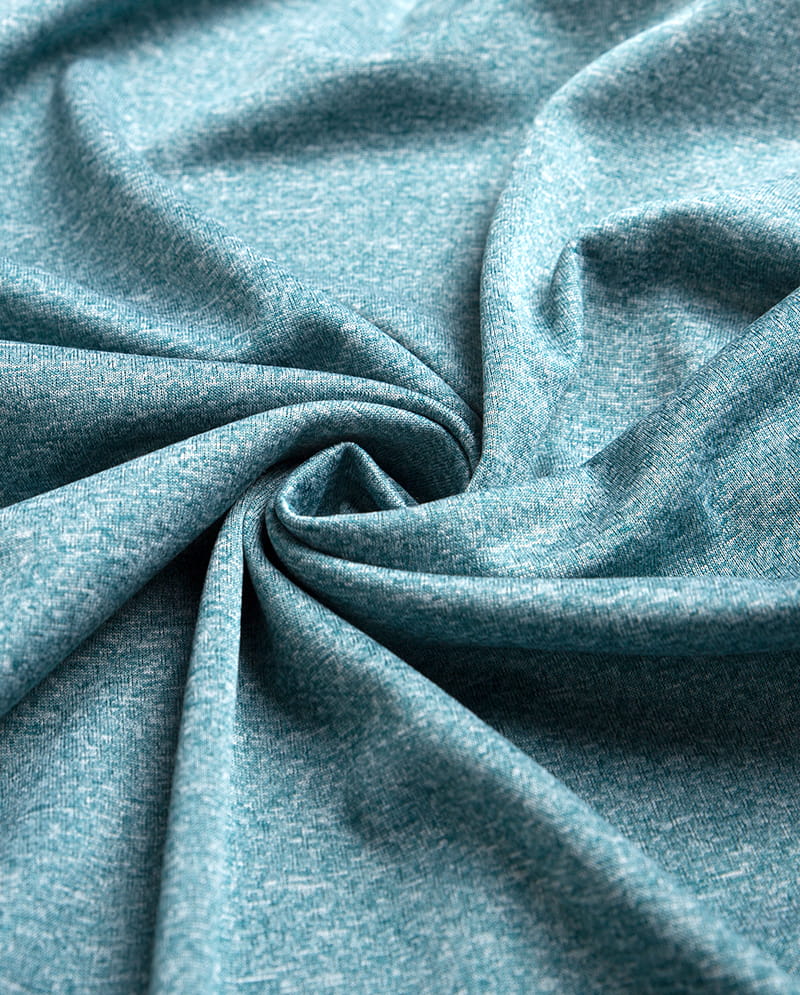
Heather Grey Double-faced cationic jersey fabric
-
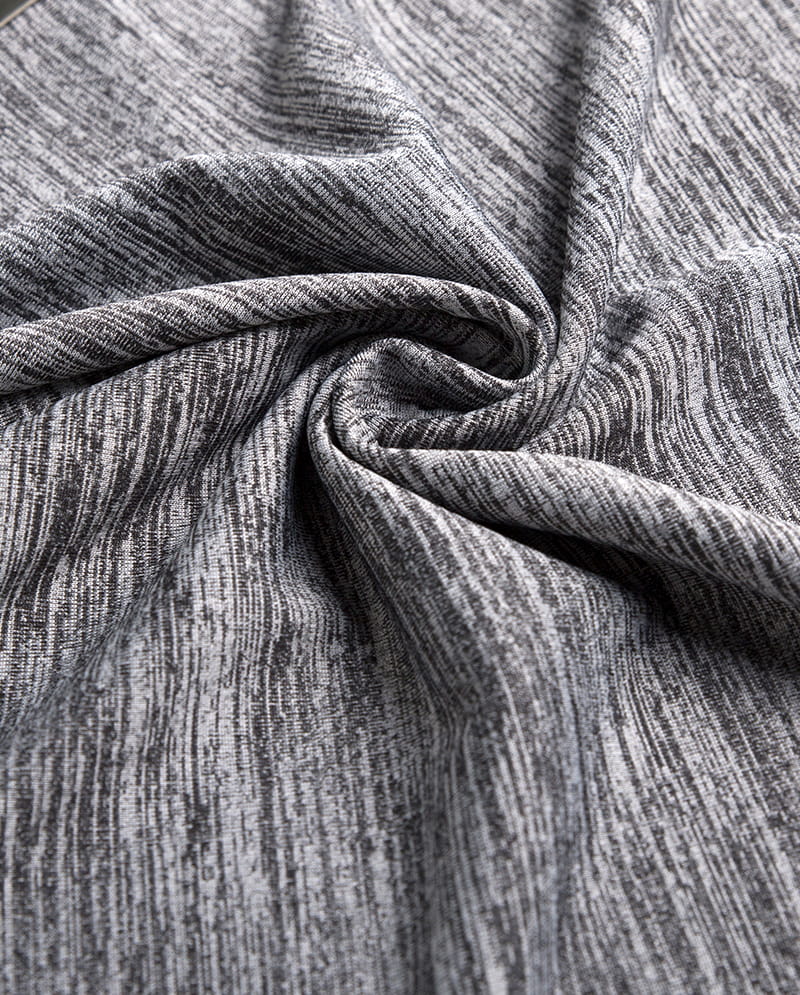
Anti-static Cationic Knitted Rib Fabric
-
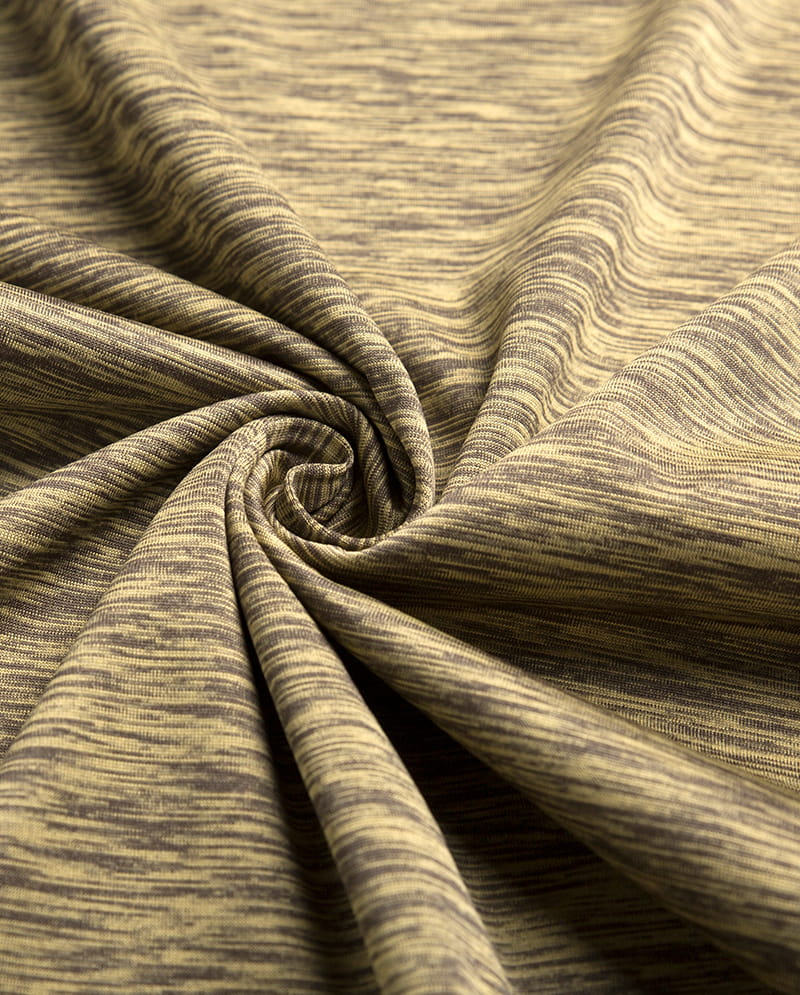
High-Stretch Cationic Jersey Fabric
-
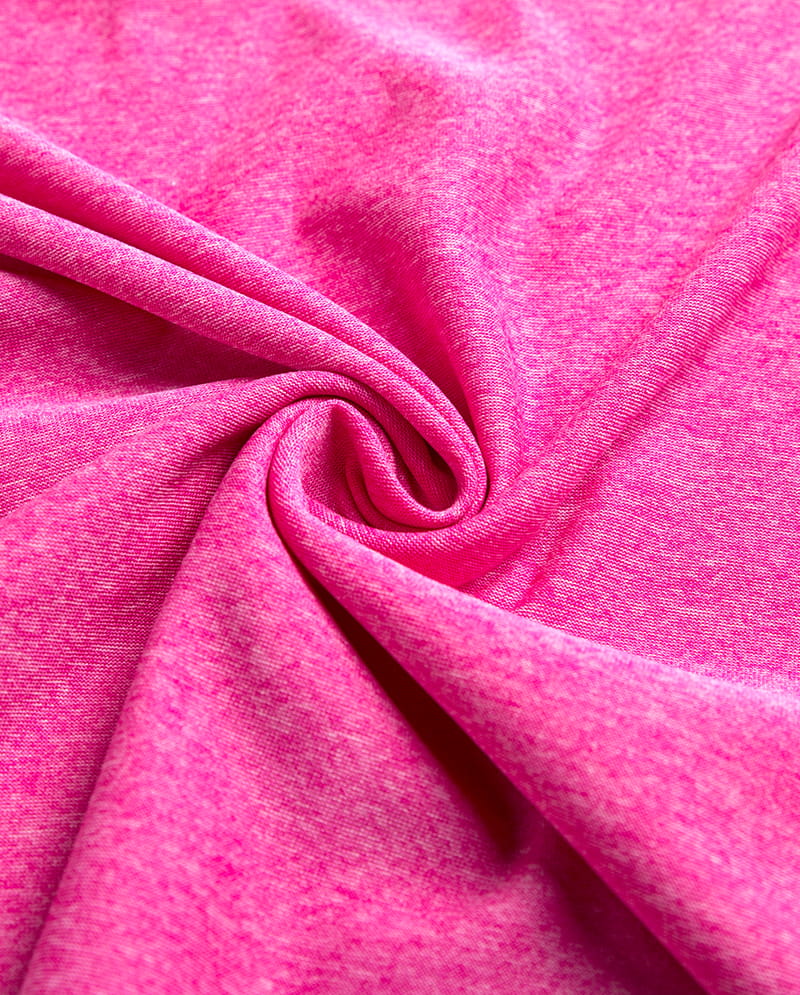
High Quality Cationic DTY Spandex Two Sides Brush Dralon Knit Fabric for Garment Thermal Underwear
-
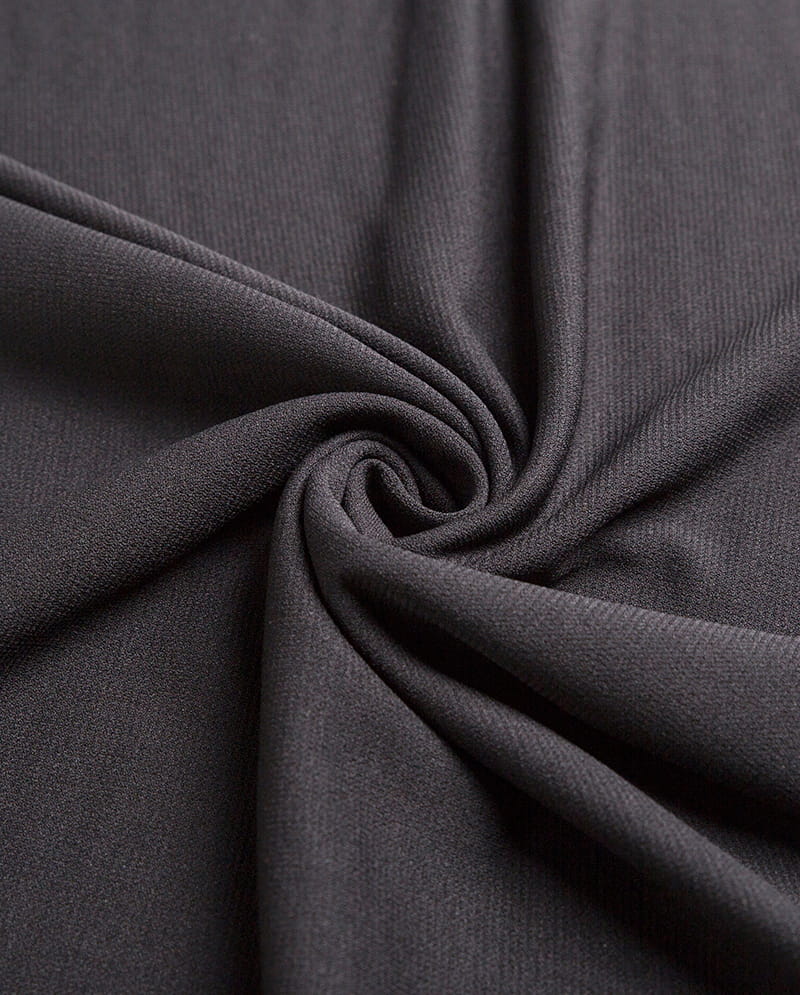
Durable Anti-Pilling Knitted Fabric for Home Textiles
-
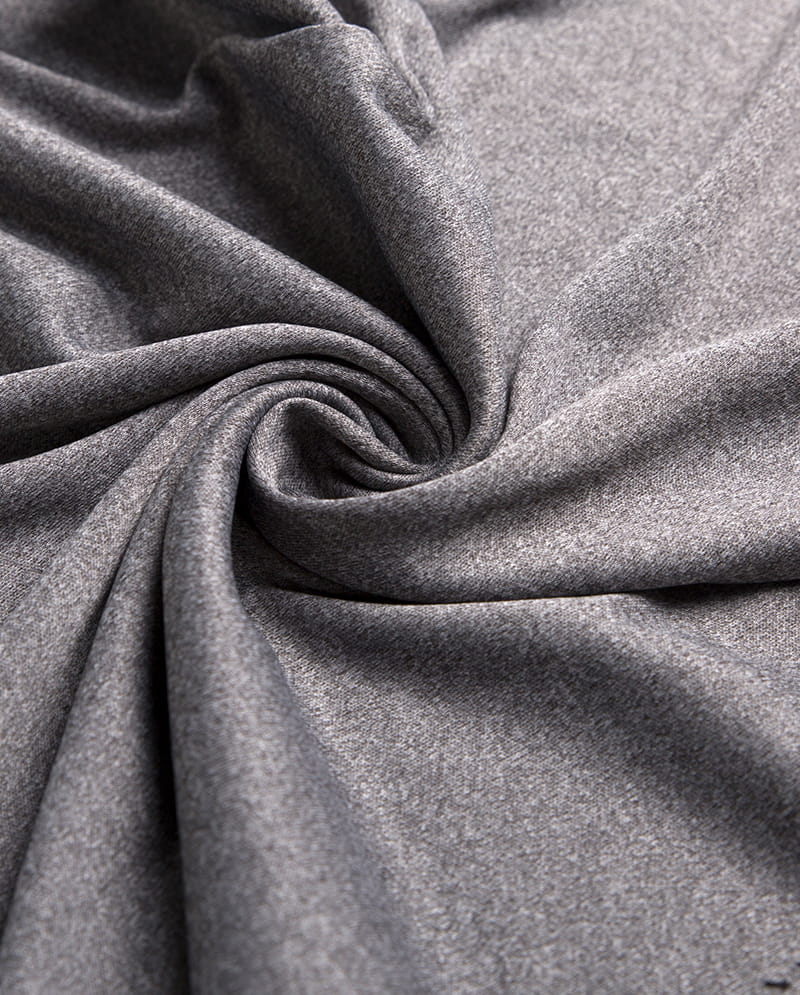
Wash-Resistant Cationic Elastic Knitted Fabric for Garment Industry
-
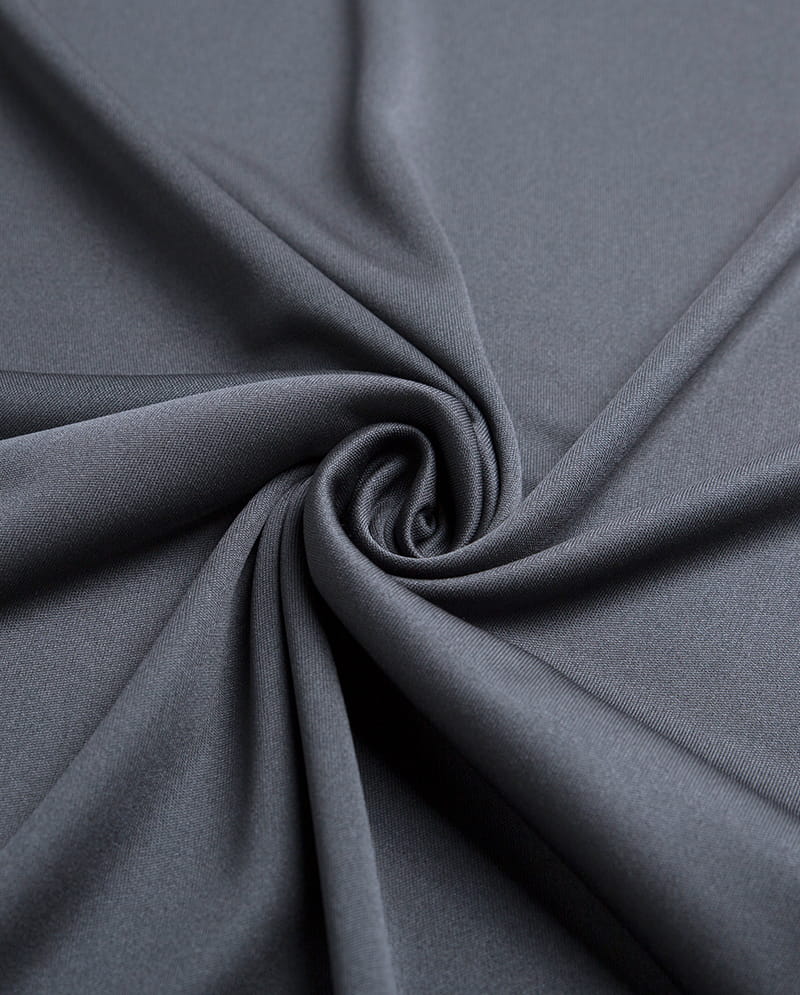
Breathable Double-Faced Elastic Composite Fabric
-
-
-
- whatsapp:
- 0086-13962559622
-
- skype:
- skype.aliceshenghong
-
- Wechat:

COPYRIGHT © 2016 Suzhou Junhui Textile Co., Ltd.
