

 EN
EN English
 中文简体
中文简体Stable and Durable High-Elastic D/F Yarn for Advanced Textile Applications
Content
- 1 Understanding Stable and Durable High-Elastic D/F Yarn
- 2 Core Product Characteristics
- 3 Advantages Compared with Conventional Stretch Yarns
- 4 Advanced Manufacturing Approach
- 5 Benefits for Textile Manufacturers
- 6 Application Areas
- 7 Quality, Consistency, and Customer Support
- 8 Comparison of Key Performance Priorities
- 9 Recommended Evaluation Process for Buyers
- 10 Why the Product Is Suitable for Long-Term Textile Programs
- 11 Practical Manufacturing Considerations
- 12 Company Manufacturing and Service Strengths
- 13 Frequently Asked Questions
- 13.1 What is Stable and Durable High-elastic D/F Yarn?
- 13.2 What does D/F mean in this yarn?
- 13.3 What are the main advantages of this yarn?
- 13.4 Is the yarn suitable for sportswear?
- 13.5 Can it be used in footwear textiles?
- 13.6 Does the yarn support consistent dyeing?
- 13.7 How does it compare with ordinary non-elastic polyester yarn?
- 13.8 How does it compare with a stretch yarn that has poor recovery?
- 13.9 Can the yarn be blended with other fibers?
- 13.10 What industries can use this yarn?
- 13.11 How should buyers evaluate the product before bulk purchasing?
- 13.12 What support is available for product selection?
- 13.13 Where is the supplier located?
- 14 Conclusion
- 15 References
- 16 Product: Stable and durable High-elastic D/F Yarn
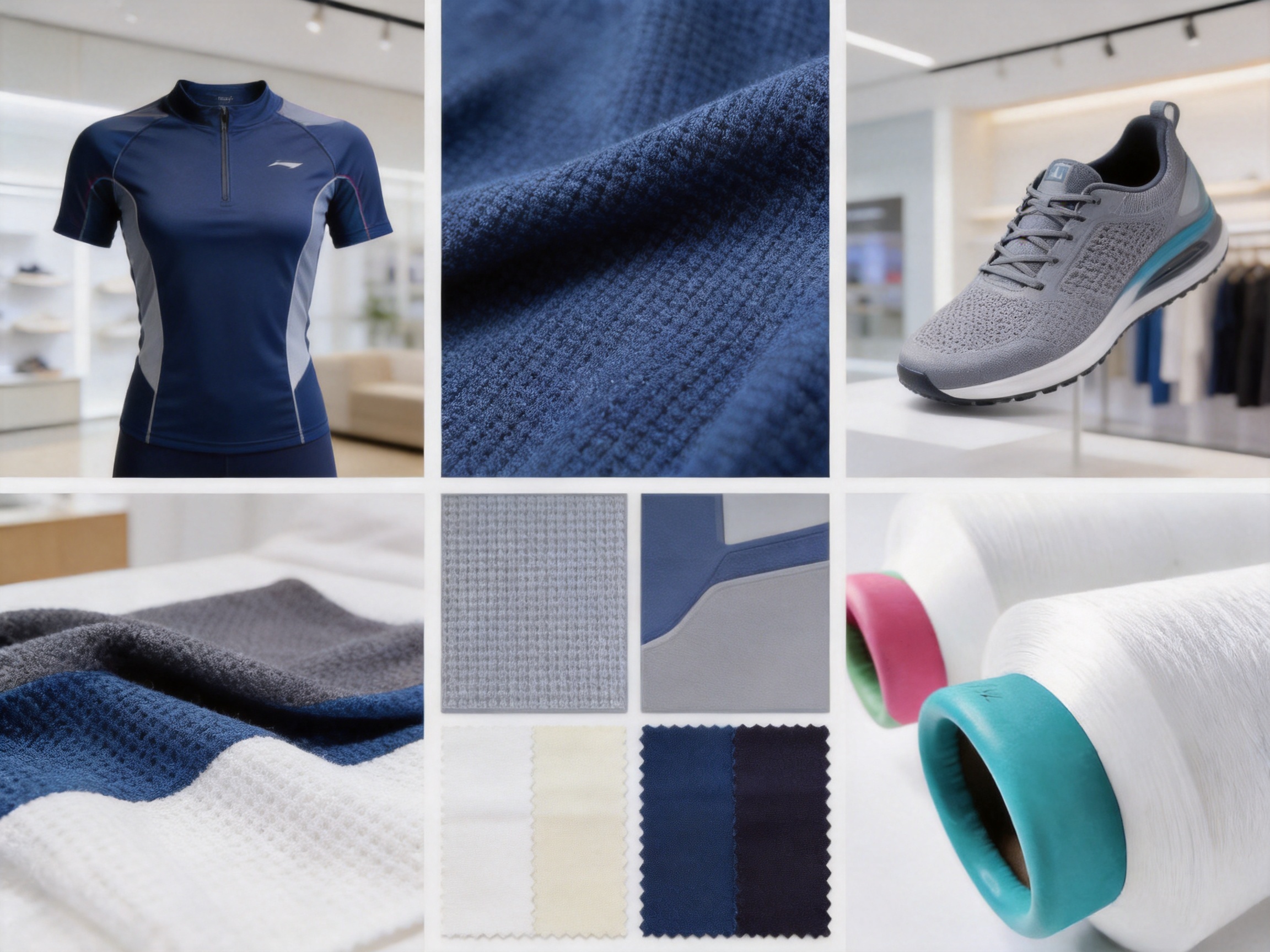
Stable and Durable High-elastic D/F Yarn is a high-performance polyester yarn designed for textile products that require flexibility, shape retention, wear resistance, and consistent processing quality. Combining a multi-filament construction with high elasticity and a durable polyester base, this yarn provides a balanced solution for manufacturers seeking reliable performance across sportswear, activewear, footwear, home textiles, and technical fabrics.
Modern textile production demands more than softness or stretch alone. A yarn must withstand repeated tension during knitting and weaving, accept color consistently, maintain dimensional stability during finishing, and continue performing after washing and extended use. The Stable and Durable High-elastic D/F Yarn has been developed around these requirements. Its integrated filament structure supports smooth processing, while its elastic recovery helps finished fabrics retain their original appearance and function.
For textile buyers, fabric mills, garment manufacturers, and product developers, the value of this yarn lies in its combination of properties. It is not simply an elastic material. It is an engineered yarn that brings together structural stability, controlled stretch, durability, smooth handling, and broad application flexibility. These characteristics can help manufacturers reduce quality risks, improve product consistency, and develop fabrics that provide long-term comfort and reliability.
Understanding Stable and Durable High-Elastic D/F Yarn
The term D/F Yarn refers to a denier-and-filament configuration in which the yarn’s overall fineness and filament count contribute to its performance. A multi-filament yarn is formed from numerous fine individual filaments that work together as an integrated structure. This construction allows the yarn to maintain a stable profile while providing flexibility and a smooth surface.
In the Stable and Durable High-elastic D/F Yarn, the filaments are tightly integrated to resist excessive deformation. When the yarn is subjected to tension during textile processing or end use, the filament structure distributes the load across multiple components rather than concentrating stress in one area. This contributes to dimensional consistency and helps reduce the likelihood of premature distortion.
High elasticity is another defining feature. The yarn can extend under controlled tension and recover toward its original form when the tension is released. This stretch-and-recovery behavior is valuable in garments and fabrics that must follow body movement, accommodate repeated bending, or maintain a close and comfortable fit.
Unlike a material designed only for maximum stretch, this yarn emphasizes a balance between elasticity and stability. Excessive stretch without sufficient recovery can cause fabrics to sag, lose shape, or develop a loose appearance after repeated use. By combining elastic performance with a durable polyester foundation, the yarn is intended to provide a more dependable service life.
Core Product Characteristics
High Elasticity and Recovery
The yarn provides excellent stretch for applications in which the finished textile must move with the wearer or adapt to repeated mechanical motion. Sportswear, leggings, fitted garments, elastic footwear components, and stretchable household products can benefit from this ability to extend without immediately losing structural integrity.
Recovery is equally important. After stretching, a textile must return as closely as possible to its intended dimensions. Consistent recovery helps fabrics preserve their fit, visual appearance, and functional performance. It can also reduce the risk of loosened areas, sagging panels, or uneven garment shape after repeated wear.
Stable Multi-Filament Construction
The yarn’s multi-filament structure provides an effective combination of strength, flexibility, and surface smoothness. Fine filaments integrated into one yarn body can support uniform tension during knitting and weaving. This helps the yarn run more consistently through textile machinery and contributes to a more even fabric surface.
A stable construction is especially important in high-speed manufacturing. Irregular tension, inconsistent filament integration, or excessive deformation can lead to knitting faults, weaving problems, uneven loops, and inconsistent fabric density. A carefully structured multi-filament yarn helps manufacturers maintain better process control.
Durable Polyester Base
Polyester is widely used in performance textiles because of its strength, abrasion resistance, dimensional stability, and practical care properties. In this yarn, the polyester base supports long-term durability in products exposed to friction, repeated movement, frequent laundering, and regular handling.
The yarn is designed to resist common forms of wear, including surface abrasion and stress caused by repeated stretching. Its durability makes it suitable for both consumer garments and higher-use textile products in which a short service life would increase replacement costs or reduce customer satisfaction.
Smooth and Comfortable Surface
Although the yarn is engineered for strength and durability, it also offers a smooth texture that can support wearer comfort. This characteristic is useful in skin-contact garments, sportswear, underwear-related products, socks, fitted apparel, and soft home textiles.
Surface smoothness can also improve the visual quality of finished fabric. A consistent yarn surface helps create a cleaner appearance, supports even fabric formation, and can reduce the rough or irregular hand feel associated with less refined yarn constructions.
Uniform Dye Absorption
The stable D/F structure supports uniform dye absorption when the yarn is processed under suitable dyeing conditions. Even color uptake is essential for solid-color fabrics, fashion collections, sportswear panels, and products requiring close shade matching across production batches.
Consistent dyeing can help reduce shade variation, reprocessing, and material waste. It also supports more predictable communication between yarn suppliers, dye houses, fabric mills, and garment manufacturers. For customers developing a color-sensitive product range, this characteristic can simplify production planning.
Dimensional Consistency
Dimensional stability affects the final size, fit, and appearance of a textile. A yarn that changes excessively during processing or use can create problems in fabric finishing, garment cutting, sewing, and quality inspection. The Stable and Durable High-elastic D/F Yarn is designed to support stable dimensions throughout the textile manufacturing cycle.
Dimensional consistency is especially valuable when the yarn is incorporated into fabrics with tight specifications. Sportswear, compression-related products, stretch footwear, and technical textiles often require a controlled balance between extension and recovery. Stable yarn behavior helps manufacturers achieve more predictable results.
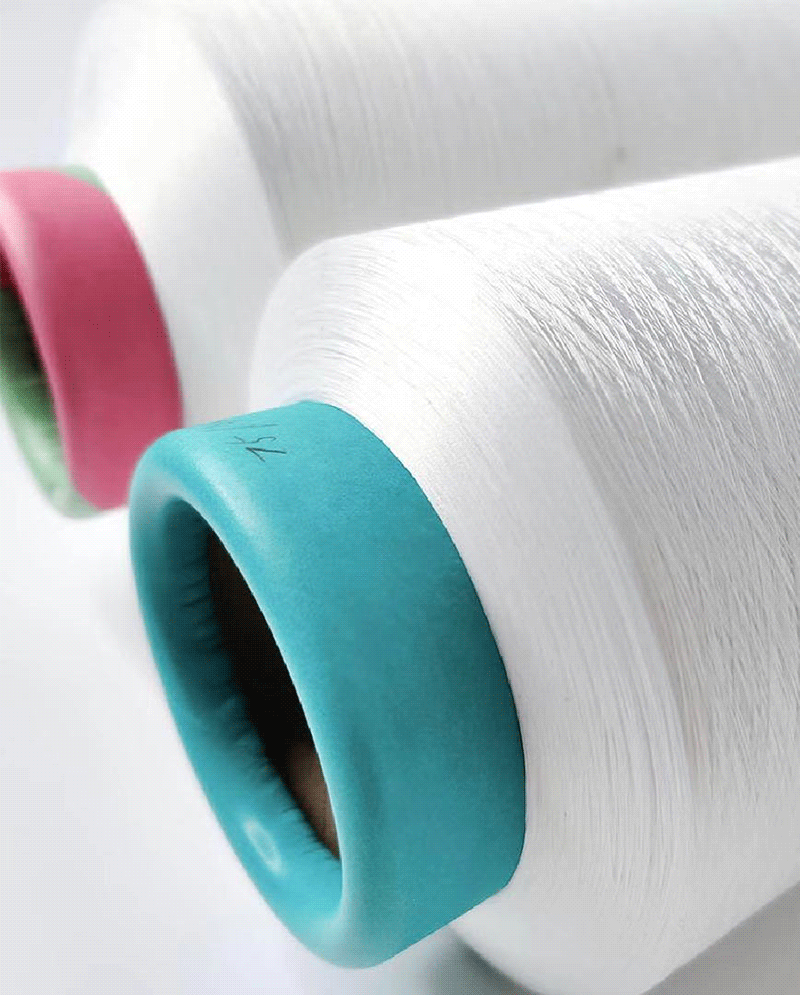
Stable and durable High-elastic D/F Yarn
Advantages Compared with Conventional Stretch Yarns
Textile manufacturers have access to many stretch yarns, but their performance profiles are not identical. Some prioritize softness, while others focus mainly on strength or maximum extension. The Stable and Durable High-elastic D/F Yarn is differentiated by its balanced approach to elasticity, durability, process stability, and appearance.
Balanced Stretch Rather Than Excessive Stretch
A yarn with extremely high extension may appear attractive during initial product development, but maximum stretch does not automatically deliver the best finished textile. If recovery is weak, the fabric may lose its original shape. If the yarn is difficult to control, fabric density and garment dimensions may become inconsistent.
This product is intended for applications that require useful elasticity together with reliable recovery and structural control. The balance makes it appropriate for everyday performance garments and industrial textile products where repeated use is expected.
Better Long-Term Shape Retention
Shape retention is one of the most important differences between a durable elastic yarn and a basic stretch material. Products made with a stable yarn can remain closer to their intended dimensions after repeated extension, washing, and normal wear. This supports a more consistent appearance throughout the product life cycle.
For apparel brands, shape retention can improve customer perception because garments continue to fit and look better for longer. For technical or functional products, it can help preserve performance specifications and reduce the frequency of replacement.
Improved Resistance to Wear
Low-cost or poorly engineered stretch yarns may show early signs of fatigue, breakage, surface damage, or loss of elasticity. The polyester foundation of this yarn provides a robust basis for applications involving regular abrasion and repeated movement.
This advantage is relevant in activewear, footwear uppers, sports accessories, upholstery components, mattress fabrics, and other products that experience frequent friction. A more durable yarn can help fabric manufacturers create products with a stronger value proposition and longer usable life.
Reliable Processing Performance
Yarn performance must be evaluated not only after the product is finished but also during knitting, weaving, dyeing, and finishing. A yarn that performs well in a laboratory but runs inconsistently on production equipment may create significant costs.
The integrated filament structure is intended to support smooth production and stable tension. This can help reduce irregular loops, uneven fabric construction, and process interruptions. More reliable processing may also improve machine efficiency and reduce the need for manual adjustments.
Greater Application Flexibility
Some specialty yarns are suitable only for a narrow group of products. The Stable and Durable High-elastic D/F Yarn can be used across multiple textile categories because its performance is not limited to a single end-use requirement. It offers stretch, comfort, durability, and dyeing consistency in one material platform.
This flexibility allows manufacturers to use one dependable yarn family across different product lines. It may support easier material management, simplified supplier coordination, and more efficient product development when several applications require similar functional properties.
Advanced Manufacturing Approach
The performance of a high-elastic yarn depends on more than its raw material. Filament formation, yarn integration, tension management, winding, inspection, and packing all influence the final result. Suzhou Junhui Textile Co., Ltd. focuses on differential yarn development and production, supported by technical experience in functional yarn and fabric applications.
The company works within the broader Suzhou Xiaoran New Materials Co., Ltd. organization, which was founded in June 2015. Its product development activities cover recycled yarn, polyester dope-dyed yarn, SHAWLIENCE, microfine yarn, flame-retardant yarn, cationic dyeing yarn, and knitting fabric products. This product range provides experience across different polyester technologies and textile performance requirements.
Material Selection and Polymer Performance
The first stage of quality yarn production is selecting a suitable polyester material and matching it to the intended application. The material must support the required strength, elasticity, fineness, surface quality, and processing behavior. A carefully selected polymer base helps create a stable foundation for subsequent filament formation.
For high-elastic products, material selection must consider both extension and recovery. A yarn that stretches easily but lacks structural resilience may not provide satisfactory finished-fabric performance. The manufacturing approach therefore needs to maintain an appropriate relationship between flexibility and stability.
Controlled Filament Formation
Filament formation determines the fineness, uniformity, and surface behavior of the individual components within the yarn. Fine filaments must be produced with consistent dimensions so that they can be integrated into a uniform multi-filament structure.
Controlled filament formation contributes to a smoother yarn body and more even tension. It can also support consistent dye absorption because the filaments present a more uniform surface during coloration. Accurate control at this stage is essential for producing yarn suitable for demanding downstream processes.
Multi-Filament Integration
After filament formation, the filaments must be brought together in a manner that supports both cohesion and flexibility. Excessive looseness can cause irregularity, while excessive compression may reduce the desired hand feel or stretch behavior. The integration process must therefore be balanced.
The Stable and Durable High-elastic D/F Yarn is based on a tightly integrated multi-filament configuration. This helps the yarn maintain a stable form while allowing the filaments to work together under tension. The result is a yarn designed to resist deformation and support consistent fabric construction.
Tension and Winding Control
Yarn tension during winding influences package quality, unwinding behavior, and downstream production performance. Uneven winding can cause snags, tension fluctuations, and interruptions on knitting or weaving machines. Controlled winding helps produce packages that unwind smoothly and consistently.
For elastic yarns, tension control is particularly important because excessive tension can temporarily alter the yarn’s dimensions, while insufficient tension may result in loose or unstable packages. A disciplined winding process supports reliable handling from shipment through final textile production.
Process Inspection
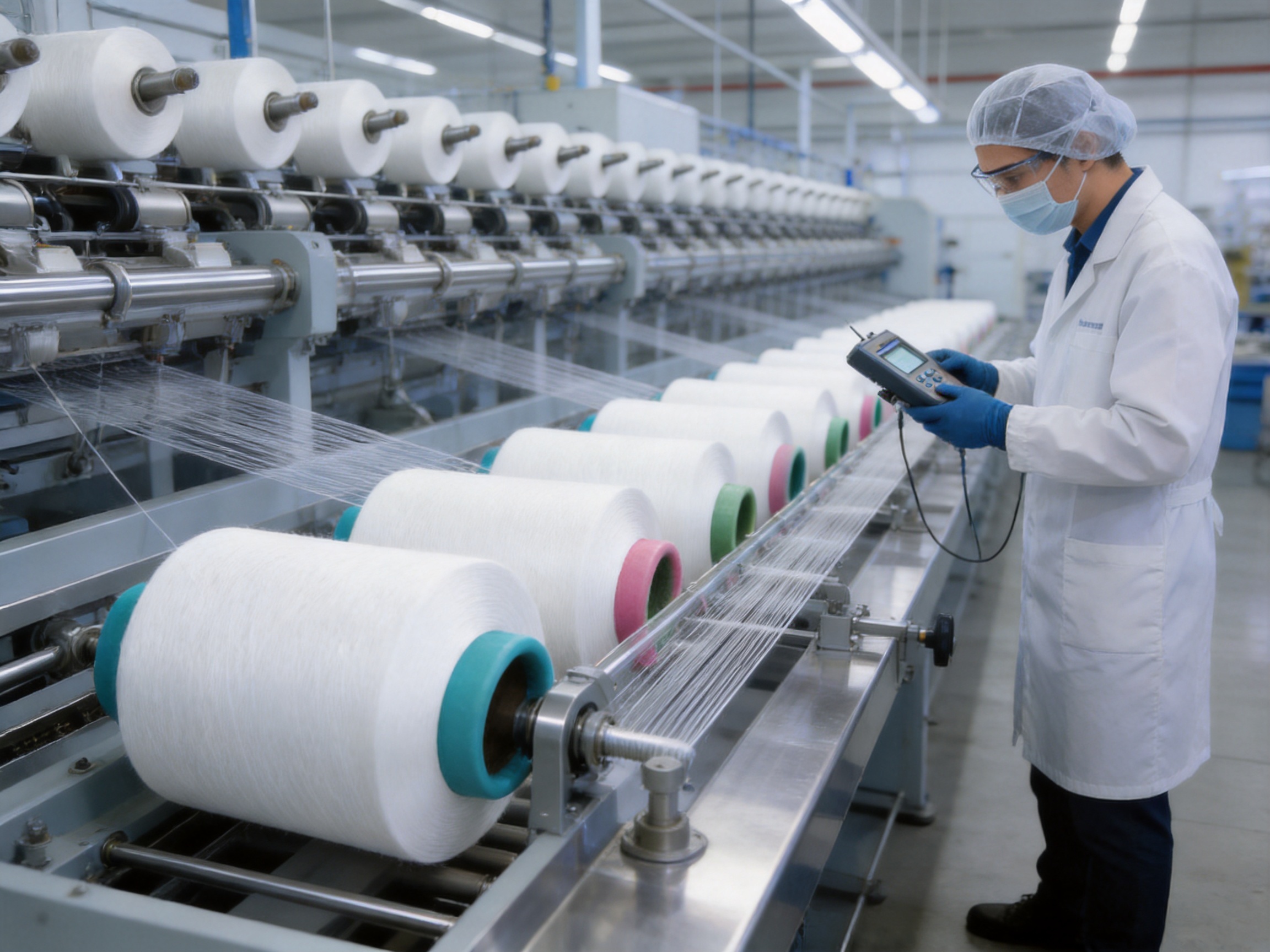
Quality control should be integrated throughout manufacturing rather than performed only at the end. Inspection may include visual evaluation, package checking, consistency monitoring, and testing of relevant performance characteristics. Depending on customer requirements, evaluation can focus on elasticity, recovery, strength, appearance, dyeing behavior, and dimensional stability.
Systematic inspection helps identify deviations before products reach the customer. It also supports more consistent production batches, which is important for companies running long-term programs or repeat orders. Consistency is one of the most important practical advantages a yarn supplier can provide.
Application-Oriented Research and Development
Suzhou Junhui Textile Co., Ltd. maintains a professional research and development team that works with internationally recognized enterprises on the research, development, and application of environmentally responsible and functional yarns and fabrics. This collaborative approach helps connect material development with actual customer requirements.
Application-oriented research is valuable because yarn performance cannot be separated from the fabric structure, machine settings, finishing process, and final use. By considering the complete textile chain, a supplier can provide more useful product guidance instead of offering a material without practical production support.
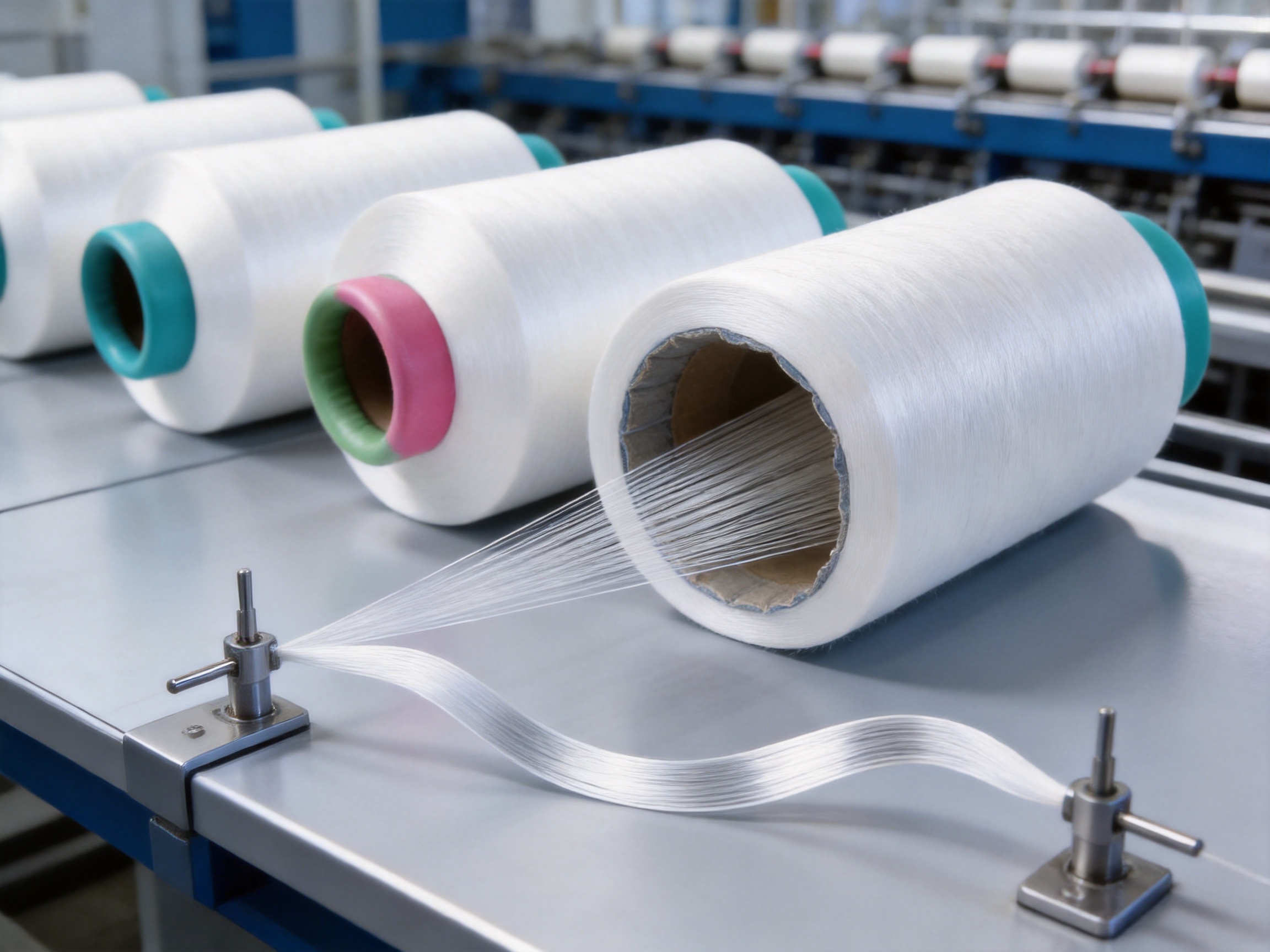
Benefits for Textile Manufacturers
More Predictable Knitting and Weaving
Stable yarn behavior supports more predictable fabric formation. When yarn tension and filament integration remain consistent, knitting and weaving operations can be managed with fewer unexpected variations. This is particularly beneficial for fabrics with a close gauge, fine surface, or carefully controlled stretch ratio.
Manufacturers may also find it easier to establish standard machine settings for repeat production. While every fabric construction requires its own technical evaluation, a stable yarn can reduce the amount of adjustment required between production runs.
Lower Risk of Fabric Defects
Yarn irregularity can contribute to streaks, uneven loops, barre effects, broken filaments, and inconsistent fabric density. Although overall fabric quality depends on many factors, a uniform yarn provides a stronger starting point for defect prevention.
Reduced defect risk can improve cutting efficiency and lower the quantity of fabric that must be downgraded or discarded. It may also help protect delivery schedules by reducing rework and additional inspection requirements.
Efficient Dyeing and Color Development
Uniform dye absorption provides a more dependable base for color development. Manufacturers can work toward even shades and consistent appearance across fabric rolls when the yarn structure accepts color uniformly under controlled processing conditions.
For brands that release multiple seasonal colors, consistent yarn dyeing can simplify laboratory sampling and bulk production. It also supports better shade continuity between different production lots, provided that dyeing parameters and quality controls are properly maintained.
Product Design Freedom
The combination of stretch, recovery, smoothness, and durability allows designers to explore a broad range of fabric constructions. The yarn can be considered for lightweight stretch materials, supportive activewear, flexible footwear textiles, comfortable home products, and technical structures.
Designers can use the yarn alone or combine it with other fibers and yarn types to achieve specific hand feels, appearances, weights, and performance levels. Its compatibility with varied textile concepts makes it a useful component in product development programs.
Longer Product Service Life
Durability is increasingly important as consumers and industrial buyers seek products that remain functional for longer periods. A textile that retains its stretch and shape after repeated use can offer stronger practical value than one that performs well only when new.
Longer service life may reduce replacement frequency and support more responsible consumption. It can also help manufacturers build products that meet demanding customer expectations for reliability and care performance.
Application Areas
Sportswear and Activewear
Sportswear must accommodate constant movement, stretching, bending, and perspiration. Fabrics need to remain comfortable during activity while preserving fit and shape after repeated wear. The high elasticity of this yarn helps garments follow body movement, while the durable polyester structure supports frequent use.
Potential applications include training tops, performance leggings, stretch shorts, sports jackets, cycling garments, yoga clothing, dancewear, and fitted athletic accessories. The smooth surface can also contribute to a comfortable hand feel in garments worn directly against the skin.
Fashion and Fitted Apparel
Fitted fashion garments often require elasticity to improve comfort and movement without compromising appearance. Stable recovery helps maintain the intended silhouette, particularly in garments that are worn repeatedly or subjected to frequent sitting, bending, and stretching.
The yarn may be incorporated into stretch dresses, skirts, trousers, shirts, body-contouring garments, fashion tops, and blended fabrics. Its uniform dyeing behavior can support solid shades and coordinated fashion collections.
Footwear and Shoe Textiles
Footwear fabrics need a combination of flexibility, abrasion resistance, shape control, and comfort. The yarn can support textile uppers and flexible shoe components that must move with the foot while maintaining a secure structure.
In footwear applications, the yarn may be evaluated for knitted uppers, elastic panels, lining materials, sports shoe fabrics, casual shoe components, and stretchable technical constructions. The final performance will depend on fabric design, finishing, and the complete footwear structure.
Home Textiles
Home textiles frequently encounter repeated handling, washing, stretching, and friction. Products such as fitted sheets, mattress-related fabrics, cushion covers, upholstery components, decorative stretch fabrics, and household accessories can benefit from a yarn that combines flexibility with durability.
Shape retention is particularly valuable in fitted products. A fabric that maintains its dimensions can provide a cleaner appearance and more reliable fit over time. Polyester’s practical care characteristics also make it suitable for many everyday household applications.
Technical Fabrics
Technical textiles require controlled performance rather than appearance alone. They may need to withstand movement, repeated loading, dimensional change, or mechanical stress. The yarn’s stable multi-filament construction provides a platform for technical fabric developers seeking flexibility without sacrificing structural reliability.
Potential technical applications may include flexible covers, support fabrics, protective textile components, elastic construction materials, and specialized knitted or woven structures. Product suitability should be confirmed through application-specific testing.
Accessories and Performance Components
The yarn may also be considered for socks, gloves, bands, straps, sports accessories, textile panels, and other products that require comfortable extension and dependable recovery. Its smooth texture is helpful in products that come into close contact with the body.
Quality, Consistency, and Customer Support
A reliable yarn supplier must provide more than a product description. Customers need consistent batches, responsive communication, technical information, and guidance during material selection. Suzhou Junhui Textile Co., Ltd. positions customer success as a central part of its service approach.
More than 90 percent of the company’s products are exported, and its customer base extends across 36 countries. International export experience requires attention to communication, packaging, documentation, production schedules, and different customer expectations. This background supports cooperation with textile companies operating in diverse markets.
Support During Product Selection
Different fabric constructions require different yarn specifications. The most suitable choice may depend on fabric weight, machine gauge, stretch ratio, recovery expectations, dyeing route, finishing method, and end-use conditions. Professional guidance can help customers select a yarn that matches their manufacturing process instead of relying only on general descriptions.
The company’s experts are available to assist with product selection and problem-solving within 12 hours globally. Timely support can be especially valuable when a customer is managing a production issue, developing a new sample, or working against a delivery deadline.
Cooperation with International Customers
Export-oriented cooperation requires the ability to understand regional market needs and communicate clearly across languages, time zones, and business practices. A supplier with experience serving customers in many countries can help reduce misunderstandings and improve project coordination.
For buyers of high-elastic yarn, this support may include discussions about intended application, sampling requirements, production volume, packaging, shipment planning, and quality expectations. Clear communication at the beginning of a project helps prevent avoidable issues later.
Development of Functional and Environmentally Responsible Materials
The company’s development activities include recycled yarn and other differential yarn categories in addition to functional products. This indicates an ongoing focus on new material solutions and changing textile requirements. As sustainability, comfort, durability, and technical functionality become more important, suppliers with broad research capabilities can provide greater development flexibility.
The Stable and Durable High-elastic D/F Yarn can therefore be considered within a wider portfolio of polyester and functional textile materials. Customers may be able to discuss complementary yarns or fabric solutions when developing a complete product range.
Comparison of Key Performance Priorities
| Performance area | Stable and Durable High-elastic D/F Yarn | Basic non-elastic yarn | Unbalanced stretch yarn |
|---|---|---|---|
| Elasticity | High elasticity designed for flexible textile structures | Limited stretch and movement accommodation | May offer high extension but variable control |
| Shape recovery | Designed to recover after repeated extension | Generally depends on fabric structure rather than yarn elasticity | May decline when recovery is insufficient |
| Dimensional stability | Supported by integrated multi-filament construction | Often stable but less adaptable to stretch requirements | Can be affected by excessive deformation |
| Wear resistance | Durable polyester base for frequent-use products | Varies according to fiber and construction | May be reduced if the yarn structure fatigues quickly |
| Surface quality | Smooth texture balancing comfort and structure | Can be smooth but may lack elasticity | Depends strongly on filament quality and processing |
| Dyeing consistency | Stable structure supports uniform dye absorption | Usually depends on fiber composition and preparation | May vary if filament integration is inconsistent |
| Application range | Sportswear, apparel, footwear, home textiles, and technical fabrics | Broad but less suitable for stretch-specific products | Often focused on selected elastic applications |
Recommended Evaluation Process for Buyers
Before placing a large order, buyers should evaluate the yarn according to the requirements of their intended textile product. A sample should be processed using conditions similar to bulk production. This allows the customer to assess machine performance, fabric appearance, stretch, recovery, dyeing behavior, and finishing response.
Define the End-Use Requirement
The first step is to determine how the finished textile will be used. A sports garment, shoe upper, fitted sheet, and technical support fabric may all require elasticity, but their specific performance priorities will differ. Some applications emphasize comfort, while others prioritize abrasion resistance, dimensional control, or repeated recovery.
Review Fabric Construction
Yarn performance is affected by knitting gauge, weave structure, yarn combination, fabric density, finishing, and garment design. Buyers should consider whether the yarn will be used alone or blended with other materials. The supplier can then provide more relevant technical guidance.
Test Stretch and Recovery
Testing should include extension under a defined load and recovery after the load is removed. Repeated-cycle testing can provide additional information about how the fabric behaves after multiple uses. The appropriate test method should reflect the customer’s product category and quality standards.
Evaluate Abrasion and Laundering Performance
For everyday garments and home textiles, repeated washing and abrasion testing are important. These evaluations help determine whether the fabric maintains its appearance, stretch, recovery, and surface quality over time. Actual performance depends on the full textile construction, so yarn testing should be followed by fabric-level evaluation.
Confirm Color and Dimensional Requirements
Color matching, shade continuity, shrinkage, and dimensional change should be reviewed before bulk production. Uniform dye absorption can support better color results, but dyeing parameters must still be controlled by the processing facility.
Why the Product Is Suitable for Long-Term Textile Programs
Long-term textile programs require repeatability. A yarn may be technically impressive in one sample but unsuitable for ongoing production if later batches vary significantly. Stable filament integration, controlled manufacturing, and systematic quality attention help create a more dependable basis for repeat orders.
The product’s broad application range is another advantage. A buyer may use it in several related products, from activewear and footwear to home textiles and technical fabrics. This can support a more streamlined sourcing strategy and reduce the need to manage many unrelated specialty yarns.
Durability also strengthens the product’s long-term commercial value. Fabrics that retain their shape and performance can improve customer satisfaction, reduce complaints, and support a stronger reputation for the finished-product manufacturer. In competitive textile markets, these benefits can be as important as the initial purchase price.
Finally, access to an experienced research and development team allows customers to discuss more than standard purchasing. They can explore material combinations, functional requirements, and application-specific challenges with a supplier familiar with differential yarn and fabric development.
Practical Manufacturing Considerations
Although the yarn is designed for stable processing, manufacturers should always adjust machine conditions to the specific product. Yarn tension, feeding speed, needle or loom settings, fabric density, heat treatment, and finishing parameters may influence final stretch and recovery.
Storage conditions should also be managed carefully. Yarn packages should be protected from excessive moisture, contamination, direct sunlight, and mechanical damage. Proper handling helps preserve package integrity and supports smooth unwinding during production.
During knitting or weaving, operators should monitor tension and inspect the fabric regularly. Early detection of irregularities can prevent a small process issue from becoming a large production problem. In dyeing and finishing, consistent temperature, time, chemical concentration, and relaxation conditions are important for achieving repeatable results.
For high-value or technically demanding products, customers should establish acceptance criteria before bulk production. These may include appearance, stretch range, recovery, color, fabric weight, dimensional change, abrasion resistance, and laundering performance. Clear criteria help both supplier and buyer maintain a common understanding of quality.
Company Manufacturing and Service Strengths
Suzhou Junhui Textile Co., Ltd. operates from Shengze Town in Suzhou, Jiangsu Province, China, an important textile manufacturing region. Its business is focused on textile fabrics, differential yarns, colored yarns, and related material solutions.
The company’s product development scope includes recycled materials, polyester drop-dyed yarn, microfine yarn, flame-retardant yarn, cationic dyeing yarn, SHAWLIENCE, and knitting fabrics. This breadth reflects an ability to work with different functional and aesthetic requirements rather than concentrating on only one standard yarn category.
Its professional research and development team cooperates with internationally renowned enterprises in environmental protection and functional yarn and fabric development. Such cooperation can provide valuable insight into market trends, technical challenges, and practical application requirements.
With more than 90 percent of products exported and customers in 36 countries, the company has developed experience in international textile supply. Its service philosophy emphasizes customer success, technical guidance, product selection, and problem resolution. Customers seeking a long-term material partner can benefit from this combination of manufacturing capability and responsive support.
The company also states that its experts are prepared to respond to customer needs within 12 hours globally. For international buyers, this response commitment can help accelerate sampling, address production questions, and maintain communication during time-sensitive projects.
Frequently Asked Questions
What is Stable and Durable High-elastic D/F Yarn?
It is a high-performance polyester yarn with a stable multi-filament D/F configuration, high elasticity, good recovery, and strong resistance to wear. It is designed for textile products that require flexibility, comfort, dimensional stability, and long-term durability.
What does D/F mean in this yarn?
D/F refers to the denier-and-filament configuration of the yarn. The yarn is formed from multiple fine filaments integrated into a stable structure. The exact denier and filament specifications should be confirmed according to the customer’s intended application and order requirements.
What are the main advantages of this yarn?
The main advantages include high elasticity, rapid recovery, stable filament integration, durable polyester performance, smooth texture, uniform dye absorption, dimensional consistency, and suitability for a wide range of textile applications.
Is the yarn suitable for sportswear?
Yes. Its elasticity and recovery make it suitable for sportswear and activewear that must accommodate repeated body movement. Its polyester base also supports durability in garments exposed to frequent use and washing.
Can it be used in footwear textiles?
Yes. The yarn can be considered for knitted uppers, flexible shoe fabrics, stretch panels, linings, and other footwear components. The final suitability should be confirmed through fabric and footwear-level testing.
Does the yarn support consistent dyeing?
Its stable D/F structure is designed to support uniform dye absorption. Actual color performance also depends on dye selection, preparation, temperature, time, equipment, and other processing conditions.
How does it compare with ordinary non-elastic polyester yarn?
Ordinary non-elastic polyester yarn can offer strength and stability but does not provide the same level of stretch and recovery. The high-elastic D/F Yarn is intended for products that need both polyester durability and controlled flexibility.
How does it compare with a stretch yarn that has poor recovery?
A stretch yarn with poor recovery may lose shape after repeated extension. This product emphasizes a balance between extension and recovery, helping fabrics remain closer to their intended dimensions during long-term use.
Can the yarn be blended with other fibers?
It may be incorporated into blended fabric constructions, depending on the required hand feel, appearance, stretch level, and processing route. Buyers should consult the supplier and conduct sample testing before selecting a final blend ratio.
What industries can use this yarn?
Potential industries include sportswear, activewear, fashion apparel, footwear, home textiles, knitted fabrics, technical textiles, accessories, and other product categories requiring elasticity and durability.
How should buyers evaluate the product before bulk purchasing?
Buyers should conduct sample processing and test stretch, recovery, fabric appearance, dyeing behavior, dimensional stability, abrasion resistance, and laundering performance. Testing should reflect the actual end-use conditions as closely as possible.
What support is available for product selection?
Suzhou Junhui Textile Co., Ltd. provides professional assistance with product selection, application guidance, and problem-solving. Its experts are available to respond to customer needs within 12 hours globally, according to the provided company information.
Where is the supplier located?
The supplier is located in Shengze Town, Wujiang District, Suzhou City, Jiangsu Province, China. Shengze is recognized as an important textile production area with extensive experience in yarn and fabric manufacturing.
Conclusion
Stable and Durable High-elastic D/F Yarn provides a practical combination of performance characteristics for modern textile manufacturing. Its high elasticity supports freedom of movement, while its recovery helps fabrics maintain shape. Its multi-filament structure contributes to stability and smoothness, and its polyester base provides durability for products exposed to repeated wear, washing, and mechanical stress.
Compared with conventional non-elastic yarns, it offers greater flexibility and recovery. Compared with unbalanced stretch yarns, it is designed to provide more reliable structural control and long-term performance. Its uniform dyeing potential and dimensional consistency further support efficient textile production.
The product is suitable for sportswear, activewear, footwear, home textiles, fashion apparel, accessories, and technical fabrics. Its broad application range is reinforced by the manufacturer’s experience in differential yarns, functional materials, recycled products, colored yarns, and knitting fabrics.
For buyers seeking a dependable material partner, Suzhou Junhui Textile Co., Ltd. combines product development, export experience, research capability, and responsive customer support. Through appropriate sampling, testing, and process adjustment, the Stable and Durable High-elastic D/F Yarn can become a valuable component in textile products that require comfort, flexibility, durability, and lasting shape retention.
References
1. Product information for Stable and Durable High-elastic D/F Yarn, supplied by Suzhou Junhui Textile Co., Ltd.
2. Company information regarding Suzhou Junhui Textile Co., Ltd. and Suzhou Xiaoran New Materials Co., Ltd., including product development scope and international customer service.
3. General principles of polyester fiber production, multi-filament yarn construction, textile dyeing, and fabric dimensional stability.
4. General textile testing practices for stretch, recovery, abrasion resistance, laundering durability, color consistency, and dimensional change.
5. General technical references concerning the use of polyester yarns in sportswear, footwear textiles, home textiles, apparel, and technical fabrics.
Product: Stable and durable High-elastic D/F Yarn

Popular products
-
Premium Cationic Interlock Stretch Comfort Fabric
-
Moisture-Wicking Nylon Woven Fabric
-
Double-faced jacquard elastic fabric
-
Heather Grey Double-faced cationic jersey fabric
-
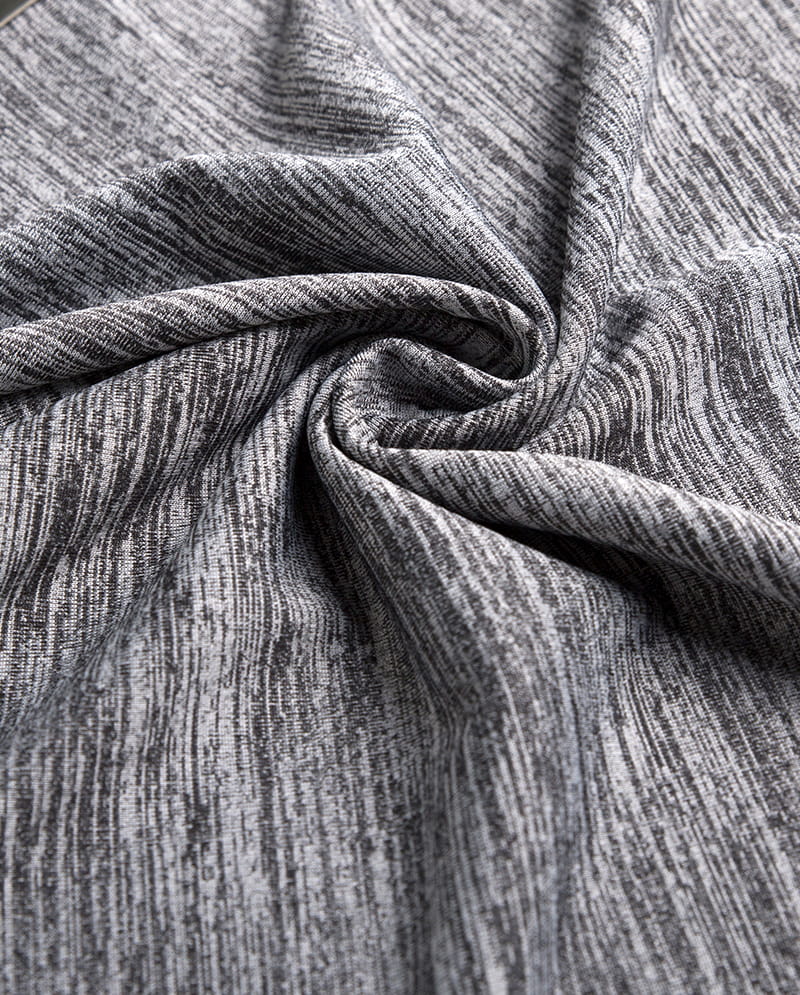
Anti-static Cationic Knitted Rib Fabric
-
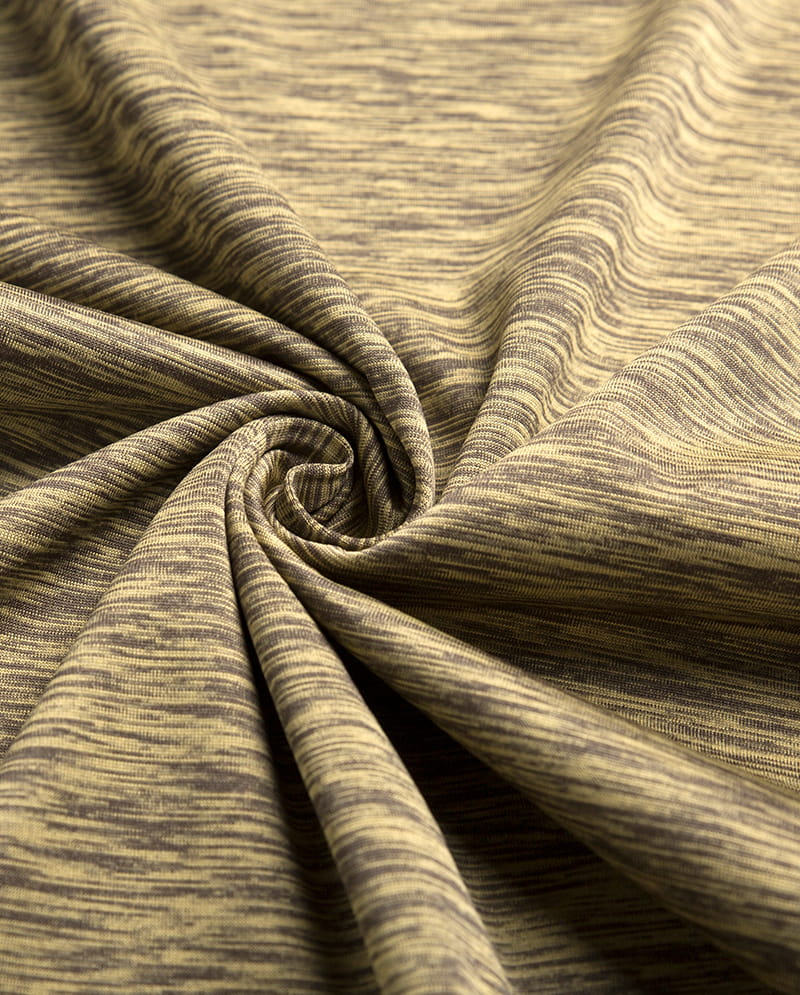
High-Stretch Cationic Jersey Fabric
-
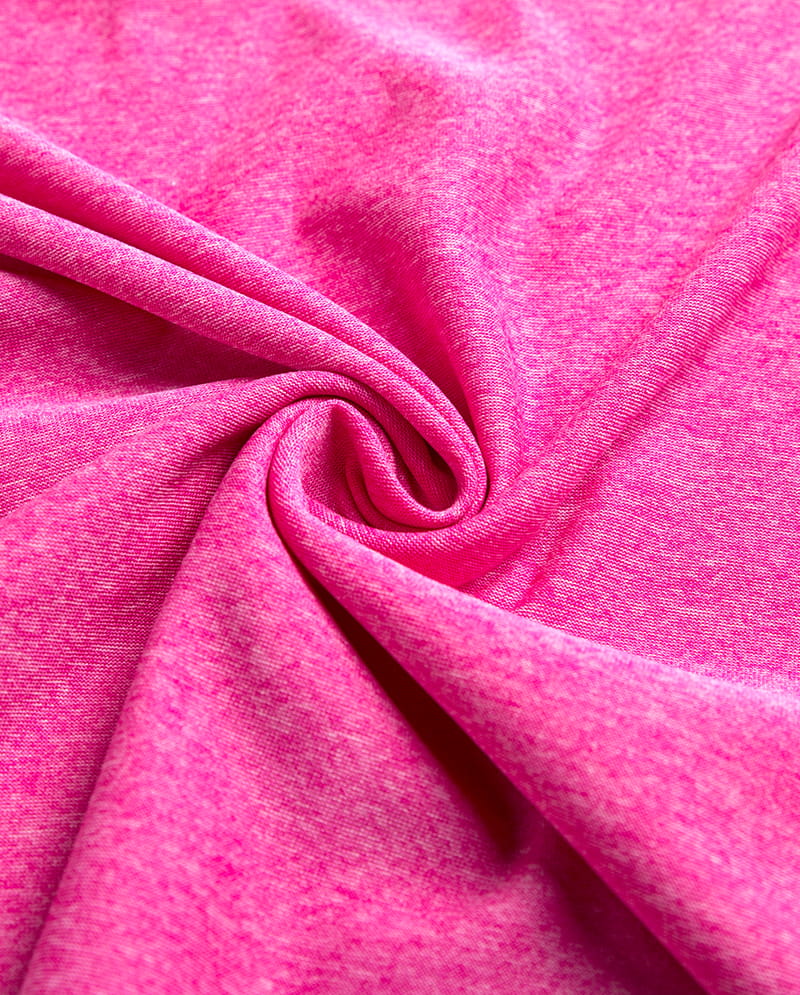
High Quality Cationic DTY Spandex Two Sides Brush Dralon Knit Fabric for Garment Thermal Underwear
-
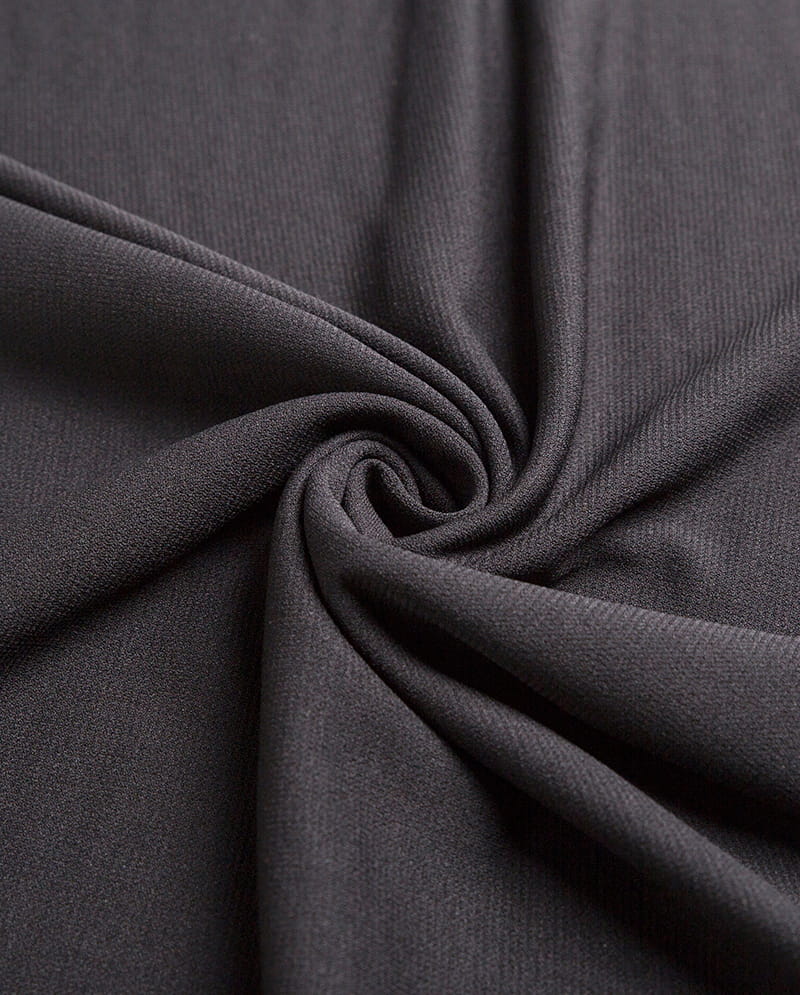
Durable Anti-Pilling Knitted Fabric for Home Textiles
-
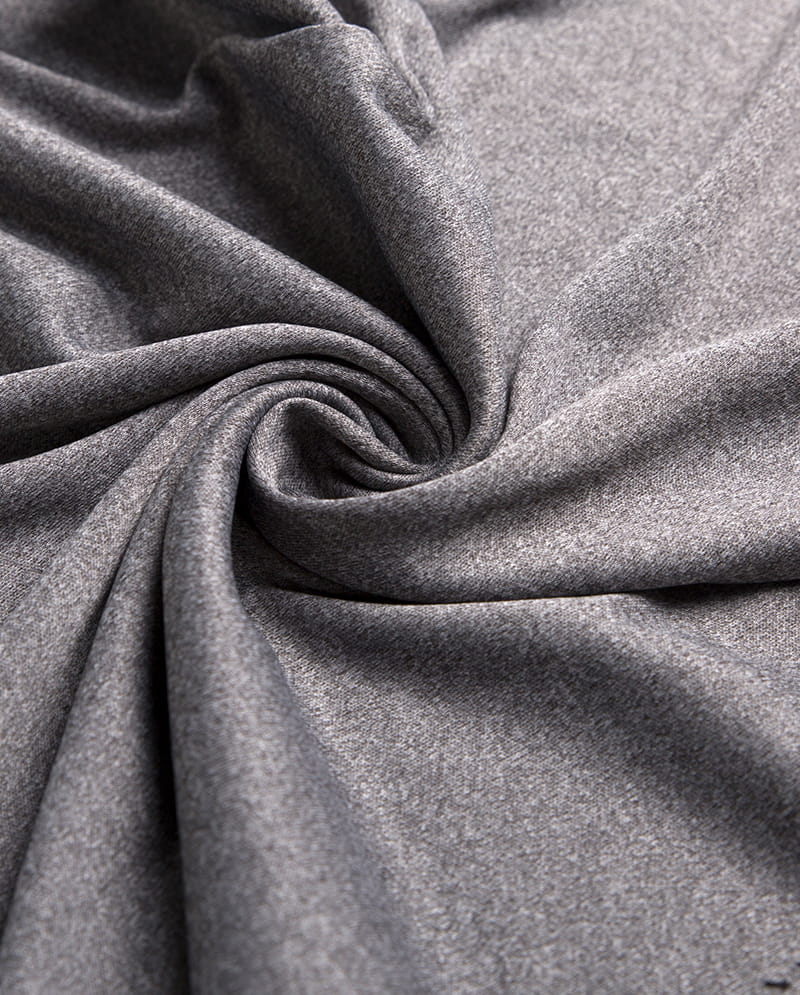
Wash-Resistant Cationic Elastic Knitted Fabric for Garment Industry
-
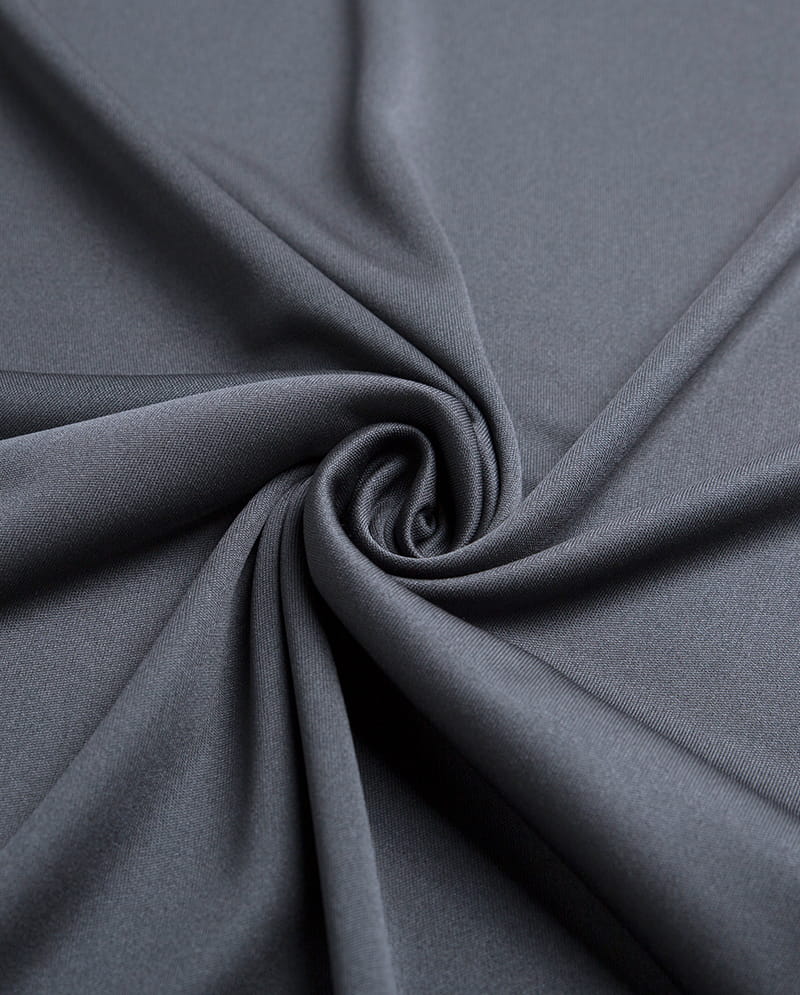
Breathable Double-Faced Elastic Composite Fabric
-
-
-
- whatsapp:
- 0086-13962559622
-
- skype:
- skype.aliceshenghong
-
- Wechat:

COPYRIGHT © 2016 Suzhou Junhui Textile Co., Ltd.
