

 EN
 English
 中文简体
Stable and Durable High-Elastic D/F Yarn for Advanced Textile Applications
Content
- 1 Understanding Stable and Durable High-Elastic D/F Yarn
- 2 Core Performance Advantages
- 3 Advantages Over Less Specialized Yarn Options
- 4 Applications Across Textile Markets
- 5 Manufacturing Process and Quality-Oriented Production
- 6 Research and Development Strengths
- 7 International Supply and Customer Service
- 8 How to Select the Right Specification
- 9 Sustainability and Product Life
- 10 Benefits for Different Stakeholders
- 11 Quality and Performance Comparison
- 12 Practical Use Recommendations
- 13 Why Choose a Specialized Supplier
- 14 Frequently Asked Questions
- 14.1 What is Stable and Durable High-elastic D/F Yarn?
- 14.2 What does D/F mean in the product name?
- 14.3 Which industries can use this yarn?
- 14.4 Does the yarn retain its shape after washing?
- 14.5 Can the yarn be dyed in different colors?
- 14.6 Is it suitable for skin-contact garments?
- 14.7 How does it compare with ordinary polyester yarn?
- 14.8 Can it be used in footwear?
- 14.9 Can the supplier help with product selection?
- 14.10 Should buyers test samples before placing a large order?
- 15 Conclusion
- 16 References
- 17 Product: Stable and durable High-elastic D/F Yarn
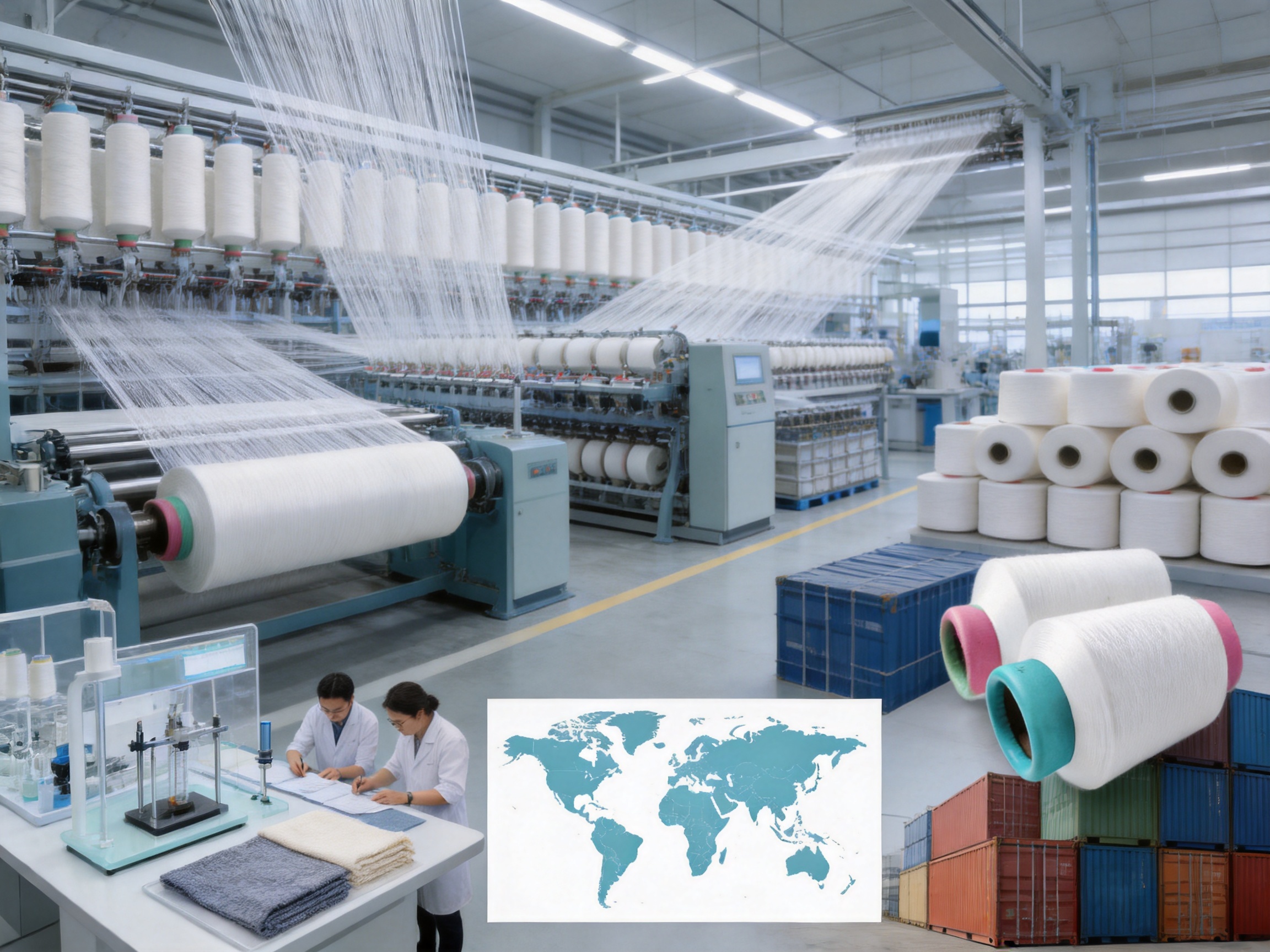
Modern textile manufacturers are under constant pressure to create fabrics that are comfortable, attractive, durable, and reliable throughout repeated use. Consumers expect sportswear to remain supportive after washing, footwear uppers to recover their shape after movement, and home textiles to retain their appearance despite frequent handling. These expectations place demanding requirements on the yarn selected at the beginning of the manufacturing process.
Stable and durable High-elastic D/F Yarn is designed to address these requirements through a carefully balanced combination of elasticity, dimensional stability, durability, softness, and processing consistency. Made from polyester and constructed with a multi-filament configuration, the yarn provides stretch and recovery while maintaining structural integrity. Its performance makes it suitable for fabrics that need flexibility without sacrificing long-term shape retention.
The product is developed for manufacturers seeking a dependable high-elastic yarn rather than a material that provides stretch only at the expense of strength or stability. Its D/F configuration integrates fine individual filaments into a consistent yarn structure. This structure supports uniform production, helps reduce unwanted deformation, and contributes to even dye absorption and a smooth fabric surface.
For textile companies, the value of this yarn extends beyond the finished fabric. A stable yarn can support more predictable knitting and weaving, simplify color development, improve the consistency of production lots, and reduce performance concerns during the life of the finished product. These advantages are especially important for international buyers that require repeatable quality across multiple orders.
Understanding Stable and Durable High-Elastic D/F Yarn
The name of the product describes its central performance characteristics. “High-elastic” refers to the yarn’s ability to stretch under an appropriate load and recover toward its original form after the load is removed. “Stable and durable” indicates that the yarn is engineered to maintain its useful properties during repeated wear, washing, and processing. “D/F” identifies the denier and filament structure used to describe the yarn’s construction and fineness.
Unlike a simple single-filament material, a multi-filament yarn is formed from numerous fine filaments. These filaments work together within the yarn bundle. The arrangement allows the yarn to combine flexibility with a controlled surface and a more adaptable hand feel. When properly manufactured, the filaments remain sufficiently integrated to promote even running through textile equipment.
The polyester base contributes several practical advantages. Polyester is widely used in apparel, home textiles, footwear, and technical fabrics because it offers useful resistance to abrasion, repeated handling, moisture-related deterioration, and routine washing. It can also provide reliable color development when the yarn is prepared and dyed under suitable conditions.
High elasticity is most valuable when it is accompanied by recovery. A fabric that stretches easily but remains permanently elongated may fail to deliver the desired performance. This yarn is intended to offer a better balance: flexibility during movement and improved retention of the original fabric shape after movement. The result can be a textile that feels more responsive and remains visually stable over time.
Core Performance Advantages
Elasticity with Shape Recovery
The defining advantage of the yarn is its ability to support elastic fabric construction. In sportswear, activewear, and close-fitting garments, the textile must accommodate body movement without creating excessive tension or losing its form. High-elastic D/F Yarn can help fabrics extend during bending, stretching, and repeated motion while supporting recovery afterward.
Shape recovery is also important in products that are handled frequently. Waistbands, fitted panels, stretch inserts, knitted uppers, and flexible household articles may be extended many times during their service life. A yarn with reliable elastic behavior can help the finished product resist sagging, looseness, and visible deformation.
The performance of the final fabric depends on the knitting or weaving structure, fabric density, finishing conditions, blend ratio, and end use. Nevertheless, choosing a yarn with a strong balance of stretch and recovery gives manufacturers a more dependable starting point for developing elastic materials.
Dimensional Stability
Dimensional stability is a major consideration in textile production. If yarn dimensions vary significantly during processing, the fabric may display inconsistent width, uneven surface appearance, or unwanted changes after washing. The stable structure of this D/F yarn is intended to support consistent fabric dimensions and predictable performance.
For fabric manufacturers, stability can improve production efficiency. More consistent yarn behavior may help reduce adjustments to machine settings and minimize variation between production batches. It can also support more reliable cutting, sewing, printing, coating, and garment assembly because the fabric is less likely to change unexpectedly during downstream operations.
Dimensional consistency is especially valuable in products with close tolerances. Examples include compression garments, fitted sportswear, footwear components, mattress covers, technical sleeves, and other materials where accurate shape and fit influence product quality.
Resistance to Wear and Repeated Use
Textiles are exposed to friction, tension, folding, stretching, washing, and environmental contact. A high-elastic yarn intended for demanding applications must therefore offer more than initial softness. It must retain useful performance as the product is used repeatedly.
The polyester foundation of this yarn supports resistance to everyday wear and tear. When incorporated into a suitable fabric structure, it can contribute to a longer service cycle and a reduced risk of premature fabric failure. This makes the yarn appropriate for products that receive regular physical stress, including sports garments, footwear textiles, upholstery components, bags, and frequently washed household goods.
Durability can also influence sustainability in practical terms. When a textile lasts longer and remains functional for more use cycles, replacement may be delayed. Longer product life does not replace the need for responsible material selection, efficient production, and appropriate end-of-life planning, but it is an important part of overall product value.
Smooth and Comfortable Surface
Elasticity and durability are not sufficient if the yarn creates an unpleasant fabric hand. The smooth surface of this multi-filament construction helps manufacturers develop materials that combine structural performance with comfort. This is particularly relevant for skin-contact apparel, underwear, base layers, leggings, sports tops, socks, and other garments worn for extended periods.
The yarn can also contribute to a more uniform fabric appearance. Fine filaments, consistent processing, and suitable fabric construction may produce a surface that looks clean and refined. The final hand and appearance will depend on yarn specification, fabric design, finishing, and dyeing, but the yarn provides a suitable foundation for high-quality textile development.
Uniform Dye Absorption
Color consistency is central to commercial textile production. Uneven dye absorption can create streaks, shade variation, or differences between fabric lots. The stable filament structure of this yarn supports uniform dye uptake when the material is processed with appropriate dyeing parameters.
Reliable coloration benefits both manufacturers and buyers. Manufacturers can develop repeatable color standards and reduce the risk of rejected lots. Buyers can receive fabrics that are more consistent across production runs, which is essential when garments, footwear, or home textile collections require coordinated colors.
Color performance depends on many factors, including dye selection, temperature, time, bath conditions, pretreatment, finishing, and machine operation. The yarn itself cannot eliminate every source of variation, but a consistent raw material helps create better conditions for controlled dyeing.
Advantages Over Less Specialized Yarn Options
High-elastic D/F Yarn offers several advantages when compared with ordinary low-elastic polyester yarns or less stable filament constructions. Standard yarns may provide acceptable strength and processability, but they may not deliver the level of stretch and recovery required by close-fitting or performance-oriented products. Selecting a yarn specifically engineered for elasticity can reduce the need for excessive fabric engineering or complicated material combinations.
Some highly elastic alternatives may prioritize stretch while providing limited dimensional stability. In those cases, the fabric may be comfortable at first but become loose, distorted, or uneven after repeated wear. This product is positioned around a more balanced performance profile, combining elasticity with structural reliability.
Other alternatives may offer durability but feel excessively rigid or harsh. A rigid yarn can limit comfort and restrict movement, especially in apparel. The smooth multi-filament construction of this yarn is designed to provide a more adaptable and comfortable textile experience without abandoning durability.
There are also yarns that create difficulties during dyeing or fabric formation because of inconsistent filament behavior. A stable D/F construction can support more even running and more predictable coloration. For manufacturers that supply multiple markets, such consistency is a competitive advantage because it helps control production quality across different product lines.
| Performance consideration | Potential limitation of a basic yarn | Value of stable and durable High-elastic D/F Yarn |
|---|---|---|
| Stretch and recovery | Insufficient elasticity or permanent deformation after use | Supports flexible movement and improved shape retention |
| Dimensional stability | Fabric width, density, or shape may vary during processing | Provides a more consistent filament structure for controlled production |
| Wear resistance | Surface or strength may decline quickly under repeated friction | Polyester construction supports long-term use in demanding textiles |
| Comfort | Rigid or coarse yarn may produce an uncomfortable hand | Smooth multi-filament construction balances softness and structure |
| Dyeing consistency | Uneven coloration can increase rework and rejection risk | Stable structure supports uniform dye absorption under suitable conditions |
| Application range | Limited suitability for stretch-focused products | Applicable to apparel, footwear, home textiles, and technical fabrics |
Applications Across Textile Markets
Sportswear and Activewear
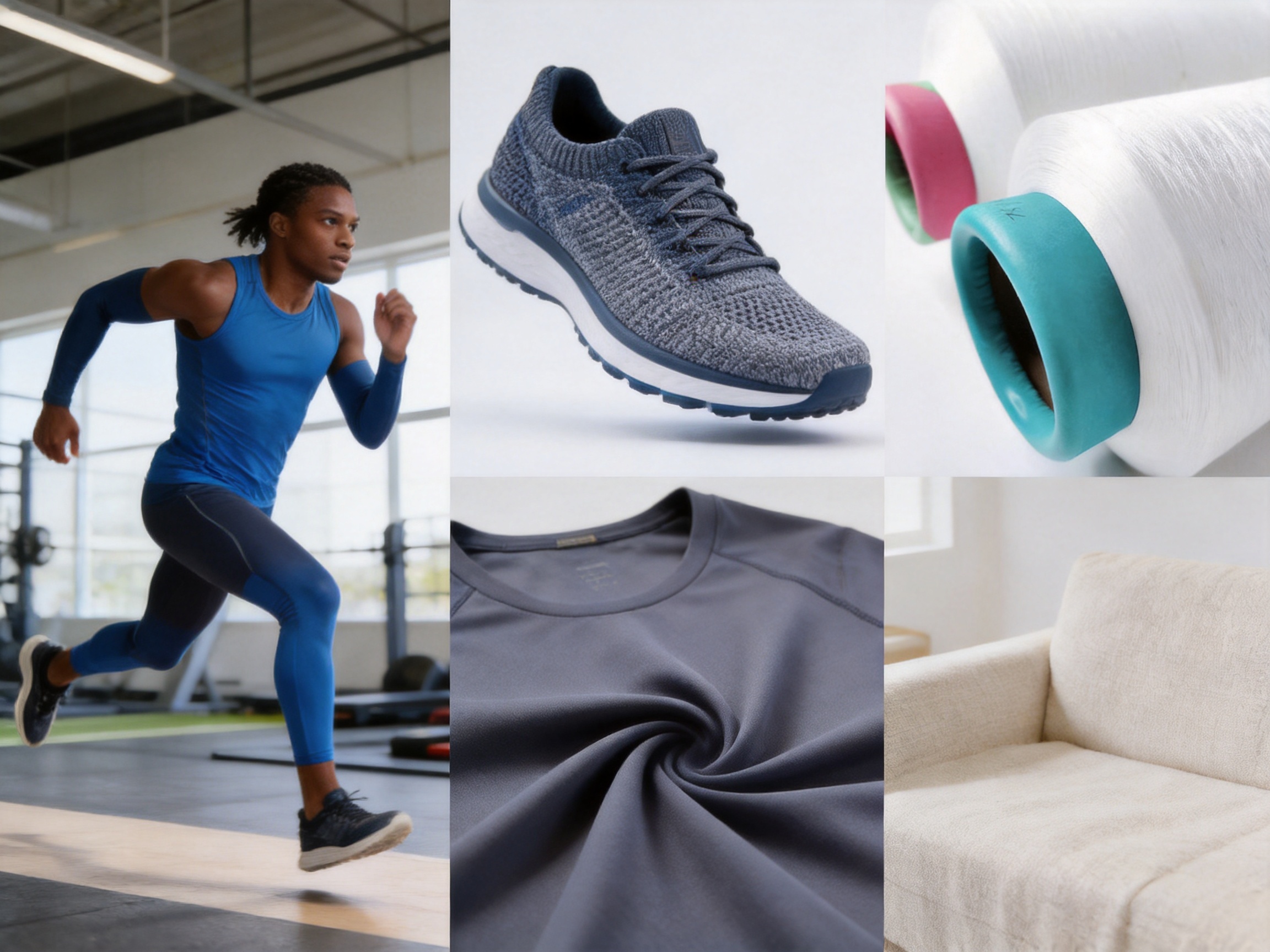
Sportswear must follow the body while supporting comfort during physical activity. Stretch panels, training garments, running apparel, cycling products, yoga clothing, and gym wear all require fabrics that can accommodate movement. High-elastic D/F Yarn can help manufacturers produce fabrics with flexible performance, recovery, and resistance to repeated washing.
Activewear also needs to maintain a professional appearance. A garment that becomes loose, baggy, or distorted after a short period may lose its commercial value. The yarn’s combination of recovery and stability can support better long-term appearance when matched with an appropriate fabric design.
Breathability, moisture management, compression, and thermal performance are determined by the complete textile system. This yarn can be used as part of that system, either alone or in combination with other functional yarns, depending on the required specification.
Footwear Textiles
Footwear uppers and flexible shoe components are exposed to bending, stretching, friction, and repeated pressure. A textile yarn used in these applications must help the material adapt to foot movement without losing its shape too quickly. The high-elastic D/F structure is suitable for knitted footwear uppers, stretch sections, sports shoe materials, and flexible panels.
In footwear, appearance and fit are closely connected. Dimensional stability helps the upper maintain its intended profile, while elasticity supports comfort during walking and movement. A smooth surface may also contribute to an attractive visual finish, especially in engineered knit designs.
Home Textiles
Home textile products often experience frequent contact and cleaning. Mattress covers, fitted sheets, cushion fabrics, furniture components, decorative textiles, and flexible household articles can benefit from materials that combine durability with recovery.
For fitted home products, elastic behavior can assist installation and help the material remain close to the desired shape. For cushion covers and upholstery components, recovery can help reduce the appearance of looseness after repeated use. The polyester foundation supports practical care requirements, provided that the finished fabric is designed and finished appropriately.
Technical Fabrics
Technical textiles require carefully controlled performance. Stretch, stability, abrasion resistance, and dimensional reliability may all be important in protective covers, flexible structures, industrial components, medical support textiles, and specialized knitted materials.
The yarn can be considered for technical applications where controlled elasticity is needed but the material must still maintain a stable and durable structure. Before large-scale adoption, technical buyers should evaluate the yarn under the exact mechanical, thermal, chemical, and environmental conditions of the intended application.
Fashion and Everyday Apparel
Beyond performance garments, the yarn is suitable for everyday clothing that requires comfort and shape retention. Stretch trousers, fitted skirts, casual tops, dresses, socks, underwear, and knitted accessories can benefit from its elastic characteristics.
Fashion manufacturers also value dyeing consistency and surface quality. A yarn that accepts color evenly and runs consistently through production can support more reliable product development, especially when a collection contains several coordinated colors or repeated seasonal programs.
Manufacturing Process and Quality-Oriented Production
The performance of an elastic yarn depends not only on its raw material but also on how it is engineered, processed, inspected, and prepared for customers. A professional manufacturing approach begins with the selection of suitable polyester inputs and continues through filament formation, yarn integration, winding, testing, packaging, and technical support.
Material Selection
Polyester is selected for its combination of strength, durability, processability, and suitability for many textile applications. The quality of the polyester input influences yarn uniformity, surface behavior, dye response, and mechanical performance. Careful material selection is therefore essential for producing a yarn with repeatable characteristics.
For customers with specific requirements, the material selection process may be adjusted according to the intended application. A yarn for close-fitting apparel may require a different balance from one intended for footwear or a technical fabric. Discussing end-use conditions before production helps manufacturers recommend a suitable specification.
Filament Formation and Integration
The multi-filament structure is central to the product. Fine filaments must be formed and brought together in a controlled manner so that the finished yarn has a consistent linear density, surface, and mechanical behavior. Proper integration helps prevent excessive filament separation and supports smooth movement through knitting or weaving equipment.
Filament integration also affects the final fabric’s hand and appearance. When individual filaments are controlled effectively, the yarn can provide a balance between softness and structural integrity. This balance is one of the product’s important distinctions from yarns that are either too loose or too rigid.
Elasticity and Stability Control
Elastic performance is influenced by the arrangement of filaments, yarn tension, processing conditions, and finishing. Manufacturers must control these variables carefully to achieve a useful relationship between stretch and recovery. Excessive tension during processing may affect later performance, while insufficient control may lead to irregular yarn behavior.
Stability control is equally important. A yarn intended for high-use textiles should resist unnecessary deformation during handling and fabric formation. Consistent production parameters can help improve lot-to-lot repeatability and give customers greater confidence when planning repeat orders.
Winding and Package Preparation
After the yarn is formed and processed, it must be wound into packages that can be transported, stored, and used efficiently by textile manufacturers. Package quality affects unwinding performance, machine running, and the risk of interruptions. Even tension and proper package formation are therefore important parts of a professional production system.
Good package preparation can reduce snarling, uneven withdrawal, and avoidable yarn breaks. It also supports more efficient use of the customer’s knitting or weaving equipment. While package requirements can differ by machine and application, a manufacturer with experience in international textile supply can adapt packaging and documentation to buyer needs.
Inspection and Testing
Quality inspection should focus on the characteristics most relevant to the yarn’s intended use. Typical evaluation areas may include linear density, filament uniformity, tensile behavior, elongation, recovery, appearance, package condition, and dyeing performance. The precise test program should reflect the customer’s specification and application.
Testing is valuable because visual inspection alone cannot confirm elastic recovery or long-term stability. A professional quality process combines process monitoring with finished-product evaluation. This approach helps identify deviations before the yarn is shipped and supports more consistent supply over time.
Technical Communication
Manufacturing strength also includes communication. Buyers may need assistance selecting a yarn for a particular fabric construction, machine type, color program, or end-use requirement. Clear technical discussions can prevent specification mismatches and help customers move from sample development to regular production more efficiently.
Suzhou Junhui Textile Co., Ltd. emphasizes professional research and development, differential yarn development, and customer-oriented service. Its associated business activities include recycled yarn, polyester dope-dyed yarn, microfine yarn, flame-retardant yarn, cationic-dyeing yarn, and knitting fabric products. This broader product experience provides useful context for customers seeking solutions that may combine high elasticity with other performance or appearance requirements.
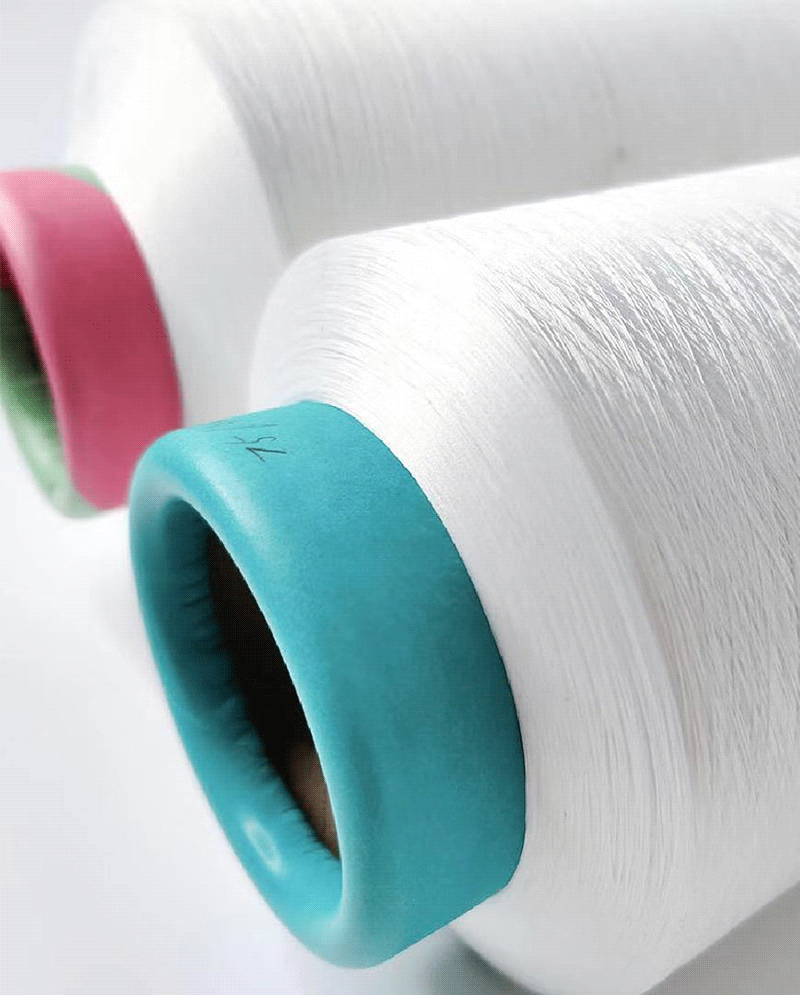
Stable and durable High-elastic D/F Yarn
Research and Development Strengths
Research and development is important in a textile market where customers increasingly request specialized combinations of properties. A single product may need to be soft, elastic, durable, color-consistent, recyclable, flame-retardant, or suitable for a particular dyeing route. Manufacturers with experience across several differential yarn categories are better positioned to understand these interactions.
The company described in the supplied information has a professional R&D team and works with internationally recognized enterprises on research, development, and applications related to environmental protection, functional yarns, and fabrics. This collaborative orientation can support the development of practical materials rather than products designed around only one isolated performance feature.
For buyers, R&D capability matters when standard specifications do not fully meet a project’s needs. A customer may require a specific color, denier, filament arrangement, elasticity level, package format, or fabric behavior. Technical collaboration can help determine whether the existing yarn is appropriate or whether a modified solution should be evaluated.
Development should always be supported by testing. A promising laboratory sample must be checked in knitting, weaving, dyeing, finishing, and final-product conditions. This is especially important for elastic yarn because performance can change according to fabric structure, machine tension, heat treatment, and finishing chemistry.
International Supply and Customer Service
The company reports that more than 90 percent of its products are exported and that it has established cooperative relationships with customers in 36 countries. International experience can provide practical advantages in communication, documentation, packaging coordination, lead-time planning, and understanding of different textile markets.
Export-oriented supply requires attention to consistency. A buyer may use the same yarn in multiple factories or repeat the same product program over several seasons. Variations in yarn behavior can create problems in fabric appearance, garment fit, or production efficiency. A stable manufacturing and quality system is therefore essential for maintaining customer confidence.
Customer support is also significant during product selection. Buyers may not know whether high-elastic D/F Yarn should be used alone, blended with another yarn, knitted at a particular density, or subjected to a specific finishing route. Professional guidance can help customers make decisions based on the complete fabric and end-use requirements rather than on yarn specifications alone.
The company states that its experts are available to provide guidance and support within 12 hours globally. Responsive communication is especially valuable for international customers working across time zones, tight sampling schedules, and rapidly changing product demands.
How to Select the Right Specification
Before ordering, buyers should define the intended end use. A yarn for lightweight activewear may require a different specification from a yarn for a heavy footwear upper or a technical fabric. Important questions include the required stretch, target recovery, fabric weight, color range, knitting or weaving method, washing conditions, and expected service life.
Machine compatibility should also be considered. The buyer should confirm whether the yarn package, unwinding behavior, and tension characteristics are suitable for the intended equipment. A sample trial is recommended before full-scale production, particularly when the yarn will be used in a new fabric construction.
Color requirements should be communicated clearly. Customers may need raw white yarn for later dyeing, a particular dyed shade, or a dope-dyed solution depending on the product concept. The supplied company information includes experience with polyester drop-dyed yarn and other differential products, so buyers can discuss whether a colored-yarn route or a conventional dyeing route is more appropriate.
Care conditions are equally important. If the final textile will be exposed to high washing temperatures, chemical cleaning, ultraviolet radiation, perspiration, or intensive abrasion, these conditions should be included in the evaluation plan. The yarn’s suitability should be confirmed through testing that replicates actual use.
Recommended Evaluation Items
For sampling, manufacturers should examine yarn appearance, package condition, running performance, fabric uniformity, stretch, recovery, dimensional change, color consistency, hand feel, abrasion behavior, and washing performance. The evaluation should compare the yarn with the customer’s current material using the same fabric design and processing route wherever possible.
Testing a complete fabric is important because yarn performance is influenced by construction. A yarn may behave differently in a tight knitted structure, an open mesh, a woven stretch fabric, or a laminated technical textile. End-use testing gives a more realistic indication of commercial suitability.
Sustainability and Product Life
Textile sustainability involves raw materials, manufacturing efficiency, product durability, use-phase care, and end-of-life management. High-elastic D/F Yarn contributes primarily through durable performance and extended usability. A fabric that maintains its shape and function over more wear cycles may reduce the frequency of replacement.
The company also develops recycled yarn and other differential materials, indicating an interest in environmental protection and material innovation. Customers seeking recycled content or lower-impact alternatives should discuss available options and confirm the specific composition, certification requirements, and performance characteristics for each product.
Sustainability claims should always be connected to verifiable specifications. Buyers should request the relevant material information, production details, and test documentation needed for their own compliance and marketing requirements. Product durability remains valuable, but it should be evaluated as part of a broader responsible sourcing strategy.
Benefits for Different Stakeholders
For Fabric Mills
Fabric mills can benefit from a yarn that runs consistently, supports uniform coloration, and provides a useful balance of stretch and stability. These properties may help reduce trial-and-error during fabric development and improve the repeatability of production lots.
For Garment Manufacturers
Garment manufacturers need fabrics that cut, sew, and perform consistently. Dimensional stability can support pattern accuracy, while elasticity and recovery can improve fit and comfort. A stable fabric can also reduce problems related to seam distortion, panel mismatch, and post-wash shape change.
For Brands and Product Developers
Brands can use the yarn to develop products positioned around comfort, performance, and durability. Its broad application range allows product developers to consider sportswear, casualwear, footwear, household products, and technical collections using a material with a consistent performance concept.
For End Users
End users experience the benefits through garments and textiles that move more comfortably, retain their shape, feel smooth, and withstand repeated use. Although final performance depends on the complete product, the yarn provides an important foundation for reliable textile quality.
Quality and Performance Comparison
When comparing this yarn with competing materials, buyers should avoid focusing on a single specification such as initial elongation. A meaningful comparison should include recovery after repeated extension, dimensional change after washing, abrasion resistance, dye uniformity, fabric hand, machine performance, and overall cost in use.
A yarn that appears inexpensive at the purchasing stage may create additional costs if it causes machine interruptions, dyeing variation, fabric rejection, or early product failure. Conversely, a yarn with a balanced performance profile may provide better value by supporting stable manufacturing and longer product life.
The most relevant competitor comparison is therefore application-specific. For activewear, recovery and comfort may receive the highest priority. For footwear, stability and abrasion resistance may be more important. For home textiles, washing performance and shape retention may dominate. For technical fabrics, the buyer may require a detailed combination of mechanical and environmental tests.
| Buyer priority | Evaluation question | Expected contribution of the product |
|---|---|---|
| Comfort | Does the fabric provide a smooth and flexible hand? | Multi-filament construction supports softness together with structure |
| Fit retention | Does the fabric recover after repeated stretching? | High elasticity is designed to support recovery and reduce looseness |
| Production efficiency | Does the yarn run consistently through textile equipment? | Stable structure and controlled package preparation support reliable processing |
| Appearance | Does the finished textile maintain a uniform surface and color? | Consistent filaments support even fabric formation and dye absorption |
| Service life | Can the textile withstand regular wear and washing? | Polyester durability supports long-term use under suitable conditions |
| Product development | Can the material serve different textile categories? | Suitable for apparel, footwear, home textiles, and technical fabrics |
Practical Use Recommendations
Manufacturers should store the yarn in a clean, dry environment and protect it from unnecessary contamination, moisture, and physical damage. Packages should be handled carefully to avoid deformation or impact that could affect unwinding. Storage and conditioning procedures should follow the buyer’s internal standards and the yarn supplier’s technical recommendations.
During processing, machine tension should be controlled carefully. Excessive tension can influence the yarn’s behavior and may reduce the consistency of the finished fabric. Trial production should be used to establish suitable machine settings before a large order is released.
Dyeing and finishing should be optimized for the selected polyester material and fabric construction. Temperature, time, bath ratio, auxiliaries, and finishing conditions may all influence color and dimensional performance. Buyers should conduct laboratory trials and compare the results with approved standards.
For high-stretch fabrics, cutting and sewing methods should be selected according to the fabric’s recovery characteristics. Needle type, stitch density, seam construction, and thread selection may affect the final garment. The yarn can provide a strong foundation, but the complete manufacturing system must be coordinated.
Why Choose a Specialized Supplier
A specialized yarn supplier offers more than a catalog item. It provides knowledge of raw materials, filament structures, dyeing behavior, fabric development, and customer application requirements. This knowledge can shorten development time and reduce the risk of selecting an unsuitable yarn.
Suzhou Junhui Textile Co., Ltd. combines differential yarn development with experience in knitting fabrics and functional textile materials. Its product scope includes recycled, colored, microfine, flame-retardant, cationic-dyeing, and other specialized yarn categories. This range suggests an ability to discuss high elasticity within a broader material strategy.
The company’s export experience and international customer relationships are also relevant to buyers seeking a stable supply partner. A supplier that understands global textile production can better support communication, documentation, sampling, and repeat-order coordination.
Most importantly, the supplier’s approach is centered on customer success. Whether the customer is selecting a yarn, developing a new fabric, solving a production issue, or evaluating an environmental alternative, technical communication can help transform a material requirement into a workable textile solution.
Frequently Asked Questions
What is Stable and Durable High-elastic D/F Yarn?
It is a polyester multi-filament yarn designed to combine high elasticity, recovery, dimensional stability, durability, smoothness, and consistent dyeing performance. It is intended for textile products that require flexibility without sacrificing long-term reliability.
What does D/F mean in the product name?
D/F refers to the denier and filament configuration used to describe the yarn’s fineness and multi-filament construction. The exact specification should be confirmed according to the customer’s required denier, filament count, and application.
Which industries can use this yarn?
The yarn is suitable for sportswear, activewear, footwear, home textiles, technical fabrics, and everyday apparel. It can be evaluated for any textile application requiring stretch, recovery, comfort, and durable performance.
Does the yarn retain its shape after washing?
The yarn is designed to support shape retention and resistance to deformation during repeated use and washing. Actual results depend on fabric construction, washing temperature, detergent, finishing, and garment design. Buyers should conduct testing under the intended care conditions.
Can the yarn be dyed in different colors?
Yes, its stable structure is intended to support uniform dye absorption under suitable dyeing conditions. Buyers should provide their color requirements and discuss whether raw white, conventionally dyed, or another color-supply option is most appropriate.
Is it suitable for skin-contact garments?
The smooth texture and flexible multi-filament structure make it suitable for consideration in skin-contact products such as activewear, base layers, underwear, socks, and fitted garments. Final comfort depends on fabric construction, finishing, and the complete product design.
How does it compare with ordinary polyester yarn?
Ordinary polyester yarn may provide strength and processability but may not offer the same combination of high elasticity, recovery, and stability. This product is specifically positioned for applications where stretch and long-term shape retention are important.
Can it be used in footwear?
Yes. It can be evaluated for knitted footwear uppers, stretch panels, sports shoes, and flexible footwear components. The final specification should be selected according to the required fit, abrasion resistance, thickness, and production method.
Can the supplier help with product selection?
The company provides professional research and development and customer-oriented technical support. Buyers can discuss end use, machine type, fabric construction, color, elasticity, and performance targets before confirming a specification.
Should buyers test samples before placing a large order?
Yes. Sample testing is recommended for all important textile applications. Buyers should evaluate yarn running, fabric appearance, stretch, recovery, dimensional change, dyeing, washing, abrasion, and final-product performance under realistic conditions.
Conclusion
Stable and durable High-elastic D/F Yarn provides a practical solution for textile manufacturers seeking a balanced combination of stretch, recovery, durability, comfort, and processing consistency. Its polyester multi-filament structure supports reliable performance in sportswear, activewear, footwear, home textiles, technical materials, and everyday garments.
Compared with less specialized yarns, it is designed to provide more than initial elasticity. Its value lies in the relationship between flexibility and stability: the fabric can move with the user while retaining a more consistent shape and appearance through repeated use. Uniform dye absorption, smooth texture, and resistance to wear further strengthen its suitability for high-quality textile development.
The manufacturing advantages behind the product include professional material selection, controlled filament integration, attention to elasticity and dimensional stability, package preparation, inspection, testing, and technical communication. Suzhou Junhui Textile Co., Ltd. adds broader experience in differential yarns, functional materials, knitting fabrics, research and development, and international supply.
For buyers, the best results will come from evaluating the yarn as part of the complete textile system. By matching the specification to the fabric construction, processing equipment, color route, care conditions, and end-use requirements, manufacturers can use this high-elastic yarn to develop products that offer comfort, dependable appearance, and long-term performance.
References
1. International Organization for Standardization. Textile testing principles for yarn linear density, tensile properties, dimensional change, and color fastness.
2. American Association of Textile Chemists and Colorists. Technical methods for polyester dyeing, color evaluation, laundering, and textile performance assessment.
3. Textile Institute. Fundamentals of textile fibers, yarn formation, filament structures, fabric construction, and finishing.
4. Polyester fiber and yarn engineering literature covering elasticity, recovery, abrasion resistance, dimensional stability, and multi-filament processing.
5. Product and company information supplied for Stable and durable High-elastic D/F Yarn and related differential textile materials.
Product: Stable and durable High-elastic D/F Yarn

Popular products
-
Premium Cationic Interlock Stretch Comfort Fabric
-
Moisture-Wicking Nylon Woven Fabric
-
Double-faced jacquard elastic fabric
-
Heather Grey Double-faced cationic jersey fabric
-
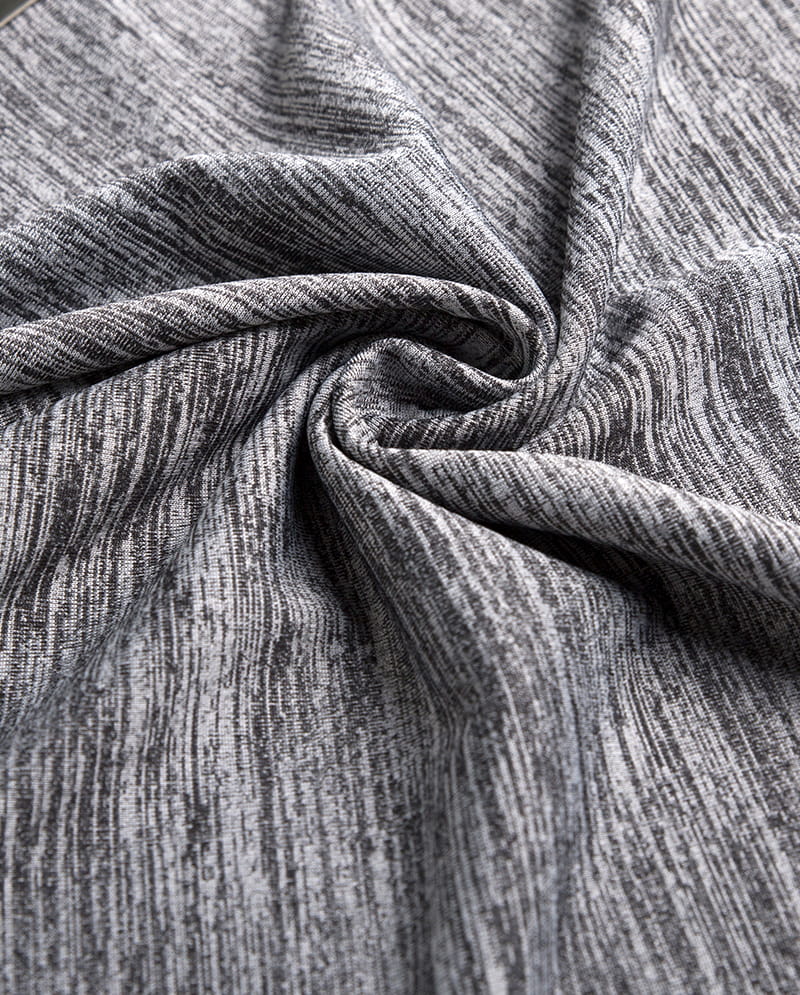
Anti-static Cationic Knitted Rib Fabric
-
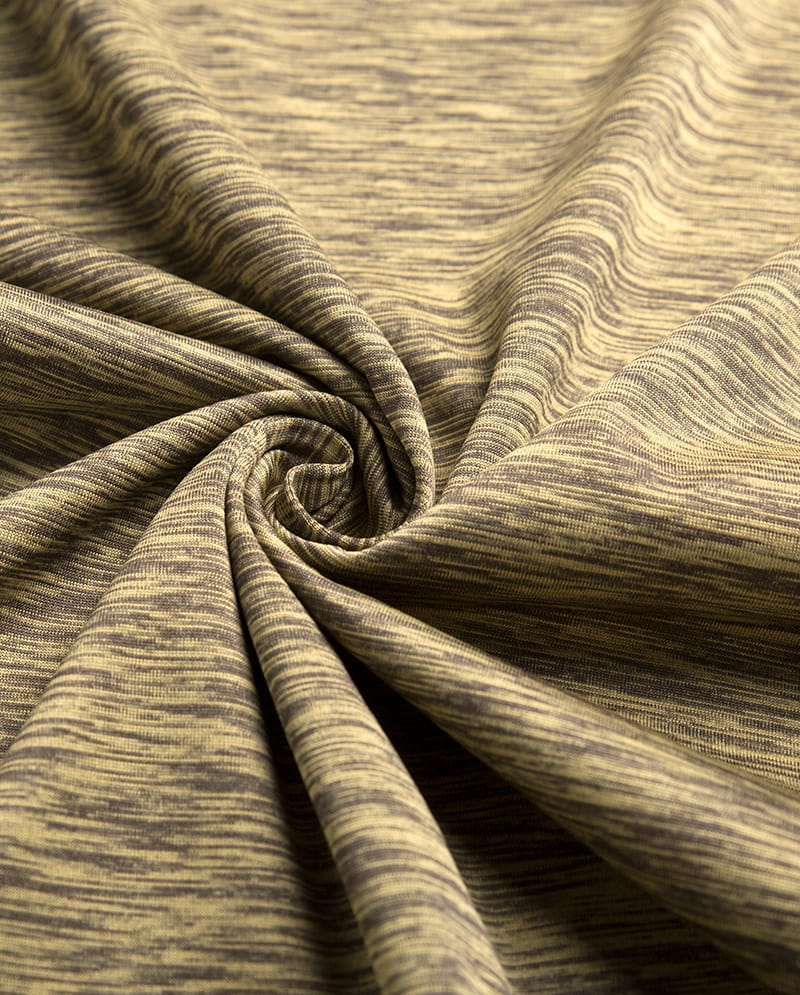
High-Stretch Cationic Jersey Fabric
-
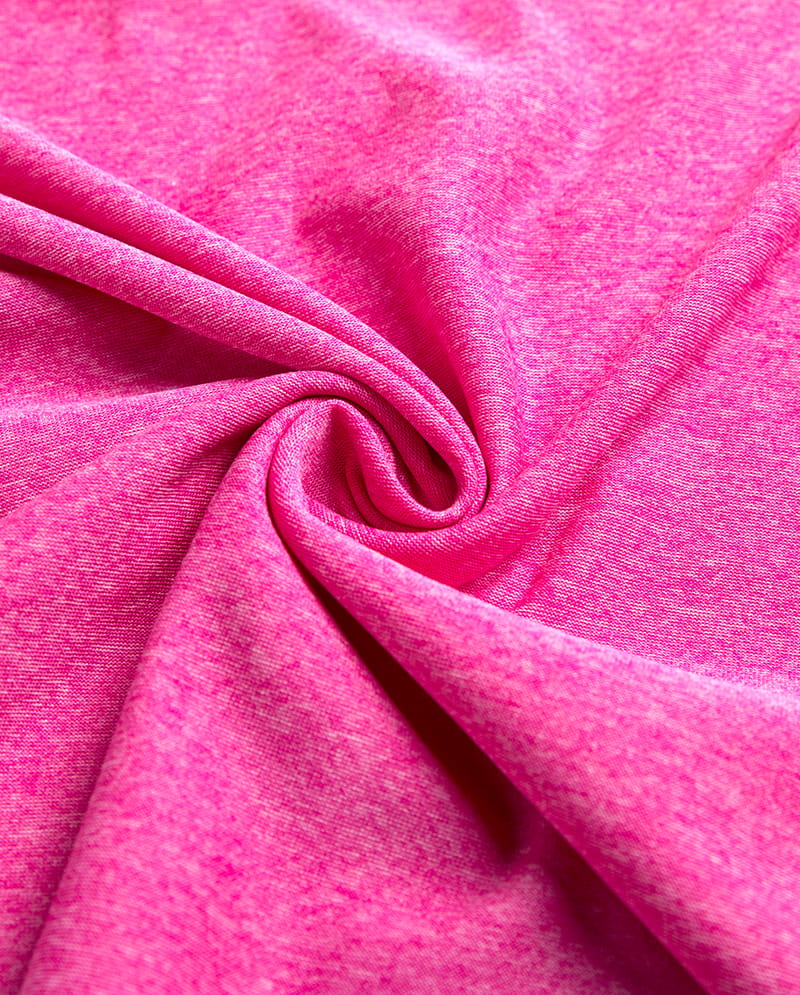
High Quality Cationic DTY Spandex Two Sides Brush Dralon Knit Fabric for Garment Thermal Underwear
-
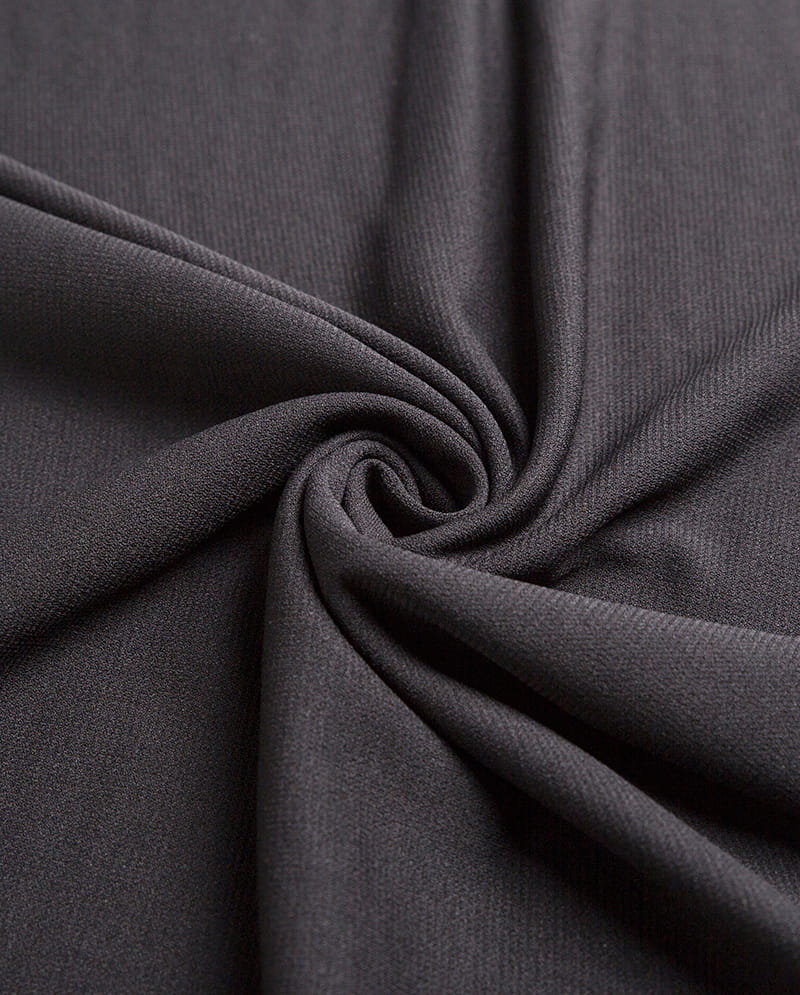
Durable Anti-Pilling Knitted Fabric for Home Textiles
-
Wash-Resistant Cationic Elastic Knitted Fabric for Garment Industry
-
Breathable Double-Faced Elastic Composite Fabric
-
-
-
- whatsapp:
- 0086-13962559622
-
- skype:
- skype.aliceshenghong
-
- Wechat:

COPYRIGHT © 2016 Suzhou Junhui Textile Co., Ltd.
