

 EN
 English
 中文简体
SD DTY (D/F) High-Strength Recycled Polyester Yarn: Performance, Sustainability, and Manufacturing Excellence
Content
- 1 Understanding SD DTY (D/F) Recycled Polyester Yarn
- 2 Why Recycled Polyester Is Important
- 3 Advanced Manufacturing Process
- 4 Performance Advantages Over Conventional Alternatives
- 5 Available Product Range
- 6 Applications Across Multiple Textile Markets
- 7 Advantages Compared with Competing Yarn Options
- 8 Manufacturing Strengths of the Supplier
- 9 Quality Control Considerations
- 10 Guidance for Selecting the Correct Specification
- 11 Recommended Production and Processing Practices
- 12 Sustainability and Commercial Value
- 13 Customization Capabilities
- 14 Why Choose a Specialized Recycled Yarn Partner
- 15 Q&A
- 15.1 What is SD DTY recycled polyester yarn?
- 15.2 What does SD mean?
- 15.3 What does DTY mean?
- 15.4 What does D/F mean in the specification?
- 15.5 Is the yarn suitable for knitting and weaving?
- 15.6 What are the main advantages over virgin polyester yarn?
- 15.7 What are the main advantages over low-quality recycled yarn?
- 15.8 Can the yarn be dyed in different colors?
- 15.9 Does recycled polyester have the same performance as virgin polyester?
- 15.10 Is the product certified?
- 15.11 What products can be made with this yarn?
- 15.12 Can special yarn be developed?
- 15.13 What information should be provided when requesting a quotation?
- 15.14 How should the yarn be evaluated before bulk purchasing?
- 16 Conclusion
- 17 References
- 18 Product: SD DTY (D/F) High-Strength Recycled Polyester Yarn
The textile industry is under increasing pressure to reduce waste, conserve resources, and provide products that satisfy demanding performance requirements. Brands, fabric mills, garment manufacturers, and industrial textile producers are therefore seeking materials that combine reliable technical properties with a lower environmental impact. SD DTY (D/F) High-Strength Recycled Polyester Yarn answers this need by bringing together recycled raw materials, controlled melt-spinning technology, draw texturing, consistent filament engineering, and dependable processing performance.
This recycled polyester yarn is designed for manufacturers that need more than a sustainability statement. It provides a practical material solution for weaving, knitting, warp knitting, sportswear, outdoor equipment, home textiles, automotive interiors, luggage, bags, and various industrial applications. Its semi-dull appearance, soft textured structure, high tensile strength, good elongation, low shrinkage, and abrasion resistance make it suitable for fabrics that must remain attractive and functional throughout repeated use.
Produced by Suzhou Junhui Textile Co., Ltd. and Suzhou Xiaoran New Materials Co., Ltd., the yarn reflects an integrated approach to differentiated yarn development. The companies focus on recycled yarn, polyester dope-dyed yarn, functional yarn, specialty yarn, and knitting fabric products. Their experience in research, development, export service, and customized yarn selection allows customers to source both standard specifications and differentiated solutions from a specialized textile partner.
Understanding SD DTY (D/F) Recycled Polyester Yarn
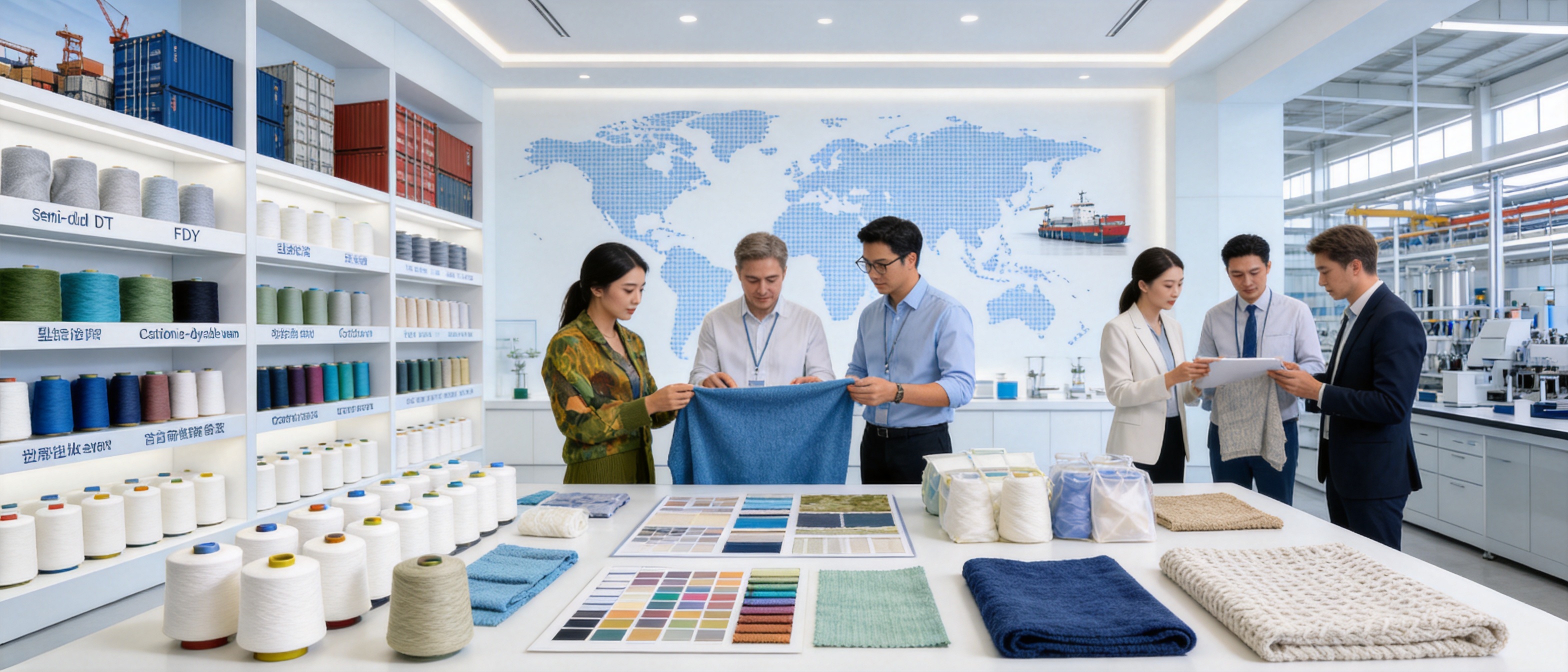
SD DTY (D/F) High-Strength Recycled Polyester Yarn is a draw textured yarn made from recycled polyester feedstock. The material can be derived from post-consumer PET bottles and industrial polyester waste. These sources are sorted, cleaned, processed, melted, filtered, and extruded into continuous filaments before being drawn and textured.
The term “SD” generally refers to semi-dull. A semi-dull yarn has a controlled luster rather than a highly glossy surface. This appearance is particularly useful when a fabric requires a refined, understated, and versatile visual effect. It can support the design requirements of sportswear, casual apparel, outdoor textiles, luggage fabrics, upholstery, and home furnishing materials.
“DTY” means Draw Textured Yarn. During the texturing process, the partially oriented or fully oriented filaments are drawn and given controlled crimp. This creates a yarn with increased bulk, softness, elasticity, and cover compared with a straight flat filament. The resulting structure can improve fabric handle and help fabrics achieve a more comfortable, substantial, and attractive surface.
“D/F” identifies the denier and filament configuration. Denier indicates the linear density of the yarn, while the filament number indicates how many individual filaments are combined in the yarn. Different denier-to-filament combinations create different levels of softness, coverage, strength, hairiness, bulk, and fabric appearance.
The high-strength designation emphasizes the yarn’s ability to tolerate tension and repeated mechanical stress. The stated tensile strength range of approximately 4.5–5.5 cN/dtex provides a useful performance reference for buyers evaluating yarn for durable applications. Actual performance can vary according to specification, processing conditions, fabric construction, dyeing, finishing, and end use, so technical confirmation should be completed before bulk production.
Why Recycled Polyester Is Important
Traditional polyester is manufactured from petrochemical raw materials. Although polyester offers valuable characteristics such as strength, dimensional stability, chemical resistance, and processability, its production depends on non-renewable resources. Recycled polyester helps reduce the need for additional virgin feedstock by recovering material that might otherwise enter a waste stream.
Post-consumer PET bottles are an important source of recycled polyester. Once collected, bottles are sorted according to polymer type and color, separated from unsuitable materials, cleaned, crushed, and converted into flakes or other intermediate forms. These materials can then be further processed into a melt suitable for fiber production. Industrial polyester waste can also be recovered and reintroduced into the production cycle when it meets the required quality criteria.
The environmental value of recycled yarn extends beyond the use of waste material. A carefully organized recycling system can help reduce landfill pressure, encourage resource circulation, and lower dependence on newly extracted raw materials. For textile brands, recycled yarn also supports product-level sustainability programs and can contribute to a more transparent material strategy when supported by appropriate certification and documentation.
Recycled polyester is not automatically identical in quality to every virgin polyester product. The consistency of the final yarn depends heavily on raw material selection, contaminant removal, melt filtration, polymer control, spinning stability, texturing precision, and quality inspection. This is why the manufacturing process and technical management behind the yarn are as important as the recycled content itself.
The product is described as certified to Oeko-Tex Standard 100 and Global Recycled Standard requirements. Buyers should request current certificates, transaction documentation, scope information, and product-specific confirmation for the relevant order. These documents help verify the applicable environmental, traceability, and product safety claims.
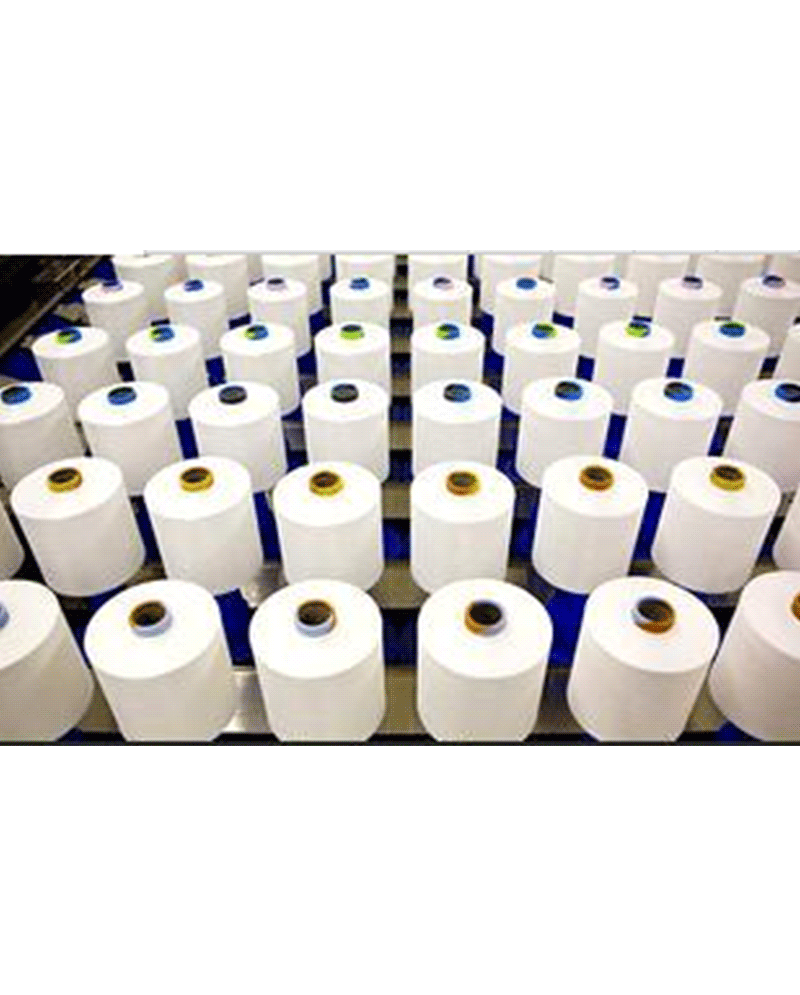
SD DTY (D/F) High-Strength Recycled Polyester Yarn
Advanced Manufacturing Process
1. Raw Material Collection and Selection
The manufacturing process begins with the selection of recycled polyester feedstock. Post-consumer PET bottles and industrial polyester waste must be evaluated for polymer compatibility, color, moisture, contamination, and material consistency. Effective sorting is essential because foreign polymers, metals, paper, adhesives, and excessive contamination can affect melting behavior and filament quality.
A disciplined raw material selection system helps reduce variation before the material enters production. Consistent feedstock supports stable melt viscosity, reliable spinning, and more uniform denier. It also improves the likelihood of achieving consistent dyeing behavior and physical performance from lot to lot.
2. Sorting and Cleaning
Collected PET materials pass through sorting and cleaning stages. Sorting may include manual and automated separation according to material type, color, and contamination level. Cleaning removes residues, labels, adhesives, dust, and other unwanted substances. The material is then reduced into smaller pieces, commonly flakes, to improve handling and processing efficiency.
Moisture control is particularly important. Polyester polymers can be affected by moisture during high-temperature processing. Excess moisture may contribute to hydrolytic degradation, reduced molecular weight, unstable spinning, or weaker filaments. Appropriate drying and moisture management help protect the polymer before melt extrusion.
3. Melt Extrusion and Filtration
After preparation, the recycled polyester is introduced into a controlled melt-extrusion system. Heat and mechanical pressure transform the material into a homogeneous polymer melt. The melt must be managed carefully to prevent excessive thermal degradation and to maintain suitable viscosity for fiber formation.
Melt filtration is a critical step in recycled polyester production. Even well-cleaned recycled feedstock may contain small particles or residual contaminants. Fine filtration helps remove these impurities before the polymer reaches the spinning pack and spinneret. Cleaner melt improves the stability of the extrusion process and reduces the risk of filament breaks, uneven denier, spinneret blockage, and surface defects.
Precise temperature control, pressure monitoring, and residence-time management support a stable production environment. These controls are especially important for high-strength yarn because the molecular condition of the polymer directly influences tensile properties, elongation, shrinkage, and processing behavior.
4. Continuous Filament Spinning
The filtered polymer melt is extruded through a spinneret containing numerous fine capillaries. Each capillary forms an individual filament. The number, shape, and distribution of the capillaries influence the cross-section, surface behavior, luster, and performance of the yarn.
Cooling air is applied to solidify the freshly extruded filaments. Uniform cooling helps prevent differences in filament structure and supports stable orientation. The filaments are then gathered and wound or directed into subsequent drawing and texturing stages.
Continuous filament production requires close attention to spinning speed, melt temperature, quenching conditions, finish application, tension, and winding. Small variations can influence the final yarn’s uniformity. Stable spinning is therefore fundamental to consistent denier, filament distribution, strength, elongation, and dye uptake.
5. Drawing and Orientation
Drawing aligns the polymer molecules along the filament axis. This orientation increases tensile strength and helps establish the balance between strength and elongation required for the target application. Drawing conditions must be selected according to the denier, filament count, recycled polymer properties, and intended texturing effect.
Overdrawing can reduce elongation and create excessive stress, while insufficient drawing may lead to lower strength, uneven performance, or poor dimensional stability. A well-controlled drawing stage helps produce yarn that performs consistently during knitting, weaving, winding, warping, and other downstream operations.
6. Draw Texturing
Draw texturing gives the yarn its characteristic crimp and bulk. The filaments are subjected to controlled mechanical and thermal treatment, creating a textured structure that improves softness, stretch recovery, cover, and fabric handle. The texturing process must be carefully adjusted to avoid excessive filament damage, irregular crimp, or unstable yarn tension.
For SD DTY, texturing is particularly important because the yarn is often selected for its combination of appearance and comfort. A properly textured semi-dull yarn can create a smooth yet full hand, moderate surface luster, and attractive fabric body. These characteristics help distinguish DTY from flat filament yarns in applications where softness and bulk are important.
7. Winding, Inspection, and Packing
After texturing, the yarn is wound onto packages suitable for storage and further processing. Package density, shape, tension, and stability influence how efficiently the yarn unwinds on knitting and weaving equipment. Poor package formation can lead to tension fluctuations, yarn breaks, and production interruptions.
Finished yarn is inspected according to relevant physical and visual requirements. Typical evaluation areas include denier, filament count, tensile strength, elongation, crimp, shrinkage, winding quality, oil content, appearance, and package condition. Proper labeling and batch identification support production traceability and help customers manage incoming material and quality records.
Performance Advantages Over Conventional Alternatives
High Tensile Strength
High tensile strength allows the yarn to withstand tension during manufacturing and service. This is important in warp knitting, weaving, sportswear, luggage, outdoor equipment, automotive textiles, and industrial fabrics. Strong yarn can contribute to fabric durability, seam performance, abrasion resistance, and resistance to deformation.
Compared with lower-strength recycled yarns that may be limited to less demanding applications, this product is positioned for uses where reliable mechanical performance is essential. Its strength also helps manufacturers reduce the risk of breakage during high-speed processing, although machine settings must always be adjusted according to the selected specification.
Balanced Elongation
Strength alone is not enough for a useful textile yarn. Excessively rigid yarn can create processing difficulties and an uncomfortable fabric hand, while excessive elongation can affect dimensional stability. SD DTY (D/F) High-Strength Recycled Polyester Yarn is designed to balance tensile strength with useful elongation.
This balance supports fabric resilience and shape retention. Garments can maintain their form after repeated movement, while bags and outdoor products can withstand handling and loading without easily losing their original structure. The exact balance depends on denier, filament count, texturing conditions, and fabric construction.
Soft Crimp and Bulk
Draw texturing introduces crimp into the filaments, giving the yarn a fuller and softer structure. This can improve cover and reduce the need for excessively dense fabric constructions. In apparel, a soft textured yarn contributes to comfort. In home textiles, it can help create a warmer and more substantial surface. In accessories, it can provide body without making the material unnecessarily heavy.
The crimp also affects the visual character of the final fabric. Depending on the knitting or weaving method, finishing process, and dyeing conditions, the yarn can support smooth, slightly peached, structured, or softly textured fabric surfaces.
Controlled Semi-Dull Appearance
A semi-dull finish offers an alternative to highly glossy filament yarns. It reduces visual sharpness and creates a more sophisticated appearance that can be easier to coordinate with contemporary textile designs. This is useful for performance apparel, athleisure, casualwear, uniforms, bags, and interior fabrics.
The semi-dull effect can also contribute to color perception. It may produce a softer visual presentation and help minimize an overly synthetic appearance. Designers can therefore use recycled polyester yarn in products that require technical function while maintaining a natural-looking or understated surface.
Good Dye Affinity
Polyester yarn is commonly dyed with disperse dyes under controlled high-temperature conditions. Consistent polymer and filament structure support more even dye uptake. Good dye affinity is important for solid shades, deep colors, bright colors, black, color matching, and repeat production.
Recycled feedstock must be managed carefully because differences in raw material history can affect color behavior. Stable material selection and process control help reduce variation. Customers with strict color requirements should conduct laboratory dyeing and approval trials before bulk production.
Low Shrinkage and Dimensional Stability
Low shrinkage is valuable in fabrics that must maintain their dimensions after dyeing, finishing, washing, or exposure to heat. Stable yarn helps manufacturers control fabric width, weight, stretch behavior, and finished measurements. This is important for apparel sizing, outdoor products, upholstery panels, and automotive interior components.
Actual shrinkage depends on the yarn specification and the full fabric finishing route. Heat setting, dyeing temperature, overfeed, fabric construction, and finishing tension all influence final dimensional behavior. Nevertheless, the yarn’s controlled orientation and texturing provide a reliable foundation for dimensional management.
Abrasion Resistance
Products such as luggage, backpacks, school bags, sportswear, workwear, and automotive interiors are exposed to repeated rubbing and mechanical contact. Polyester is valued for its resistance to abrasion, and high-strength recycled polyester yarn can help create fabrics that remain serviceable under demanding conditions.
Abrasion performance is determined by more than yarn type. Fabric density, weave or knit structure, surface finishing, coating, and test method all have an effect. The advantage of this yarn is that it provides a strong, durable filament base that can be engineered into fabrics for demanding end uses.
Available Product Range
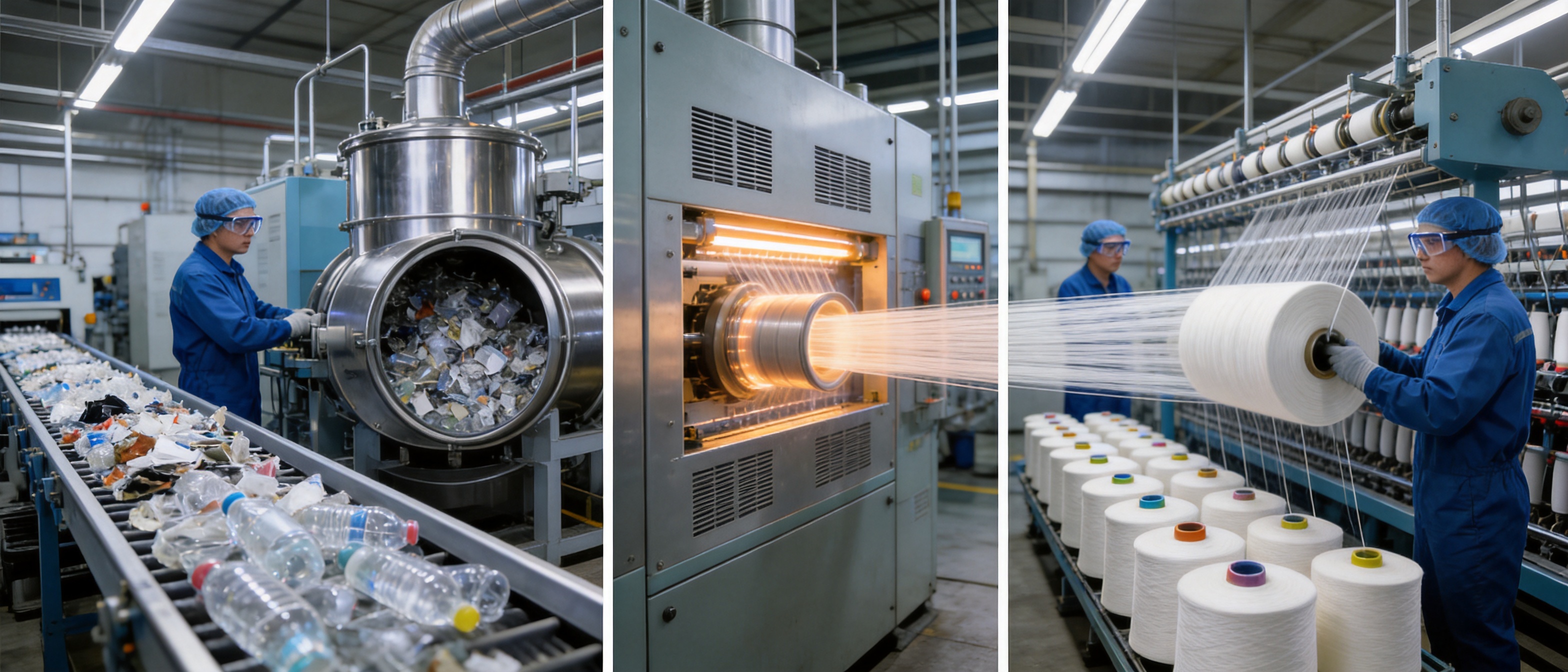
The broader product list includes recycled and conventional yarns in multiple structures and specifications. This range enables buyers to coordinate materials across different product lines instead of relying on a single yarn type. Available categories include recycled SD DTY, recycled SD FDY, recycled FD DTY, recycled SD plus CD DTY, recycled DDB DTY, recycled CD DTY, normal-series yarns, cationic-dyeable yarns, high-elastic yarns, PBT/PET yarns, functional yarns, cotton-like yarns, hollow warm yarns, and combination yarns.
Representative recycled-series specifications include 15/6, 20/12–24, 30/12–24–36, 50/36–48–72, 75/36–72–144, 100/36–48–96–144, 150/48–96–144–288, and 300/96–192–288–576. Other recycled options include SD FDY, FD DTY, SD plus CD DTY, DDB DTY, and CD DTY constructions.
The company also lists normal SD DTY, FD DTY, and SD DDB products in specifications ranging from fine yarns such as 25/72 and 30/36 to heavier options such as 200/96–288–384 and 300/96–192–288–576. CD series products include 25/24, 30/24–36, 50/36–72, 75/36–72–144, 100/36–48–72–144, 150/48–144–288, and 300/96.
Product family |
Representative specifications |
Typical design value |
Recycled SD DTY |
20/12–24; 30/12–24–36; 50/36–48–72; 75/36–72–144; 150/48–96–144–288 |
Soft, semi-dull, textured, and suitable for sustainable fabric development |
Recycled SD FDY |
40/24–72; 50/24–36–48–72; 66/24; 75/36–72–144; 100/72; 150/48–144 |
Smooth continuous filament performance with recycled content |
Recycled FD DTY |
50/72; 75/36; 75/72; 150/144 |
Textured filament with brighter appearance and flexible application potential |
Recycled SD plus CD DTY |
50/48–72; 75/48–72; 80/72; 100/72–108–144; 125/72–144 |
Combined visual and dyeing effects for differentiated fabrics |
Recycled CD DTY |
75/36–72; 100/72–108–144; 150/72–108–144; 300/96–144–288 |
Supports cationic-dyeing effects and special color development |
High-elastic yarn |
30/12; 50/36–72; 60/72; 75/36–72; 150/48–144 |
Stretch-oriented performance for apparel and flexible textile products |
Functional yarn |
Fire-retardant, anti-bacterial, moisture-wicking, and other customized options |
Performance features tailored to specific end uses |
Cotton-like and hollow warm yarn |
32S, 40S, 80S; 75/72; 150/144 |
Alternative hand feel and thermal comfort for apparel and home textiles |
Because yarn behavior is influenced by the complete material system, buyers should confirm the desired denier, filament count, luster, intermingling, twist or texturing level, color, package type, strength, elongation, shrinkage, and intended process. The product list provides a broad starting point, while technical communication supports the final selection.
Applications Across Multiple Textile Markets
Sportswear and Athleisure
Sportswear requires a combination of comfort, durability, moisture management, color fastness, and shape retention. Recycled SD DTY can be knitted into jerseys, interlock fabrics, mesh structures, rib fabrics, and other constructions used for training tops, leggings, tracksuits, sports bras, and leisure garments.
The yarn’s textured structure supports a soft hand and good fabric cover. When combined with suitable knitting designs and finishing treatments, it can contribute to breathable and comfortable garments. The recycled origin also helps brands develop sportswear collections aligned with environmental targets.
Outdoor Clothing and Equipment
Outdoor products are exposed to friction, movement, changing weather, and repeated packing or unpacking. High-strength recycled polyester yarn is suitable for outerwear fabrics, lightweight shells, lining fabrics, fleece-related constructions, backpacks, mountaineering bags, camping accessories, and travel products.
For bags and equipment, the yarn can be woven into durable shell fabrics or lining materials. Its strength and abrasion resistance are useful in areas subject to strap friction, folding, loading, and frequent contact. Coatings, laminations, and finishing treatments can be added when water resistance or structural stiffness is required.
Luggage, Handbags, and School Bags
Recycled polyester yarn is widely used in luggage and bag applications because it can provide a favorable combination of strength, appearance, weight, and processability. It can be developed into plain woven, jacquard, ripstop, oxford, twill, and other structures.
The semi-dull appearance is suitable for modern bags that require a clean and functional look. Designers can also combine the yarn with colored, cationic-dyeable, black, white, or specialty yarns to create contrast, mélange effects, patterns, and differentiated surfaces.
Home Textiles
Home textile applications include curtains, cushion covers, bedding, decorative fabrics, upholstery, blankets, throws, and household storage products. The yarn’s soft crimp and stable performance can support comfortable surfaces and durable constructions.
For home textiles, color consistency, wash resistance, dimensional stability, and abrasion performance are especially important. Recycled DTY can be selected for its ability to provide a balanced appearance and handle while supporting sustainability-focused product collections.
Automotive Interiors
Automotive textile materials must satisfy requirements for abrasion resistance, appearance retention, dimensional stability, color consistency, and long-term use. Recycled polyester yarn can be considered for seat fabrics, door panels, headliners, trunk fabrics, floor coverings, and decorative interior components.
Automotive applications generally require additional testing for light fastness, fogging, odor, flammability, abrasion, tensile strength, and chemical resistance. The yarn provides a suitable starting material, but finished fabric qualification must be performed according to the vehicle manufacturer’s requirements.
Industrial and Technical Fabrics
High-strength DTY can also be used in selected industrial fabrics, protective covers, organizational products, reinforcement structures, and other textile components. The specific application depends on the required strength, heat exposure, coating compatibility, dimensional stability, and regulatory requirements.
Technical textile buyers often require greater documentation and customized testing than apparel buyers. A manufacturer with experience in differentiated yarn development can support the process by discussing construction, processing conditions, and the appropriate yarn family.
Advantages Compared with Competing Yarn Options
The main competitive advantage of this product is its combination of recycled content and performance-oriented design. Some recycled yarns are developed primarily as a sustainability alternative, while others focus on strength or appearance without providing a broad environmental story. SD DTY (D/F) High-Strength Recycled Polyester Yarn is positioned to address both priorities.
Compared with standard flat filament yarn, DTY offers increased bulk, softness, and crimp. This can improve fabric handle and cover while reducing the flat, slick feel associated with some smooth filament products. Compared with low-quality textured yarn, controlled drawing and texturing provide more stable processing and more uniform fabric results.
Compared with highly glossy polyester, the semi-dull finish offers a calmer and more versatile appearance. It is suitable for products where excessive shine may appear less natural or less premium. Compared with some short-staple alternatives, continuous filament construction can provide lower hairiness, smoother processing, and improved surface regularity.
Compared with virgin polyester, recycled polyester helps reduce reliance on new petrochemical feedstock and supports circular material strategies. The practical comparison should include not only price, but also specification consistency, certification, traceability, processing efficiency, performance testing, and customer sustainability requirements.
Compared with a narrow supplier portfolio, the company’s broad product range provides additional flexibility. Customers can source recycled yarn, normal yarn, functional yarn, elastic yarn, cotton-like yarn, hollow warm yarn, cationic-dyeing yarn, and other differentiated options through one technical relationship. This can simplify development and reduce the time required to identify compatible yarns for a multi-product collection.
Manufacturing Strengths of the Supplier
Suzhou Junhui Textile Co., Ltd. and Suzhou Xiaoran New Materials Co., Ltd. were established in June 2015. Their business is centered on the development and sale of differentiated yarns and knitting fabric products. The companies work with professional research and development personnel and cooperate with internationally recognized enterprises in the research, development, and application of environmental protection materials and functional yarns.
This R&D orientation is important because recycled polyester yarn development requires more than a basic spinning process. Customers may need adjustments to denier, filament count, luster, elasticity, color, dyeability, hand feel, moisture management, flame retardancy, antibacterial performance, or thermal comfort. A supplier with differentiated yarn experience is better positioned to discuss these requirements at the early product-development stage.
The company reports that more than 90 percent of its products are exported and that it has established customer relationships in 36 countries. International business experience can support communication regarding specifications, sample approval, shipping documents, quality expectations, and production schedules. It also indicates familiarity with the needs of customers operating in multiple textile markets.
Customer support is presented as a central business principle. The company states that its experts are prepared to provide assistance within 12 hours globally. Fast communication is particularly valuable during yarn selection, laboratory testing, color approval, production troubleshooting, and order coordination.
The company’s manufacturing and service strengths can be summarized in five areas: recycled material development, differentiated yarn research, broad product selection, export experience, and application-oriented technical support. Together, these capabilities help customers move from a general sustainability objective to a practical yarn specification.
Quality Control Considerations
Quality control for recycled DTY begins before extrusion. Incoming recycled material should be evaluated for polymer identity, contamination, moisture, color, and consistency. These controls help prevent avoidable variation and provide a stable foundation for the spinning process.
During extrusion, key process parameters include temperature, pressure, melt stability, filtration condition, and throughput. Monitoring these elements supports stable filament formation. A reliable production system should also track spinning tension, cooling uniformity, finish application, drawing ratio, texturing temperature, winding tension, and package formation.
Laboratory and production-floor testing can include linear density, tensile strength, elongation at break, crimp contraction, shrinkage, oil content, intermingling, appearance, and dyeing behavior. The appropriate test method should be agreed with the buyer because different markets and end uses may use different standards or conditioning conditions.
Batch traceability is another important consideration. Each order should be linked to raw material information, production records, inspection results, packaging details, and shipment documents. Traceability helps identify the source of any variation and gives brands better support for sustainability reporting and quality management.
For customers developing certified recycled products, documentation is essential. Relevant records may include recycled-content certification, transaction certificates, scope certificates, test reports, product specifications, safety documentation, and declarations concerning restricted substances. Documentation requirements should be confirmed before ordering.
Guidance for Selecting the Correct Specification
Determine the End Use
The first step is to define the final product. A lightweight sports jersey, heavy luggage fabric, soft lining, automotive interior, and industrial textile may all require different yarn characteristics. The end use determines the most appropriate range of denier, filament count, strength, elongation, luster, and texturing.
Select Denier and Filament Count
Fine denier yarns generally support lightweight and soft fabrics, while heavier denier yarns can provide greater coverage and structural body. Filament count also changes the hand feel. A higher number of finer filaments may create a softer and smoother surface, while fewer coarser filaments may create a more distinct texture and stronger visual character.
Confirm Luster and Color Requirements
Semi-dull yarn is a versatile choice for understated fabrics. However, customers may also need full-dull, bright, black, white, or special color effects. The broader product range includes options that can be combined to create differentiated visual results. Color requirements should be tested in the actual fabric construction because yarn appearance can change after knitting, weaving, dyeing, and finishing.
Evaluate Stretch and Recovery
Standard DTY provides useful crimp and comfort but should not be confused with a dedicated elastomeric yarn. Products that require significant stretch may need high-elastic yarn, PBT/PET yarn, spandex combinations, or a special construction. The supplier can help determine whether conventional DTY meets the requirement or whether an elastic product family is more appropriate.
Review Processing Conditions
Knitting, weaving, and warp knitting equipment impose different requirements on yarn tension, package shape, friction, intermingling, and winding. Buyers should provide information about machine type, gauge, speed, fabric construction, dyeing route, and finishing process. This allows the supplier to recommend a specification that is technically compatible with the production line.
Conduct Trial Production
Sample testing should include both yarn evaluation and fabric evaluation. A yarn may meet laboratory requirements but behave differently under a particular knitting or weaving condition. Trial production allows the buyer to confirm breakage rate, fabric appearance, hand feel, dyeing performance, shrinkage, color consistency, and finished-product suitability.

Recommended Production and Processing Practices
Recycled polyester DTY should be stored in a clean, dry environment away from direct sunlight, excessive humidity, and chemical contamination. Packages should remain in their original protective wrapping until they are ready for use. Careful handling prevents crushed packages, surface contamination, and unnecessary tension changes.
Before production, yarn packages should be conditioned according to the mill’s normal operating procedures. Knitting and weaving machines should be checked for damaged guides, rough ceramic surfaces, excessive tension, and unsuitable feed settings. These factors can create yarn breaks even when the yarn itself is within specification.
For knitting, stable positive feeding and appropriate take-down tension help preserve fabric uniformity. For weaving, warp preparation, sizing requirements, loom tension, and yarn friction should be evaluated. For warp knitting, the yarn’s tension behavior and package unwinding performance are particularly important.
Dyeing and finishing conditions should be optimized through laboratory trials. Polyester dyeing commonly uses elevated temperatures and disperse dyes, but the ideal recipe depends on the fabric construction, shade, recycled polymer characteristics, and desired fastness. Heat setting should be controlled to achieve dimensional stability without damaging the intended hand or crimp.
When yarn is used in coated, laminated, or composite products, compatibility testing is recommended. Adhesives, coatings, flame-retardant treatments, water-repellent finishes, and other chemicals can alter the yarn or fabric. Early testing helps prevent unexpected problems during commercial production.
Sustainability and Commercial Value
For brands, recycled yarn can support product differentiation in a competitive market. Consumers increasingly examine the materials used in clothing, bags, home goods, and outdoor products. A verified recycled material story can strengthen product communication when it is supported by accurate documentation and responsible claims.
For manufacturers, recycled polyester can help meet customer requirements without requiring a complete change to familiar polyester processing systems. Many textile mills already possess equipment and technical knowledge for polyester yarns. This may make the transition to recycled DTY more practical than switching to a completely different fiber system.
The commercial value also comes from versatility. One yarn platform can be developed for many fabric constructions and product categories. It can be used in solid-dyed fabrics, mélange effects, jacquards, printed materials, coated fabrics, knitted structures, and woven accessories. This flexibility helps brands create coordinated collections while maintaining a consistent sustainability direction.
Environmental claims must nevertheless be precise. Recycled content, carbon reduction, recyclability, and biodegradability are different concepts. Recycled polyester supports material recovery and reduced use of virgin resources, but it is still a polyester material. Product claims should be based on valid certification, life-cycle information, and the specific composition of the finished product.
Customization Capabilities
Every textile product does not require the same yarn. The company states that it can accept orders for various types of differentiated yarn. This creates opportunities for customers seeking customized specifications rather than standard catalog items.
Possible customization discussions may include recycled content, denier, filament number, semi-dull or bright appearance, color, black or white yarn, cationic dyeability, high elasticity, moisture wicking, antibacterial properties, flame retardancy, hollow thermal structure, cotton-like hand feel, and special combinations such as SD plus CD or PBT/PET.
Customization should begin with a clear technical brief. The brief may include final product type, target fabric weight, knitting or weaving construction, required strength, elongation, shrinkage, color range, finishing route, certification needs, minimum order quantity, packaging preference, and delivery schedule.
After reviewing the brief, the supplier can recommend a suitable yarn family and prepare samples. Sample development should be followed by fabric trials and performance testing. If modifications are necessary, the yarn specification can be adjusted before bulk production. This staged process reduces the risk of selecting a yarn based only on appearance or a general catalog description.
Why Choose a Specialized Recycled Yarn Partner
A specialized recycled yarn partner contributes value at several stages of the supply chain. During product development, the supplier helps interpret design requirements into yarn parameters. During production, the supplier works to maintain stable quality and package performance. During certification and export, the supplier supports documentation and communication. During troubleshooting, the supplier helps identify whether a problem originates from yarn, machinery, fabric construction, dyeing, or finishing.
This integrated approach is more valuable than purchasing a generic recycled yarn without technical support. Competitive pricing matters, but total cost also includes sampling time, machine efficiency, rejected fabric, color correction, production delays, and customer complaints. A technically suitable yarn can reduce these hidden costs.
Suzhou Junhui Textile Co., Ltd. and Suzhou Xiaoran New Materials Co., Ltd. combine product breadth with a focus on differentiated materials. Their activity in recycled yarn, functional yarn, elastic yarn, cationic products, and knitting fabrics provides a broad technical base. Their export-oriented operation and international customer experience further support cooperation with overseas buyers.
Q&A
What is SD DTY recycled polyester yarn?
SD DTY recycled polyester yarn is a semi-dull draw textured yarn manufactured from recycled polyester materials such as post-consumer PET bottles and industrial polyester waste. The yarn contains crimped continuous filaments that provide softness, bulk, cover, and useful elasticity.
What does SD mean?
SD means semi-dull. It describes the yarn’s controlled luster. Compared with bright polyester, semi-dull yarn has a softer and less reflective appearance that is suitable for apparel, sportswear, bags, home textiles, and other products.
What does DTY mean?
DTY means Draw Textured Yarn. The filaments are drawn to improve molecular orientation and then textured to create crimp. This gives the yarn a fuller and softer structure than a straight flat filament.
What does D/F mean in the specification?
D/F refers to denier and filament number. Denier describes the yarn’s linear density, while the filament number indicates the number of individual filaments in the yarn. The combination affects softness, coverage, strength, texture, and fabric appearance.
Is the yarn suitable for knitting and weaving?
Yes. The yarn is suitable for weaving, knitting, and warp knitting, provided that the specification is selected for the relevant machine and fabric construction. Buyers should conduct a production trial to confirm tension, breakage, fabric appearance, and finishing performance.
What are the main advantages over virgin polyester yarn?
The principal advantage is the use of recycled polyester feedstock, which can reduce reliance on virgin petrochemical resources and support circular material strategies. The yarn is also designed to provide high strength, good elongation, soft crimp, low shrinkage, dye affinity, and abrasion resistance comparable to the performance expectations of polyester applications.
What are the main advantages over low-quality recycled yarn?
Performance consistency depends on raw material selection, cleaning, melt filtration, spinning, drawing, texturing, and inspection. A controlled manufacturing process can provide more stable denier, filament distribution, strength, elongation, dyeing behavior, and package quality than an inadequately controlled recycled yarn process.
Can the yarn be dyed in different colors?
Yes. Polyester yarn is commonly suitable for disperse dyeing, and the yarn range includes options for different visual and dyeing effects. Customers should complete laboratory dyeing and color approval trials, especially when strict shade matching or deep colors are required.
Does recycled polyester have the same performance as virgin polyester?
Performance depends on the quality of the recycled polymer and the manufacturing process. Properly produced recycled polyester yarn can provide strong and reliable performance for many textile applications. The buyer should compare verified test data for the exact specification rather than making a general assumption about all recycled or virgin products.
Is the product certified?
The product information states that the yarn is certified to Oeko-Tex Standard 100 and Global Recycled Standard requirements. Buyers should request current certificates and product-specific documentation to confirm the certification scope, validity, and applicability to the intended order.
What products can be made with this yarn?
Potential products include sportswear, casualwear, outdoor clothing, mountaineering bags, handbags, school bags, luggage, briefcases, shopping bags, gift bags, home textiles, automotive interiors, and selected industrial fabrics.
Can special yarn be developed?
Yes. The supplier states that it accepts orders for differentiated yarns. Possible development areas include high elasticity, cationic dyeability, antibacterial properties, moisture wicking, flame retardancy, cotton-like hand feel, hollow warm structures, black or white yarn, and combinations of different filament effects.
What information should be provided when requesting a quotation?
The buyer should provide the desired yarn type, denier, filament number, luster, color, recycled-content requirement, application, fabric construction, estimated quantity, packaging preference, destination, certification requirements, and target delivery date. More complete information allows the supplier to recommend a more accurate specification and price.
How should the yarn be evaluated before bulk purchasing?
Evaluation should include yarn testing, laboratory dyeing, knitting or weaving trials, fabric inspection, dimensional stability testing, abrasion testing where relevant, and confirmation of certification documents. A representative sample should be tested under production conditions whenever possible.
Conclusion
SD DTY (D/F) High-Strength Recycled Polyester Yarn provides a balanced answer to the textile industry’s demand for sustainability and performance. Made from recycled PET and industrial polyester resources, it helps support material recovery while delivering the practical features expected from a modern polyester yarn. Its semi-dull appearance, draw-textured structure, high tensile strength, useful elongation, soft crimp, low shrinkage, dye affinity, and abrasion resistance make it suitable for a broad range of textile products.
The product’s value is strengthened by controlled raw material preparation, cleaning, drying, melt extrusion, filtration, spinning, drawing, texturing, winding, and inspection. These stages are essential for converting recycled feedstock into a stable and commercially useful continuous filament yarn.
Suzhou Junhui Textile Co., Ltd. and Suzhou Xiaoran New Materials Co., Ltd. add further value through differentiated yarn research, a broad product portfolio, international export experience, sustainability-oriented development, and application-focused customer support. Their range allows buyers to compare recycled, functional, elastic, cationic, cotton-like, hollow warm, and other yarn options within one supply relationship.
For brands and textile manufacturers seeking a reliable recycled material, the best approach is to match the yarn specification to the final application, verify the necessary certificates, complete fabric trials, and establish clear quality requirements before bulk production. With the right specification and processing conditions, high-strength recycled DTY can help manufacturers create durable, attractive, and more responsible textile products.
References
1. Textile Exchange, Global Recycled Standard Principles and Chain-of-Custody Guidance.
2. OEKO-TEX Association, Standard 100 Product Safety and Restricted Substance Requirements.
3. International Organization for Standardization, Standards and Test Methods for Textile Fibers, Yarns, and Fabrics.
4. Technical literature on polyethylene terephthalate polymer processing, melt spinning, drawing, and filament texturing.
5. Technical literature on recycled PET preparation, washing, drying, melt filtration, and polyester fiber production.
6. Suzhou Junhui Textile Co., Ltd. and Suzhou Xiaoran New Materials Co., Ltd., Recycled Yarn and Differentiated Yarn Product Information.
Product: SD DTY (D/F) High-Strength Recycled Polyester Yarn

Popular products
-
Premium Cationic Interlock Stretch Comfort Fabric
-
Moisture-Wicking Nylon Woven Fabric
-
Double-faced jacquard elastic fabric
-
Heather Grey Double-faced cationic jersey fabric
-
Anti-static Cationic Knitted Rib Fabric
-
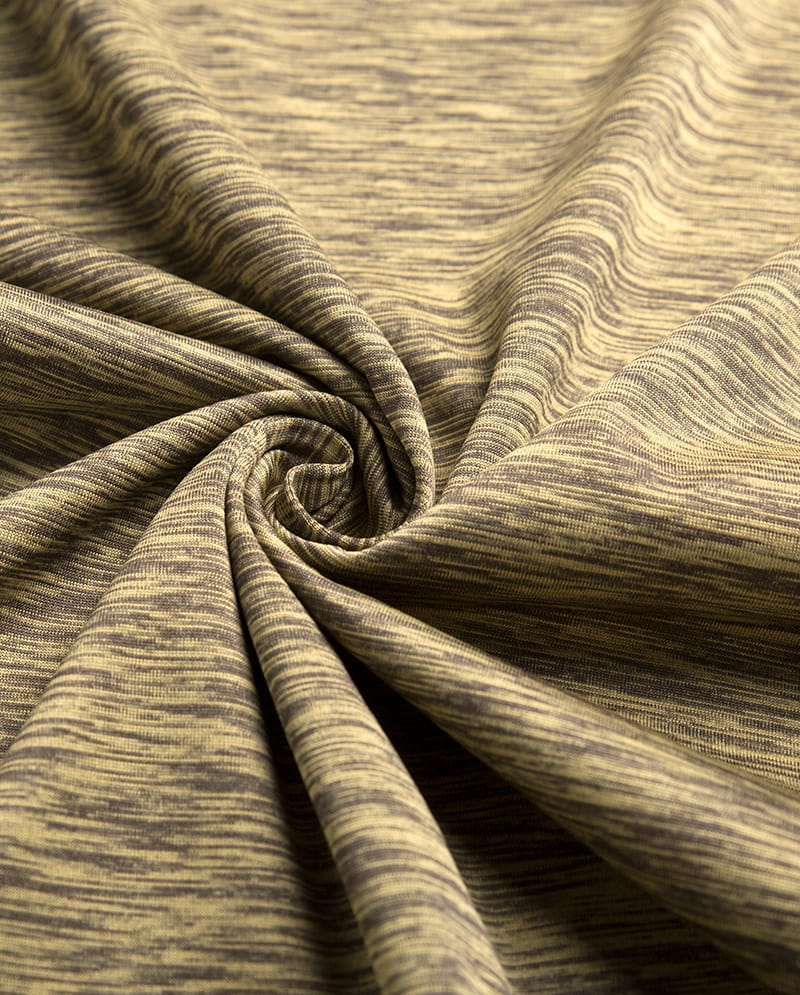
High-Stretch Cationic Jersey Fabric
-
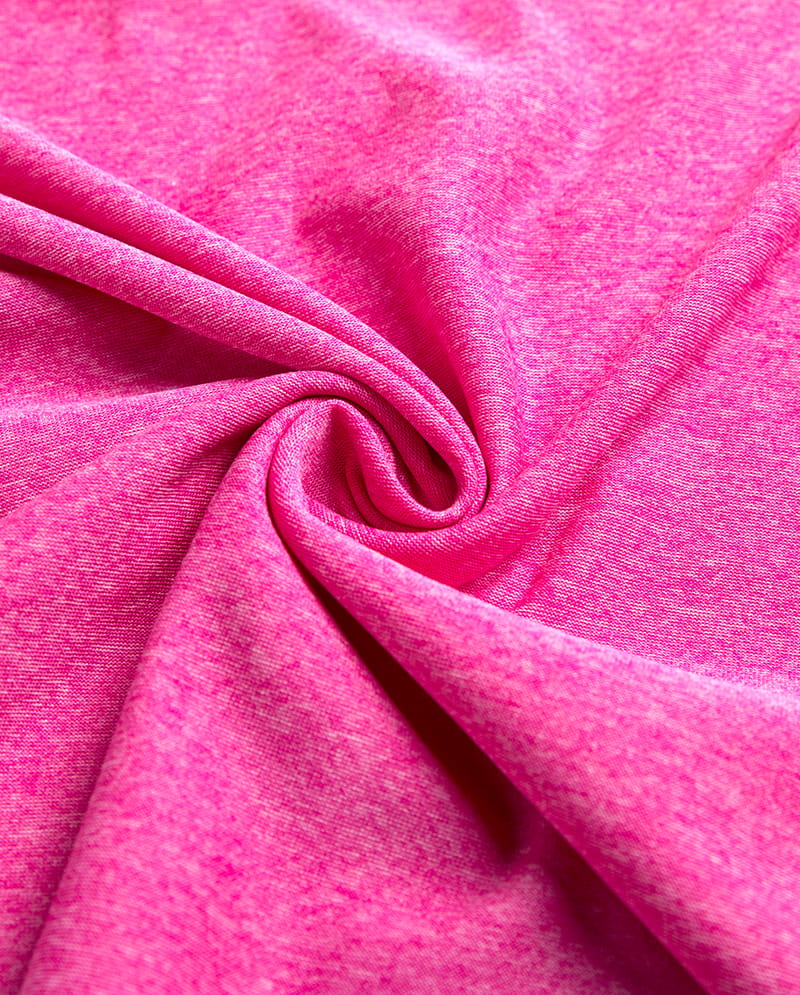
High Quality Cationic DTY Spandex Two Sides Brush Dralon Knit Fabric for Garment Thermal Underwear
-
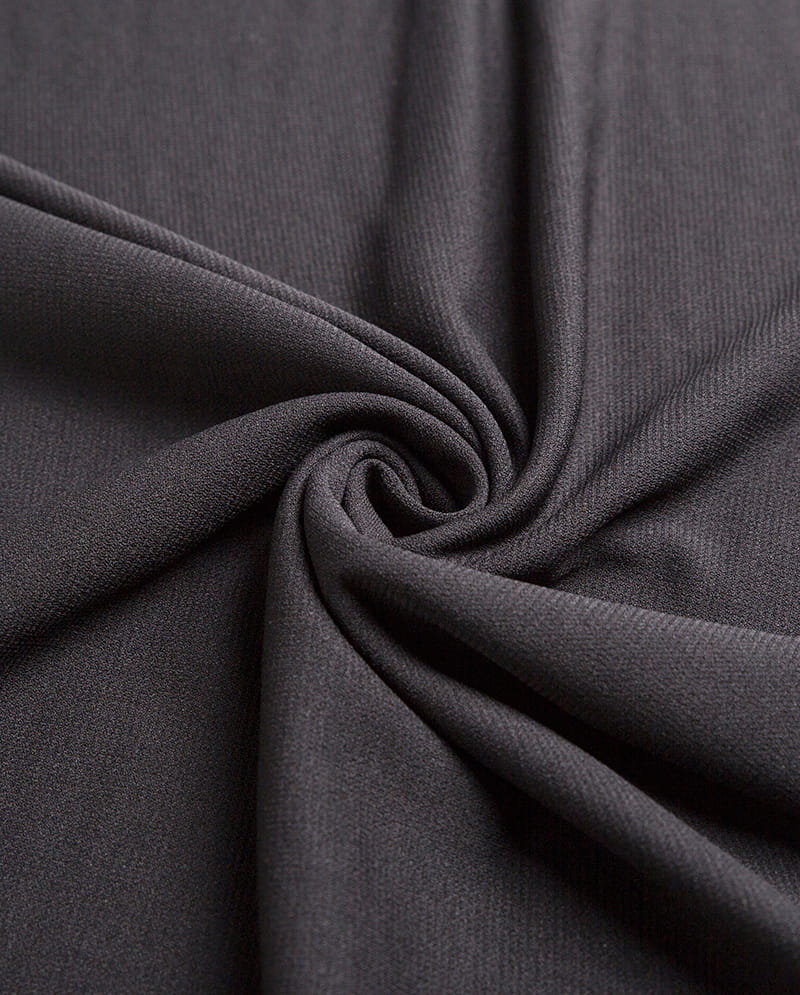
Durable Anti-Pilling Knitted Fabric for Home Textiles
-
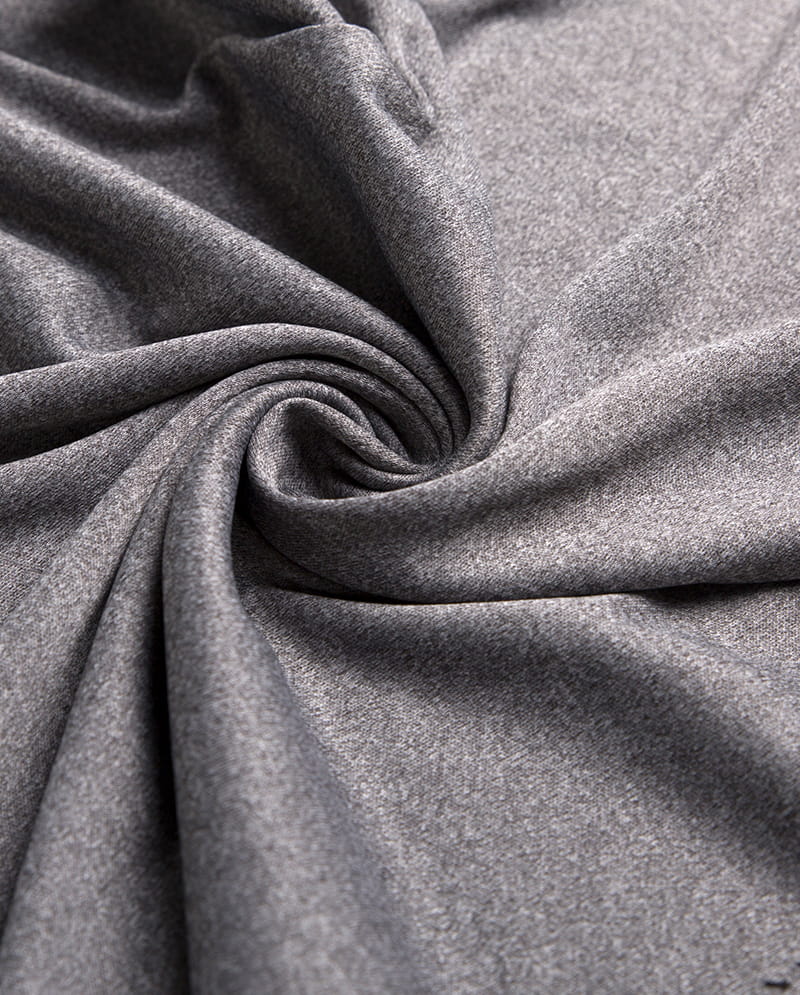
Wash-Resistant Cationic Elastic Knitted Fabric for Garment Industry
-
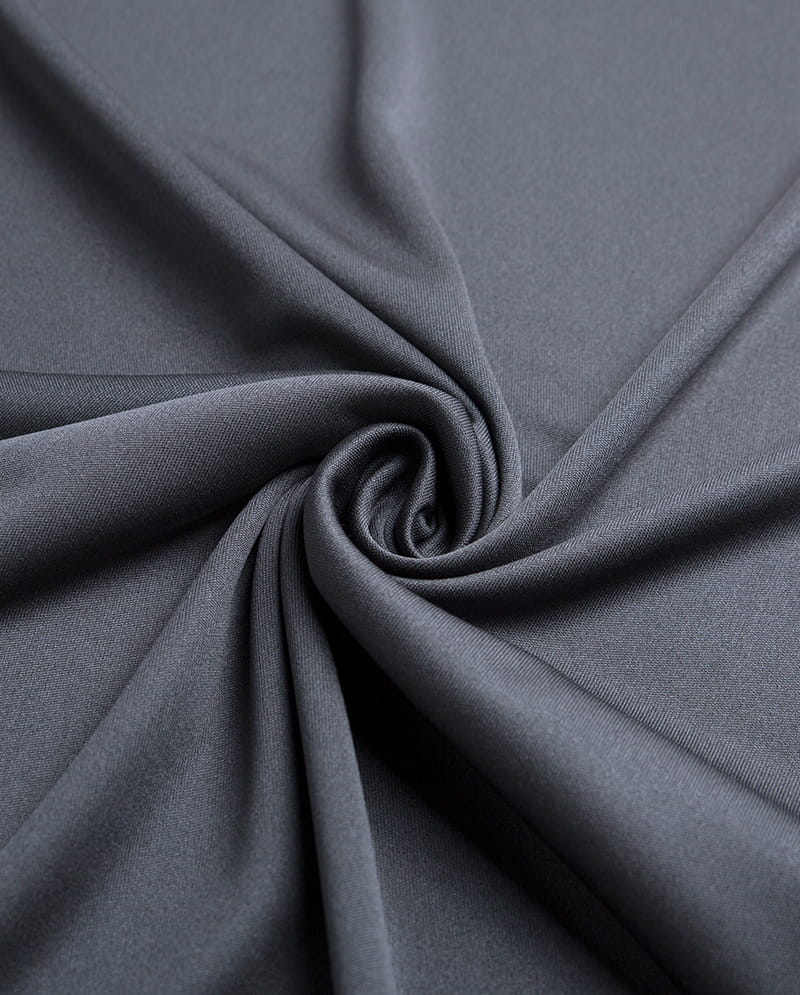
Breathable Double-Faced Elastic Composite Fabric
-
-
-
- whatsapp:
- 0086-13962559622
-
- skype:
- skype.aliceshenghong
-
- Wechat:

COPYRIGHT © 2016 Suzhou Junhui Textile Co., Ltd.
