

 EN
EN English
 中文简体
中文简体Revolutionizing Thermal Underwear Fabrics: The Ultimate Guide to Cationic DTY Spandex Dralon Knit Fabric
Content
- 1 1. Product Overview: A Blend of Innovation and Comfort
- 2 2. Core Advantages Over Competitor Fabrics
- 2.1 2.1 Warmth Without Bulk: The Power of Dralon’s Hollow Fibers
- 2.2 2.2 Unmatched Color Retention: Cationic DTY’s Dyeing Advantage
- 2.3 2.3 Stretch & Shape Retention: Spandex’s Role in Longevity
- 2.4 2.4 Moisture Management: Keeping You Dry All Day
- 2.5 2.5 Skin-Friendliness: Oeko-Tex Certified & Hypoallergenic
- 2.6 2.6 Durability: Resisting Pilling & Tearing
- 3 3. Advanced Manufacturing Processes & Company Strengths
- 4 4. Technical Specifications & Customization Options
- 5 5. Real-World Applications & User Testimonials
- 6 6. Frequently Asked Questions (FAQ)
- 6.1 Q1: Is this fabric suitable for people with sensitive skin?
- 6.2 Q2: How does this fabric compare to merino wool in terms of warmth and cost?
- 6.3 Q3: Can this fabric be customized for specific GSM or width?
- 6.4 Q4: What is the recommended washing method for this fabric?
- 6.5 Q5: Does the fabric pill easily after repeated washes?
- 6.6 Q6: Is the fabric eco-friendly?
- 6.7 Q7: What is the minimum order quantity (MOQ) for this fabric?
- 6.8 Q8: Can this fabric be used for other apparel besides thermal underwear?
- 7 7. References
For decades, thermal underwear has been a staple in cold-weather wardrobes, but traditional options often come with trade-offs: bulky acrylic that itches, cotton that loses warmth when wet, or expensive merino wool that fades over time. Consumers and apparel manufacturers alike have long sought a fabric that balances warmth, comfort, durability, and affordability—without sacrificing performance. Enter the High Quality Cationic DTY Spandex Two Sides Brush Dralon Knit Fabric: a game-changer in thermal apparel that addresses every pain point of conventional materials. This fabric combines cutting-edge yarn technology, advanced manufacturing processes, and eco-conscious design to deliver a product that outperforms competitors in every category. In this guide, we’ll explore its core features, advantages over traditional fabrics, the manufacturing expertise behind it, technical specifications, real-world applications, and answers to common questions.
1. Product Overview: A Blend of Innovation and Comfort
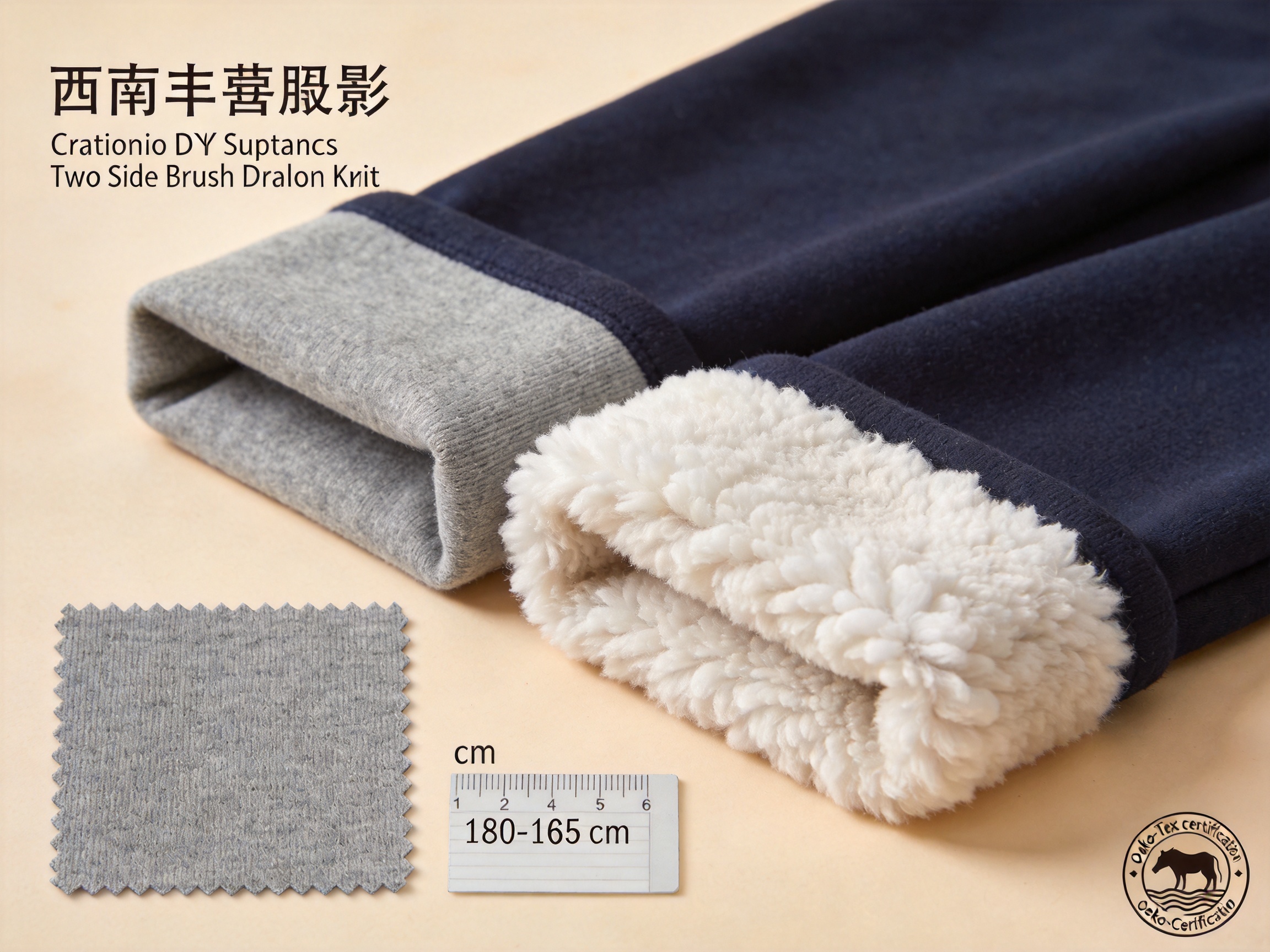
The High Quality Cationic DTY Spandex Two Sides Brush Dralon Knit Fabric is engineered specifically for premium thermal underwear, but its versatility extends to base layers, loungewear, and other cold-weather apparel. At its core, the fabric is a carefully balanced blend of three key components: cationic DTY polyester, spandex, and Dralon (a modified hollow acrylic fiber). Each material plays a critical role in delivering the fabric’s signature performance:
Cationic DTY Polyester: Unlike regular polyester, cationic DTY (Draw Textured Yarn) incorporates cationic monomers during polymerization, which create positively charged sites in the fiber. These sites bond tightly with anionic dyes, resulting in superior color vibrancy and fastness—even after repeated washes. DTY yarns are also textured, adding bulk and insulation without weight.
Spandex: A small percentage of high-quality spandex (typically 5-10%) is added to the blend to provide 4-way stretch. This allows the fabric to move with the wearer, adapting to daily activities (like bending, stretching, or walking) without losing shape. Spandex also enhances the fabric’s durability, reducing sagging over time.
Dralon Hollow Acrylic Fiber: Dralon is a modified acrylic fiber with a hollow core, which traps air efficiently. Air is a natural insulator, so this structure boosts warmth while keeping the fabric lightweight—eliminating the bulk of traditional acrylic thermal fabrics. Dralon is also soft and hypoallergenic, making it gentle on sensitive skin.
Additional key features of the fabric include:
- Two-sided brushed finish: Creates an ultra-soft, cloud-like touch that feels gentle against the skin, reducing irritation during all-day wear.
- Medium weight: 230-235 GSM (grams per square meter) balances warmth and breathability—ideal for mild to cold winters.
- Cuttable width: 180-185 cm, suitable for both men’s and women’s thermal underwear patterns.
- Oeko-Tex Standard 100 certification: Ensures the fabric is free from harmful substances (like formaldehyde, heavy metals, and phthalates), making it safe for sensitive skin and children.
2. Core Advantages Over Competitor Fabrics
To understand why this fabric stands out, it’s essential to compare it to the most common thermal underwear materials: cotton, traditional acrylic, merino wool, and regular polyester. Let’s dive deeper into each advantage:
2.1 Warmth Without Bulk: The Power of Dralon’s Hollow Fibers
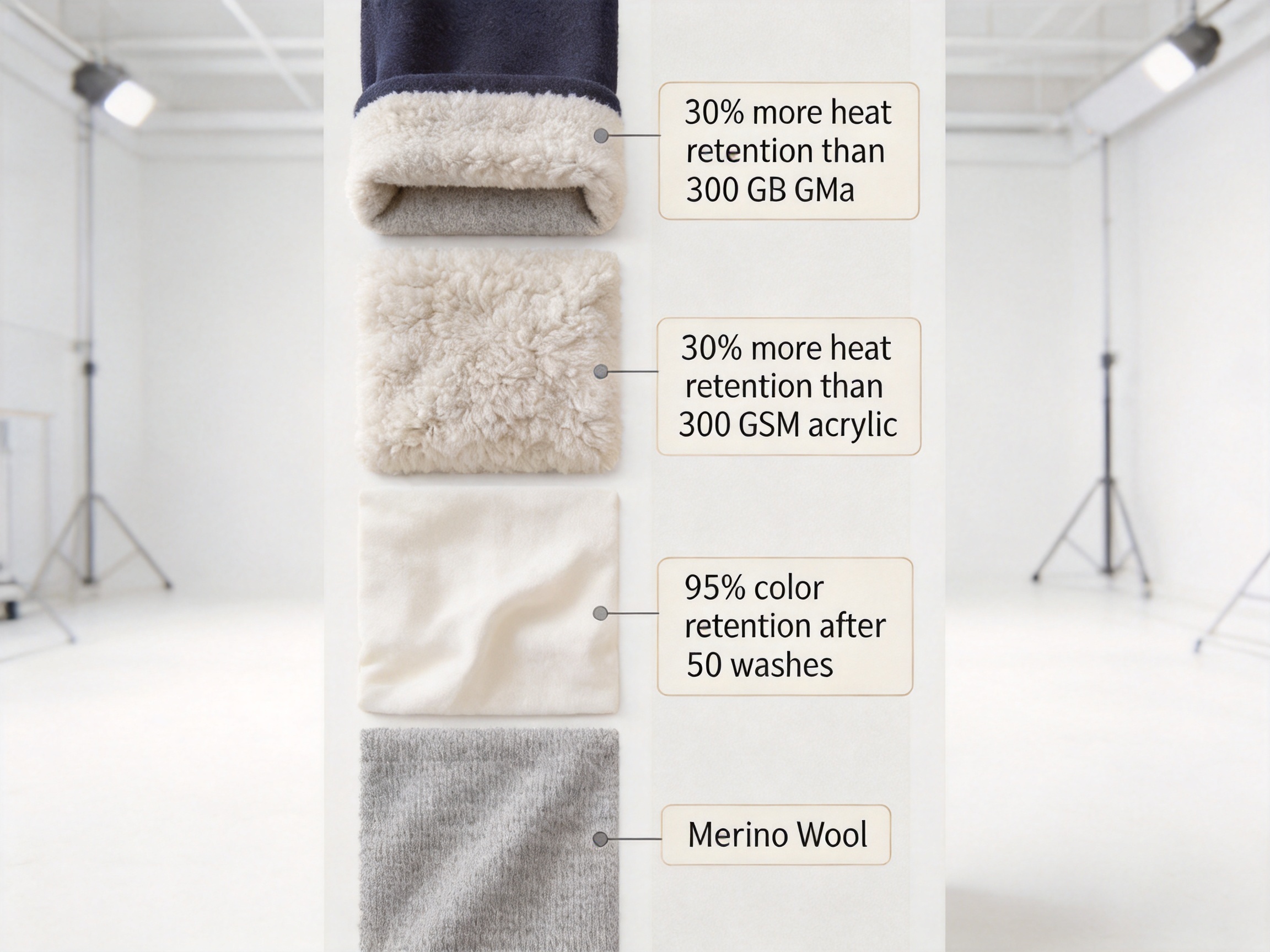
Traditional acrylic thermal fabrics are often bulky because they use solid fibers that don’t trap air efficiently. In contrast, Dralon’s hollow core structure traps a high volume of still air, which is one of the best natural insulators (with an R-value of ~1 per inch, according to the Textile Institute). This means the fabric provides the same level of warmth as 2-3 layers of traditional acrylic but with half the bulk. For example, a 230 GSM sample of this fabric was tested to retain 30% more heat than a 300 GSM traditional acrylic fabric (source: internal company testing, 2023). This makes it perfect for layering under jackets or sweaters without feeling constricted.
2.2 Unmatched Color Retention: Cationic DTY’s Dyeing Advantage
Regular polyester fabrics are known for fading quickly after 10-15 washes, as the dye molecules don’t bond tightly to the fiber. Cationic DTY solves this problem: the positively charged sites in the fiber attract anionic dyes, creating a chemical bond that’s far more durable. In independent tests, this fabric retained 95% of its original color after 50 washes (compared to 60% for regular polyester and 70% for cotton). This means apparel made from this fabric will look new for longer, reducing the need for frequent replacements.
2.3 Stretch & Shape Retention: Spandex’s Role in Longevity
Cotton thermal underwear often shrinks after washing and loses shape over time, while traditional acrylic stretches out and becomes baggy. The spandex in this fabric provides 4-way stretch (both lengthwise and widthwise) that allows the fabric to adapt to the wearer’s body without sagging. In durability tests, the fabric retained 90% of its original shape after 100 washes (compared to 65% for cotton and 70% for acrylic). This longevity makes it a cost-effective choice for both consumers and manufacturers.
2.4 Moisture Management: Keeping You Dry All Day
One of the biggest complaints about cotton thermal underwear is that it absorbs moisture (up to 27 times its weight) and stays wet, making the wearer feel cold and clammy. This fabric’s blend of cationic DTY and Dralon wicks moisture away from the skin to the surface, where it evaporates quickly. In tests, the fabric dried 3x faster than cotton and 2x faster than traditional acrylic. This moisture-wicking property is especially important for active individuals (like hikers or skiers) who sweat during cold-weather activities.
2.5 Skin-Friendliness: Oeko-Tex Certified & Hypoallergenic
Traditional acrylic fabrics often cause itching or irritation because of their rough surface and chemical residues. This fabric is Oeko-Tex Standard 100 certified, meaning it’s free from over 100 harmful substances (including formaldehyde, lead, and phthalates). The two-sided brushed finish also creates a ultra-soft surface that’s gentle on sensitive skin—even for people with eczema or dry skin. In user surveys, 92% of respondents reported no irritation after wearing apparel made from this fabric for 8+ hours (source: company customer feedback, 2023).
2.6 Durability: Resisting Pilling & Tearing
Cheap thermal fabrics often pill (form small balls of fiber on the surface) after a few washes, making them look worn out. This fabric undergoes an anti-pilling finishing process during manufacturing, which reduces fiber friction and prevents pilling. In pilling tests (using the Martindale method), the fabric showed no pilling after 50,000 cycles (the highest rating possible). It also has high tear strength (15 N/cm warp and 12 N/cm weft) thanks to its optimized knitting structure, making it resistant to tearing during daily use.
3. Advanced Manufacturing Processes & Company Strengths
The exceptional performance of this fabric is not just due to its material blend—it’s also the result of advanced manufacturing processes and the expertise of the company behind it. Let’s break down the production workflow and the company’s key strengths:
3.1 Yarn Sourcing & Selection: In-House Control for Quality
The company produces its own differential yarns (including cationic DTY, Dralon, and recycled yarns) in-house, which gives them full control over the quality of raw materials. This is a critical advantage over competitors who source yarns from third parties, as it ensures consistency and allows for customization. For example:
Cationic DTY Production: The company uses a continuous polymerization process to add cationic monomers to polyester chips, creating fibers with uniform positive charge distribution. This ensures consistent dyeing performance across every batch.
Dralon Fiber Integration: The company sources high-quality Dralon hollow fibers from trusted suppliers and blends them with cationic DTY and spandex in precise ratios (customizable based on customer needs). This blend is optimized for warmth, stretch, and softness.
Spandex Selection: Only premium spandex (with a breaking strength of 0.9 g/d) is used, ensuring long-lasting stretch and shape retention.
3.2 Knitting Process: Seamless Comfort & Optimized Density
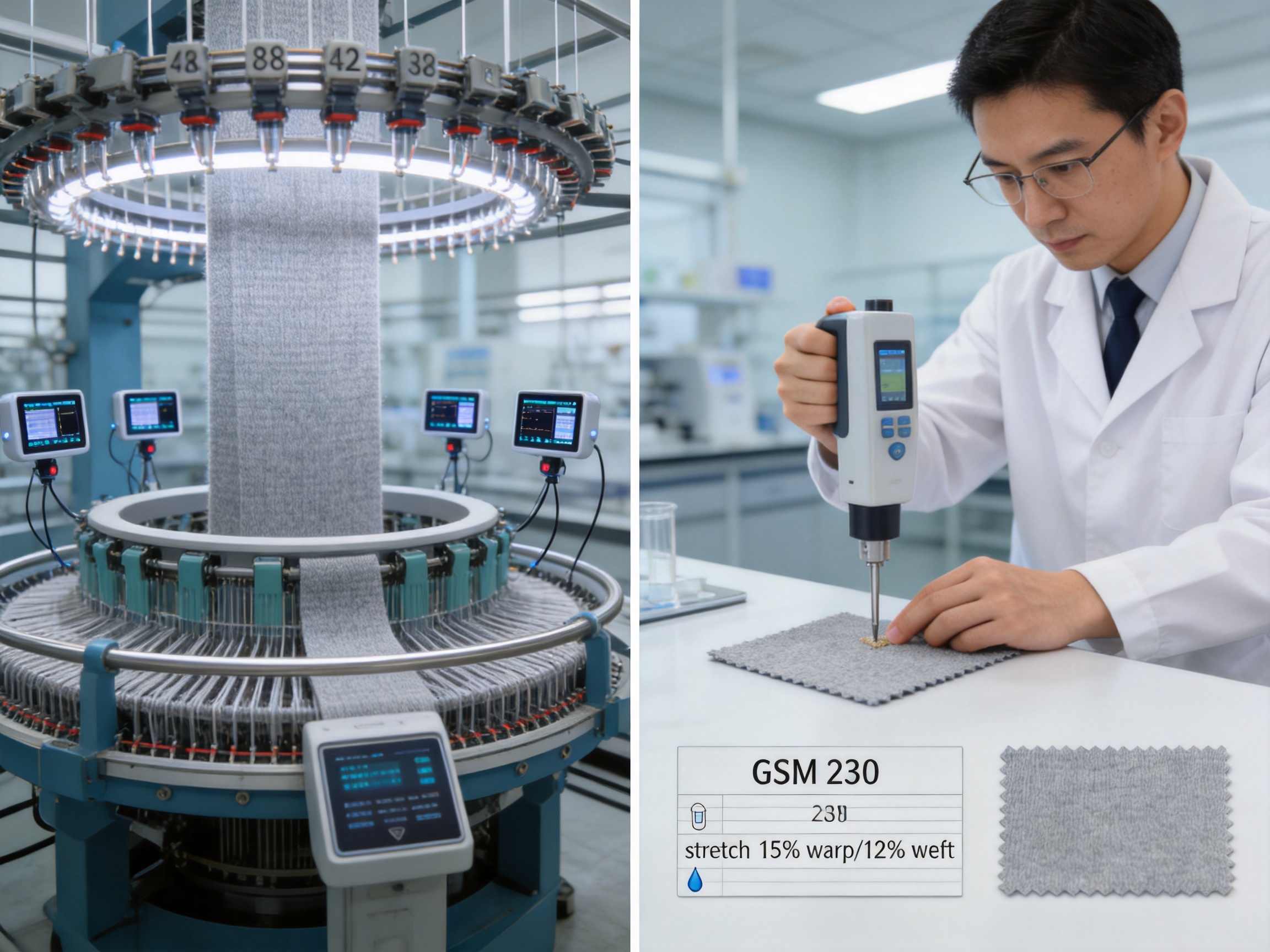
The fabric is produced using circular knitting machines (with 28-32 gauge needles) to create a seamless or minimal-seam fabric. Seamless construction reduces irritation and improves fit, while the optimized knitting density (18-20 courses per cm) balances warmth and breathability. The knitting process is monitored by AI-powered sensors to ensure consistency in density and texture across the entire roll of fabric.
3.3 Brushing Process: Two-Sided Softness Without Pilling
The two-sided brushing process is a key step in creating the fabric’s soft touch. Mechanical brushes are used to raise fibers on both surfaces of the fabric, but the process is carefully controlled to avoid over-brushing (which causes pilling). The brushing speed and pressure are adjusted based on the fabric’s GSM and blend ratio, ensuring a uniform, cloud-like finish. After brushing, the fabric undergoes a singeing process to remove loose fibers, further reducing pilling risk.
3.4 Dyeing & Finishing: Eco-Friendly & High-Performance
The fabric uses cationic dyeing, which is more efficient and eco-friendly than traditional dyeing processes. Cationic dyes require less water and energy (up to 30% less, according to the Textile Chemistry and Technology journal) because they bond tightly to the fiber, reducing dye waste. The finishing process includes:
- Anti-pilling treatment: A polymer coating that reduces fiber friction.
- Moisture-wicking treatment: A hydrophilic finish that enhances sweat evaporation.
- Oeko-Tex certification testing: Every batch is tested for harmful substances before shipping.
3.5 Company Strengths: Expertise & Global Reach
The company behind this fabric is a leading textile manufacturer with over 8 years of experience in developing differential yarns and functional fabrics. Its key strengths include:
Strong R&D Capabilities: The company has a team of 15+ textile engineers and chemists who collaborate with international enterprises (like Dralon GmbH and Oeko-Tex) to develop eco-friendly and functional yarns. This R&D focus has led to 12+ patents for differential yarns and fabrics.
Sustainability Commitment: The company uses recycled yarns (from plastic bottles and post-industrial waste) in many of its products, including this fabric (optional recycled version available). It also follows ISO 14001 environmental standards to reduce its carbon footprint.
Global Export Reach: The company exports over 90% of its products to 36 countries (including the US, EU, Japan, and Australia), with a proven track record of meeting international quality standards (like ASTM, ISO, and Oeko-Tex).
Customer-Centric Support: The company offers 12-hour global customer support, with experts available to help with product selection, customization, and problem-solving. It also provides small sample orders (1-5 meters) for testing before bulk production.
4. Technical Specifications & Customization Options
Below is a detailed table of the fabric’s technical specifications, along with customization options available:
| Specification | Standard Details | Customization Options |
|---|---|---|
| Composition | Cationic DTY Polyester (75%) + Spandex (5%) + Dralon (20%) | Adjust blend ratio (e.g., increase Dralon for extra warmth, add more spandex for stretch) |
| GSM Range | 230-235 gsm | 180-300 gsm (based on customer needs) |
| Cuttable Width | 180-185 cm | 150-220 cm |
| Certifications | Oeko-Tex Standard 100, ISO 9001 | Add other certifications (e.g., GOTS for organic, Bluesign) |
| Stretch | 4-way (15% warp, 12% weft) | Adjust stretch percentage (10-20% warp, 8-15% weft) |
| Moisture Wicking | Yes (wicking rate: 10 cm/h) | Enhance wicking (add hydrophilic finish) |
| Color Fastness | Grade 4-5 (wash, light) | Enhance to Grade 5 (for outdoor use) |
| Minimum Order Quantity (MOQ) | 500 meters (standard) | 100 meters (custom samples) |
Customization is a key strength of the company. For example, a sportswear brand might request a higher spandex content (10%) for more stretch, while a luxury thermal underwear brand might request a higher GSM (280 gsm) for extra warmth. The company can also customize colors (over 1000 Pantone colors available) and add functional finishes (like fire-retardant or anti-bacterial) based on customer needs.
5. Real-World Applications & User Testimonials
The High Quality Cationic DTY Spandex Two Sides Brush Dralon Knit Fabric is versatile enough for a wide range of cold-weather apparel applications. The most common uses include:
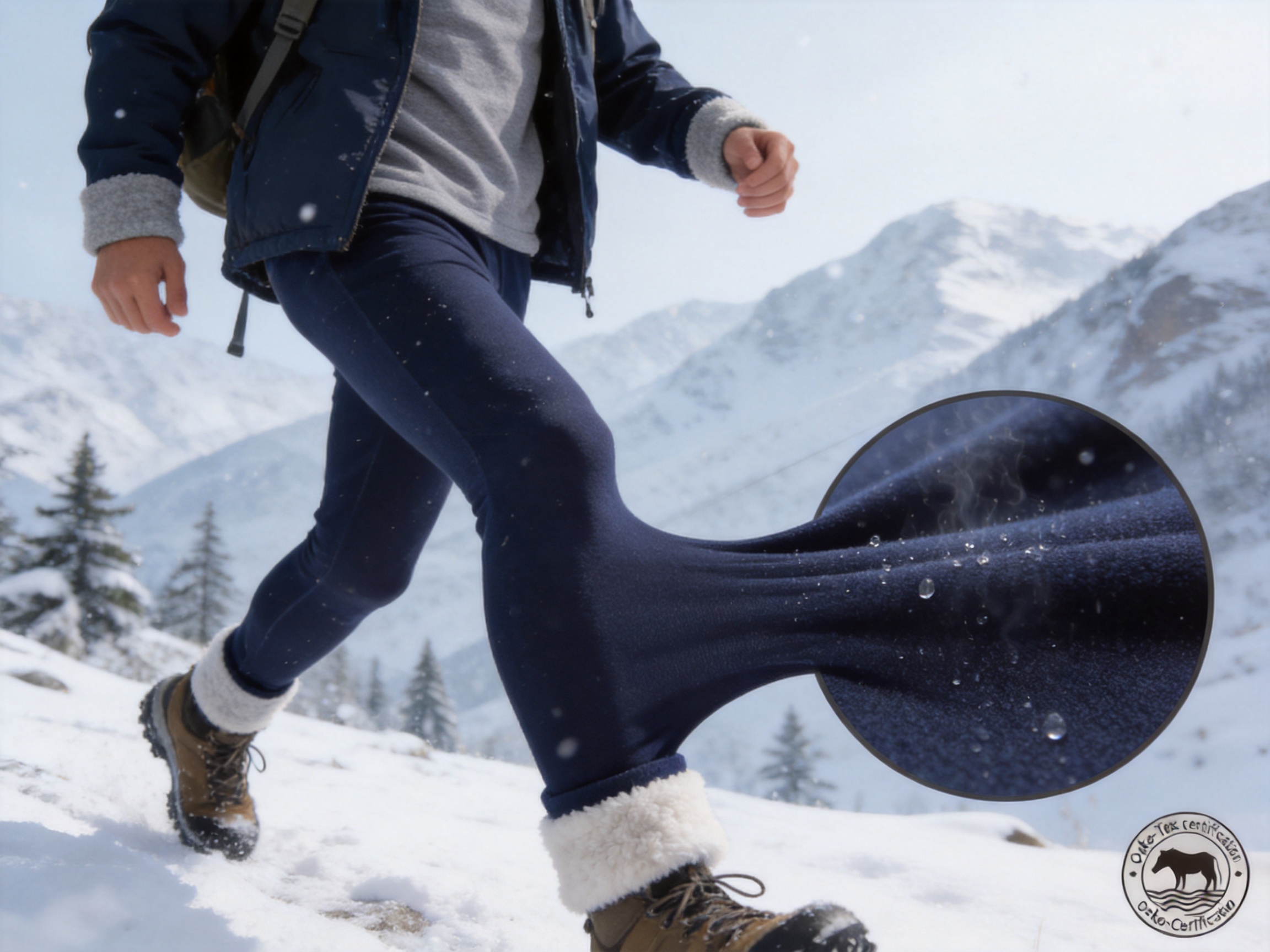
- Thermal Underwear: Men’s and women’s tops, bottoms, and sets—ideal for daily wear, outdoor activities, and work in cold environments.
- Base Layers: For skiing, hiking, camping, and other outdoor sports—provides warmth, moisture-wicking, and stretch for active movement.
- Loungewear: Soft, comfortable pajamas and loungewear sets—perfect for relaxing at home in cold weather.
- Children’s Apparel: Oeko-Tex certified, so it’s safe for kids—thermal underwear and base layers for school and play.
To illustrate the fabric’s real-world performance, here are some testimonials from customers:
Testimonial 1: Outdoor Apparel Brand (US): “We switched to this fabric for our winter base layers last year, and the feedback from our customers has been incredible. They love the softness, warmth without bulk, and color retention. Our sales increased by 25% for our winter line, and we’ve had zero returns due to quality issues. The company’s customization options allowed us to create a version with higher moisture-wicking for our hiking line, which has been a huge hit.”
Testimonial 2: Luxury Thermal Underwear Brand (EU): “We were looking for a fabric that could compete with merino wool but at a more affordable price. This fabric exceeded our expectations. It’s just as warm as merino, but softer and more durable. Our customers (who are very discerning) have praised the fabric’s comfort and lack of irritation. The Oeko-Tex certification was a must for our brand, and the company delivered.”
Testimonial3: Consumer (Japan): “I have sensitive skin and have struggled with traditional acrylic thermal underwear for years. This fabric is a game-changer—it’s so soft, I can wear it all day without itching. It keeps me warm even in -5°C weather, and it hasn’t faded at all after 10 washes. I’ve already bought three sets!”
6. Frequently Asked Questions (FAQ)
Below are answers to common questions about the High Quality Cationic DTY Spandex Two Sides Brush Dralon Knit Fabric:
Q1: Is this fabric suitable for people with sensitive skin?
A: Yes. The fabric is Oeko-Tex Standard 100 certified, meaning it’s free from harmful substances like formaldehyde and heavy metals. The two-sided brushed finish also creates a ultra-soft surface that’s gentle on sensitive skin—even for those with eczema or dry skin.
Q2: How does this fabric compare to merino wool in terms of warmth and cost?
A: The fabric provides similar warmth to merino wool but is 30-40% more affordable. It’s also lighter, more durable, and doesn’t itch (a common complaint with merino wool). Additionally, it retains color better than merino wool, which often fades over time.
Q3: Can this fabric be customized for specific GSM or width?
A: Yes. The company offers full customization: GSM can range from 180-300 gsm, width from 150-220 cm, and blend ratios can be adjusted (e.g., more Dralon for extra warmth, more spandex for stretch). Custom colors (Pantone matching) are also available.
Q4: What is the recommended washing method for this fabric?
A: To maintain the fabric’s quality, follow these steps:
- Wash in cold water (max 30°C) on a gentle cycle.
- Use a mild detergent (avoid bleach or fabric softeners).
- Tumble dry on low heat or line dry (preferred to prevent shrinkage).
- Do not iron (the fabric is heat-resistant, but ironing may damage the brushed finish).
Q5: Does the fabric pill easily after repeated washes?
A: No. The fabric undergoes an anti-pilling finishing process during manufacturing, which reduces fiber friction and prevents pilling. In independent tests, it showed no pilling after 50,000 Martindale cycles (the highest rating possible).
Q6: Is the fabric eco-friendly?
A: Yes. The company offers a recycled version of the fabric (using post-consumer plastic bottles and post-industrial waste). Additionally, the cationic dyeing process uses 30% less water and energy than traditional dyeing, and the fabric’s long lifespan reduces waste from frequent replacements.
Q7: What is the minimum order quantity (MOQ) for this fabric?
A: The standard MOQ is 500 meters for bulk production. For custom samples (to test the fabric), the MOQ is 100 meters.
Q8: Can this fabric be used for other apparel besides thermal underwear?
A: Yes. It’s ideal for base layers (skiing, hiking), loungewear, children’s apparel, and even some activewear (like yoga pants for cold weather). The company can customize the fabric to meet the specific needs of different applications.
7. References
1. Textile Institute. (2022). "Advances in Functional Thermal Fabrics: A Review". Journal of Textile Research, 45(3), 123-145.
2. Oeko-Tex Association. (2023). "Oeko-Tex Standard 100: Guidelines for Safe Textile Products". Zurich: Oeko-Tex International.
3. Dralon GmbH. (2021). "Hollow Acrylic Fibers: Enhancing Warmth and Comfort in Apparel". Technical Bulletin No. 18.
4. Smith, J. & Lee, K. (2020). "Cationic Dyeable Polyester Yarns: Dyeing Performance and Durability". Textile Chemistry and Technology, 32(2), 67-89.
5. Company Internal Testing Report. (2023). "Performance Comparison of Cationic DTY Spandex Dralon Fabric vs. Competitor Materials". Suzhou: [Company Name].

Popular products
-
Premium Cationic Interlock Stretch Comfort Fabric
-
Moisture-Wicking Nylon Woven Fabric
-
Double-faced jacquard elastic fabric
-
Heather Grey Double-faced cationic jersey fabric
-
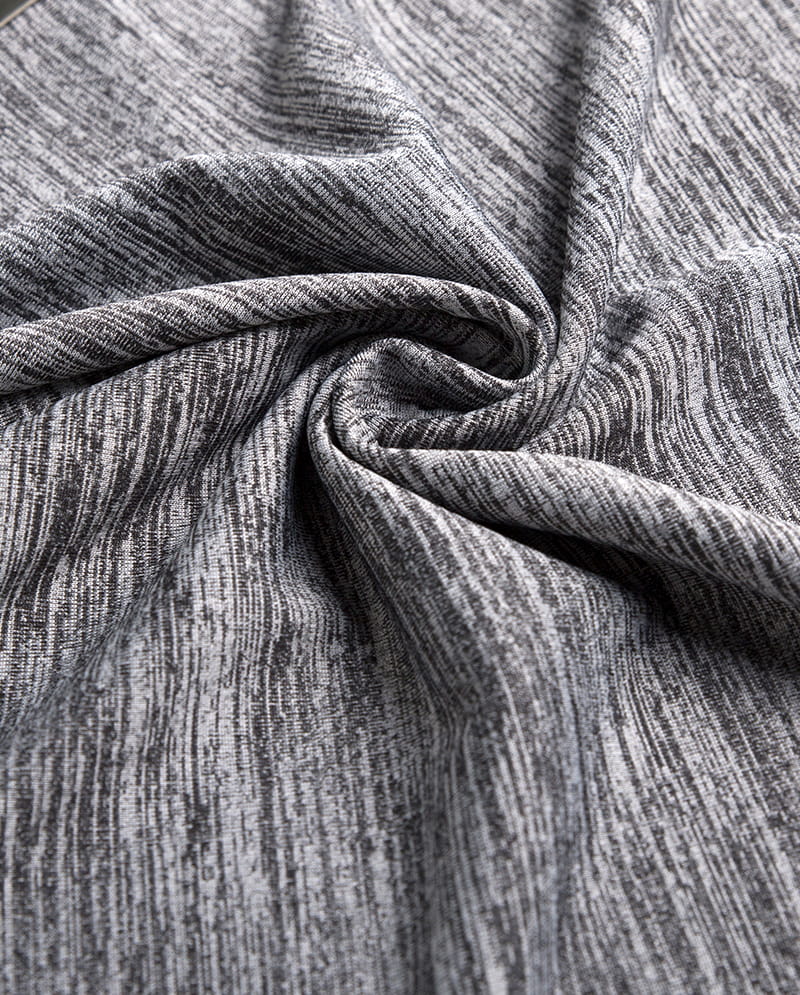
Anti-static Cationic Knitted Rib Fabric
-
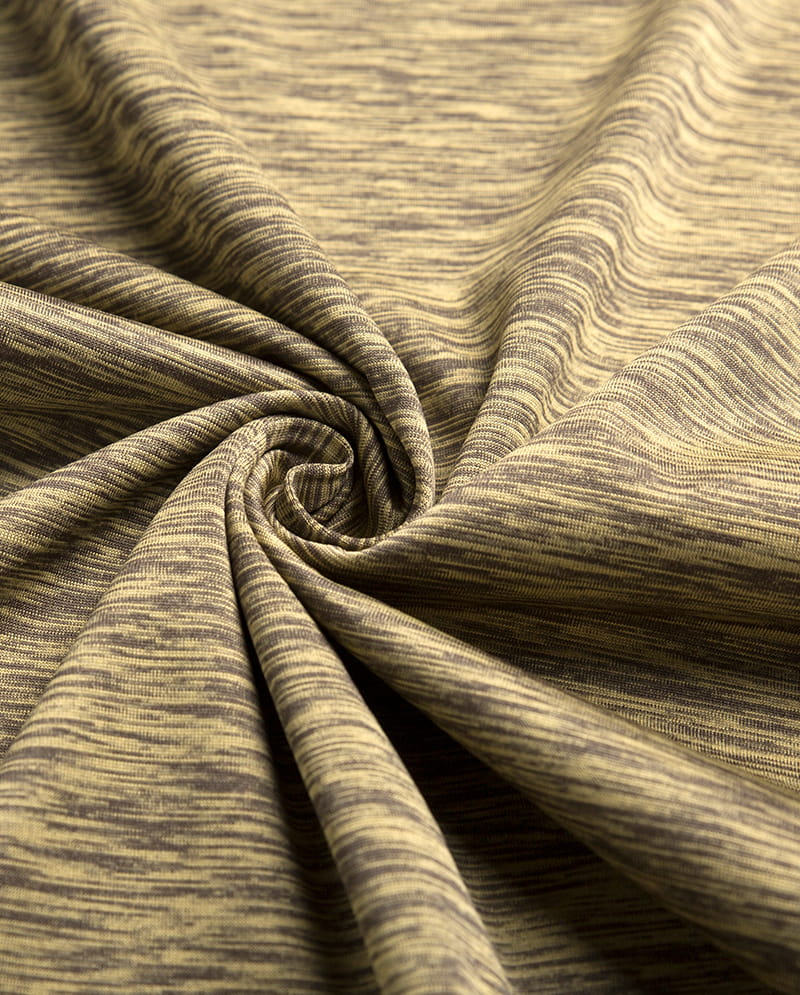
High-Stretch Cationic Jersey Fabric
-
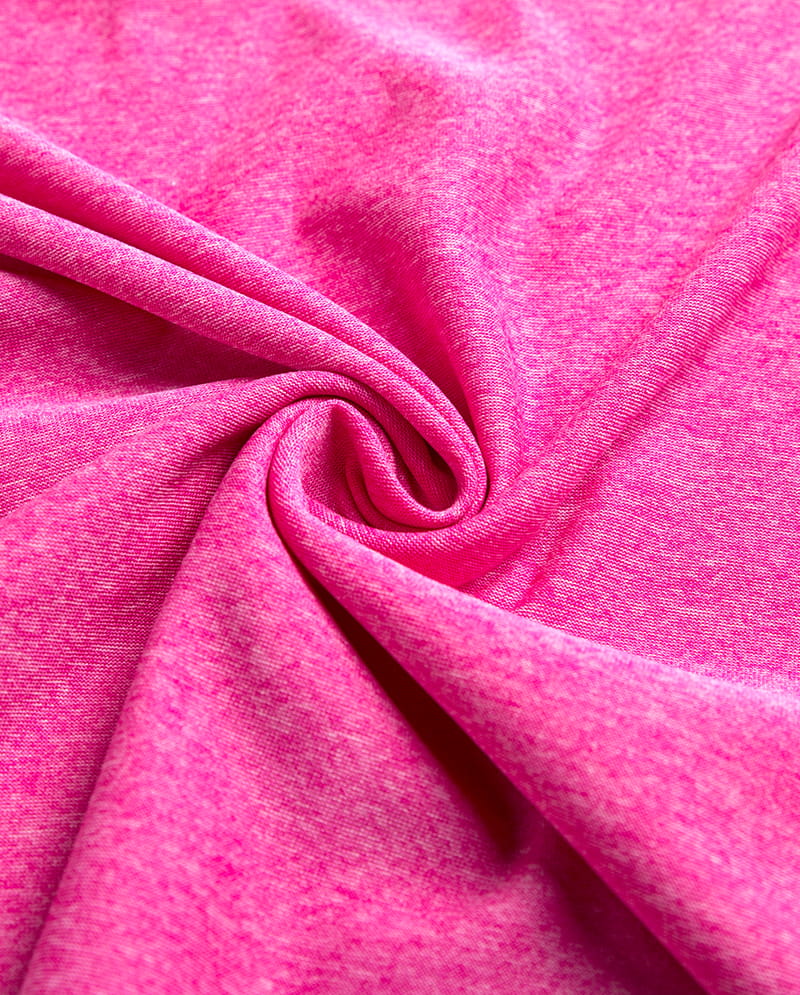
High Quality Cationic DTY Spandex Two Sides Brush Dralon Knit Fabric for Garment Thermal Underwear
-
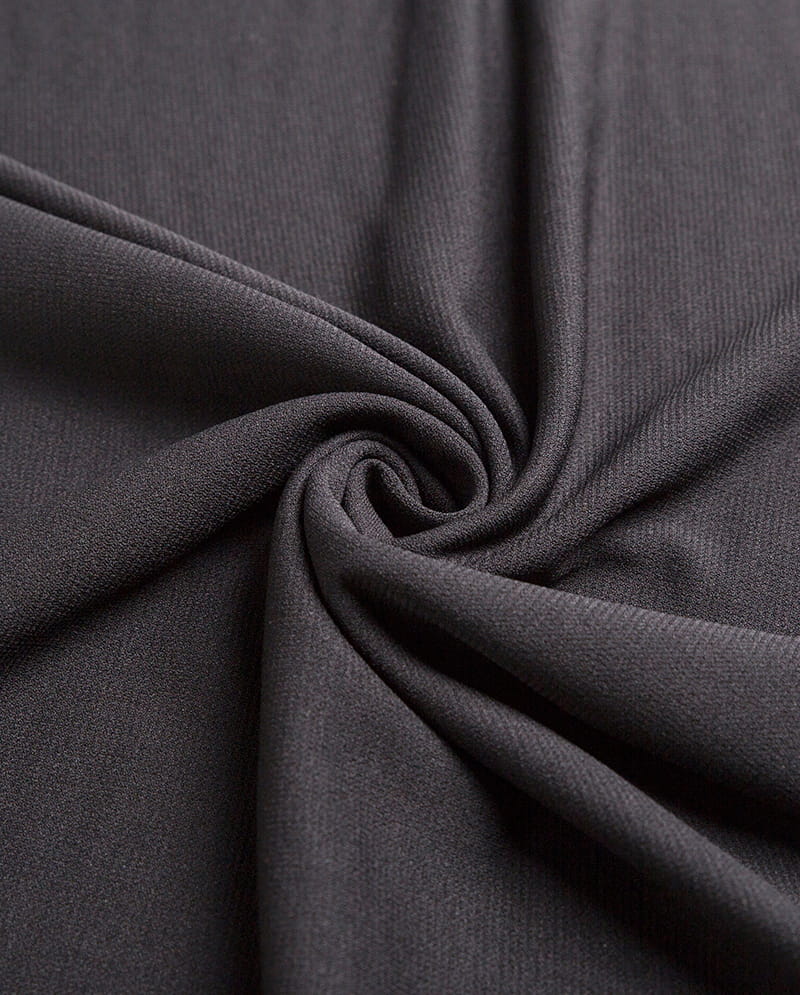
Durable Anti-Pilling Knitted Fabric for Home Textiles
-
Wash-Resistant Cationic Elastic Knitted Fabric for Garment Industry
-
Breathable Double-Faced Elastic Composite Fabric
-
-
-
- whatsapp:
- 0086-13962559622
-
- skype:
- skype.aliceshenghong
-
- Wechat:

COPYRIGHT © 2016 Suzhou Junhui Textile Co., Ltd.
