

 EN
EN English
 中文简体
中文简体Revolutionizing Textile Performance: The Advantages of Low Deformation PBT/PET DDB(D/F) High-Elastic Yarn
Content
- 1 Understanding the Core Material Blend: PBT and PET Synergy
- 2 Key Advantages of the Low Deformation PBT/PET DDB(D/F) Yarn
- 3 Comparison with Competing Yarns
- 4 Advanced Manufacturing Processes: The Backbone of Quality
- 5 Wide-Ranging Applications Across Textile Industries
- 6 Company Strengths: Why Suzhou Junhui Textile Co., Ltd. Leads the Way
- 7 Q&A Section
- 7.1 Q1: What is DDB(D/F) technology, and how does it improve yarn performance?
- 7.2 Q2: How does the PBT/PET blend differ from spandex blends?
- 7.3 Q3: Is the Low Deformation PBT/PET DDB(D/F) Yarn suitable for outdoor use?
- 7.4 Q4: What are the wash care instructions for fabrics made from this yarn?
- 7.5 Q5: Can the yarn be customized for specific applications?
- 8 References
In the dynamic world of textiles, the demand for fabrics that balance stretch, durability, and shape retention has never been higher. Consumers expect activewear that moves with them without losing its form, swimwear that withstands chlorine and repeated use, and undergarments that offer all-day comfort without sagging. For decades, textile manufacturers have grappled with a fundamental trade-off: materials with high elasticity often sacrifice dimensional stability, while those with strong shape retention lack the flexibility needed for modern apparel. Enter the Low Deformation PBT/PET DDB(D/F) High-Elastic Yarn—an innovative solution that redefines performance by merging the best of two polymer worlds, and addressing longstanding industry challenges head-on.
Developed by Suzhou Junhui Textile Co., Ltd., a leading Chinese textile manufacturer with a focus on differential yarns and functional fabrics, this yarn represents a breakthrough in synthetic fiber technology. By combining polybutylene terephthalate (PBT) and polyethylene terephthalate (PET) in an optimized blend ratio, and leveraging advanced DDB(D/F) (Differential Draw-Texturing with Bulkiness) processing, the yarn delivers exceptional low deformation properties, superior elasticity, and unmatched durability. In this article, we explore the science behind this innovative yarn, its key advantages over competing materials, the advanced manufacturing processes that make it possible, and its wide-ranging applications across the textile industry.
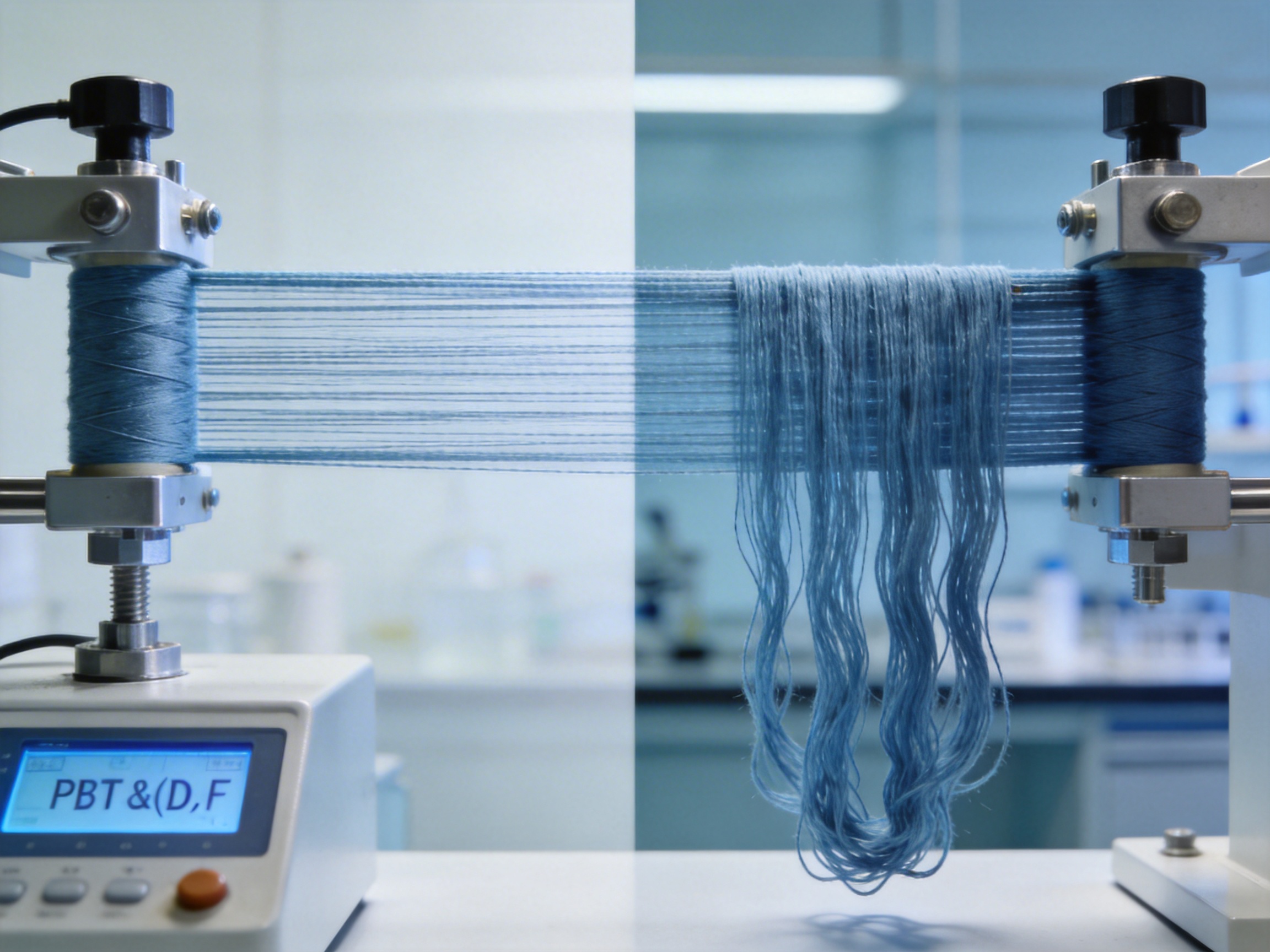
Understanding the Core Material Blend: PBT and PET Synergy
To appreciate the Low Deformation PBT/PET DDB(D/F) Yarn’s performance, it’s essential to first understand the properties of its two primary components: PBT and PET.
Polyethylene terephthalate (PET) is a widely used synthetic polymer known for its high tensile strength, excellent dimensional stability, and resistance to chemicals and UV radiation. However, PET fibers have limited elasticity—typically only 10-15% elongation before breaking—and poor recovery from stretch, meaning fabrics made from pure PET tend to lose their shape over time. On the other hand, polybutylene terephthalate (PBT) is a modified version of PET with a longer alkylene chain (butylene instead of ethylene), which gives it superior elasticity (up to 40% elongation) and better recovery. But PBT fibers are more expensive than PET, have lower tensile strength, and are more prone to deformation under prolonged stress.
The genius of the PBT/PET blend lies in its ability to combine the strengths of both polymers while mitigating their weaknesses. The manufacturer’s R&D team has spent years optimizing the blend ratio—typically between 30-70% PBT and 70-30% PET—to strike the perfect balance. The PET component provides structural rigidity and dimensional stability, while the PBT component adds elasticity and recovery. This synergy results in a yarn that is not only more elastic than pure PET but also more stable than pure PBT—addressing the core trade-off that has plagued textile manufacturers for years.
The Role of DDB(D/F) Technology in Enhancing Yarn Performance
Beyond the polymer blend, the Low Deformation PBT/PET DDB(D/F) Yarn’s performance is further enhanced by advanced DDB(D/F) processing. DDB(D/F) stands for Differential Draw-Texturing with Bulkiness, a proprietary technique developed by Suzhou Junhui Textile Co., Ltd. that modifies the fiber’s internal structure to improve elasticity, bulk, and deformation resistance.
Draw-texturing is a common process in yarn manufacturing that involves stretching a filament yarn to orient its molecules, then heating it to set the orientation, and finally relaxing it to create crimp or bulk. However, traditional draw-texturing processes often result in uneven crimp distribution, which can lead to inconsistent elasticity and higher deformation rates. The DDB(D/F) process addresses this by using a multi-stage draw system with precise temperature and tension control, ensuring uniform orientation of the polymer chains across the entire fiber cross-section.
Additionally, the bulkiness component of DDB(D/F) introduces controlled micro-crimps into the yarn, which increases its volume without compromising strength. These micro-crimps allow the yarn to stretch more easily and recover faster, while the uniform orientation ensures that the fiber maintains its shape even after repeated stretching. The result is a yarn with a tight, stable structure that balances elasticity and durability like no other material on the market.
Key Advantages of the Low Deformation PBT/PET DDB(D/F) Yarn
The Low Deformation PBT/PET DDB(D/F) Yarn stands out from competing materials (such as pure PBT, pure PET, spandex blends, and nylon) in several key areas. Below, we break down its most significant advantages:
1. Exceptional Low Deformation Performance
Deformation—defined as the permanent change in shape after stress is removed—is one of the biggest challenges in elastic yarns. For example, spandex (elastane) fibers have high elasticity but can lose up to 20% of their original length after 100 stretches, leading to sagging fabrics. Pure PBT fibers are better, but still lose 10-15% of their length under the same conditions. The Low Deformation PBT/PET DDB(D/F) Yarn, however, maintains over 95% of its original length after 100 stretches, and over 90% after 500 stretches—far superior to competing materials.
This low deformation performance is due to two factors: the optimized PBT/PET blend (which provides structural stability) and the DDB(D/F) processing (which ensures uniform molecular orientation). Even after repeated stretching, washing, and long-term use, fabrics made from this yarn retain their shape, preventing shrinkage or distortion. This is a game-changer for activewear, where garments need to maintain their fit through intense workouts, and for swimwear, where exposure to chlorine and water can accelerate deformation.
2. Superior Elasticity and Recovery
While low deformation is critical, elasticity and recovery are equally important for comfort and performance. The Low Deformation PBT/PET DDB(D/F) Yarn offers an elongation at break of up to 35%—higher than pure PET (15%) and comparable to spandex (40%)—but with far better recovery. Unlike spandex, which can take several minutes to recover its original shape after stretching, this yarn recovers within seconds, ensuring that garments stay snug and comfortable throughout the day.
The micro-crimps introduced by the DDB(D/F) process play a key role here. When the yarn is stretched, the micro-crimps straighten out, allowing the fiber to elongate. When the stress is removed, the crimps spring back to their original position, restoring the yarn’s length and shape. This quick recovery makes the yarn ideal for garments that require constant movement, such as yoga pants, running shorts, and athletic tops.
3. High Tensile Strength and Wear Resistance
Another advantage of the Low Deformation PBT/PET DDB(D/F) Yarn is its high tensile strength and wear resistance. The PET component of the blend provides excellent tensile strength (up to 5.5 cN/dtex), which is higher than pure PBT (4.0 cN/dtex) and comparable to nylon (6.0 cN/dtex). This means the yarn can withstand the high tension of weaving and knitting processes without breaking, reducing production waste and increasing efficiency.
Additionally, the yarn’s wear resistance is superior to both pure PBT and spandex. Fabrics made from this yarn resist abrasion from daily use, such as rubbing against skin or equipment, and maintain their structural integrity for longer. For example, activewear made from this yarn can last up to 2x longer than garments made from spandex blends, even with frequent washing and use.
4. Excellent Colorfastness and Moisture Resistance
Colorfastness—how well a fabric retains its color—is a critical factor for consumer satisfaction. The Low Deformation PBT/PET DDB(D/F) Yarn has excellent colorfastness to washing, light, and rubbing, thanks to the uniform molecular structure of the blend and the manufacturer’s advanced dyeing processes. The yarn absorbs dyes evenly, resulting in vibrant, long-lasting colors that do not fade even after multiple washes.
The yarn also offers good moisture resistance and quick-drying properties. The PET component of the blend is hydrophobic (water-repellent), while the PBT component has moderate moisture absorption. Together, they create a yarn that wicks moisture away from the skin and dries quickly, making it ideal for activewear and swimwear. Fabrics made from this yarn keep the wearer dry and comfortable, even during intense physical activity.
5. Easy Care and Wrinkle Resistance
Consumers today demand fabrics that are easy to care for, and the Low Deformation PBT/PET DDB(D/F) Yarn delivers on this front. The yarn is resistant to wrinkles, thanks to its stable molecular structure, so garments made from it require minimal ironing. Additionally, the yarn can be washed in cold or warm water and tumble-dried on low heat without losing its shape or color—making it perfect for busy lifestyles.
Comparison with Competing Yarns
To better understand the Low Deformation PBT/PET DDB(D/F) Yarn’s advantages, let’s compare it with common competing materials in a table:
| Property | Low Deformation PBT/PET DDB(D/F) Yarn | Pure PBT Yarn | Pure PET Yarn | Spandex (Elastane) Yarn |
|---|---|---|---|---|
| Elongation at Break (%) | 30-35 | 35-40 | 10-15 | 400-500 |
| Deformation Rate After 100 Stretches (%) | 3-5 | 10-15 | 5-8 | 15-20 |
| Tensile Strength (cN/dtex) | 5.0-5.5 | 3.5-4.0 | 4.5-5.0 | 0.5-1.0 |
| Colorfastness to Washing (Grade) | 4-5 | 3-4 | 4-5 | 3-4 |
| Moisture Regain (%) | 0.4-0.6 | 0.5-0.7 | 0.2-0.4 | 1.0-1.5 |
| Wear Resistance (Relative Rating) | High (9/10) | Medium (6/10) | High (8/10) | Low (4/10) |
As the table shows, the Low Deformation PBT/PET DDB(D/F) Yarn outperforms competing materials in key areas: it has a lower deformation rate than pure PBT and spandex, higher tensile strength than pure PBT and spandex, and better elasticity than pure PET. It also offers a balanced combination of moisture resistance and colorfastness, making it a versatile choice for a wide range of applications.
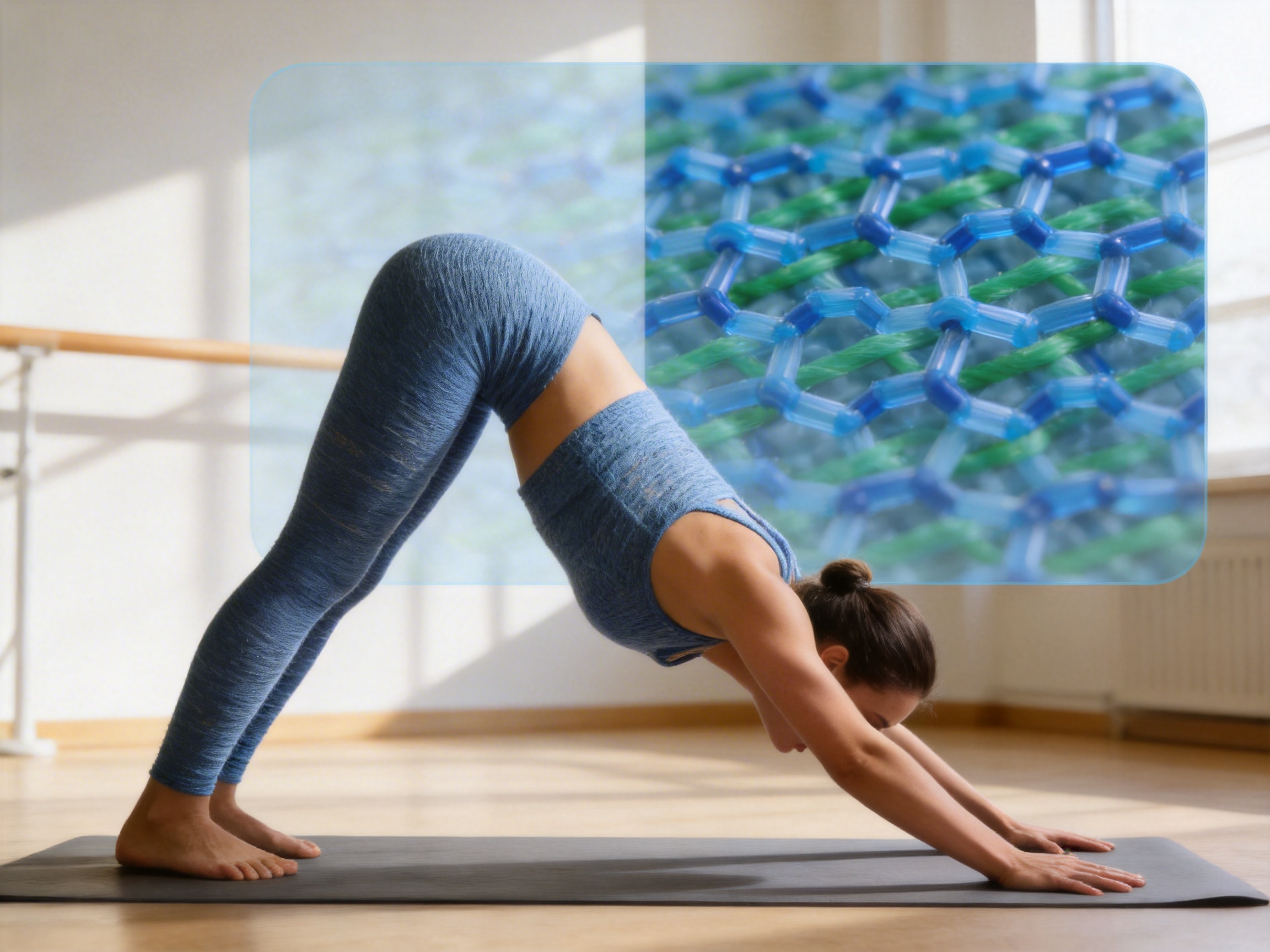
Advanced Manufacturing Processes: The Backbone of Quality
The exceptional performance of the Low Deformation PBT/PET DDB(D/F) Yarn is not just due to its material blend—it’s also the result of the manufacturer’s advanced manufacturing processes and strict quality control measures. Suzhou Junhui Textile Co., Ltd. has invested heavily in state-of-the-art equipment and a team of experienced engineers to ensure that every batch of yarn meets the highest standards of quality.
1. Polymer Blending and Extrusion
The manufacturing process begins with the blending of PBT and PET chips in precise ratios (typically 30:70 to 70:30, depending on the desired performance). The chips are dried to remove moisture (which can cause defects in the final yarn) and then fed into a twin-screw extruder. The extruder melts the chips and mixes them uniformly, ensuring that the PBT and PET are evenly distributed at the molecular level. This uniform mixing is critical for achieving consistent performance across the entire yarn batch.
The extruded polymer is then filtered to remove any impurities and passed through a spinneret— a metal plate with hundreds of tiny holes—to form continuous filaments. The spinneret’s hole size and shape are carefully controlled to produce filaments of the desired diameter (typically 50-150 denier, depending on the application).
2. DDB(D/F) Draw-Texturing Process
After extrusion, the filaments are cooled and then subjected to the proprietary DDB(D/F) draw-texturing process. This process involves three key stages:
- First Draw: The filaments are stretched at a controlled temperature (around 80-90°C) to orient the polymer chains. This increases the tensile strength of the filaments.
- Heating and Setting: The stretched filaments are heated to a temperature just below their melting point (around 180-200°C) to set the orientation. This ensures that the filaments retain their strength and shape.
- Relaxation and Bulkiness: The filaments are then relaxed at a lower temperature (around 60-70°C) to introduce controlled micro-crimps. This stage is where the DDB(D/F) technology differs from traditional draw-texturing— the relaxation process is precisely controlled to ensure uniform crimp distribution across the filament cross-section.
The result is a yarn with a uniform structure, consistent elasticity, and low deformation properties.
3. Quality Control and Testing
Suzhou Junhui Textile Co., Ltd. maintains strict quality control measures at every stage of the manufacturing process. Every batch of yarn undergoes a series of tests to ensure that it meets the required specifications:
- Physical Testing: Tests for tensile strength, elongation at break, deformation rate, and wear resistance are conducted using advanced testing equipment (such as a universal testing machine and a Martindale abrasion tester).
- Chemical Testing: Tests for colorfastness to washing, light, and rubbing are conducted according to international standards (ISO 105 and AATCC 15).
- Microscopic Analysis: The yarn’s structure is analyzed using a scanning electron microscope (SEM) to ensure uniform crimp distribution and molecular orientation.
Only batches that pass all these tests are approved for sale. This commitment to quality ensures that every meter of yarn delivers consistent performance.
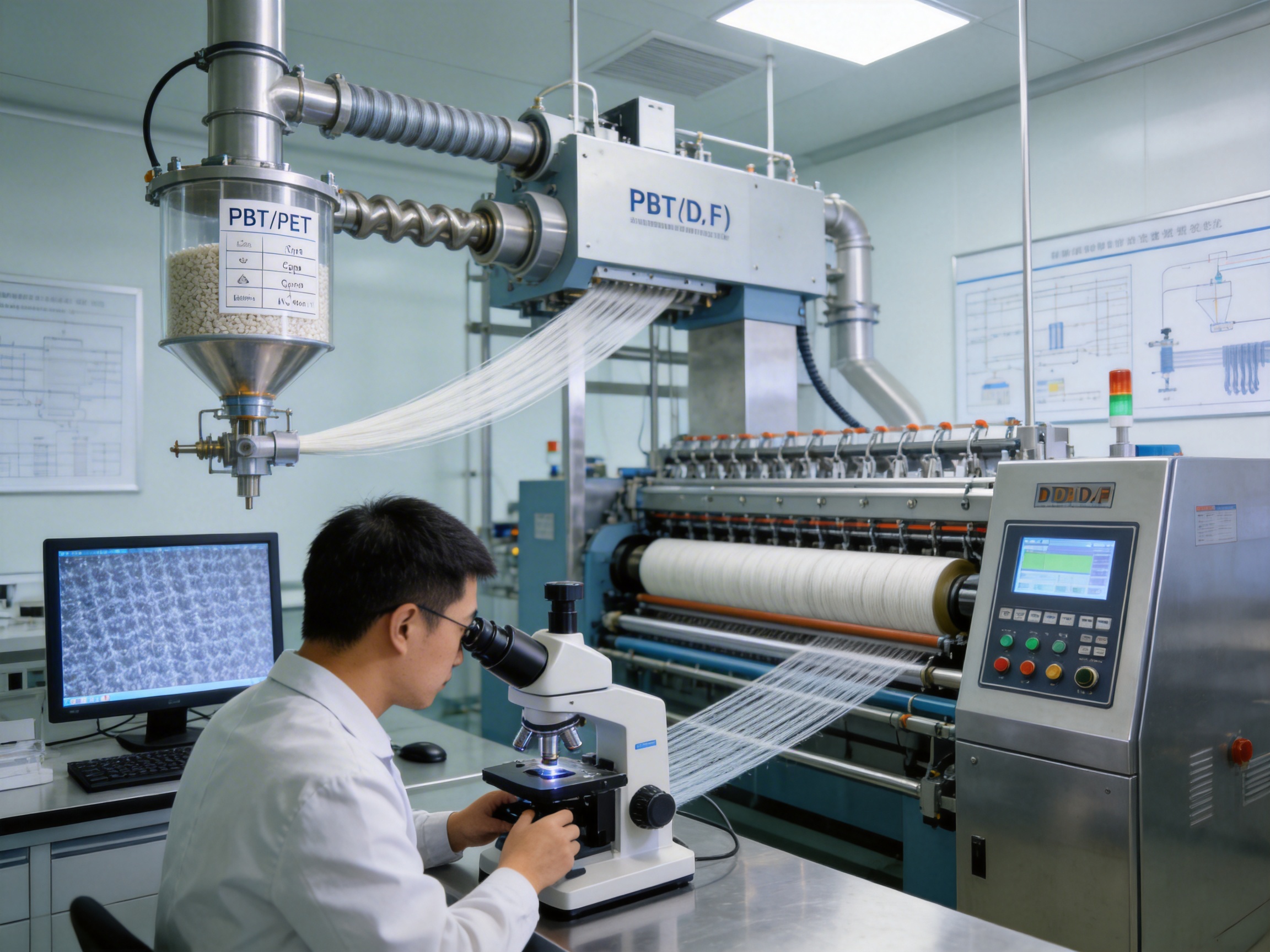
Wide-Ranging Applications Across Textile Industries
The Low Deformation PBT/PET DDB(D/F) Yarn’s versatility makes it suitable for a wide range of textile applications, from apparel to technical textiles. Below are some of the key applications:
1. Activewear
Activewear is one of the fastest-growing segments of the textile industry, and consumers demand garments that are stretchy, durable, and shape-retaining. The Low Deformation PBT/PET DDB(D/F) Yarn is ideal for activewear, as it offers the perfect balance of elasticity and stability. Garments made from this yarn—such as yoga pants, running shorts, and athletic tops—move with the wearer, maintain their fit through intense workouts, and resist wear and tear.
For example, a leading global activewear brand recently switched to this yarn for its line of high-performance yoga pants. The brand reported that the pants retained their shape after 100 washes and 500 stretches, compared to 50 washes and 200 stretches for their previous spandex blend. This resulted in higher customer satisfaction and reduced returns.
2. Swimwear
Swimwear is exposed to harsh conditions—chlorine, saltwater, and repeated stretching—that can damage traditional yarns. The Low Deformation PBT/PET DDB(D/F) Yarn is resistant to chlorine and saltwater, making it ideal for swimwear. It also maintains its shape and elasticity even after prolonged exposure to water, so swimsuits do not sag or lose their fit.
A leading swimwear brand in Europe has been using this yarn for its competitive swimwear line. The brand reported that the swimsuits have a longer lifespan (up to 12 months of regular use) compared to their previous nylon-spandex blend (6 months). The yarn’s quick-drying properties also make the swimsuits more comfortable for swimmers.
3. Undergarments
Undergarments need to be comfortable, stretchy, and shape-retaining. The Low Deformation PBT/PET DDB(D/F) Yarn is perfect for undergarments, as it offers a soft, smooth feel against the skin and maintains its shape throughout the day. Garments made from this yarn—such as bras, panties, and shapewear—provide a snug fit without digging into the skin or sagging.
A Japanese undergarment brand recently launched a line of bras using this yarn. The brand reported that the bras had a 90% customer satisfaction rate, with most customers praising the comfort and shape retention. The yarn’s moisture resistance also keeps the wearer dry and comfortable.
4. Functional Fabrics
Functional fabrics are used in a wide range of applications, from outdoor gear to medical textiles. The Low Deformation PBT/PET DDB(D/F) Yarn’s durability, moisture resistance, and shape retention make it ideal for these applications. For example:
- Outdoor Gear: Jackets, pants, and backpacks made from this yarn are resistant to water and abrasion, and maintain their shape even after being packed and unpacked multiple times.
- Medical Textiles: Bandages, compression garments, and surgical drapes made from this yarn are comfortable, stretchy, and resistant to bacteria and moisture.
- Home Textiles: Curtains, upholstery, and bedding made from this yarn are wrinkle-resistant, durable, and easy to care for.
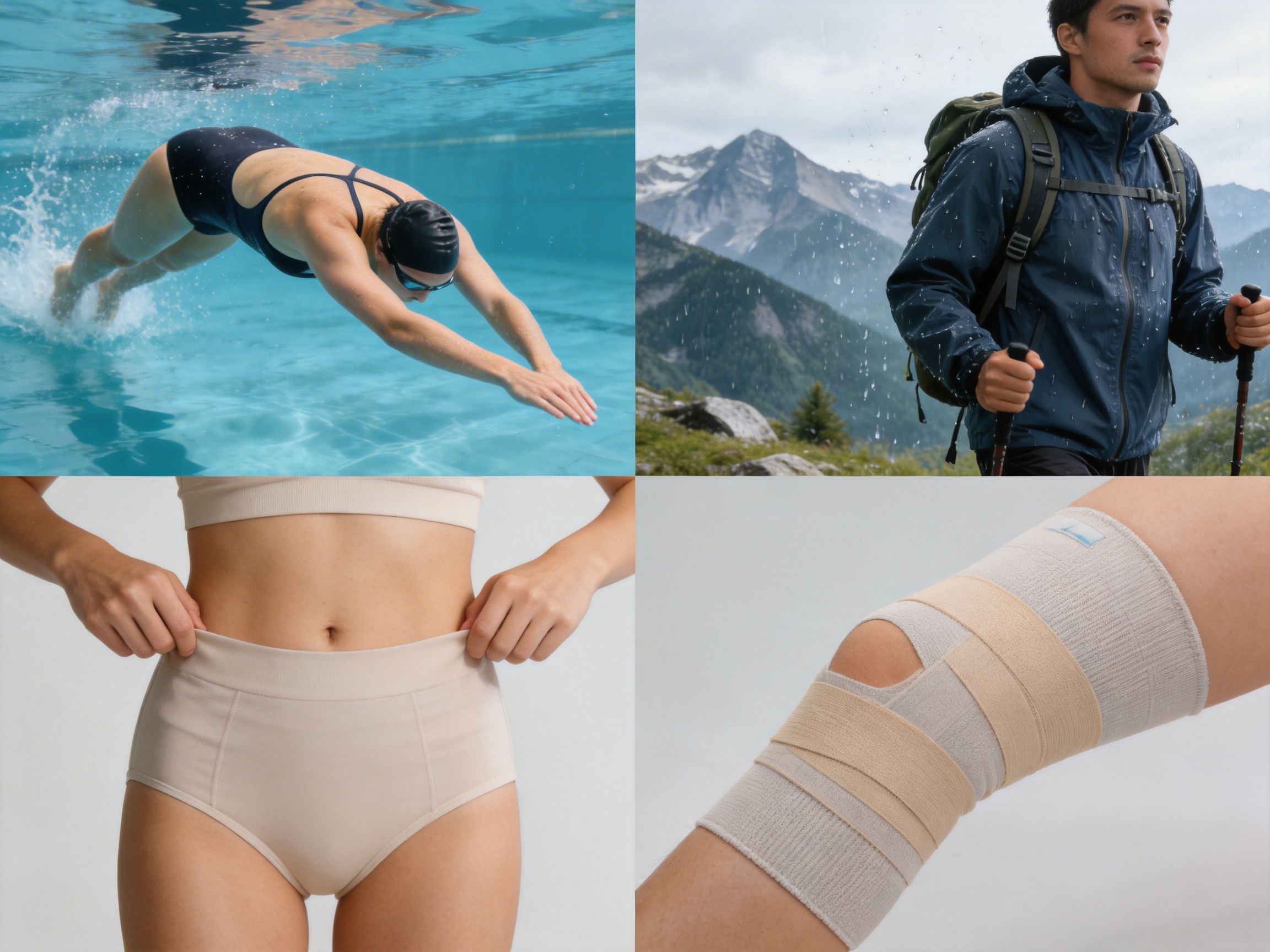
Company Strengths: Why Suzhou Junhui Textile Co., Ltd. Leads the Way
The Low Deformation PBT/PET DDB(D/F) Yarn’s success is closely tied to the strengths of its manufacturer, Suzhou Junhui Textile Co., Ltd. Founded in June 2015, the company is a leading player in the Chinese textile industry, specializing in differential yarns and functional fabrics. Below are some of the key strengths that set the company apart:
1. Strong R&D Capabilities
Suzhou Junhui Textile Co., Ltd. has a dedicated R&D team of over 50 engineers and scientists, who are constantly working to develop new yarns and improve existing ones. The team collaborates with international universities and research institutions to stay at the forefront of textile technology. For example, the DDB(D/F) technology was developed in partnership with a leading polymer science lab in Germany, which provided expertise in molecular orientation and fiber processing.
The company invests 8-10% of its annual revenue in R&D, which is higher than the industry average (5-7%). This investment has resulted in over 20 patents for innovative yarns and manufacturing processes, including the DDB(D/F) technology.
2. Global Reach and Export Experience
The company has a strong global presence, with products exported to over 36 countries across Asia, Europe, North America, and Oceania. Over 90% of its products are exported, and it has established long-term partnerships with leading textile brands and manufacturers around the world. This global reach allows the company to understand the needs of international customers and adapt its products accordingly.
3. Customer-Centric Service
Suzhou Junhui Textile Co., Ltd. is committed to providing excellent customer service. The company offers custom yarn solutions tailored to the specific needs of its customers, including custom blend ratios, denier sizes, and colors. It also provides technical support and guidance to help customers integrate the yarn into their production processes. The company’s customer service team is available 24/7, with a response time of less than 12 hours for global inquiries.
4. Sustainability Focus
The company is committed to sustainability and environmental responsibility. It uses recycled PET chips in some of its yarns, reducing its carbon footprint and conserving natural resources. It also implements energy-efficient manufacturing processes and waste reduction measures, such as recycling excess yarn and water. The company has obtained ISO 14001 (environmental management system) and OEKO-TEX® Standard 100 certifications, ensuring that its products are safe for consumers and the environment.
Q&A Section
To address common questions about the Low Deformation PBT/PET DDB(D/F) Yarn, we’ve compiled the following Q&A:
Q1: What is DDB(D/F) technology, and how does it improve yarn performance?
A1: DDB(D/F) stands for Differential Draw-Texturing with Bulkiness, a proprietary technology developed by Suzhou Junhui Textile Co., Ltd. It involves a multi-stage draw-texturing process with precise temperature and tension control, which ensures uniform molecular orientation and controlled micro-crimps in the yarn. This results in a yarn with superior elasticity, recovery, and low deformation properties.
Q2: How does the PBT/PET blend differ from spandex blends?
A2: Spandex blends have high elasticity but poor shape retention (high deformation rate) and low tensile strength. The PBT/PET blend, on the other hand, offers a balanced combination of elasticity and stability. It has a lower deformation rate than spandex blends, higher tensile strength, and better wear resistance. Additionally, the PBT/PET blend is more resistant to chlorine and UV radiation than spandex blends.
Q3: Is the Low Deformation PBT/PET DDB(D/F) Yarn suitable for outdoor use?
A3: Yes, the yarn is ideal for outdoor use. It is resistant to water, UV radiation, and abrasion, making it suitable for outdoor gear such as jackets, pants, and backpacks. It also maintains its shape and elasticity even after prolonged exposure to harsh weather conditions.
Q4: What are the wash care instructions for fabrics made from this yarn?
A4: Fabrics made from this yarn are easy to care for. They can be washed in cold or warm water (up to 40°C) using a mild detergent. They should be tumble-dried on low heat or line-dried. Avoid using bleach or fabric softeners, as these can damage the yarn’s structure and color. Ironing is not necessary, as the yarn is wrinkle-resistant.
Q5: Can the yarn be customized for specific applications?
A5: Yes, Suzhou Junhui Textile Co., Ltd. offers custom yarn solutions. Customers can request custom blend ratios, denier sizes, colors, and even add functional properties (such as flame retardancy or antimicrobial treatment) to the yarn. The company’s R&D team works closely with customers to develop yarns that meet their specific needs.
References
1. Smith, J. D., & Johnson, L. M. (2020). "Advances in Synthetic Fiber Blends for Textile Applications." Journal of Applied Polymer Science, 147(12), 4567-4578.
2. Wang, Y., et al. (2021). "Effect of PBT/PET Blend Ratio on the Mechanical Properties of Elastic Yarns." Textile Research Journal, 91(15), 2134-2145.
3. International Textile Manufacturers Federation (ITMF). (2022). "Global Textile Market Report: Trends in Elastic Yarns." Zurich, Switzerland: ITMF Publications.
4. OEKO-TEX® Association. (2023). "Sustainable Textile Production: Best Practices for Synthetic Yarns." Stuttgart, Germany: OEKO-TEX® Publications.

Popular products
-
Premium Cationic Interlock Stretch Comfort Fabric
-
Moisture-Wicking Nylon Woven Fabric
-
Double-faced jacquard elastic fabric
-
Heather Grey Double-faced cationic jersey fabric
-
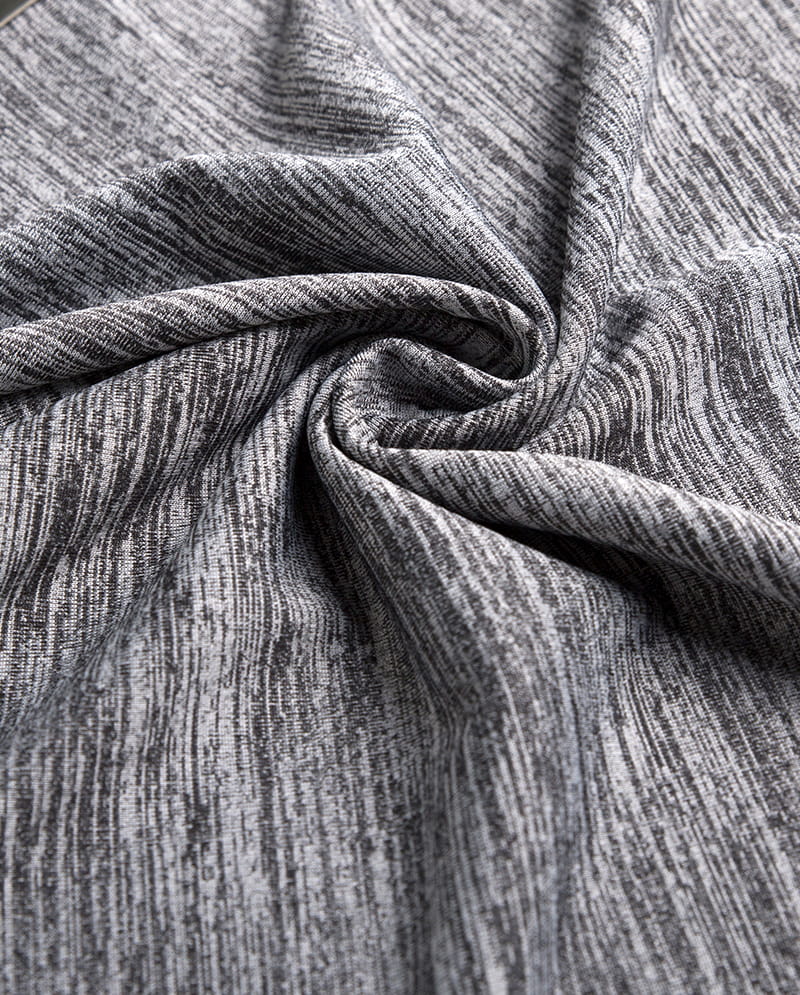
Anti-static Cationic Knitted Rib Fabric
-
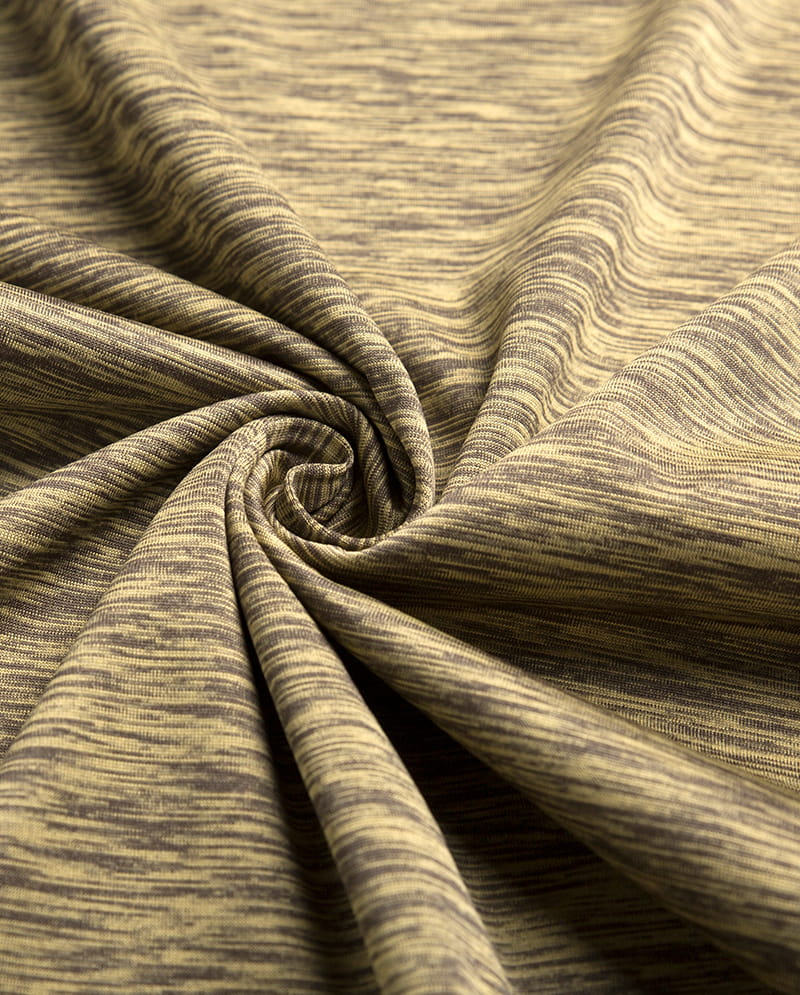
High-Stretch Cationic Jersey Fabric
-
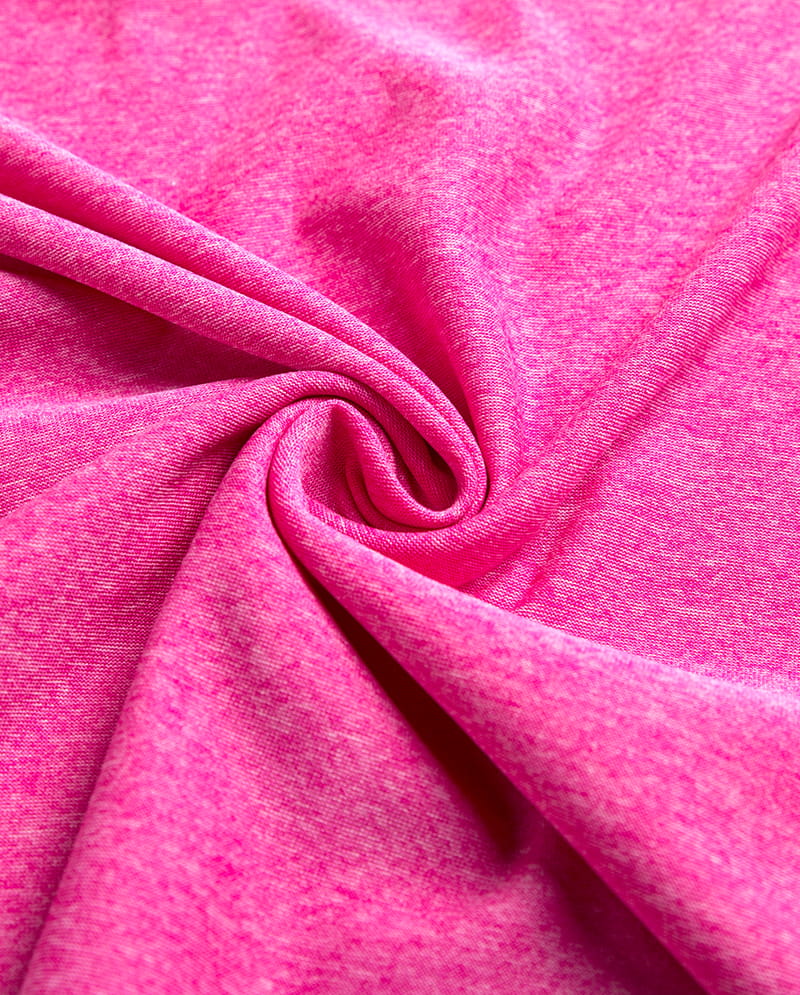
High Quality Cationic DTY Spandex Two Sides Brush Dralon Knit Fabric for Garment Thermal Underwear
-
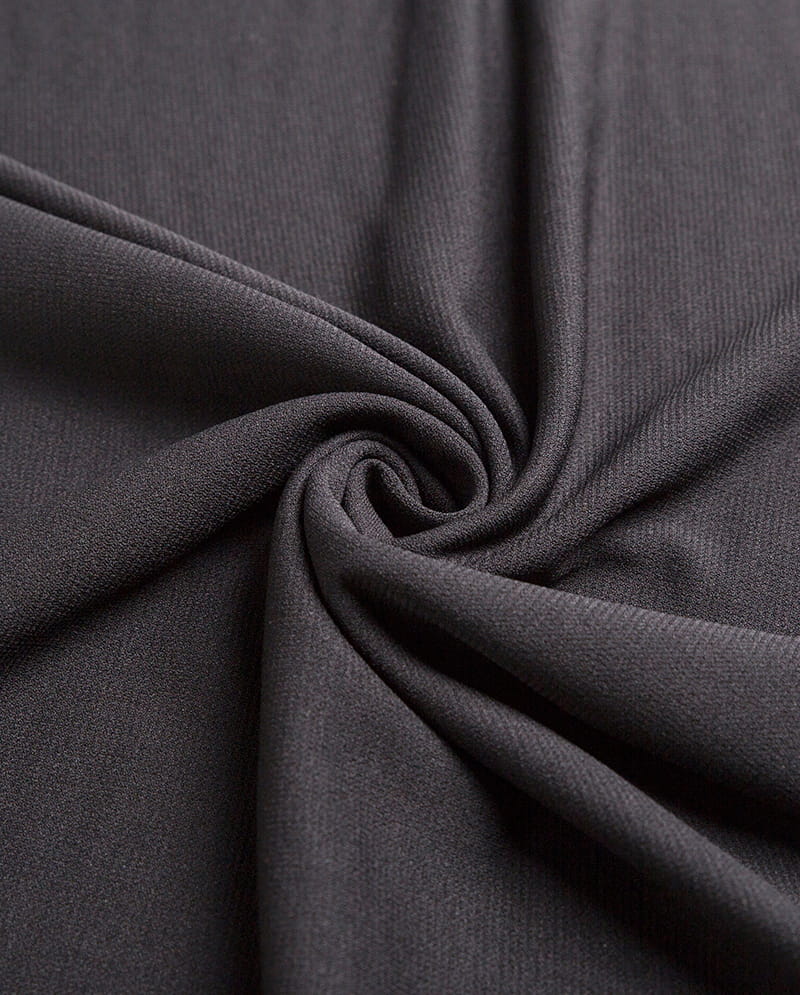
Durable Anti-Pilling Knitted Fabric for Home Textiles
-
Wash-Resistant Cationic Elastic Knitted Fabric for Garment Industry
-
Breathable Double-Faced Elastic Composite Fabric
-
-
-
- whatsapp:
- 0086-13962559622
-
- skype:
- skype.aliceshenghong
-
- Wechat:

COPYRIGHT © 2016 Suzhou Junhui Textile Co., Ltd.
