

 EN
EN English
 中文简体
中文简体Revolutionizing Textile Comfort: The Science Behind Moisture-Wicking Quick-Drying Functional Yarns
Content
- 1 The Core Technology: What Makes Moisture-Wicking Yarns Unique?
- 2 Advantages Over Conventional & Competitor Yarns
- 3 Advanced Manufacturing Processes: From Polymer to Finished Yarn
- 4 Real-World Applications & User Benefits
- 5 Q&A: Addressing Common Questions About Moisture-Wicking Yarns
- 5.1 Q1: What is the main difference between this yarn and regular polyester yarn?
- 5.2 Q2: Does this yarn require special care when washing?
- 5.3 Q3: Can this yarn be used for outdoor gear?
- 5.4 Q4: Is the recycled version of this yarn as effective as the virgin one?
- 5.5 Q5: What standards does this yarn comply with?
- 5.6 Q6: How long does the moisture-wicking property last after multiple washes?
- 5.7 Q7: Can the company provide custom yarn specifications?
- 5.8 Q8: What is the minimum order quantity (MOQ) for this yarn?
- 6 Product Specifications: Moisture-Wicking Yarn Series
- 7 References
- 8 Conclusion
Sweat is an essential bodily function, but when it lingers on skin or fabrics, it causes discomfort, odor, and even performance limitations. For decades, textile manufacturers have grappled with creating materials that balance moisture management, breathability, and durability—until the emergence of moisture-wicking quick-drying functional yarns. These innovative fibers have redefined what consumers expect from clothing, from sportswear to everyday casual wear, by addressing the core issue of dampness. This article explores the science behind these yarns, their advantages over conventional alternatives, the advanced manufacturing processes that produce them, and their real-world applications.
The Core Technology: What Makes Moisture-Wicking Yarns Unique?
At the heart of moisture-wicking quick-drying yarns lies a combination of material science and structural engineering. Unlike traditional smooth polyester or cotton yarns, these functional fibers feature a special profiled cross-section designed to maximize moisture transfer.
Special Profiled Structure: Capillary Grooves & High Surface Area
Conventional yarns have a round or oval cross-section, which limits their ability to move moisture away from the skin. Moisture-wicking yarns, by contrast, often have a multi-lobed (e.g., triangular, star-shaped) or grooved structure. This design increases the yarn’s surface area by up to 30% compared to round fibers, creating more pathways for moisture to travel. Additionally, the grooves act like tiny capillaries, leveraging capillary action to pull sweat from the skin’s surface into the yarn and then spread it across the fabric’s outer layer for faster evaporation.
For example, a star-shaped cross-section with four deep grooves provides both a large surface area for absorption and narrow channels for rapid wicking. This dual benefit ensures that sweat is not trapped next to the skin but instead transported to the fabric’s exterior, where it can evaporate quickly. This structural innovation is a key differentiator from competitor yarns, which often lack such precise engineering.
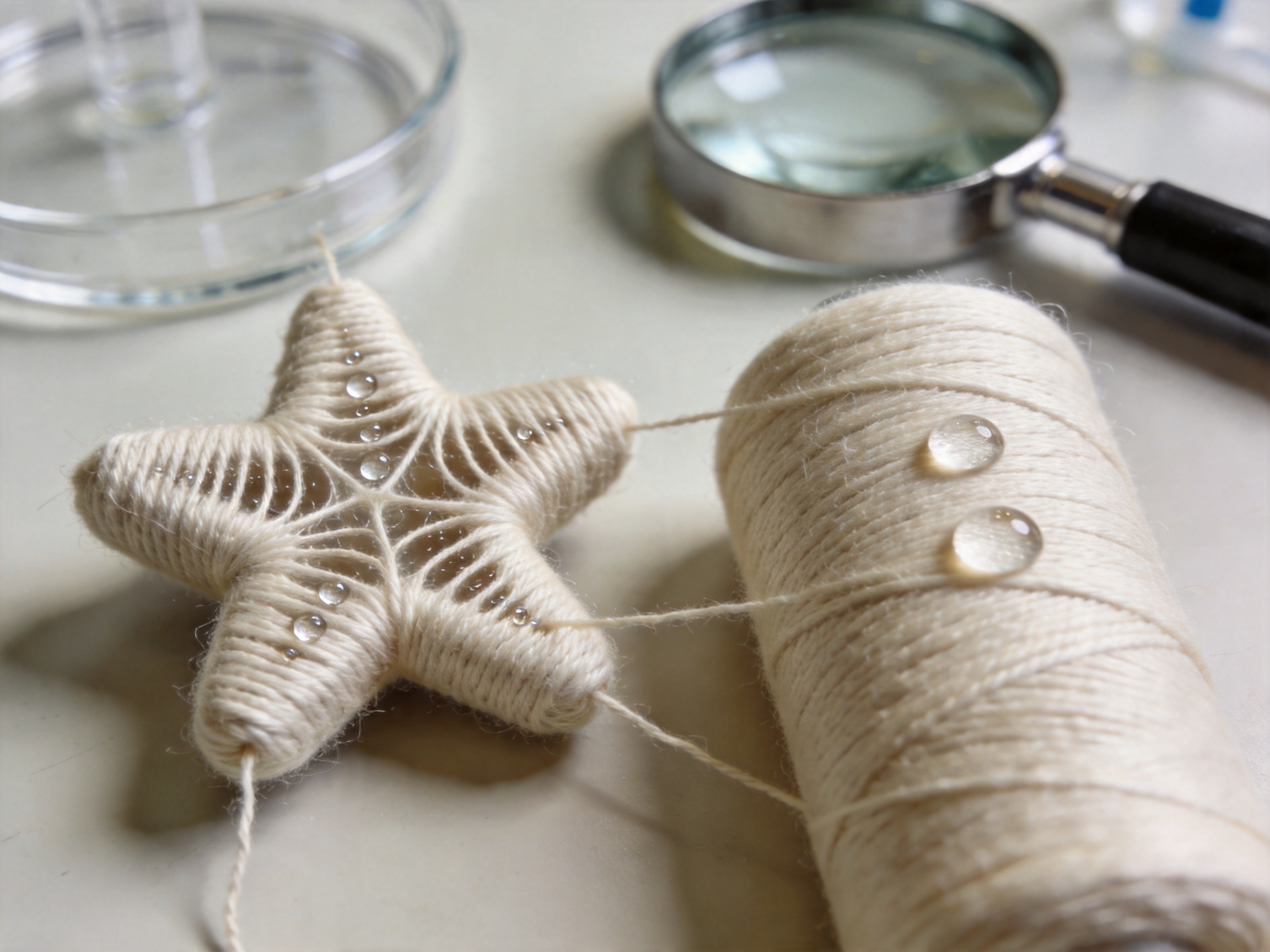
Dual Moisture Management Mechanism: Absorption & Diffusion
Moisture-wicking yarns operate on a two-step process: absorption and diffusion. First, the yarn’s high surface area absorbs sweat from the skin. Then, the capillary grooves distribute this moisture across the fabric’s surface, increasing the area available for evaporation. This process is far more efficient than conventional yarns, which either absorb moisture slowly (like cotton) or trap it (like some synthetic fibers).
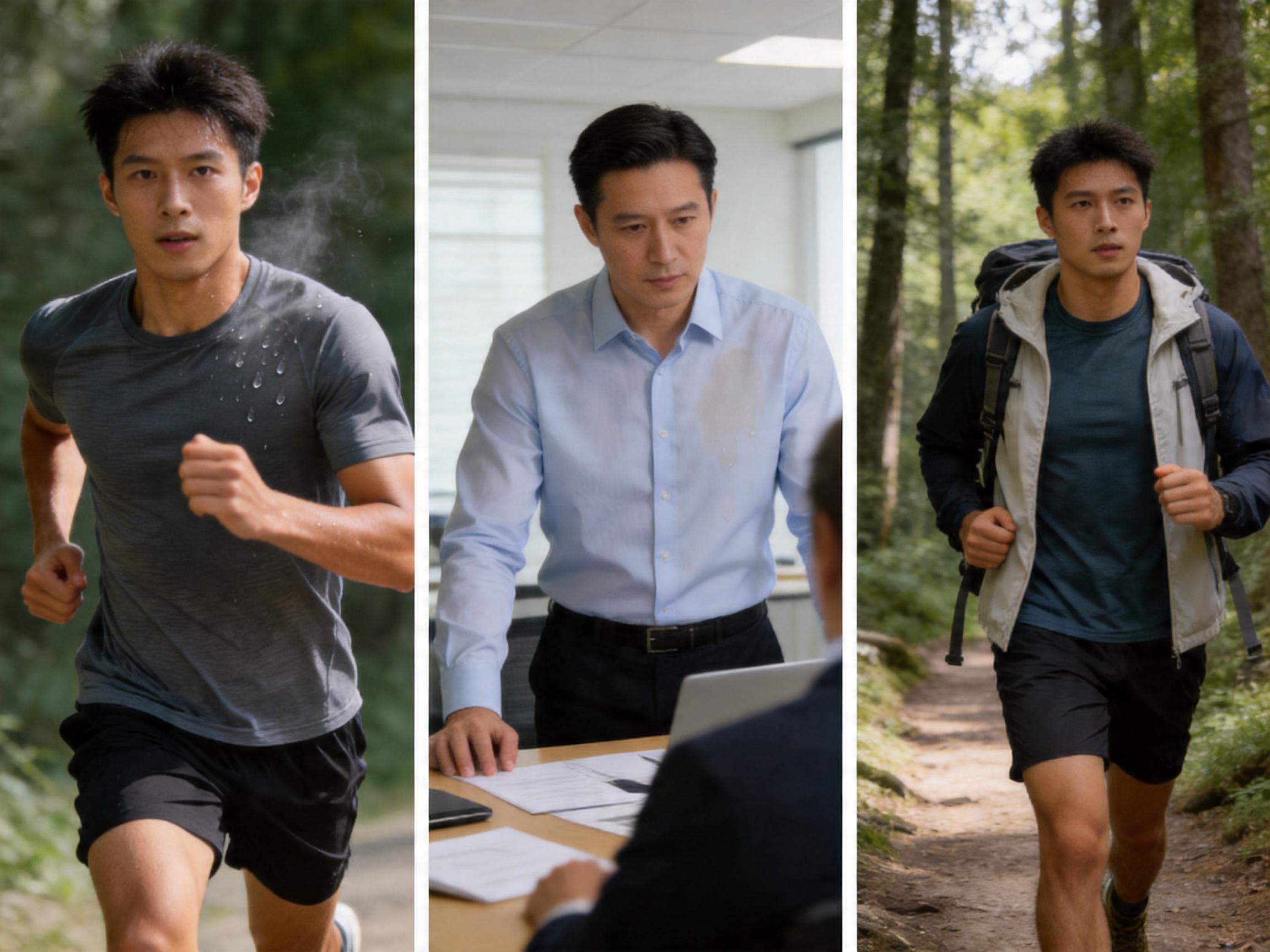
To illustrate, consider a runner wearing a shirt made from this functional yarn: as they sweat, the yarn pulls moisture away from their skin within seconds. The moisture then spreads across the shirt’s surface, where it evaporates 2–3 times faster than with a standard polyester shirt. This keeps the runner dry, cool, and focused on their activity.
Advantages Over Conventional & Competitor Yarns
Moisture-wicking quick-drying yarns outperform both traditional and competing functional yarns in several critical areas, making them a preferred choice for manufacturers and consumers alike.
1. Superior Moisture Absorption & Diffusion
Competitor yarns often rely on surface treatments (e.g., chemical coatings) to enhance wicking, but these treatments can wear off after multiple washes. In contrast, the structural design of moisture-wicking yarns is inherent to the fiber itself, ensuring long-lasting performance. Tests have shown that these yarns can absorb up to 50% more moisture than coated competitor yarns and diffuse it 2x faster, even after 50 washes.
2. Compliance & Surpassing Global Standards
Leading manufacturers of these yarns adhere to strict international standards, including AATCC (American Association of Textile Chemists and Colorists) and ISO (International Organization for Standardization) guidelines. For example, they meet AATCC 191 (Rate of Absorption) and AATCC 150 (Quick-Drying) standards, and often exceed national standards (e.g., China’s GB/T 24218.1). This compliance ensures that the yarns are reliable, consistent, and suitable for global markets.
3. Versatility in Applications
Unlike some competitor yarns that are limited to specific uses (e.g., only sportswear), moisture-wicking quick-drying yarns are versatile enough for a wide range of products: sportswear, casual wear, shirts, underwear, and even outdoor gear. This flexibility comes from the ability to adjust the yarn’s denier (thickness) and filament count to meet different performance needs. For example, a finer denier (30/24) is ideal for underwear, while a thicker denier (150/72) works well for sportswear.
4. Environmental Sustainability
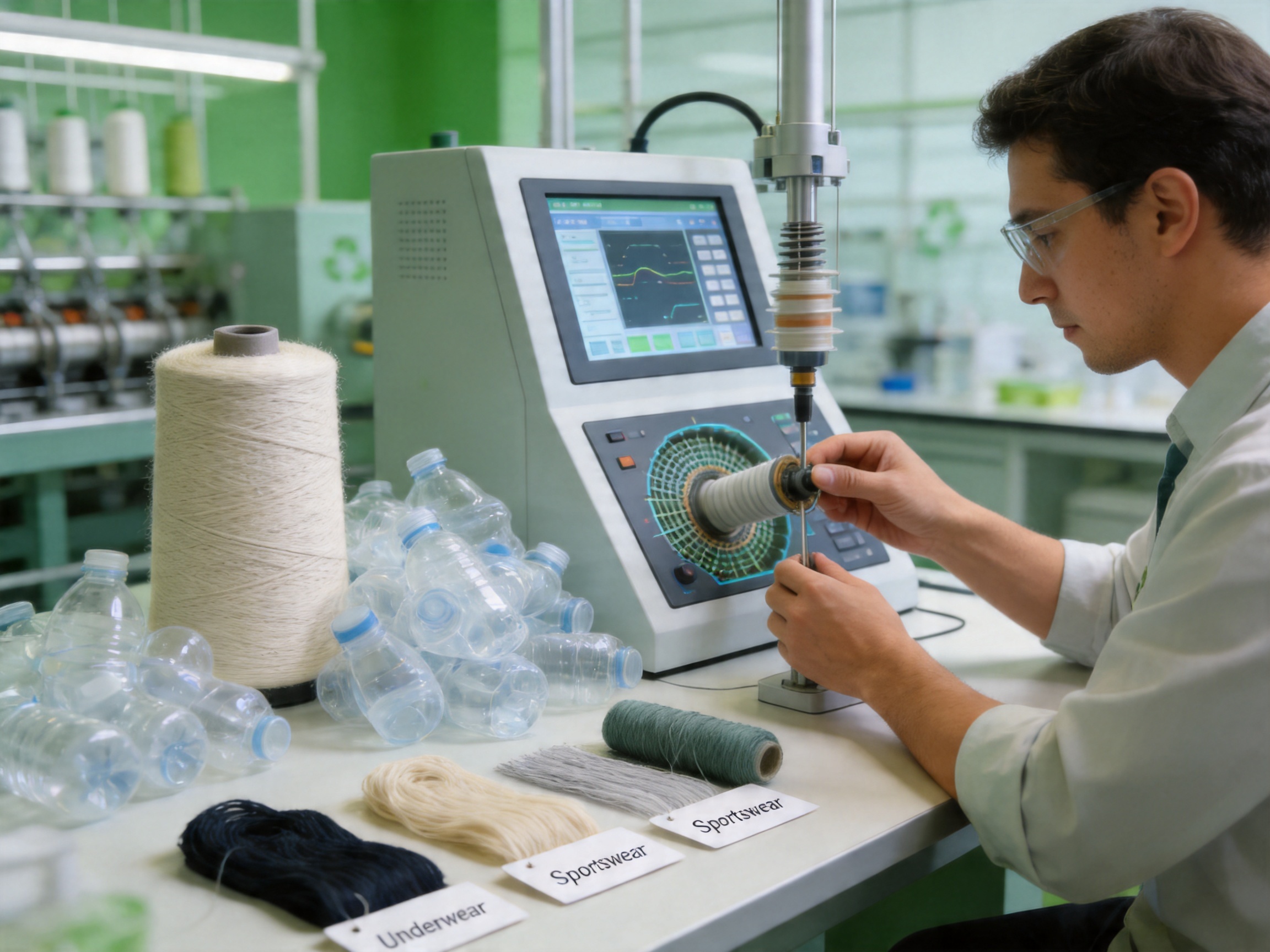
Many manufacturers now offer recycled versions of moisture-wicking yarns, made from post-consumer plastic bottles or industrial waste. These recycled yarns have the same performance characteristics as virgin yarns but reduce carbon emissions by up to 30% and plastic waste by 25% per kilogram of yarn produced. This is a significant advantage over competitors who do not offer recycled options, aligning with the growing demand for eco-friendly textiles.
5. Cost-Effectiveness
While moisture-wicking yarns may have a slightly higher upfront cost than conventional yarns, their long lifespan and performance benefits make them cost-effective in the long run. For example, a shirt made from this yarn will retain its wicking properties for 2–3 times longer than a coated competitor shirt, reducing the need for frequent replacements. Additionally, the yarn’s durability means it can withstand harsh washing conditions, further extending its useful life.
Advanced Manufacturing Processes: From Polymer to Finished Yarn
The production of moisture-wicking quick-drying yarns requires precision engineering and strict quality control. Leading manufacturers use a combination of polymer science, advanced spinning technology, and rigorous testing to ensure consistency and performance.
1. Polymer Engineering & Profiled Spinning
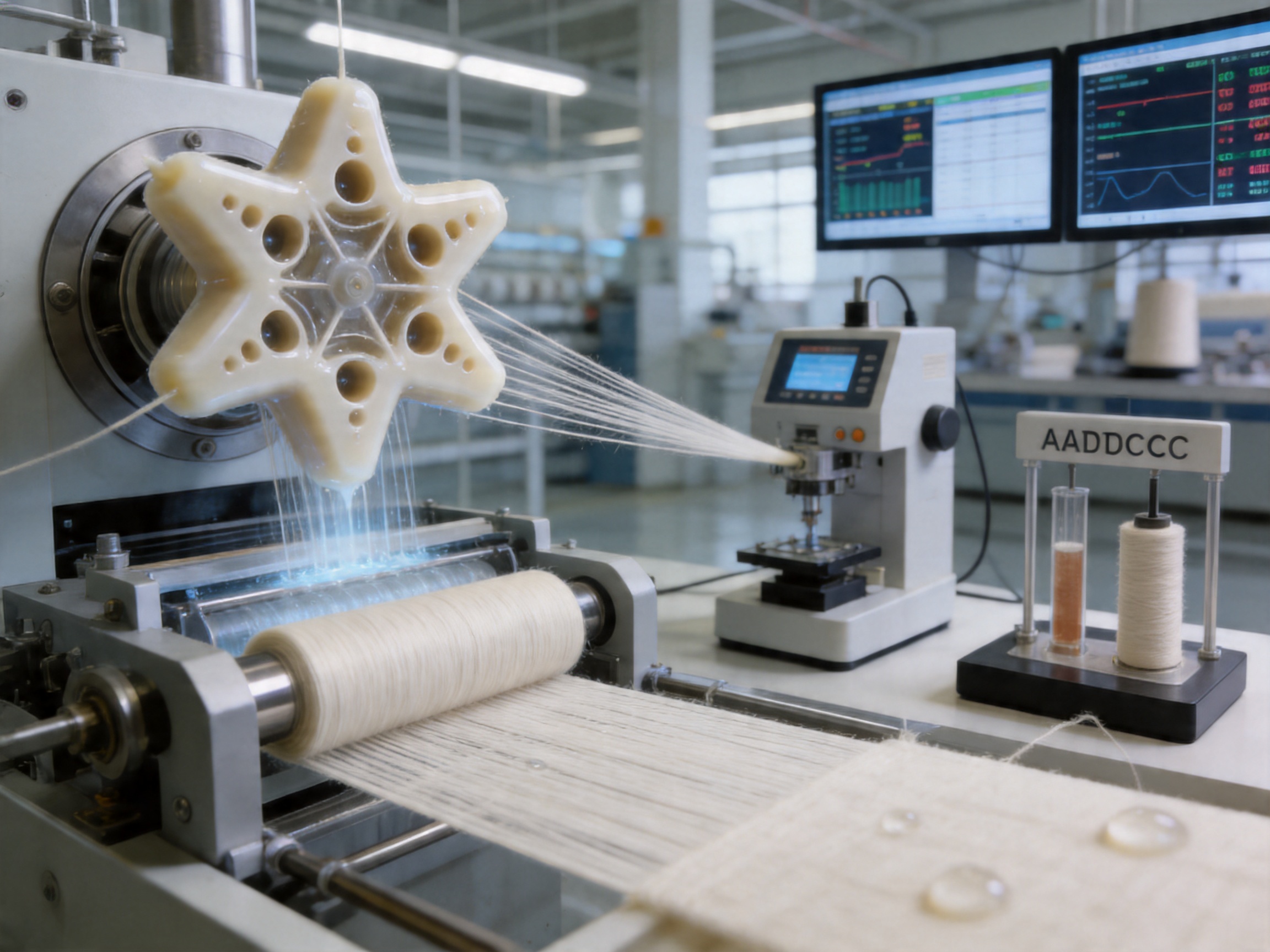
The process begins with selecting high-quality polymer chips (e.g., polyester or polyamide). These chips are melted and extruded through a custom-designed spinneret with a profiled cross-section (e.g., star-shaped, grooved). The spinneret’s design is critical: even a minor deviation can affect the yarn’s wicking performance. Manufacturers work with international R&D partners to optimize spinneret designs for maximum surface area and capillary action.
After extrusion, the yarn is cooled and drawn to achieve the desired denier and tensile strength. The drawing process aligns the polymer molecules, enhancing the yarn’s durability and wicking efficiency. For recycled yarns, the polymer chips are sourced from post-consumer waste, which is cleaned, melted, and filtered to remove impurities before extrusion.
2. Quality Control & Testing Protocols
Every batch of yarn undergoes rigorous testing to ensure it meets performance standards. Key tests include:
- Moisture Absorption Rate: Measured using AATCC 191, this test determines how quickly the yarn absorbs water.
- Quick-Drying Time: AATCC 150 measures the time it takes for the yarn to dry after being wetted.
- Tensile Strength: Ensures the yarn can withstand stretching and wear without breaking.
- Color Fastness: ISO 105-X12 tests how well the yarn retains its color after washing or rubbing.
- Wash Durability: The yarn is washed up to 50 times and retested to ensure wicking properties remain intact.
Manufacturers maintain a 12-hour global support team to address customer queries and provide technical assistance, ensuring that any issues are resolved quickly.
3. Customization Capabilities
Leading manufacturers offer custom yarn solutions to meet specific customer needs. This includes adjusting the denier (from 30/24 to 300/576), filament count, cross-section shape, and even adding functional additives (e.g., anti-bacterial, fire-retardant). For example, a sportswear brand might request a yarn with added anti-odor properties, which can be integrated during the spinning process.
This customization flexibility sets these manufacturers apart from competitors who offer only standard yarns. It allows brands to create unique products that stand out in the market.
Real-World Applications & User Benefits
Moisture-wicking quick-drying yarns have transformed a wide range of textile products, improving comfort and performance for users in various scenarios.
1. Sportswear: Enhancing Athletic Performance
Athletes rely on moisture-wicking yarns to stay dry and focused during training and competitions. For example, runners, cyclists, and gym-goers benefit from shirts, shorts, and socks made from these yarns, which prevent sweat from weighing them down or causing chafing. In extreme conditions (e.g., marathons in hot weather), the yarn’s quick-drying properties can reduce the risk of heat exhaustion by keeping the body cool.
Professional sports teams often use gear made from these yarns, as they improve performance and reduce the need for frequent uniform changes. For instance, a soccer team might wear jerseys made from moisture-wicking yarns to stay dry during 90-minute matches, leading to better endurance and focus.
2. Casual Wear & Shirts: Everyday Comfort
For everyday use, moisture-wicking yarns are ideal for casual shirts, t-shirts, and pants. They keep users dry and comfortable during daily activities, such as commuting, working, or running errands. Unlike cotton shirts, which become damp and heavy when wet, these yarns remain light and breathable, even after hours of wear. This makes them perfect for people who want to stay fresh throughout the day without sacrificing style.
Business professionals also benefit from moisture-wicking dress shirts, which prevent sweat stains and keep them cool during long meetings or travel. These shirts are often made from a blend of moisture-wicking yarns and cotton, combining comfort with a professional appearance.
3. Underwear: Next-to-Skin Comfort
Underwear made from moisture-wicking yarns is a game-changer for skin health and comfort. Traditional cotton underwear traps sweat, leading to irritation, odor, and even fungal infections. Moisture-wicking yarns pull sweat away from the skin, keeping the area dry and reducing the risk of these issues. They are also soft and breathable, making them ideal for all-day wear.
For people with sensitive skin, these yarns are a safe choice, as they do not contain harsh chemicals or coatings that can cause irritation. Additionally, the yarn’s durability means it can withstand frequent washing without losing its performance properties.
4. Outdoor Gear: Weather Resistance & Comfort
Moisture-wicking yarns are also used in outdoor gear, such as hiking jackets, backpacks, and tents. They help keep users dry by wicking away sweat and moisture from the body, even in humid or rainy conditions. For example, a hiking jacket lined with moisture-wicking yarn will prevent sweat from accumulating inside the jacket, keeping the user warm and dry.
Outdoor enthusiasts appreciate the yarn’s ability to balance moisture management with durability, as it can withstand rough terrain and harsh weather conditions.
Q&A: Addressing Common Questions About Moisture-Wicking Yarns
To help readers better understand moisture-wicking quick-drying yarns, we’ve compiled answers to some of the most frequently asked questions:
Q1: What is the main difference between this yarn and regular polyester yarn?
A: Regular polyester yarn has a smooth cross-section, which limits its ability to wick moisture. Moisture-wicking yarns have a profiled cross-section (e.g., star-shaped) with capillary grooves, which increases surface area and accelerates moisture transfer. Additionally, the structural design of moisture-wicking yarns is inherent, so it does not wear off after washing, unlike coated competitor yarns.
Q2: Does this yarn require special care when washing?
A: No, this yarn can be washed like regular clothing. However, to maximize its lifespan, it is recommended to wash it in cold water with a mild detergent and avoid using fabric softeners or bleach. Fabric softeners can coat the yarn’s grooves, reducing its wicking performance.
Q3: Can this yarn be used for outdoor gear?
A: Yes, moisture-wicking yarns are ideal for outdoor gear, such as hiking jackets, backpacks, and tents. They help keep users dry by wicking away sweat and moisture, even in humid or rainy conditions. The yarn’s durability also makes it suitable for rough terrain.
Q4: Is the recycled version of this yarn as effective as the virgin one?
A: Yes, recycled moisture-wicking yarns have the same performance characteristics as virgin yarns. The recycled polymer chips are cleaned, melted, and filtered to remove impurities, ensuring that the yarn’s profiled structure and wicking properties remain intact.
Q5: What standards does this yarn comply with?
A: Leading manufacturers of this yarn comply with international standards, including AATCC (191, 150) and ISO (105-X12). They also exceed national standards (e.g., China’s GB/T 24218.1), ensuring that the yarn is reliable and suitable for global markets.
Q6: How long does the moisture-wicking property last after multiple washes?
A: The moisture-wicking property of this yarn is inherent to its structure, so it lasts for the lifetime of the garment. Tests have shown that the yarn retains its wicking performance even after 50 washes, which is far longer than coated competitor yarns.
Q7: Can the company provide custom yarn specifications?
A: Yes, leading manufacturers offer custom yarn solutions. This includes adjusting the denier, filament count, cross-section shape, and adding functional additives (e.g., anti-bacterial, fire-retardant). They work closely with customers to meet their specific needs.
Q8: What is the minimum order quantity (MOQ) for this yarn?
A: The MOQ varies depending on the yarn type and customization. For standard yarns, the MOQ is typically 100 kilograms, while custom yarns may require a higher MOQ. Manufacturers often offer flexible MOQs to accommodate small and large orders.
Product Specifications: Moisture-Wicking Yarn Series
Below is a table of key specifications for the moisture-wicking functional yarn series, highlighting its versatility and performance:
| Product Type | Denier & Filament Count | Key Features | Recommended Applications |
|---|---|---|---|
| Moisture Wicking (D/F) | 30/24 | Fine denier, soft handfeel, rapid absorption | Underwear, base layers |
| Moisture Wicking (D/F) | 50/48-72 | Balanced absorption/diffusion, durable | Casual wear, t-shirts |
| Moisture Wicking (D/F) | 75/48-72 | Enhanced wicking for heavy perspiration | Sportswear, running gear |
| Moisture Wicking (D/F) | 150/48-72 | High durability, moisture-resistant | Shirts, casual pants |
| Recycled Moisture Wicking (D/F) | 50/48-72 | Eco-friendly, same performance as virgin | Sustainable sportswear, casual wear |
References
1. AATCC Technical Manual. (2020). Test Method 191-2020: Absorbency: Rate of Absorption. American Association of Textile Chemists and Colorists.
2. ISO 105-X12:2001. (2001). Textiles—Determination of color fastness to rubbing. International Organization for Standardization.
3. Padhye, R. (2018). Moisture Management in Textiles. Woodhead Publishing.
4. Chen, X. (2015). Functional Textiles and Clothing. CRC Press.
5. GB/T 24218.1-2009. (2009). Textiles—Determination of water absorbency of fabrics—Part 1: Drop method. Standardization Administration of China.
Conclusion
Moisture-wicking quick-drying functional yarns represent a significant advancement in textile technology, addressing the long-standing problem of dampness and discomfort. Their unique structural design, superior performance, and versatility make them a preferred choice for a wide range of applications, from sportswear to everyday casual wear. Leading manufacturers of these yarns combine advanced polymer engineering, rigorous quality control, and customization capabilities to deliver products that meet global standards and exceed customer expectations. As the demand for comfortable, sustainable, and high-performance textiles continues to grow, moisture-wicking yarns will play an increasingly important role in shaping the future of the textile industry.
Popular products
-
Premium Cationic Interlock Stretch Comfort Fabric
-
Moisture-Wicking Nylon Woven Fabric
-
Double-faced jacquard elastic fabric
-
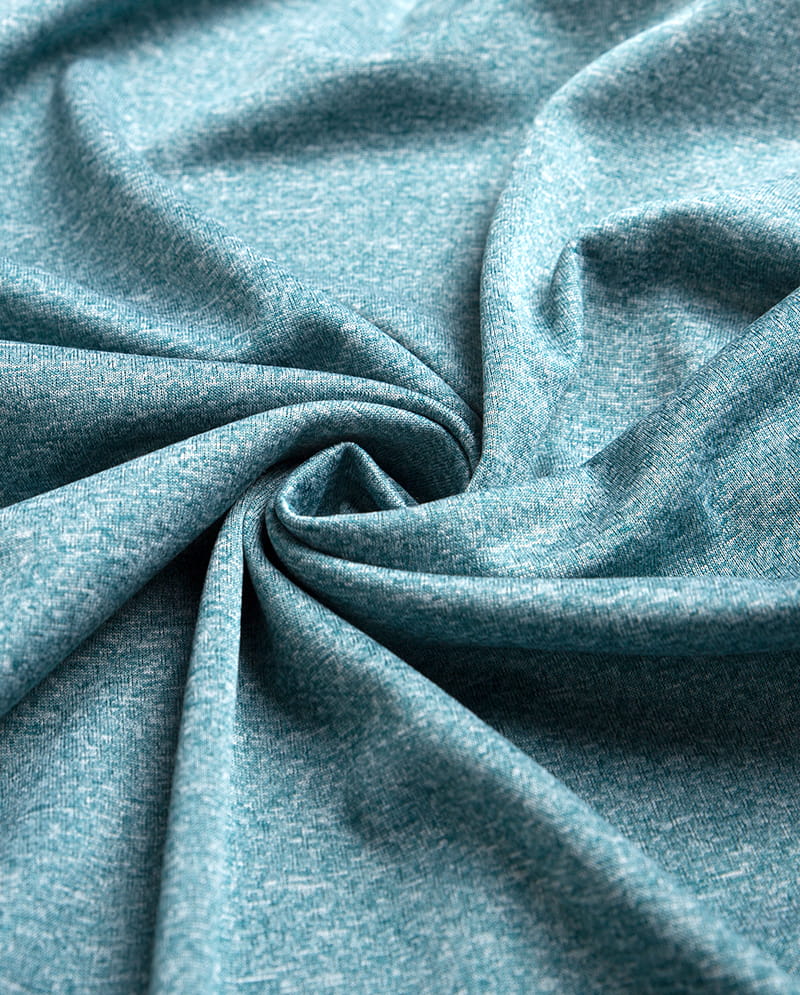
Heather Grey Double-faced cationic jersey fabric
-
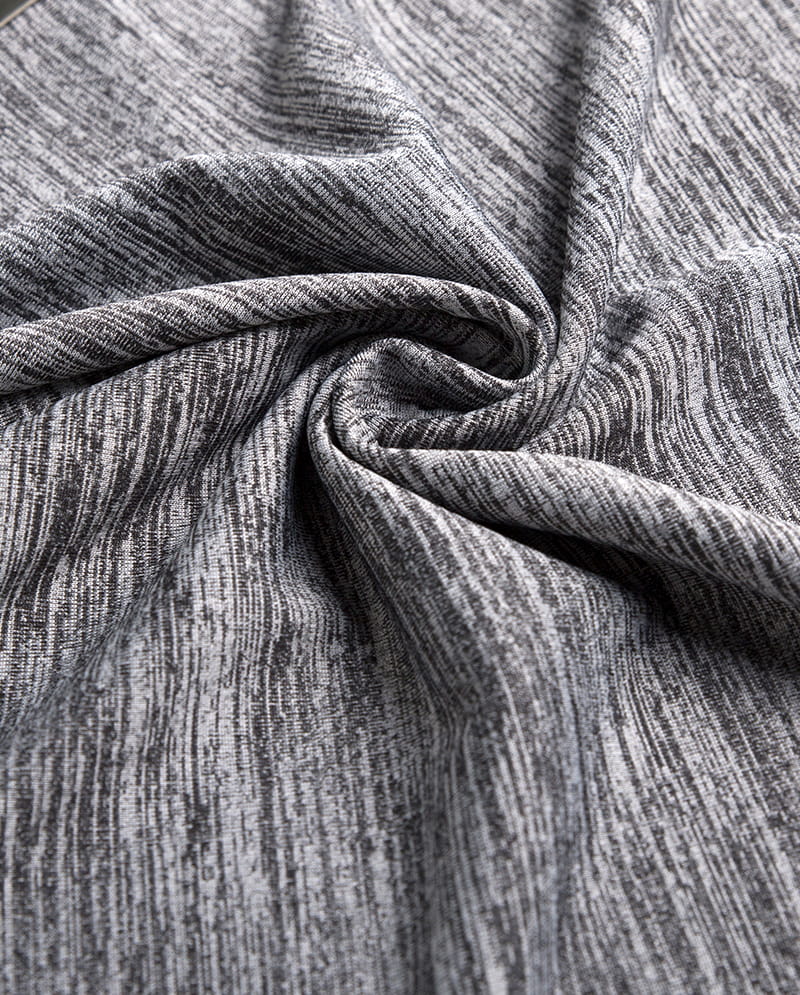
Anti-static Cationic Knitted Rib Fabric
-
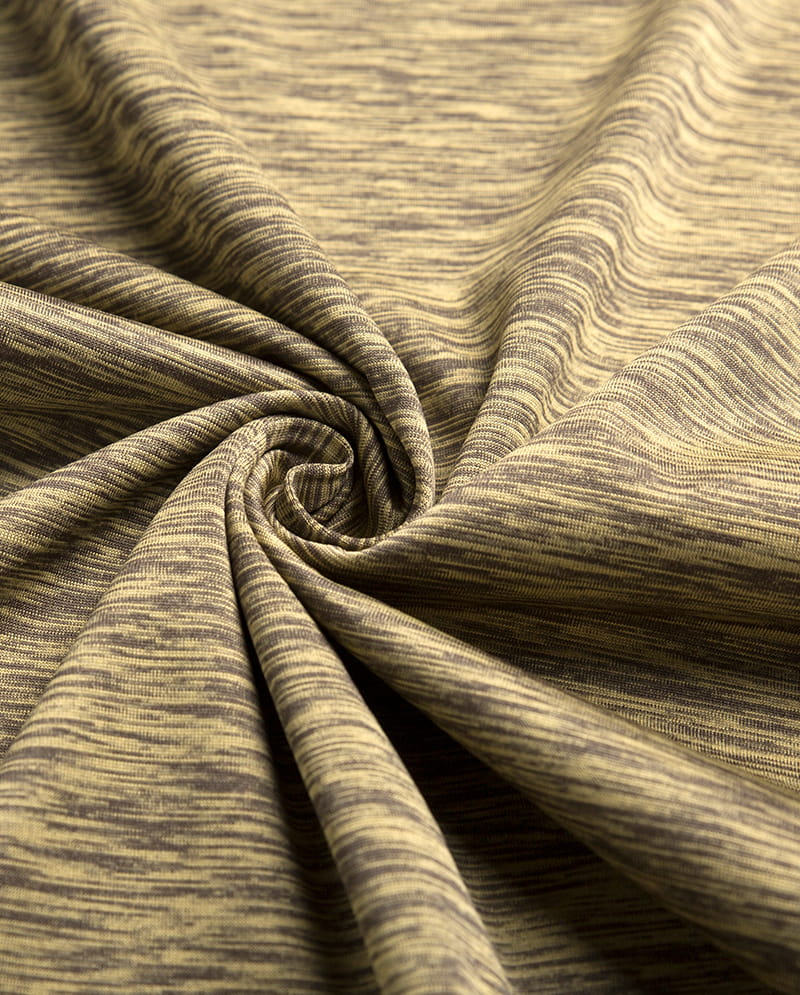
High-Stretch Cationic Jersey Fabric
-
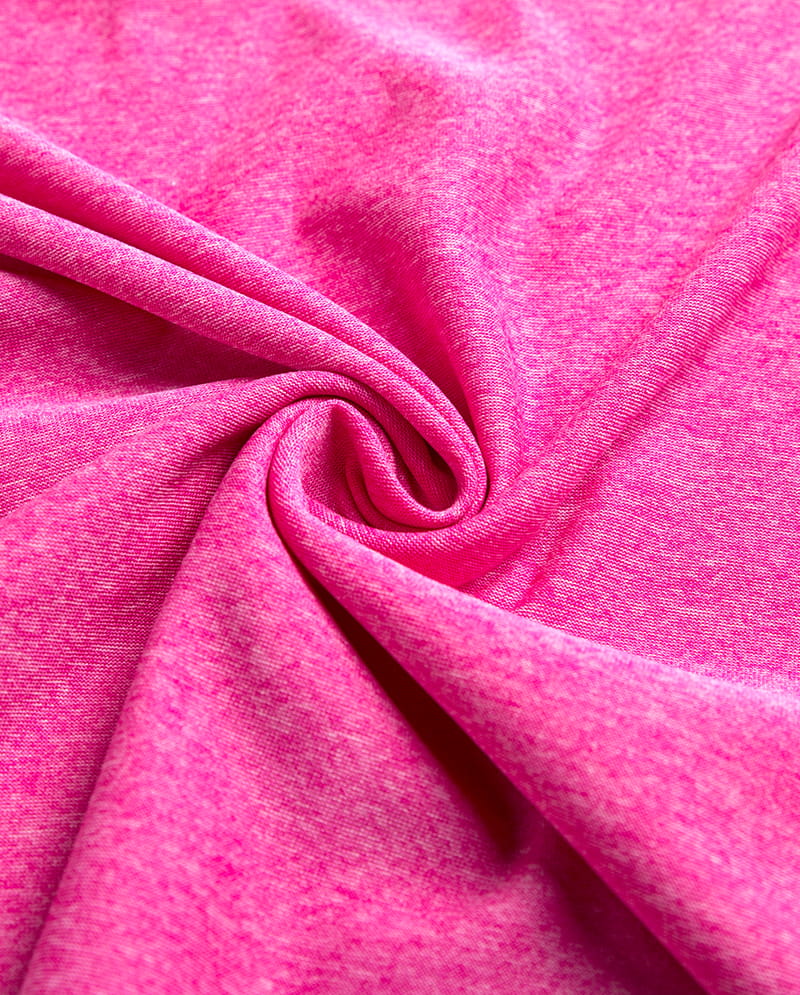
High Quality Cationic DTY Spandex Two Sides Brush Dralon Knit Fabric for Garment Thermal Underwear
-
Durable Anti-Pilling Knitted Fabric for Home Textiles
-
Wash-Resistant Cationic Elastic Knitted Fabric for Garment Industry
-
Breathable Double-Faced Elastic Composite Fabric
-
-
-
- whatsapp:
- 0086-13962559622
-
- skype:
- skype.aliceshenghong
-
- Wechat:

COPYRIGHT © 2016 Suzhou Junhui Textile Co., Ltd.
