

 EN
EN English
 中文简体
中文简体Recycled Yarn: Turning Nylon Waste into Eco-Friendly Fiber
Content
Recycled yarn made from pre- and post-consumer nylon waste offers a direct and measurable way to lower the textile industry’s environmental burden. By converting discarded fishing nets, fabric scraps, and industrial by-products into new fiber, manufacturers can produce high-performance yarn while slashing energy use, water consumption, and greenhouse gas emissions. The resulting recycled nylon yarn meets the same durability and quality benchmarks as virgin material, making it a practical drop-in replacement for brands and factories committed to circular production.
Closing the Loop: How Recycled Nylon Yarn Is Made
The production of recycled nylon yarn follows a sequence designed to preserve polymer integrity while removing contaminants. The most common route is mechanical recycling, although chemical depolymerization is gaining ground for higher-purity output. The core stages include:
- Collection and sorting of nylon-rich waste such as discarded fishing nets, post-industrial selvage, and used carpets.
- Shredding and intensive cleaning to eliminate dirt, oils, and non-nylon fibers.
- Melting and re-pelletizing into uniform recycled nylon chips, or, in chemical recycling, breaking the polymer down to its monomer and re-polymerizing.
- Melt spinning, where chips are extruded through spinnerets to form continuous filaments.
- Drawing and texturing to produce recycled DTY (Draw Textured Yarn), which adds bulk and elasticity for weaving and knitting.
Because the polymer can be cycled multiple times without catastrophic loss of molecular weight, recycled nylon retains the resilience and dye affinity essential for demanding textile applications.
Measurable Environmental Benefits
The environmental case for recycled nylon is built on hard data, not assumption. Lifecycle assessments consistently show large savings across the three most critical resource categories. The table below compares typical figures for virgin nylon 6 production with those of mechanically recycled nylon 6 yarn.
| Metric | Virgin Nylon | Recycled Nylon | Reduction |
|---|---|---|---|
| Energy use (MJ/kg) | 120 – 150 | 20 – 30 | Up to 80% |
| Water consumption (L/kg) | 80 – 120 | 8 – 15 | Around 90% |
| CO₂ emissions (kg CO₂ eq/kg) | 6.0 – 8.0 | 1.0 – 2.0 | Up to 80% |
Beyond these numbers, every tonne of recycled nylon keeps approximately 7.5 barrels of crude oil in the ground and prevents plastic waste from entering landfills or oceans. For a single factory processing 1,000 tonnes of recycled nylon annually, the annual carbon saving can exceed 5,000 tonnes of CO₂, equivalent to taking more than 1,000 passenger cars off the road.
Practical Applications in Bags and Outdoor Gear
Recycled nylon yarn, particularly in its DTY form, has become the material of choice for high-wear bag constructions. Its combination of tensile strength, abrasion resistance, and lightweight profile matches the functional demands of numerous bag categories:
- Mountaineering and hiking backpacks that require ripstop durability under extreme tension.
- Computer bags and briefcases where a clean, professional finish meets daily scuff resistance.
- School bags and drawstring bags that benefit from colorfast, easy-to-clean surfaces.
- Fashion handbags, totes, and shopping bags using textured yarn for a soft hand feel without sacrificing strength.
- Gift bags and promotional bags that highlight environmental credentials directly on the tag.
In interlinings and apparel, recycled nylon yarn adds shape retention and wrinkle resistance. Even after repeated washing, garments retain dimensional stability. This versatility explains why European and North American brands are steadily increasing the recycled content specification in their sourcing manuals.
Quality and Consistency in High-Volume Production
A persistent concern with recycled materials is batch-to-batch variability. Advanced sorting and blending technologies have largely eliminated this issue for recycled nylon yarn. Processors now achieve tenacity values of 4.0–5.5 g/den, directly comparable to standard virgin nylon 6 used in textile applications. Elongation at break is maintained in the 30–40% range, giving the yarn enough stretch to absorb shock in load-bearing seams.
Strict incoming waste inspection and melt filtration down to 20–40 microns prevent defects such as slubs or weak spots. As a result, recycled DTY yarn runs efficiently on both air-jet and rapier looms without an increase in stoppage rates. Brands that have audited finished goods report that the wear performance of recycled nylon bags is indistinguishable from virgin equivalents over a two-year lifecycle test.
Driving the Circular Economy Forward
The switch to recycled nylon yarn is no longer a niche sustainability story. It is a commercially viable choice that aligns with tightening regulations, such as extended producer responsibility schemes, and with consumer demand for transparent supply chains. By closing the loop on nylon waste, the textile sector can decouple growth from virgin resource extraction, reduce landfill dependency, and lower the carbon intensity of every bag, jacket, and accessory it produces.
Popular products
-
Premium Cationic Interlock Stretch Comfort Fabric
-
Moisture-Wicking Nylon Woven Fabric
-
Double-faced jacquard elastic fabric
-
Heather Grey Double-faced cationic jersey fabric
-
Anti-static Cationic Knitted Rib Fabric
-
High-Stretch Cationic Jersey Fabric
-
High Quality Cationic DTY Spandex Two Sides Brush Dralon Knit Fabric for Garment Thermal Underwear
-
Durable Anti-Pilling Knitted Fabric for Home Textiles
-
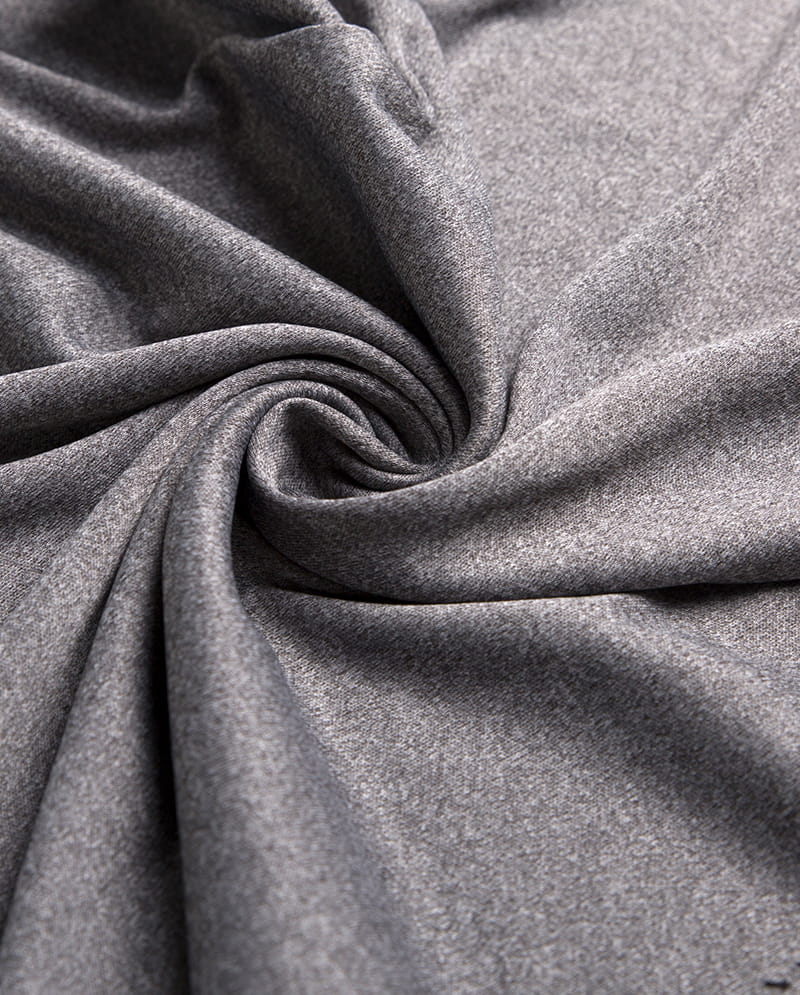
Wash-Resistant Cationic Elastic Knitted Fabric for Garment Industry
-
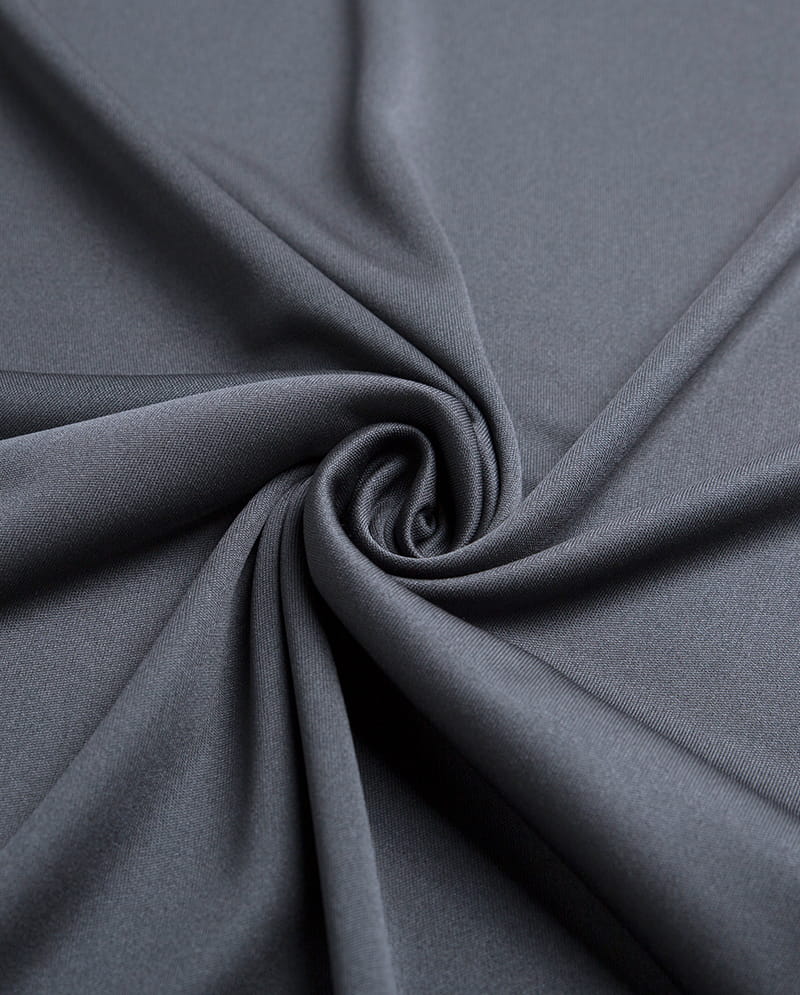
Breathable Double-Faced Elastic Composite Fabric
-
-
-
- whatsapp:
- 0086-13962559622
-
- skype:
- skype.aliceshenghong
-
- Wechat:

COPYRIGHT © 2016 Suzhou Junhui Textile Co., Ltd.
