

 EN
EN English
 中文简体
中文简体Recycled Yarn in Modern Textile Production: Practical Applications, Benefits, and Buying Guidance
Content
- 1 Understanding Recycled Yarn and Its Role in Sustainable Textiles
- 2 How Recycled Yarn Is Made: Key Production Methods
- 3 Common Types of Recycled Yarn Used in the Market
- 4 Performance Characteristics of Recycled Yarn
- 5 Environmental Benefits of Using Recycled Yarn
- 6 Practical Applications Across Industries
- 7 How to Source High-Quality Recycled Yarn
- 8 Challenges and Limitations to Consider
- 9 Future Outlook for Recycled Yarn in Circular Fashion
Understanding Recycled Yarn and Its Role in Sustainable Textiles
Recycled yarn is produced by converting post-consumer or post-industrial waste into usable textile fibers. Common sources include plastic bottles, discarded garments, and manufacturing scraps. These materials are processed, melted or mechanically broken down, and re-spun into yarn suitable for knitting, weaving, or nonwoven applications. By combining recycled yarn with modern textile production, manufacturers reduce landfill waste and lower dependence on virgin raw materials.
The demand for sustainable textiles has grown rapidly as brands and consumers seek environmentally responsible alternatives. Recycled yarn has become a core component of eco-friendly yarn solutions, particularly in apparel, home textiles, and industrial fabrics. Its versatility allows it to perform comparably to traditional yarns while significantly reducing environmental impact.
How Recycled Yarn Is Made: Key Production Methods
There are two main production methods used to create recycled yarn: mechanical recycling and chemical recycling. Each method affects fiber quality, strength, and end-use performance.
Mechanical Recycling Process
Mechanical recycling involves shredding textile waste or plastic materials into smaller fibers, which are then cleaned and spun into yarn. This method is widely used for recycled cotton yarn and blended recycled yarns. While energy-efficient, it can shorten fiber length, often requiring blending with virgin fibers to improve durability.
Chemical Recycling Process
Chemical recycling breaks materials down to their molecular level, allowing fibers to be regenerated with properties similar to virgin yarn. Recycled polyester yarn commonly uses this method, producing consistent quality suitable for performance apparel and technical textiles. Although more resource-intensive, it enables true circular fashion systems.
Common Types of Recycled Yarn Used in the Market
Recycled yarn is available in several material categories, each suited to specific applications and performance requirements.
- Recycled polyester yarn made from PET bottles for sportswear and outdoor apparel
- Recycled cotton yarn sourced from textile waste for casual wear and denim
- Recycled nylon yarn used in swimwear, hosiery, and technical fabrics
- Blended recycled yarn combining natural and synthetic fibers for balanced performance
Performance Characteristics of Recycled Yarn
Modern recycled yarns are engineered to meet industry standards for strength, elasticity, and colorfastness. Advances in recycling technology have narrowed the performance gap between recycled and virgin yarns, making them viable for demanding applications.
Recycled polyester yarn offers excellent moisture-wicking and abrasion resistance, while recycled cotton yarn provides breathability and softness. Blended options enhance durability and hand feel, allowing designers to tailor fabrics for specific end uses without compromising sustainability.
Environmental Benefits of Using Recycled Yarn
The primary advantage of recycled yarn is its reduced environmental footprint. Compared to virgin yarn production, recycling consumes less water, energy, and raw materials. It also diverts waste from landfills and reduces greenhouse gas emissions associated with fiber manufacturing.
| Impact Area | Virgin Yarn | Recycled Yarn |
| Water Usage | High | Low |
| Energy Consumption | Moderate to High | Lower |
| Waste Reduction | None | Significant |
Practical Applications Across Industries
Recycled yarn is now widely adopted across multiple sectors. In fashion, it supports sustainable fabric collections for activewear, denim, and outerwear. Home textiles use recycled yarn for carpets, upholstery, and curtains due to its durability and cost efficiency.
Industrial applications include automotive interiors, insulation materials, and geotextiles. These uses demonstrate that recycled yarn is not limited to eco-conscious branding but also delivers functional performance in demanding environments.
How to Source High-Quality Recycled Yarn
Selecting reliable recycled yarn suppliers requires careful evaluation. Buyers should review material traceability, recycling certifications, and quality control standards. Certifications such as GRS help verify recycled content and responsible production practices.
- Request detailed fiber composition and recycling method documentation
- Test yarn samples for strength, color consistency, and shrinkage
- Confirm minimum order quantities and lead times
Challenges and Limitations to Consider
Despite its advantages, recycled yarn presents challenges such as limited color availability, potential variability between batches, and higher costs for chemically recycled fibers. These factors require planning during product development and sourcing.
However, ongoing innovation and increased market demand continue to address these limitations. As recycling infrastructure expands, recycled yarn is becoming more accessible and cost-competitive.
Future Outlook for Recycled Yarn in Circular Fashion
The future of recycled yarn is closely tied to circular fashion initiatives and closed-loop manufacturing systems. Brands are investing in take-back programs and fiber-to-fiber recycling to ensure long-term material sustainability.
As consumer awareness grows and regulations tighten, recycled yarn will play an increasingly central role in sustainable textile strategies. Its combination of performance, environmental benefit, and adaptability positions it as a foundational material for the next generation of textiles.
Popular products
-
Premium Cationic Interlock Stretch Comfort Fabric
-
Moisture-Wicking Nylon Woven Fabric
-
Double-faced jacquard elastic fabric
-
Heather Grey Double-faced cationic jersey fabric
-
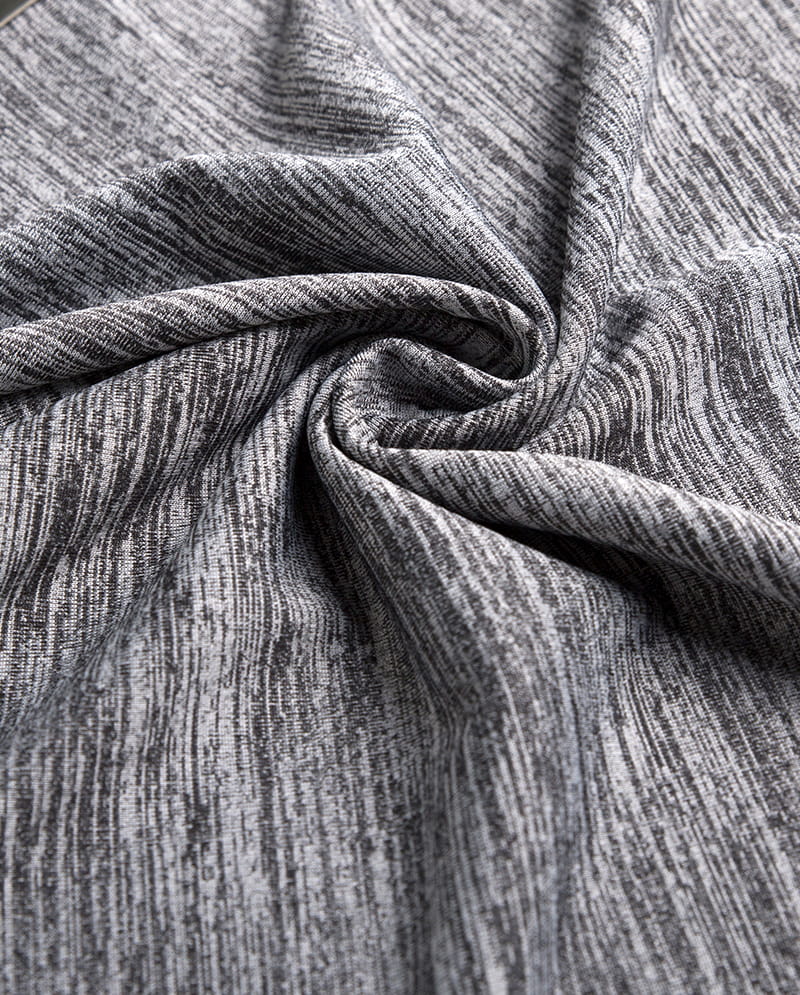
Anti-static Cationic Knitted Rib Fabric
-
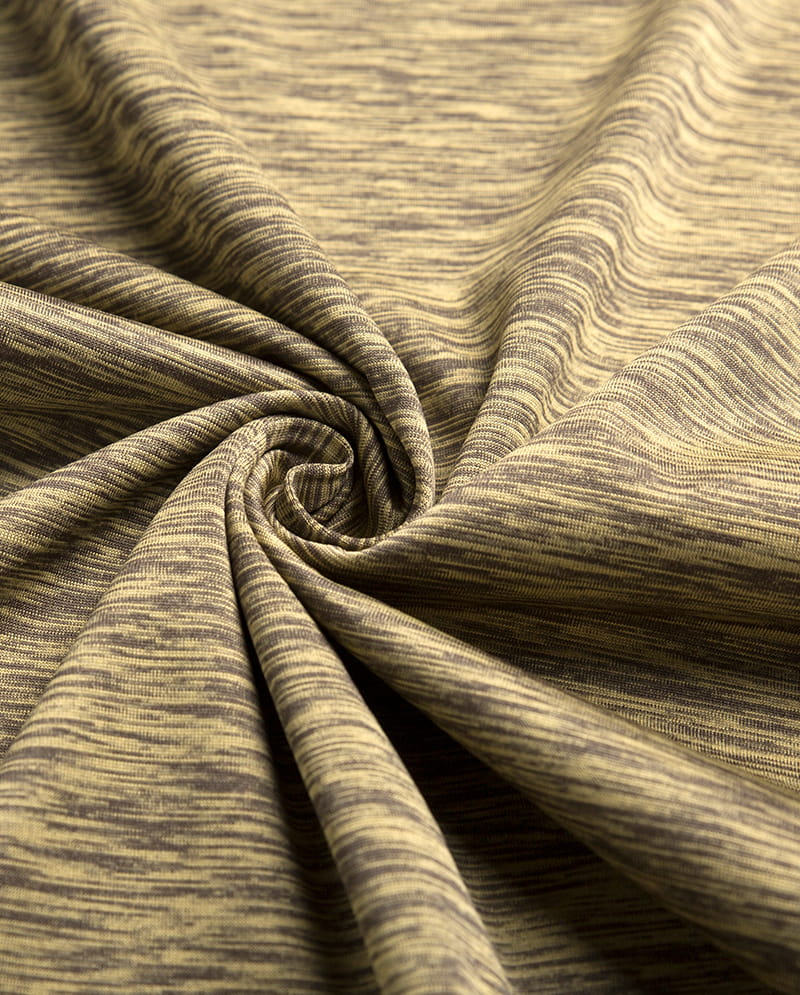
High-Stretch Cationic Jersey Fabric
-
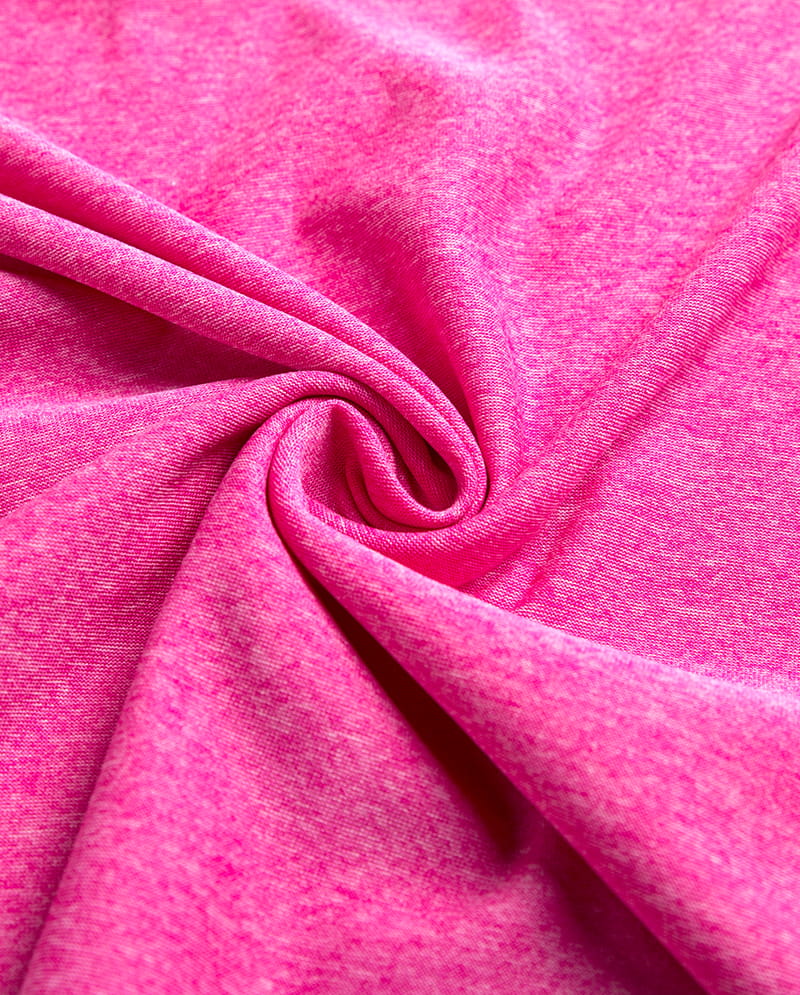
High Quality Cationic DTY Spandex Two Sides Brush Dralon Knit Fabric for Garment Thermal Underwear
-
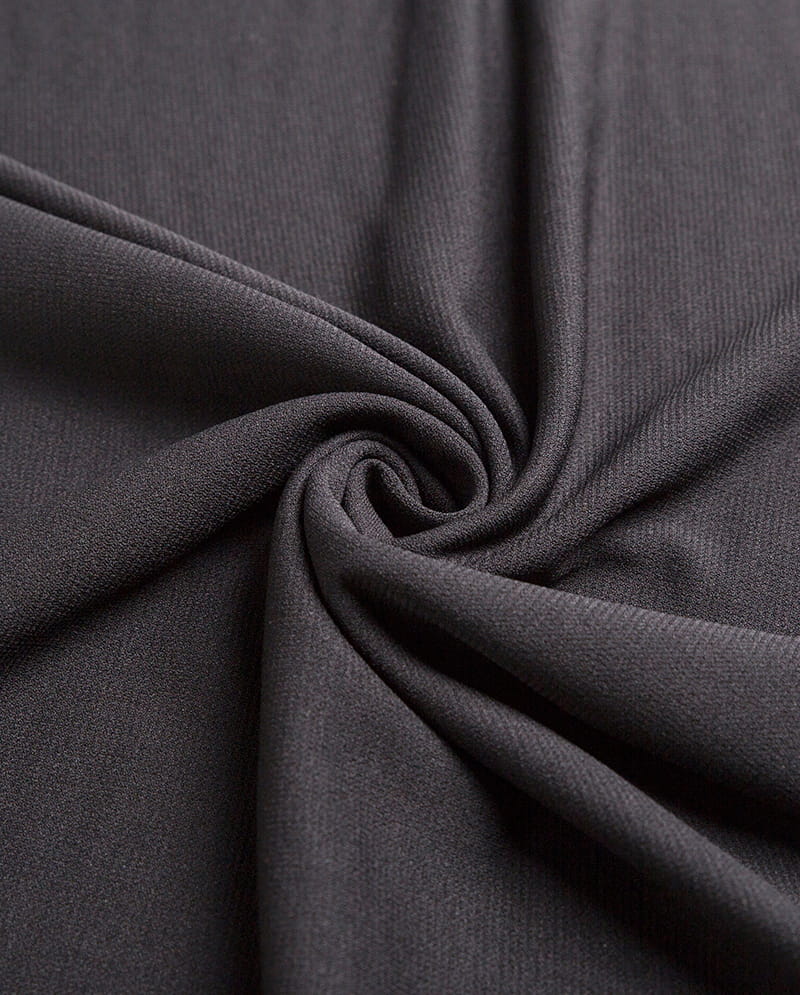
Durable Anti-Pilling Knitted Fabric for Home Textiles
-
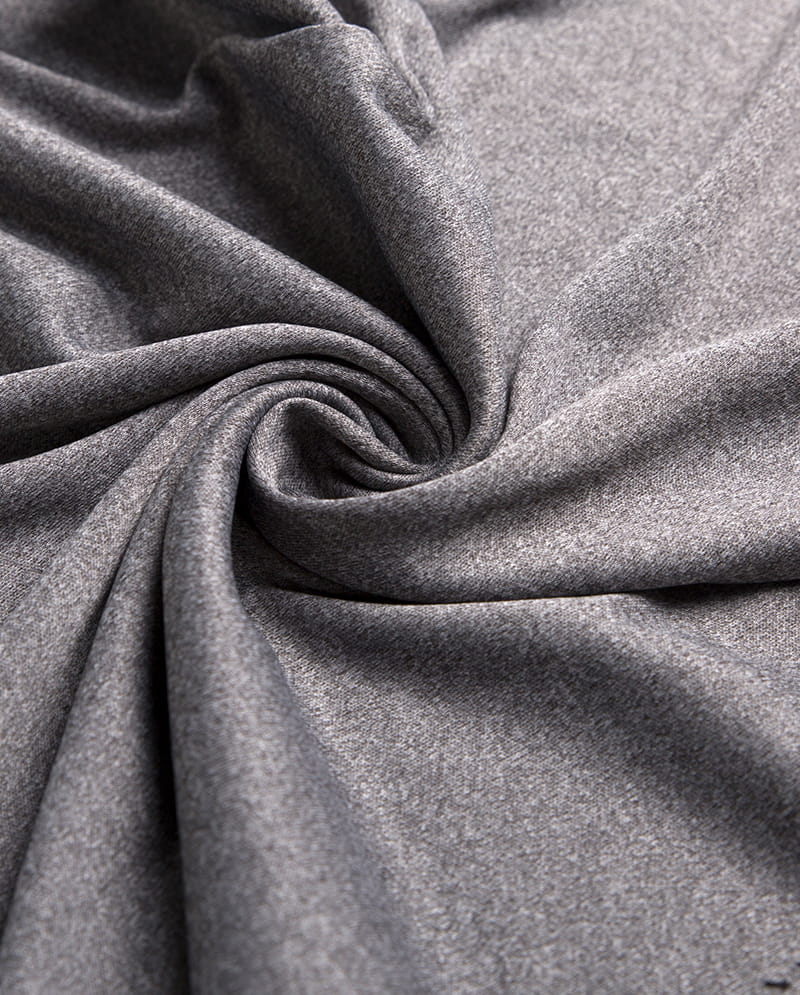
Wash-Resistant Cationic Elastic Knitted Fabric for Garment Industry
-
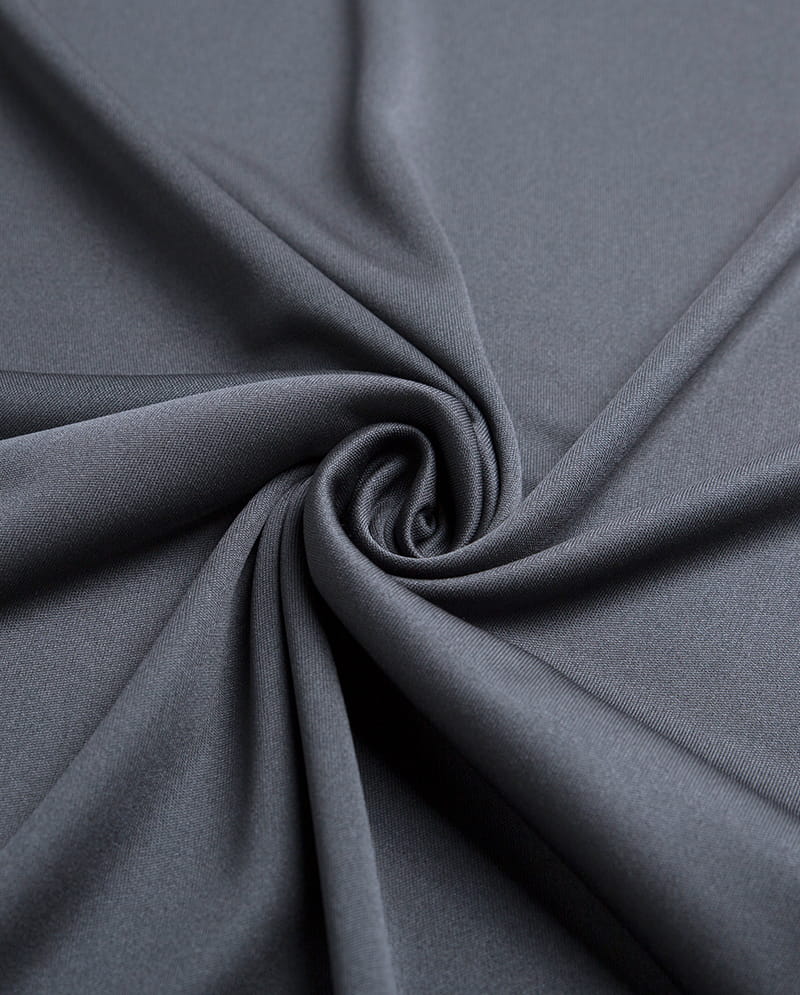
Breathable Double-Faced Elastic Composite Fabric
-
-
-
- whatsapp:
- 0086-13962559622
-
- skype:
- skype.aliceshenghong
-
- Wechat:

COPYRIGHT © 2016 Suzhou Junhui Textile Co., Ltd.
