

 EN
EN English
 中文简体
中文简体Recycled Polyester vs Polyester: Which Yarn Is Right for You?
Content
- 1 What Is Polyester Yarn?
- 2 What Is Recycled Polyester Yarn?
- 3 Recycled Polyester vs Polyester: Head-to-Head Comparison
- 4 Performance: Is Recycled Polyester Yarn as Good?
- 5 Environmental Impact: The Real Numbers
- 6 Cost Considerations for Buyers and Manufacturers
- 7 When to Choose Each Type of Polyester Yarn
- 8 Certifications to Look for in Recycled Polyester Yarn
- 9 The Bottom Line
Recycled polyester yarn is the better choice for most modern textile applications — it delivers nearly identical performance to virgin polyester while reducing carbon emissions by up to 32% and diverting plastic waste from landfills. That said, virgin polyester still has specific advantages in cost and consistency that make it relevant in certain contexts. Understanding the real differences helps you make a smarter sourcing decision.
What Is Polyester Yarn?
Polyester yarn is a synthetic fiber made from polyethylene terephthalate (PET), derived from petroleum. It's one of the most widely produced textile fibers in the world — as of 2022, polyester accounted for over 57% of global fiber production, according to the Textile Exchange Fiber & Materials Report.
Virgin polyester yarn is manufactured by melting PET chips and extruding them through spinnerets to form continuous filament or staple fibers. It's valued for its durability, moisture-wicking ability, wrinkle resistance, and low cost — which is why it dominates sectors from sportswear to home textiles.
What Is Recycled Polyester Yarn?
Recycled polyester yarn, often labeled rPET yarn, is produced by melting down post-consumer or post-industrial PET waste — most commonly plastic bottles — and re-extruding it into fiber. One standard 500ml plastic bottle yields approximately enough fiber for one T-shirt; a fleece jacket typically requires around 25 recycled bottles.
There are two main production routes:
- Mechanical recycling: PET waste is shredded, melted, and re-spun. More common and cost-effective, but can slightly degrade fiber quality over repeated cycles.
- Chemical recycling: PET is broken down to monomers and rebuilt. Produces fiber identical in quality to virgin PET, but is currently more expensive and less scalable.
Recycled Polyester vs Polyester: Head-to-Head Comparison
The table below summarizes the key differences across the metrics that matter most to buyers and manufacturers.
| Criteria | Virgin Polyester Yarn | Recycled Polyester Yarn (rPET) |
|---|---|---|
| Raw Material | Crude oil / petroleum | Post-consumer PET (bottles, garments) |
| CO₂ Emissions | ~9.52 kg CO₂ per kg fiber | ~3.8–6.5 kg CO₂ per kg fiber (up to 32% less) |
| Energy Use | Higher (requires oil extraction & refining) | 30–50% less energy consumed |
| Tensile Strength | Slightly higher (consistent polymer chains) | Comparable; marginal reduction in mechanical recycling |
| Color Consistency | Excellent, highly uniform | Good; slight variation possible in mechanical process |
| Cost | Generally lower | 5–20% premium over virgin (market-dependent) |
| Certifications Available | OEKO-TEX, REACH | GRS (Global Recycled Standard), OEKO-TEX, bluesign |
| Biodegradability | None (synthetic) | None (synthetic) |
Performance: Is Recycled Polyester Yarn as Good?
For most end-use applications, recycled polyester yarn performs on par with virgin polyester. Tests conducted across activewear and outdoor gear brands — including Patagonia and Nike — confirm that rPET fabrics meet the same pilling resistance, moisture management, and colorfastness standards as conventional polyester.
However, there are nuanced performance differences worth noting:
Tensile Strength and Elongation
Mechanically recycled PET fiber can show a slight reduction in tensile strength due to polymer chain degradation during reprocessing. For high-load applications like technical rope or industrial webbing, virgin polyester may be preferable. For apparel and soft goods, the difference is functionally negligible.
Color and Dye Uptake
Because rPET is sourced from mixed post-consumer waste, achieving consistent bright whites or pastels can require additional processing. Chemically recycled rPET eliminates this issue entirely, but the process costs more. Most manufacturers producing deep-colored or mid-tone fabrics report no practical difference in dye results.
Microplastic Shedding
Both virgin and recycled polyester shed microplastics during washing — this is a material-level issue, not specific to rPET. Studies suggest that tightly woven fabrics and the use of washing bags (like Guppyfriend) significantly reduce shedding regardless of fiber origin.
Environmental Impact: The Real Numbers
This is where recycled polyester yarn holds a clear and measurable advantage. According to the Higg Materials Sustainability Index (MSI):
- Recycled polyester uses 30–50% less energy than virgin polyester production.
- It generates up to 32% fewer greenhouse gas emissions per kilogram of fiber.
- It significantly reduces dependence on fossil fuels — virgin polyester production consumes an estimated 70 million barrels of oil annually worldwide.
That said, rPET is not without environmental caveats. The collection, sorting, and cleaning of post-consumer plastics requires energy and water. Transportation of recycled feedstocks across supply chains adds to the carbon footprint. And critically, neither virgin nor recycled polyester yarn biodegrades — both will persist in the environment for hundreds of years if not properly managed at end of life.
The environmental benefit of rPET is also context-sensitive. If the recycled polyester is produced in a region relying heavily on coal-powered energy, the carbon savings may be lower than figures from cleaner-grid regions suggest.
Cost Considerations for Buyers and Manufacturers
Recycled polyester yarn typically carries a 5–20% price premium over virgin polyester, depending on the grade, volume, and supplier. However, this gap has been narrowing as rPET supply chains mature and demand grows.
For brands targeting sustainability-conscious consumers, this premium is often offset by marketing value and compliance with ESG reporting requirements. Retailers like H&M, Zara, and Adidas have incorporated rPET commitments into their public sustainability targets — and these goals drive supplier pricing negotiations at scale.
For budget-sensitive applications — commodity packaging textiles, disposable nonwovens, or cost-driven private label products — virgin polyester remains the more practical choice purely on economics.
When to Choose Each Type of Polyester Yarn
Use this guide to match yarn type to your application:
Choose Recycled Polyester Yarn If:
- You're producing activewear, outerwear, fleece, or bags where sustainability claims add market value.
- Your brand has committed to GRS certification or science-based emissions targets.
- Your product uses medium to dark colorways (avoiding bright white consistency challenges).
- You're targeting European markets where the EU Green Deal and eco-labeling regulations favor recycled content.
Choose Virgin Polyester Yarn If:
- You need maximum tensile strength for technical or industrial applications.
- Bright white or pastel color uniformity is a core product requirement.
- Budget constraints make the rPET premium prohibitive at your production volume.
- You require highly specialized fiber grades not yet available in recycled form (e.g., certain flame-retardant or conductive variants).
Certifications to Look for in Recycled Polyester Yarn
Not all "recycled" claims on polyester yarn are equal. Greenwashing is a documented problem in the textile industry. When sourcing rPET yarn, look for verifiable third-party certification:
- GRS (Global Recycled Standard): The most widely recognized certification for recycled content in textiles. Verifies chain of custody from collection to finished product.
- OEKO-TEX STANDARD 100: Ensures the yarn is free from harmful substances, applicable to both virgin and recycled polyester.
- bluesign: Focuses on responsible chemical use, water, and energy efficiency throughout the manufacturing process.
- Higg Index (MSI): A brand-facing tool rather than a consumer label, used to compare the environmental footprint of materials at a lifecycle level.
The Bottom Line
Recycled polyester yarn is a technically sound, environmentally superior alternative to virgin polyester for the vast majority of textile applications. The performance gap is minimal in practice, the sustainability credentials are backed by measurable data, and the cost premium continues to shrink as rPET infrastructure scales globally.
Virgin polyester still has a role — particularly in high-precision industrial applications or where cost is the dominant constraint. But for brands building products with long-term viability in regulated markets, recycled polyester yarn is increasingly the default, not the exception.
The most impactful decisions around polyester yarn go beyond the fiber choice itself: durability of the final product, end-of-life recyclability, and supply chain transparency matter just as much as whether the yarn came from a bottle or an oil well.
Popular products
-
Premium Cationic Interlock Stretch Comfort Fabric
-
Moisture-Wicking Nylon Woven Fabric
-
Double-faced jacquard elastic fabric
-
Heather Grey Double-faced cationic jersey fabric
-
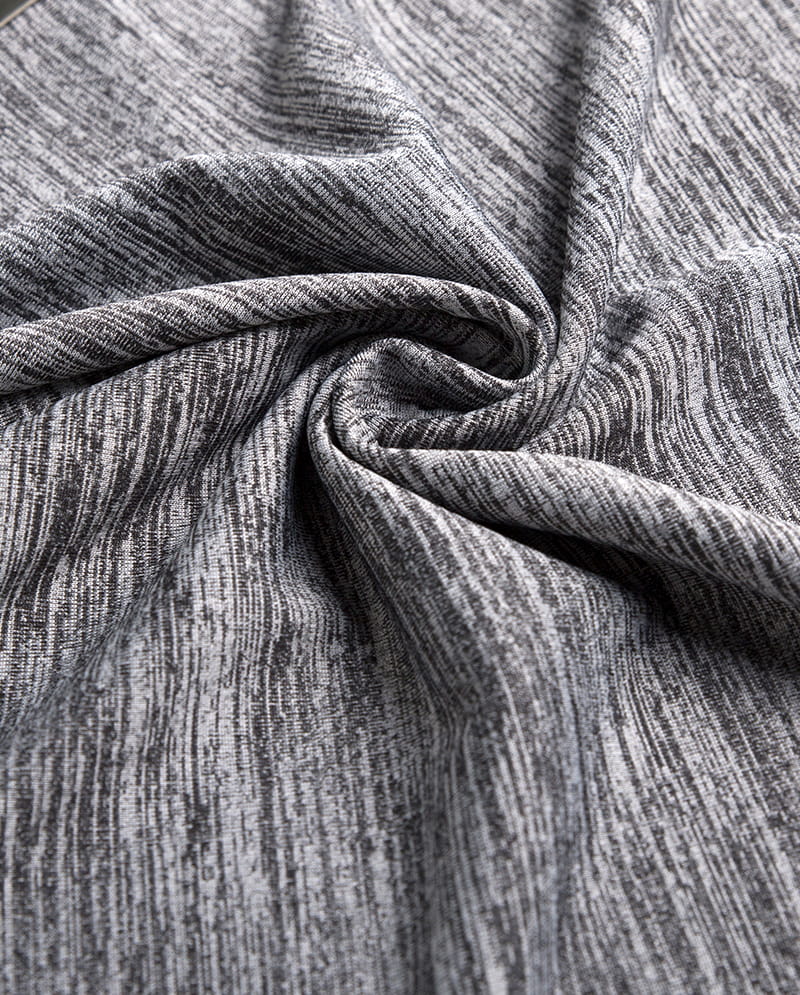
Anti-static Cationic Knitted Rib Fabric
-
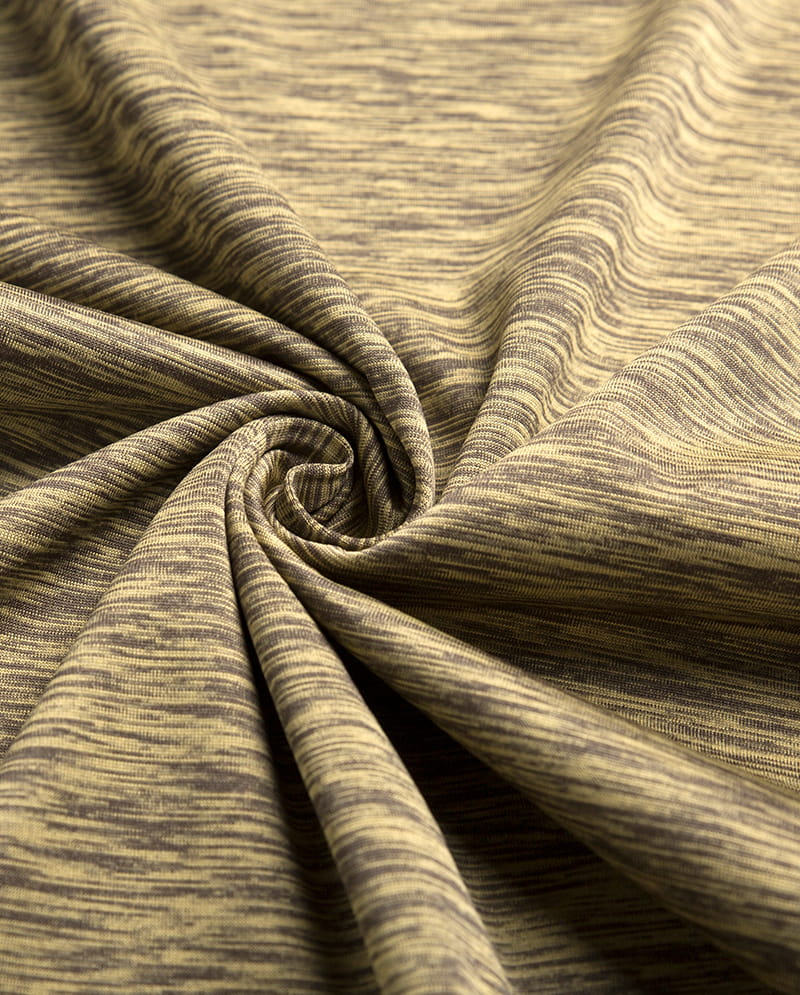
High-Stretch Cationic Jersey Fabric
-
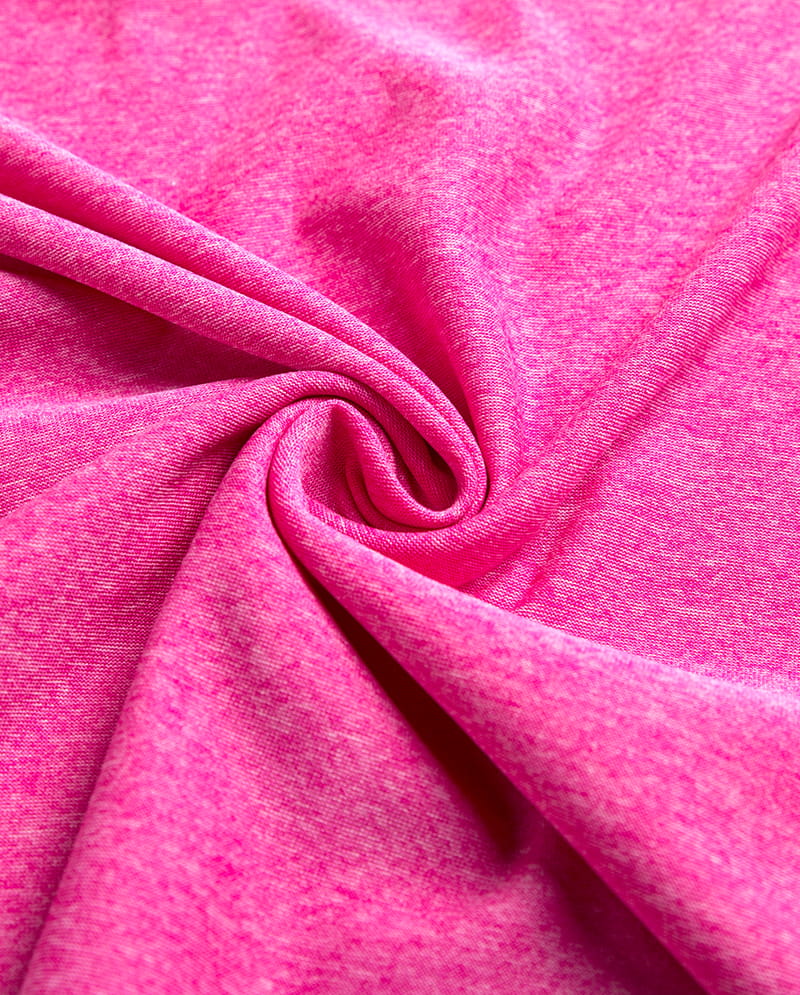
High Quality Cationic DTY Spandex Two Sides Brush Dralon Knit Fabric for Garment Thermal Underwear
-
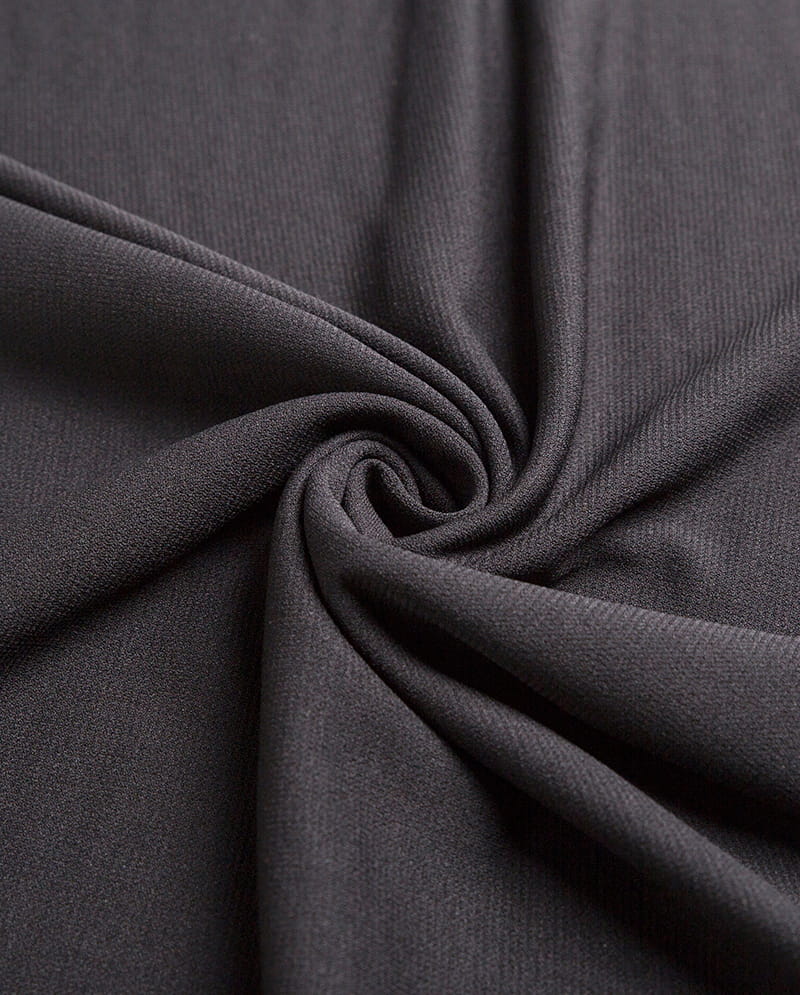
Durable Anti-Pilling Knitted Fabric for Home Textiles
-
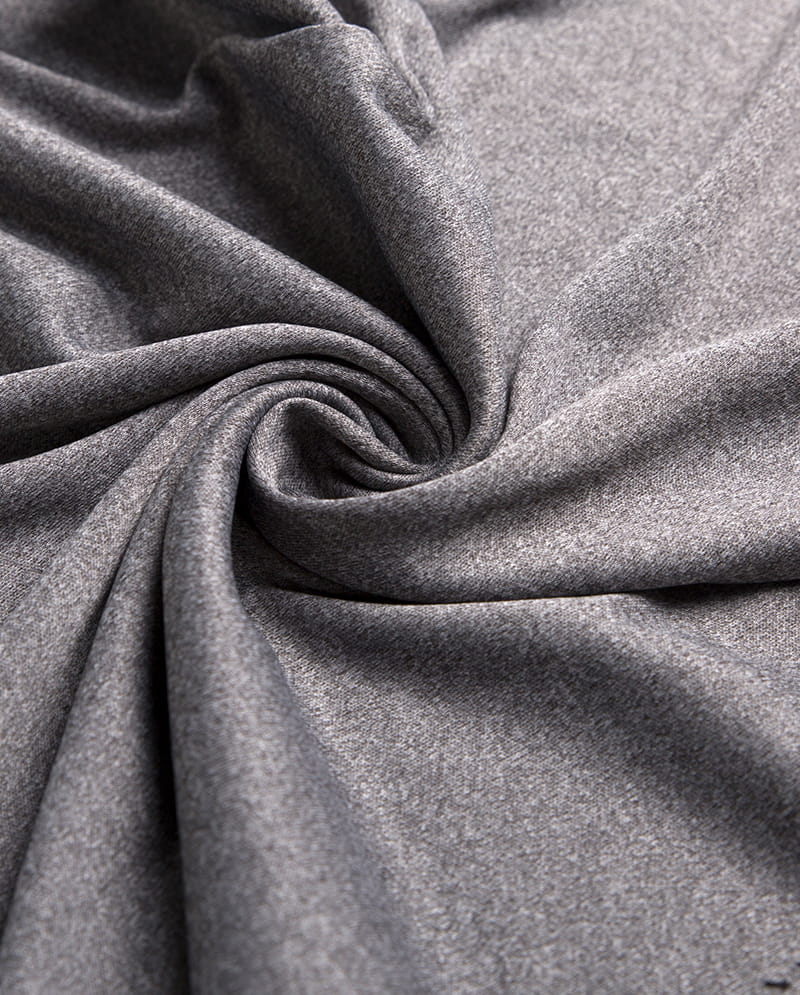
Wash-Resistant Cationic Elastic Knitted Fabric for Garment Industry
-
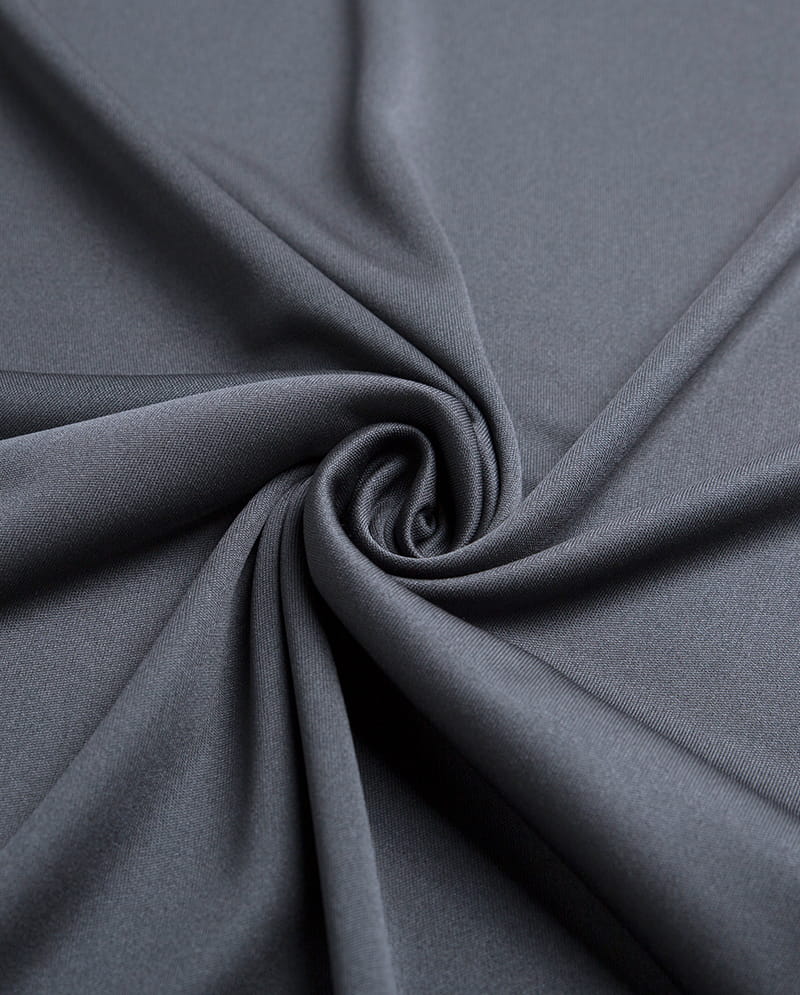
Breathable Double-Faced Elastic Composite Fabric
-
-
-
- whatsapp:
- 0086-13962559622
-
- skype:
- skype.aliceshenghong
-
- Wechat:


COPYRIGHT © 2016 Suzhou Junhui Textile Co., Ltd.
