

 EN
EN English
 中文简体
中文简体Premium Cationic Interlock Stretch Comfort Fabric for Modern Performance Apparel
Content
- 1 Understanding the Fabric: What Makes Cationic Interlock Stretch Comfort Fabric Different
- 2 Core Product Characteristics
- 3 Technical Overview and Application Table
- 4 Advantages Over Conventional Polyester Interlock Fabrics
- 5 Advantages Over Cotton and Cotton-Rich Knits
- 6 Advantages Over Low-Cost Stretch Fabrics
- 7 Color Performance: A Major Competitive Edge
- 8 Comfort Engineering: Softness, Stretch, and Recovery
- 9 Moisture Wicking and Everyday Performance
- 10 Durability and Pilling Resistance
- 11 Advanced Yarn Foundation
- 12 Manufacturing Process: From Material Selection to Finished Fabric
- 13 Company Strengths Supporting the Product
- 14 Customization Possibilities
- 15 Applications in Sportswear
- 16 Applications in Loungewear and Homewear
- 17 Applications in Undergarments and Base Layers
- 18 Applications in Casual Apparel
- 19 Sustainability Considerations and Recycled Yarn Potential
- 20 Quality Control Priorities
- 21 Why Buyers Choose This Fabric
- 22 Garment Development Recommendations
- 23 Storage, Cutting, and Sewing Considerations
- 24 Care Guidance for Finished Garments
- 25 Q&A Section
- 25.1 What is premium cationic interlock stretch comfort fabric?
- 25.2 Why is cationic polyester important?
- 25.3 Is this fabric suitable for sportswear?
- 25.4 Can the fabric be used for loungewear?
- 25.5 How does it compare with cotton fabric?
- 25.6 Does the fabric resist pilling?
- 25.7 Can the weight and width be customized?
- 25.8 Can recycled yarn be used?
- 25.9 What makes this fabric better than low-cost stretch knits?
- 25.10 What apparel categories are most suitable?
- 26 Conclusion
- 27 References
- 28 Product: Premium Cationic Interlock Stretch Comfort Fabric
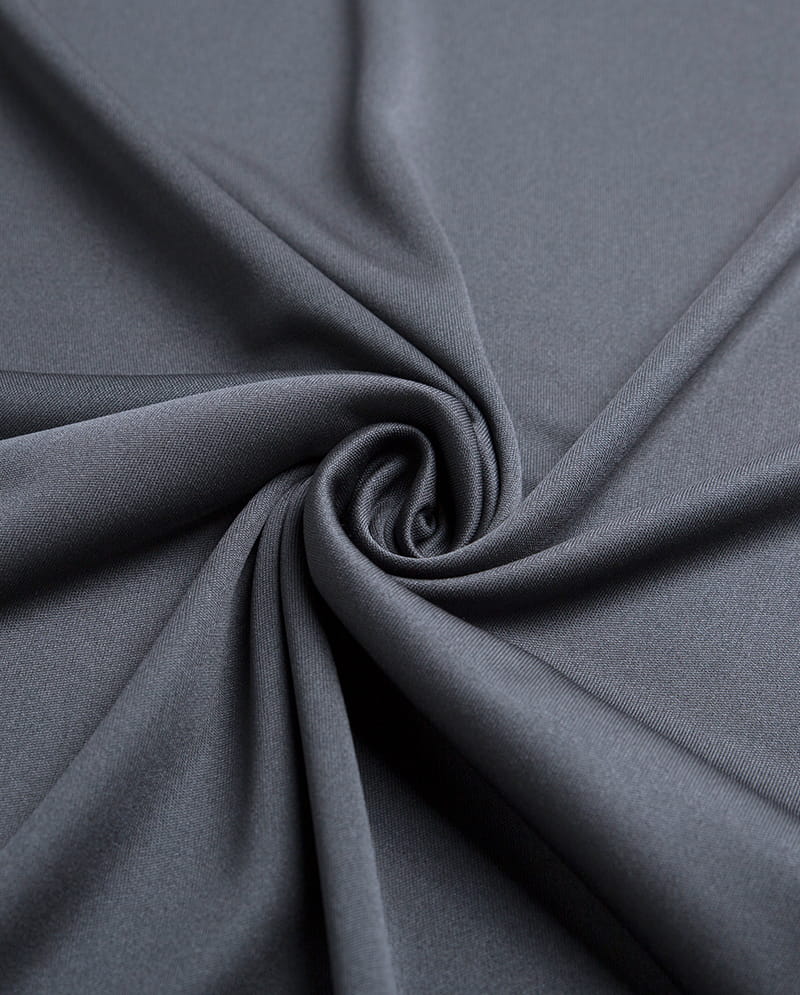
Premium cationic interlock stretch comfort fabric is designed for apparel developers, textile buyers, sportswear brands, loungewear manufacturers, and garment factories that need a fabric combining vivid color, soft hand feel, resilient stretch, everyday durability, and efficient care performance. It is a high-performance textile based on modified cationic polyester, often used with stretch fibers to improve flexibility, recovery, and long-term shape retention. Its interlock construction creates a smooth double-faced surface, giving the fabric a clean appearance on both sides and a comfortable touch against the skin.
This fabric responds to a major shift in the textile market: consumers expect clothing to feel comfortable, move easily, resist wrinkling, maintain color after repeated washing, and support active lifestyles without sacrificing visual appeal. Traditional fabrics often solve one requirement while compromising another. Cotton may feel natural but can shrink, wrinkle, and dry slowly. Standard polyester may be durable but can lack a premium hand feel or sophisticated color effects. Low-grade stretch fabrics may feel flexible at first but lose recovery after repeated wear. Premium cationic interlock stretch comfort fabric is engineered to balance these needs in one practical material platform.
Its cationic polyester component enables strong dye affinity, allowing vibrant shades, improved color depth, and attractive two-tone or mélange-style effects when combined with regular polyester or other compatible yarns. The interlock knit structure adds body, stability, and softness, while stretch-enhancing components provide movement and comfort. The result is a fabric suitable for sportswear, casualwear, underwear, loungewear, base layers, athleisure, children’s apparel, travel clothing, and other garments where comfort and performance are equally important.
Suzhou Junhui Textile Co., Ltd. and Suzhou Xiaoran New Materials Co., Ltd. support this product with expertise in differential yarn development, recycled yarn, cationic dyeing yarn, flame-retardant yarn, microfine yarn, functional yarn, and knitting fabric products. With a professional research and development team and a global export customer base, the company is positioned to supply not only fabric but also practical textile solutions for brands and manufacturers seeking stable quality, customized specifications, and responsive technical support.
Premium Cationic Interlock Stretch Comfort Fabric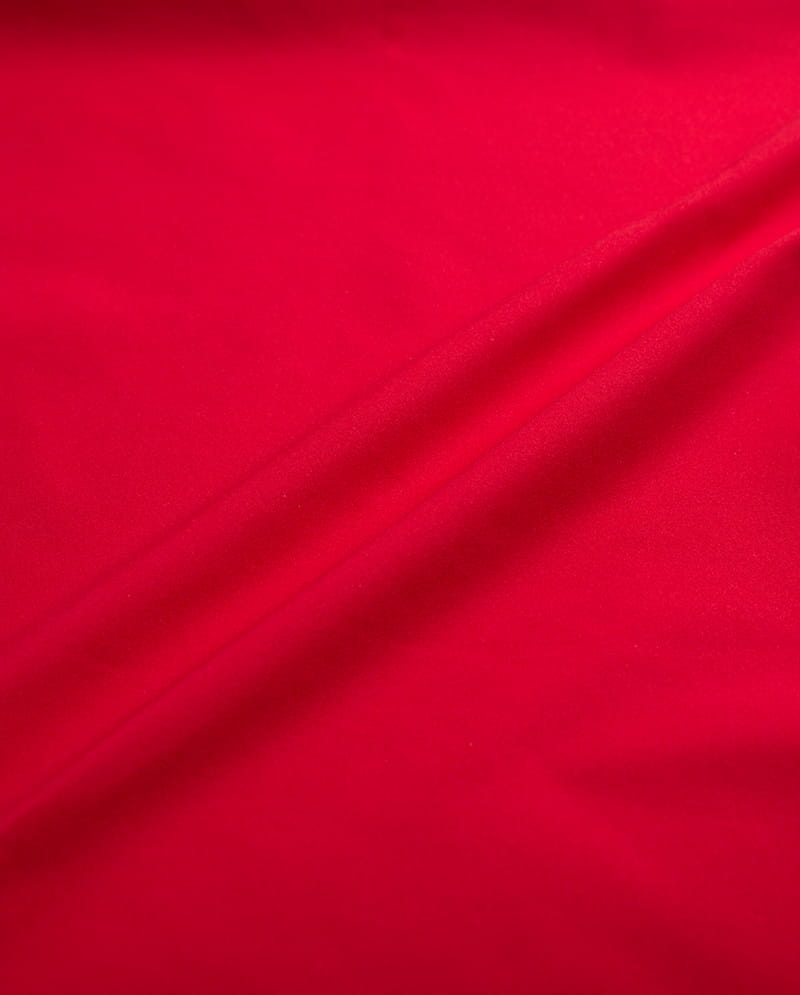
Understanding the Fabric: What Makes Cationic Interlock Stretch Comfort Fabric Different
The term “cationic” refers to a modified polyester system that can be dyed with cationic dyes, also known as basic dyes. Through polymer modification, the fiber gains dye sites that help attract and hold dye molecules more effectively than ordinary polyester under suitable dyeing conditions. This creates rich color expression, strong brightness, and improved design possibilities. When cationic polyester is combined with regular polyester, the two components respond differently during dyeing, producing controlled two-tone, heathered, or shadow effects that can make a fabric look more sophisticated than plain dyed standard polyester.
The “interlock” element describes the knit structure. Interlock knit is made with two sets of needles, forming a double-knit fabric with a smooth face and back. Compared with many single jersey constructions, interlock is usually more stable, less likely to curl at the edges, and often more substantial in hand. The surface is smooth, making it suitable for next-to-skin garments, printed panels, activewear tops, and premium casual pieces. Because both sides can look clean and feel soft, designers have more flexibility in garment construction.
The “stretch comfort” part is critical for modern apparel. The fabric can be blended with elastic fibers or designed with textured polyester yarns to enhance movement. Stretch and recovery are not simply about how far a fabric can extend; they are also about whether the fabric returns to shape after bending, sitting, stretching, laundering, and daily wear. In this product, the interlock structure and stretch-compatible yarn system work together to create a fabric that moves with the body while maintaining garment form.
This combination is especially valuable in apparel that must perform across different conditions. A sports top may need moisture movement, a smooth touch, and colorfastness under sweat and washing. Loungewear needs softness, drape, and comfort over long wear periods. Undergarments require skin friendliness, stretch recovery, and stable dimensions. Casual apparel needs style, easy care, and durability. Premium cationic interlock stretch comfort fabric addresses these demands with a balanced technical profile rather than relying on a single performance attribute.
Core Product Characteristics
The fabric offers a soft, double-faced texture that is gentle against the skin. This comfort is not accidental; it comes from the interlock knit geometry, carefully selected polyester yarns, and appropriate finishing processes. The surface is smooth and refined, reducing roughness and supporting a premium garment feel.
Color performance is one of the defining advantages. Cationic modification enables bright, fade-resistant shades and unique color effects. In fashion and sportswear, color is not only decorative; it is part of brand identity. A fabric that can hold color well after repeated washing helps garments retain shelf appeal and consumer satisfaction over time.
The fabric provides reliable stretch and recovery. It can follow the body during walking, stretching, resting, training, and travel. Good recovery helps reduce bagging at elbows, knees, waist areas, and seat zones, depending on garment design. This makes the fabric suitable for all-day wear.
Moisture management is another practical benefit. Polyester-based textiles can be engineered to move moisture away from the skin and support quicker drying than many natural fibers. For consumers, this means improved comfort during light activity, commuting, travel, and daily routines.
Anti-static properties can be incorporated or enhanced through fiber selection and finishing. This is useful in dry environments where static cling can affect garment comfort and appearance. Anti-static behavior also improves the wearing experience in layering systems.
Durability is central to the fabric’s value. The polyester foundation resists abrasion better than many delicate natural-fiber textiles, and the interlock structure supports dimensional stability. The fabric resists pilling and surface wear when yarn quality, knitting control, dyeing, finishing, and garment care are properly managed.
Typical fabric weight can range from 120 to 220 gsm, allowing different versions for lightweight base garments, midweight loungewear, casual tops, sports layers, and seasonless apparel. Widths can be customized according to production requirements, improving cutting efficiency and reducing waste for garment factories.
Technical Overview and Application Table
Attribute |
Typical Description |
Value for Apparel Development |
Fiber Platform |
Modified cationic polyester, often blended with stretch-enhancing fibers or textured yarns |
Improves color depth, flexibility, and comfort |
Construction |
Interlock knit with smooth double-faced surface |
Provides softness, stability, reduced curling, and premium appearance |
Weight Range |
Approximately 120–220 gsm, customizable by project |
Supports underwear, loungewear, sportswear, casual apparel, and layering pieces |
Color Performance |
Vibrant dyeing, fade resistance, and potential two-tone effects |
Improves visual appeal and supports differentiated collections |
Comfort |
Soft hand feel, stretch, recovery, and smooth skin contact |
Enhances all-day wearability |
Functional Benefits |
Moisture wicking, wrinkle resistance, anti-static potential, abrasion resistance |
Supports modern active and casual lifestyles |
Care Performance |
Easy washing, quicker drying than many cotton-rich fabrics, reduced wrinkling |
Improves consumer convenience and garment longevity |
Recommended Uses |
Sports tops, leggings panels, underwear, loungewear, T-shirts, casual sets, travel apparel |
Allows broad product development from one fabric platform |
Advantages Over Conventional Polyester Interlock Fabrics
Standard polyester interlock fabric is widely used because it is durable, easy to care for, and cost-effective. However, conventional polyester can have limitations in color richness, tactile sophistication, and design depth. Premium cationic interlock stretch comfort fabric improves on these points by introducing modified dye behavior and a more advanced yarn strategy.
Compared with ordinary polyester, cationic polyester can deliver brighter shades and distinctive two-tone effects. This gives designers greater freedom without relying entirely on complicated printing or post-treatment decoration. When a garment needs a subtle heather look, color contrast, or a more refined surface, cationic yarns can create that effect at the material level.
Comfort is also improved through the fabric’s stretch and recovery design. Some standard polyester interlocks feel stable but not flexible enough for active wear. Others may stretch but lack recovery, leading to deformation after repeated use. The premium cationic interlock stretch comfort fabric is engineered to balance stability with flexibility, so garments feel comfortable while maintaining their silhouette.
Another advantage is hand feel. Ordinary polyester can feel slick, plastic-like, or flat if yarn selection and finishing are not carefully controlled. This fabric is developed to provide a smoother, softer, more skin-friendly touch, making it suitable for garments worn close to the body.
In addition, the fabric is designed for practical durability. Surface pilling, abrasion, and fading are common issues in lower-cost polyester fabrics. By using appropriate yarn specifications, controlled knitting conditions, dyeing expertise, and finishing processes, the fabric can achieve better long-term performance and reduce quality complaints in finished garments.
Advantages Over Cotton and Cotton-Rich Knits
Cotton remains popular because of its natural origin, breathability, and familiar hand feel. However, cotton-rich knits may shrink, wrinkle, dry slowly, and lose shape after repeated laundering. For consumers who travel, exercise lightly, commute, or need easy-care clothing, these drawbacks can be significant.
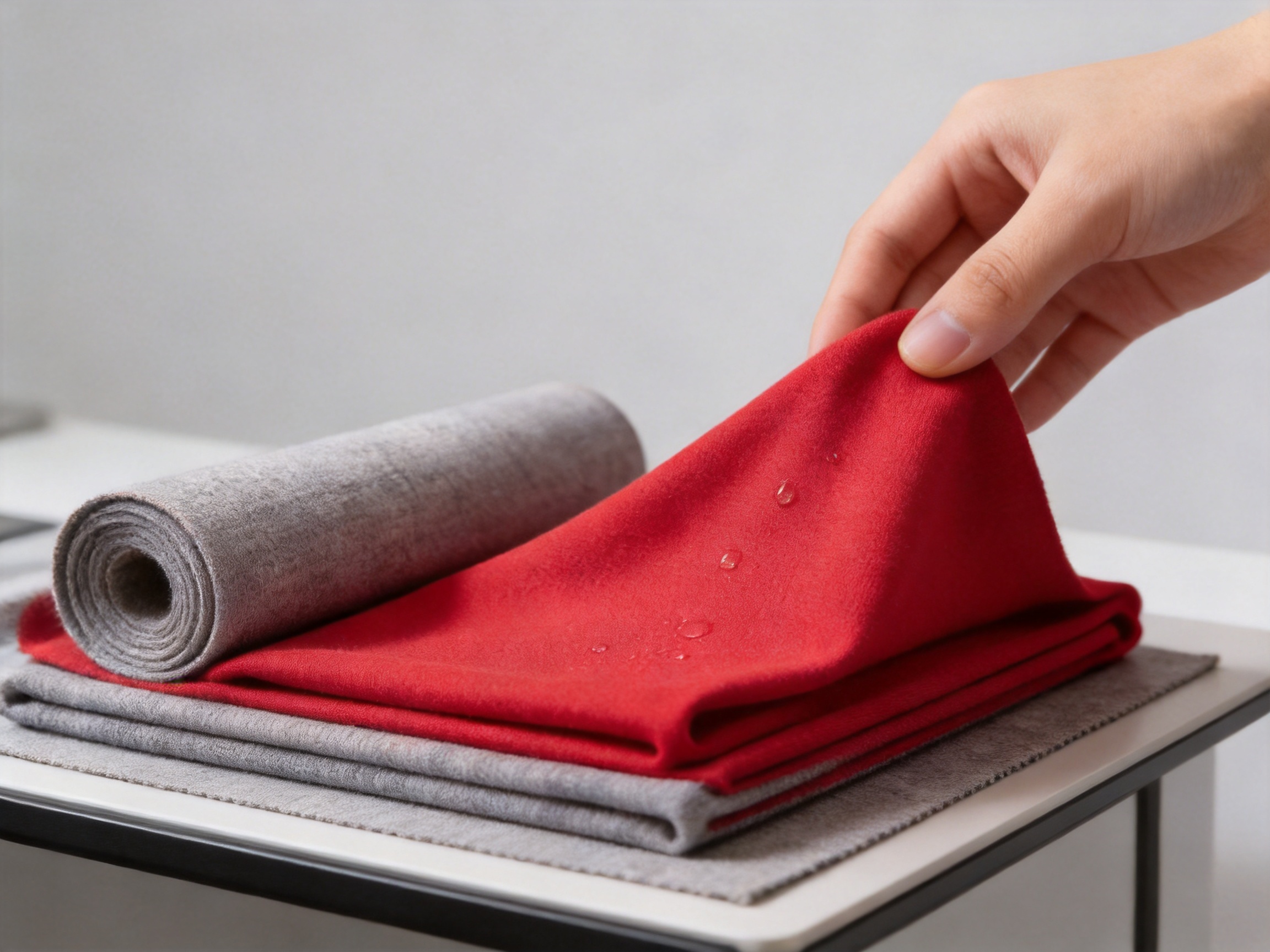
Premium cationic interlock stretch comfort fabric offers a practical alternative. It is wrinkle-resistant, quicker drying, and more dimensionally stable than many cotton-rich textiles. These properties make it suitable for travel apparel, loungewear, uniforms, and daily casual clothing that must maintain a neat appearance with minimal effort.
The fabric also supports stronger color durability. Cotton can fade noticeably, especially in deep shades, depending on dyeing and laundering conditions. Cationic polyester systems can achieve strong color fastness, helping garments maintain their original appearance longer.
Stretch recovery is another area where this fabric can outperform cotton. Cotton knits without elastane may stretch out and remain distorted. Even cotton with elastane can suffer if the structure and finishing are not carefully managed. The interlock cationic polyester system provides a more resilient foundation for stretch comfort and shape retention.
From a production perspective, synthetic-based interlock fabrics can be easier to standardize across large orders. Cotton fiber quality varies by crop, region, and season, while polyester yarns can be engineered with controlled denier, filament count, luster, cross-section, and function. This improves repeatability for brands that require consistent color, width, weight, and performance across multiple production runs.
Advantages Over Low-Cost Stretch Fabrics
Many low-cost stretch fabrics attract buyers with a low initial price, but they may create hidden costs through inconsistent quality, poor recovery, shade variation, pilling, unstable width, and garment returns. Premium cationic interlock stretch comfort fabric is positioned differently: it is intended to provide value over the full life cycle of the garment.
Low-cost stretch fabrics often rely on basic yarns and minimal finishing. They may feel acceptable in the sample stage but degrade after repeated washing. When elasticity weakens, garments lose shape. When dyeing is inconsistent, bulk production fails to match approved samples. When pilling occurs, consumers quickly perceive the garment as low quality. These issues can damage brand reputation.
A premium cationic interlock fabric reduces these risks by emphasizing controlled material selection, advanced yarn technology, reliable knitting, dyeing expertise, and quality inspection. The fabric’s interlock structure improves stability, while the cationic component enhances color expression. Proper finishing improves hand feel and performance. The result is a fabric that supports more dependable garment production.
In competitive apparel markets, the cheapest fabric is not always the most economical choice. A fabric that cuts smoothly, sews consistently, holds color, reduces defects, and satisfies consumers can create better overall value. Premium cationic interlock stretch comfort fabric helps brands avoid the cycle of low-price sourcing followed by quality claims, delayed shipments, and customer complaints.
Color Performance: A Major Competitive Edge
Color is one of the first qualities a consumer notices. Even before touching a garment, the buyer responds to hue, depth, surface texture, and visual richness. Premium cationic interlock stretch comfort fabric is especially valuable because it enables vibrant color development and special dyeing effects.
Cationic polyester contains dyeable sites that interact with cationic dyes. This creates strong dye uptake under suitable conditions and allows shades that can appear more brilliant than conventional polyester dyeing. When used with other polyester types, the fabric can produce controlled contrast because different yarn components dye differently. This is useful for heather effects, space-like color impressions, and sophisticated tone-on-tone designs.
For sportswear and athleisure, color fastness is essential. Garments may be exposed to sweat, sunlight, repeated washing, friction, and body movement. Poor colorfastness causes fading, staining, and customer dissatisfaction. This fabric is engineered for strong color performance, helping maintain appearance through regular use.
The fabric also supports brand differentiation. Many garments look similar in construction, especially in categories such as T-shirts, leggings, base layers, and lounge sets. A distinctive cationic two-tone surface can make a simple silhouette look more premium. Brands can create collections with subtle visual depth without adding excessive cost or complexity to garment design.
Comfort Engineering: Softness, Stretch, and Recovery
Comfort is a combination of touch, movement, thermal sensation, moisture behavior, fit, and psychological confidence. A fabric may be soft but unstable, stretchy but clingy, durable but rough, or breathable but weak. Premium cationic interlock stretch comfort fabric is developed to offer a balanced comfort profile.
The interlock knit structure provides a smooth surface on both sides. This is important for next-to-skin applications such as underwear, base layers, T-shirts, and loungewear. A smoother surface can reduce irritation and provide a cleaner appearance after sewing.
Stretch improves freedom of movement. For sportswear, this allows the garment to follow dynamic motion. For loungewear, it supports relaxed comfort during sitting, reclining, and sleeping. For casual apparel, it improves fit across different body shapes. Stretch also helps garments recover after stress, reducing deformation during daily use.
Recovery is particularly important. A fabric with poor recovery may expand at the elbows, knees, waist, or seat. The garment then looks worn out even if it is relatively new. The premium cationic interlock structure helps maintain shape by combining stable knitting with appropriate stretch components and finishing control.
Softness is enhanced by yarn selection and finishing. Fine filament counts, textured yarns, and controlled finishing processes can produce a smooth, pleasant hand. The goal is to avoid the stiff or synthetic feel that sometimes appears in lower-quality polyester fabrics.
Moisture Wicking and Everyday Performance
Modern consumers do not separate “active” and “daily” clothing as strictly as they once did. A person may wear the same garment for commuting, working, walking, traveling, exercising lightly, and relaxing at home. Fabrics must therefore handle changing activity levels.
Premium cationic interlock stretch comfort fabric can be engineered to support moisture movement away from the skin. Polyester does not absorb moisture in the same way cotton does; instead, fabric structure and finishing can help transport moisture across the surface for evaporation. This can create a drier feel during light perspiration and reduce the heavy wet sensation associated with cotton-rich fabrics.
Quicker drying also improves convenience. Garments washed at home can be ready sooner, which is valuable for travel apparel, sportswear, children’s clothing, and frequently used basics. A fabric that dries efficiently can reduce the need for high-temperature tumble drying, supporting better garment care.
The fabric’s wrinkle resistance makes it suitable for apparel that must look neat after packing, washing, or daily wear. This is a strong advantage over many natural-fiber garments, which require ironing or steaming to maintain a polished appearance.
Durability and Pilling Resistance
Durability is not only about tensile strength. For garments, the visible surface must remain attractive after repeated use. Pilling, fuzzing, abrasion marks, shade fading, and shape loss all reduce perceived quality. Premium cationic interlock stretch comfort fabric is developed to resist these common problems.
Pilling occurs when loose fibers form small balls on the fabric surface due to friction. Polyester pills can be particularly noticeable because the fibers are strong and may remain attached. Reducing pilling requires careful yarn choice, suitable filament structure, fabric density control, and finishing. The interlock structure also contributes to a stable surface when properly made.
Abrasion resistance matters for activewear, loungewear, and casualwear. Fabrics rub against skin, bags, furniture, other garments, and washing machine surfaces. A durable polyester-based system can withstand this stress better than many delicate fiber blends.
Dimensional stability is also important. If a fabric shrinks excessively, twists, or changes width after washing, the finished garment may no longer fit correctly. Controlled knitting, heat setting, dyeing, and finishing processes help stabilize the fabric before garment production.
Advanced Yarn Foundation
The quality of the finished fabric begins with yarn. Suzhou Junhui Textile Co., Ltd. and Suzhou Xiaoran New Materials Co., Ltd. focus on differential yarn development, including recycled yarn, polyester drop-dyed yarn, microfine yarn, flame-retardant yarn, cationic dyeing yarn, and other functional yarns. This yarn background gives the company an advantage when developing fabrics that require specific touch, color, elasticity, and performance.
The supplied product list includes a broad range of DTY and FDY yarn options. DTY, or drawn textured yarn, is widely used in stretch and comfort fabrics because texturing adds bulk, softness, elasticity, and better fabric coverage. FDY, or fully drawn yarn, offers stability, smoothness, and strength. POY, or partially oriented yarn, can be used as a feedstock for texturing and further processing. Polyester chips provide the upstream polymer base for fiber production.
The ability to work across yarn categories gives the company greater flexibility than suppliers who only trade finished fabrics. When a buyer needs a certain fabric weight, hand feel, luster, stretch level, or dyeing effect, the company can adjust yarn selection rather than forcing the customer to accept a standard construction. This is a significant competitive strength in customized textile development.
Cationic yarn selection is particularly important. The dyeability, filament count, luster, and compatibility with other fibers influence final color and touch. By understanding yarn behavior, the company can better manage shade consistency, two-tone effects, and finishing results.
Manufacturing Process: From Material Selection to Finished Fabric
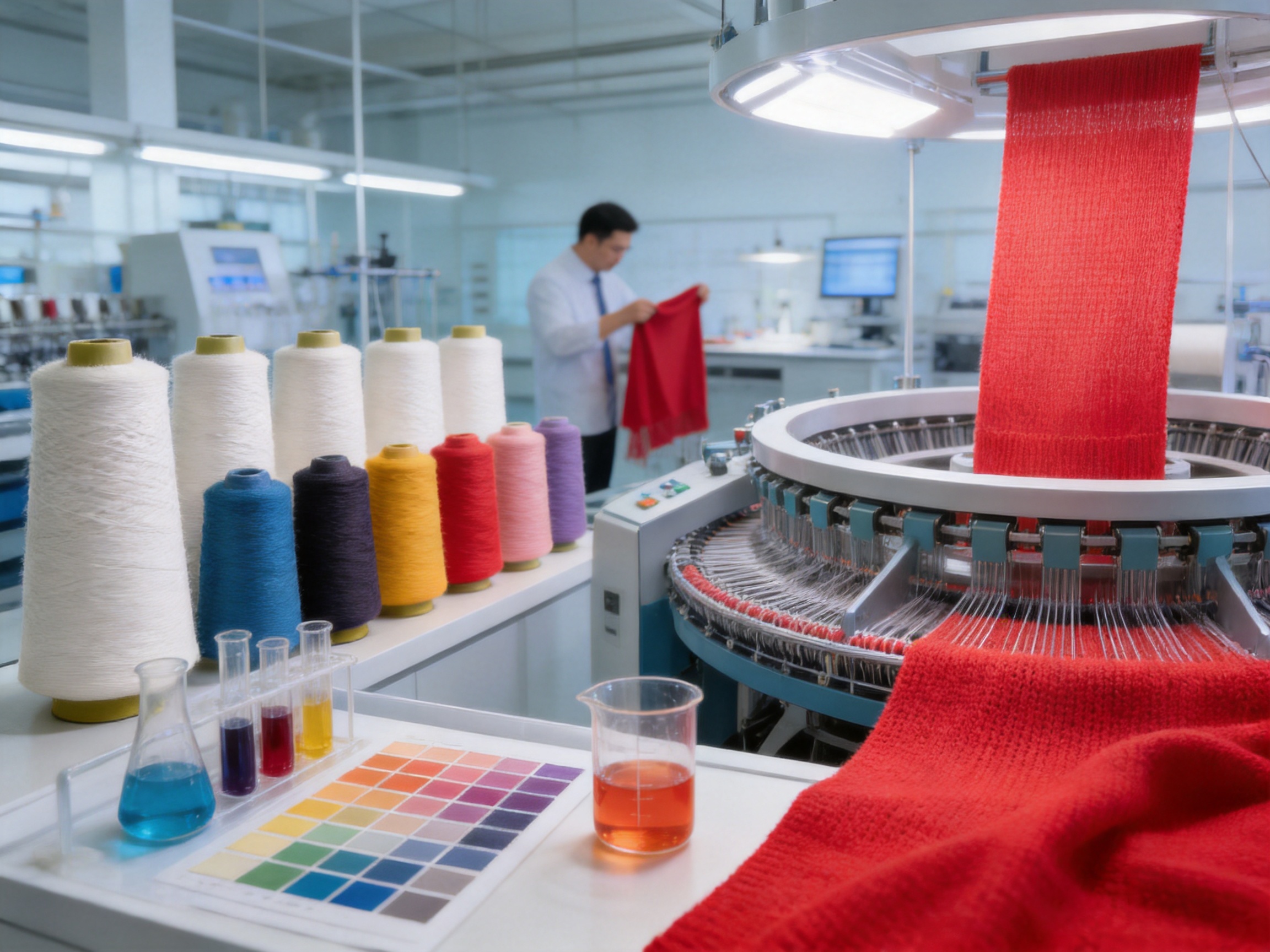
The manufacturing of premium cationic interlock stretch comfort fabric involves several coordinated stages. Each stage influences the final quality, and weaknesses in one stage can affect the entire product.
The first stage is material planning. Based on the target garment application, the technical team selects suitable cationic polyester yarns, regular polyester yarns, textured yarns, and stretch components. If the garment needs a lighter hand, fine yarns and lower fabric weight may be selected. If the garment requires more body and coverage, a heavier interlock construction may be developed. If a two-tone effect is required, yarn combinations must be carefully planned for dye response.
The second stage is yarn preparation. Yarn packages must be consistent in tension, oil content, and quality. Any irregularity can create knitting defects, dye streaks, or uneven hand feel. Proper yarn storage and handling are also important because moisture, contamination, and package damage can affect production.
The third stage is knitting. Interlock fabric requires controlled machine settings, needle quality, yarn feeding tension, loop length, and fabric take-down conditions. The goal is to achieve a uniform structure with stable width, balanced density, and smooth surface. Skilled technicians monitor fabric formation to reduce defects such as dropped stitches, barré, holes, uneven courses, and tension marks.
The fourth stage is dyeing. Cationic polyester dyeing requires suitable dye selection, temperature control, pH management, leveling, and washing procedures. When two-tone effects are required, the dyeing recipe must be carefully designed so different yarn components produce the intended contrast. Poor dyeing control may cause shade variation, staining, or weak colorfastness. Advanced dyeing knowledge is therefore essential.
The fifth stage is finishing. Finishing can improve softness, width stability, moisture management, anti-static behavior, and wrinkle resistance. Heat setting is especially important for synthetic stretch fabrics because it stabilizes dimensions and helps control shrinkage. Finishing must be balanced: excessive treatment may damage hand feel or elasticity, while insufficient treatment may leave the fabric unstable.
The final stage is inspection and quality assurance. Fabric weight, width, color, hand feel, stretch, recovery, shrinkage, pilling resistance, and surface defects can be checked according to order requirements. Consistent inspection helps ensure that bulk production meets approved standards before shipment.
Company Strengths Supporting the Product
Suzhou Junhui Textile Co., Ltd. and Suzhou Xiaoran New Materials Co., Ltd. were founded with a focus on differential yarn and fabric development. Their product areas include recycled yarn, polyester drop-dyed yarn, microfine yarn, flame-retardant yarn, cationic dyeing yarn, and knitting fabric products. This broad technical scope supports the development of premium cationic interlock stretch comfort fabric because the fabric depends on both advanced yarn knowledge and finishing expertise.
The company has a professional research and development team that works on environmental protection and functional yarn and fabric applications. This is important in a textile industry where buyers increasingly request recycled content, reduced environmental impact, improved functionality, and customized performance. A fabric supplier with R&D capability can help customers solve problems rather than simply selling standard inventory.
Export experience is another strength. With products sold to customers in many countries, the company understands the need for consistent communication, stable documentation, and reliable product quality. International customers often require repeatability across seasons, technical support before bulk production, and quick responses when development questions arise. The company’s service commitment supports global buyers who need timely assistance.
The company’s location in Shengze Town, Wujiang Area, Suzhou City, Jiangsu Province, places it within one of China’s important textile regions. Access to yarn resources, knitting capacity, dyeing and finishing facilities, logistics, and experienced textile talent helps support efficient production and product development. Regional textile clustering can shorten development cycles and improve sourcing flexibility.
The company emphasizes customer success as a foundation for long-term cooperation. For fabric buyers, this matters because textile sourcing is rarely a one-time transaction. A successful fabric program may run across multiple garment styles, seasons, colors, and replenishment orders. Technical partnership, stable quality, and responsive service are essential.
Customization Possibilities
Premium cationic interlock stretch comfort fabric can be customized according to the buyer’s intended application. Fabric weight can be adjusted within the typical range of 120–220 gsm, or developed further according to specific project requirements. Lightweight versions may be used for underwear, T-shirts, base layers, and summer casualwear. Heavier versions may be suitable for loungewear sets, sports tops, transitional layers, and casual pants.
Width customization helps garment manufacturers improve marker efficiency and reduce cutting waste. Different garment types require different usable widths, and optimized width can directly affect production cost.
Color customization is a key advantage. Solid shades, bright tones, muted neutrals, and cationic two-tone effects can be developed to match seasonal palettes. Buyers can request specific color standards, and the technical team can work toward lab dips and bulk shade consistency.
Hand feel can also be adjusted. Some brands prefer a cool, smooth, technical touch for sportswear. Others want a warmer, softer, cotton-like feel for loungewear. Finishing processes and yarn selection can be tailored to create the desired sensory profile.
Functional finishing can be considered according to requirements, including moisture wicking, anti-static performance, antibacterial treatment, flame-retardant options, or other performance features depending on order feasibility. Because the company works with functional yarn categories, it can support discussions about advanced textile solutions.
Applications in Sportswear
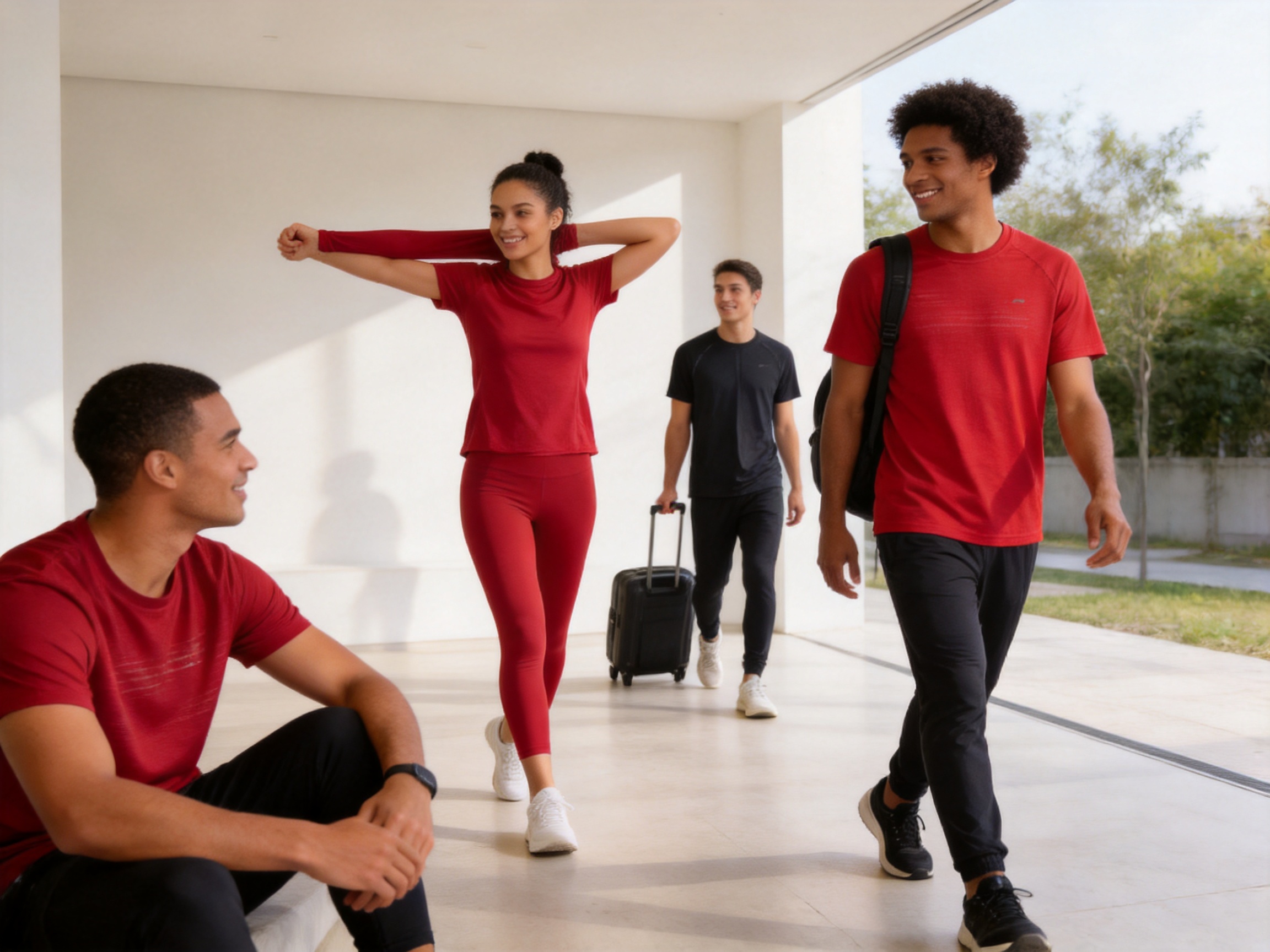
Sportswear requires fabrics that can stretch, recover, manage moisture, and resist repeated washing. Premium cationic interlock stretch comfort fabric is suitable for training tops, warm-up layers, yoga-inspired garments, gym T-shirts, light performance shirts, and athleisure pieces.
The fabric’s stretch allows comfortable movement, while the interlock construction gives enough body for a stable fit. Its smooth surface provides a clean appearance for both fitted and relaxed silhouettes. Moisture-wicking potential helps improve comfort during activity, and the polyester foundation supports quicker drying after washing or perspiration.
Color performance is especially valuable in sportswear because activewear collections often rely on bold shades, seasonal color stories, and contrast panels. Cationic dyeing effects can create elevated visual texture without requiring complex garment construction.
Compared with basic polyester sports fabrics, this fabric can feel more premium and visually distinctive. Compared with cotton sportswear, it can offer better drying speed, wrinkle resistance, and shape retention. Compared with low-cost stretch knits, it can provide more reliable recovery and surface quality.
Applications in Loungewear and Homewear
Loungewear has become a major apparel category because consumers increasingly value comfort at home, during travel, and in hybrid work environments. Fabrics for loungewear must feel soft, stretch comfortably, and remain presentable after repeated use. Premium cationic interlock stretch comfort fabric fits these requirements well.
The double-faced interlock surface feels smooth against the skin, while the stretch component supports relaxed movement. The fabric can be made in midweight versions that provide coverage without feeling heavy. Wrinkle resistance is useful for garments worn throughout the day, packed in luggage, or washed frequently.
Cationic color effects can make simple lounge sets look more refined. A heathered or two-tone appearance can create depth and softness in visual presentation, helping brands position loungewear as both comfortable and stylish.
The easy-care nature of polyester-based fabric is also important for homewear. Consumers want garments that wash well, dry quickly, and retain shape. This fabric supports those expectations better than many cotton-rich alternatives.
Applications in Undergarments and Base Layers
Undergarments and base layers require a careful balance of softness, stretch, breathability, and durability. The fabric must be gentle on the skin and flexible enough to move without restriction. Premium cationic interlock stretch comfort fabric can be engineered for these next-to-skin applications.
The smooth interlock surface reduces roughness, while stretch and recovery support fit. Moisture movement helps maintain comfort during daily wear. The fabric’s resistance to wrinkling and deformation supports long-term appearance and function.
For base layers, the fabric can provide lightweight warmth and moisture comfort depending on construction. It can be used for travel basics, indoor layering, casual thermal-style garments, and active lifestyle essentials.
Colorfastness is important in underwear because garments are washed frequently. Strong dyeing performance helps reduce fading and maintains consumer satisfaction.
Applications in Casual Apparel
Casual apparel is one of the broadest markets for this fabric. It can be used in T-shirts, polo-inspired tops, casual sets, dresses, lightweight pants, children’s clothing, and fashion basics. The fabric’s combination of softness, color, stretch, and easy care makes it suitable for everyday garments.
Consumers increasingly expect casual clothes to perform like activewear while looking suitable for daily life. Premium cationic interlock stretch comfort fabric addresses this trend. It does not look overly technical when designed with subtle color effects, yet it provides practical benefits such as wrinkle resistance, moisture comfort, and shape recovery.
For children’s apparel, durability and easy care are major advantages. Garments must withstand frequent washing, movement, and abrasion. The fabric’s polyester base and stable interlock structure can help support longer wear.
For travel clothing, the fabric’s wrinkle resistance and quick drying are highly beneficial. A traveler can pack fewer garments when clothes wash and dry efficiently. Stretch also improves comfort during long periods of sitting.
Sustainability Considerations and Recycled Yarn Potential
The textile industry is under increasing pressure to reduce waste, improve resource efficiency, and support more responsible material choices. While premium cationic interlock stretch comfort fabric is primarily valued for performance, it can also be developed with sustainability considerations in mind when suitable yarns and processes are selected.
The company’s product background includes recycled yarn series, including recycled DTY and FDY options. Recycled polyester can reduce dependence on virgin petroleum resources and support circular material strategies, depending on sourcing and certification requirements. For buyers building eco-conscious collections, recycled-content development may be an important direction.
Durability itself is also a sustainability factor. A garment that maintains shape, color, and surface quality over time may stay in use longer, reducing the need for frequent replacement. Easy-care fabrics that dry quickly may also reduce energy used in drying when consumers line dry or use shorter drying cycles.
Customization can help reduce waste. When fabric width, weight, and performance are optimized for the garment, cutting loss and production defects may decrease. Reliable color matching also reduces the risk of rejected bulk fabric.
Sustainability claims should always be supported by appropriate documentation, testing, and supply chain verification. The company’s technical team can discuss feasible yarn options and development approaches according to buyer requirements.
Quality Control Priorities
Quality control for premium cationic interlock stretch comfort fabric should cover both physical and aesthetic performance. Key checks may include fabric weight, width, shrinkage, skewness, color consistency, colorfastness, pilling resistance, abrasion resistance, stretch, recovery, hand feel, and surface defects.
Fabric weight must remain within tolerance because it affects garment cost, drape, opacity, warmth, and consumer perception. Width control affects cutting efficiency. Shrinkage control is essential for final garment fit. Color consistency ensures that panels match during sewing and that replenishment orders meet brand expectations.
Stretch and recovery testing help confirm that the fabric performs as intended. A fabric may pass visual inspection but fail after wear if recovery is weak. Pilling and abrasion tests help predict surface durability. Colorfastness testing helps confirm resistance to washing, rubbing, perspiration, and light exposure depending on garment use.
Inspection should occur before shipment to reduce risk for garment factories. Defects such as holes, oil stains, dye streaks, barré, creases, and uneven finishing can affect cutting and sewing. A strong inspection system improves buyer confidence and supports long-term cooperation.
Why Buyers Choose This Fabric
Buyers choose premium cationic interlock stretch comfort fabric because it offers a practical combination of marketable benefits. It feels soft, looks modern, stretches comfortably, supports vivid color, resists wrinkles, and performs well in daily care. It can be adapted for multiple apparel categories, making it useful for brands that want fabric continuity across product lines.
Compared with commodity fabrics, it offers stronger differentiation. The cationic effect creates unique visual depth. The interlock structure provides a premium hand and stability. The stretch component improves comfort and fit. The polyester foundation supports durability and easy care.
Buyers also benefit from the company’s yarn expertise and development capability. Because the supplier works with DTY, FDY, POY, polyester chips, recycled yarn, cationic yarn, and functional yarn categories, it can help customers develop suitable solutions rather than offering only fixed stock. This is important for brands seeking exclusive textures, custom color effects, or function-focused fabrics.
Responsive service is another reason to choose the company. Global textile sourcing often requires fast clarification on specifications, color development, testing, packaging, shipping, and production timing. A supplier that can provide timely support reduces uncertainty and helps buyers manage their own production schedules.
Garment Development Recommendations
When developing garments with premium cationic interlock stretch comfort fabric, buyers should begin with the end-use requirement. A yoga top, lounge set, underwear item, and casual dress may all use interlock fabric, but each requires different weight, stretch, opacity, and hand feel.
For close-fitting sportswear, stretch and recovery should be prioritized. The fabric should be tested after washing and during simulated wear. Seams should be selected to maintain elasticity and reduce irritation. Moisture-wicking finish may be considered.
For loungewear, softness and drape may be more important than maximum compression. A midweight fabric with gentle stretch and warm hand feel can create a premium homewear experience. Two-tone cationic effects can improve visual appeal.
For underwear, skin comfort and washing durability are essential. The fabric should be smooth, stable, and colorfast. Elastic trims and sewing thread should be compatible with the fabric’s stretch behavior.
For casual apparel, designers can use the fabric’s clean surface and color depth to create minimalist styles. The interlock structure can support neat collars, cuffs, hems, and panel seams when properly engineered.
Before bulk production, brands should approve lab dips, hand-feel samples, shrinkage results, and garment wash tests. This ensures that the fabric performs correctly in the intended garment construction.
Storage, Cutting, and Sewing Considerations
Fabric should be stored in a clean, dry environment away from direct sunlight, moisture, and contamination. Rolls should be allowed to relax before cutting, especially when stretch components are present. Relaxation helps reduce dimensional changes after cutting and improves garment consistency.
Cutting should be performed with sharp blades to prevent edge distortion. Marker planning should consider fabric width and stretch direction. If the fabric has a visible two-tone or directional effect, garment panels should be aligned consistently.
Sewing parameters should match the fabric’s elasticity. Needle size, thread type, stitch type, and seam tension all affect final garment quality. Stretch fabrics often require seams that can extend without breaking or puckering. Testing before bulk sewing is recommended.
Heat application during ironing, bonding, or printing should be controlled because synthetic fibers and stretch components can be sensitive to excessive temperature. If heat transfer printing or lamination is required, compatibility testing should be performed.
Care Guidance for Finished Garments
Finished garments made with premium cationic interlock stretch comfort fabric are generally easy to care for. Recommended care may include gentle machine washing, mild detergent, washing with similar colors, avoiding strong bleaching agents, and drying at moderate temperatures. Exact care instructions should be confirmed according to final fabric composition, dyeing, finishing, and garment trims.
Because the fabric resists wrinkling, garments may need little or no ironing. If ironing is required, low to moderate heat should be used. Excessive heat can affect synthetic fibers and stretch performance.
To preserve color and surface quality, consumers should avoid harsh washing conditions and rough contact with abrasive surfaces. Turning garments inside out before washing can help protect the face side.
Proper care helps maintain stretch, color, and hand feel over time, supporting the fabric’s value proposition of long-lasting comfort and appearance.
Q&A Section
It is a soft, stable, stretchable interlock knit fabric made primarily from modified cationic polyester, often blended with stretch-enhancing fibers or textured yarns. It is designed to provide vivid color, two-tone effects, comfort, recovery, moisture management, and easy care.
Why is cationic polyester important?
Cationic polyester has modified dye sites that allow it to interact with cationic dyes. This supports bright colors, improved color depth, and special visual effects when combined with other yarns. It gives fabric designers more creative options than ordinary polyester.
Is this fabric suitable for sportswear?
Yes. Its stretch, recovery, moisture-wicking potential, durability, and colorfastness make it suitable for sports tops, athleisure garments, training layers, and light activewear.
Can the fabric be used for loungewear?
Yes. The smooth double-faced interlock surface, soft hand feel, wrinkle resistance, and comfortable stretch make it well suited for lounge sets, homewear, travel clothing, and relaxed casual garments.
How does it compare with cotton fabric?
Compared with many cotton-rich knits, this fabric generally offers better wrinkle resistance, quicker drying, stronger shape retention, and improved color durability. Cotton may provide a natural hand, but it can shrink, fade, wrinkle, and dry slowly.
Does the fabric resist pilling?
The fabric is designed for good pilling and abrasion resistance through suitable yarn selection, interlock construction, and finishing. Actual performance should be confirmed by testing according to the buyer’s standards and garment application.
Can the weight and width be customized?
Yes. Typical weight can range from approximately 120 to 220 gsm, and widths can be customized according to project needs. Specific development depends on yarn selection, knitting structure, finishing, and order requirements.
Can recycled yarn be used?
Recycled yarn development may be possible depending on the requested specification, color, performance, and documentation needs. The company has experience with recycled DTY and FDY yarn categories, which supports sustainable material discussions.
What makes this fabric better than low-cost stretch knits?
Low-cost stretch knits may have inconsistent recovery, poor colorfastness, pilling, unstable dimensions, or weak hand feel. Premium cationic interlock stretch comfort fabric focuses on balanced performance, stable quality, distinctive color effects, and long-term garment value.
What apparel categories are most suitable?
The fabric is suitable for sportswear, loungewear, underwear, base layers, T-shirts, casual sets, travel apparel, children’s clothing, and other comfort-focused garments.
Conclusion
Premium cationic interlock stretch comfort fabric is a strong solution for brands and manufacturers seeking a fabric that combines comfort, performance, color appeal, and practical durability. Its modified cationic polyester foundation enables vibrant shades and two-tone effects, while the interlock knit construction provides a smooth double-faced surface, stable structure, and soft touch. Stretch and recovery support body movement and shape retention, making the fabric suitable for a wide range of modern apparel.
Its advantages over conventional polyester, cotton-rich knits, and low-cost stretch fabrics are clear. It offers better visual differentiation than basic polyester, easier care and shape retention than many cotton fabrics, and more reliable quality than low-grade stretch materials. With moisture-wicking potential, anti-static options, wrinkle resistance, pilling resistance, and durable performance, it meets the needs of consumers who expect garments to look good, feel comfortable, and last longer.
The manufacturing strength behind the fabric is equally important. Suzhou Junhui Textile Co., Ltd. and Suzhou Xiaoran New Materials Co., Ltd. bring expertise in differential yarn, recycled yarn, DTY, FDY, cationic dyeing yarn, microfine yarn, flame-retardant yarn, and functional textile development. Their R&D capability, export experience, location in a major textile region, and customer-focused service help buyers develop fabrics that meet specific performance and design goals.
For apparel companies building sportswear, loungewear, underwear, casualwear, travel clothing, or multi-functional everyday garments, premium cationic interlock stretch comfort fabric provides a versatile and competitive textile platform. It supports modern design, efficient manufacturing, strong consumer appeal, and long-term product value.
References
1. Hatch, K. L. Textile Science. West Publishing Company.
2. Kadolph, S. J. Textiles. Pearson Education.
3. Horrocks, A. R., and Anand, S. C. Handbook of Technical Textiles. Woodhead Publishing.
4. Lewin, M. Handbook of Fiber Chemistry. CRC Press.
5. Mukhopadhyay, S. K. Advances in Fibre Science. Textile Institute Publications.
6. Saville, B. P. Physical Testing of Textiles. Woodhead Publishing.
7. Vigo, T. L. Textile Processing and Properties: Preparation, Dyeing, Finishing and Performance. Elsevier.
8. Hearle, J. W. S., Hollick, L., and Wilson, D. K. Yarn Texturing Technology. Woodhead Publishing.
Product: Premium Cationic Interlock Stretch Comfort Fabric

Popular products
-
Premium Cationic Interlock Stretch Comfort Fabric
-
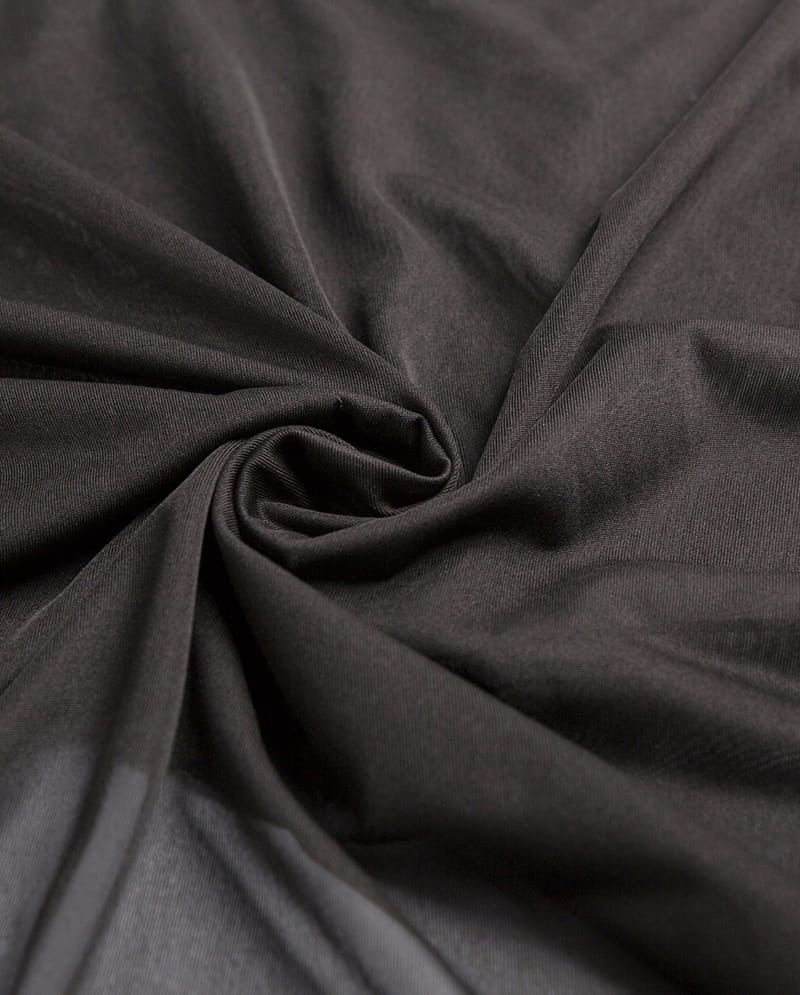
Moisture-Wicking Nylon Woven Fabric
-
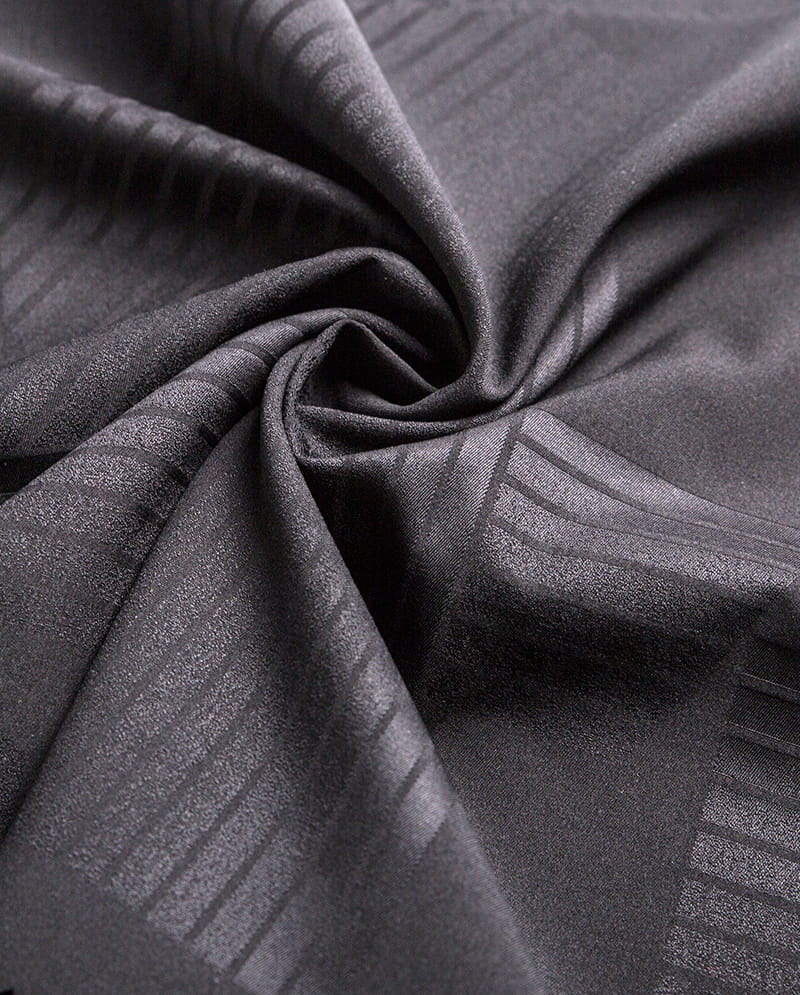
Double-faced jacquard elastic fabric
-
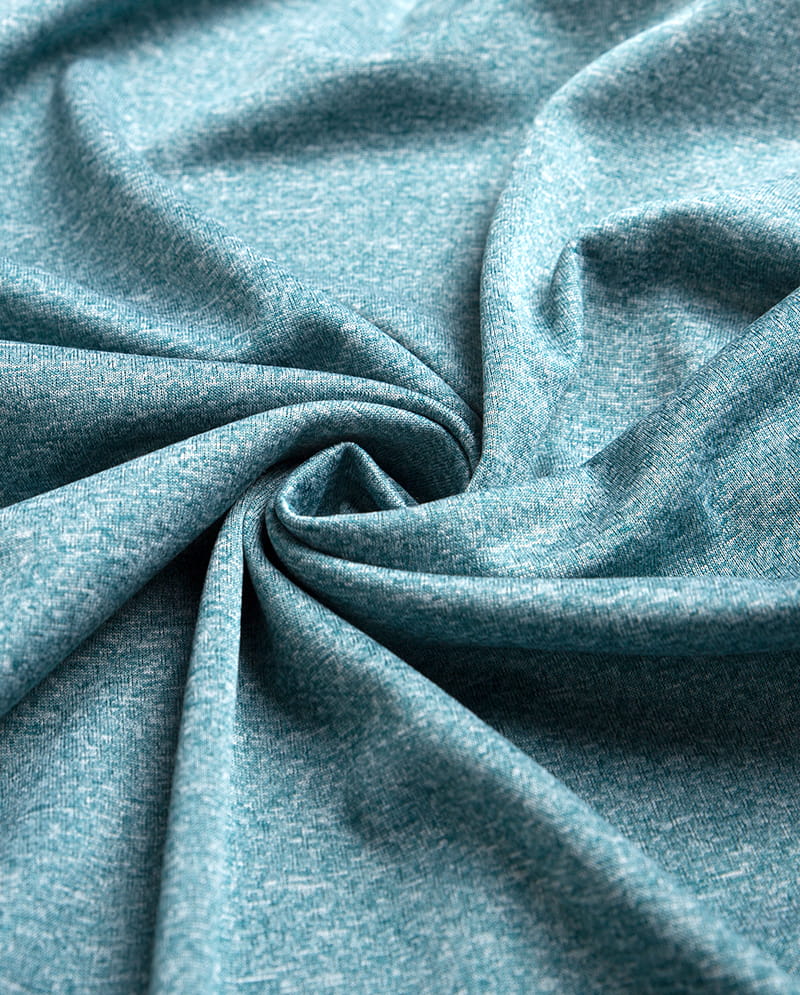
Heather Grey Double-faced cationic jersey fabric
-
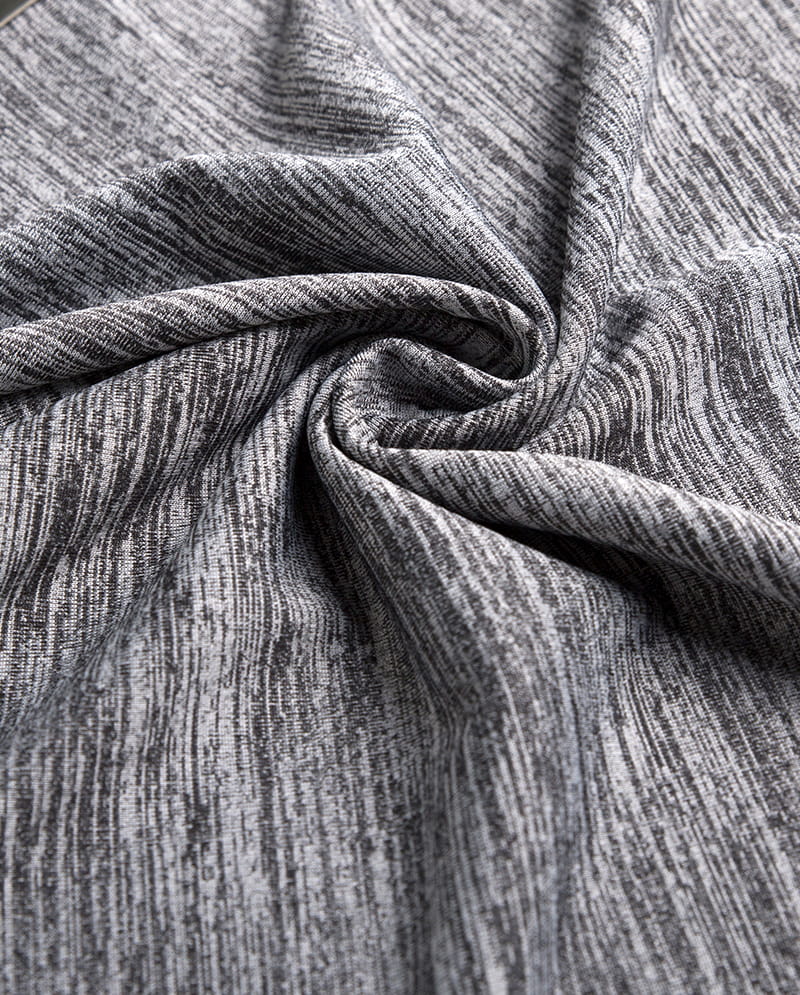
Anti-static Cationic Knitted Rib Fabric
-
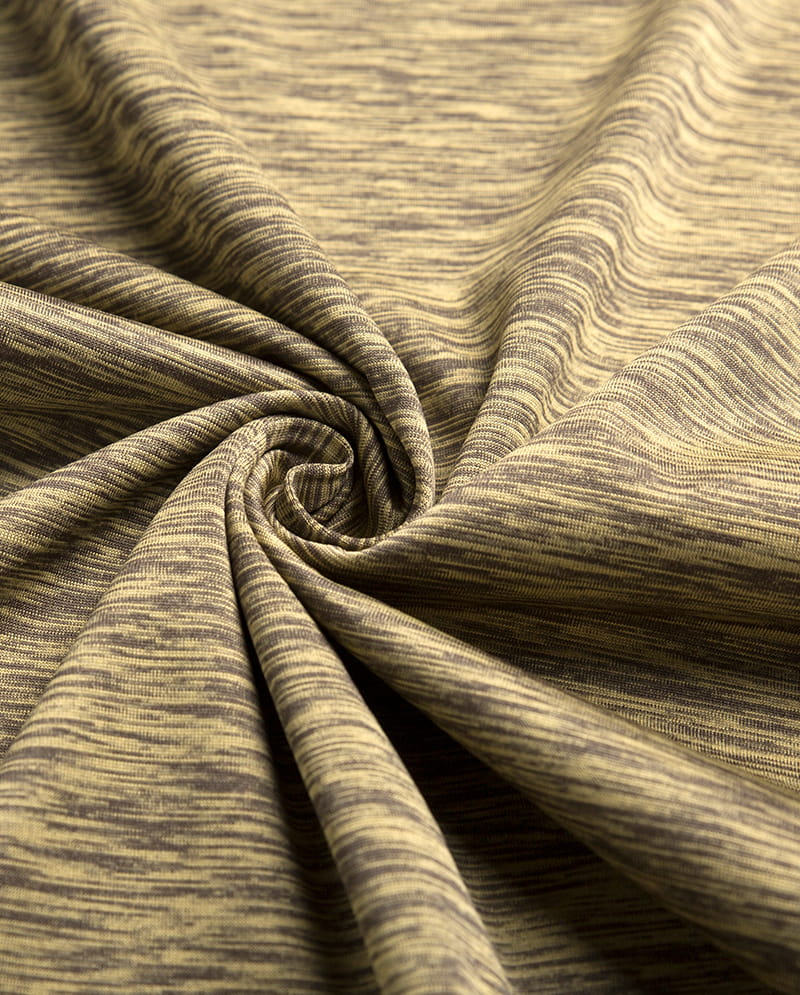
High-Stretch Cationic Jersey Fabric
-
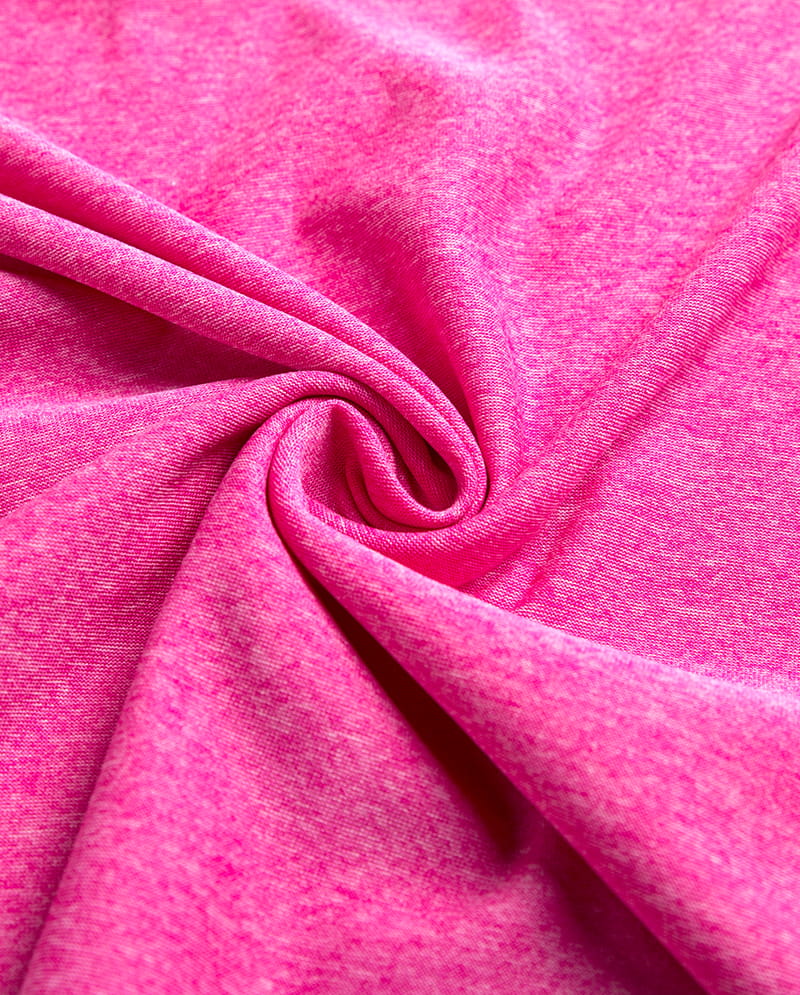
High Quality Cationic DTY Spandex Two Sides Brush Dralon Knit Fabric for Garment Thermal Underwear
-
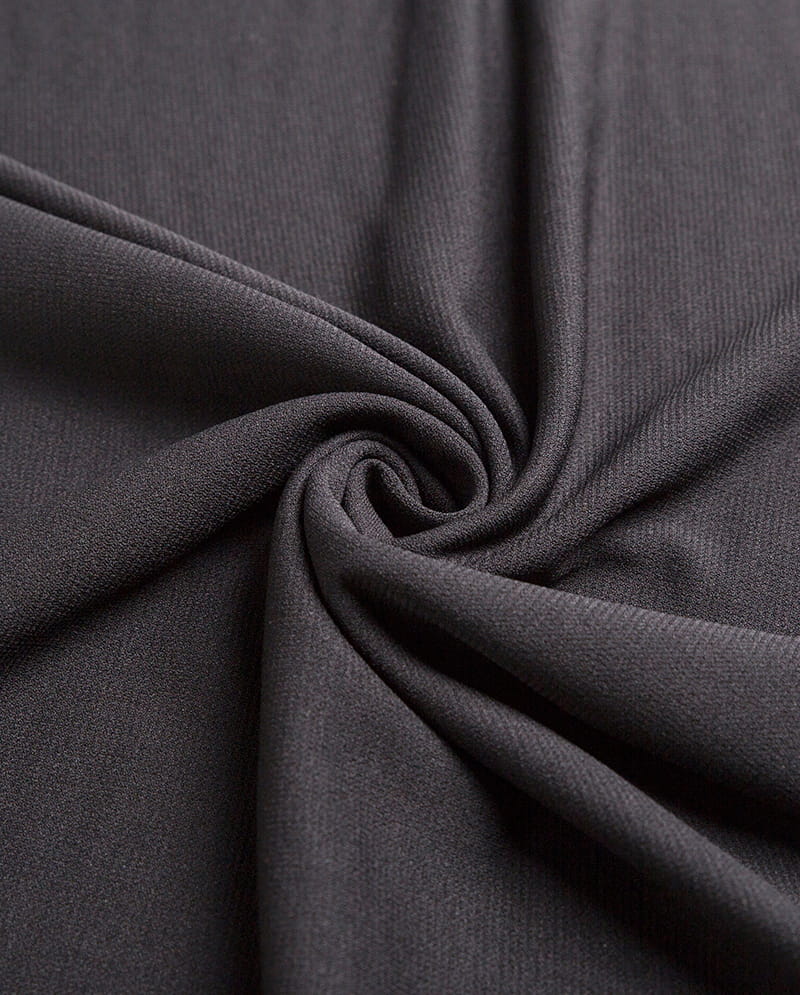
Durable Anti-Pilling Knitted Fabric for Home Textiles
-
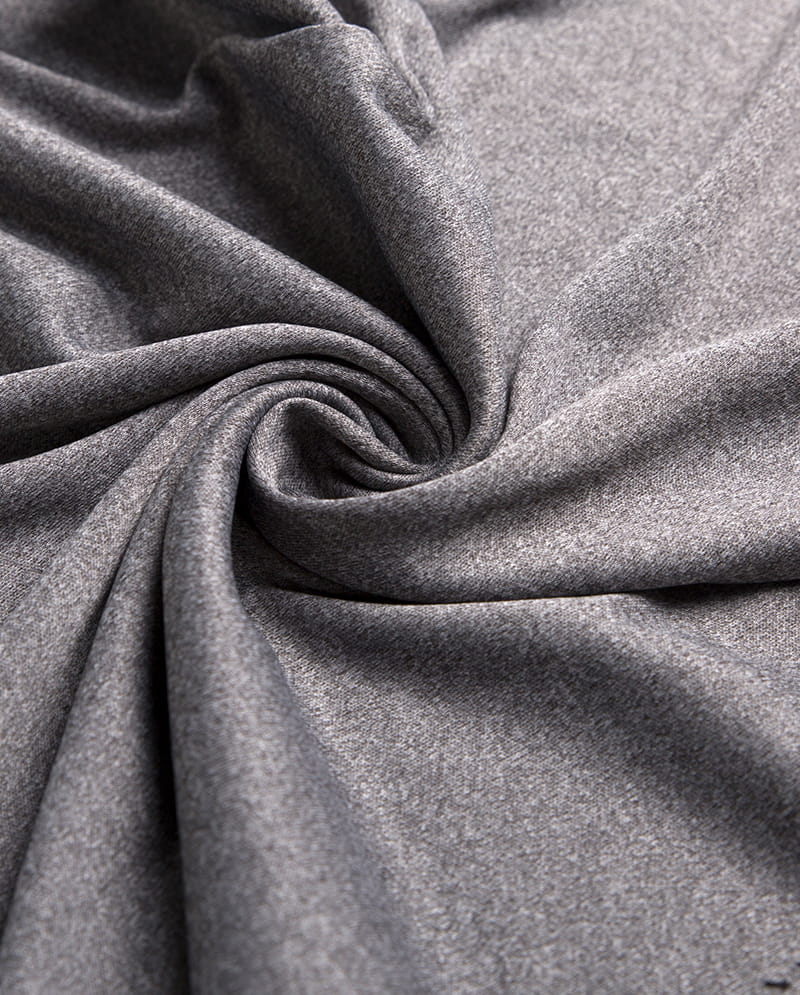
Wash-Resistant Cationic Elastic Knitted Fabric for Garment Industry
-
Breathable Double-Faced Elastic Composite Fabric
-
-
-
- whatsapp:
- 0086-13962559622
-
- skype:
- skype.aliceshenghong
-
- Wechat:


COPYRIGHT © 2016 Suzhou Junhui Textile Co., Ltd.
