

 EN
EN English
 中文简体
中文简体Premium Cationic Interlock Stretch Comfort Fabric for Modern Apparel
Content
- 1 Product Overview
- 2 Why Cationic Interlock Fabric Stands Out
- 3 Core Product Advantages
- 4 Technical Specification Guide
- 5 Applications in Apparel
- 6 Advantages Over Common Competing Fabrics
- 7 Manufacturing Strength Behind the Fabric
- 8 Advanced Process Control
- 9 Customization Possibilities
- 10 Sustainability and Responsible Development
- 11 How the Fabric Supports Brand Value
- 12 Recommended Development Strategy for Buyers
- 13 Quality Points to Evaluate
- 14 Q&A Section
- 14.1 Q1: What is Premium Cationic Interlock Stretch Comfort Fabric?
- 14.2 Q2: What makes this fabric different from ordinary polyester fabric?
- 14.3 Q3: Is the fabric suitable for sportswear?
- 14.4 Q4: Can the fabric be used for close-to-skin garments?
- 14.5 Q5: What weight range is available?
- 14.6 Q6: Can the fabric support sustainable apparel development?
- 14.7 Q7: What colors can be developed?
- 14.8 Q8: Why is interlock construction beneficial?
- 14.9 Q9: What company strengths support this product?
- 14.10 Q10: How should buyers start a development project?
- 15 Conclusion
- 16 References
- 17 Product: Premium Cationic Interlock Stretch Comfort Fabric
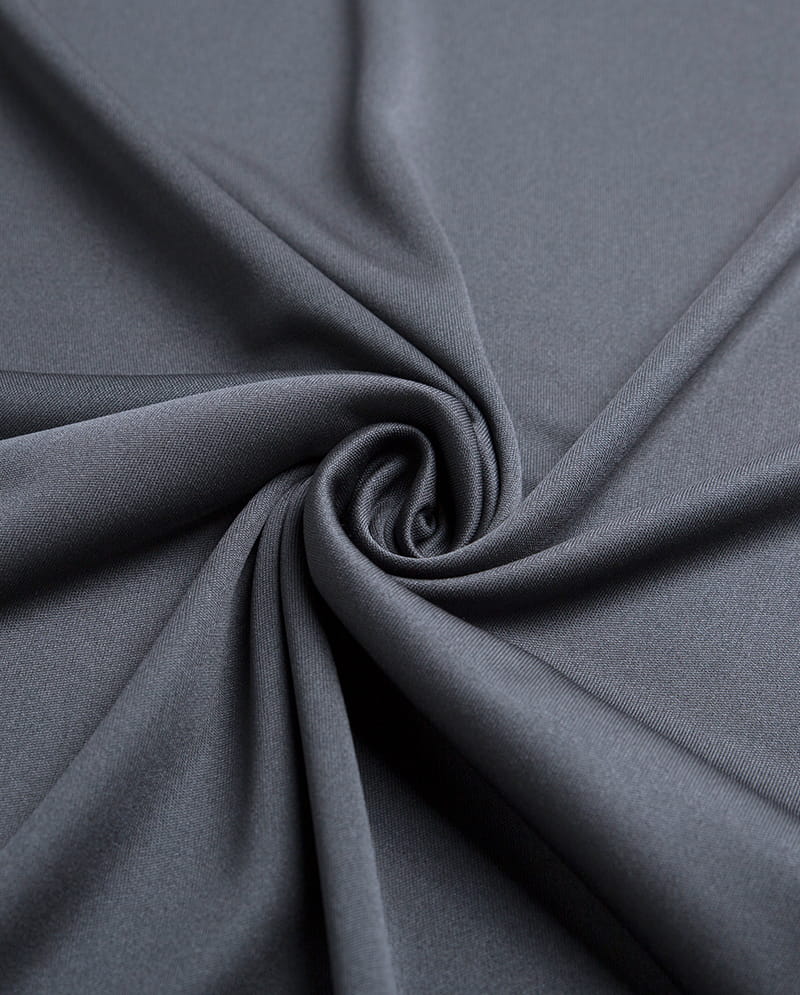
Premium Cationic Interlock Stretch Comfort Fabric is designed for apparel creators who need a textile that looks refined, feels comfortable, performs reliably, and supports flexible product development. Built around modified cationic polyester and an interlock knit structure, this fabric brings together color brilliance, smooth hand feel, stretch comfort, durability, and practical care advantages. It is especially suitable for sportswear, loungewear, casual garments, undergarments, and other clothing categories where the consumer expects both softness and long-lasting performance.
Premium Cationic Interlock Stretch Comfort Fabric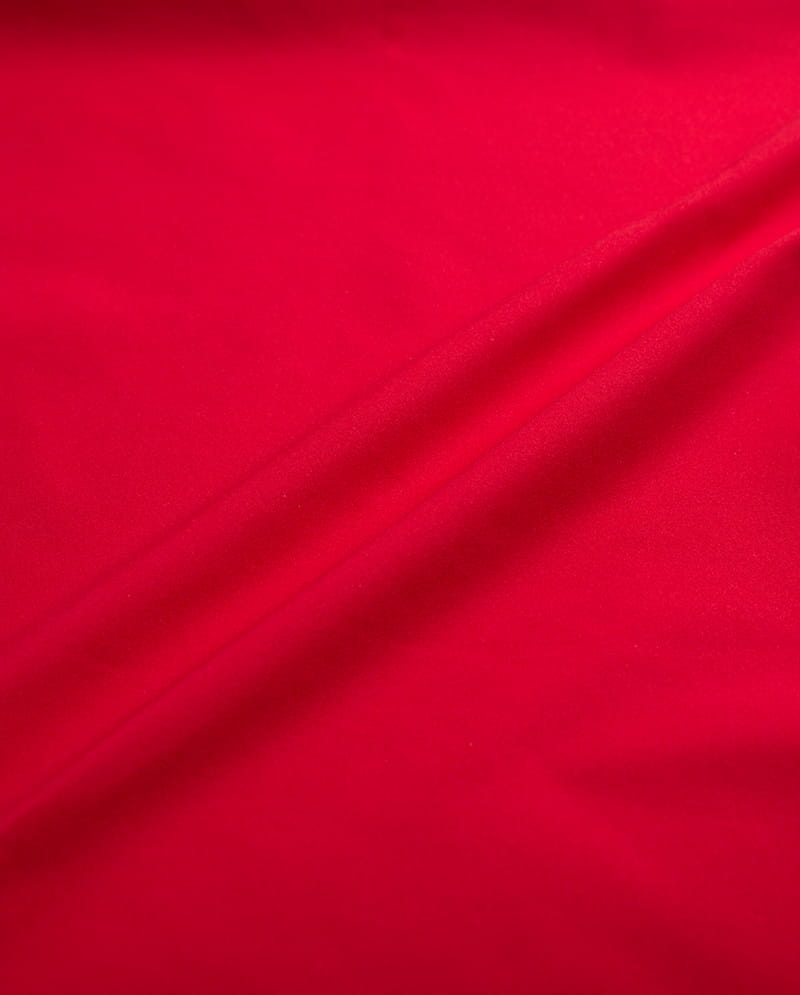
Product Overview
This fabric is a high-performance knitted textile made from cationic polyester, often combined with elastic fibers to improve flexibility and recovery. The interlock construction gives the material a double-faced surface, meaning both sides are smooth, stable, and pleasant to touch. Compared with many basic single jersey or conventional polyester fabrics, interlock fabric generally offers better dimensional stability, a fuller hand feel, and a more premium appearance.
The cationic modification is one of the most important features of this product. Cationic polyester is engineered to accept specific dye systems more effectively, allowing brighter shades, stronger color expression, and attractive two-tone or mélange-like effects when combined with other yarns. This makes the fabric valuable for designers who want visual depth without complicated printing or heavy finishing processes.
Premium Cationic Interlock Stretch Comfort Fabric is typically offered in a practical weight range of about 120–220 gsm, with customizable widths to match different garment patterns and production requirements. The fabric can be developed for lightweight base layers, soft daily T-shirts, active tops, casual pants, yoga apparel, innerwear, and comfortable homewear. Its balance of softness, resilience, and easy care makes it suitable for both fashion and function.
Why Cationic Interlock Fabric Stands Out
In today’s textile market, buyers often compare fabrics based on hand feel, color performance, washing durability, stretch recovery, cost efficiency, and sustainability potential. Premium Cationic Interlock Stretch Comfort Fabric performs strongly in these areas because it combines material engineering with a stable knit construction. It is not simply a decorative fabric; it is a functional apparel platform that can be adjusted according to end-use needs.
Compared with ordinary polyester knits, the cationic version can deliver richer colors and more distinct tone effects. Compared with some natural-fiber fabrics, it offers better wrinkle resistance, faster drying, and improved shape retention. Compared with many low-cost stretch knits, the interlock structure provides a smoother, more substantial texture that improves perceived garment quality.
Another advantage is versatility. The fabric can be paired with performance finishes such as moisture wicking, anti-static treatment, anti-bacterial functionality, or fire-retardant characteristics, depending on the intended product line. This enables garment manufacturers to serve multiple market segments without completely changing their sourcing strategy.
Core Product Advantages
Excellent Color Performance
Cationic polyester is valued for its dyeing behavior. It enables vibrant shades, better depth, and distinctive two-tone effects when used with compatible yarn combinations. This is particularly beneficial for sportswear, athleisure, casual fashion, and children’s apparel, where color variety and visual freshness are essential.
The fabric also supports strong color fastness to washing and sunlight when properly dyed and finished. For consumers, this means garments keep their fresh appearance after repeated use. For apparel brands, it reduces customer complaints related to fading, shade dullness, or uneven appearance.
Soft Double-Faced Texture
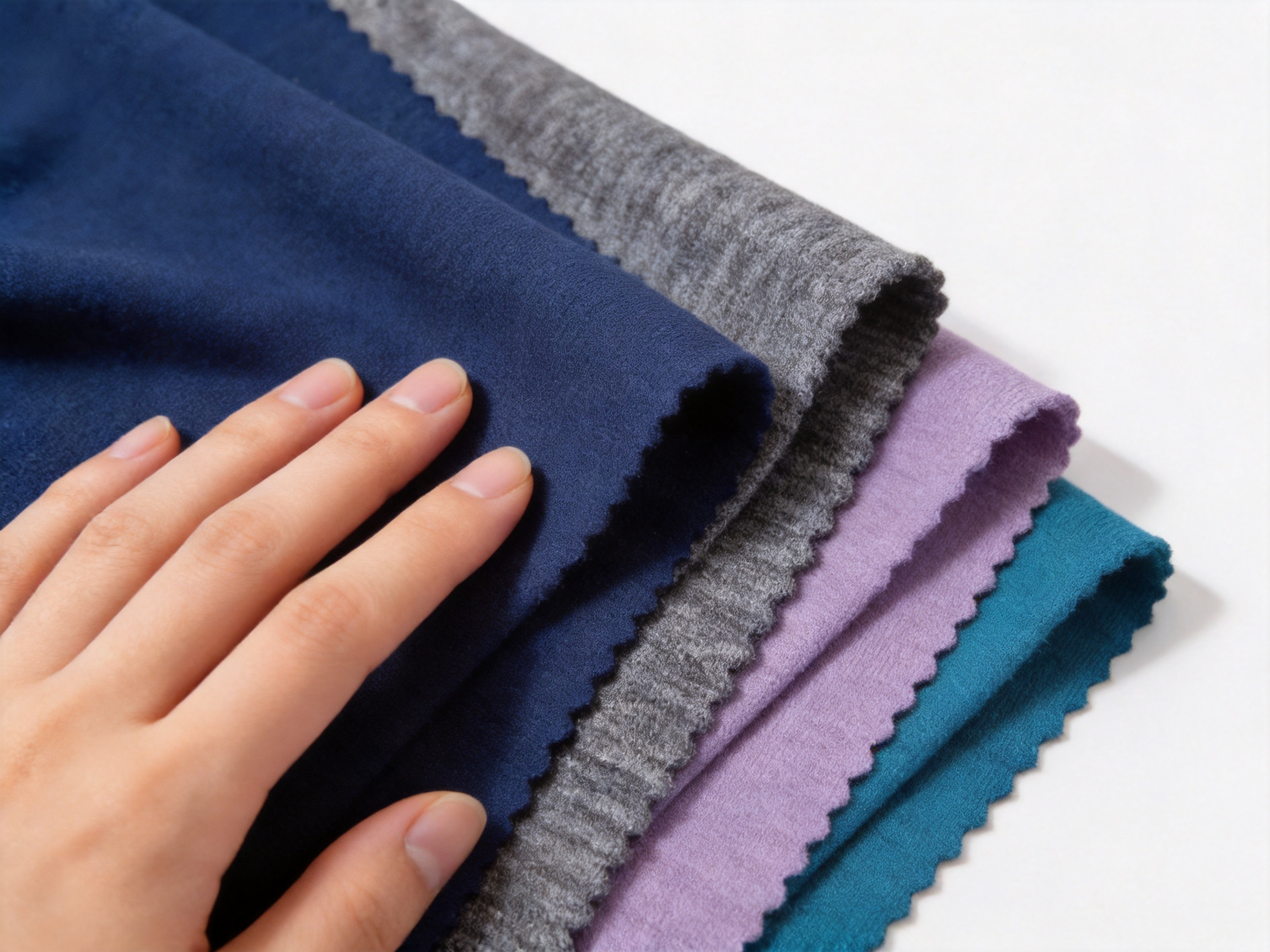
The interlock knit structure creates a smooth surface on both sides of the fabric. This construction reduces the roughness sometimes found in cheaper synthetic knits. As a result, the material feels gentle against the skin and works well for close-fitting garments such as underwear, leggings, base layers, and soft tops.
The double-faced nature also gives the fabric a clean appearance inside and outside the garment. This improves the overall finishing quality, especially for designs where the inner side may be visible, such as loose collars, rolled cuffs, or lightweight jackets.
Reliable Stretch and Recovery
When blended with stretch fibers, the fabric moves with the body and returns to shape after extension. This is important for activewear, travel clothing, homewear, and any apparel requiring flexibility. Poor recovery can lead to bagging at knees, elbows, or waist areas, but a properly engineered cationic interlock stretch fabric helps maintain garment shape.
Comfort stretch is also a major selling point for modern consumers. People increasingly expect clothing to support movement, whether they are exercising, commuting, relaxing, or working from home. This fabric answers that expectation without sacrificing appearance.
Moisture Management and Everyday Comfort
Polyester-based fabrics are naturally quick drying, and with moisture-wicking functionality, the material can move sweat away from the skin more efficiently. This helps improve comfort during physical activity or warm-weather wear. The fabric can be developed for garments that feel dry, lightweight, and practical throughout the day.
For apparel brands, moisture management expands the product’s use range. The same fabric platform can serve fitness tops, casual polos, breathable homewear, and travel garments. This simplifies development while offering strong market appeal.
Durability and Easy Care
Premium Cationic Interlock Stretch Comfort Fabric resists pilling and abrasion better than many weakly constructed knits when made with suitable yarn quality and finishing control. Its synthetic foundation also supports wrinkle resistance and easy washing. Consumers can enjoy garments that require less ironing, dry faster, and maintain a neat look.
Durability is not only a consumer benefit; it is also a brand advantage. Longer-lasting garments help protect brand reputation and support more responsible consumption by reducing premature replacement.
Technical Specification Guide
Item |
Typical Description |
Benefit for Apparel Development |
Fabric Type |
Cationic polyester interlock stretch knit |
Smooth, stable, double-faced comfort fabric |
Material Base |
Modified cationic polyester, optional stretch fiber blend |
Bright color, flexibility, and shape retention |
Weight Range |
Approximately 120–220 gsm |
Suitable for light to medium apparel categories |
Surface |
Smooth double-faced interlock texture |
Soft skin contact and premium visual quality |
Color Performance |
Vibrant shades, two-tone effects, strong fastness potential |
Improves design value and long-term appearance |
Functional Options |
Moisture wicking, anti-static, anti-bacterial, flame-retardant possibilities |
Supports sportswear, casualwear, and specialty apparel |
Care Performance |
Wrinkle resistant, quick drying, easy washing |
Convenient for daily consumer use |
Applications |
Sportswear, loungewear, underwear, casual apparel, base layers |
Flexible fabric platform for multiple product lines |
Applications in Apparel
Sportswear and Athleisure
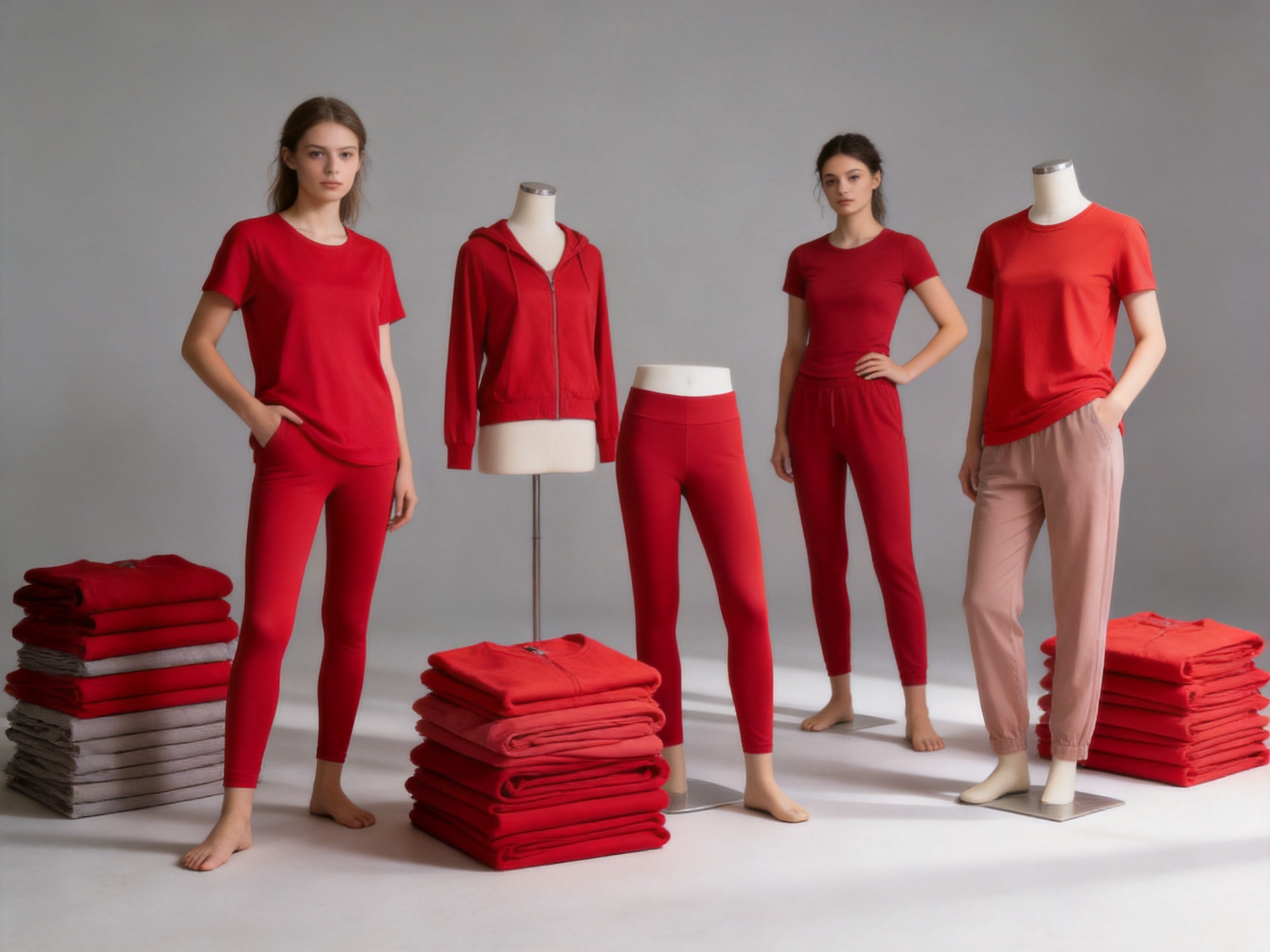
For sportswear, fabric must balance stretch, recovery, breathability, and durability. Premium Cationic Interlock Stretch Comfort Fabric can be developed with moisture-wicking performance, helping active users stay more comfortable. Its smooth texture reduces irritation during movement, while its color performance supports energetic, fashionable collections.
Athleisure brands also benefit from the fabric’s clean appearance. Modern consumers often wear active-inspired clothing in daily settings, so the material must look polished enough for casual social use while remaining comfortable for movement. This cationic interlock fabric fits that hybrid demand.
Loungewear and Homewear
Loungewear requires softness, easy care, and a relaxed touch. The interlock structure provides a gentle feel, while the polyester base supports wrinkle resistance and quick drying. Garments made from this fabric can look neat after washing and remain comfortable for long hours at home.
The two-tone potential of cationic yarn also helps loungewear avoid a flat or basic appearance. Subtle color effects can make simple silhouettes look more refined, allowing brands to create premium homewear collections without excessive decoration.
Undergarments and Base Layers
For close-to-skin products, comfort is critical. The double-faced interlock surface is smooth and soft, helping reduce friction. When stretch is added, the fabric can fit the body comfortably without feeling restrictive. It can be used for undershirts, thermal-style base layers, lightweight briefs, camisoles, and other innerwear items.
Durable stretch recovery is especially important in this category. Garments should keep their fit after repeated wearing and washing. With proper yarn selection and fabric engineering, this textile supports dependable shape retention.
Casual Apparel
Casual clothing needs to be practical, attractive, and comfortable. Premium Cationic Interlock Stretch Comfort Fabric can be used for T-shirts, tops, dresses, casual pants, lightweight jackets, and everyday sets. Its wrinkle resistance is valuable for travel and busy lifestyles, while its vivid color options help brands refresh seasonal collections.
The fabric also supports minimalist design. Because the material itself offers a smooth surface and rich color, garments can look premium even with simple construction. This is useful for brands that focus on clean style and everyday wearability.
Advantages Over Common Competing Fabrics
Compared with Ordinary Polyester Single Jersey
Ordinary polyester single jersey may be lightweight and economical, but it can feel thin, curl at the edges, and provide less surface stability. Premium Cationic Interlock Stretch Comfort Fabric offers a more balanced hand feel, smoother double-faced surface, and improved dimensional appearance. The cationic component also gives stronger color possibilities than many basic polyester knits.
For brands seeking a higher perceived value, interlock construction can elevate the garment without dramatically changing the product category. This makes it a practical upgrade for apparel lines that want better comfort and appearance.
Compared with Cotton Knits
Cotton is loved for natural softness, but it can wrinkle, shrink, dry slowly, and lose shape depending on construction and finishing. Cationic polyester interlock offers easier care, faster drying, and better resistance to wrinkles. It can also provide strong stretch recovery when blended with elastic fibers.
For active or travel-oriented apparel, these advantages are significant. Consumers want garments that wash easily, dry quickly, and look ready to wear. This fabric delivers those benefits while maintaining a soft and comfortable touch.
Compared with Low-Grade Stretch Knits
Some low-grade stretch fabrics feel comfortable at first but lose recovery after repeated wear. They may develop pilling, deformation, or uneven color. Premium Cationic Interlock Stretch Comfort Fabric is designed to offer more stable performance through controlled yarn selection, knitting parameters, dyeing management, and finishing processes.
For garment manufacturers, this means fewer quality issues during production and fewer after-sales problems. A stable fabric improves cutting accuracy, sewing consistency, and final garment presentation.
Compared with Heavier Performance Fabrics
Some performance fabrics are durable but too heavy or stiff for daily comfort. This cationic interlock fabric provides a more wearable balance, especially in the 120–220 gsm range. It can deliver functional benefits without making garments feel bulky.
This balance is valuable for all-day clothing. A consumer may wear the same garment for work, travel, exercise, and relaxation. A fabric that performs well while remaining soft and flexible has a wider market appeal.
Manufacturing Strength Behind the Fabric
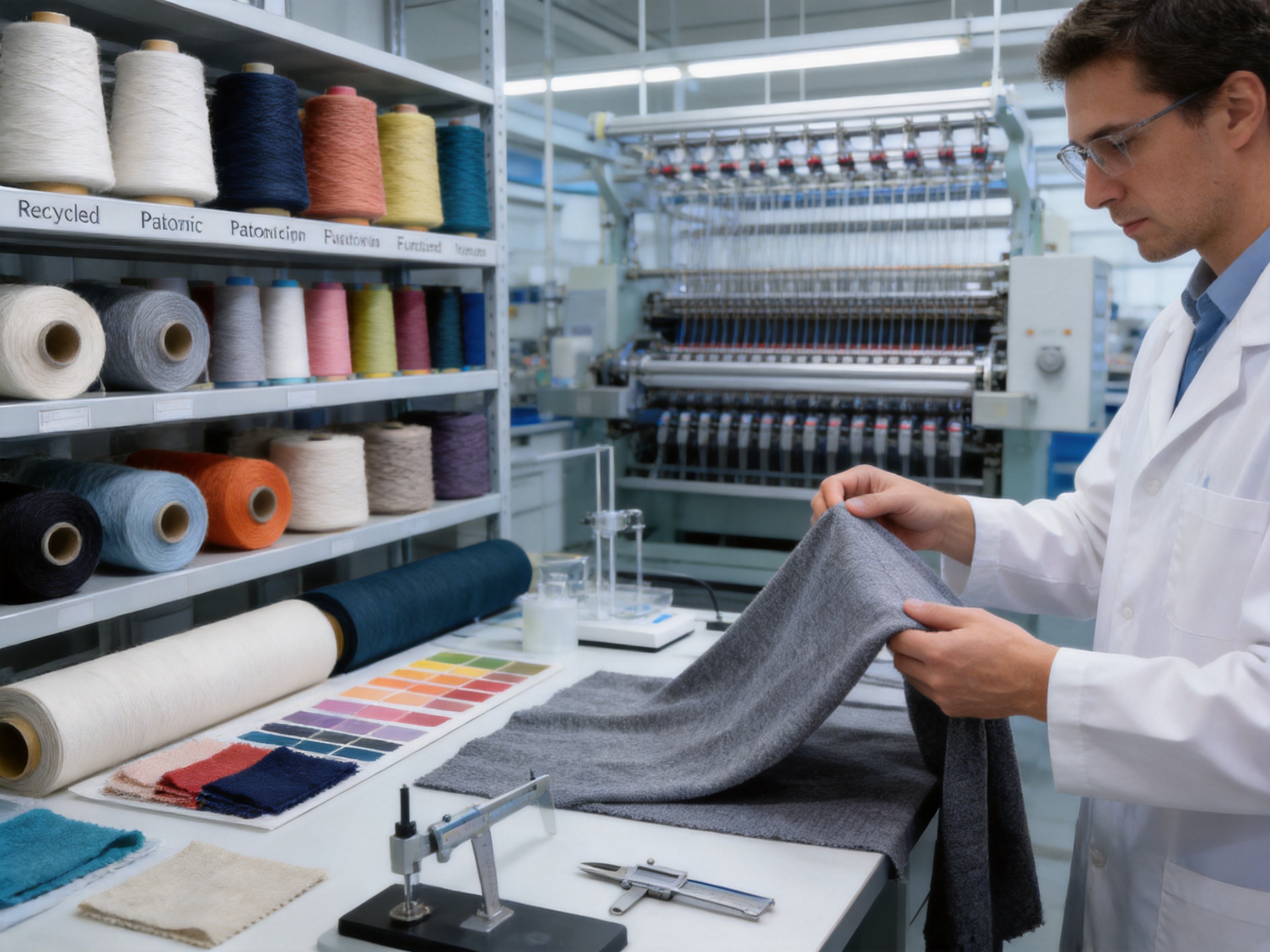
Suzhou Junhui Textile Co., Ltd. and Suzhou Xiaoran New Material Co., Ltd. focus on the development and sale of differential yarn and knitted fabric products. The company’s product direction includes recycled yarn, polyester dope-dyed yarn, microfine yarn, flame-retardant yarn, cationic dyeing yarn, and other functional textile materials. This broad yarn foundation supports the development of advanced fabrics such as Premium Cationic Interlock Stretch Comfort Fabric.
The company’s strength begins with material knowledge. Because cationic interlock fabric depends heavily on yarn performance, the ability to select suitable DTY, FDY, POY, recycled yarn, and functional yarn types is essential. Yarn count, filament number, luster, elasticity, dye behavior, and finishing compatibility all influence the final fabric. A manufacturer with strong yarn experience can develop more consistent and customized fabric solutions.
The company also emphasizes research and development. Its professional R&D team works on environmental protection, functional yarns, and fabric applications. This is important because modern textile buyers increasingly need fabrics that combine comfort, style, performance, and responsible sourcing. The ability to discuss development with customers and solve technical problems gives the company an advantage over suppliers that only provide standard items.
Exports account for a large part of the company’s products, and its customer base extends across many countries. This global market experience helps the manufacturer understand different testing requirements, apparel standards, seasonal trends, and customer expectations. It also supports responsive service for buyers who need guidance on product selection, sampling, and problem solving.
Advanced Process Control
Yarn Selection and Material Matching
A high-quality cationic interlock fabric starts with the correct yarn. The manufacturer can work with normal, recycled, cationic, semi-dull, full-dull, high-elastic, and functional yarn series. This allows fabric construction to be adapted for target performance. For example, a sportswear fabric may prioritize moisture wicking and recovery, while a loungewear fabric may prioritize softness and drape.
Yarn options may include different denier and filament combinations, such as 50D, 75D, 100D, 150D, and other specifications depending on the required fabric weight and texture. Higher filament counts often create a softer touch, while different lusters influence appearance. This flexibility allows the fabric to be engineered rather than merely supplied.
Knitting Engineering
Interlock knitting requires stable machine settings and consistent yarn feeding. The goal is to create a balanced double-knit structure with uniform loops, smooth surface quality, and controlled stretch. If knitting tension is unstable, the fabric may show streaks, uneven density, or dimensional inconsistency. Therefore, process control during knitting is essential for premium quality.
A well-made interlock fabric has good fabric body without feeling harsh. It should lie smoothly, support accurate cutting, and sew cleanly. These characteristics are especially important for garment factories that need production efficiency and low defect rates.
Dyeing and Color Management
Cationic dyeing requires careful control of temperature, dye compatibility, liquor ratio, and finishing conditions. The aim is to achieve bright, even, and fast colors. For two-tone effects, yarn combination and dye behavior must be planned in advance. This requires technical communication between yarn development, fabric construction, and dyeing operations.
Color management is a major advantage for buyers. Consistent shades reduce production risk, especially for repeat orders, multi-style collections, or coordinated apparel sets. A supplier with experience in cationic dyeing yarn can better support stable color results.
Finishing for Hand Feel and Function
Finishing transforms greige fabric into a consumer-ready material. Depending on customer requirements, finishing may improve softness, moisture transport, anti-static properties, anti-bacterial performance, dimensional stability, or wrinkle resistance. The finishing stage must be carefully balanced because excessive treatment may affect stretch recovery or color shade.
For Premium Cationic Interlock Stretch Comfort Fabric, finishing is used to enhance the smooth hand feel and practical performance while maintaining the fabric’s natural flexibility. This creates a textile that feels pleasant immediately and continues to perform after use.
Quality Inspection
Quality inspection should cover fabric appearance, width, weight, shade, hand feel, stretch, recovery, pilling resistance, abrasion performance, and color fastness according to customer requirements. For export markets, consistency is especially important because fabrics may be used in large garment programs with strict delivery schedules.
By controlling quality at multiple stages, from yarn to finished fabric, the manufacturer can reduce defects and improve reliability. This gives apparel buyers confidence when planning seasonal collections or long-term sourcing programs.
Customization Possibilities
Premium Cationic Interlock Stretch Comfort Fabric can be customized in weight, width, color, yarn combination, stretch level, and functional finishing. This flexibility is important because different apparel categories require different performance balances. A fabric for leggings may need stronger recovery, while a fabric for loungewear may need softer drape. A fabric for sports tops may need faster moisture movement, while a casual fashion fabric may need a more distinctive two-tone appearance.
The company’s yarn list supports many development directions, including recycled series, normal polyester series, cationic dyeing series, high-elastic series, and functional series. Available yarn categories include DTY, FDY, dope-dyed options, cationic yarn, semi-dull and full-dull yarn, PBT/PET elastic yarn, hollow warm yarn, anti-bacterial yarn, moisture-wicking yarn, and flame-retardant yarn. This broad material base helps customers develop fabrics for both mainstream and specialized apparel markets.
Customization can also support sustainability goals. Recycled yarn options may be considered when brands want to reduce reliance on virgin resources. Dope-dyed yarn may reduce certain dyeing impacts by adding color during polymer or spinning stages, depending on the production method and customer specification. These options can help brands build more responsible product stories while maintaining performance.
Sustainability and Responsible Development
Textile sustainability is becoming a central concern for global apparel brands. Premium Cationic Interlock Stretch Comfort Fabric can contribute to more responsible development in several ways. First, its durability can extend garment life, reducing the need for frequent replacement. Second, recycled yarn options may be incorporated when required. Third, strong color fastness can help garments maintain their appearance longer.
The company’s attention to recycled yarn and environmental yarn development supports customers who are seeking practical sustainability improvements. While no synthetic fabric is automatically sustainable by itself, responsible material selection, efficient manufacturing, quality control, and longer product life all contribute to better outcomes.
Another sustainability advantage is versatility. A fabric platform that can be adapted for multiple apparel categories may reduce development waste because buyers can test, refine, and reuse a trusted base fabric across different products. This can simplify sourcing and improve planning accuracy.
How the Fabric Supports Brand Value
For apparel brands, fabric choice is a key part of product identity. Consumers may not always know the technical name of a textile, but they immediately feel softness, notice color richness, and judge whether a garment keeps its shape. Premium Cationic Interlock Stretch Comfort Fabric helps brands create garments that feel better and look more durable than ordinary basics.
The fabric is especially useful for brands positioned in comfort performance, affordable premium apparel, athleisure, daily essentials, and functional casualwear. It allows designers to create clean silhouettes with reliable comfort. It also helps production teams maintain quality because interlock fabric is generally more stable than many lightweight unstable knits.
Retail presentation is another benefit. Rich cationic color and smooth surface quality can make garments look more attractive on shelves, online images, and product displays. Since e-commerce customers rely heavily on visual appearance, strong color depth and clean fabric texture can improve perceived value.
Recommended Development Strategy for Buyers
When developing products with this fabric, buyers should begin by identifying the final garment category and target consumer. A sportswear product may require moisture wicking, high stretch recovery, and bright athletic colors. A loungewear product may require softness, gentle stretch, and calming tones. An undergarment may need smooth skin contact, light weight, and stable elasticity.
After defining the application, buyers should confirm fabric weight, width, color, hand feel, functional finishing, and testing requirements. Sample evaluation should include washing, stretch recovery, pilling, shade consistency, and sewing performance. Because the fabric can be customized, early technical communication helps avoid delays and ensures the final textile meets the intended standard.
It is also useful to discuss yarn options. Cationic polyester can be combined with other yarns to produce different appearances and functions. Recycled yarn may support sustainability goals. High-elastic yarn may improve comfort stretch. Functional yarn may add flame retardance, moisture wicking, anti-bacterial performance, or warmth. The best fabric is the result of matching yarn engineering with garment purpose.
Quality Points to Evaluate
Before placing bulk orders, apparel manufacturers should review several quality points. Fabric weight should match the approved standard within tolerance. Width should support cutting efficiency. Color should be consistent across lots. The surface should be smooth and free from obvious streaks, holes, stains, or uneven knitting. Stretch and recovery should meet garment requirements.
Washing performance is also essential. The fabric should maintain color, size, and hand feel after repeated laundering according to the buyer’s testing method. Pilling resistance should be suitable for the intended price level and use frequency. For activewear, moisture management should be tested. For close-to-skin products, softness and comfort should be evaluated carefully.
These quality checks help ensure that the fabric not only looks good in a sample but also performs reliably in production and consumer use.
Q&A Section
Q1: What is Premium Cationic Interlock Stretch Comfort Fabric?
It is a knitted fabric made primarily from modified cationic polyester, often blended with stretch fibers. Its interlock structure creates a smooth double-faced texture, while the cationic material provides vibrant color and special two-tone design possibilities.
Q2: What makes this fabric different from ordinary polyester fabric?
Compared with ordinary polyester fabric, it offers better color expression, a smoother interlock texture, stronger premium appearance, and customizable comfort stretch. It can also support practical functions such as moisture wicking, anti-static properties, and improved durability.
Q3: Is the fabric suitable for sportswear?
Yes. With suitable stretch fiber and moisture-wicking finishing, it is well suited for sportswear and athleisure. It moves with the body, dries quickly, and can maintain an attractive appearance after repeated use.
Q4: Can the fabric be used for close-to-skin garments?
Yes. The interlock construction gives the fabric a smooth surface on both sides, making it comfortable for underwear, base layers, undershirts, and soft daily apparel.
Q5: What weight range is available?
The fabric is commonly available in the 120–220 gsm range, depending on yarn selection, knitting density, and finishing requirements. Width and other specifications can be customized according to garment needs.
Q6: Can the fabric support sustainable apparel development?
Yes. Recycled yarn options may be considered, and the fabric’s durability helps garments last longer. Responsible development depends on the selected yarns, finishing methods, testing standards, and final product design.
Q7: What colors can be developed?
The cationic polyester base supports vibrant shades and distinctive two-tone effects. Custom colors can be developed according to buyer requirements, subject to lab dip approval and production conditions.
Q8: Why is interlock construction beneficial?
Interlock construction creates a stable, double-faced knit with a soft hand feel and clean appearance. It is generally more substantial and dimensionally balanced than many basic single jersey fabrics.
Q9: What company strengths support this product?
Suzhou Junhui Textile Co., Ltd. and Suzhou Xiaoran New Material Co., Ltd. have experience in differential yarns, recycled yarn, cationic dyeing yarn, functional yarn, and knitted fabric development. Their R&D capability, export experience, and yarn resource base help support customized fabric solutions.
Q10: How should buyers start a development project?
Buyers should define the garment application, target weight, required stretch, color direction, functional finishing, and testing standards. Then they can request samples and work with the supplier to refine yarn selection and finishing details.
Conclusion
Premium Cationic Interlock Stretch Comfort Fabric is a strong choice for apparel brands seeking a textile that combines comfort, color, function, and durability. Its cationic polyester foundation provides vibrant shades and attractive two-tone effects, while the interlock knit structure delivers a smooth double-faced texture and stable hand feel. With optional stretch fibers and functional finishing, the fabric can meet the needs of sportswear, loungewear, undergarments, casual apparel, and modern everyday clothing.
Its competitive advantage lies in balance. It is softer and more stable than many basic polyester knits, easier to care for than many cotton fabrics, more visually expressive than plain synthetic materials, and more versatile than narrow-use performance textiles. For consumers, it offers comfort and convenience. For apparel brands, it supports reliable production, attractive design, and differentiated product value.
Backed by expertise in differential yarn, cationic dyeing yarn, recycled yarn, functional yarn, and knitted fabric development, the manufacturer can help customers create fabrics aligned with specific performance and market goals. In a competitive apparel environment, this combination of advanced material capability and practical fabric performance makes Premium Cationic Interlock Stretch Comfort Fabric a valuable solution for modern textile sourcing.
References
1. Textile Institute. Textile Terms and Definitions. Textile Institute Publishing.
2. Morton, W. E., and Hearle, J. W. S. Physical Properties of Textile Fibres. Woodhead Publishing.
3. Horrocks, A. R., and Anand, S. C. Handbook of Technical Textiles. Woodhead Publishing.
4. Kadolph, S. J. Textiles. Pearson Education.
5. Fung, W. Coated and Laminated Textiles. Woodhead Publishing.
6. Saville, B. P. Physical Testing of Textiles. Woodhead Publishing.
Product: Premium Cationic Interlock Stretch Comfort Fabric

Popular products
-
Premium Cationic Interlock Stretch Comfort Fabric
-
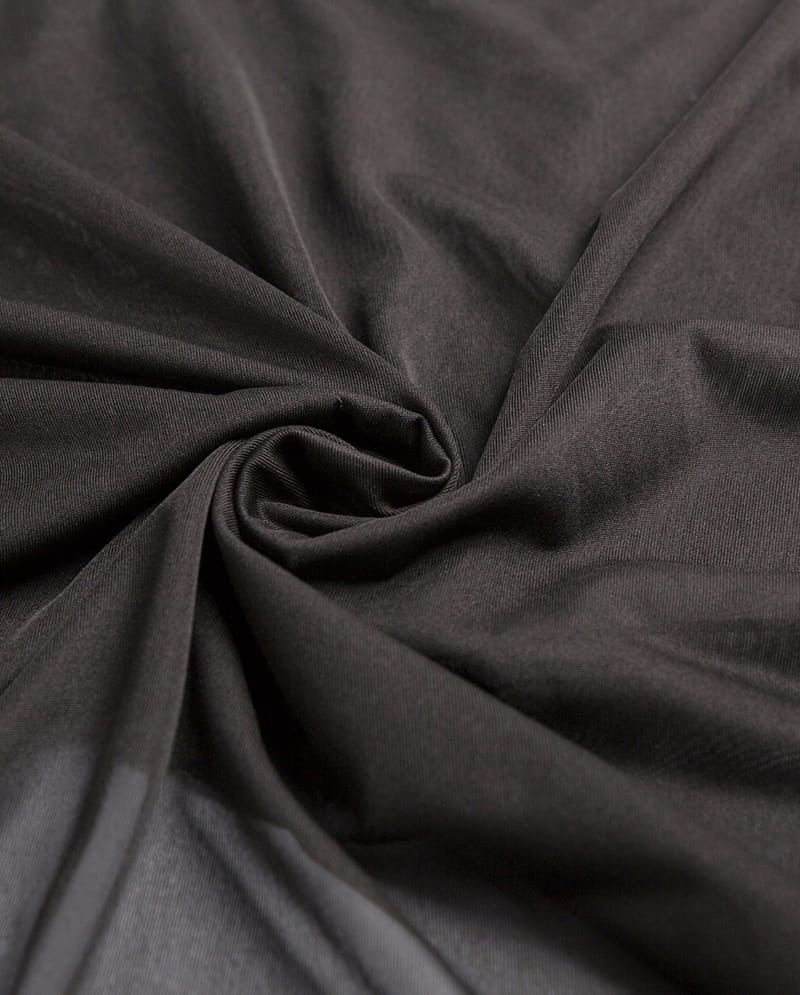
Moisture-Wicking Nylon Woven Fabric
-
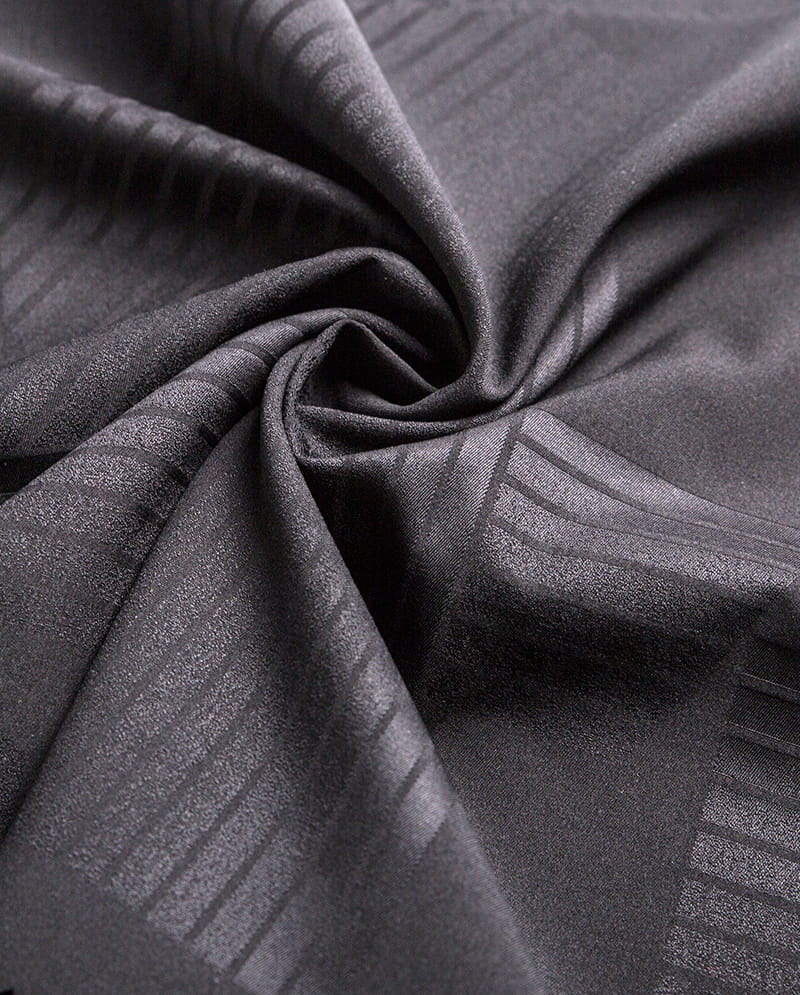
Double-faced jacquard elastic fabric
-
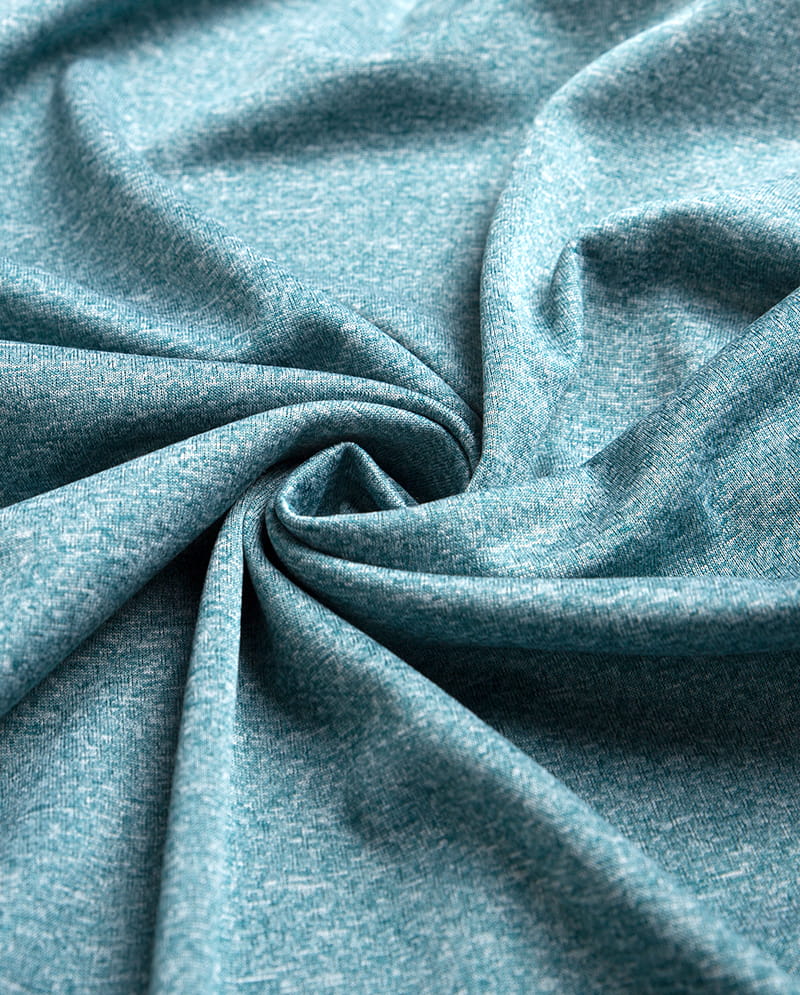
Heather Grey Double-faced cationic jersey fabric
-
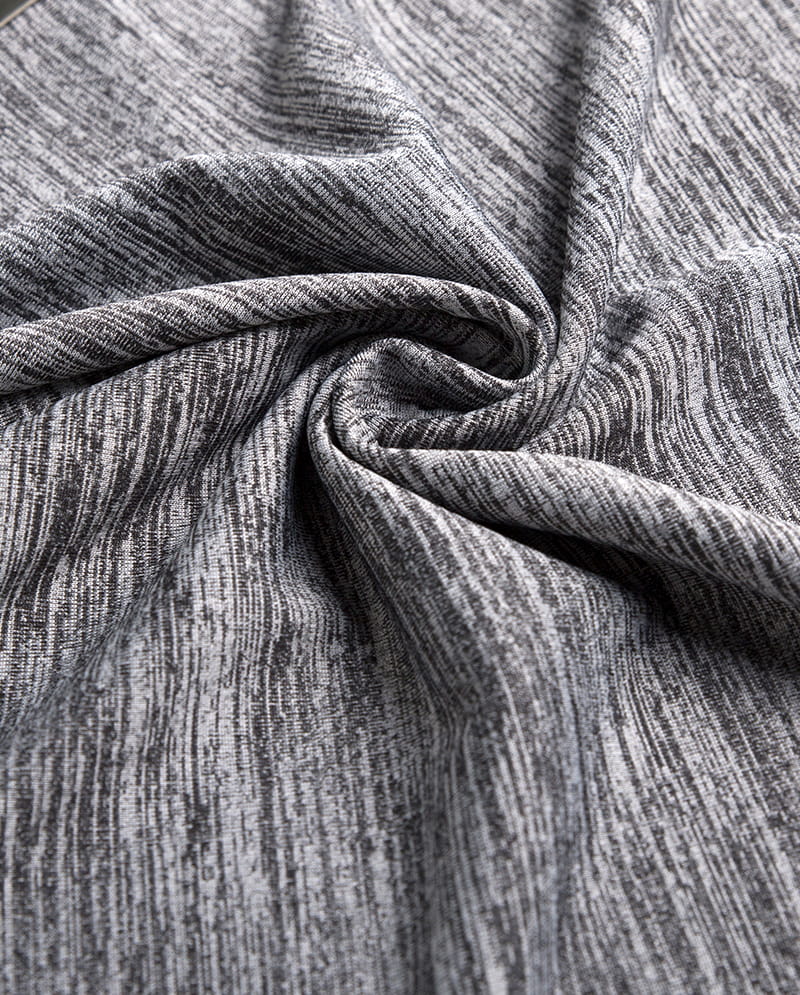
Anti-static Cationic Knitted Rib Fabric
-
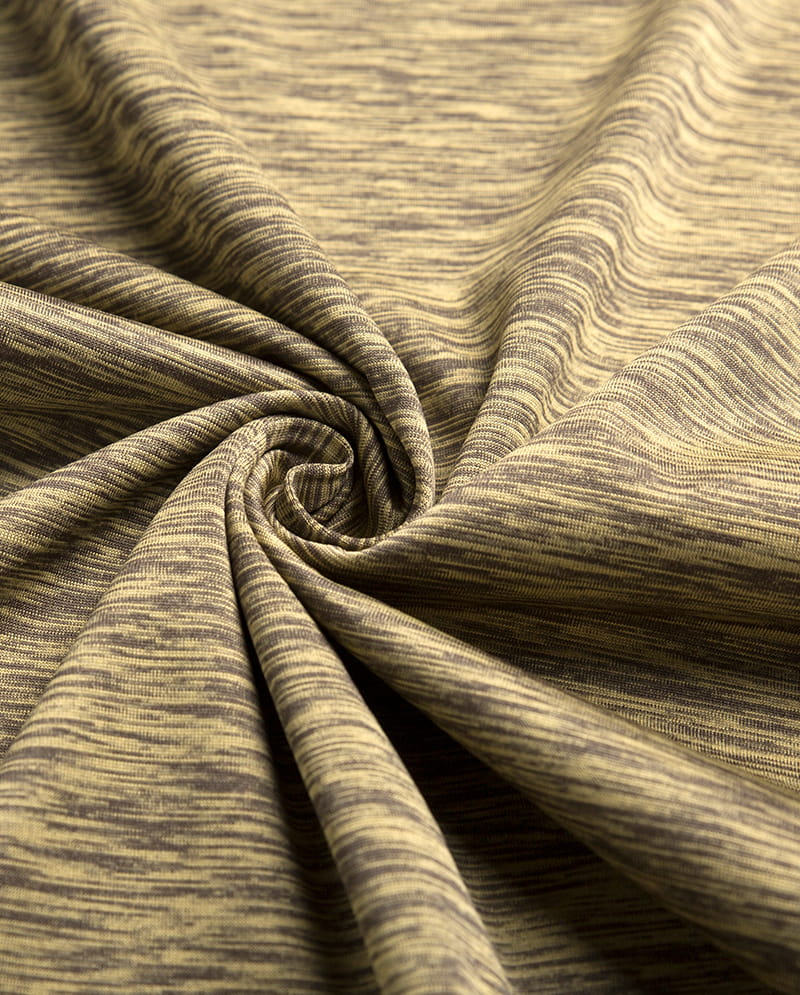
High-Stretch Cationic Jersey Fabric
-
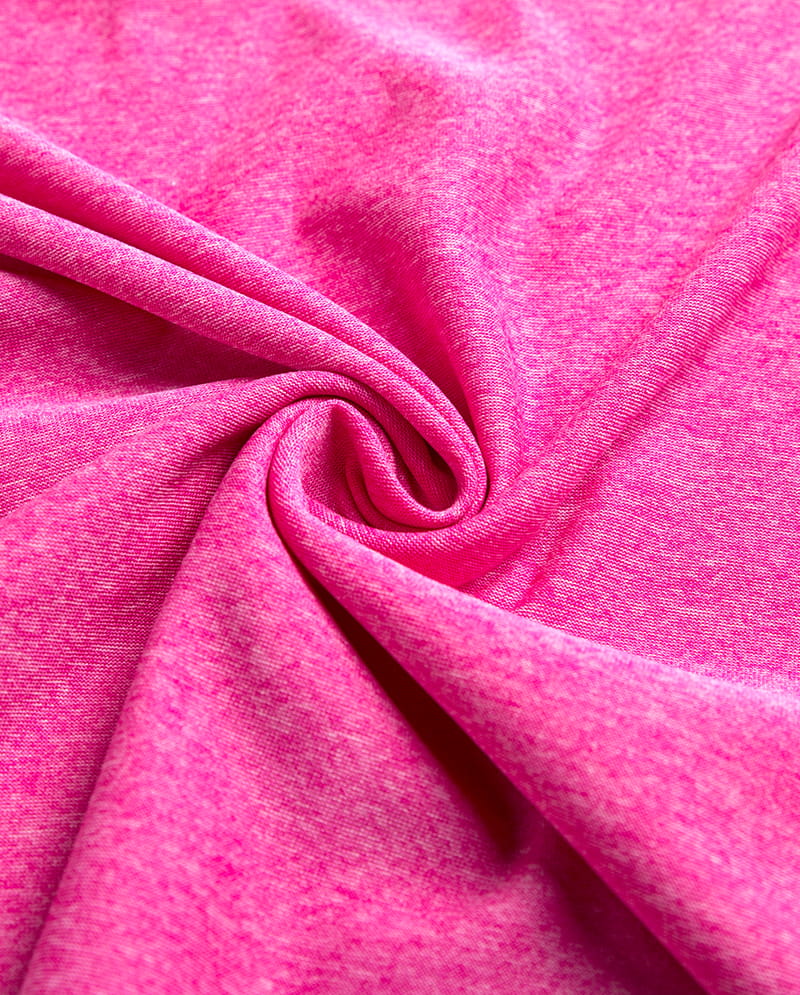
High Quality Cationic DTY Spandex Two Sides Brush Dralon Knit Fabric for Garment Thermal Underwear
-
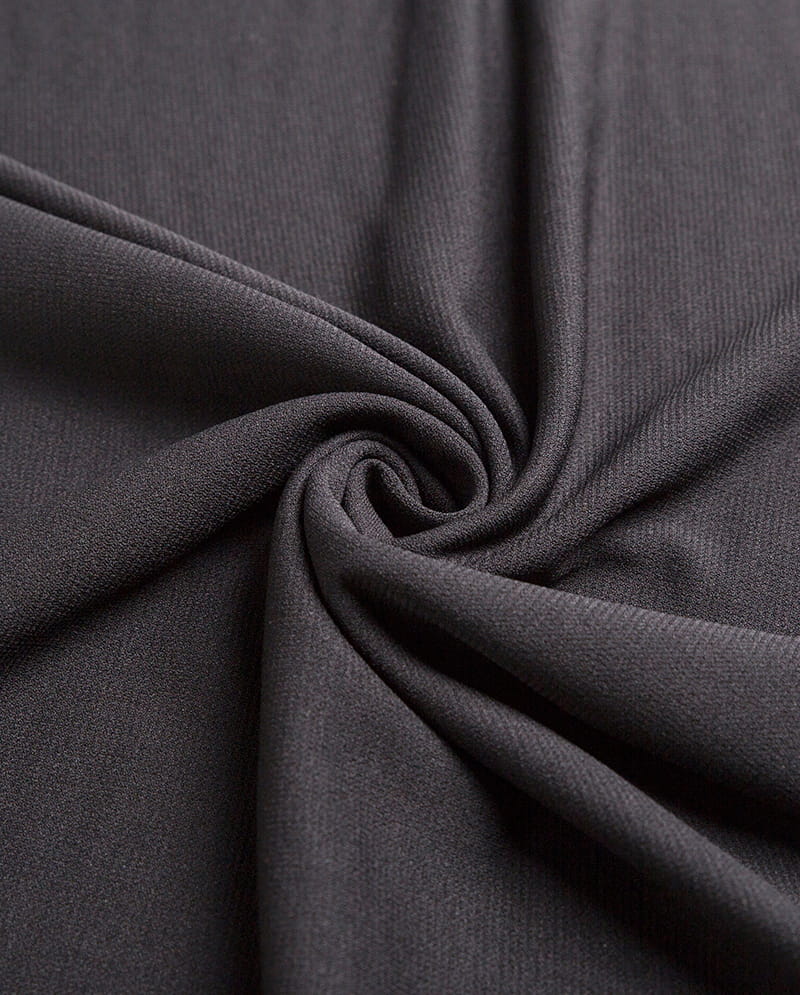
Durable Anti-Pilling Knitted Fabric for Home Textiles
-
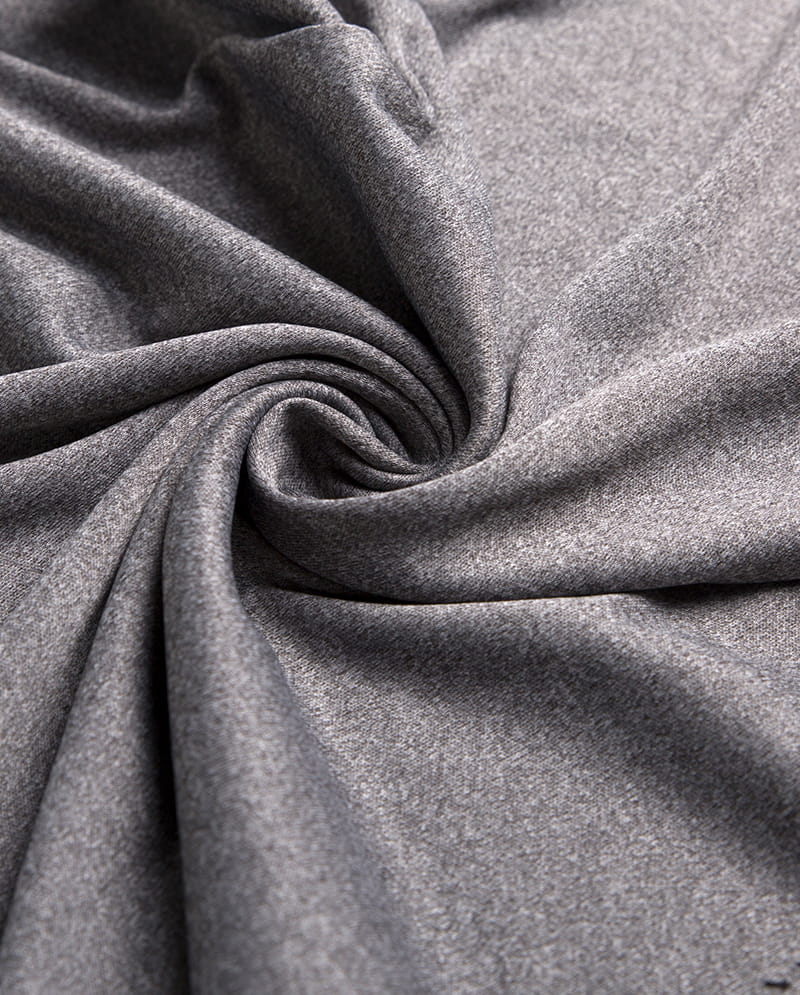
Wash-Resistant Cationic Elastic Knitted Fabric for Garment Industry
-
Breathable Double-Faced Elastic Composite Fabric
-
-
-
- whatsapp:
- 0086-13962559622
-
- skype:
- skype.aliceshenghong
-
- Wechat:


COPYRIGHT © 2016 Suzhou Junhui Textile Co., Ltd.
