

 EN
EN English
 中文简体
中文简体Polyester Meaning: What This Fiber Is, How It's Made, and Why It Matters
Content
- 1 What Does Polyester Actually Mean?
- 2 The Polyester Family: PET, PCDT, and Plant-Based Variants
- 3 How Polyester Is Made, From Raw Materials to Fabric
- 4 What POY, FDY, and DTY Mean on a Yarn Spec
- 5 The Properties Behind the Name
- 6 What "100% Polyester" Means on a Care Label
- 7 What Recycled Polyester (rPET) Means
- 8 The Short Version for Buyers
Check the care label on a running T-shirt, a hotel duvet cover, or the lining of a winter coat, and the odds are high that you will find the same word: polyester. The fiber accounts for more than half of all textile fiber produced worldwide, so anyone who buys fabric, apparel, or home textiles will handle it constantly. Yet the term causes genuine confusion, because it does not name one single product. In short, polyester means a synthetic polymer built from repeating ester units, and in textiles it almost always refers to one specific member of that family: polyethylene terephthalate, better known as PET. This article unpacks what that definition covers, how the material is made, what the related yarn abbreviations and label claims stand for, and which details deserve attention in a purchase decision.
What Does Polyester Actually Mean?
The word explains its own chemistry. "Poly" means many, and an ester is the compound formed when an acid reacts with an alcohol. Put together, polyester describes a polymer — a very long chain molecule — whose backbone is built from many repeating ester units. Used strictly, the term covers an entire category of materials, some of which even occur in nature; the waxy cutin that protects plant leaves is a natural polyester. In trade and everyday usage, though, the meaning has narrowed: polyester refers to the synthetic fiber spun from PET, first commercialized at scale in the early 1950s and now the default fiber of the global textile industry.
This dual meaning has a practical consequence. If you order "polyester fabric" without further specification, you will receive PET-based material, almost always in the form of smooth continuous filament yarn. Terms that sound related but differ — polyamide (nylon), polypropylene, polyurethane (elastane) — are separate polymer families with different properties and prices, so they should never be treated as interchangeable on a spec sheet.
The Polyester Family: PET, PCDT, and Plant-Based Variants
Commercial textile polyester comes in three practical variants, and knowing which one sits in your fabric explains much of its behavior:
- PET (ethylene polyester): the standard material behind most apparel, home textiles, and industrial yarn; strong, dimensionally stable, and economical.
- PCDT polyester: a variant polymerized with a different glycol, giving better stretch and resilience; historically favored for heavier furnishings and curtains.
- Plant-based polyester: PET whose glycol component is partly derived from sugarcane ethanol; chemically identical to standard PET but with a partial renewable feedstock.
| Variant | Key trait | Typical use |
|---|---|---|
| PET | Strength and dimensional stability | Apparel, home textiles, industrial yarn |
| PCDT | Higher elasticity and resilience | Upholstery, curtains, furnishings |
| Plant-based | Part renewable feedstock | Fiber and bottle grades seeking a lower footprint |
How Polyester Is Made, From Raw Materials to Fabric
Polyester production is best understood as a chain of three stages. It starts with two petrochemical raw materials: purified terephthalic acid (PTA) and ethylene glycol (MEG). Under heat and vacuum they undergo polycondensation — the reaction that creates the ester links — and the molten polymer is extruded and cut into small pellets called polyester chips. Chips are the true hinge of the supply chain: melted again, filtered, and pressed through a spinneret, each batch becomes continuous filaments that are drawn and wound as yarn, which is then knitted or woven into fabric.
The chain matters commercially because every property you test downstream traces back to an upstream decision. A chip grade chosen for its intrinsic viscosity sets the strength ceiling of the resulting fiber, and a spinning additive determines whether the yarn dyes in standard disperse shades or in brighter cationic shades. For a deeper walk-through of this raw material, our overview of what polyester chips are and how they work breaks the grades down in detail.
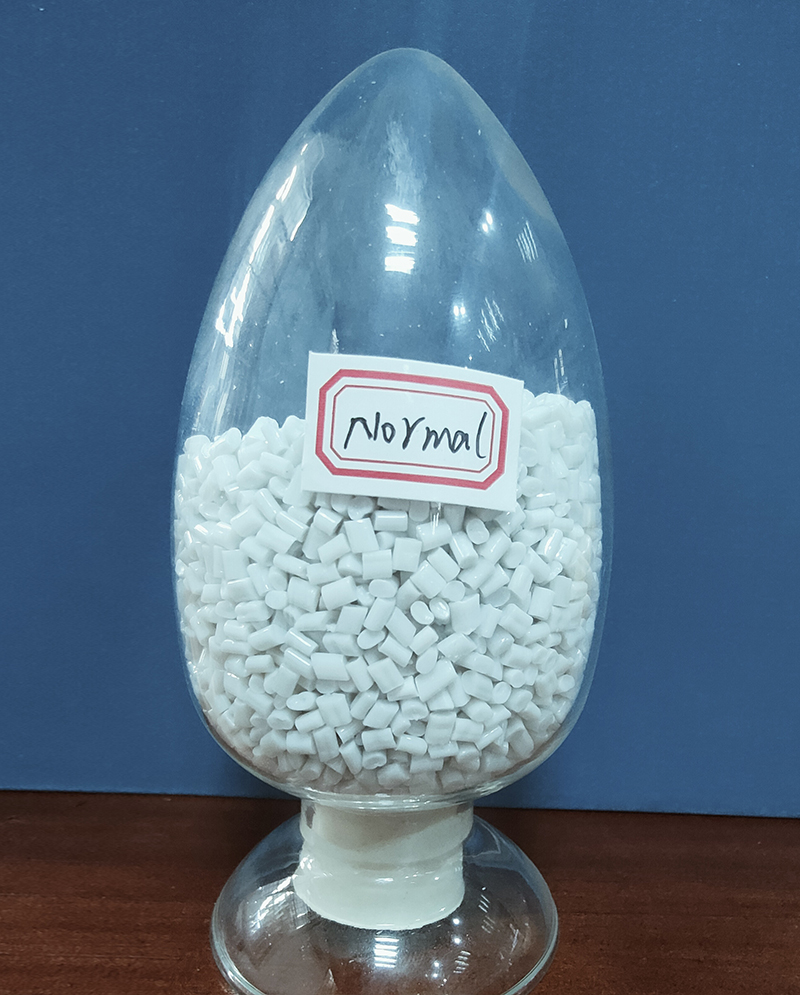 High-Stability Normal Polyester Chips for Textile Fiber ProductionPET chip grades like SD, FD, CD, and TBR determine intrinsic viscosity and additive choices, setting the strength ceiling and dyeing route of downstream yarn, making them a key starting point for fiber buyers.View Product →
What POY, FDY, and DTY Mean on a Yarn Spec
The same PET leaves the spinneret at different levels of readiness, and the abbreviations on a quotation describe exactly how much processing the yarn has received:
- POY (partially oriented yarn): only partially drawn, so its molecules are loosely aligned. It is an intermediate product, valued for further texturizing rather than direct fabric use.
- FDY (fully drawn yarn): drawn to full orientation. Smooth, strong, and lustrous, it suits linings, home textiles, and woven constructions where a flat, even surface matters.
- DTY (draw textured yarn): drawn and then texturized by false twisting, which sets crimp into the filaments. The result is bulkier, softer, and gently stretchy — the classic yarn of knitwear and sportswear.
For buyers, the abbreviation is a shortcut to hand feel: FDY reads smooth and crisp, DTY reads soft and stretchy, and POY should rarely appear as a finished-goods ingredient at all. When a quotation lists, say, 150D/48F SD DTY, you now know it as a semi-dull, 150-denier, 48-filament textured yarn. All three share one polymer, yet their performance differs enough that choosing between them shapes the entire garment.
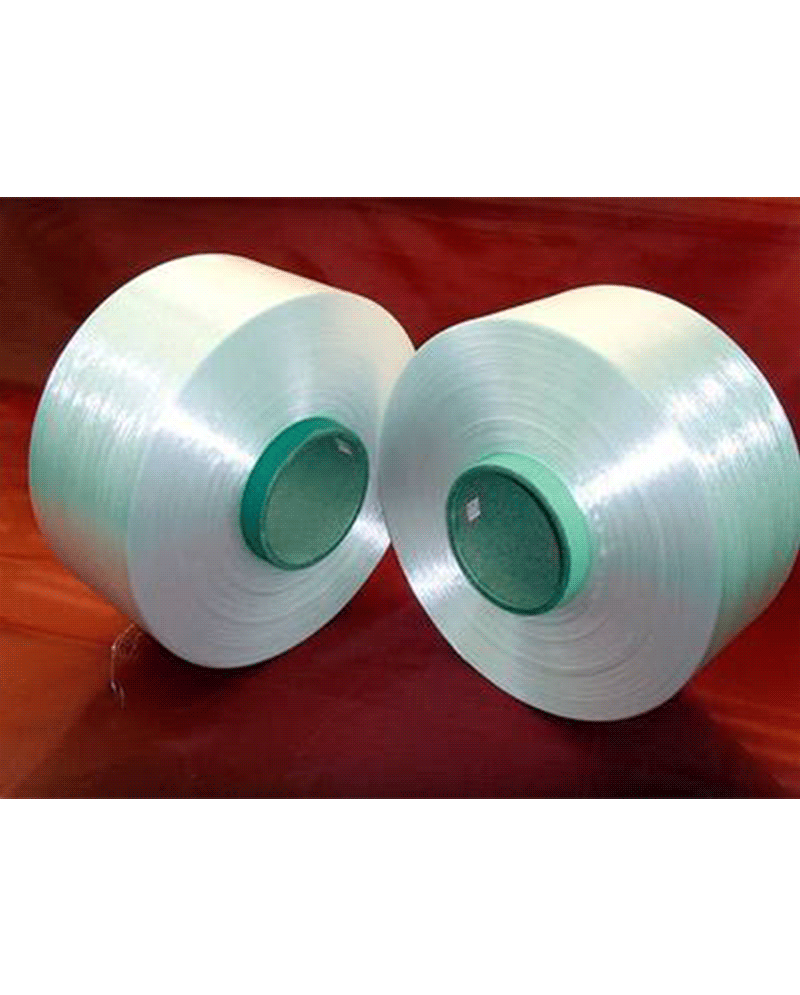 Stable Performance SD DTY Polyester YarnAs a semi-dull draw-textured yarn, this product delivers the soft, stretchy hand feel discussed above, showing how denier, filament count, and luster choices shape the final fabric's performance.View Product →
The Properties Behind the Name
Polyester displaced other fibers in so many categories because of a short list of measurable traits. Its fibers are strong and abrasion resistant, absorb very little water, dry quickly, hold their shape through repeated washing, and resist wrinkles and mildew. The numbers below are typical for standard PET, and they also explain the known trade-offs, such as lower breathability in humid heat and a tendency to hold oils and odors when washing is too mild.
| Property | Typical value or behavior | What it means for buyers |
|---|---|---|
| Density | 1.38 g/cm3 | Lightweight fabrics at low cost |
| Moisture regain | About 0.4% | Quick drying, low water uptake |
| Melting point | 250 to 260°C | Heat setting works well; iron with care |
| Tenacity | High, with strong abrasion resistance | Garments survive frequent laundering |
| Elastic recovery | About 65% recovery at 5% stretch | Shape retention in daily wear |
What "100% Polyester" Means on a Care Label
A label that says 100% polyester makes one claim only: every fiber in the fabric is polyester. It tells you nothing about the yarn construction, the denier, the dyeing method, or the finish — and those variables often matter more than the fiber content itself. A sheer 75D taffeta and a brushed heavyweight jersey can both be honestly labeled 100% polyester yet behave nothing alike.
Label and spec vocabulary you are likely to meet includes:
- Microfiber: filaments finer than one denier per filament, producing soft, dense, wind-resistant fabrics.
- Cationic dyeable polyester: a copolymer modified with a sulfonate comonomer, which accepts cationic dyes at lower temperatures and yields exceptionally bright shades; interwoven with regular polyester, it creates two-tone heather effects.
- SD, FD, BR (semi-dull, full-dull, bright): luster grades set by the titanium dioxide content of the chips.
- Hollow, flame retardant, antibacterial: functional modifications introduced at the chip or spinning stage rather than by after-treatment.
What Recycled Polyester (rPET) Means
Recycled polyester, usually abbreviated rPET, means the same polymer recovered after first use — most often from post-consumer beverage bottles, sometimes from textile waste — then cleaned, re-melted, and re-pelletized into chips before being spun into fresh yarn. Mechanical recycling keeps the polymer chains mostly intact and dominates volume today; chemical recycling breaks PET back down to its monomers and can deliver virgin-like quality at a higher cost. Performance between good recycled and virgin yarn is close enough that certified recycled material now serves mainstream apparel without durability penalties in most categories.
For procurement teams, the meaningful detail is certification. A GRS (Global Recycled Standard) certificate documents the recycled content share and the chain of custody from chips to yarn, which is exactly what brands need in order to back a sustainability claim on the label.
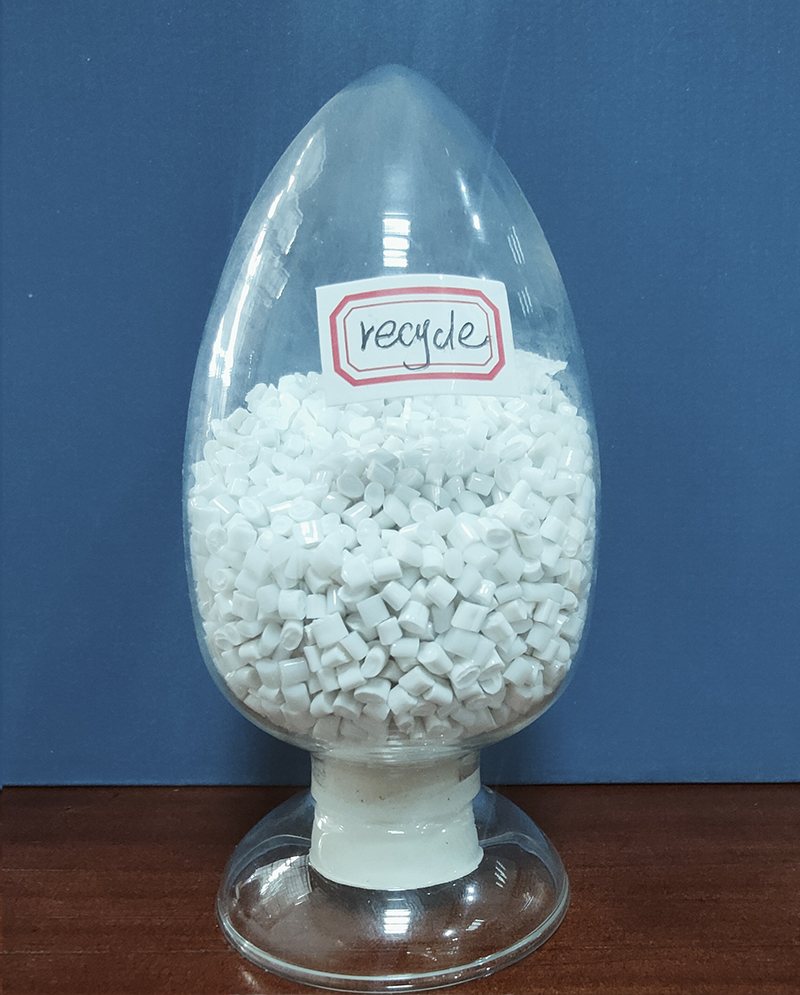 Textile-Grade High-Purity Recycled Polyester ChipsThese recycled PET chips support GRS-documented chains of custody from chips to yarn, giving brands verifiable recycled content for sustainability claims before spinning into filaments or knitted fabric.View Product →
The Short Version for Buyers
Polyester means a polymer of repeating ester units; in textiles it means PET, made from PTA and MEG into chips, melted into POY, FDY, or DTY filaments, and finished as knitted or woven fabric. The label "100% polyester" fixes fiber content but not quality, so the practical variables to pin down in any quotation are the yarn type, luster grade, denier and filament count, dyeing route, and any functional or recycled certification.
If you are turning these definitions into an actual sourcing decision, the team at Suzhou Junhui Textile Co., Ltd. works across the full chain — chips, filament yarn, and finished fabric — and responds to inquiries worldwide within 12 hours.
Popular products
-
Premium Cationic Interlock Stretch Comfort Fabric
-
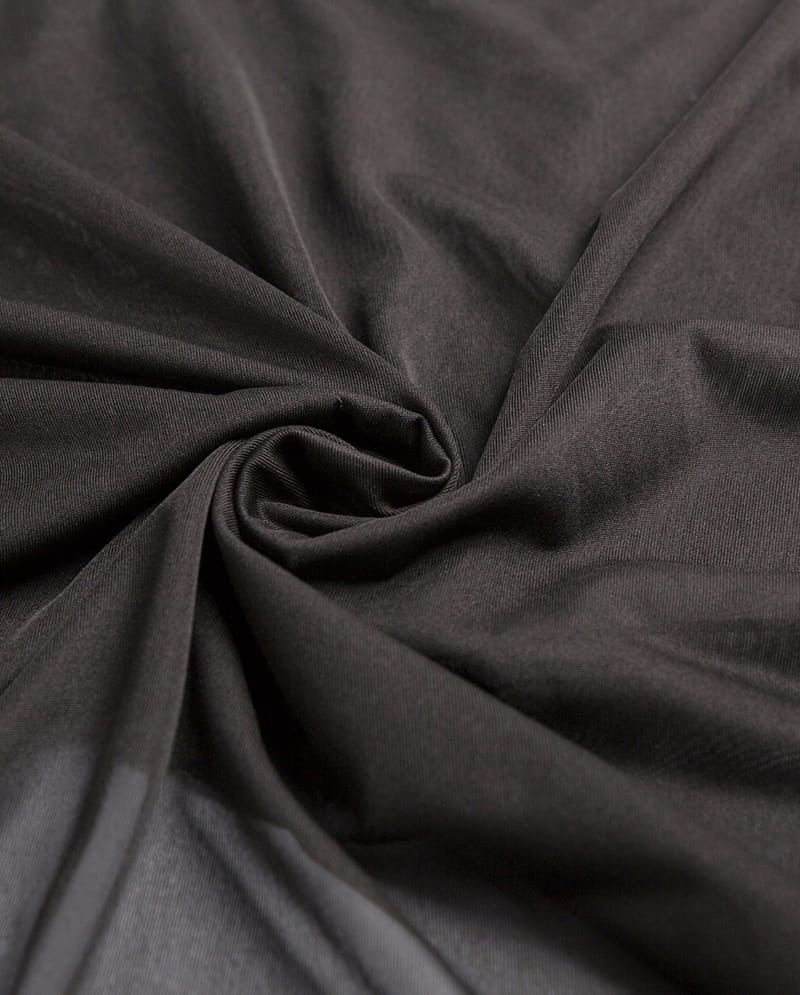
Moisture-Wicking Nylon Woven Fabric
-
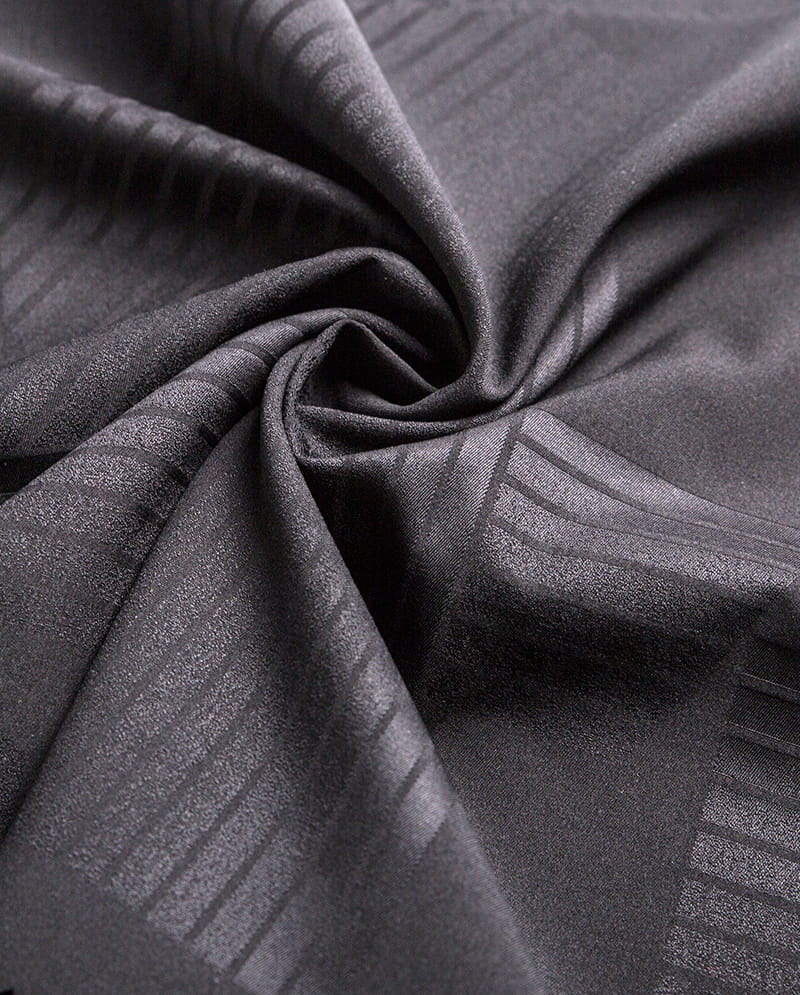
Double-faced jacquard elastic fabric
-
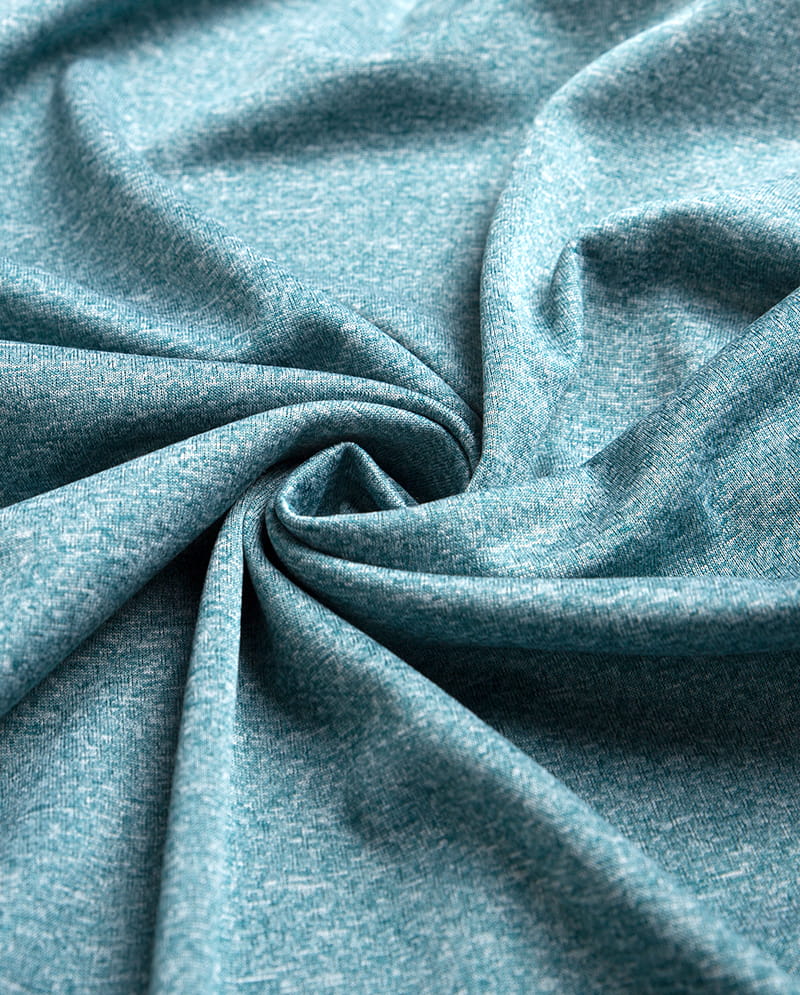
Heather Grey Double-faced cationic jersey fabric
-
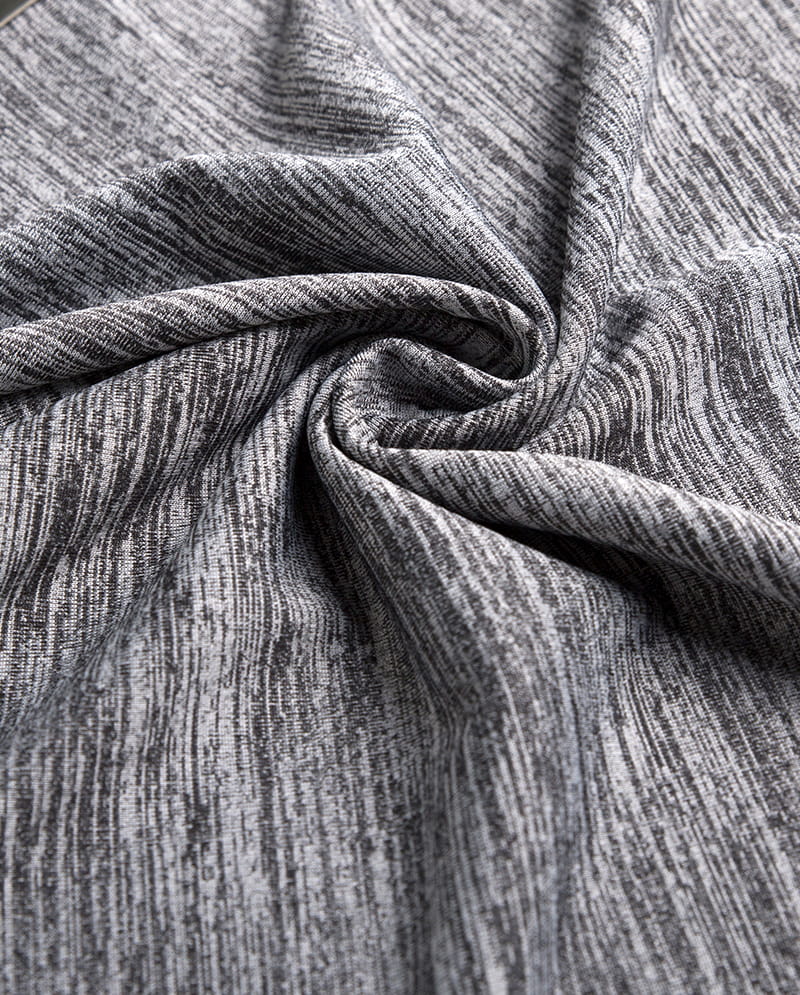
Anti-static Cationic Knitted Rib Fabric
-
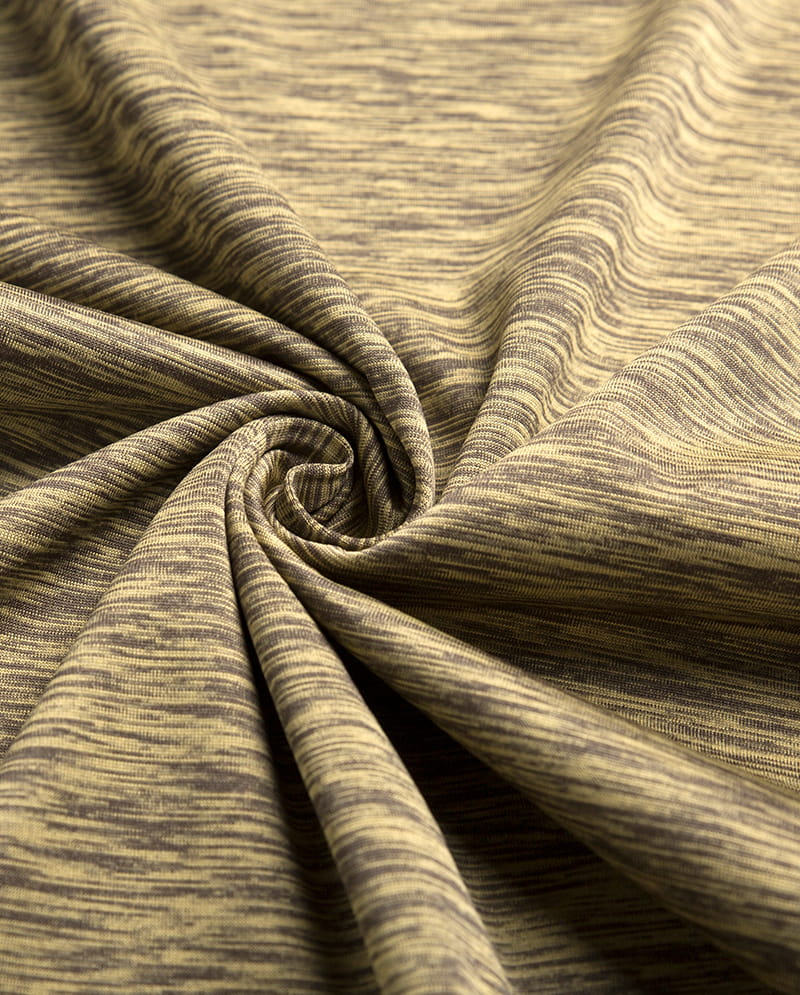
High-Stretch Cationic Jersey Fabric
-
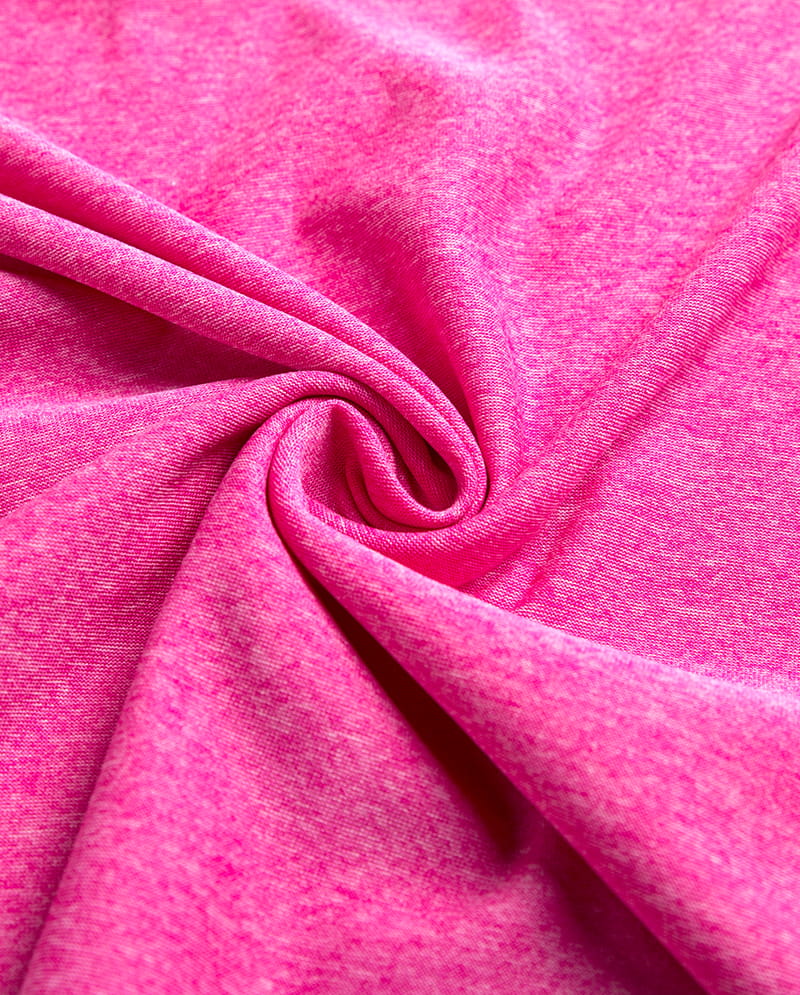
High Quality Cationic DTY Spandex Two Sides Brush Dralon Knit Fabric for Garment Thermal Underwear
-
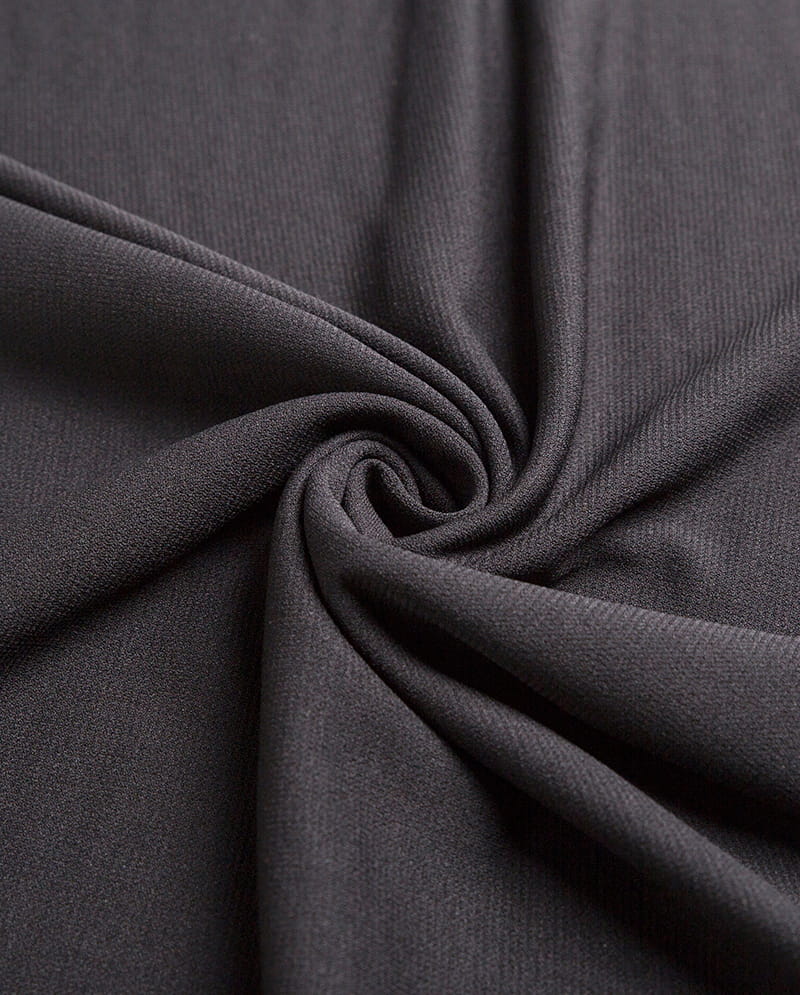
Durable Anti-Pilling Knitted Fabric for Home Textiles
-
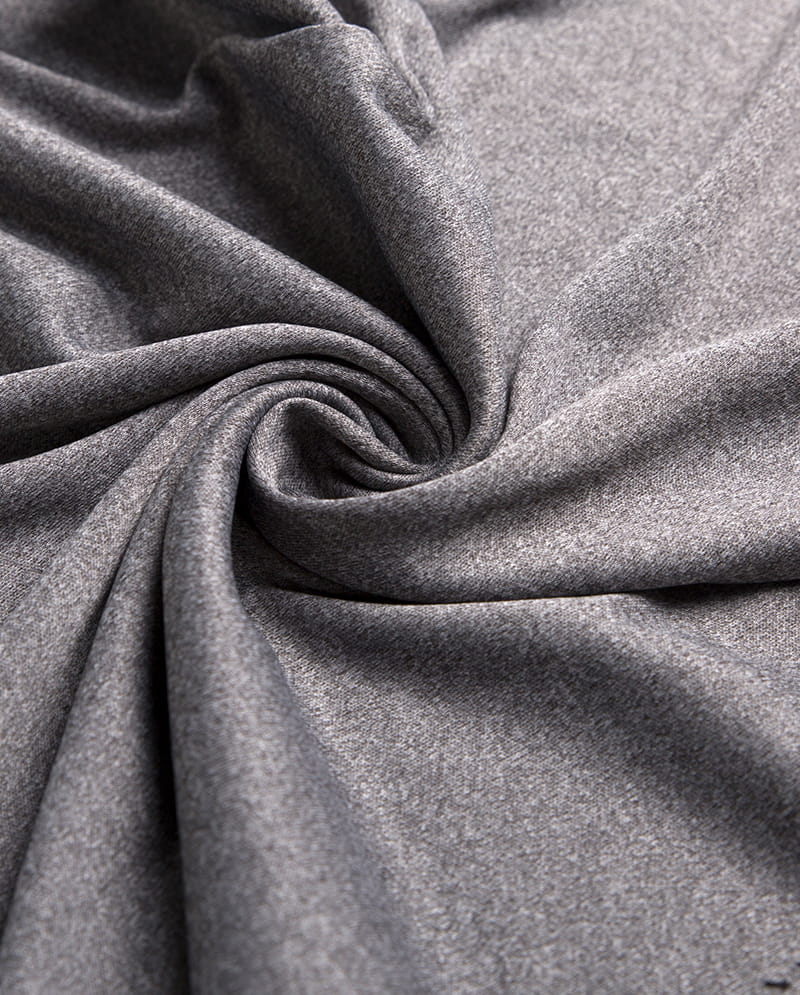
Wash-Resistant Cationic Elastic Knitted Fabric for Garment Industry
-
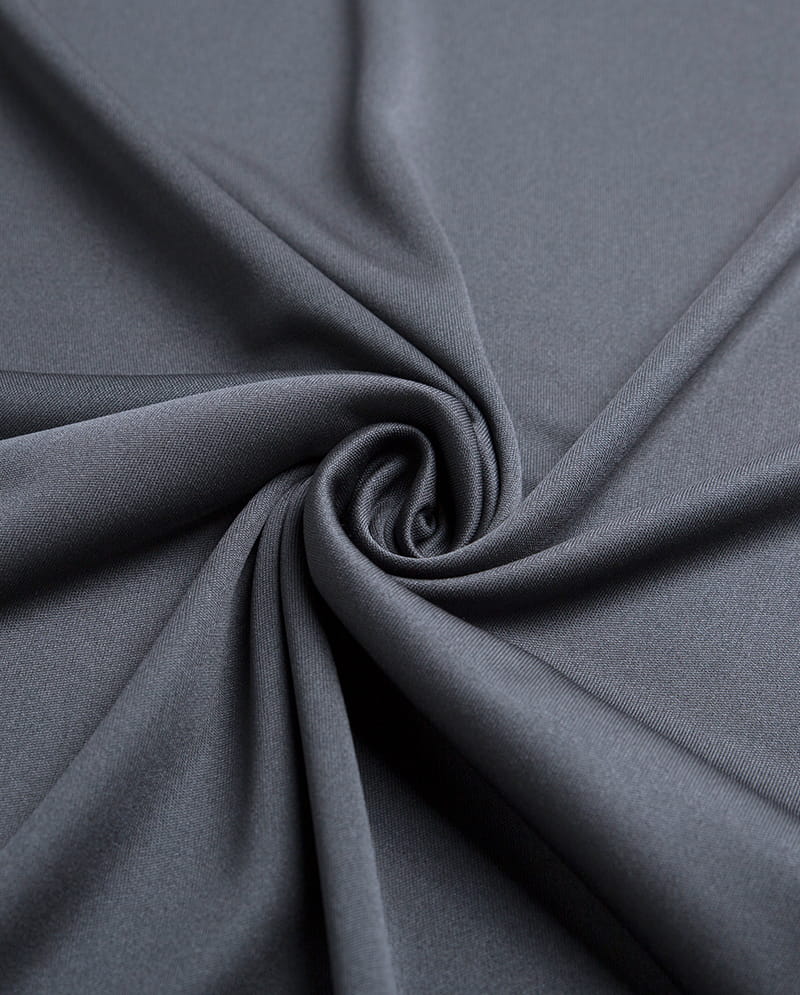
Breathable Double-Faced Elastic Composite Fabric
-
-
-
- whatsapp:
- 0086-13962559622
-
- skype:
- skype.aliceshenghong
-
- Wechat:

COPYRIGHT © 2016 Suzhou Junhui Textile Co., Ltd.
